Sampling Virgin Atlantic: Delhi to Heathrow on the Mega A350-1000
Background
Being a British aviation enthusiast and considering Virgin Atlantic’s largely positive reputation, you would have thought that I would have flown with the carrier at least once over the past few years. However, whilst by no means avoiding flying with the country’s fifth largest airline, quite simply, I had rarely needed to do so. On the few occasions that I was heading somewhere on Virgin Atlantic’s route network, namely Dubai, ticket prices were significantly higher than those offered by competitors. Despite this, my history with Virgin Atlantic goes back quite some way. In 1997, I embarked on my first-ever flight, rocketing across the Atlantic between London and Miami onboard Miami Maiden, one of the airline’s vintage Boeing 747-100s. With my family embarking on a series of holidays to Florida in the late 1990s and early 2000s, my sixth and final ride with the airline took place in January 2003 when I touched down in Gatwick following a slog over from Miami onboard Jersey Girl, a Boeing 747-400 that ended up being one of the final examples to leave the airline’s fleet in 2020. With nearly 21 years having passed since my final ride with Virgin Atlantic, it was finally time for me to re-sample the delights of the airline.
About Virgin Atlantic
By the 1980s, Richard Branson’s Virgin Group was already a household name in the United Kingdom and North America, perhaps most well known for its record label Virgin Records and entertainment shops, Virgin Megastores. Soon, the company opted to foray into a new industry, commercial aviation. In 1984, the carrier flew its first service between Gatwick and Newark and was greeted by much opposition from the plethora of other carriers operating between London and New York. As the decade progressed, the carrier opened up routes that to some may seem surprising given the carrier’s current long haul focus – these being to Dublin and Maastricht, which were operated by the BAC 1-11, Vickers Viscount and a couple of leased Boeing 727s. Later, short-lived forays into short-haul flying included Airbus A320 operations to Athens, which preceded Virgin Sun Airlines. More recently, in partnership with Aer Lingus, the carrier launched domestic feeder flights between London Heathrow and Aberdeen, Edinburgh and Manchester under the Little Red brand, with these operating between 2013 and 2015.
Returning to the distant past, enjoying significant early success, by the end of the 1980s, Virgin Atlantic operated four Boeing 747s, which were deployed on routes between London and Miami, Newark, New York JFK and Tokyo Narita. This destination list was expanded further in the 1990s with the addition of more Boeing 747s (both older -100 and -200s as well as brand new Boeing 747-400s) and Airbus A340s. Soon, Virgin Atlantic became a major player in the Transatlantic aviation scene, providing tangible competition to the likes of well-established British Airways and American rivals. Amongst the public, Virgin Atlantic became known for its non-traditional brand and willingness to do something a little different – whether that be through the introduction of the first personal inflight entertainment screens, onboard bars (not a new concept but not one that was too common in the 1990s) and inflight massages for those in Upper Class!
In 1999, Richard Branson sold a 49% stake in the company to Singapore Airlines, which, having caused a loss to the Singaporean giant during a turbulent time, was then sold on to Delta Air Lines in 2012. This enabled Virgin Atlantic’s passengers to connect to and from a cornucopia of destinations across the Americas via Delta’s hubs. Meanwhile, in 2019, the carrier entered into a joint venture partnership with one of Delta’s other European partners, the Air France-KLM Group, although the original plan of the French-Dutch company to purchase a stake in Virgin Atlantic never came to fruition. As with many carriers, the pandemic hit Virgin Atlantic rather hard, perhaps more so given the carrier’s long-haul focus and the tough Covid restrictions imposed at many of the airline’s destinations. Whilst the airline once proudly espoused the slogan ‘4 Engines 4 Long Haul’, the pandemic brought with it the premature retirement of the carrier’s Airbus A340-600 and Boeing 747-400 fleet, with the carrier instead favouring more fuel-efficient widebodies. Namely, the Airbus A330 (both -300 and -900 series), the Airbus A350-1000 and the Boeing 787-9 Dreamliner.
Having bounced back from the pandemic, today, Virgin Atlantic operates from two bases – Heathrow and Manchester – whilst also operating seasonally from Edinburgh. As you would perhaps expect from their name, Virgin Atlantic continues to have a significant focus on Transatlantic routes, serving twelve airports in the US plus ten destinations in the Caribbean, alongside China, India, Israel, Nigeria and South Africa. However, since embarking on this trip, the airline has scaled back further with the halting of its Shanghai services, thereby exiting the Chinese market.
In 2023, the carrier joined the ranks of Skyteam, at which point I decided that Virgin Atlantic ought to become my Skyteam frequent flyer programme of choice. Having previously lived in Korea, up until then, this had been Korean Air’s Skypass programme. Signing up for a Flying Club account and having been awarded a generous sign-up bonus from one of the airline’s credit cards, it wasn’t too long before an opportunity to splurge these miles arose. Needing to get from Delhi back to the UK, naturally, I turned to Virgin Atlantic’s two daily services between the two. With good availability on non-peak dates, one-way flights on the route were priced at a reasonable 10,000 miles and £106.50. Seeking to sample the delights of Virgin Atlantic, and with this seeming to be a good deal, I steamed ahead with little hesitation, setting my sights on the airline’s afternoon service to London. This was scheduled to depart the Indian capital at 1240, and arrive in London at 1710, enabling me to get back home to Leeds at a semi-reasonable time of night. Furthermore, not only would this be my first ride with Virgin Atlantic since 2002, but it would also be my first time sampling the joys of the largest variant of Airbus A350, the Airbus A350-1000.
Booking via Virgin Atlantic’s app, I was able to purchase my ticket quickly and easily, and I encountered no issues in the process. Travelling on an Economy Classic ticket, I was able to select any vacant standard seat in the Economy without any additional payment, whilst this also included a single checked-in bag weighing up to 23kg.
The Journey
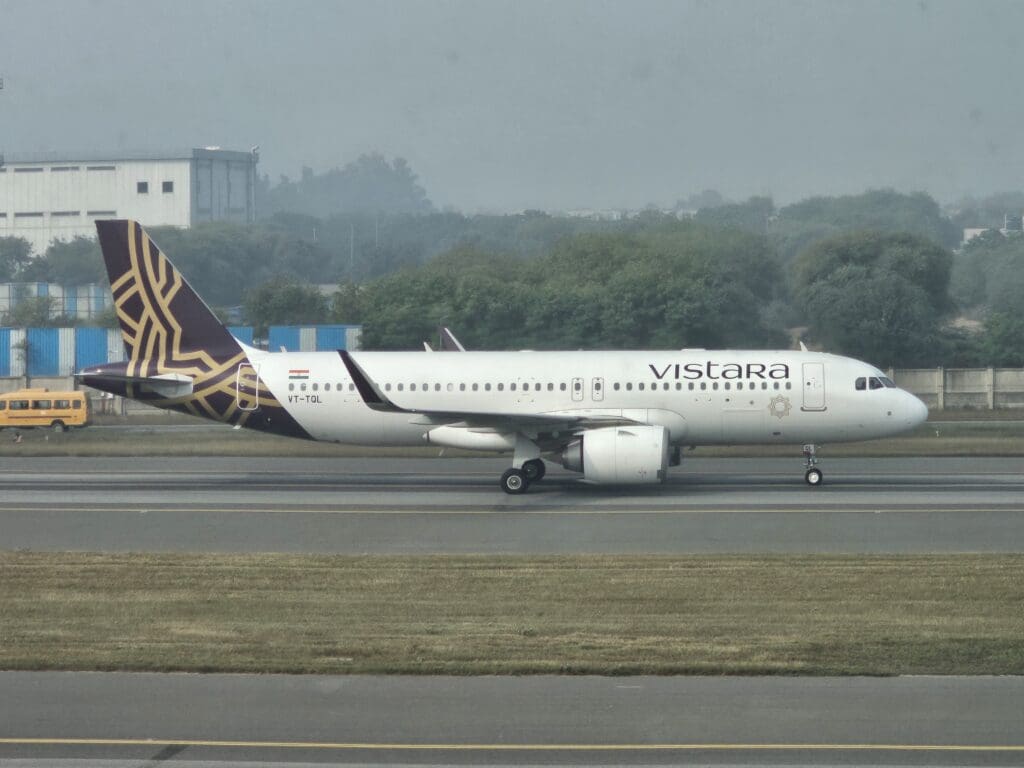
Having arrived late the previous evening onboard a cramped, but otherwise fine, Vistara Airbus A320neo from Kolkata, my time in Delhi was to be limited, and sadly, I would not have the opportunity to marvel at the Red Fort or wander the crowded streets of Chandni Chowk. Instead, I spent much of my stay at a rather down-to-earth and somewhat shady-looking hotel on a noisy back street in the neighbourhood of Mahipalpur. Whilst this was hardly as luxurious as the Aloft, Hyatt, Marriott or even Ibis in the nearby fancy Aerocity complex, this hotel served its purpose and set me back a fraction of the price. Waking up bright and early, following a hearty Indian breakfast and a morning shower, I began to pack up all my belongings, taking care to ensure that I had everything with me, as I knew that it would likely be quite some time before I ended up in Mahipalpur again.
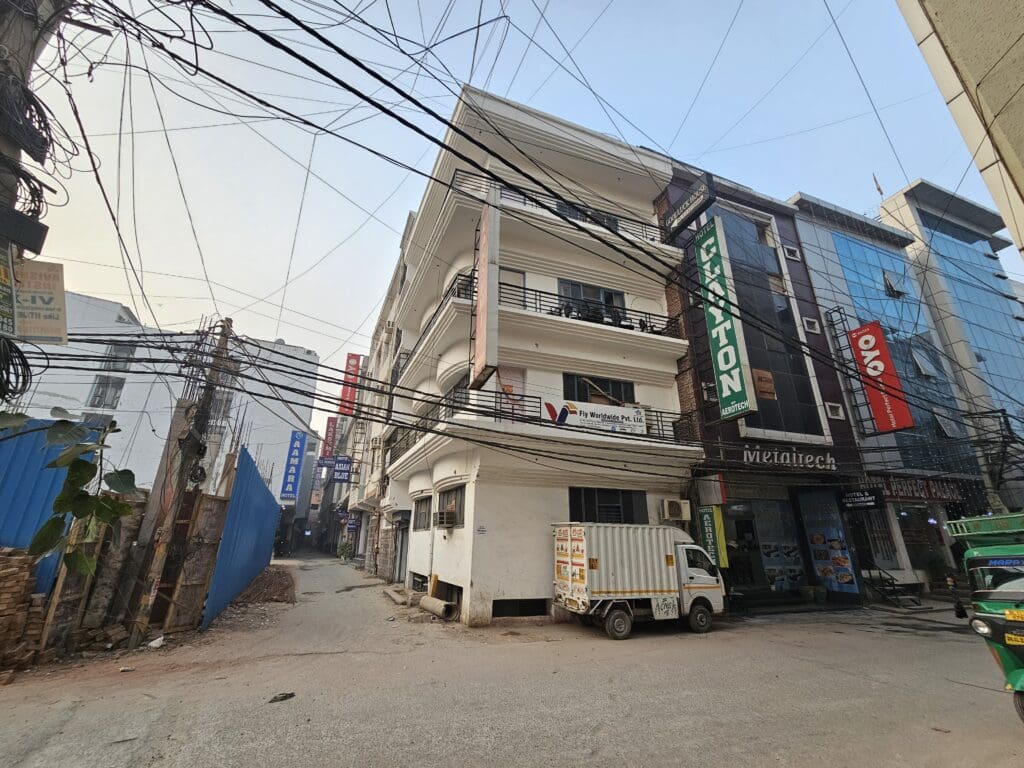
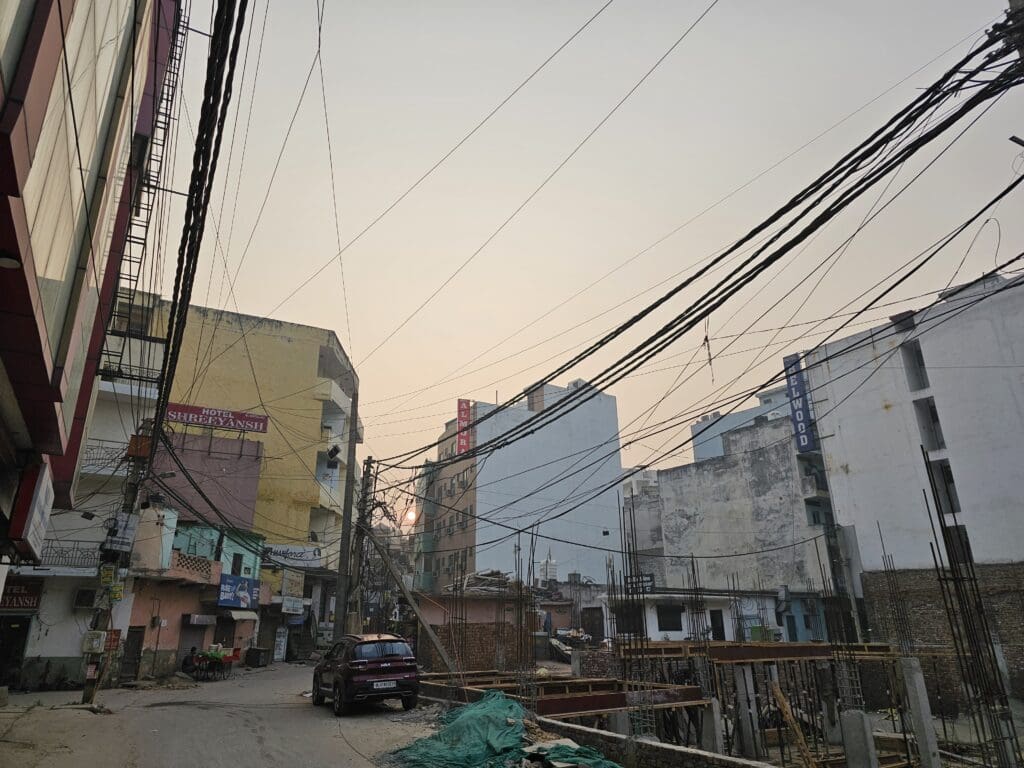
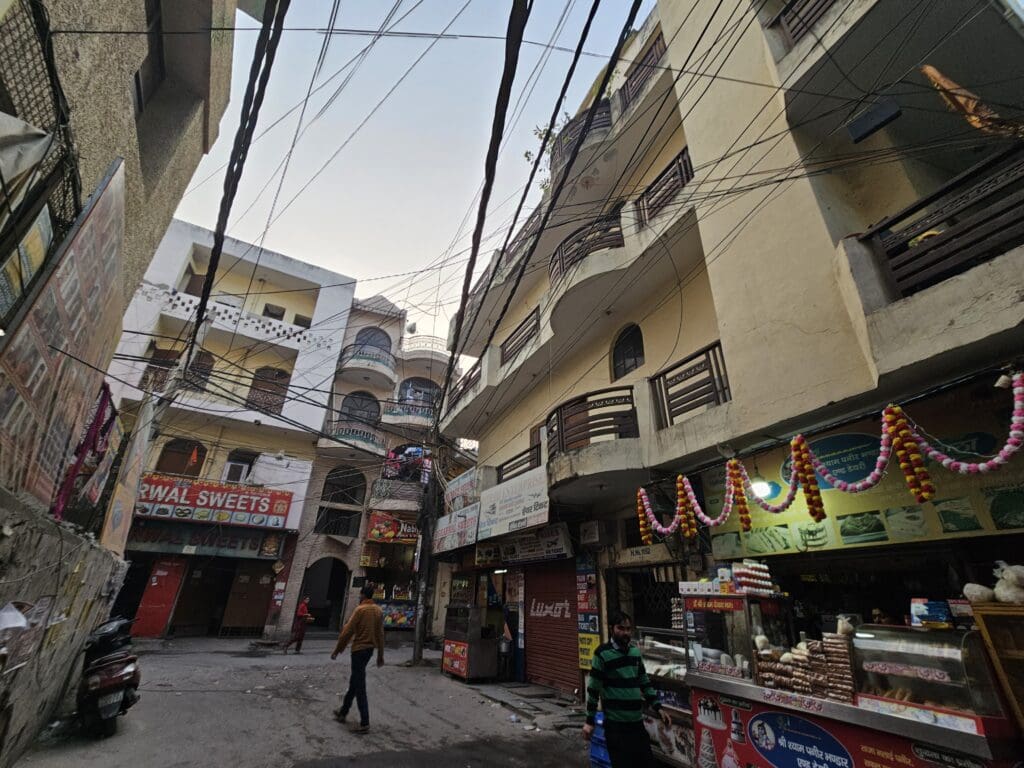
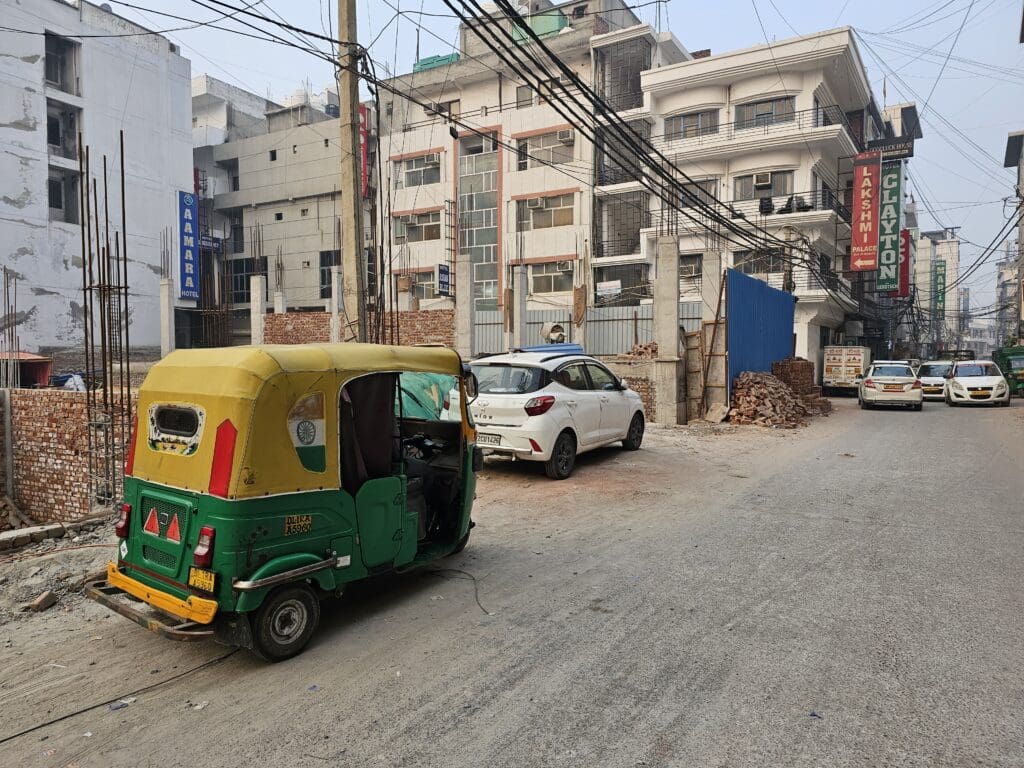
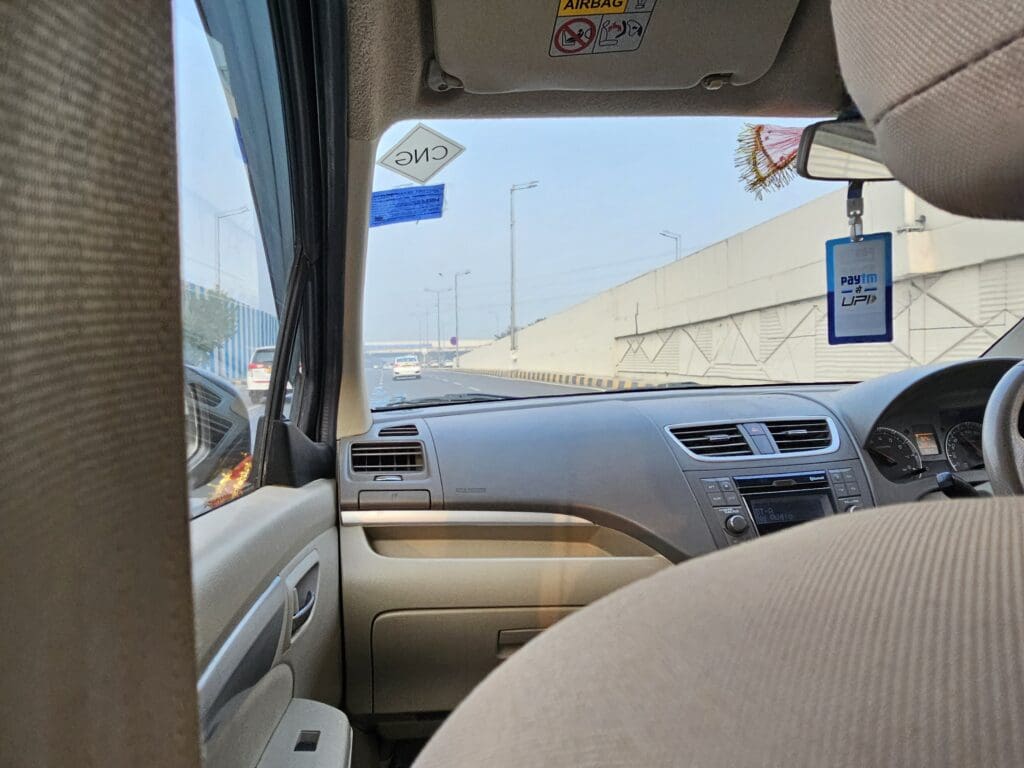
With my flight scheduled to jet off from Delhi at 1240 and with Mahipalpur bordering the airport, I would not have to leave particularly early however, having exhausted the sights of the neighbourhood and seeking to maximise my time watching the diverse stream of aircraft in the Indian capital, I decided to leave the hotel at 0810. From there, the standard rate for taxis to the airport was a fair 400 Rupees (around £3.80), which wasn’t all too bad for a ten-minute or so ride over to the terminal building. With the hotel’s dedicated driver and vehicle already waiting, I was soon taken outside, and we sped off with plenty of honky as we navigated our way through the narrow winding streets before reaching the busy main road. Seeing as the driver seemed to be a veteran of Delhi’s busy streets, they confidently weaved in and out of traffic, overtaking and undertaking to their heart’s content, and soon the sprawl of the airport appeared. Around ten minutes after leaving the hotel, the car arrived underneath the canopy of Delhi Airport Terminal 3, which was filled with the scent of petrol and the noise of tooting taxi horns.
After thanking the driver, I made my way out and squeezed through the crowds of passengers shuttling luggage from car boots onto the curbside and those making teary farewells to their family and friends. As with most, if not all, Indian airports, the terminal is off-limits to those who lack a valid ticket, and a total of seven entry checkpoints were offered for passengers to pass through, where smartly dressed security guards could be seen checking tickets and boarding passes. Seeing as the checkpoints in the centre of the terminal featured queues and crowds, with plenty of time, I walked along the exterior of the terminal to the outermost checkpoint, which was devoid of passengers at that time. Perhaps happy that I had provided them with something to do, upon arriving there, the security guard gave me a warm and friendly greeting before checking my ticket and allowing me to continue onwards into the check-in hall.
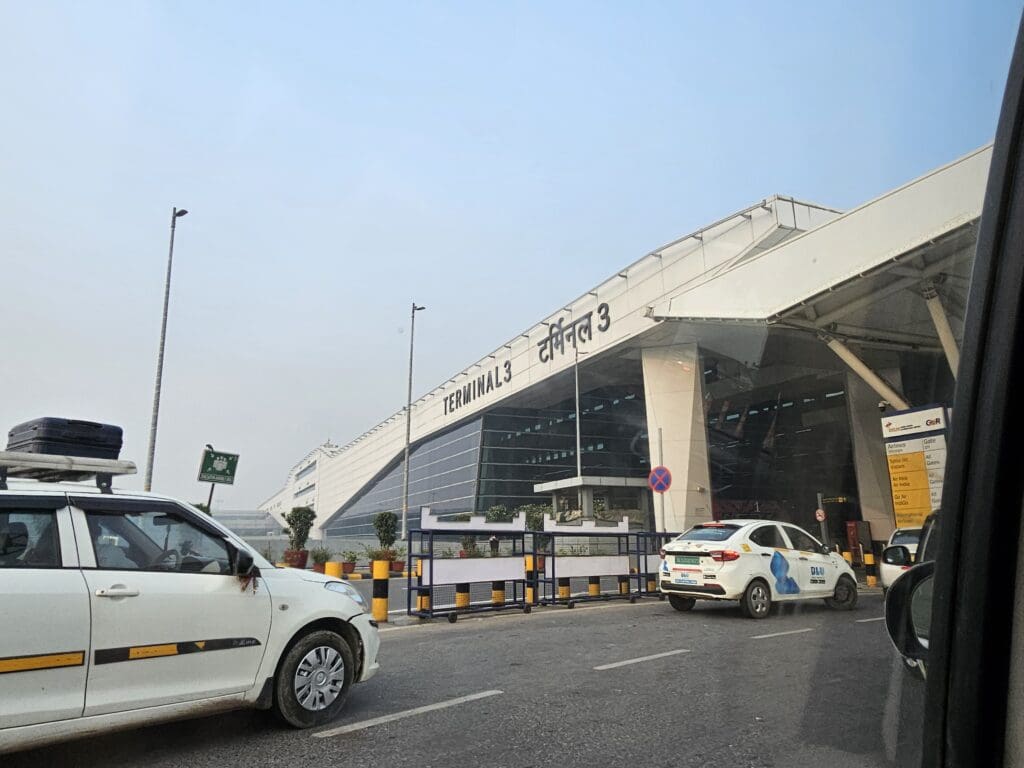
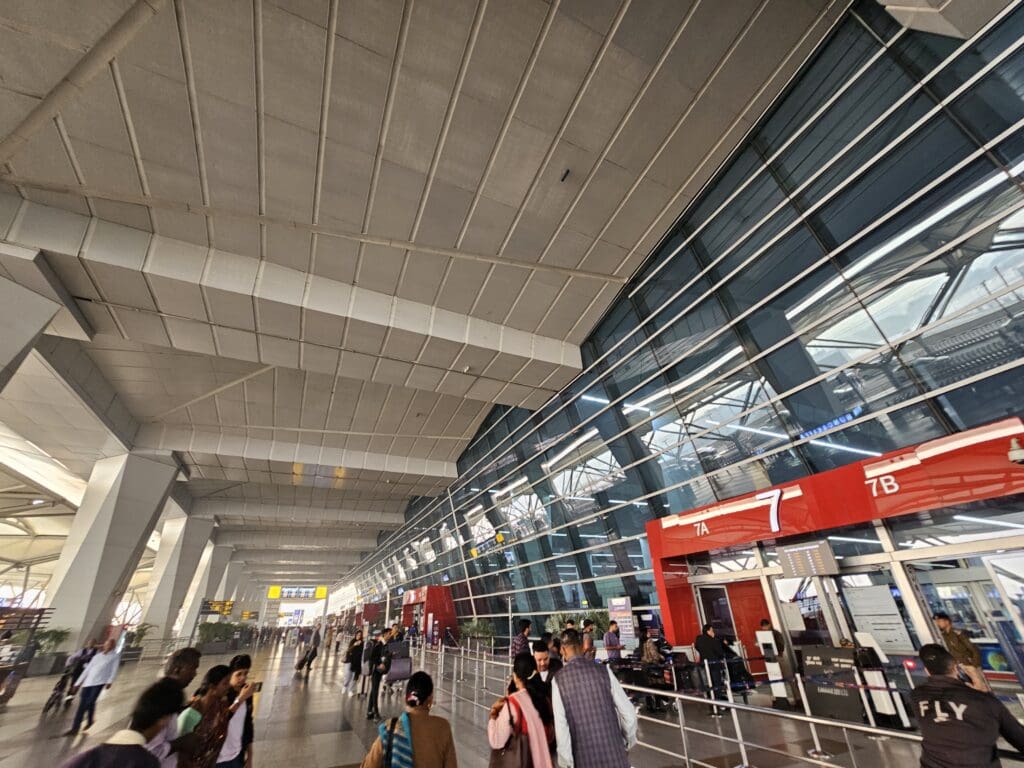
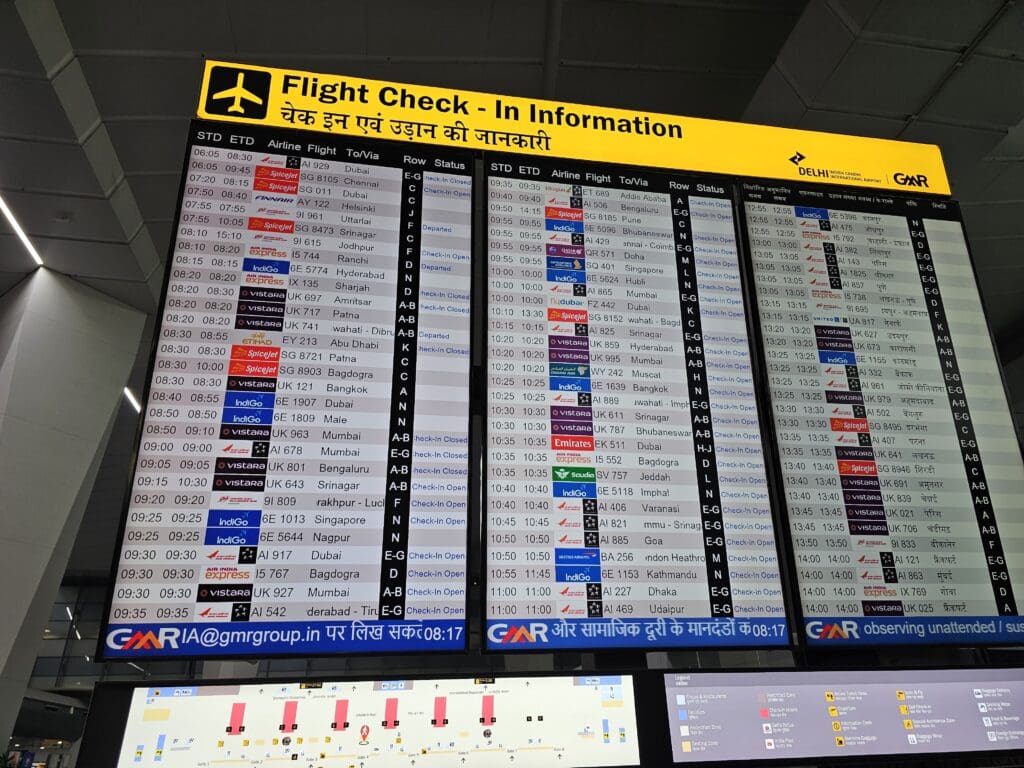
In terms of its purpose, Terminal 3 serves all domestic flights operated by full-service carriers Air India and Vistara, as well as most (if not all) services operated by overseas carriers to and from Delhi. Thus, as you would expect, this is a busy hub and is large and modern, having opened its doors to passengers in 2010. Landside, the check-in hall is complete with a total of eight check-in islands, plus a few shops and cafés, with vending machines for those on more of a budget or wanting a quick soft drink without any human interaction. Whilst I still had four hours to go before Virgin Atlantic’s lunchtime London service was scheduled to depart, according to the departure boards check-in for my flight was open and taking place in Zone J. Needing to grab a boarding pass, I wandered over to this and was greeted by the sight of plenty of Virgin Atlantic branding, five Virgin Atlantic staff as well as an army of other staff members employed by a third party handling company. Much to my delight, yet unsurprisingly given that there was still plenty of time to go before departure, no passengers could be seen, and so I was able to walk straight up to the desks. As I neared these, I was warmly greeted by one of the Virgin Atlantic agents who guided me over to the bag drop-off desk. Once there, I handed over my passport and soon a paper boarding pass was printed off before the check-in agent circled the gate, boarding time and boarding group, after which I was invited to make my way over to security and immigration.
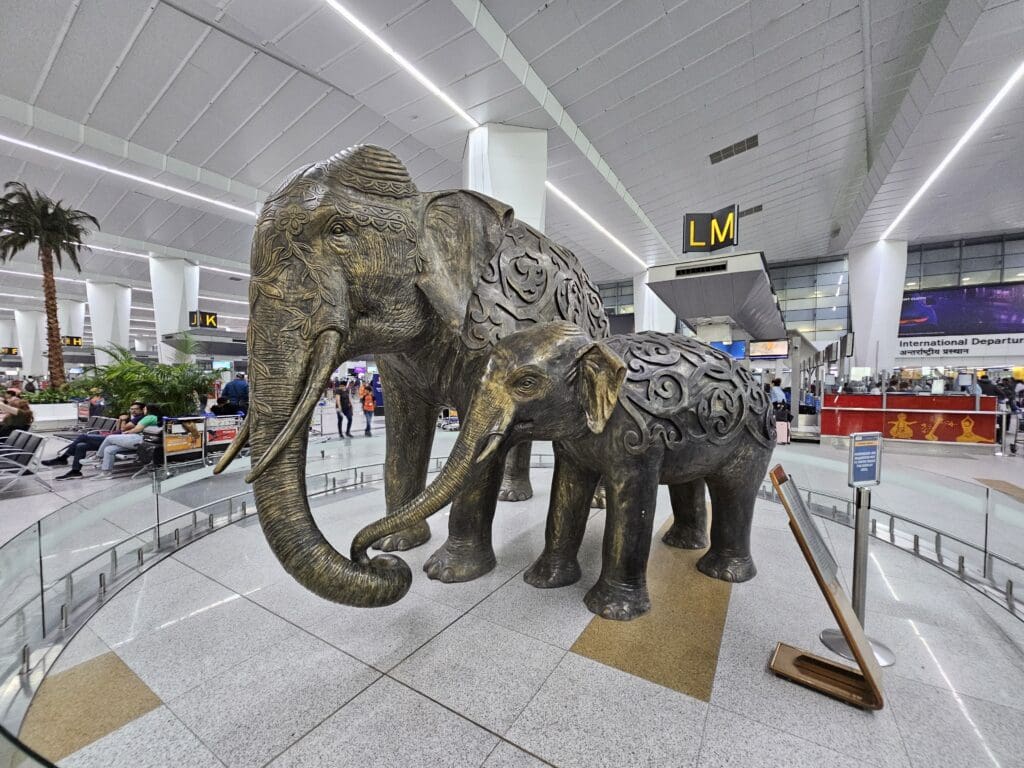
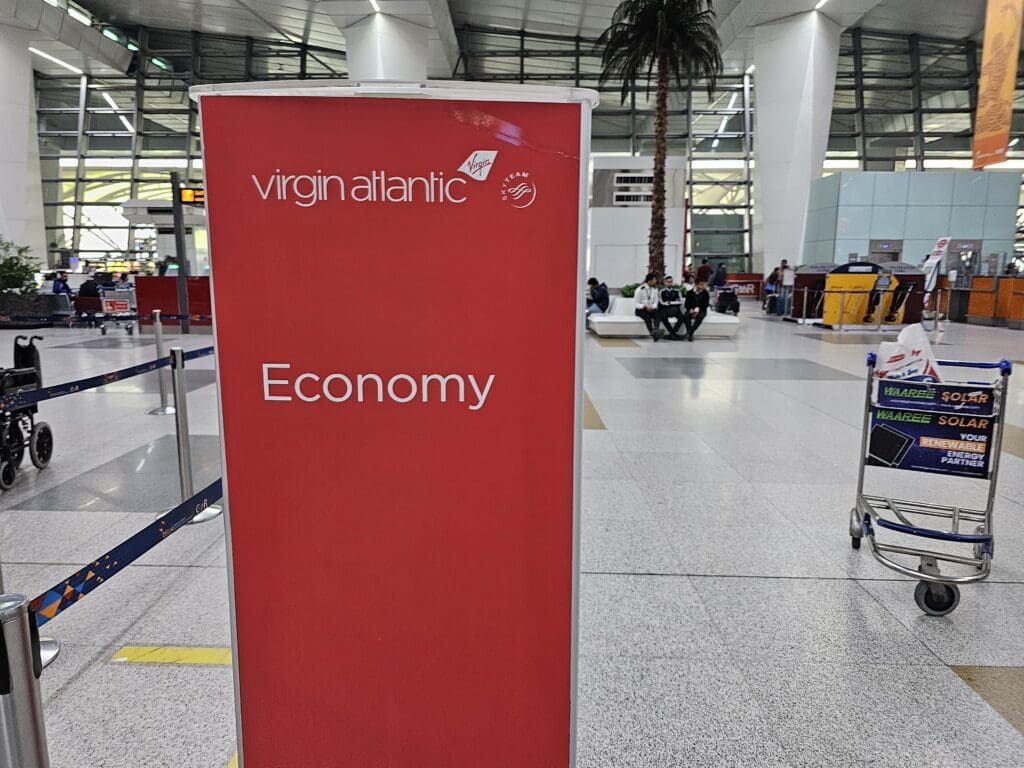
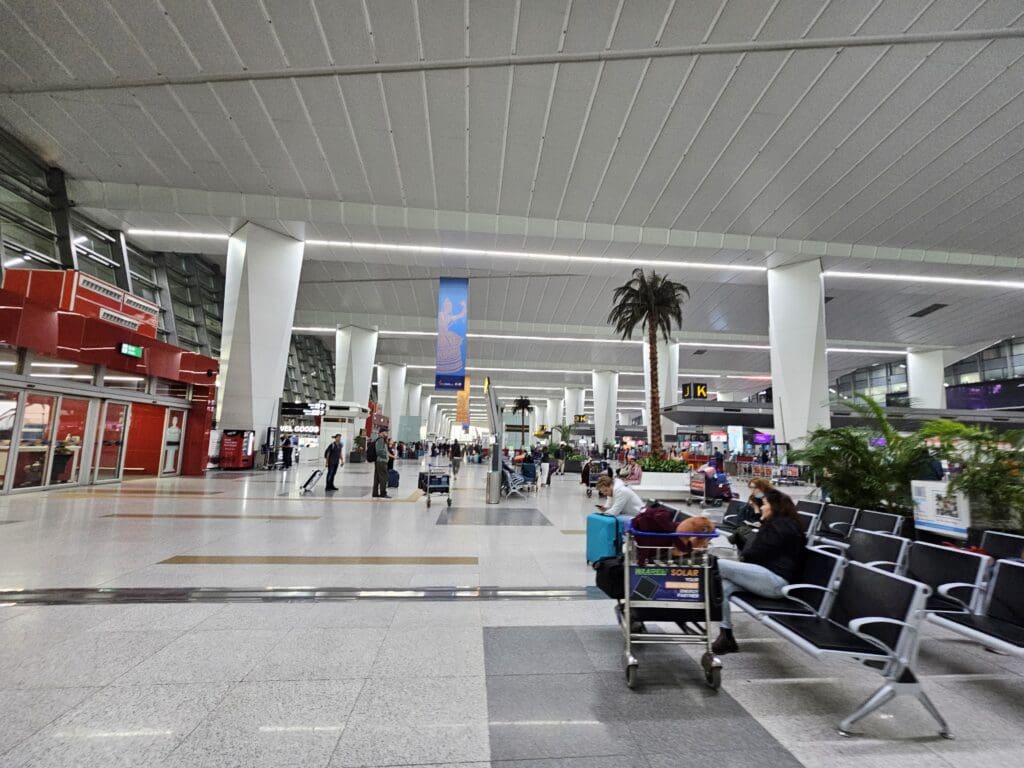
Unfortunately for aviation enthusiasts, as far as I could tell, no airside views were offered from the check-in hall, and so I was left with little reason to remain there. Continuing onwards, I soon arrived at the entrance to the immigration checkpoint. There, both Indian and non-Indian passport holders formed one single queue, and a snaking line could be seen leading up to the row of counters. Fortunately, with most counters being manned at that time, the queue moved along at a reasonable pace and after around ten minutes of waiting, I handed over my passport to the stern-looking officer. Understandably, they asked a few questions about my strange itinerary that had seen me land in Kolkata the previous morning and wanted to know why I was leaving India so soon when I explained that I was only transiting through the country they then wished to know why I had landed in Kolkata and was departing from Delhi. Fortunately, I was not hauled off to some side room for interrogation and satisfied with my answers, I was soon stamped out of India.
After immigration came security, and anyone who has passed through an Indian airport will know that checks are generally very thorough and require passengers to remove all sorts of items from their luggage. Joining the queue for this, I moved along at a snail’s pace, and it took around thirty minutes before I was finally able to reach one of the checkpoints. Once there, I removed all electronics and liquids from my bags before I sent them through the scanner. Afterwards, I passed through the metal detector, and whilst I did not set this off, like all passengers, I was required to be frisked with a magic wand before being permitted to retrieve my belongings. Fortunately, with no need for any additional checks, I continued onwards and was free to explore the delights of the airside departure area.
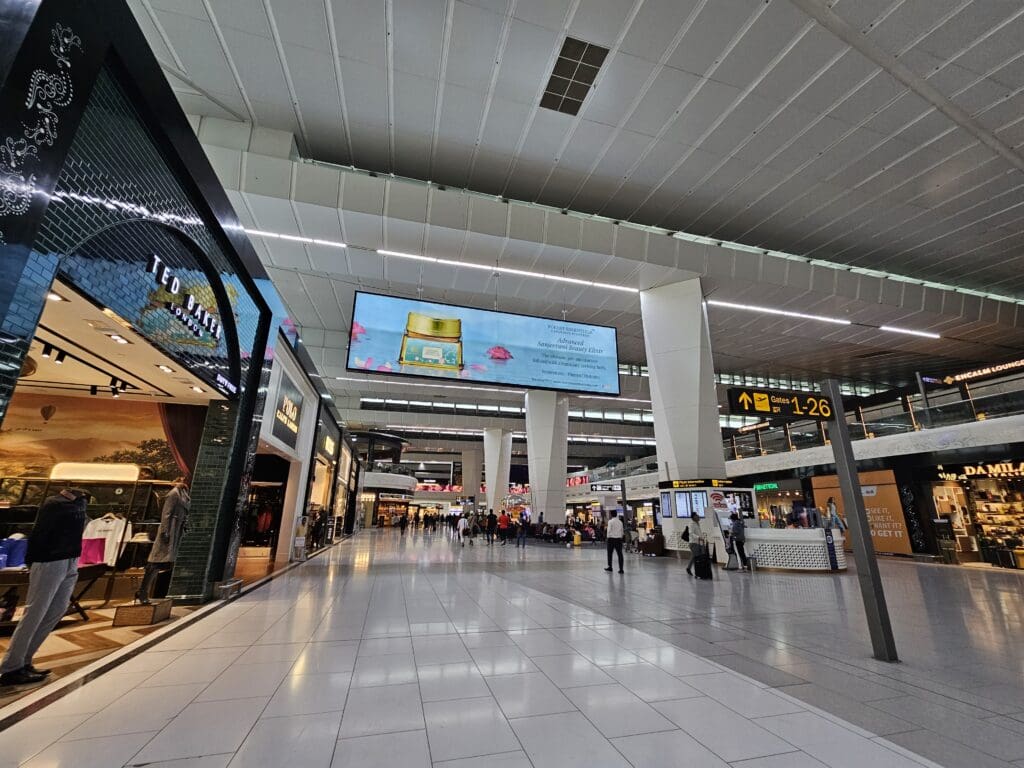
Like many airports in the world, immediately after passing through security, I was required to pass through a large duty free store. Not needing to make any purchases, I then arrived at a spacious and airy rectangular-shaped hall where a range of shops, most of which were outlets of high-end brands such as Coach, Polo Ralph Lauren, and Ted Baker could be seen. Most certainly not in the market for such goods, I steamed on through this and made my way to one of the terminal’s cheaper shops, the local WHSmiths to purchase a 100 rupee can of orange juice, which I supplemented a short time later by a 280 rupee cappuccino from Costa Coffee. For those content with still bottled water, this seemed to be sold at a flat rate of 10 rupees at all vending machines throughout the terminal.
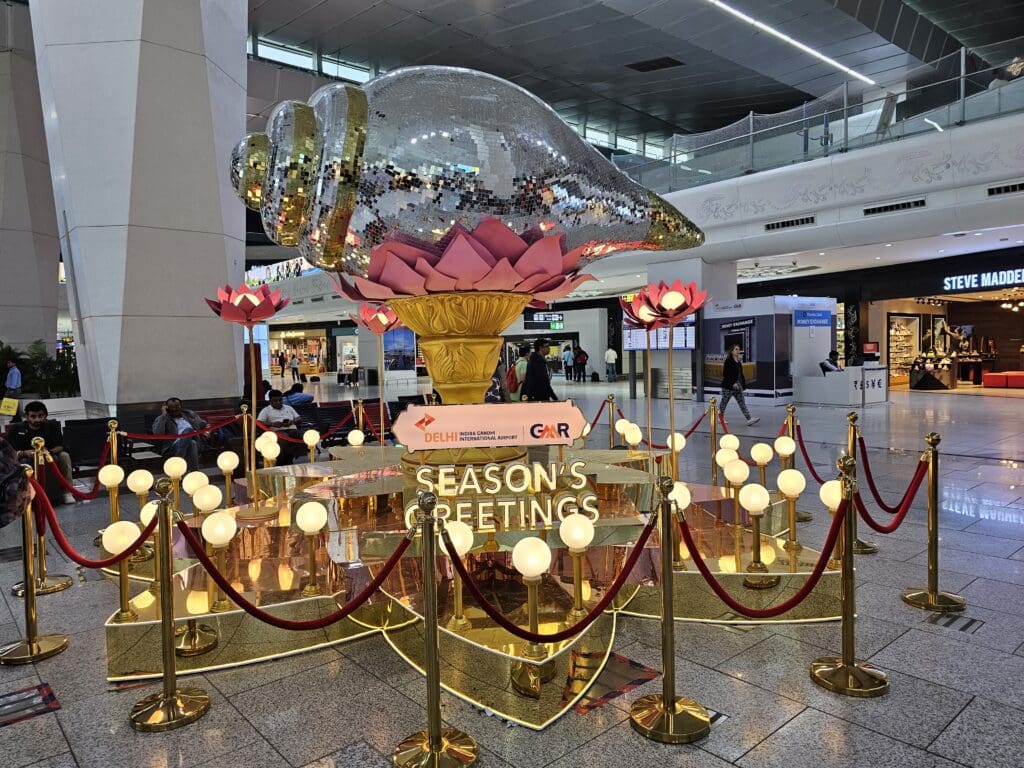
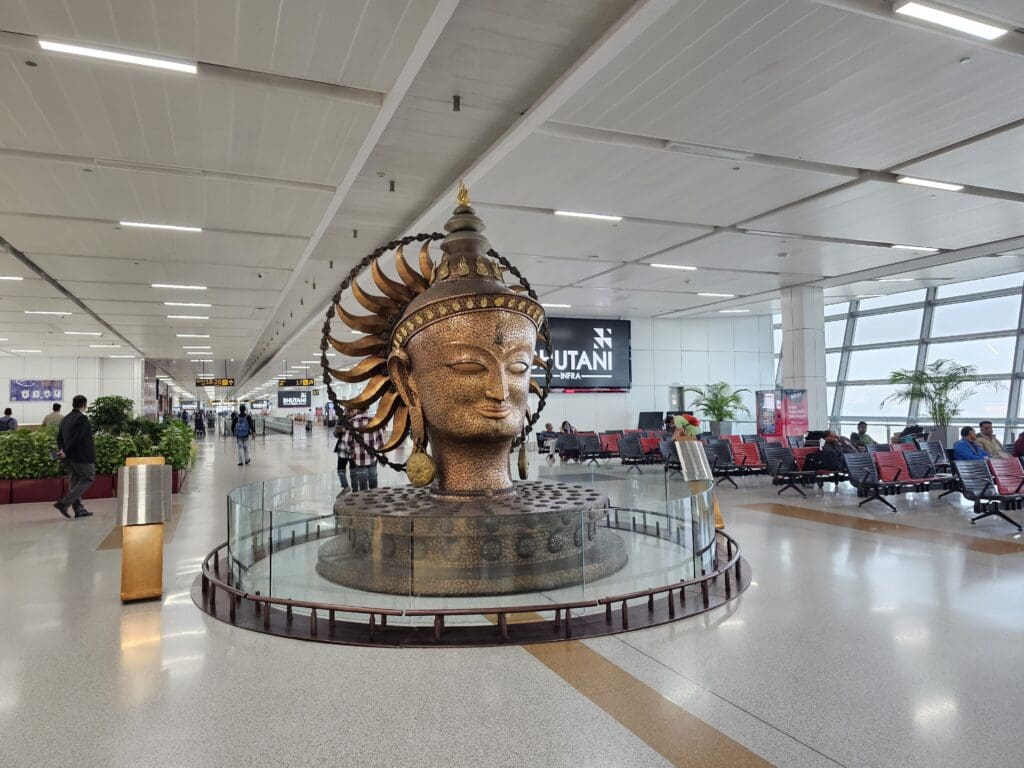
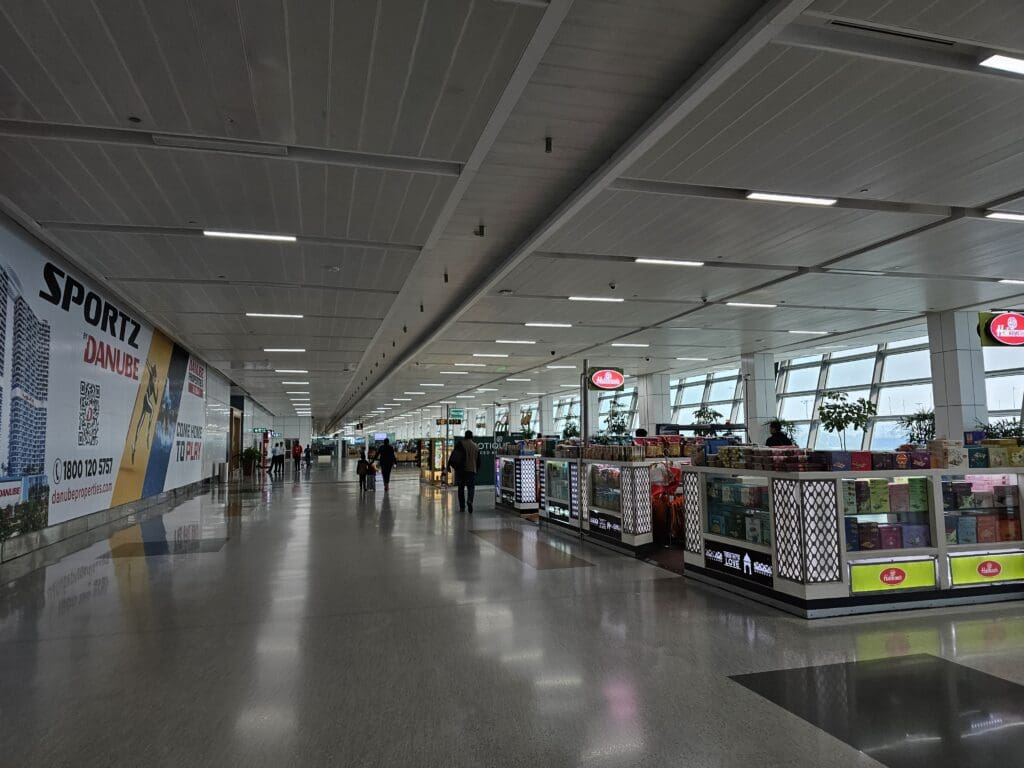
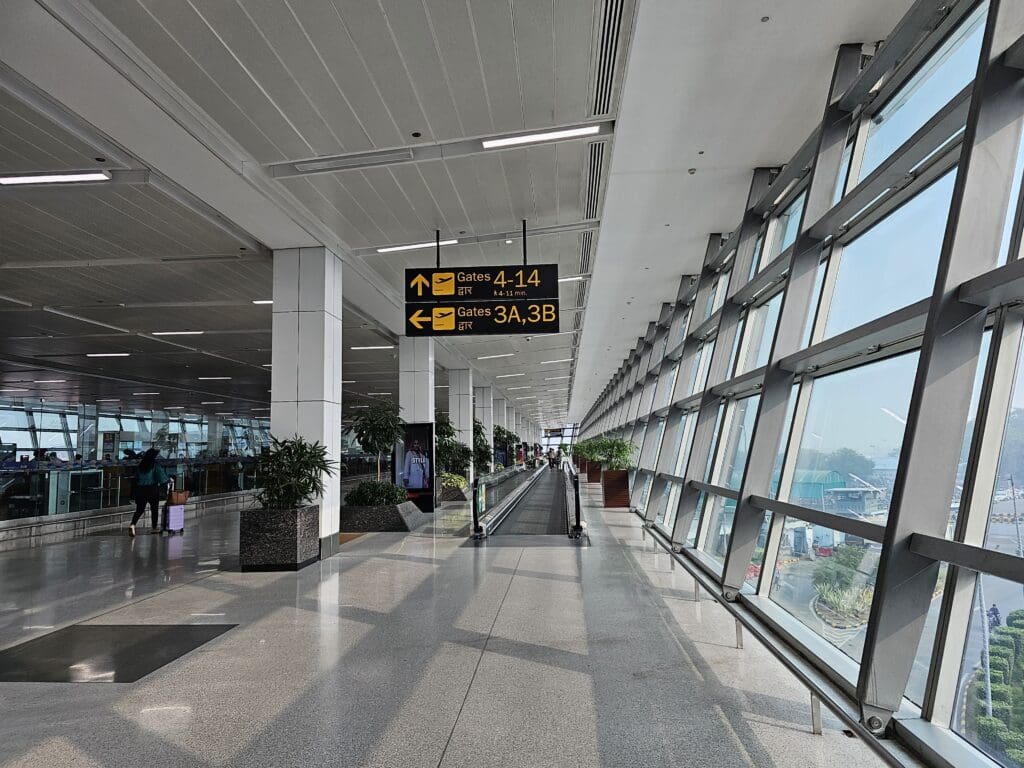
Not being any sort of architect or airport planner, I would say that the best way to describe the layout of Terminal 3 is bowl-shaped – consisting of two long piers joined up by a shorter section which serves as the base of the bowl. Inside, this is modern, open, airy and spacious, and seemed to be in a very clean state, thus leaving me with little to complain about as I wandered around. Whilst a constant stream of departures could be seen, the terminal never seemed to be particularly busy, and plenty of space and a variety of seating could be seen throughout for the duration of my stay. Furthermore, fast and complimentary wifi was provided, which I found to work well. However, this did have a slightly convoluted sign-up procedure which, for foreign nationals, involves scanning your passport at one of a small number of kiosks dotted about the terminal which then prints a receipt with wifi log-in details that enables you to connect to this for four hours. However, this was still better than the total absence of a wifi network for those without an Indian SIM card as I had found to be the case in Kolkata the previous day.
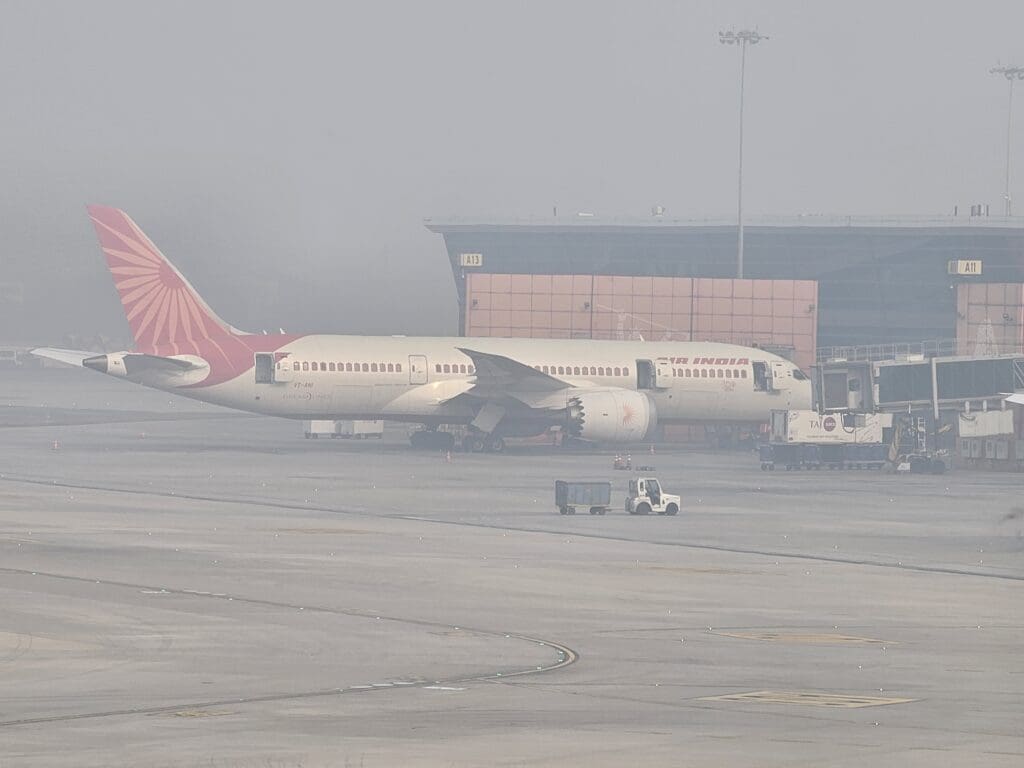
Aviation enthusiasts will be glad to hear that large glass windows throughout the terminal offer superb views of the action outside, providing unobstructed views of most gates as well as of several taxiways. As airports go, Delhi is somewhat of an enthusiast’s gem, providing an almost non-stop stream of movements from a wide variety of airlines from across the world. Aside from the masses of Air India, IndiGo, SpiceJet and Vistara Airbuses and Boeings, that morning I spotted visitors from Akasa Air, Alliance Airlines, Atlas Air, Bhutan Airlines, British Airways, Cathay Pacific Cargo, Corendon Airlines (operating for SpiceJet), Druk Air, EgyptAir, Emirates, Ethiopian Airlines, Myanmar Airways International, Qatar Airways, SF Airlines, Singapore Airlines and Thai Airways, plus, plenty of business jets and a few locally based military aircraft. Unfortunately, thanks to the long security queue, I ended up just missing catching a glimpse of one of the airport’s more interesting visitors, an Ariana Afghan Airlines Airbus A310 operating the carrier’s scheduled rotation from Kabul.
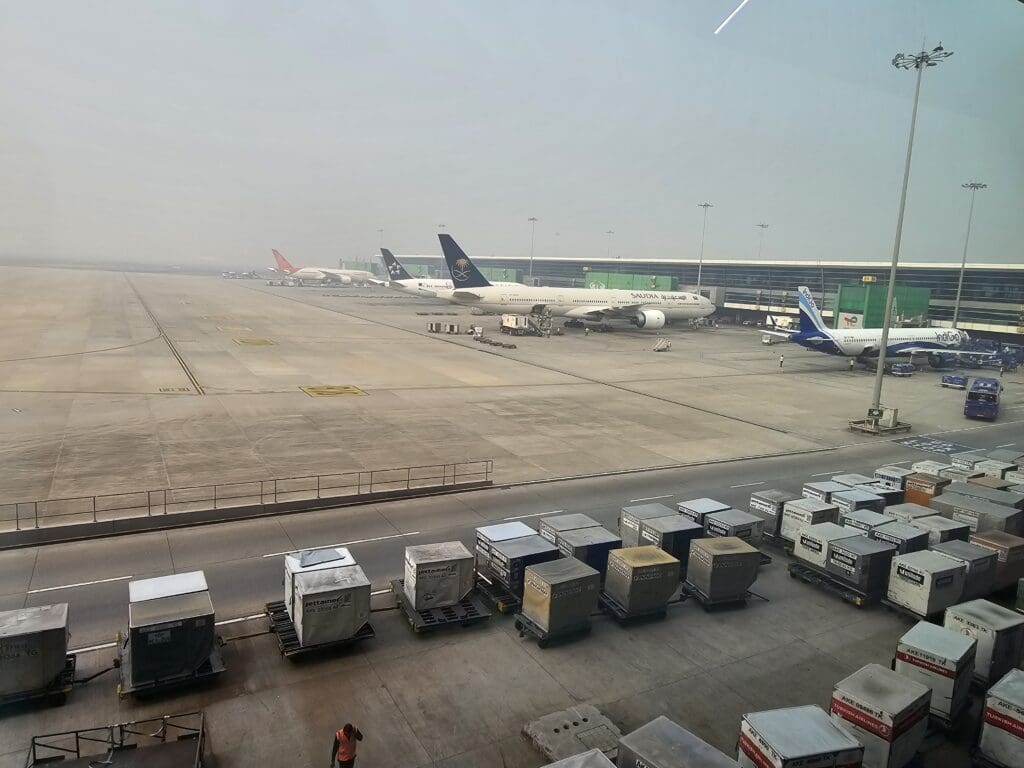
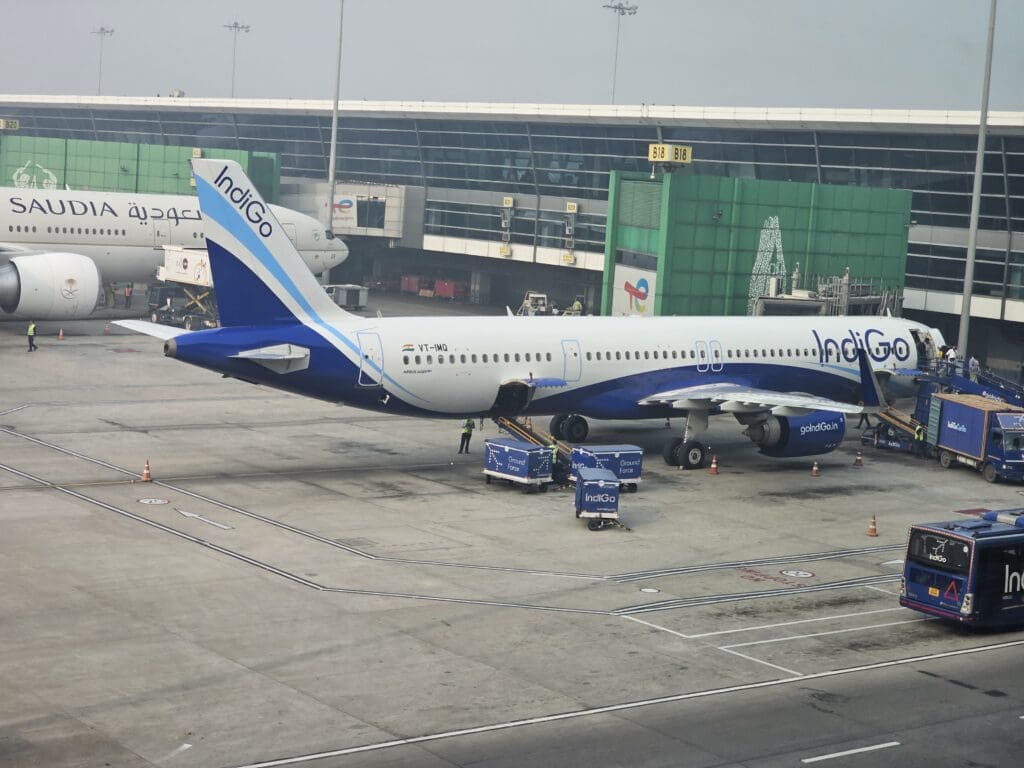
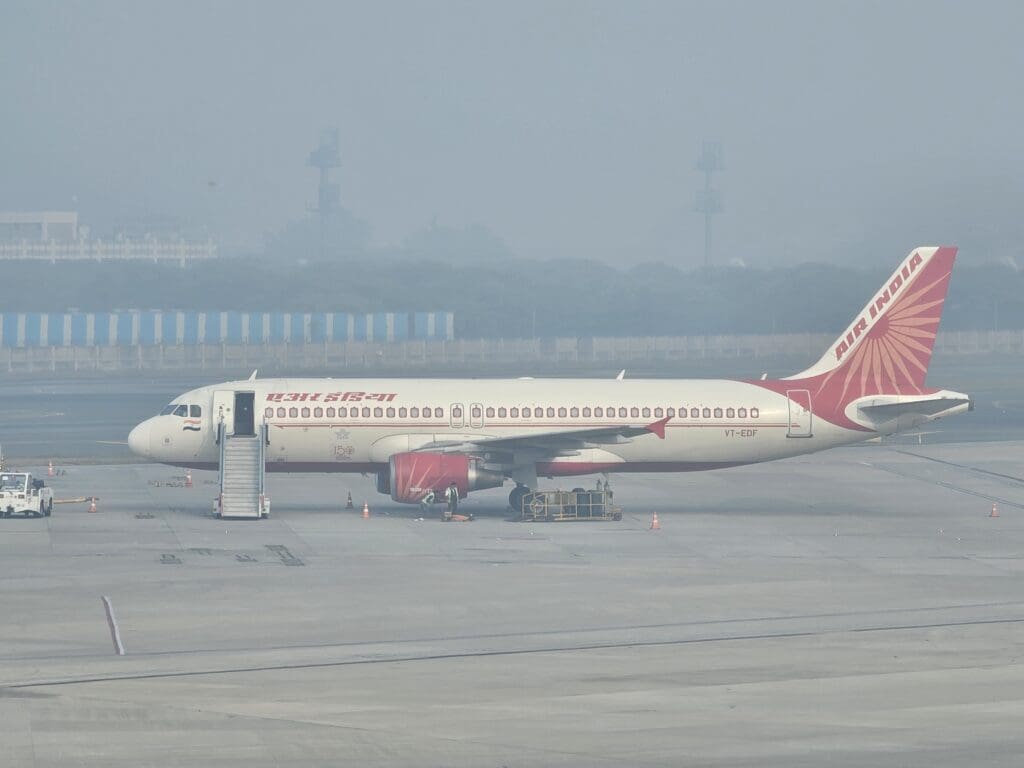
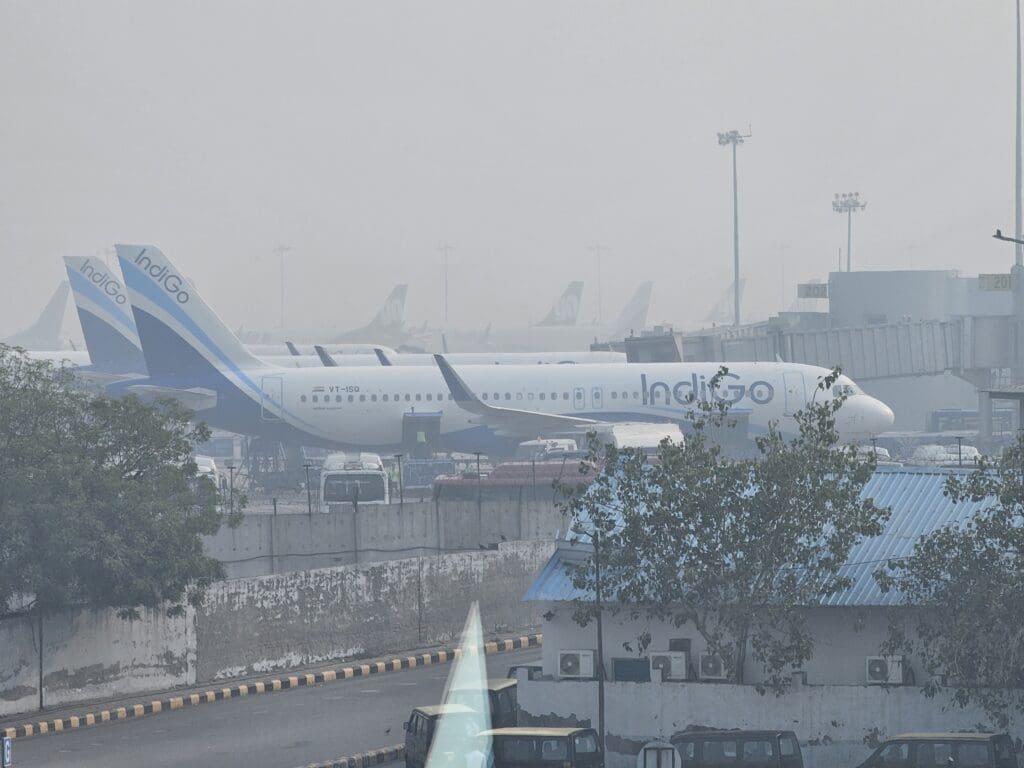
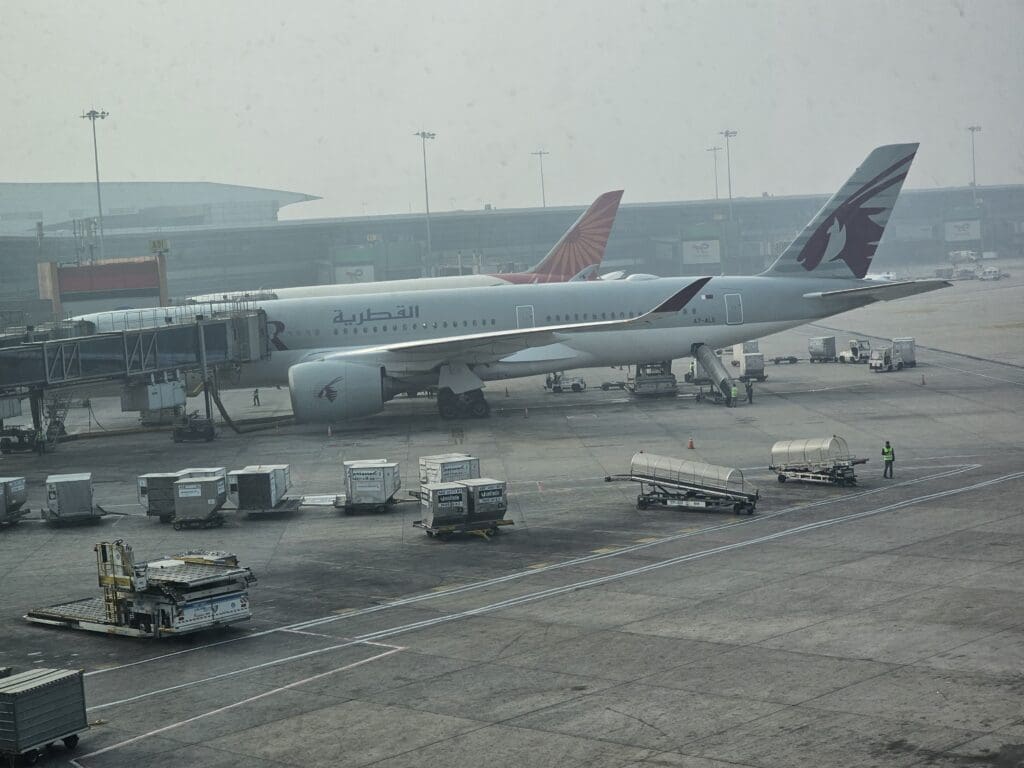
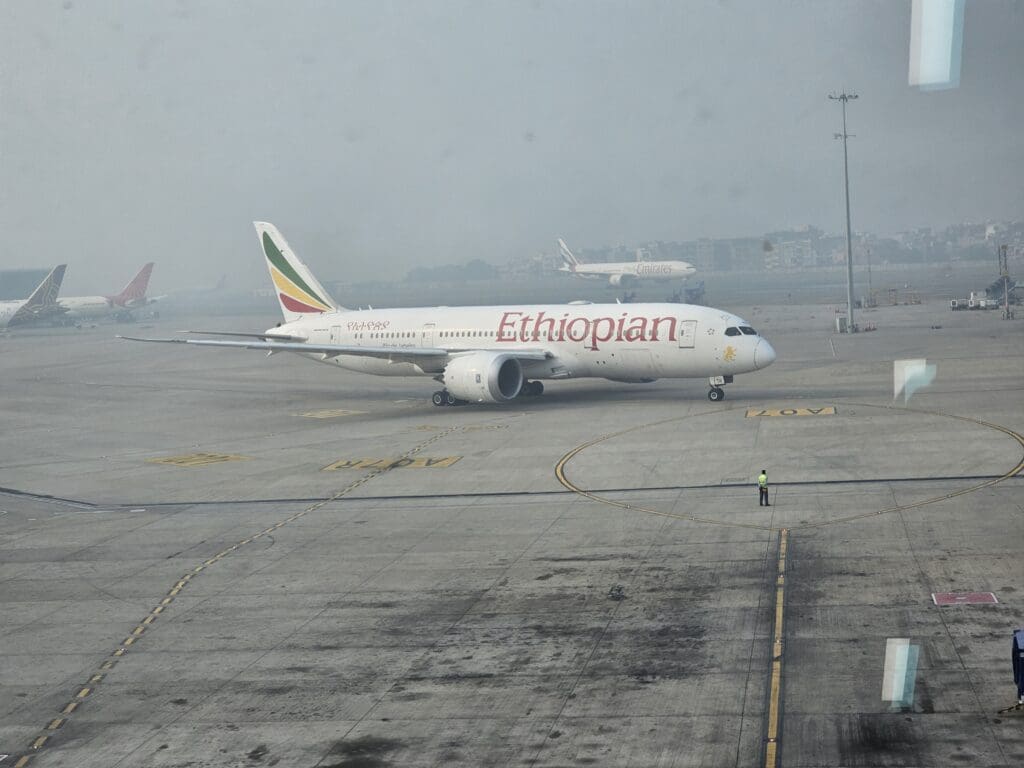
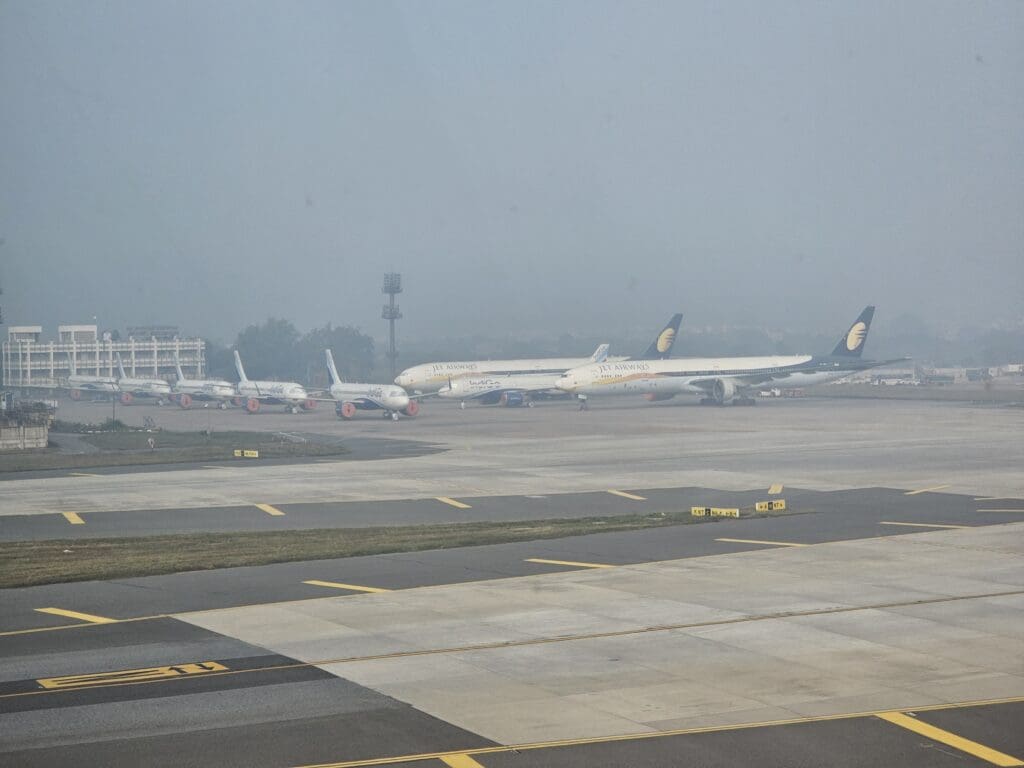
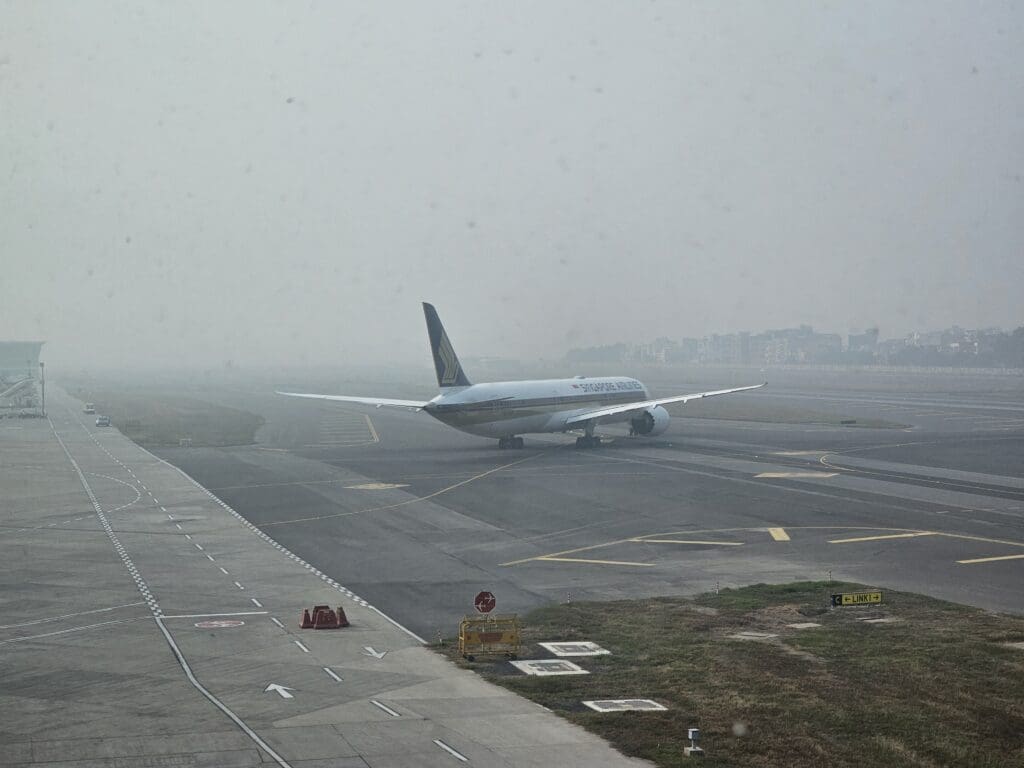
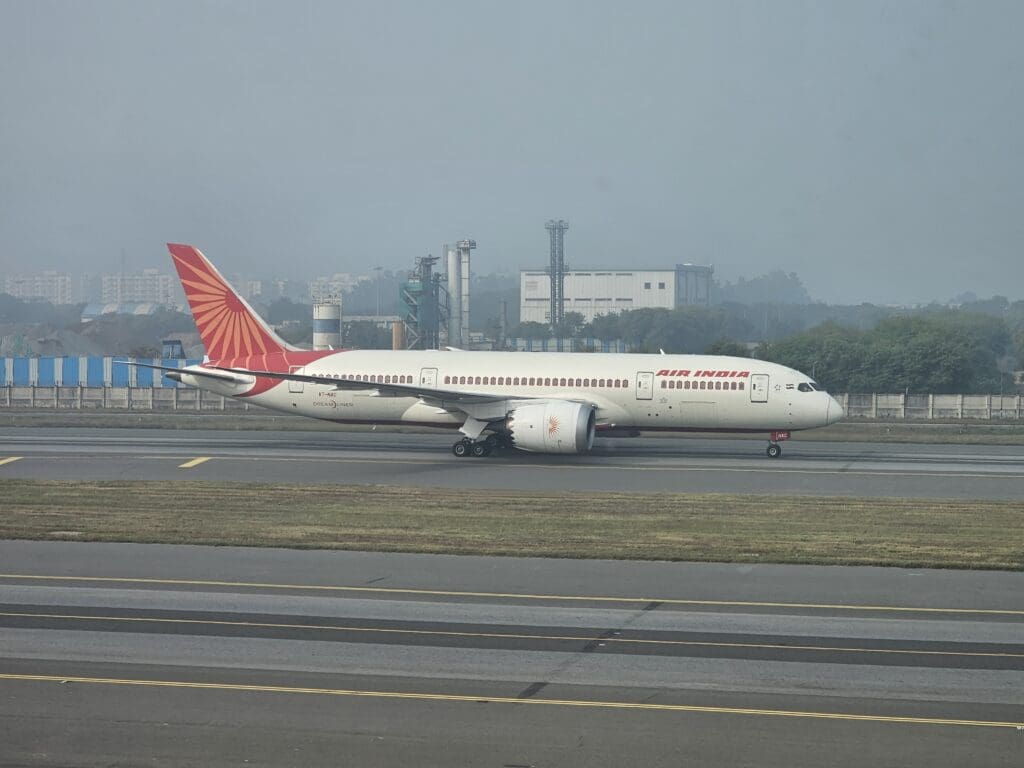
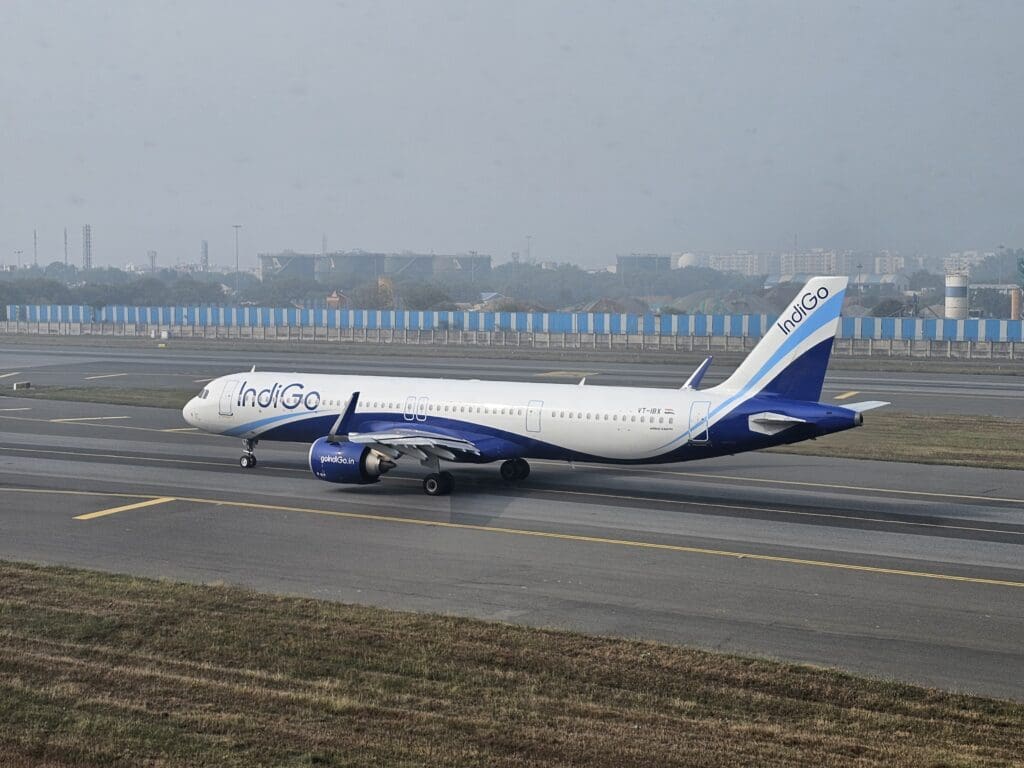
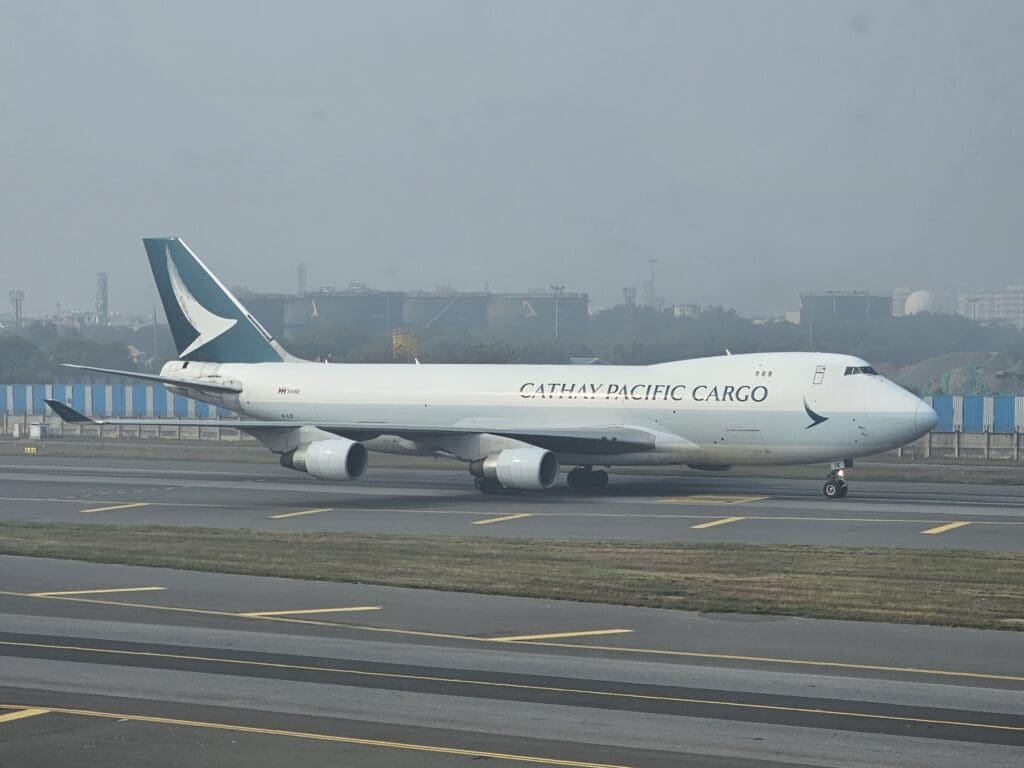
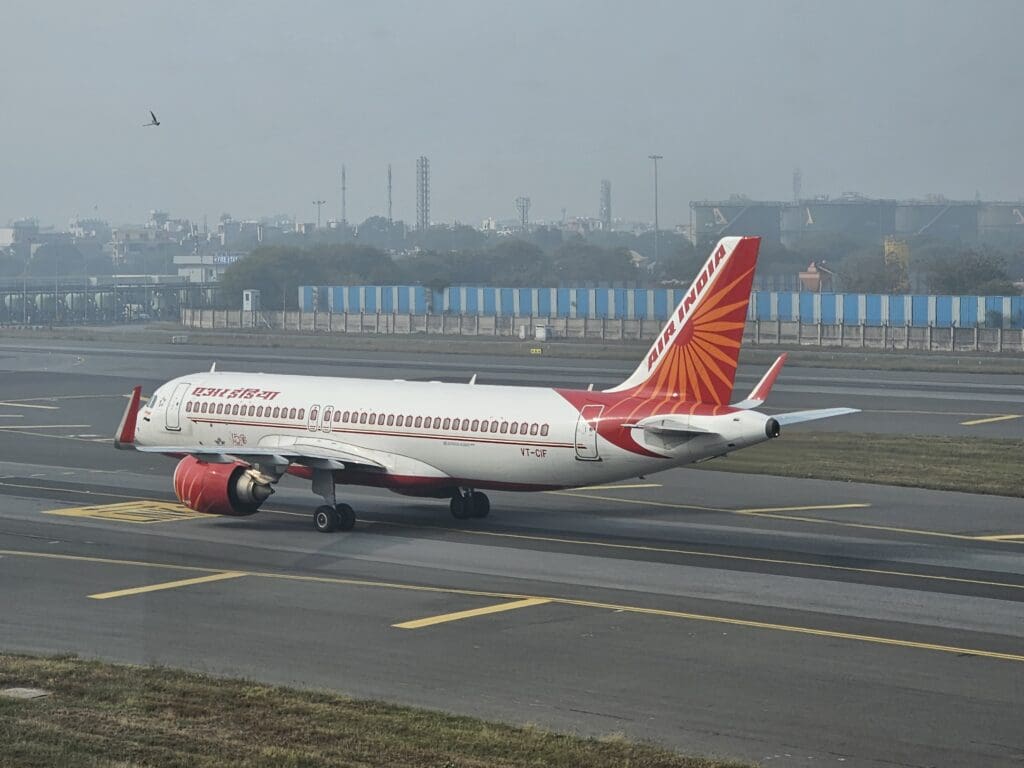
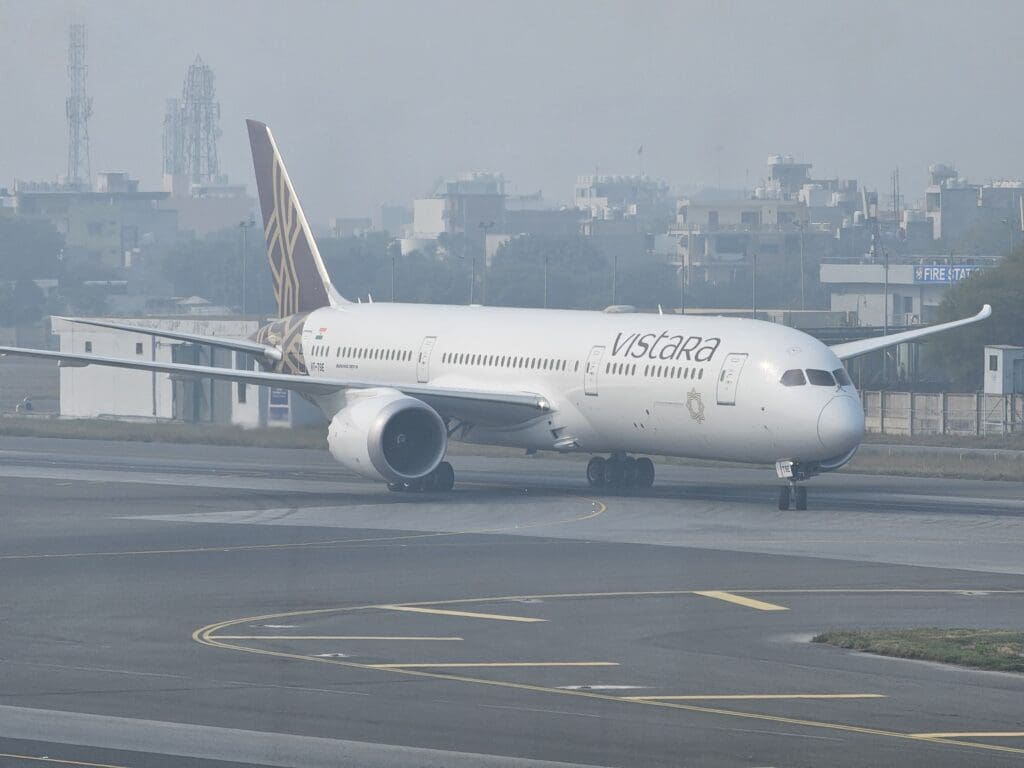
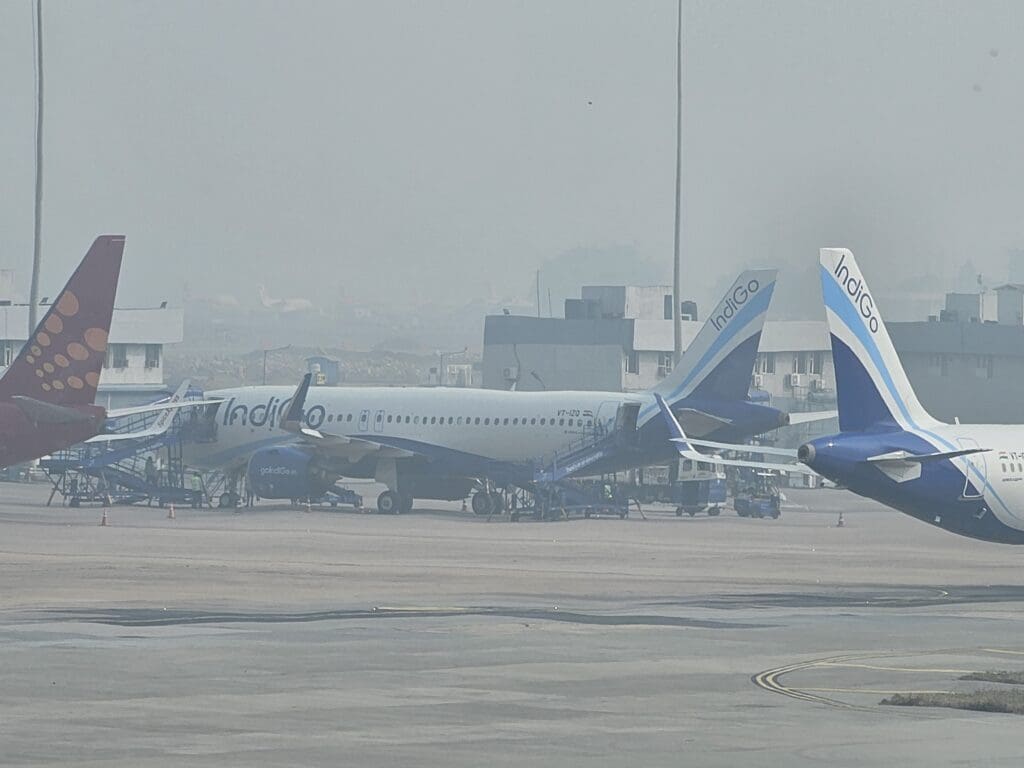
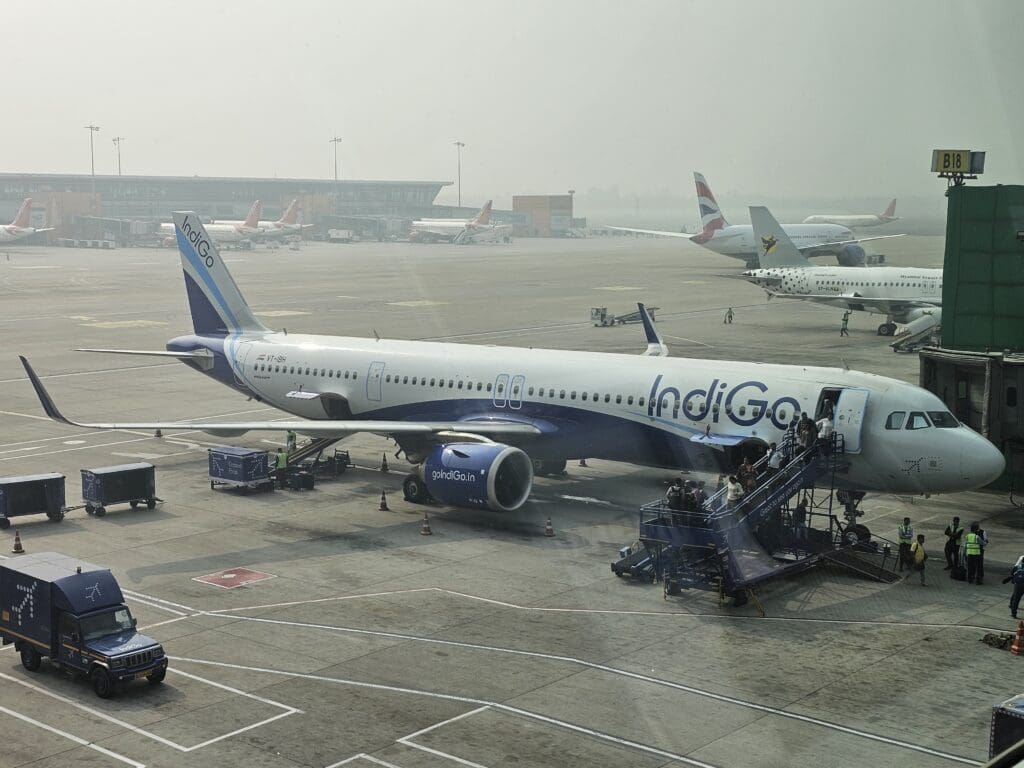
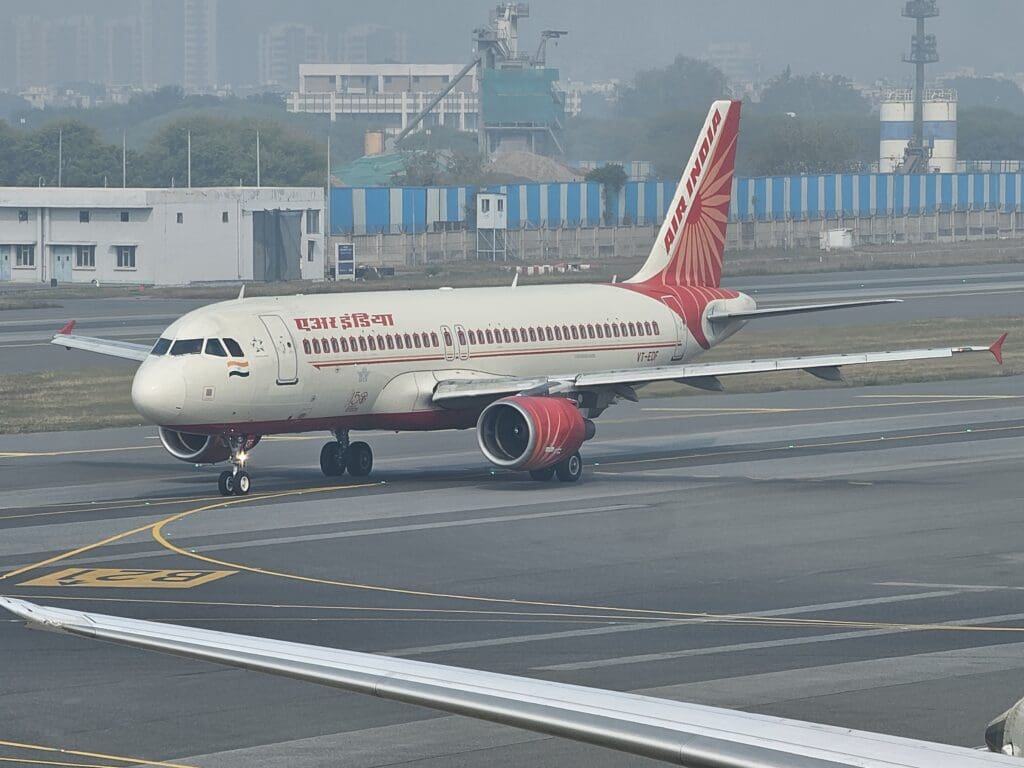
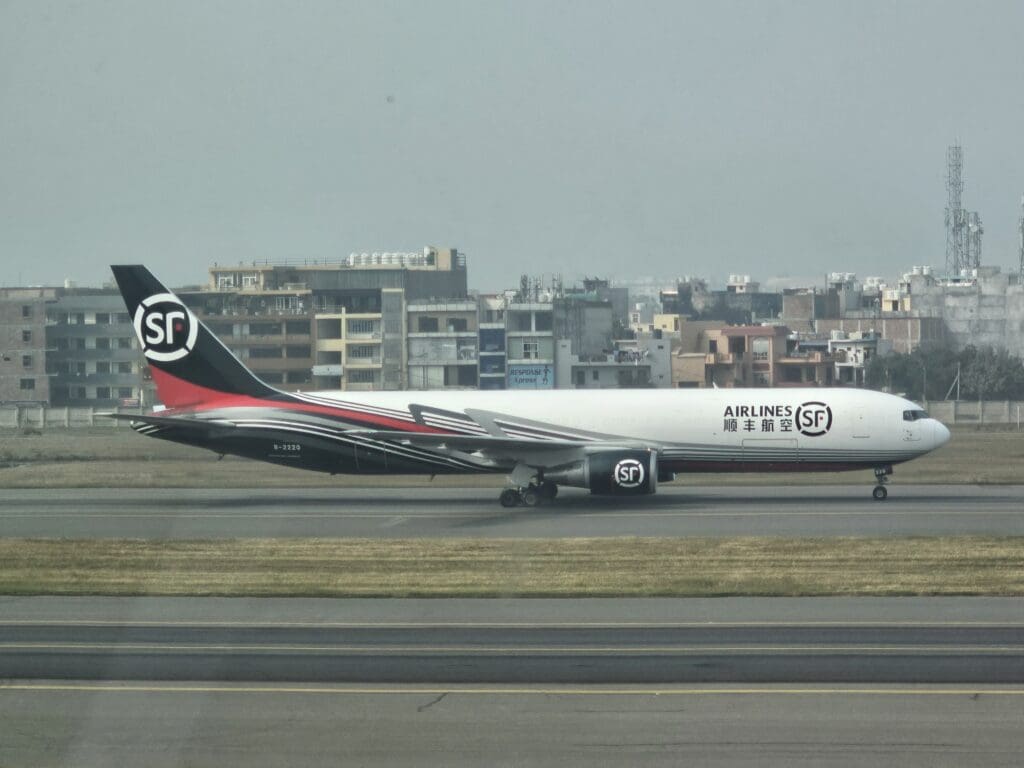
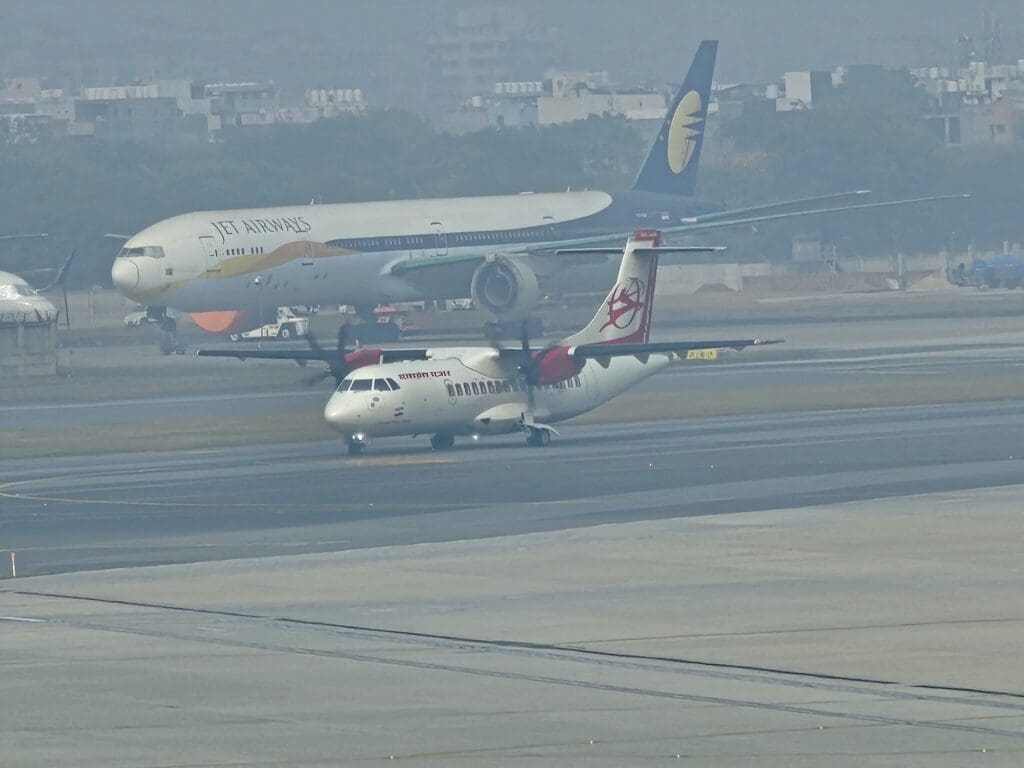
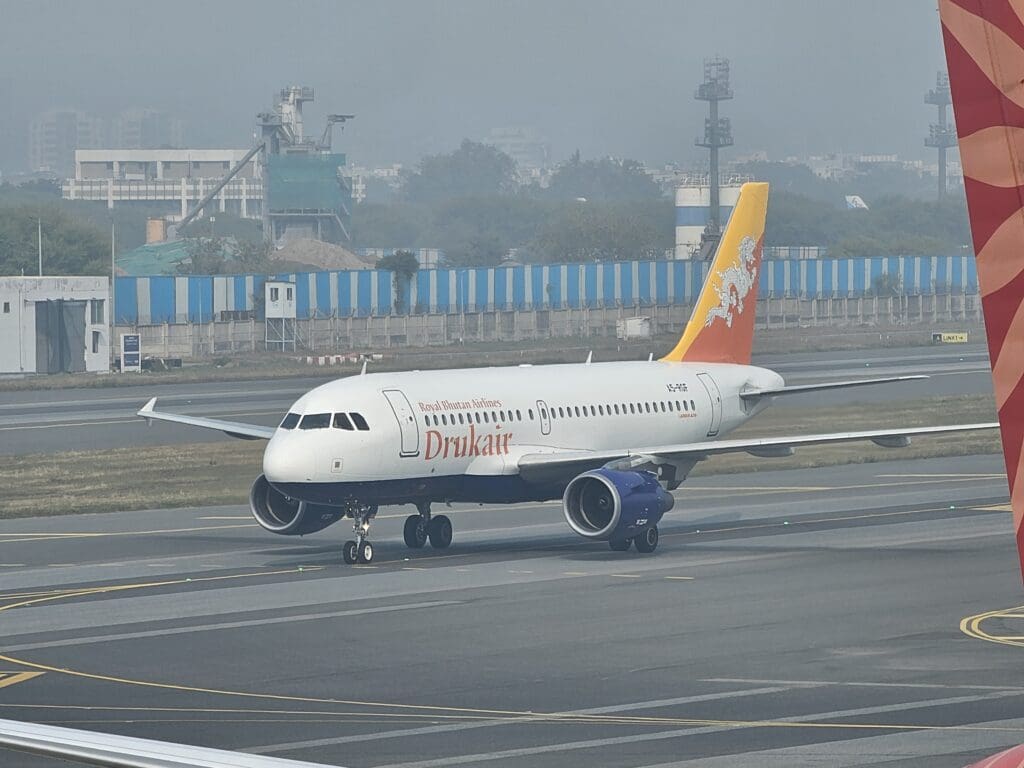
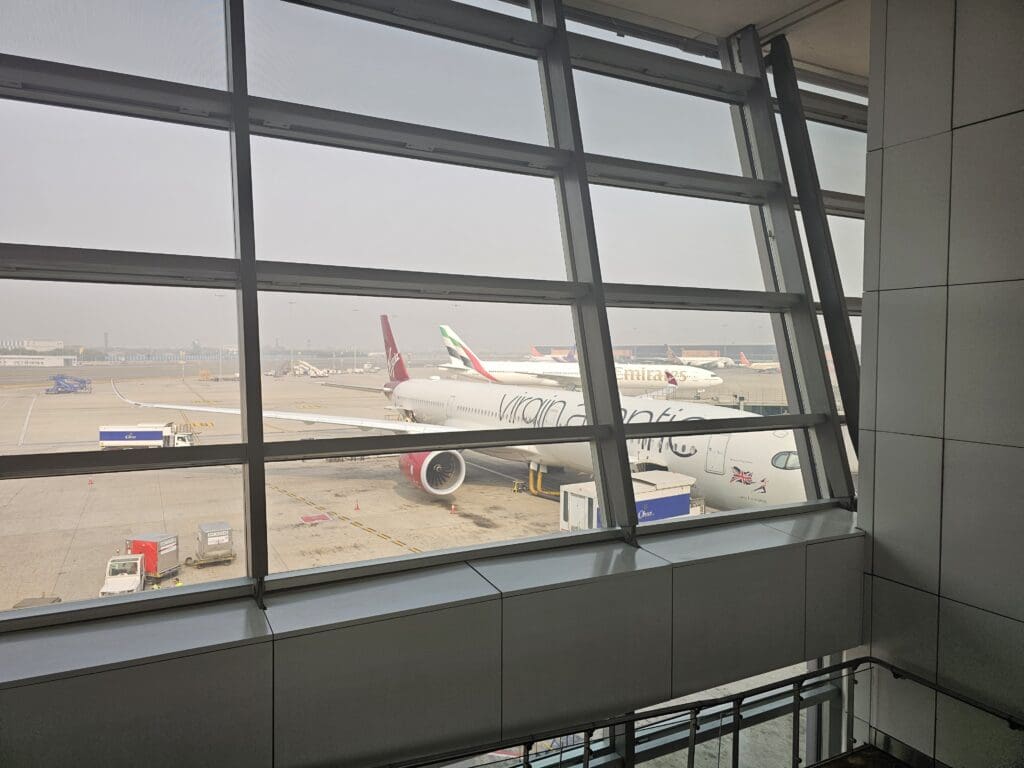
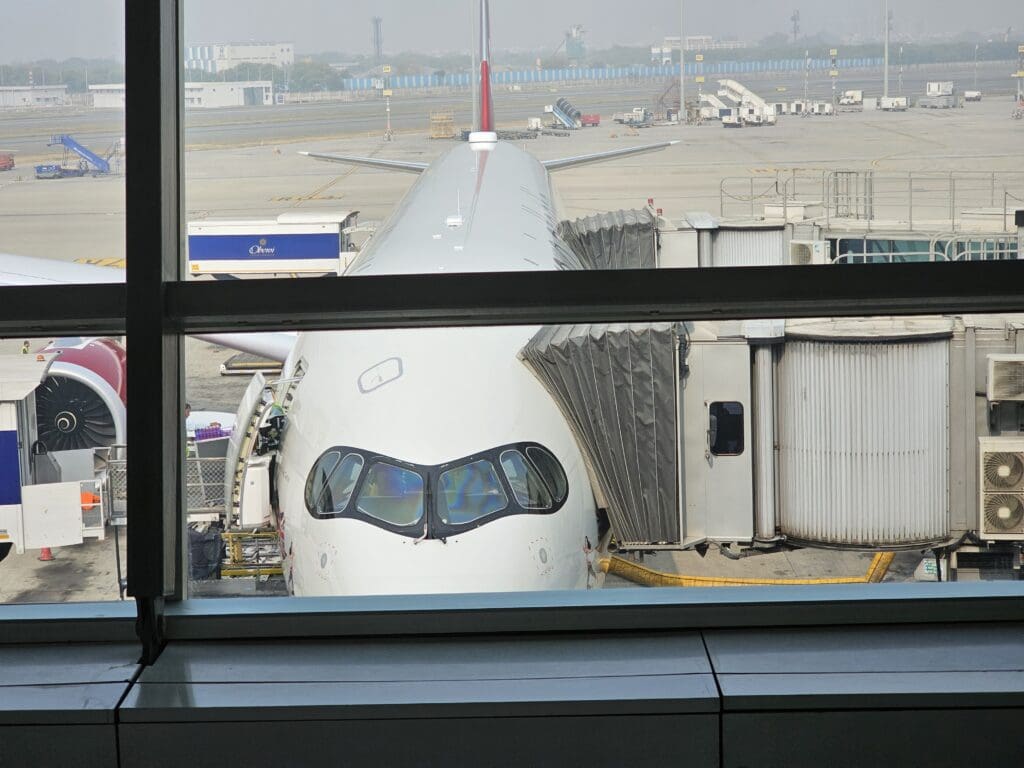
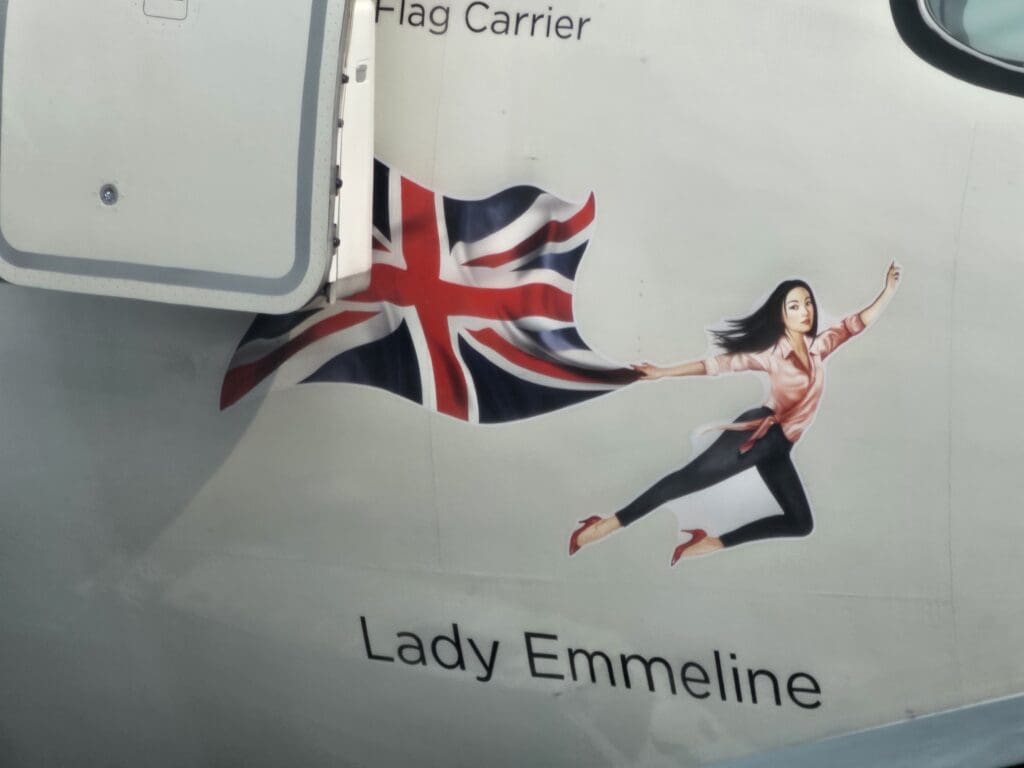
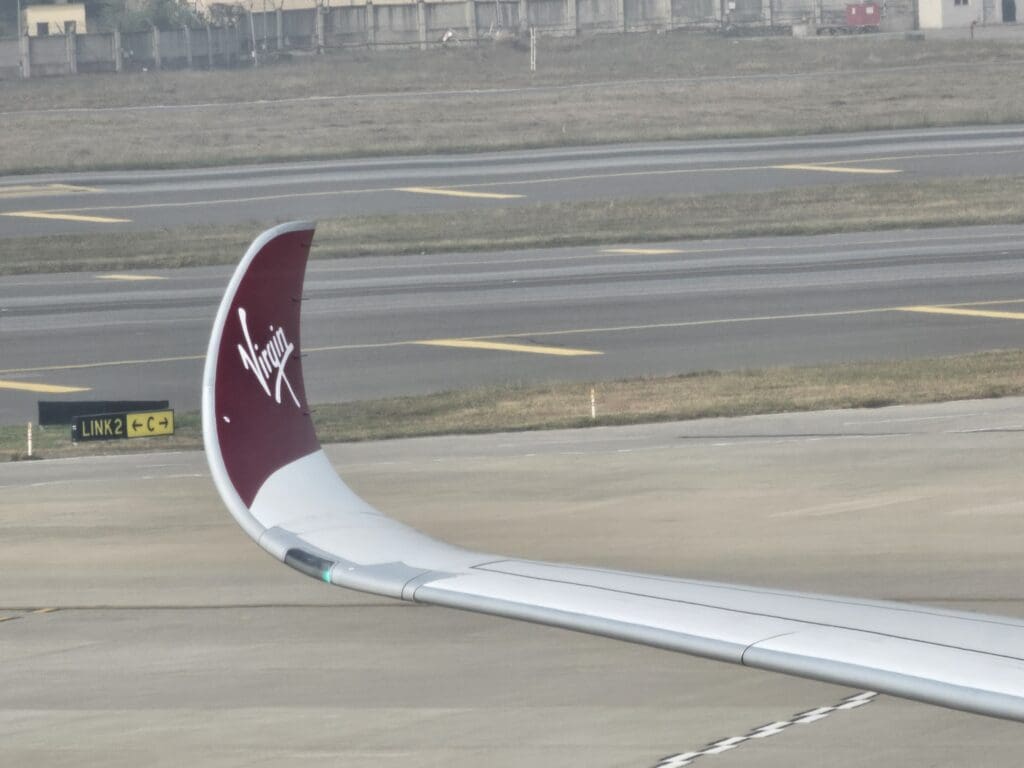
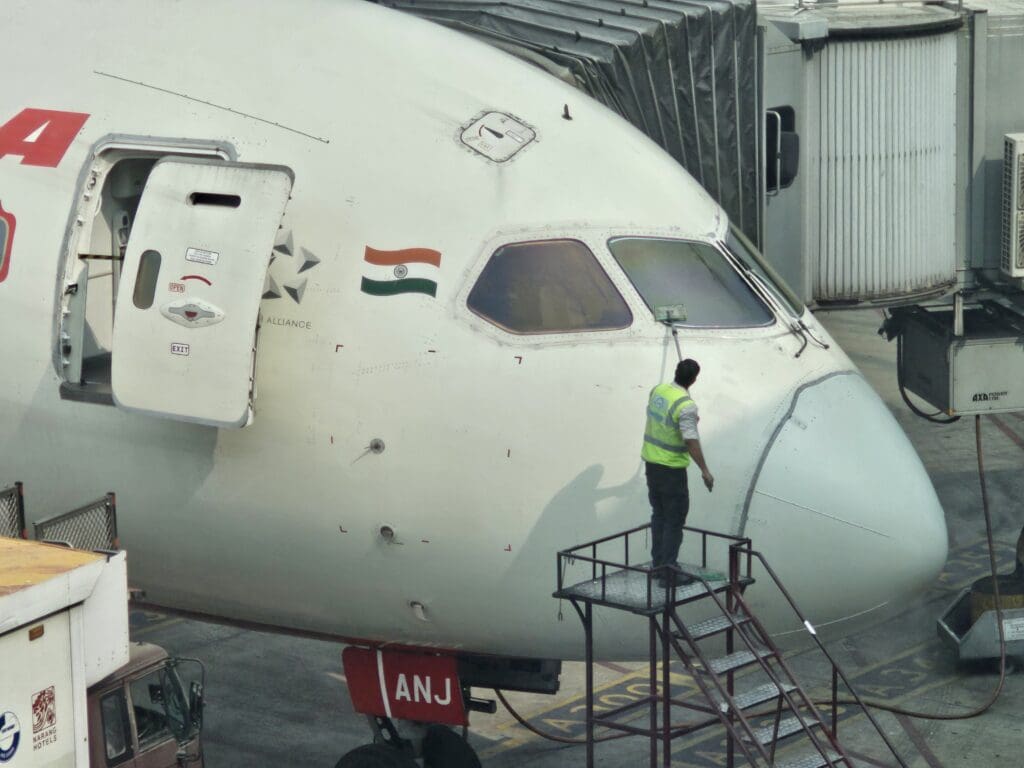
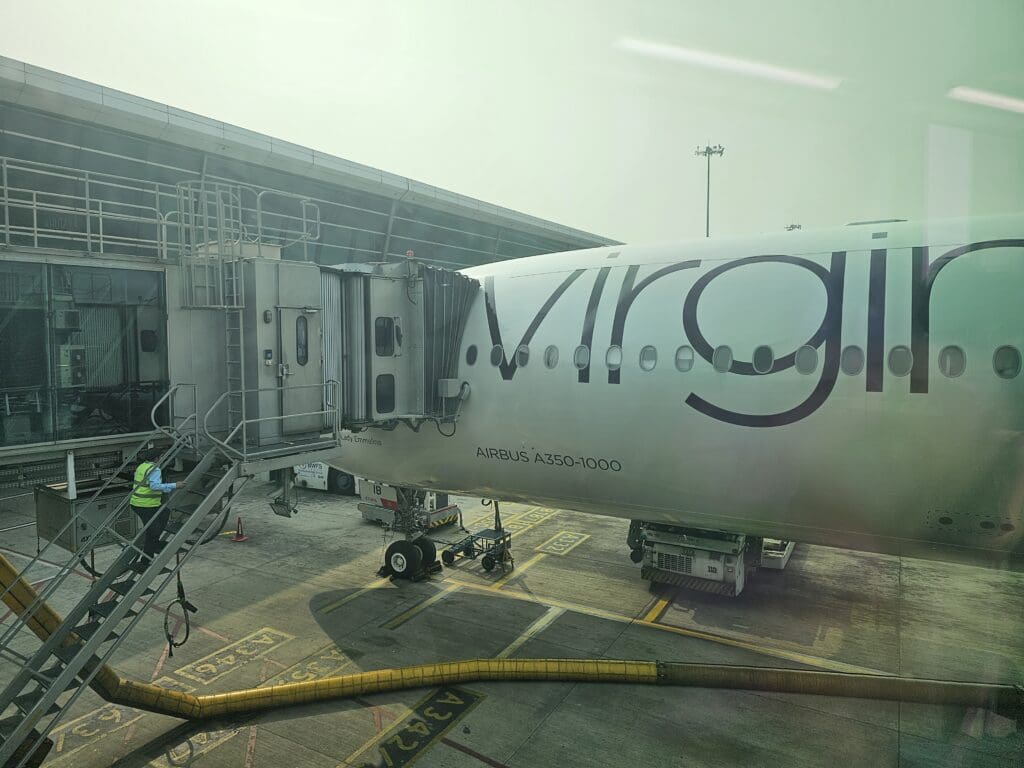
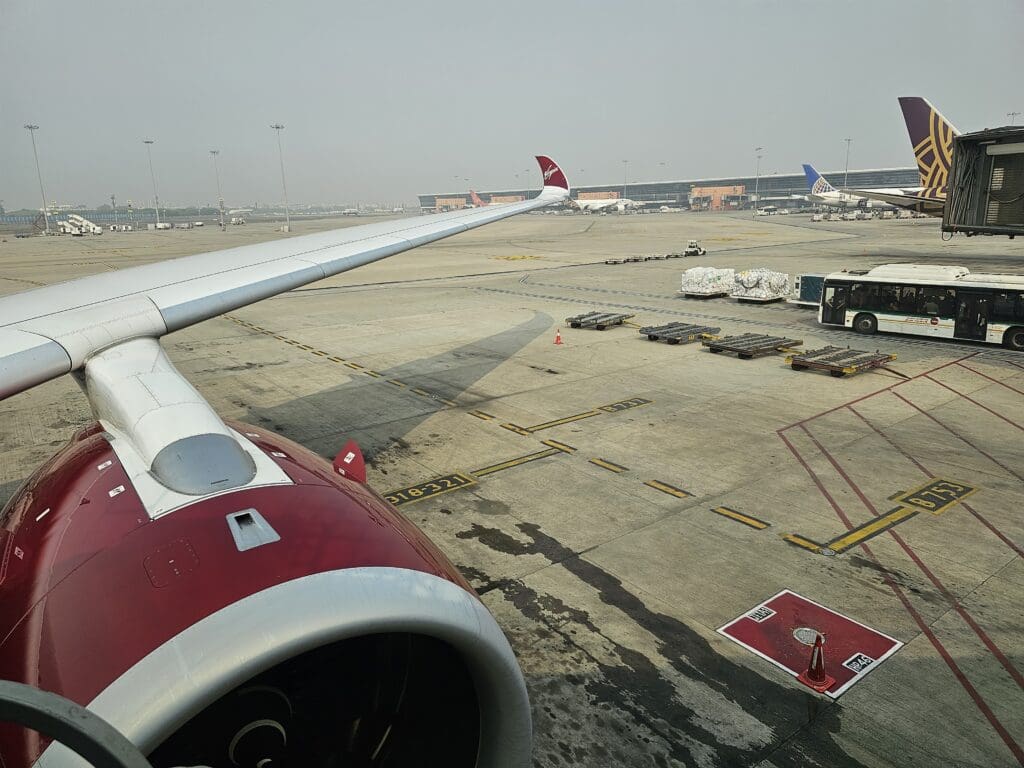
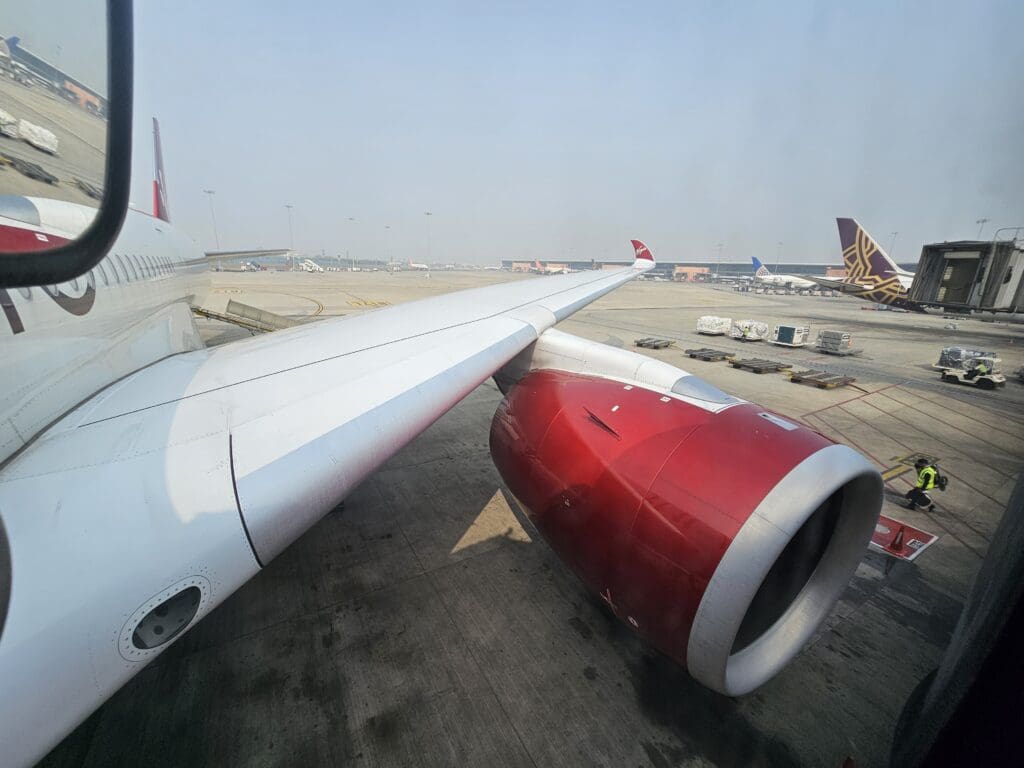
Taking a seat near the end of one of the piers, I spent the majority of my wait watching the constant comings and goings of aircraft, and at 1023 a Virgin Atlantic Airbus A350 appeared through the Delhi smog. Having tracked the flight as it trundled over to India, I was already aware that my first ever ride onboard an Airbus A350-1000 would take place on G-VLIB, named Lady Emmeline in honour of the Suffragette movement founder, Emmeline Pankhurst. This is one of two Virgin Atlantic Airbus A350s whose names pay homage to iconic women, with the other, G-VEVE, named Fearless Lady after Eve Branson, Richard Branson’s mother. Assembled at Airbus’ Toulouse plant, this Airbus A350-1041 carries the construction number 507 and first took to the skies in February 2022 with the test registration F-WZFU, making it 1.8 years old at the time of my flight. Delivered to Virgin Atlantic in April of that year, the aircraft had been flying across the world ever since although in the week before my flight, it did not fly to the most expansive list of destinations, making one rotation to Delhi, four rotations to Lagos and two rotations to Mumbai, before returning to Delhi.
At the time of my flight, G-VLIB was one of ten Virgin Atlantic Airbus A350-1000s and was one of two aircraft to be configured in an economy-heavy layout. This comes with just 16 Upper Class seats (compared to the much larger 44-seat cabin on Virgin Atlantic’s other Airbus A350s) and has a whopping total of 325 Economy seats spread across two cabins, plus a small 56-seat Premium Economy cabin sandwiched between Upper Class and Economy.
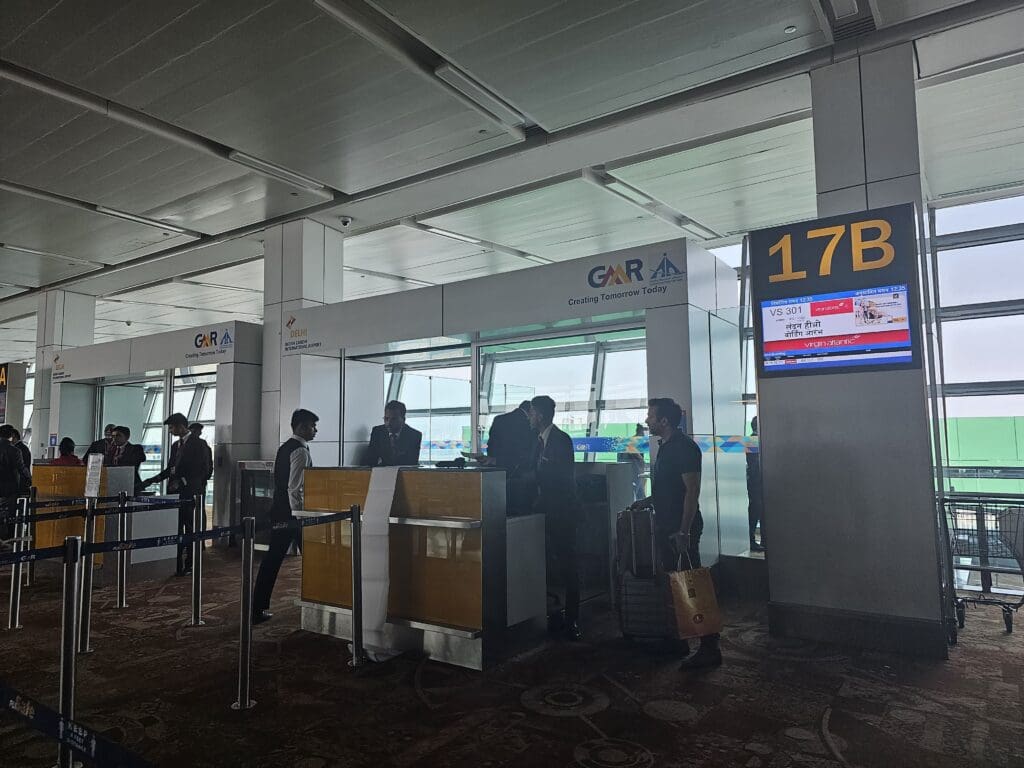
Ten minutes after touching down, the aircraft came to a halt at Stand B17, and after a while, I decided to trundle over to the other pier in preparation for departure. Making it to the gate with 45 minutes to go until our 1240 departure time, this was already rather busy and few vacant seats remained around the gate. At the podium, an army of Virgin Atlantic ground staff could be seen setting up two lanes of tensa barriers in preparation for boarding (one for premium passengers and another for those in Economy). Beyond the podium, I spotted the cabin crew donned in Virgin Atlantic’s distinctive red uniforms as they waited to head down to the aircraft.
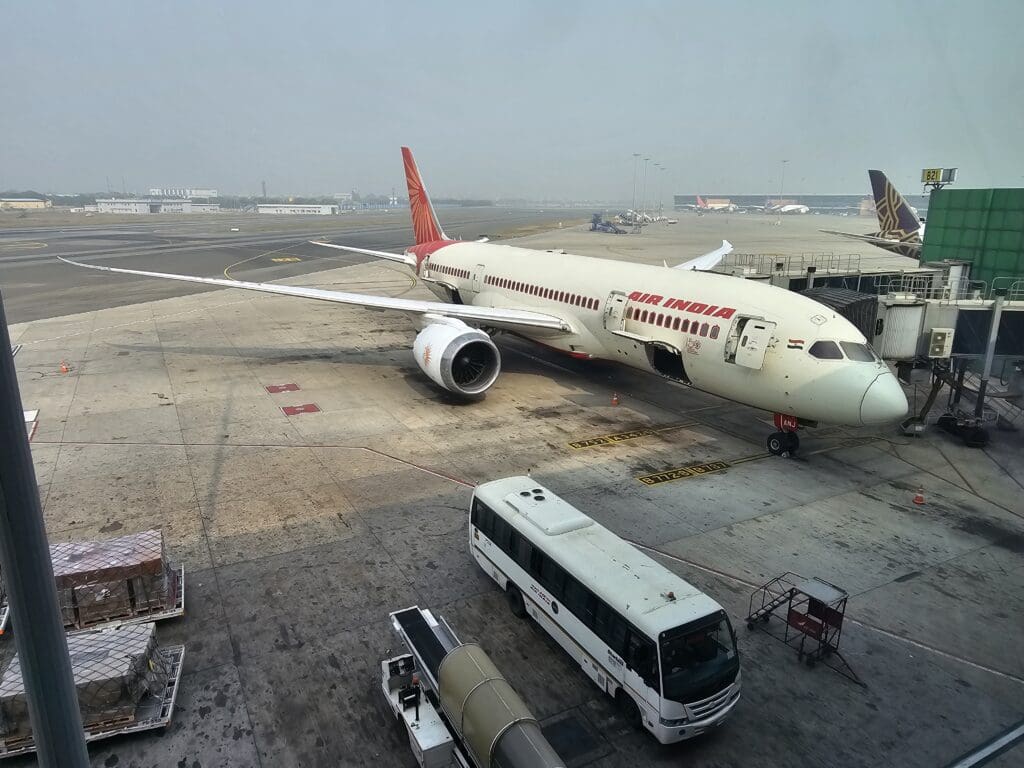
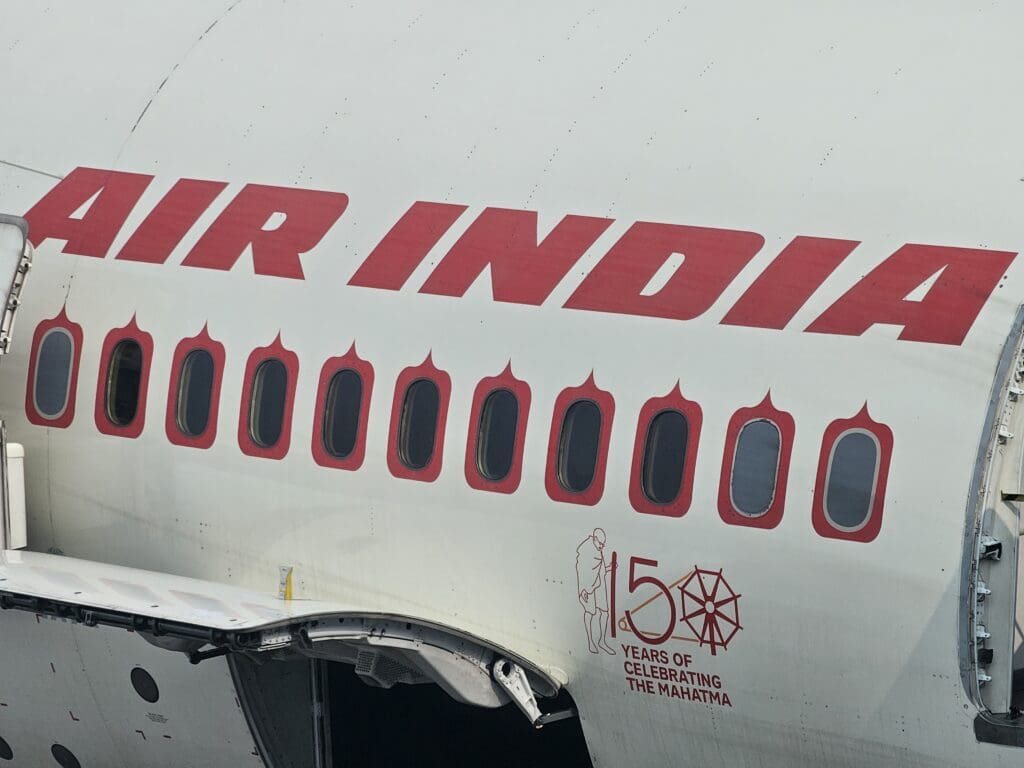
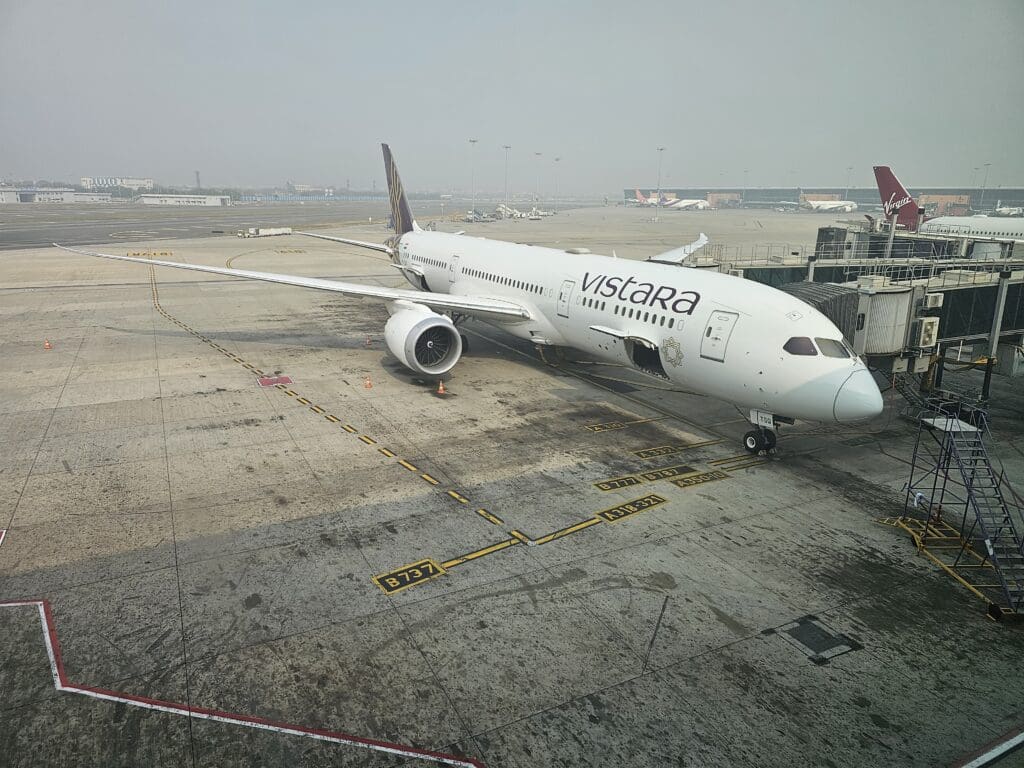
Knowing that I would be trapped onboard the Airbus for the next ten hours or so, I went for one final wander around and admired the two Boeing 787 Dreamliners at the neighbouring gates, a Vistara Boeing 787-9 that would also be heading to London Heathrow, and an Air India Boeing 787-8. With five minutes to go until boarding was scheduled to begin, I made my way back over to the gate where I was greeted by the sight of a long line of London-bound passengers. A few moments later, a pre-recorded boarding announcement rang out, advising passengers that boarding would commence shortly and would be undertaken in accordance with the group numbers on passengers’ boarding passes. Meanwhile, at this time, those requiring assistance were taken down to the aircraft, whilst several staff members walked around the gate attempting to encourage those who had stood up to instead wait whilst seated, although they appeared to have little success. After some more waiting, at 1155 a pre-recorded announcement rang out advising passengers that the flight had been delayed to 1235, however, seeing as the flight was scheduled to depart at 1240, this did not seem to be much of a delay!
Eventually, one of the gate staff performed their introductory announcement in English and Hindi. During this, they welcomed all passengers to the Virgin Atlantic service and noted that the flight would be operated by the ‘lovely Airbus A350′. Whilst this seemed a little robotic, as if they were reading from a script (as they perhaps were), this was still more memorable and lively than your typical boarding announcement. Following this, those in the low-numbered groups were invited to proceed forward, and seeing as I was in group 8, I continued to wait as those in the preceding groups made their way onto the aircraft. Contrasting with most airlines’ boarding procedures, Virgin Atlantic did not appear to board passengers from back to front, with those in the rearmost Economy cabin invited to board the aircraft last.
At 1218, those in Group 8 were invited to board the aircraft at which point I had my boarding pass scanned and passport checked in the usual manner before being wished a nice flight. From there, I made my way towards the jetbridge; however, before reaching this, a security checkpoint had been set up, as is standard procedure for flights to the UK from a selection of destinations. Staffed by SpiceJet agents, after showing my boarding pass, one of the friendly staff members opened up my bag and had a quick rummage around before I was allowed to continue on my journey towards the Airbus. Being a widebody, two jetbridges had been positioned up to the aircraft, with one connected to the L1 door for the exclusive use of the small number of passengers in Upper Class, and the other connected to the L2 door for the rest of us. Heading down the glass jetbridge, I soon reached a fairly fast-moving queue, and allowing for a
Following this short wait, I stepped into the galley that separates the Premium Economy cabin from the Economy section of the aircraft, where I promptly received a warm and lively greeting from one of the army of flight attendants onboard. After checking my boarding pass, they pointed me down the second aisle and I squeezed through the galley, taking care not to accidentally knock one of the flight attendants there who was busy pouring drinks for premium passengers. Turning right, I soon entered the Airbus’ large purple moodlighting-filled Economy cabin where a megamix of new and old upbeat music rang out and provided a pleasant soundtrack to the boarding process.
Inside, Virgin Atlantic opted to fill their Airbus A350s with modern Recaro CL3710 seats, which are arranged in a 3-3-3 configuration. These sport a two-tone fabric cover, which, in keeping with Virgin Atlantic’s branding, features both dark and light red fabric, and as you would expect to find onboard a long haul widebody, each is topped with an adjustable headrest. Meanwhile, the rear of each seat features dark purple plastic backing, a bi-fold tray table, a seatback pocket and a large and high-quality inflight entertainment screen, powered by Safran’s RAVE in-flight entertainment system. Onboard, the first few rows of both the forward and rear cabin take the form of extra-legroom seats, offering an additional three inches of pitch and are marketed as ‘Economy Delight’.
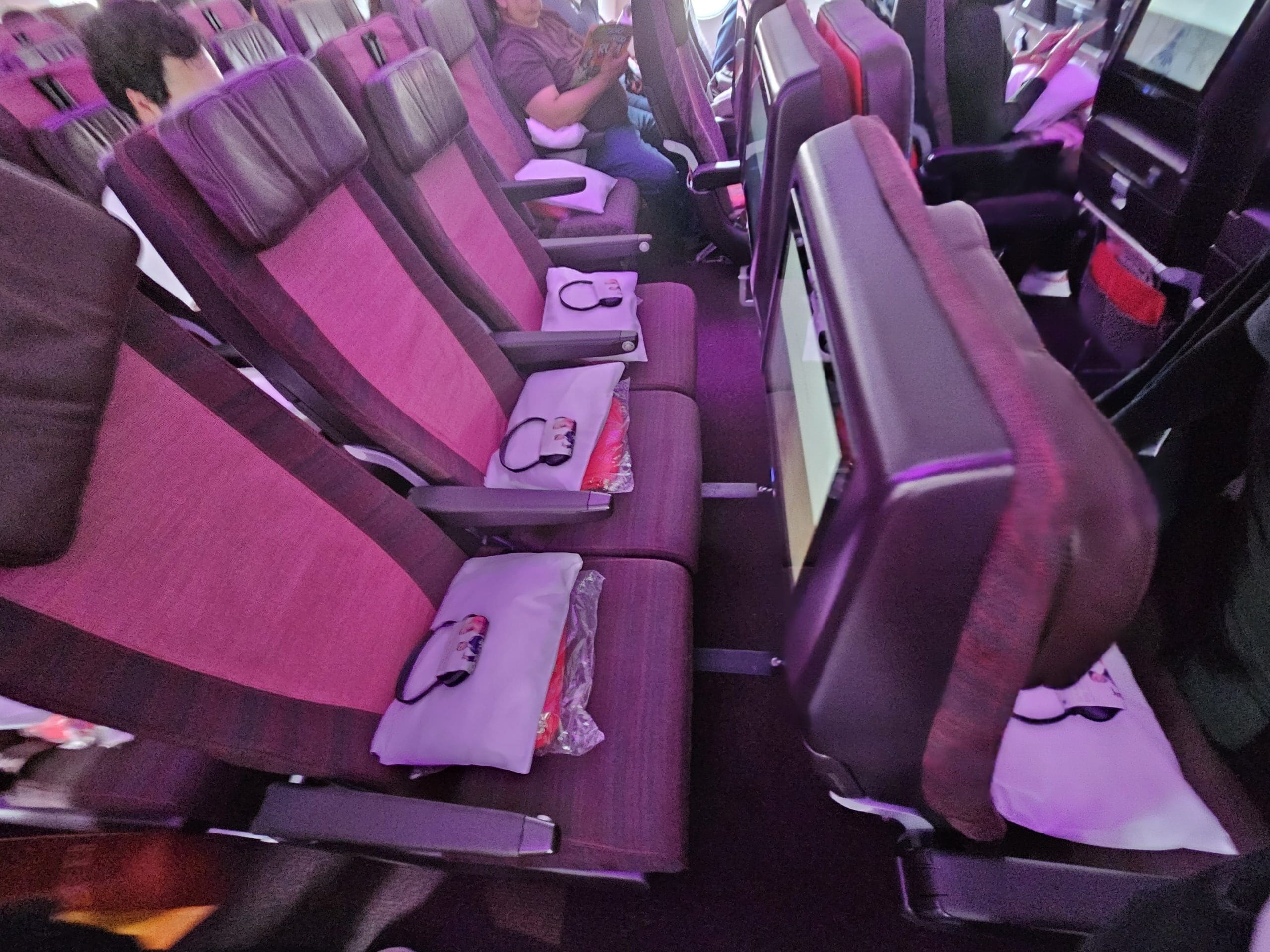
Leaving me with a good first impression of the crew, I received a lively greeting from each flight attendant that I passed as I made the slow journey down the aircraft to my seat. After a few minutes, I reached the rear Economy cabin, and upon making it to my row, I discovered that my window seat had been taken by half of an elderly couple. Being in the final cohort of passengers to board the aircraft, and with the row in front remaining entirely vacant, I decided to linger around and made a quick bathroom visit in the hope that upon my return, boarding would be announced as complete and Row 69 would be empty. A few minutes later, The Tams’ 1968 ‘Be Young, Be Foolish, Be Happy’ was interrupted by the Scottish Flight Manager announcing the joyous words, ‘boarding complete’. Thus, I slipped into Seat 69K and settled in for the flight ahead, enabling me to not only enjoy the luxury of three vacant seats but also stretch out and experience the delights of this slightly more spacious Economy Delight seat.
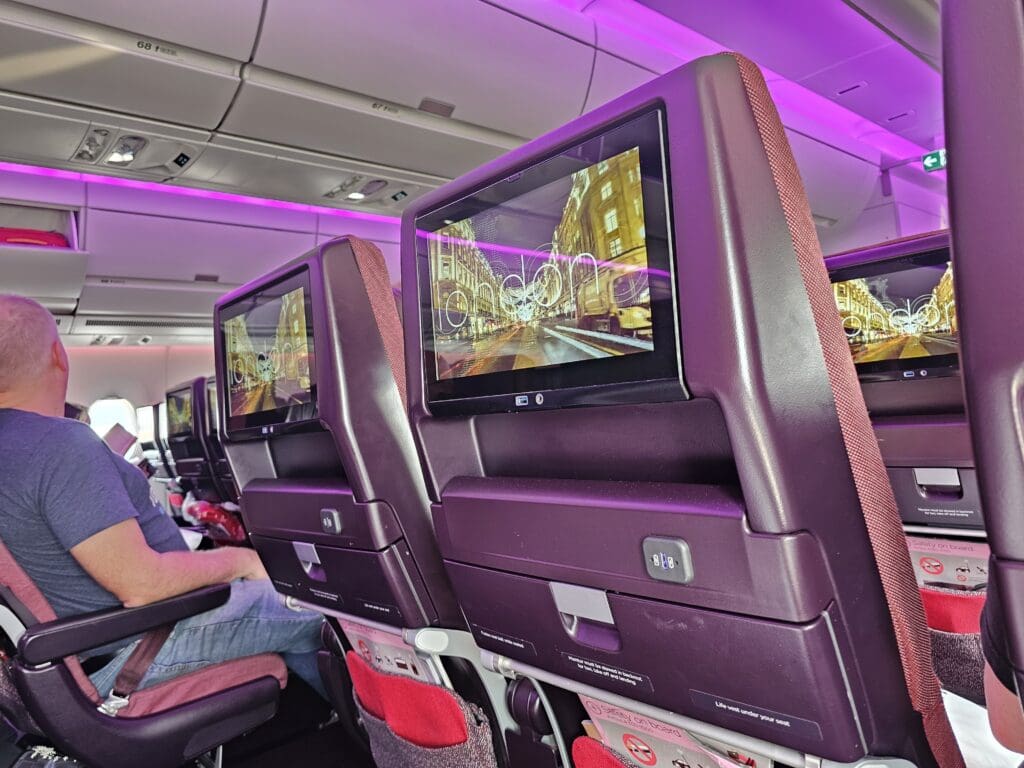
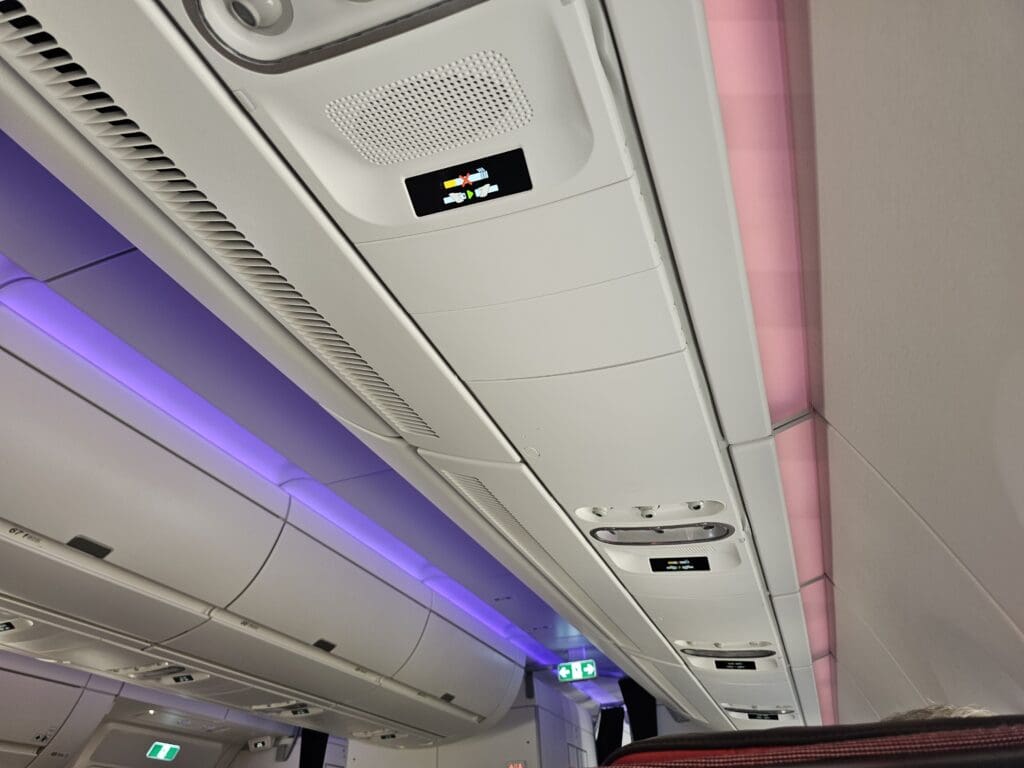
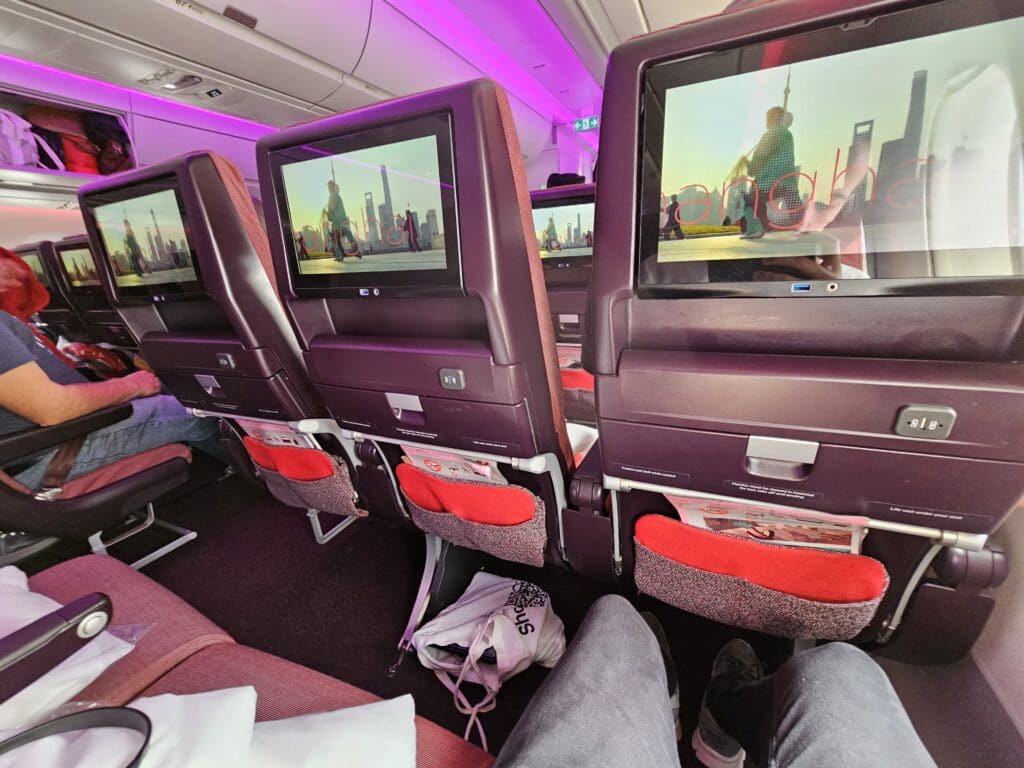
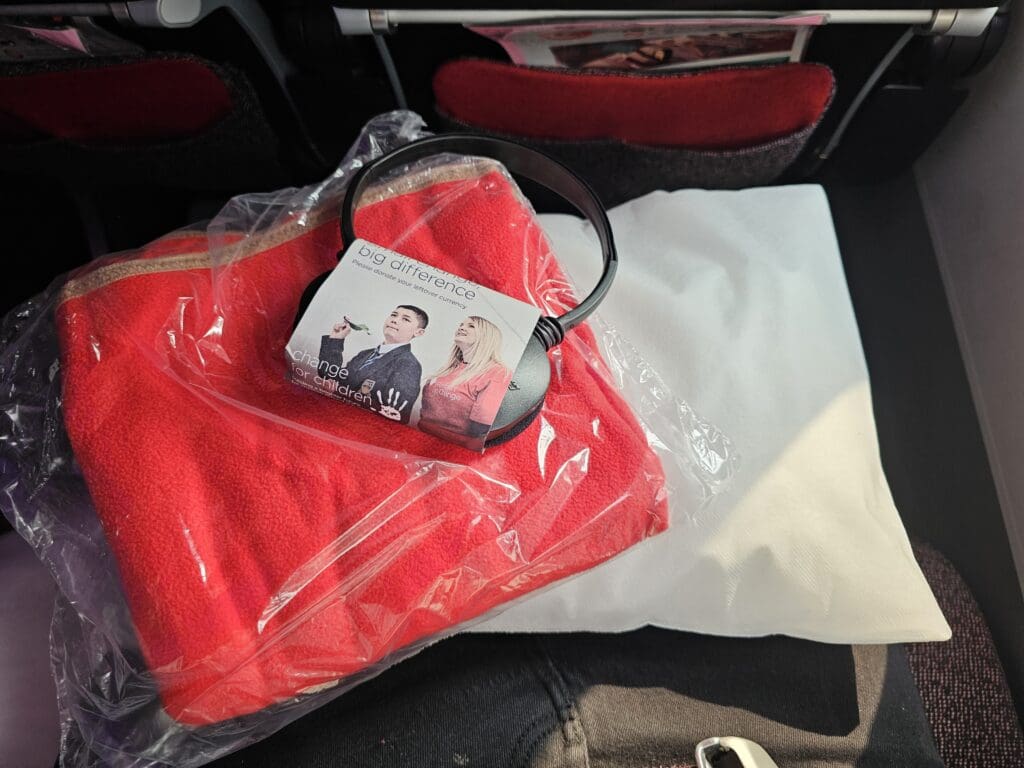
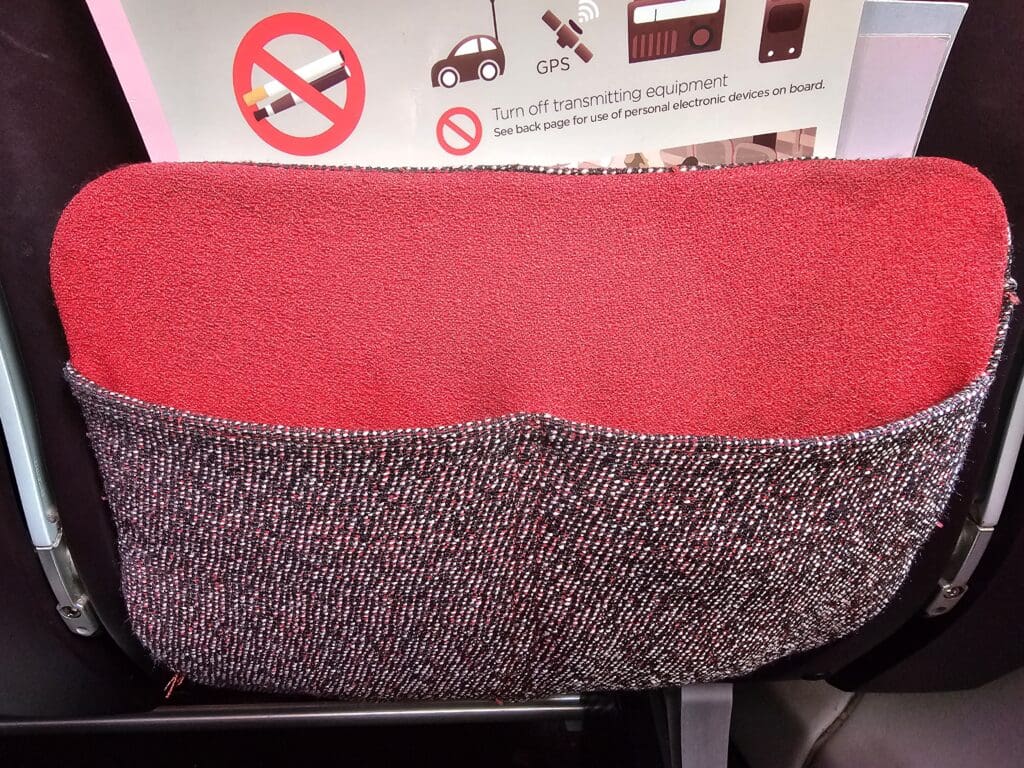
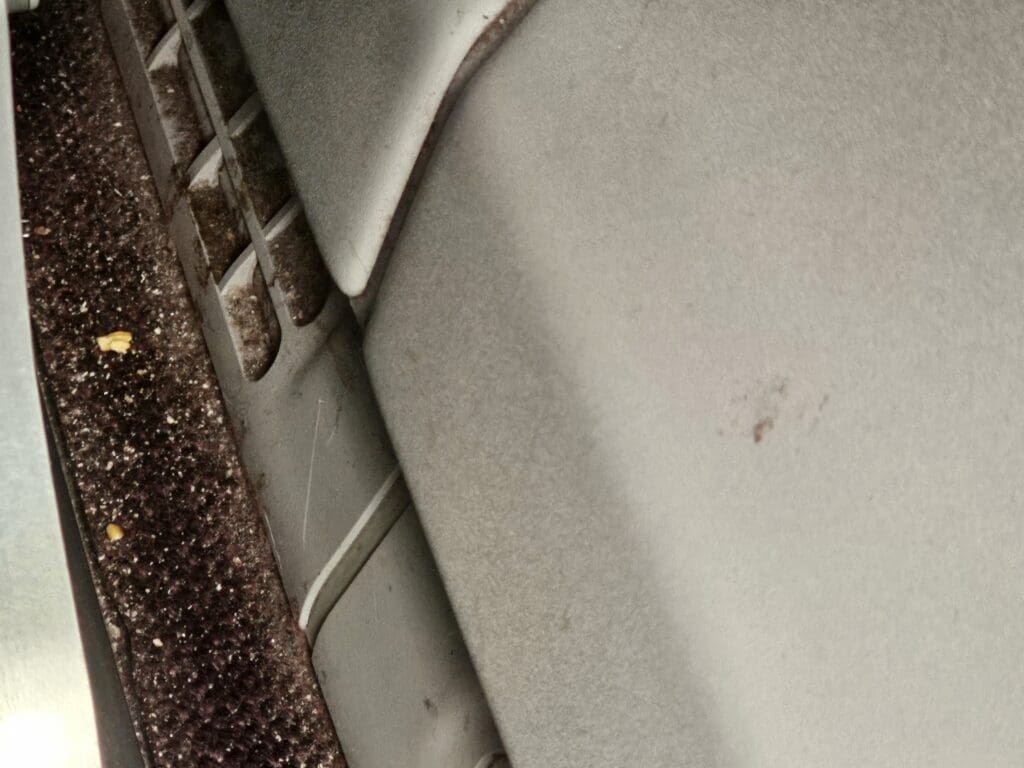
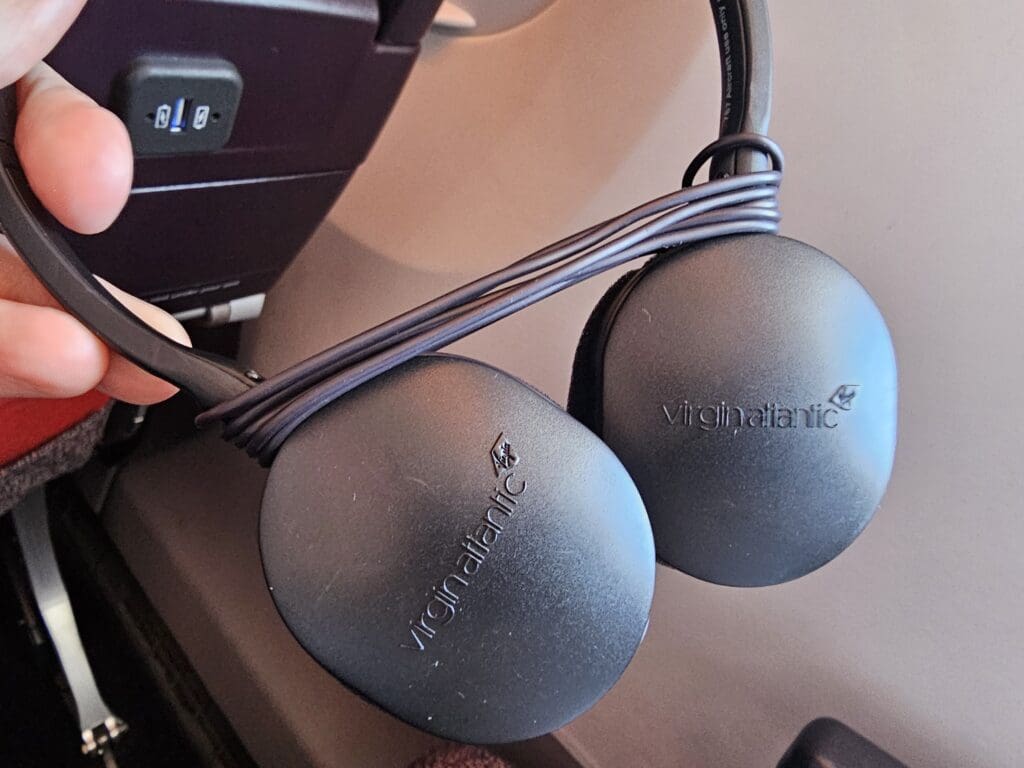
Soon settling down, I strapped myself in and began to explore the seat and area around this, whilst outside the last of the ground equipment could be seen being moved away from the aircraft. To start off, it was clear that Virgin Atlantic has invested more in its Economy cabin design than many other airlines, with this having a nicely unique and distinctive feel. Being an Economy Delight seat, as expected, this offered a superb amount of legroom, and the seat itself was fairly soft, although not more so than most other widebody aircraft seats. Turning to the seatback pocket, this continued a copy of Virgin Atlantic’s monthly Vera inflight magazine, the Retail Therapy inflight shopping catalogue, and the all-important safety card and sickbag. Turning to a slight negative, unlike their Boeing 787-9 Dreamliners, Virgin Atlantic’s Airbus A350s do not feature universal power outlets in Economy, although this was home to two USB-A ports. As I looked around, the seat appeared to have been well cleaned during its turnaround, and I was pleased to see that this was in a good state, with few signs of wear and tear. However, I could not help but notice that the aircraft did seem to require a deep clean as plenty of well-engrained dirt could be seen, especially on the carpets and around the dado panels. Finally, upon boarding, pillows, a red packaged blanket and headphones ingeniously wrapped in a donation envelope for Virgin Atlantic’s Change for Children charity could be seen on each seat. However, all of these were of standard Economy quality and were nothing to write home (or a trip report!) about.
With all onboard, that day the flight seemed to be around 80% full in Economy, and I considered myself very lucky to have ended up with two empty neighbouring seats. In terms of demographics, there seemed to be an even split between Indian and British passengers, with many of those in the latter category taking either the form of elderly tourists returning home from a group tour or British Indian families. With all soon set and ready to go, once in my new seat, it wasn’t long before the Flight Manager performed the welcome announcement in which they went through the usual thanks and welcomes, and as soon as this came to an end, the safety video took over the inflight entertainment screens. However, a few seconds in, it became clear that the audio from this was not being broadcast over the cabin speakers, at which point the Flight Manager announced in a rather disgruntled tone, ‘Cabin crew, prepare for a manual safety demonstration’. As if already ready for this eventuality, the crew soon took to the aisles to perform a demonstration, and the Flight Manager read through the safety instructions.
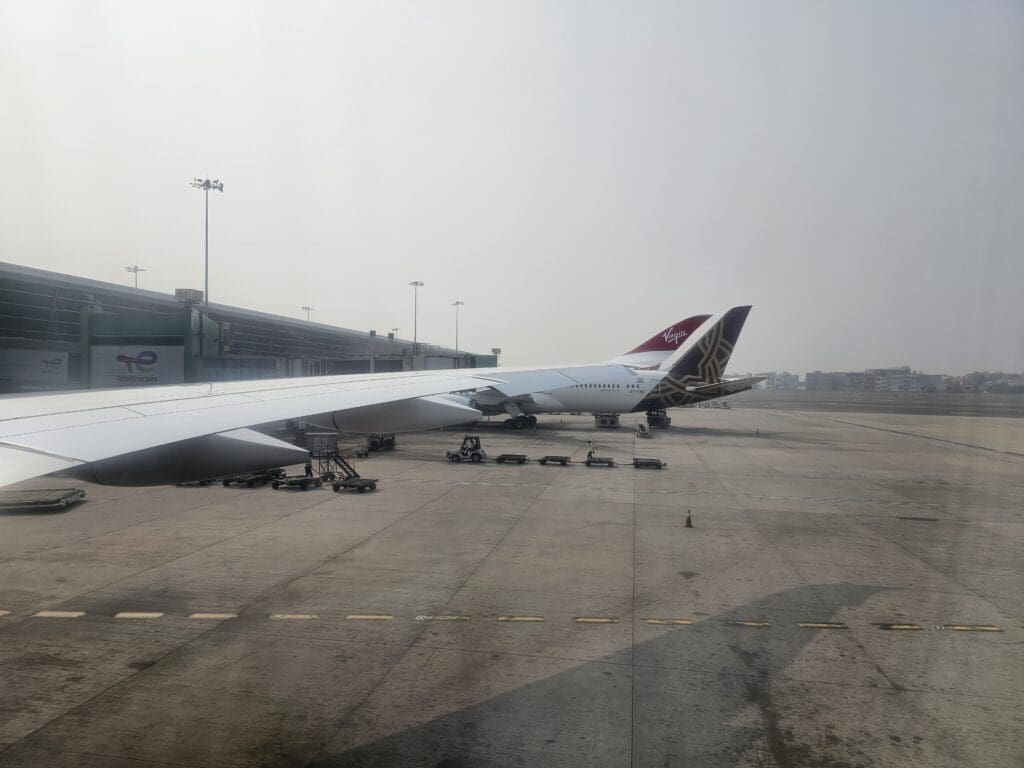
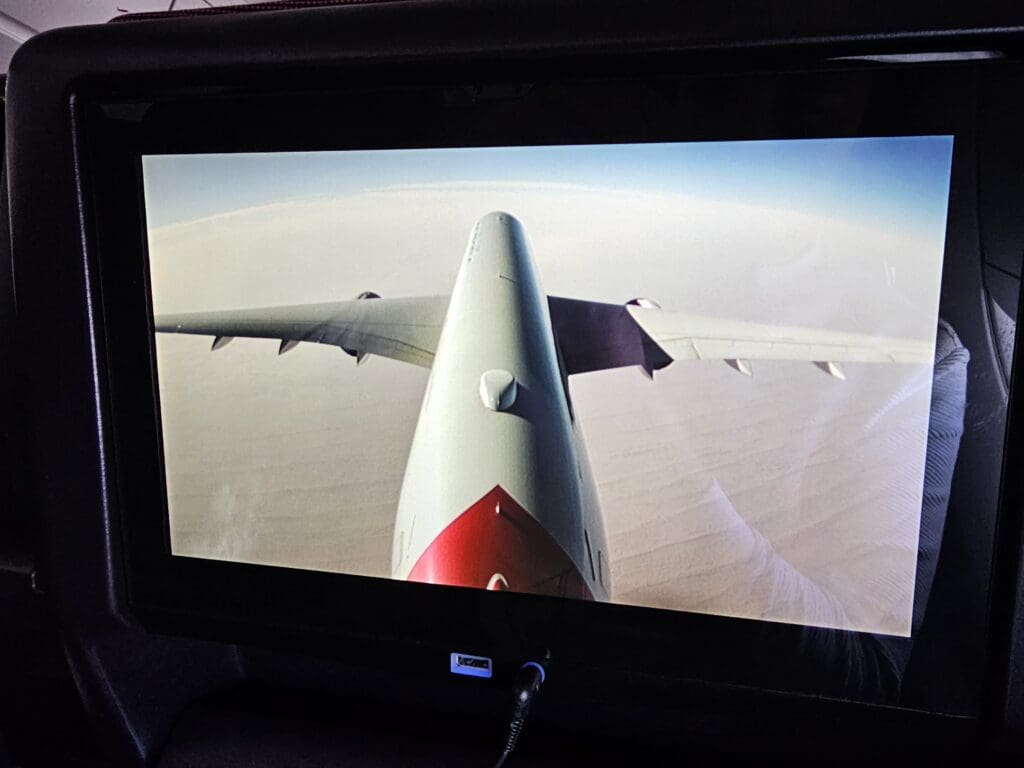
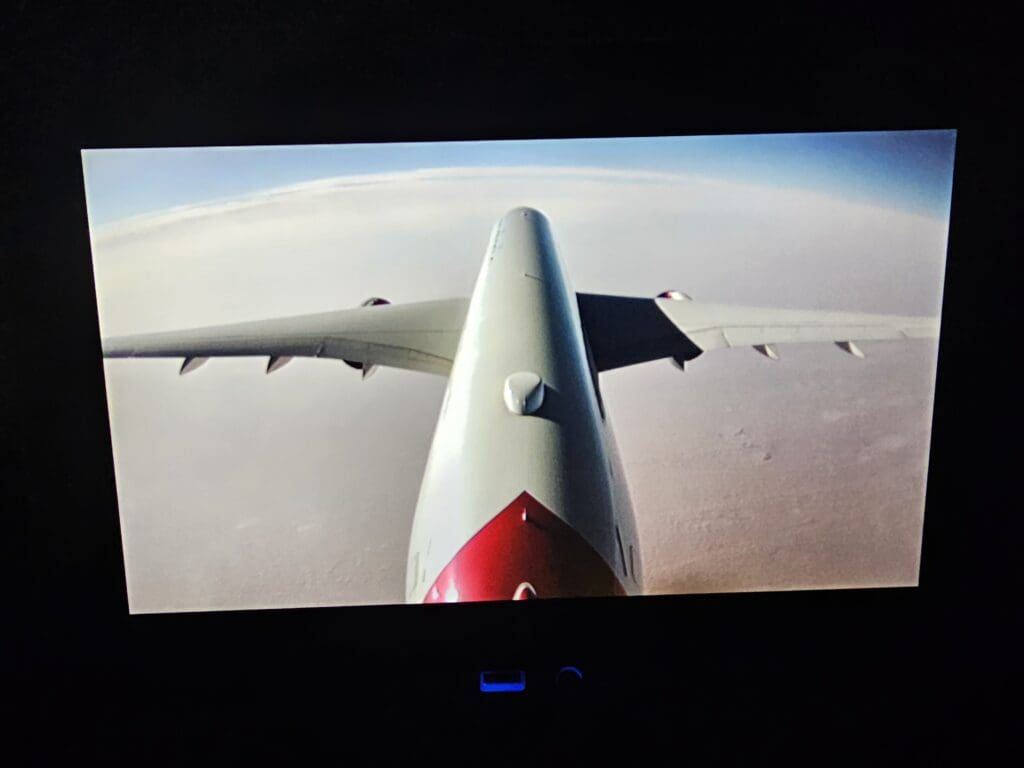
Whilst still on stand, it seemed that one engine was quietly powered up, and seven minutes after our scheduled departure time, the Airbus gently jolted backwards as we were pushed back away from the stand and pointed in the direction of the nearby taxiway. Upon coming to a halt, several more hums and whirs could be heard as the aircraft’s second engine powered into life ready to carry us all thousands of miles westwards to London. Once the safety demonstration had come to an end, the Vera inflight entertainment system became usable, and like any good enthusiast, I opted to tune into one of the aircraft’s two exterior cameras that are accessible via this system. After watching the towbar being disconnected and the tug being backed away from the aircraft in high definition, the Airbus cautiously powered away from the apron under its own steam and commenced its journey over to the end of Runway 29R.
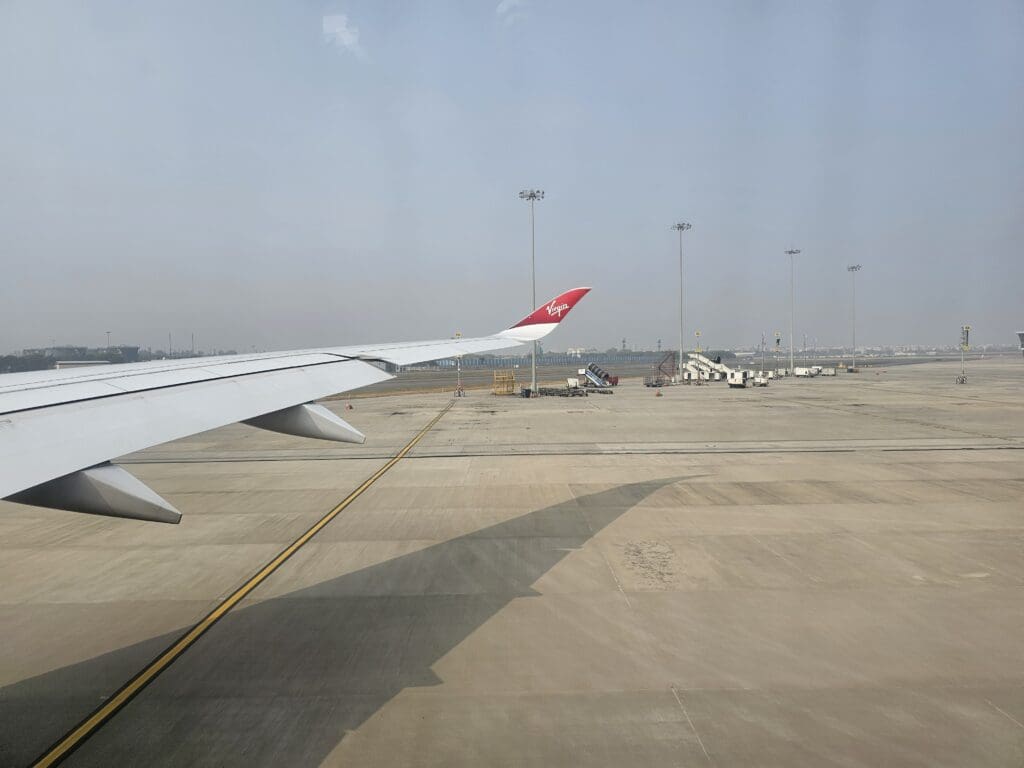
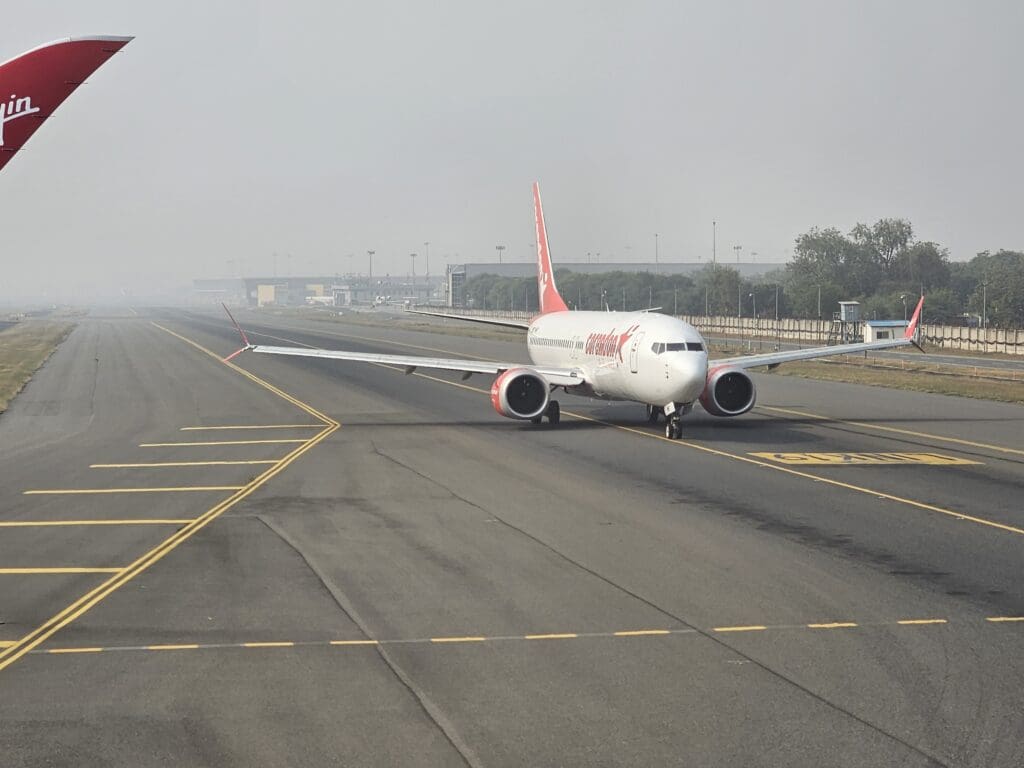
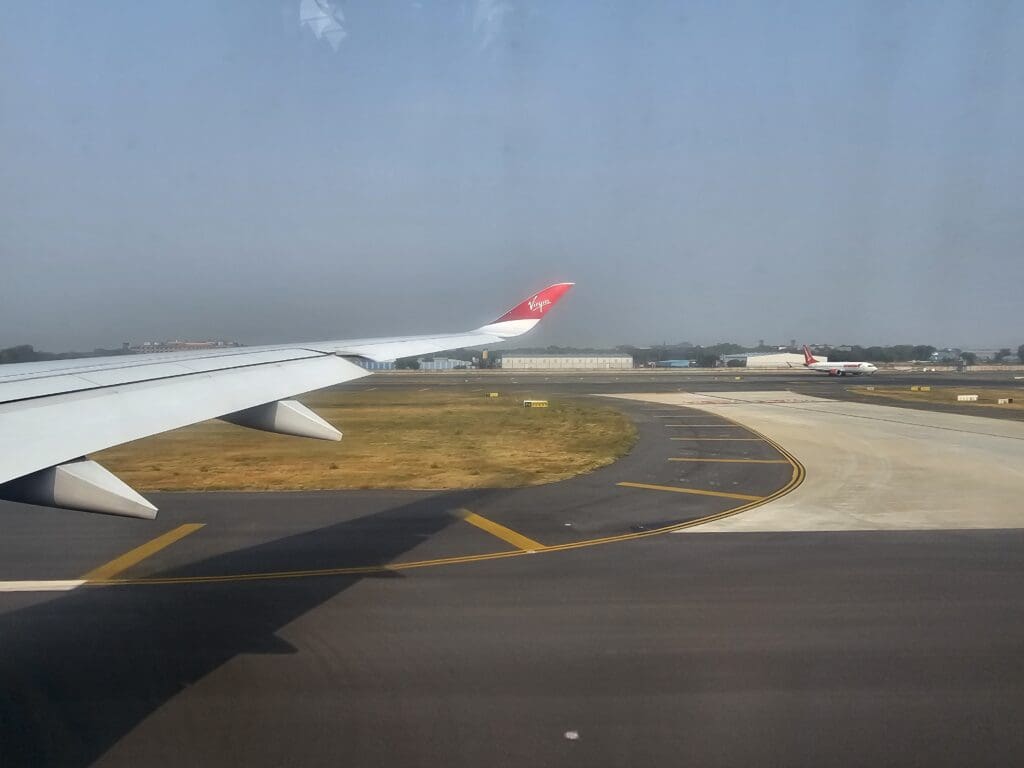
As we powered away from Terminal 3, the cabin crew passed through the aircraft ensuring that all was safe and secure for our departure, whilst we soon passed the airport’s private jet area where plenty of luxurious aircraft both large and small, alongside a few helicopters, could be seen waiting for their next missions. During this journey, I watched as a constant stream of aircraft touched down and departed from Delhi Airport’s two southern runways as we taxied along parallel to this. As was to be expected, most jets took the form of locally based jets operated by giants such as Air India, Indigo and Vistara. However, I was also delighted to spot a rare Indian Air Force Bombardier Global 5000 modified with all manner of weird lumps and bumps coming in to land through the lunchtime smog. Once at the end of the runway, a few minutes of waiting was required as two Airbus A320s rocketed off ahead of us to Chennai and Srinagar.
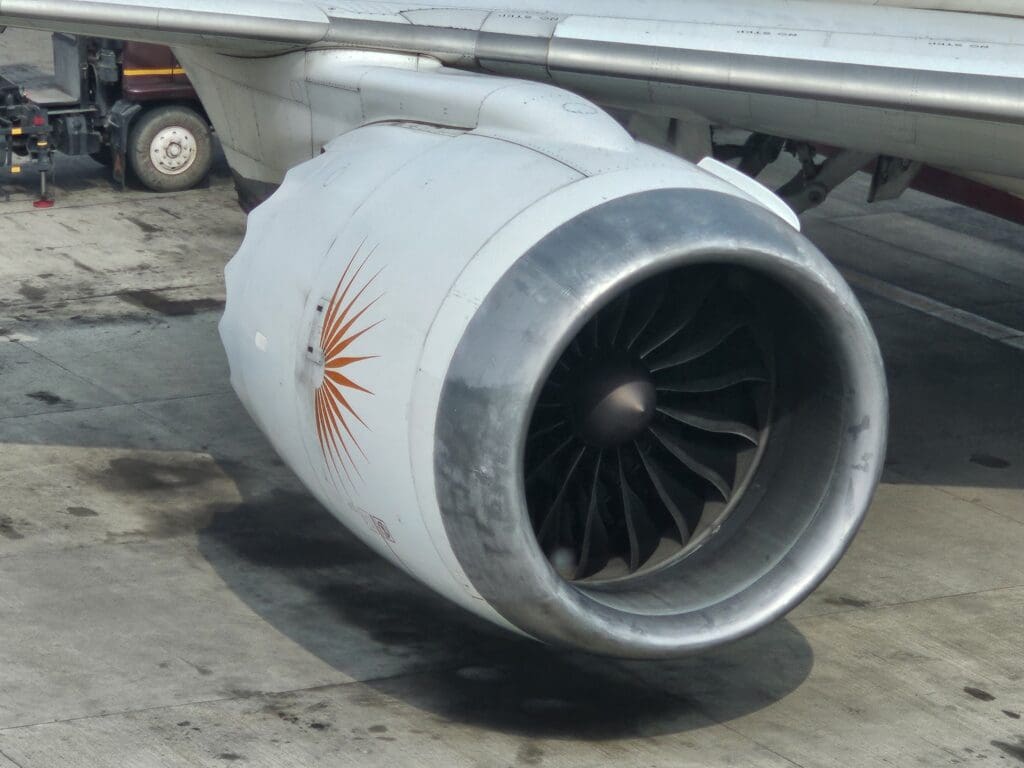
Exactly 25 minutes after being pushed back from the stand, at 1312 the Airbus lumbered onto the runway before its two massive Rolls-Royce engines quietly powered into life as we commenced our take-off roll. Despite presumably being heavily loaded for the flight to London, this was a fairly powerful take-off roll, and we accelerated at a decent rate before the nose was pointed skywards and we rose upwards into the skies of Delhi. Already pointing very roughly in the correct direction for London, after departure, relatively few turns were required as we soared over the towns of Dwarka and Najafgarh on Delhi’s far western fringes.
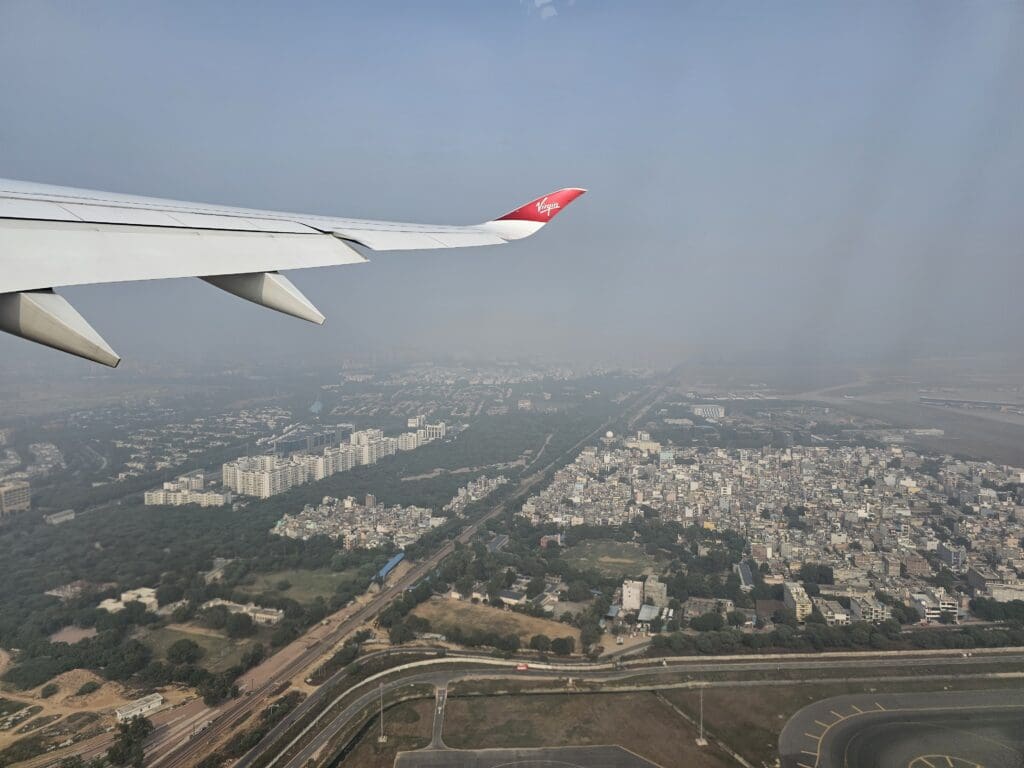
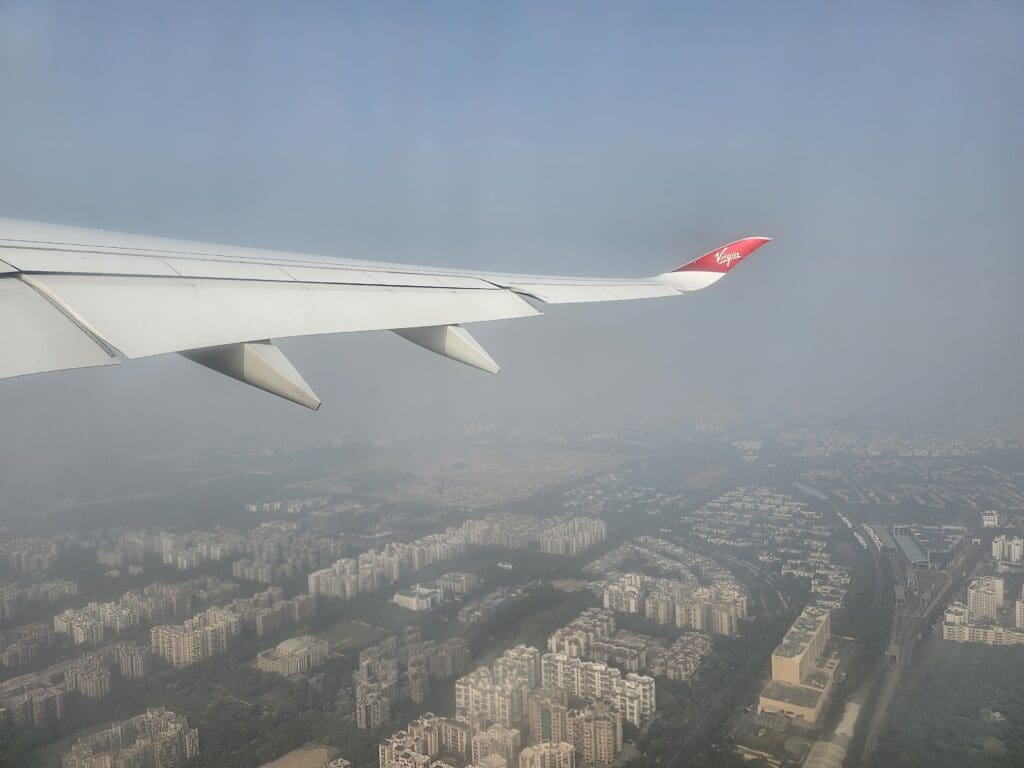
Soon, the Airbus left the sprawl of Delhi behind, and we climbed out over the countryside of Haryana on a northwesterly heading. Five minutes after taking to the skies, the crew were released from their seats, at which point the Flight Manager performed their post-departure announcement. This consisted of another round of welcomes and thanks, an introduction to the Cabin Services Supervisor, some bits of safety information and an overview of the onboard wifi. This was then repeated in Hindi by one of the two flight attendants onboard who were experts in the local lingo, although surprisingly, seeing as no Hindi version of the safety demonstration was performed! As we climbed through 19,000 feet, the seatbelt signs were switched off, and a few minutes later, the Airbus crossed over into the skies of the Indian state of Punjab.
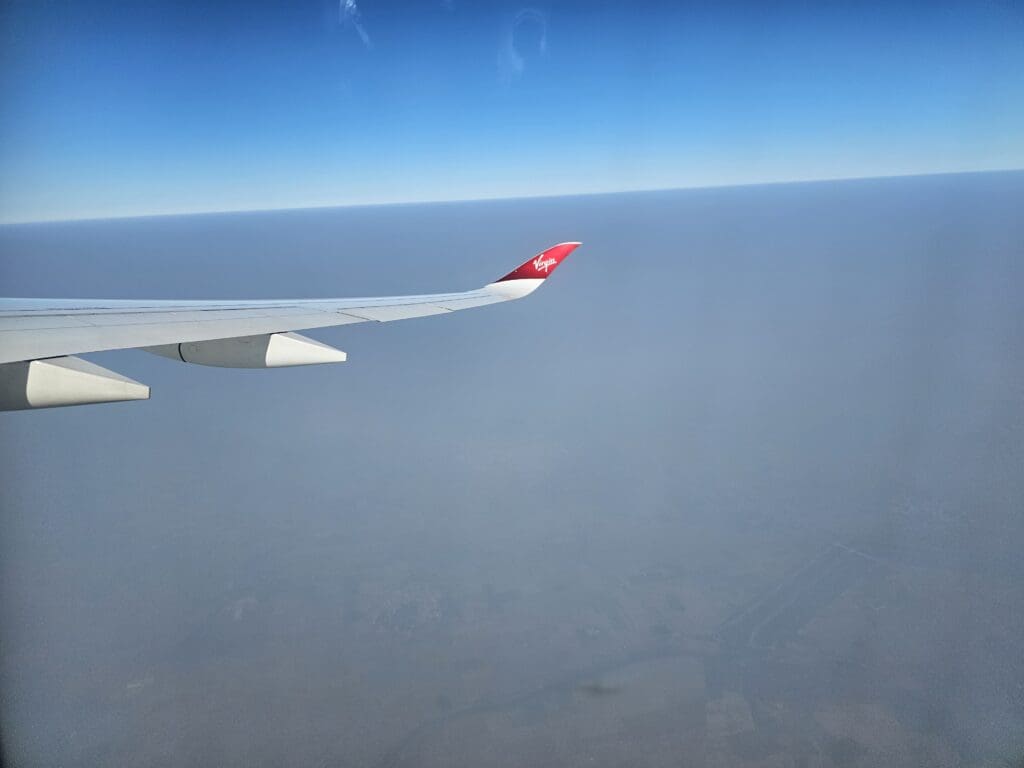
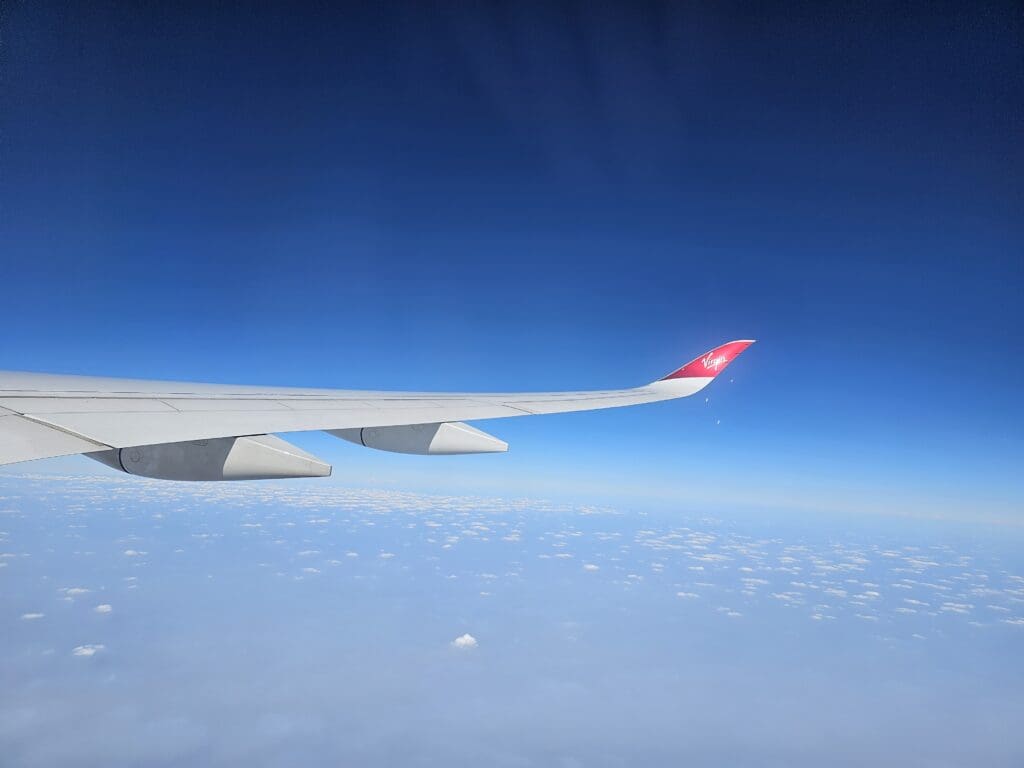
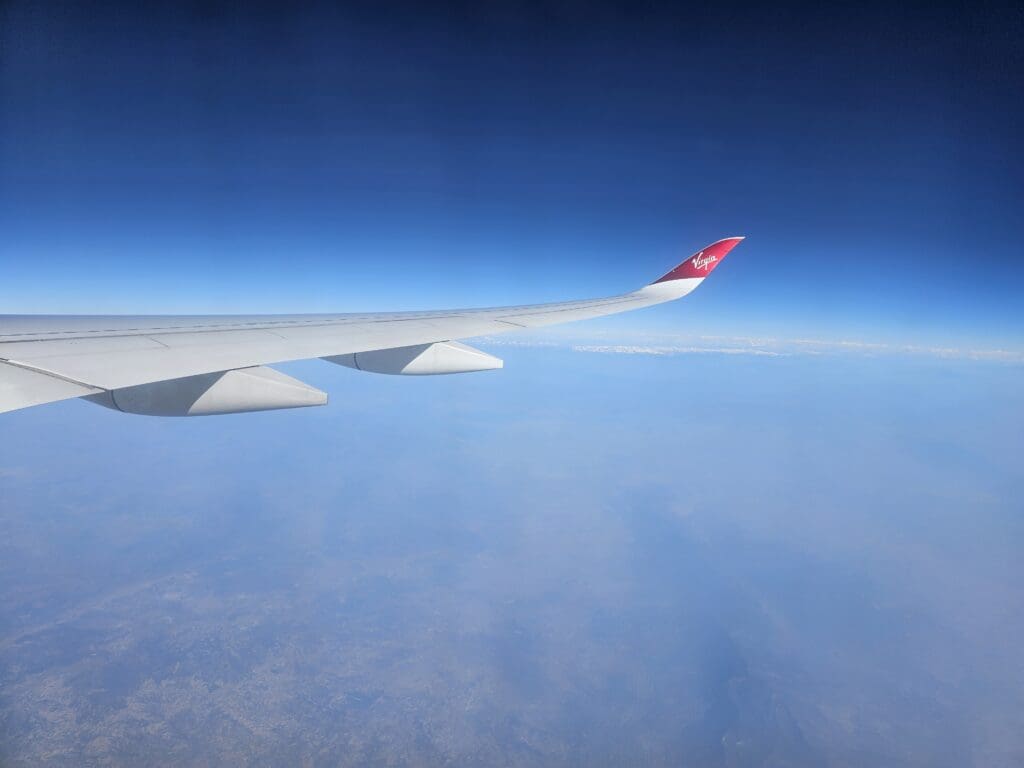
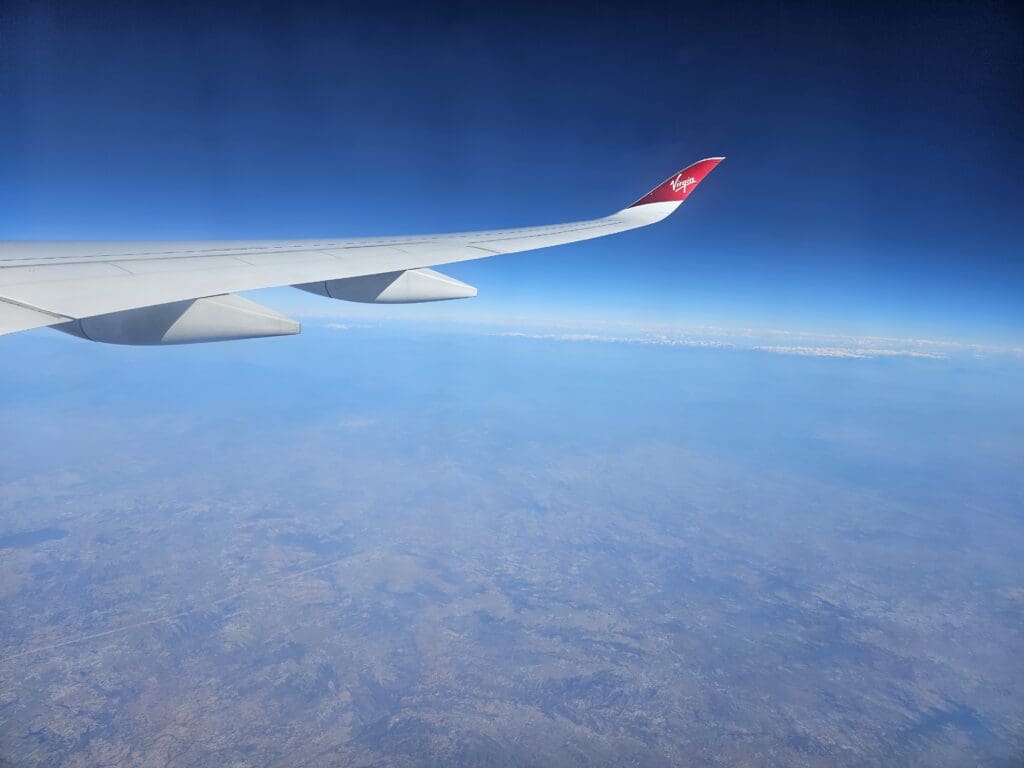
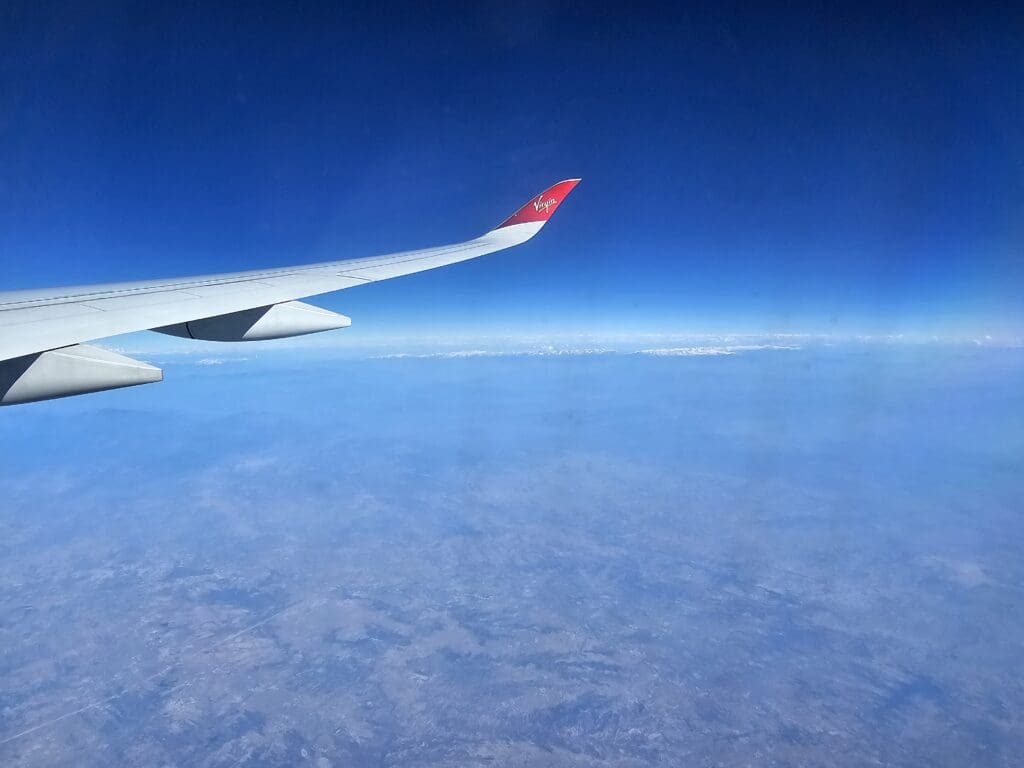
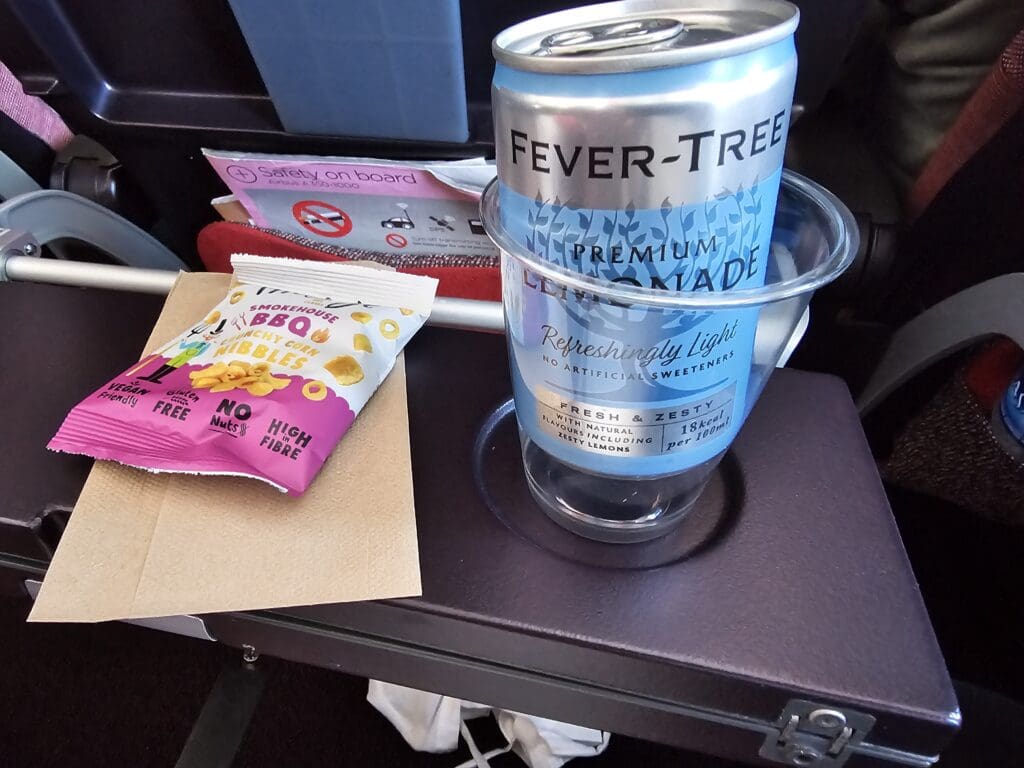
Around thirty minutes into the flight, the Airbus crossed into Pakistani airspace and almost immediately passed the sprawl of the country’s second largest city, Lahore, a short time after levelling off at our initial cruising altitude of 34,000 feet. At this time, the crew took to the aisles and commenced the first round of service in Economy. Commencing this from the rear of the cabin, after a few minutes, one of the friendly flight attendants reached my row, and I was offered a drink. Opting for a lemonade, a small mixer can of the comparatively upmarket Fever Tree lemonade was handed to me along with a paper cup, a serviette and a small bag of a BBQ flavour corn snack. Around ten minutes later, the flight attendants then passed through the cabin collecting the rubbish from this first round of service before preparing for the main event, lunch.
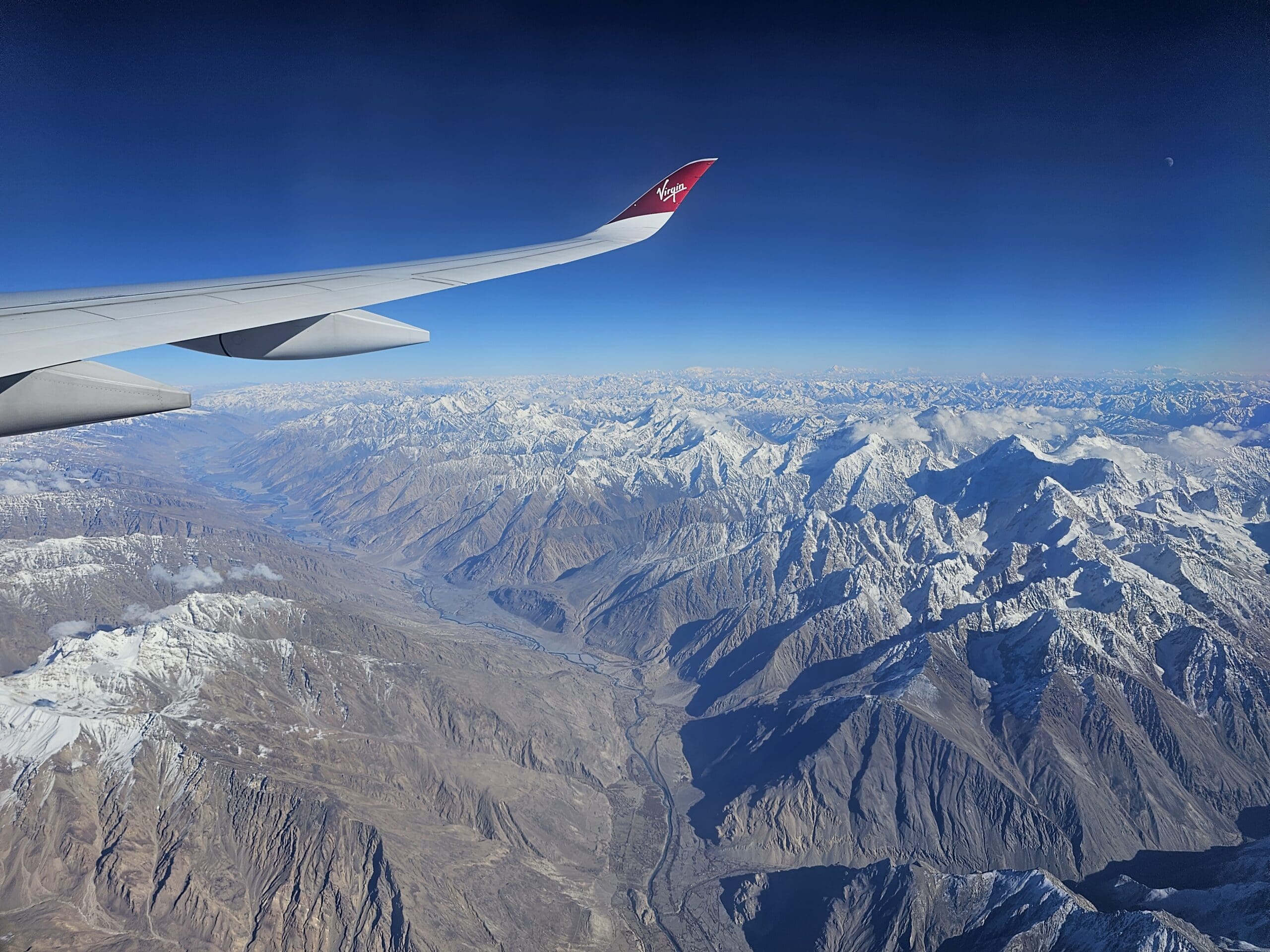
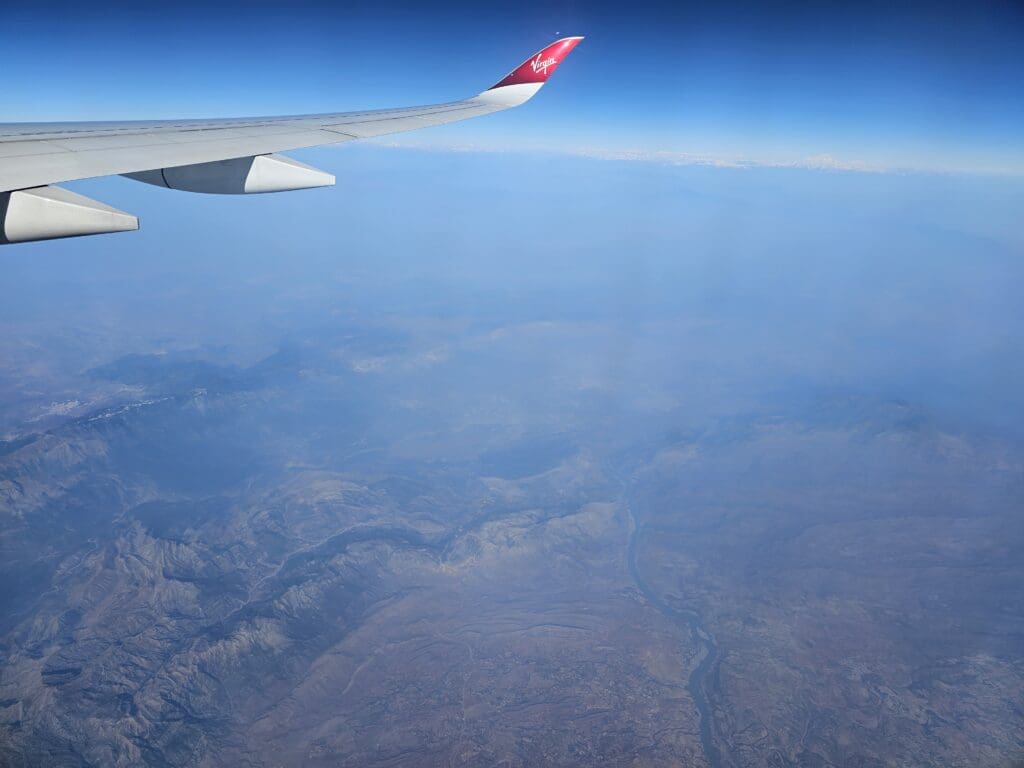
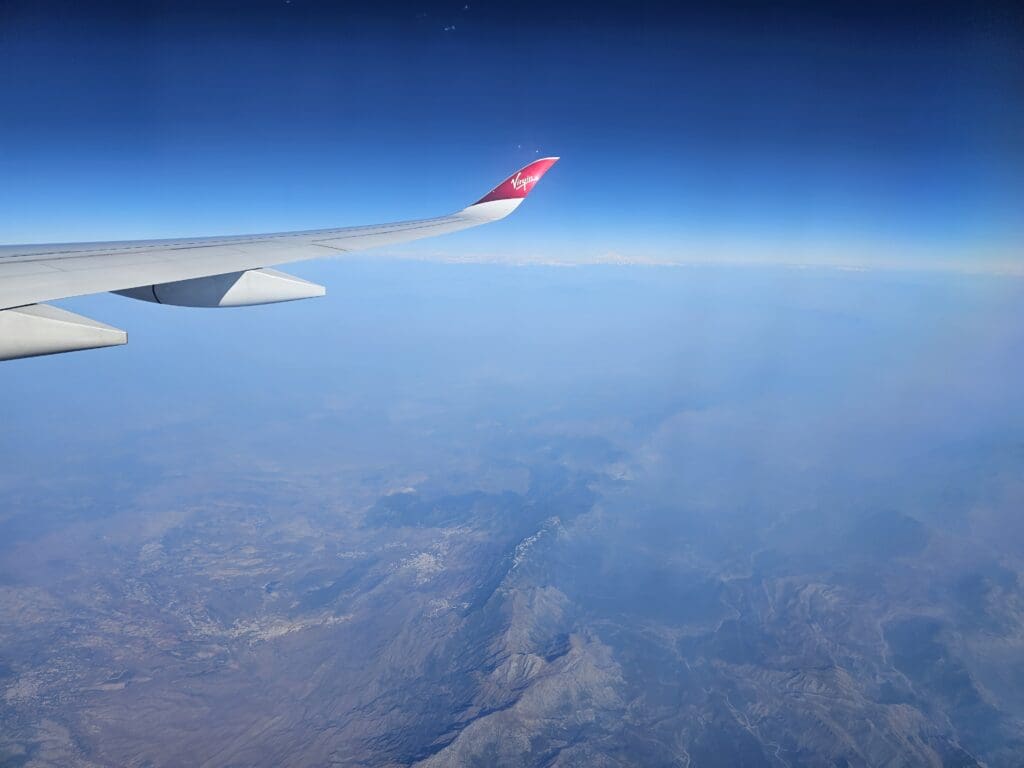
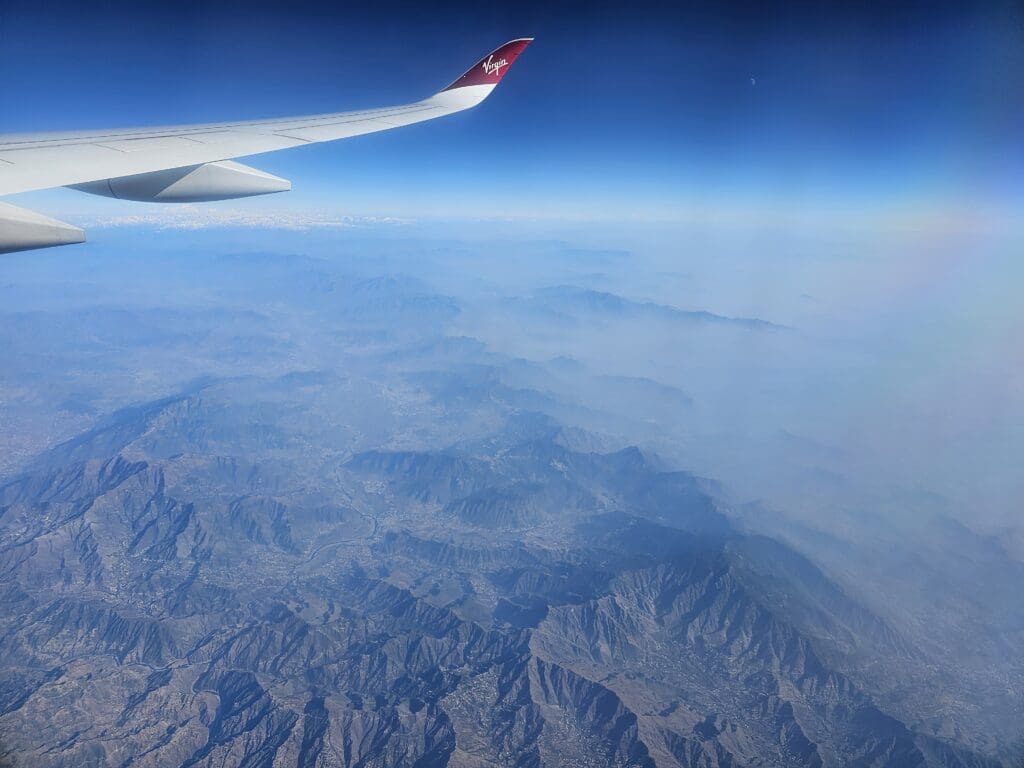
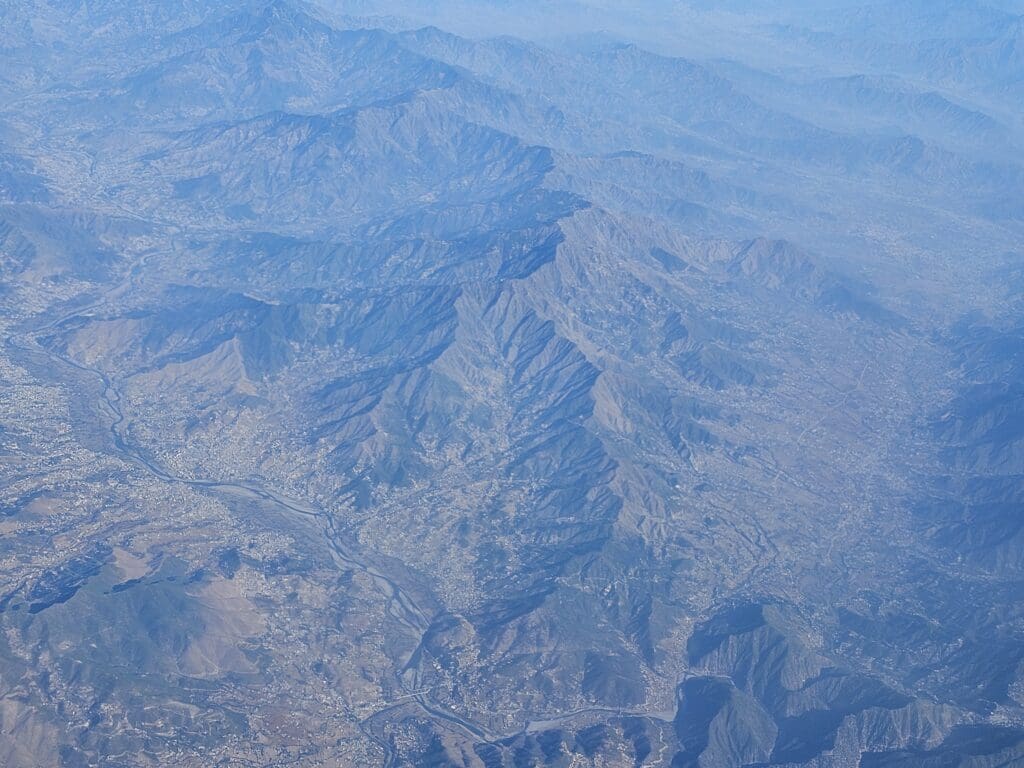
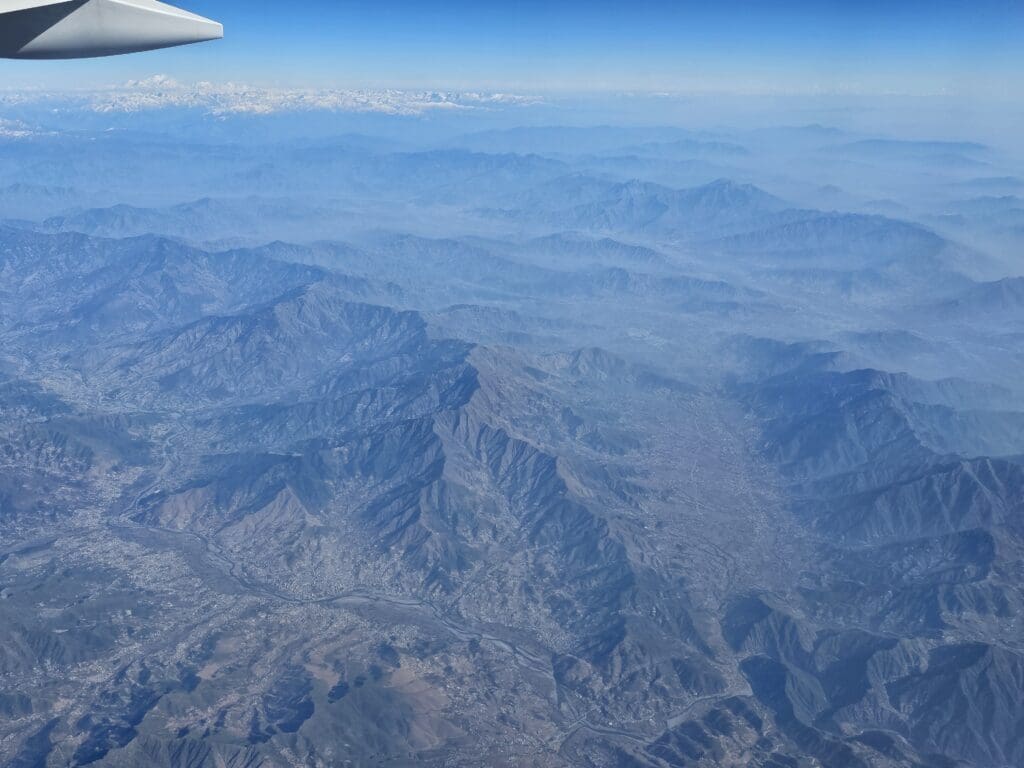
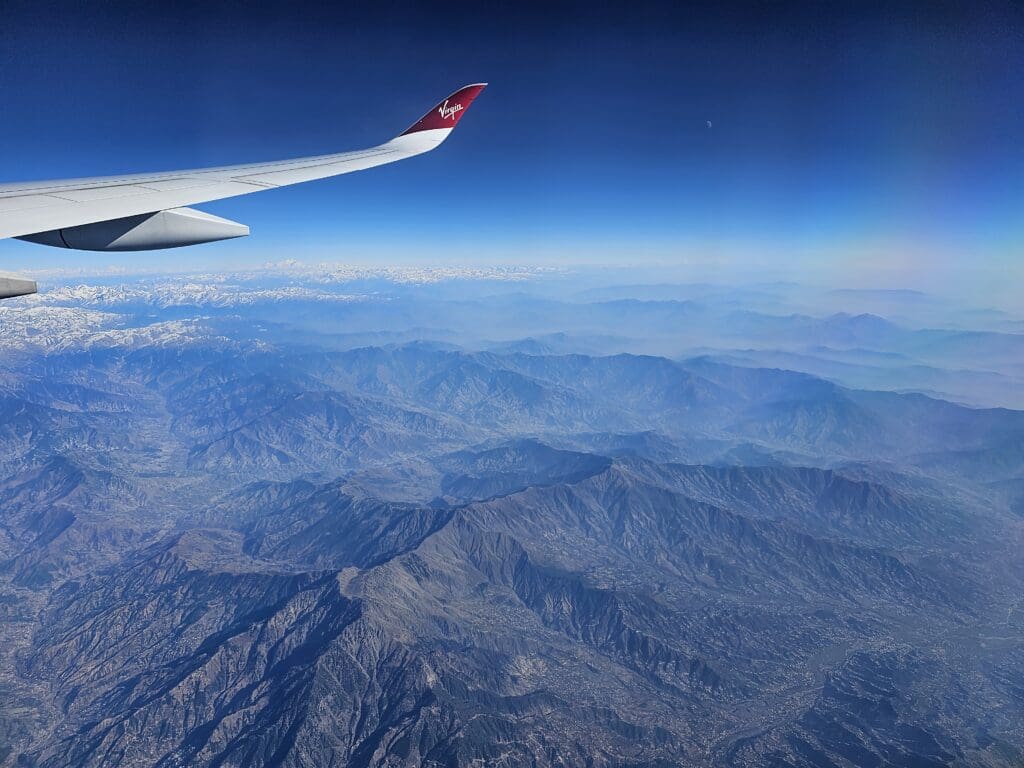
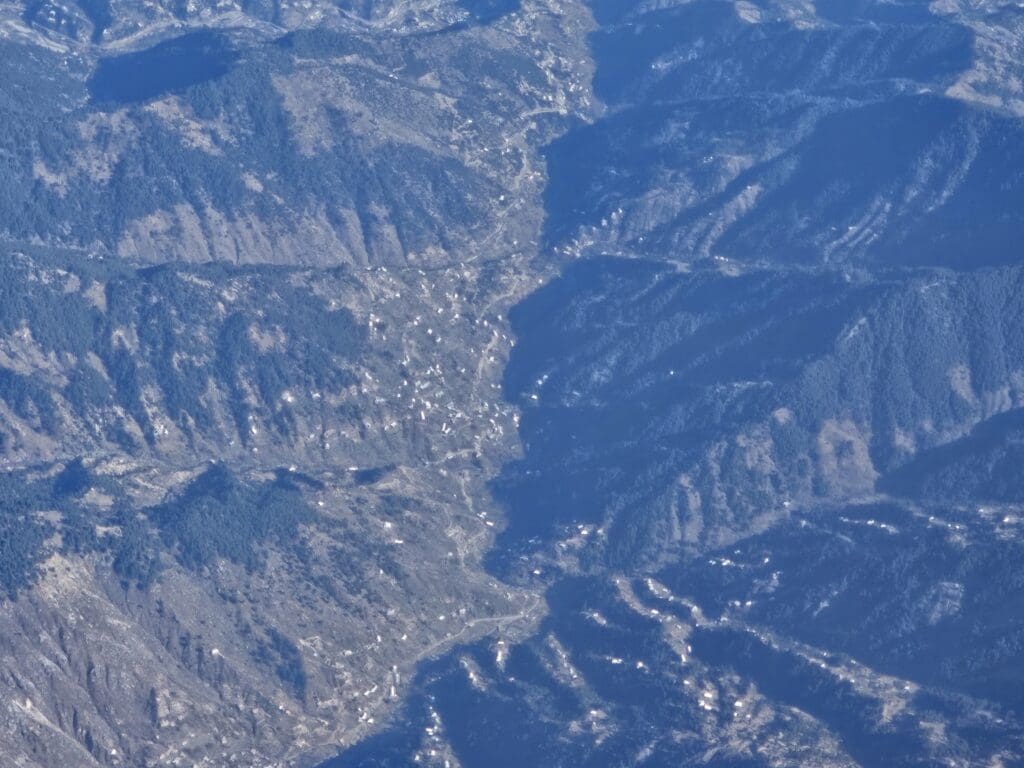
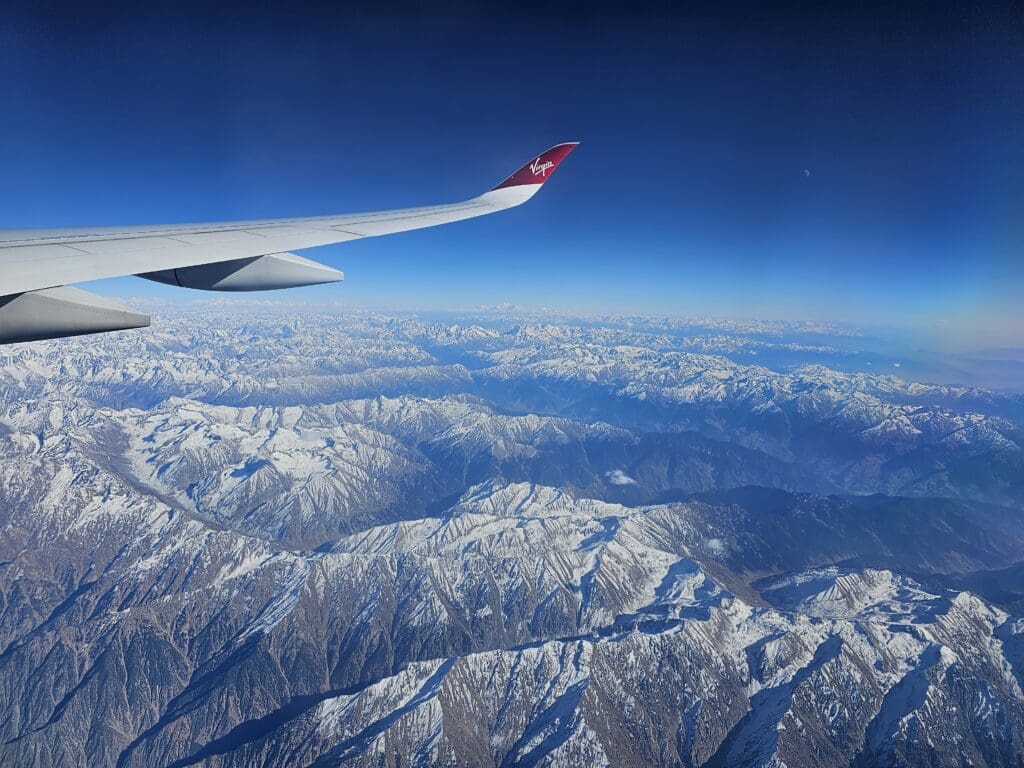
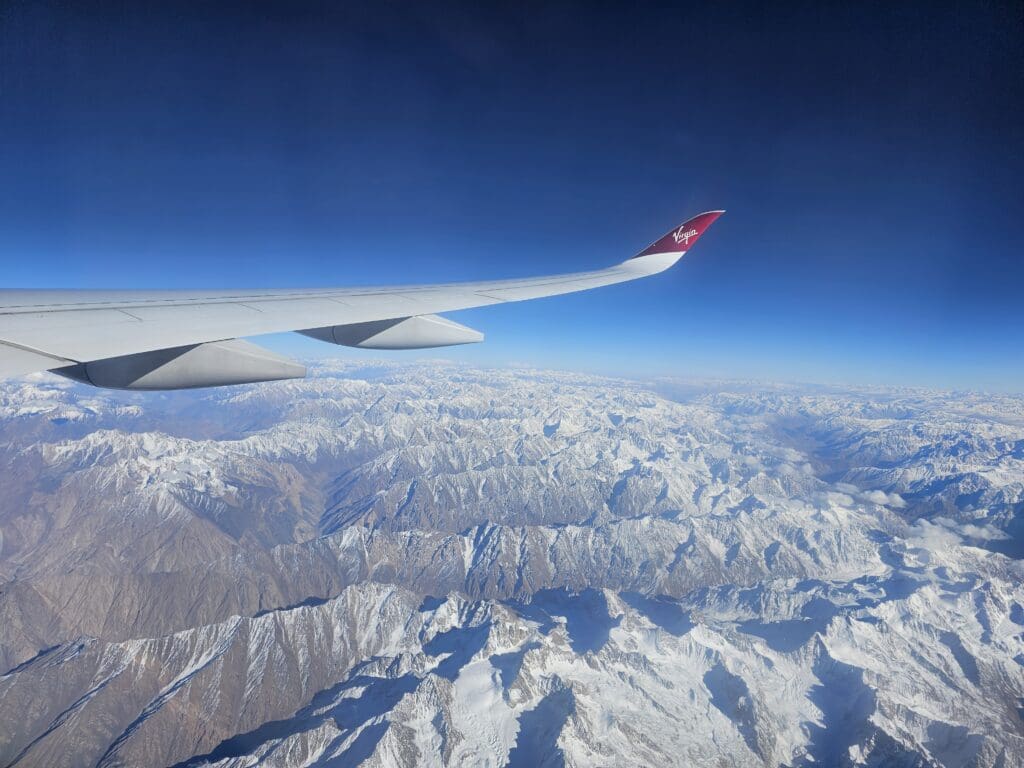
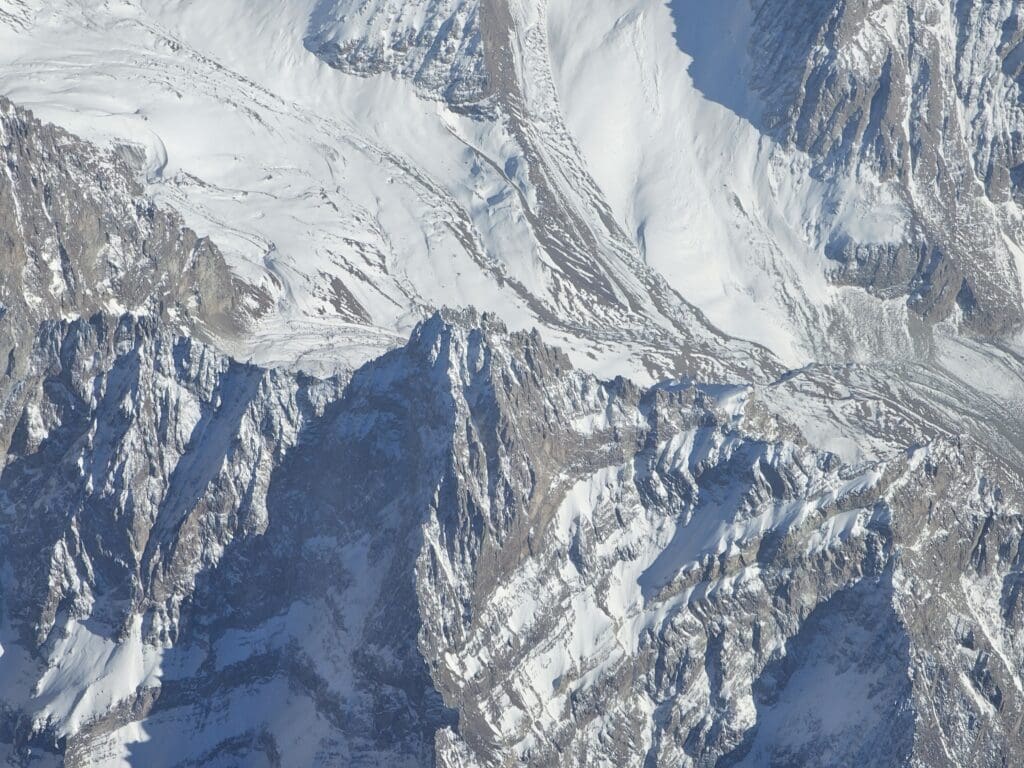
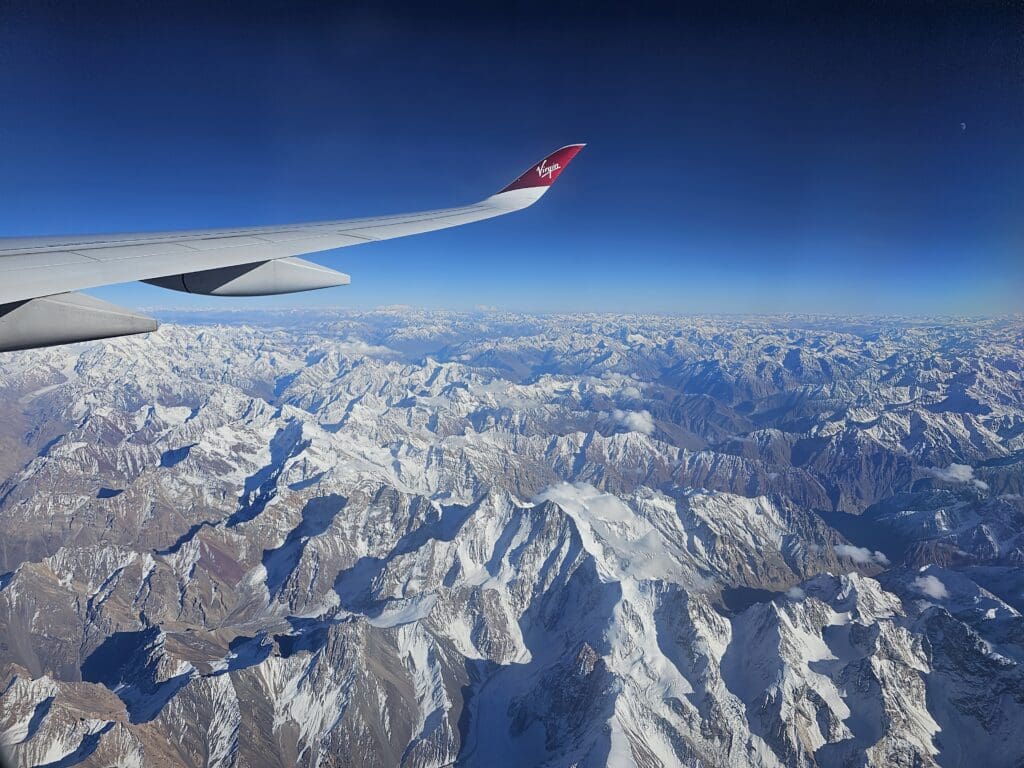
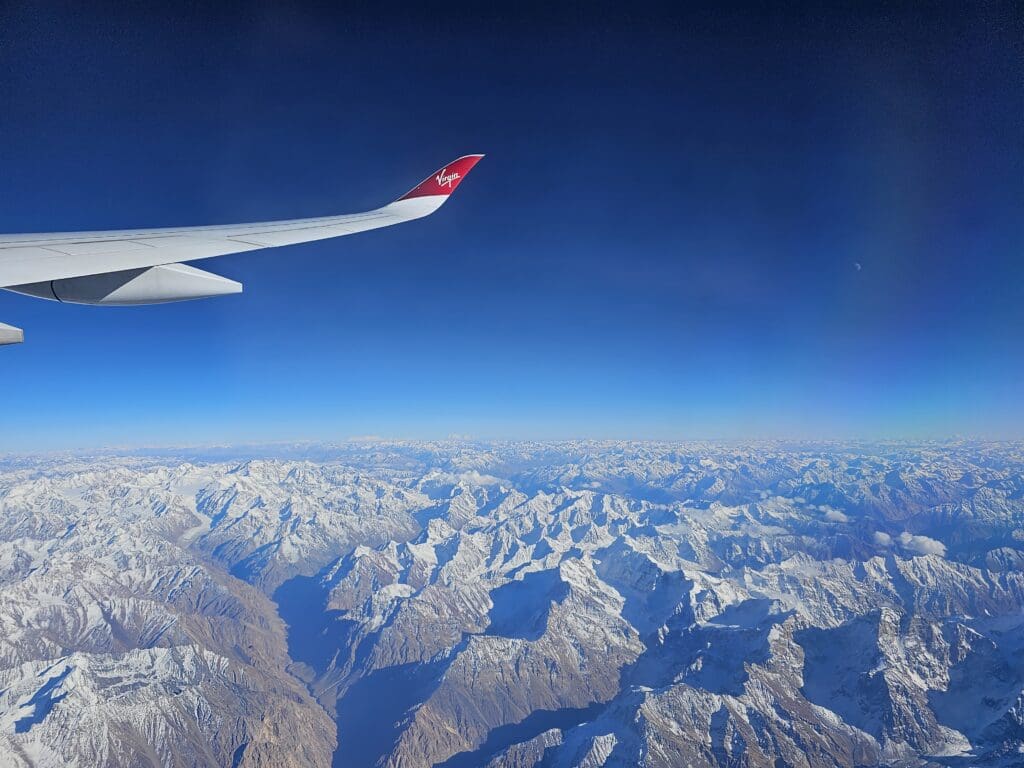
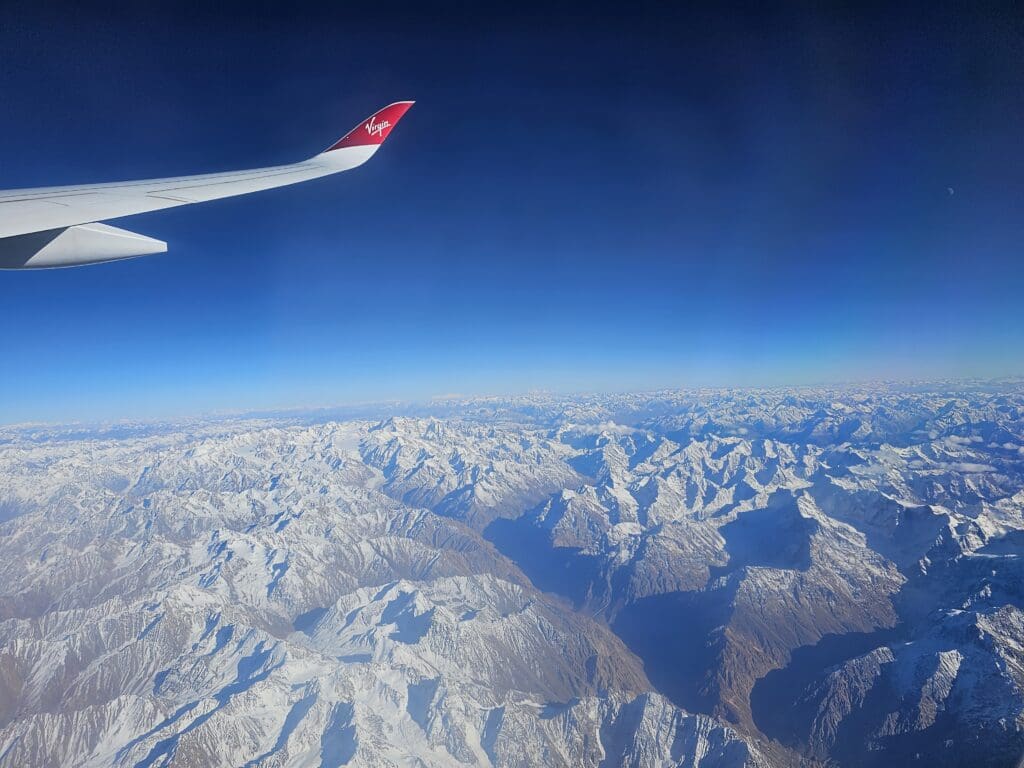
Returning to the route, from Lahore, the aircraft headed northwest across the country and soon reached the capital city, Islamabad. As we neared the capital, the snow-capped Pamir Mountains to the north of the city sprang up out of nowhere.

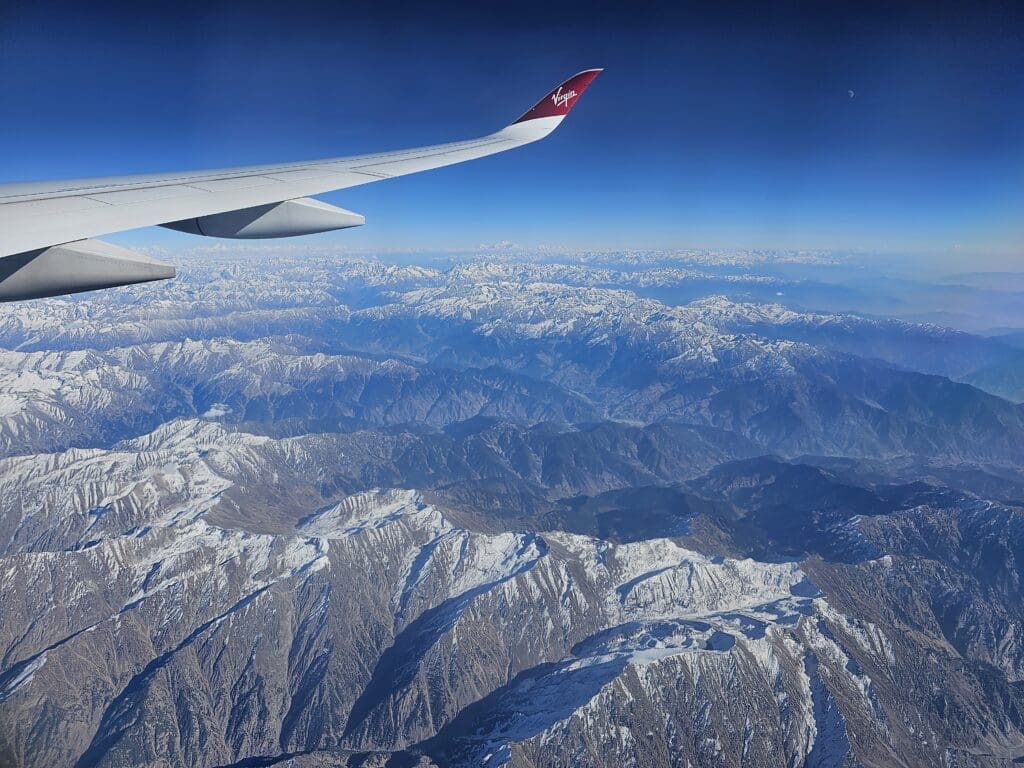
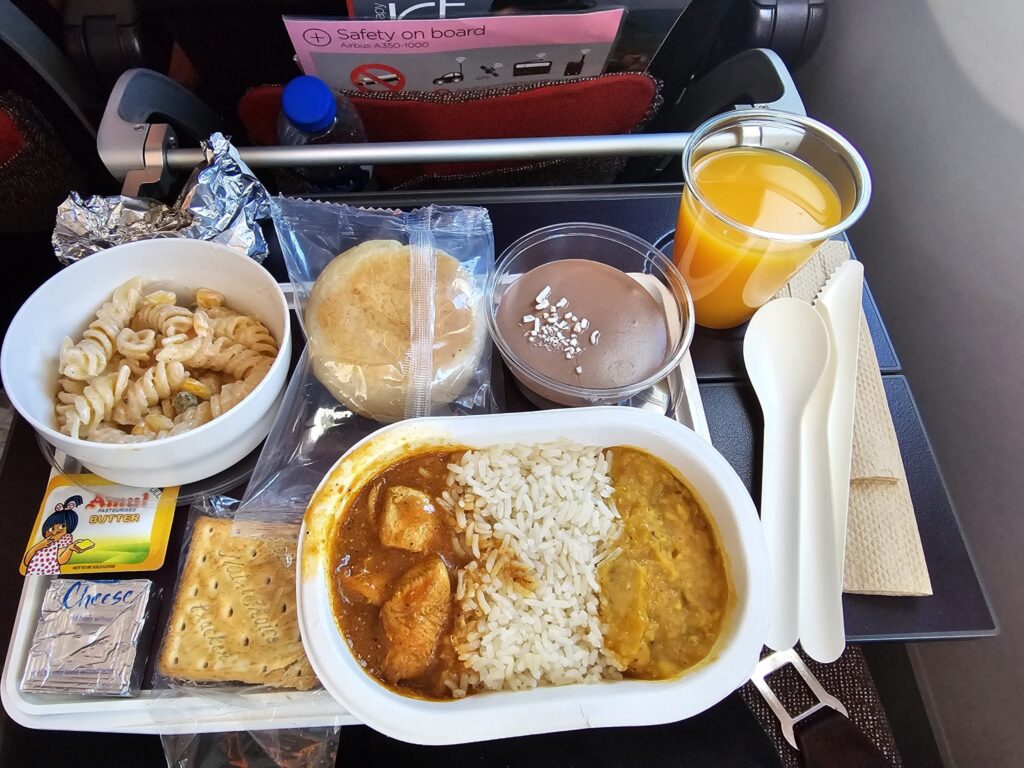
Back inside the cabin, the service carts were soon rolled out again and the lunch service commenced. Unfortunately, Virgin Atlantic does not offer a paper or digital menu for those in Economy, and meal options are not posted online before departure. Thus, the lunchtime offerings remained a mystery until the flight attendant reached my row. Once there, I was advised that the options were chicken curry or vegetable curry. Seeing as I had gone for the vegetable option on my Vistara flight from Kolkata the previous evening, I decided to give the meat option a try, and soon a tray was placed on my table. Alongside the main dish, this featured a pasta salad, a cold packaged bread roll, a packet containing two crackers, butter and some spreadable cheese, as well as a sachet containing biodegradable cutlery. Meanwhile, dessert came in the form of a chocolate ganache. Opening up the main dish, as expected, this contained chicken curry and a portion of dhal, separated by rice. Soon digging in, I found the meal to be of decent quality and sufficient quantity; however, at the same time, it did not provide anything that could be said to have been of particular note and was ultimately rather forgettable. Nevertheless, I was left with nothing to complain about, and I was pleased to find that this service was undertaken in a cheery manner, furthering my positive impressions of the crew.
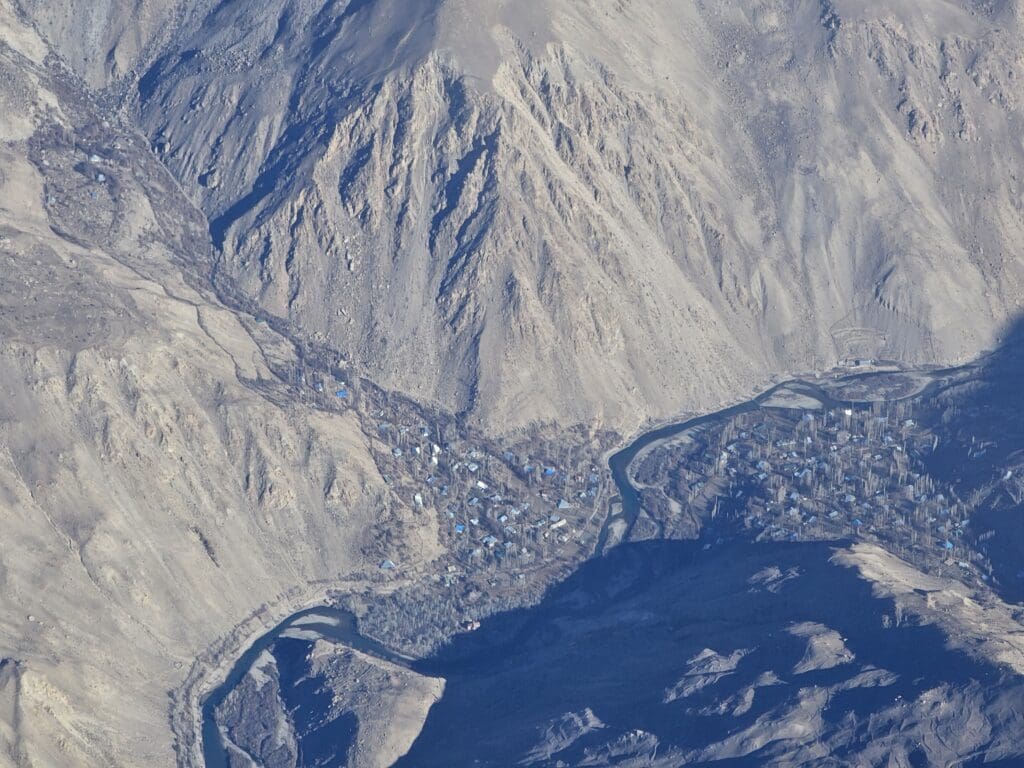
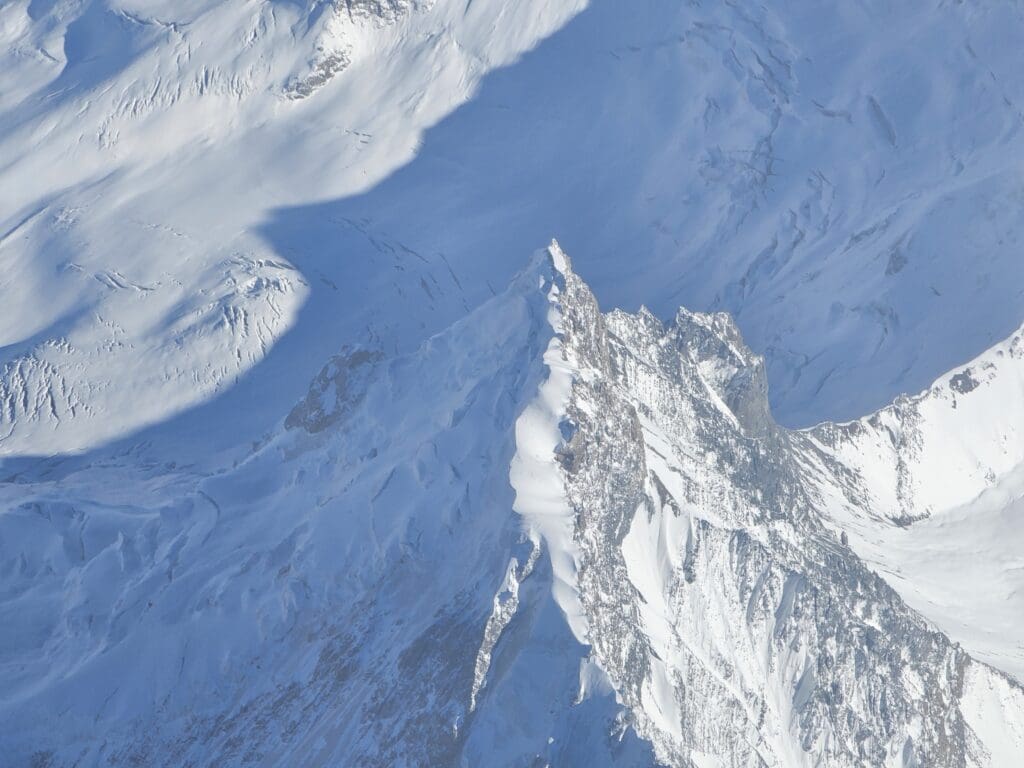
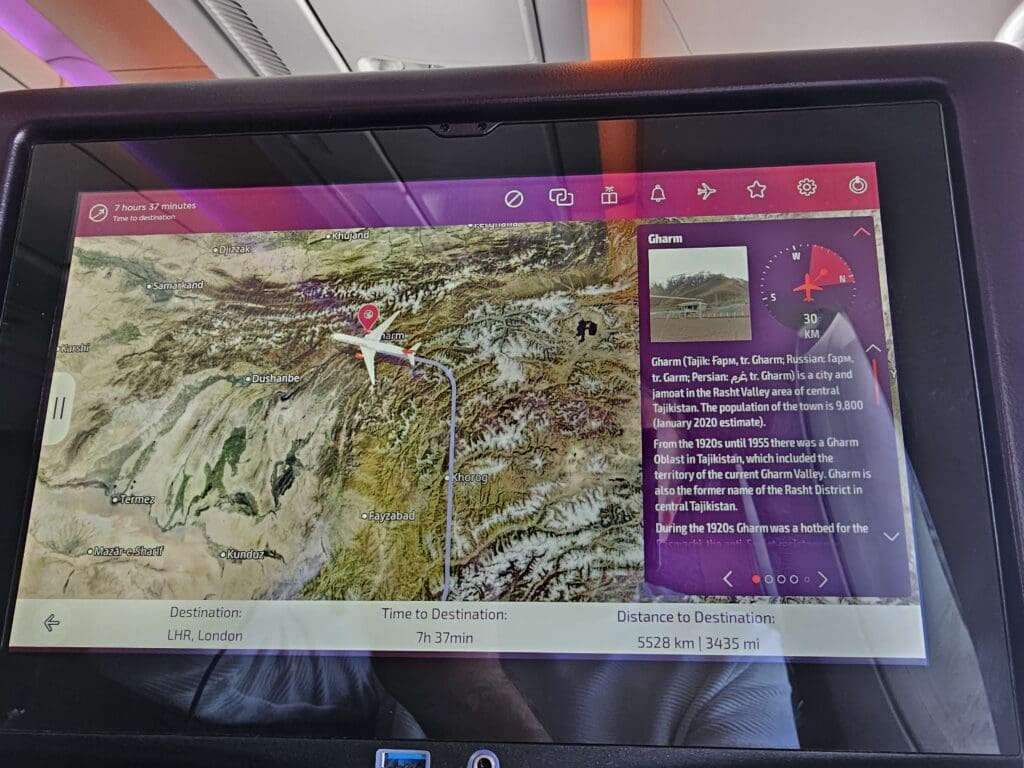
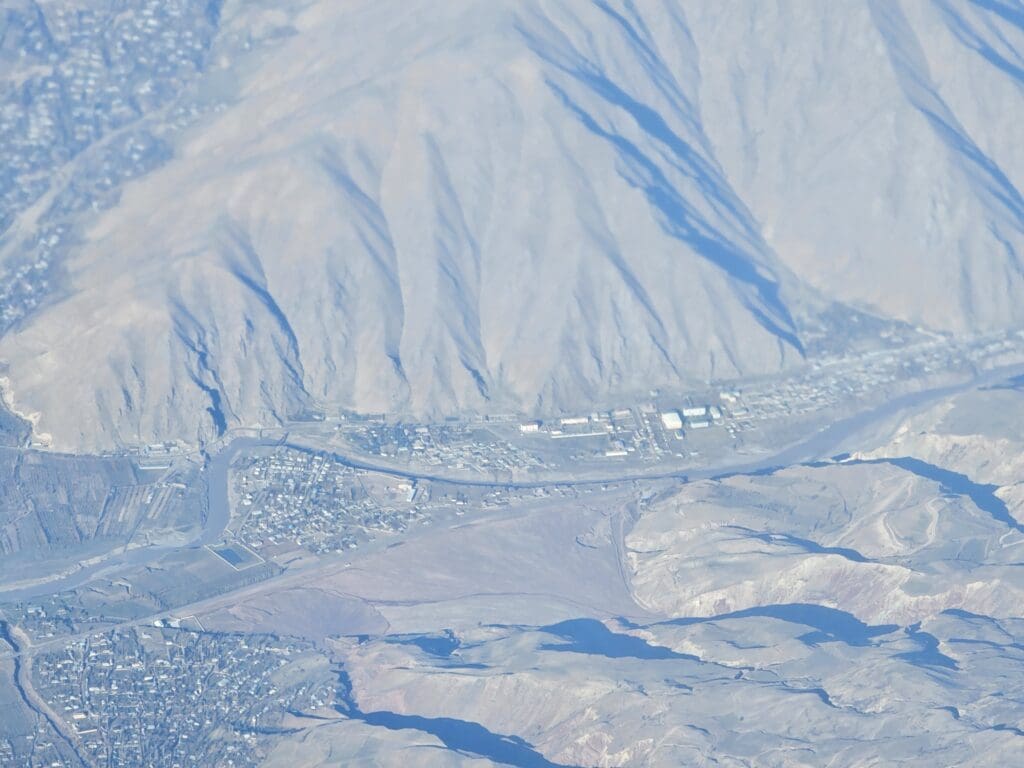
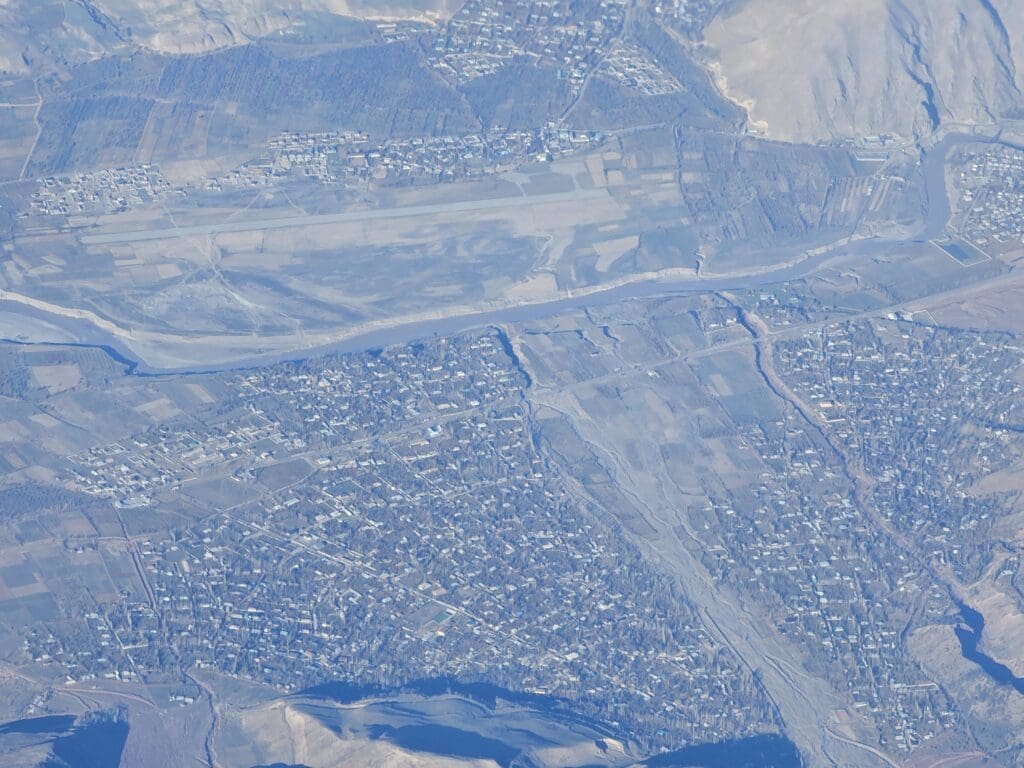
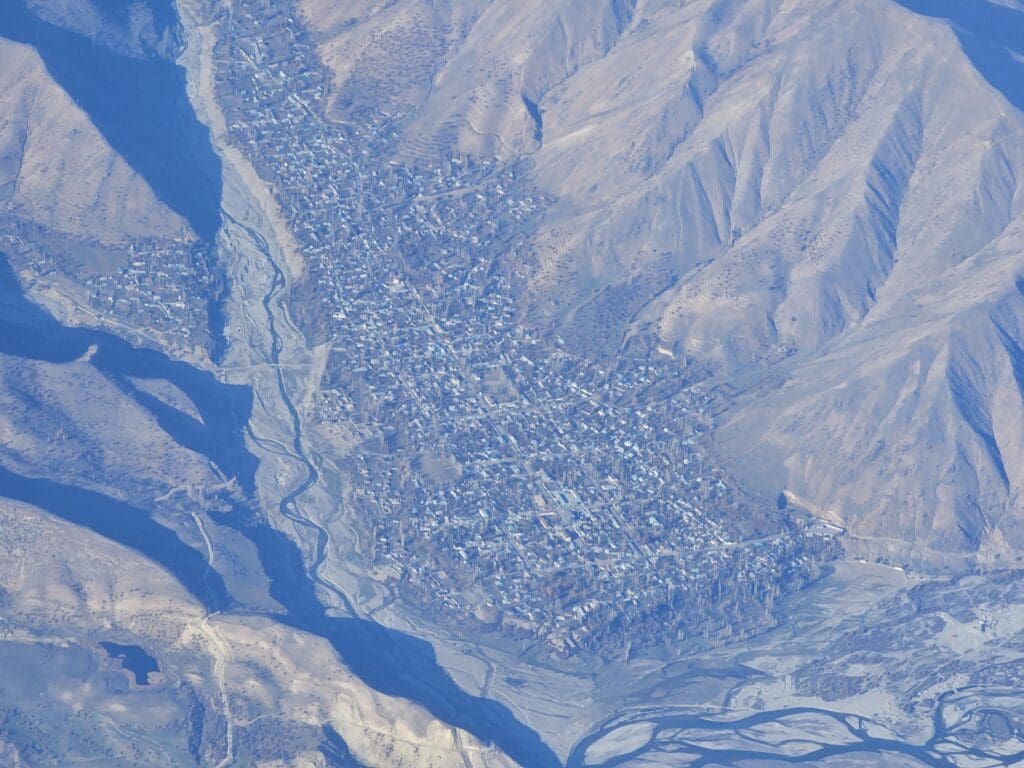
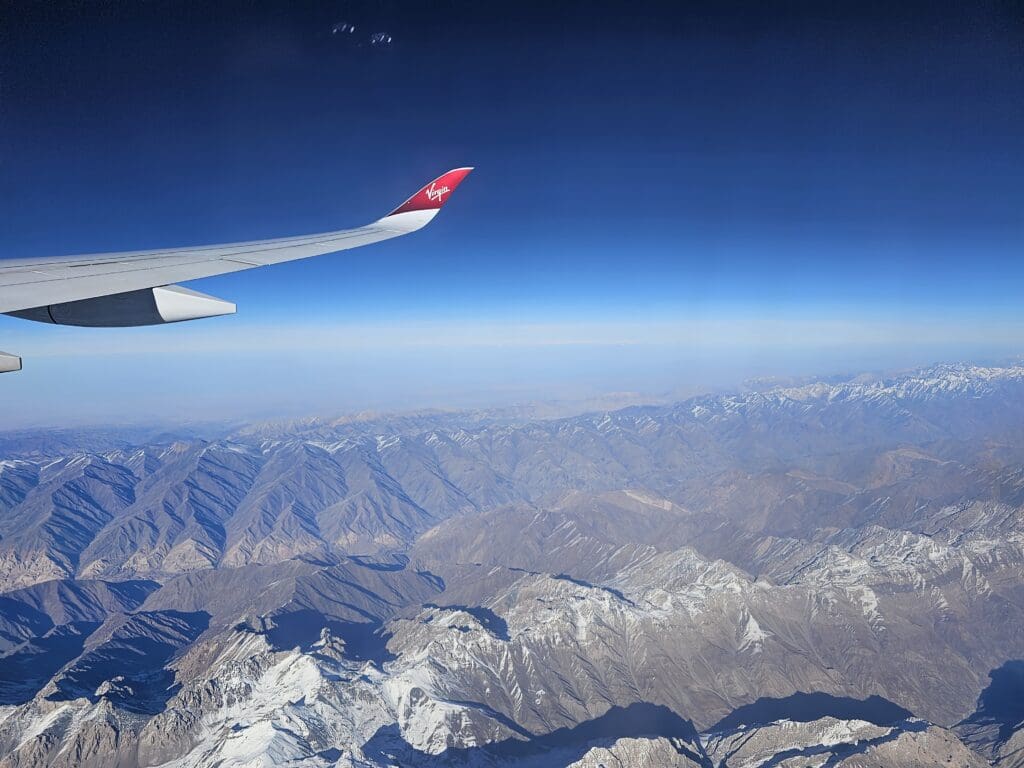
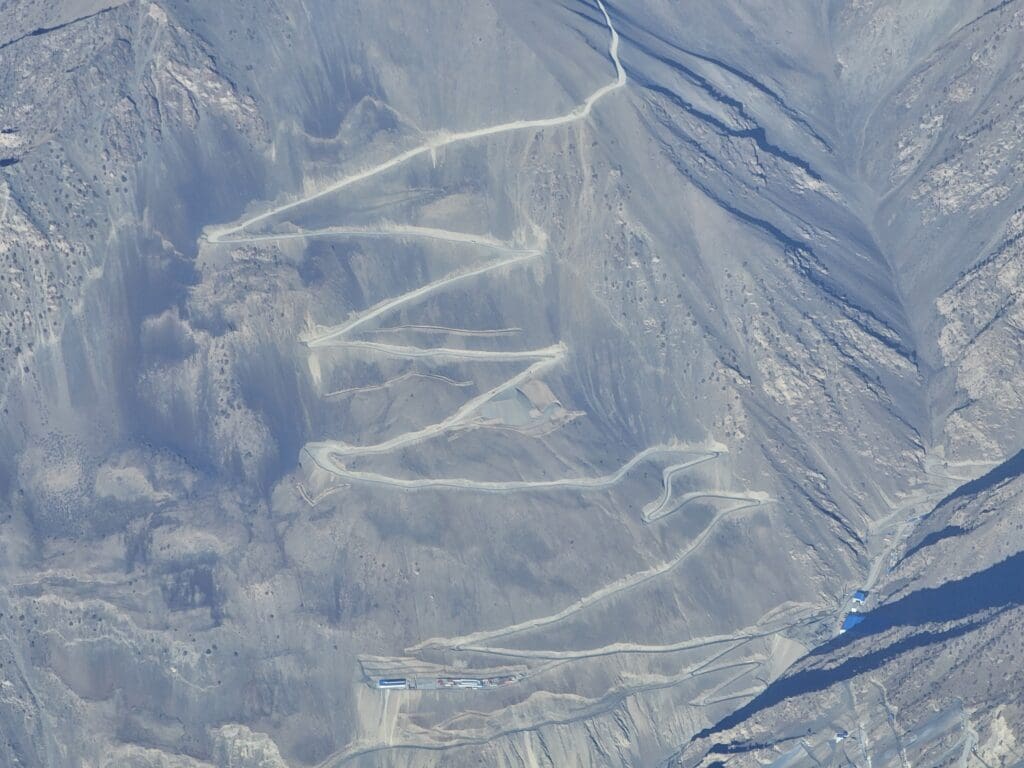
As I began to dig in, outside, I was treated to some of the most amazing views that I have ever seen from an aircraft as we began our journey over the impressive Pamir Mountains. These included the world’s second-tallest mountain, K2, which was visible in the distance. Crossing directly over the small city of Chitral in Khyber Pakhtunkhwa, the Airbus continued heading northwards with the occasional remote town and village seen sitting in the deep and dark mountain valleys. With no clear border in the mountains, continuing on a northerly heading, the aircraft soon left Pakistan behind and crossed over into the skies of Tajikistan, with the first settlement there coming in the form of the small city of Khorog, the capital of the Gorno-Badakhshan region. As we crossed over Tajikistan, the impressive mountainous landscapes continued, and once again, few settlements could be seen as we made our way over the country.
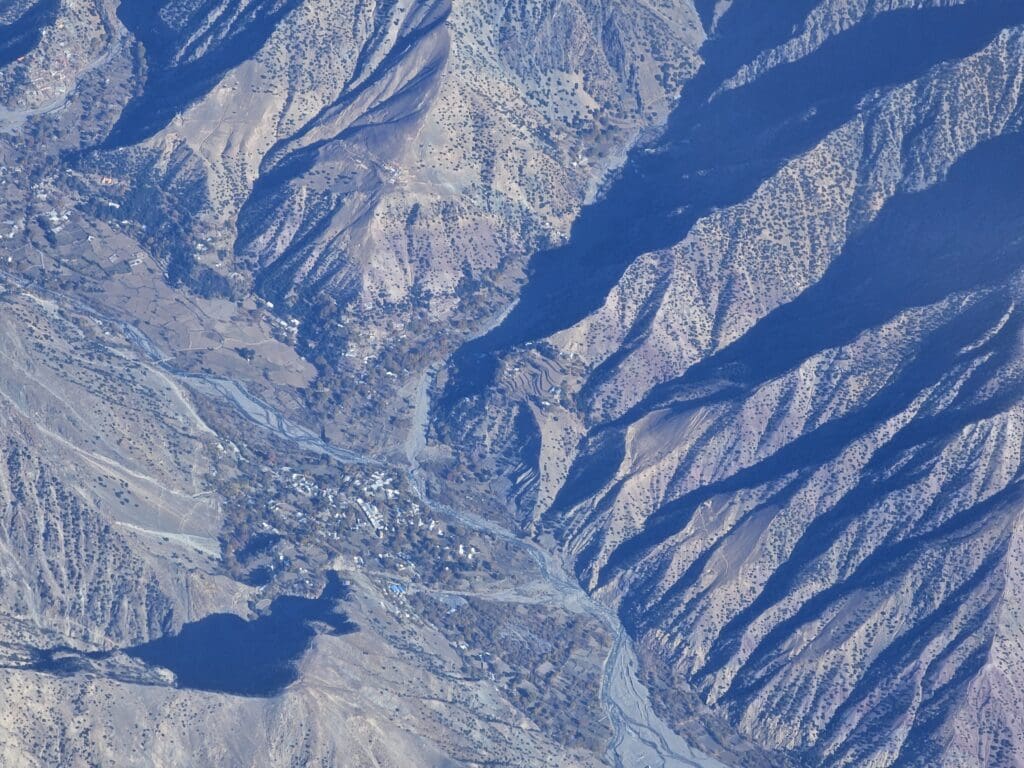
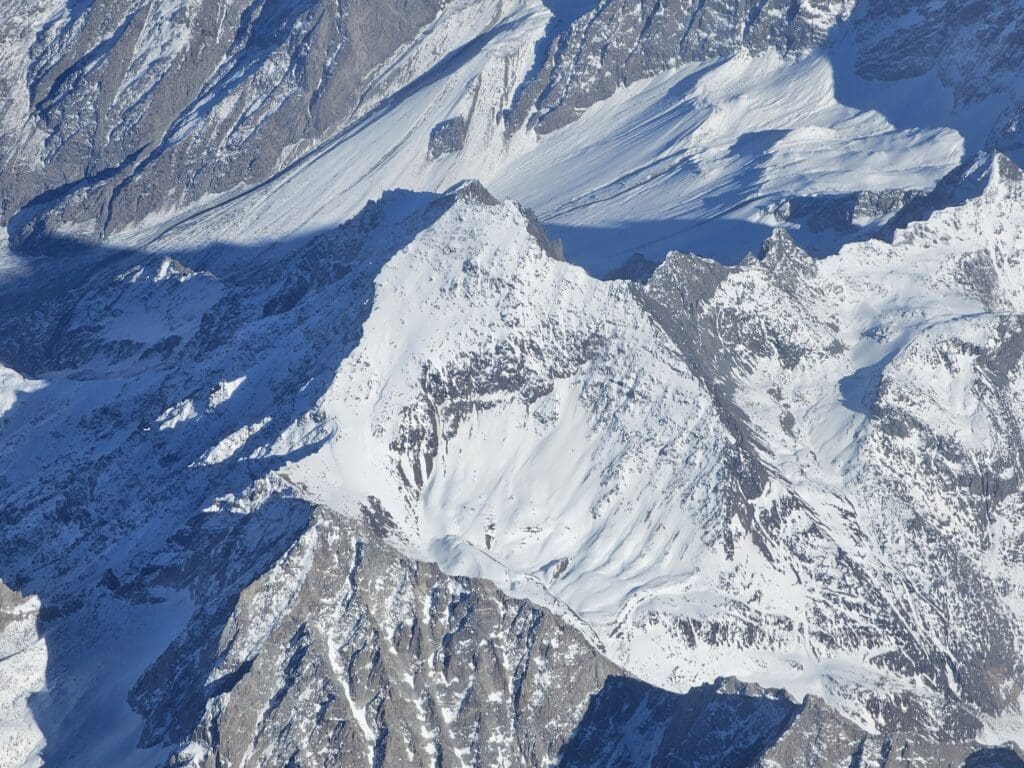
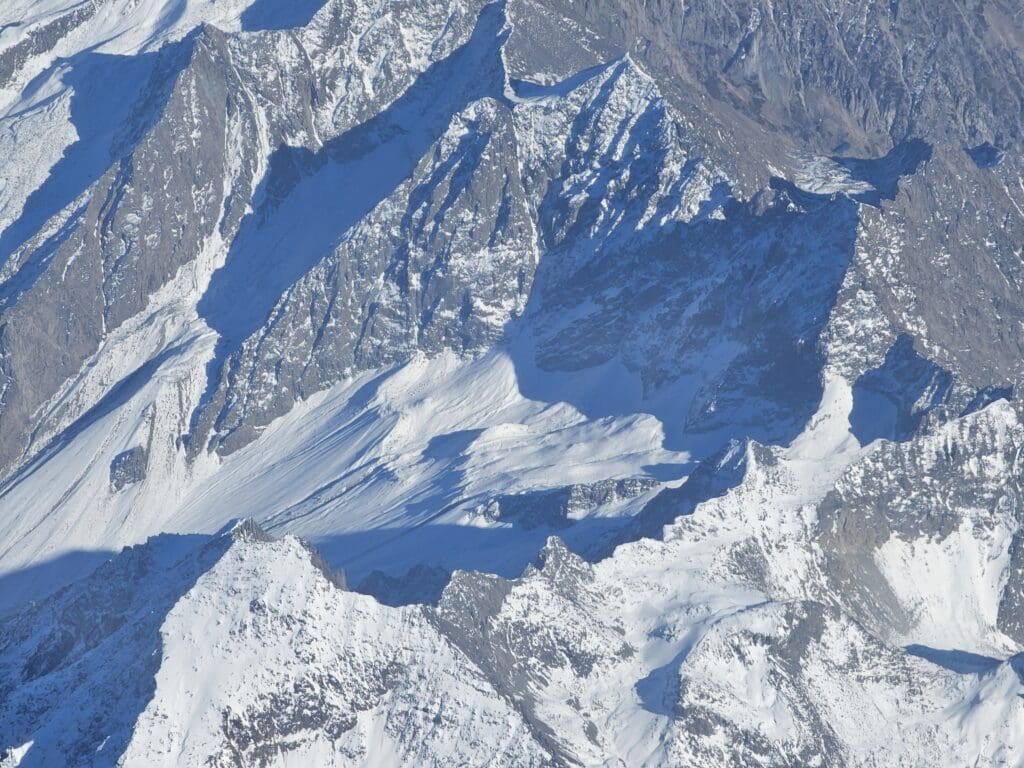


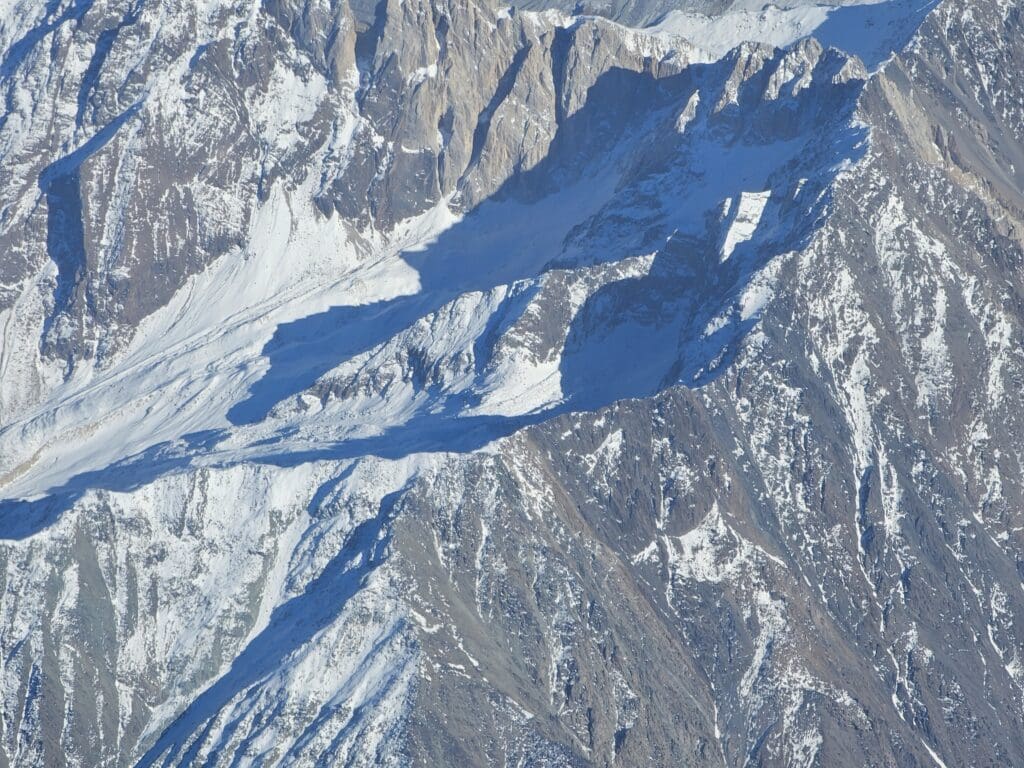

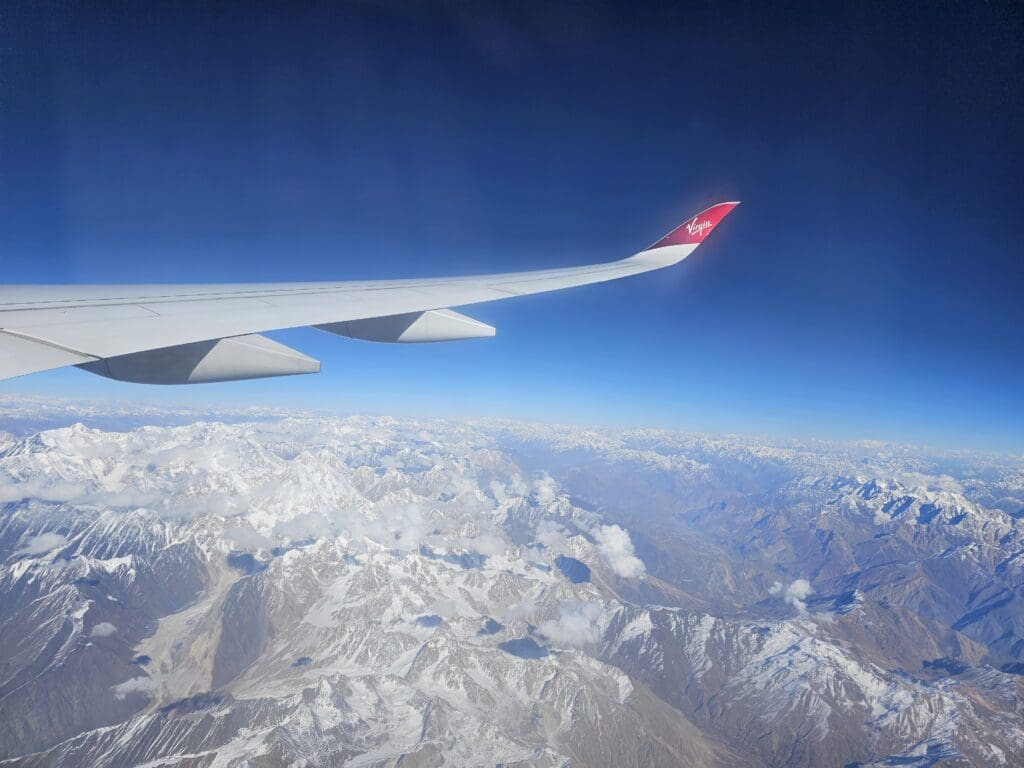
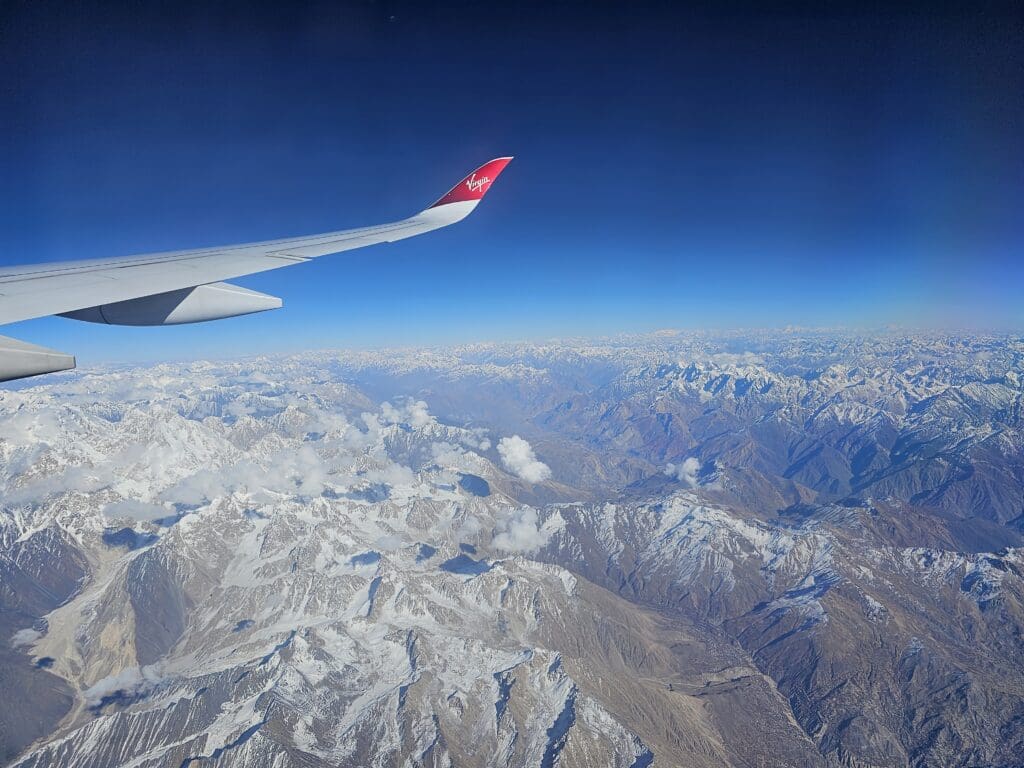
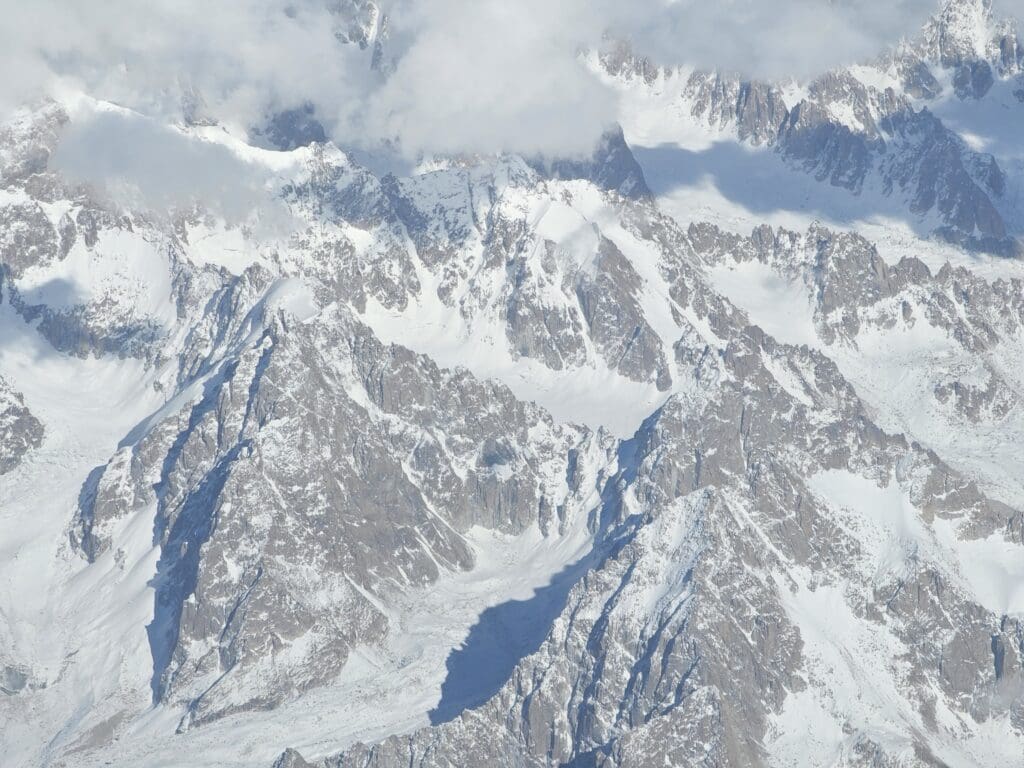
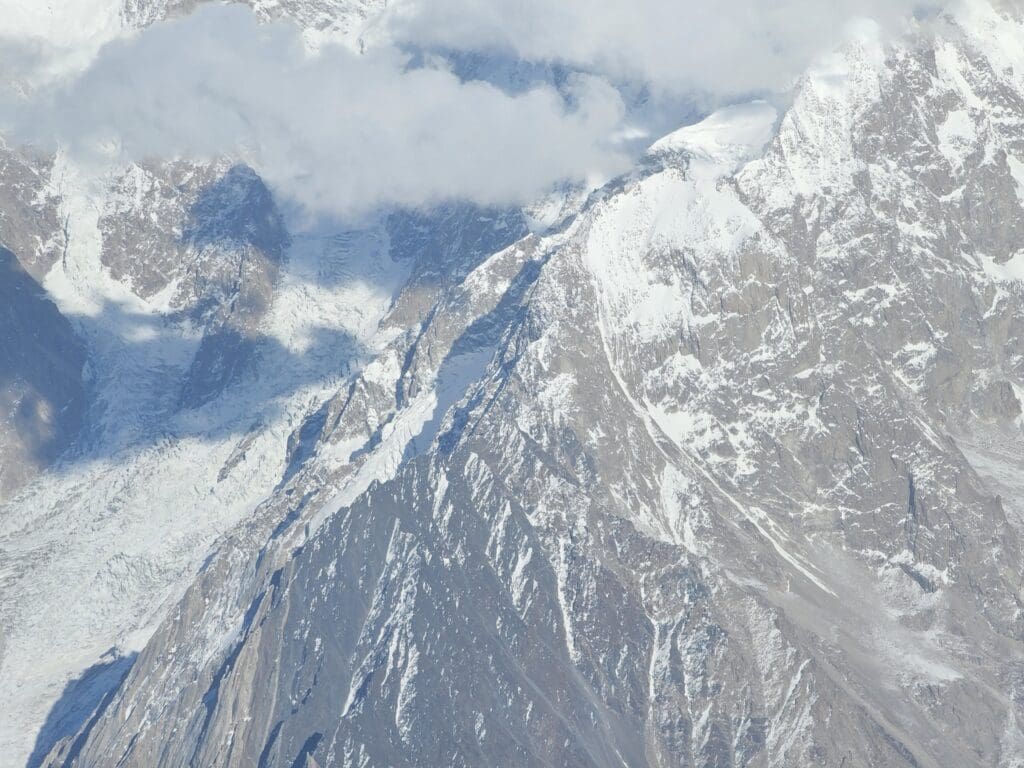
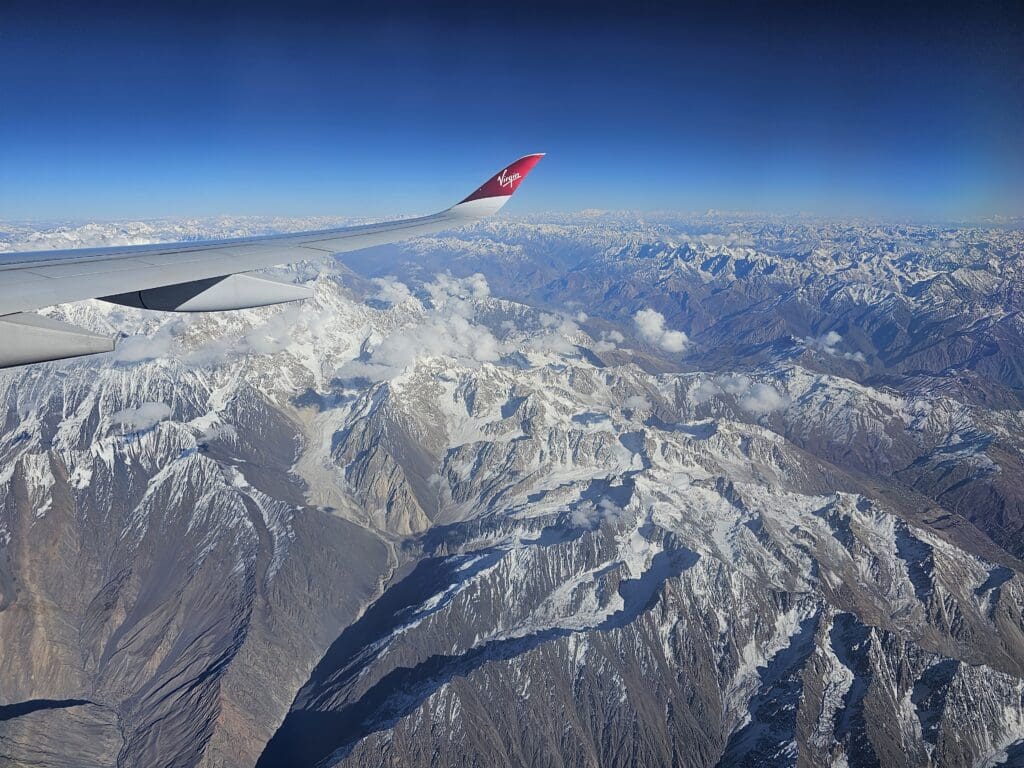
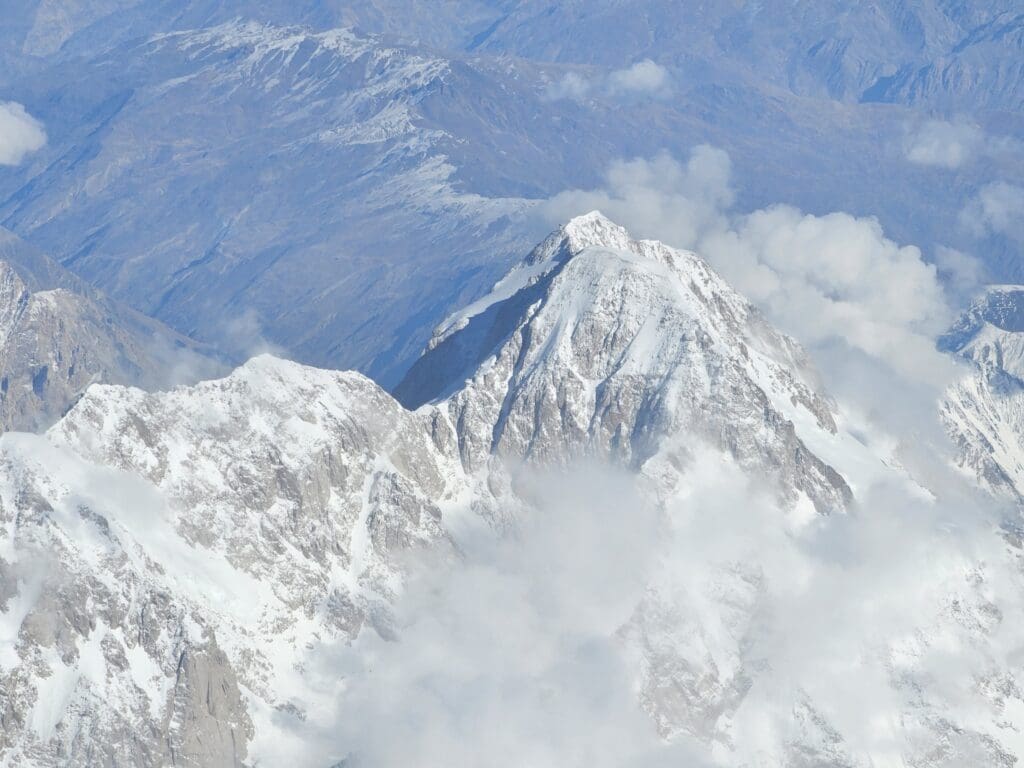


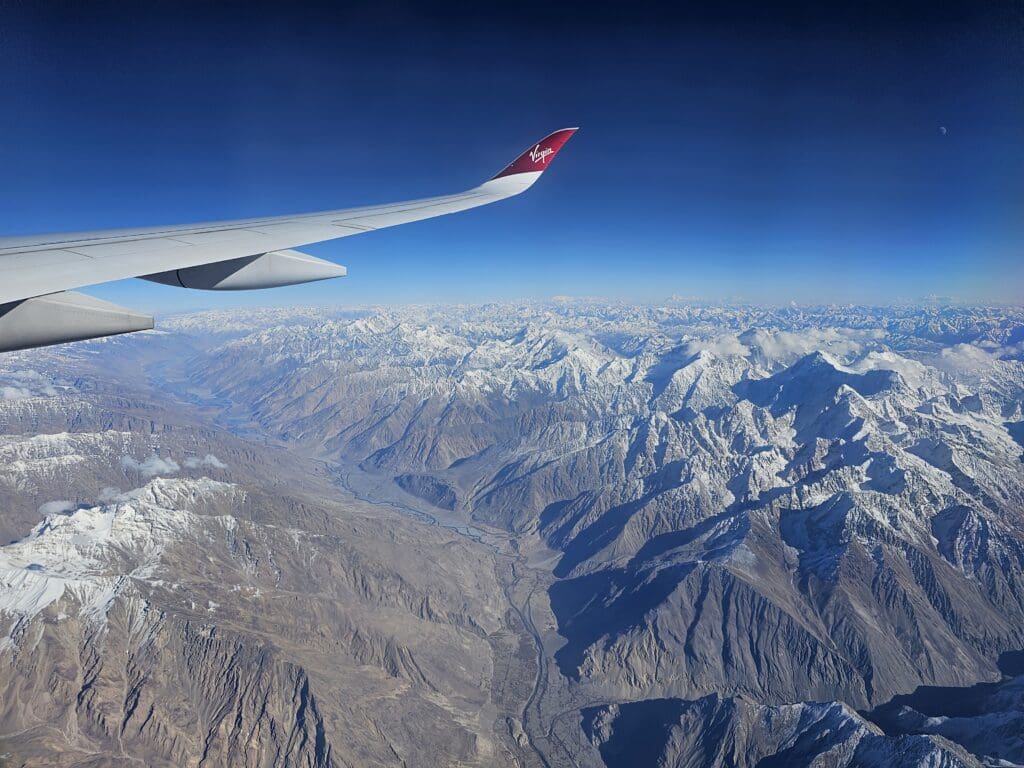
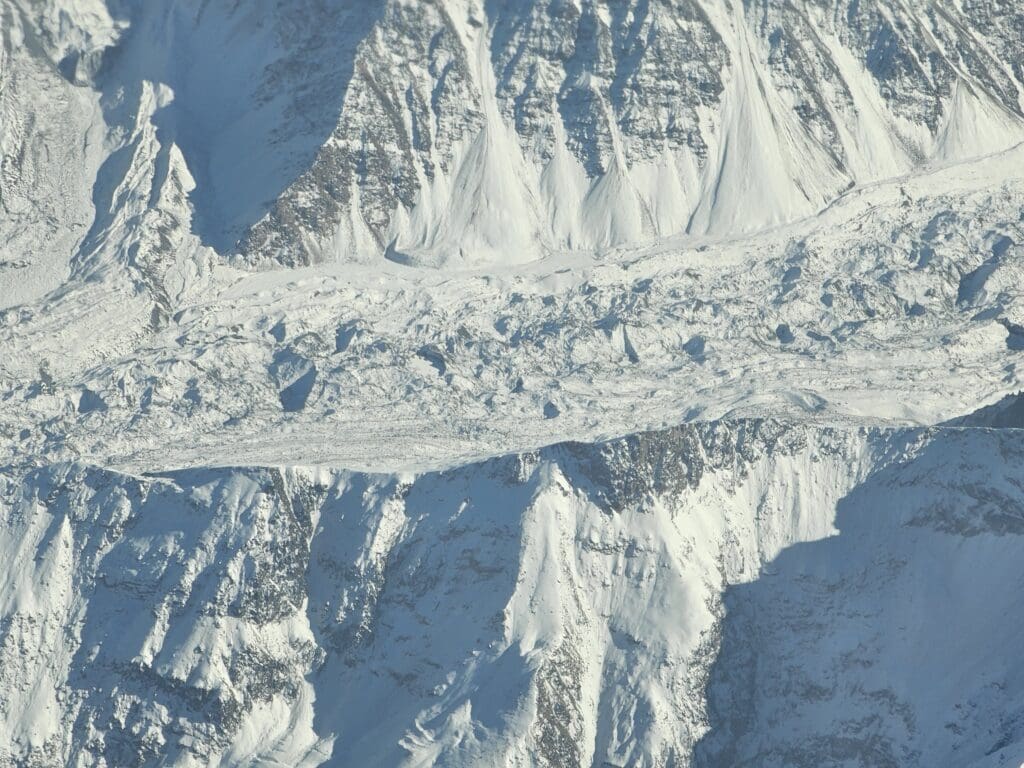
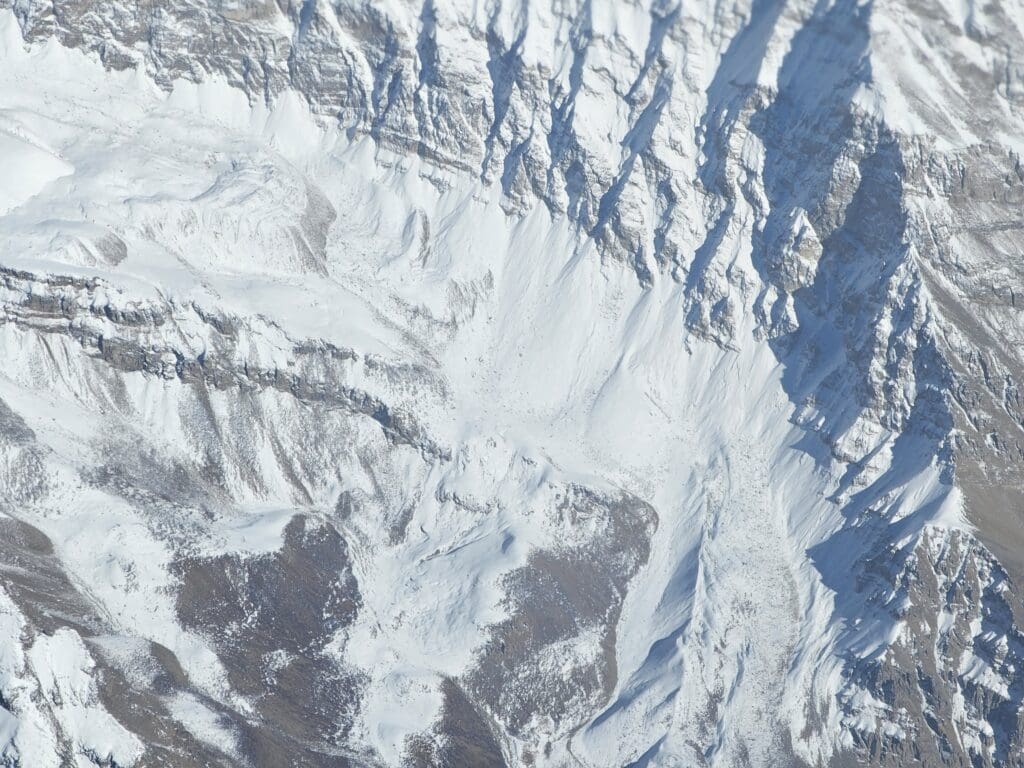
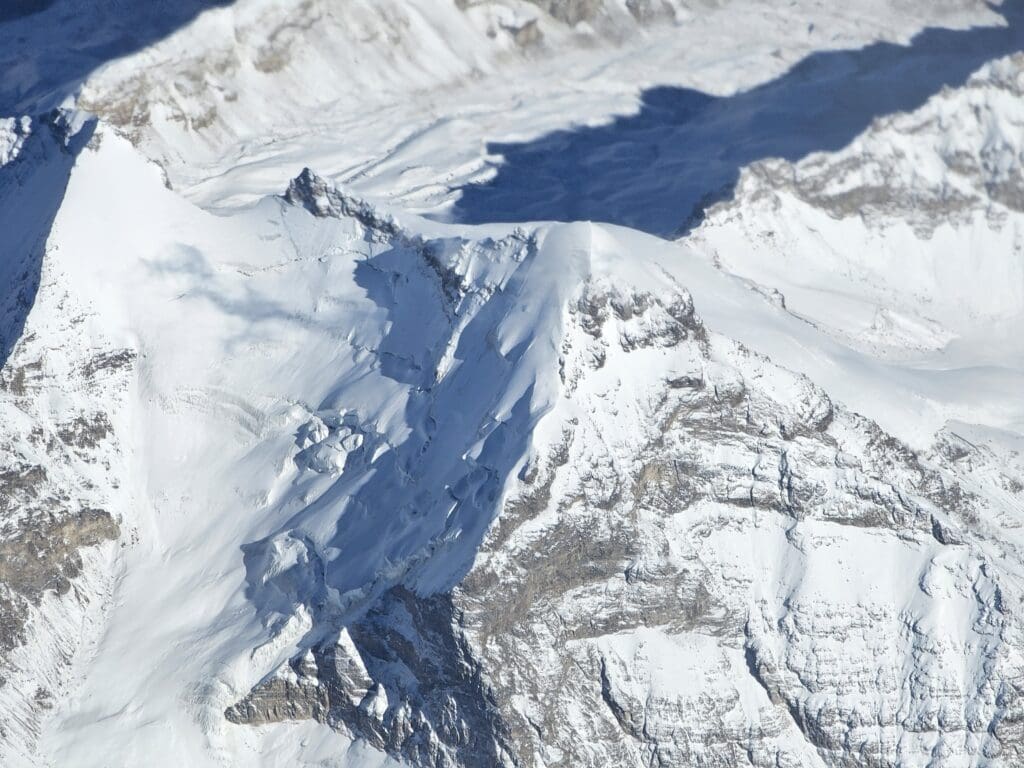
Soon, the Airbus passed the small Tajik city of Gharm, home to an airfield which is currently unserved by commercial services. From there, the aircraft turned onto a westerly heading and made a beeline for the border with Uzbekistan, at which point the landscapes below sank down and became increasingly sandier in colour the closer we got towards the Uzbek border. Following a fairly short crossing of Central Asia’s smallest country, the aircraft entered the skies of its third-largest, Uzbekistan. Soon, we passed over the famous Silk Road city and increasingly popular tourist destination of Samarkand, a place that I had had the pleasure of flying to on an Uzbekistan Airways Boeing 757 back in 2019.


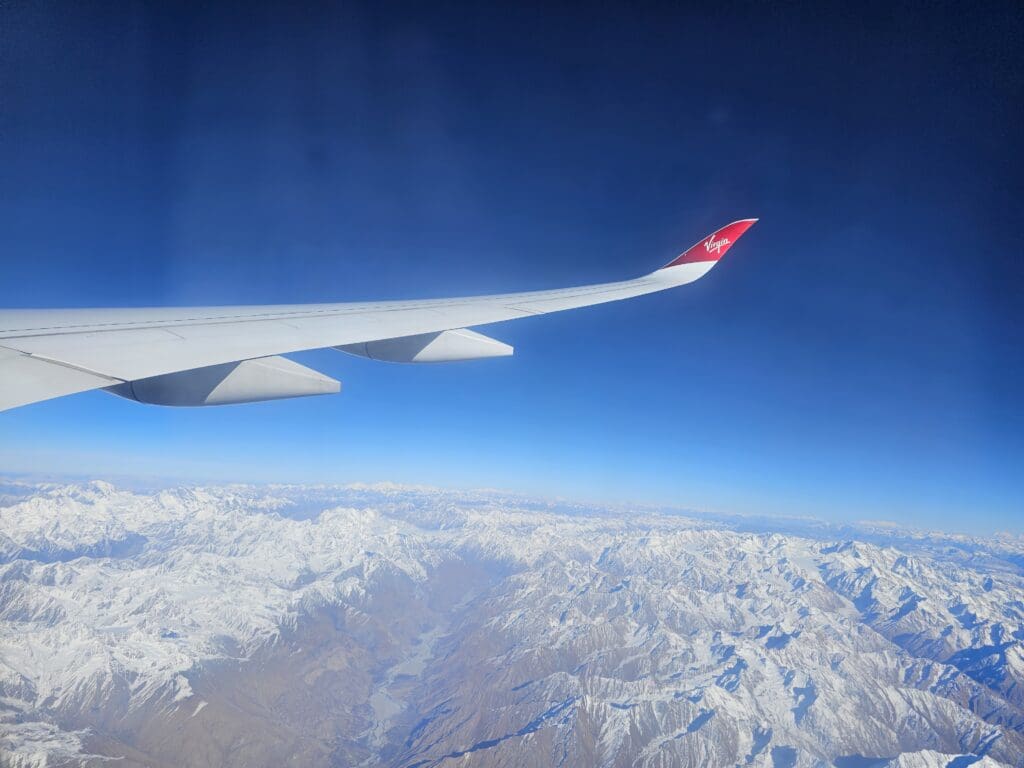
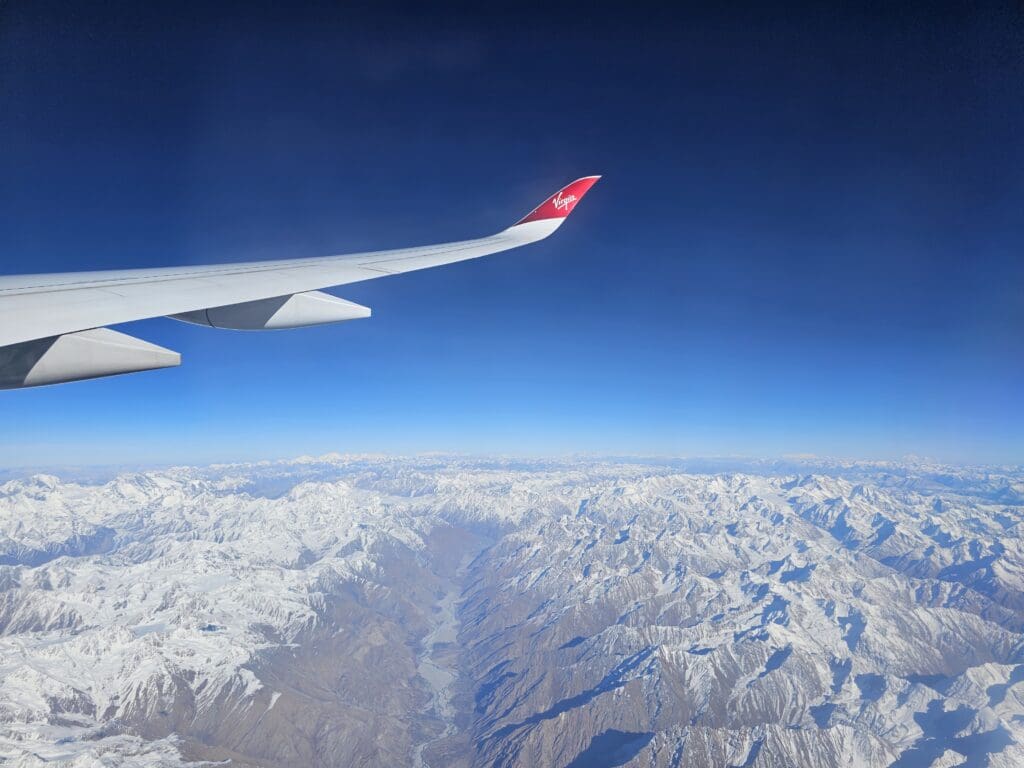
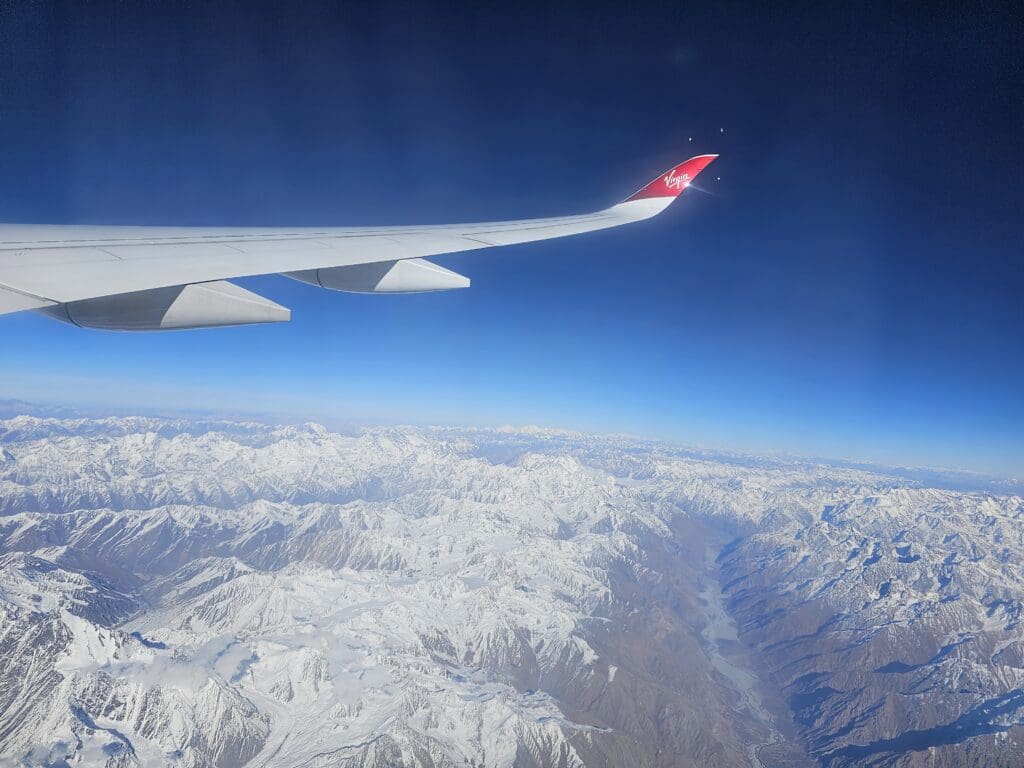
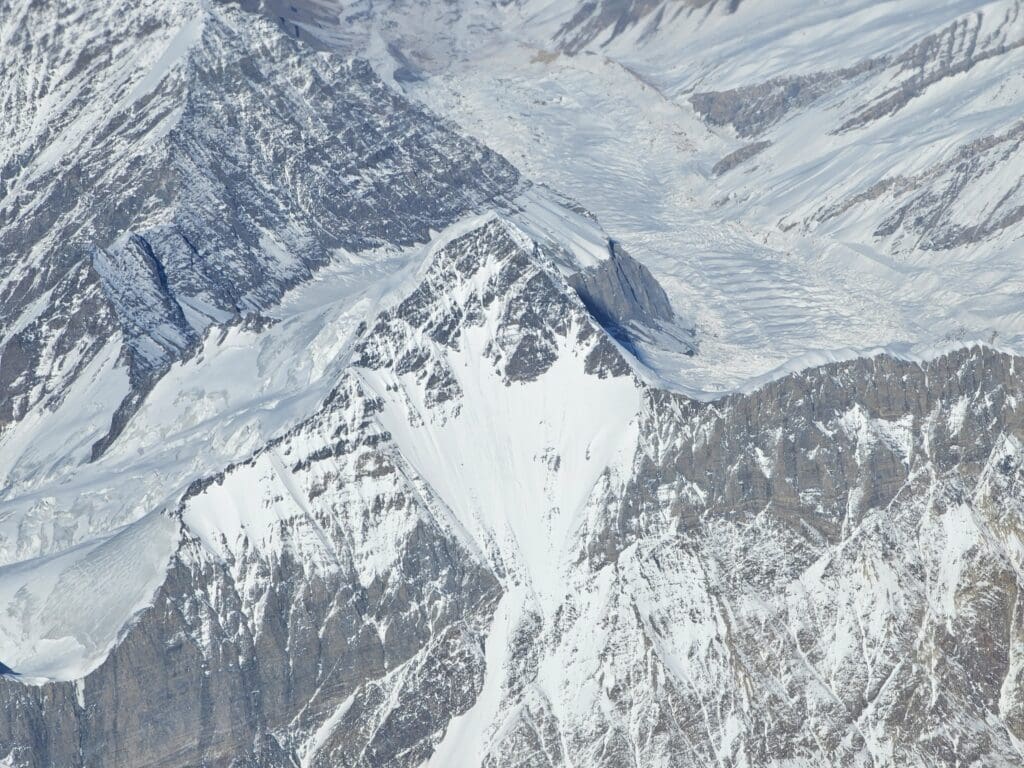
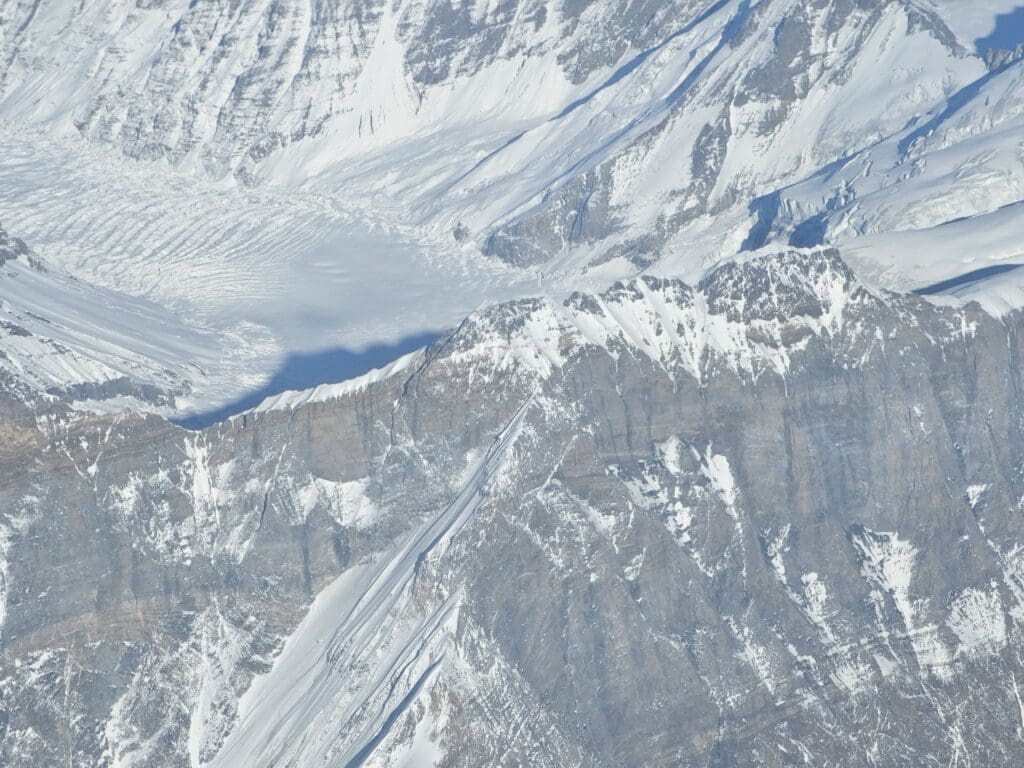
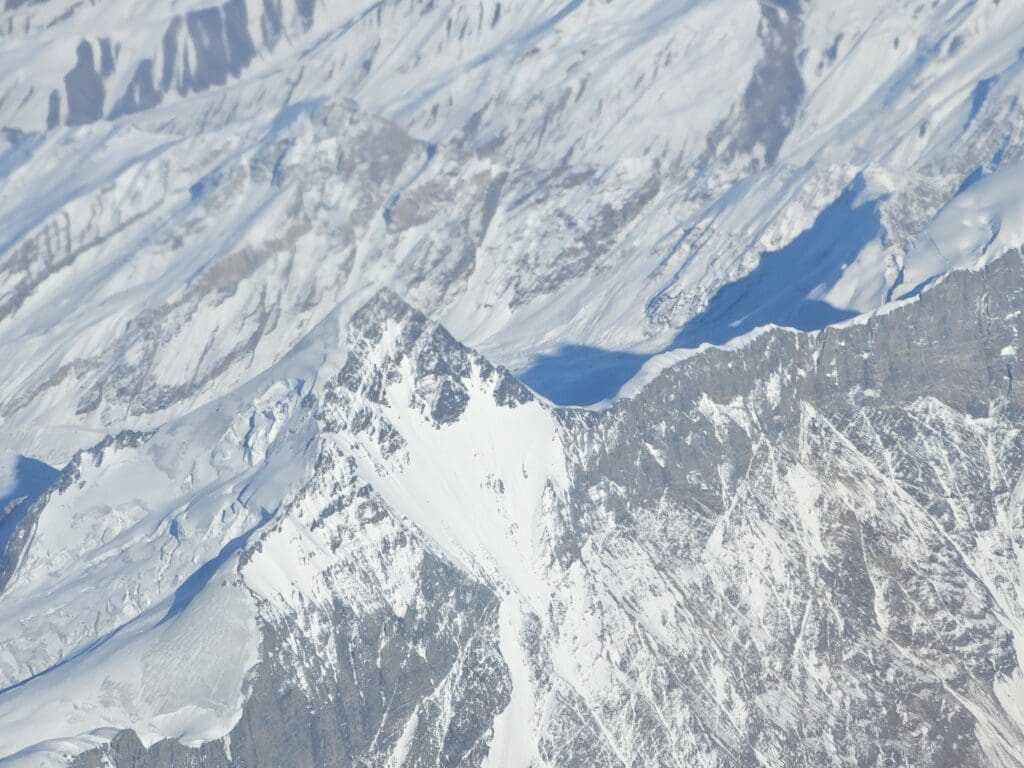
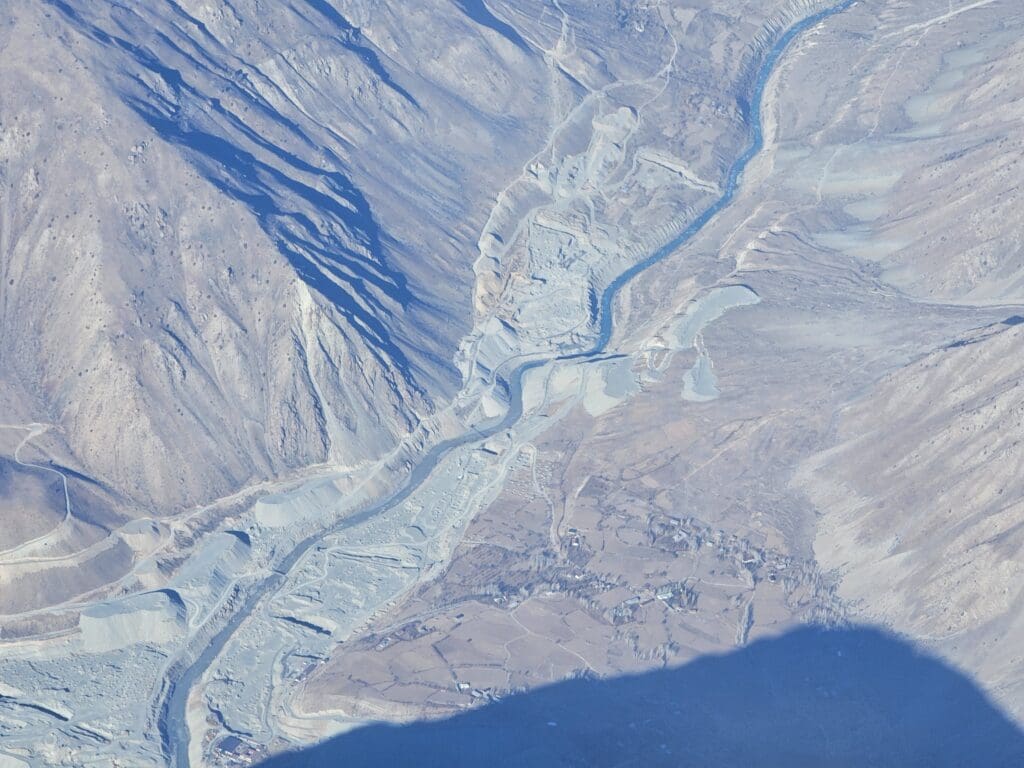
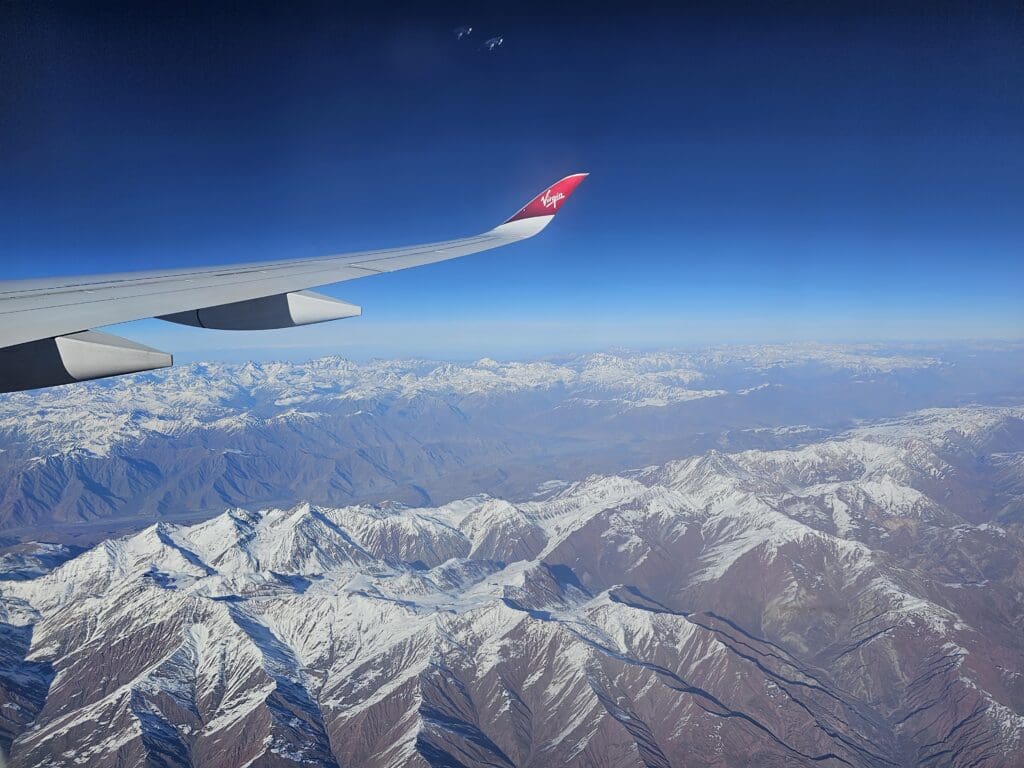
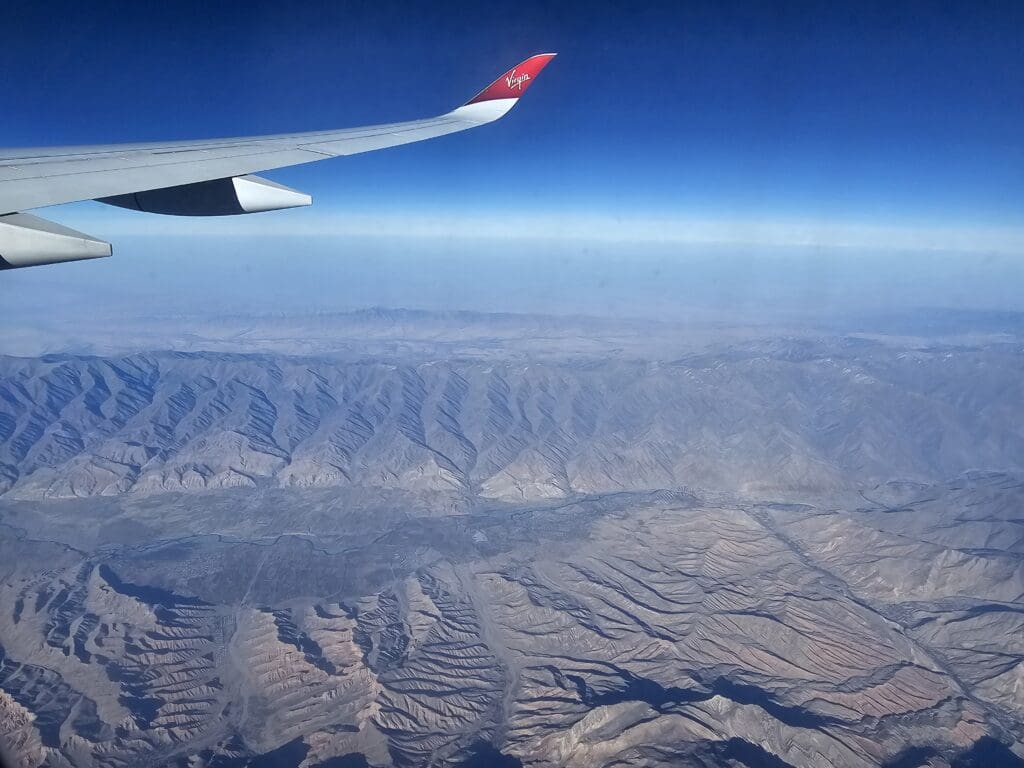
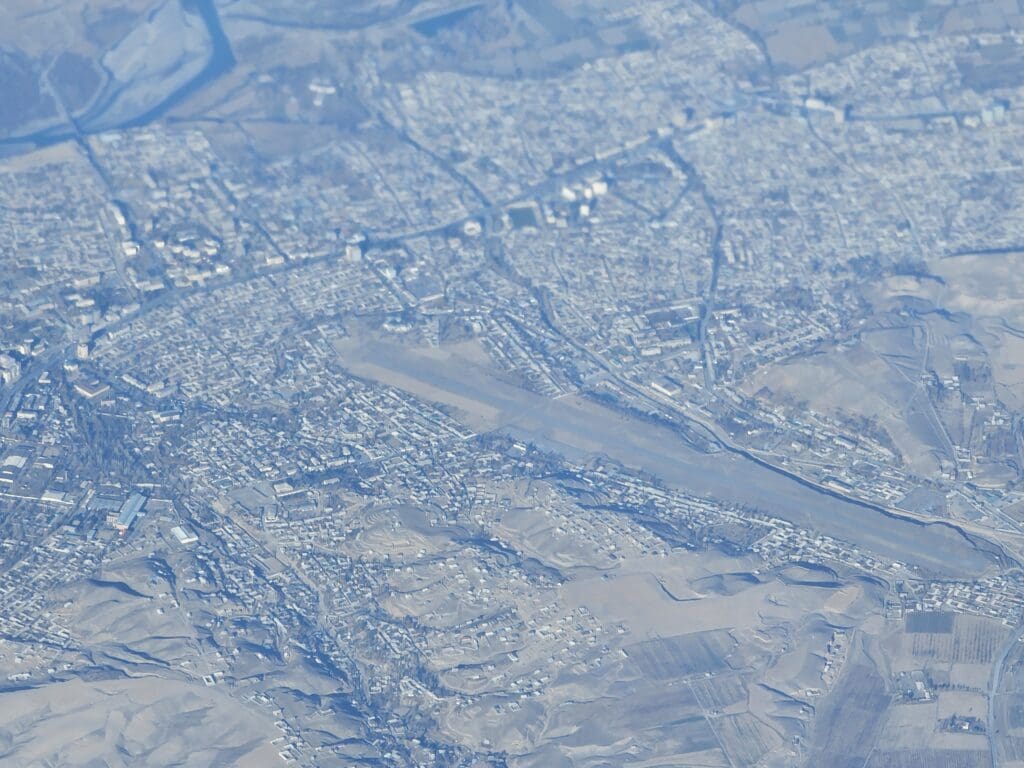
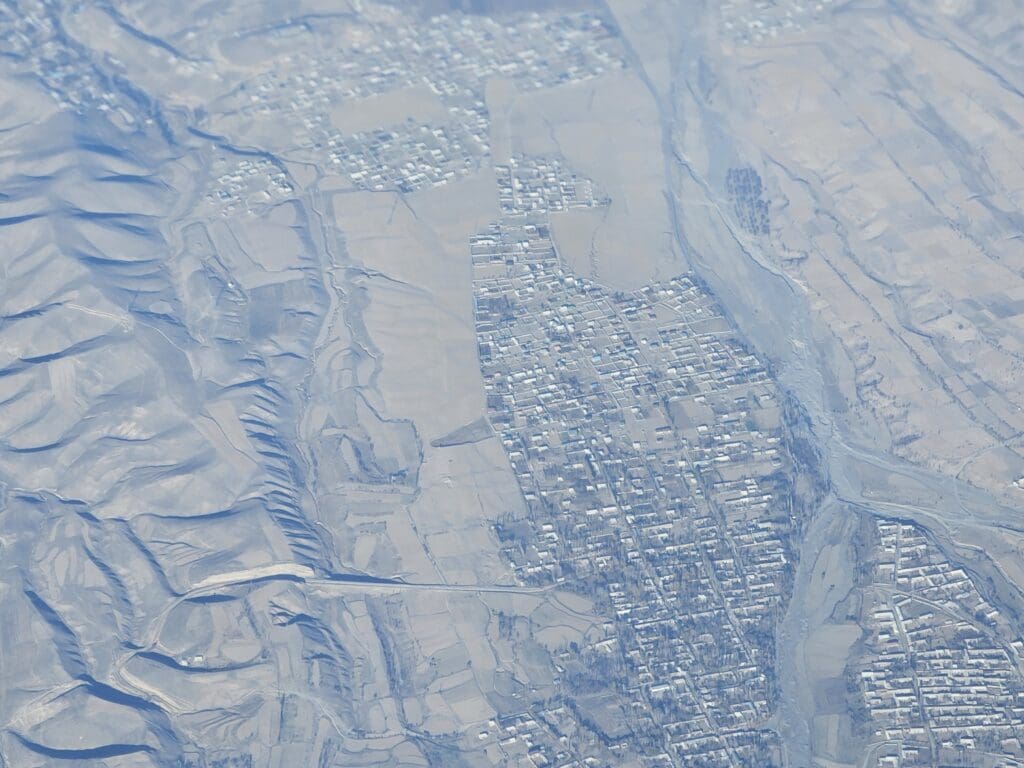
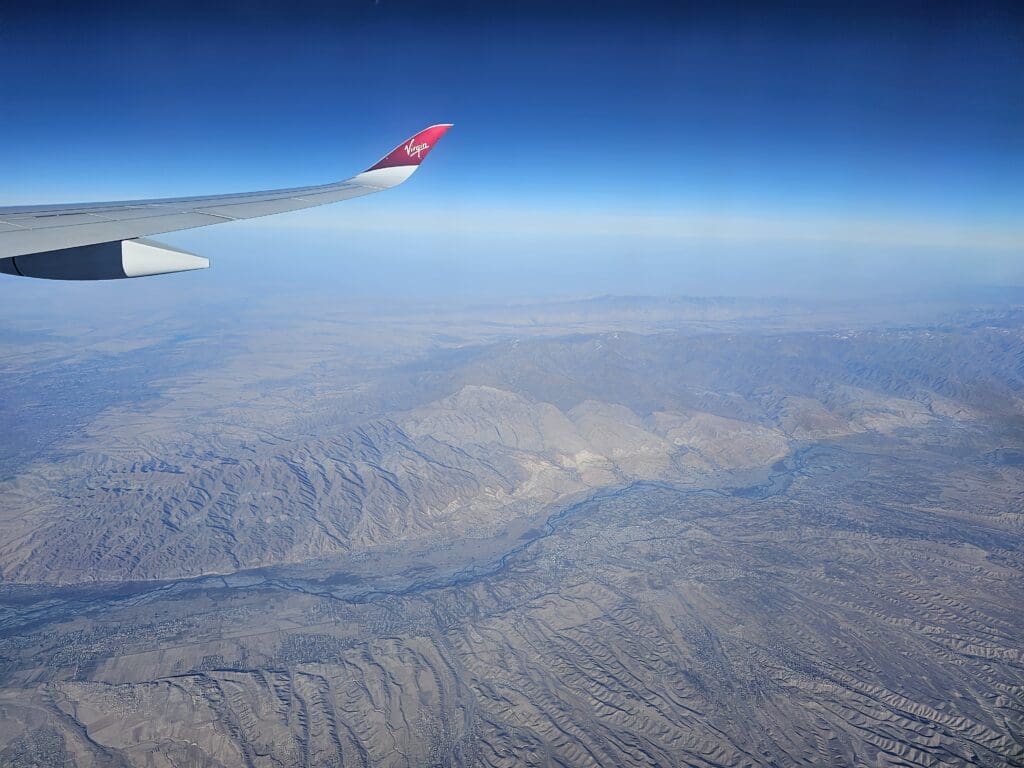
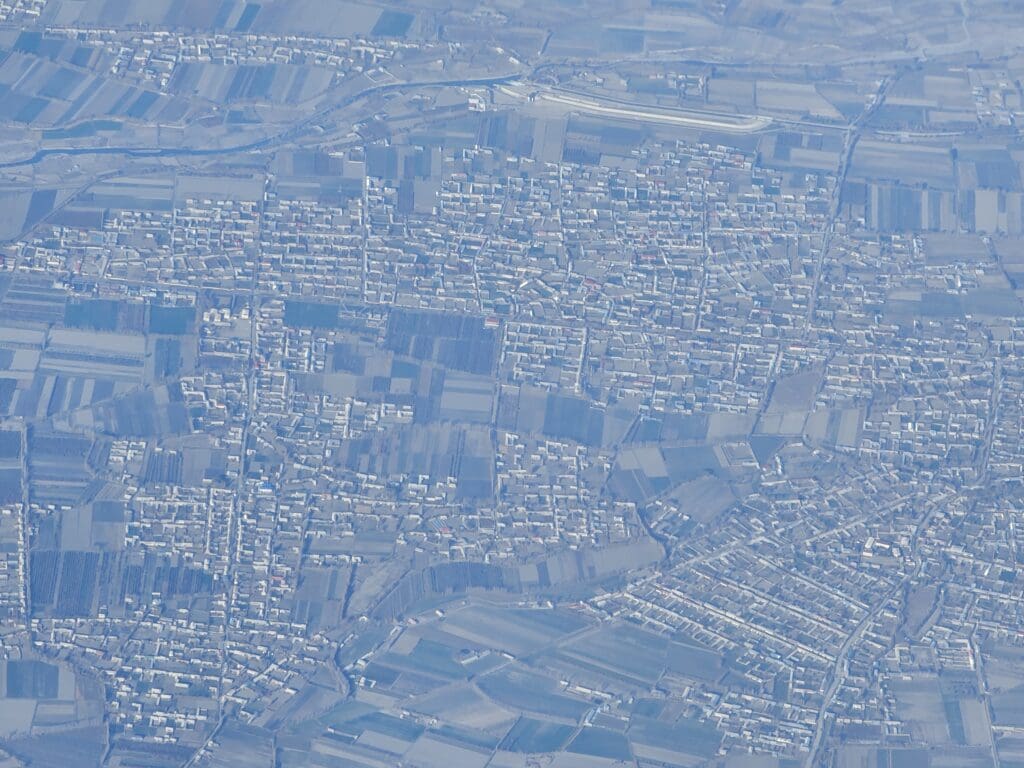
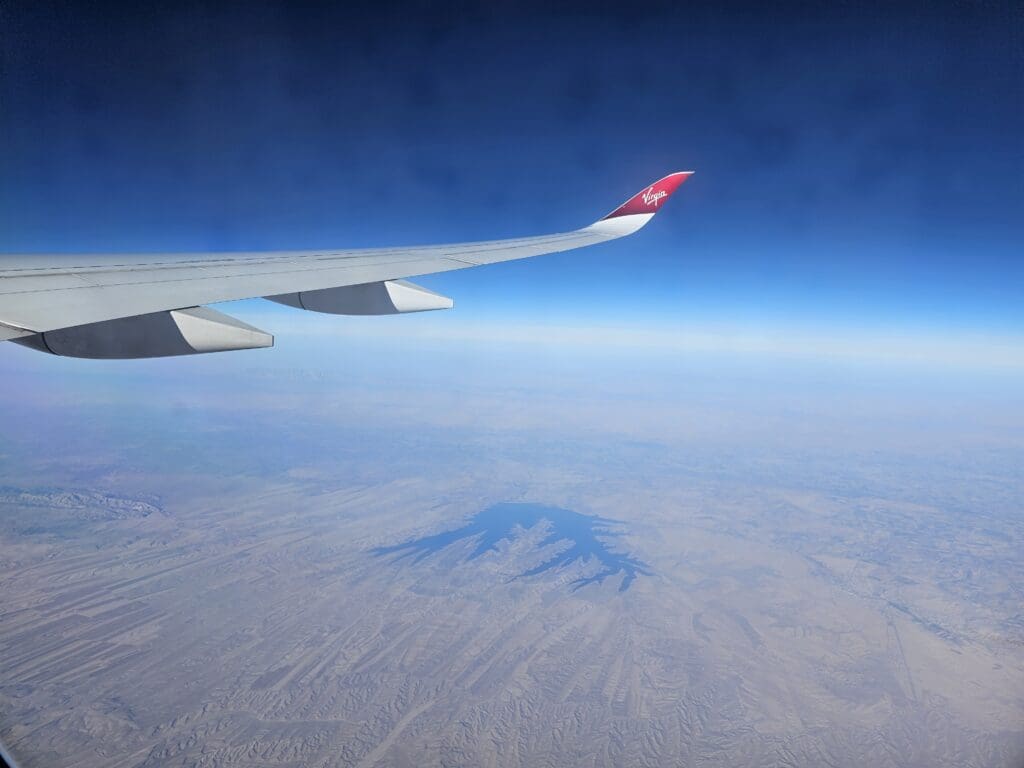
Continuing westward, we made our way past the city of Navoi. Whilst not as well known as the likes of Bukhara, Khiva, Samarkand or Tashkent, the city is home to a large cargo airport, which was until recently managed by Korean Air Cargo. Today, the airport serves as an important stop-off point for many of Korean Air Cargo’s services between Europe and Seoul Incheon and is a hub for Uzbekistan Airways Cargo. After leaving Navoi behind, the city of Bukhara appeared, where I had visited a little over six months before this flight. Back inside the cabin, as we cruised over Uzbekistan, the crew passed through the cabin collecting the remains of the lunch service before undertaking a hot drinks round. I opted for a coffee, once again, this was handed to me in a polite and friendly manner, with a paper cup cautiously placed on my tray table. Once completed, the crew then passed through the cabin with the inflight shopping service; however, they appeared to have little luck in making many sales that day.
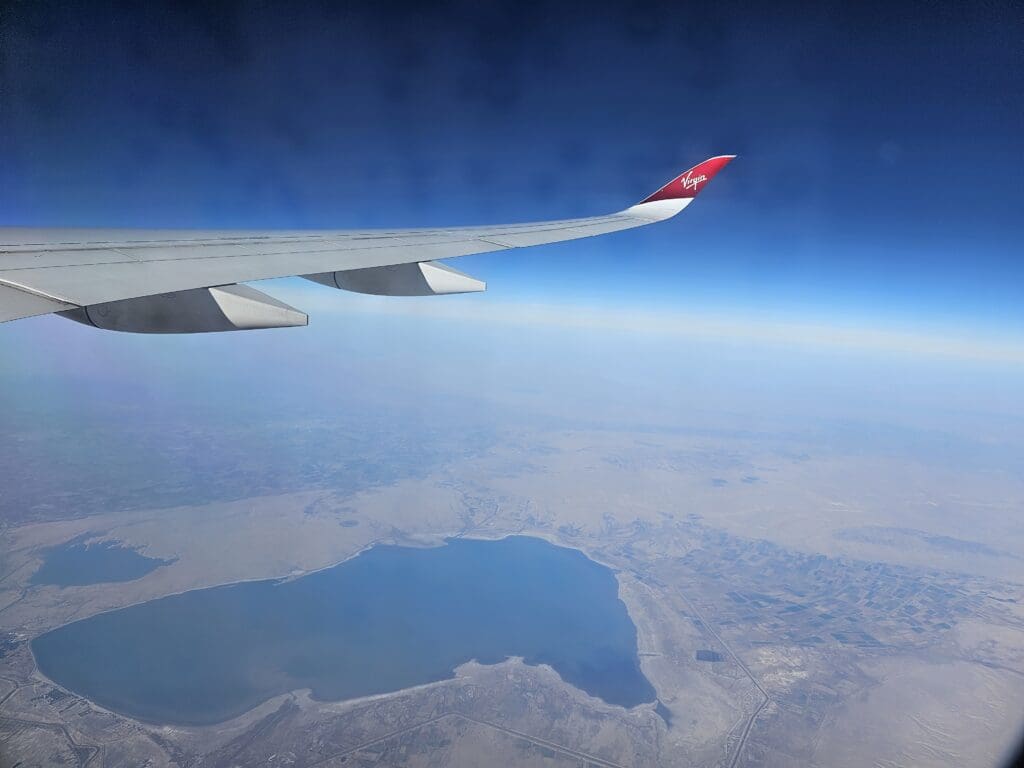
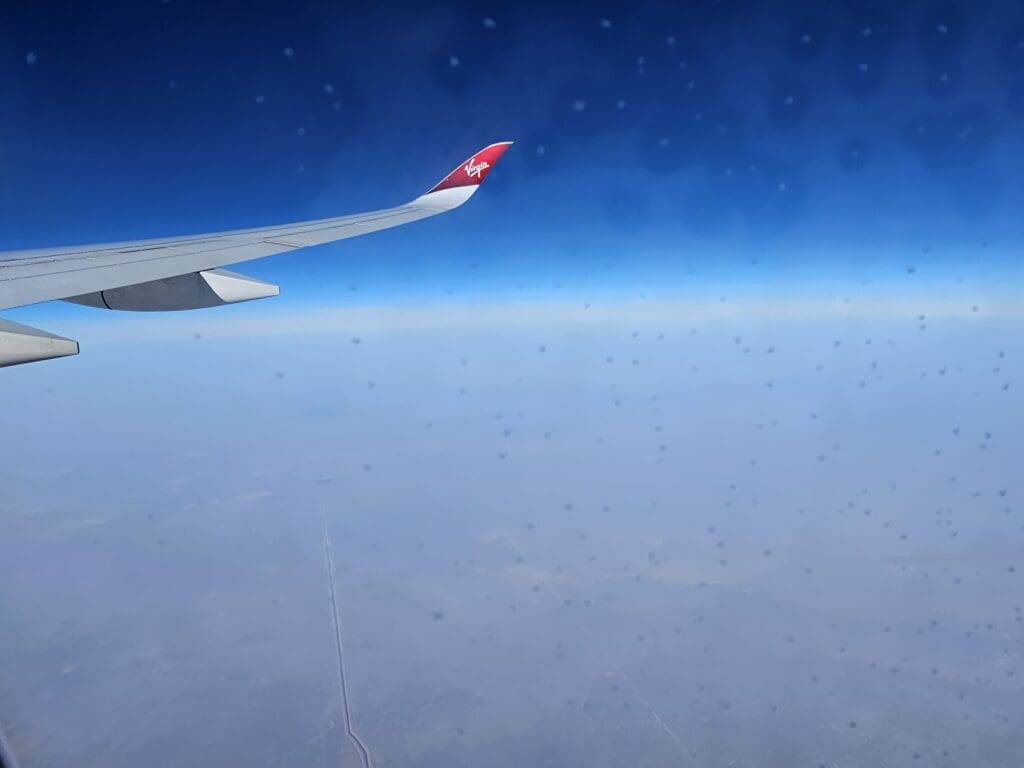
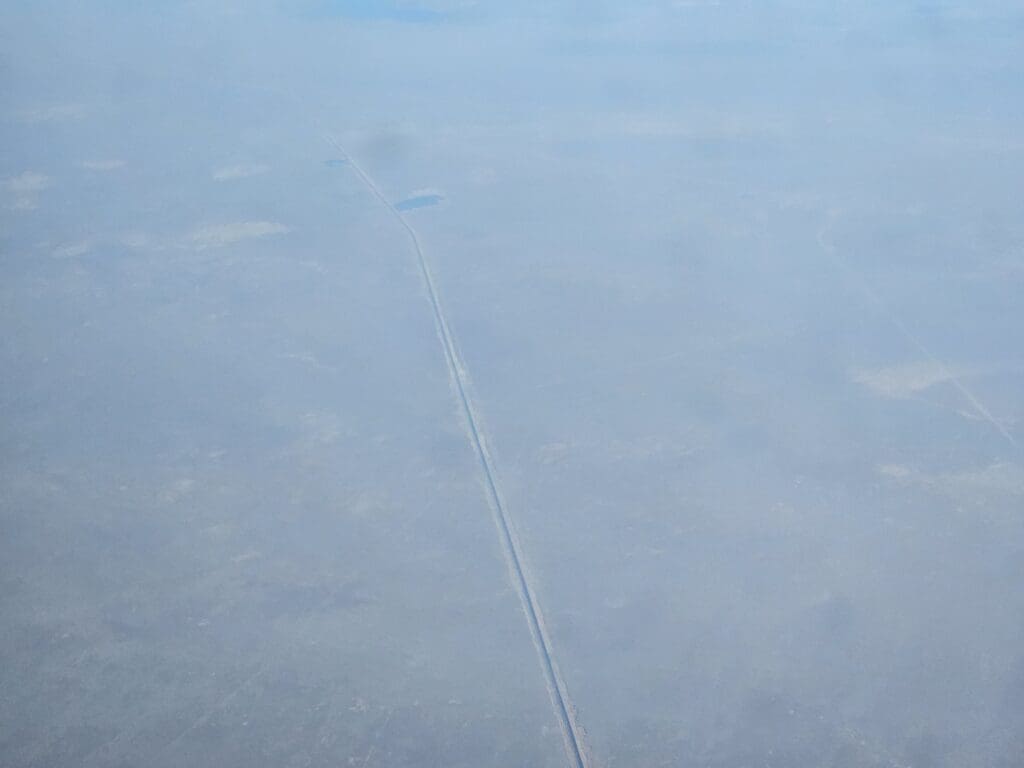
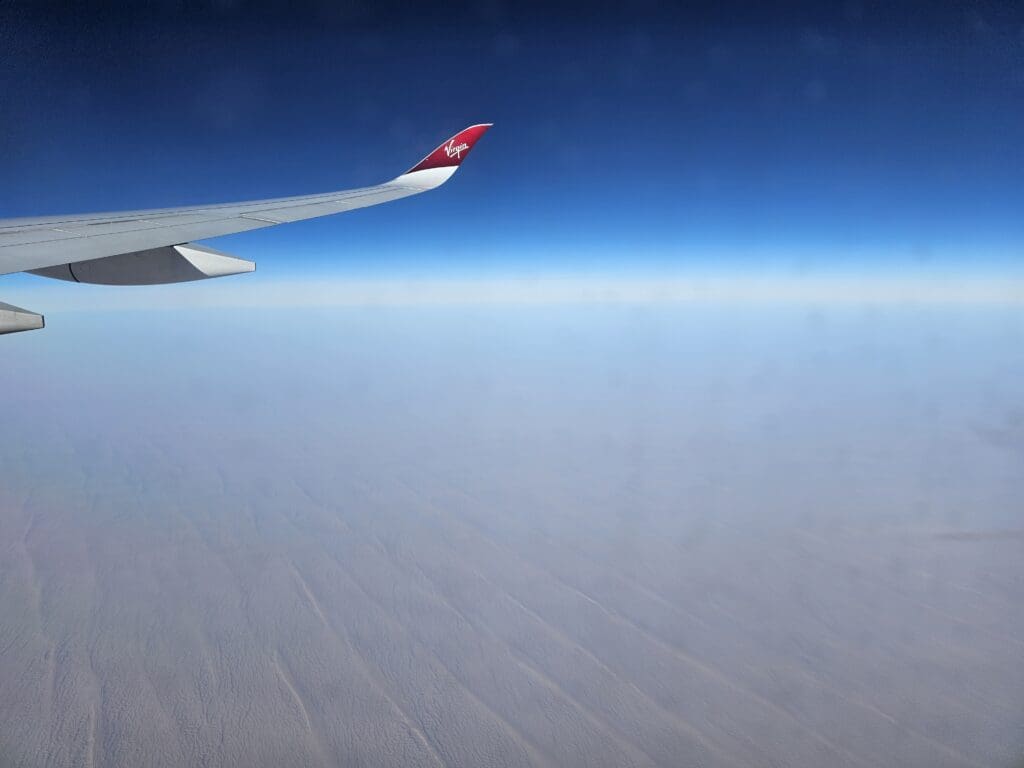
Once the jet had passed Bukhara, we soon made our way into the airspace of Turkmenistan. Gazing outside, virtually nothing could be seen other than the golden sands of the vast Karakum Desert. However, these views were not to last for long as, as we cruised westwards, the crew passed through the cabin requesting passengers to close their window blinds.
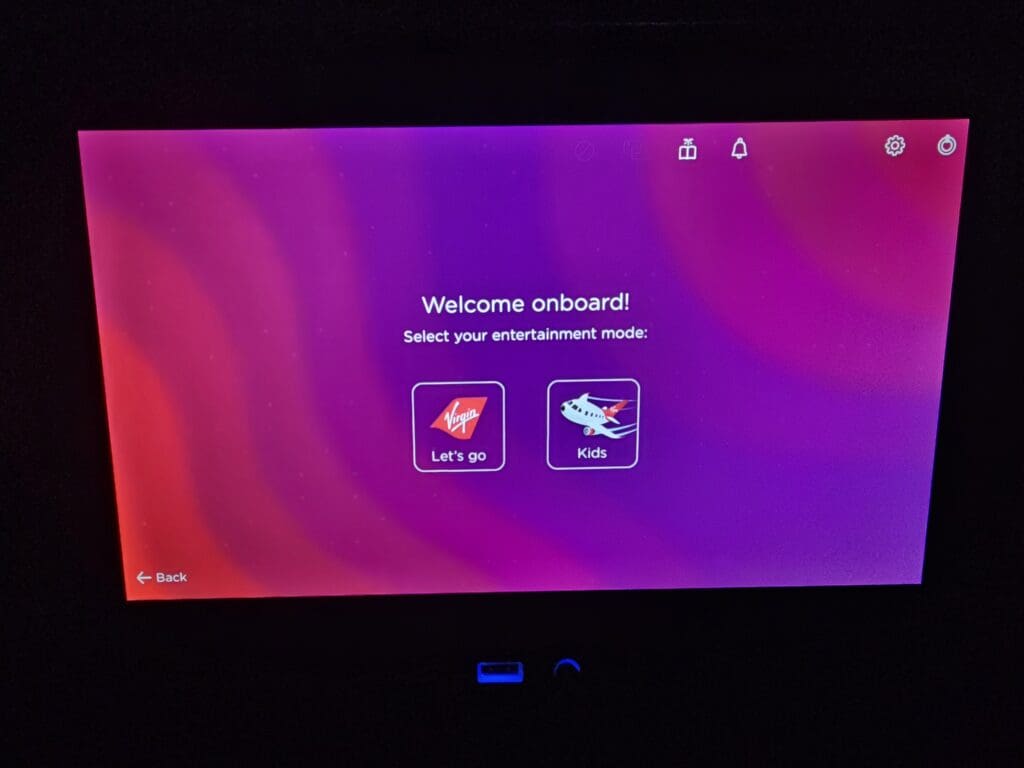
Complying with the crew’s instructions, I closed my window blind and decided that it was an opportune moment to explore Virgin Atlantic’s Vera inflight entertainment system. Seeing as Virgin Atlantic operates a global route network, I was a little disappointed to see that their inflight entertainment system was available in English only. Upon turning this on, I was presented with two options: ‘Let’s Go’ or ‘Kids’. Pressing the former gave me a range of options, including the usual movies, television and music pages. Examining the content, if I counted correctly, the system was home to 142 films – most of which were either British or Hollywood productions, plus 12 from India and 4 from China. Meanwhile, this also contained 162 television series and heaps of audio content. Whilst there are more expansive systems in the world, I found Vera to offer a perfectly adequate array of content. However, it was clear that the system is more tainted towards the transatlantic market.
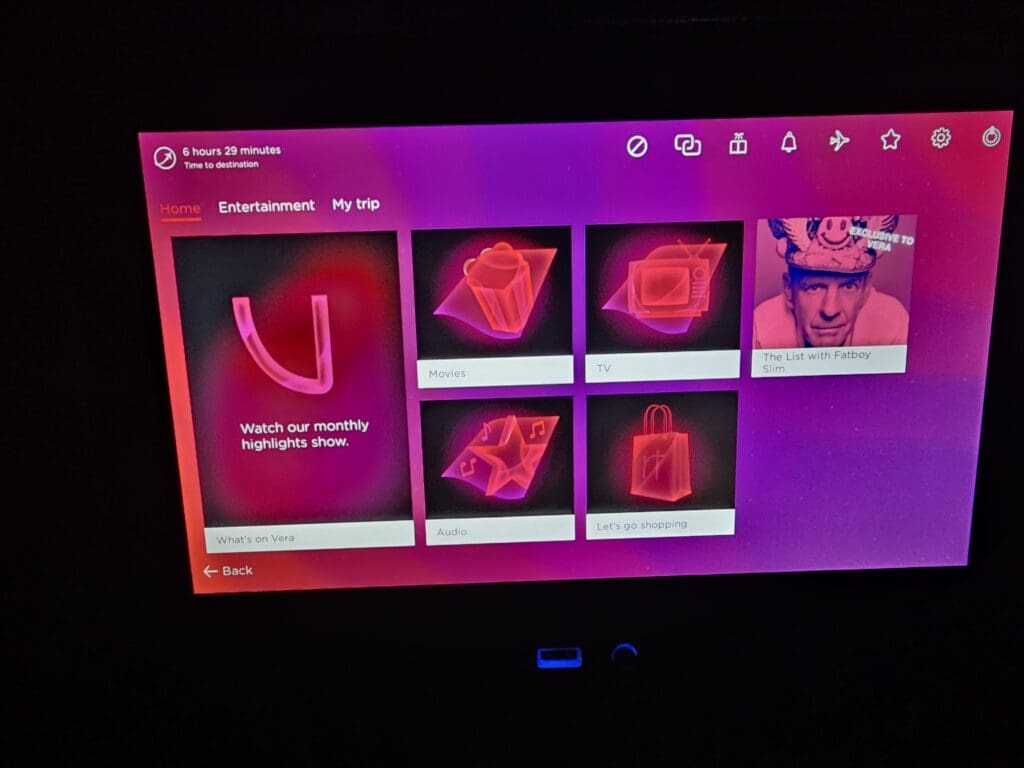
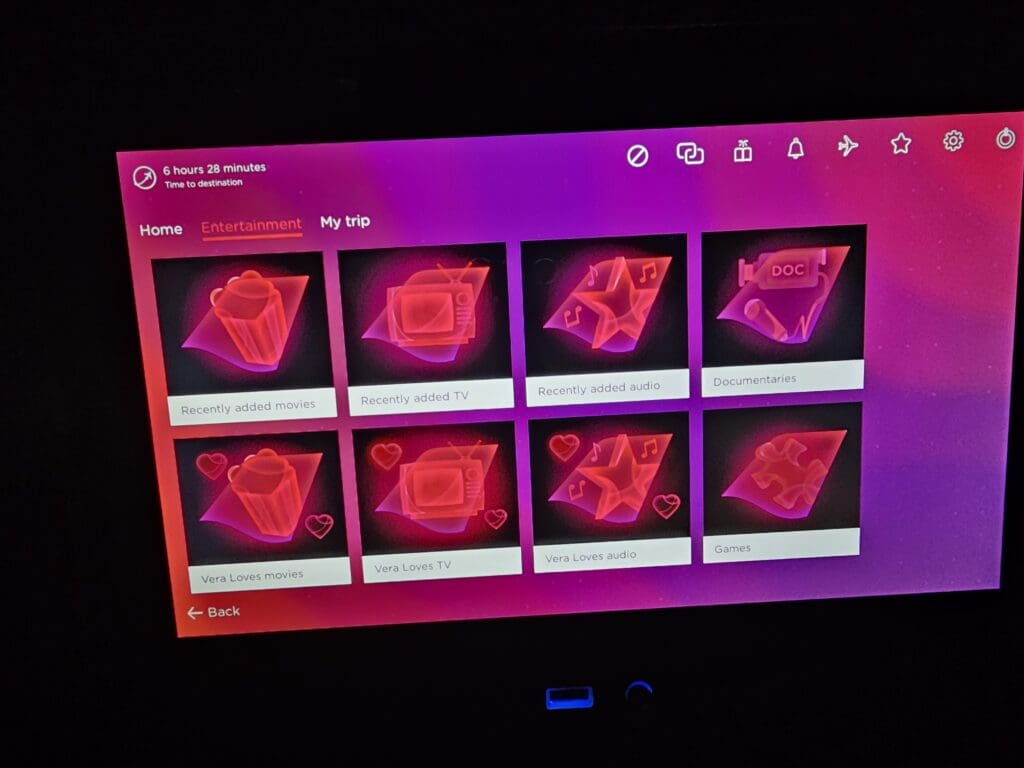
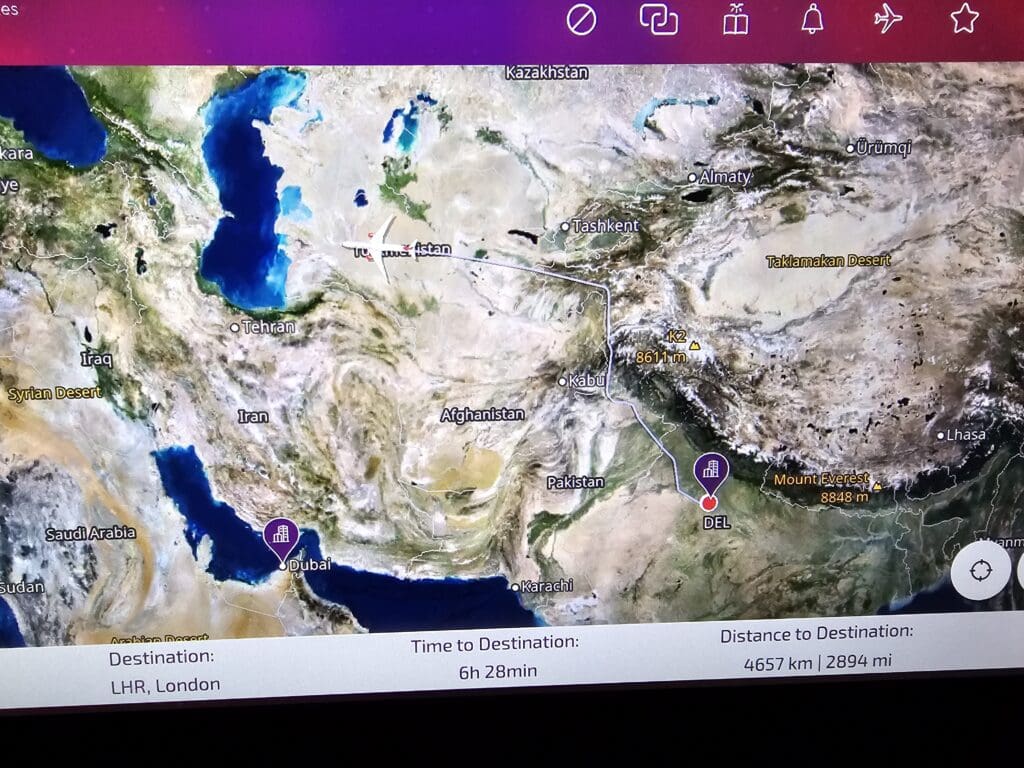
Other than the films, television programmes and music, a V-TV section could be found, featuring a range of documentary-like programmes about Virgin Atlantic as well as destination guides for a handful of the airline’s destinations – namely Antigua, Grenada, Las Vegas, London, Manchester, Orlando, Seattle, Tampa, Tel Aviv and Tobago. Meanwhile, the Flightpath3D moving map worked well and provided plenty of options for those looking to track the flight’s progress as we slowly but surely trundled westwards towards Europe. With all things considered, I was left with few complaints about the inflight entertainment system, with this being well laid out, easy to navigate and quick to load.
As many passengers now expect, Virgin Atlantic offers wifi onboard all its fleet, and as is the norm, those in Economy must pay to browse the internet or send messages, with no free options offered. For those only looking to send and receive messages, this costs £2.99 for the entire flight, whilst those looking to do anything else could pay £6.99 for the WiFi Light option, which provides connectivity for an hour, or £16.99 for the entire flight, with this option marketed as WiFi Max. Not needing to connect to the outside world, I instead played around with one of the wifi network’s complimentary and more novel features, such as the ability to control the inflight entertainment screens with your own personal device. However, slightly disappointingly, I found that this did not work on my flight that afternoon (I did actually finally get around to sampling this feature on a Korean Air Airbus A321neo and found it to be most unusual!).
Finally, I had a quick flick through the November 2023 edition of Virgin Atlantic’s Vera inflight magazine. This featured an array of items such as interviews with musicians such as Carly Rae Jepsen and Jawny, articles highlighting things to do in a number of the airline’s destinations, information and news about the airline and a guide for the airline’s inflight entertainment system. As is often the case with inflight magazines, this featured plenty of advertisements for a fairly wide array of products and services across the globe.
Returning to the route, after over an hour in the skies of Turkmenistan, the Airbus crossed over the coastal city of Türkmenbaşy, located in the far northwest of the country, before heading out over the waters of the Caspian Sea. Crossing this at one of its narrowest points, less than twenty minutes later, we made landfall over the eastern coastline of Azerbaijan just to the north of the capital, Baku, and headed inland. Following a similar route across the north of the country as I had flown from Tbilisi to Baku back in 2018 on a Buta Airways Embraer, I was aware that this would have offered picturesque vistas of the country’s mountains. However, unfortunately, nothing could be seen below thanks to the thick layer of cloud which covered the entirety of the Caucasus that afternoon and prevented any views of either Azerbaijan or its neighbour, Georgia. Less than twenty minutes after crossing the coastline of Azerbaijan, the Airbus sped across Georgia and took a little over half an hour to trundle from its far western fringes near Tbilisi to its second largest city, Batumi, on its Black Sea coastline.
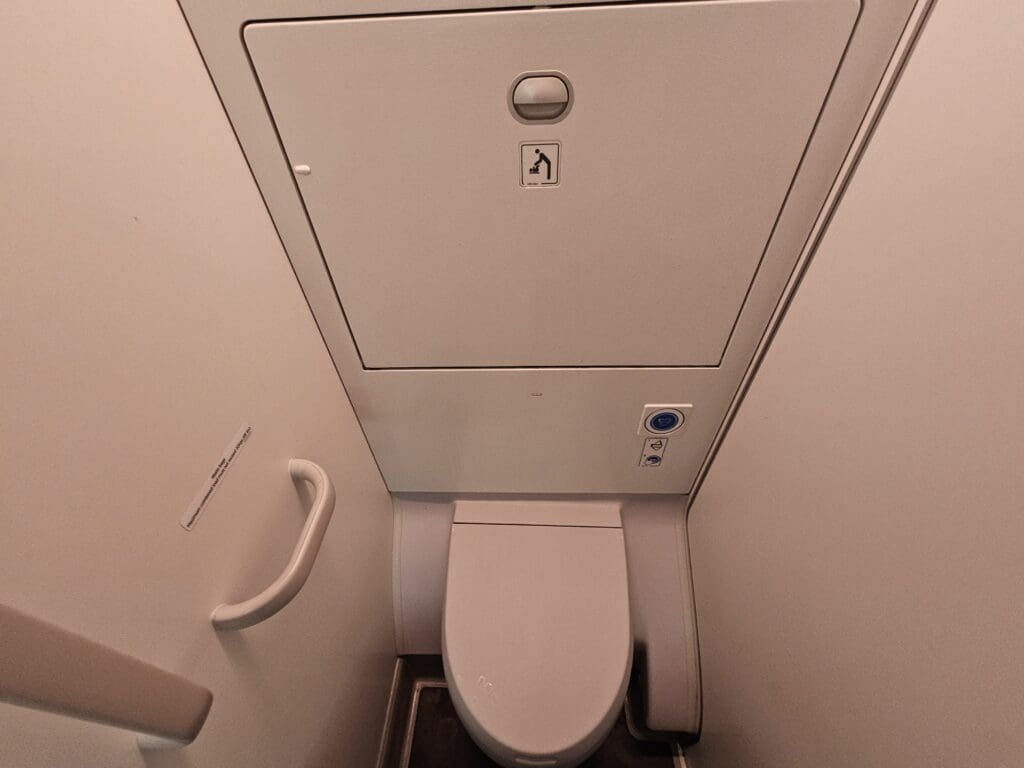
As we crossed the Black Sea, I noticed that the cabin was freezing cold, and I thus enlisted the help of the blanket to keep me warm. Unfortunately, this did not seem to be of fantastic quality and was rather thin. Thus, I decided instead to stretch my legs and make a quick toilet visit. Upon opening this up, I was a little disappointed to find this to be in a poor state, indicating that it had not been tended to during the flight. Afterwards, I returned to my seat before making my way to the rear galley to see what delights had been set up. There, passengers were free to help themselves to a fine selection of soft drinks, as well as both vegan and paneer cheese sandwiches, packets of Walkers shortbread, pretzels, Oreos and Seabrooks salt and vinegar crisps.
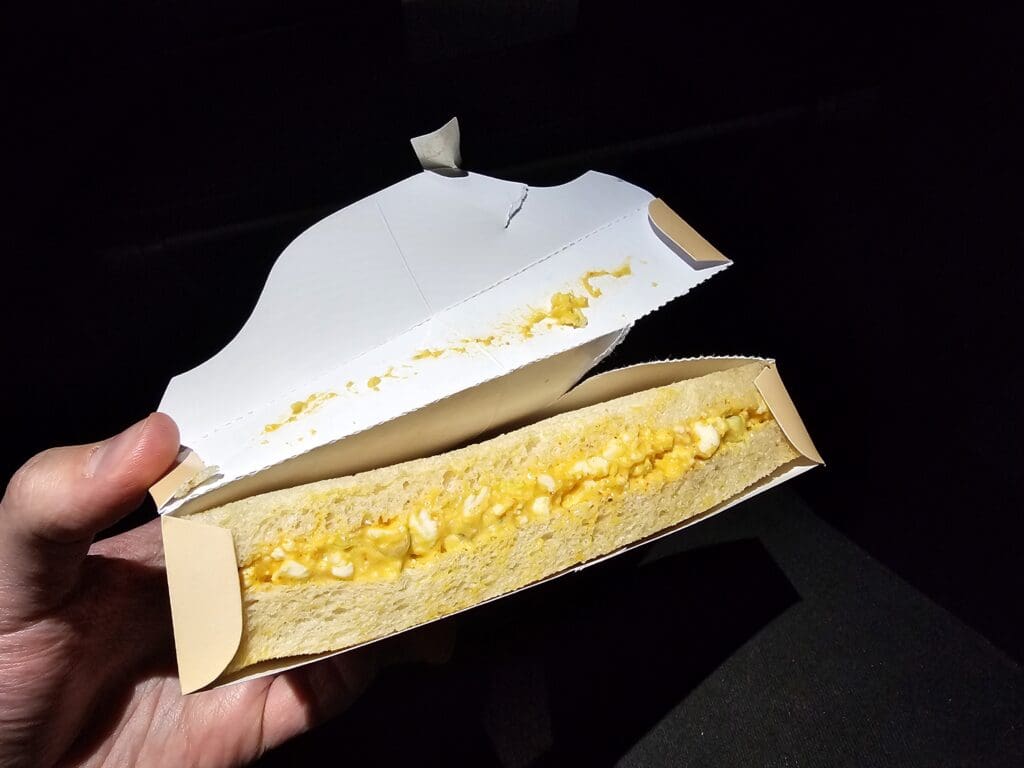
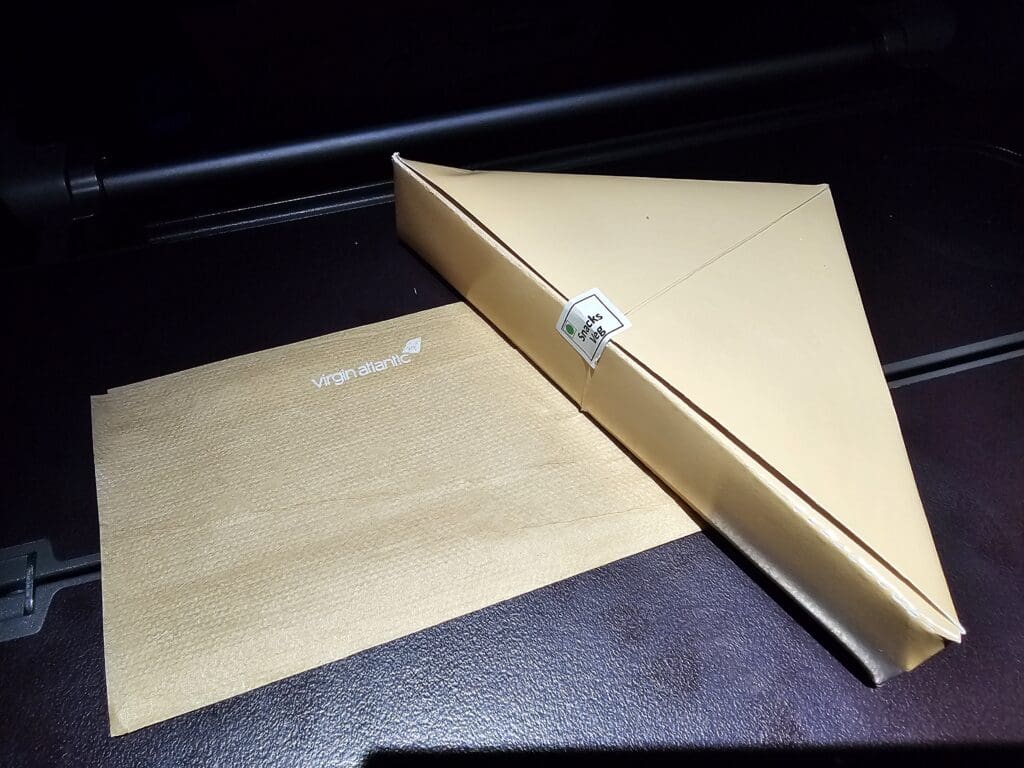
Upon returning to my seat, the service carts took to the aisles once more, with a mid-journey drink and snack service undertaken. After a few minutes, a very friendly flight attendant handed me a triangular box as well as a serviette before advising that the drinks trolley would be along shortly. As it turned out, the sandwich took the form of the paneer sandwiches that had been offered in the galley. Soon getting to work on this, whilst the sandwich was by no means a Michelin Star quality culinary marvel, it was good enough and left me with no complaints. After a few more minutes, the two flight attendants manning the drinks trolley reached my row and contrasting with the friendly service I had received thus far during the flight, one of the flight attendants simply stated ‘orange juice, apple juice, water’, I opted for an apple juice which was passed across to me without a word.
Following this mid-journey service, with it now being evening in India, I had a light nap as we cruised at 36,000 feet above the waters of the Black Sea and woke up just before reaching the Bulgarian coastline near the far northeastern tip of the country near the Romanian border. Soon crossing over this, the Airbus cut across Romania, passing almost directly over Bucharest before soon reaching the Carpathian Mountains in the heart of the country. Around forty minutes after entering Romanian airspace, the aircraft then crossed over into the skies of Hungary where the green countryside could be seen below for a few moments before being replaced once again by the sight of thick white clouds ensuring that nothing of the country could be seen as we made our way through the skies of Central Europe.
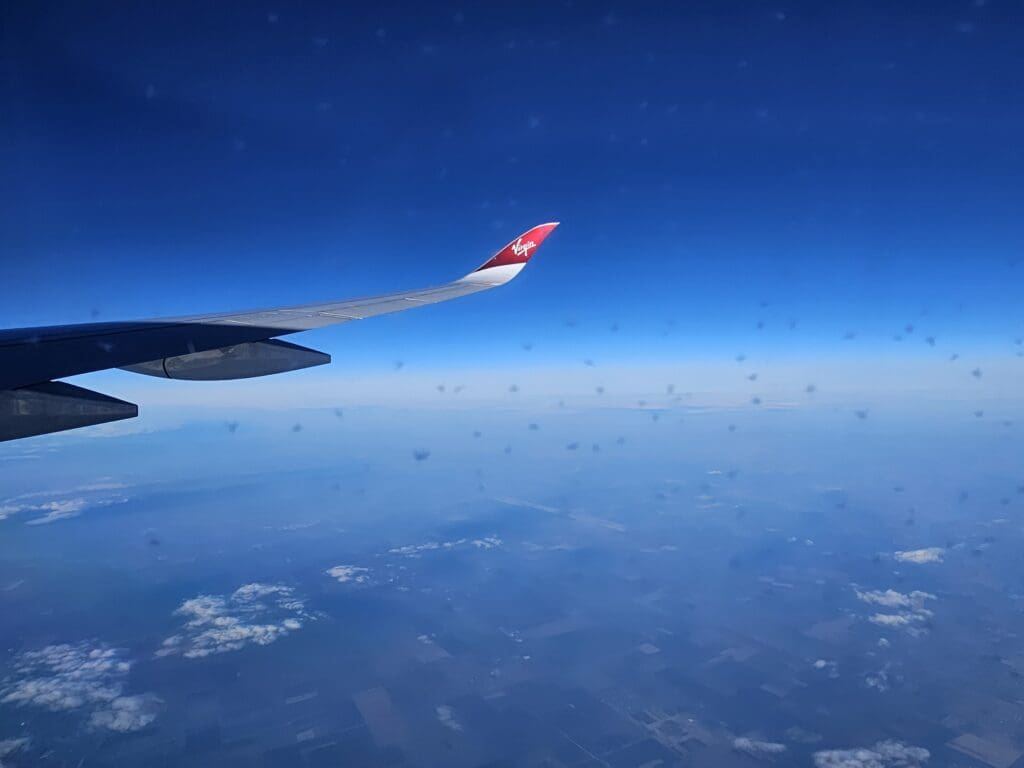
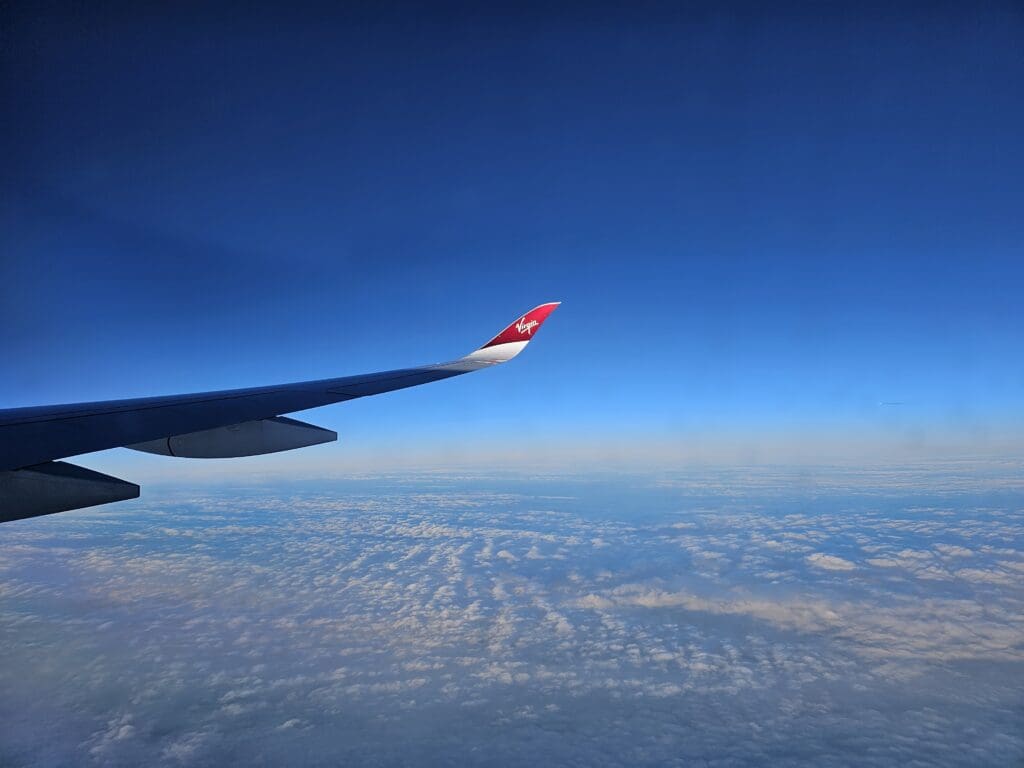
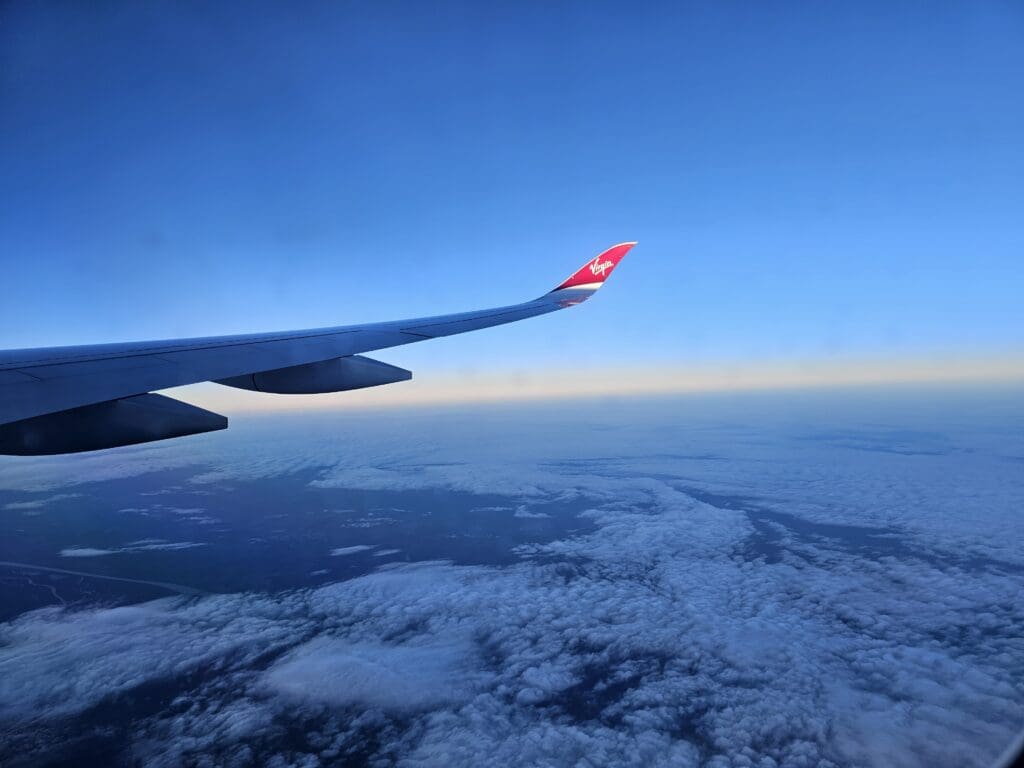
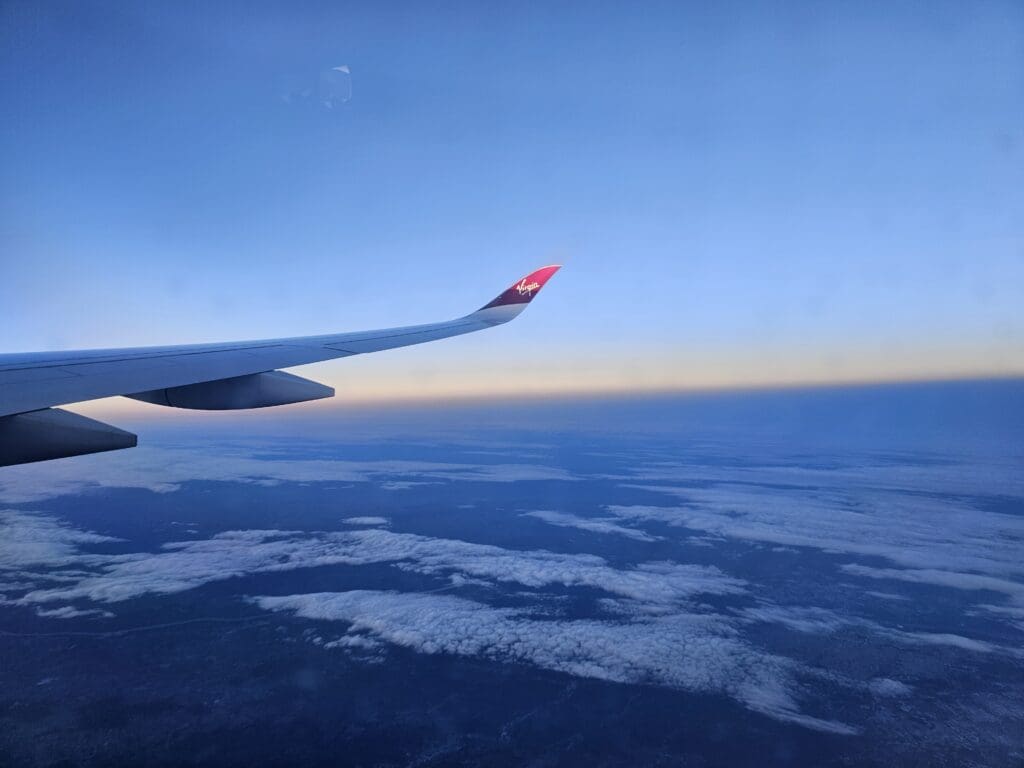
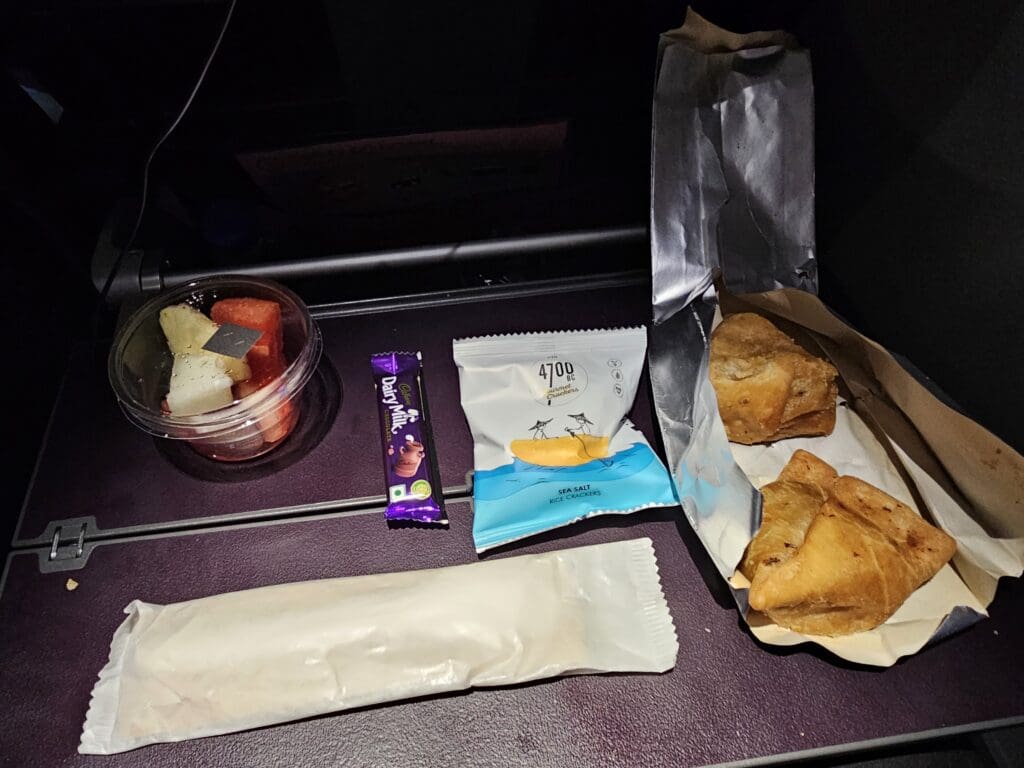
With around an hour and fifty minutes to go until our arrival, upon passing the Austrian capital, Vienna, the cabin crew rolled the service carts out into the aisles once more and began distributing the light meal before our arrival. With this being a fairly straightforward service, the crew sped through the cabin, and I was soon handed a paper box as well as a warm foil-lined paper bag. Opening up the box, this contained a small fruit salad, a small bar of Dairy Milk chocolate and some salted rice crackers. Meanwhile, the bag contained two warm and awkwardly flaky samosas. Whilst the latter were somewhat messy to eat, these were of decent quality and I found the meal to provide a nice way to round off the flight. Indeed, I cannot deny that Virgin Atlantic most certainly keeps its passengers well-fed with three food services on a nine-hour or so flight! Once all passengers had been served, the crew then commenced a round of drinks, and I ended up opting for another coffee, which I hoped would keep me awake all the way to Leeds!
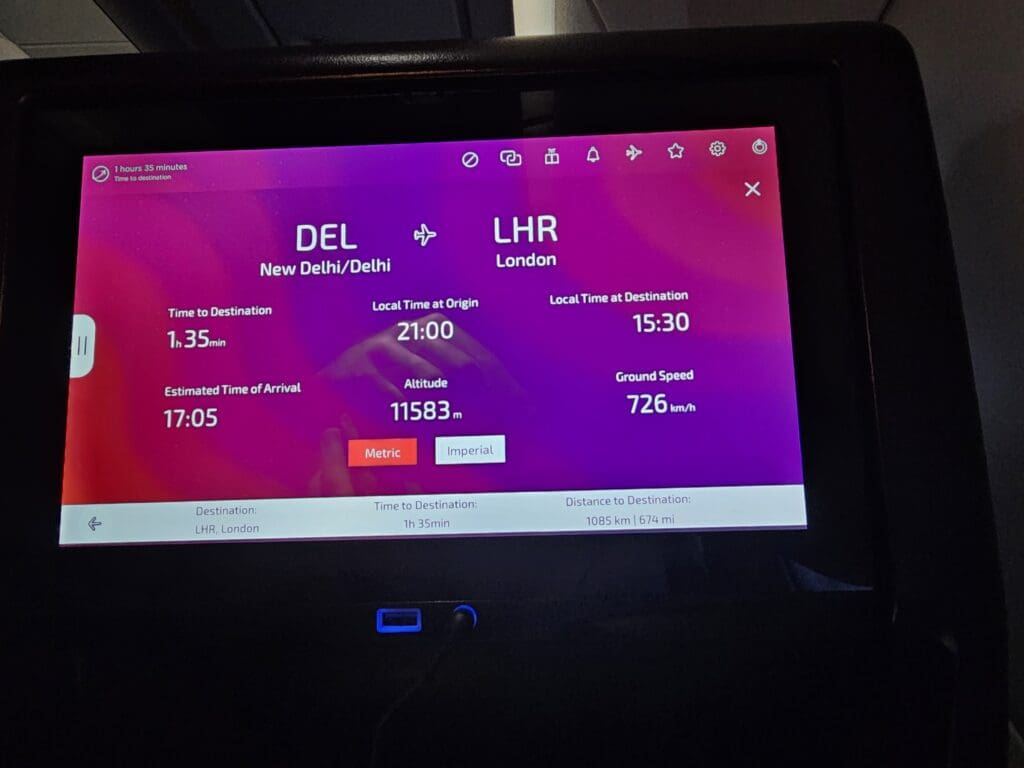
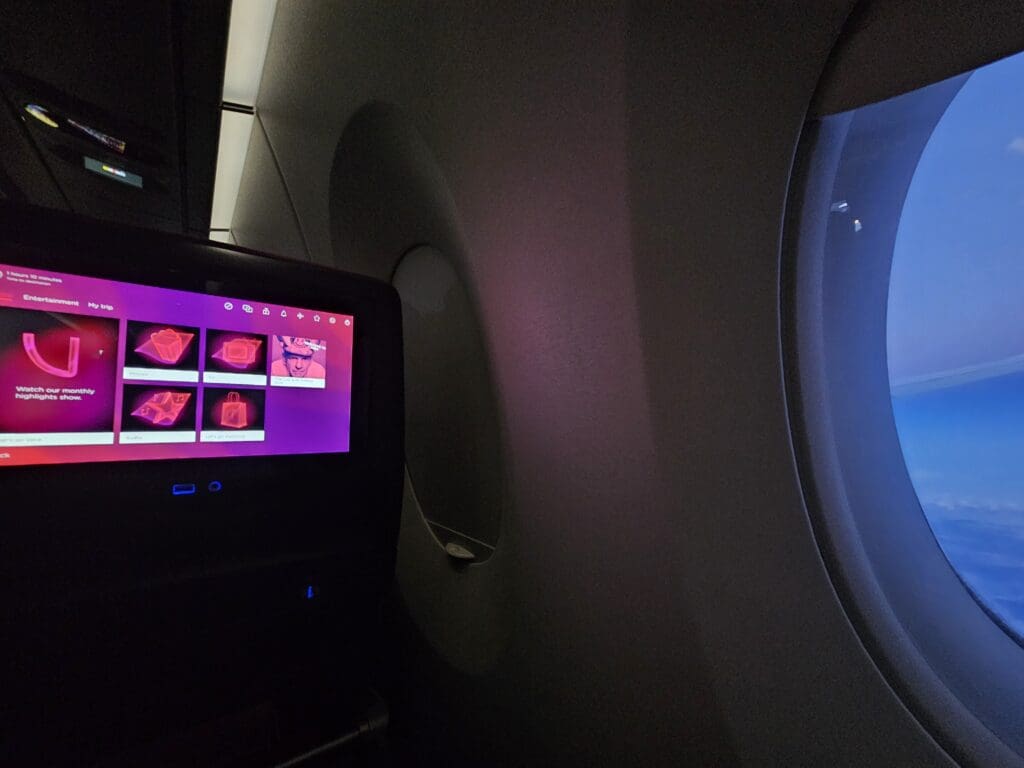
By the time the aircraft reached Austria, the winter skies were darkening and continued to do so as we chased the sunset on our journey westwards. Passing over a small portion of the country, the aircraft made its way into Bavarian skies near the city of Passau before passing the likes of Regensburg and Nuremberg, followed by Würzburg, before we left Bavaria behind and trundled out over the German state of Hesse, crossing almost directly over Frankfurt. With not a great deal of time remaining until we reached London, fearful of long queues developing as we neared London, I decided to go for one final lavatory trip. Hoping that these had been tended to following my last visit, but unfortunately, I was proven wrong, as these were in a disgustingly dire state.
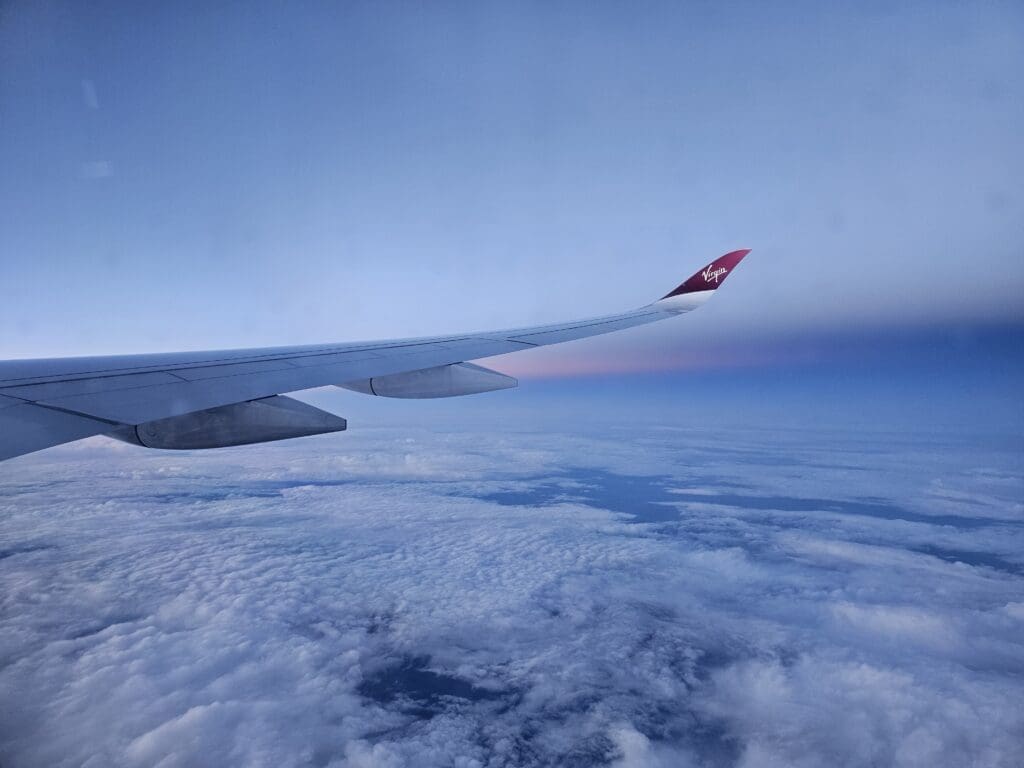
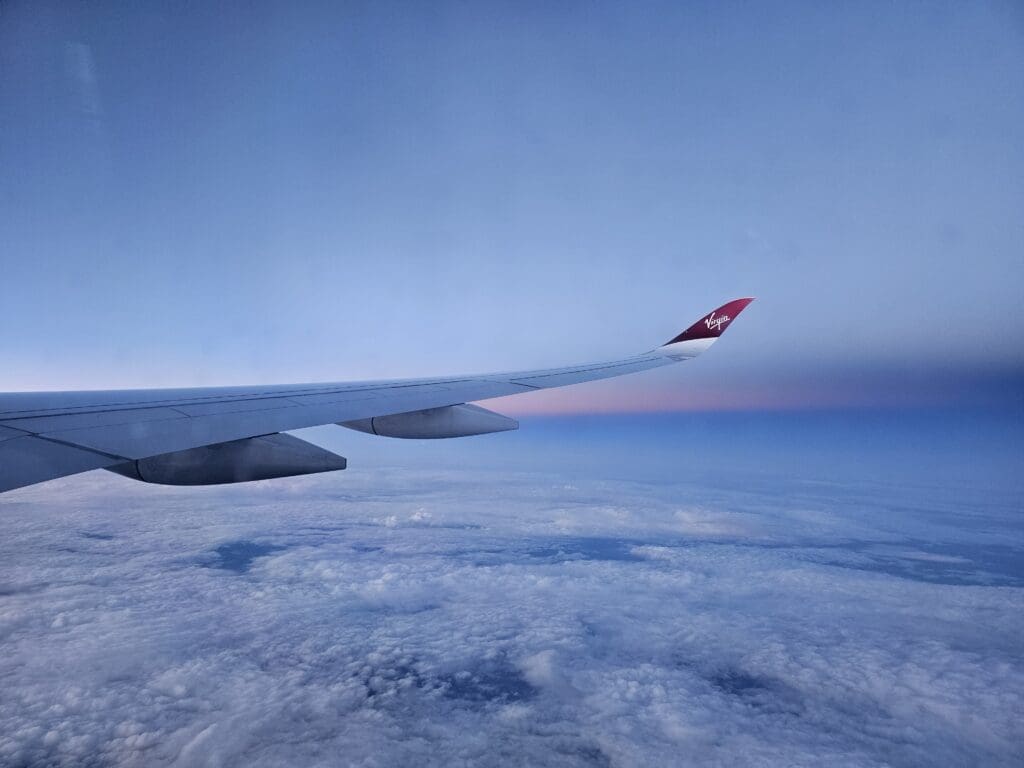
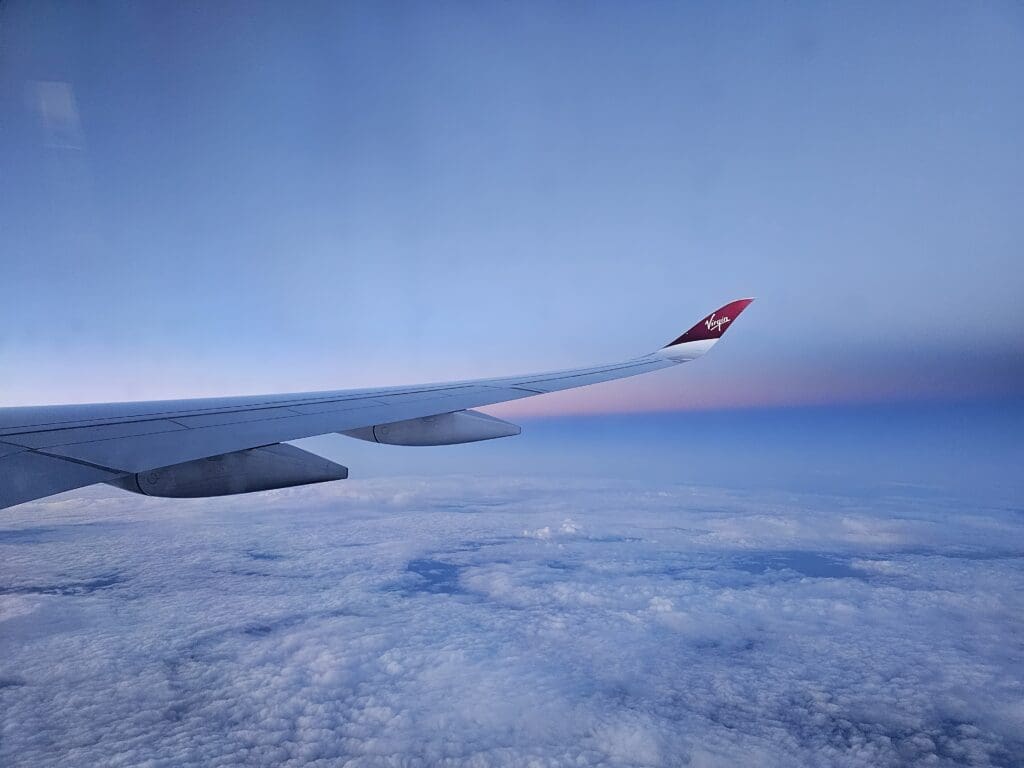
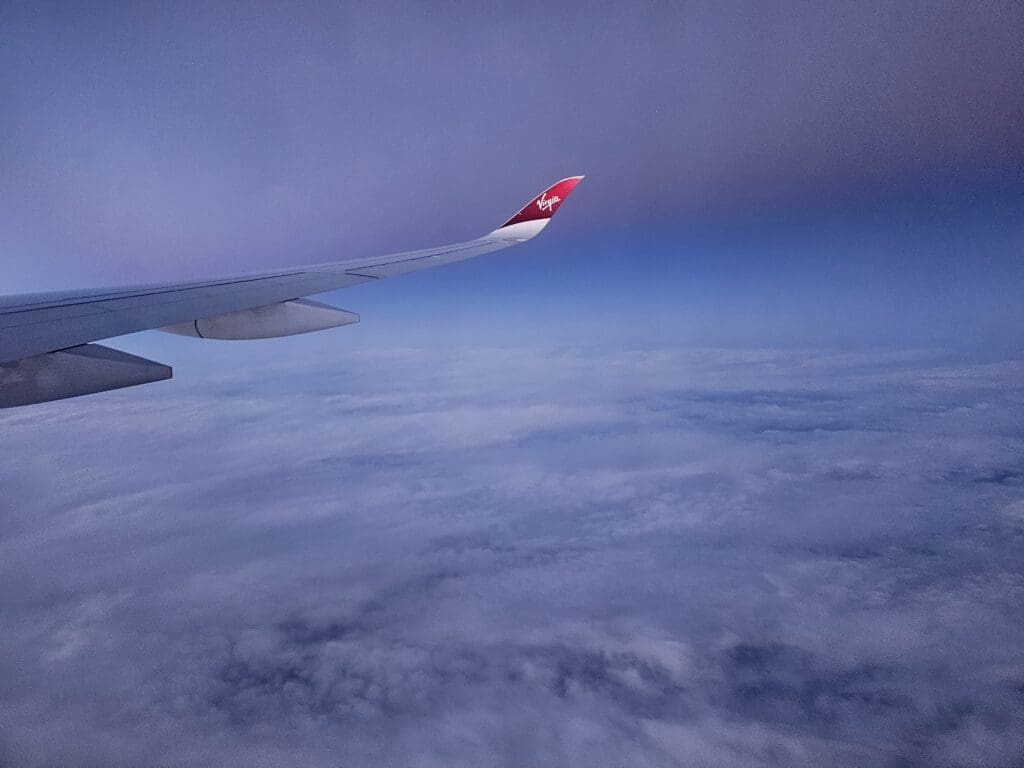
As we passed to the south of the cities of Cologne and Bonn, with fifty minutes to go, an announcement was made by the cabin crew in English and Hindi encouraging passengers to use the lavatories if they needed to do so. This was then followed a short time later by a longer announcement encouraging passengers to donate any loose change to the airline’s charity. At 1629 GMT, the cabin lights transformed to their deep pink/violet setting, and a couple of minutes later, the Captain performed their pre-arrival announcement. During this, they thanked passengers for flying with Virgin Atlantic and offered an update on the weather in London, our expected time of arrival and the route that we would take to the capital city. Mentioning that we would be landing on one of the airport’s westerly runways, I was hopeful that the weather would allow for a superb view of the sights of London as we made our way into Heathrow.
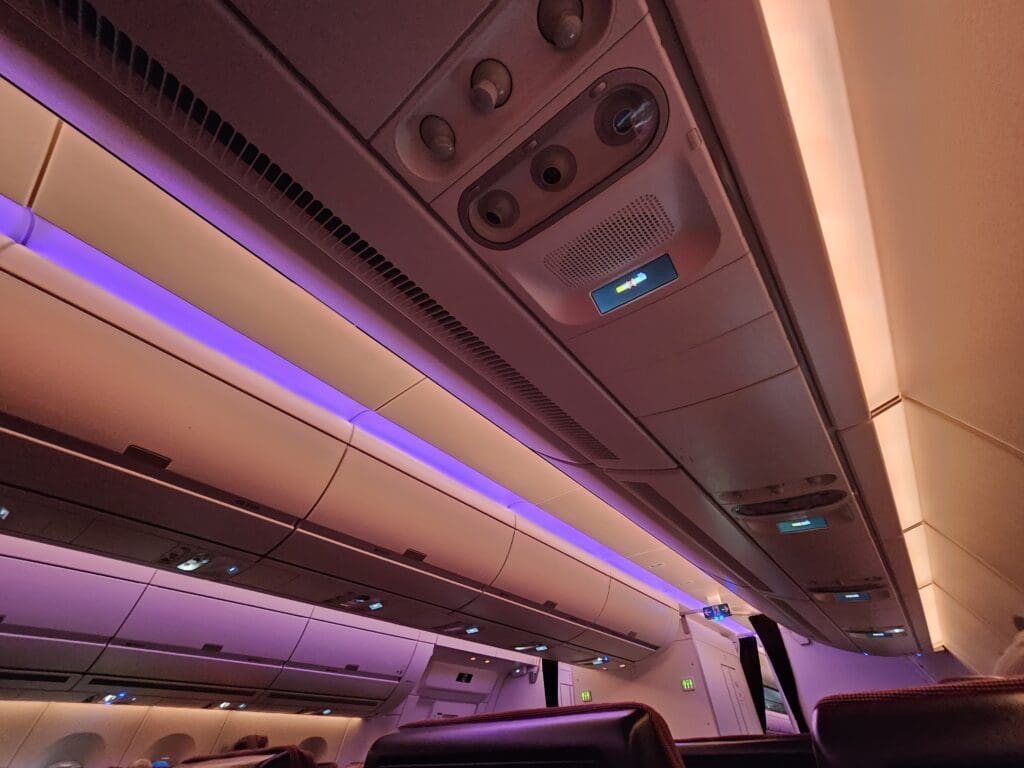
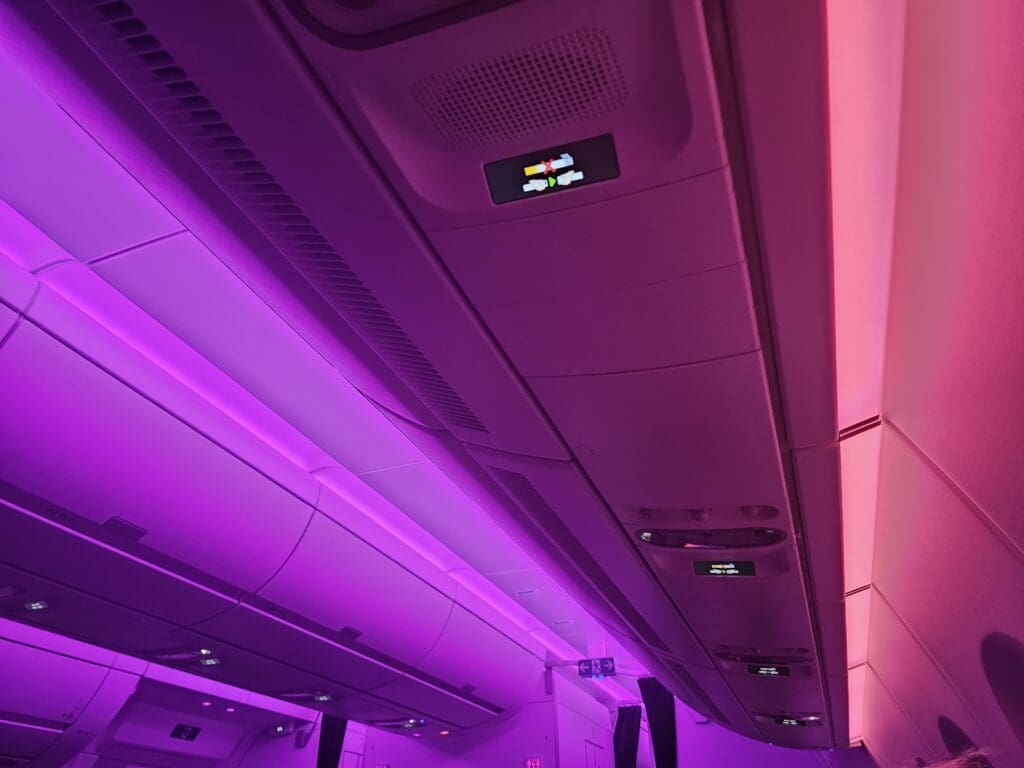
As the Captain performed their announcement, the aircraft cruised over the northern fringes of Belgium, passing the likes of Liege, Antwerp and Ghent before making its way into Dutch airspace and soon heading out over the North Sea. A couple of minutes after leaving the Dutch coastline behind, the Airbus could be felt leaving its cruising altitude, and just before reaching the Essex coastline, the seatbelt signs were reilluminated as we descended through 20,000 feet. This was then followed by the usual announcement from the cabin crew regarding seatbacks, seatbelts, tray tables and window shades before they passed through the cabin, ensuring that all was in place for our arrival. Once done, the Flight Manager performed another announcement advising that the cabin would need to be sprayed with pesticide before landing, with this repeated in Hindi. A short time later, several crew members strutted through the cabin spraying this, and, whilst harmless, this did cause a few coughs and splutters.
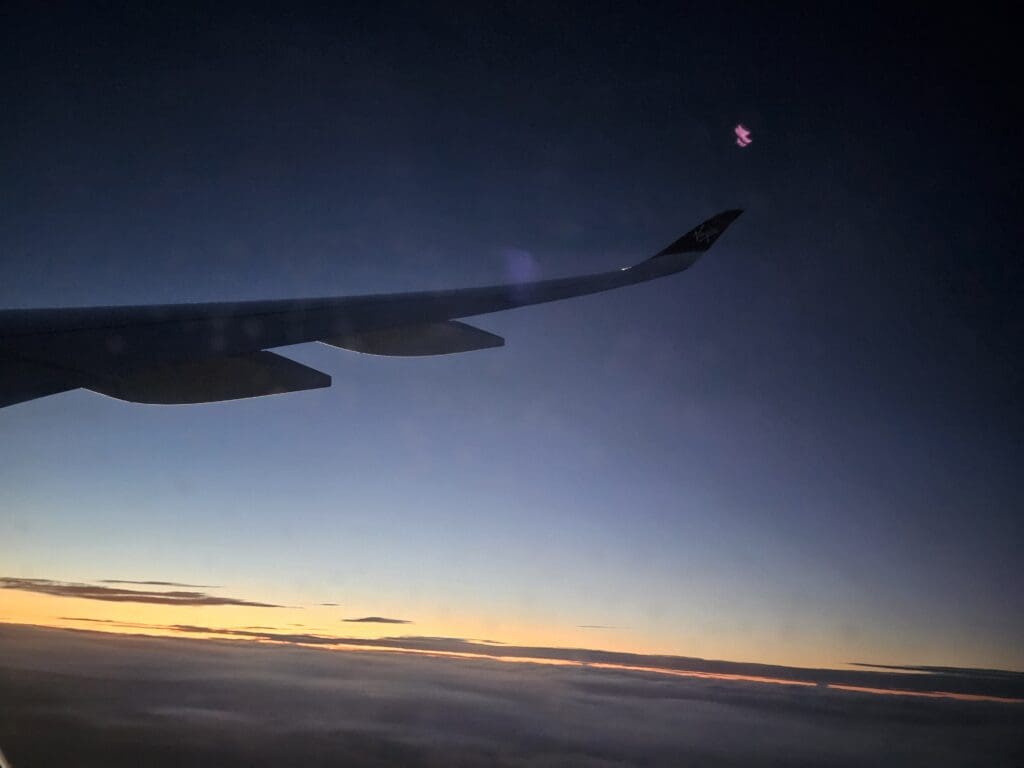
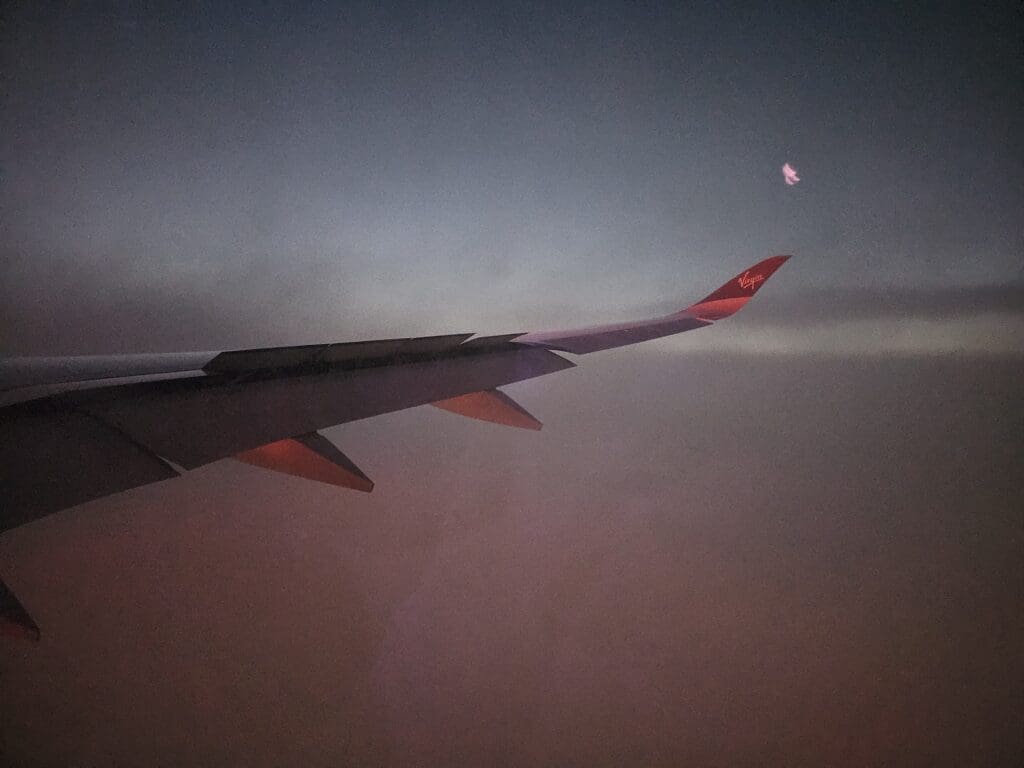
Once over the coastline, thanks to the clouds, nothing could be seen of the lights of Essex’s towns such as Maldon and Chelmsford as we made our way towards London. Despite the non-stop flow of traffic into Heathrow, no holding was required and upon reaching the far northeastern London suburb of Buckhurst Hill, the Airbus flew directly southwards towards the Thames and reached before crossing this at Greenwich. From there, the aircraft then turned west and lined up for an approach to Runway 27R, descending over the South London neighbourhoods of Brixton, Camberwell, Peckham and Battersea. Unfortunately, due to the clouds, little could be seen of London as we sped towards Heathrow, and we did not pop out of these until we were crossing over Isleworth with just a short distance to go until landing.
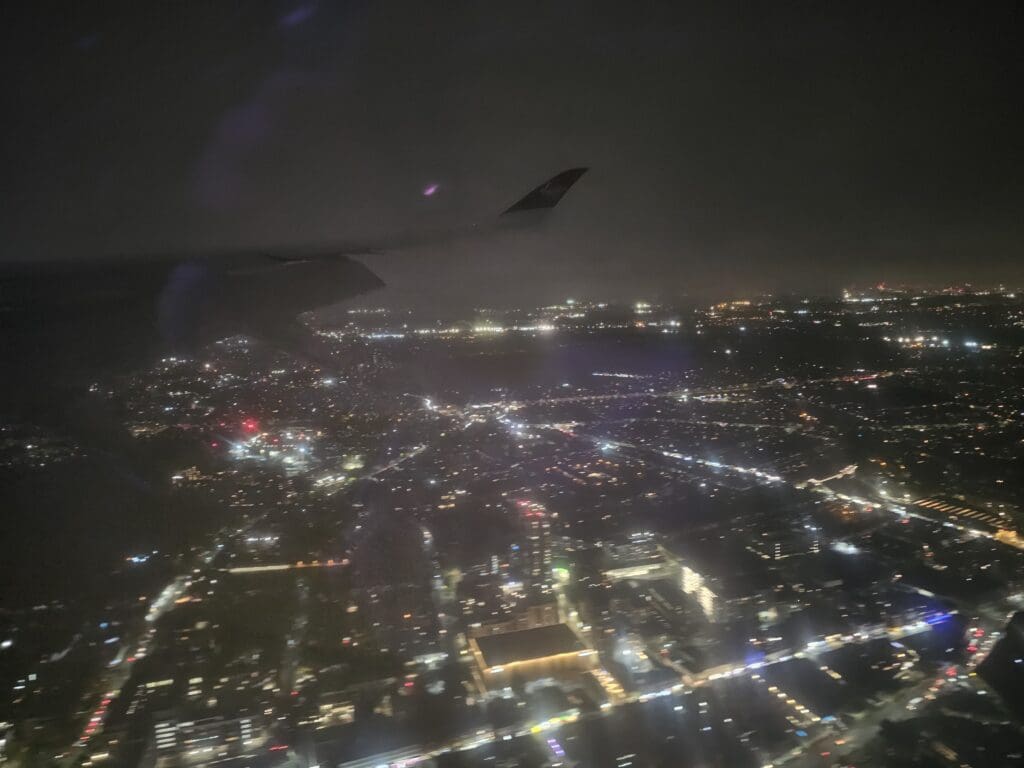
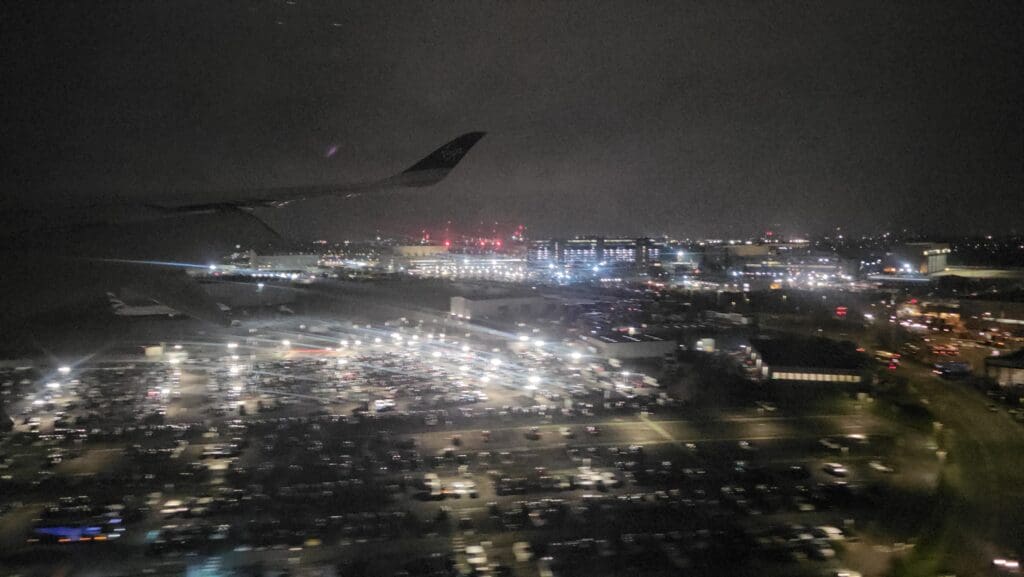
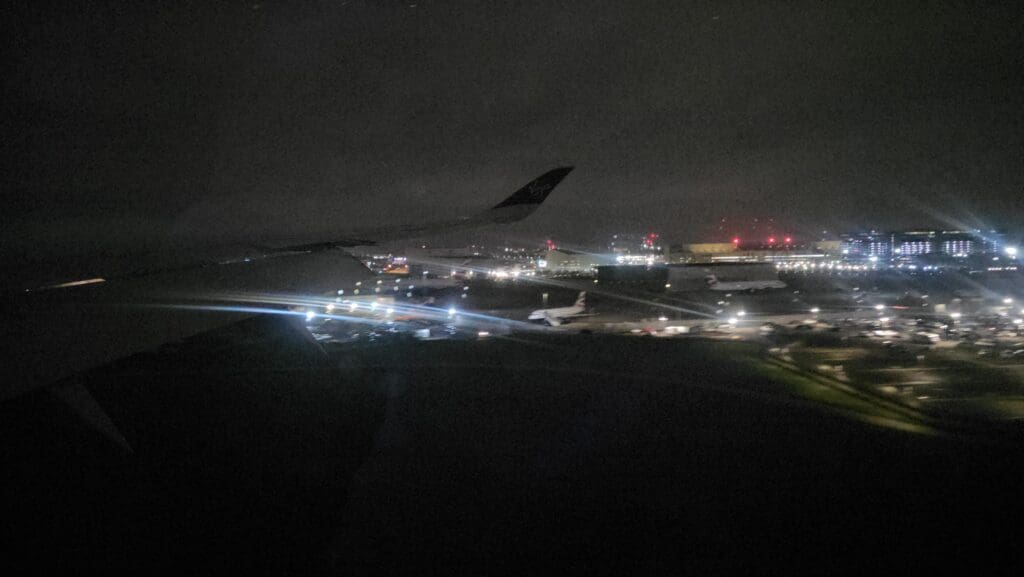
After sinking over the lights of Hounslow, the sprawl of British Airways maintenance areas at the eastern end of Heathrow appeared, and a grand total of 9H22 after taking off from Delhi, the Airbus made a soft touchdown on Runway 27L at 1703. Likely both wanting to make a quick exit to minimise taxi time over to Terminal 3 and with traffic following closely behind, the brakes were slammed on and we soon vacated the runway to the right. At this time, the Flight Manager welcomed all to London, advised us all of the local time and requested passengers to remain seated, with virtually all onboard following the latter instruction.
As we made our way towards the gate, the First Officer performed an announcement thanking passengers once again for flying with Virgin Atlantic and advising that once we had come to a halt, the engines would have to remain spooled up for a few minutes before the seatbelts could be extinguished and thus apologised and asked to remain patient. This, combined with the fact that we had started one engine up on the stand in Delhi, indicated that there was some issue with the Airbus’ auxiliary power unit. Indeed, once we had come to a slow halt at Stand 340, I watched on the external cameras as several members of the ground crew connected the stand’s fixed electrical ground power unit to the aircraft. Once safely connected, the engines spooled down, and I turned to the tail-mounted camera, which revealed that unfortunately, there seemed to be some issues with connecting the jetbridge to the door, with this slowly edging towards the aircraft before edging back. This continued for around ten minutes, during which passengers seemed to be becoming increasingly disgruntled, and soon the Flight Manager apologised for this fiasco, explaining that there appeared to be an issue with the jetbridge and promised to keep passengers updated.
Eventually, the jetbridge was connected, and disembarkation commenced. Although having travelled in the rearmost cabin and with many passengers carrying large amounts of hand luggage with them, this took a fair amount of time. As I walked through the cabin, I felt sorry for the cleaners, with much of this appearing to be an absolute mess! However, with the aircraft’s next flight to Lagos not departing until late that night, the aircraft had a considerable amount of time on the ground in Heathrow before heading off to Nigeria. After thanking the crew members, I stepped off the aircraft and onto the very chilly jetbridge.
From the aircraft, a long walk was in store to reach immigration. However, once there, I was pleased to find that in spite of the fact that there were multiple arriving widebody-operated flights at that time, no long queues could be seen leading up to the automated passport scanners. Much to my delight, for once, most of these appeared to be operational and entering the UK was a quick affair. Soon, I found myself steaming through the baggage collection hall and out through customs into the landside portion of the terminal. Fortunately, I still had plenty of time until my 1948 train back to Yorkshire. Nevertheless, I thought it best not to dilly-dally and thus headed down to the terminal’s station to catch the next Elizabeth Line departure into Central London, ending my first experience with Virgin Atlantic since 2003.
Summary
For the most part, I was fairly pleased with my first ride with Virgin Atlantic in over twenty years. Whilst bagging an Economy Delight seat most definitely helped, I found the aircraft to be pleasant and comfortable, and whilst a thicker blanket would have been appreciated, this was most certainly acceptable for the ride over to the UK. Importantly, most of the crew were polite and friendly, whilst the onboard food offers were most certainly sufficient for the nine-hour flight, and the entertainment was relatively good. Turning to the negatives, my greatest issue of the flight was the poor state of the toilets, which were in an incredibly sorry-looking state by the time we arrived, whilst the cabin was definitely in need of a deep clean. Nevertheless, based on my experience that day, I would still be happy to fly with Virgin Atlantic again in the future.