Time Travelling: Planespotting in Manchester in 2009
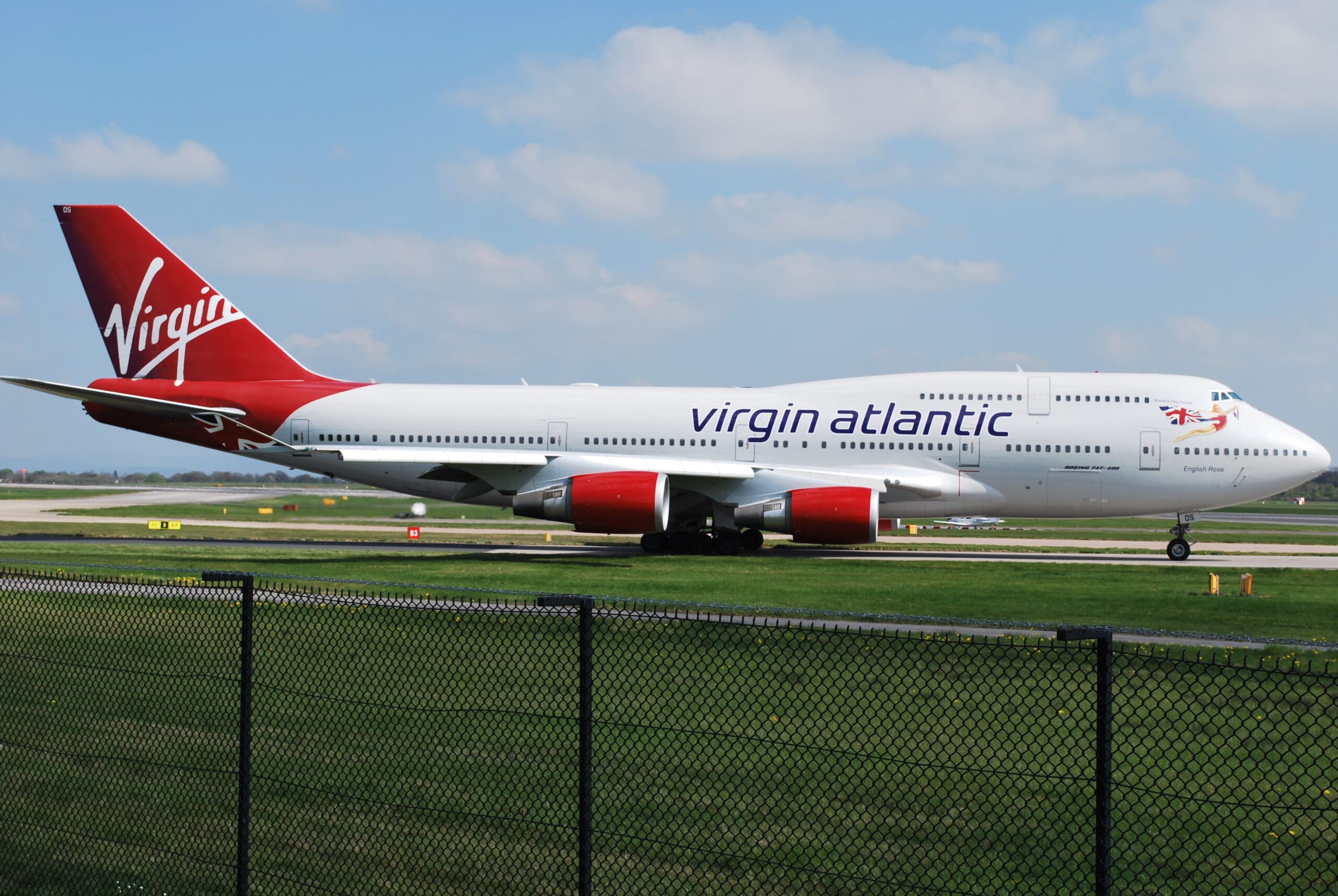
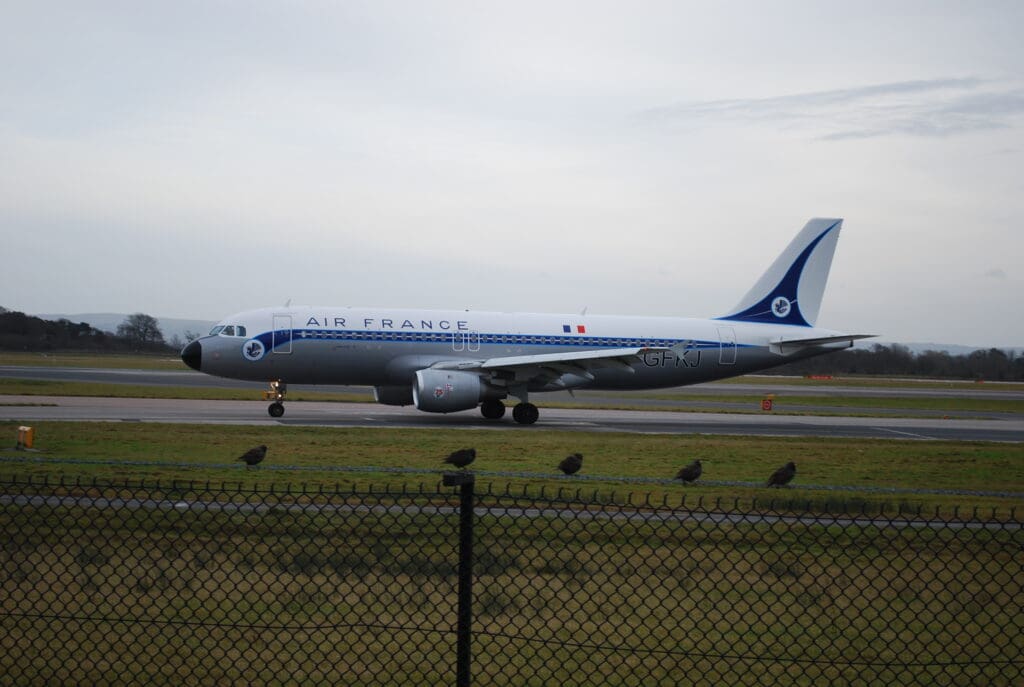
Following a four-leg trek across the Atlantic in February 2006, as this website may hint, I became well and truly hooked on aviation. Growing up, I was lucky enough that my family could foster this interest, which usually involved my dad driving me from Sheffield over the Peak District to stand on a freezing Manchester Airport perimeter. With the airport’s famous Runway Visitor Park about ninety minutes away, it was the obvious place to cut my teeth as a planespotter. I got my hands on a DSLR in late 2008, and the photos below represent my earliest attempts at capturing the action at Manchester.
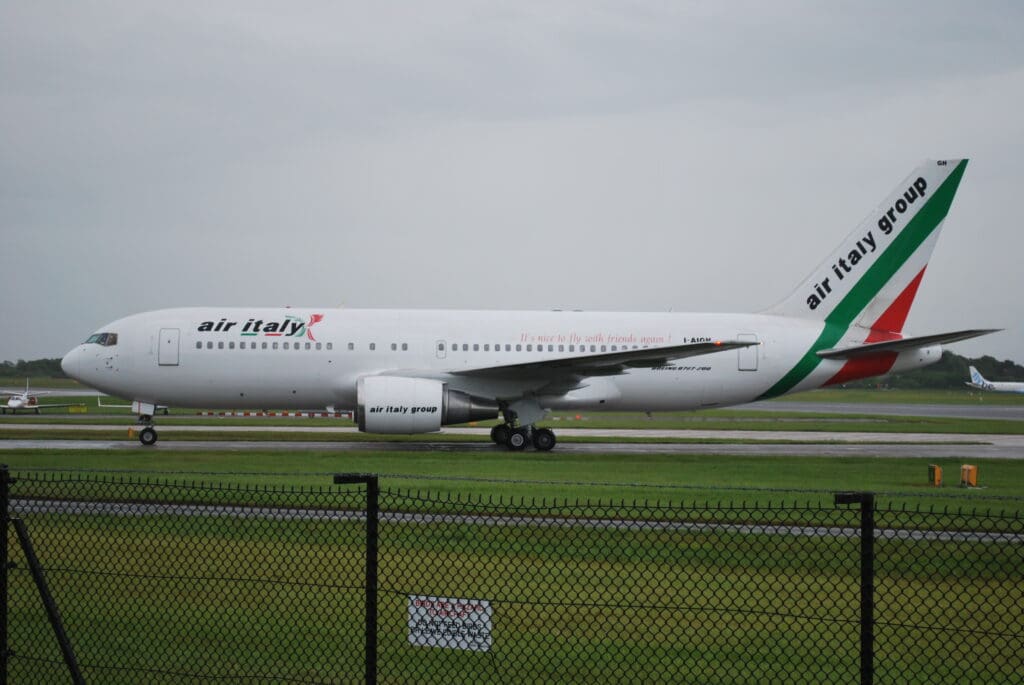
While a twentieth-century spotter might roll their eyes at the suggestion, things were a fair bit different back in 2009. Taking a rough qualitative estimate, I’d say no more than half the movements from that era featured aircraft or carriers still operating at Manchester today. Since then, the landscape has shifted significantly: markets like China have flourished, while the direct link to the United States has noticeably contracted. Meanwhile, the leisure market has been squeezed, funneled into far fewer carriers than the diverse fleet that could be seen back then.
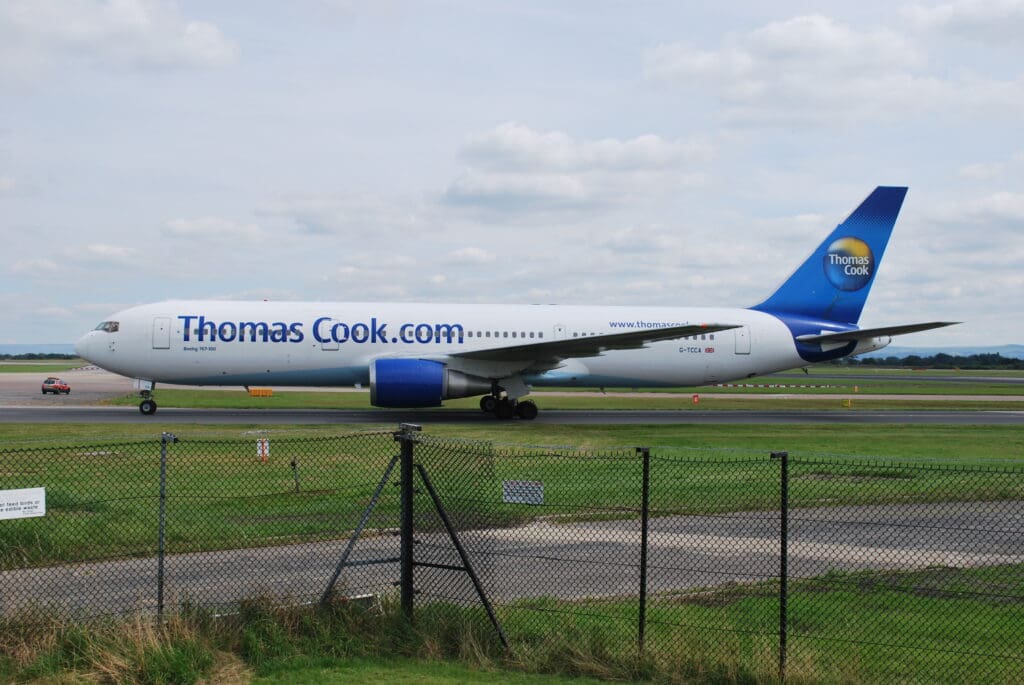
The British leisure market in 2009 was a far more eclectic affair than it is today. You could barely spend an hour at Manchester without spotting a tail fin belonging to a carrier now consigned to the history books. Back then you could still catch the liveries of First Choice, Monarch, MyTravel, Thomas Cook, and XL Airways. With these operating an eclectic array of Boeing 737 Classics, to Airbus A330s and Boeing 767s.
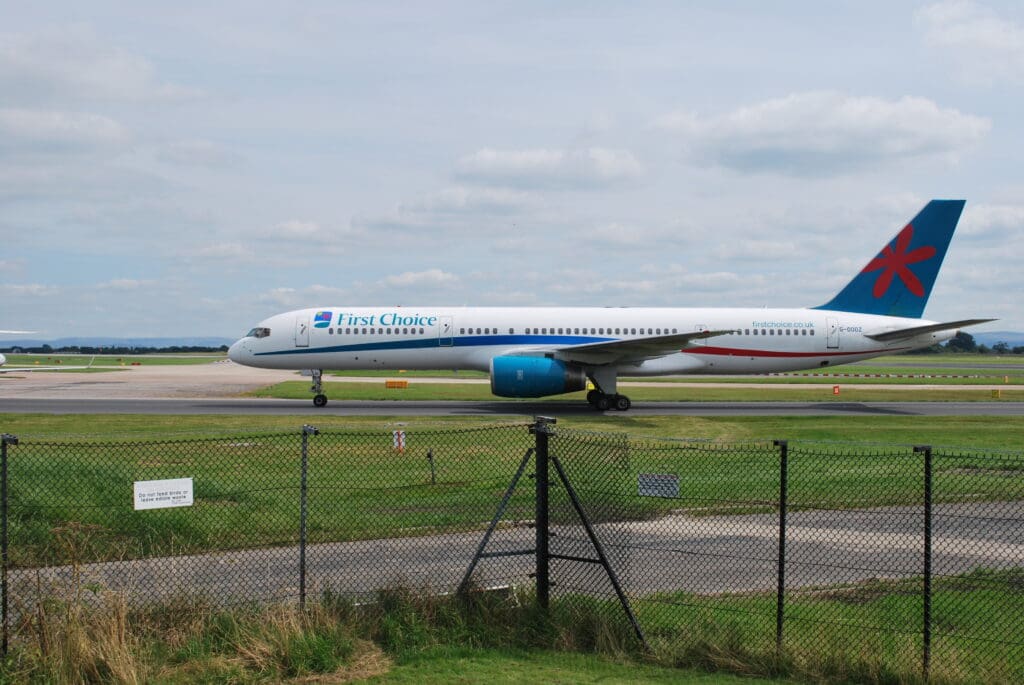
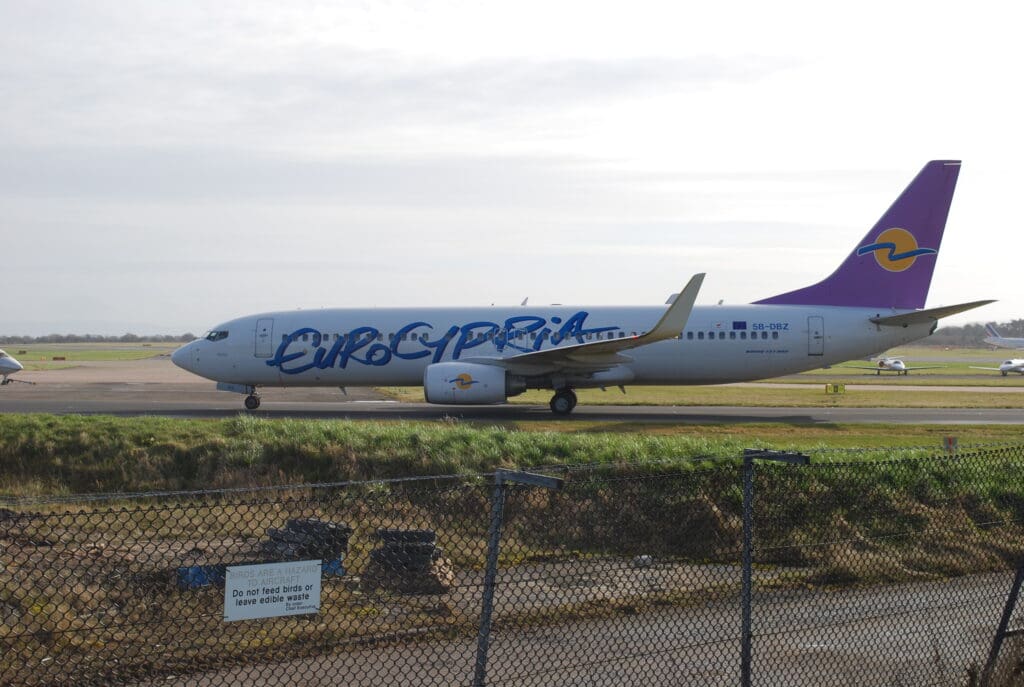
It wasn’t just the UK market that felt broader either. The inclusive-tour scene brought in a constant stream of European names – Balkan Holidays Air, Cyprus Turkish Airlines, Eurocypria, Iberworld, and Viking were all common sights. Today, that colourful variety has largely evaporated.

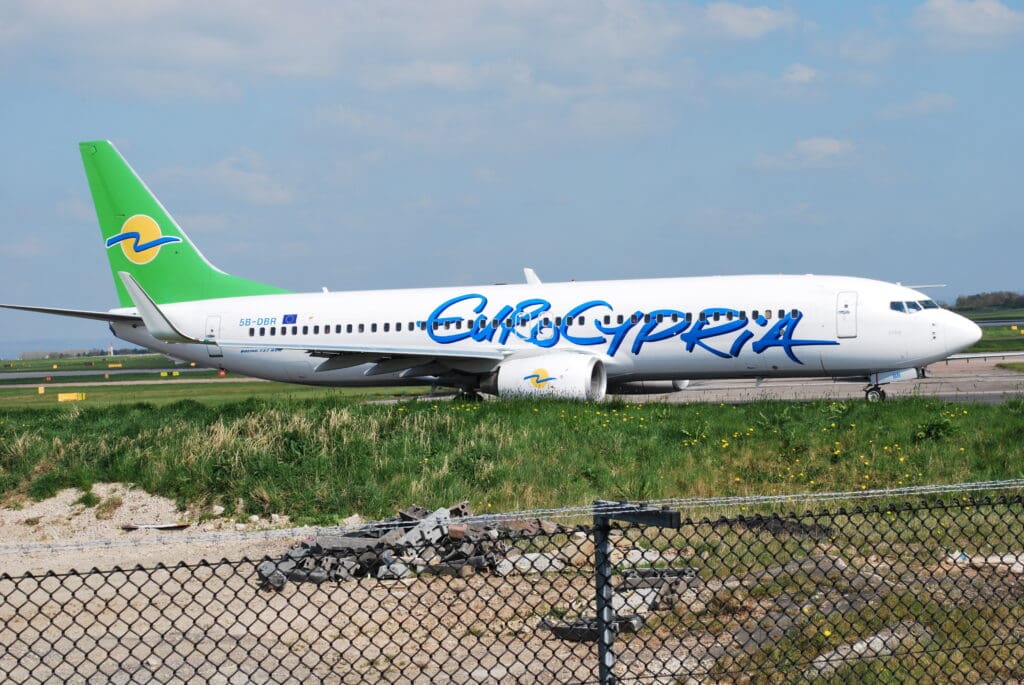
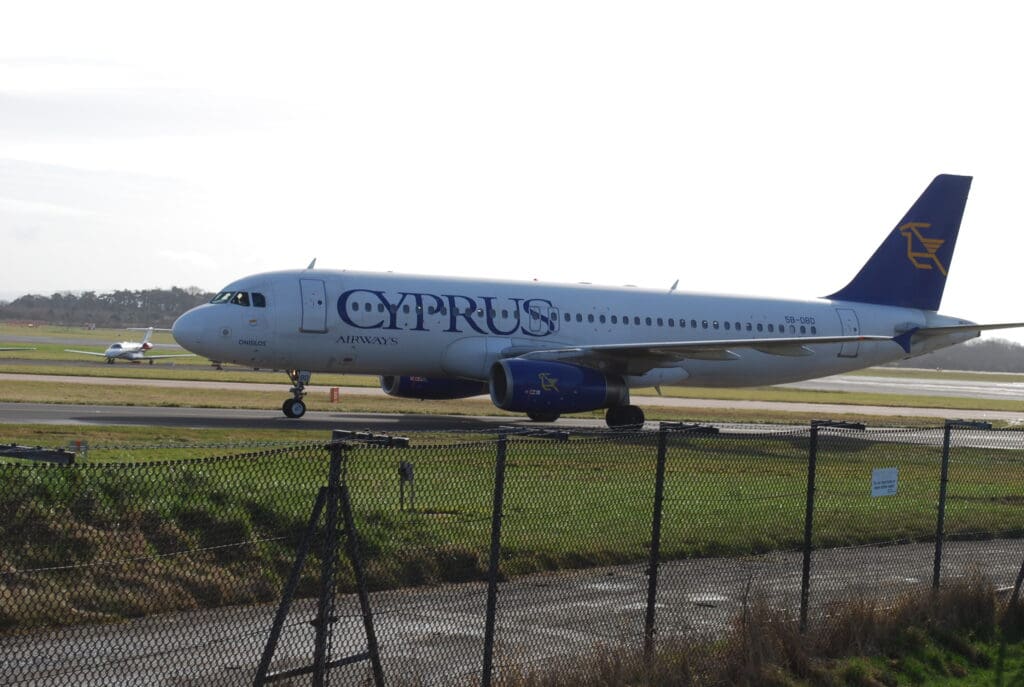
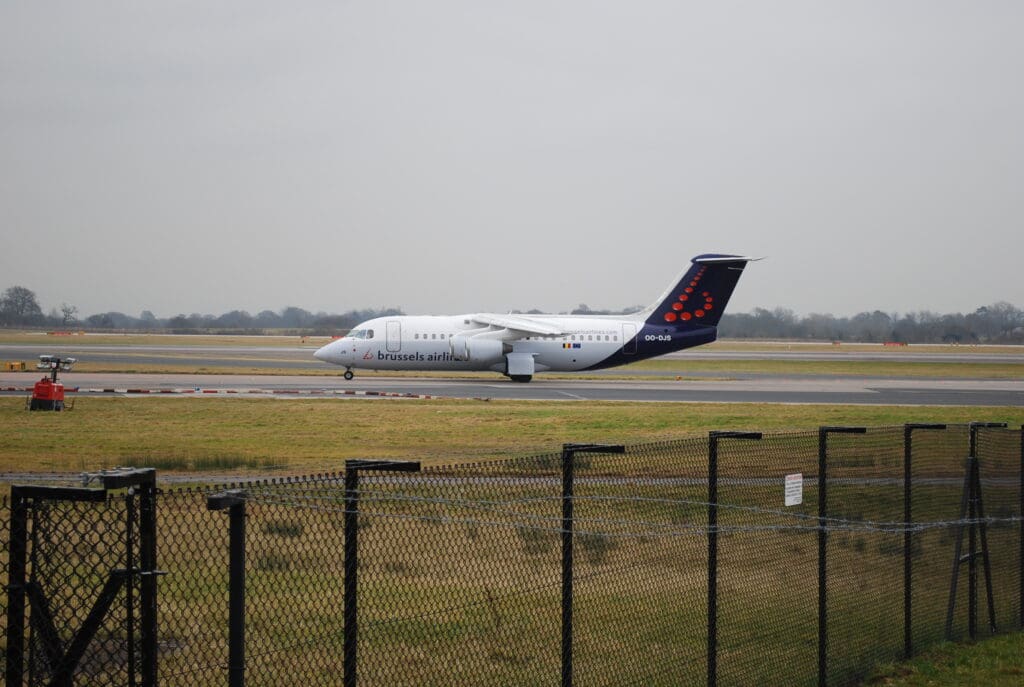
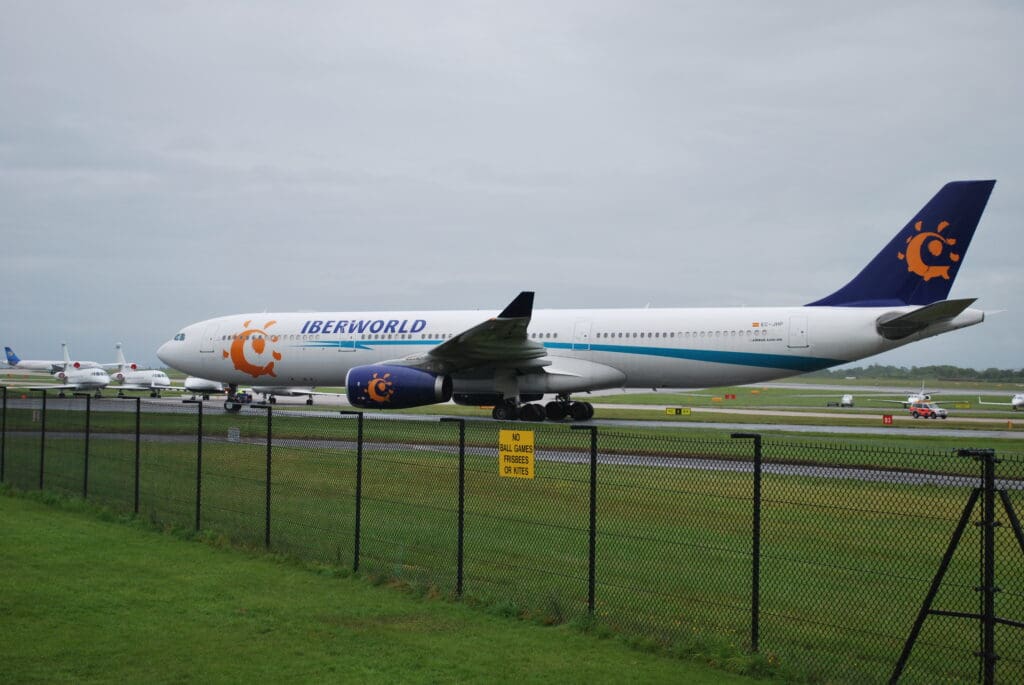
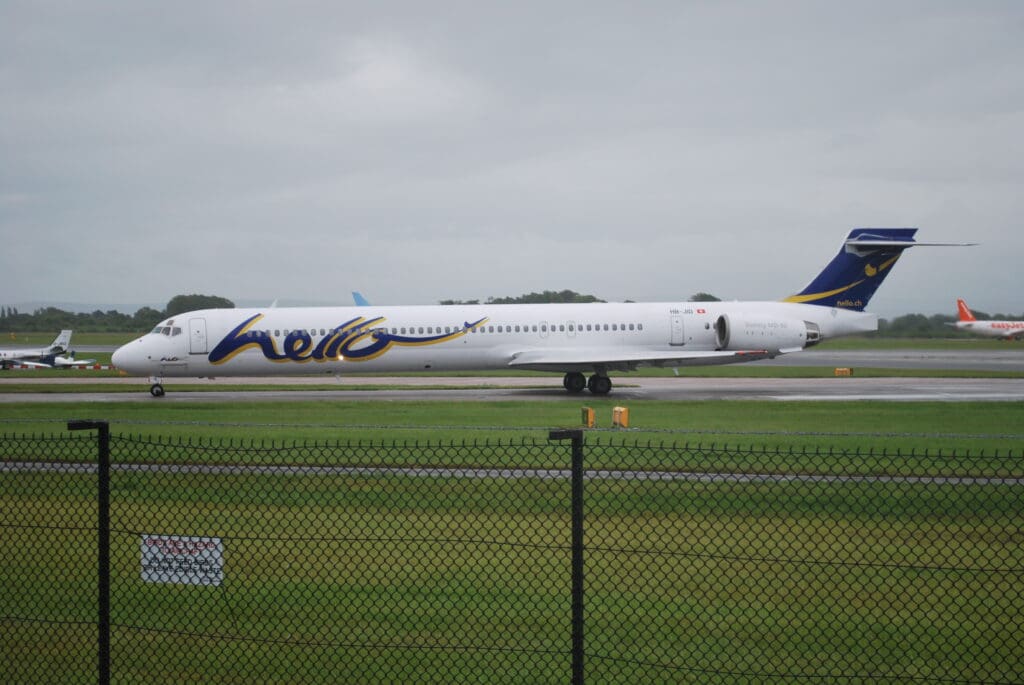
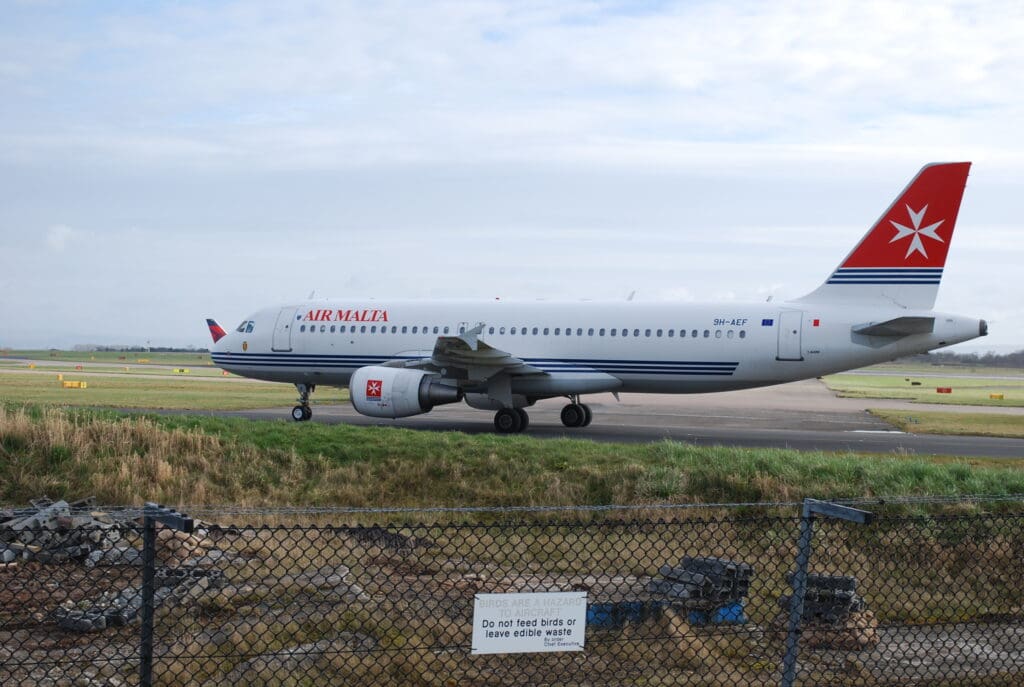
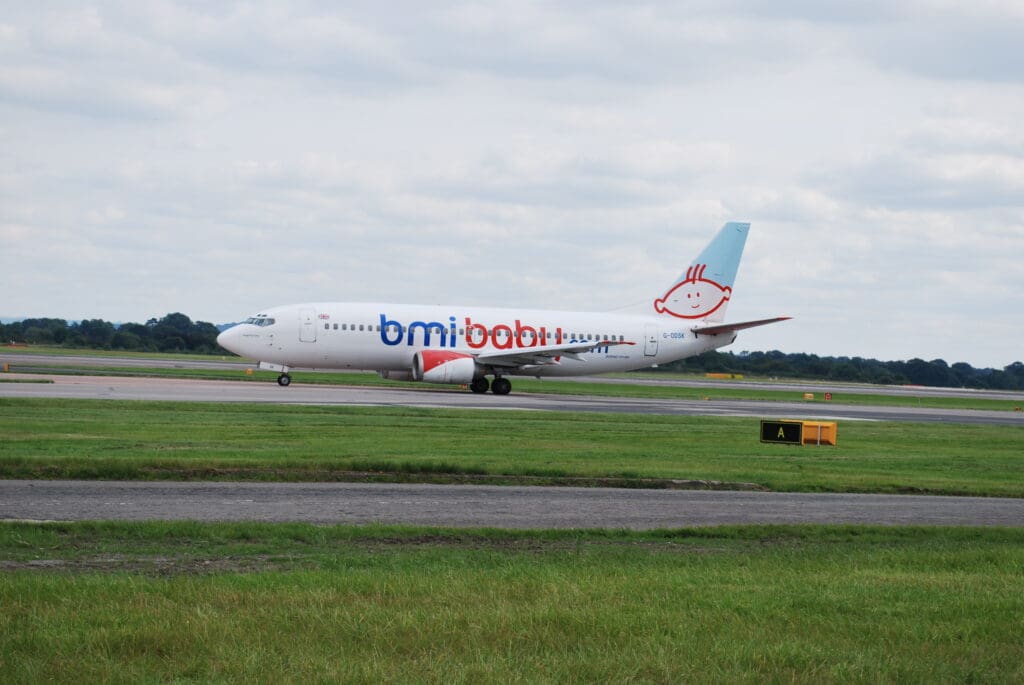
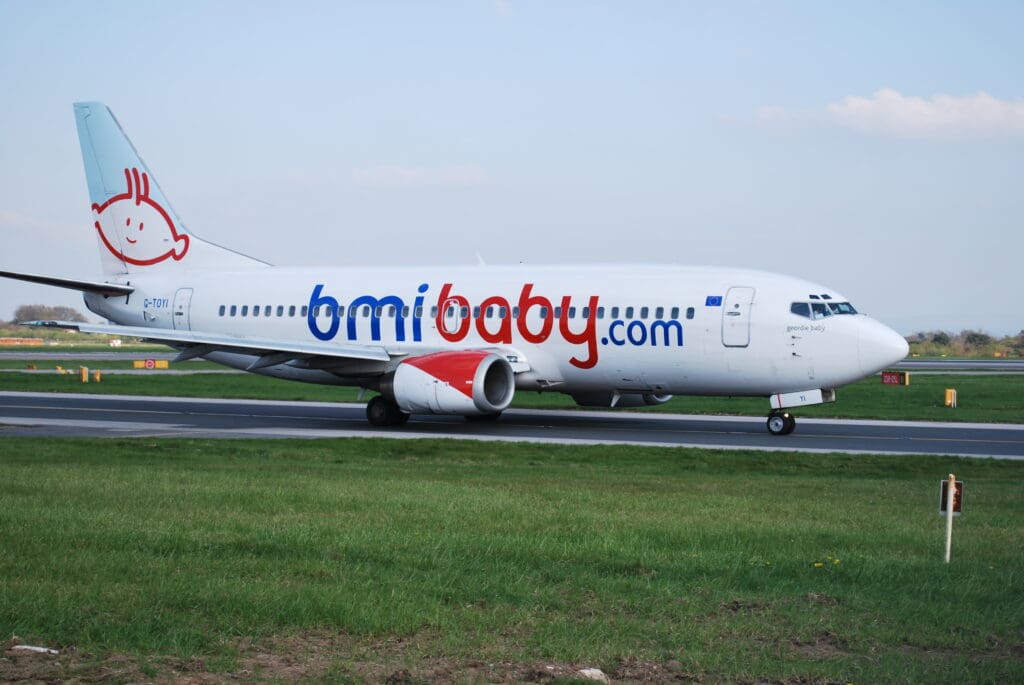
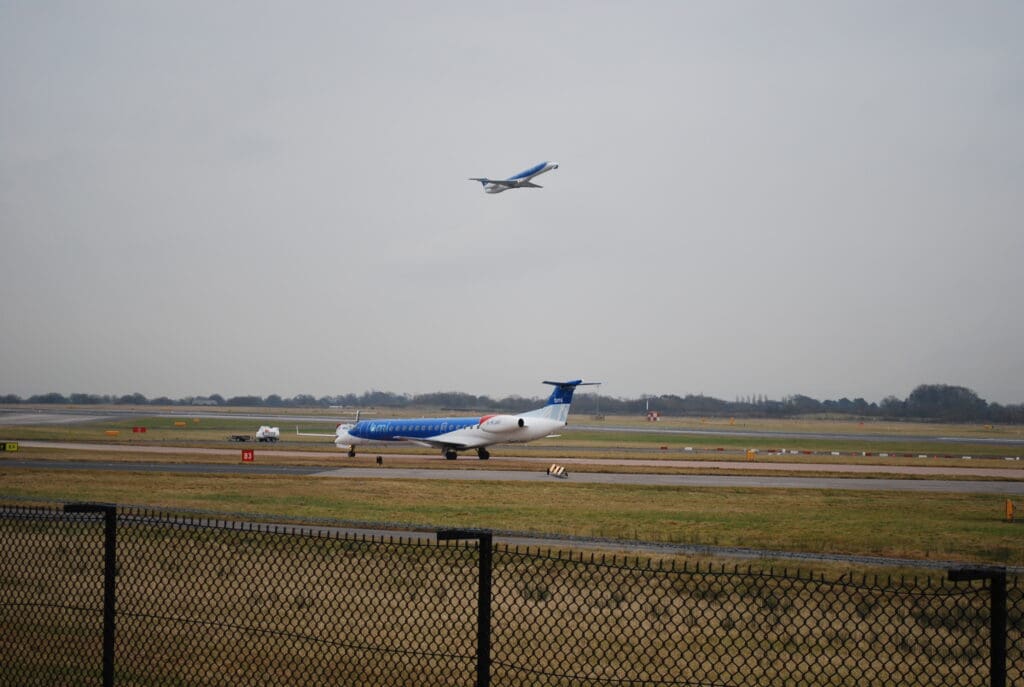
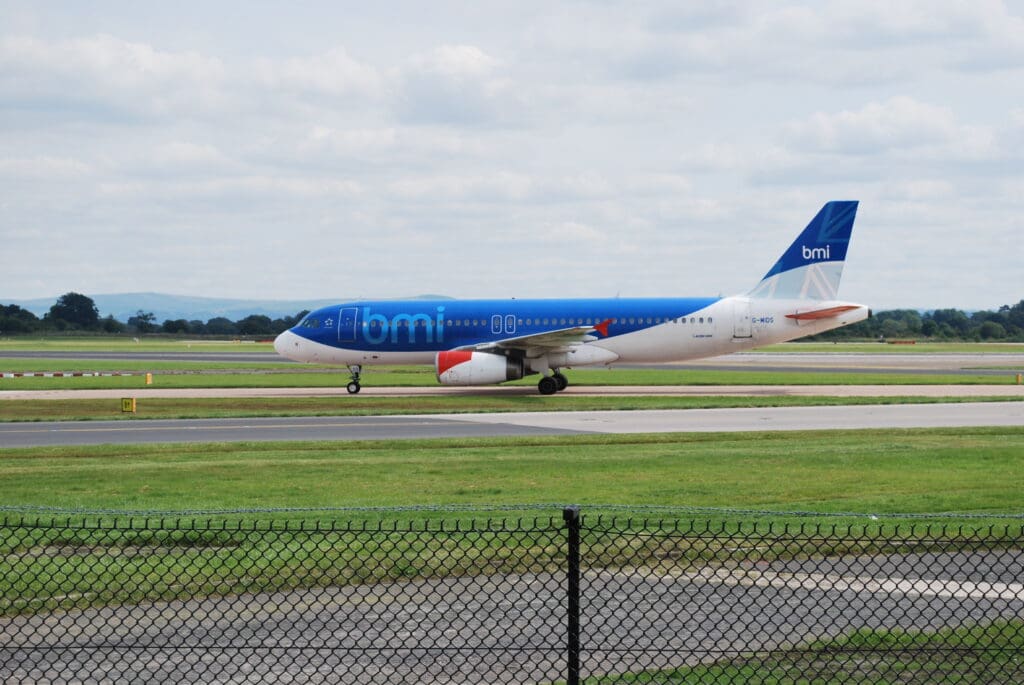
A time traveller would also likely be taken aback by the absence of airlines that were once the very bread and butter of Manchester’s daily operations. Chief among them was the regional stalwart Flybe, whose Dash 8 Q400s and burgeoning Embraer fleet seemed to account for every other movement. Then there was the significant presence of British Midland International; their Airbuses were a constant, flanked by the Boeing 737 Classics of their low-cost offshoot, bmibaby, and the smaller jets of BMI Regional. It’s also easy to forget the smaller players like Aer Arann, Air Southwest, EuroManx and VLM that once added such variety to the taxiways.
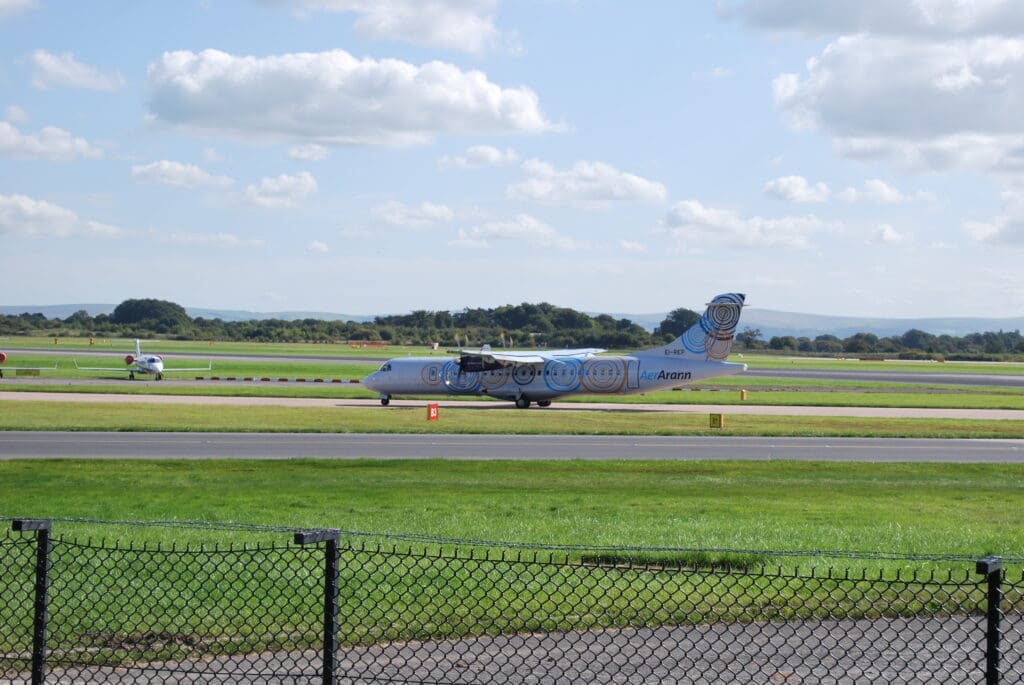
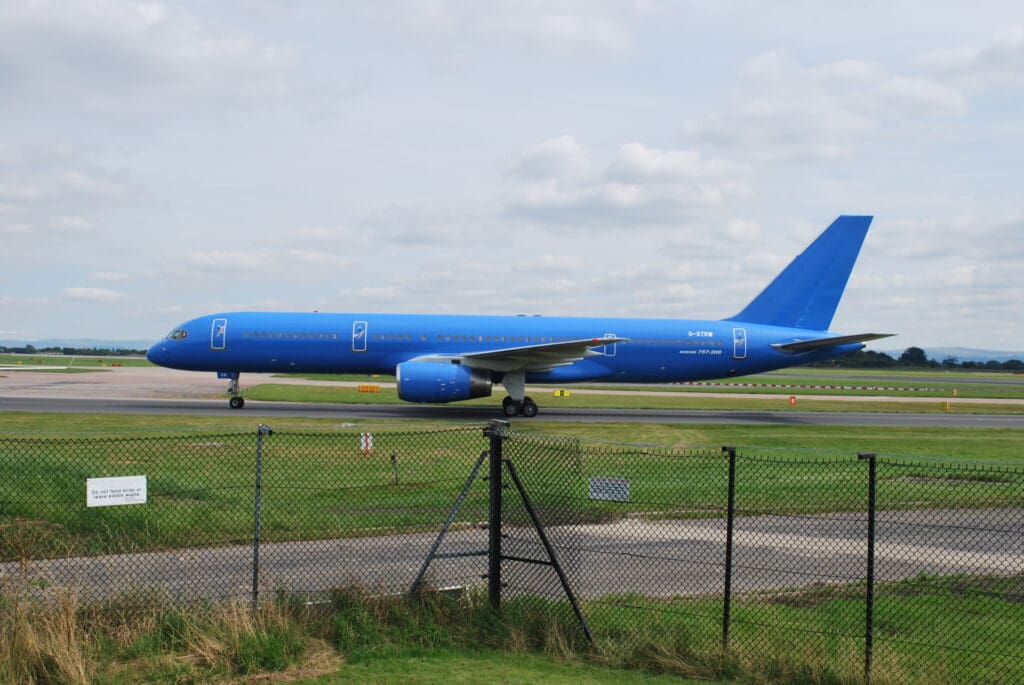
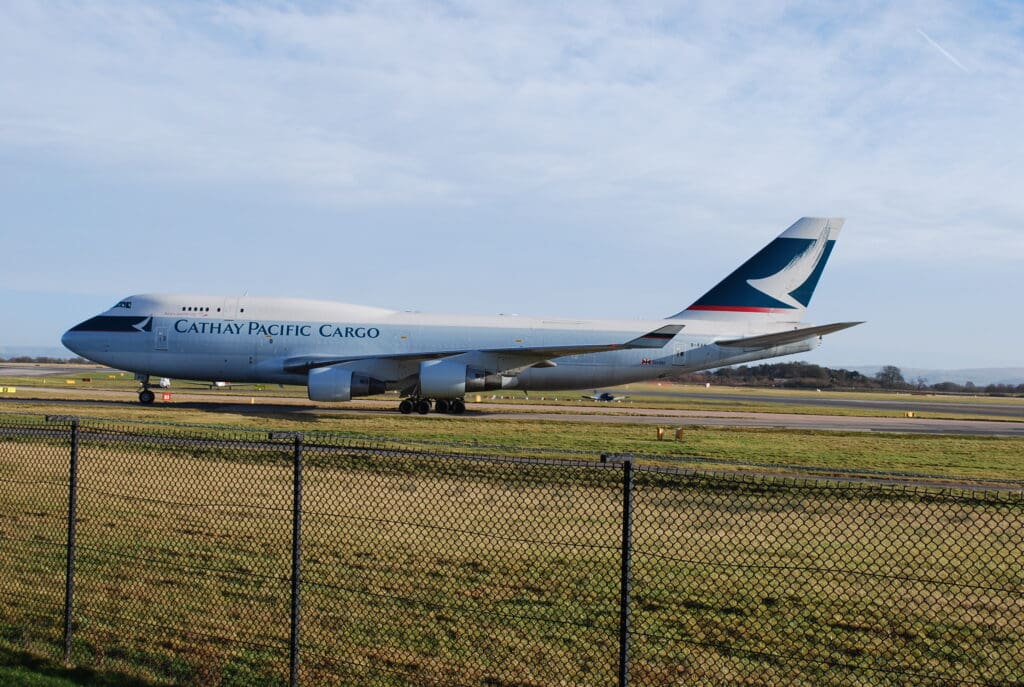
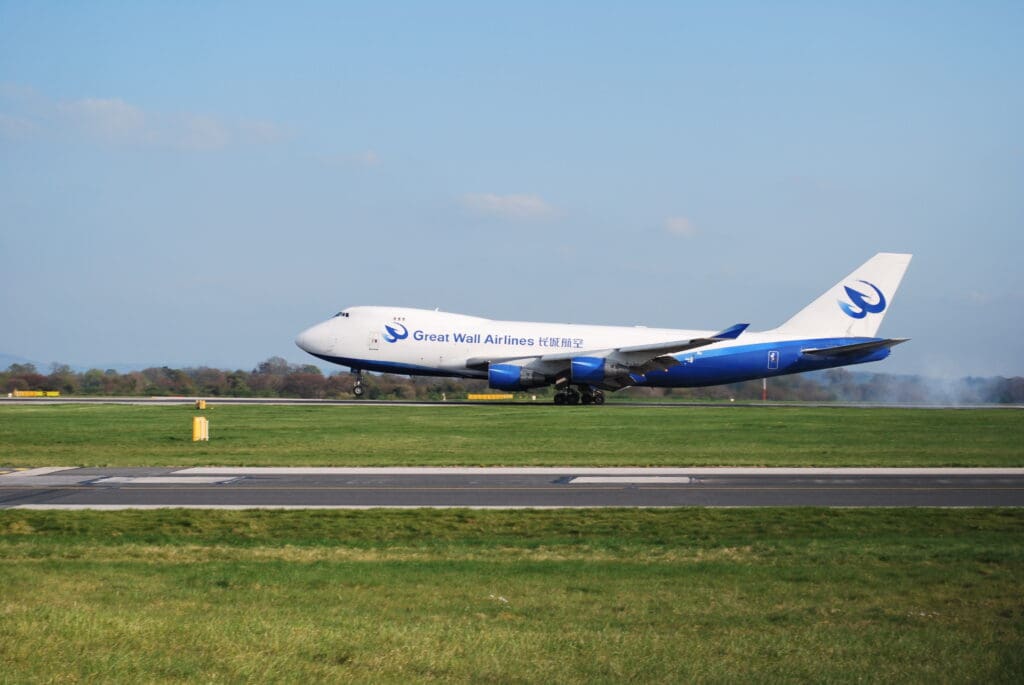
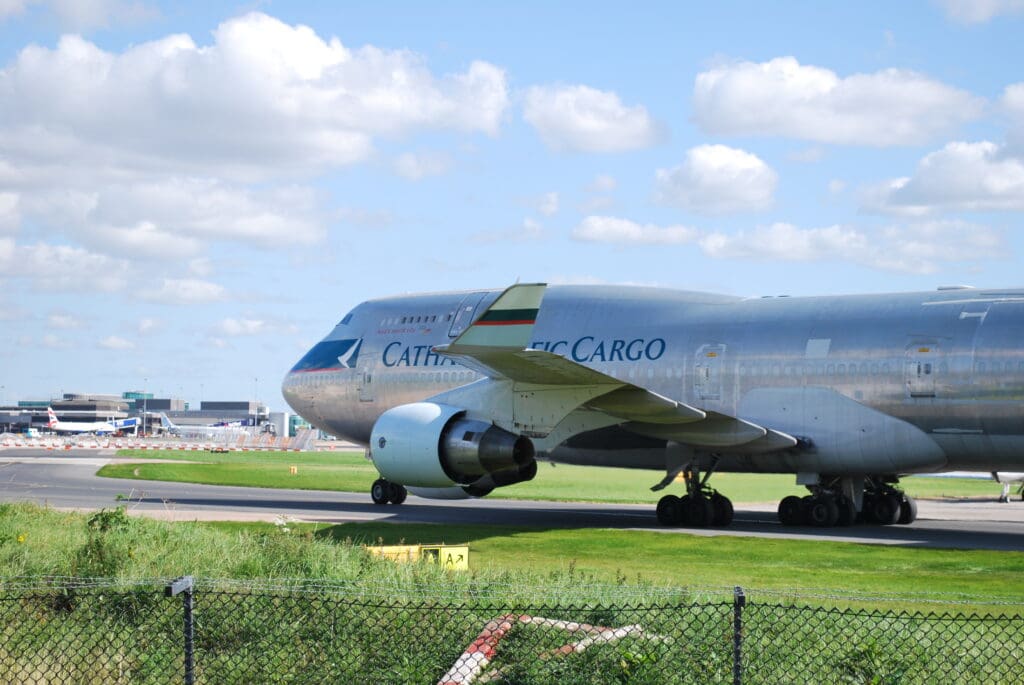
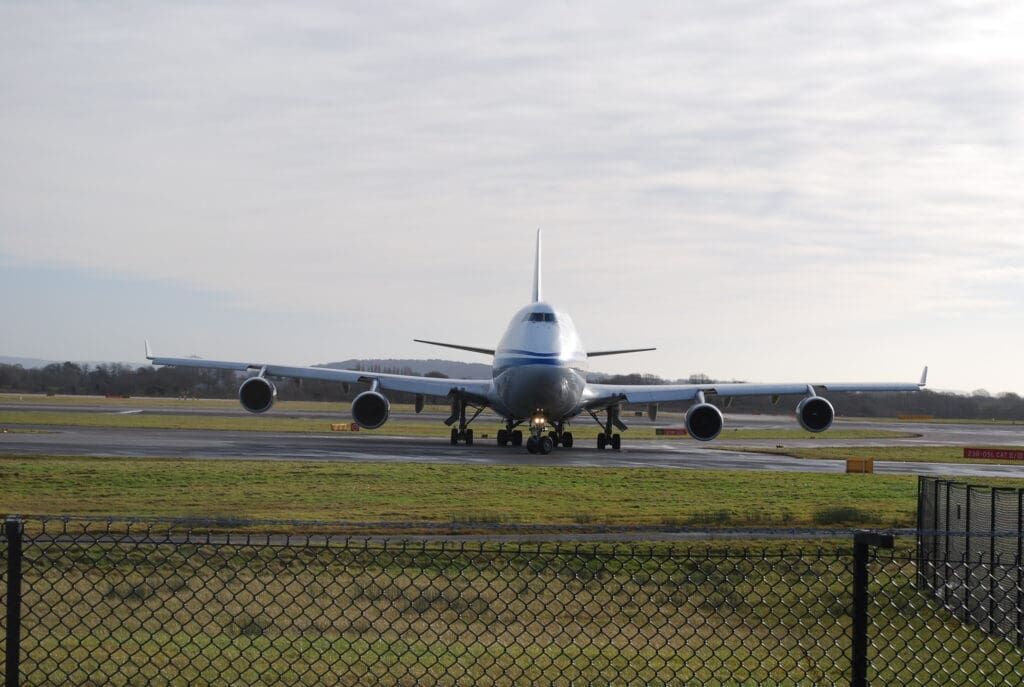
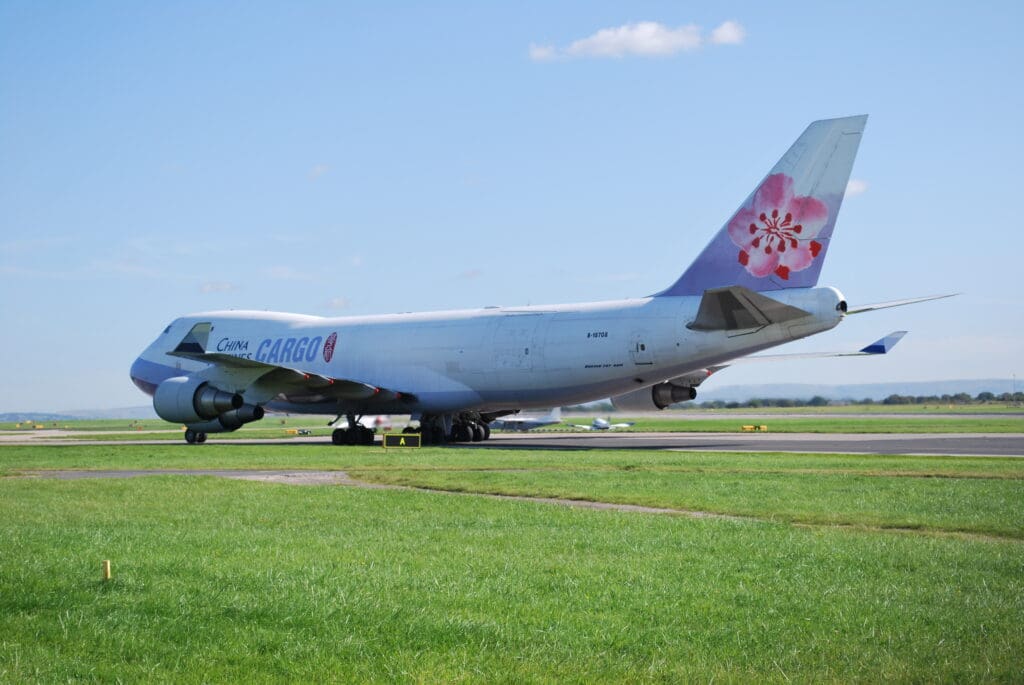
Fast forward to today, and Manchester enjoys a direct bridge to East Asia through the likes of Cathay Pacific, Hainan Airlines, Juneyao Air, and Singapore Airlines. These carriers shuttle passengers and belly-hold freight to global hubs like Beijing, Hong Kong, Shanghai, and Singapore. Yet, in my early spotting days, the East Asian presence was totally different. Back then, it was almost exclusively about dedicated cargo operations from Air China, Cathay Pacific, China Airlines, and Dragonair. Seeing their Boeing 747 Freighters lumbering into Manchester on scheduled services was a regular highlight. Sadly, dedicated cargo traffic has since dwindled, with today’s freighter movements largely reduced to the short FedEx shuttle hop to Paris, operated by ASL Airlines.
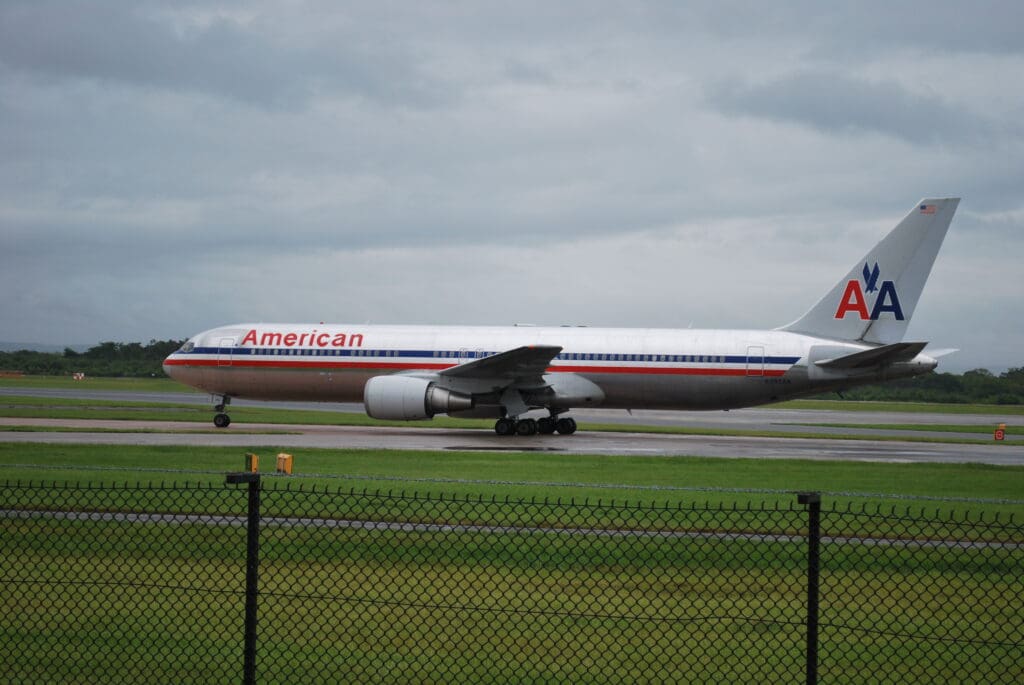
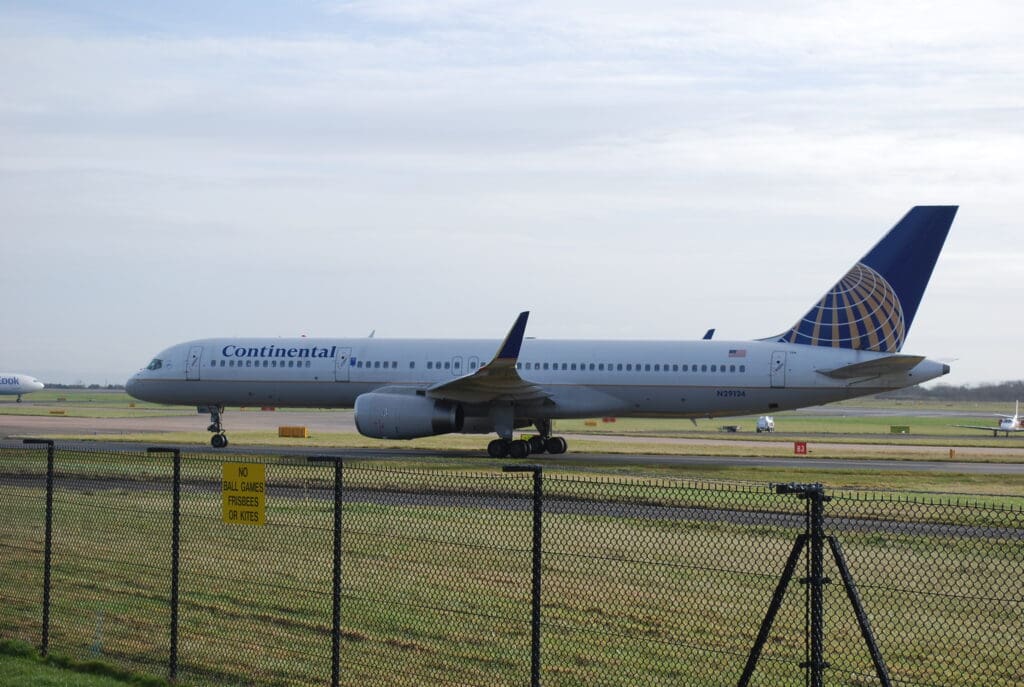
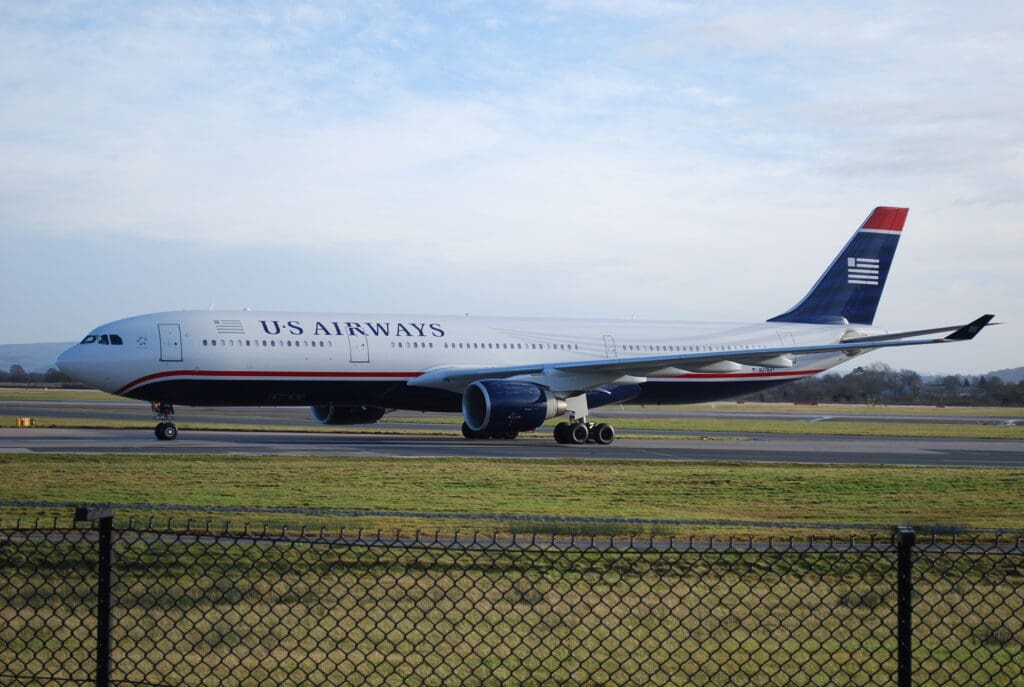
Today, year-round Transatlantic services are almost entirely the domain of Aer Lingus UK and Virgin Atlantic, serving popular destinations and hubs such as Atlanta, New York and Orlando. However, back in the late 2000s, it was common to see a diverse line-up of Airbus A330s, Boeing 757s, 767s, and 777s operated by American Airlines, Continental, United Airlines, and US Airways. Sadly, some of these links persisted right up until the pandemic, only to be withdrawn. Despite a great deal of local support and demand, they have yet to return, leaving the airport’s US network feeling notably thinner than it once was.
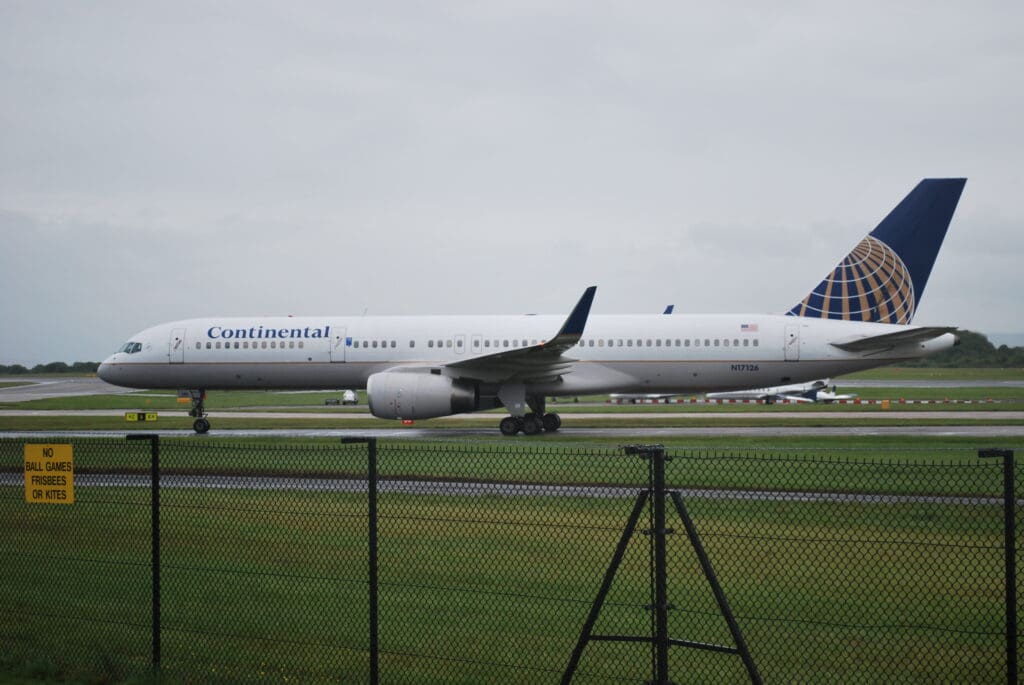
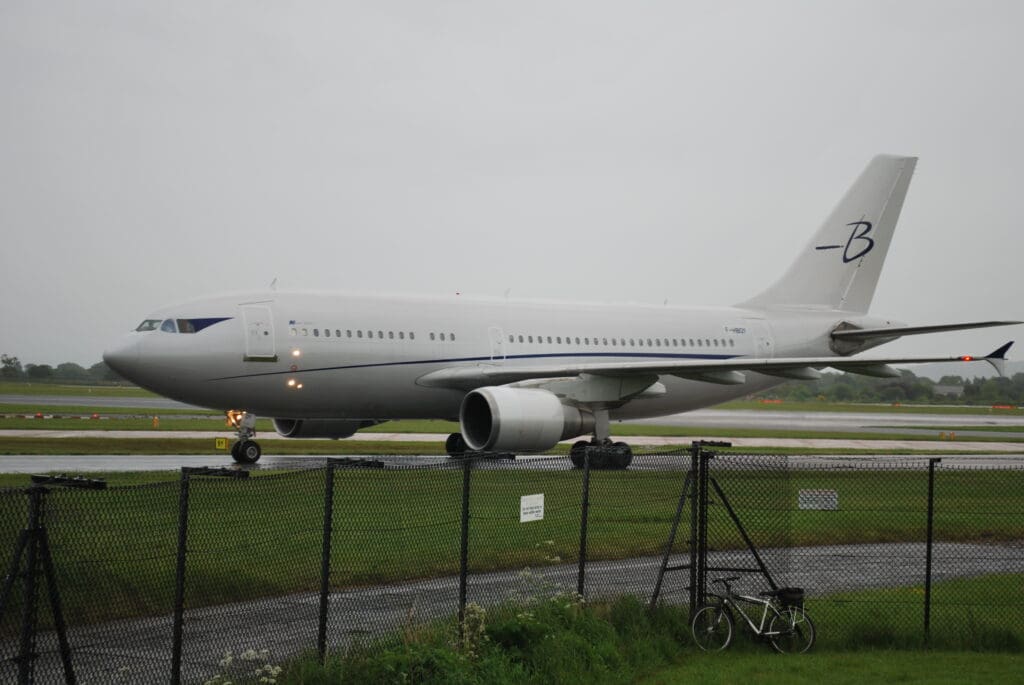
Despite the seismic shifts in the industry, a good number of carriers from my early spotting days remain Manchester mainstays. However, the ‘old guard’ of aircraft they once operated has long since been retired. These include Airbus A300s and A310s, McDonnell Douglas MD-80s and Fokker turboprops and jets. Even the iconic Boeing 747-400 and the sturdy Boeing 737 Classics, which felt like they would last forever, have been phased out in favour of quieter, more efficient next-generation jets.
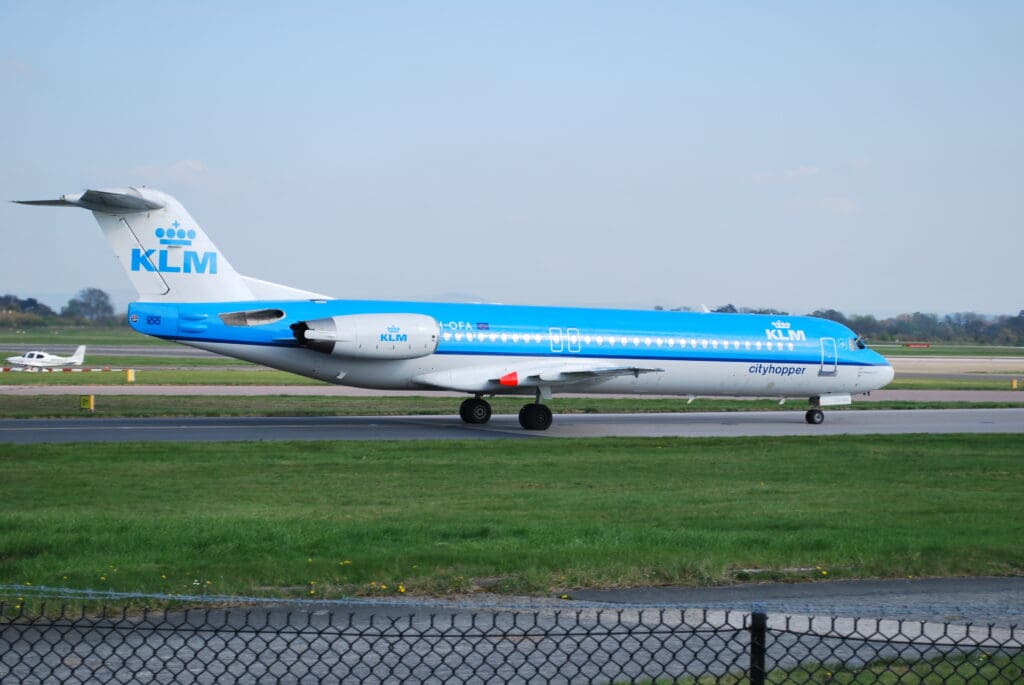
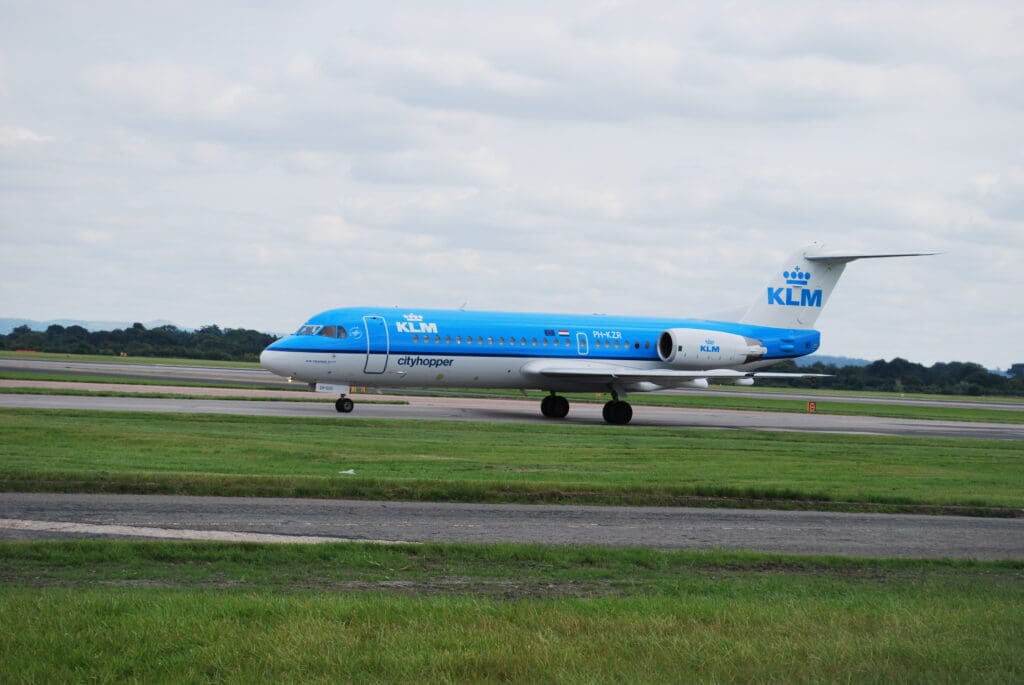
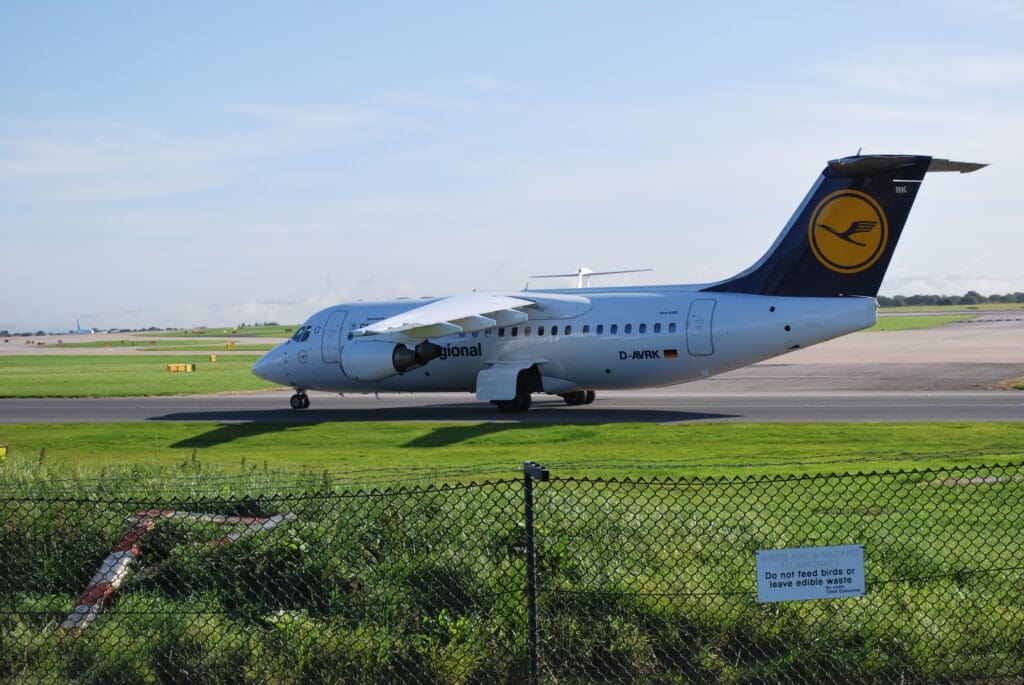
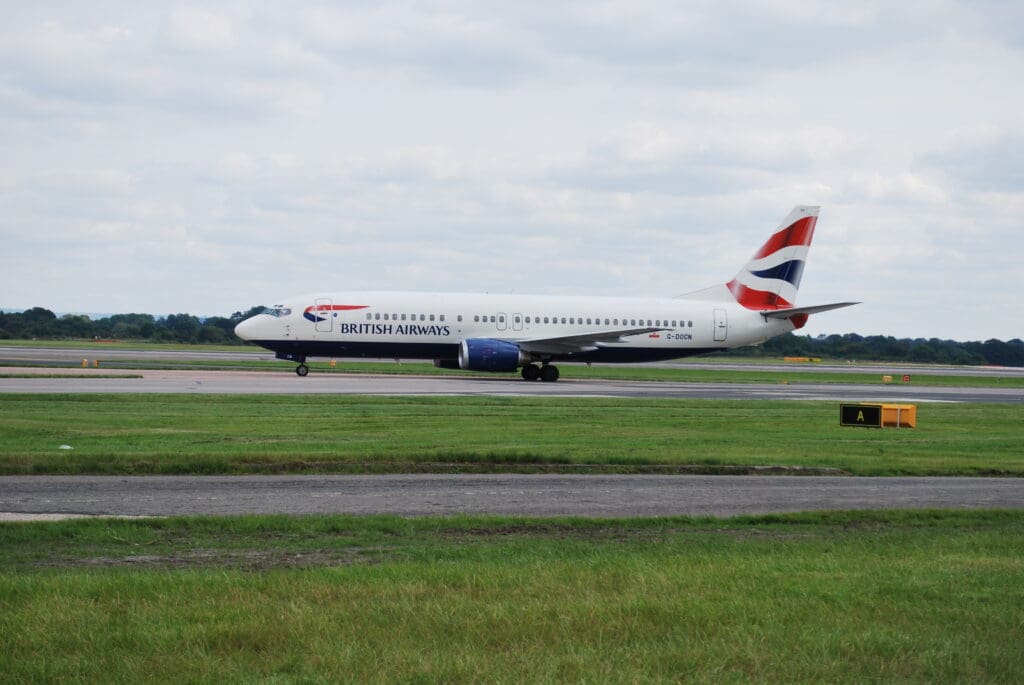

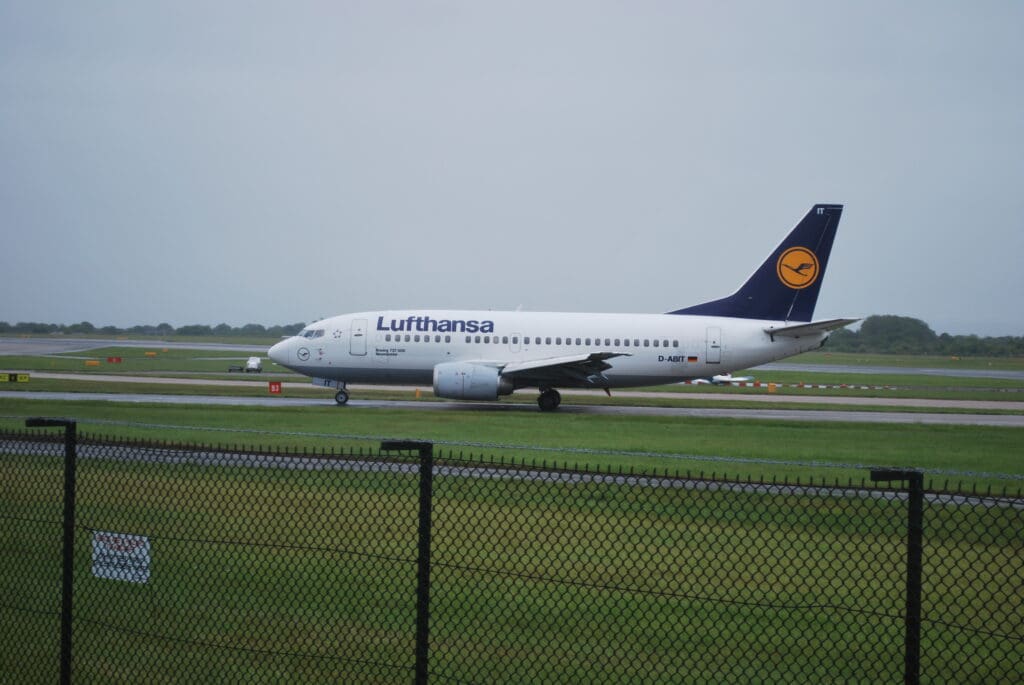
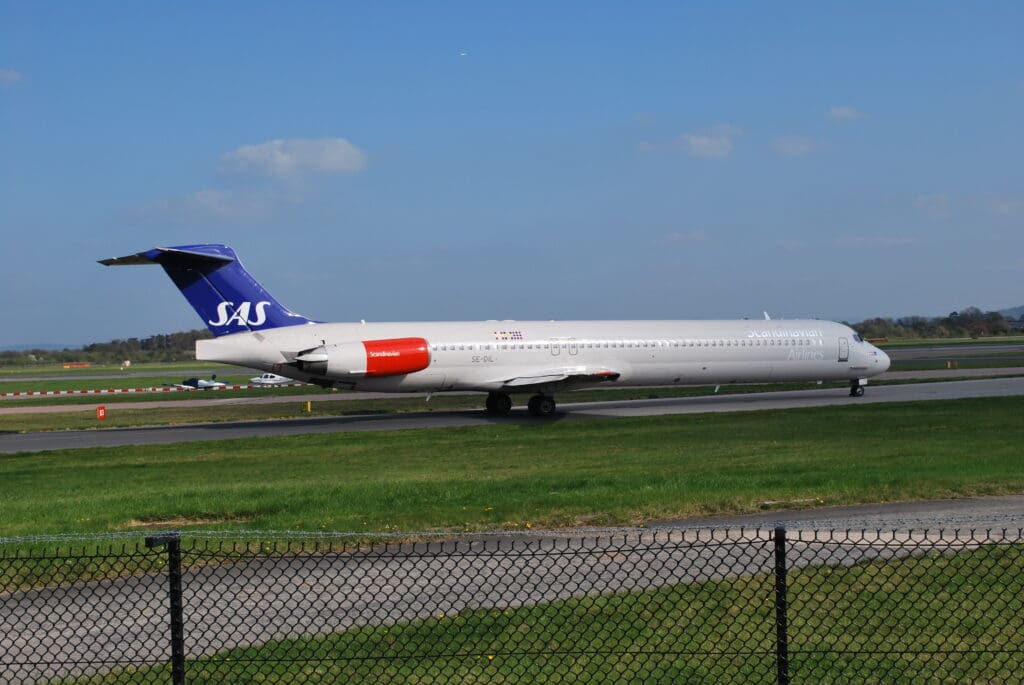
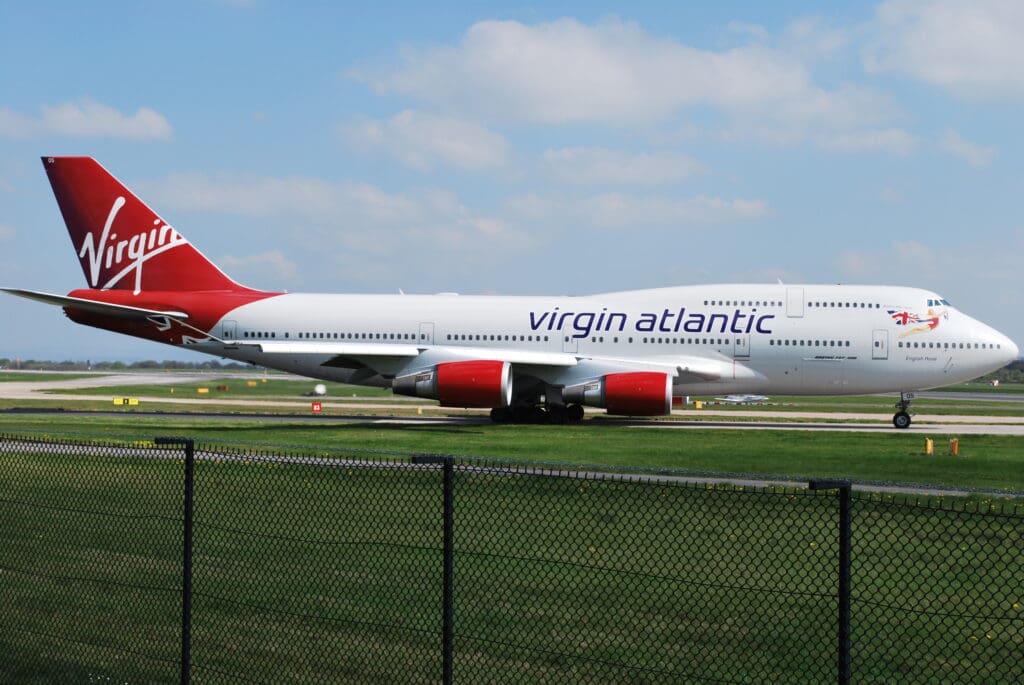
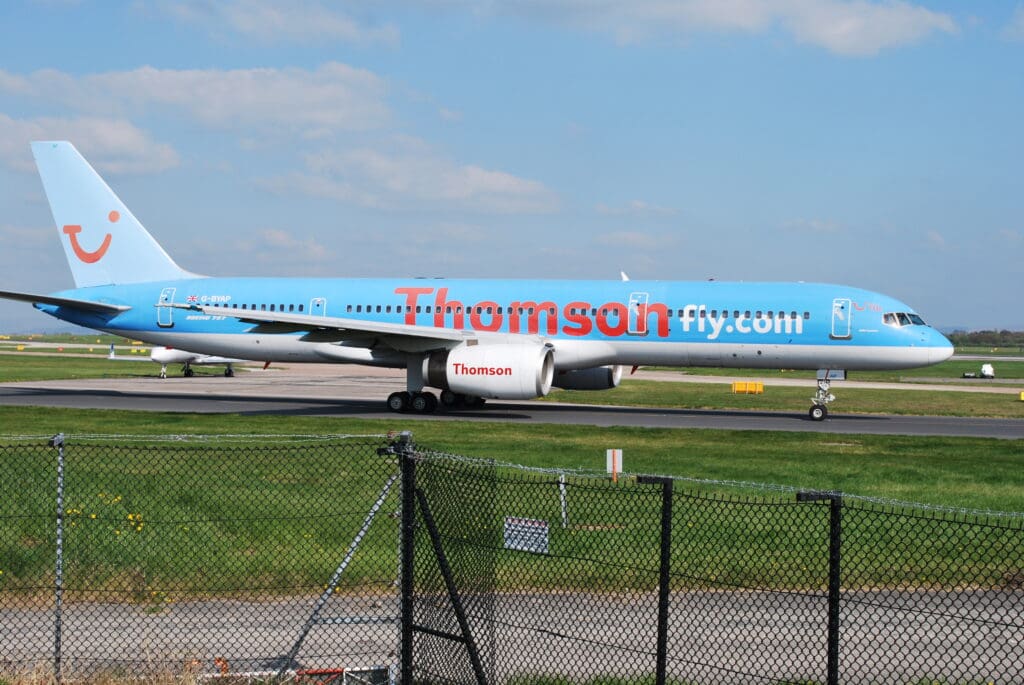
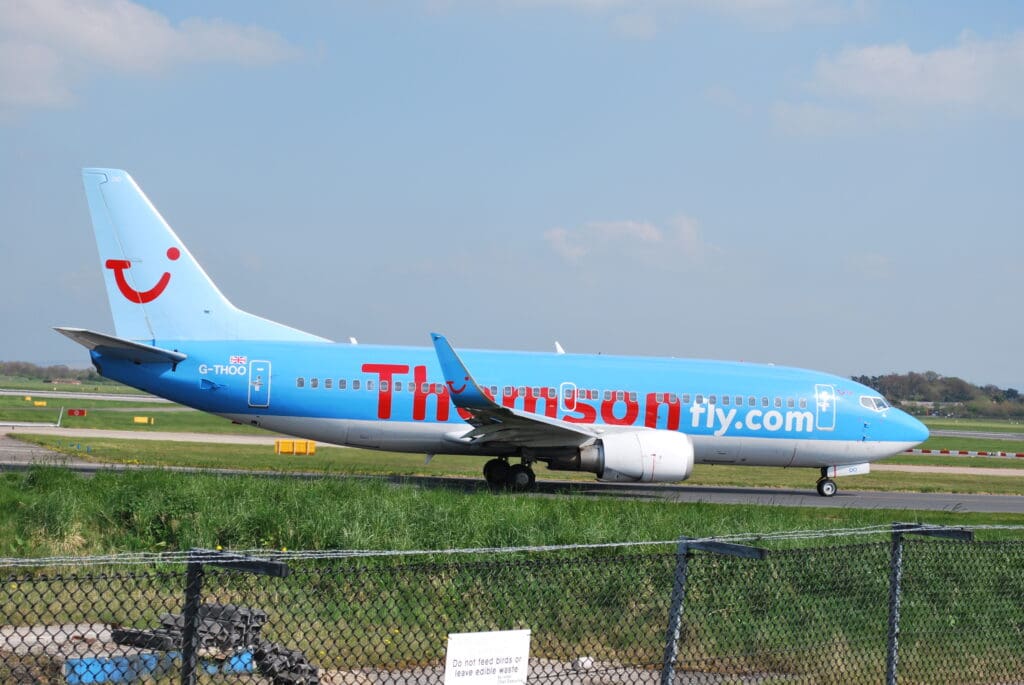
Some things, however, never change. Jet2, which back then was a much smaller player in the UK market, continues to maintain a massive presence at Manchester. Though their Boeing 737 Classics and the legendary 757s have now made way for the more efficient 737-800s and Airbus A321neos. Likewise, Thomsonfly is still very much a fixture, albeit now in the familiar blue guise of TUI Airways. Meanwhile, British Airways continues to plough the ‘shuttle’ route between Manchester and London Heathrow with its Airbus A320 family. Finally, the ‘Middle East Three’, Emirates, Etihad, and Qatar Airways, remain as vital as ever, providing a constant link to the Gulf and beyond to the rest of the world.