Dated But Comfortable: My Air Canada Airbus A330 Experience – Toronto to Calgary
Booking
Needing to get between Toronto and Calgary, and hoping to sample the delights of the flag carrier, I decided to utilise the help of Air Canada to travel across the country. Booking via the airline’s website, upon doing a quick search I was soon presented with a long list of options – with the cheapest direct flights coming to £61. Given my schedule, I did not have any other option than to take the penultimate flight of the day which would depart Toronto at 1830 and arrive in Alberta almost four hours later at the very specific time of 2054, and was scheduled to be operated by one of Air Canada’s Airbus A330s.
After selecting the Economy Standard fare and rejecting the option to upgrade to Economy Comfort, I entered my details. Unlike the shorter Air Canada sectors that I had taken across Eastern Canada during this trip, I was then given the option of adding a Bistro voucher for £6.80 which could be redeemed in exchange for one meal item or two snack items. Following a quick browse of the menu, I decided to go for this before being presented with the seat map, where the cheapest window seats were priced at £16. Rejecting the option to reserve seats, I continued onwards and reached the payment page. After entering my card details and having a worryingly long wait, I was presented with a confirmation and received my booking details immediately via email.
The Journey
After a pleasant day and night in Toronto, before I knew it, my short stay in Canada’s largest city had reached its conclusion. On the morning of my flight, I awoke to grey skies and sporadic yet heavy rain showers that did not bode well for any final sightseeing around the city. Needing to leave my hotel by 1100 and with my flight to Calgary departing at 1830, given the weather and as an aviation enthusiast, I decided to spend my day by watching the constant stream of movements at Toronto Pearson Airport. Having stayed on a quiet backstreet near Dundas Station, that day the easiest way of reaching the airport would be to take the UP Express train from Toronto’s Union Station.
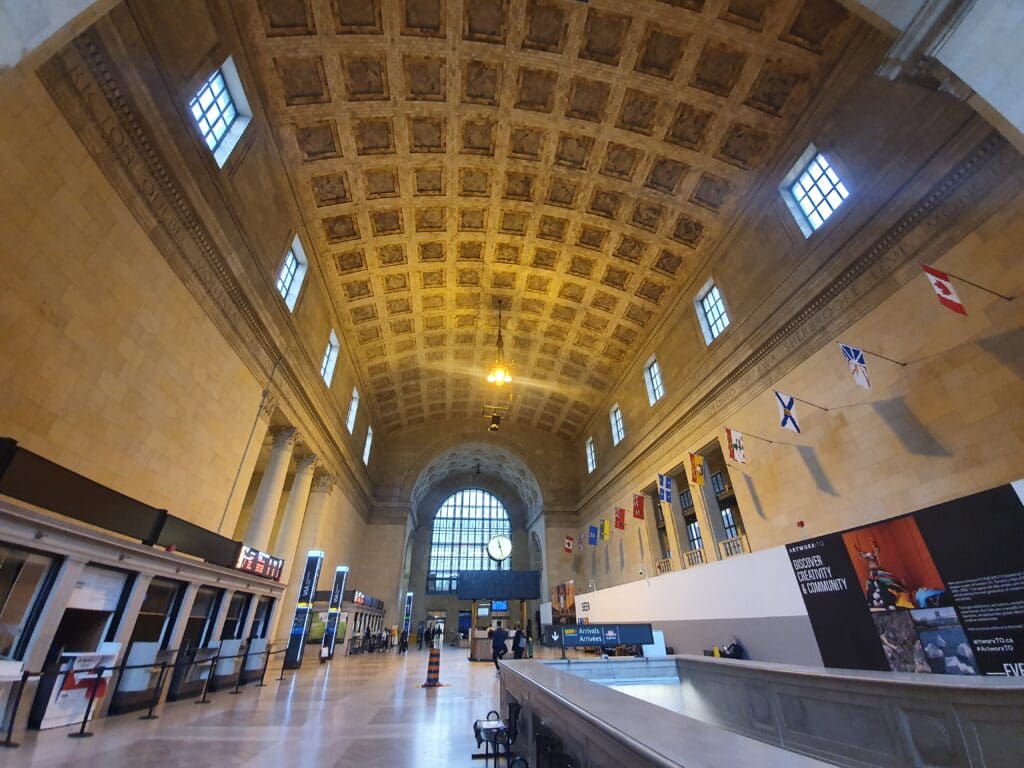
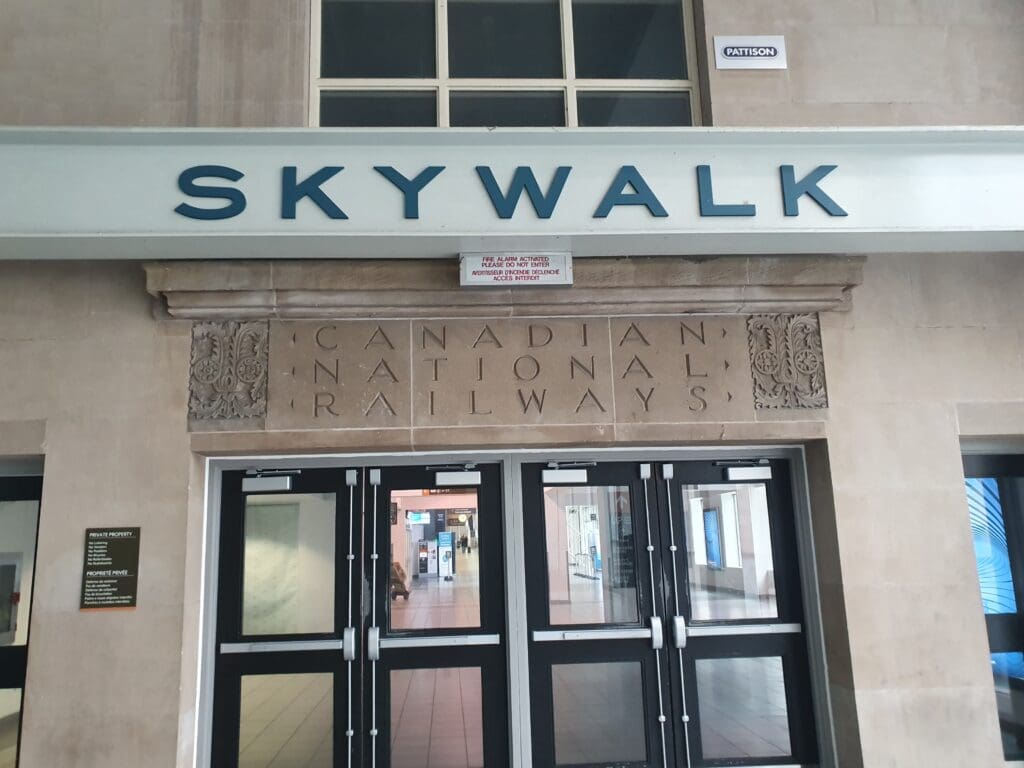
After gathering all my belongings together, I checked out of my hotel at the start of an hour-long break in the day’s rain showers. Whilst I was a little hesitant to fully trust the weather forecast, I decided to risk it and instead of taking the subway, I opted to make the 1.6 kilometre journey on foot. As I trundled through the backstreets of Toronto, feeling slightly peckish, I made a mid-journey stop at Mystic Muffin, a no-frills locally famous and highly regarded bagel shop on Jarvis Street where I opted for a ham and cheese bagel, apple cake and coffee for a total of $8 which I proceeded to eat on a bench in the nearby St. James Park. Following the satisfying late breakfast, I continued onwards and arrived at Toronto’s grand Union Station around fifteen minutes later. With only one departure listed on VIA Rail’s departure boards, a service to Montréal, the main station concourse was relatively quiet with only a small handful of passengers milling about. Following signs for the UP Express (UP standing for Union Pearson), several minutes later I arrived at the service’s dedicated single platform where I found out that I had just missed a service and thus had just under half an hour to wait until the next departure.
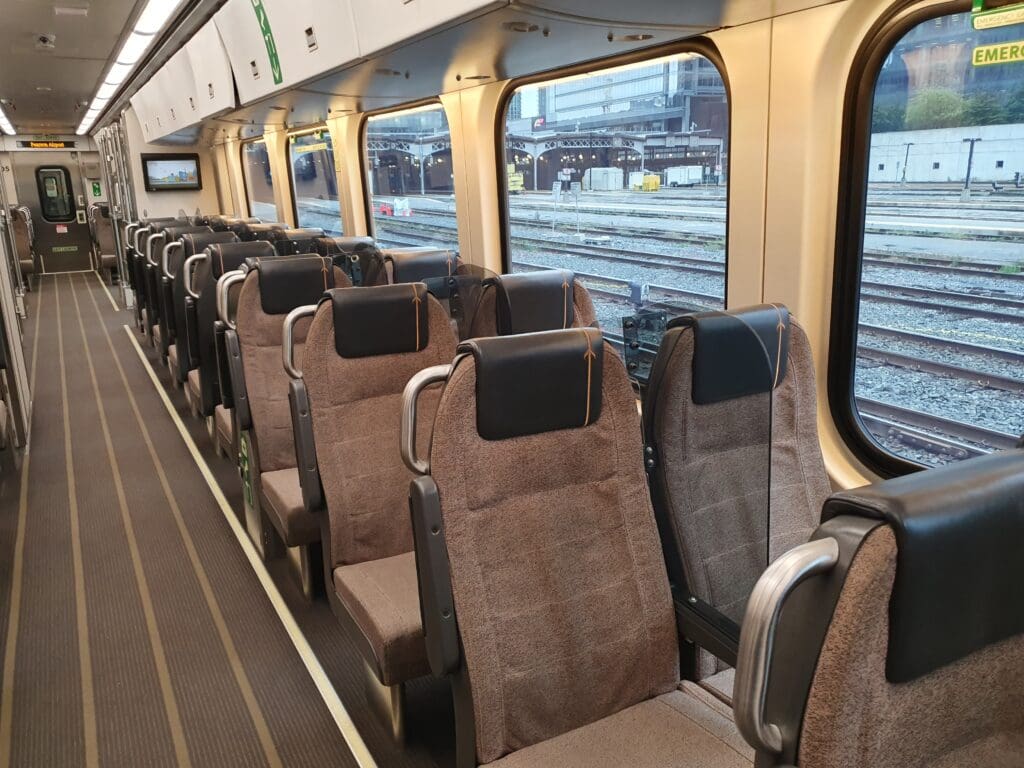
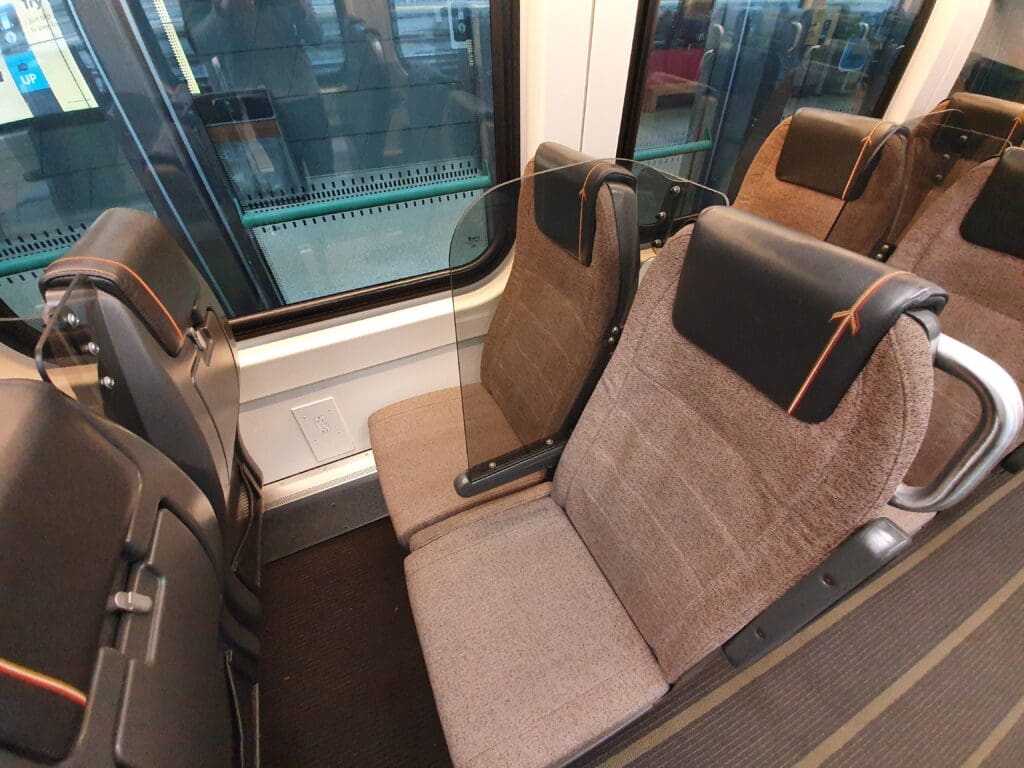
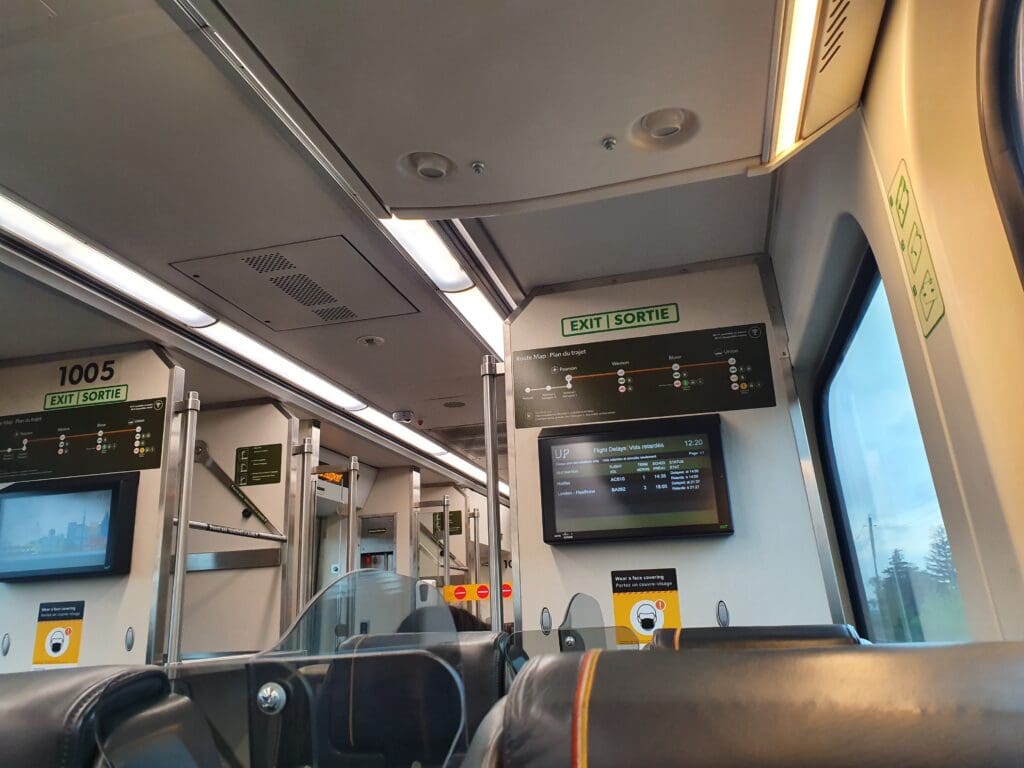
Opting to pay via contactless card, I tapped in and then took a seat whilst I waited for the next service to arrive. Having only opened in 2015, the UP Express platform is bright, clean and modern, serving to be a pleasant area to wait for the next airport-bound departure. This portion of the station features complimentary wifi, a small coffee shop, charging points and toilets. Around ten minutes after arriving at the platform, the modern Nippon Sharyo DMU train, a type also used in suburban San Francisco, pulled into the station and once the small collection of arriving passengers had disembarked, I was free to head onto the train. Inside, I was pleased to find the train to be very clean, spacious and comfortable, featuring plenty of space to store luggage as well as plug sockets, complimentary wifi and toilets.
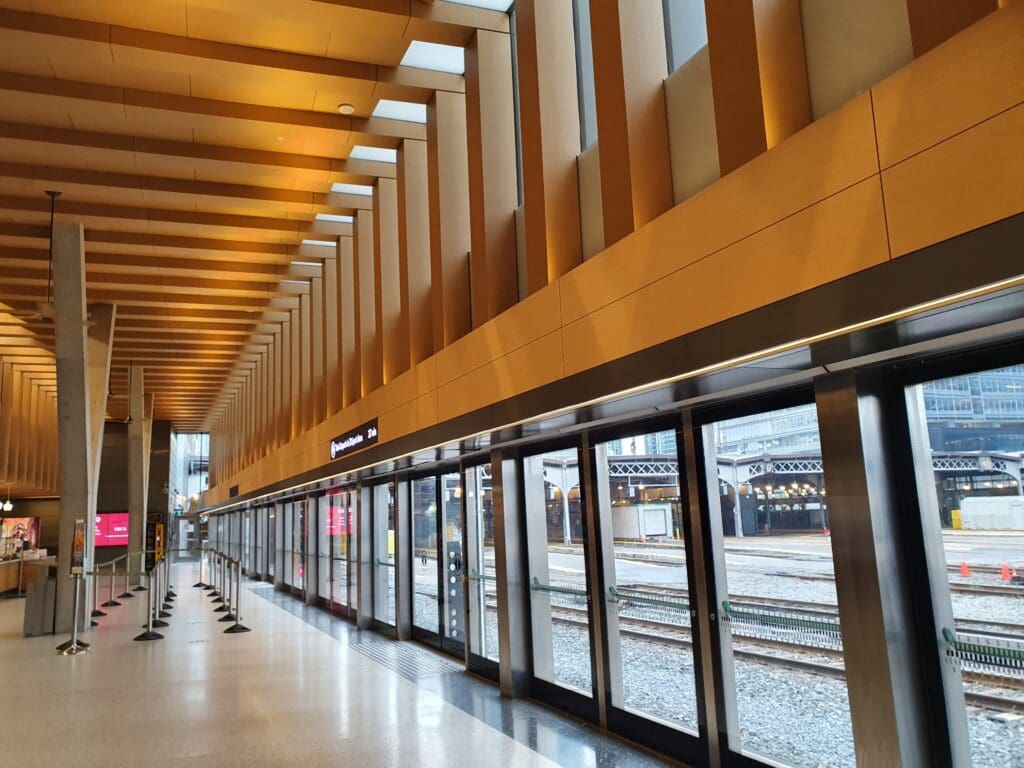
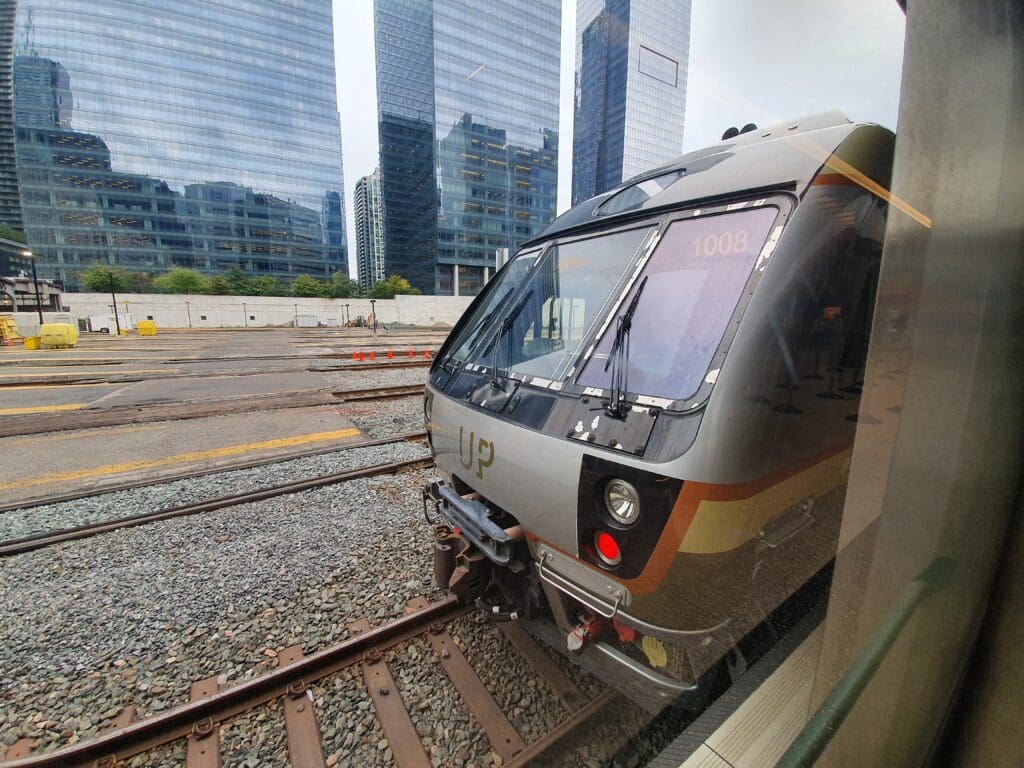
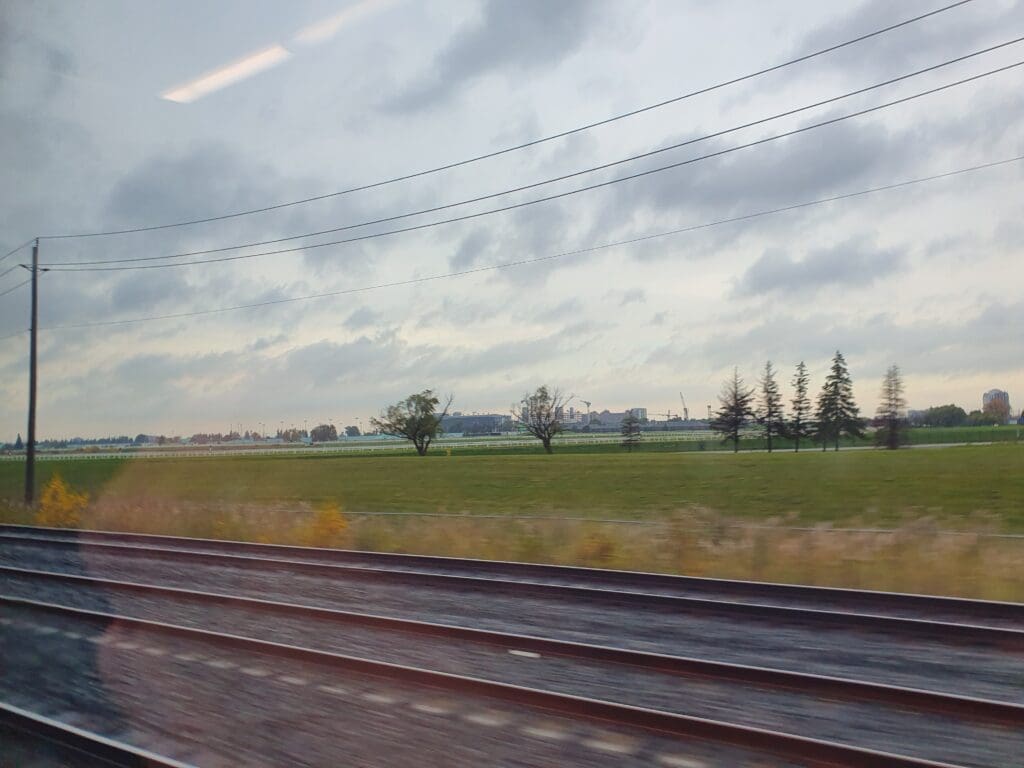
As the clock edged closer to the service’s 1200 departure time, relatively few passengers made their way onboard and the train pulled away on time with a very light load – with many of those onboard appearing to be Air Canada staff. After crawling away from Downtown Toronto, the train picked up speed as it journeyed northwest through Toronto’s suburbs before making quick scheduled stops at Bloor and Weston. Around 25 minutes after leaving Union Station, the train slowed down once again and the airport came into view, heralding the end of the first portion of the journey. All-in-all, the UP Express provided a comfortable, quick and convenient means of reaching Pearson Airport and left me with little to complain about. Furthermore, costing a total of $12.50, this is one of the cheaper ways to travel between Downtown Toronto and the airport, and in my opinion, offers a value-for-money service.
Once the train doors opened, I disembarked and headed through the station to the automated Link Train platform that connects the UP Express station with Terminals 1 and 3. Not having to wait too long, a train soon appeared and whisked me across to Terminal 1 where I made my way down the escalators and along a walkway before arriving at Terminal 1’s cavernous check-in hall. Serving as the starting point for all passengers heading off on Air Canada’s services as well as those operated by the eleven other Star Alliance carriers from across the world that serve Toronto Pearson plus Emirates, at the time of my arrival this was fairly busy with passengers heading off to all corners of the globe. Carrying a backpack and a small suitcase and not having parted with an additional fee to check the latter in, and, having checked in online and having a digital boarding pass, technically I could have gone straight through to the airside area. However, I decided to stop by at one of the many Air Canada self check-in machines where I printed off a paper boarding pass.

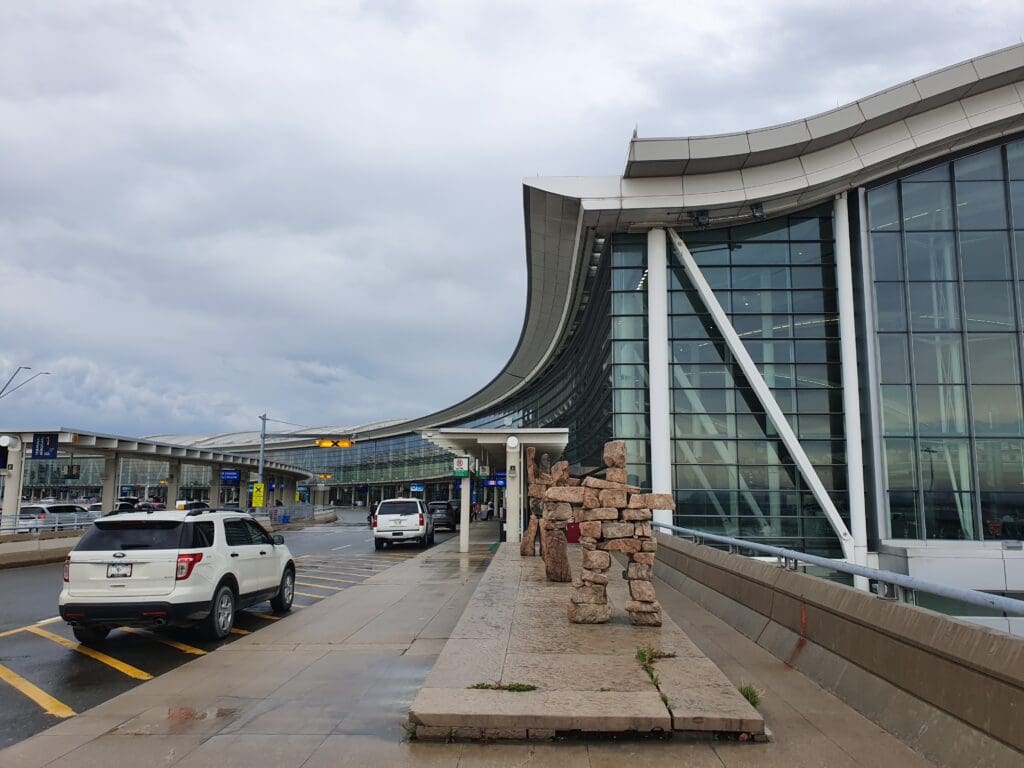
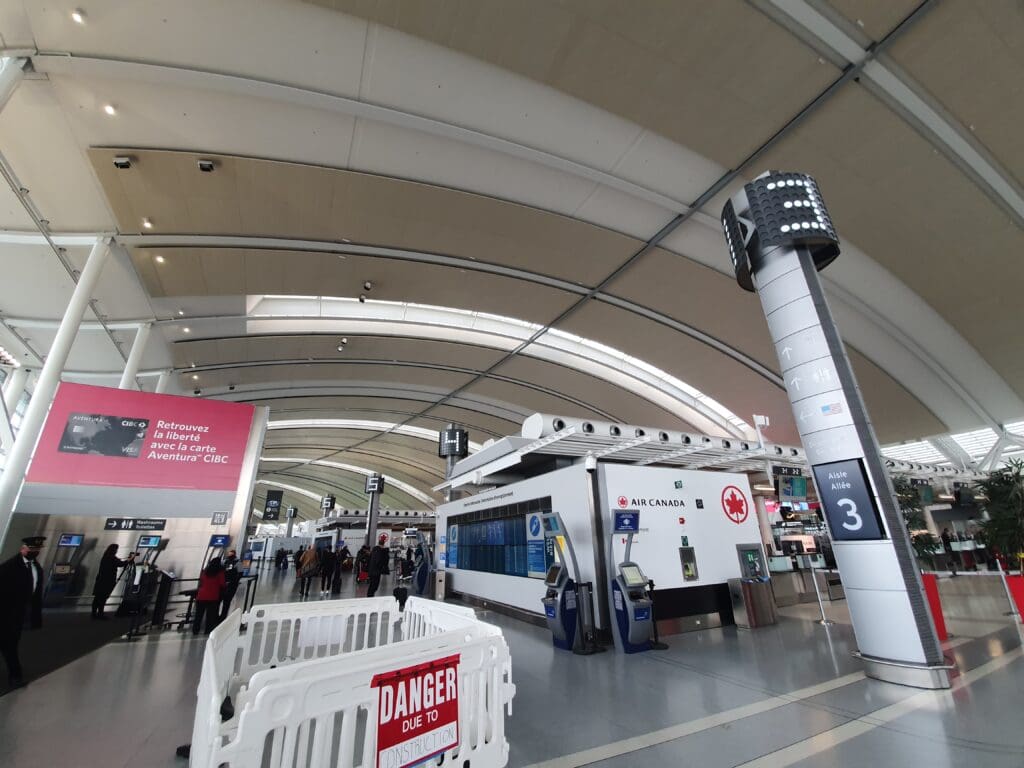
Once I had received this, I followed signs for Terminal 1’s D gates which as their name may suggest serve all domestic flights operated by Air Canada and its subsidiaries. During this journey, my first point of call was an Air Canada agent who was responsible for ensuring that all passengers were in the correct part of the terminal and that no international passengers would accidentally pass through into the domestic portion of the terminal. Upon greeting this staff member and pre-empting their question, I informed them I was off to Calgary and showed my boarding pass, as I did this they rudely snapped ‘listen, I need to ask my questions’ before asking me where I was headed to that day! After informing them again I was off to Calgary, I was pointed in the direction of the security check and walked the short distance over to the entrance of this, where, without a word a security agent pointed at the boarding pass scanner. Once I had scanned this, I walked straight up to one of the security checkpoints where without any waiting, I scanned my boarding pass again and temporarily parted with my possessions. That lunchtime, the security agents undertook their duties without a single word and were thus not all too welcoming or friendly. However, they did undertake their duties without any fuss and I was therefore able to transit from airside to landside within about two minutes.
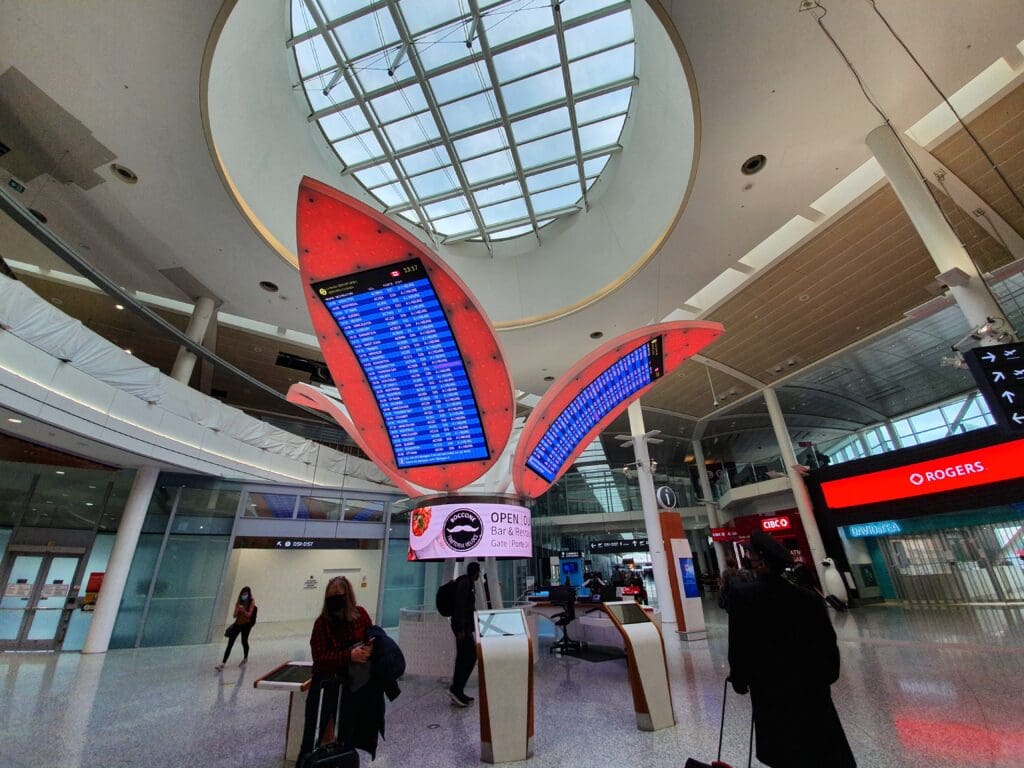
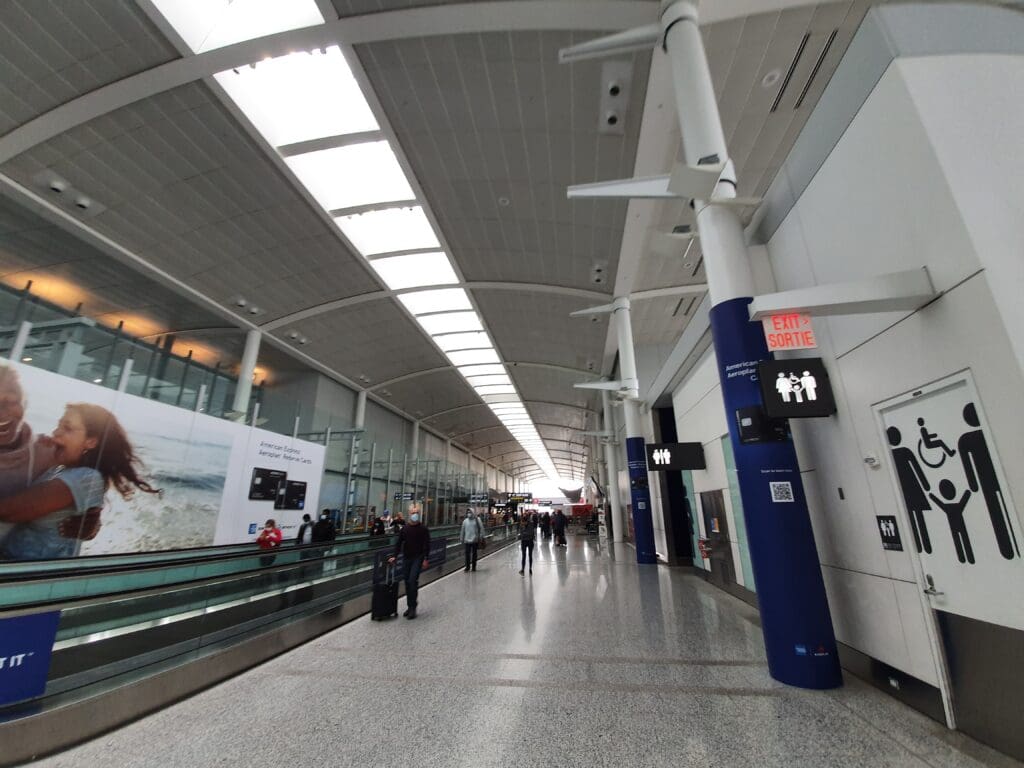
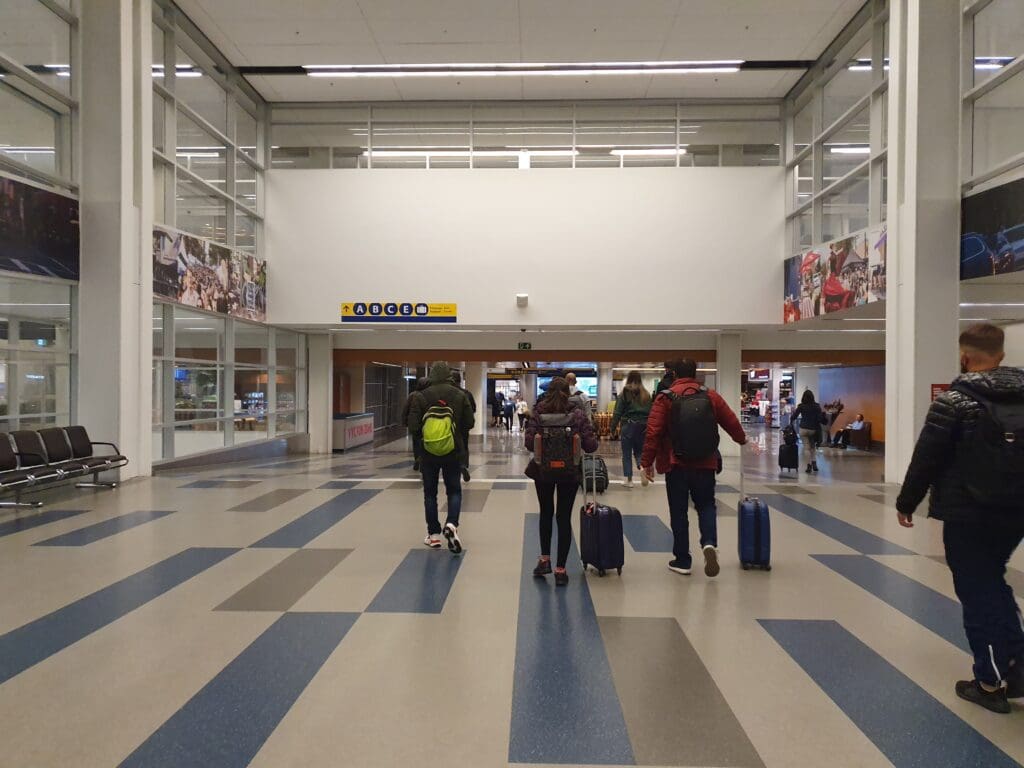
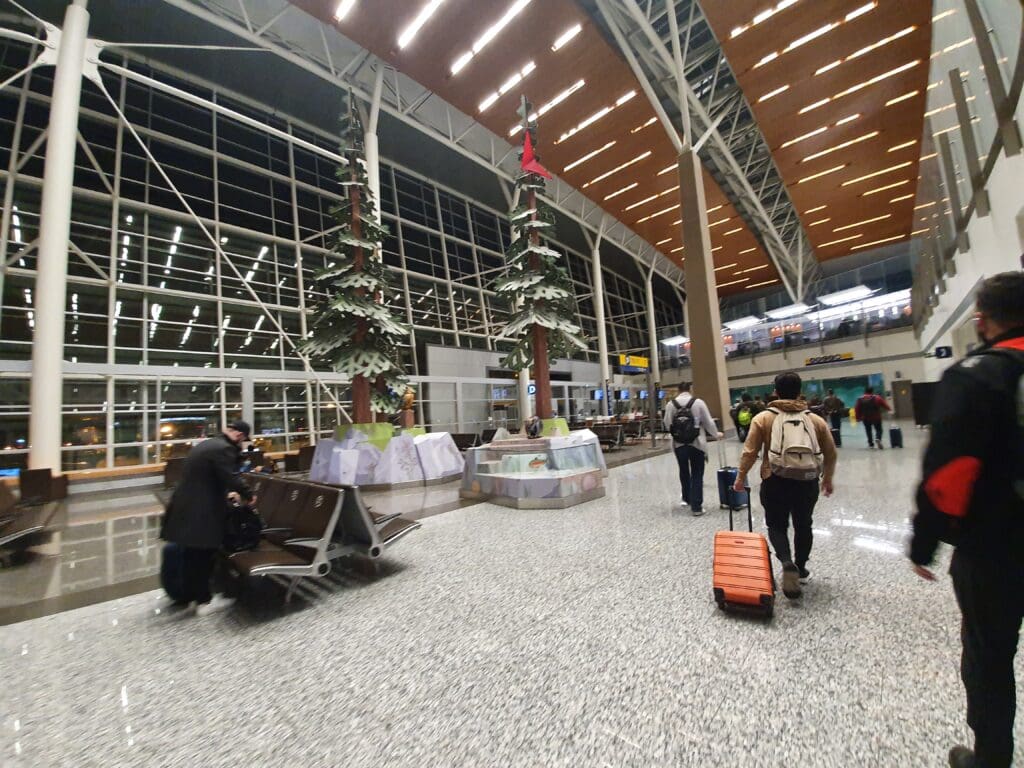
As soon as I entered the airside area, I decided to explore the relatively large domestic airside portion of Terminal 1. Having opened to the public in 2008, inside, the terminal is still relatively modern, bright and airy and offers all the facilities that you would expect from a terminal at a major airport anywhere in the world. For those needing to work or simply pass the time on their devices, a decent number of charging points can be found throughout the terminal, whilst complimentary American Express sponsored wifi is offered which I found to work well for the duration of my stay. However, it did appear that a good number of areas throughout the airside portion of the terminal were in dire need of a clean, with a few passengers appearing to be inept at correctly disposing of their rubbish. Meanwhile, both of the toilets that I visited during my stay were far from being in a good state.
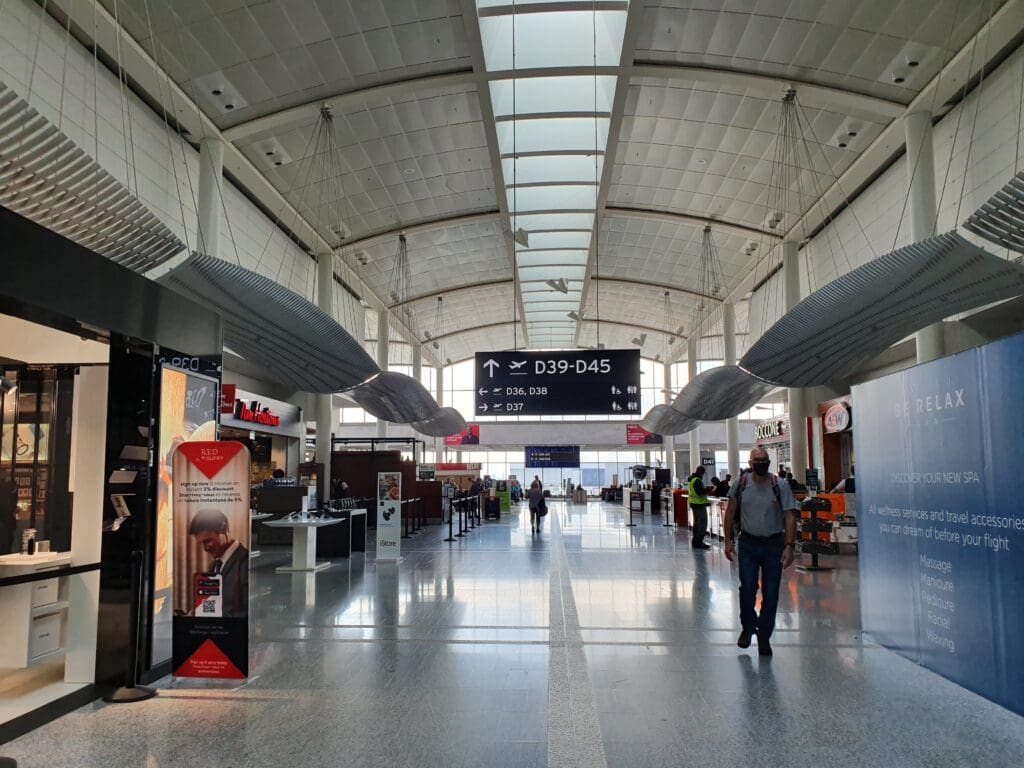
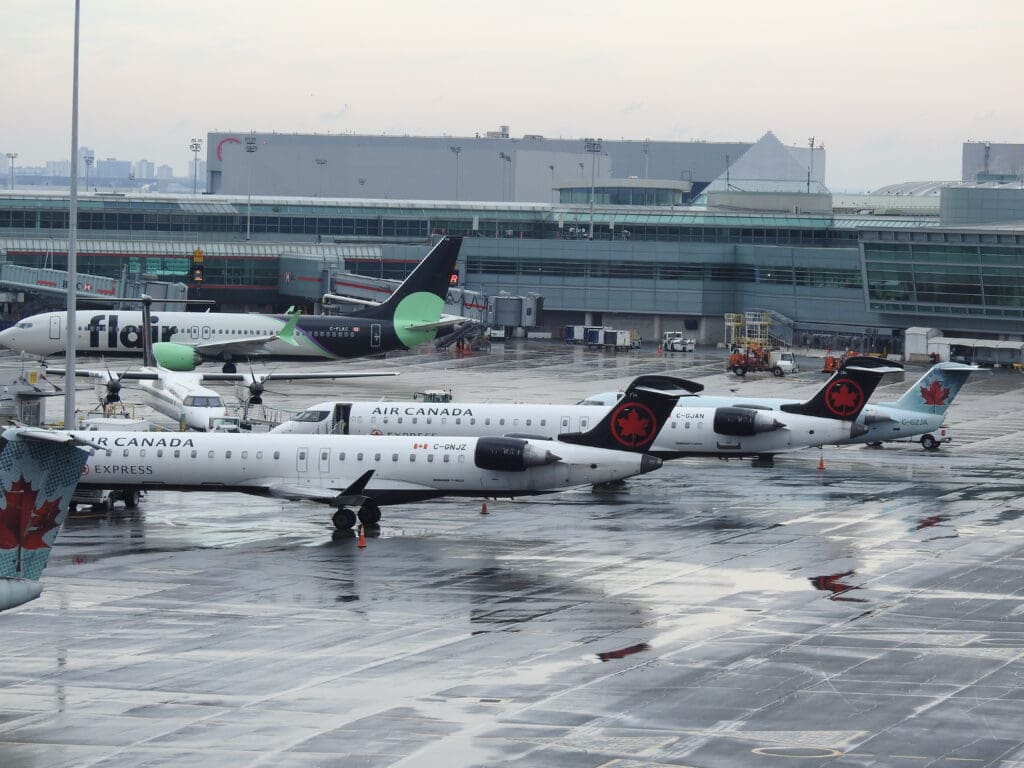
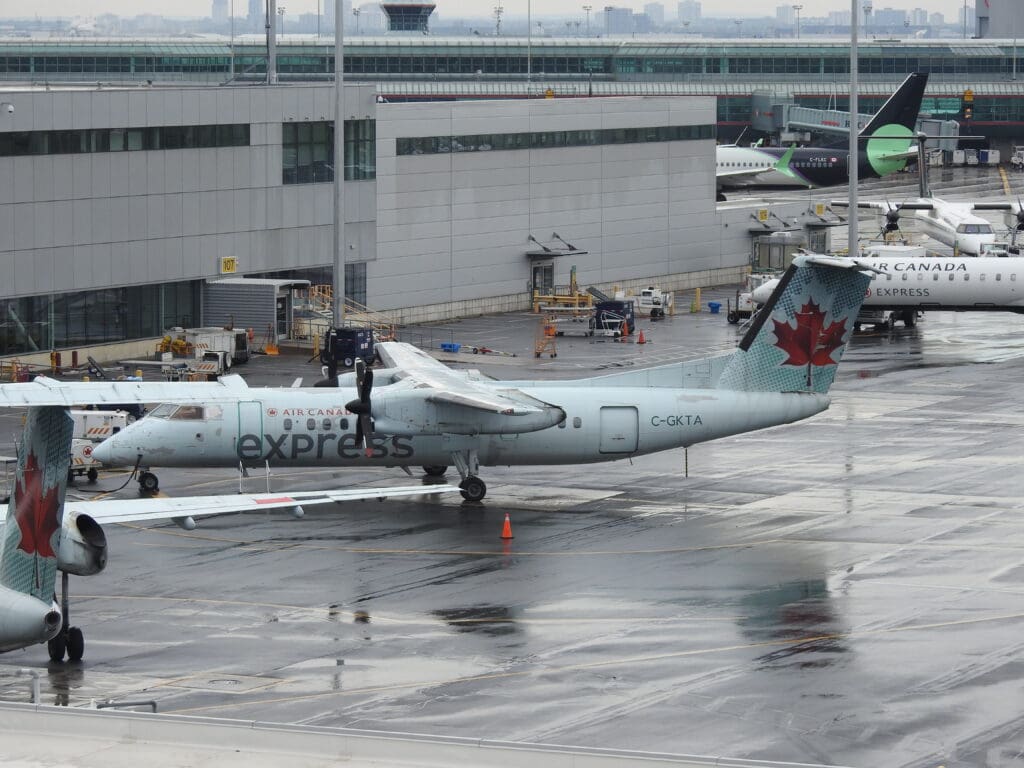
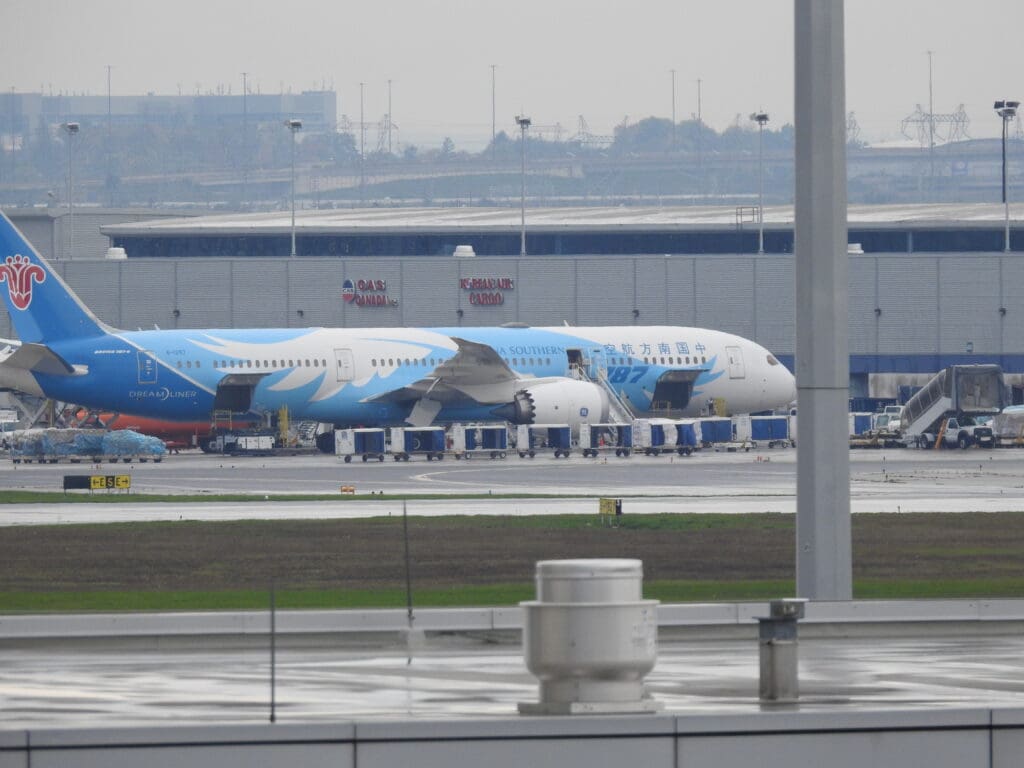
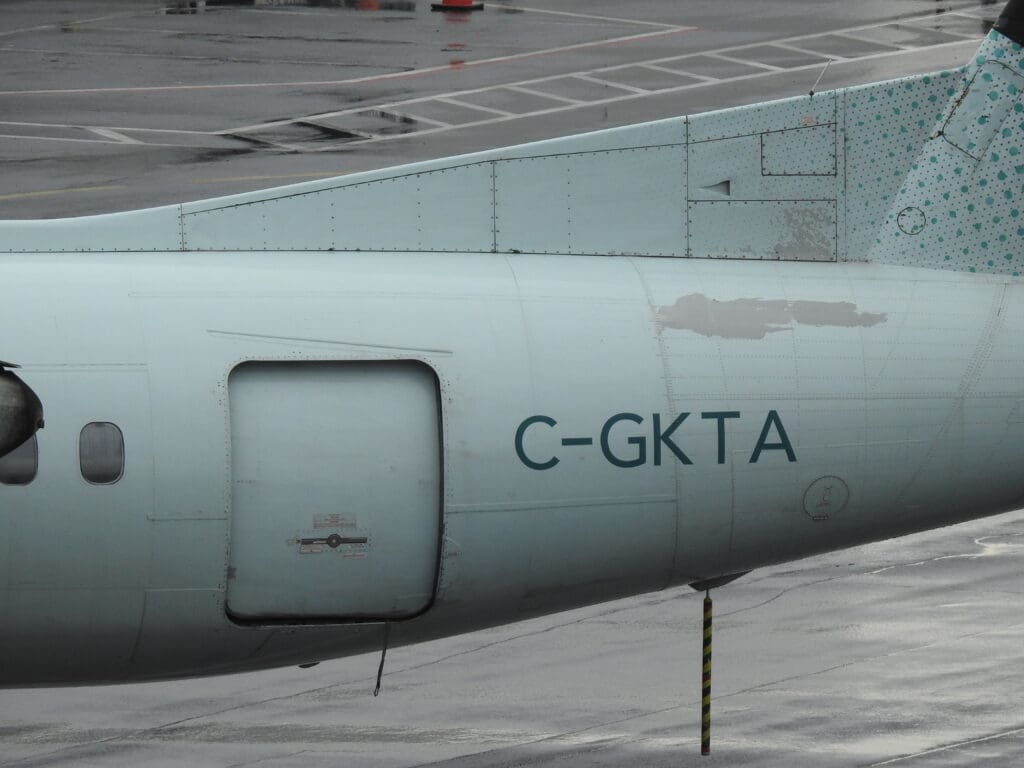
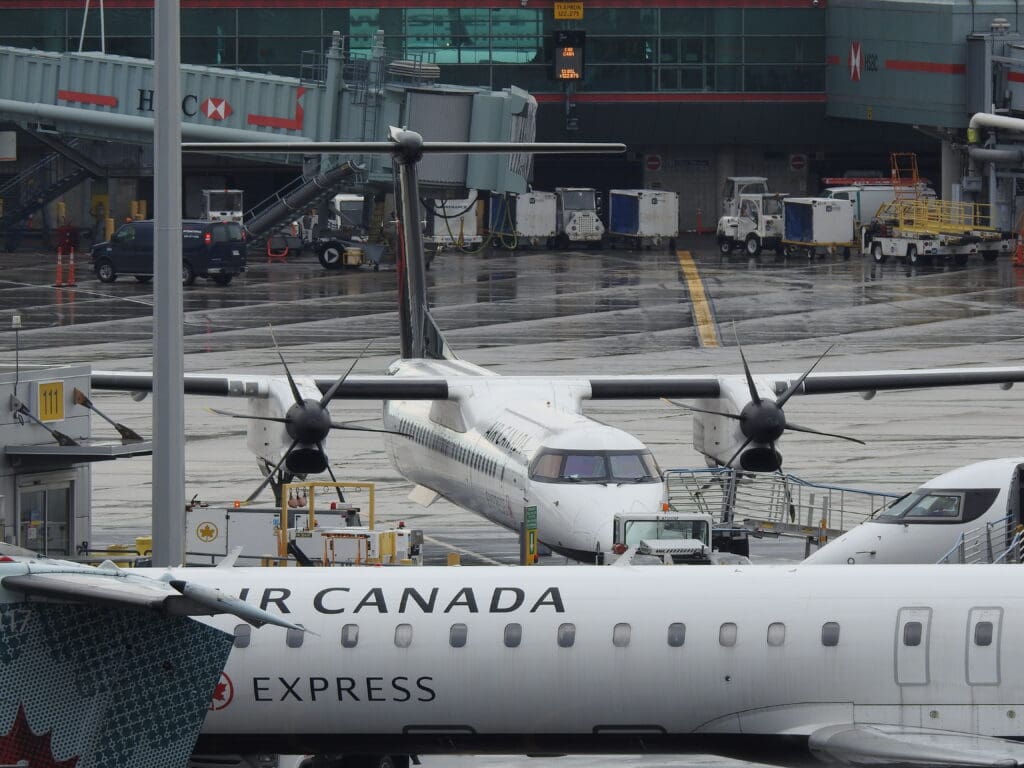
Not wishing to dwell on the negatives, aviation enthusiasts will be happy to hear that large glass windows offer good views of the almost non-stop action outside, both at the terminal’s gates as well as on several of the airport’s taxiways, whilst those aircraft departing from both Runway 24R and Runway 25 were visible in the distance. Following a walk around the terminal, I took a seat and turned my attention to the movements outside. As one would expect, the bulk of these took the form of Air Canada and Air Canada Express aircraft, with each type in the airlines’ fleets seen during my long stay. During this, I counted a total of thirty domestic departures from the D gates, heading off to destinations across Canada from St. John’s in the east to Vancouver in the west. Being based in Europe, I took delight in seeing aircraft from a selection of American carriers not spottable across the Atlantic such as American Eagle, Sun Country and United Express, as well as plenty of other airlines across the world. In addition to scheduled flights, plenty of business jets, mainly registered in Canada and the United States could be seen, alongside one of the highlights during my stay, a Norlinor Aviation Boeing 737-300.
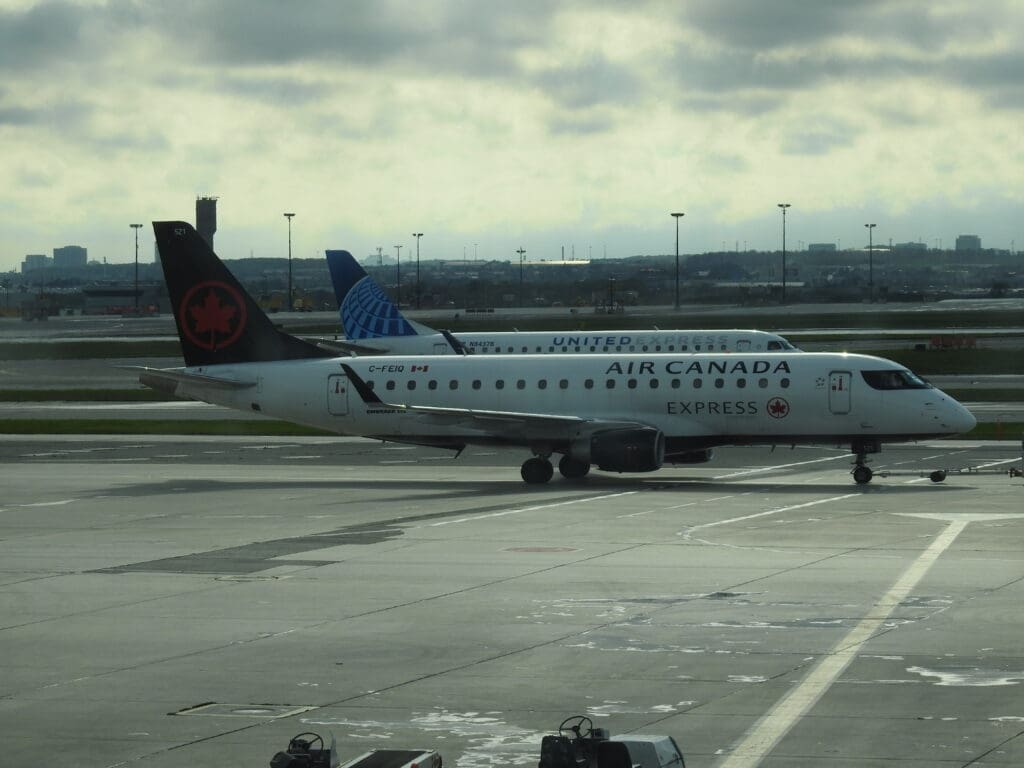
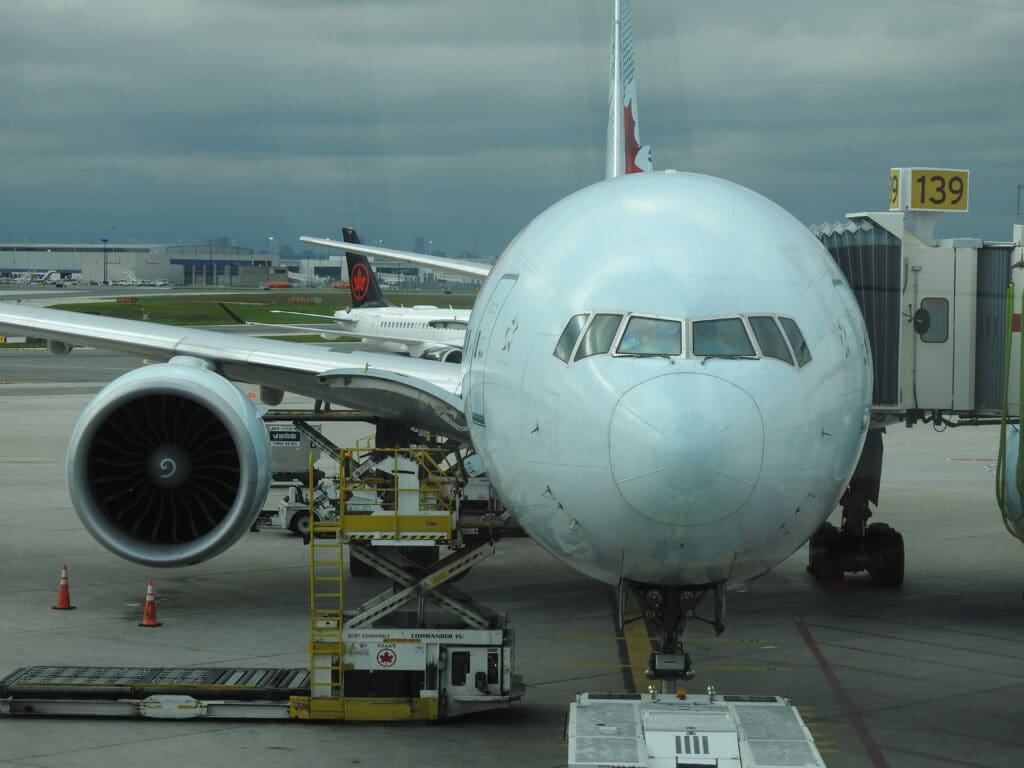
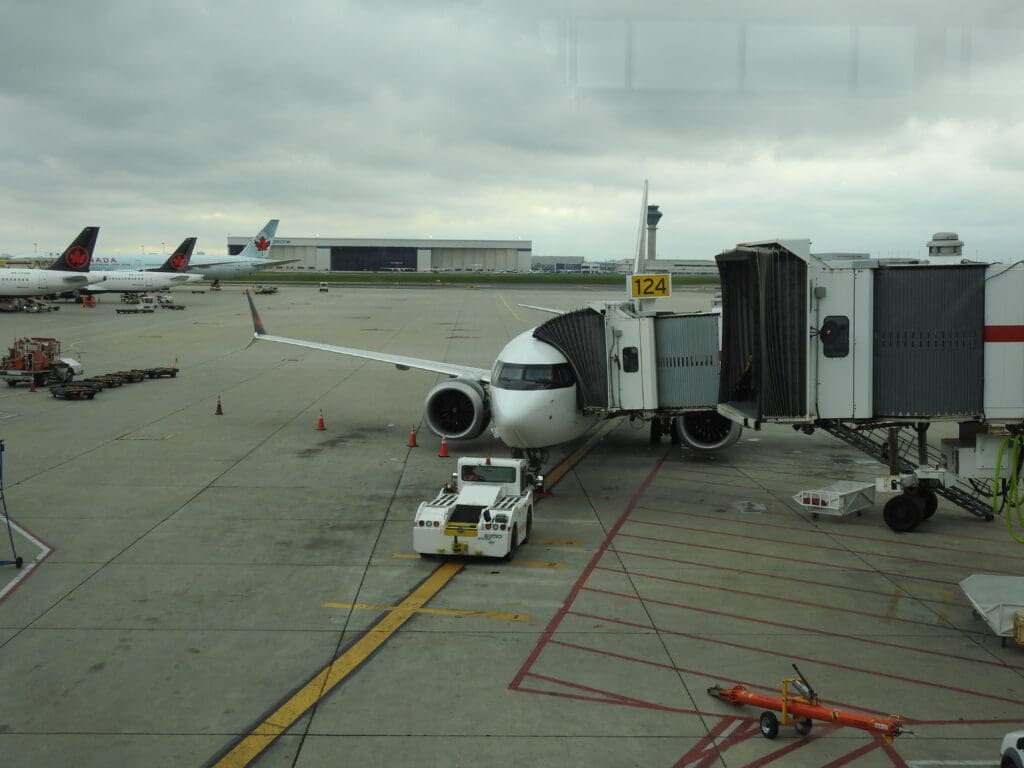
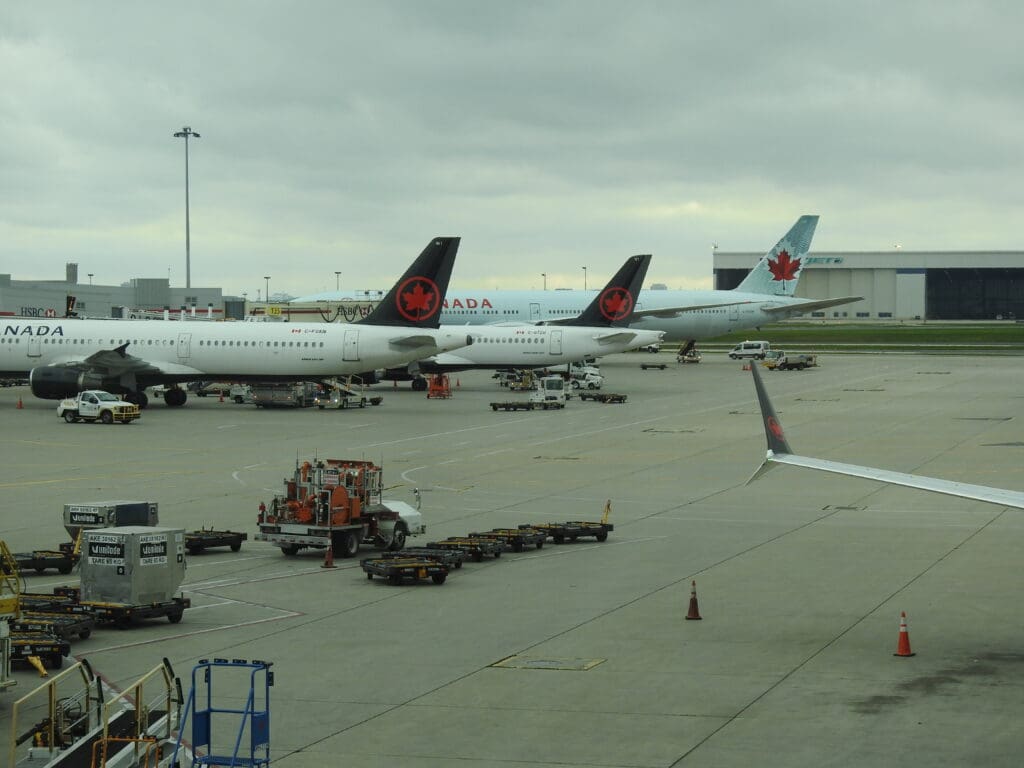
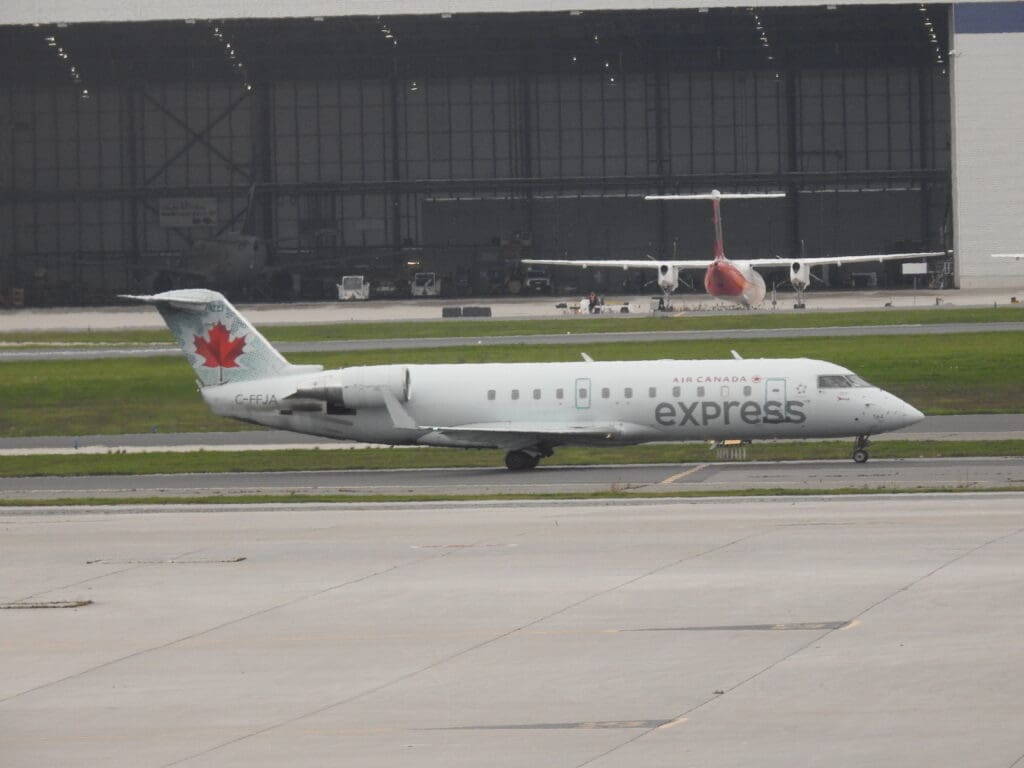
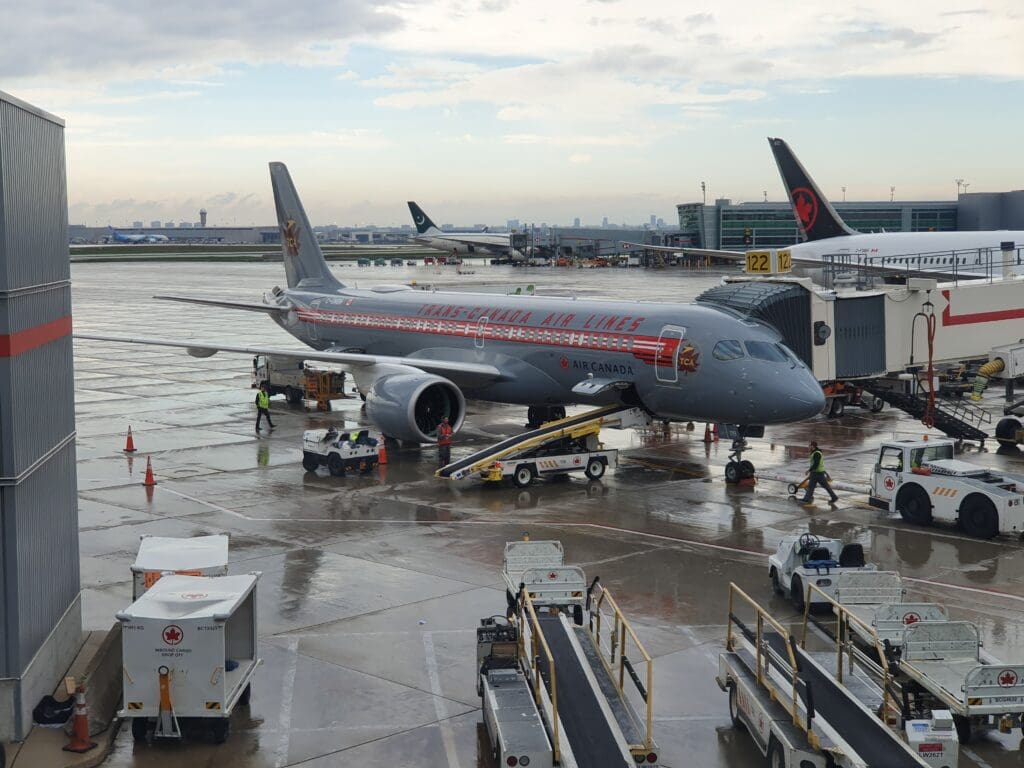
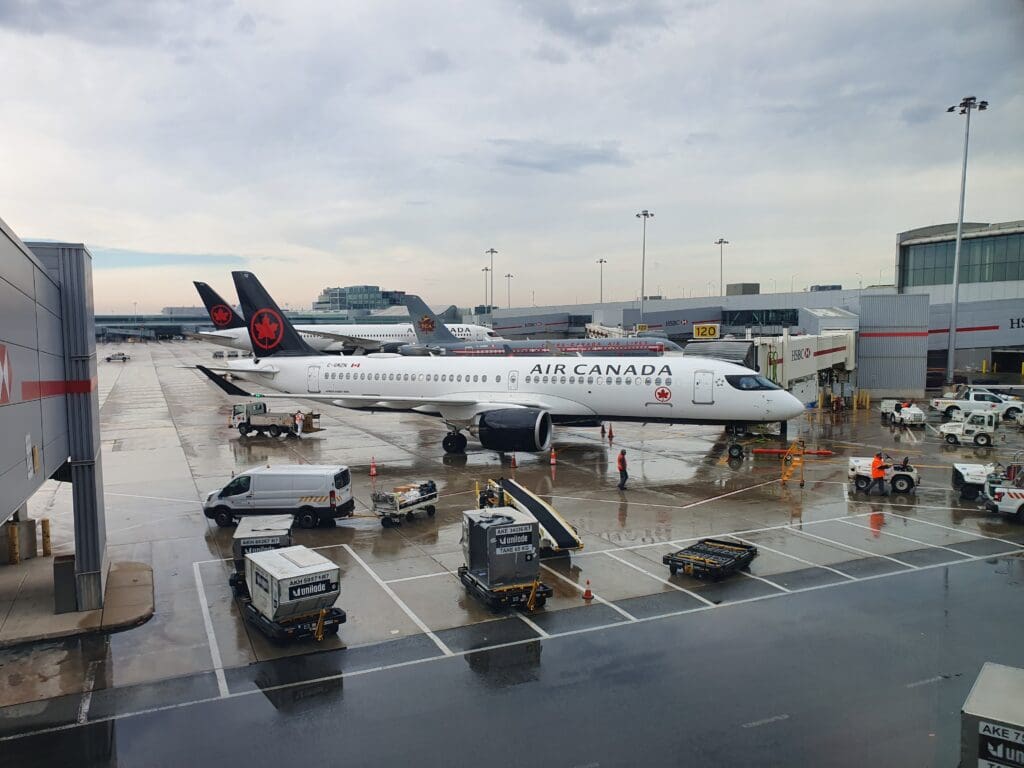

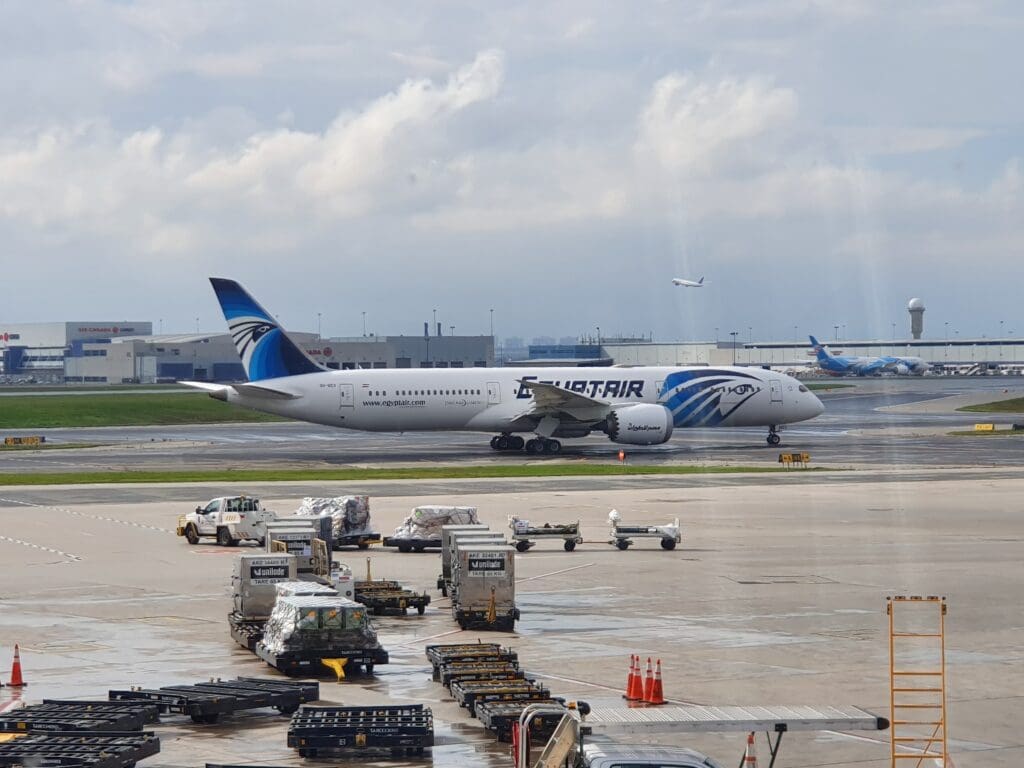
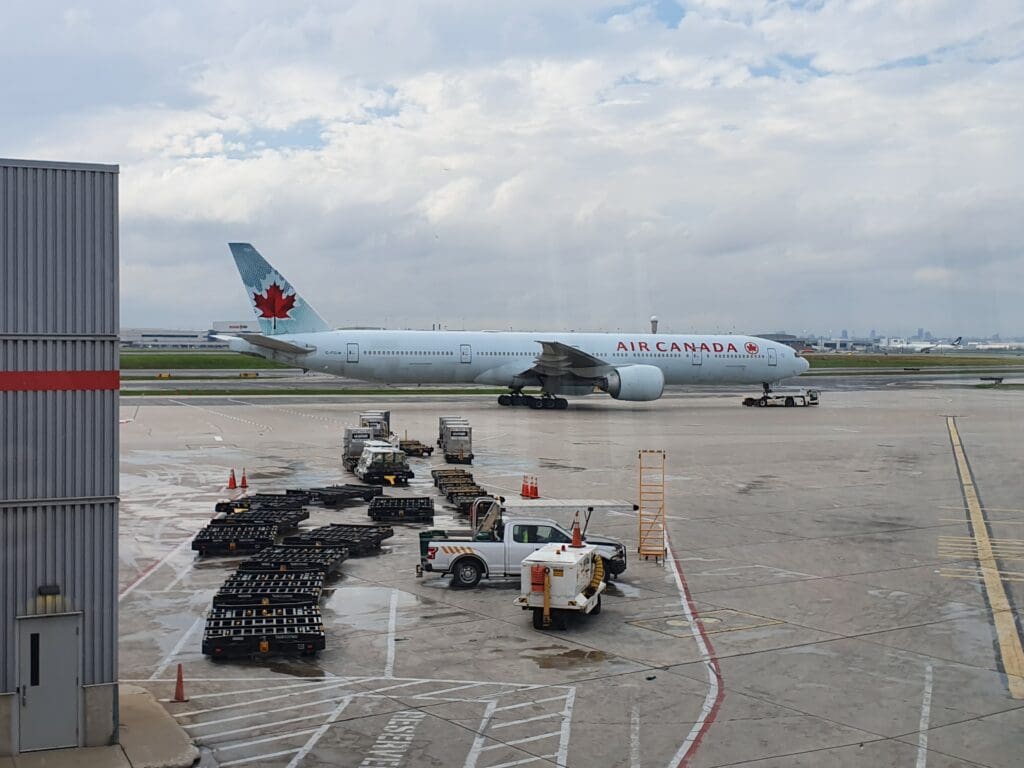
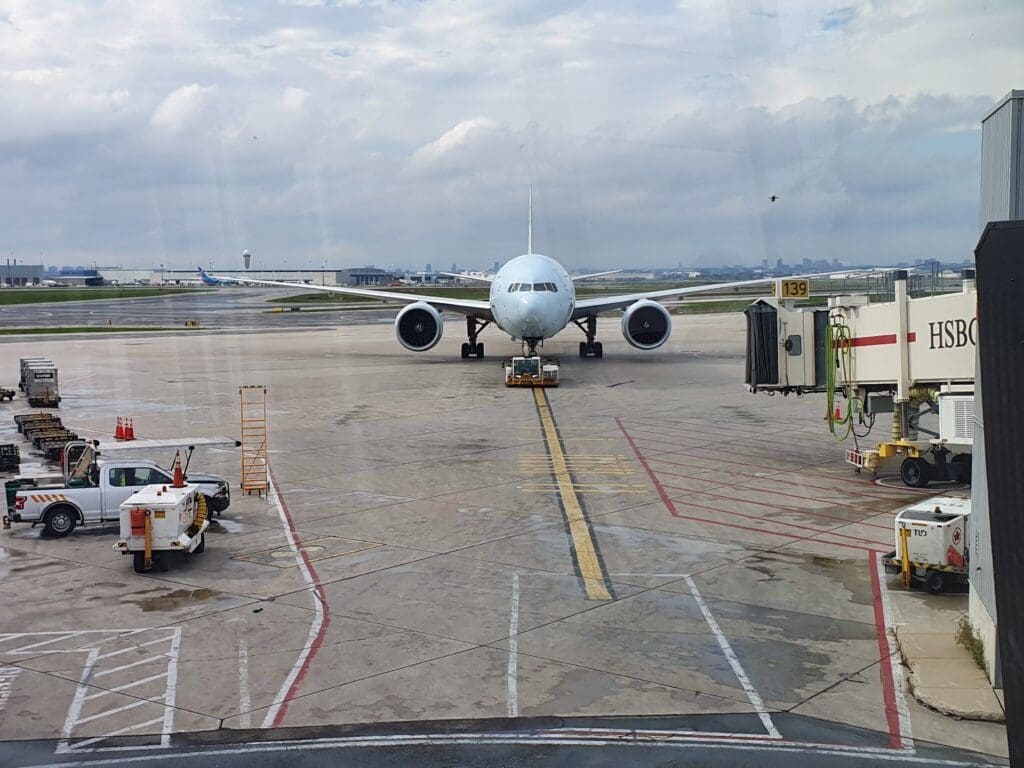
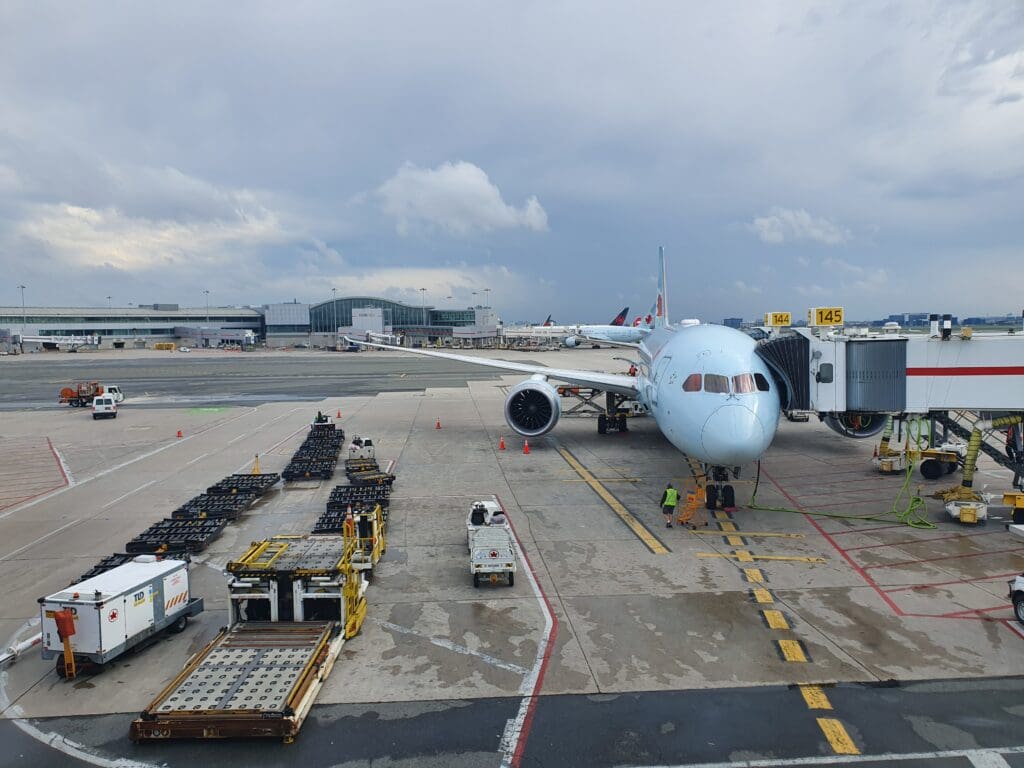
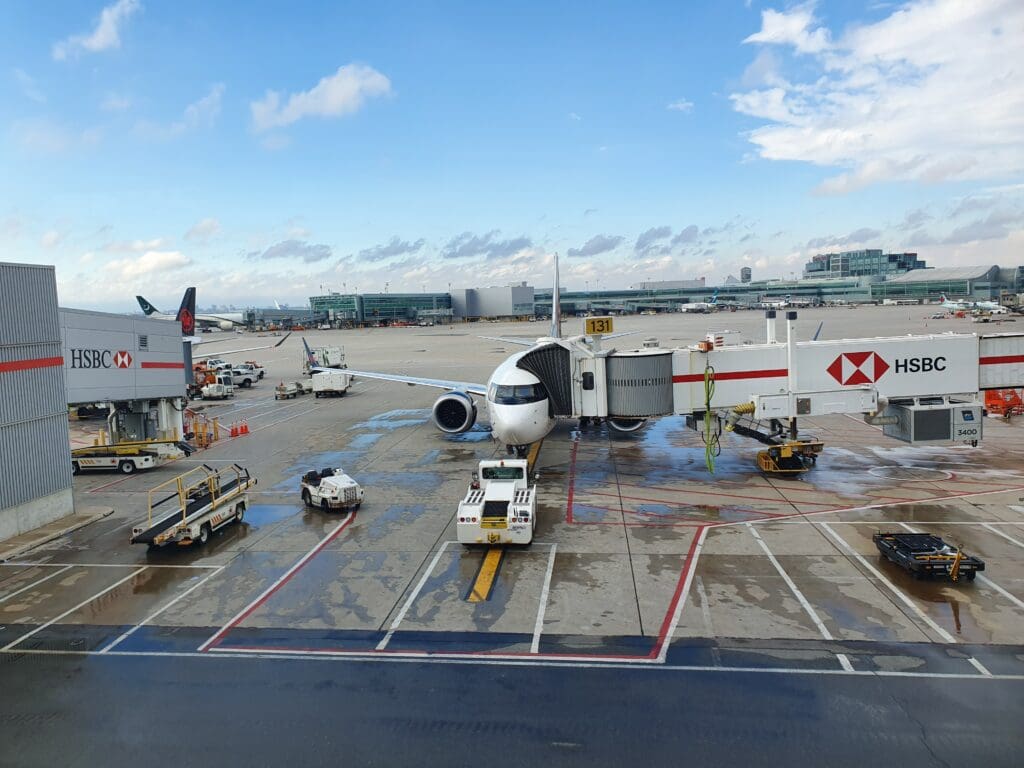
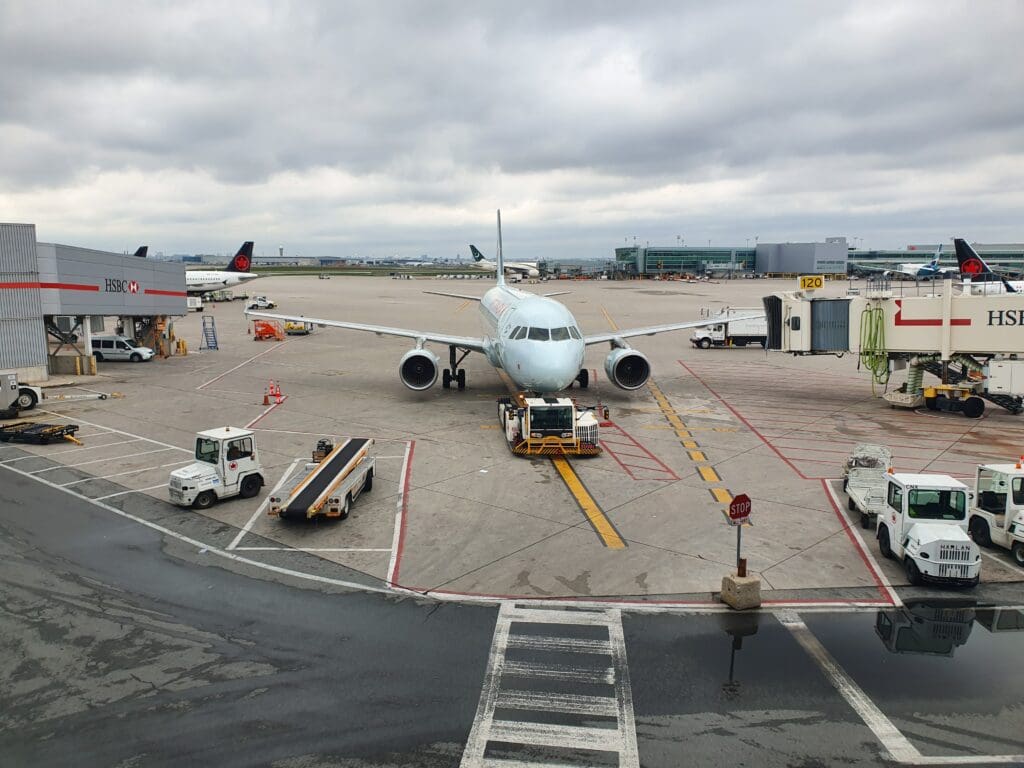
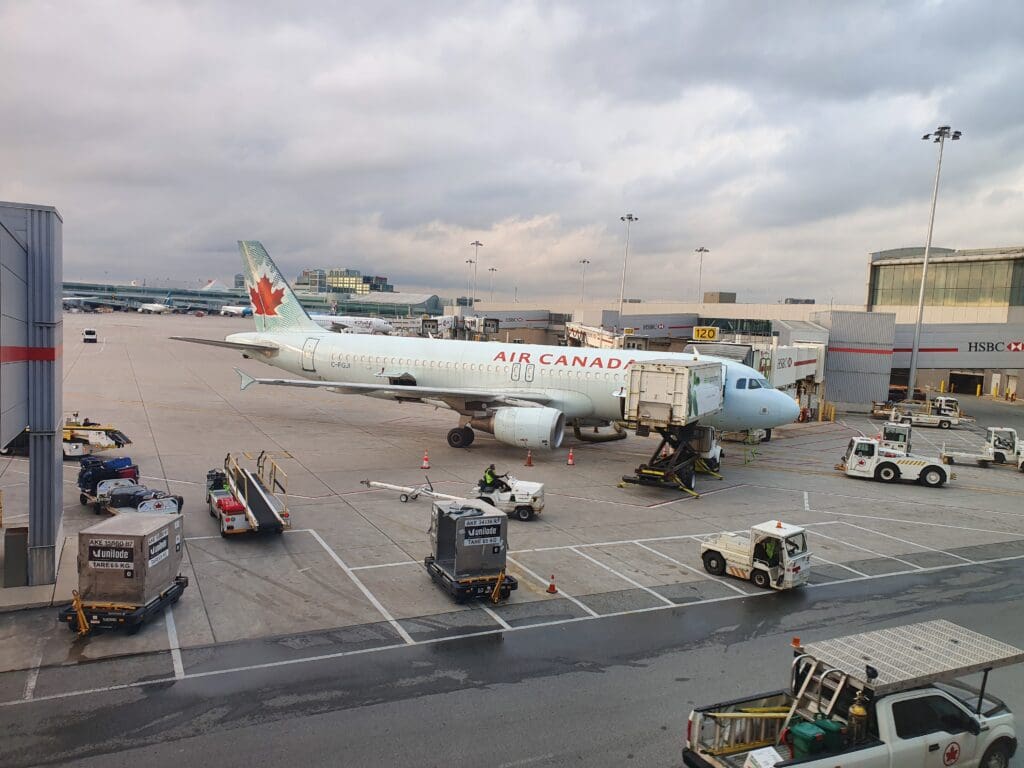
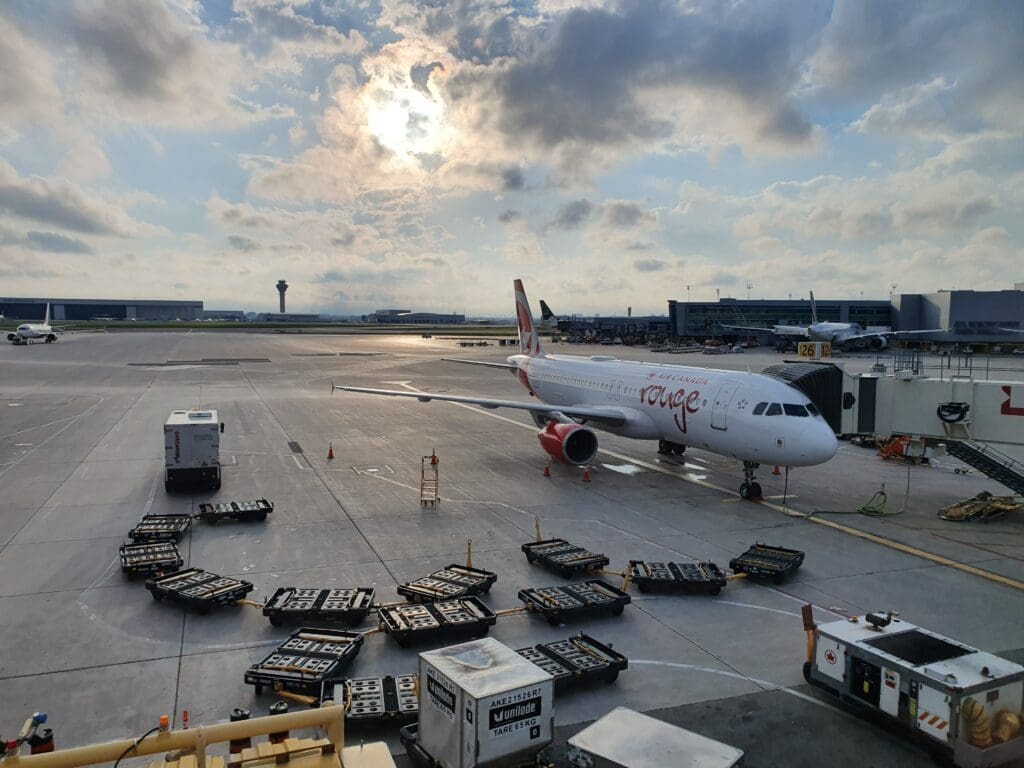
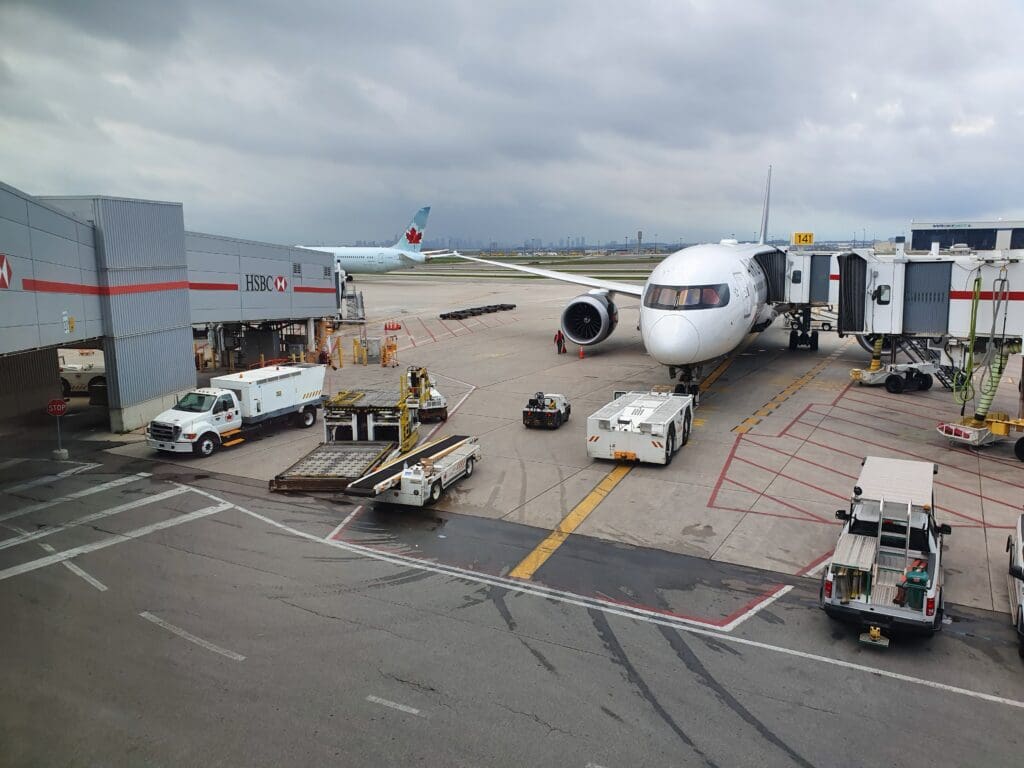
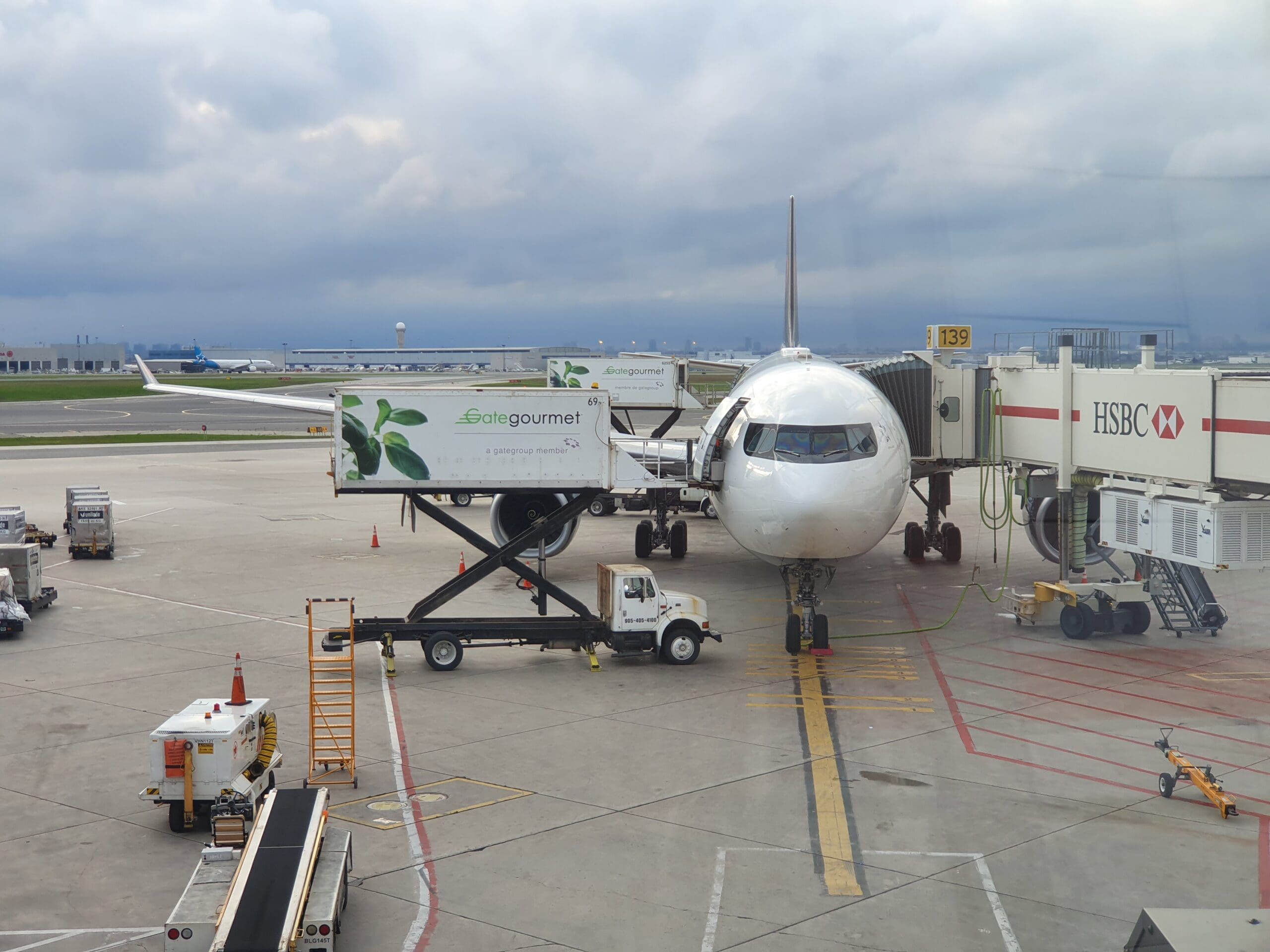
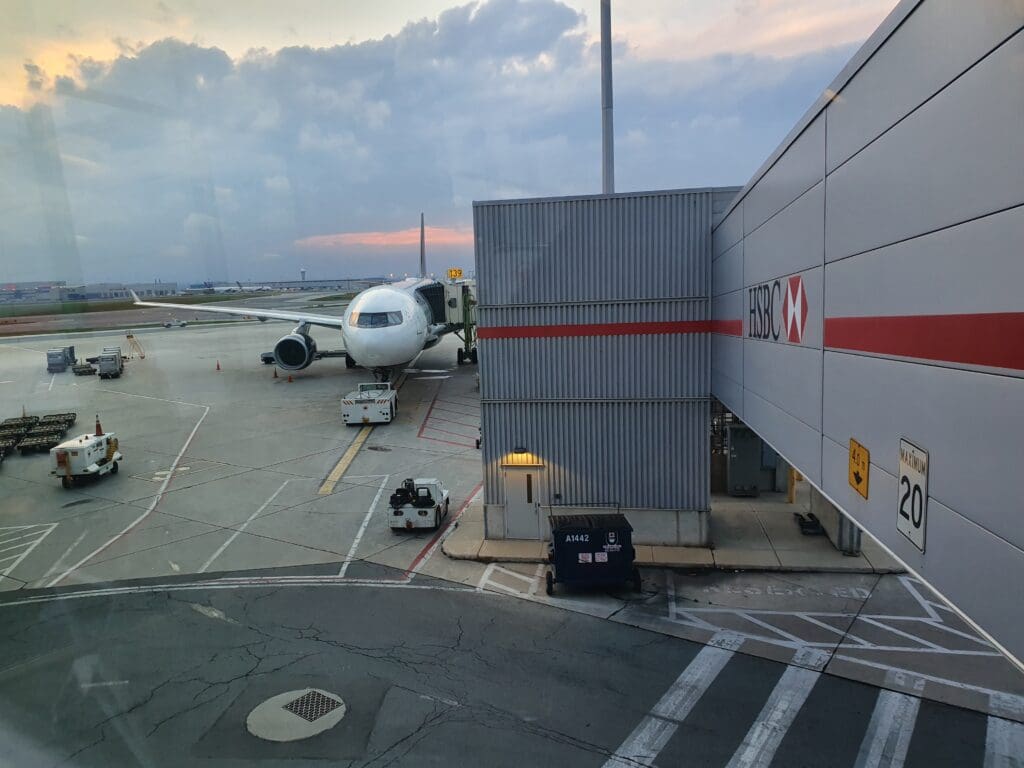
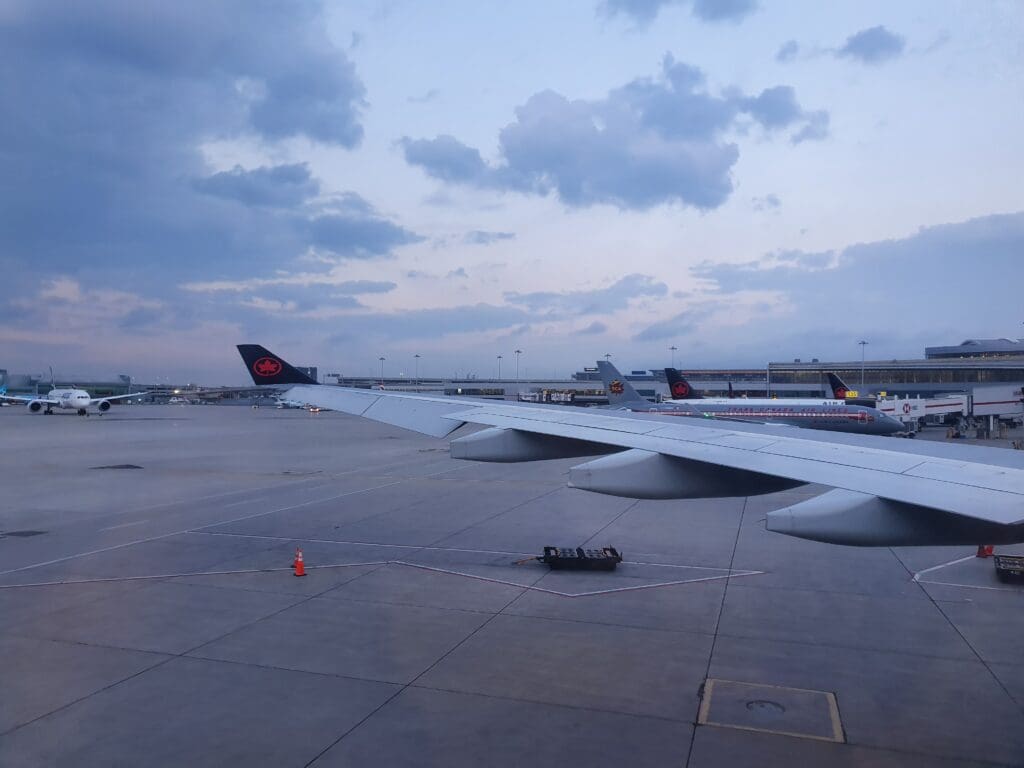
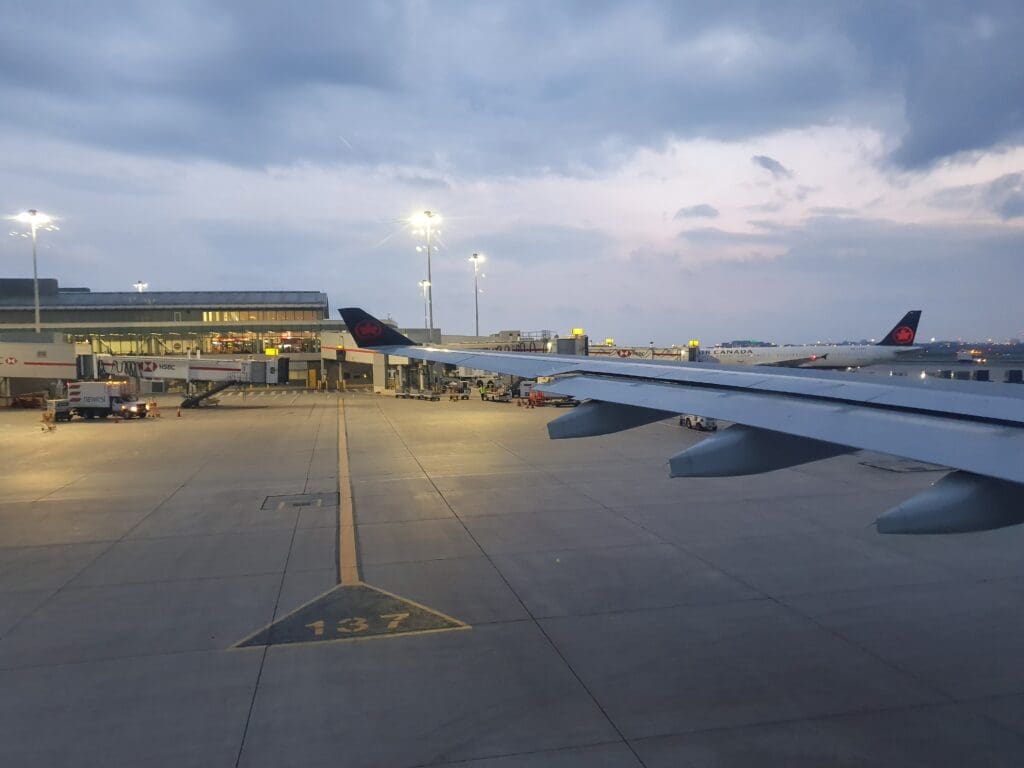
As time passed, unsurprisingly the terminal remained busy although for the duration of my stay, there were always a good number of areas to sit and wait. Turning the aircraft that would be heading over to Calgary that evening, Air Canada operates two different configurations of Airbus A330-300 aircraft with both of these having operated the evening service in the weeks before my flight. These take the form of the seven older examples delivered directly to Air Canada between 1999 and 2001, and featuring the carrier’s older cabins, as well as their eight recent additions that joined the airline between 2019 and 2021 having previously been operated by Singapore Airlines and TAP Air Portugal. At 1610 the Airbus A330-343 that would be operating the flight to Calgary could be seen being towed into stand 139, corresponding to gate D39, having been parked at a remote stand.

This aircraft took the form of C-GFAF, one of Air Canada’s original Airbus A330s and the second oldest in the fleet. Manufactured at Airbus’ Toulouse plant, this example first took the skies in June 1999 with the test registration F-WWKO and serial number 277. Following testing, the aircraft was flown across the Atlantic to Canada and entered commercial service with the airline where it has remained ever since and sported the tail number 931. In late 2005, the aircraft was repainted into Air Canada’s ‘toothpaste’ colour scheme, which it wore for twelve years before receiving the airline’s ‘new’ livery in the summer of 2017. According to the AvHerald, the jet has experienced a fairly reasonable list of incidents since 2009, including a brake fire, electrical issues, excessive engine vibration troubles, a hydraulic leak, pressurisation problems and a temporary runway excursion. Thankfully, in the week before my flight, all of the aircraft’s flights appear to have been undertaken without issue, with the Airbus having undertaken a total of seven flights, passing through Calgary, Frankfurt, London Heathrow, Montréal and Toronto Pearson, covering at least 17,400 miles.
As the clock edged closer to the scheduled commencement of boarding, 1745, the area around the gate became expectedly busy however with two Vancouver-bound Boeing 787 services heading off from nearby gates, it was difficult to ascertain which passengers were off to Alberta from those heading a little further to British Columbia. However, as an evening service and the penultimate Air Canada flight between Toronto and Calgary that day, allowing passengers to spend a decent portion of the day in Toronto, and aligning with the airline’s afternoon arrivals from Europe, from the moment of booking I suspected that the flight may have ended up being rather busy. Several minutes before the scheduled commencement of boarding, an automated announcement rang out advising passengers that boarding would be called according to the zones listed on passengers’ boarding passes.
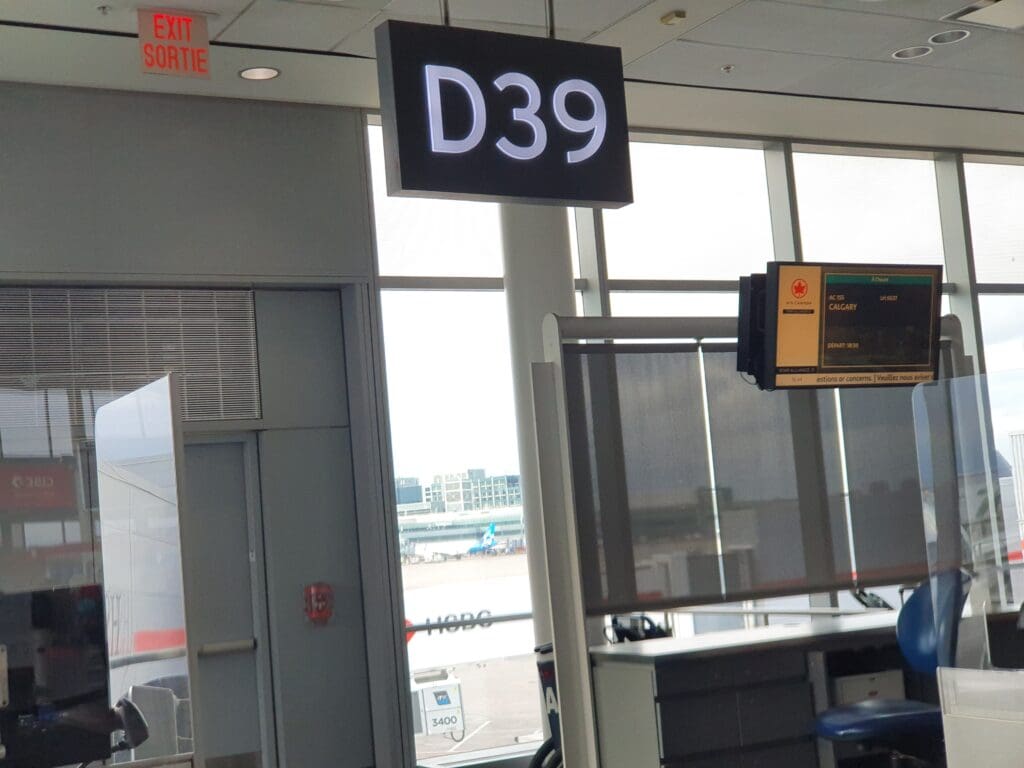
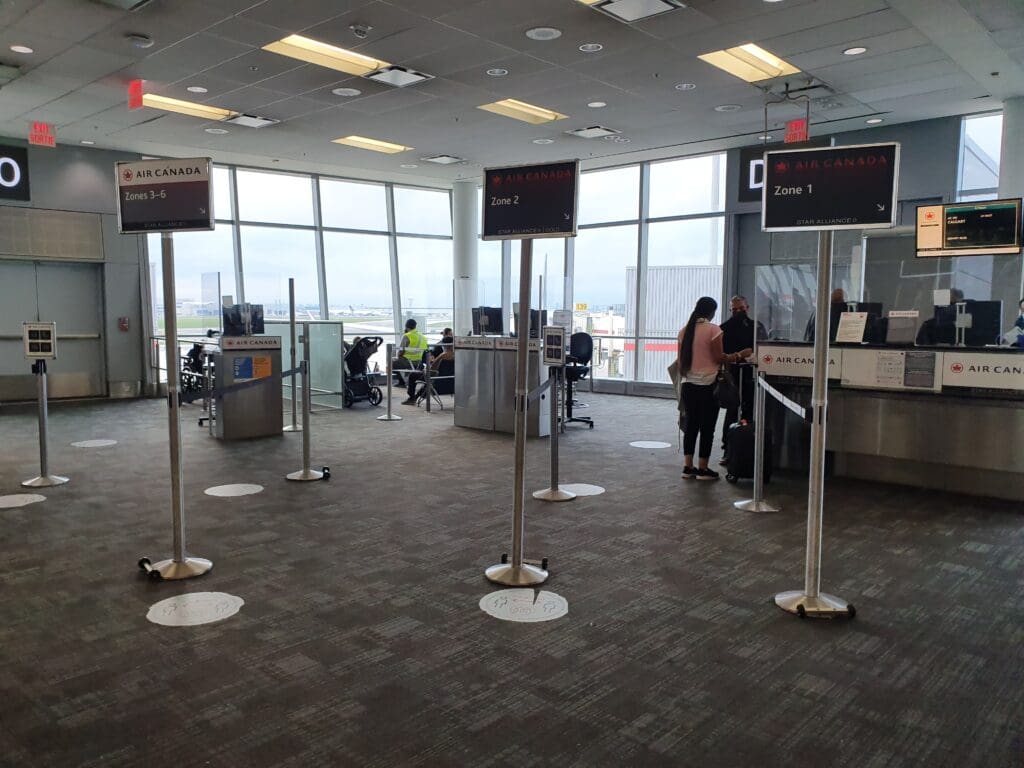
Several minutes after the automated announcement had been broadcast, those passengers in Zone 1 were invited to head forward for boarding. In the usual order, this was followed with announcements for those in Zone 2 and then Zone 3. Whilst this process had worked well on my previous four flights with Air Canada, that evening this completely fell apart with a large crowd of passengers gathering in an order that bore almost no resemblance to a queue well before the initial boarding announcement. Upon the first boarding announcement, passengers from all zones appeared to head towards the gate podium and were subsequently sent back before several staff members headed out into the crowd in an attempt to arrange passengers into lines according to their zone.
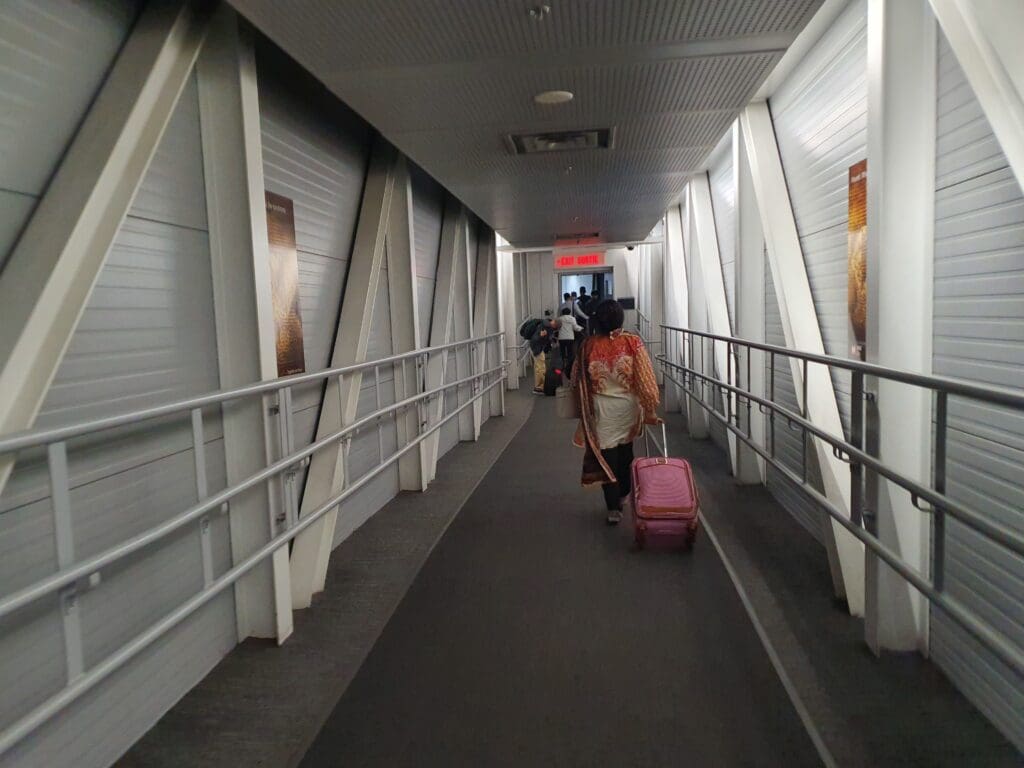
Just after 1800, I made it to the front of the zone 3 queue, scanned my passport and handed over my passport to one of the gate agents. Despite the chaos that they were having to deal with that evening, this gate agent remained polite and friendly and soon wished me a nice flight before I was sent on my way down the jetbridge. A short time later I hit another queue before stepping into the aircraft via the L2 door where I received a lukewarm greeting from the sole flight attendant checking passengers’ boarding passes.
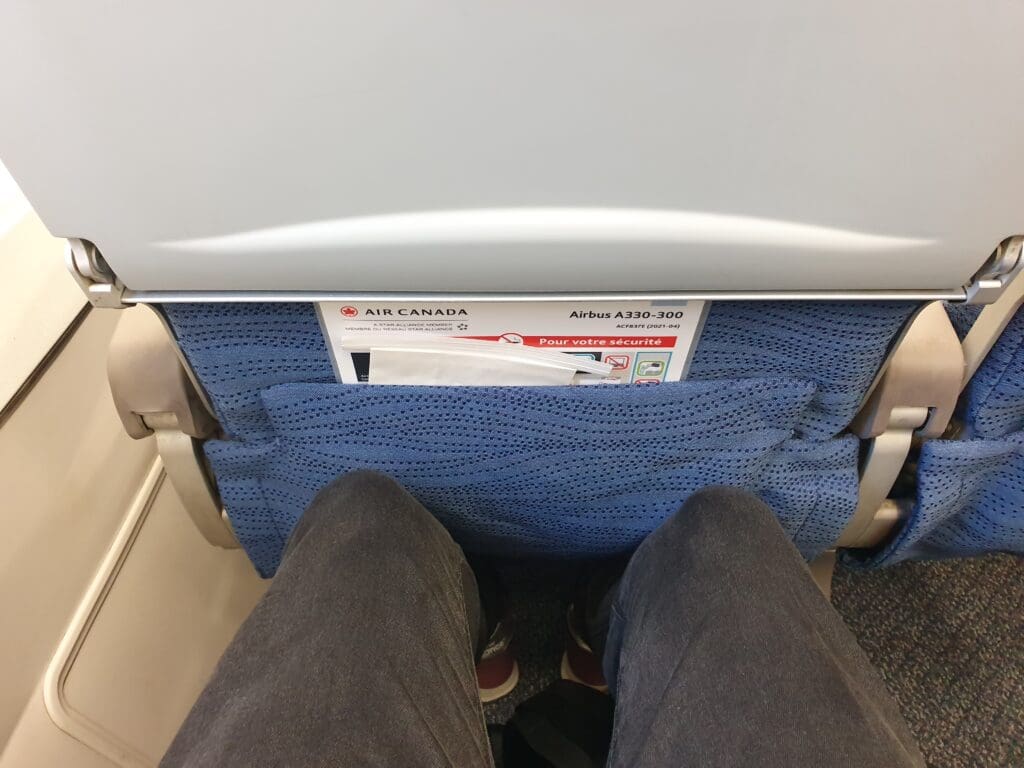
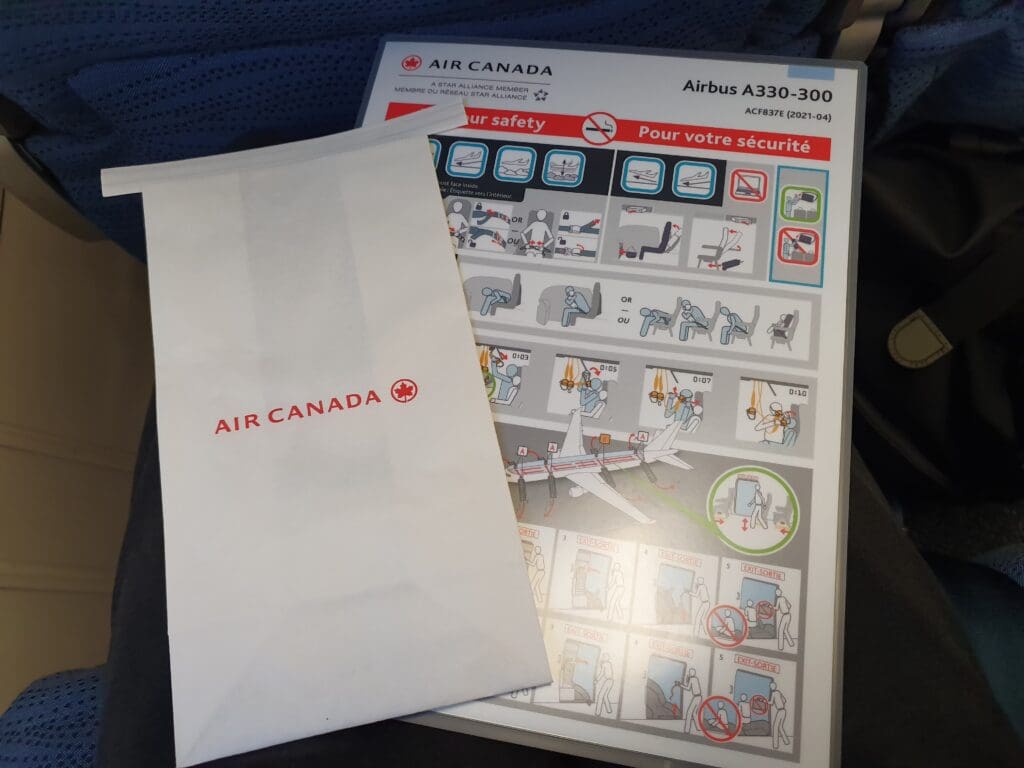
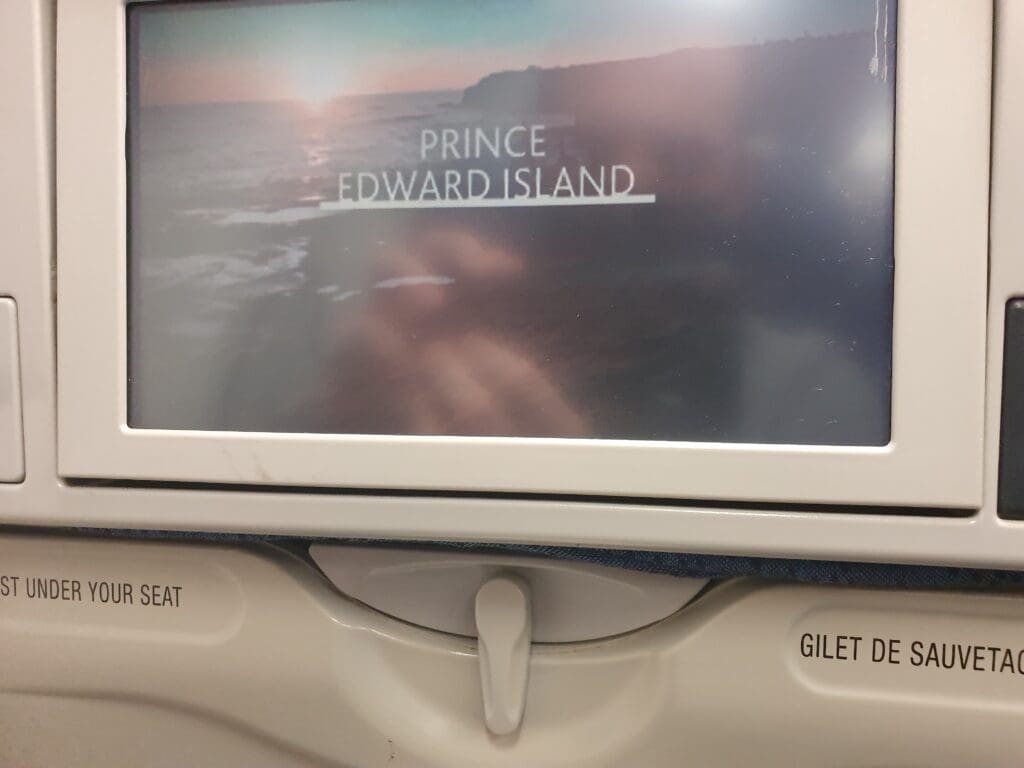
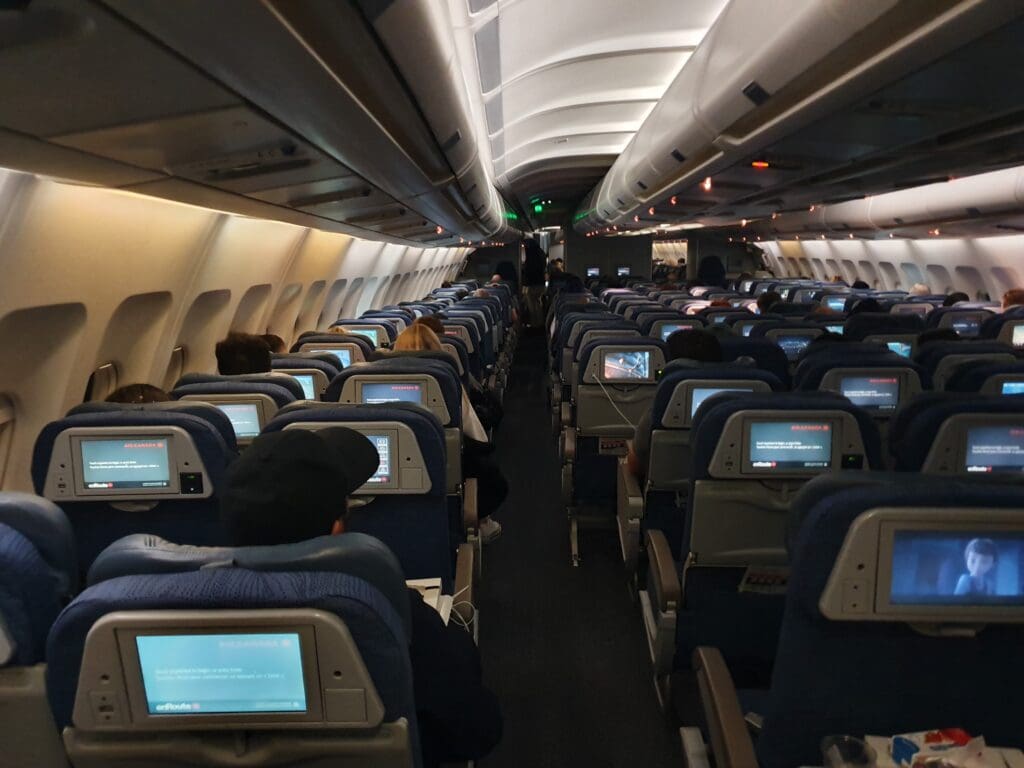
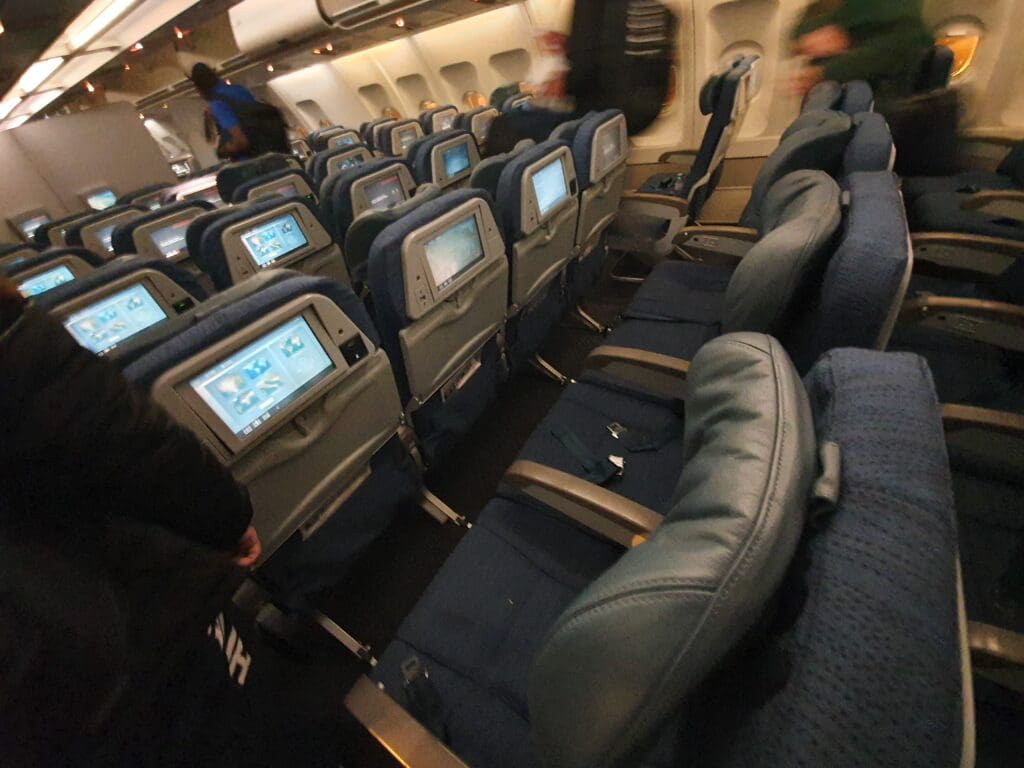
Turning right, I immediately arrived in the aircraft’s small Premium Economy cabin where three rows of seats in a 2-3-2 configuration could be seen, the majority of which were filled. Waiting there for a minute or so whilst a group of passengers attempted to stow their oversized bags into the overhead lockers, I then entered the forwardmost of the Airbus A330’s two Economy cabins. Combined, these feature a total of 244 seats and are arranged in an A330 standard 2-4-2 configuration. At the time of my flight in October 2021, these featured Air Canada’s older yet comfortably chunky seats, each of which was covered in a dark blue-green fabric and sporting a pattern consisting of repeating black dots. This was my first time seeing this design on Air Canada, although I had previously seen it onboard an ex-Air Canada Georgian Airways Embraer 190 aircraft. Returning to the Airbus A330, each seat is topped with an adjustable (faux?) leather headrest. Meanwhile, old-style personal television screens dating back to around 2005 can be seen, alongside a universal plug socket and USB-A port to the right and left of each screen respectively. It is worth noting that only the latter worked, however, this failed to charge my phone and instead was only able to sustain its battery level. Finally, the seatback pocket contained a safety card and a sickbag, whilst a headphone socket, a flight attendant call and cancel button alongside a button for the reading light could be found in the armrest.

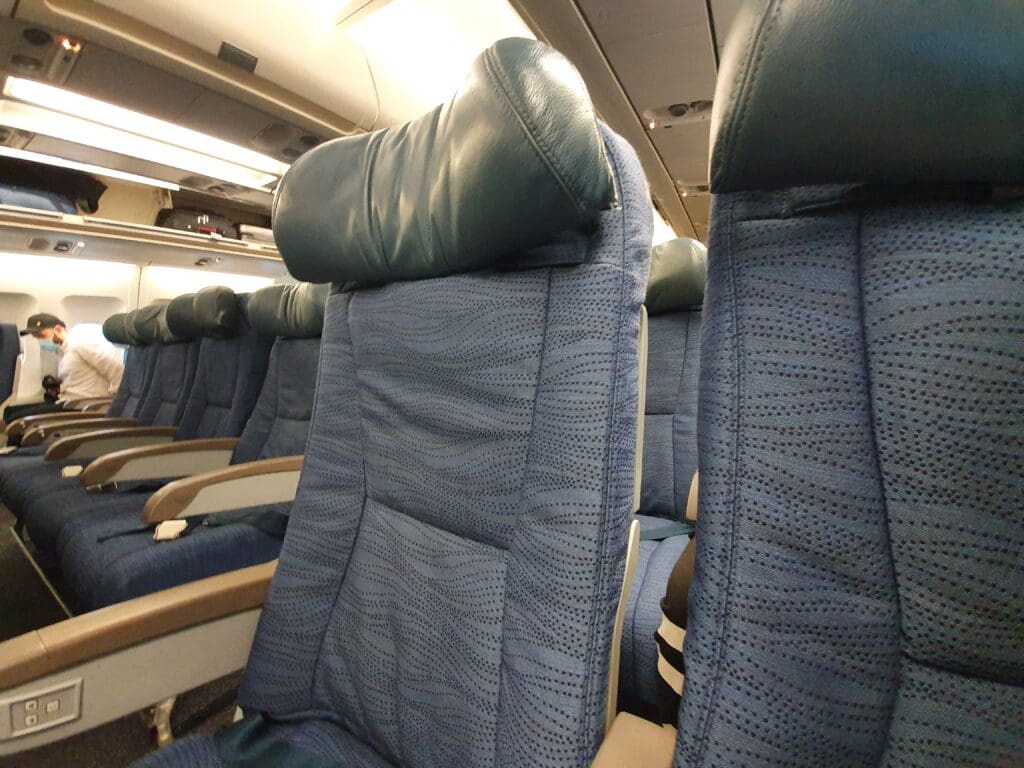
As a long-haul aircraft whose range capabilities are currently utilised by Air Canada on services across the Atlantic to Europe and Israel, one would hope that their Airbus A330s are comfortable. Whilst old fashioned, upon sitting down I found the seats to be well-padded and offered a decent amount of legroom which would have not left me with any complaints on a long Transatlantic service. Whilst the Airbus A330 operating the flight to Calgary that evening was by no means a new aircraft, despite its age I was unable to spot any major signs of wear and tear around my seat, with nothing more than a few minor marks and scratches visible.

Once seated, passengers continued to stream into the rather empty rear cabin at a reasonable rate and I expected that the seat next to mine would end up being taken. Much to my surprise given the chaos at the gate, boarding was announced as completed a full ten minutes before departure and the seat next to mine remained vacant. That evening I would estimate the flight to have been approximately 75% full in Economy, with a mixture of point-to-point passengers and travellers who had commenced their journeys elsewhere. As I waited in anticipation for the flight ahead, I witnessed a rather negative display from one of the flight attendants. Several rows ahead, without any explanation one flight attendant abruptly told a passenger ‘you need to move your bag’ from the overhead locker above their seat to another on the opposite side of the aisle. Without further explanation or assistance, the flight attendant then walked off, fortunately, a good samaritan came in the form of a pastor in the row behind who stood up and moved the passenger’s bag on their behalf. On another side note, whilst there had been no soundtrack accompanying boarding, a passenger’s cat could be heard loudly meowing, something that continued for the rest of the journey!
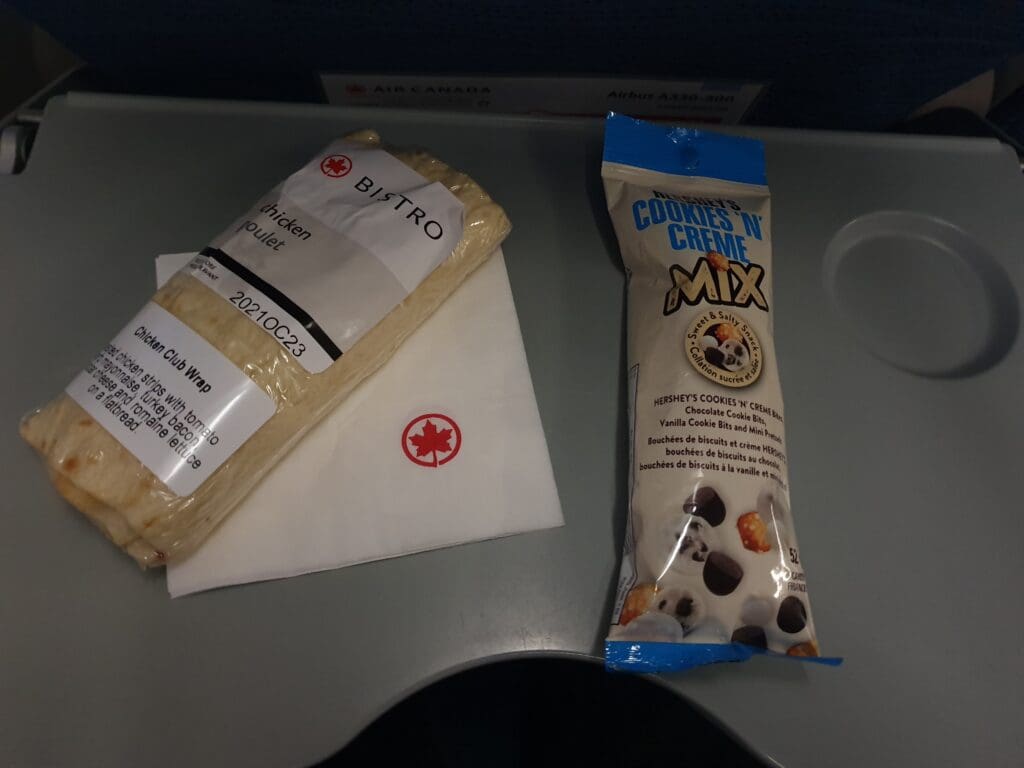
Straight after witnessing this fiasco with one of the flight attendants, having ordered an Air Canada Bistro voucher, another flight attendant approached my seat with a menu card and asked me what I would like. Following a few glances, I opted for a chicken club wrap along with a packet of Hershey’s Cookies ‘n Creme mix. Expecting a note of this to be made with this handed to me following our departure, a minute later the flight attendant returned and handed these items and an Air Canada branded serviette over without a word. Whilst this was not a terrible interaction, it was not particularly positive and coupled with the incident several minutes earlier, my first impressions of the crew were far from fantastic.
With five minutes to go until the flight’s scheduled departure time, at 1825 the Captain performed their welcome announcement, during which they mentioned that the last of the bags were being loaded onto the aircraft and that they expected the flight to make a punctual departure from Toronto. This was then followed by a cautionary mask message, advising these should be worn at all times when not eating or drinking. After the Captain’s announcement, the Services Director performed another welcome announcement in French and English, and once completed, Air Canada’s Ode to Canada safety video played highlighting some of the country’s most spectacular sights.
At 1831, the Airbus A330 could be felt being pushed back from the gate and pointed in the direction of the taxiway as the aircraft’s two Rolls-Royce Trent 772B-60 ‘hairdryer’ engines quietly hummed into life below. After the flaps had been partially extended, the Airbus then commenced a cautious taxi over to the departure runway whilst the crew passed through the cabin ensuring all was in place for our departure from Toronto. In the process of doing so, the flight attendant responsible for my aisle failed to notice that the passenger in front of me had reclined their seat. Once this check had been completed, the cabin lights were turned off, meanwhile, following the safety video and two advertisements, passengers’ inflight entertainment screens became unusable until the seatbelt signs were extinguished after our departure.

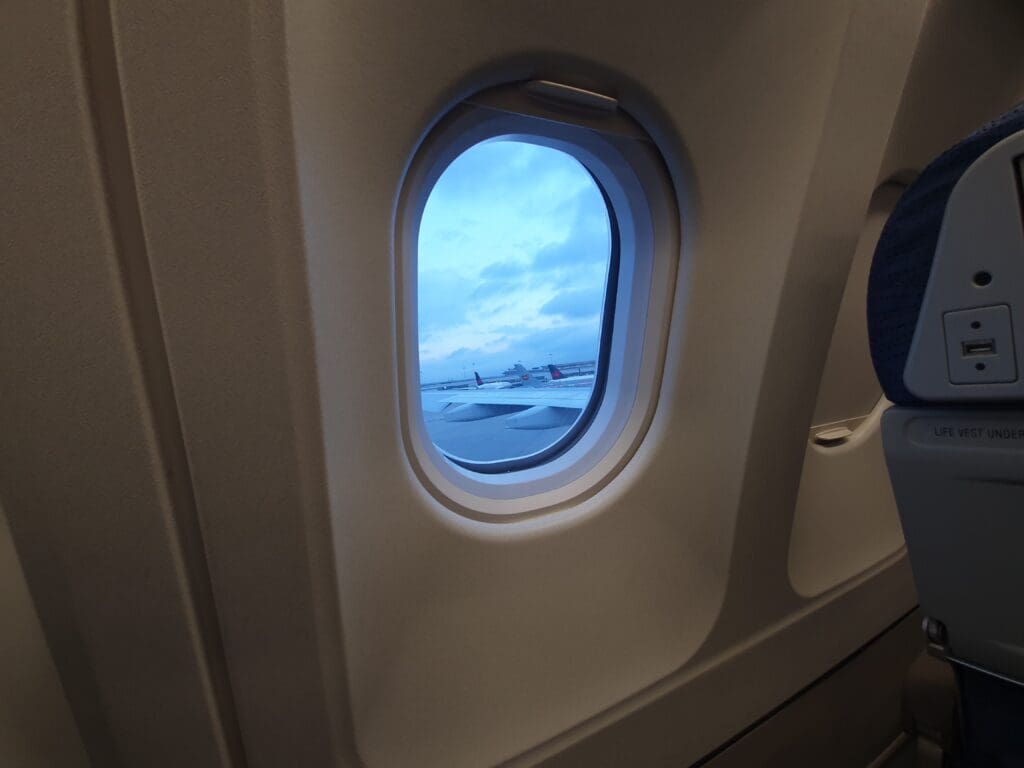
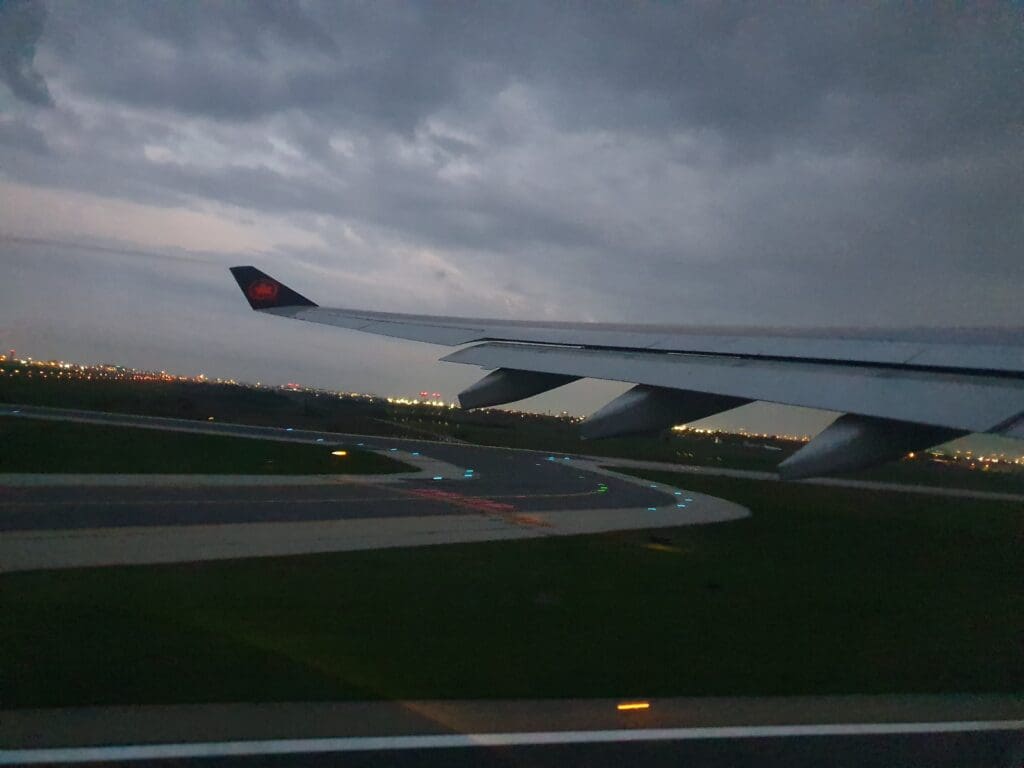
From Terminal 1, the Airbus trundled out past the two piers of Terminal 3, Air Canada’s maintenance centre and one of the airport’s cargo aprons, however sitting on the left-hand side of the aircraft none of these could be seen from my seat during the taxi. Ten minutes after the taxi commenced, at 1841 without coming to a halt, the Airbus made its way onto Runway 23 and performed a quiet and gentle rolling takeoff. After some time, the aircraft rotated upwards into the skies of Ontario before heading over the industrial and residential areas that sit to the south of the airport whilst the centre of Mississauga could be seen in the distance. Three minutes after taking off, the aircraft banked and rolled out on a northwesterly heading that would take the jet across southeastern Ontario and towards Lake Huron. At this stage in the flight, whilst not the most severe turbulence I have experienced, the aircraft bumped around quite a bit as it made its was up into the clouds.
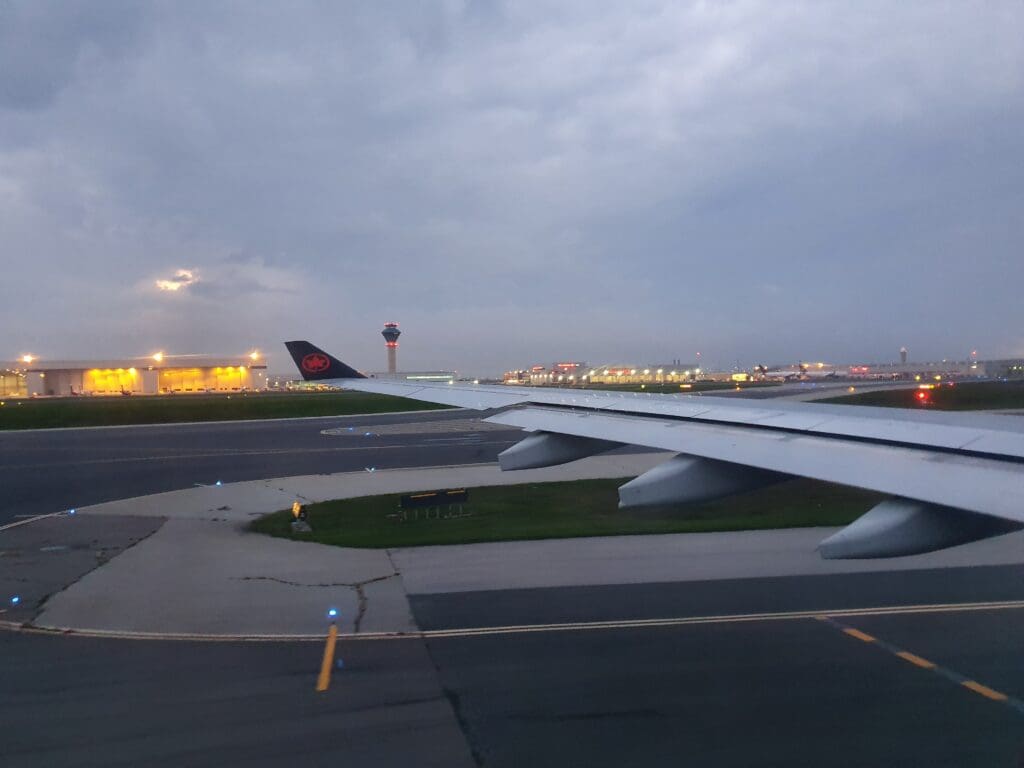
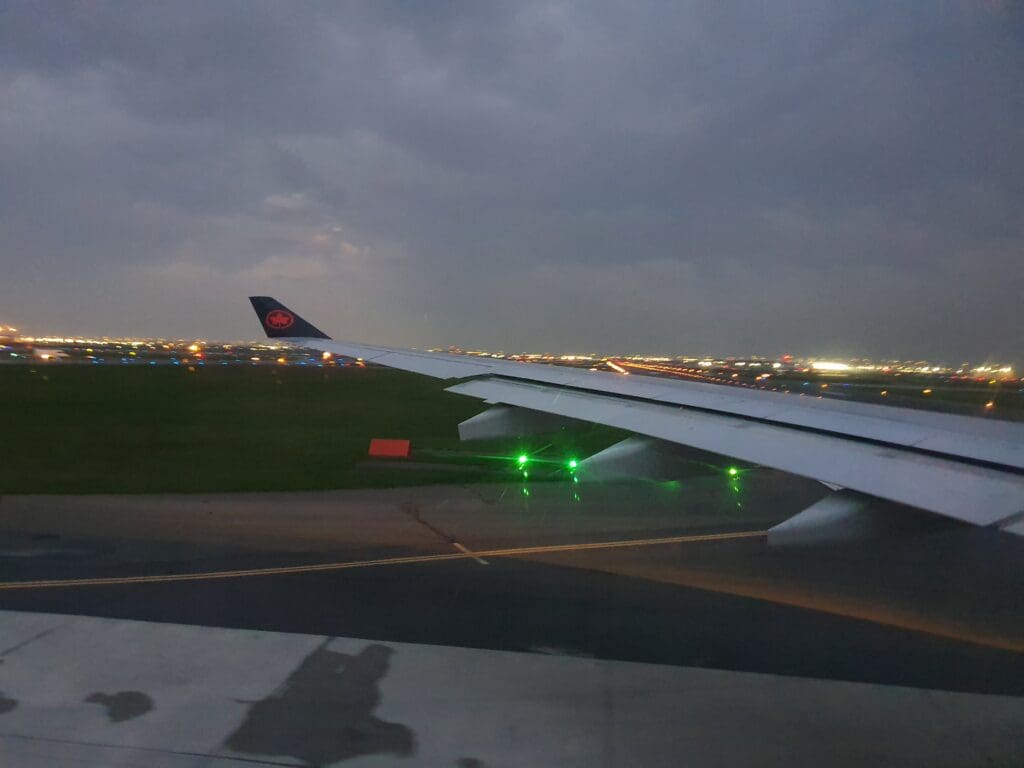
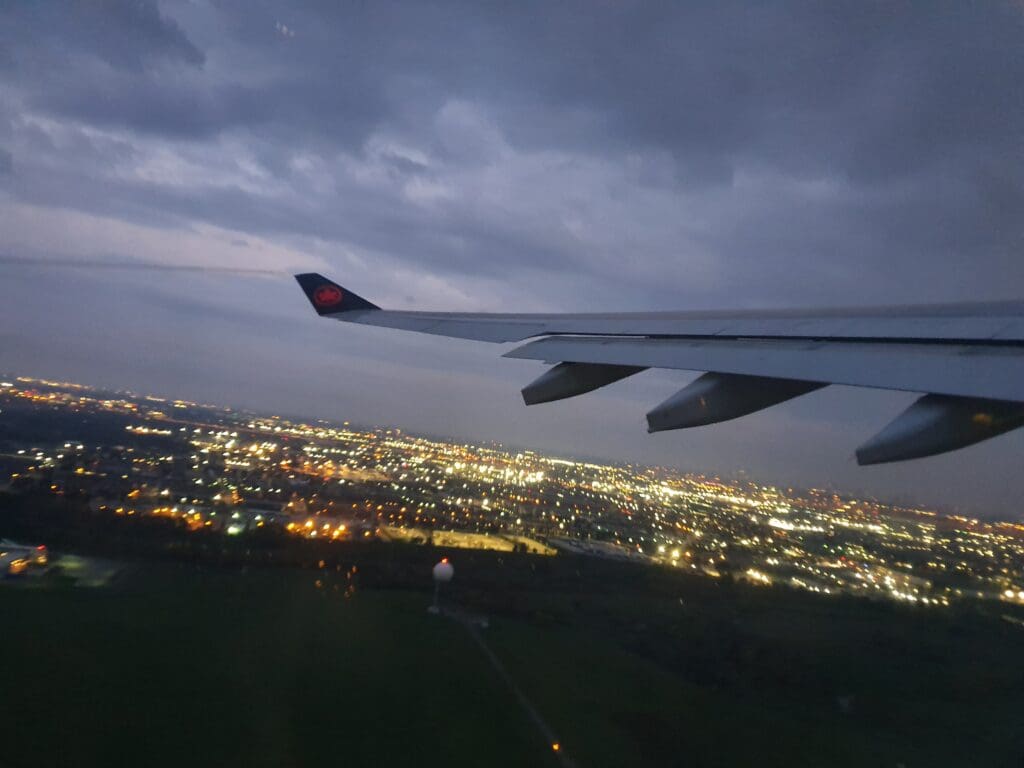
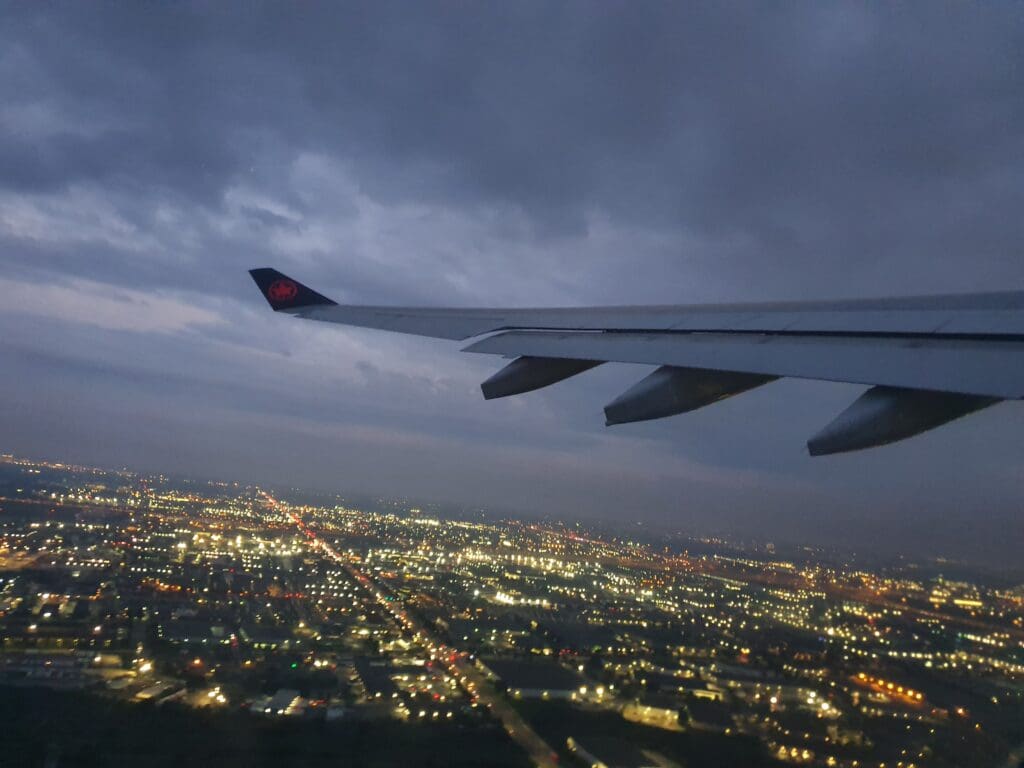
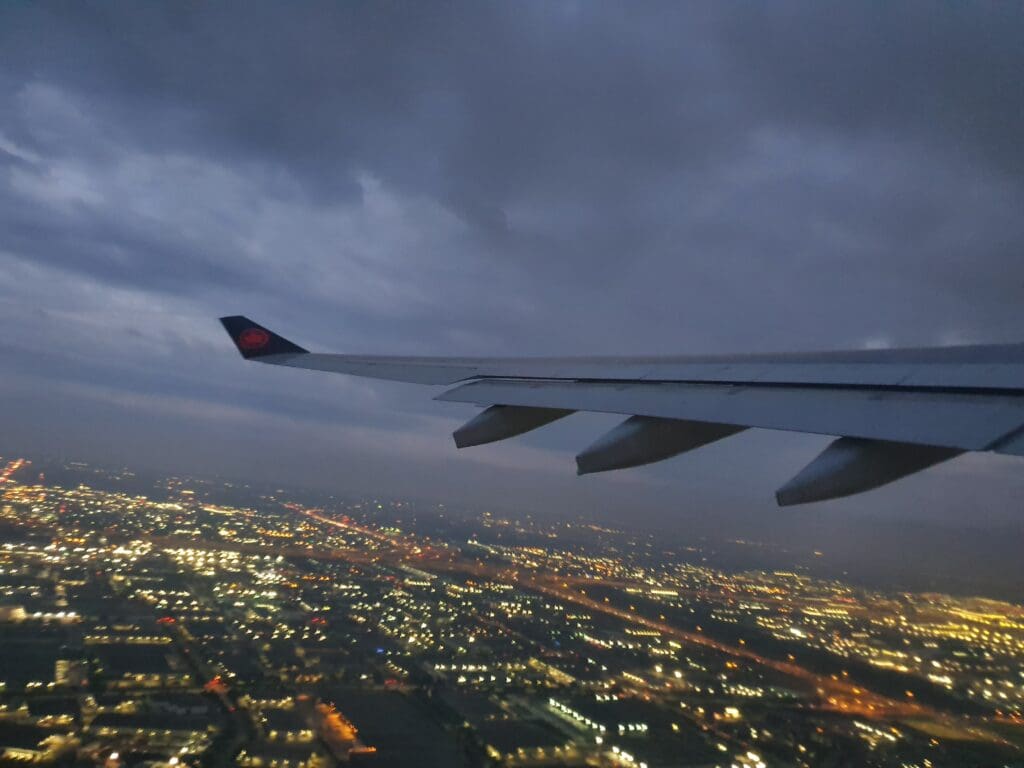
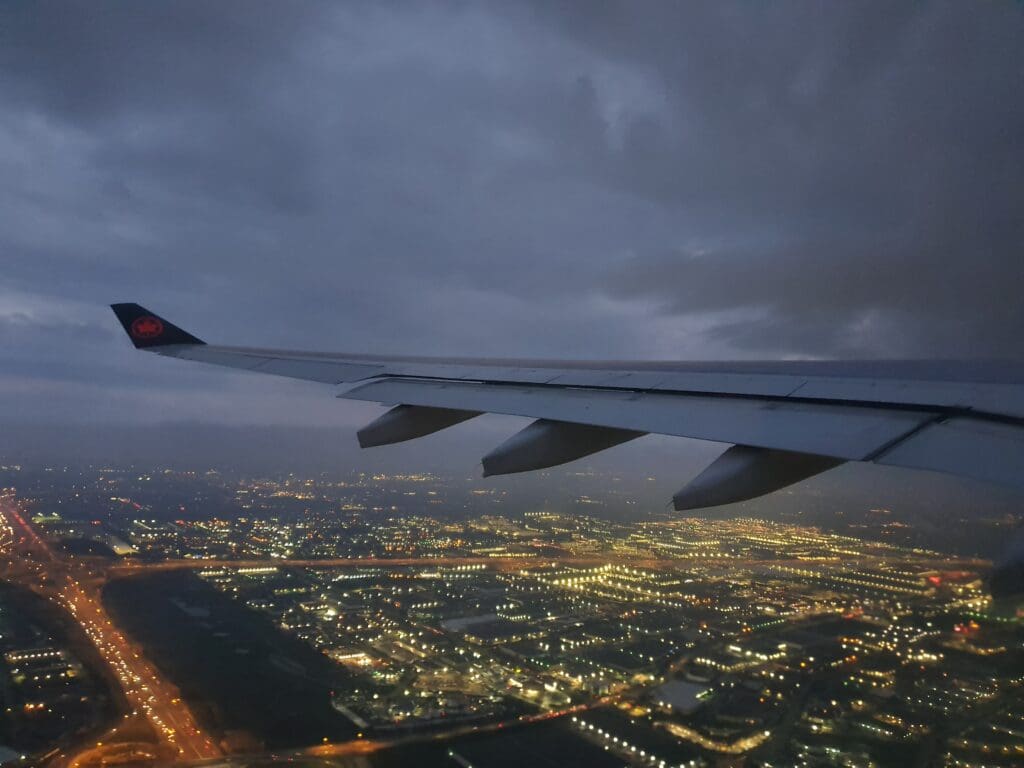
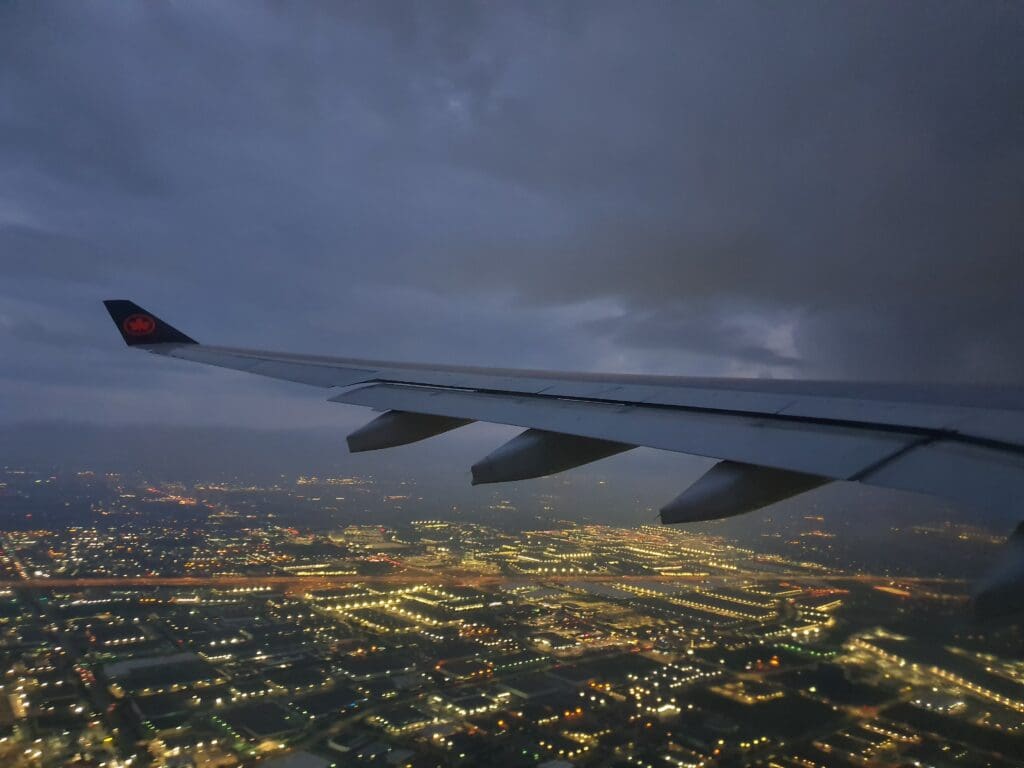
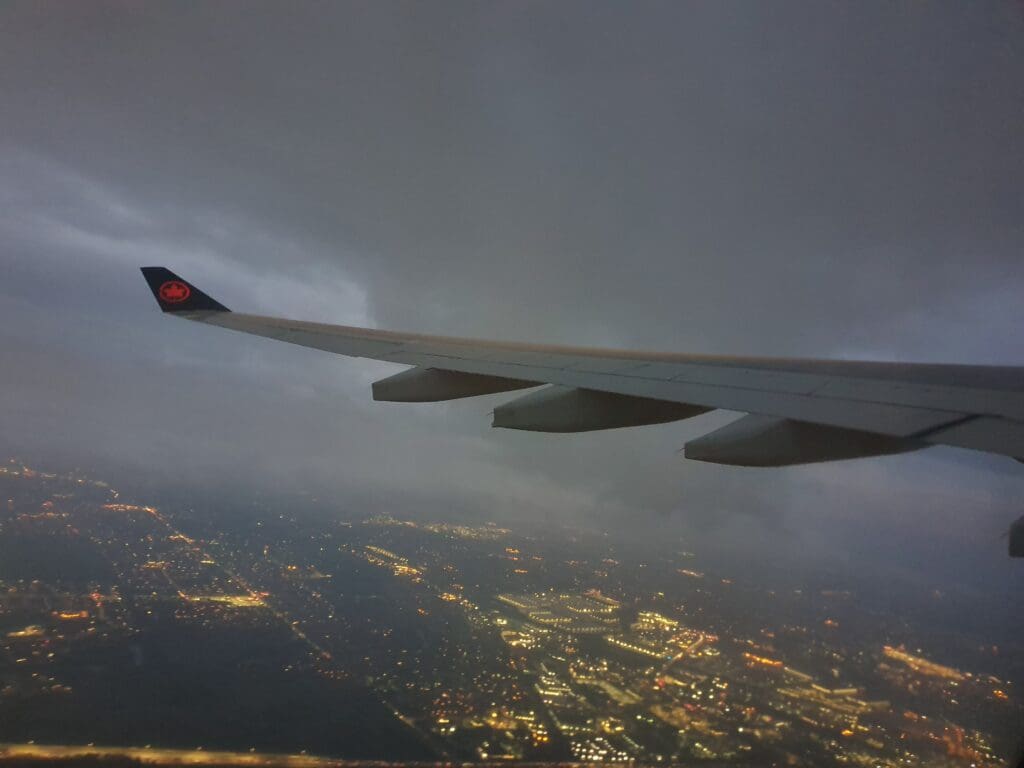
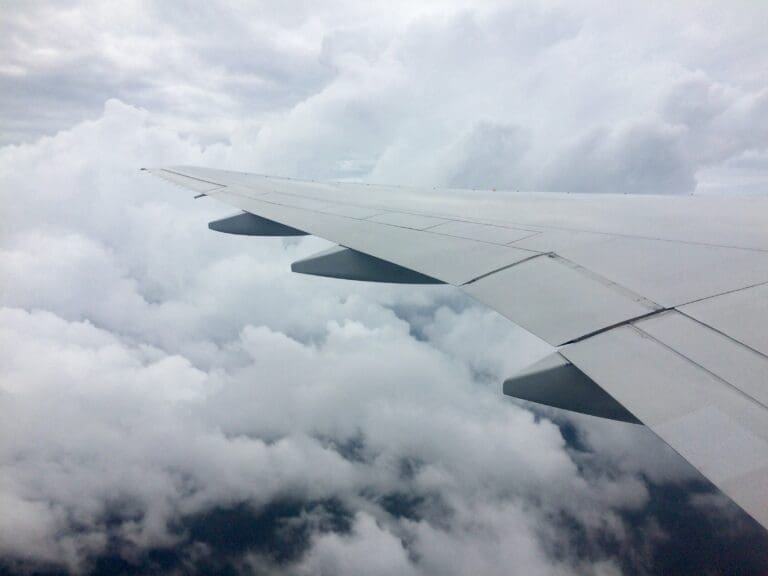
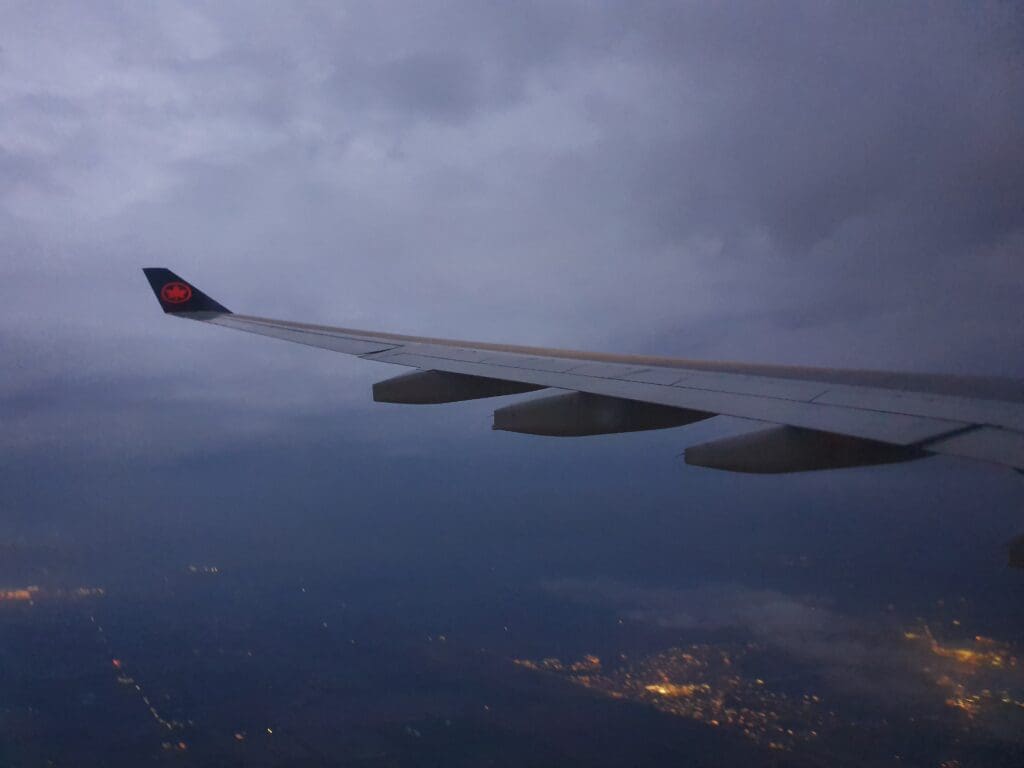
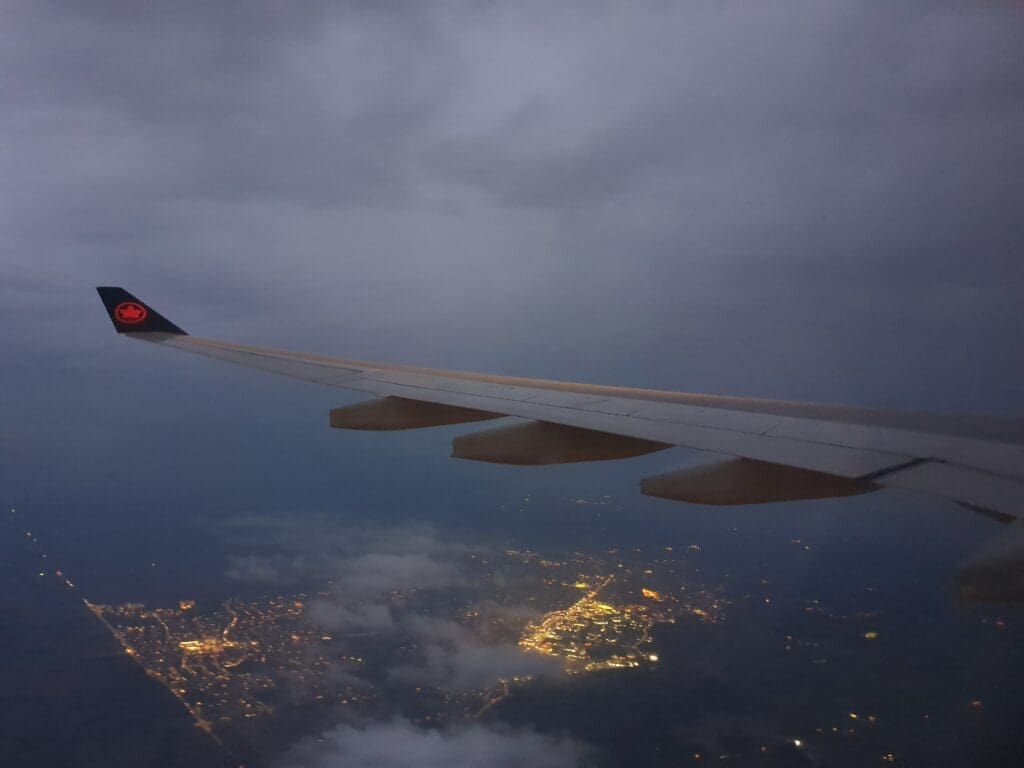
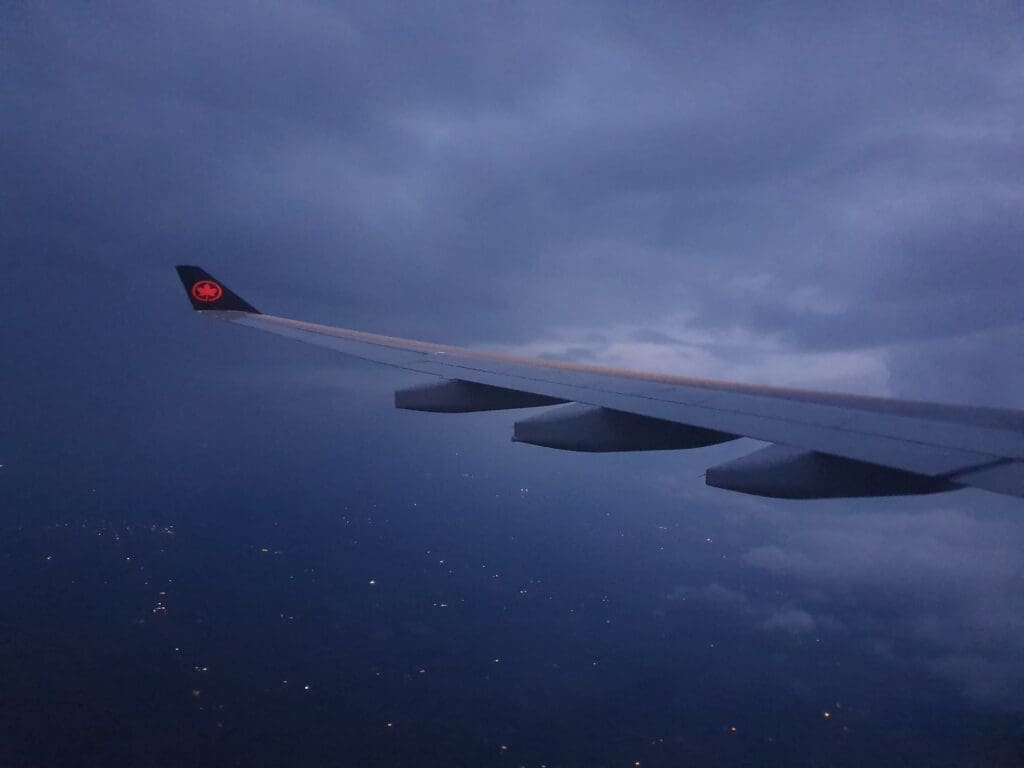
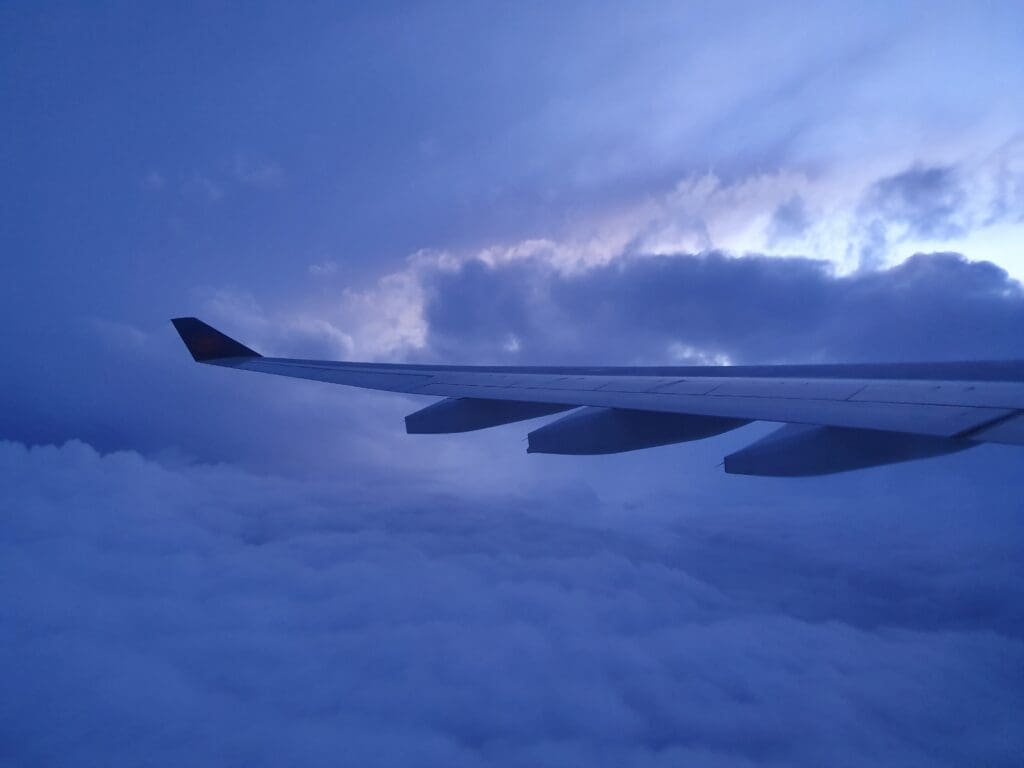
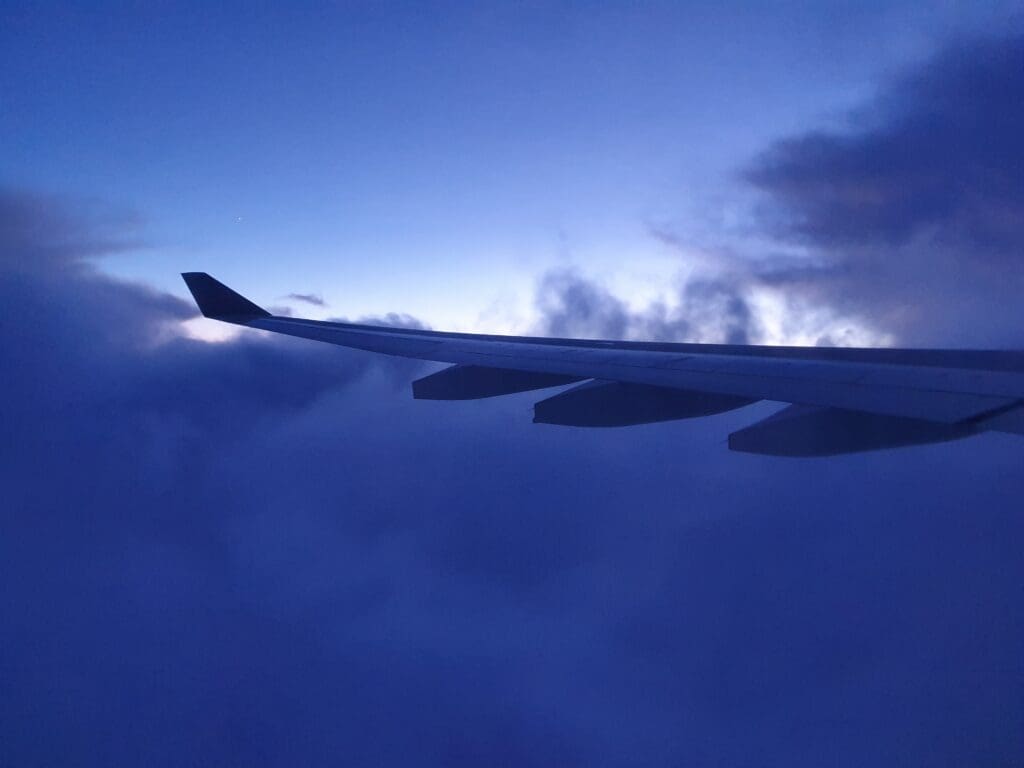
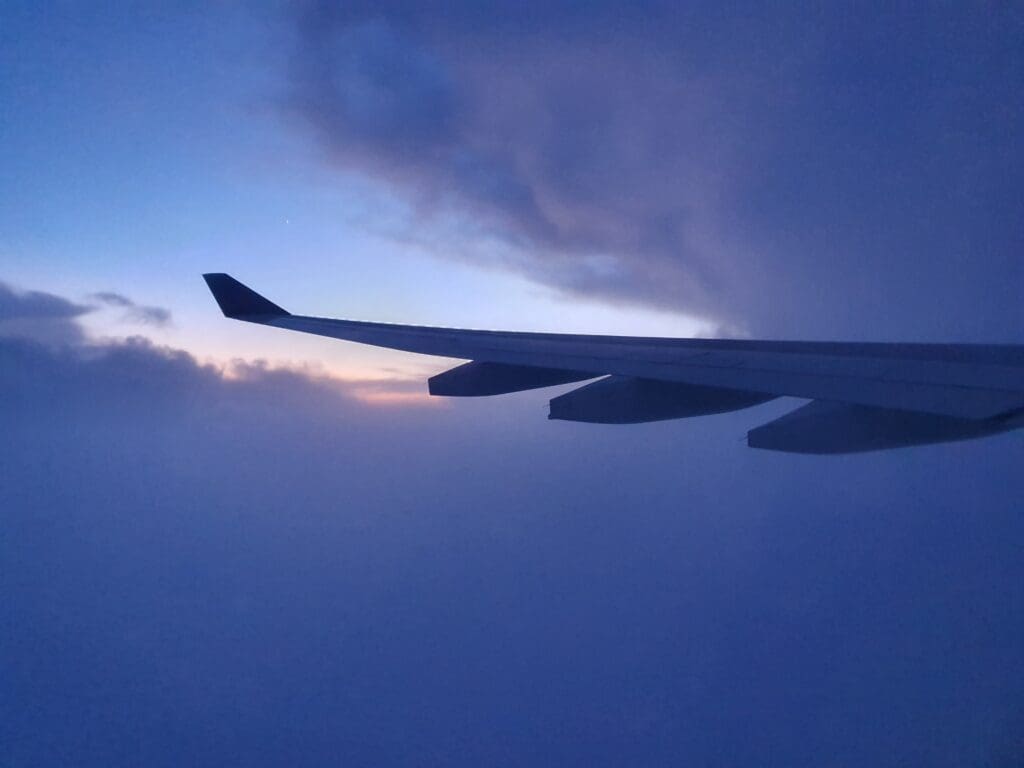
Around ten minutes after the flight’s departure, the Airbus climbed through the clouds and things brightened up a little thanks to the dusk light outside. Once things had smoothed out a little, the seatbelt signs were extinguished, the cabin lights were turned back on and passengers’ inflight entertainment screens became useable. At this stage, the flight attendants commenced their service which commenced with the distribution of Air Canada’s CleanCare+ kits. This was then followed by the handing out of Air Canada’s typical low-quality Economy headphones before commencing the Air Canada Bistro buy-on-board service.
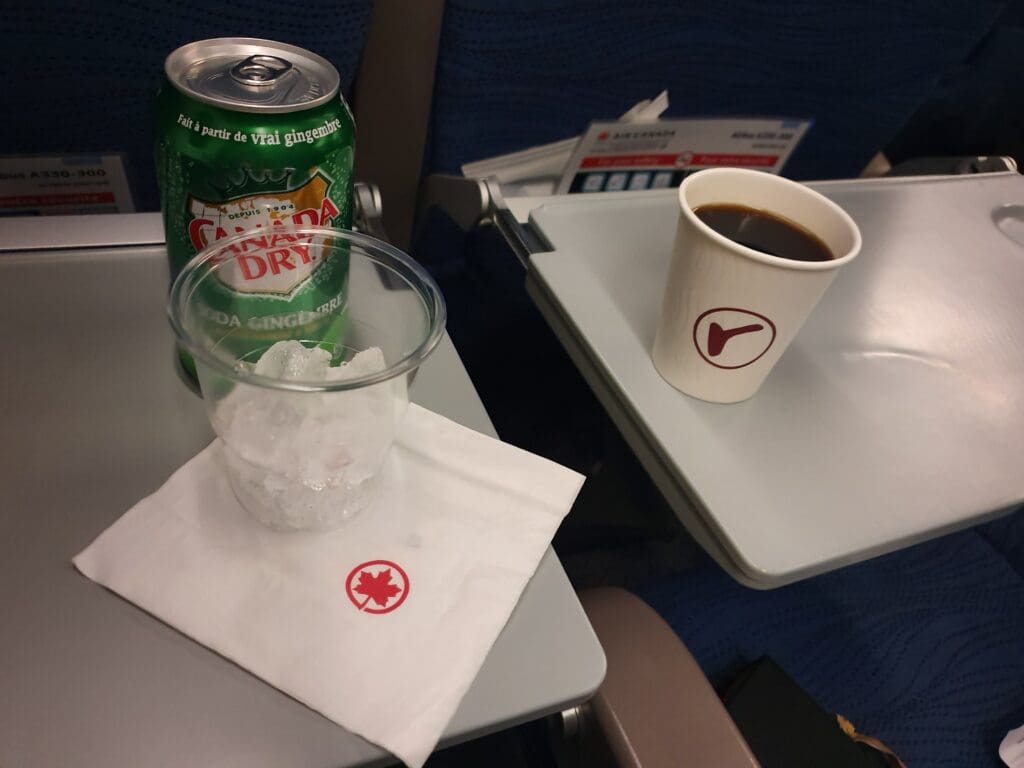
That evening, it appeared that few passengers opted to make any purchases. so the crew were able to speed through the cabin, after which they handed out small bottles of water before conducting a full soft drink service. Unlike my previous interactions with the crew and those that I had witnessed, the two crew members undertaking this service in my aisle appeared to be relatively friendly and I opted for a ginger ale and a black coffee. As appears to be standard on Air Canada, I was handed the full 355ml can of Canada Dry ginger ale, along with a cup with ice, my coffee and an Air Canada branded serviette. However, unlike on the shorter flights I had taken with Air Canada, no bag of pretzels was served along with these. After receiving my drinks, I decided to turn to my pre-purchased inflight meal. Focusing on the wrap, this proved to be a little dry however it was of a decent size, perfectly edible and satisfactory enough for the flight across Canada that evening.
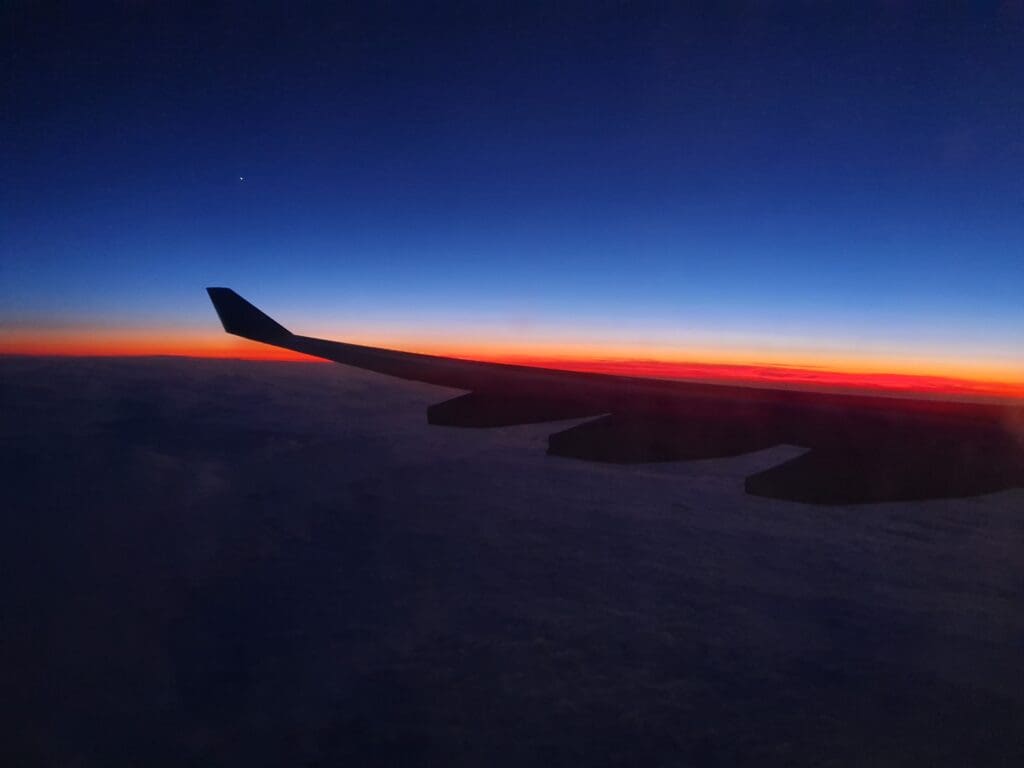
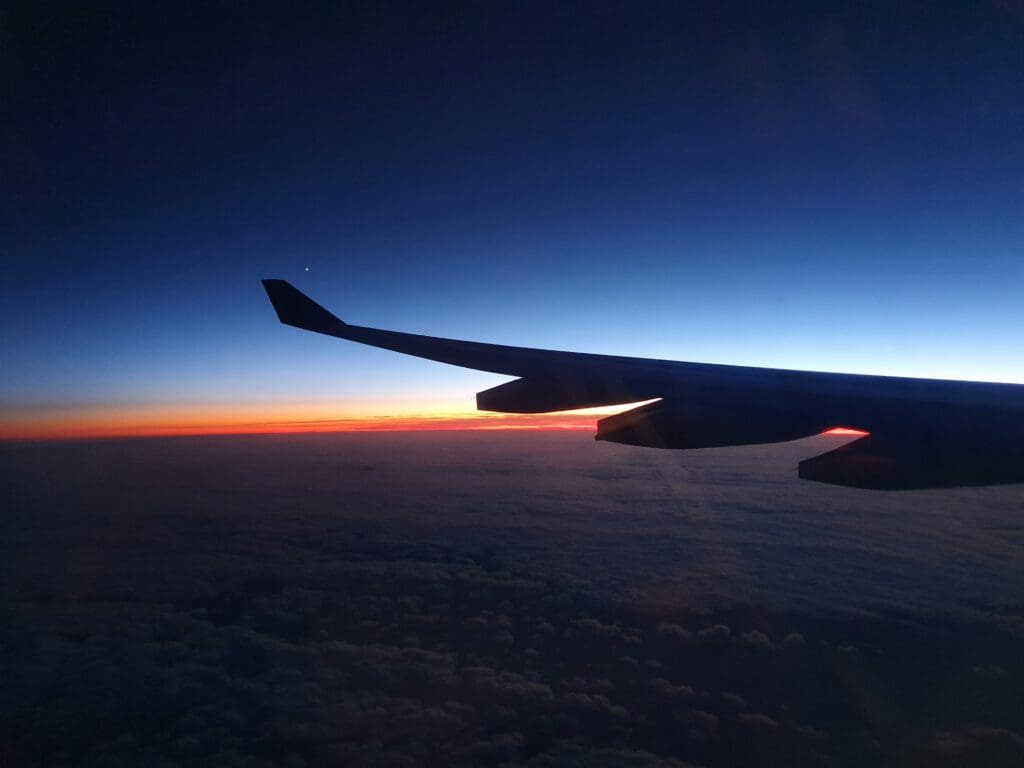
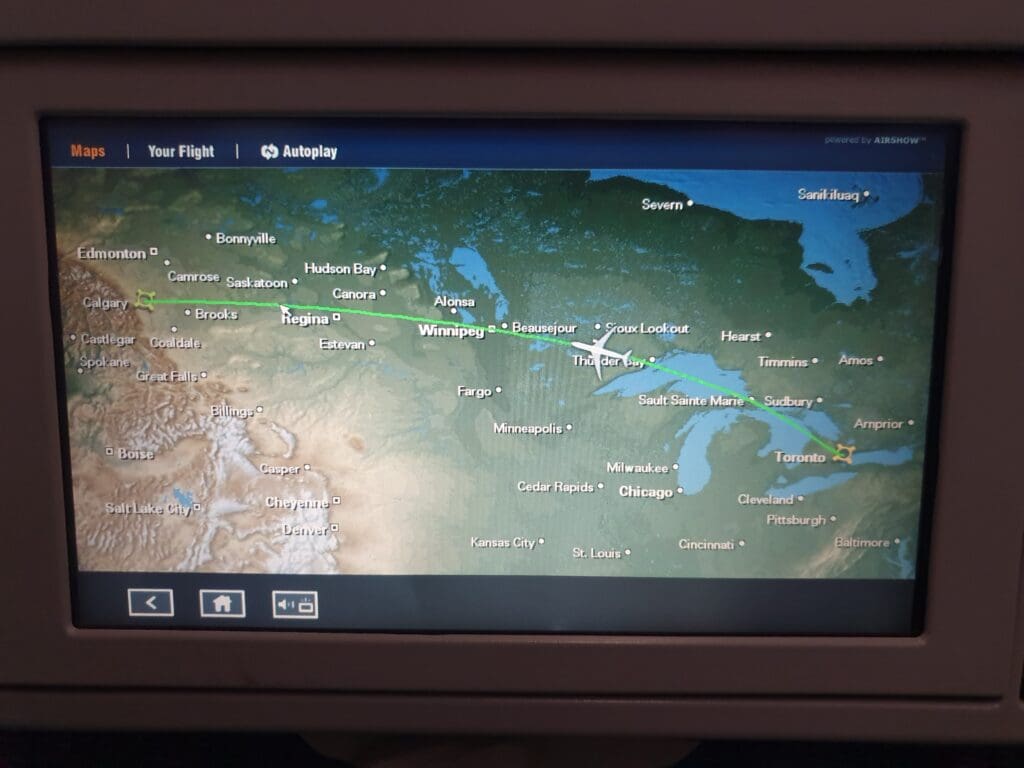
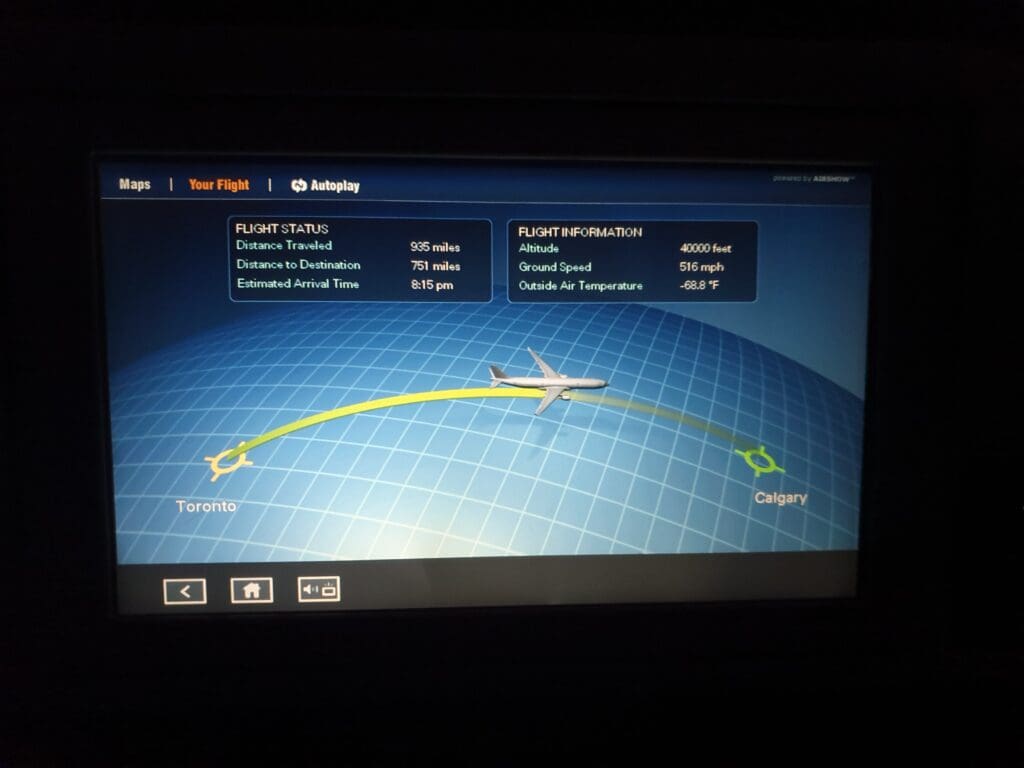
Returning to the world outside, for the first hour or so of the flight, the Airbus chased the sunset westwards across Ontario before the dusk light slowly faded and the skies darkened. After heading across Lake Huron, the aircraft cut across Cockburn Island before crossing the American border and passing over Michigan’s Drummond Island. In the eight minutes that followed, the aircraft passed over the border between the two countries a further four times around Sault Ste. Marie! Heading back into American airspace, the aircraft made a thirty-minute crossing over Lake Superior before passing over Isle Royale and entering Canadian airspace once again to the south of the Ontarian city of Thunder Bay. That evening, the aircraft cruised across Canada at a relatively high cruising altitude of 40,000 feet.
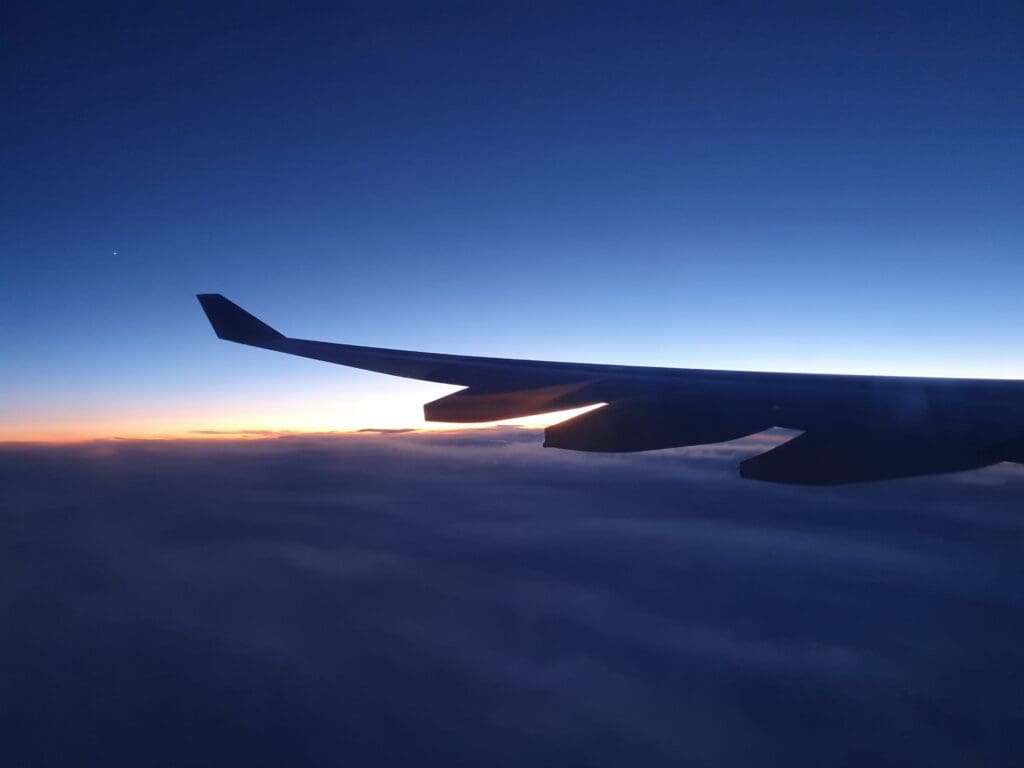
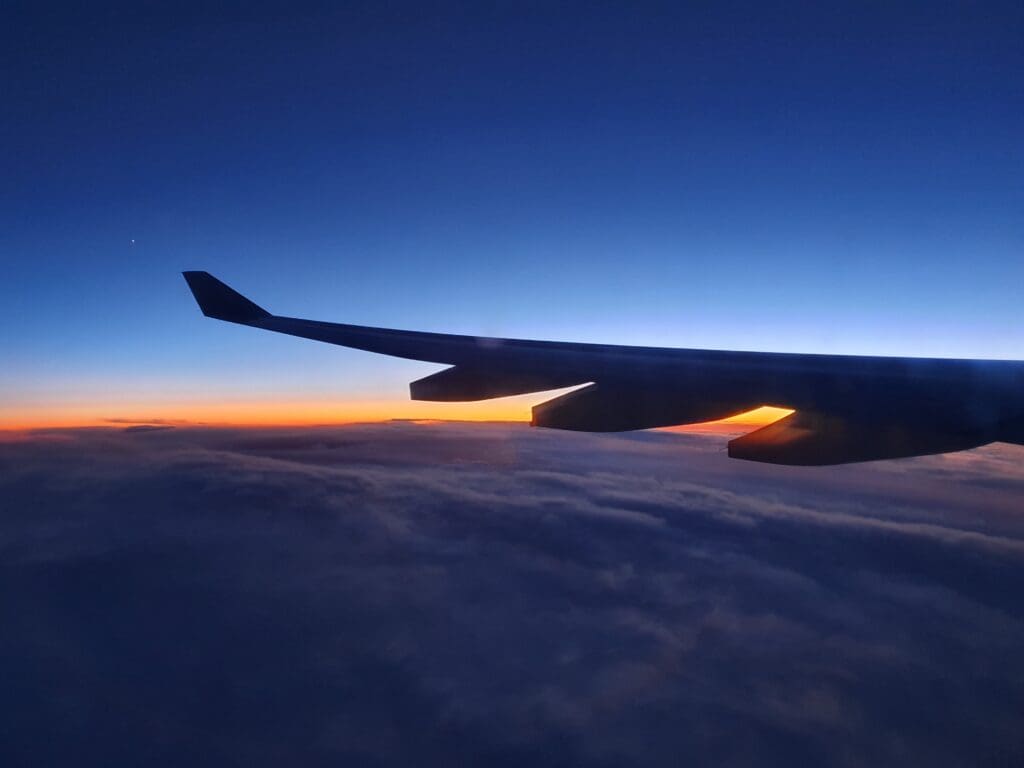
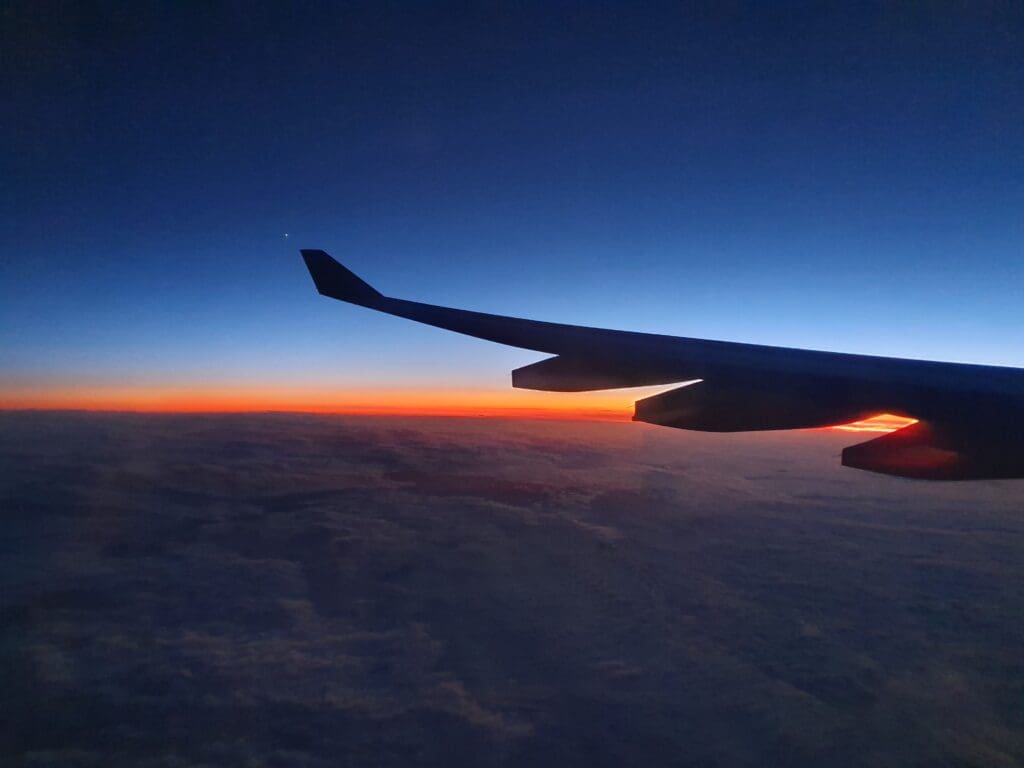
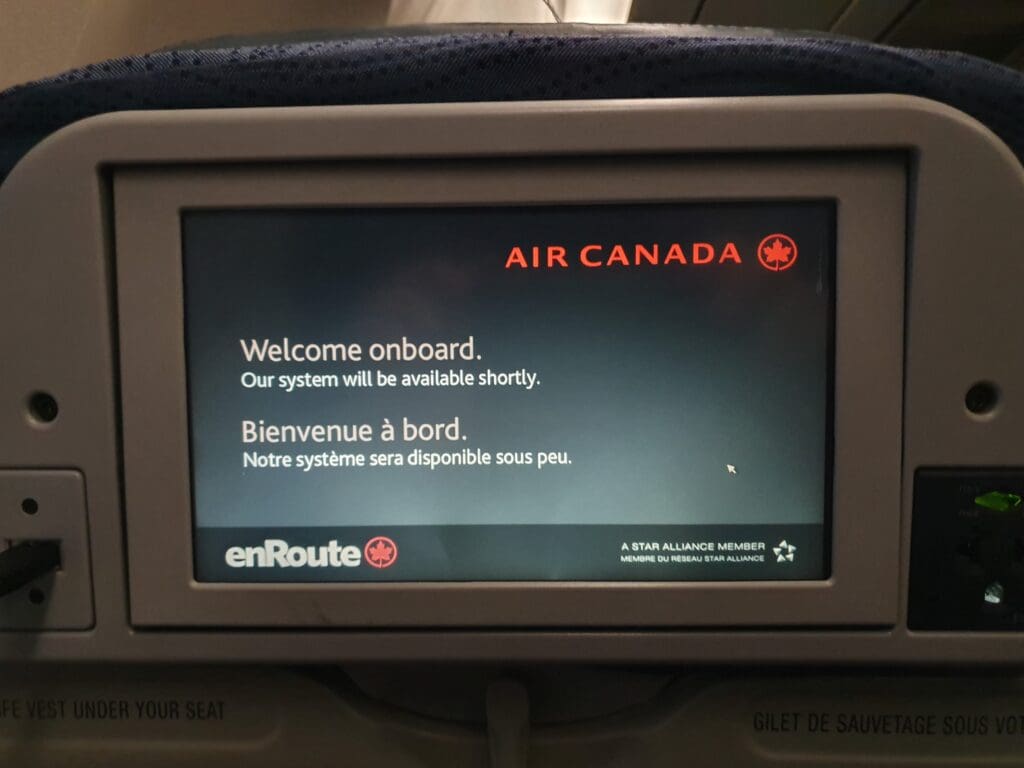
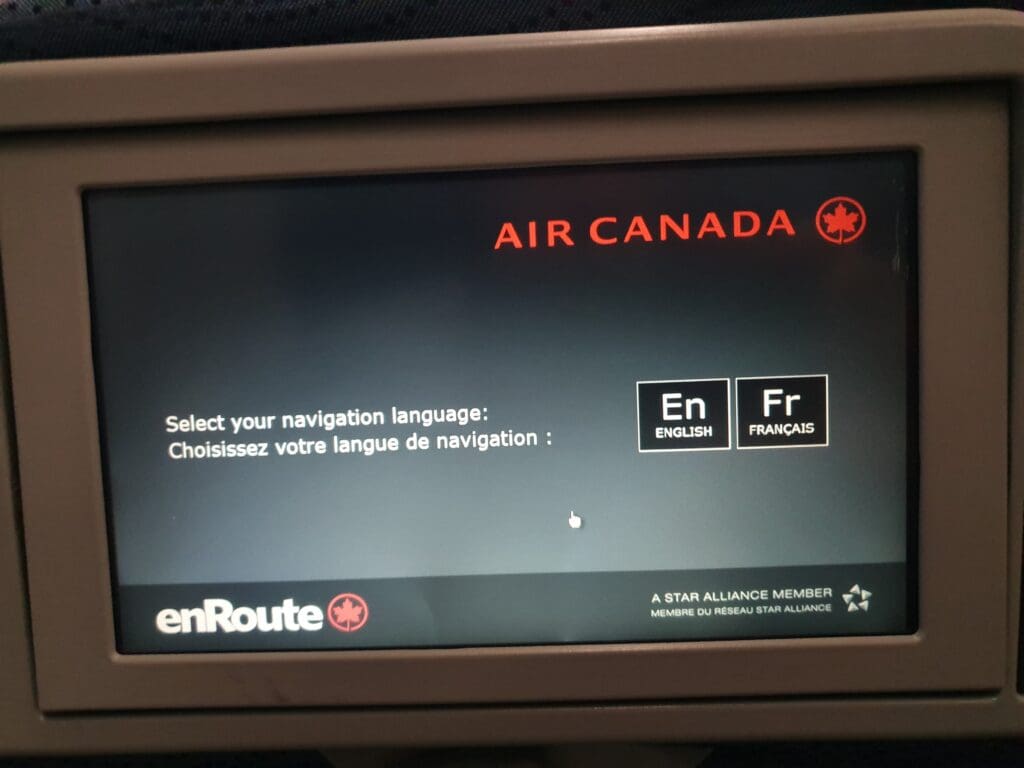
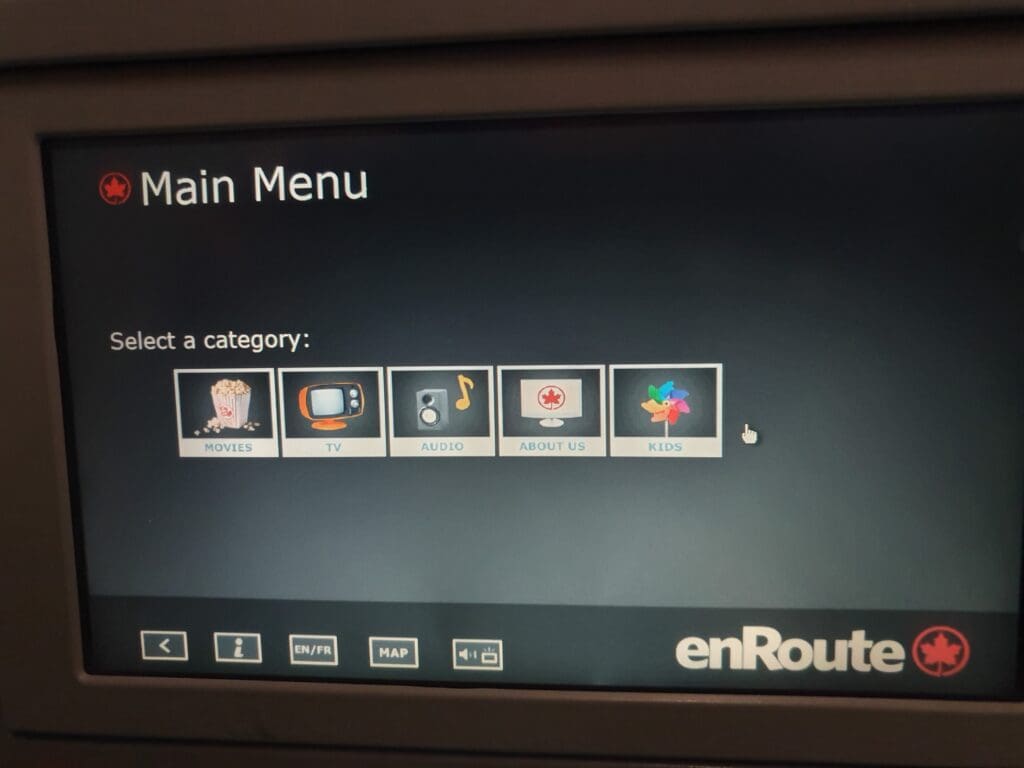
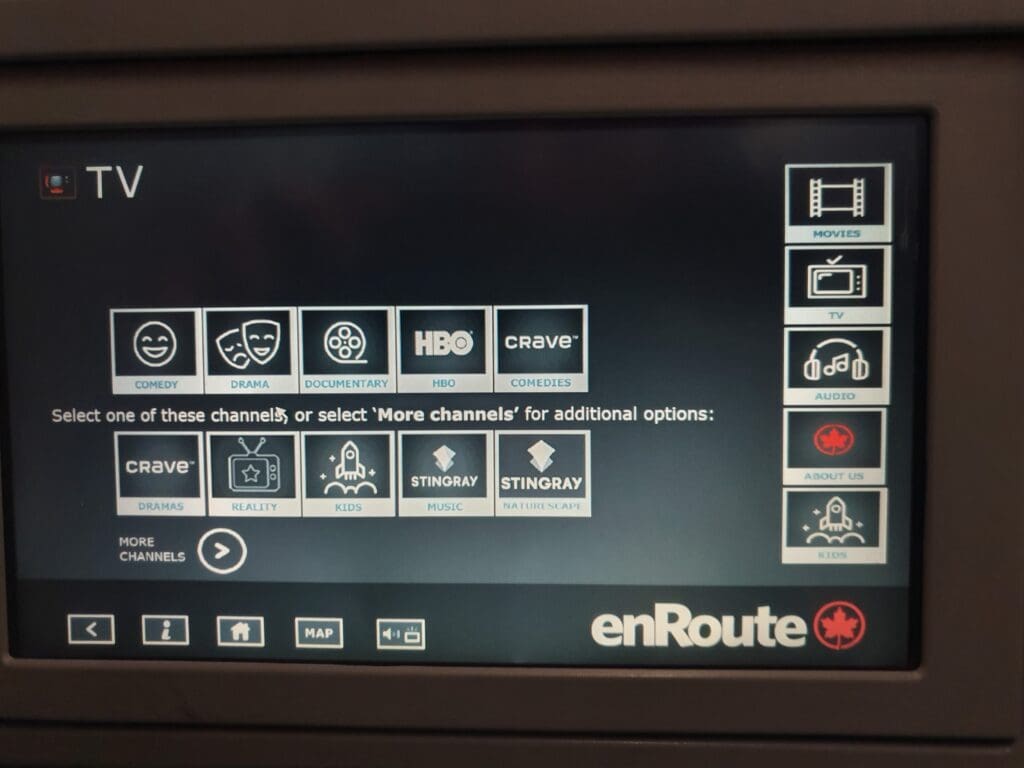
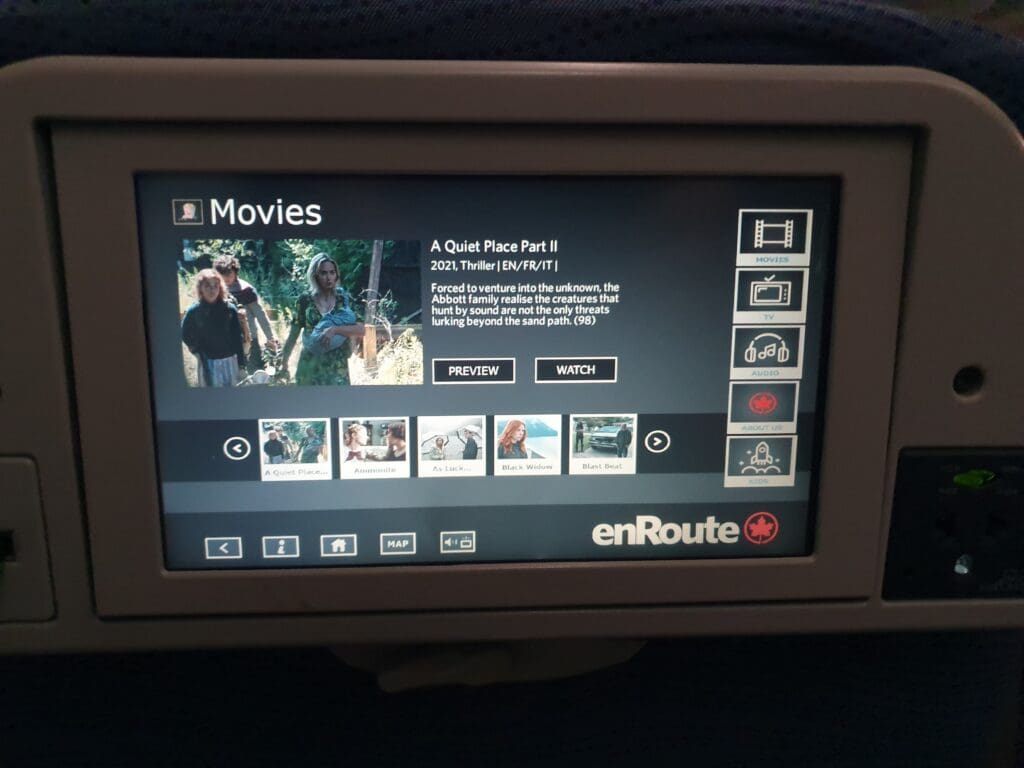
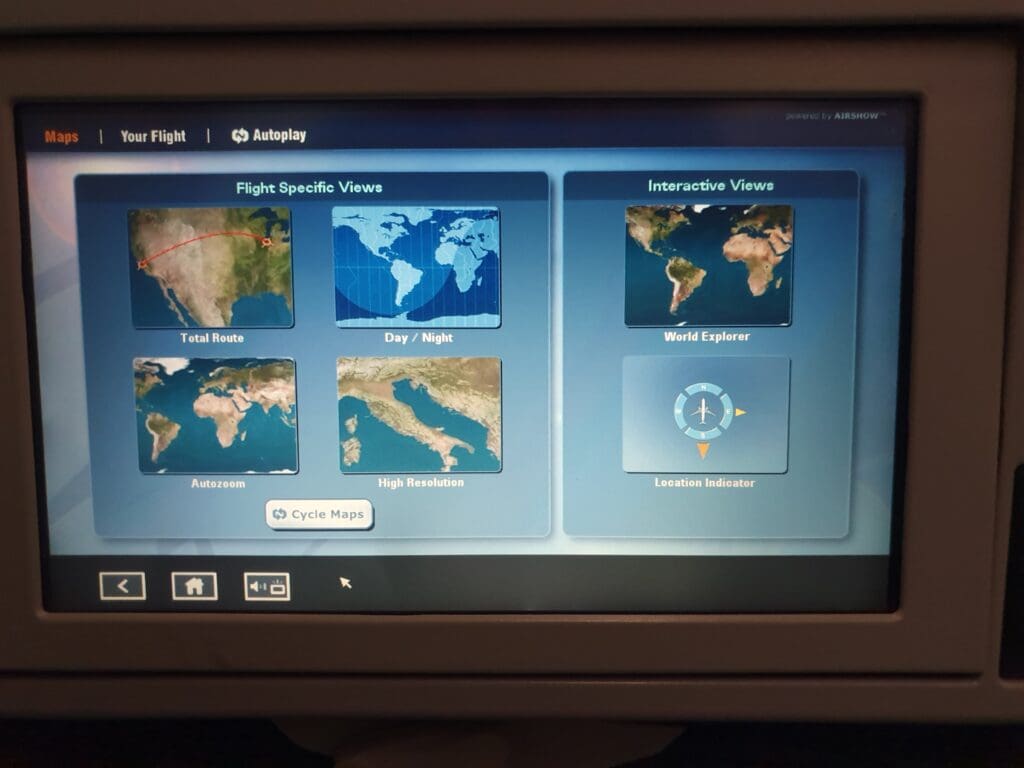
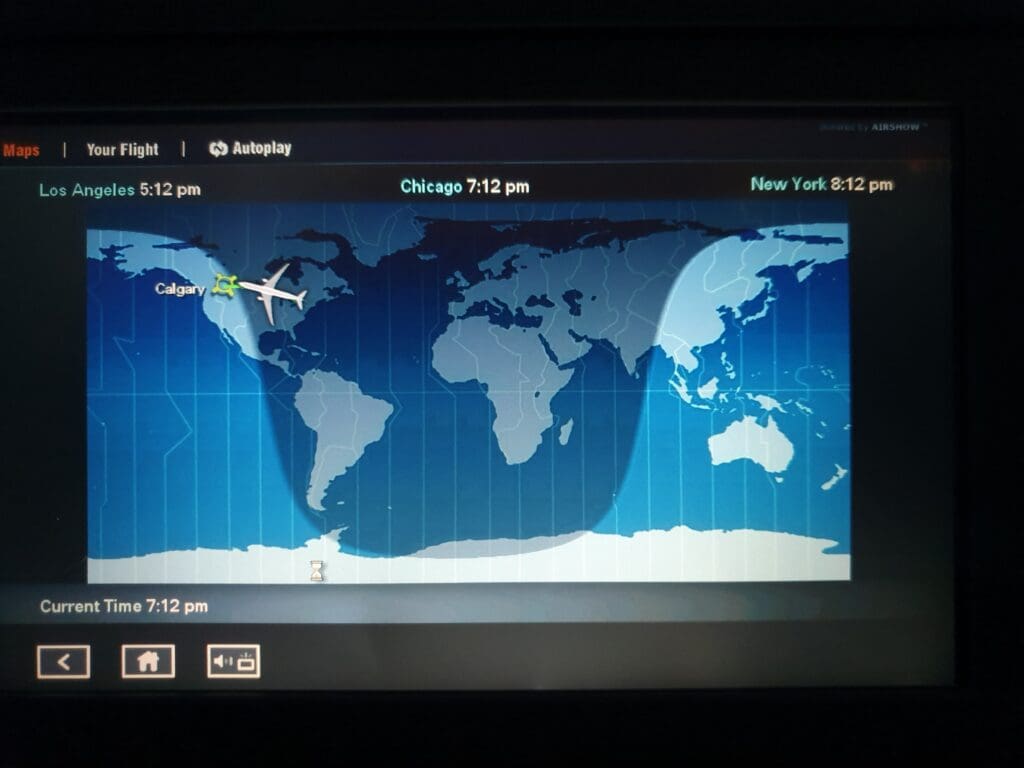
Thanks to the darkness and clouds below there was little to see outside and so I decided to explore the enRoute entertainment system. In terms of layout and design, this appeared to be vintage and less user-friendly compared to the inflight entertainment system onboard Air Canada’s newer additions. Whilst the systems on the airline’s newer aircraft are offered in fifteen different languages, onboard that particular Airbus A330 this could only be used in two – English and French. However, as one would expect, this did contain the same diverse array of content as is featured on the newer inflight entertainment system. That said, the system appeared to take a much longer time to load, with the transition between screens lasting several seconds, and freezing on multiple occasions. Whilst this may have annoyed some, not intending to watch anything, this was not too much of a grievance to me that evening. Instead, I loaded up the Airshow moving map and watched as the aircraft trundled westwards across Canada. Alongside the inflight entertainment system, wifi is advertised however as had been the case onboard the Boeing 777 I had taken across the Atlantic the previous week, upon connecting to this I was presented with nothing other than a blank screen when attempting to load the welcome page for this.
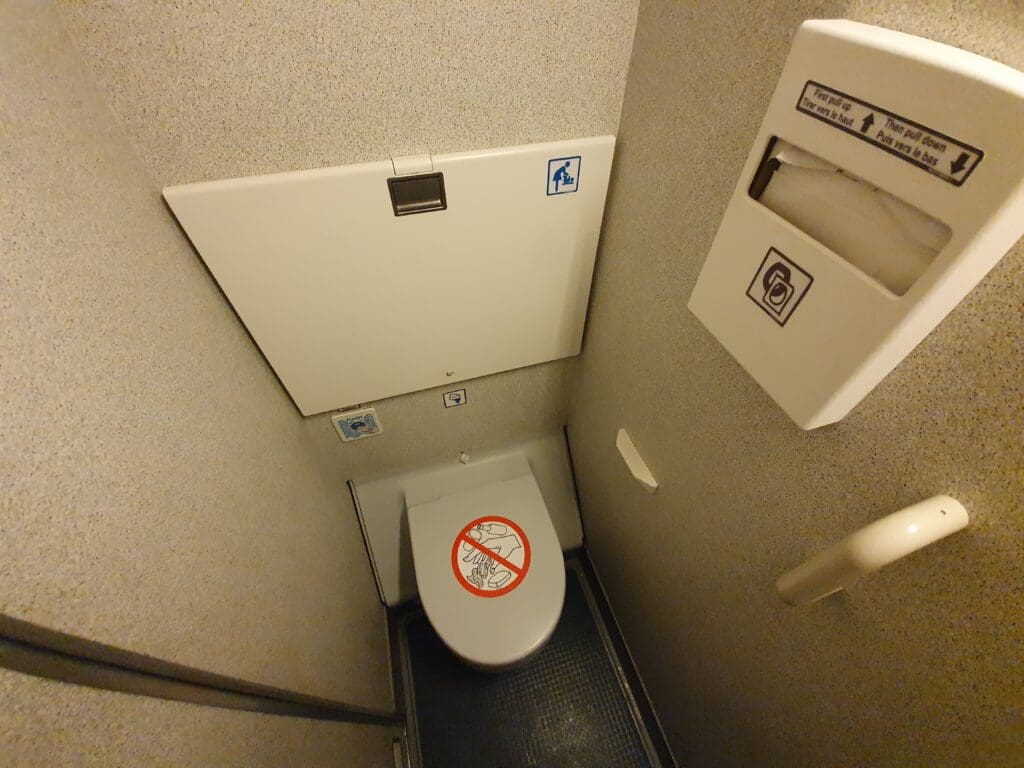
Once all rounds of inflight service had been completed, the main cabin lights were turned off and the cabin fell into darkness. A short while later I had some interaction with a fellow passenger who was sitting behind me who asked whether I knew how to turn on the overhead reading light. After showing them the location of the in-armrest button for this, we had a brief conversation during which it was revealed that they were a musician specialising in Scottish traditional music, heading off to Calgary to play their first concert since the onset of the pandemic. Once I had wished them luck, I decided to make a quick trip to one of the six lavatories in the Economy cabin – two of these sit at the rear of the aircraft whilst the remaining four are located between the forward and rear Economy cabins. Despite being slightly dated, I found these lavatories to be clean and stocked with all the basic amenities that a passenger would expect to find in an aircraft lavatory.

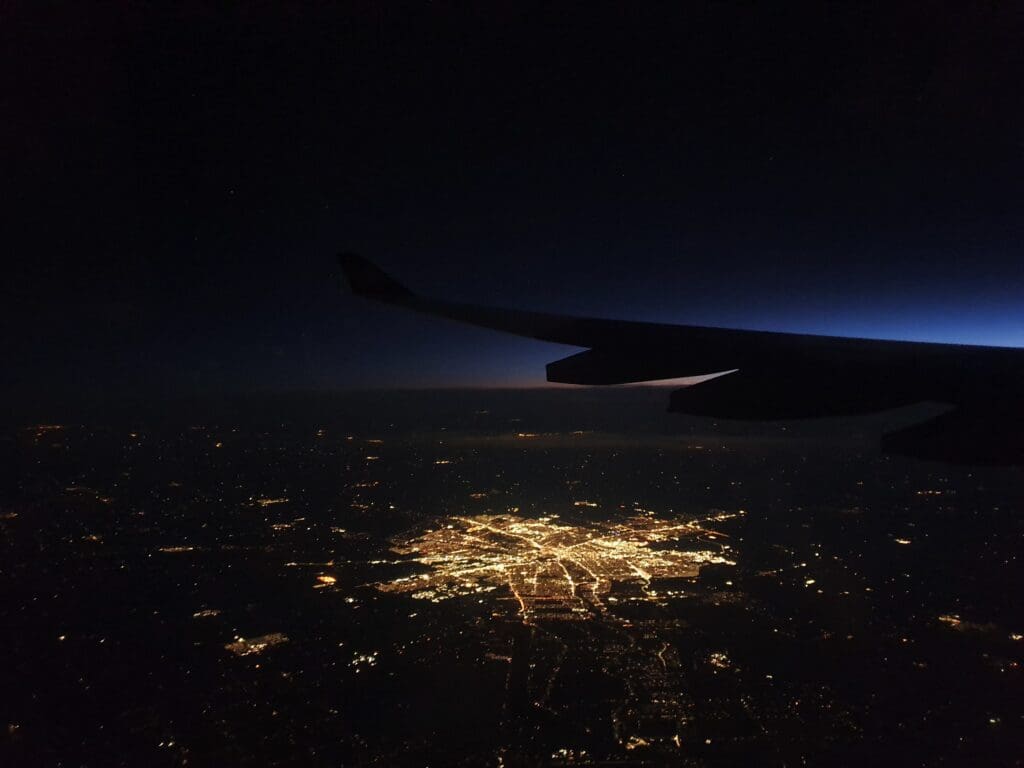
By the time I had returned to my seat, the clouds had parted a little and the orange lights of passing settlements that straddle the border between Ontario and Minnesota could be seen to the south of the aircraft. Following a long crossing of Ontario, almost two hours after leaving Toronto, the aircraft crossed over into the skies of Manitoba. With few settlements below, very little could be seen until the bright glow of the province’s capital, Winnipeg appeared around a third of the way across the province. Compared to the long journey across Ontario, the aircraft made a much shorter crossing of Manitoba, with this lasting around 35 minutes before the aircraft crossed over into Saskatchewan at which point clouds rolled in below.
At 1930 Mountain Standard Time, several flight attendants passed through the dark cabin handing out small 240ml bottles of Air Canada branded water to those who opted for these. Needing to stay hydrated, I opted for one which was passed to me without a word. At 1945, the aircraft crossed the border from Saskatchewan to Alberta just to the north of Alsask – an area whose name derives from the two provinces! At this time, the First Officer’s voice filled the cabin, informing all passengers that the aircraft would shortly commence its descent before giving a brief update on the weather in Calgary – 12 degrees and clear skies, closing this with a mention that they expected the aircraft would touch down ahead of schedule at 2017. A minute or so after this ended, the aircraft could be felt leaving its cruising altitude at which point I decided to make a second trip to the lavatory, thankfully finding this to still be in a reasonable condition as the flight neared its end.
As it happened, I made it back to my seat moments before the Airbus hit a patch of particularly rough turbulence at which point the seatbelt signs were promptly reilluminated. This was followed by the usual announcement requesting all passengers to return to their seats, fasten their seatbelts and ensure these remained fastened until we arrived at the gate in Calgary. Fortunately for those not too keen on being thrown about, this did not last long and once things calmed down the crew passed through the cabin collecting passengers’ rubbish. This was then followed by a check to ensure all was in place for our arrival, during which once again the crew failed to notice that the passenger in front of me had their seat in the reclined position.
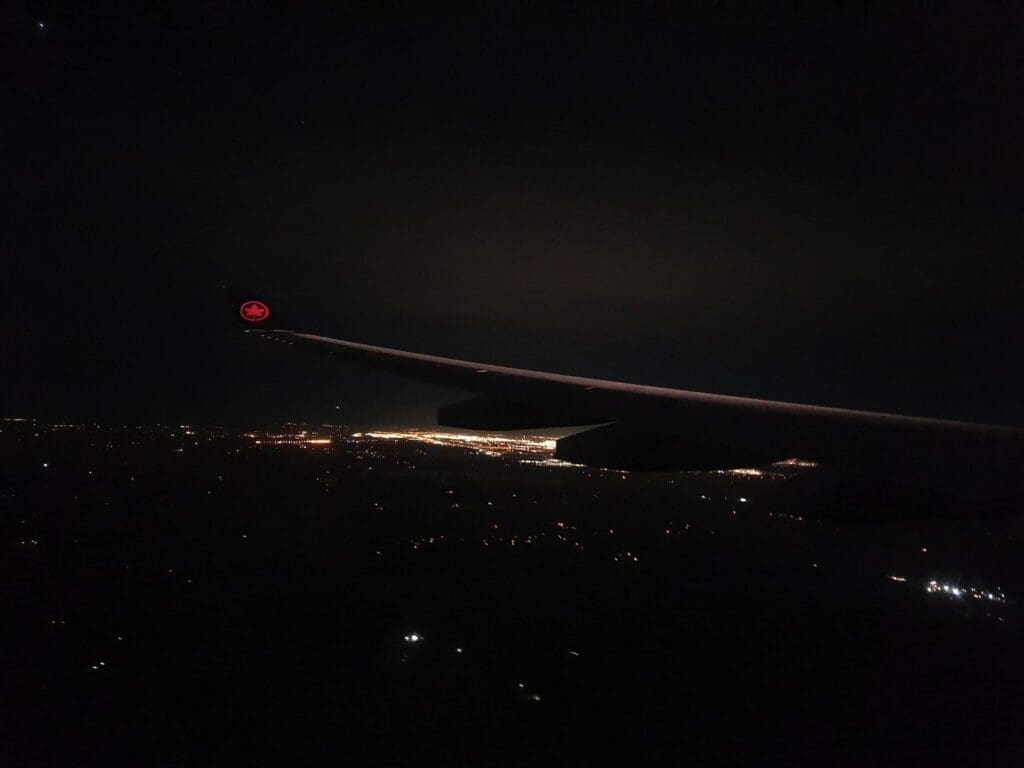
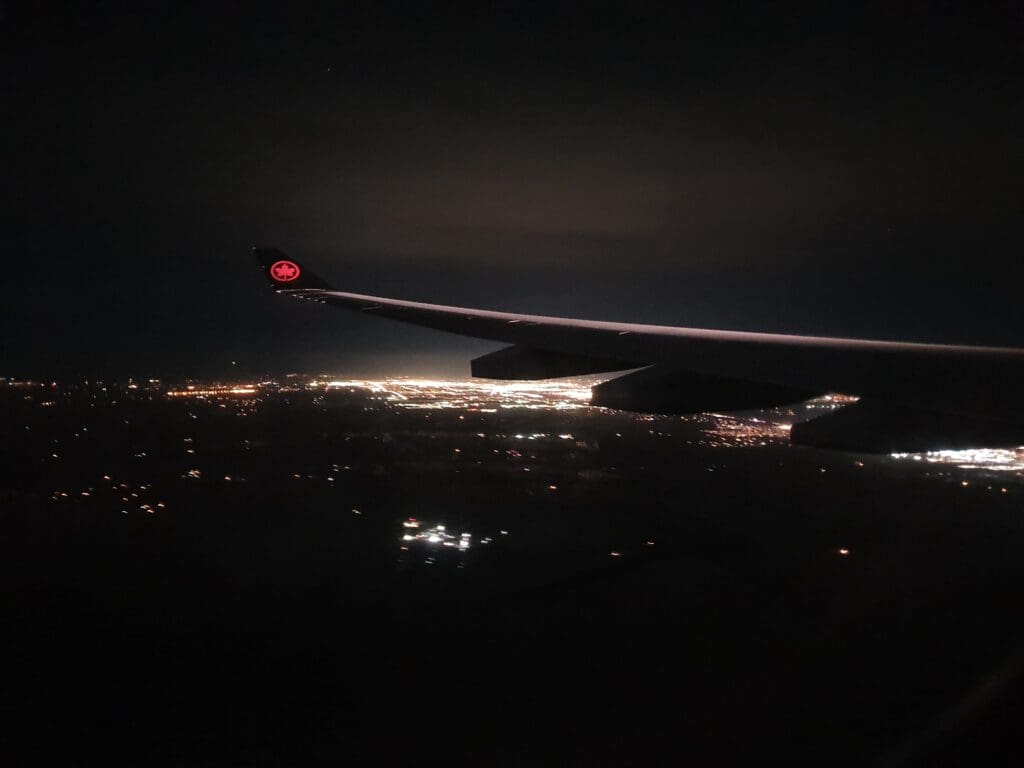
Approaching Calgary from the east, the aircraft passed over Lawsonburg, Rainbow and Drumheller before banking slightly. That evening, few turns would be required to line the aircraft up for a landing on Calgary Airport’s Runway 17L. In the usual manner, as the aircraft sank further the flaps were extended, followed by the landing gear once the aircraft was lined up for its approach, with this taking the aircraft over Airdrie and Balzac. After passing the collection of factories and warehouses to the north of the airport, at 2015 the Airbus made a gentle touchdown in Alberta which was followed by some harsh braking, indicating that the pilots wanted to minimise taxi time that evening. As the aircraft quickly decelerated, a small round of applause broke out and one of the flight attendants performed a welcome announcement as the aircraft taxied right off the runway.
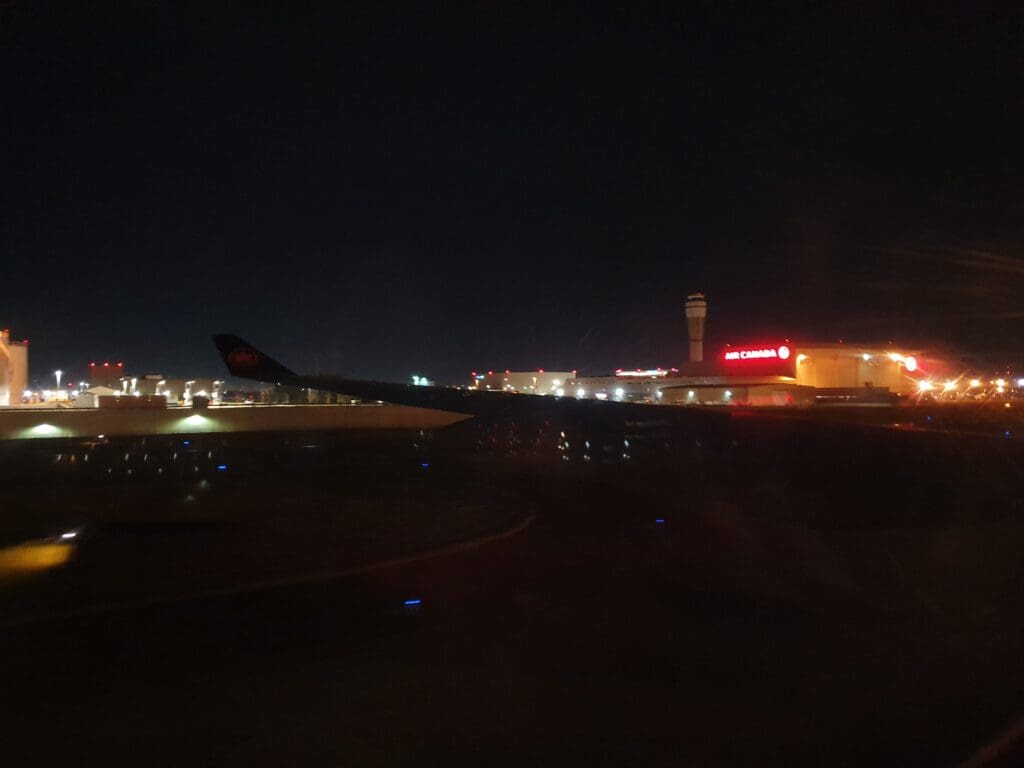
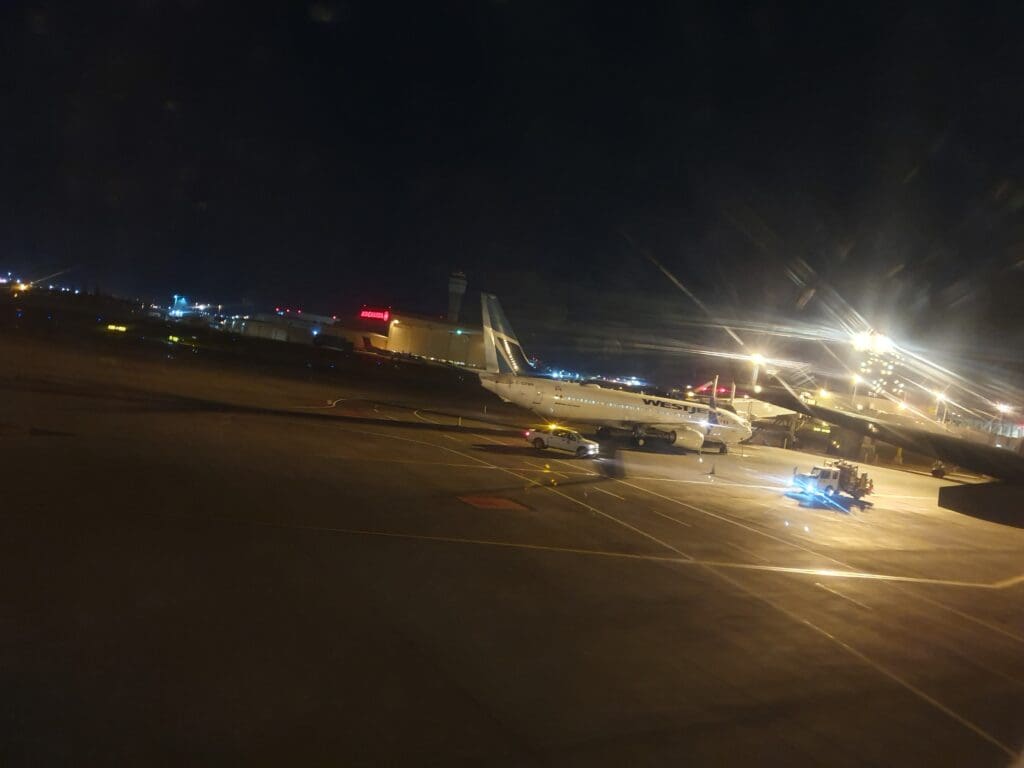
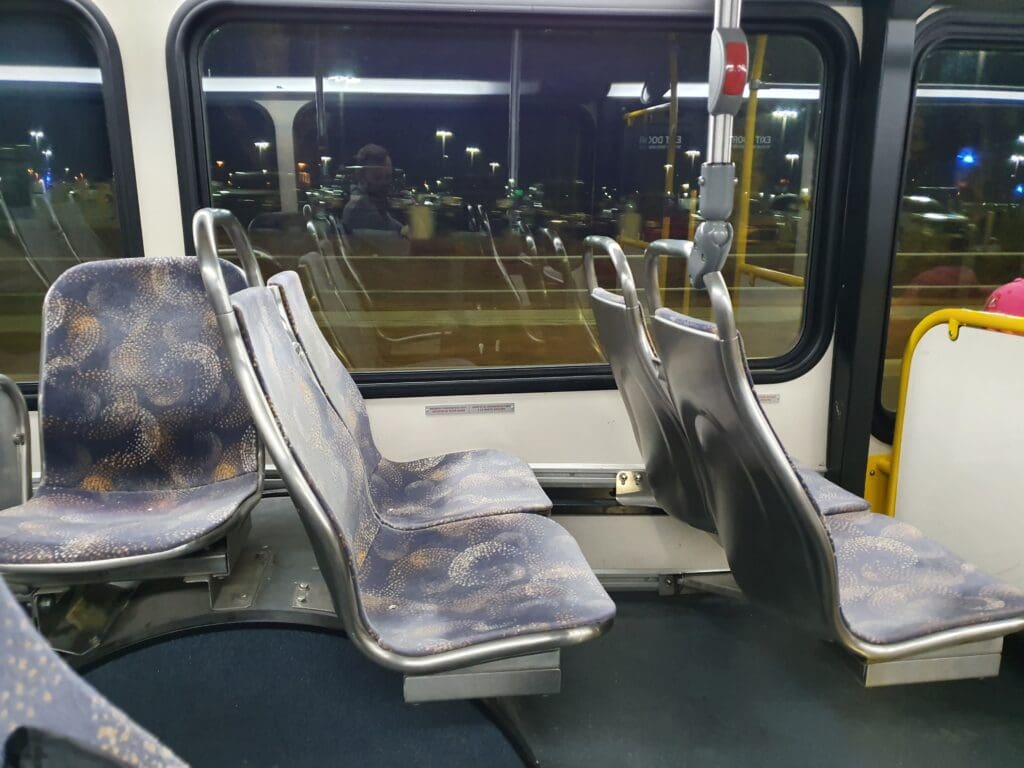
After vacating the runway, the aircraft made a cautious and slow taxi over to the terminal, passing an Air Canada hangar where a Dash 8 Q400 could be seen. Three minutes ahead of schedule, the aircraft slowly approached the latest portion of the airport, before coming to a squeaky halt at Gate 75 next to a WestJet Boeing 737 that had arrived from Victoria earlier that evening. Once the two Rolls-Royce engines spooled down, many passengers jumped up and long queues quickly formed in both aisles. Fortunately for those in a rush to leave, a jet bridge was soon connected to the L2 door and disembarkation commenced within a couple of minutes of the aircraft coming to a stop. After a few minutes spent shuffling forwards through the now messy cabin, at 2030 I thanked the crew member wishing passengers farewell and stepped onto the chilly jetway before making my way up into the modern terminal. Once inside the terminal, the walk over to the arrivals area was surprisingly long, fortunately, I did not have much luggage to lug through the airport that day and once through to the landside area I made it to the bus stop just in time for the next bus service to the city centre.
Conclusion
Given the relatively low fare that I paid to fly across Canada that evening, my experience onboard one of Air Canada’s older Airbus A330s left me with few complaints. I arrived in Calgary on time and in one piece and found the aircraft to be comfortable and clean. Granted, even to the untrained eye, the cabin of this aircraft appeared to be somewhat dated and the entertainment system was rather slow and clunky, however given the length of the flight and having no intention to use this, this proved not to be an issue. However, had I been flying on a long haul service onboard that particular aircraft, I may have been left with a few more complaints regarding the entertainment system.
My only real qualm about the flight that evening sits with the crew, the majority of whom appeared to be snappy and simply unhappy to be at work. Whilst my experience of Air Canada’s crew up until this point had been mediocre, a number of interactions I witnessed between the flight attendants and other passengers on my flight to Calgary just seemed to be outright rude and lacking any element of good customer service. Whilst this was not enough to completely put me off flying with Air Canada again, it did not leave the best impression and brought down what would have otherwise been a very good flight.