A Spectacular Helicopter Ride: Svínoy to Vágar on an AW139
You can read about my outbound helicopter ride from Vágar to Klaksvík here!
Background
As far as my trips go, this one was to be on the more adventurous side of things. Starting the day in the Faroes’ second largest settlement, Klaksvík and needing to end it in the capital, Tórshavn, I had two options for getting between the two – bus or helicopter. Of course, being an aviation enthusiast I went with the latter option! Seeing as Atlantic Airways’ services between Klaksvík and Tórshavn operate direct without stopping off at any islands on the way, I spent some time carefully analysing the carrier’s helicopter schedules, as well as those of ferries to the Northern Isles to see if I could take a more roundabout route whilst still abiding by the operator’s booking rules. That is, passengers can only book a one-way trip on a helicopter service on a particular day. In the end, I deciphered that the way to catch as many hops as possible was to start my helicopter ride in Svínoy, a small island that sits between the islands of Borðoy and Fugloy in the far north of the archipelago. To get there, I would catch a ferry across from Hvannasund, a small settlement on Borðoy, a short bus ride away from Klaksvík. However, with the ferry arriving in Svínoy at 0915, and the helicopter departing at 1447, I would be left with plenty of time to explore the small island. Booking my ticket a week before departure via Atlantic Airways’ website, whilst I had intended on disembarking in Tórshavn, failing to pay much attention when booking, I mistakenly entered Vágar into the destination field and only noticed my error after paying for my ticket! Whilst I had considered contacting the carrier and requesting to disembark in Tórshavn, seeing as this would bag me an extra two legs, after double checking the bus schedules from Vágar Airport to Tórshavn, I decided against this.
Having remained on the Faroes’ ‘tourist trail’ up until my trip to Svínoy, unlike all of the other places I had visited on the islands, I was able to find very little information on the island before my adventure. Home to a little over thirty inhabitants as per the latest statistics, Svínoy is one of the least populated Faroese islands. Much to my surprise, although indicative of its remoteness, the island was out of reach of Google Maps data, with this providing no road map or decent quality satellite imagery, although an image search revealed its topography to be expectedly rugged, rocky and hilly like many other islands. Meanwhile, Wikipedia informed me that the island’s name could be translated as ‘Swine Isle’, the island is home to a single settlement and the coastline had been designated as an Important Bird Area. Needless to say, my trip was going to be quite an adventure!
The Journey
Following my two-night stay in Klaksvík, I woke up bright and early on the morning of my adventure, still needing to pack my things and get ready for the day ahead. Once all was packed, with no instant coffee provided at my accommodation, and having not wanted to invest in a large and expensive jar of coffee, after having a quick shower I popped out to the nearby petrol station for a surprisingly decent quality machine made Americano. Sipping this as I made my way back uphill to the Airbnb apartment, once there I undertook my final pre-journey checks, ensuring that I had everything before heading back out onto the quiet morning streets. Whilst the weather had been overcast and a little drizzly for my entire stay in Klaksvík, that morning I was delighted to be greeted by clear sunny skies, which was just as well seeing as I would have to spend plenty of time outside that day! Walking downhill through the residential streets of Klaksvík, I arrived at the harbourside and walked along this until I reached Klaksvík’s bus terminal – a rather inconspicuous-looking blue shelter home to a locked waiting room and toilet. There, the only sign of this shelter’s purpose as a bus station took the form of a poster on the wall with various bus times. However, slightly worryingly, the number 500 service bound for Hvannasund was not listed on this, although reassuringly a short time after my arrival several fellow passengers, tourists who were also heading off on the ferry, arrived.
Thankfully, just before the bus’ scheduled departure time of 0815, a small blue Iveco minibus appeared and I soon boarded this where I was greeted by a friendly driver. After paying the 20kr for the one-way trip by contactless card, I received my ticket and took my seat, opting to sit on the left-hand side of the bus in the hope that this would offer good views during the short journey. Once all passengers had boarded, the door closed and the bus headed along the harbour, before leaving Klaksvík behind and heading into the first of two long tunnels cutting under some of Borðoy’s mountains. Following a scenic journey that took us along a couple of fjords, a little under twenty minutes after leaving the bus terminal, the bus arrived at the village of Hvannasund. Home to around four hundred residents, this is sandwiched between two large mountains and serves as the start and end point of ferry services to the islands of Fugloy and Svínoy. Following a short stop to drop off a passenger in the village, the bus made its way to the harbour before coming to a halt near the boat that would take us to the Northern Isles.
Once off the bus, I journeyed up the ramp and boarded the M/S Ritan, the ferry that operates between Hvannasund and Svínoy, Kirkja and Hattarvík throughout the year. From the outside, this ship bears much more of a resemblance to a fishing boat than a conventional passenger ferry and features a small crane at its stern used to lift cargo on and off the ferry. Upon boarding, I was advised to head down below to the lounge to purchase a ticket, and upon arriving there I parted with 40kr for a one-way ticket to Svínoy. Manufactured in the Hakvoort Shipyard in the Dutch town of Monnickendam, the M/S Ritan first took to the high seas in 1975 and judging by its retro appearance, the interior of the vessel appears to have undergone little change since then. However, this is complete with mod cons such as a hot drinks machine (although out of service that day), plug sockets and a complimentary wifi network which worked well for much of the voyage.
Once the crane had lifted some Svínoy bound metal troughs onto the vessel, the gangway was removed and the ship set sail. From the harbour, the Ritan voyaged along the calm waters of the Hvannasund allowing for spectacular views of the tall mountains on either side of the vessel. Soon enough, the ship left the sound and began to rock and sway as it crossed the choppy waters on its way to the island of Svínoy. Before I knew it, around thirty minutes after leaving the harbour at Hvannasund the ship approached Svínoy’s small concrete quay. Heading towards the rear of the vessel, the ship pulled alongside the quay and with no jetty I was literally forced to jump ship!
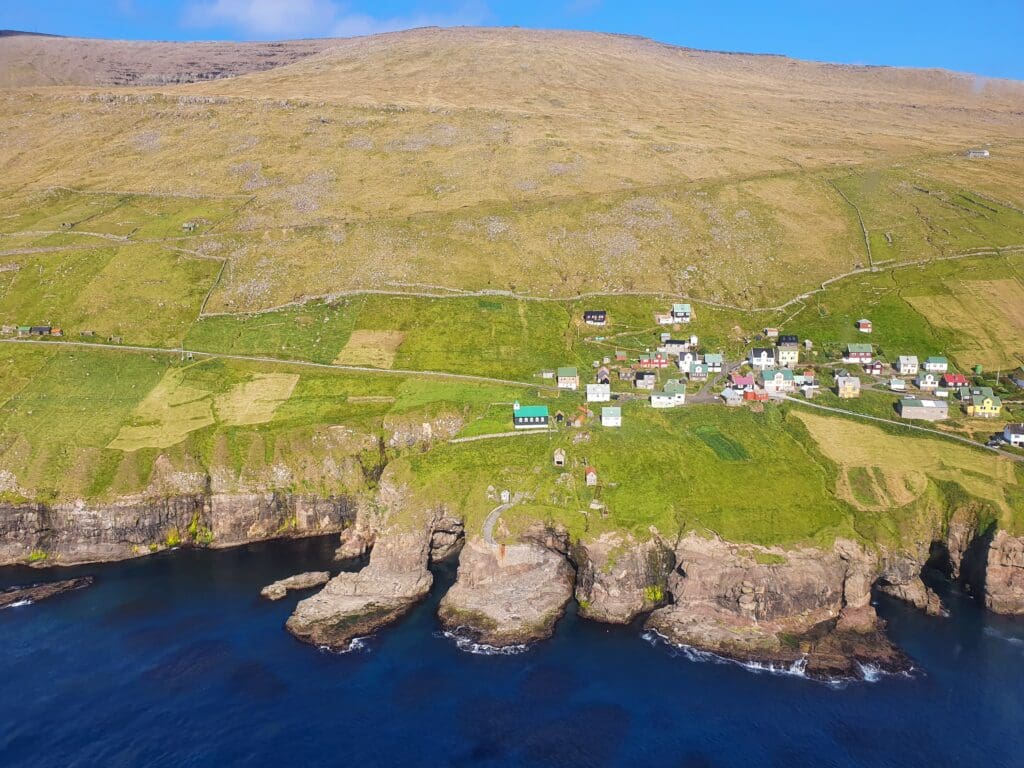
Once safely back on dry land, I began to explore this remote island, walking along one of Svínoy’s only roads towards the island’s only settlement. As I had expected, Svínoy proved to be a quiet and peaceful island – a suitable location to detoxify myself from the hustle and bustle of London life, and the polar opposite of the popular island of Kalsoy that I had visited the previous day. Once I had dispersed from my fellow ferry passengers, excluding the heliport attendant, I spotted just three other people for the duration of my stay! Although I did see plenty of sheep roaming about the island. Sitting roughly in between two peninsulas, the island’s settlement, also named Svínoy is compact and consists of a church plus a cluster of colourful mostly wooden buildings. There, no shops could be found other than a post office – although this opens for just one hour per day, three days a week. Fortunately, there is a hut containing toilets – with these perhaps being the nicest and cleanest public toilets that I have visited anywhere in Europe!
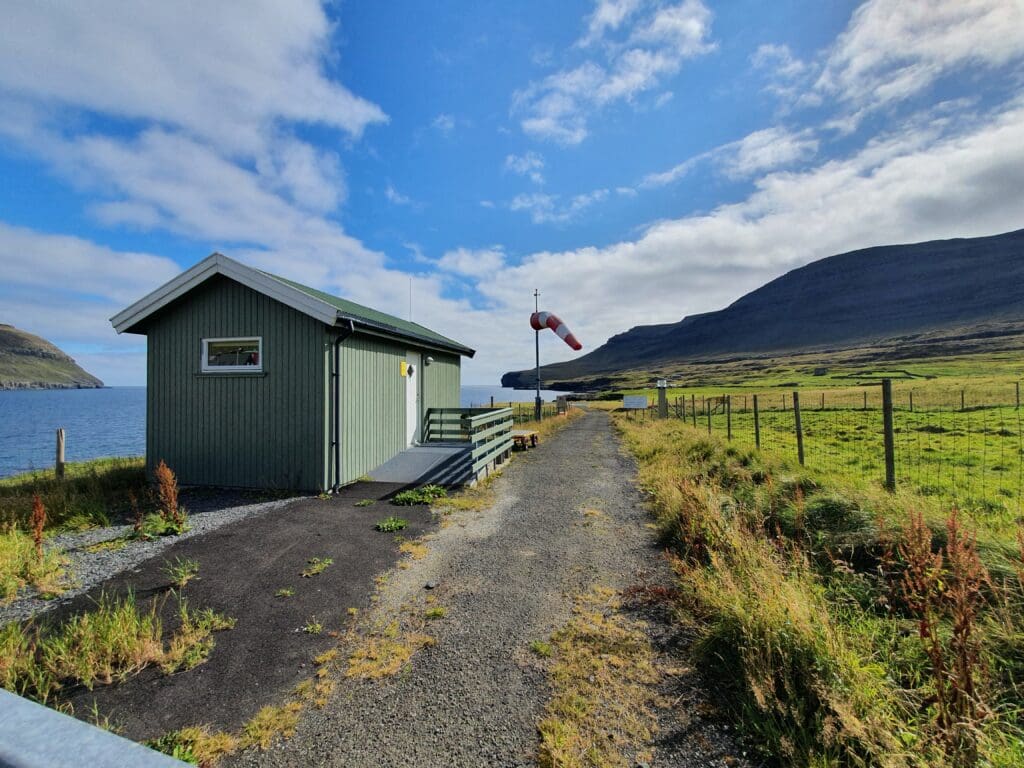
Needing to be at Svínoy International by 1417, thirty minutes before departure, following plenty of walking about, I eventually made my way back to the village. As with many Faroese heliports, the aerodrome is very compact and consists of a small hut, a windsock and an antenna alongside the helipad itself, meanwhile, this is fenced off to prevent any rogue sheep straying onto this! Conveniently located in the centre of Svínoy near some old boat sheds, with thirty minutes to go I wandered over to the heliport and at that time a strobe light could be seen flashing indicating this to be active. Upon opening the gate, I made my way to the small hut where I was greeted in English by the part-time heliport worker. After they asked ‘You’re going to Vágar, right?’, I confirmed that I was before my backpack was weighed and tagged. Inside, the compact terminal contains a toilet, a small office for the heliport attendant, a waiting area complete with a wooden bench on one side, a couple of plastic school chairs, a redundant unplugged fax machine and a flatscreen television that broadcast Atlantic Airways’ AW139 safety video on repeat until departure. Also on the walls were plenty of Atlantic Airways-related posters, including a ‘crash-chart’ which I can’t help but think would have been rather unnerving for any worried flyers.
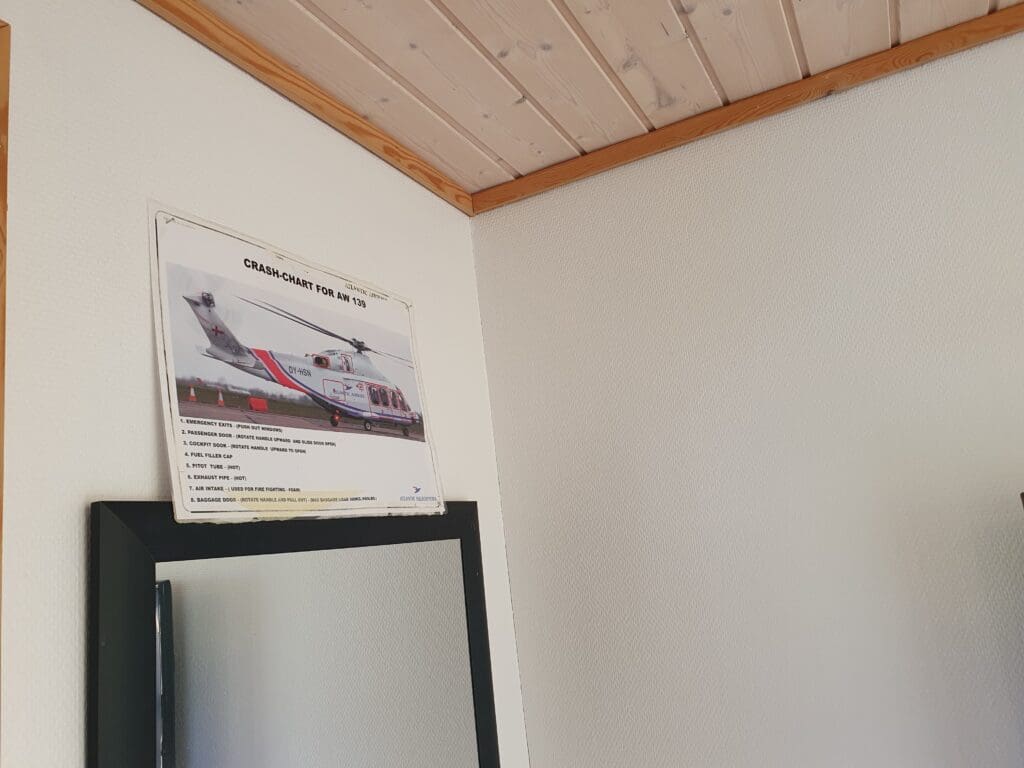
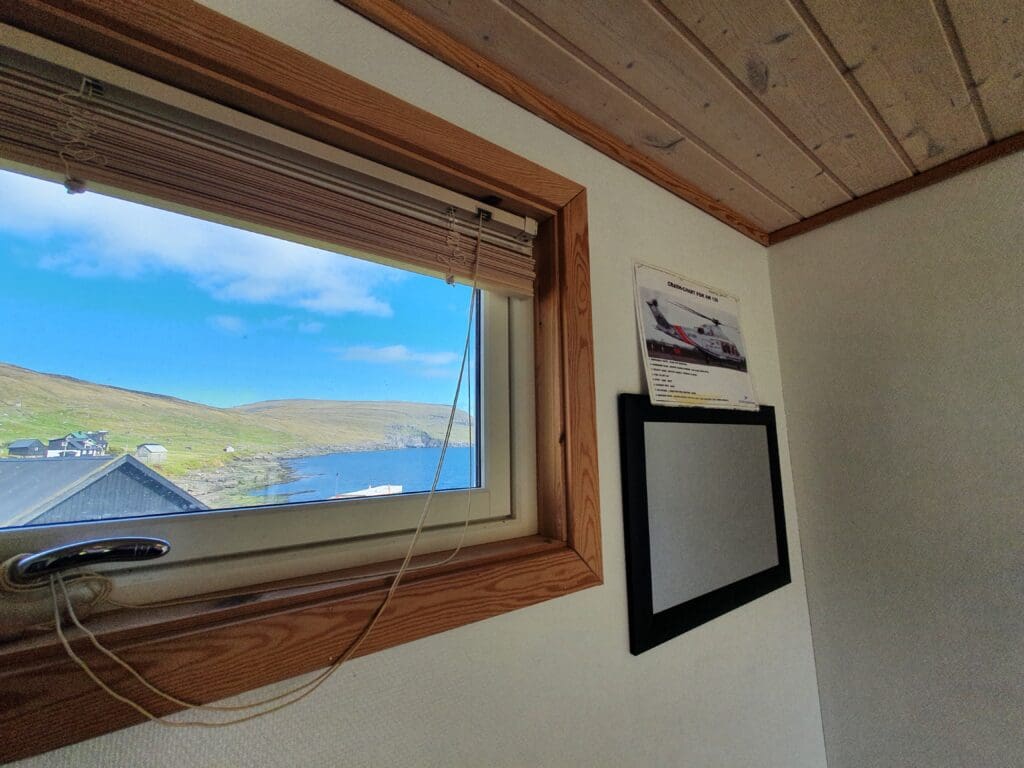
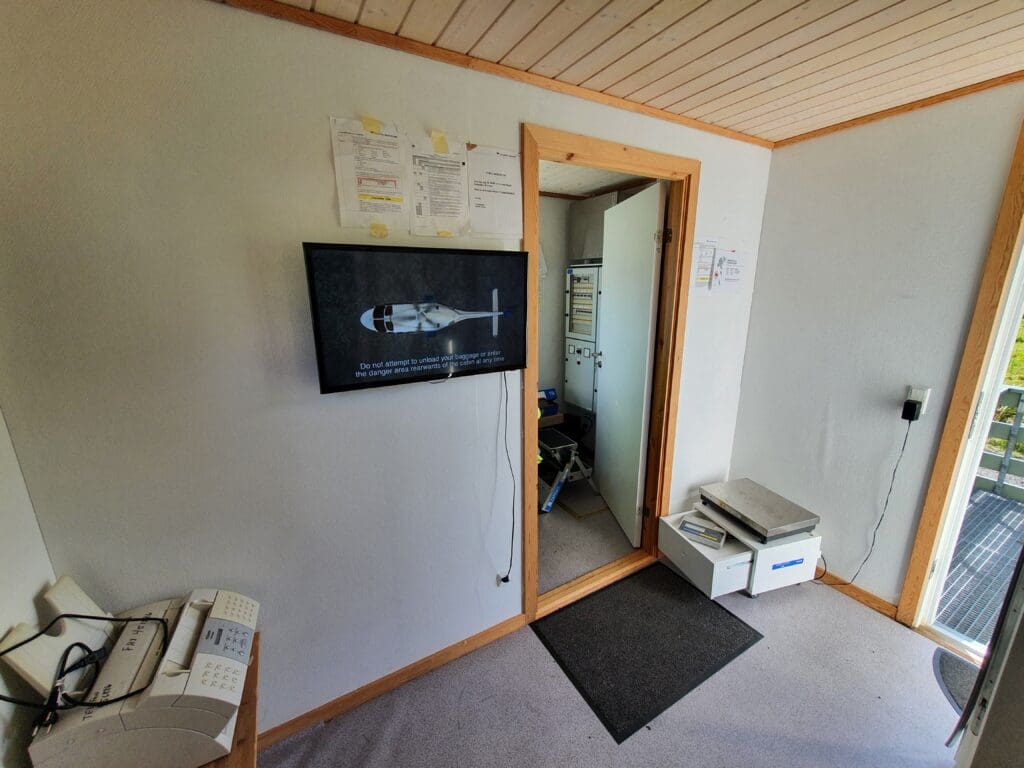
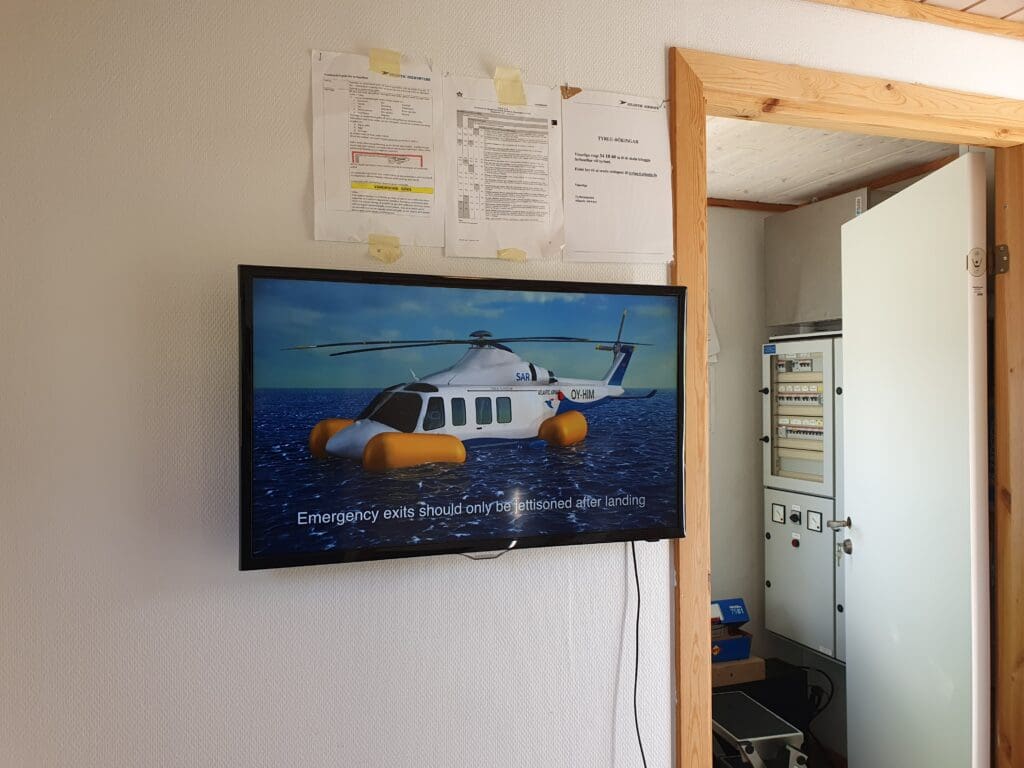
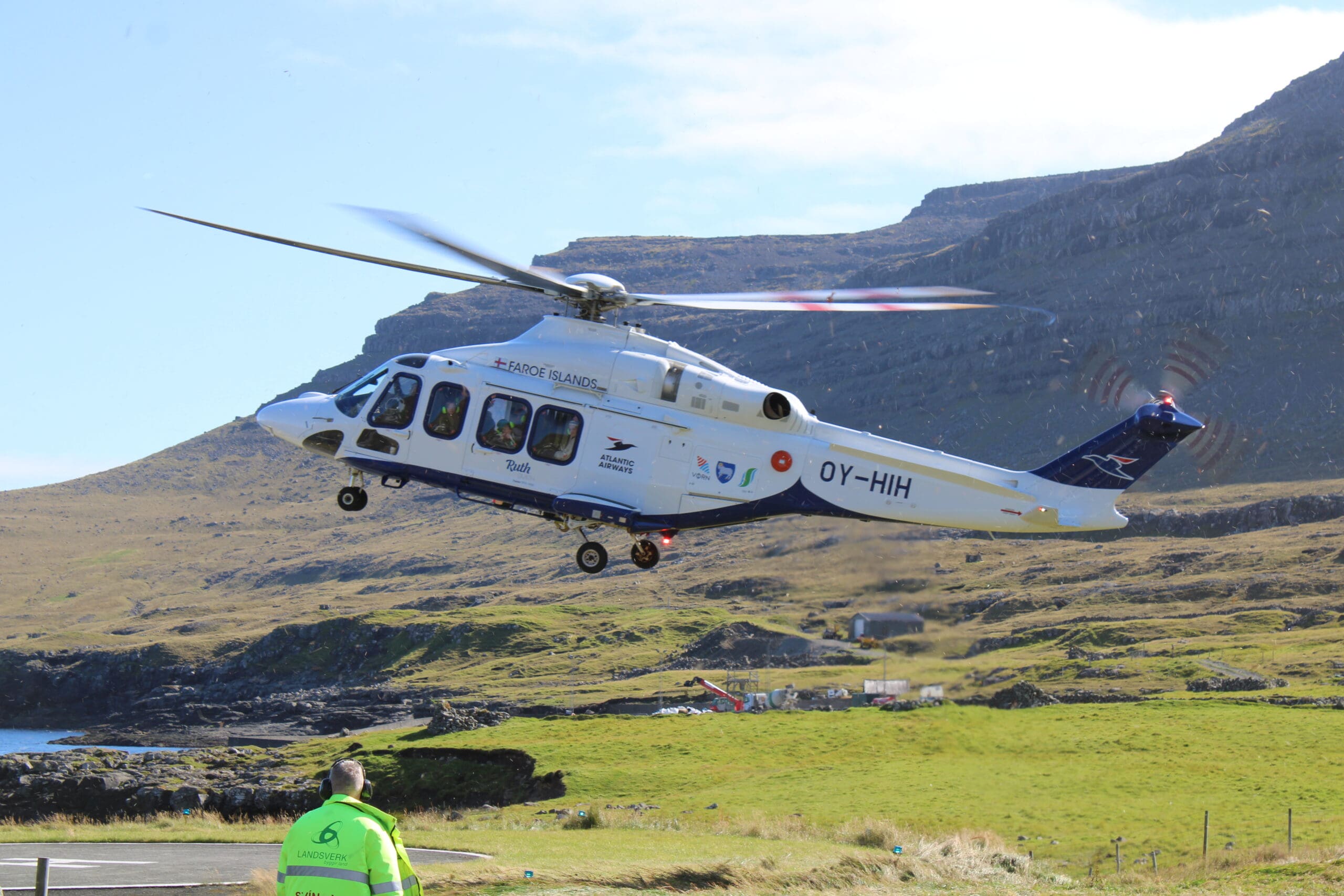
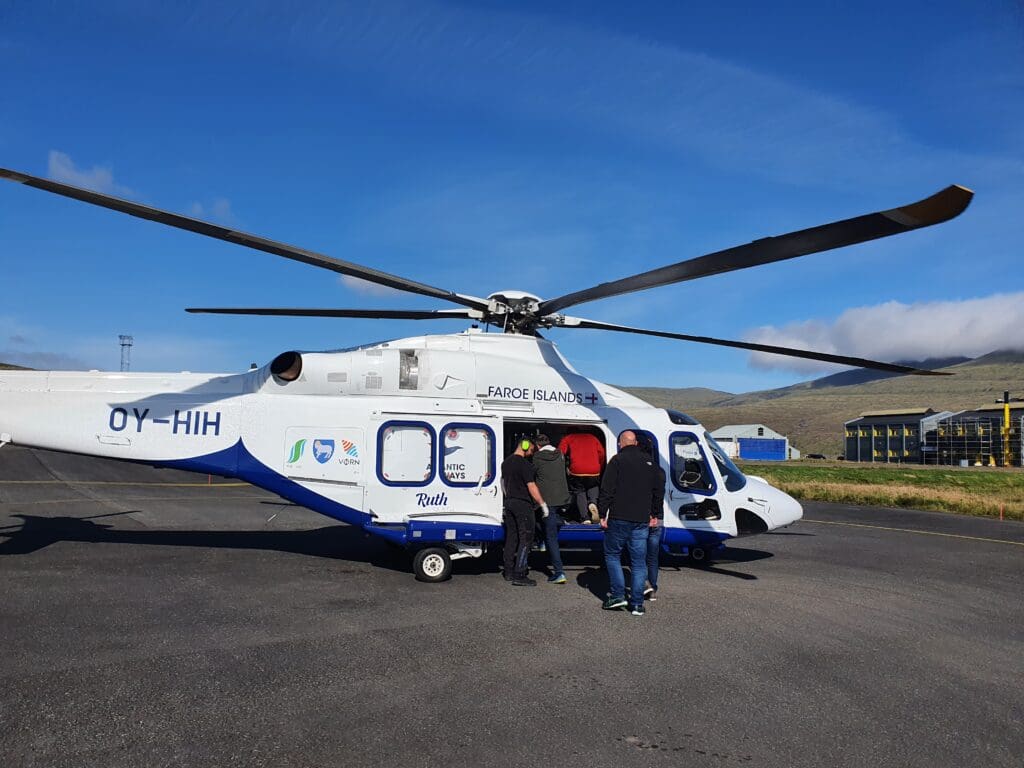
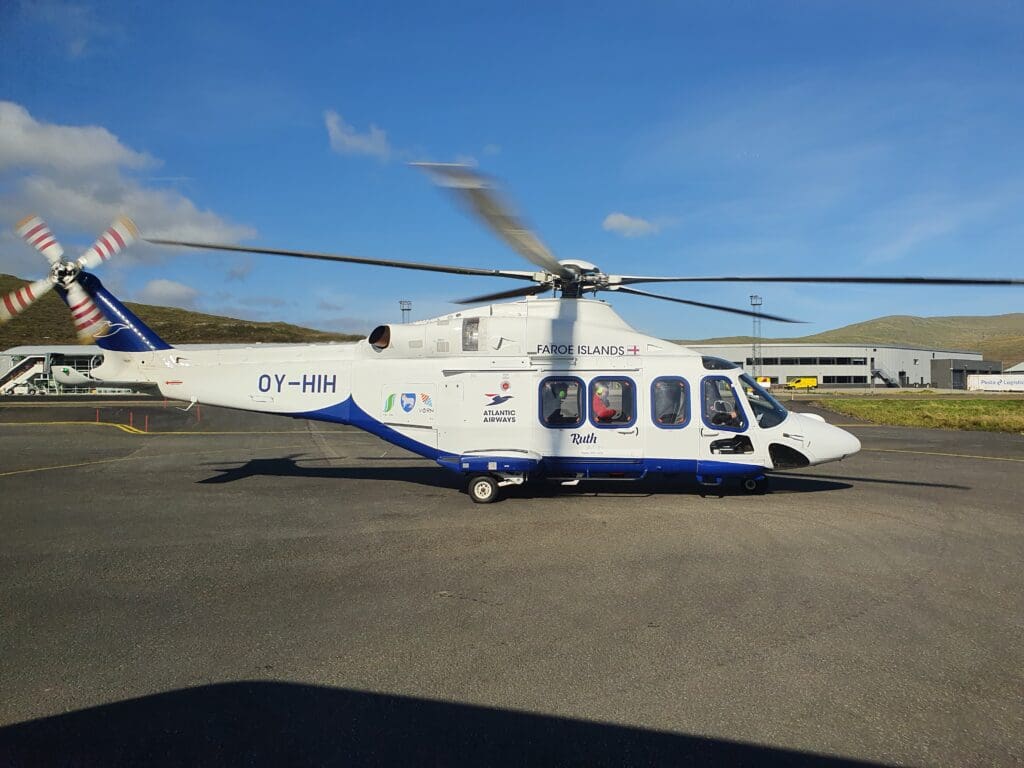
As time passed, I was not joined by any fellow passengers and it became clear that I would be the only flyer boarding in Svínoy that afternoon. After waiting for a while, at 1447 the radio in the office crackled into life and the pilot could be heard mentioning a few words in Faroese – presumably something to let the attendant know that the helicopter was approaching Svínoy. A few moments later, the chopper could be heard approaching and I was led outside towards the helipad. Soon enough, the AW139 noisily buzzed over before being placed down on the small helipad. Operating that service would be the same helicopter that had flown me to Klaksvík two days earlier, a seven-year-old AgustaWestland AW139, OY-HIH, named after Faroese painter Ruth Williams.
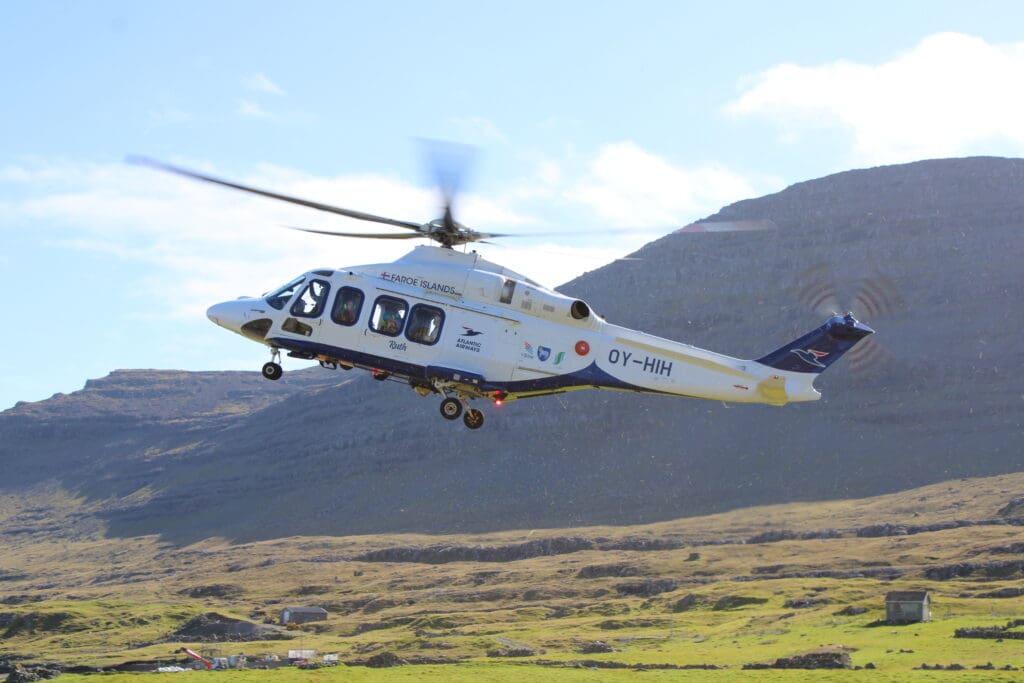

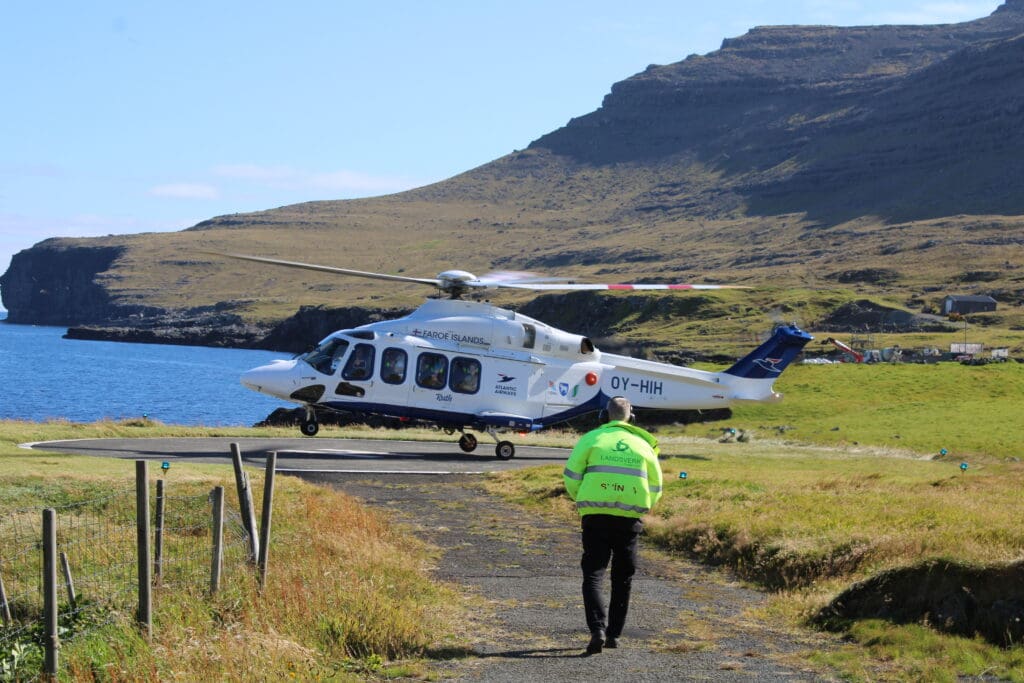
Once the AW139 had landed, I was led out around the nose of the helicopter, snapping some photos in the deafening racket before handing my backpack over to the heliport worker and climbing into the small cabin. Fortunately, with just five other occupants – four of whom were in the rear row, I had plenty of seats to choose from and decided to settle in what would have been 2A were the aircraft to have seat numbers. Whilst the helicopter’s seats are firm and narrow, with nobody else in front of me and a mostly empty forward cabin, I was in for a spacious and comfortable first leg.
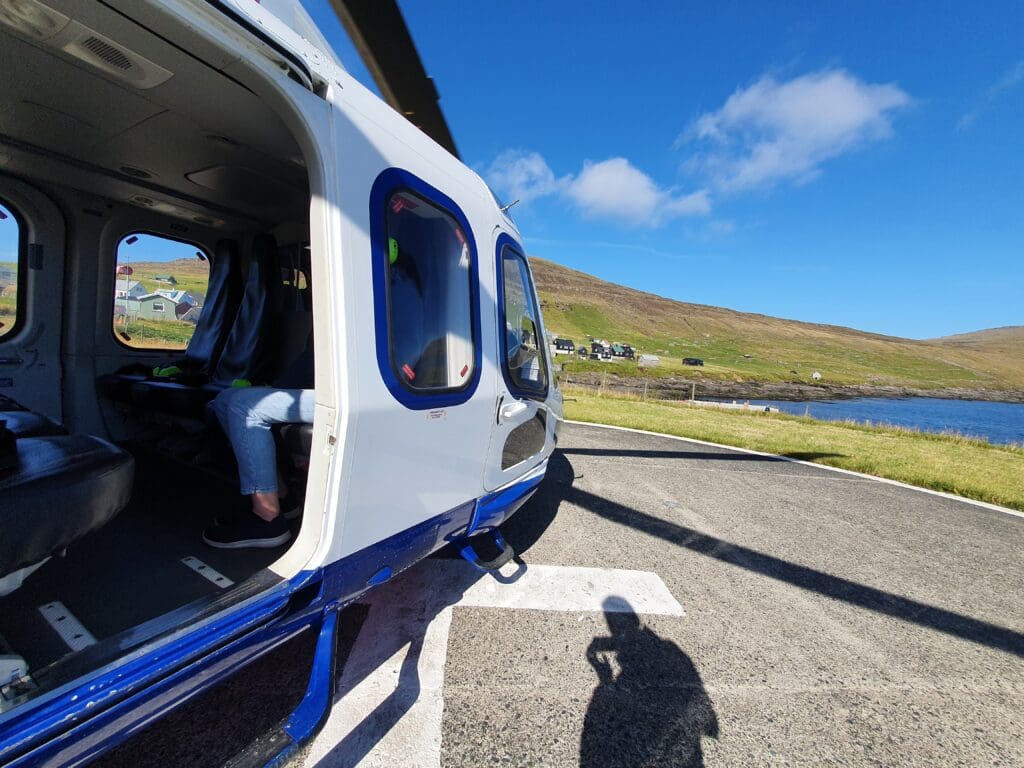
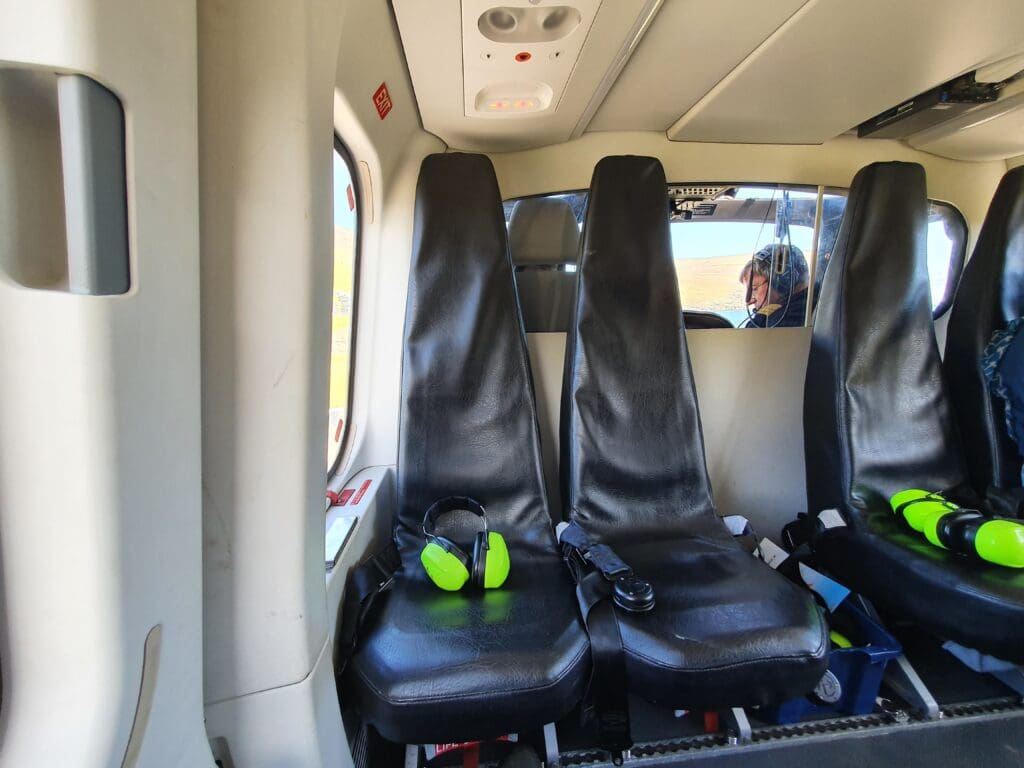
After plonking myself down, I strapped myself into the seat as the cabin door slid closed and the captain performed a welcome announcement in English only, announcing the next stop would be Kirkja. That afternoon, the same two pilots that had operated the service to Klaksvík two days earlier would be operating the flight. Soon enough, the helicopter lifted and bowed its nose slightly as it began its quick flight over to the neighbouring island of Fugloy. Upon leaving the harbour, the helicopter passed over the green slopes and rocky outcrops of the northern half of Svínoy, before crossing the short stretch of water that separates this from the island of Fugloy.
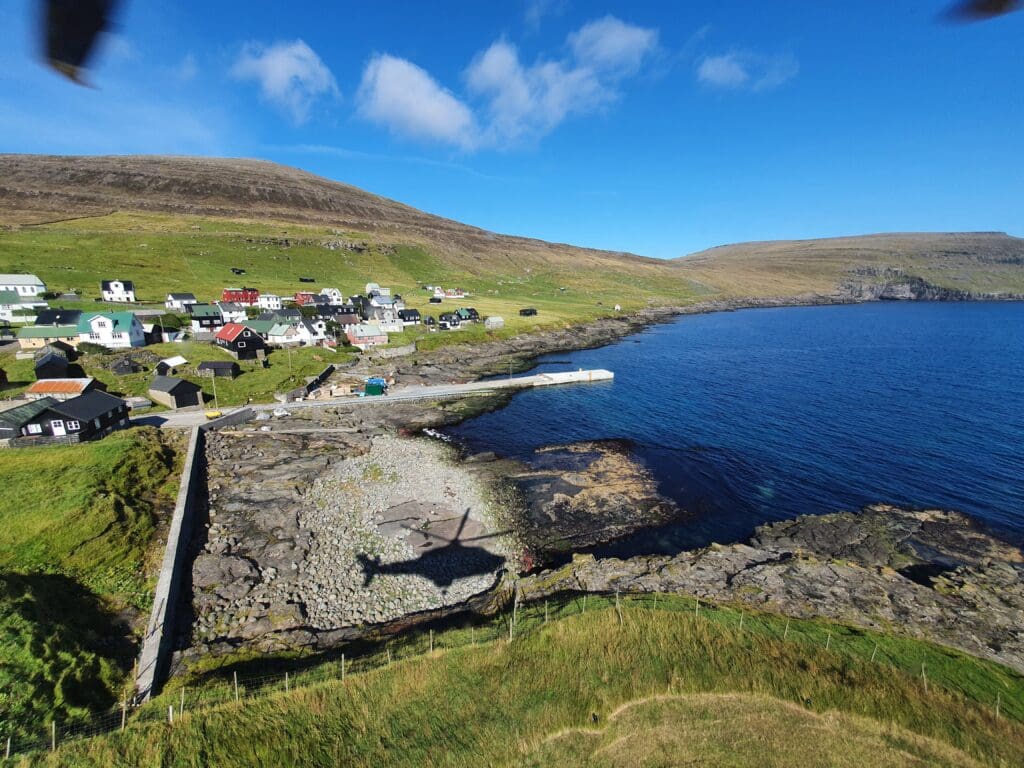
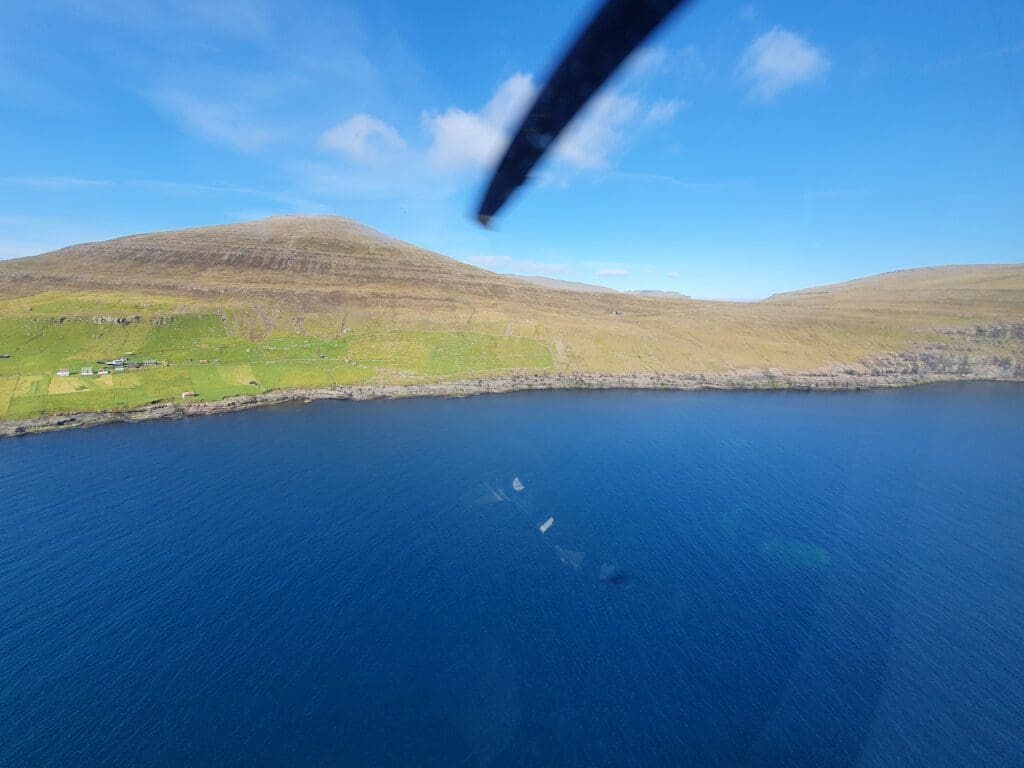
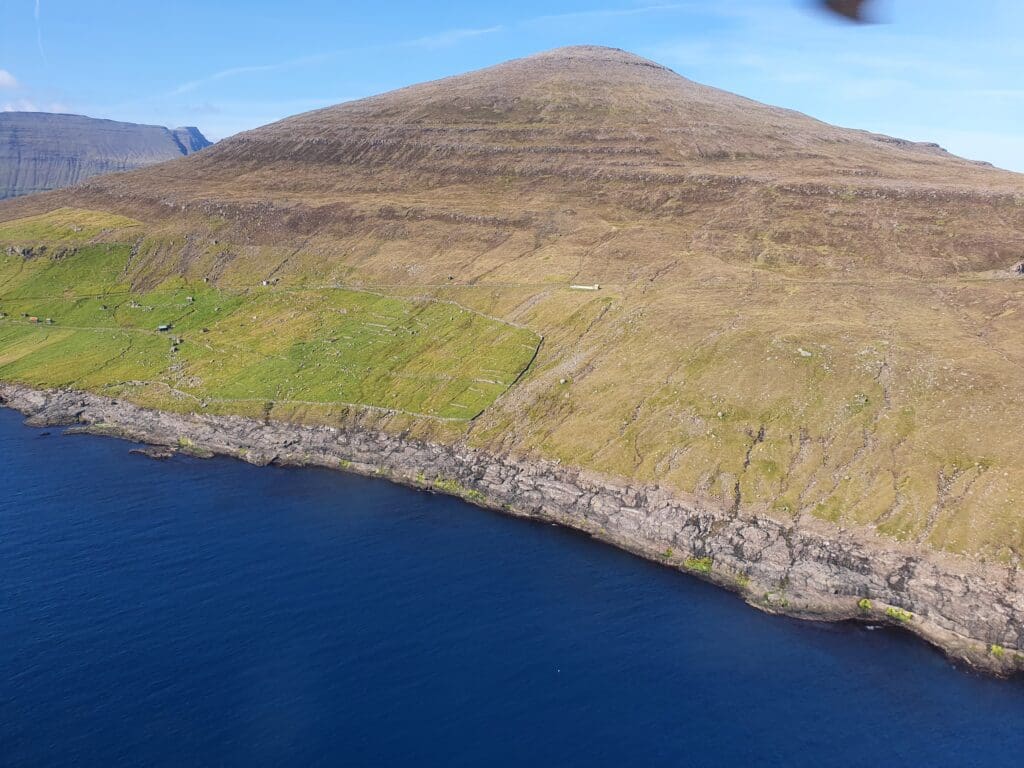
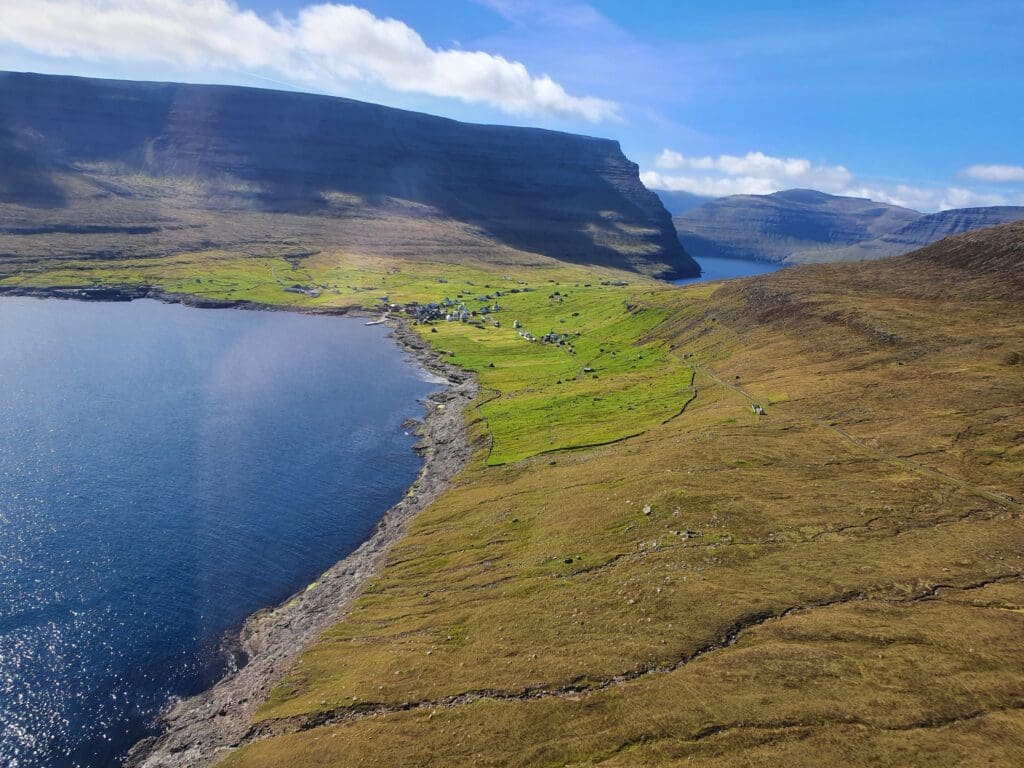
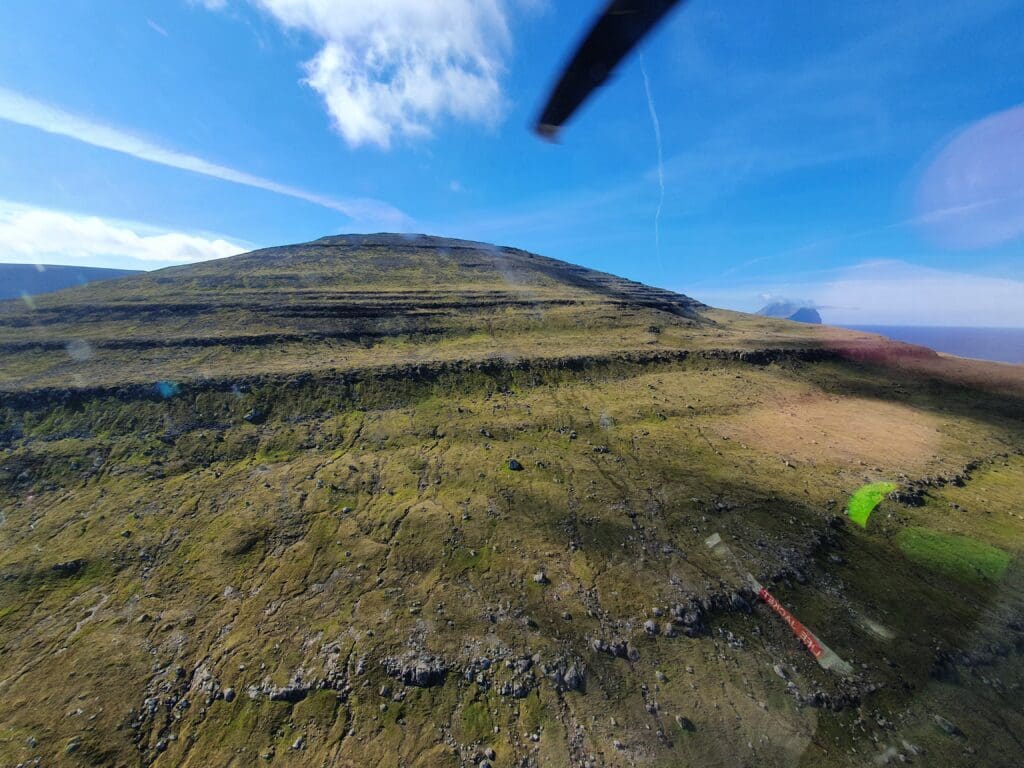


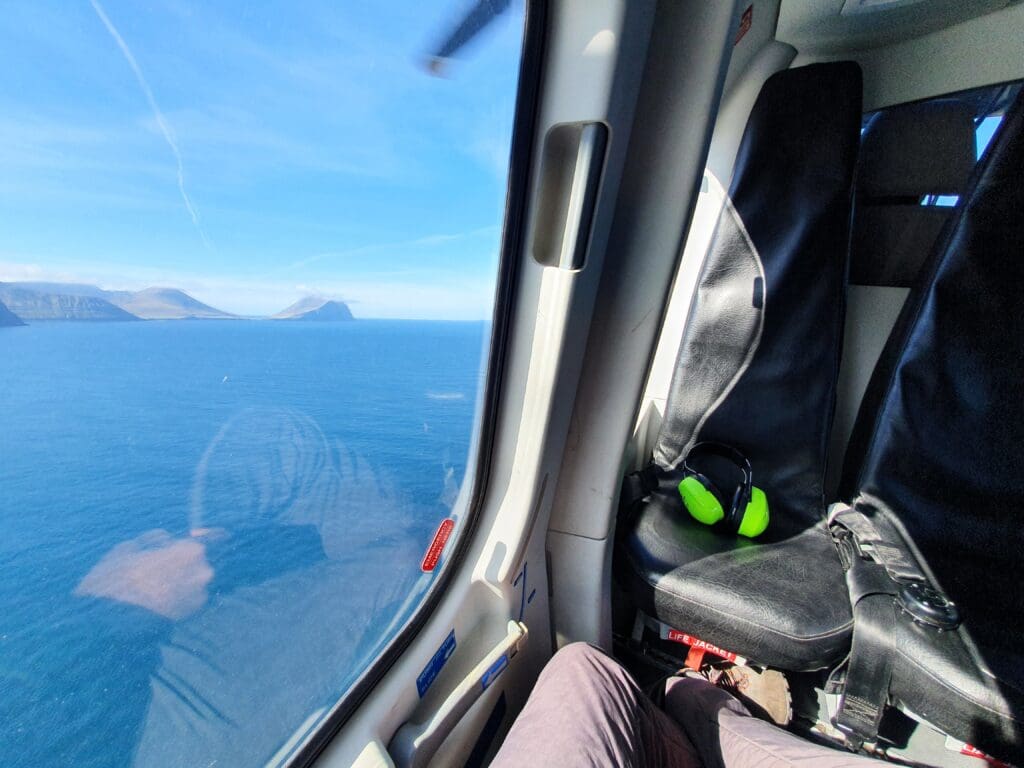
Following a quick over-sea hop, the helicopter reached the sloping shores of Fugloy and passed over the small cluster of cliffside buildings that make up the village of Kirkja. As the helicopter passed the ‘terminal’, a host of passengers could be seen photographing the helicopter as it flew over, making a pass of the helipad before pointing itself into the wind and rattling as it slowed in preparation for touchdown. At 1450, after exactly three minutes in the air, the AW139 made a soft touchdown on the island of Fugloy where we were soon met by the heliport’s part-time guardian. After they slid open the cabin door, all passengers bar one (the pilot announced something along the lines of they had forgotten in their car in Klaksvik), disembarked in Fugloy.
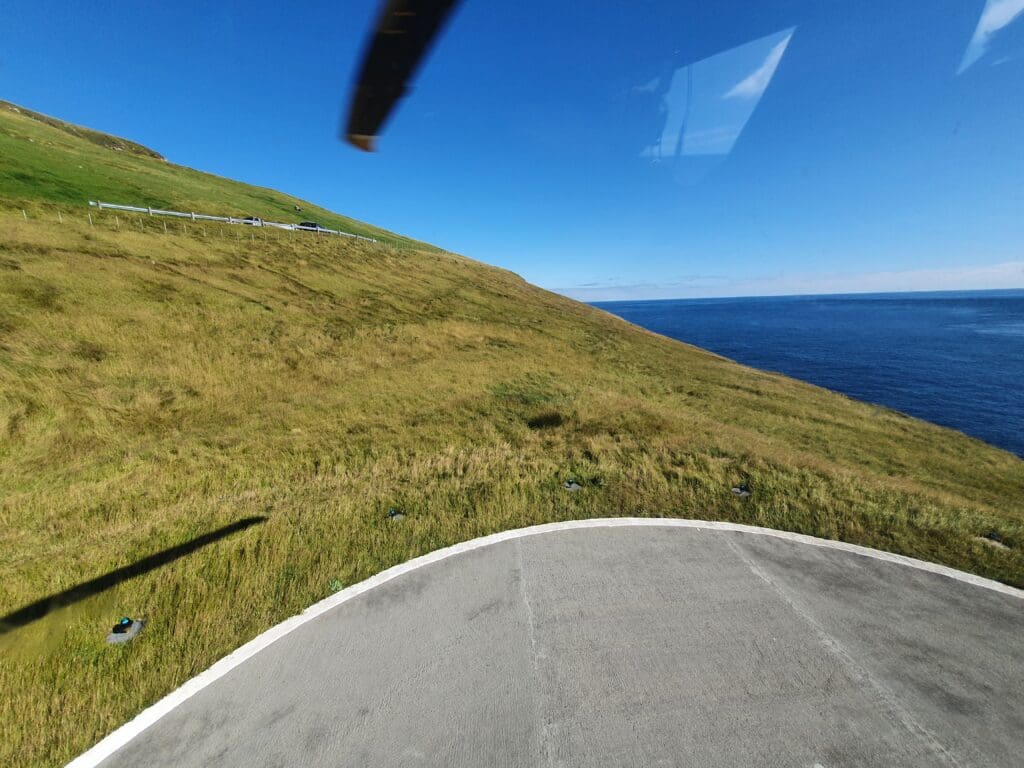
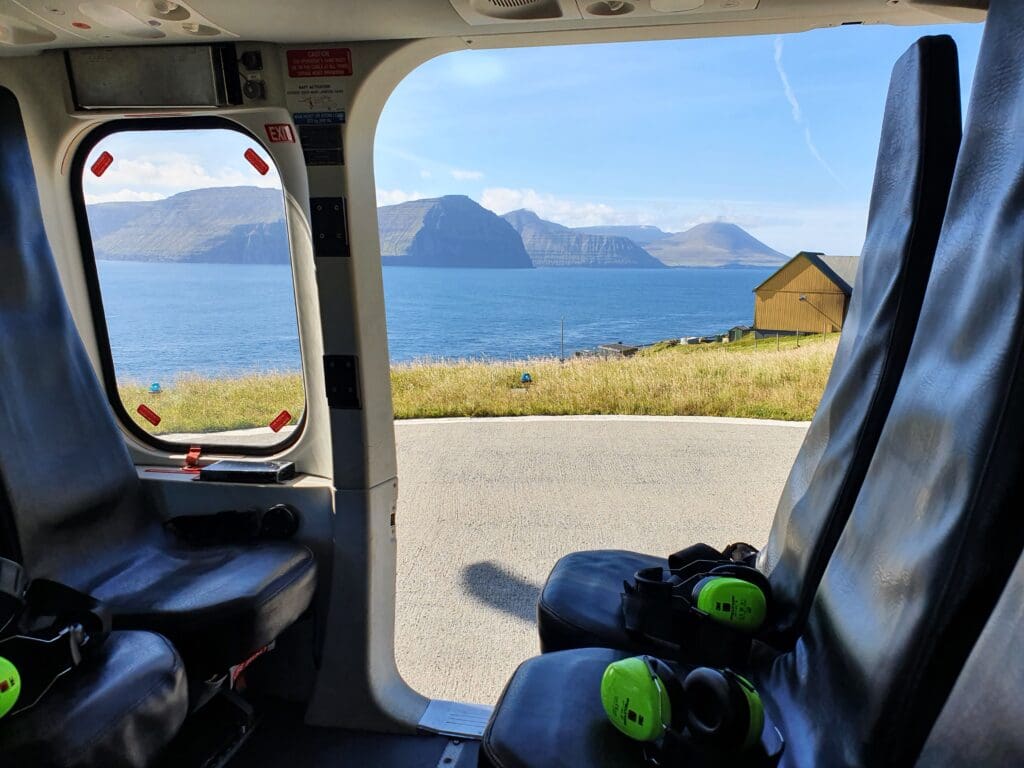
That afternoon, Kirkja proved to be a popular stop with nine passengers joining the flight, leaving only one seat free. Of these passengers, it seemed that only a couple were islanders unphased by the novelty of a helicopter ride – with all others, myself included, snapping away at all stages of the flight! Furthermore, it seemed that I was not the only daytripper visiting the remote Northern Isles and I spotted a few familiar faces from my morning voyage of the M/S Ritan. In the usual manner, once the cabin door had been closed, the captain performed their welcome announcement in Faroese, English and then Danish. Whilst a stop in the small village of Hattarvík on the other side of Fugloy had been scheduled in, that afternoon I assume there were no passengers to be picked up or dropped off there, and thus the Captain noted the next stop on our journey to be Klaksvík where we were set to arrive in 10 minutes’ time.
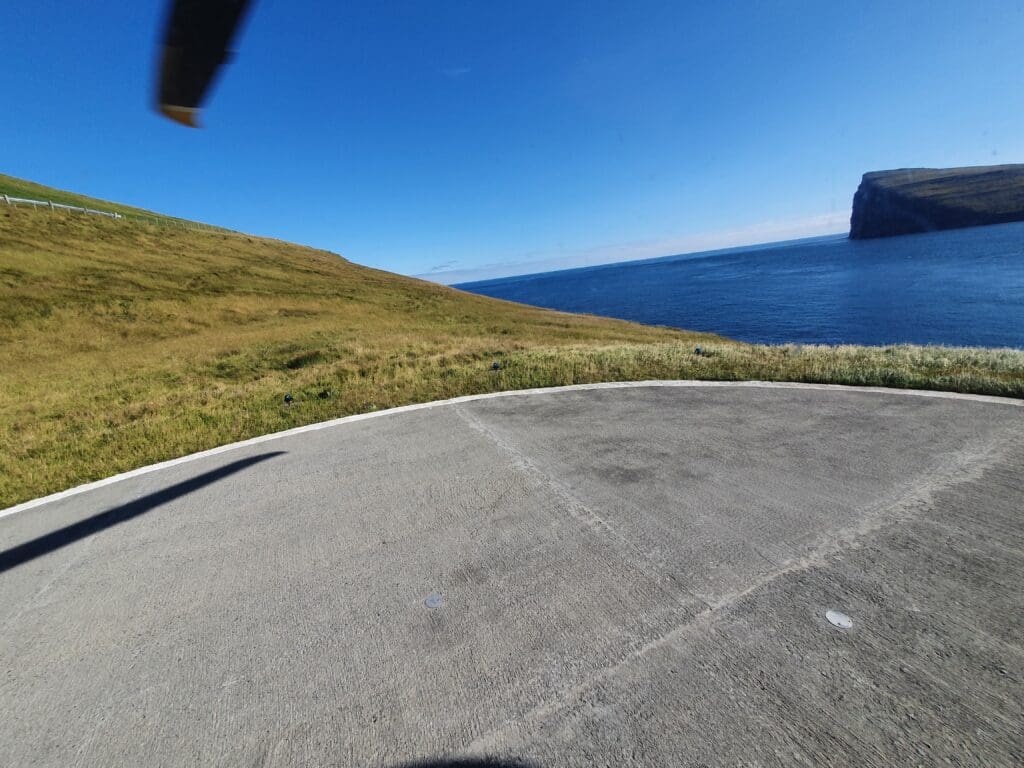
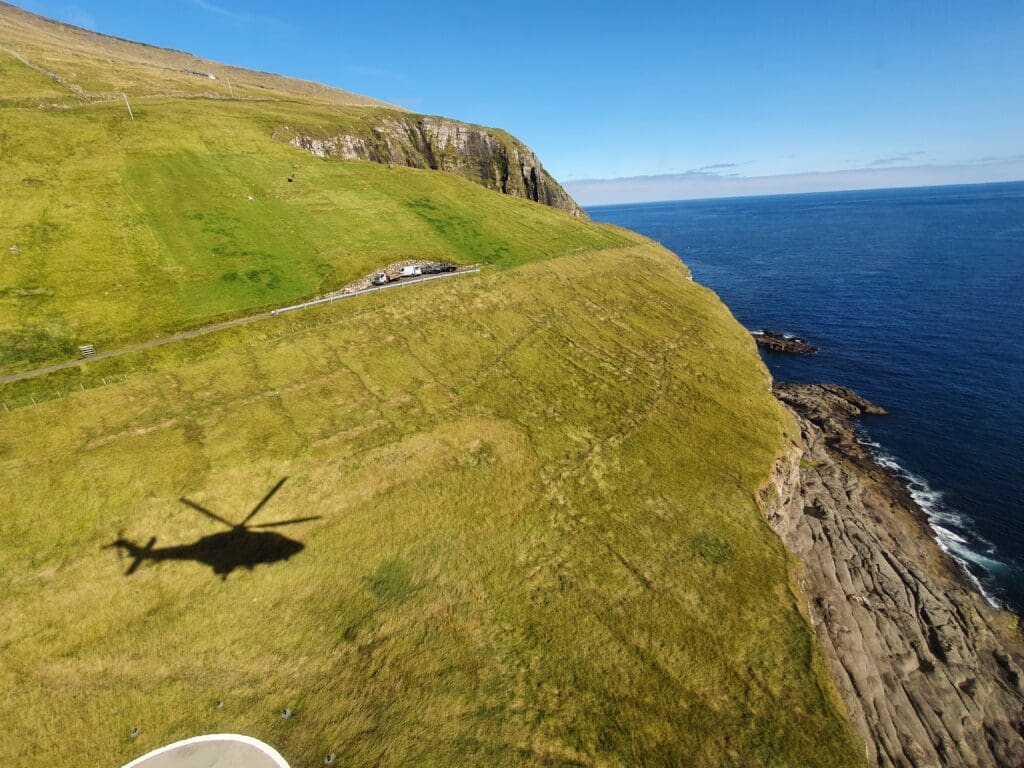
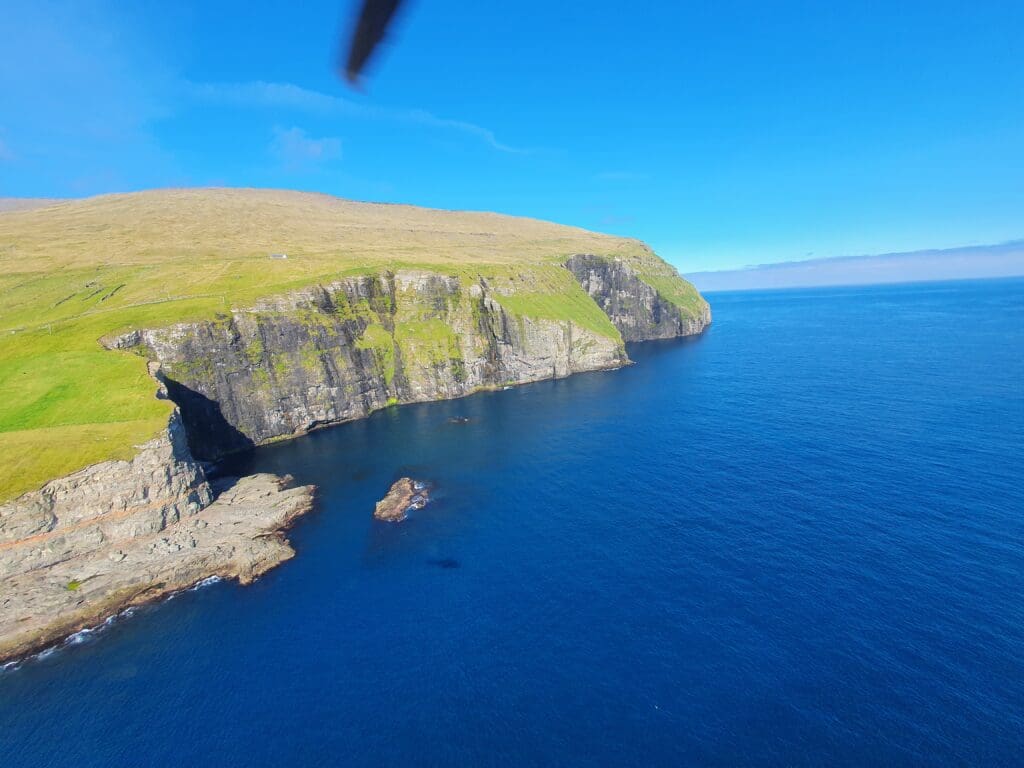
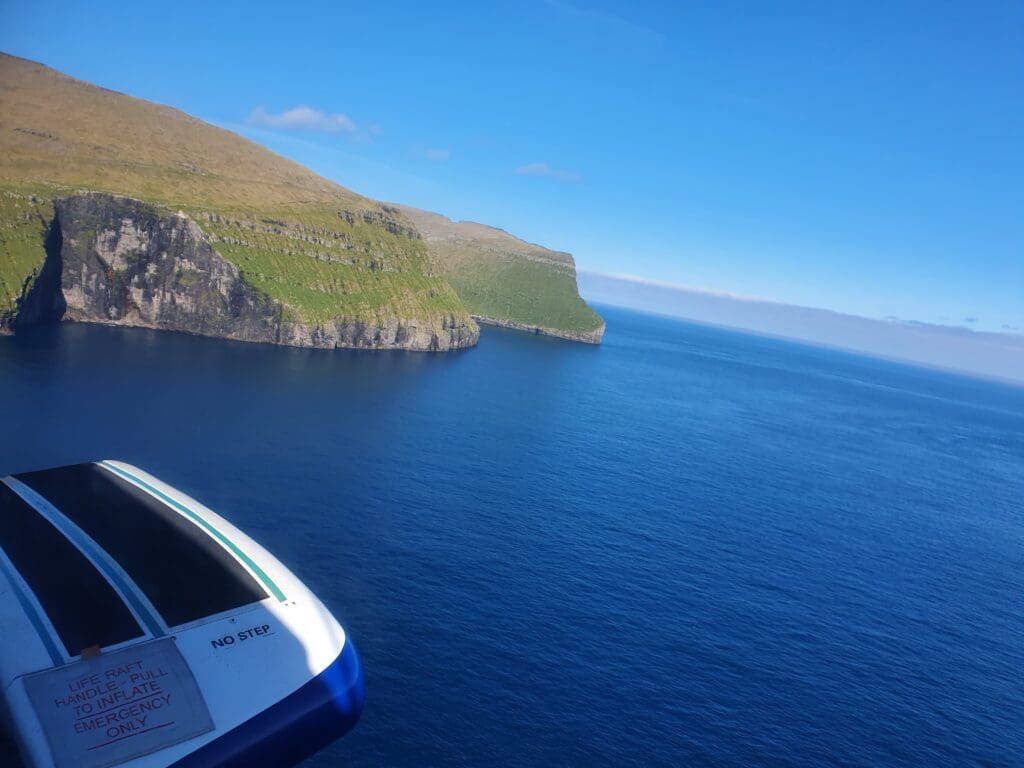
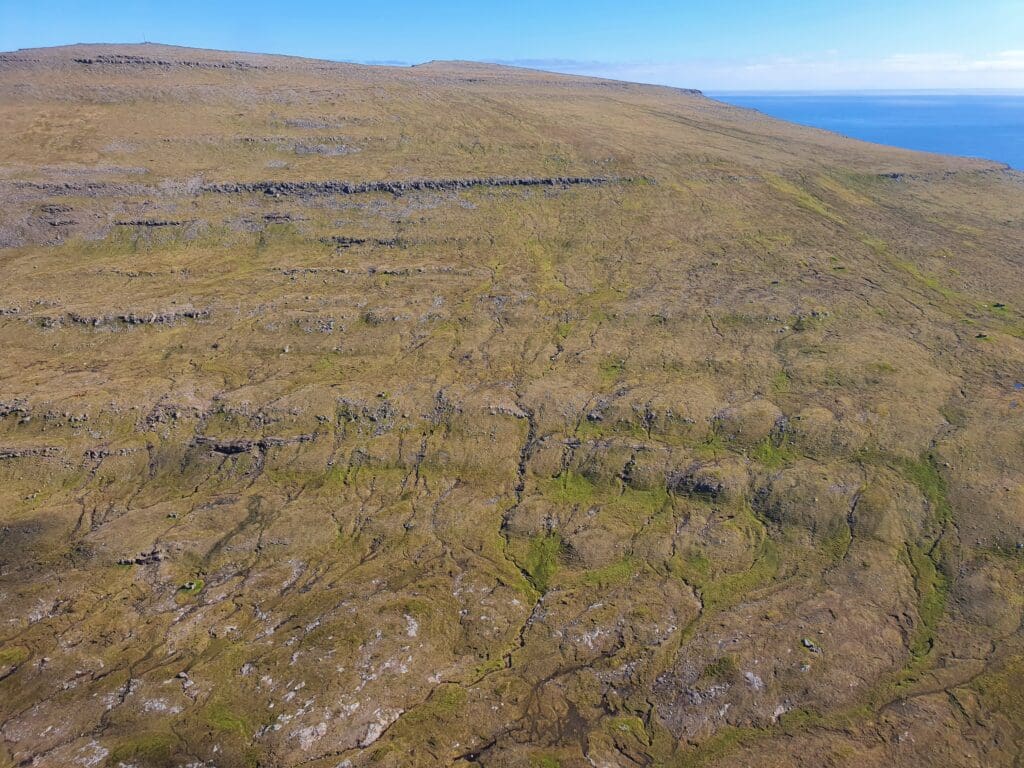
After lifting off from Kirkja, the first few minutes of the flight seemed to take the course of the outbound journey from Svínoy, just in reverse. After heading back over the blue waters that separate the two islands, we passed over Svínoy’s only settlement where I had been waiting just ten minutes or so earlier – by this time, the heliport appeared to be all locked up, with the next flight set to touch down on the island the following afternoon. After crossing the island at its narrowest point, the helicopter passed Svínoy’s ferry dock before heading out to sea once more.
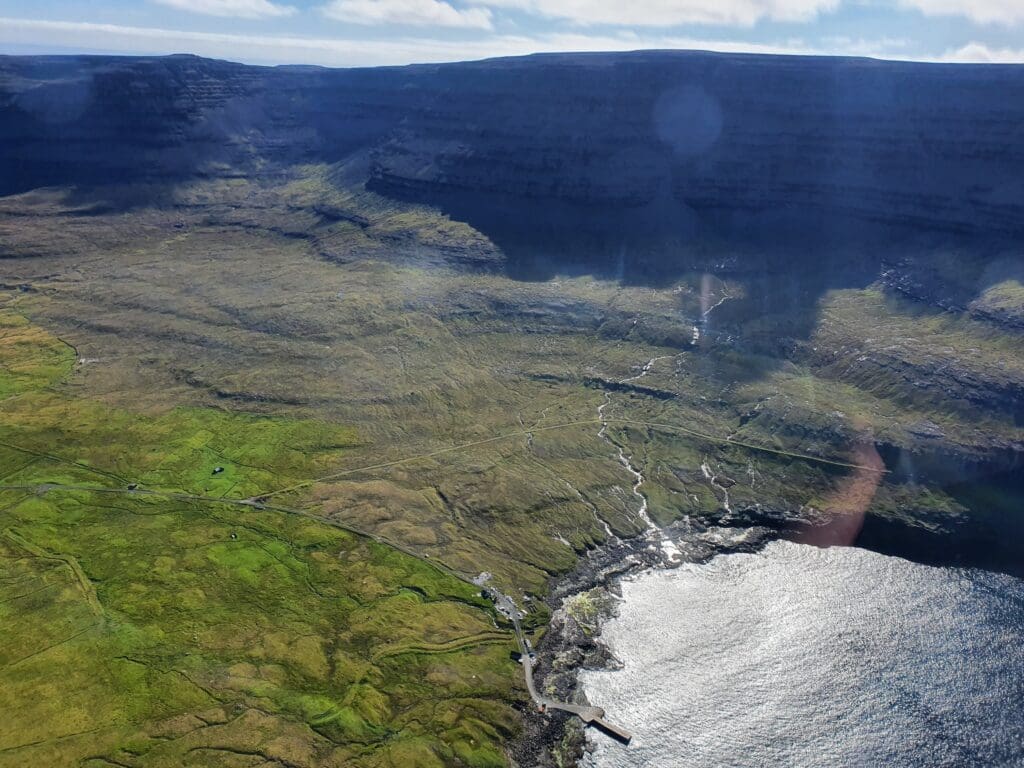
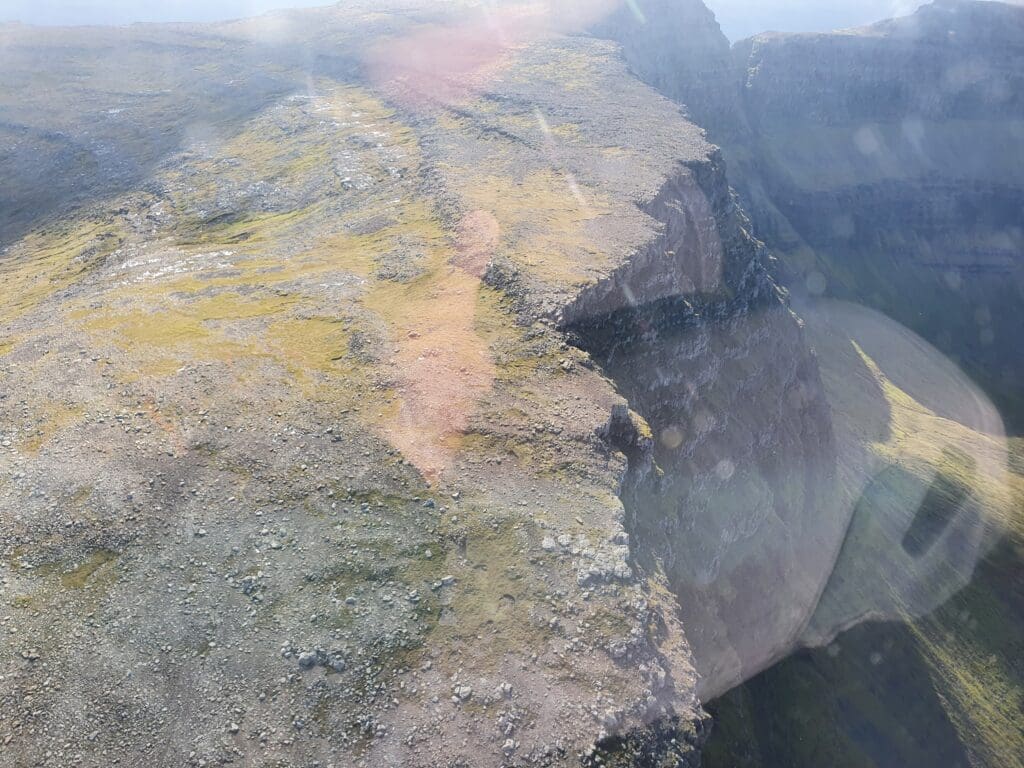
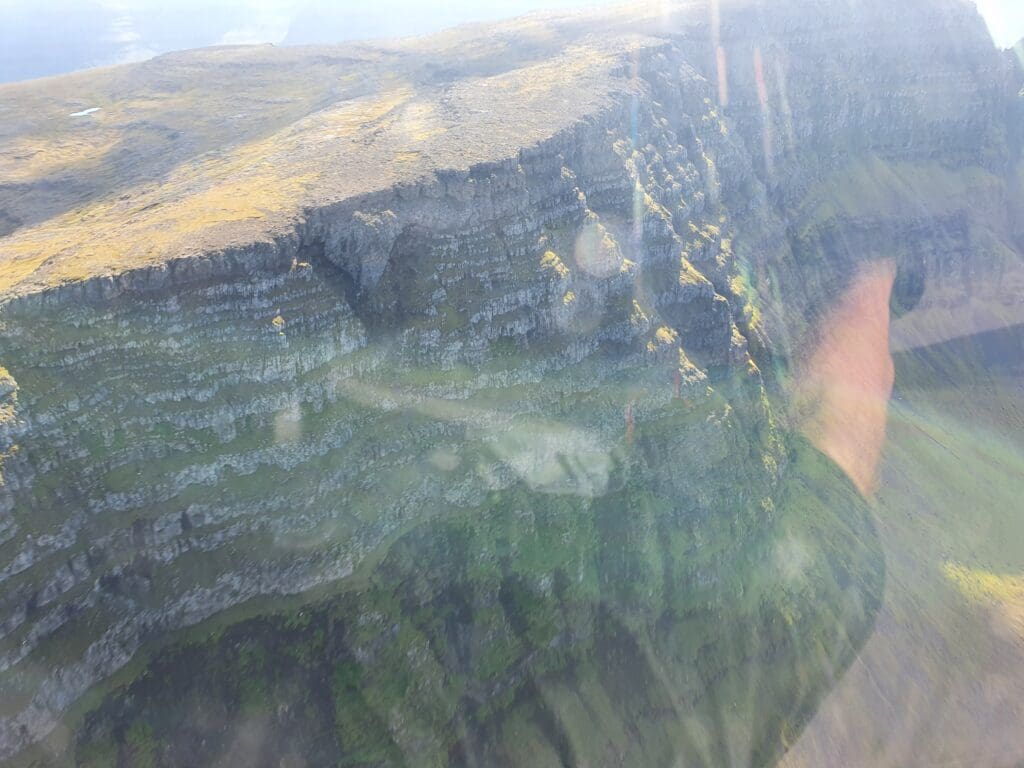
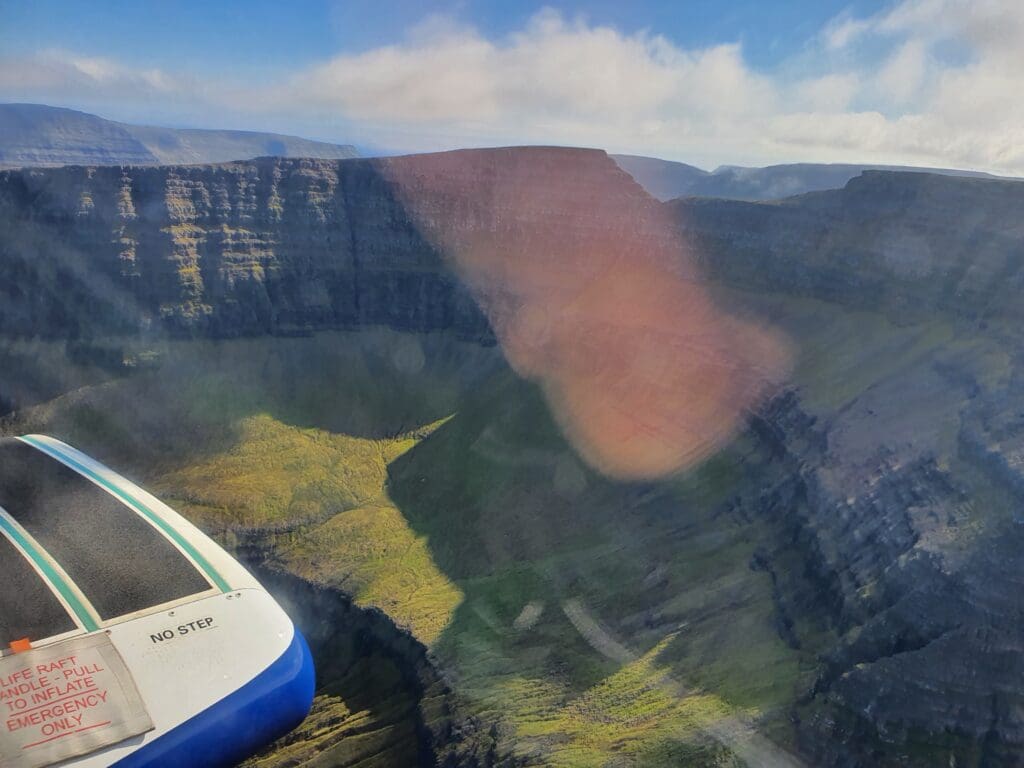
Following a short crossing, the helicopter reached the Faroes’ northernmost island, Viðoy where the landscape below soon rose to greet the helicopter as we flew over the island’s stunning mountainous terrain. As if on a military helicopter flying, hugging the mountainsides to avoid enemy fire, the rocky peaks of Mýrnafjall and Filthatturin seemed to be almost within touching distance – thus, I can say with a high level of conviction that this was undoubtedly one of the most spectacular flights I have ever experienced in my life.
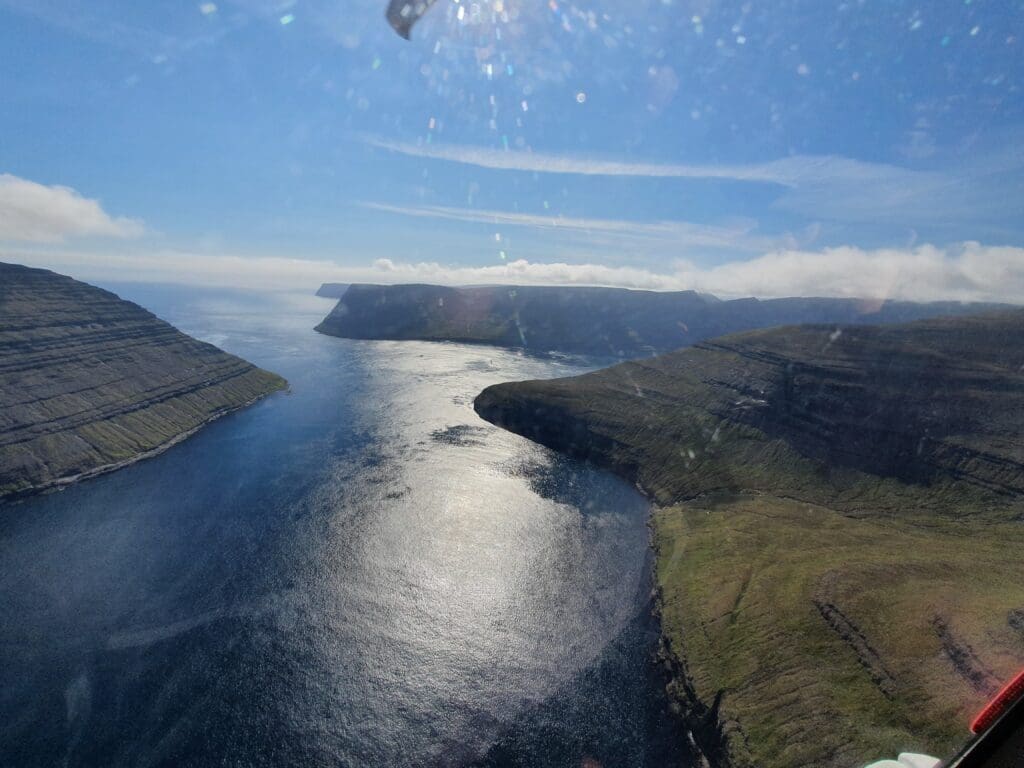
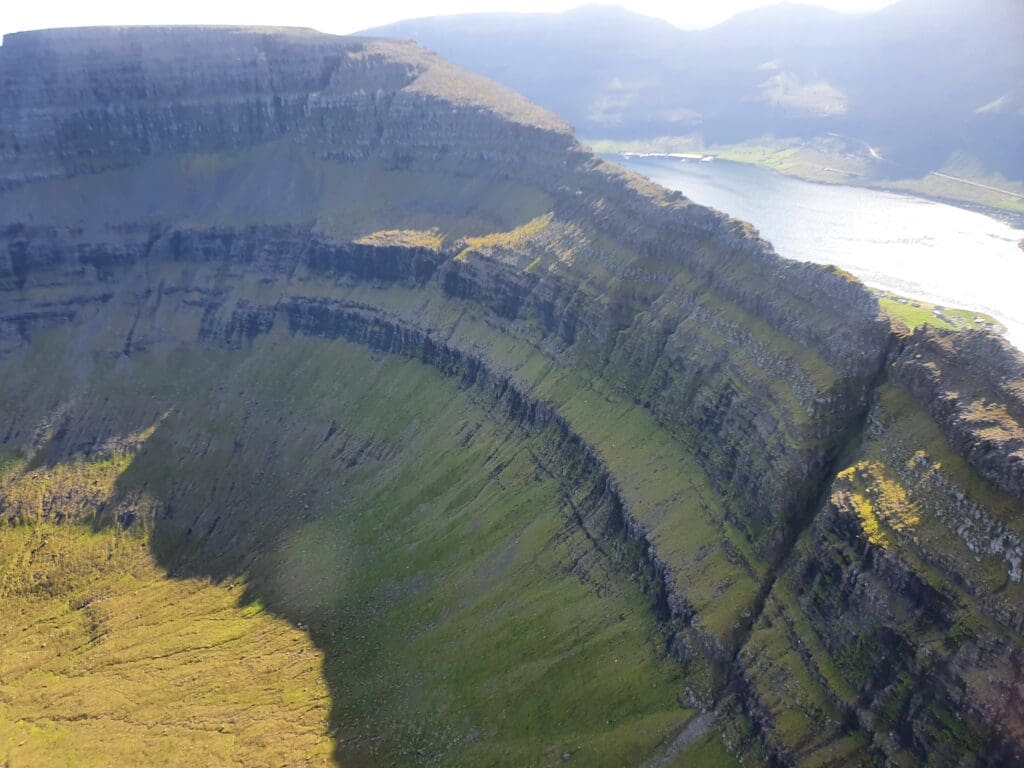
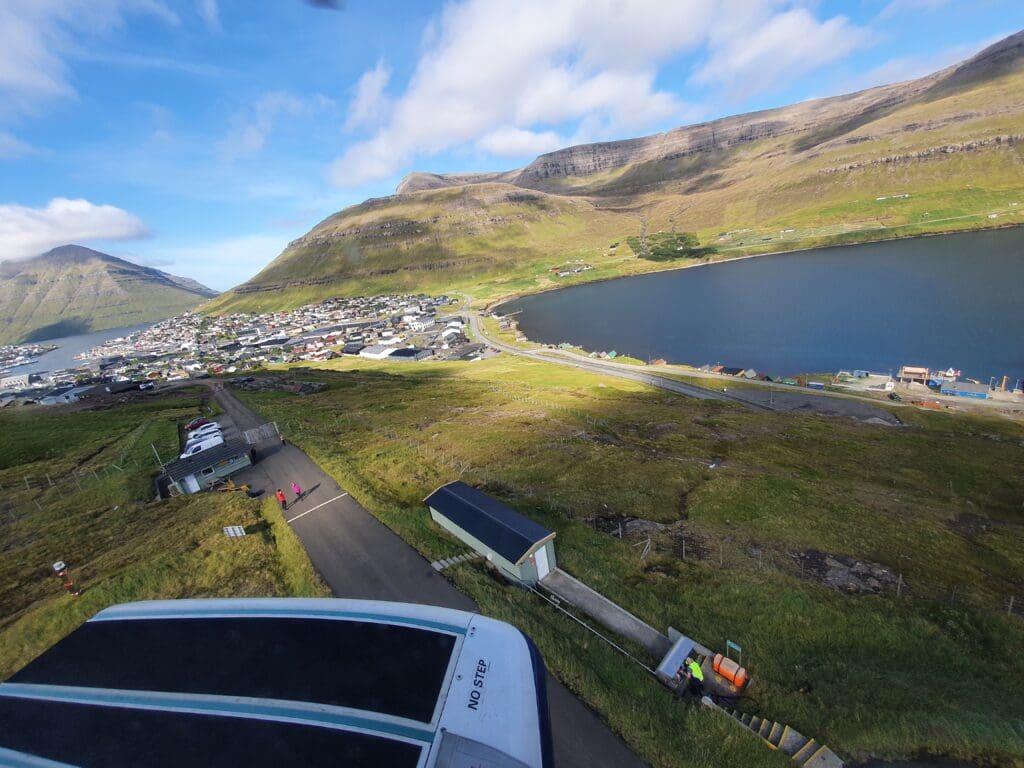
After crossing Viðoy, the village of Hvannasund popped into view directly below from where I had caught the M/S Ritan earlier that day. Continuing onwards to the island of Borðoy, the fantastic vistas continued with the helicopter whizzing past Depilsknúkur (I think), flying just under its peak! Once past Depilsknúkur, the familiar sight of Klaksvík appeared and the helicopter flew down the harbour. Sitting on the left side of the aircraft, I was treated to a good view of the residential streets on the eastern side of this and managed to spot the Airbnb that I had called home during my two-night stay in the Faroes’ second largest town. After reaching the end of the sound, the helicopter crossed over the stadium of local football team, Klaksvíkar Ítróttarfelag, and began its descent towards Klaksvík’s helipad which sits on a hill overlooking the town.
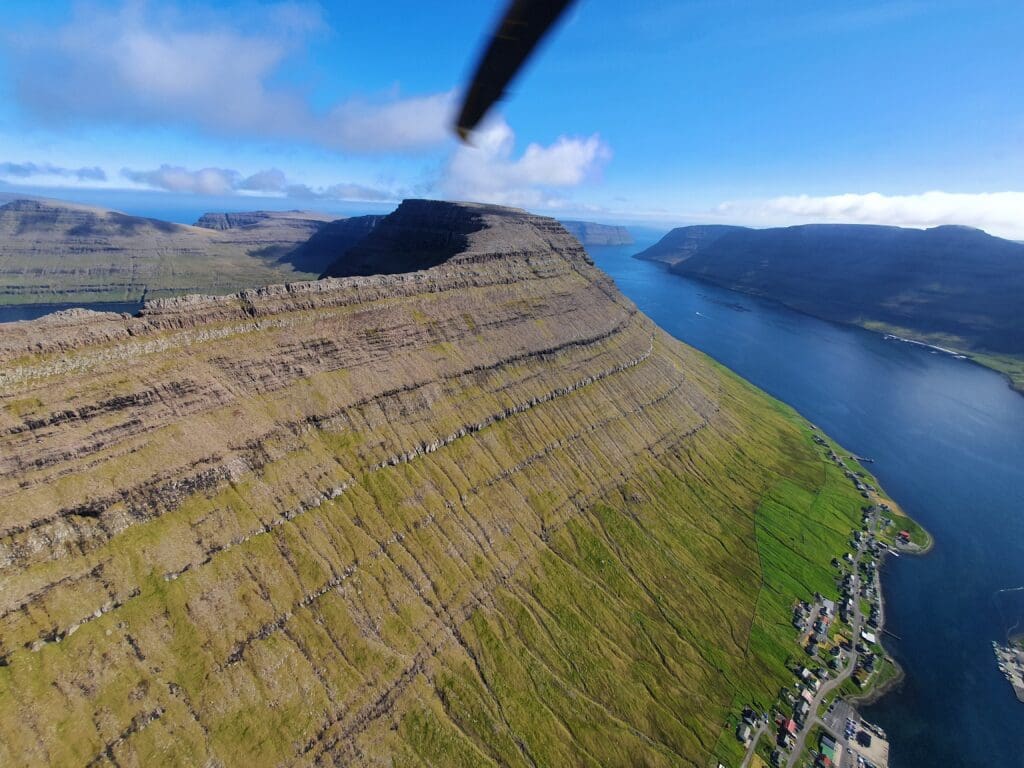

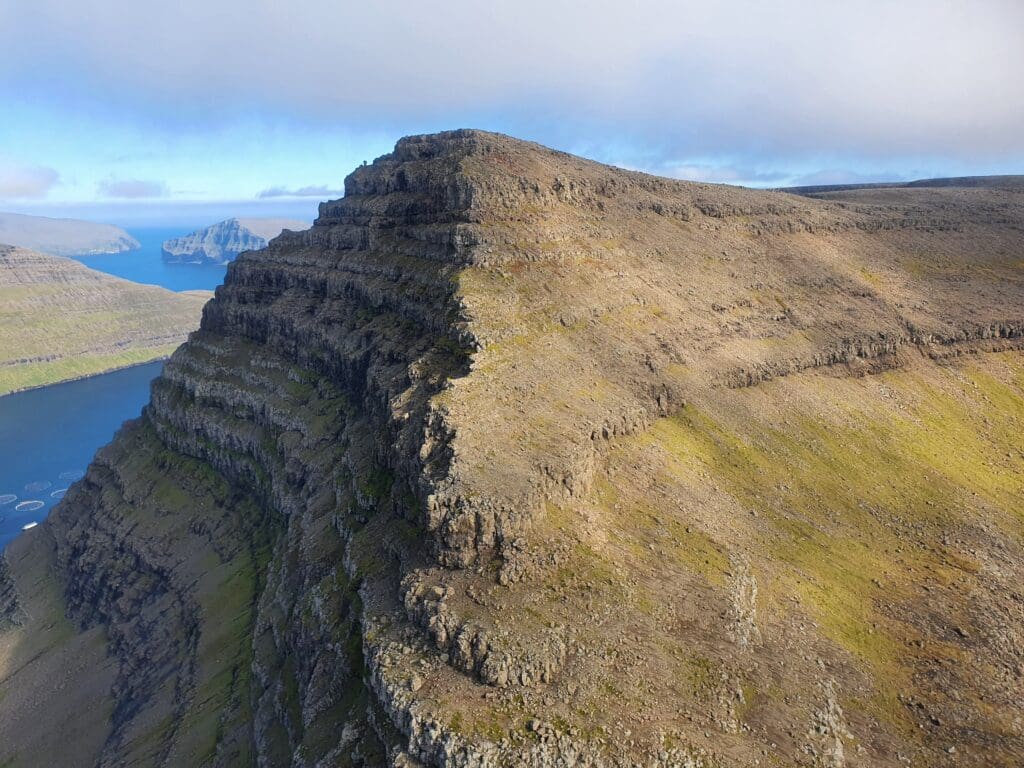
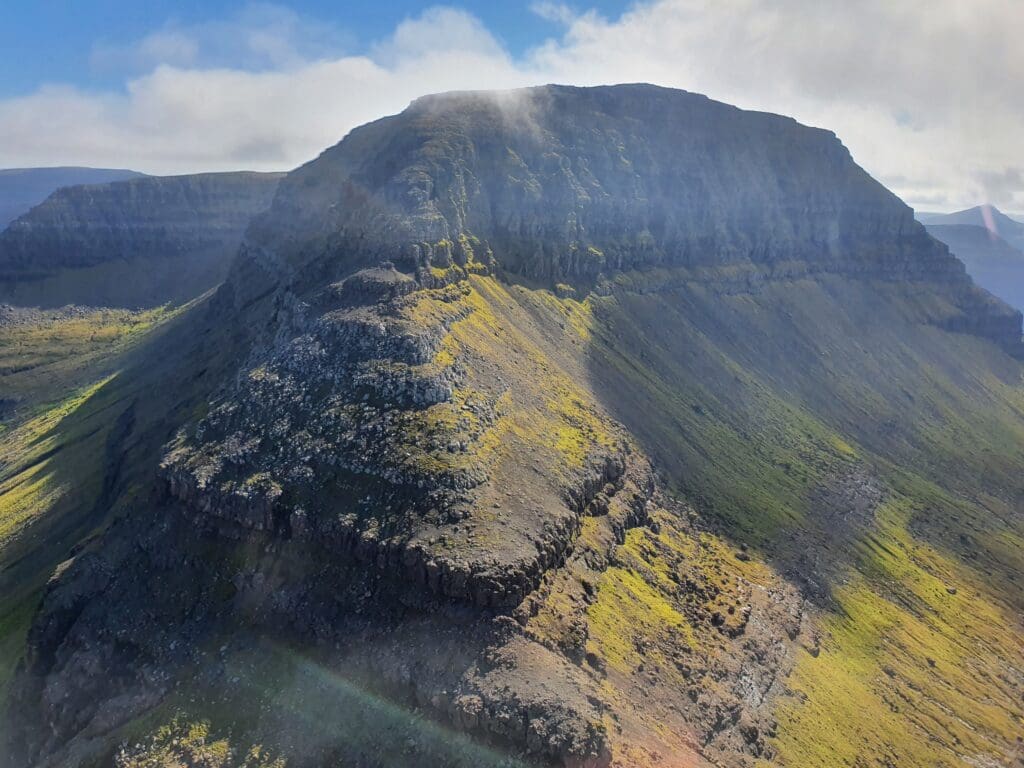
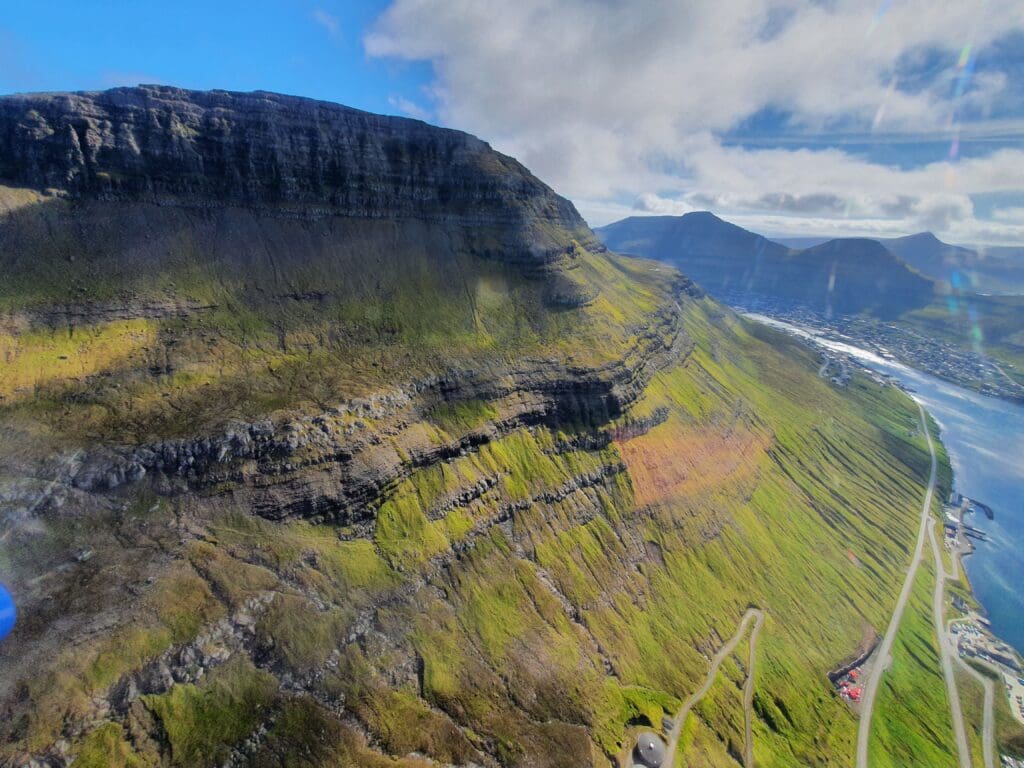
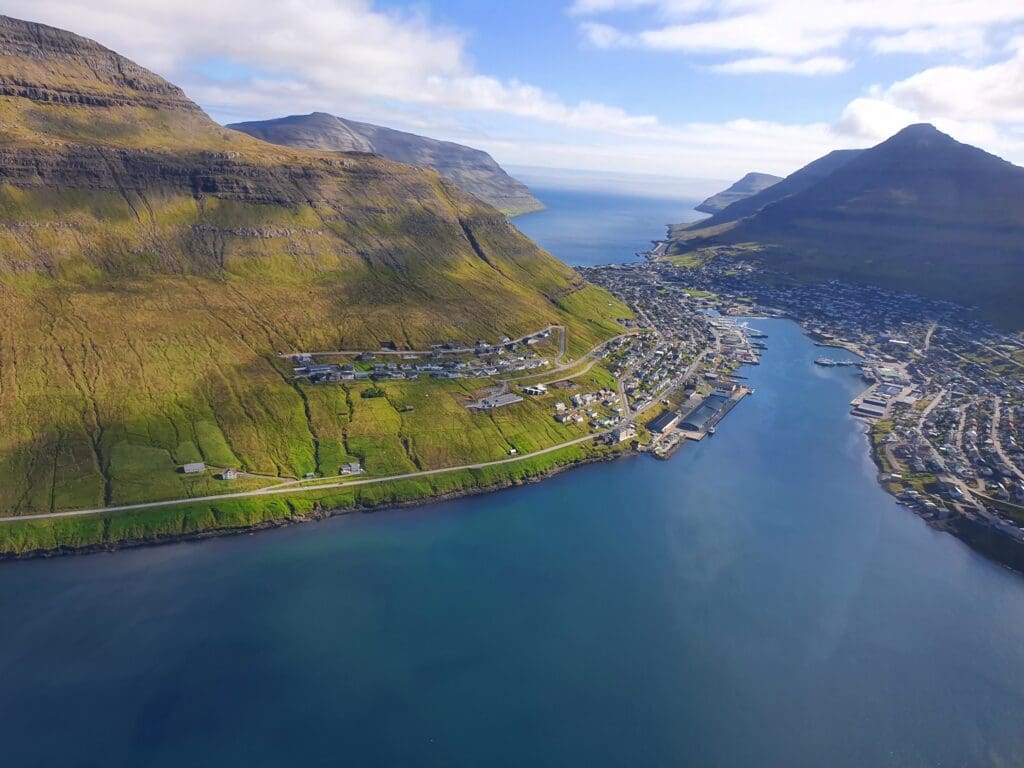
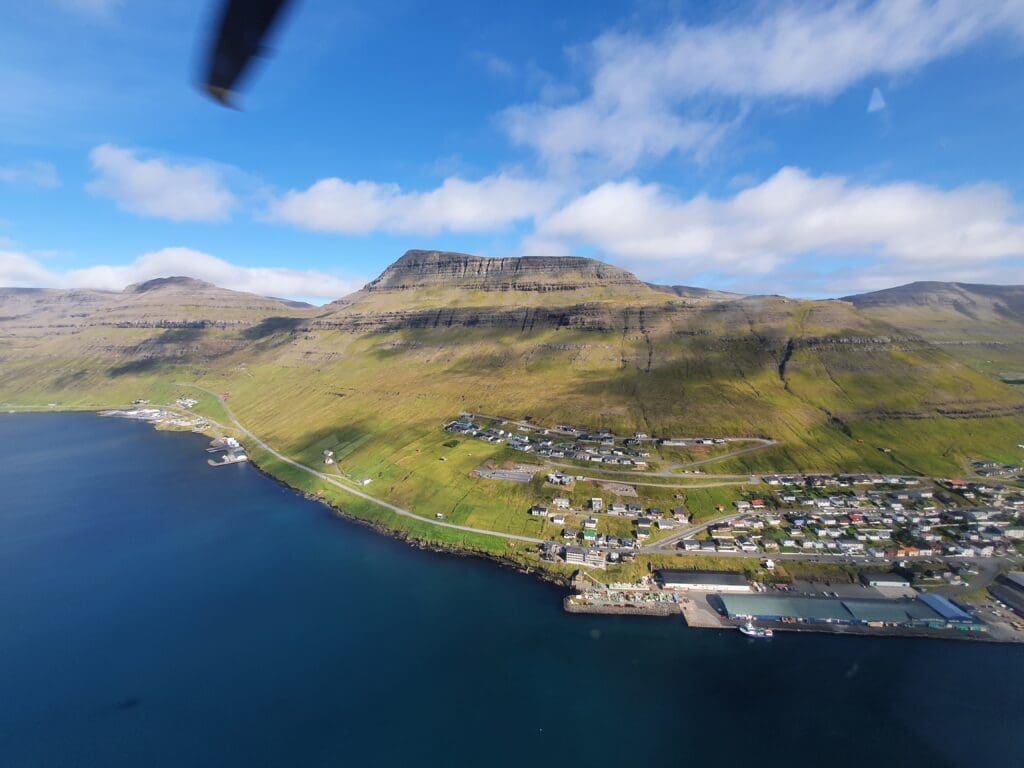
Inside the cabin, the captain performed a quick pre-arrival announcement, thanking passengers for flying with Atlantic Airways and wishing them a nice day before the aircraft rattled about as its nose pointed up and it decelerated in preparation for touching down. After crossing over the northern portal of the six-kilometre-long Norðoyatunnilin (Northern Isles Tunnel), the AgustaWestland made another soft touchdown almost exactly 10 minutes after we departed from the island of Fugloy. Once on the ground, the helicopter and its passengers were soon greeted by not only the helipad’s attendant but also their canine companion complete with a tennis ball. Once the cabin door was opened, all bar myself and the pilots headed outside and made their way downhill towards the town. At this time, rather than having awkward eye contact with the person sitting in Seat 1A, I decided to move to the last row of the aircraft and settled in 3A. There, I found the seats to have a rather mediocre amount of legroom although still better than sitting in the bank of seats facing each other if you happen to end up sitting opposite someone with long legs!


Whilst the engine continued to run, outbound passengers were kept away from the helicopter and the attendant began refuelling the aircraft. During this, their dog kept running around and dropping its tennis ball near its owner in the hope that they would temporarily abandon their refuelling duties and throw the ball. However, fortunately, the attendant’s focus remained on the refuelling process and this was over within a couple of minutes or so. Once the refuelling hose had been wound back up, passengers were permitted to board the aircraft. That afternoon, it was to be a full flight to the capital, Torshavn, with all seats taken on the ride south. Unlike on the leg from Kirkja, it seemed that the load on this leg was a fair mix of local and non-local passengers.
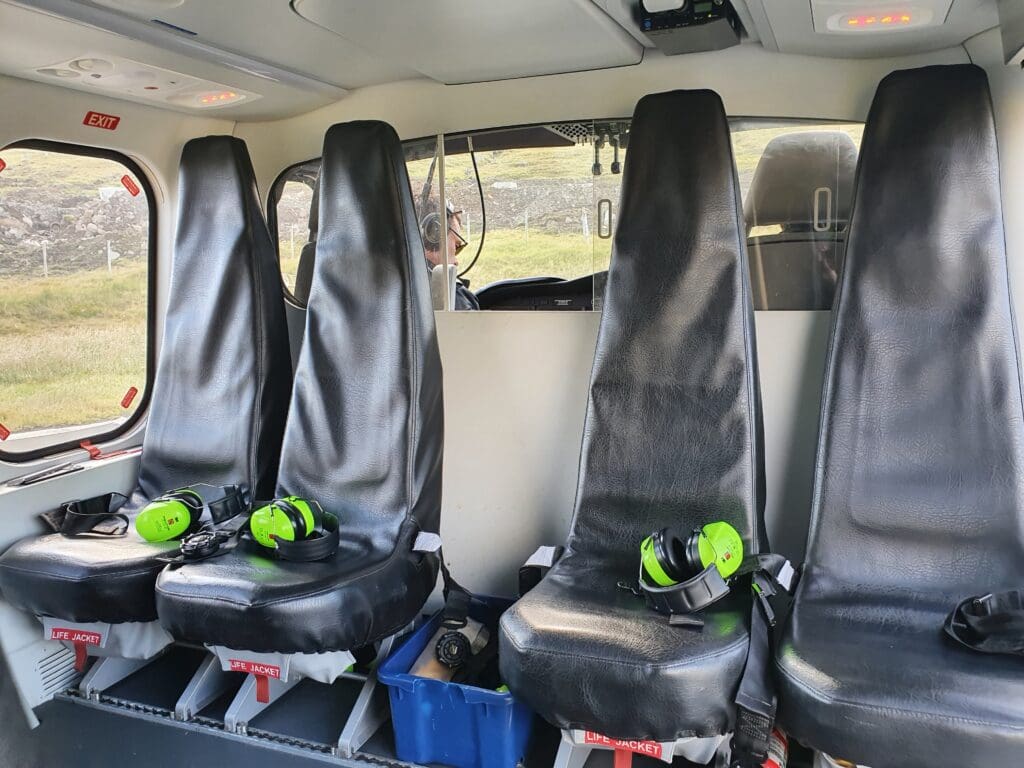
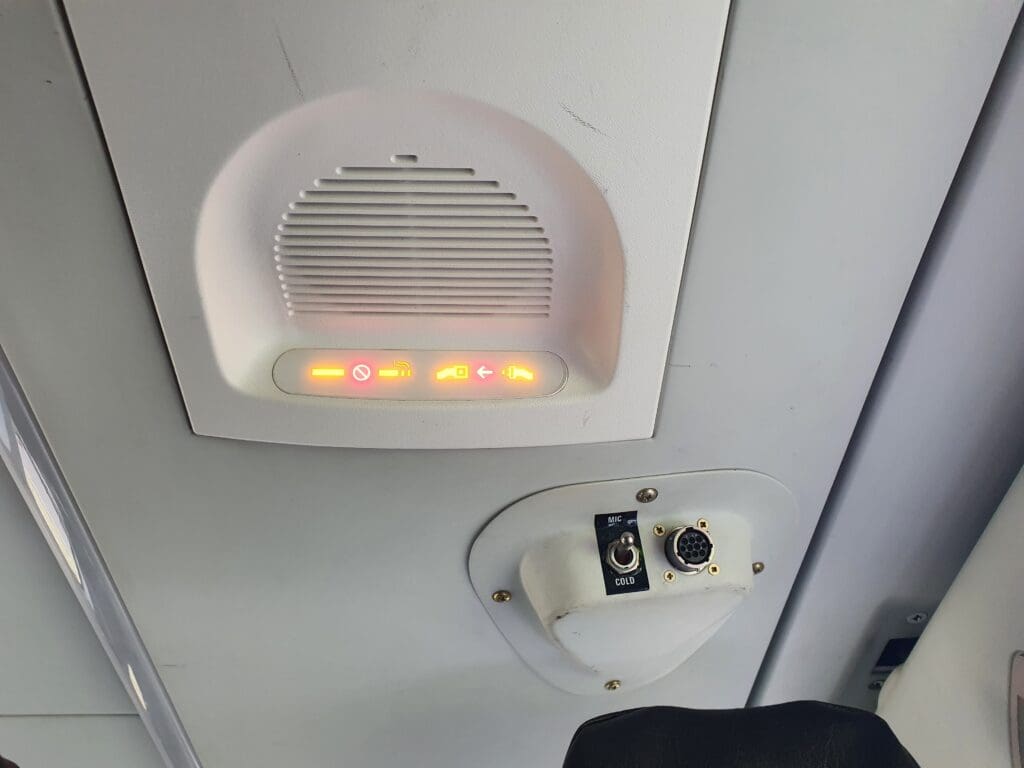
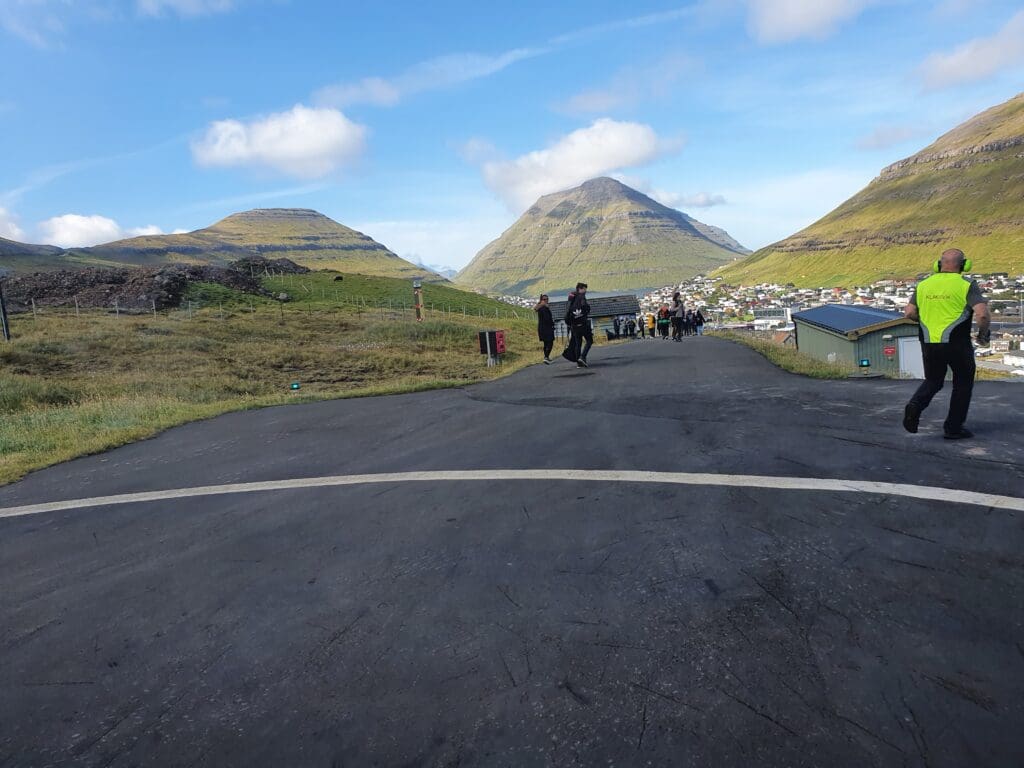
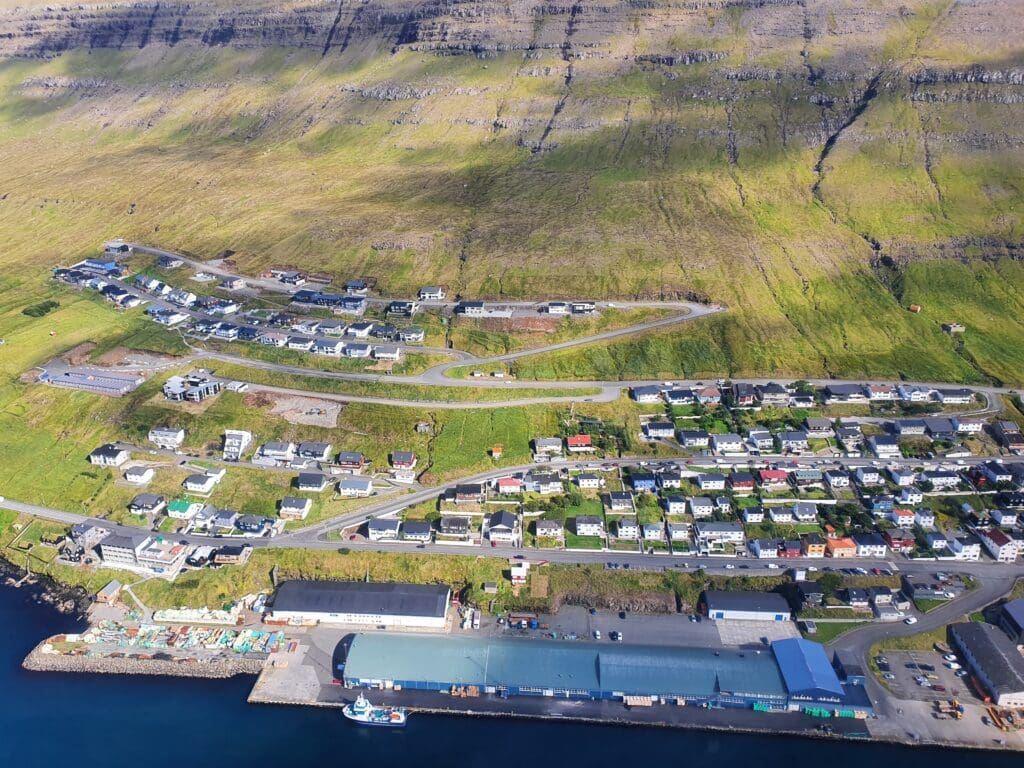
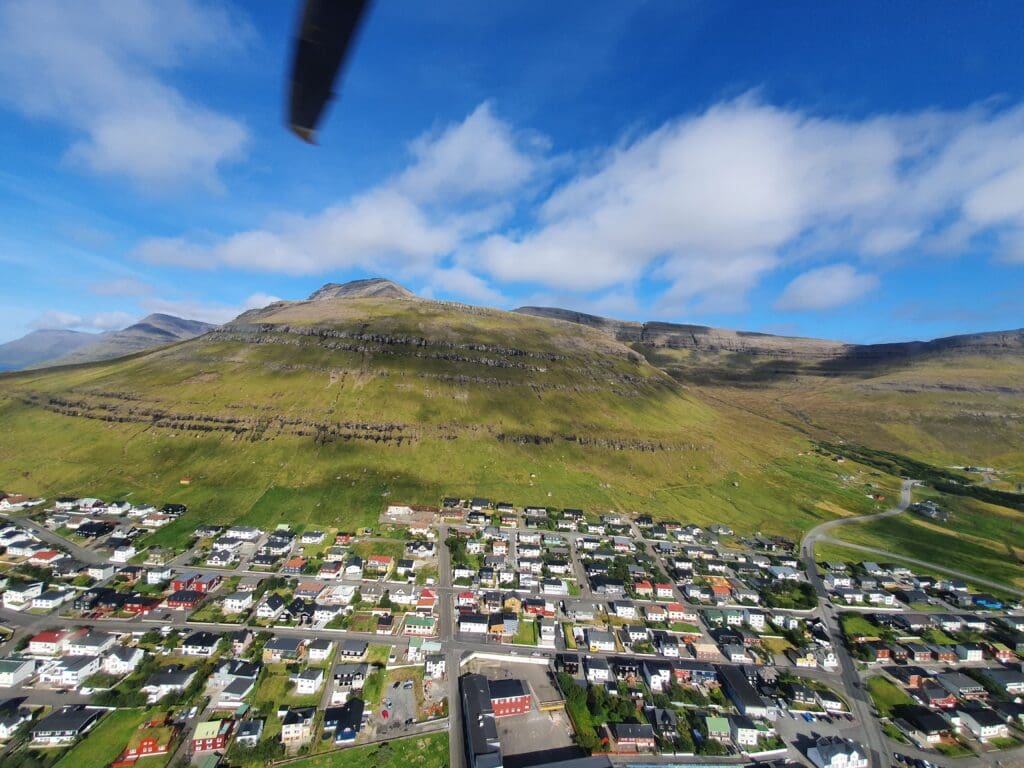
Suitably packed in like sardines, the cabin door was closed and the captain performed their trilingual welcome announcement. Aside from mentioning the 10-minute flight time to Tórshavn and the smooth conditions en route, the Captain informed passengers that thanks to the good weather that day, we would fly the scenic route to the capital, flying over the Faroes’ fjords and valleys. Almost as soon as this announcement came to an end, the helicopter lifted off and bid farewell to the helipad attendant and his dog. From there, rather than heading out to sea and following the return course of the flight I had taken from Tórshavn to Klaksvík, the helicopter made its way to the town centre. Flying over the harbour once again, this time I was offered a good view of the western portion of the town as well as of Klakkur – the mountain that I had climbed just after arriving in Klaksvík.
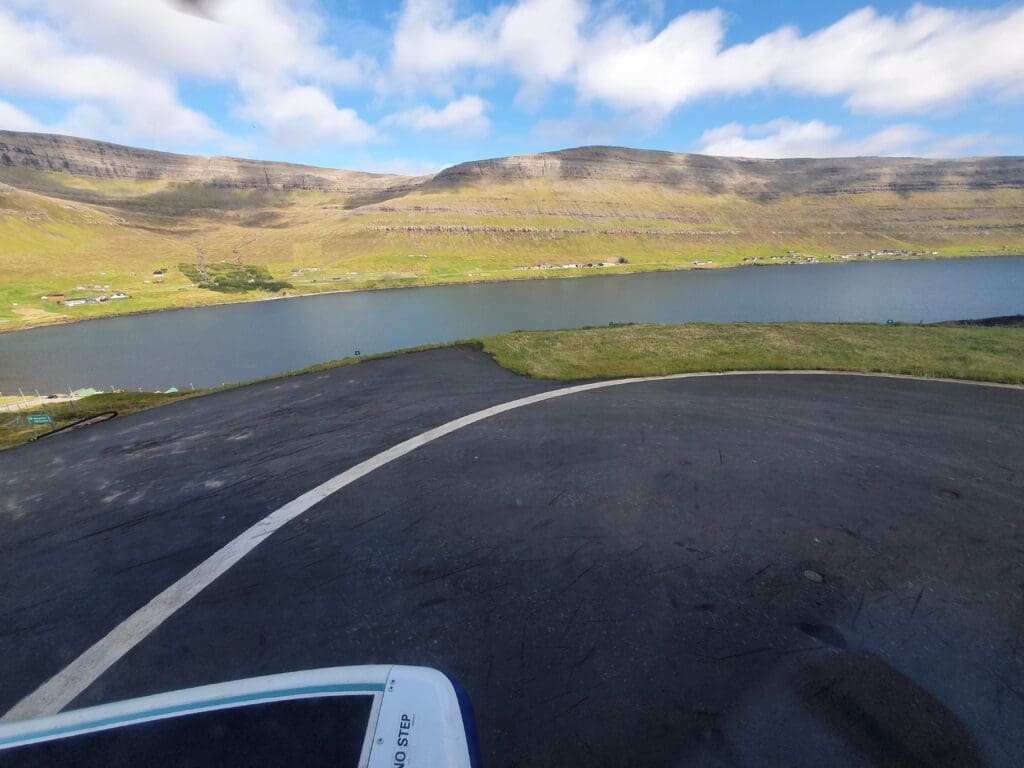
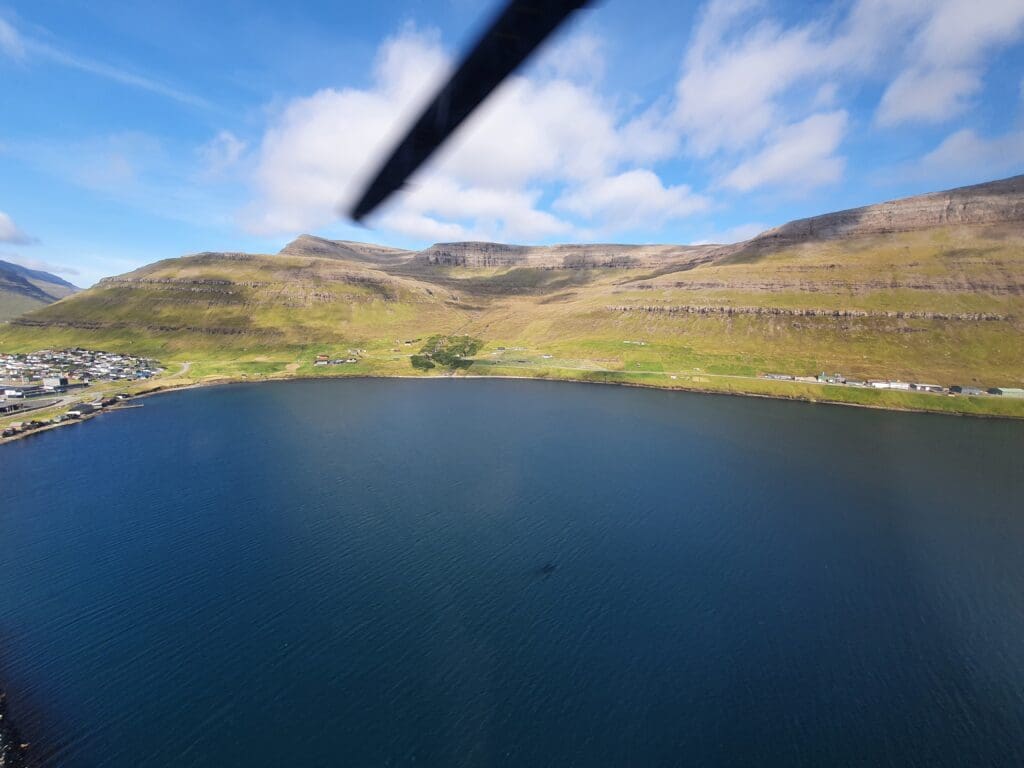
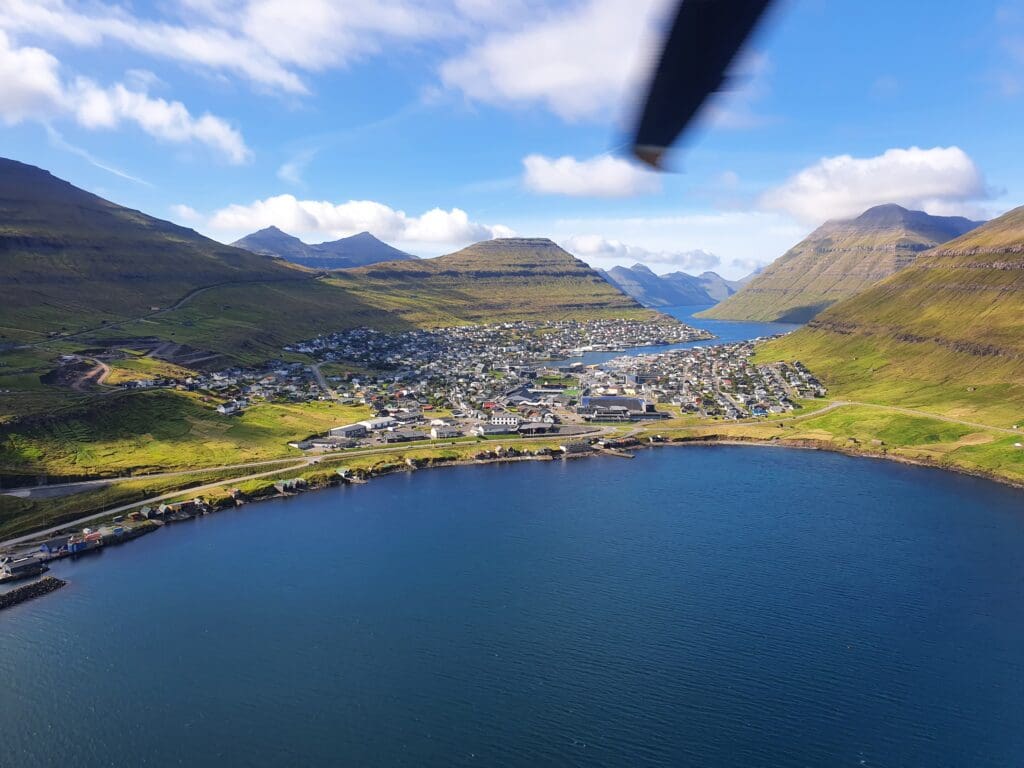
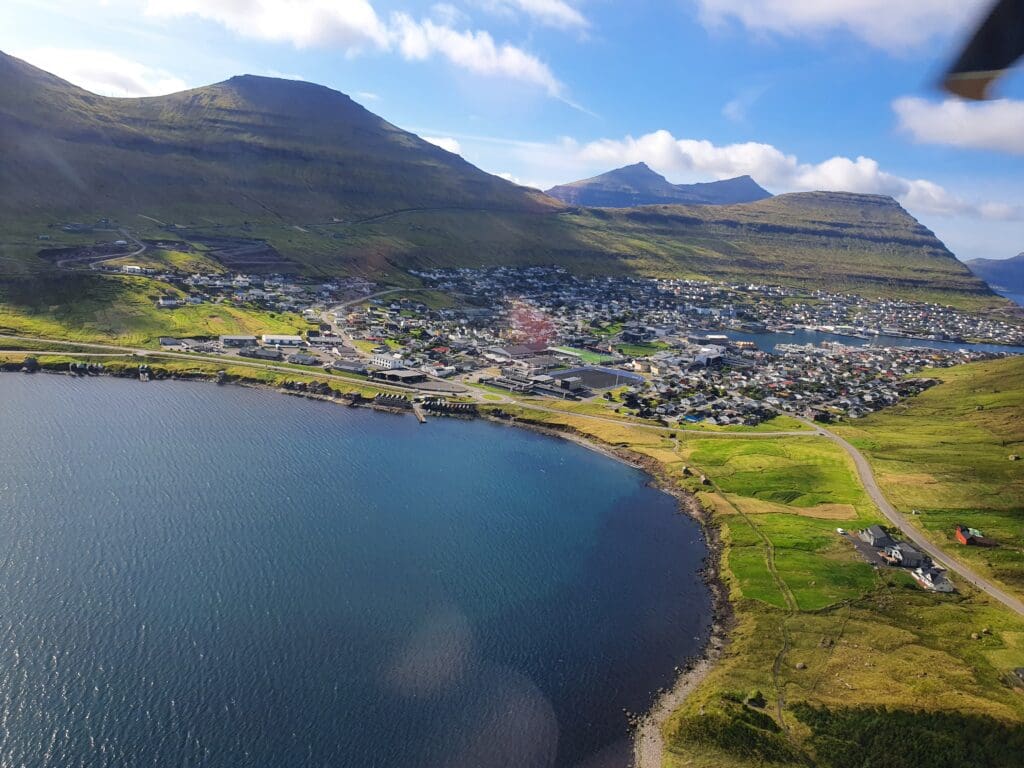
After leaving Klaksvík, the aircraft made its way towards the island of Kalsoy and soon the island’s harbour at the small village of Syðradalur came into view. Following the road that winds along the island’s eastern coastline for a few moments, the helicopter then headed inland and made a quick crossing of the island at which point I was treated to good views of Botnstindur. The peaks of Kalstoy were then followed by an impressive series of mostly green sweeping cliffs, which to a non-geographer would have not looked too out of place on a Hawaiian island.
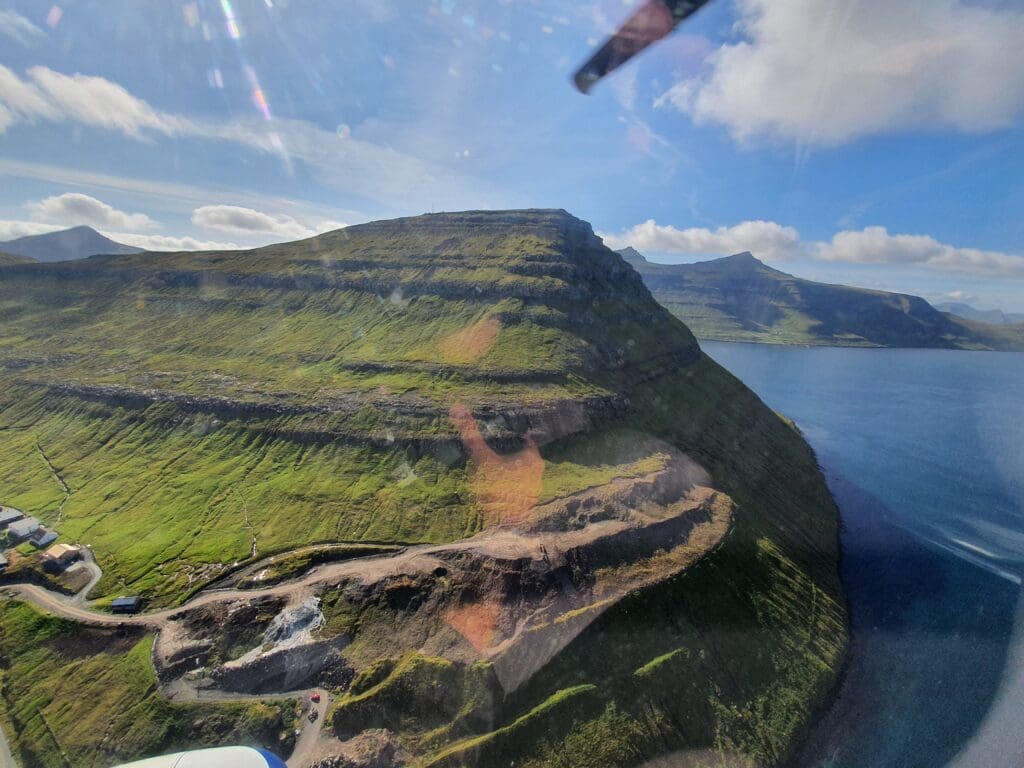
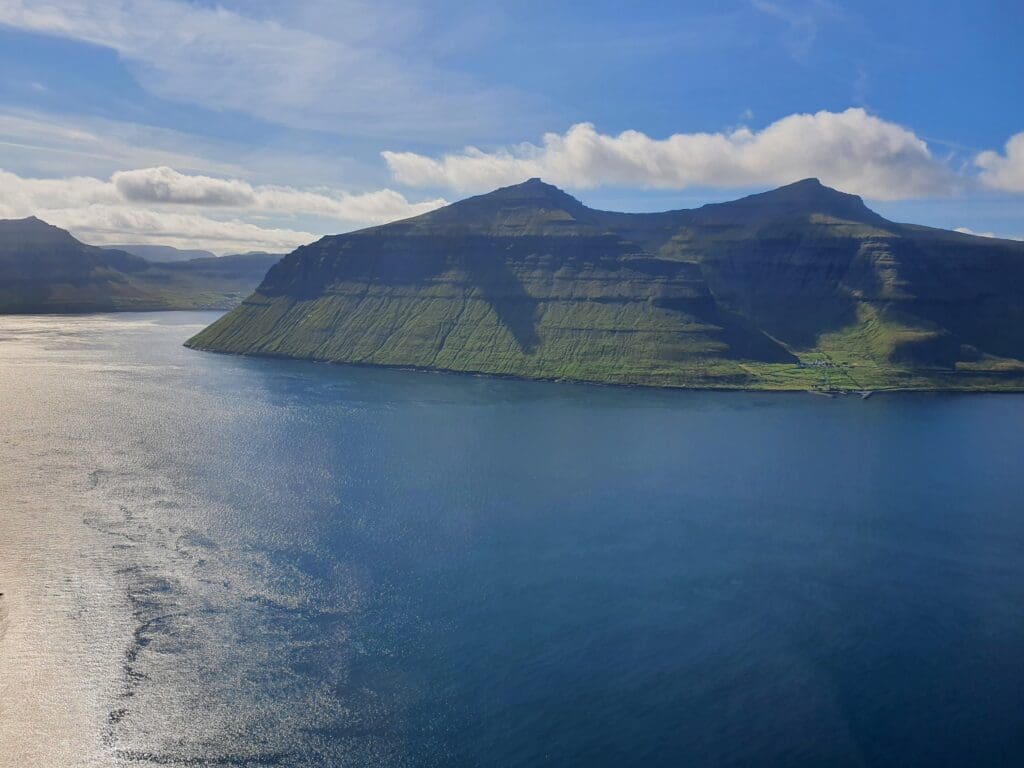
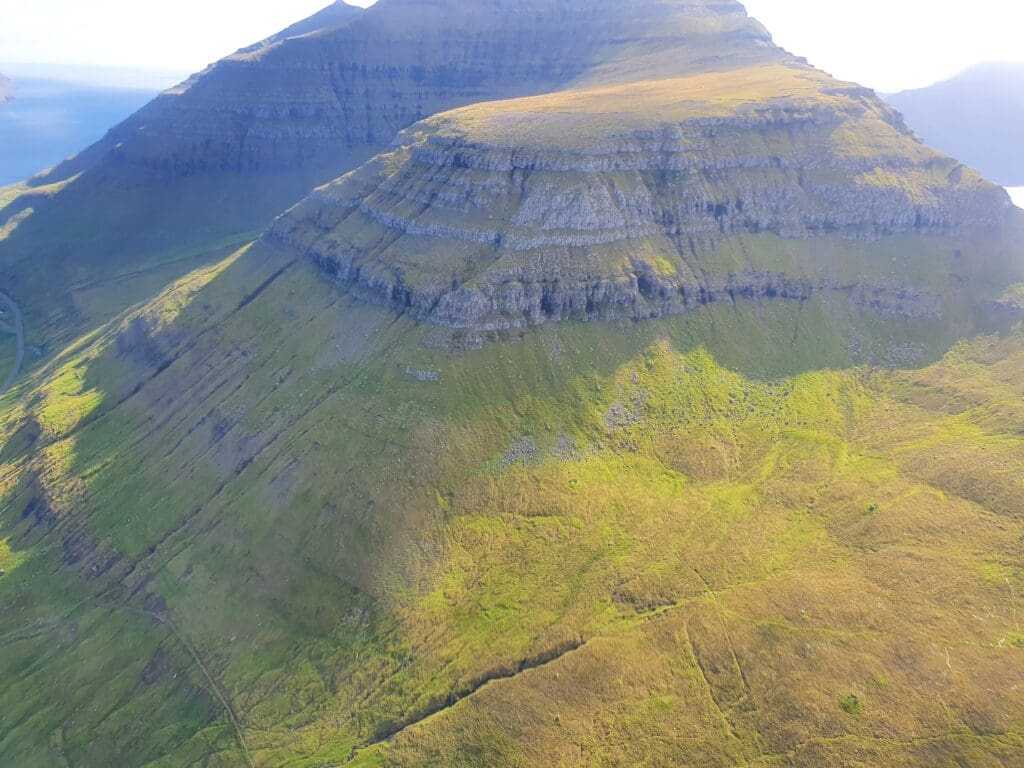

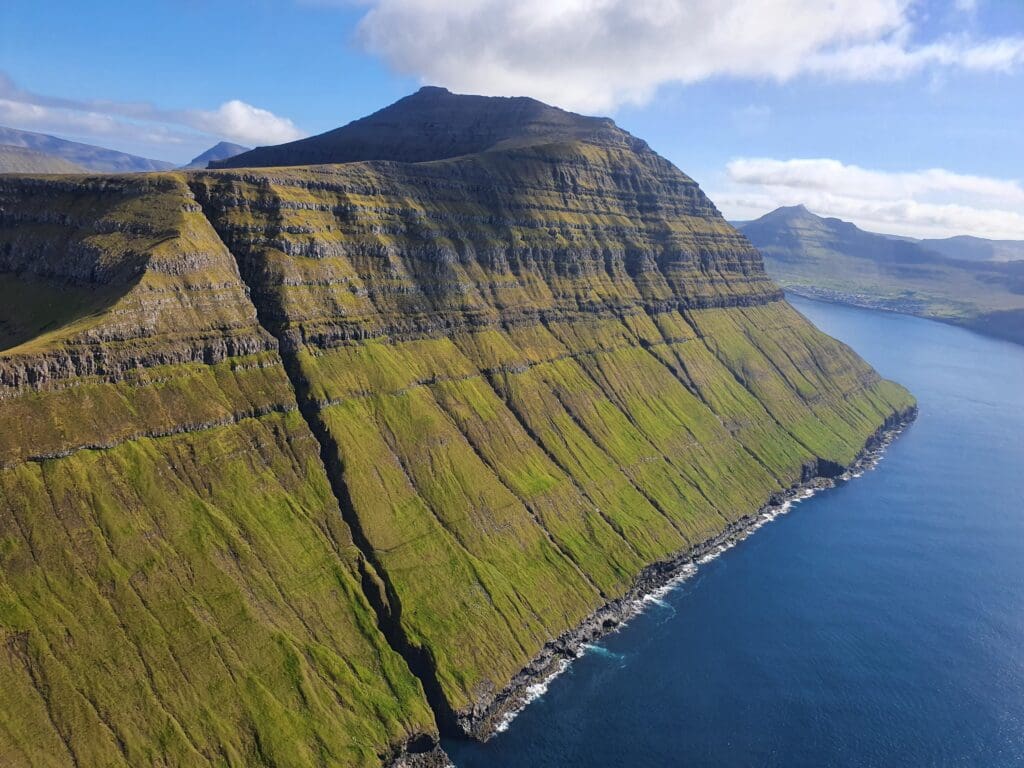
From Kalsoy, the helicopter made a quick crossing of the sea before reaching the second-largest Faroese island, Eysturoy. After flying southwards over Fuglafjørður, the helicopter made landfall near the village of Kambsdalur, giving good views of the 641-metre tall Tobelerone-like peak of Ritafjall. A few moments later, the helicopter flew over the town of Norðragøta before heading on to the mountain of Støðlafjall and making its way along the Faroes’ longest fjord, Skálafjørður. A few moments later, the large villages of Saltangará and Runavík came into view as the helicopter journeyed out to sea.
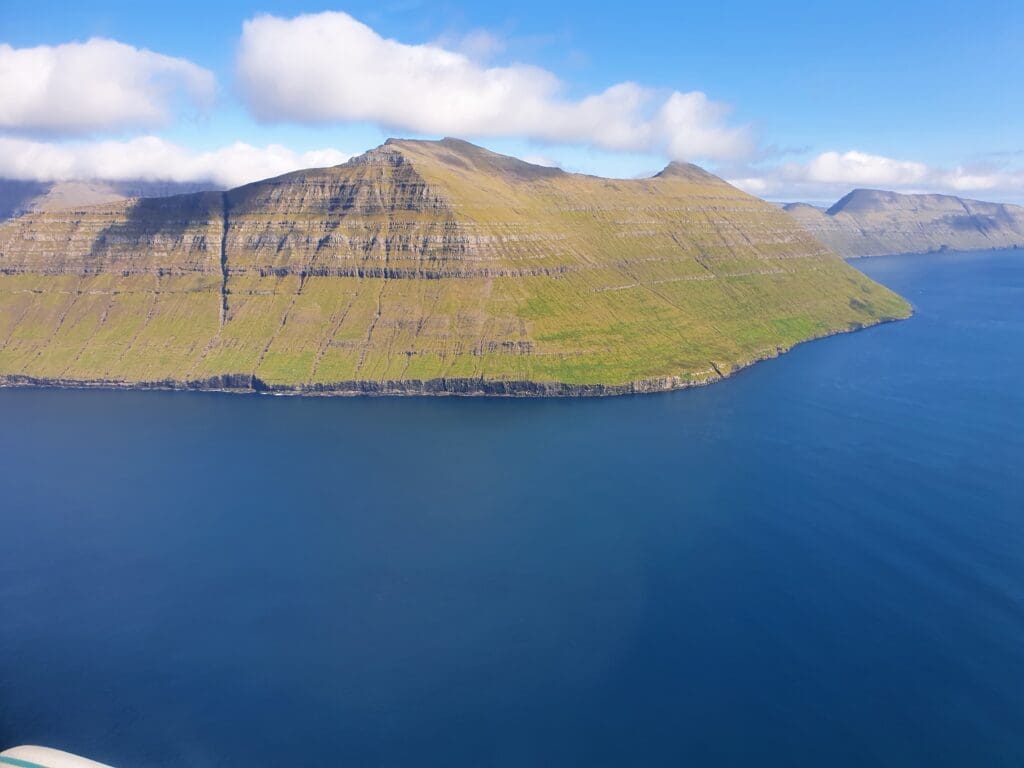
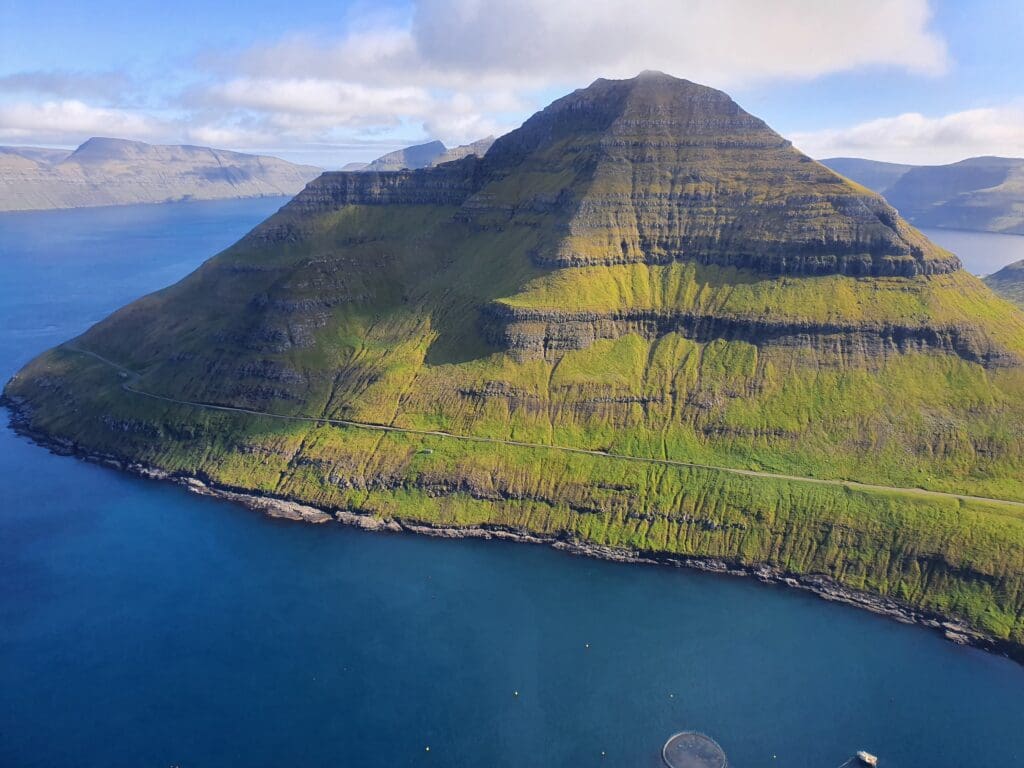


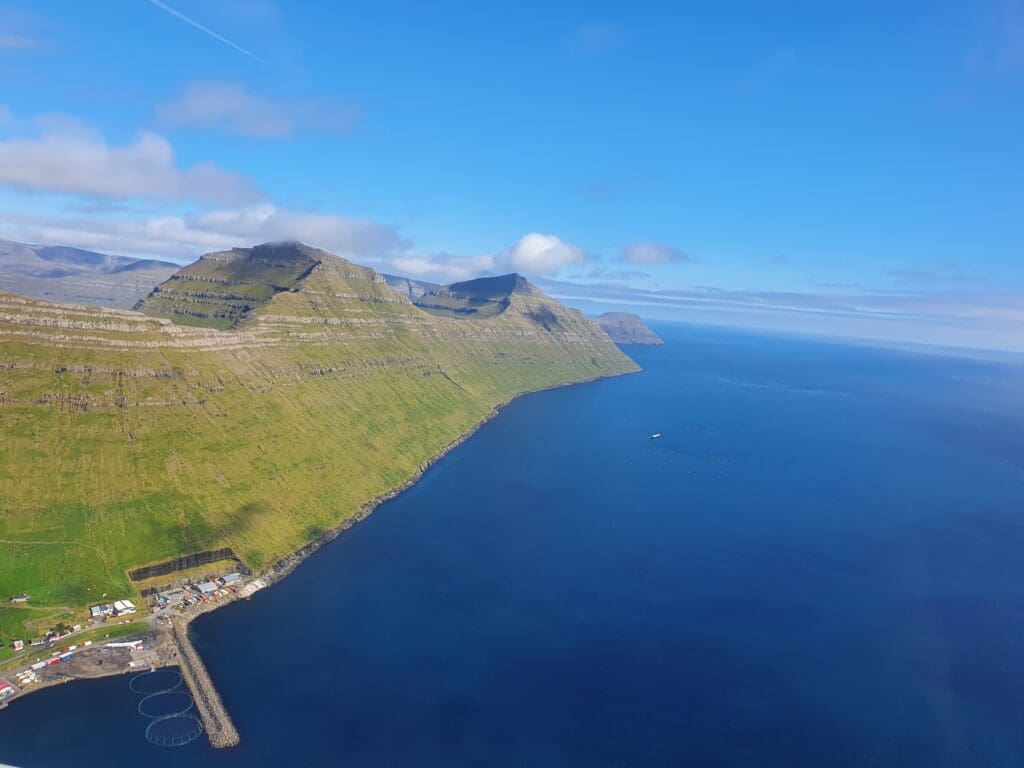
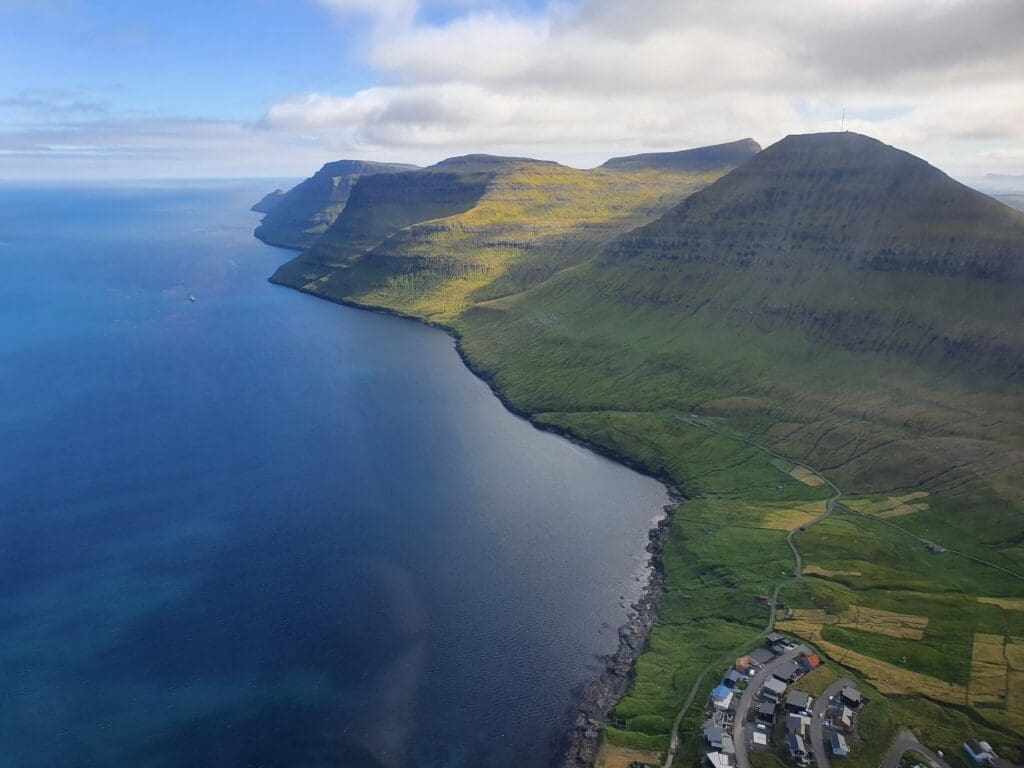
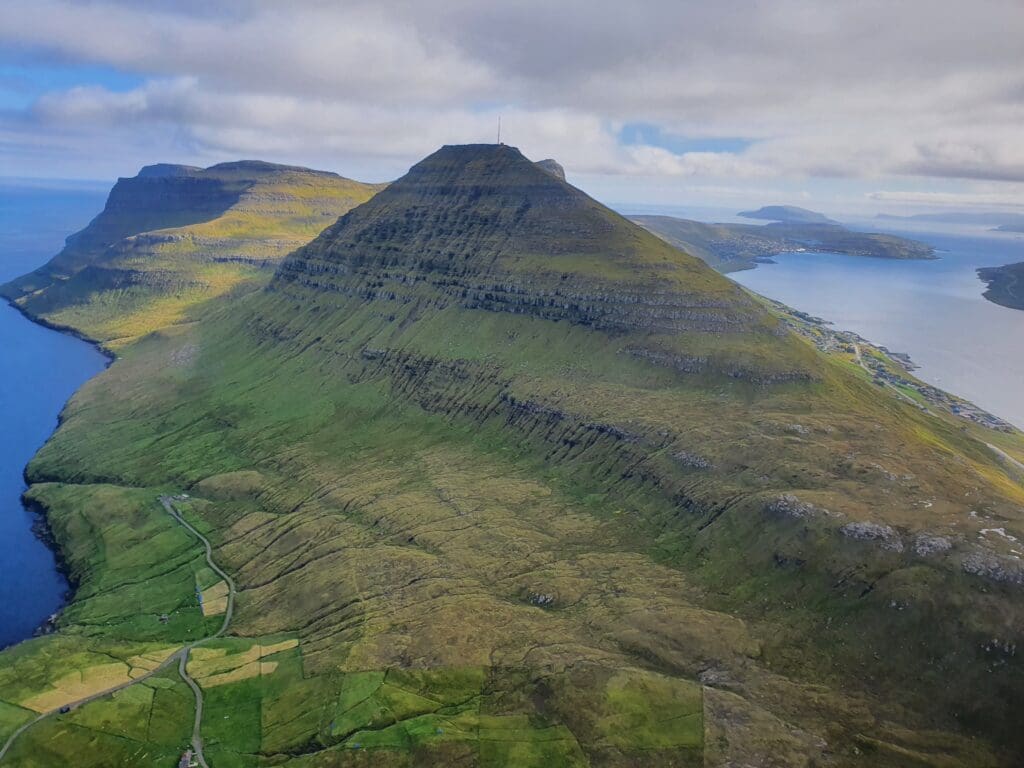
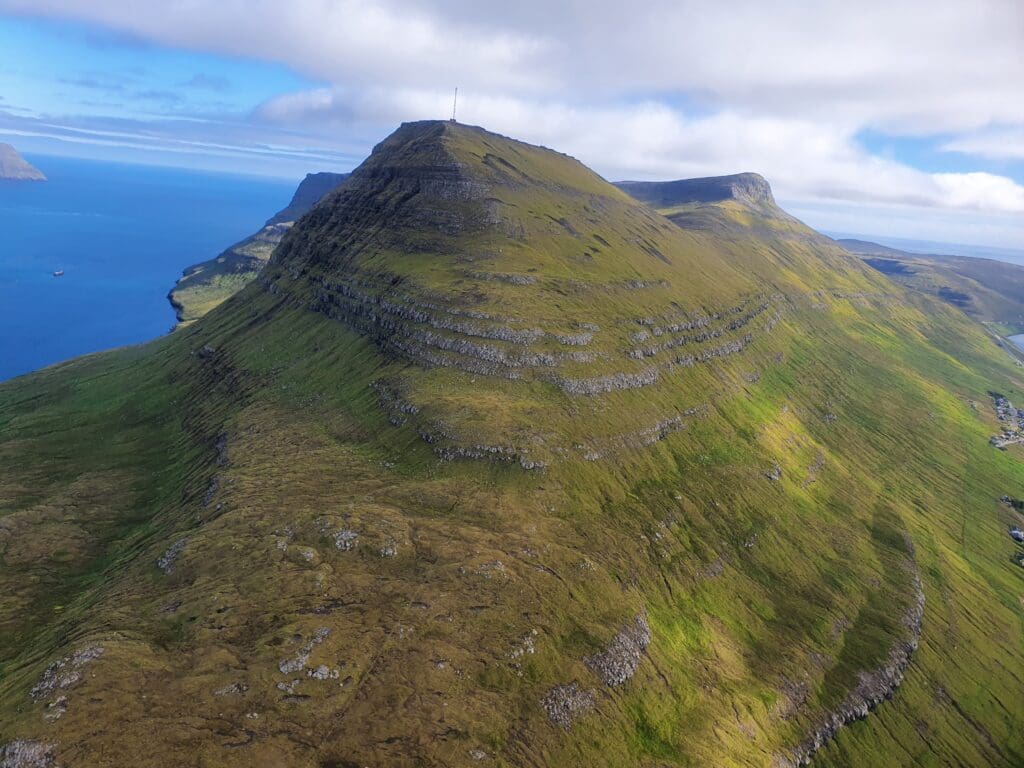
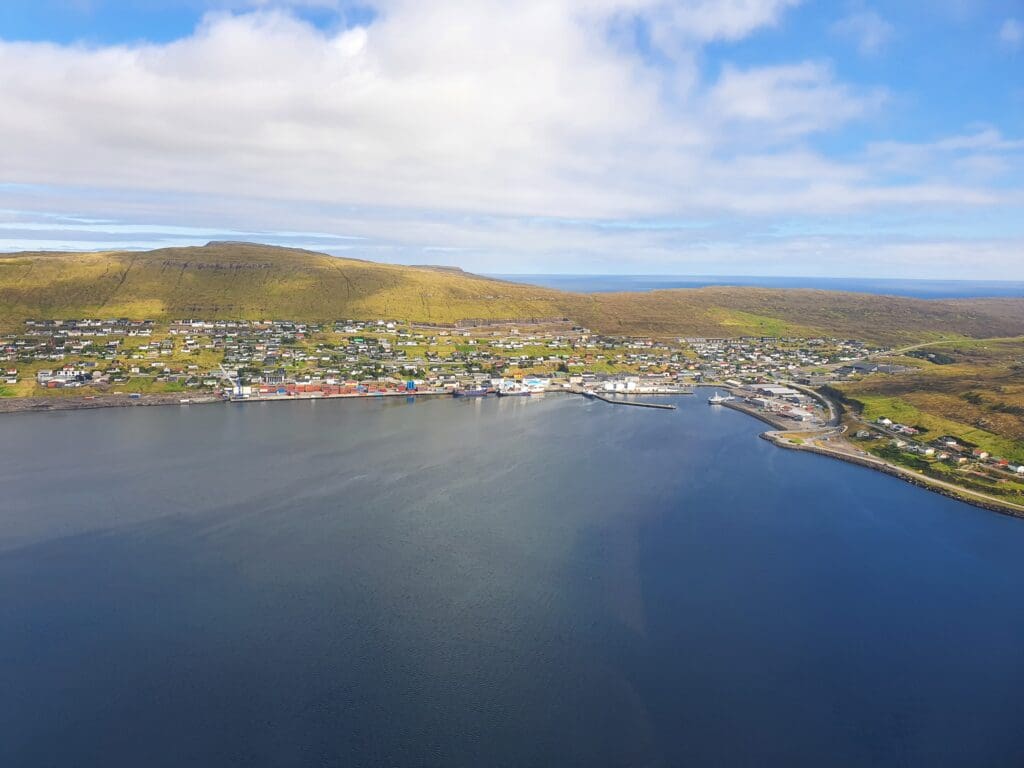
Once away from Eysturoy, the flight entered its final stages and there were no more spectacular tall peaks to be seen. In the distance, the northern portion of the island of Nólstoy could be seen poking out of the blue waters of the Atlantic as the aircraft flew long along the eastern coastline of the island of Streymoy. At this stage in the flight, the captain’s voice could be heard over the speakers once again, announcing that we would be landing in a minute and wishing all passengers a nice evening. A short time later, the helicopter descended low over the coastline before making a gentle touchdown on Tórshavn’s helipad following twelve minutes of superb views of the Faroes.
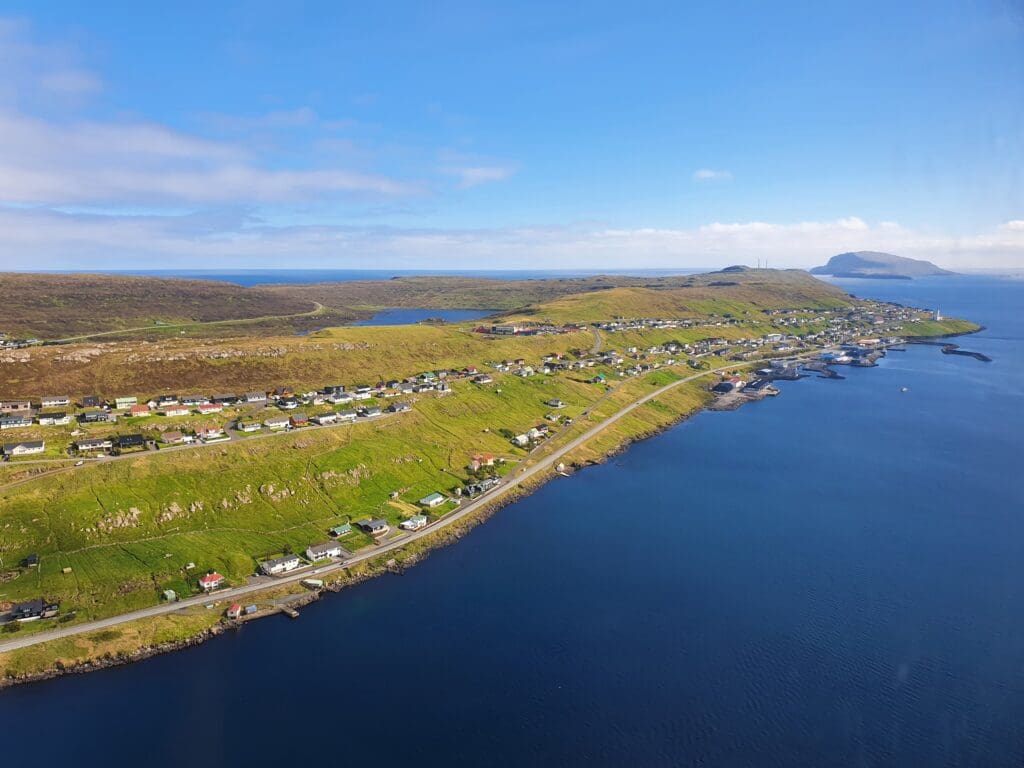
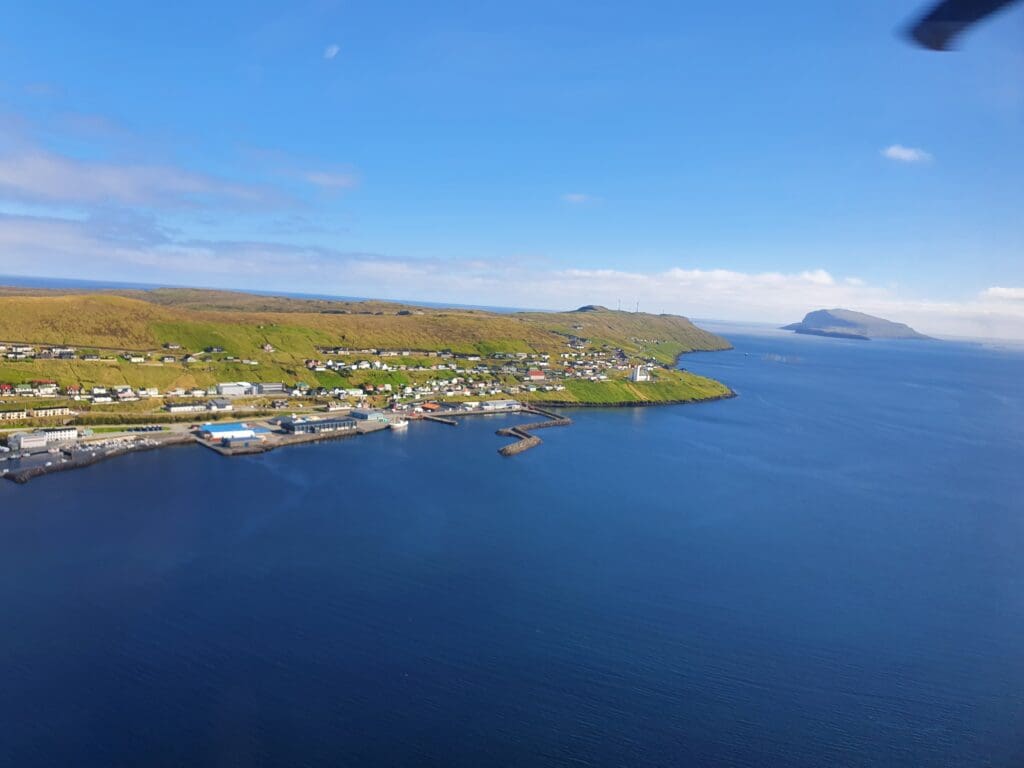
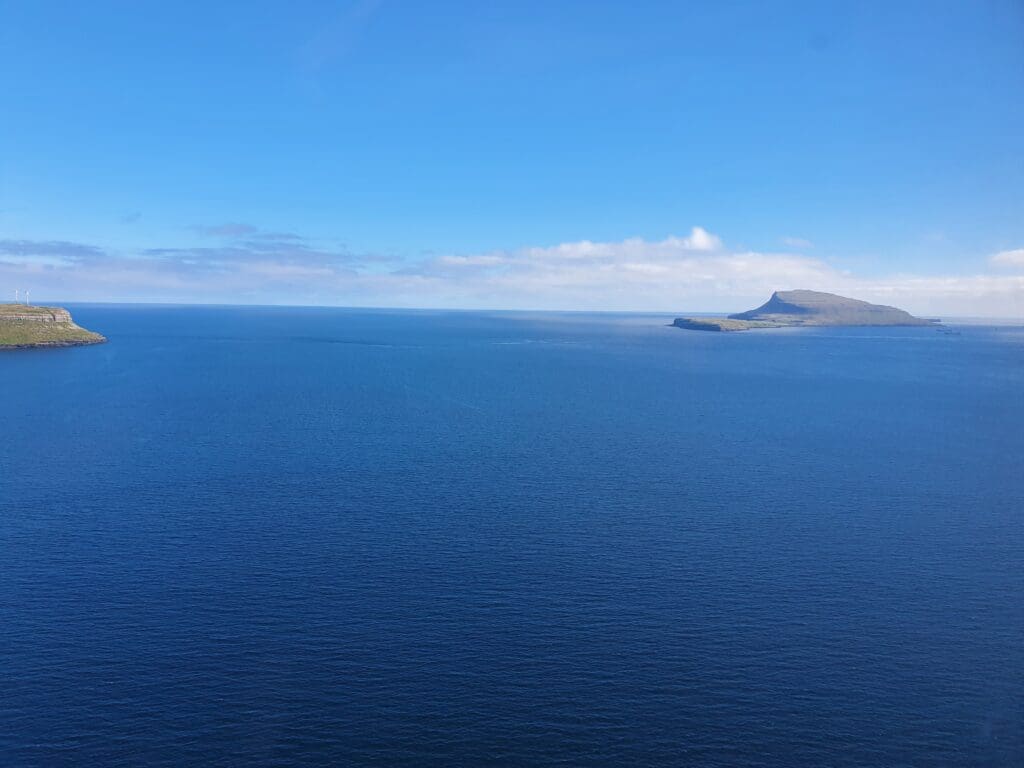
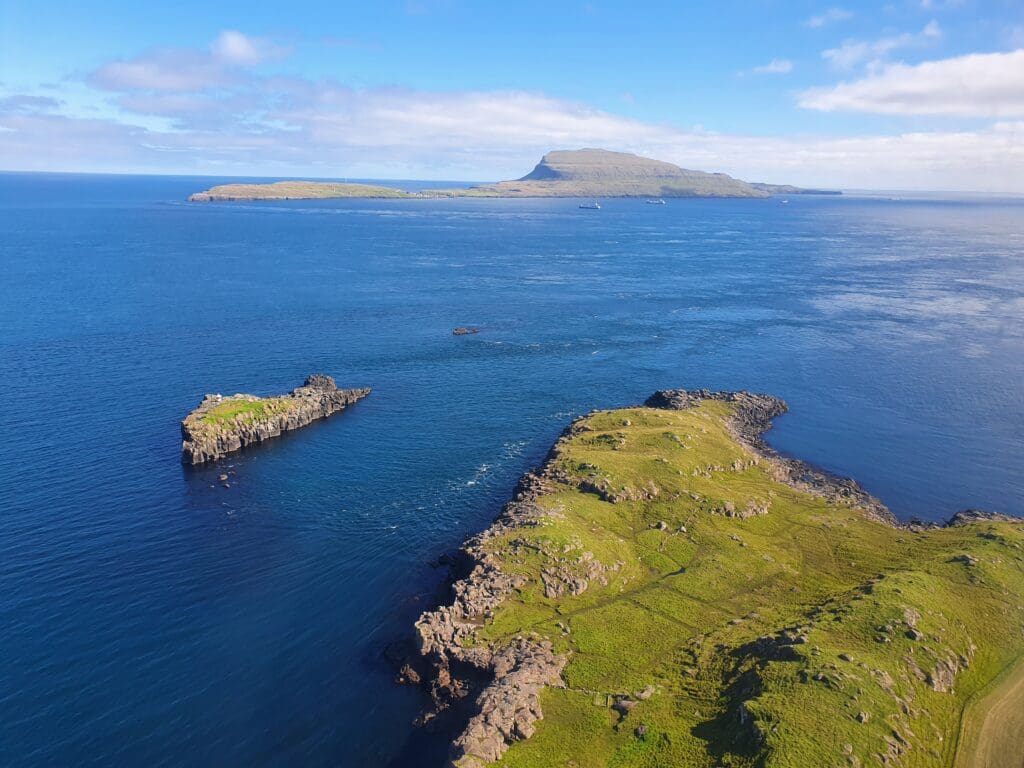
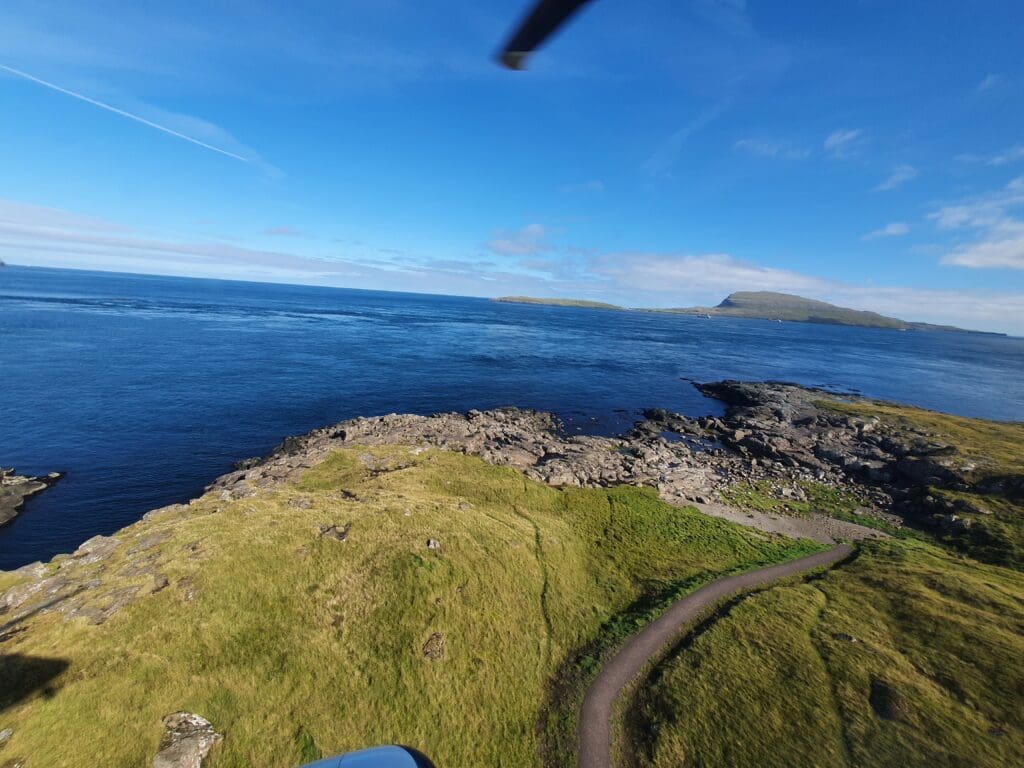
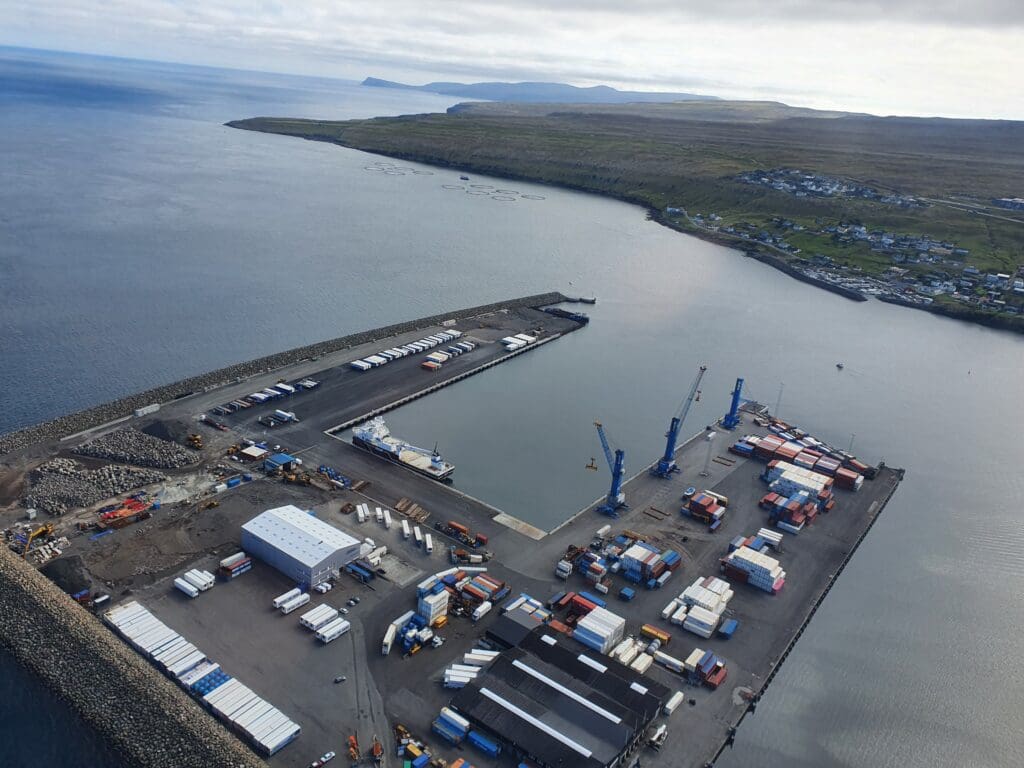
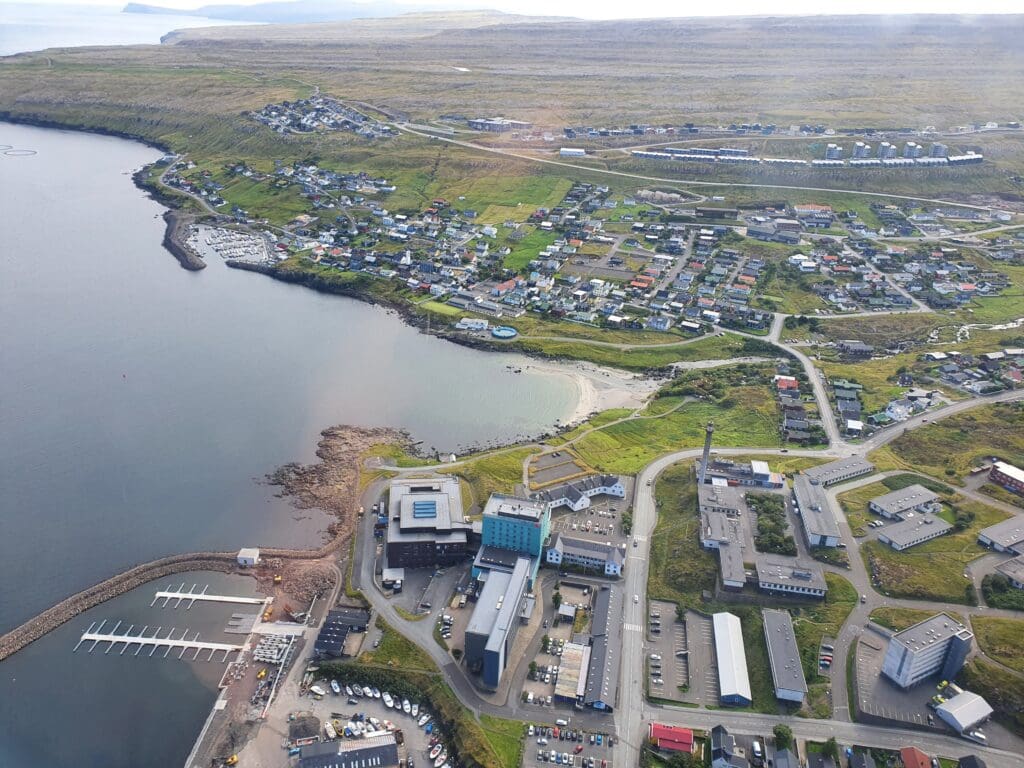
After touching down, the helipad attendant made their way out to the aircraft and slid open the cabin door. With all fellow passengers disembarking, once again it was just me and the pilots that remained onboard, although the space that this allowed was not to last for long as the outbound passengers soon made their way out to the aircraft, filling all remaining seats. Boarding in a matter of no time, the cabin door was promptly slid shut and the captain performed their trilingual welcome announcement, advising of a flight time of five minutes to the island of Koltur and informing of good weather conditions during the journey. Following a four-minute turnaround in the Faroese capital, the collective was raised and the helicopter ascended upwards. Pointing out to sea and towards Nólstoy, the helicopter soon orientated itself towards the centre of Tórshavn and commenced its journey to Koltur. From the heliport, the aircraft climbed out over the city centre and I was treated to a bird’s eye view of the city’s harbour, its hospital and the neighbourhoods on the west side of the city. After leaving Tórshavn behind, the helicopter journeyed west, roughly following the course of the glistening Sandá River as it wended its way through the green and rocky landscape up to the hills.
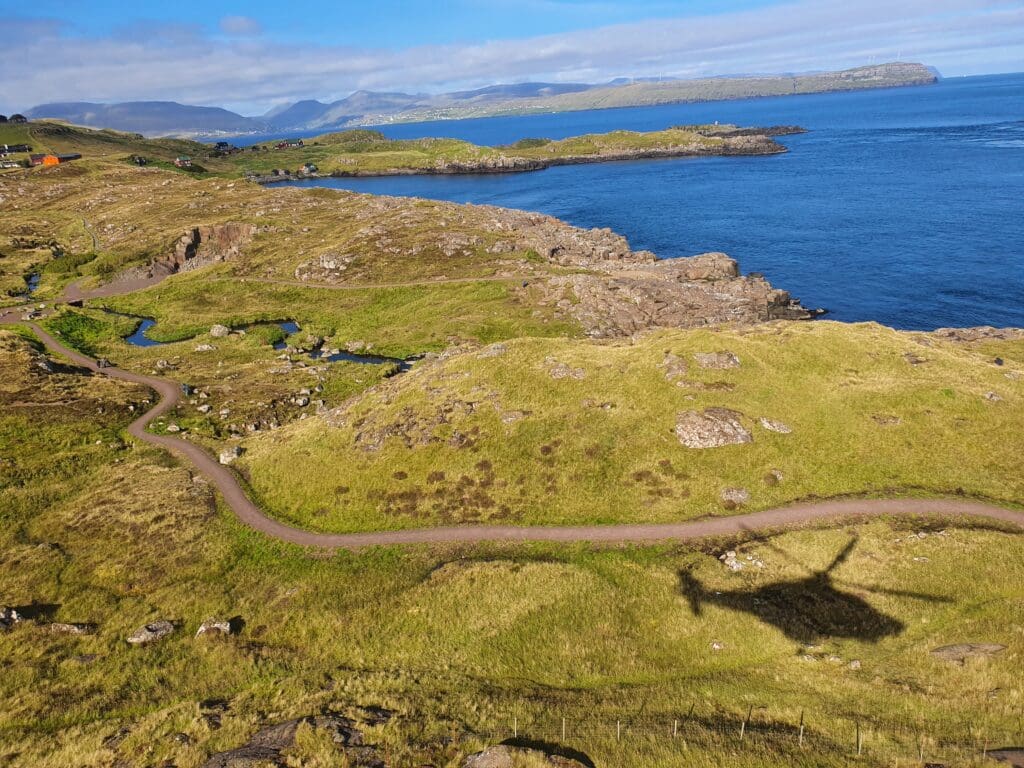
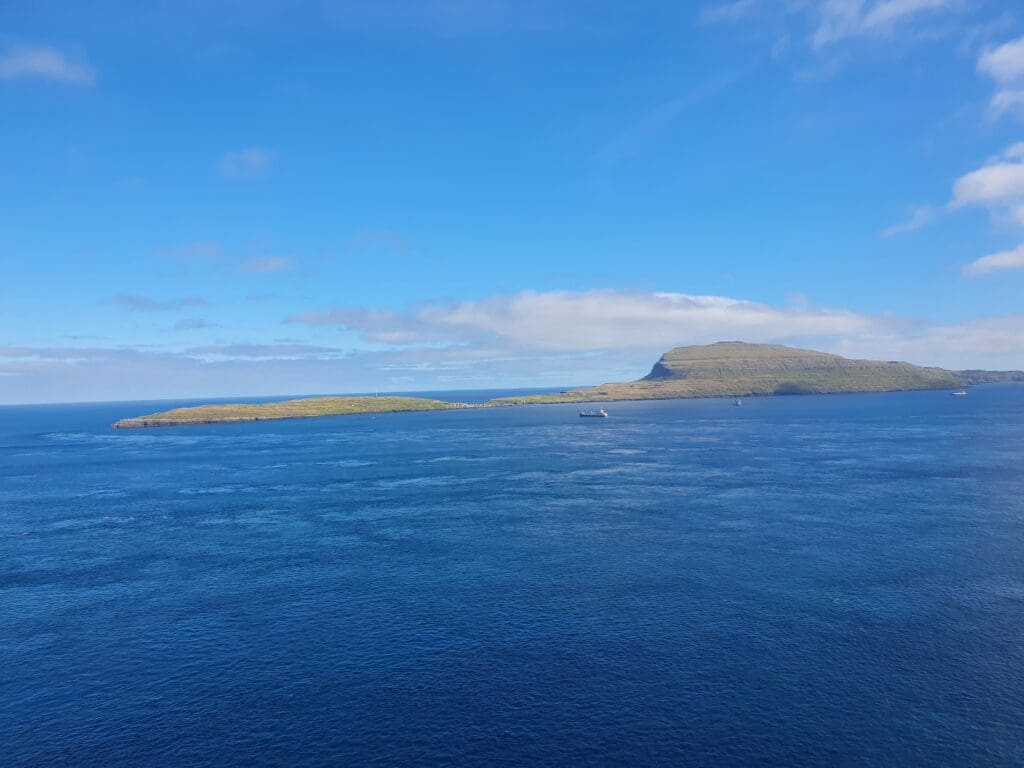
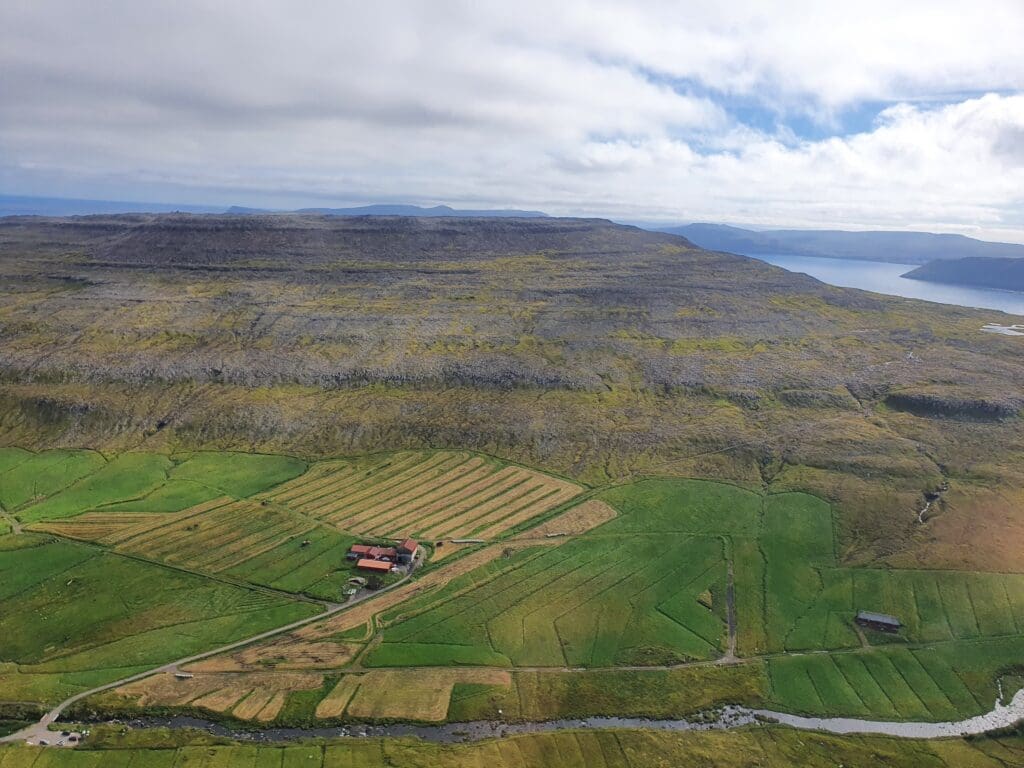
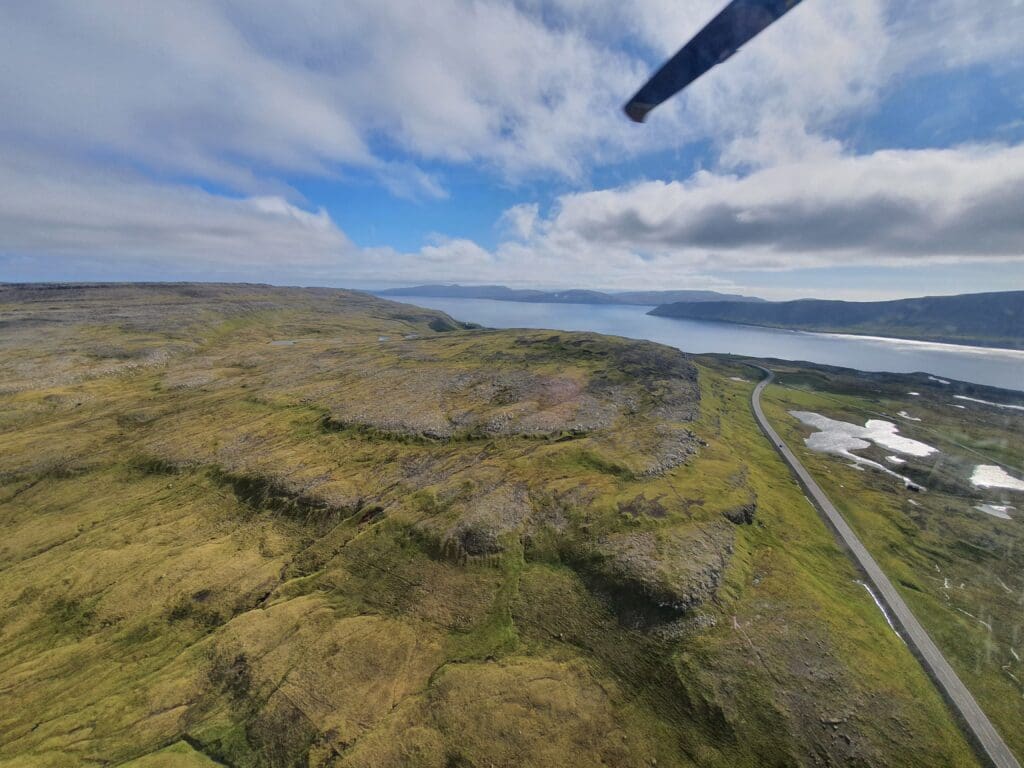
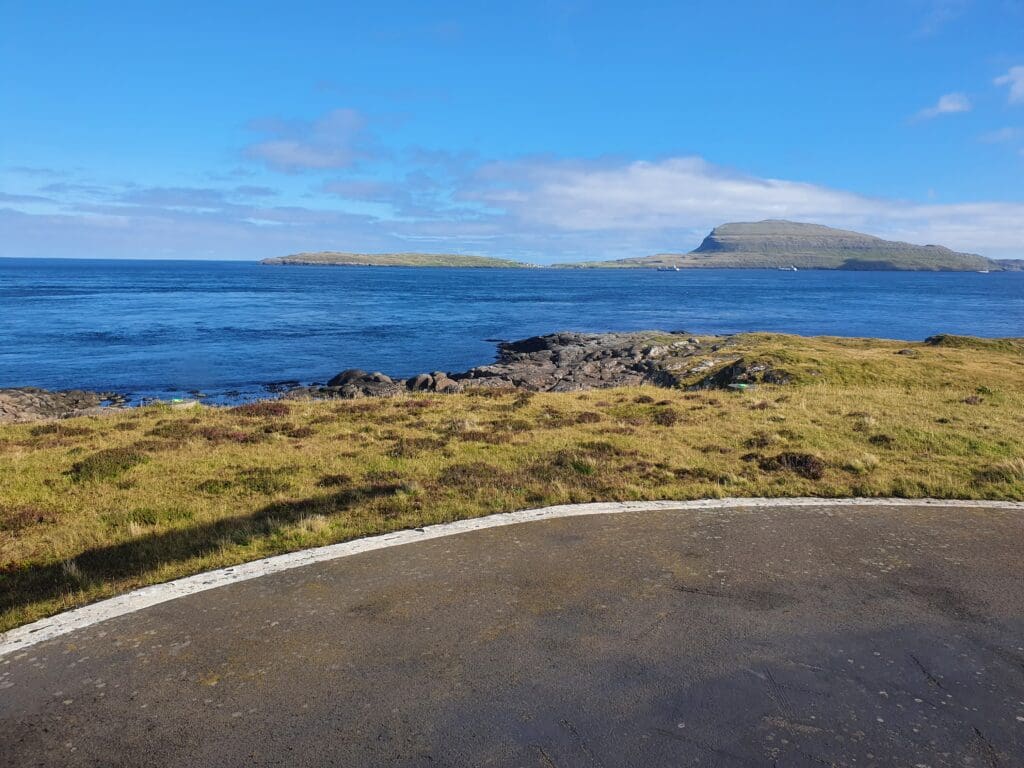
A short time after leaving Tórshavn, the aircraft left the island of Streymoy behind and soon approached the small island of Koltur. As the helicopter commenced its descent, the captain performed their usual pre-landing announcement and soon the helicopter shook and vibrated as it decelerated low over the waves of the Atlantic. With Koltur’s helipad located right next to the sea, this appeared all of a sudden beneath the helicopter and this was set down gently before the helipad worker appeared and opened up the cabin door. That afternoon, three passengers left the helicopter there and were promptly replaced by a family of three making the hop to Vágar – one of whom I recognised as the islander who was working at the island’s helipad on my journey to Klaksvík two days earlier!
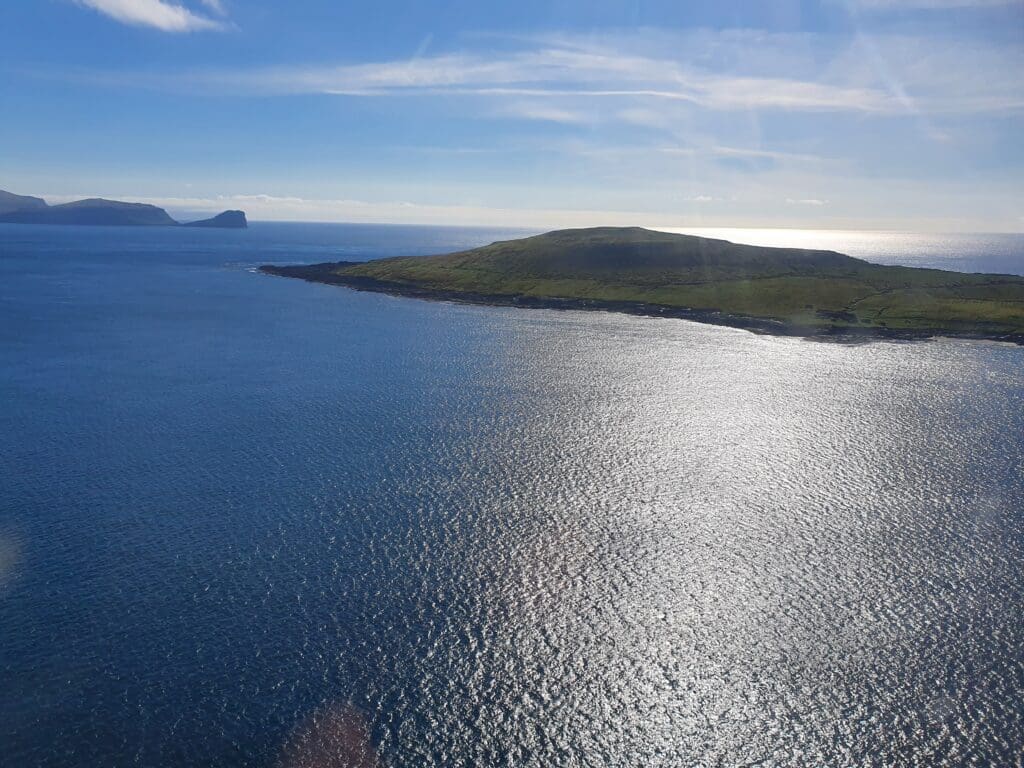
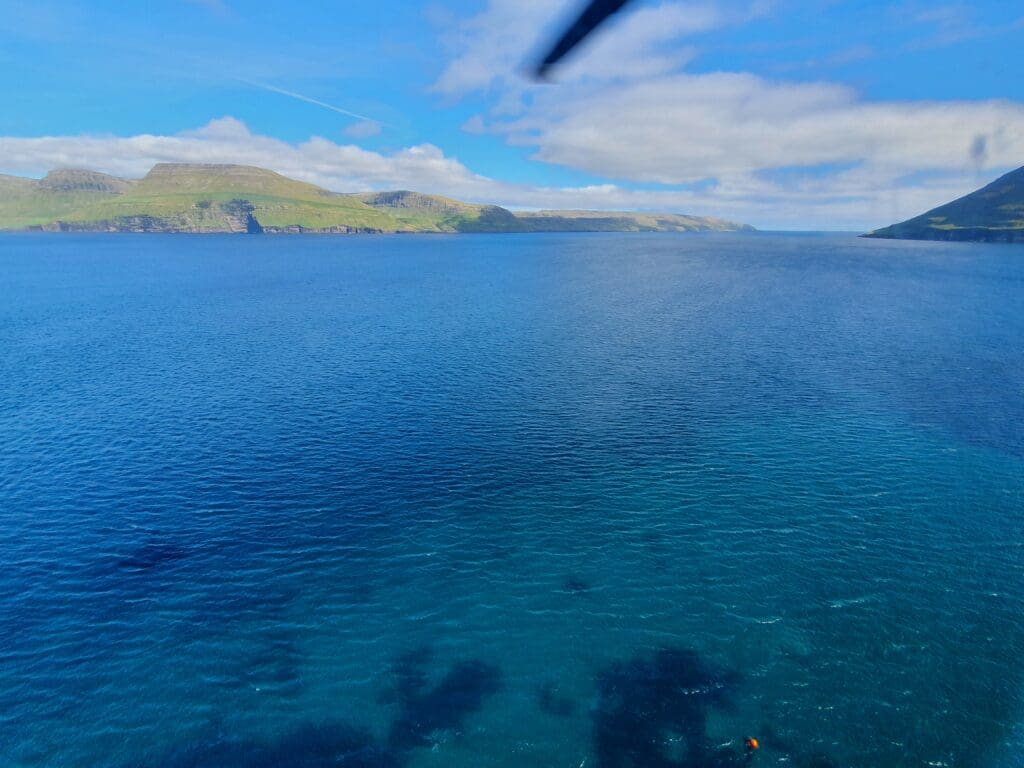

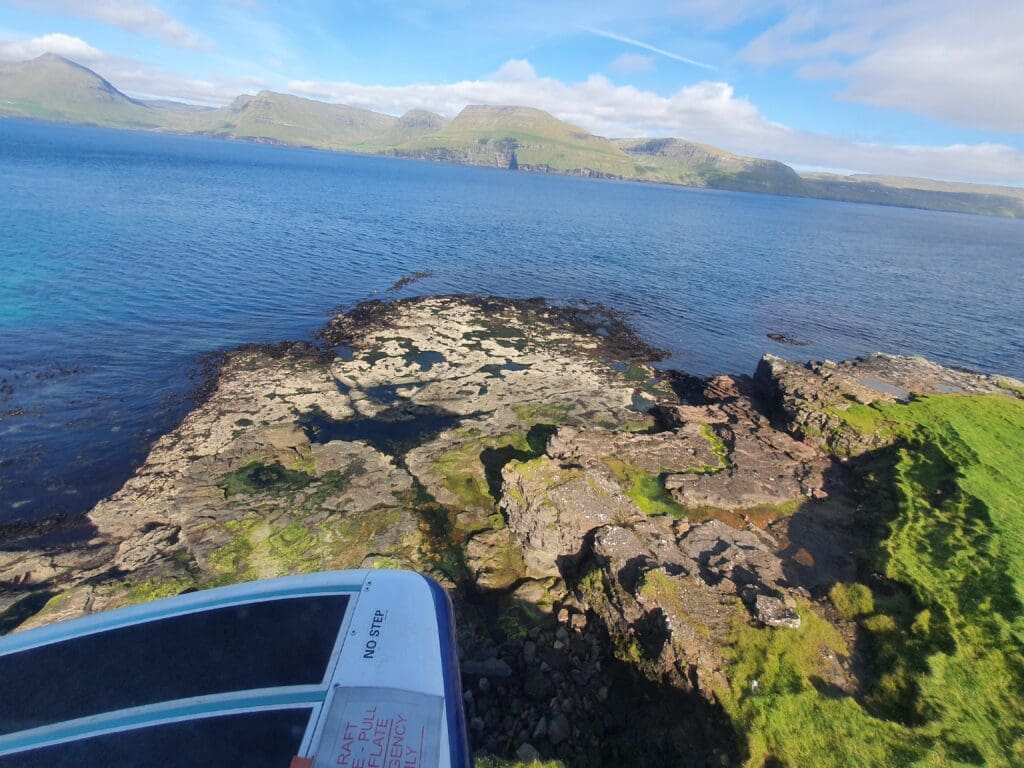
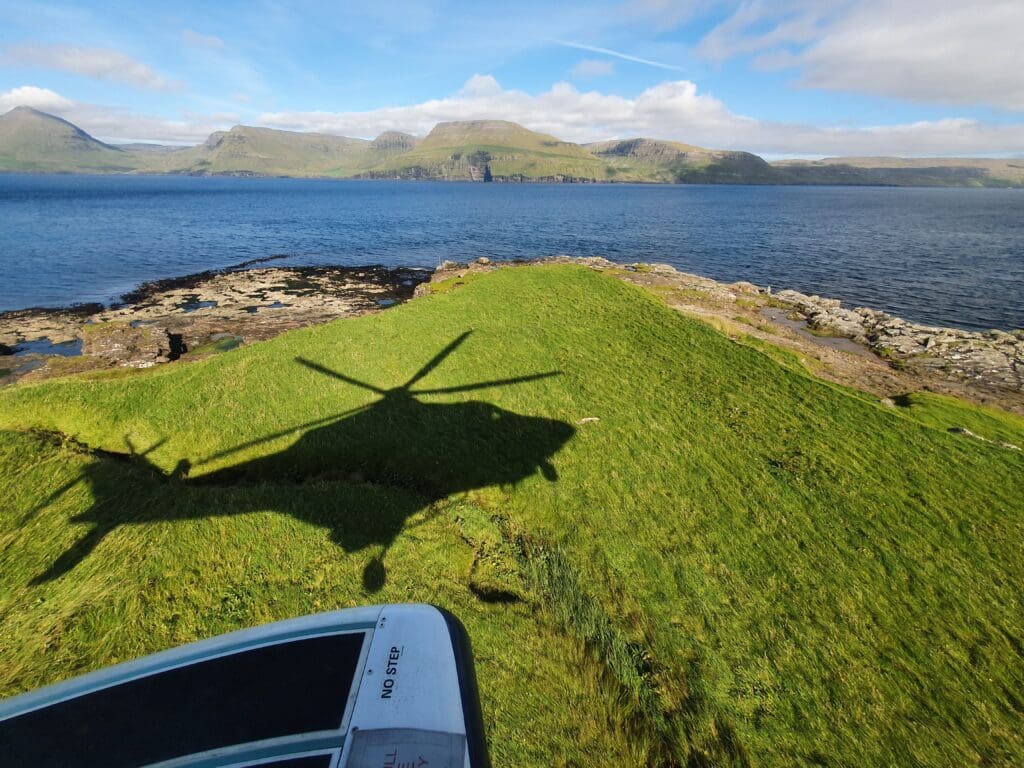
Following another quick turnaround, the helicopter made a smooth ascent up into the unusually sunny Faroese skies and flew parallel to Koltur’s coastline for around a minute or so. At this time, those on the right-hand side of the aircraft were treated to spectacular views of the island’s tall cliffs. However, sitting on the left-hand side, little could be seen at this time aside from the Atlantic, the island of Hestur in the distance and the island of Vágar as we crossed the Vagáfjørður.
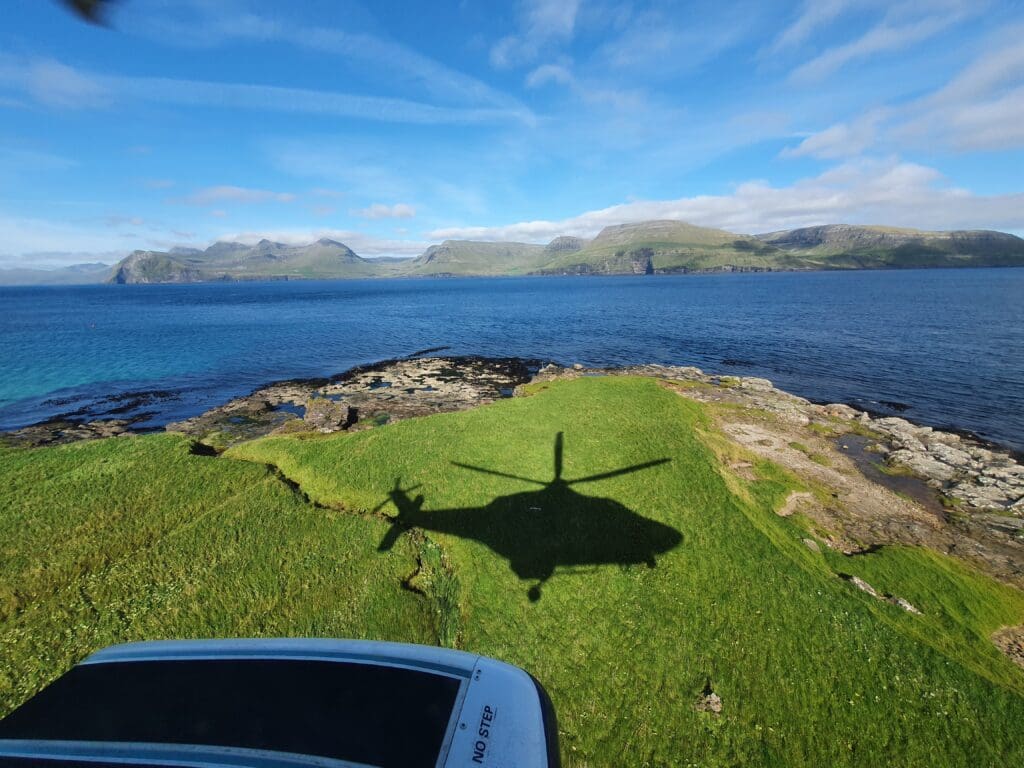
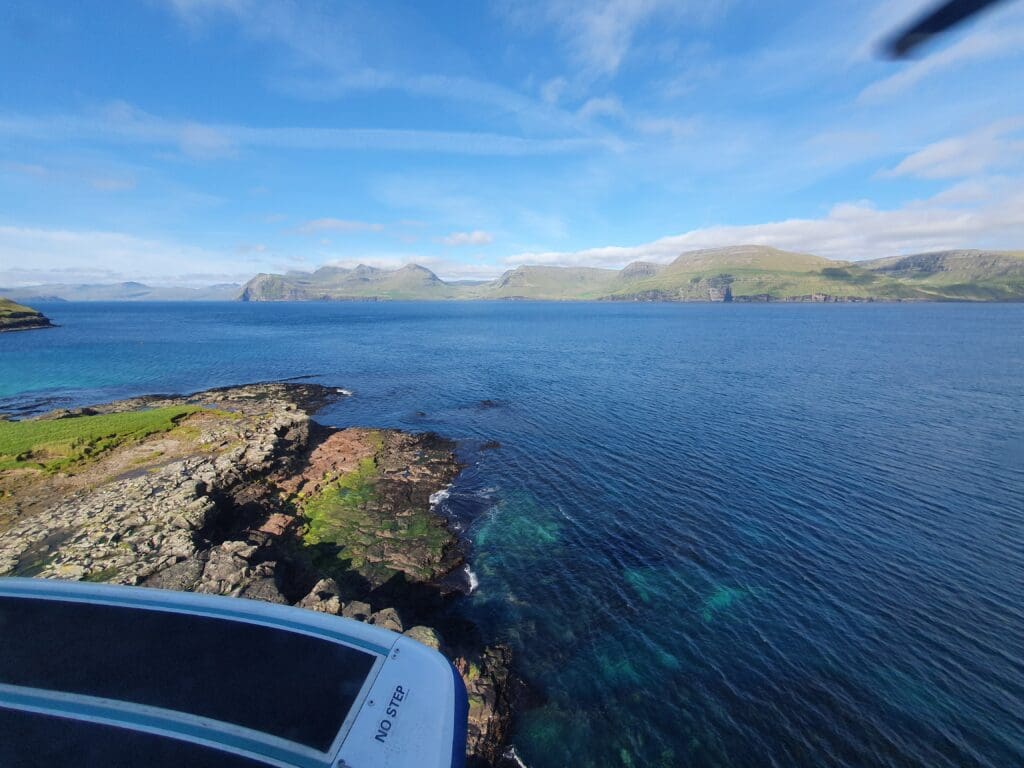
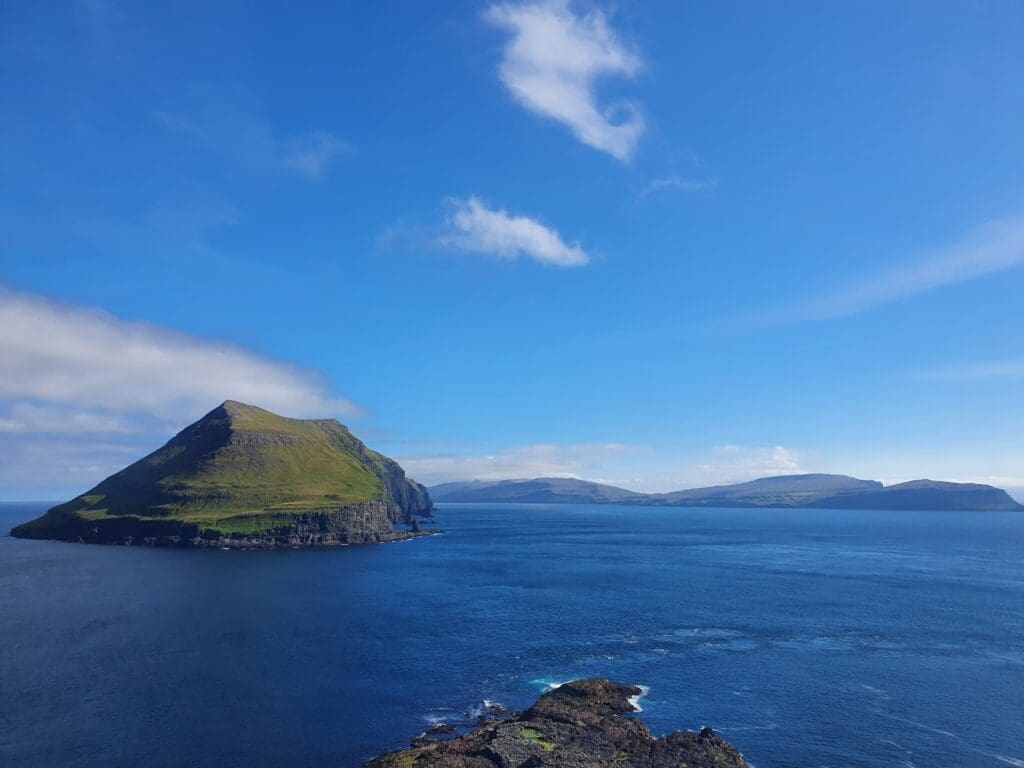
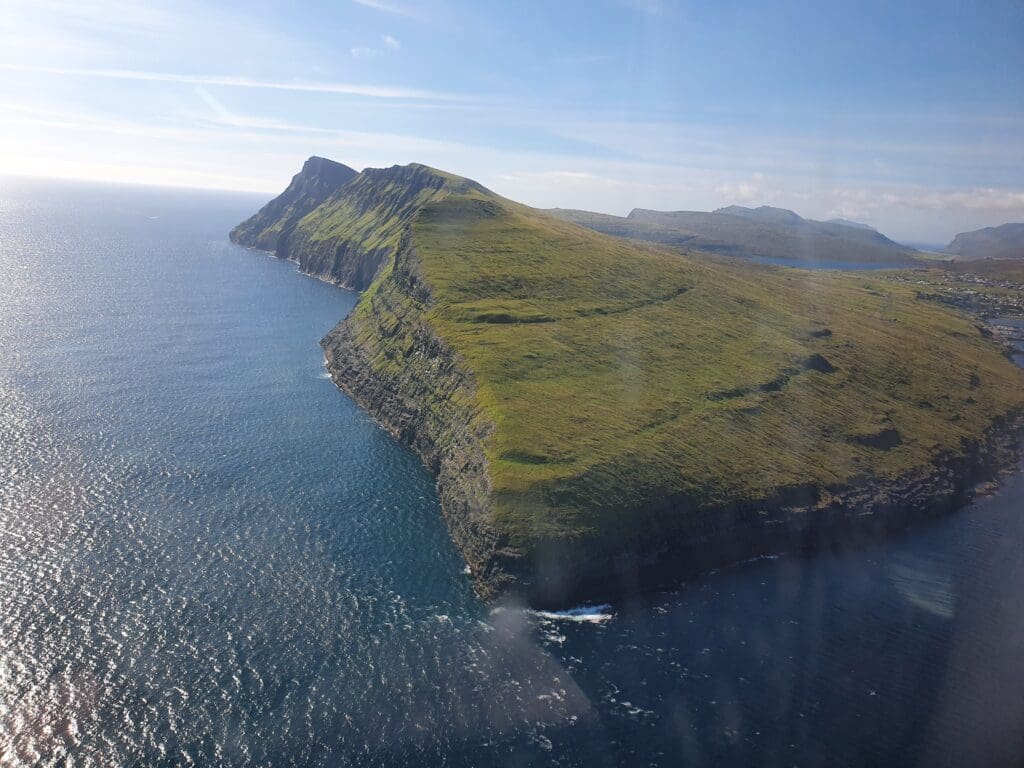
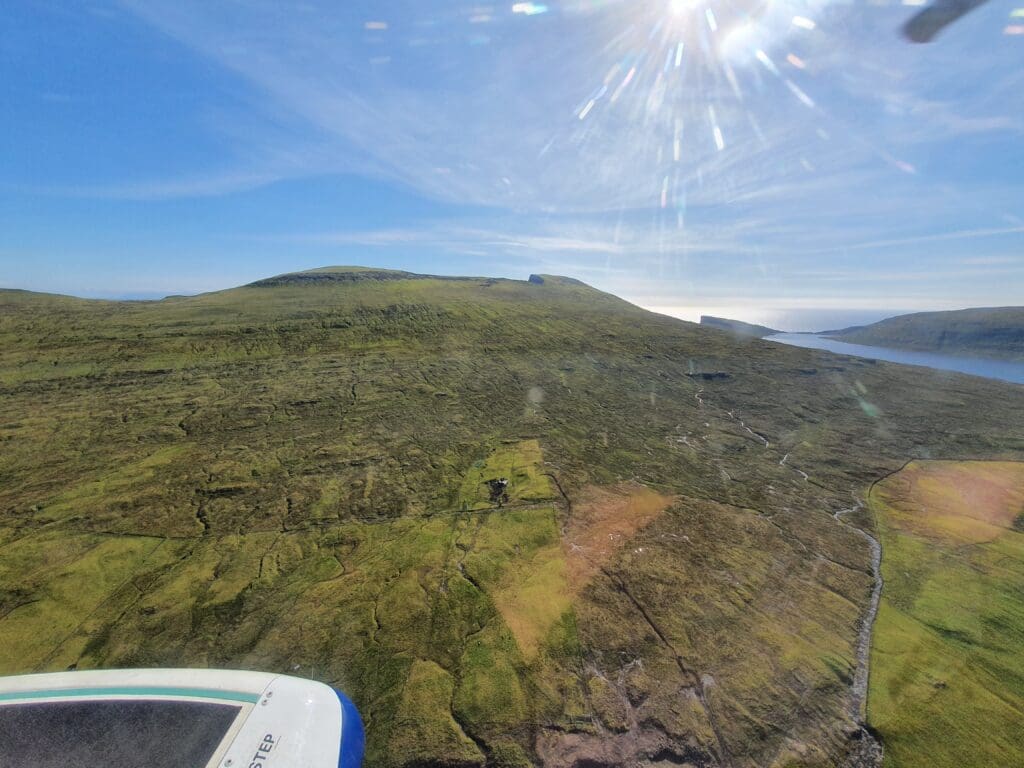
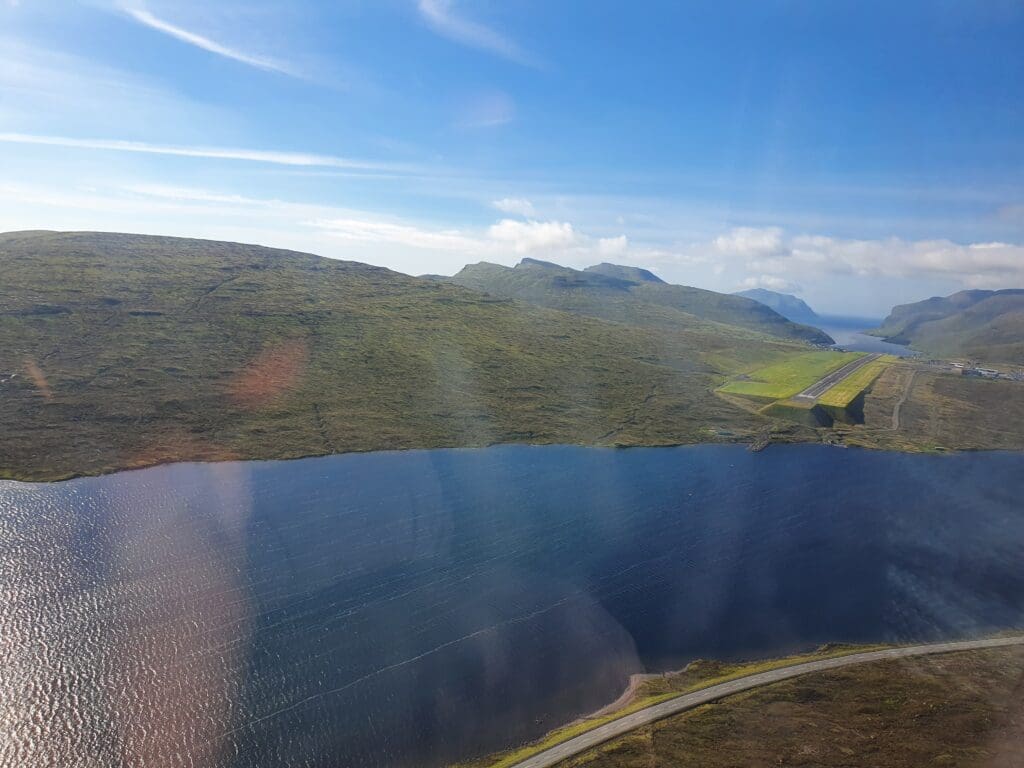
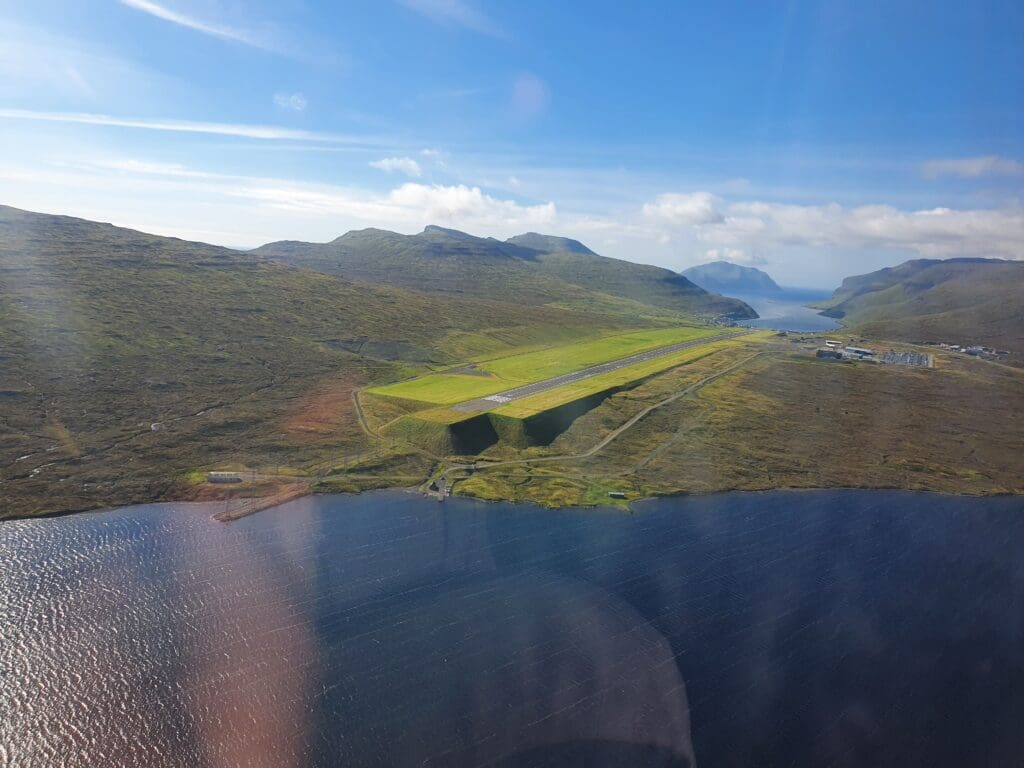
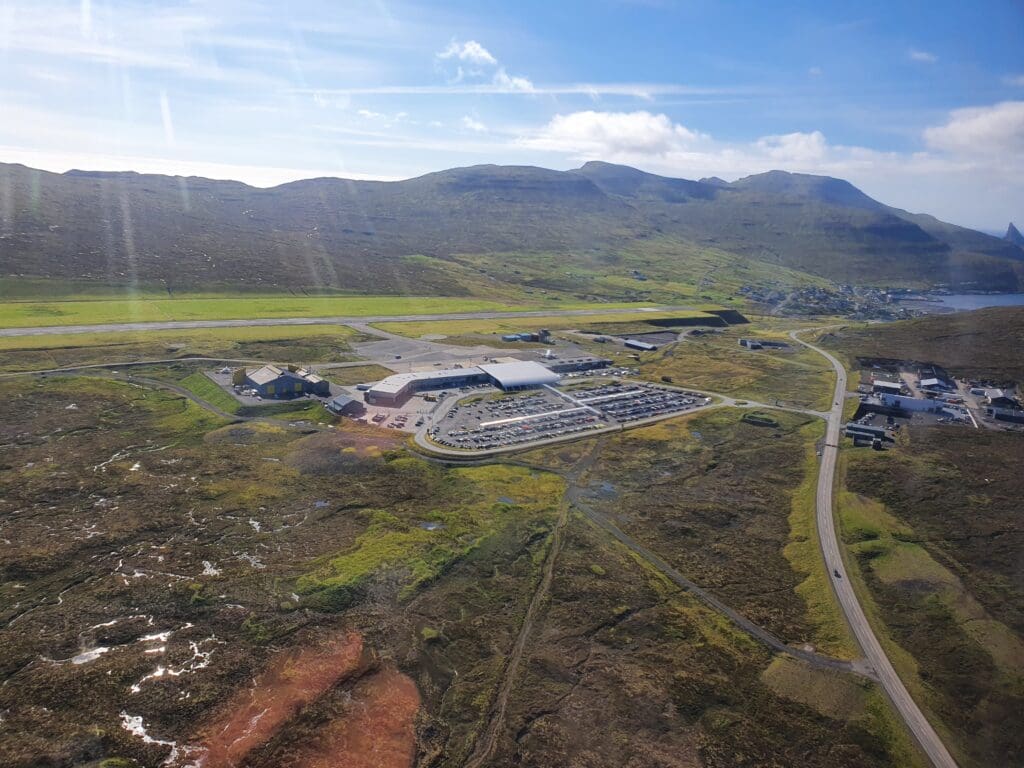
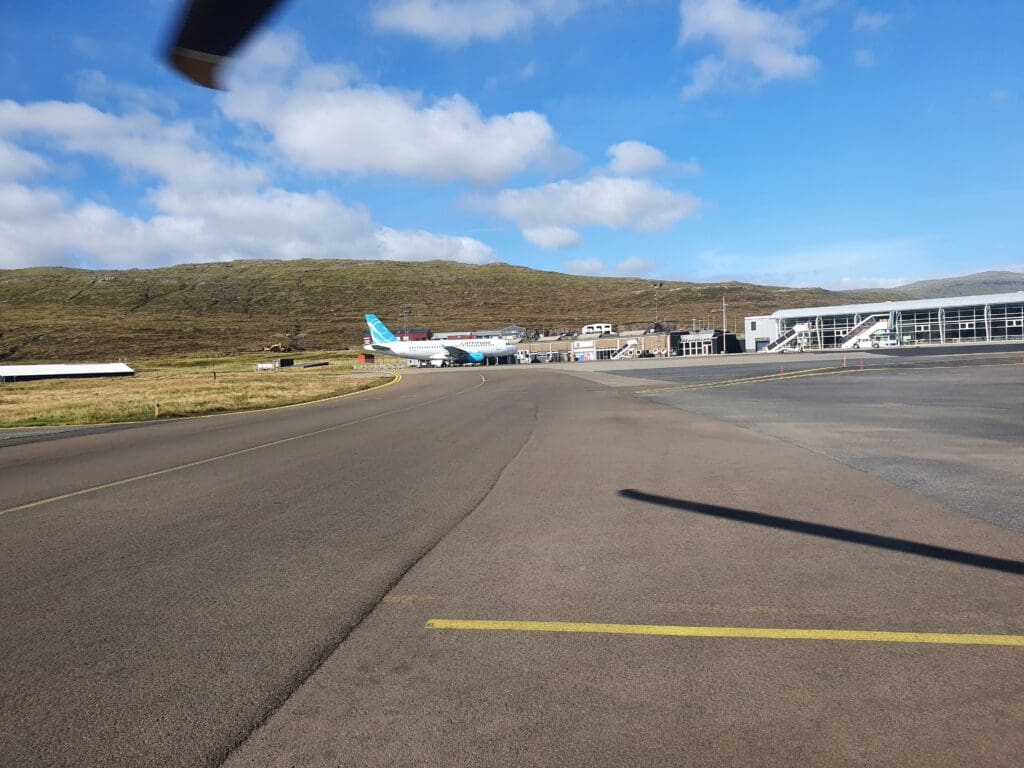
Reaching the island of Vágar near Prettangi, the helicopter trundled past Ravnsfjall and headed onwards to Miðvágur, Vágar’s largest settlement. At this stage, Vagar Airport could be seen approaching up ahead and, following the main road leading to this, the airport soon appeared below. With Runway 12 in use, the helicopter passed the airport just to the north of this allowing for a good view of the airfield before turning around and making a quick descent down towards the runway. Aiming for the middle of the runway, the helicopter made a soft touchdown at 1544. Whilst the stop in Hattarvík had been omitted from the route that afternoon, perhaps the prolonged stop in Klaksvík and the taking of the slightly less direct scenic route on the flight down to Tórshavn meant that the helicopter touched down eight minutes behind schedule. Not that I was complaining in any way!
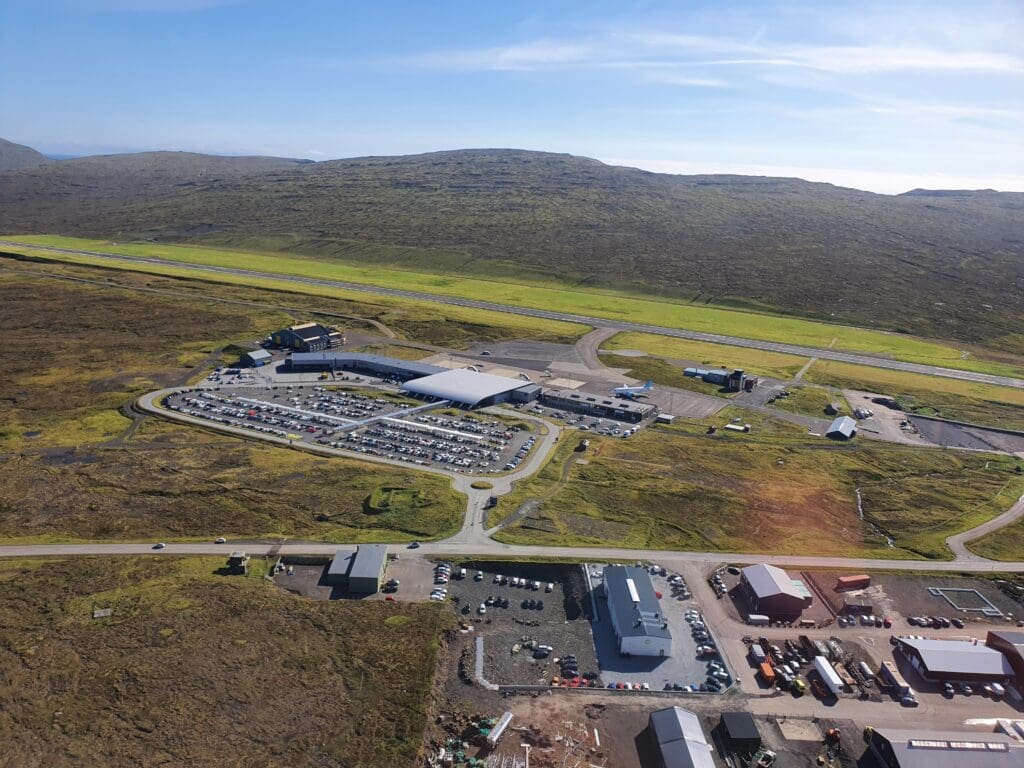
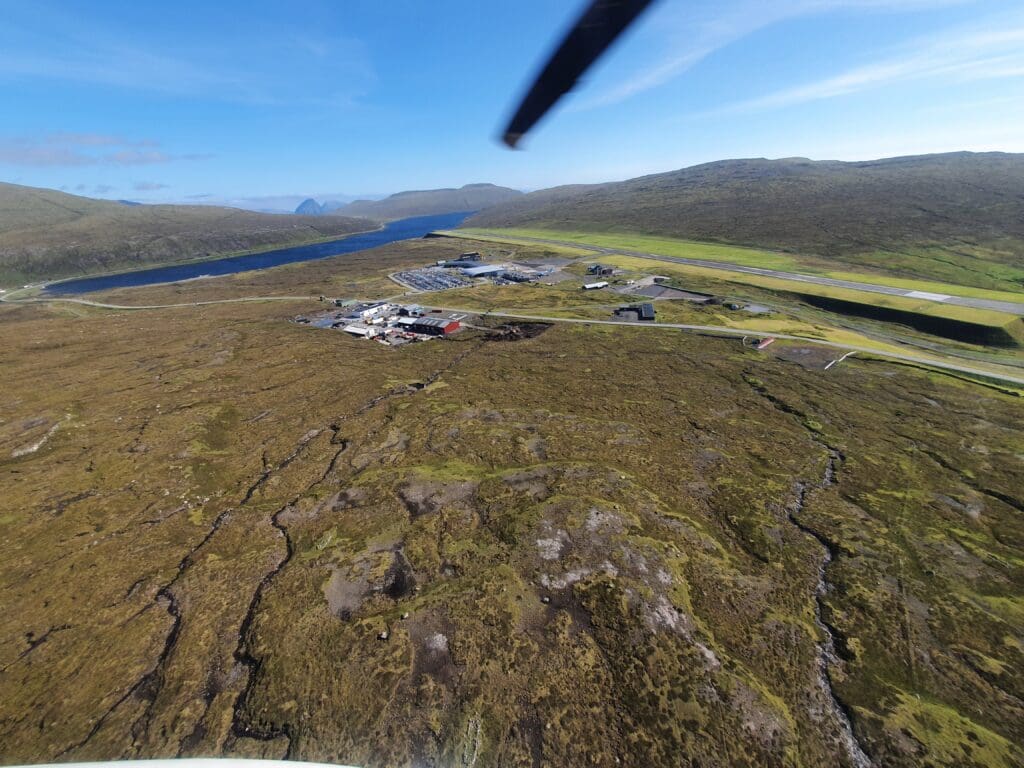
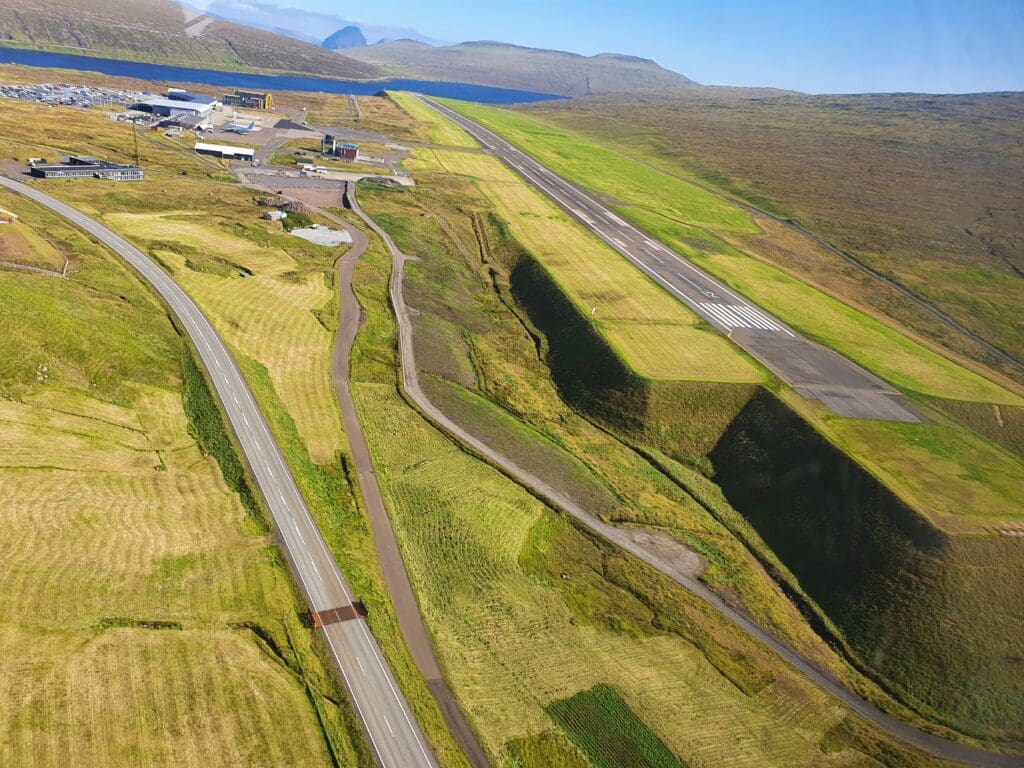
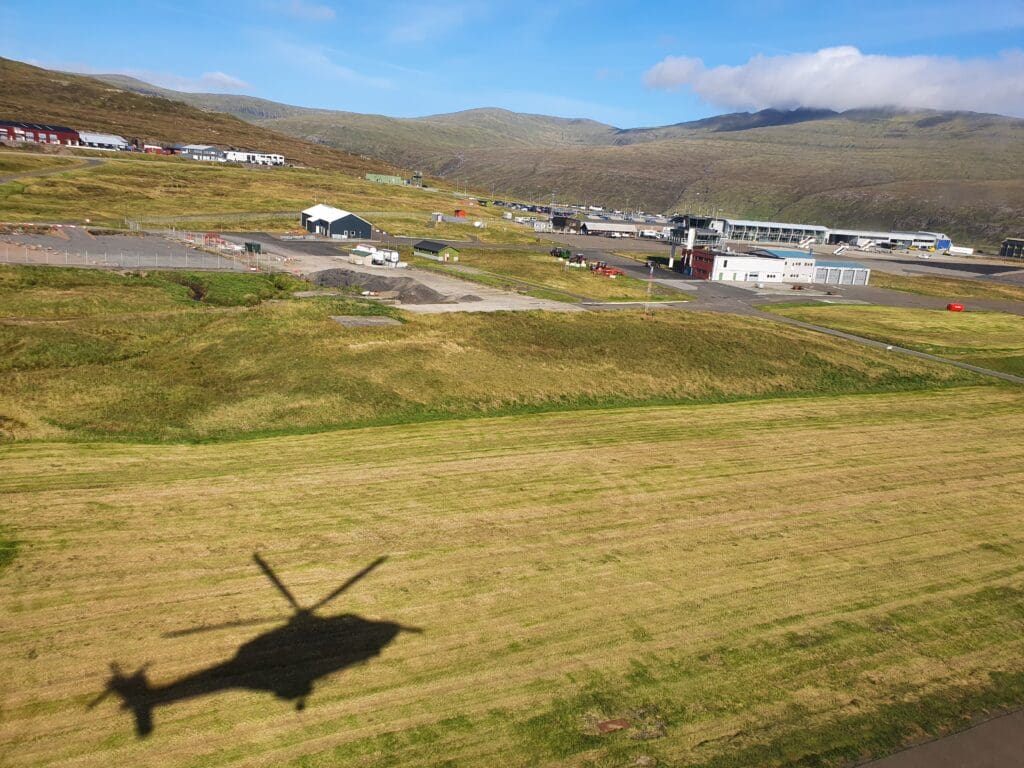
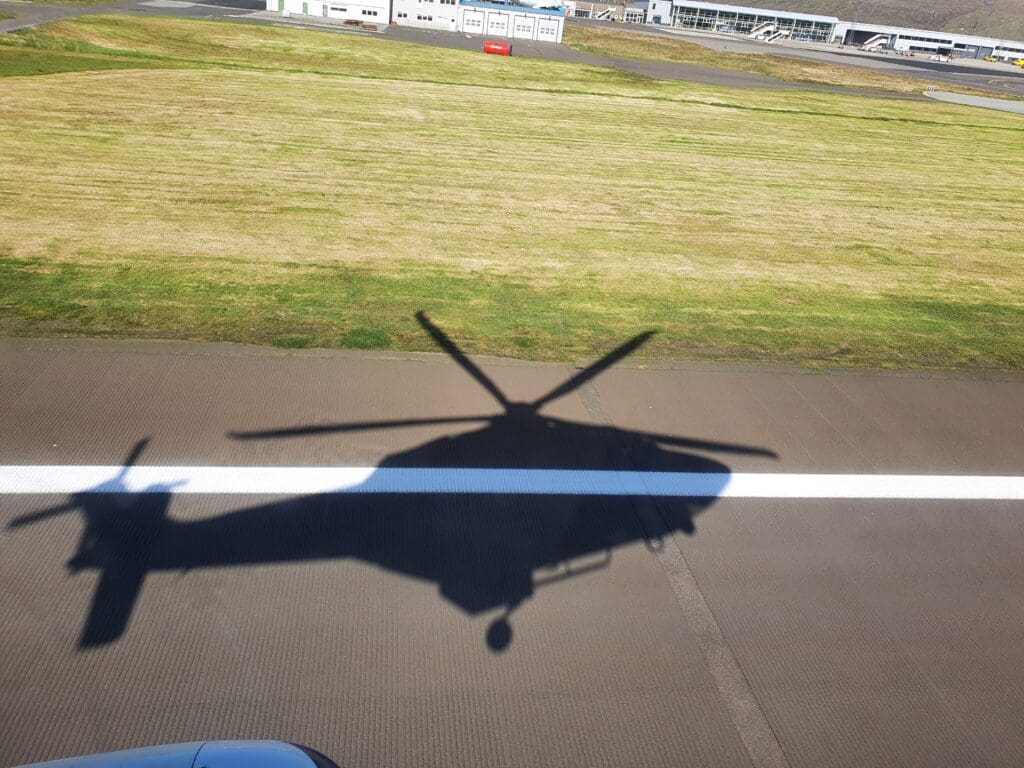
Once on the ground, the helicopter taxied off the runway and soon arrived at one of the Vágar’s helicopter stands where an Atlantic Airways-branded Mercedes Sprinter minibus could be seen waiting with a new load of passengers bound for the nearby island of Mykines. After coming to a halt, the minibus driver opened up the cabin door and passengers filtered out, whilst the outbound passengers could be seen waiting to head onto the aircraft. Making my way out, with my bag now at the opposite end of the cargo hold, I had to put up with the deafening noise of the helicopter’s engines whilst all other bags were retrieved before being reunited with my rucksack. After picking this up and snapping a few photos of the helicopter, I made my way into the minibus which soon drove off on its short journey over to the terminal. Upon arriving there, I made my way into this and waited for the next bus to Tórshavn, ending my fantastic helicopter experience with Atlantic Airways.
Summary
All-in-all, my experience flying with Atlantic Helicopters was fantastic and is an experience that I would recommend anyone visiting the Faroe Islands to do. However, it is important to note that this is a vital service for many across the islands and thus I would include the disclaimer not to go crazy and book more seats than necessary!