Crossing Finland on an Old Jetstream 31: Helsinki to Savonlinna with Transaviabaltika
Background
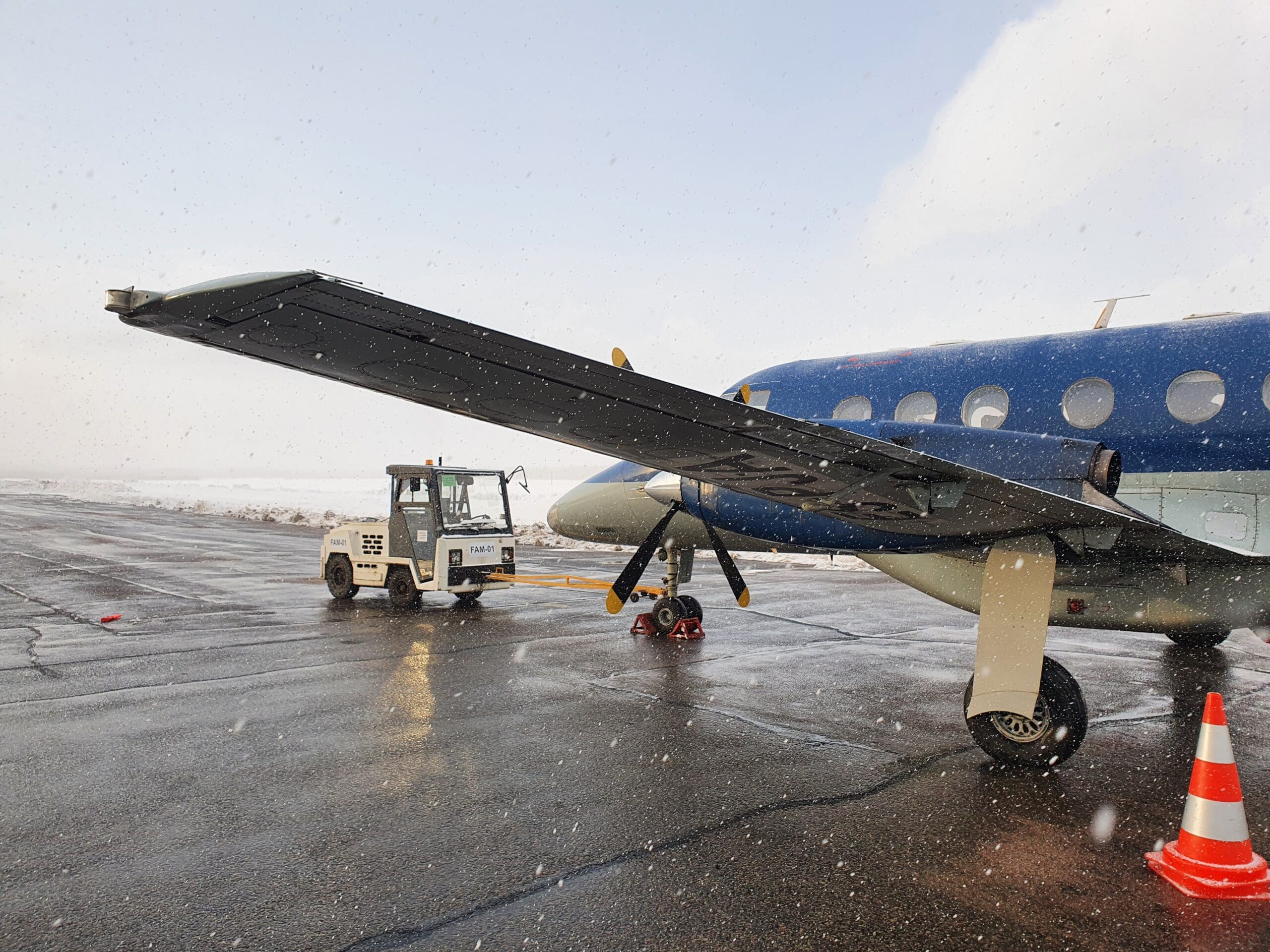
Unless you happen to be a diehard aviation enthusiast, the British Aerospace (BAe) Jetstream 31/32 may well be an aircraft type that you are unfamiliar with. Whilst easily recognisable thanks to its short and stubby fuselage, this nineteen-seat regional airliner has become somewhat of a rarity – seen only at a limited number of airports across the world. Tracing its origins back to the 1960s, the aircraft bears a strong resemblance to the Handley Page HP.137 Jetstream. Designed to assume both regional airliner and corporate transport roles, the HP.137 sought to rival new types from across the pond such as the Beechcraft King Air and Swearingen Metroliner. Whilst both a Jetstream 1 and slightly more powerful Jetstream 2 variant were manufactured, the type proved to be a commercial flop, with a combined total of just 66 examples being produced by both Handley Page and their successor, Scottish Aviation. These aircraft are perhaps best known for their service in the Royal Air Force and Royal Navy – undertaking a range of training duties, including those for multi-engine transport pilots and observers, finally bowing out from naval service in 2011.
Whilst production of the initial Jetstream came to an end in 1975, following the amalgamation of the British Aircraft Corporation, Hawker Siddeley and Scottish Aviation to form British Aerospace in 1977, engineers soon got to work developing an improved version of the Jetstream. Initially known as the ‘Mark 3’ Jetstream, in March 1980 the resultant aircraft, the Jetstream 31 took to the skies for the first time. Unlike its predecessor, the Jetstream 31 proved to be a popular aircraft, receiving orders from airlines across the globe and later developed into the Jetstream 32 which featured improved engine performance and an upgraded and stretched model, the Jetstream 41. Whilst proving to be a success, production of the type ended in 1993 by which time nearly 400 examples of the aircraft had taken to the skies. Yet despite this respectable number, the model was soon challenged by larger turboprop competitors and thus today, relatively few Jetstream 31/32s remain in the skies.
Within its home continent, just three carriers remain operating the Jetstream 31/32 – AIS Airlines, Eagle Air Iceland and Transaviabaltika. Having wanted to fly the Jetstream 31/32 for quite some time, during my nine-day trip to Finland and Sweden in Spring 2022, I couldn’t resist the opportunity to fit in some Jetstream 31/32 flights, the first of these being AIS Airlines’ service between Stockholm Arlanda and Torsby via Hagfors, and the other being this trip, Transavianbaltika’s service between Helsinki and Savonlinna. Home to around 32,000 inhabitants, Savonlinna is a town that sits 177 miles (284 kilometres) to the northeast of the Finnish capital Helsinki, not too far from the country’s border with Russia. Well known for its annual opera festival and fifteenth-century castle after which the town was named, the city can be reached by train within a little over four hours from the capital, with this journey involving a change of trains in Parikkala. In addition, the city has been connected to Helsinki by air, with this route having been in operation since 2008 and the Jetstream 31/32 deployed on this since 2021.
Booking
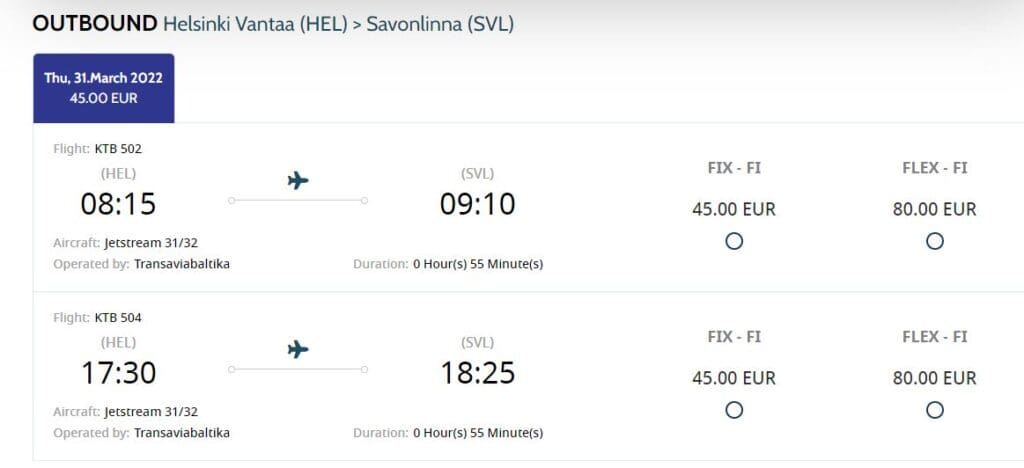
For those looking to learn more about Transaviabaltika and its fleet, the carrier’s website proves to be useful however this lacks any sort of function to book tickets on the airline’s services in either Estonia or Finland. Instead, those wishing to fly with Transaviabaltika can book tickets for their services through the Saartelennuliinid website – whilst I would love to tell you exactly who this company is and what they do, unfortunately, I was able to find out little about them. Upon arriving at this website, I was presented with a series of scrolling banner advertisements promoting the carrier’s services between Finland and Estonia, as well as their domestic flights in each country. In a rather orthodox layout, beneath this, the carrier’s flight search engine could be found. Wasting no time I undertook a search for services between Helsinki and Savonlinna. Departing on a Thursday, I was then presented with two options – a morning departure at 0815 and an evening service at 1730. Each flight had two self-explanatory options, a flexible Flex fare for €80 and a cheaper fixed fare for €40. It is worth noting that the latter option still includes 20kg of hold luggage and 8kg of hand luggage. Seeing as I would be taking the afternoon Embraer 120-operated flight from Pori, the only available option for me would be to take the evening service. Gambling that I would not have to change this, I went for the cheaper option and was then taken through the WorldTicket booking platform. Once I had selected my fare, I then went ahead and entered my details. Next up was the optional extras, which took the form of golf or ski equipment for €20 each. After agreeing to the terms and conditions, I was then taken to the Maksekeskus-powered payment portal which gave the option of paying via either Mastercard or Visa. This was a quick and easy process and I received my ticket almost instantly.
The Journey
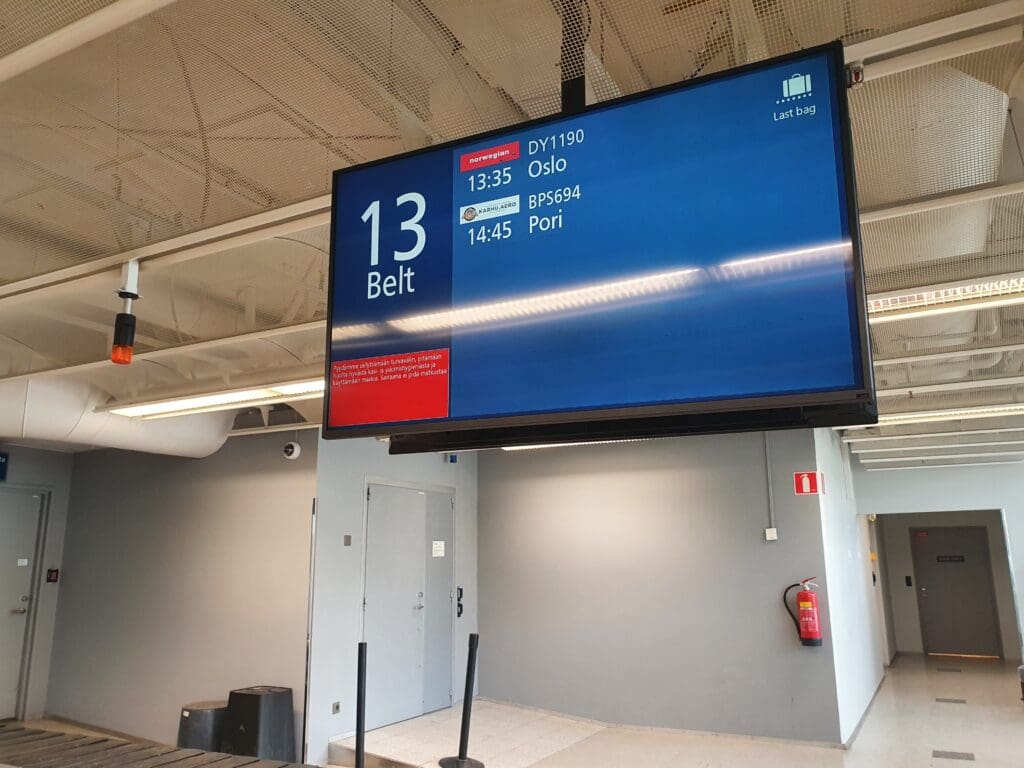
Having arrived in Helsinki Airport onboard Budapest Aircraft Service’s Embraer 120 operated service from Pori that afternoon, I did not have far to go for my next flight over to Savonlinna. In fact, the Jetstream 31 that would operate that service had pulled in next to the Embraer as I walked between the aircraft and the terminal following disembarkation. However, with those bound for Savonlinna not being given the option to check-in online for their flight and seeing as I would need to collect my small suitcase following my arrival from Pori, I had no option but to head to the landside area of the terminal before checking in again. Fortunately, with two and a half hours scheduled between flights and having arrived on time, this would not be an issue.
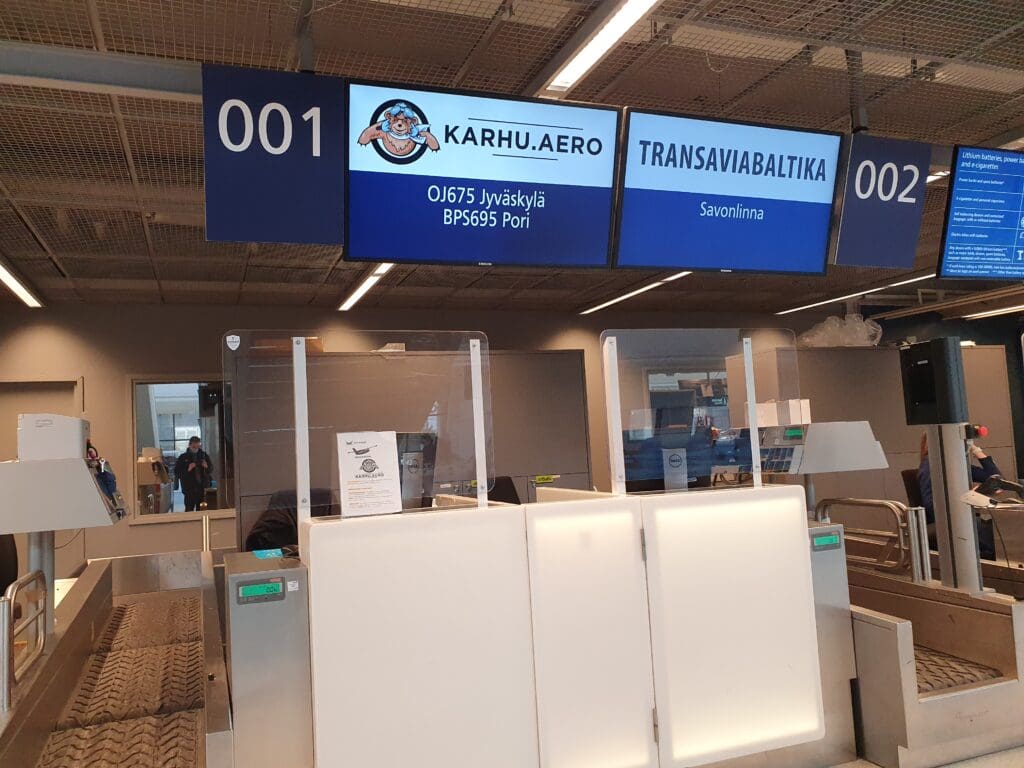
By the time I had arrived in the landside area of Helsinki Airport’s Terminal 1, I was left with a little over two hours to go until the scheduled departure time of my flight to Savonlinna. With Saartelennuliinid’s website advising that check-in does not open until sixty minutes before departure, I was not expecting this to be open at that time. Nevertheless, I still decided to make a short walk over to the check-in hall to ensure that this was indeed the case. Upon arriving there, I found that all domestic flights operated by foreign carriers (i.e. Amapola Flyg, Budapest Aircraft Service, Danish Air Transport, NyxAir and Transaviabaltika) utilise the first three check-in desks, with Desk 2 assigned for those bound for Savonlinna. However, as expected, no staff member could be seen there, so I decided to make a walk over to the large convenience store in Terminal 2 where I purchased a pastry and some juice before walking back to Terminal 1.
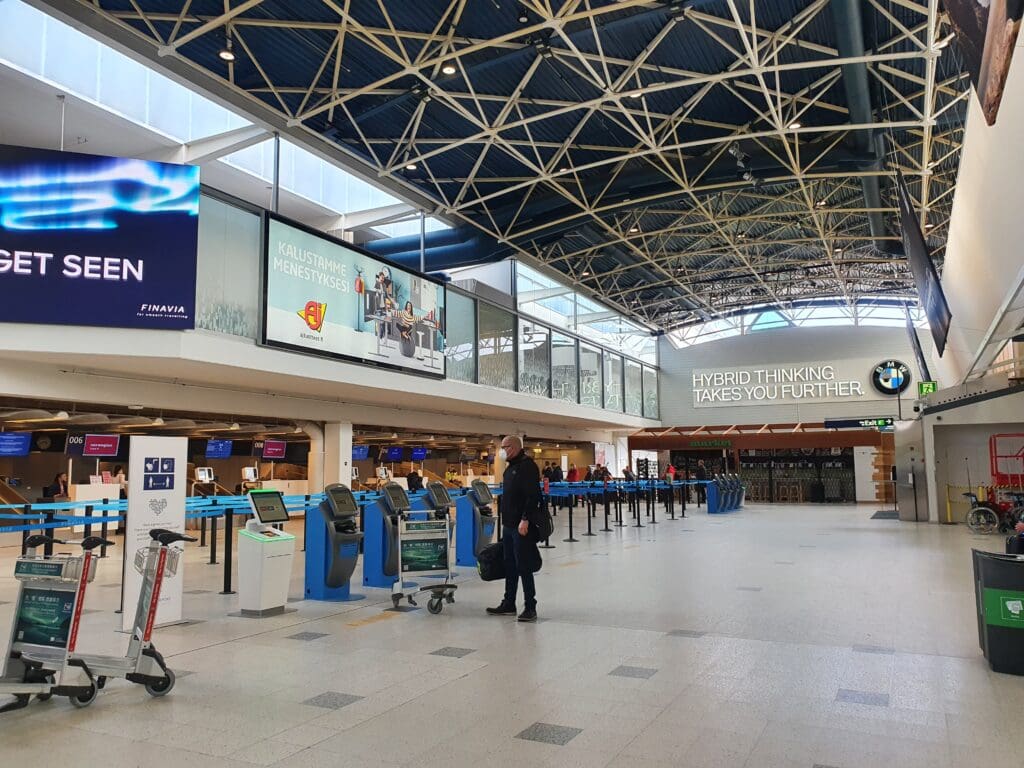
Upon arriving back at the terminal, I took a seat opposite the check-in desks and charged my phone using one of the very few available plug sockets. Enjoying a good vantage point of the check-in desks, a little over an hour before the flight’s scheduled departure time, I noticed an agent appear at the check-in desk so at this time I left the seat and wandered over. Upon arriving there, I was given a lively greeting in Finnish before the check-in agent transitioned to English once I handed over my dark blue passport. Following some quick typing, a boring plain white boarding pass was printed off and my bag was tagged and sent on its way before I was advised to head upstairs to security. At the time of my trip, Helsinki Airport’s website featured an advisory message regarding delays at security owing to staff absences, and indeed that afternoon, a fairly long queue could be seen at Terminal 1’s security area. However, with two checkpoints open and the smartly dressed and friendly security staff working efficiently, this moved along at a reasonable pace and I made it through within about twenty minutes.
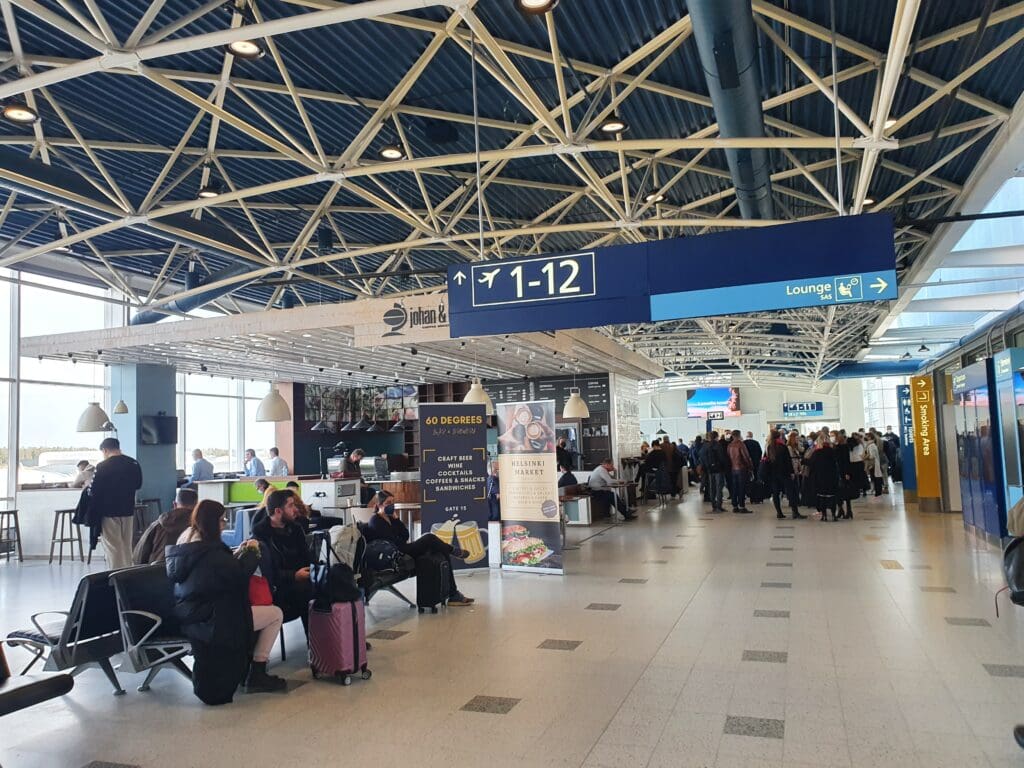
Once in the airside portion of the terminal, I was left with around forty minutes until the scheduled departure time of my flight to Savonlinna. Much to my surprise seeing as the aircraft was parked at a stand directly outside the terminal, albeit right at the end of this, that afternoon we would journey out to the aircraft by bus, boarding via bus boarding Gate 14A. As a major international hub, unsurprisingly, once airside, there is plenty on offer for departing passengers to pass the time including plenty of bars, cafés, shops and restaurants. Those simply looking to sit and wait for their flight will likely be pleased to hear that a range of seating options are provided, as well as a good number of plug sockets and fast complimentary wifi. Meanwhile, large windows throughout much of the terminal allow light to pour in whilst also offering good views of the action outside.
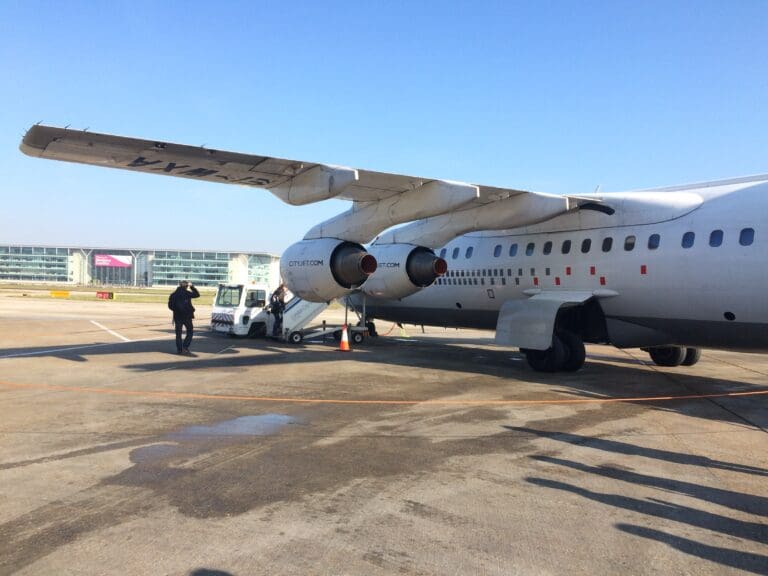
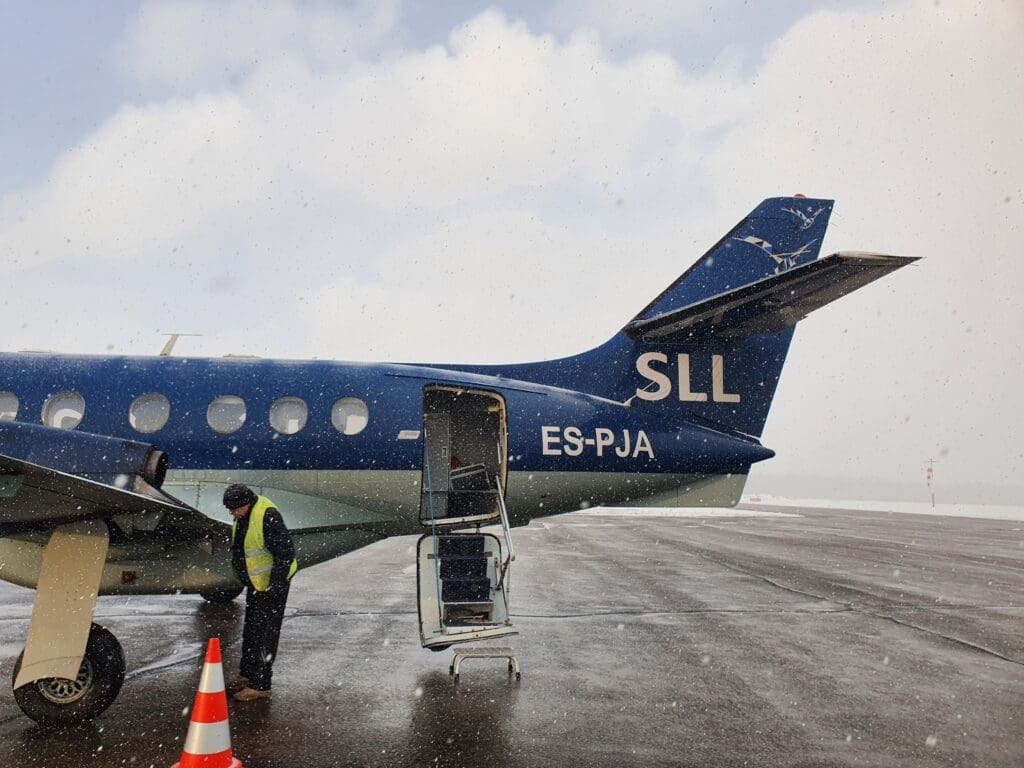
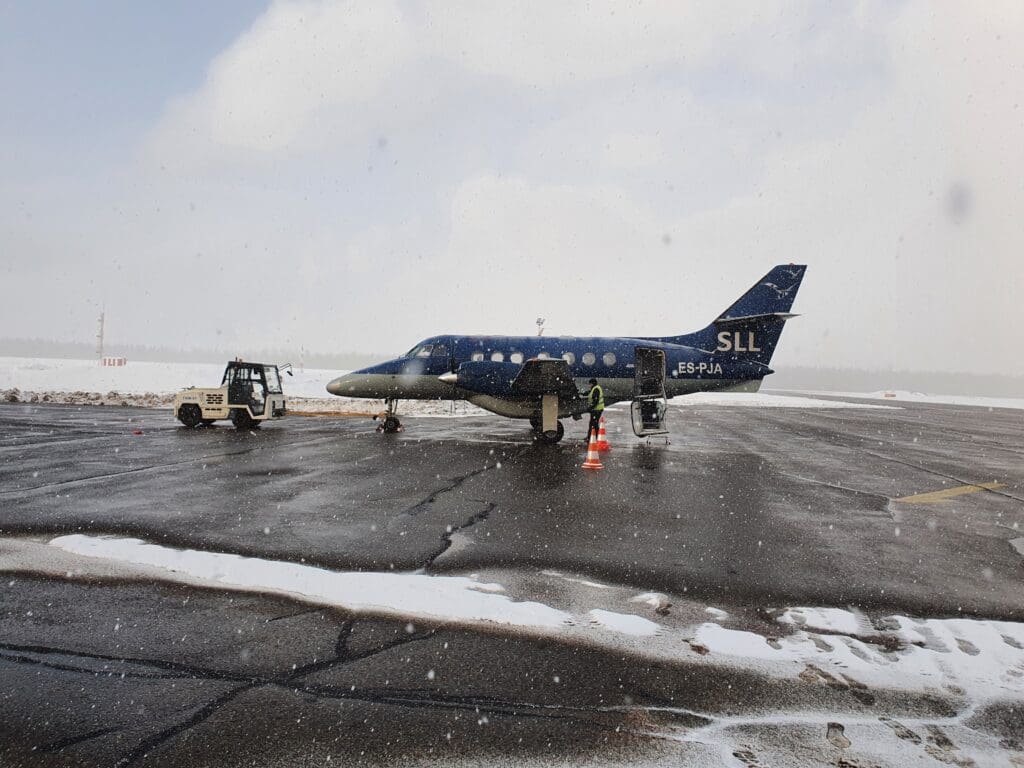
Not having a great amount of time before boarding, I decided to make a brisk walk to the end of the terminal to have a look at the Jetstream that would transport me northeastwards to Savonlinna waiting at Stand 7. With Transaviabaltika deploying both the BAe Jetstream 31 and 32 on this route, having already flown the latter from Stockholm Arlanda to Torsby via Hagfors with AIS Airlines, I was happy to see the slightly rarer former type operating the flight that evening. This aircraft took the form of ES-PJA, a BAe Jetstream 31 that rolled off British Aerospace’s Prestwick production line and took to the skies for the first time in April 1987 with the test registration G-31-749, making it almost exactly 35 years old at the time of my flight. In June of that year, the Jetstream left its Scottish birthplace and was ferried westwards across the Atlantic, presumably with stops in Iceland and Greenland. Once on the other side of the ocean, the aircraft arrived at its new home of Toronto Pearson. From there, the Jetstream operated for Canadian Airlines’ regional feeder subsidiary, Ontario Express as C-GJPU, connecting Toronto with various smaller cities across the province. In 1993, Ontario Express merged with Canadian Airlines’ Albertan regional subsidiary Time Air to form Canadian Regional Airlines, and with this move came the retirement of Ontario Express’ four Jetstream 31s. As a result, following a short period of storage, in 1994 the Jetstream headed back across the Atlantic before arriving in Norway. Settling in Haugesund, the aircraft began flying with Coast Air as LN-FAZ, with the type brought in to replace the airline’s Twin Otter aircraft. With the deregulation of the Norwegian airline market taking place in 1994, Coast Air deployed the type on its new route between Bergen and Kristiansand and was soon joined by an additional two Jetstream 31s. During its time with the airline, the aircraft operated a mixture of charter, scheduled and wet-leased services, and remained with Coast Air until their bankruptcy in 2008.
Today, the aircraft’s time at Coast Air lives on through its livery, with the aircraft still wearing the basic dark blue and grey colour scheme of the long-gone Norwegian airline. A short time later, in July 2008 the aircraft returned to its homeland where it began to operate for Inverness-based Highland Airways as G-NOSS, although, during this stage of the aircraft’s career, the aircraft spent time in Finland flying between Helsinki and Lappeenranta on behalf of the short-lived carrier, Fly Lappeenranta. In March 2010, Highland Airways fell into bankruptcy at which point the aircraft entered storage until November 2011 when it was delivered to Estonian carrier Avies as ES-PJA. There, the carrier flew a similar array of services as today, with this flying public service obligation routes between Tallinn and Kardla and Kuressaare, and several routes in Sweden now undertaken by AIS Airlines and Jonair. Following the closure of Avies in 2016, the aircraft ended up at Estonian ACMI specialist Transaviabaltika with whom it flies today.
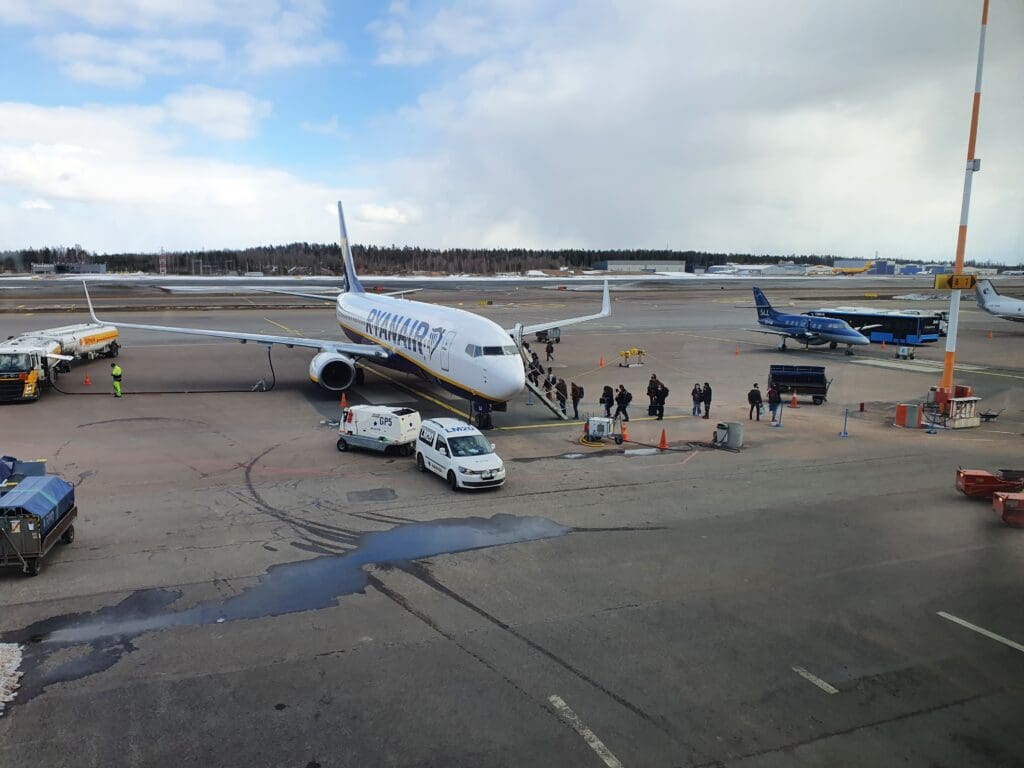
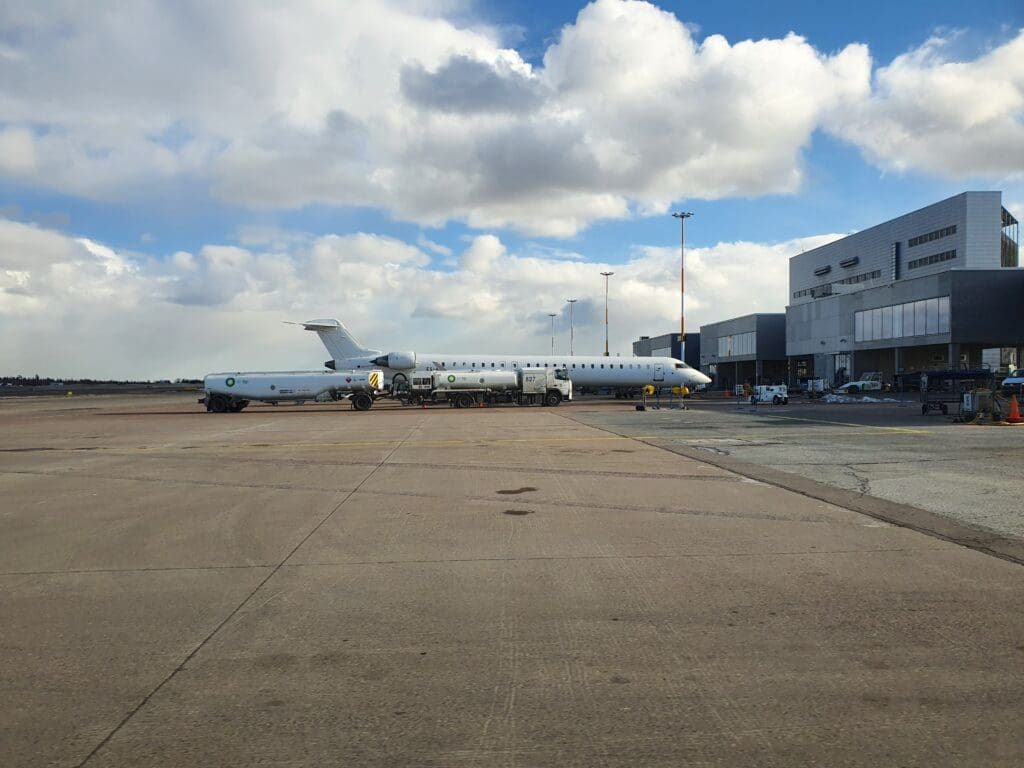
Following my short walk, I headed back to the gate in preparation for boarding and at 1700 the gate agent appeared and typed away on the computer at the gate. At 1707, they announced that boarding would commence in five minutes and that passengers would be transported to the aircraft by bus. Admittedly, this was slightly incorrect as at 1710 on the dot, the agent then announced the commencement of boarding. At this time, without any queuing, I reached the gate podium where I scanned my boarding pass before making my way down the stairs and heading on to the waiting bus. Once inside the bus, several more passengers joined this before the doors closed and the bus slowly pulled away from the terminal. During the short ride out to the aircraft, the bus made its way past an Xfly Bombardier CRJ-900 before arriving at the short and stubby Jetstream 31. There, the Captain, who was somewhat unusually dressed in smart casual clothes rather than typical pilot’s attire (although strangely the First Officer did wear a uniform), could be seen standing at the bottom of the Jetstream’s built-in steps ready to welcome passengers.
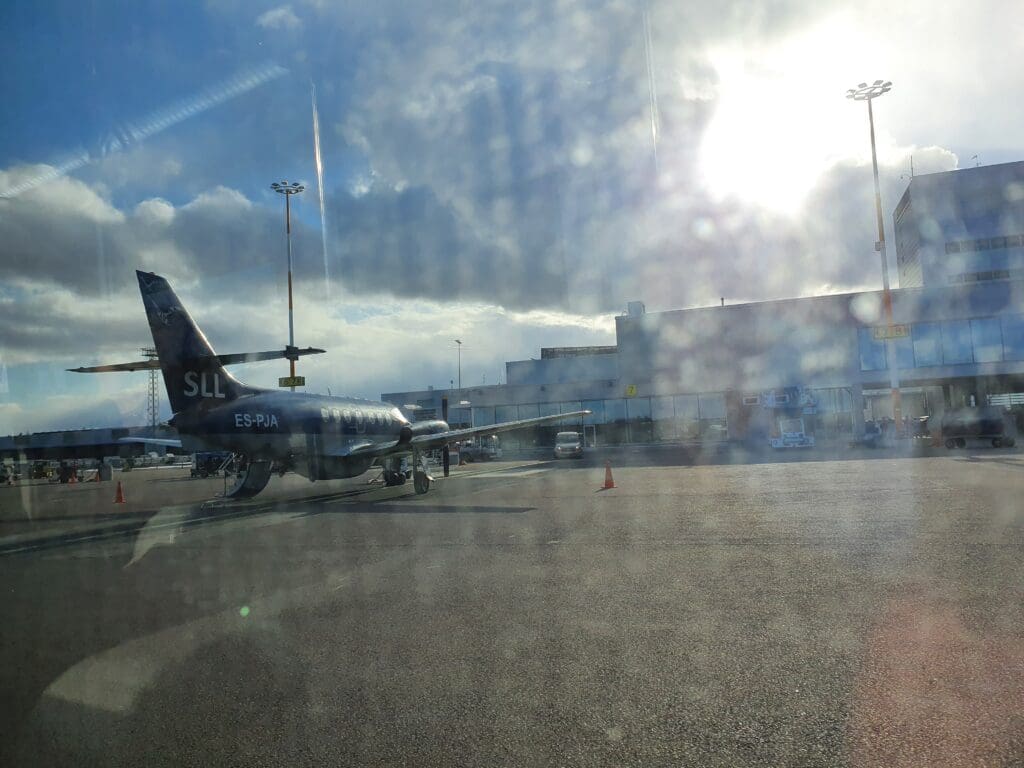
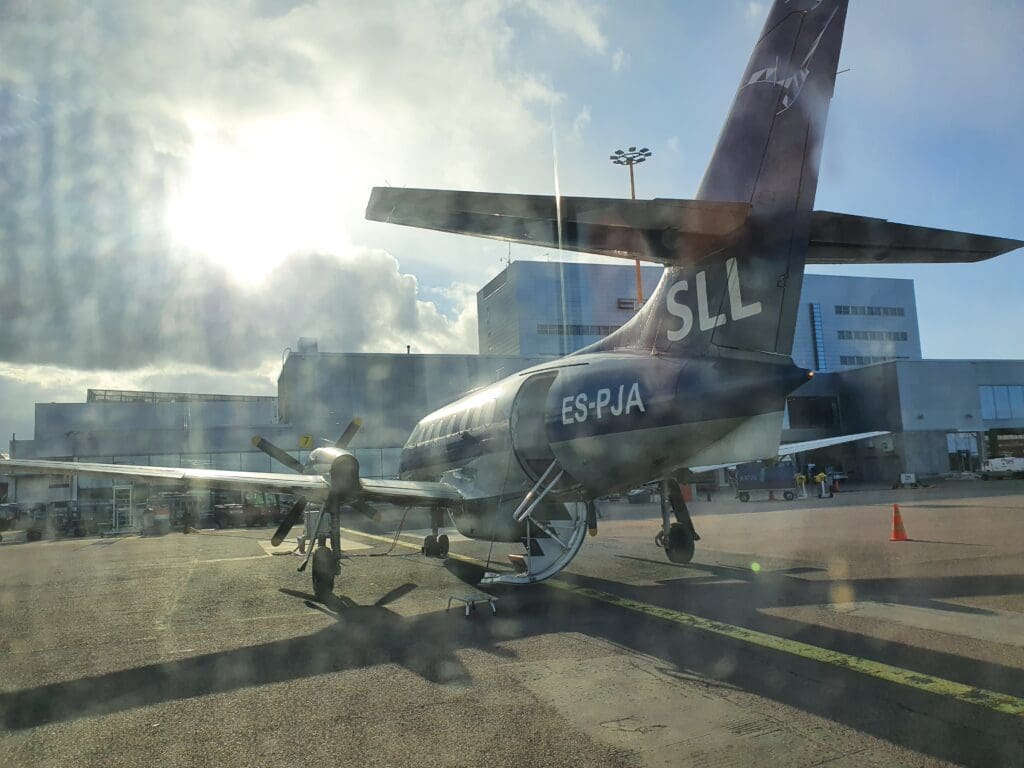
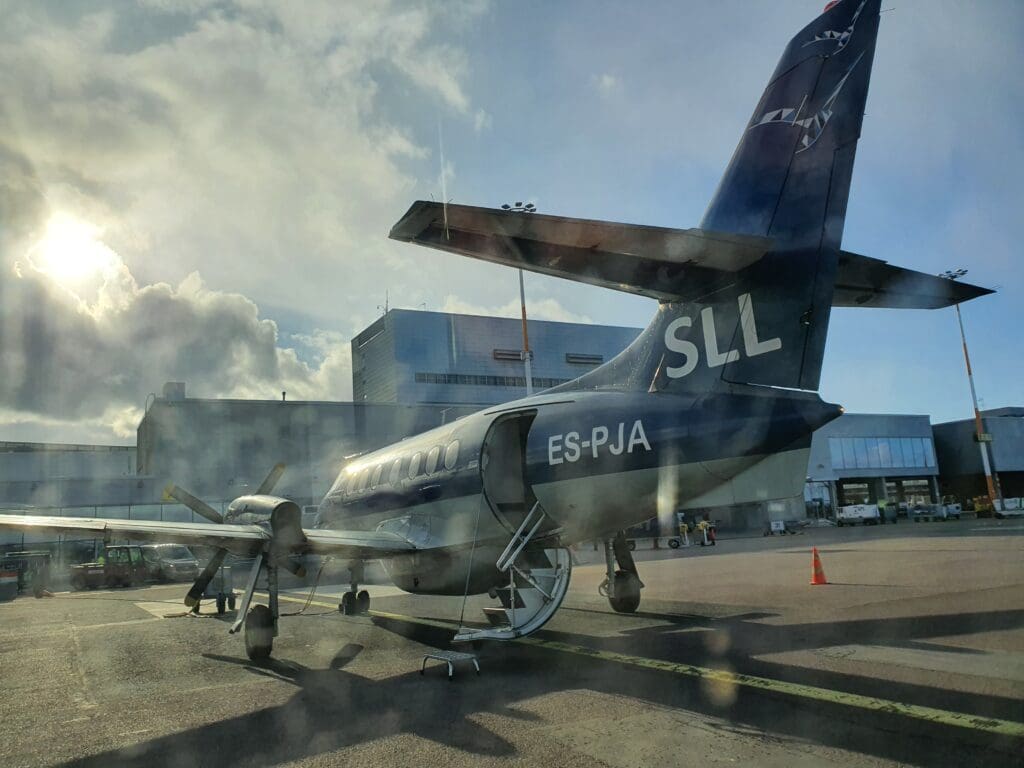
As soon as the bus came to a halt, the doors opened and all five passengers piled off and made their way towards the rear of the aircraft. After a short wait during which I admired the rare ‘vintage’ turboprop whilst those in front of me climbed up the Jetstream’s built-in steps, I ascended these before entering the minuscule galley and toilet area at the rear of the cabin. To my right, the small door to the rear cargo compartment was open for those passengers who did not wish to travel with their hand baggage alongside them.
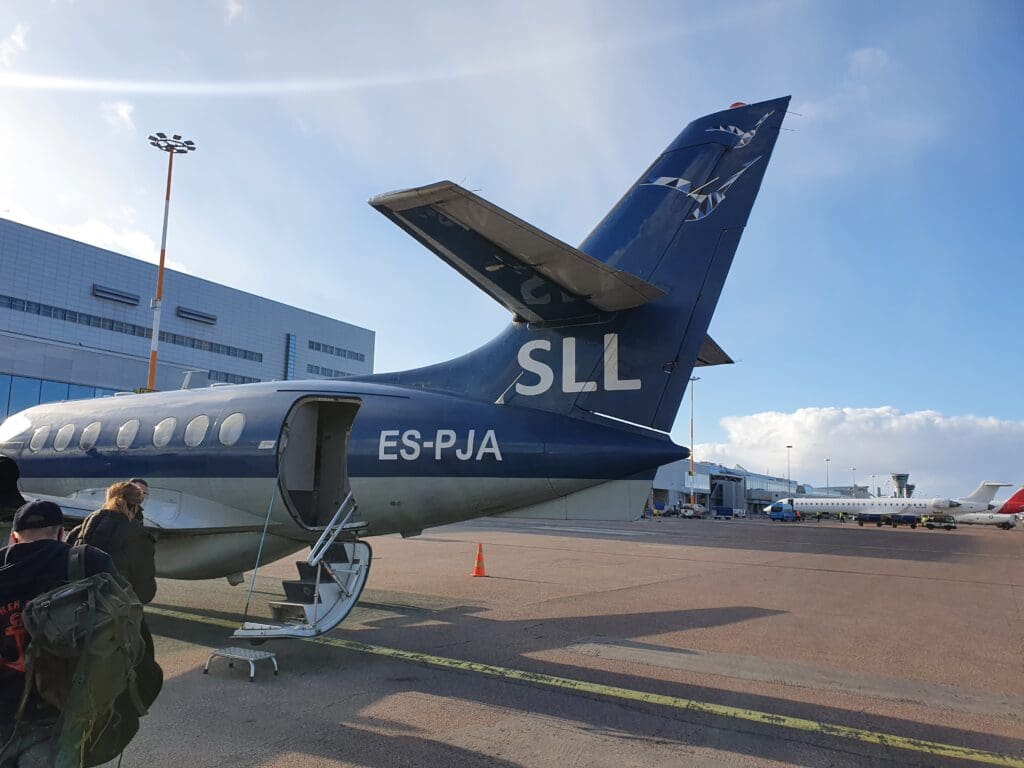
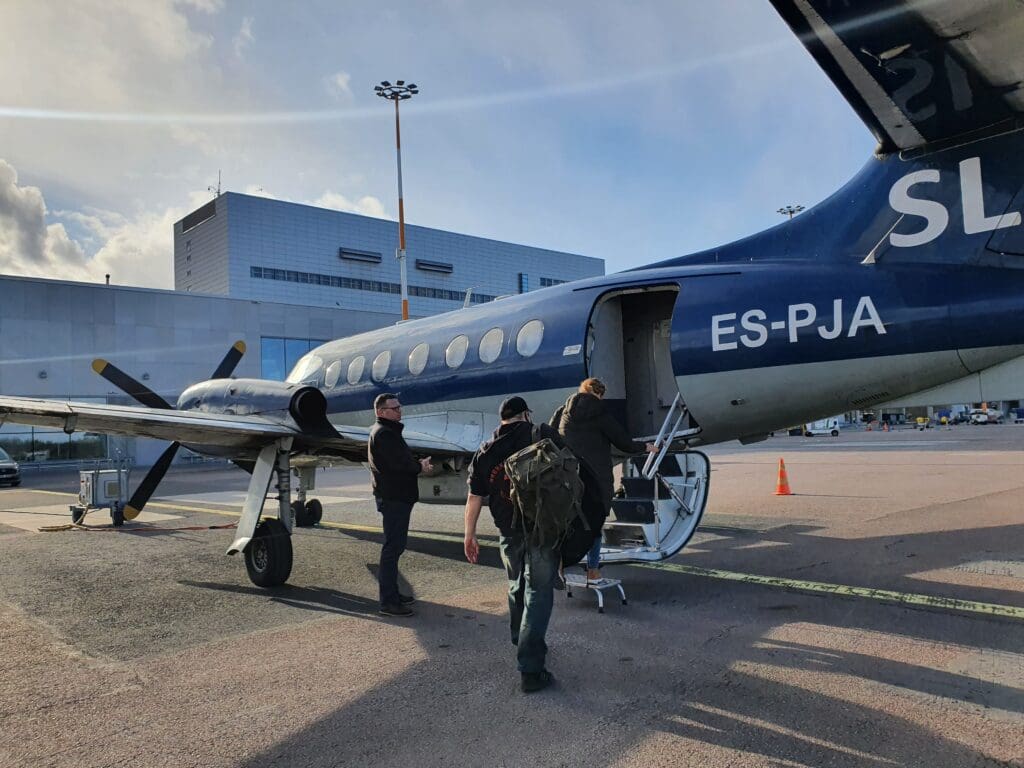
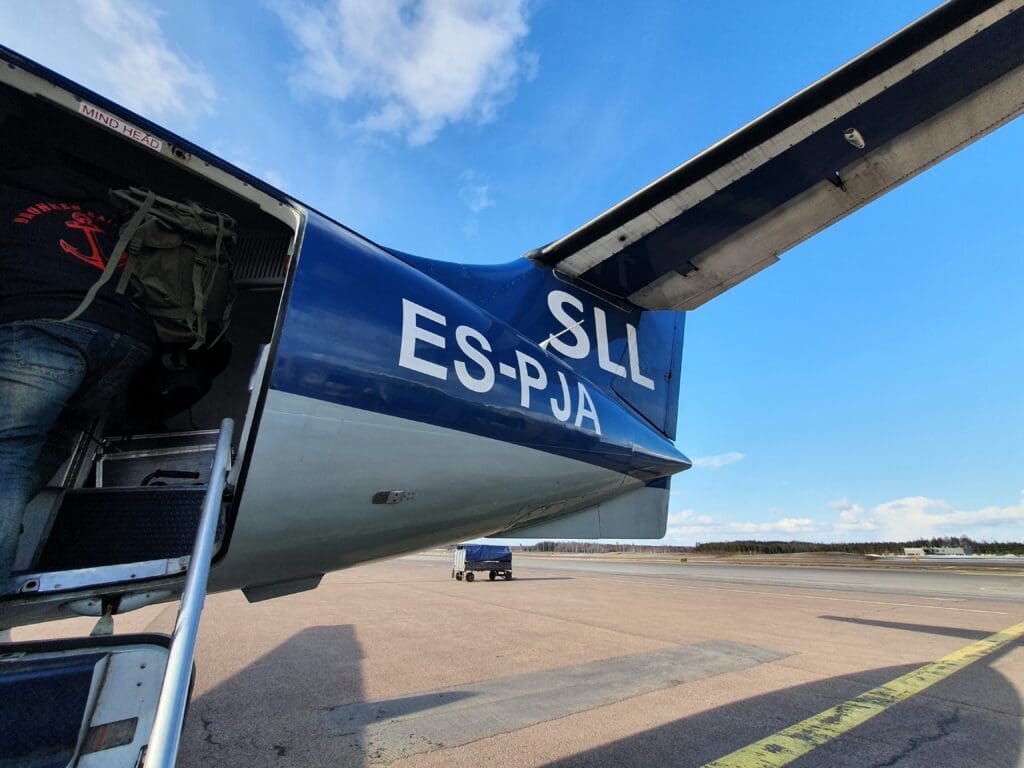
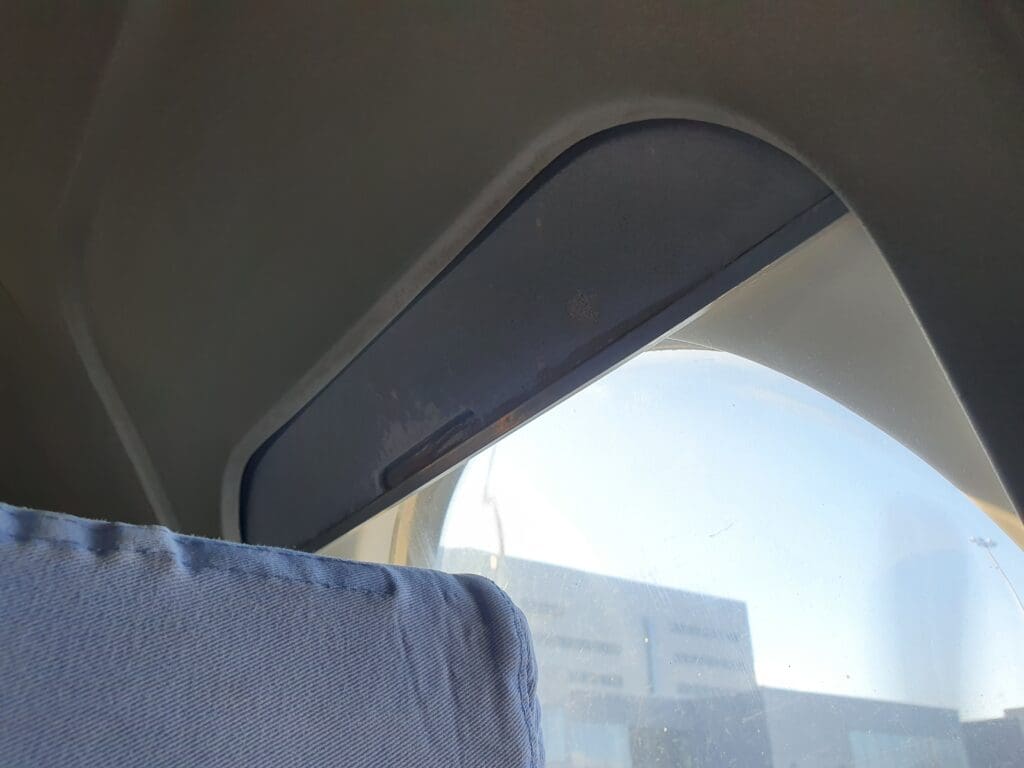
From the rear of the aircraft, with nowhere else to go, I turned left and made my way into the nineteen-seat cabin. That afternoon, I decided to take a seat near the front of the cabin and initially sat down in Seat 2A, however, after noticing the incredibly scratched window, I shifted across to Seat 2C. Interestingly, this seemed to offer a considerably better amount of legroom than the single seat (although this was still fairly minimal). Onboard, each seat was covered in a blue fabric covering which sported a light blue and yellow criss-cross pattern and featured a non-disposable fabric wraparound antimacassar on which Saartelennuliinid’s logo could be seen.
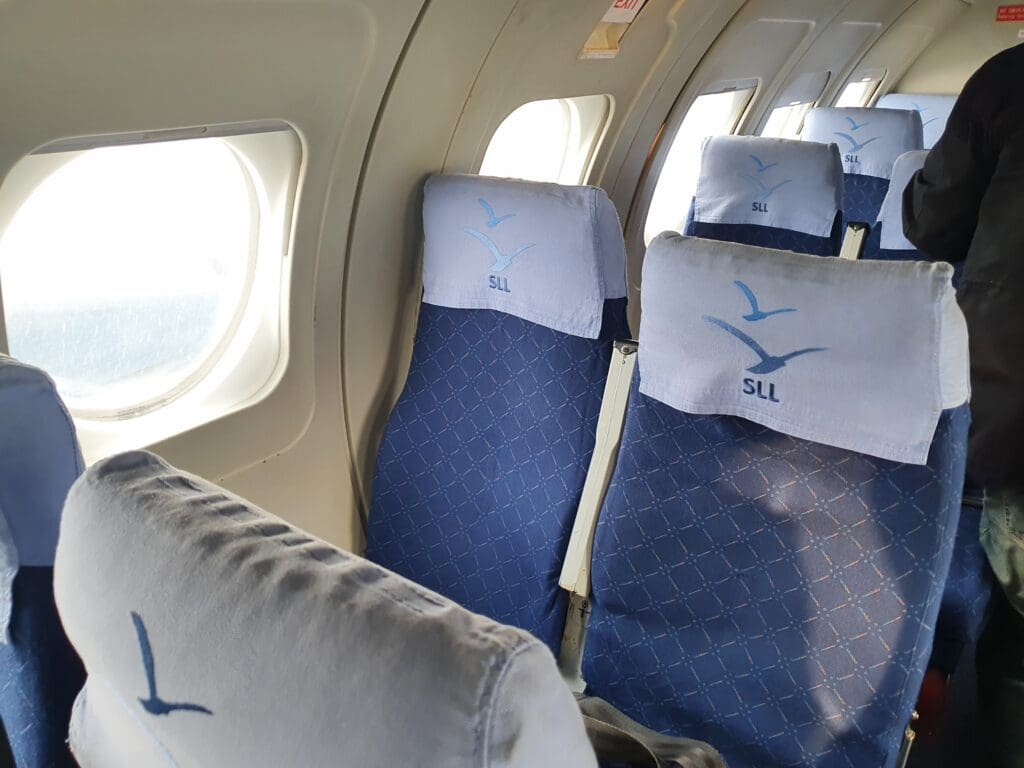
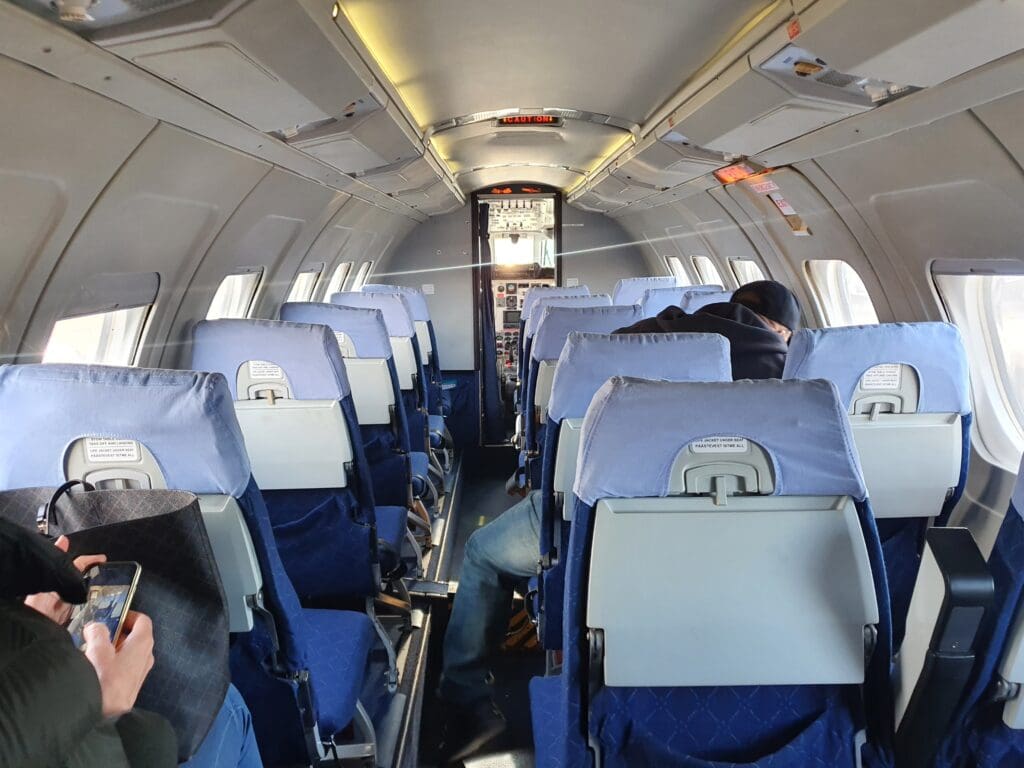
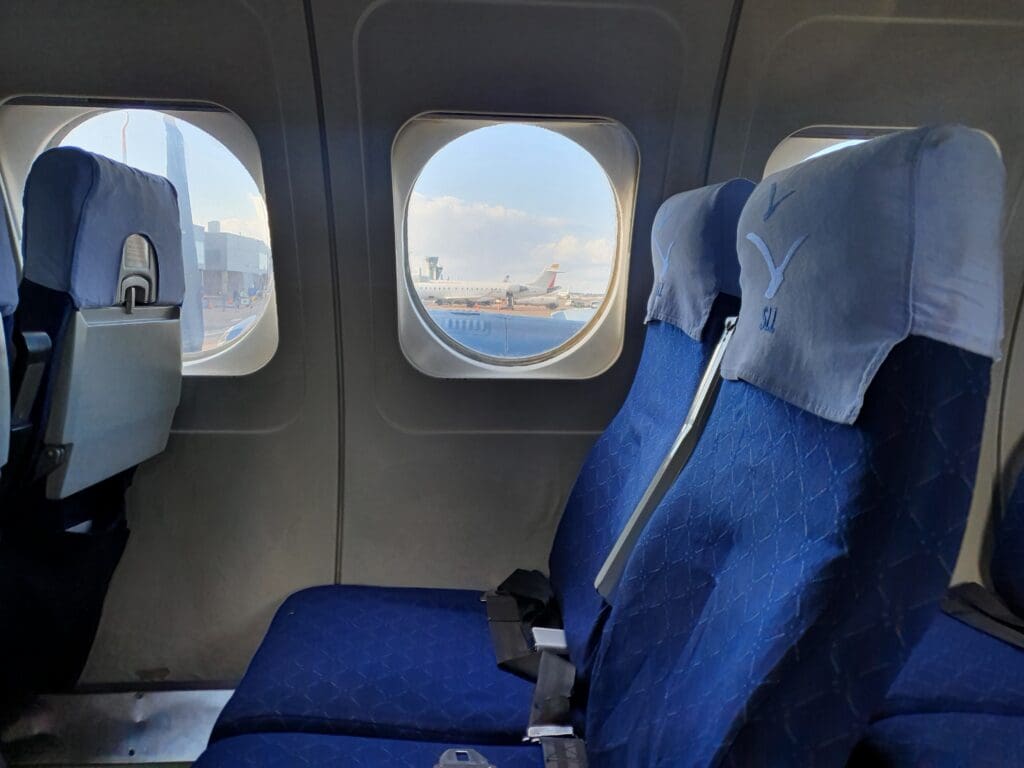
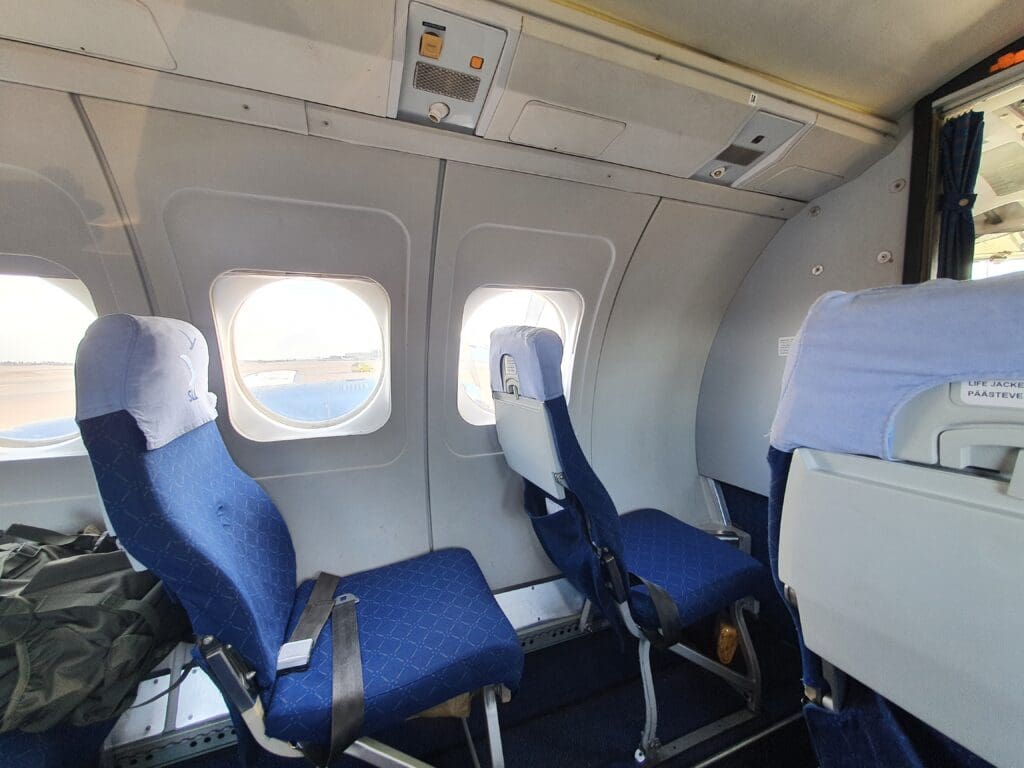
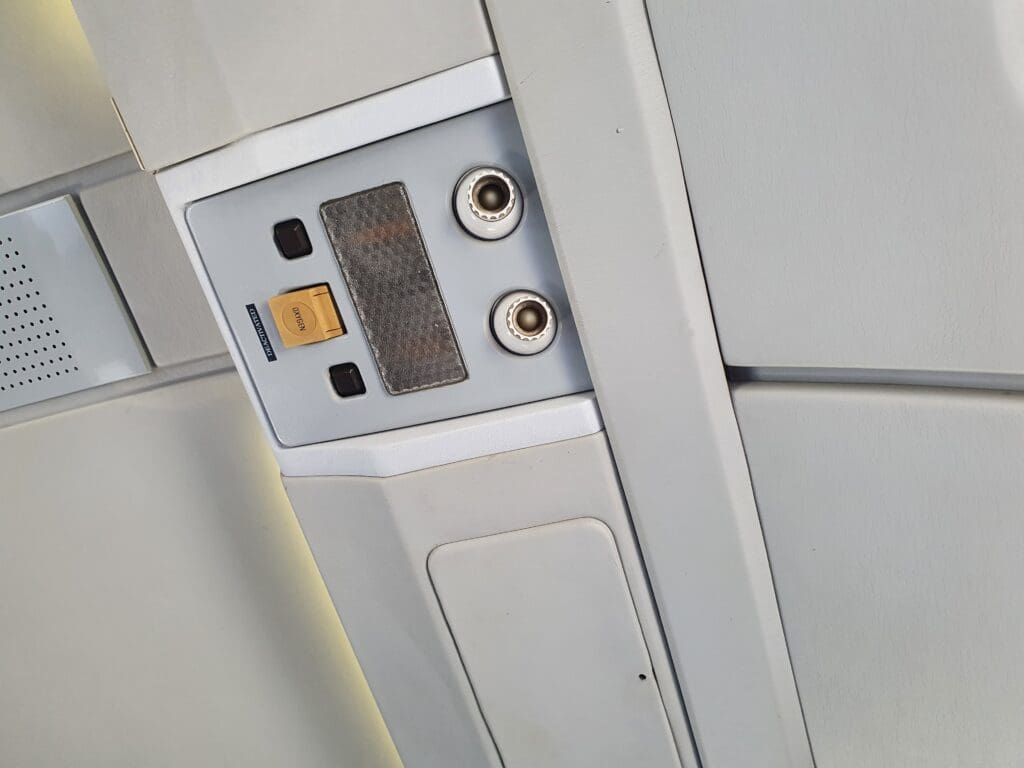
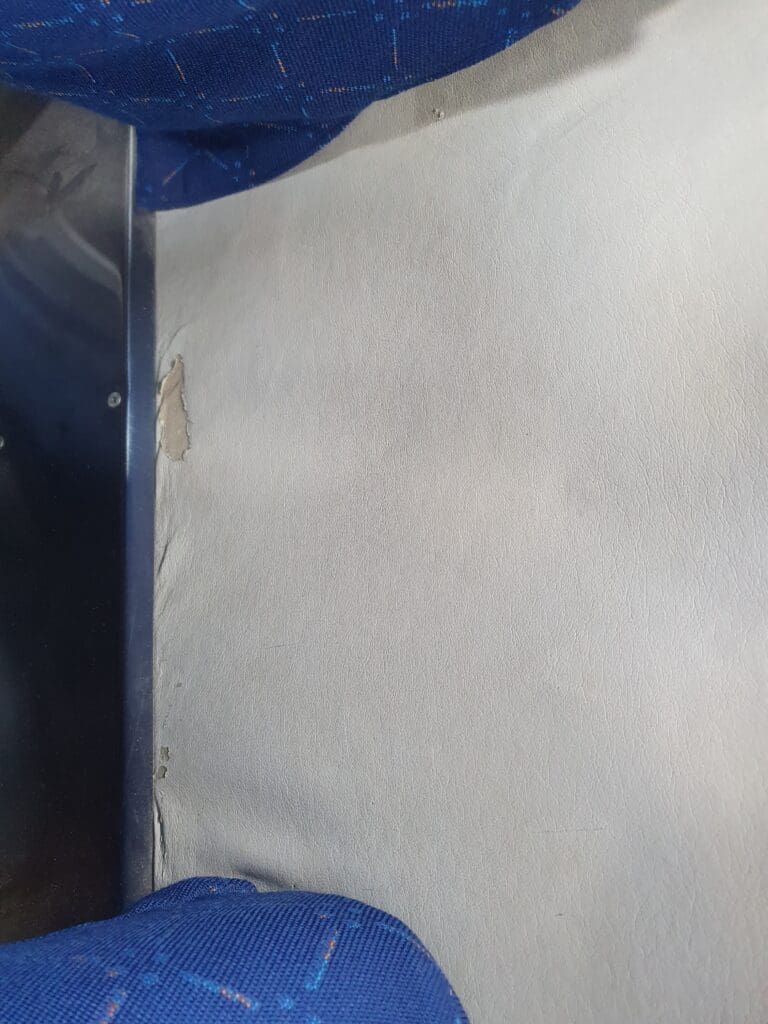
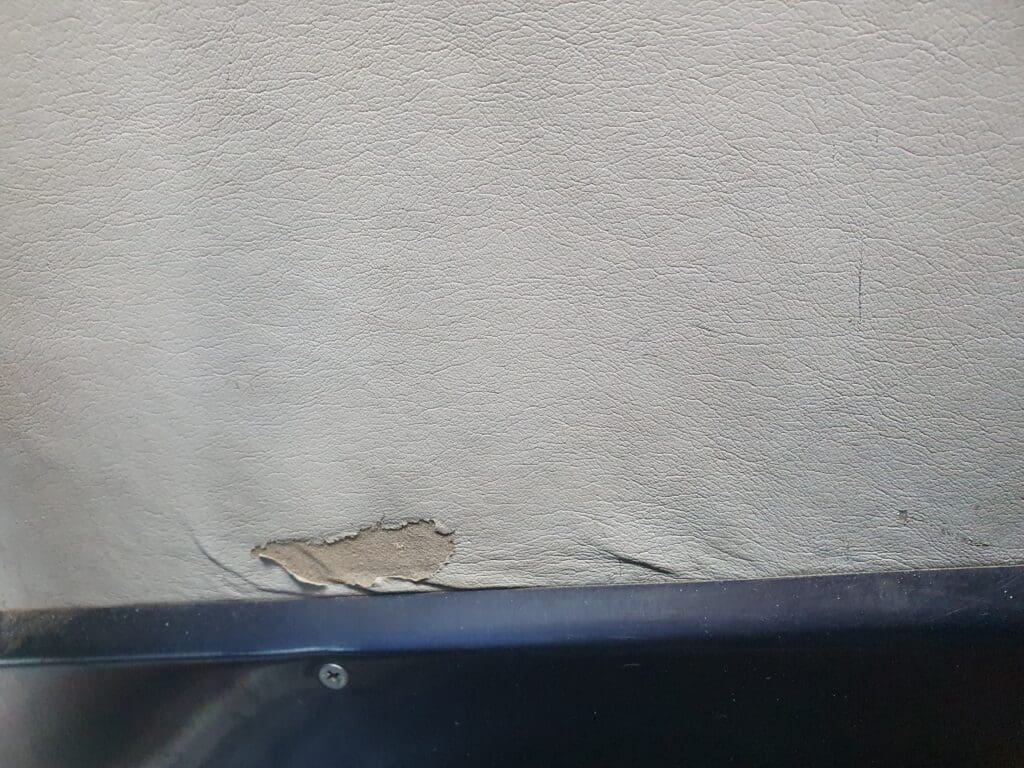
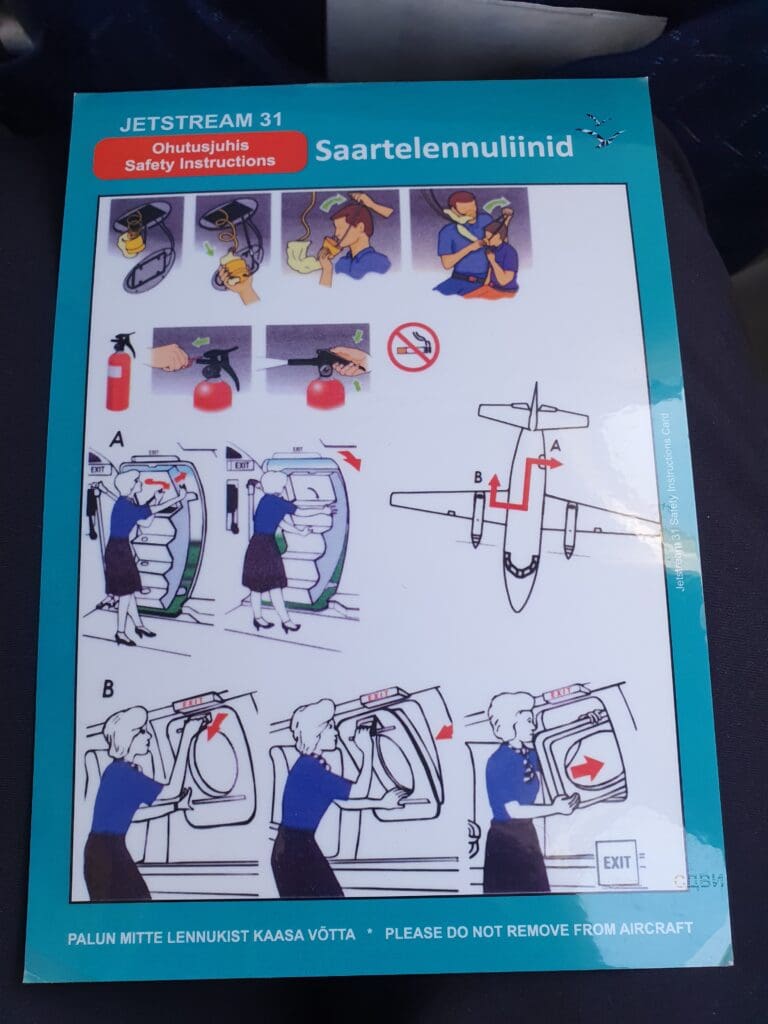
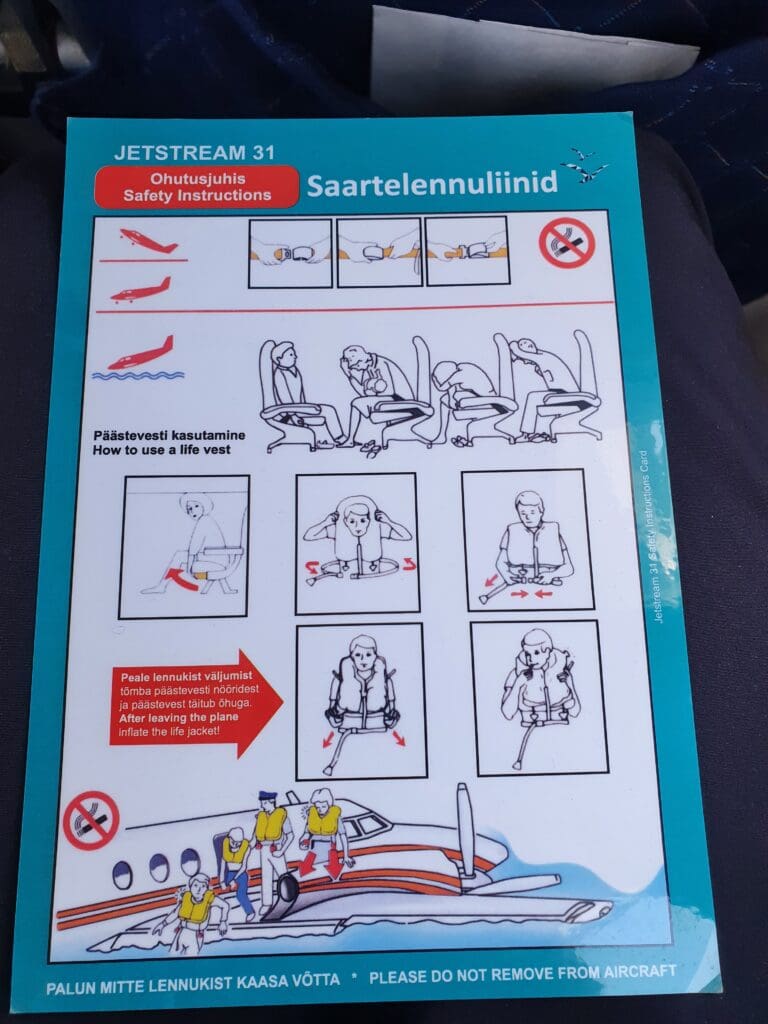
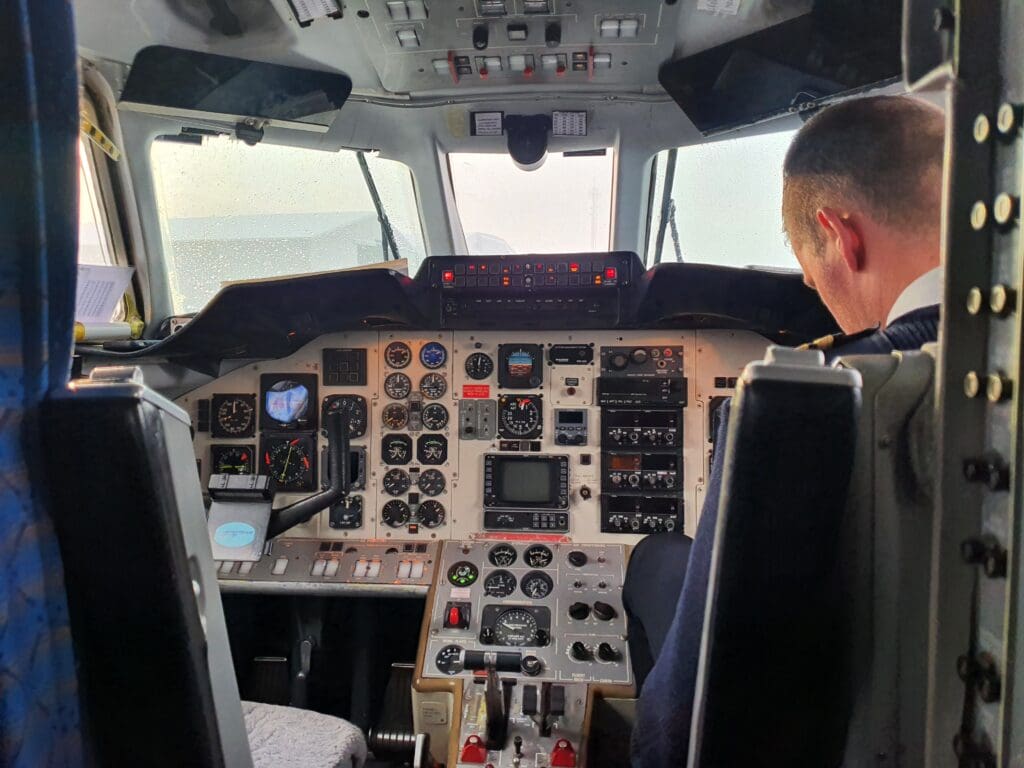
Other than the tight legroom, I found the seat to be slightly firm although this was expected given the seeming thinness of the seat. Above the seats, rather vintage-looking passenger service units could be found, with all passengers offered a reading light and individual air vent – both of which I found to work without any issue. Turning to the seatback pockets, it appeared that most of these featured a plain white sickbag; however, perhaps having been frequented by light-fingered aviation enthusiasts, it seemed that only a small number of these contained a Saartelennuliinid branded safety card. Whilst clean, the cabin appeared to be in an incredibly battered and tired state, with marks, smudges and scratches omnipresent in the area around my seat. With this considered, even to those not so au fait with aviation, it was clear that this aircraft was far from new. However, returning to the positives, the aircraft’s large circular windows appeared to be far less tinted than those on other Jetstream aircraft.
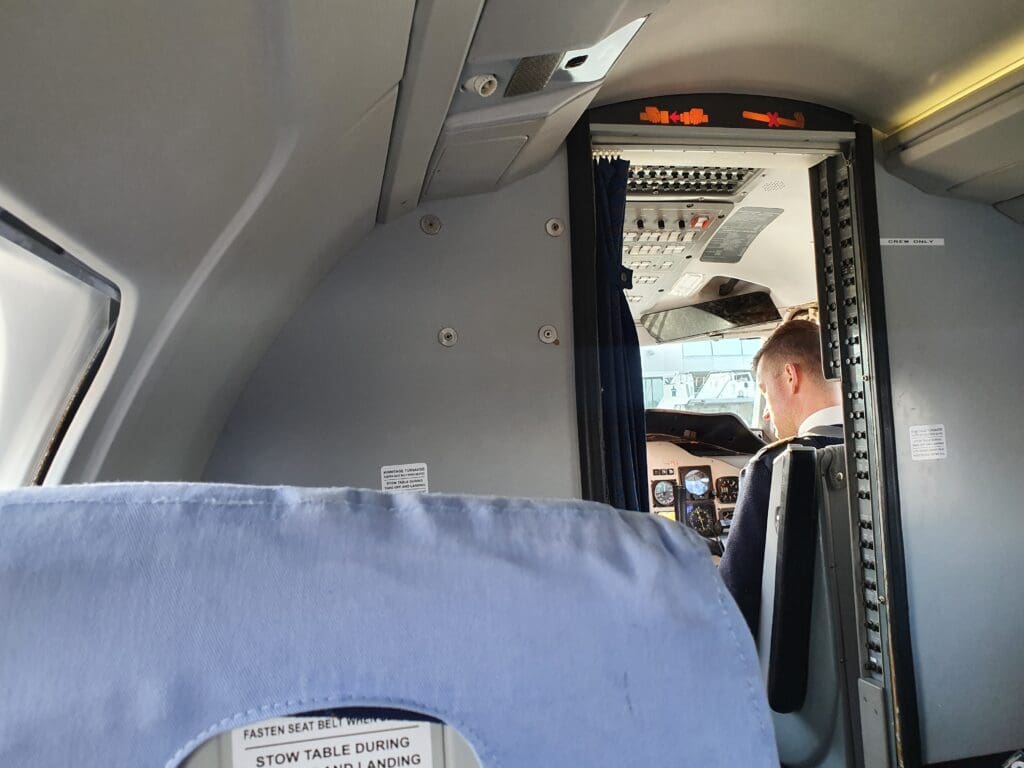
Once all passengers were on board and seated, the Captain hovered around the rear of the cabin and soon mentioned that we were still waiting for another two passengers to be shuttled across to the aircraft. During this wait, air traffic control communications could be heard being blurted out from the speakers in the cockpit and I managed to make out the pilot of an Air Hamburg Embraer Legacy calling up to request clearance for their flight south to Sofia. Within a few minutes, the two final passengers arrived at the aircraft, bringing the total number of passengers to seven, equating to a passenger load of just 37%. Once they had taken their seats, the Captain closed the cabin door with a thud before making their way to the front of the cabin. From there, they performed a welcome and safety speech during which they informed passengers that it would take fifty minutes to reach Savonlinna and that we could expect a smooth ride, although as per usual we were advised to keep our seatbelts fastened whilst the seatbelt sign above the cockpit entrance was illuminated.
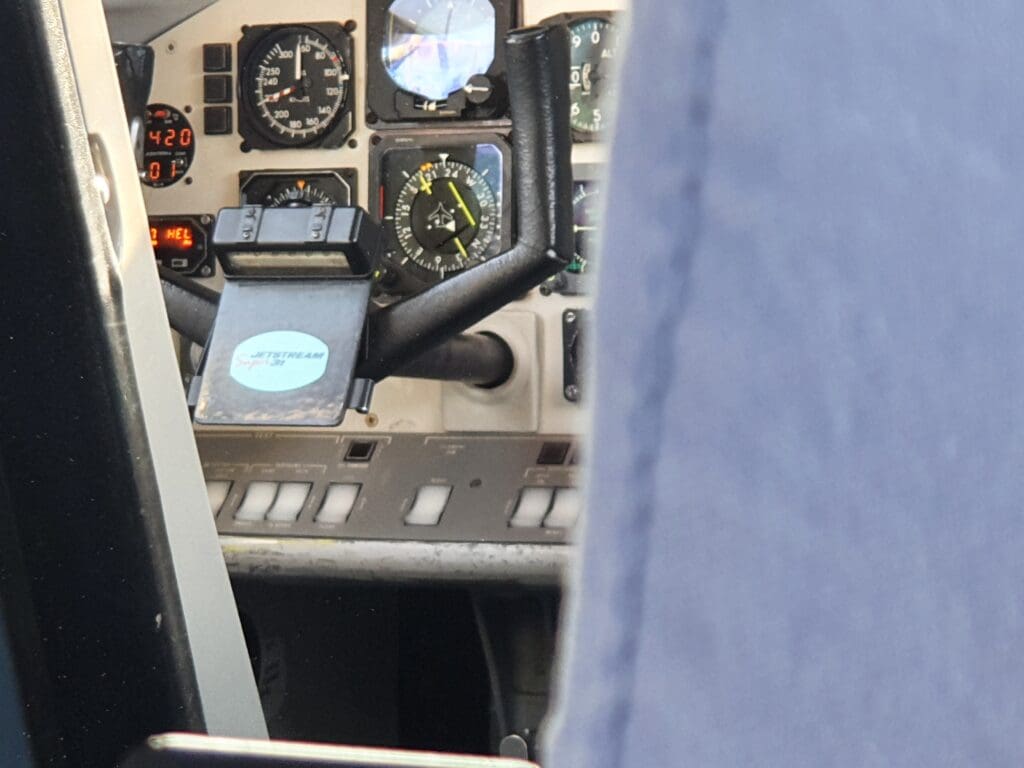
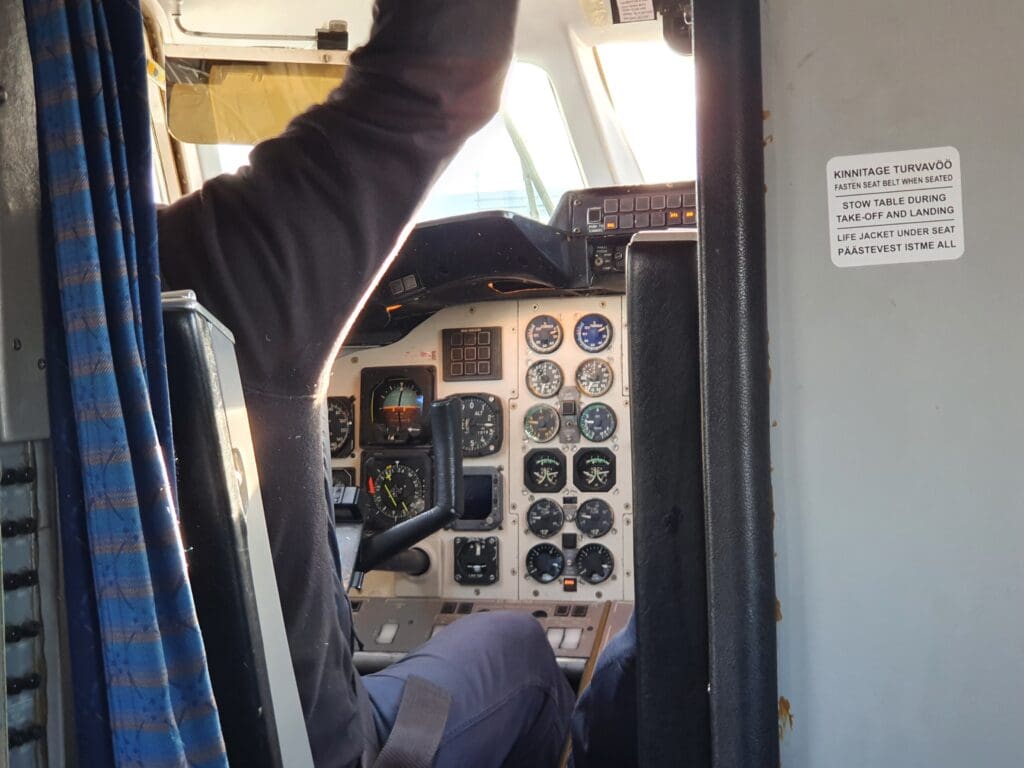
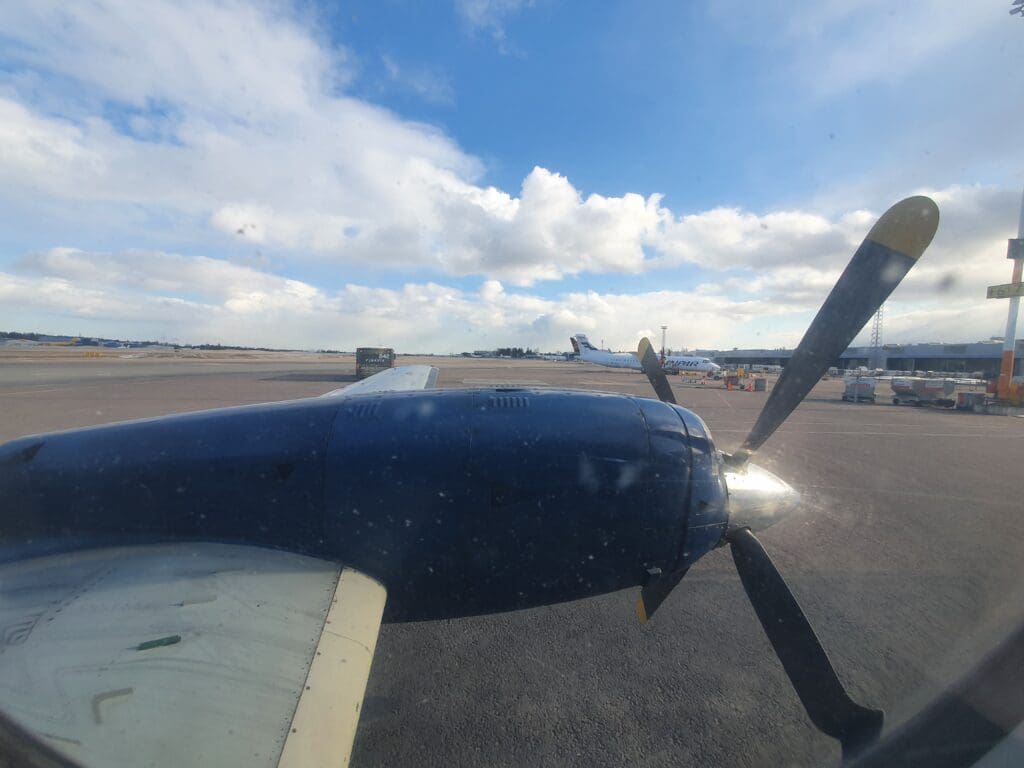
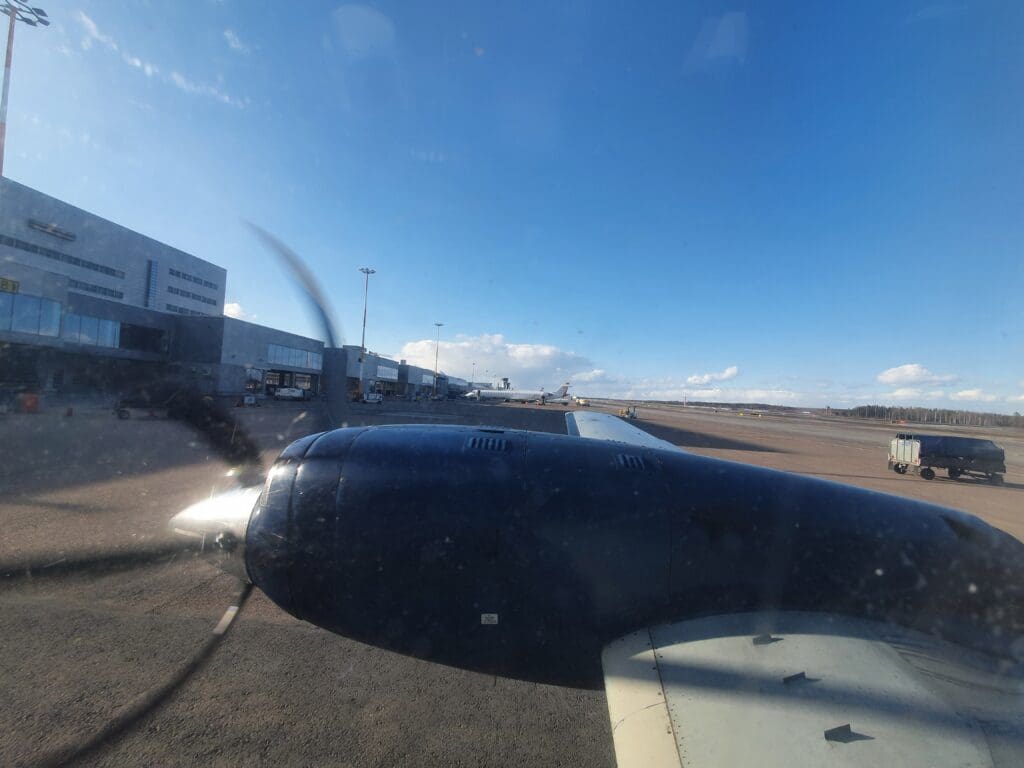
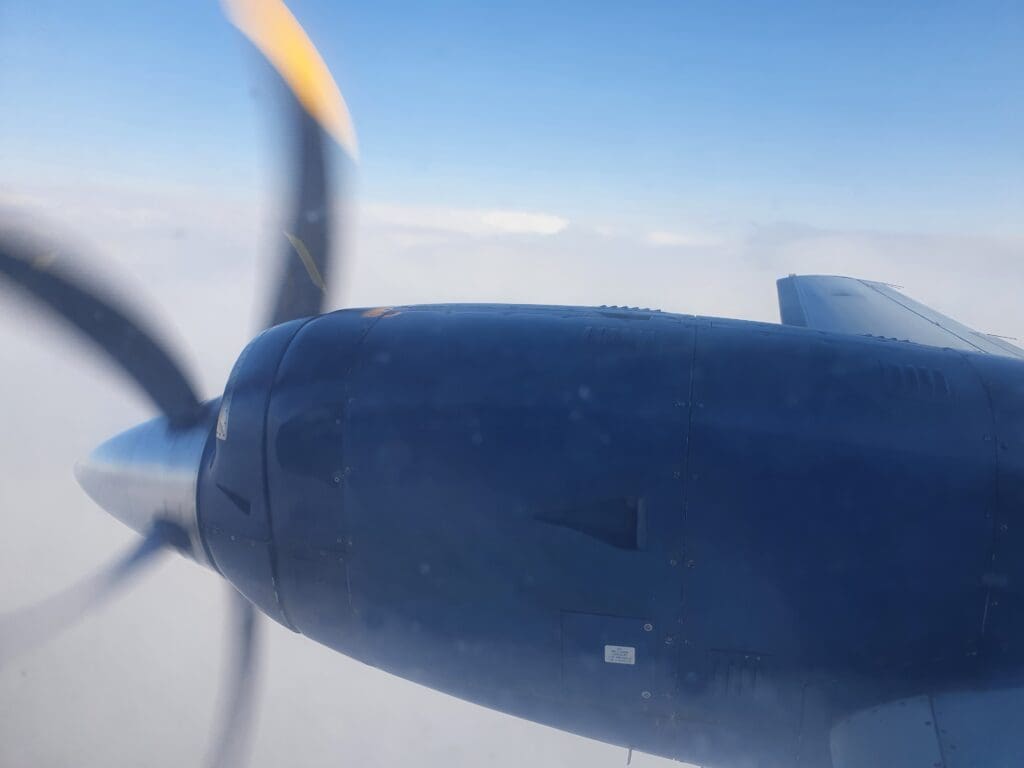
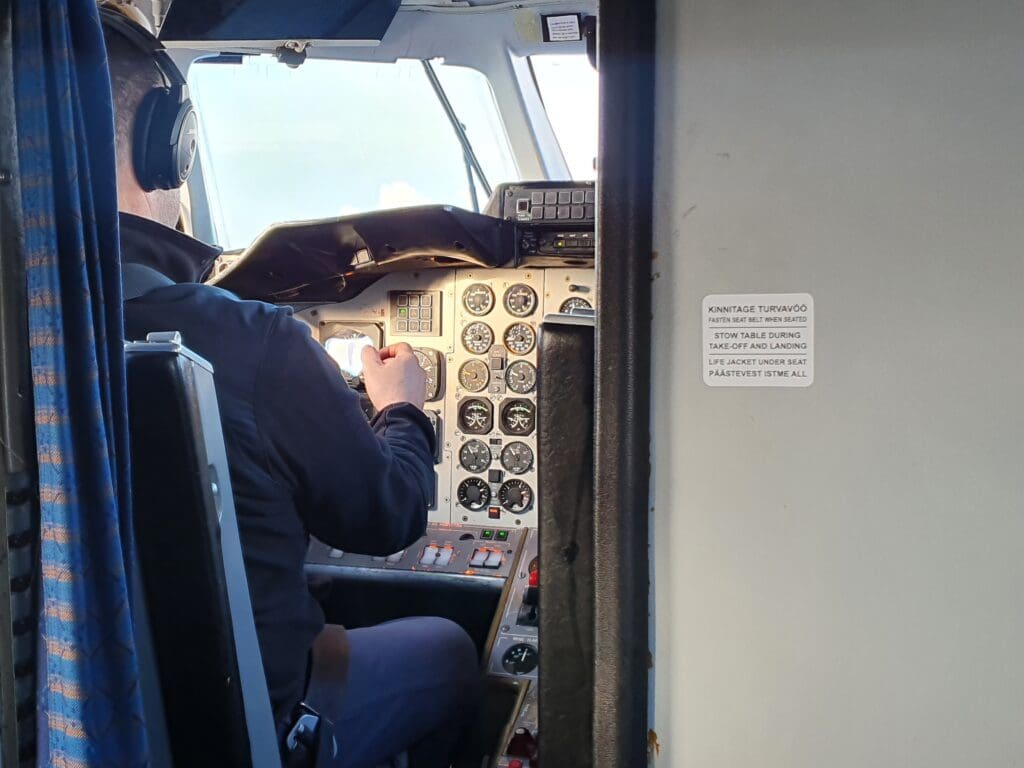
Once the Captain had conducted their speech, they squeezed themselves into the cockpit and began their preparations for departure. Overhearing their conversations with the First Officer, it appeared that both pilots hailed from the Netherlands. This may well not be surprising given the fact that Dutch carrier AIS Airlines and its associated flight school offer training on the Jetstream 31/32. That evening, the Captain would be flying the aircraft over to Savonlinna and soon the First Officer called up air traffic control to request our start-up clearance. Following a short pause, this was received around a minute later, at which point the two Garrett turboprop engines fired up causing plenty of vibration as the two McCauley four-blade propellers began to whirl into life. From this point, little could be heard from upfront other than the occasional chuckle and at 1728, the aircraft jolted rather suddenly out of its stand and wheeled around to the left, commencing a bumpy journey to the end of Runway 22L.
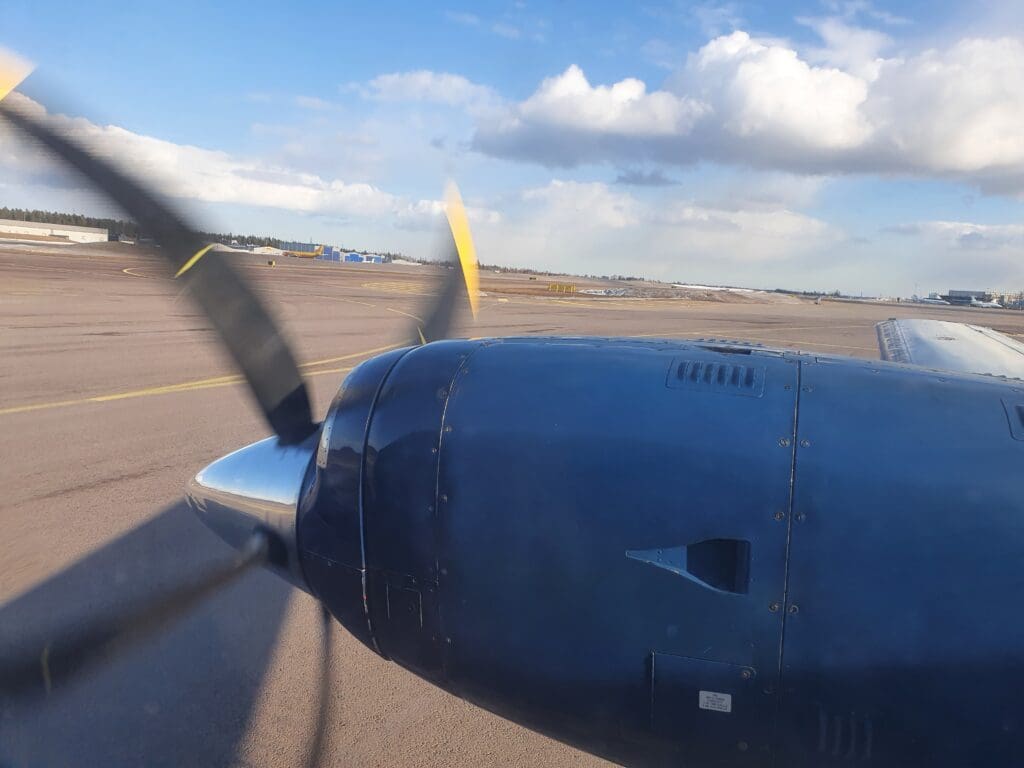
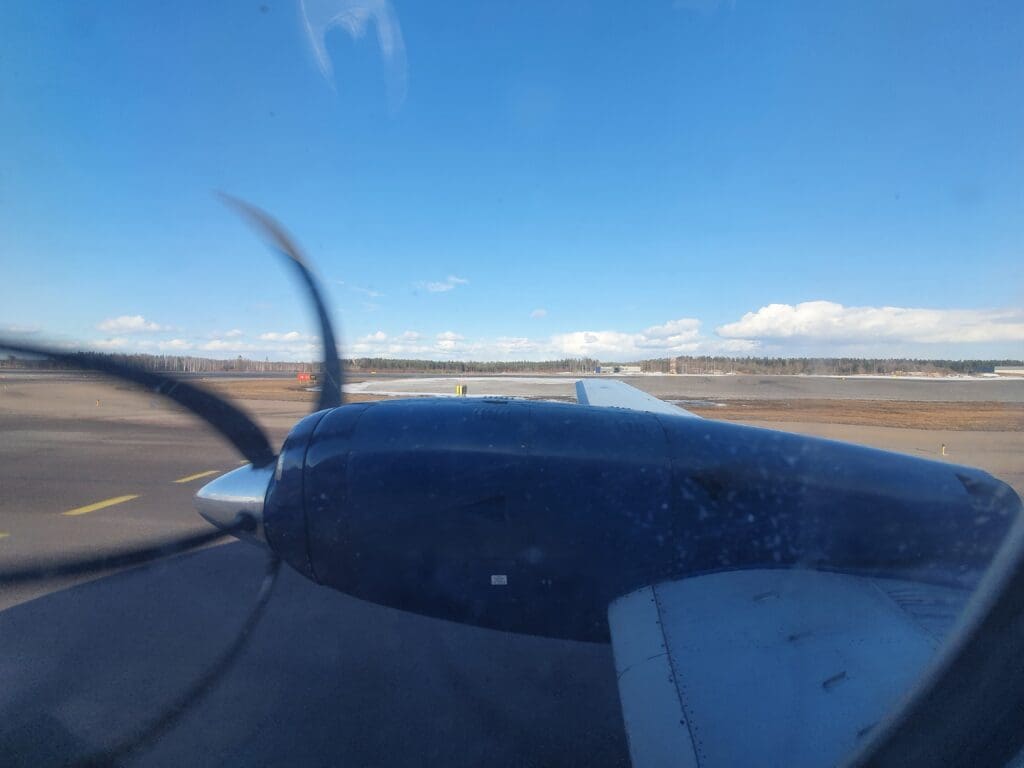
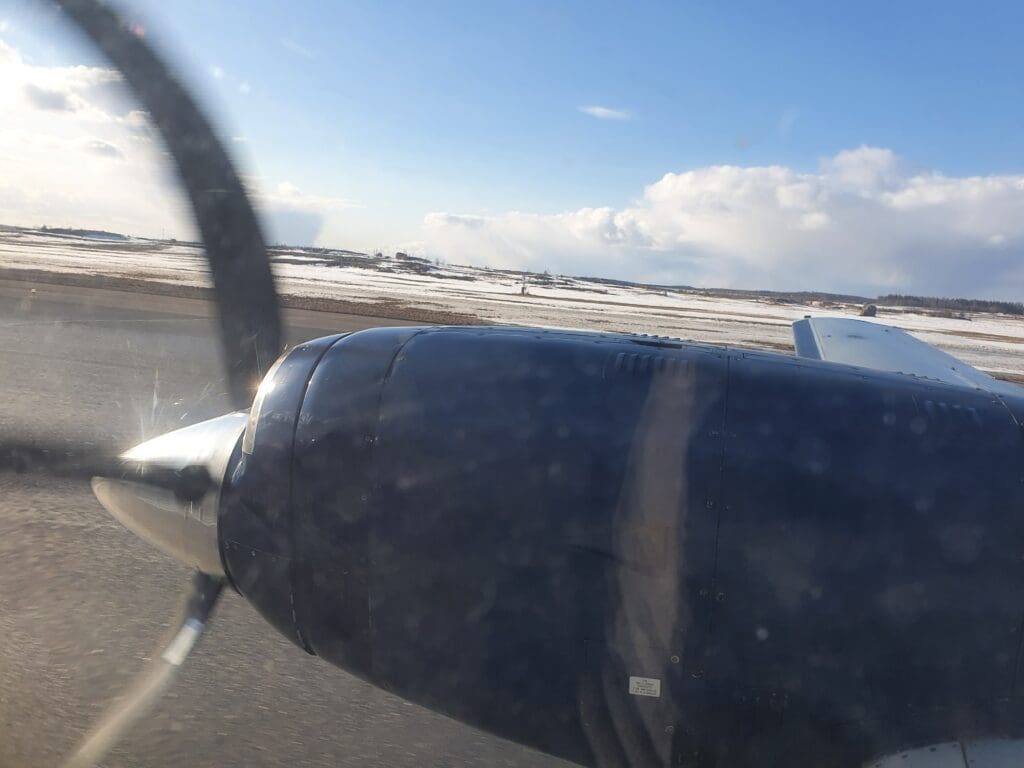
From Stand 7, the journey over to the runway was not particularly long and with no other traffic departing ahead of us, the Jetstream 31 was able to lumber onto the runway without coming to a halt. Once on this, the two power levers were pushed forward resulting in significant amounts of noise and vibration as the lightly loaded aircraft performed its powerful takeoff roll before rocketing upwards into the skies of Helsinki. Once up in the skies, the Jetstream soon left the vast expanse of Helsinki Airport behind before the suburbs that sit to the north of the capital city came into view. After crossing over the E18 motorway, the Jetstream banked to the left before rolling out on a northeasterly heading after which the centre of Helsinki and the blue waters of the Baltic Sea could be seen to the south for a minute or so.
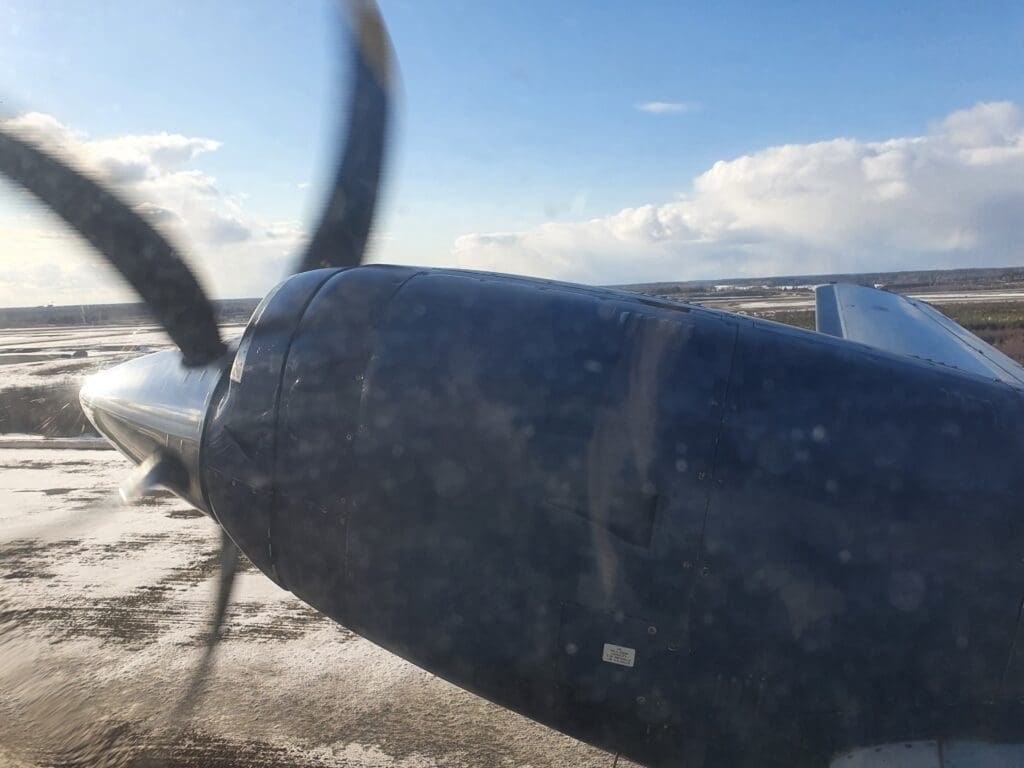
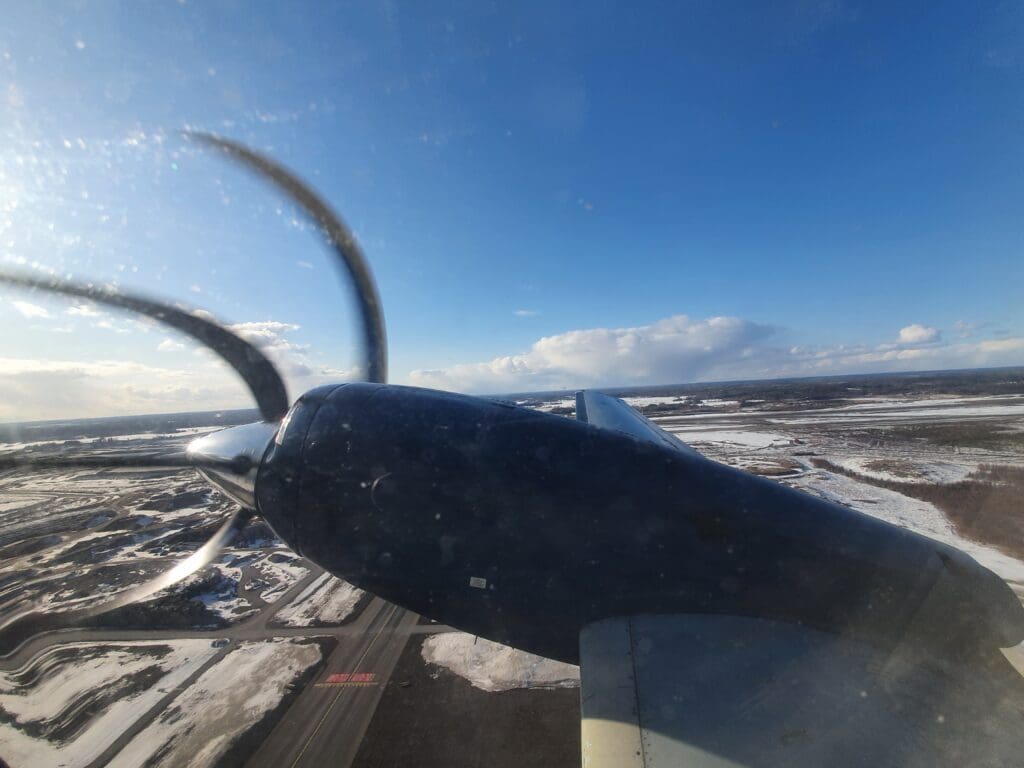
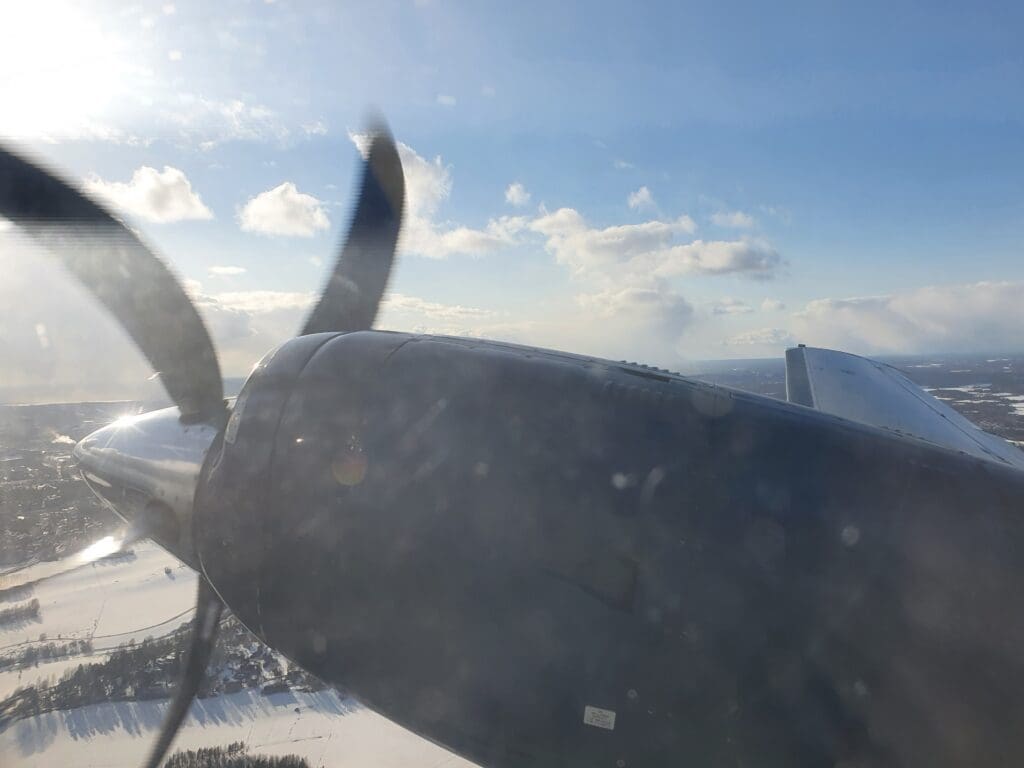
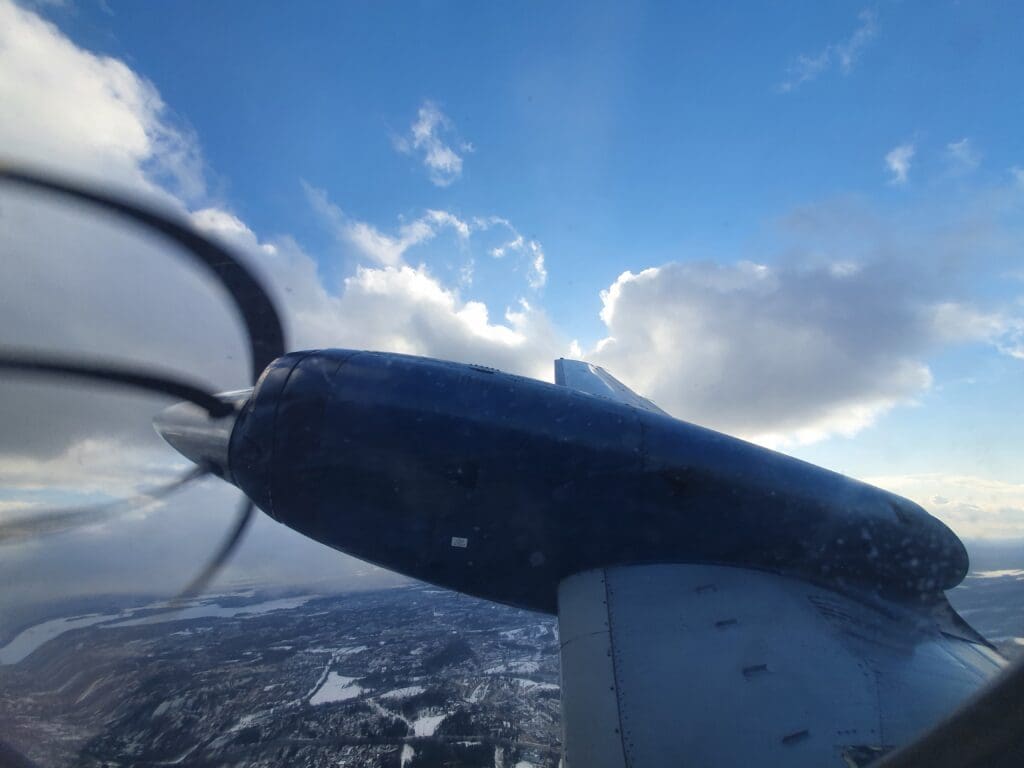
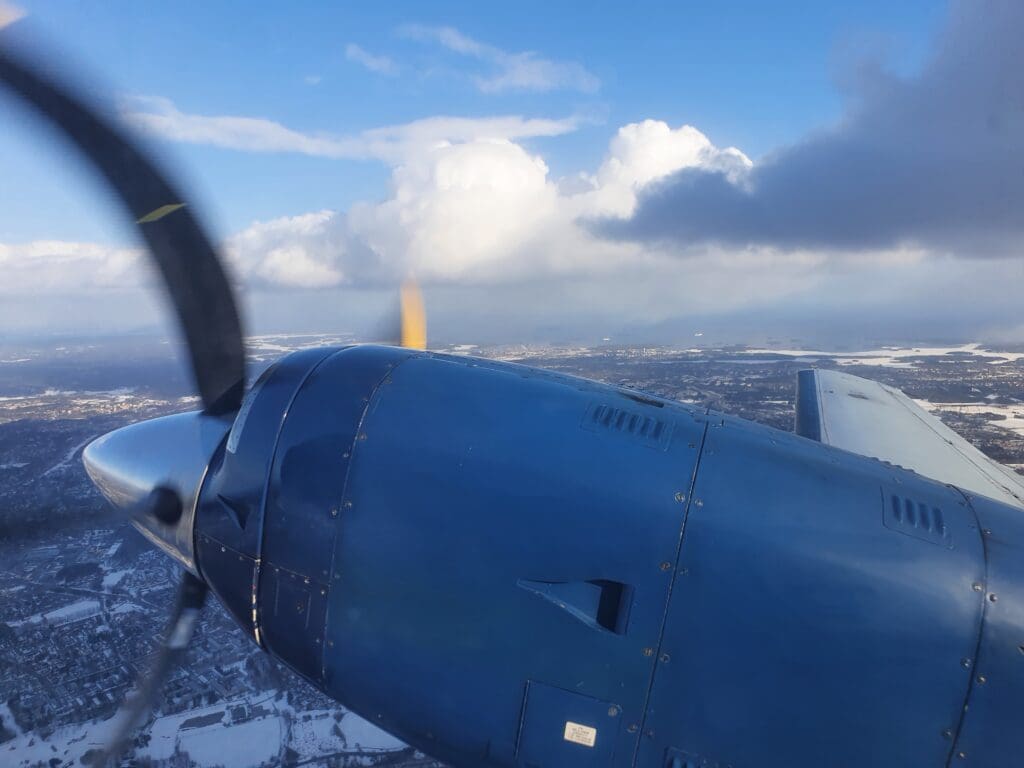
As the Jetstream climbed, the aircraft crossed over the towns of Vantaa, Koivula and Hiekkamalmi before levelling off at its low cruising altitude of just 13,000 feet. With the Captain having advised us of smooth flying conditions, true to this, not a single bump could be felt as the aircraft cruised northeastwards at a ground speed of around 250 knots. However, despite the lack of turbulence, the seatbelt signs remained firmly illuminated for the duration of the flight. As I had expected, with no flight attendant present there was no inflight service, and no container of complimentary drinks and/or snacks had been placed out for passengers to help themselves. Whilst this would of course have proven to be a welcome addition to the service, the absence of complimentary offerings was excusable given the low price I had paid for my ticket and the short duration of the flight.
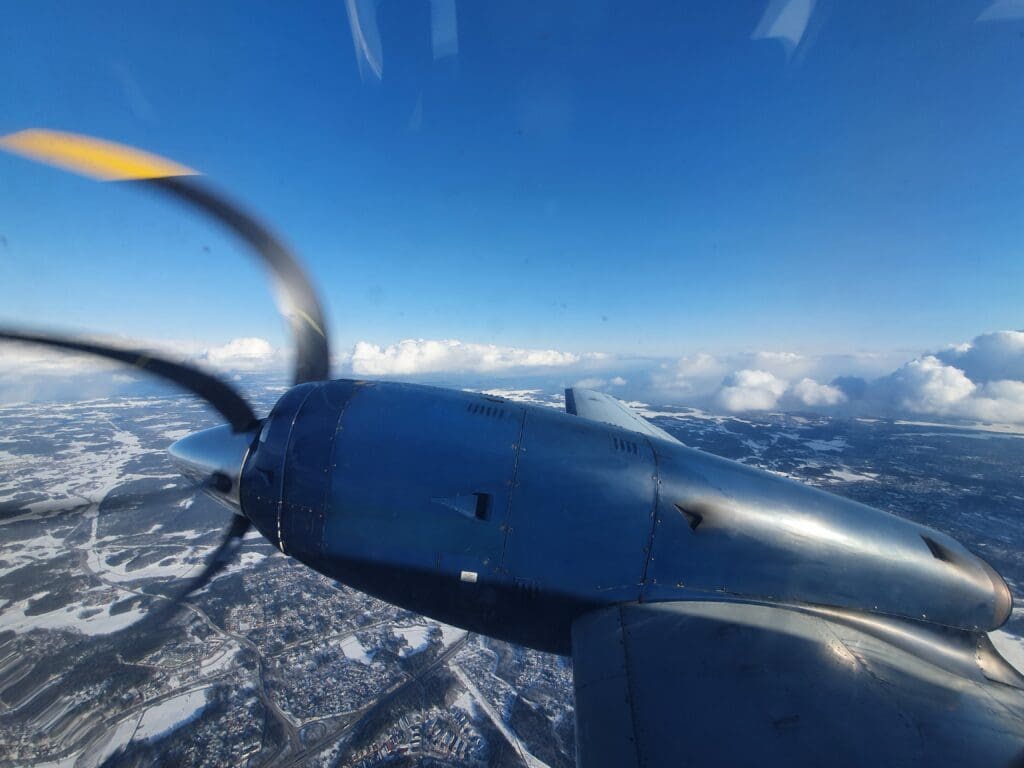
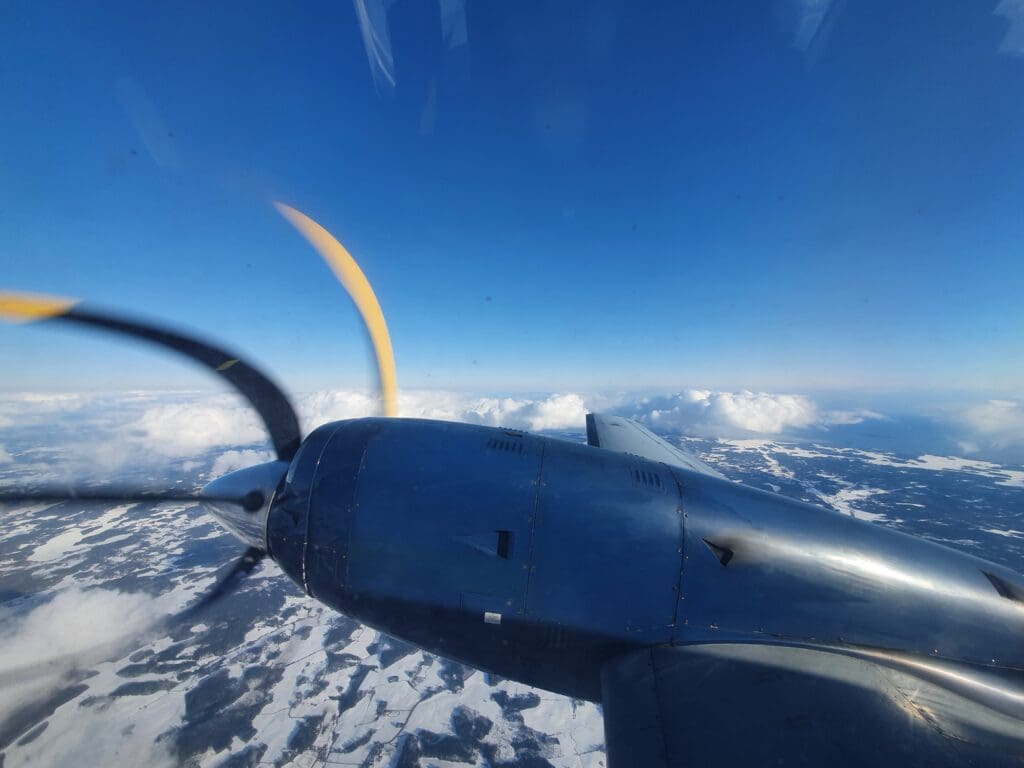
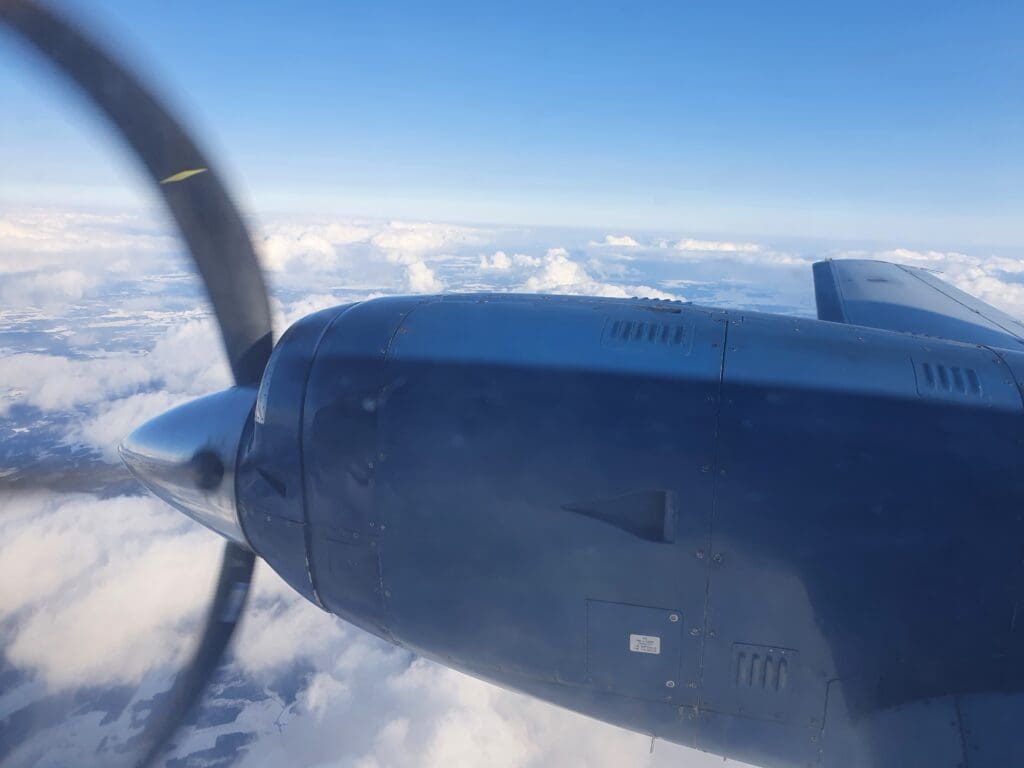
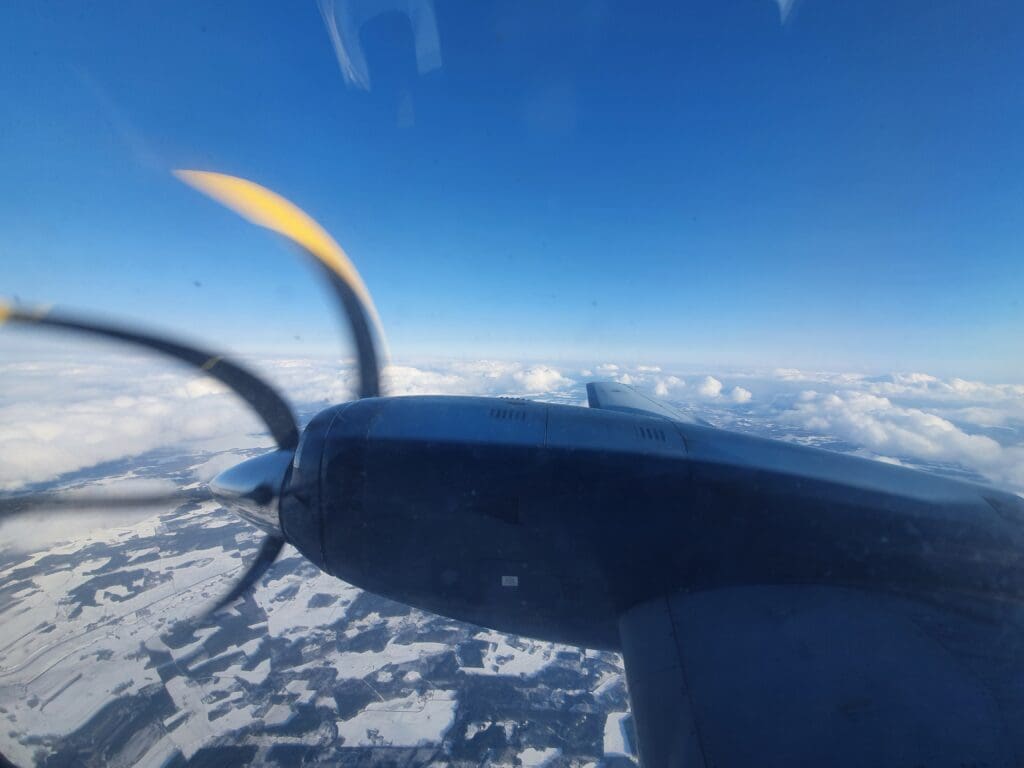
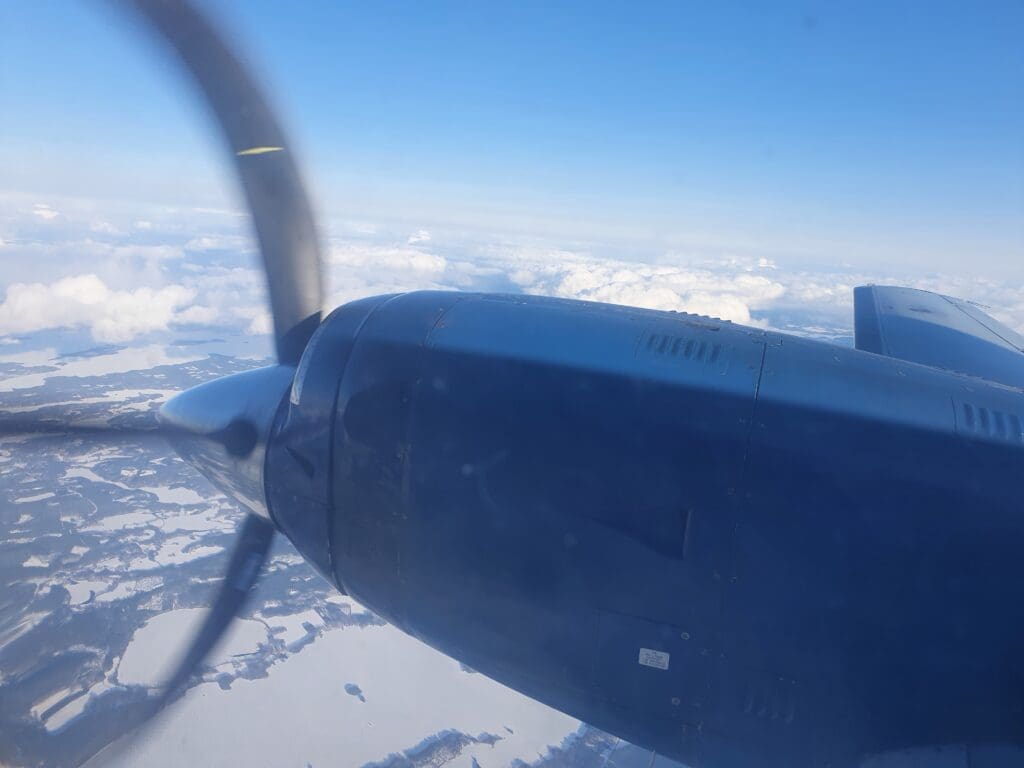
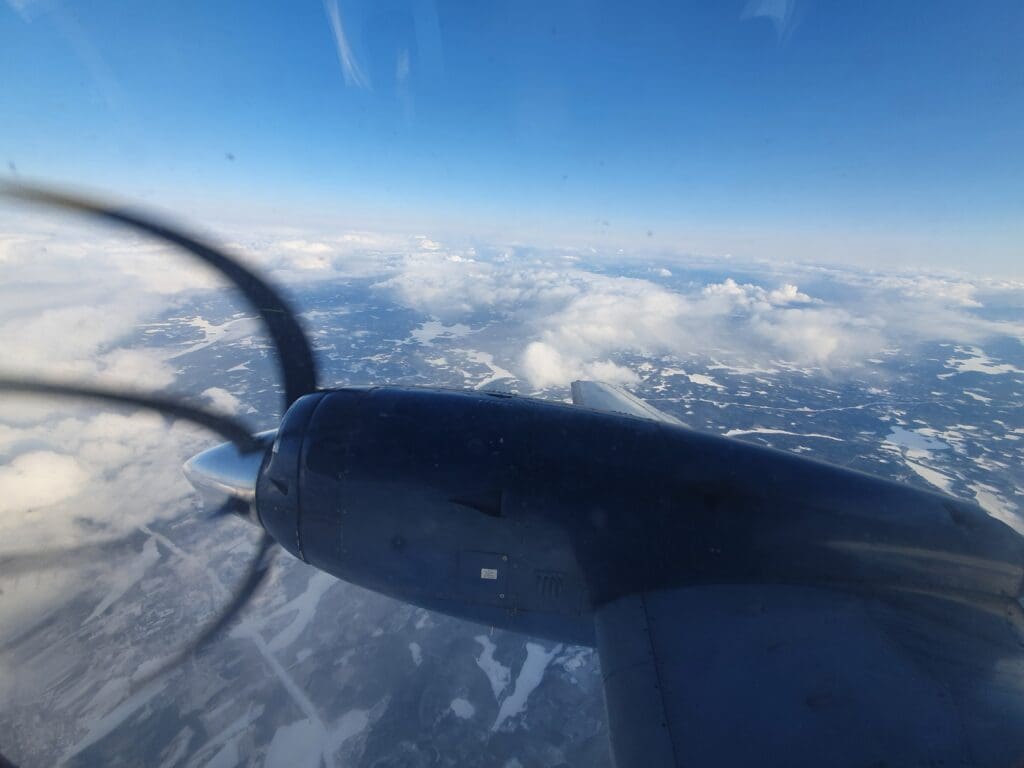
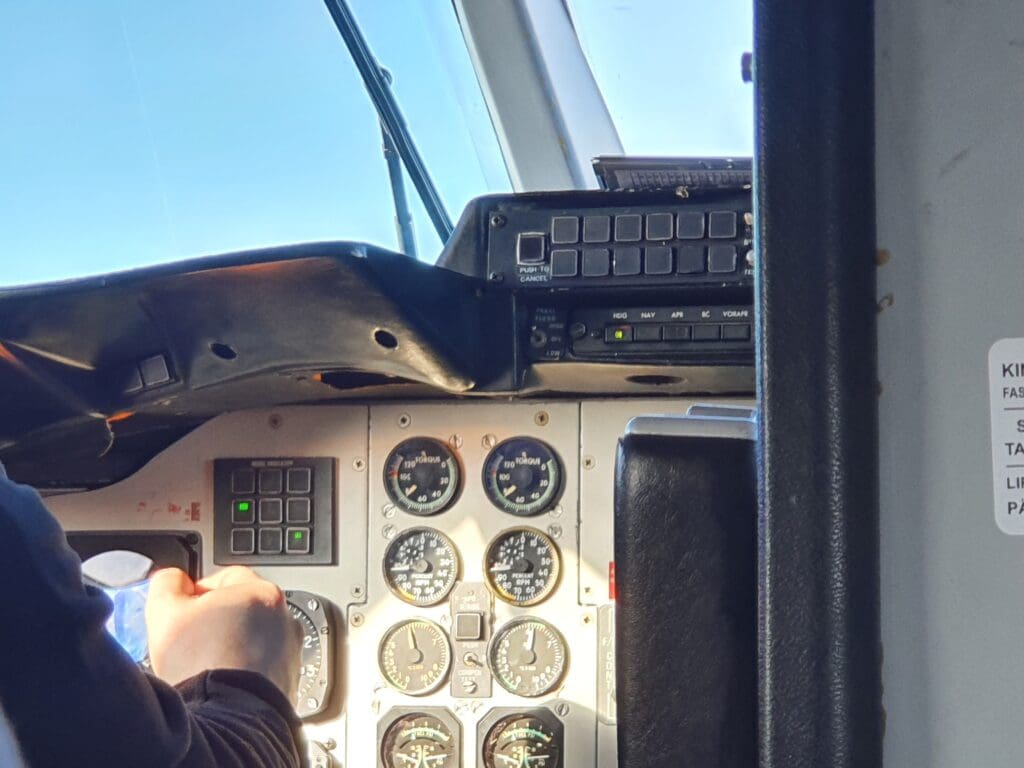
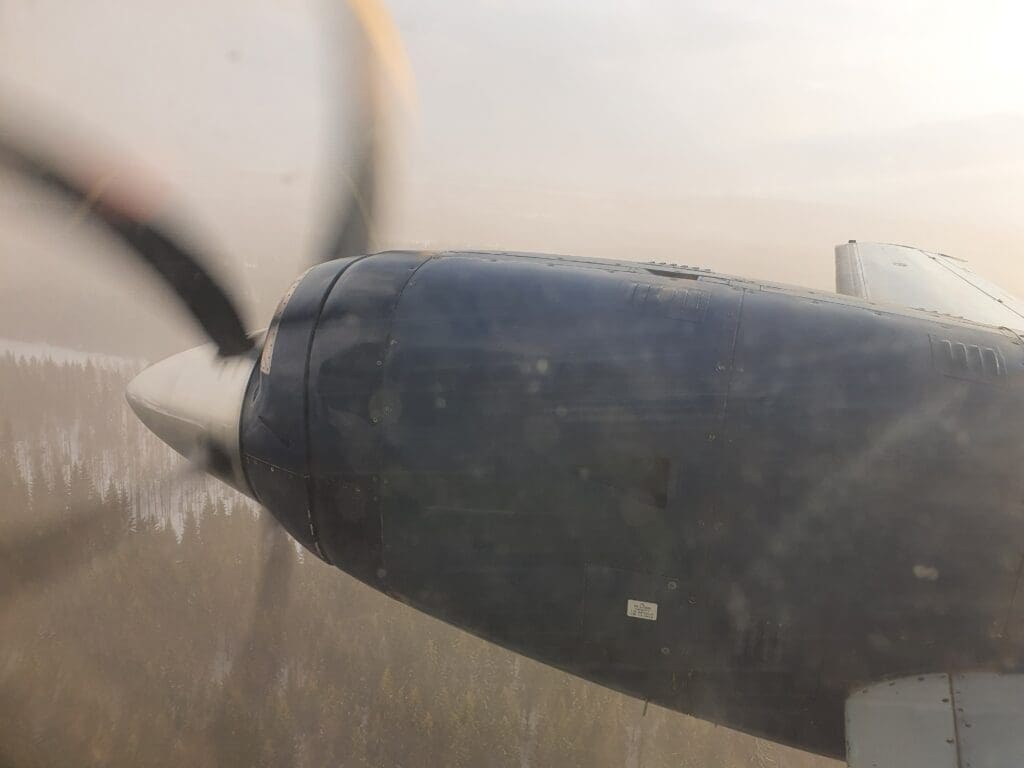
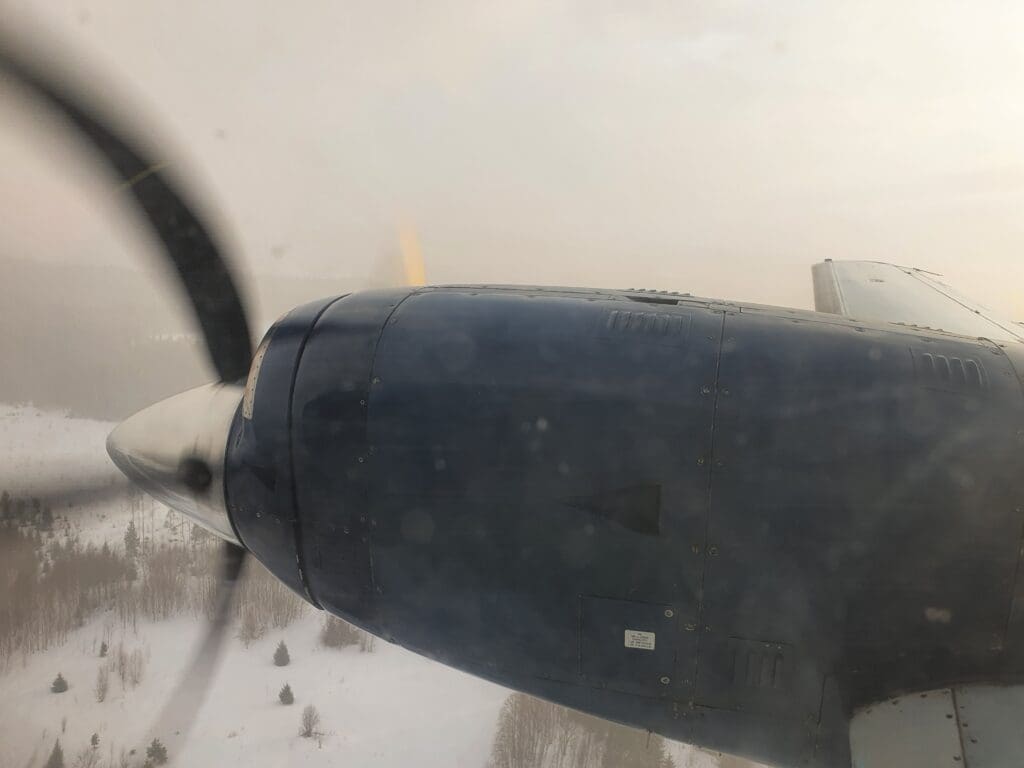
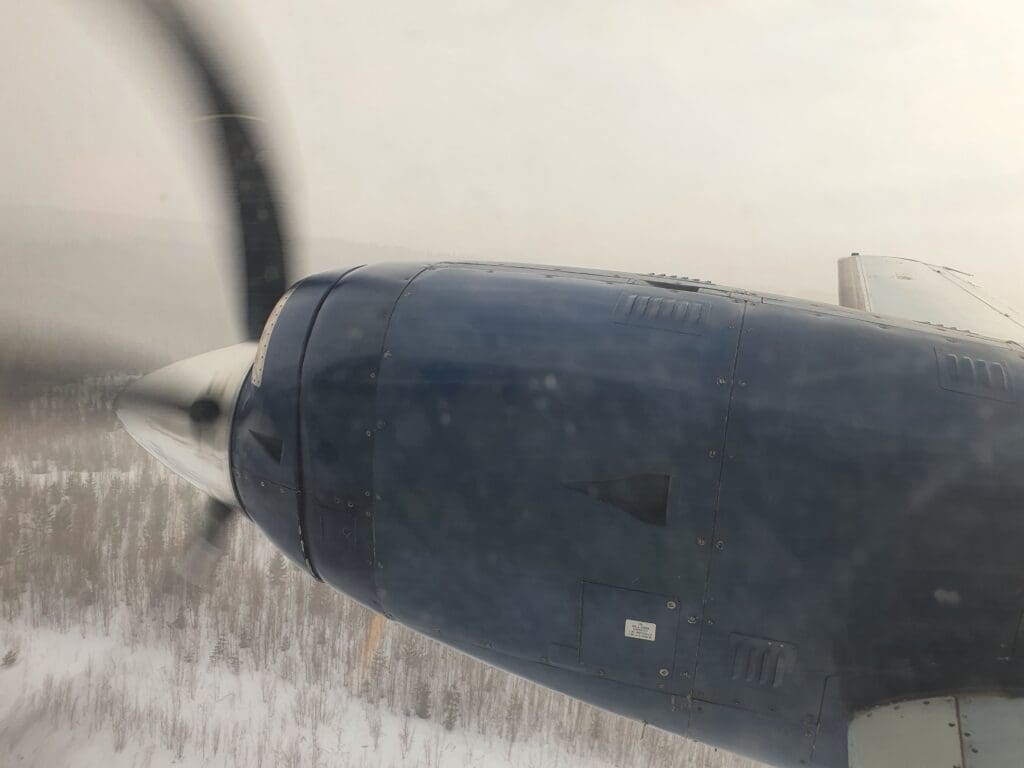
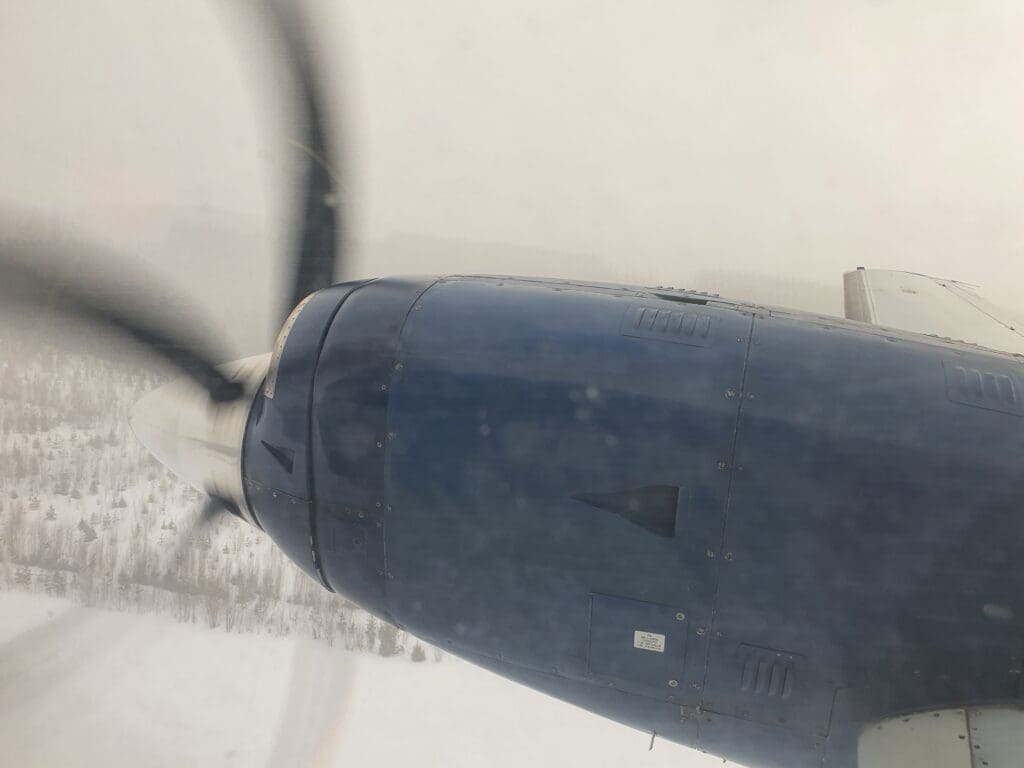
After levelling off, the noise levels within the cabin did not decrease by any noticeable level and as I had noticed during my flight with AIS Airlines the previous week, during this, a sort of loud whistling sound could be heard as the Jetstream tootled along. As the aircraft made its way across Finland, a good view could be had of the flat rural Finnish landscape which consisted almost entirely of frozen snow-covered lakes and forests, with very few towns or villages appearing for the duration of the flight. Examining our route that evening, after leaving the province of Uusimaa, home to the capital Helsinki, the aircraft then crossed over a very small portion of Tavastia which sits directly to the north of this. From there, the aircraft then made its way over to Paijanne Tavastia before crossing into the skies of Southern Savonia. Unsurprisingly, this particular Jetstream was not kitted out with the latest inflight entertainment technology, and, lacking any sort of inflight magazine, there was little to do during the cruise other than soak up the atmosphere of this rare turboprop knowing that it would likely be my last flight in one for a while, look out of the window at the Finnish landscape and occasionally peer up ahead at the cockpit and have a look at what the pilots were doing.
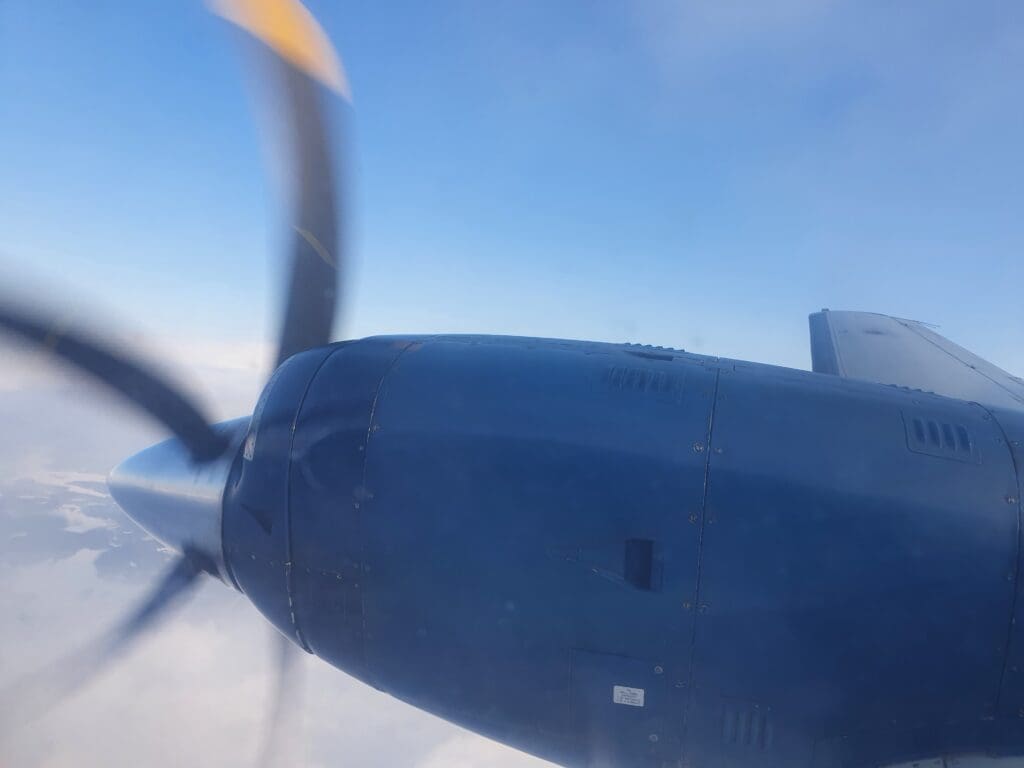
With time flying that evening, before I knew it at 1803 the Jetstream could be felt commencing its descent and the snowy landscapes below increased in size as we sank closer towards these. Unfortunately, as we neared Savonlinna, clouds rolled in below and descended at a rate of 1,400 feet per minute, it was not long before we reached the tops of these. As the Jetstream sank into the clouds, in the usual manner a few bumps could be felt and soon enough the many frozen lakes that sit to the east of Savonlinna appeared as well as the odd village here and there.
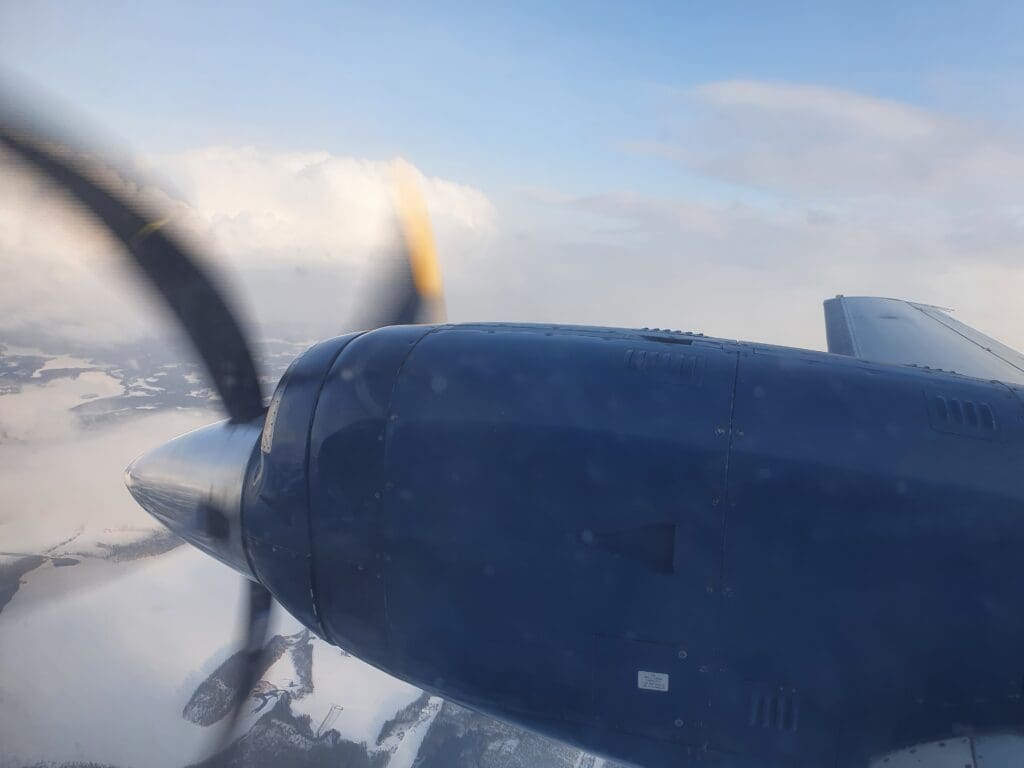
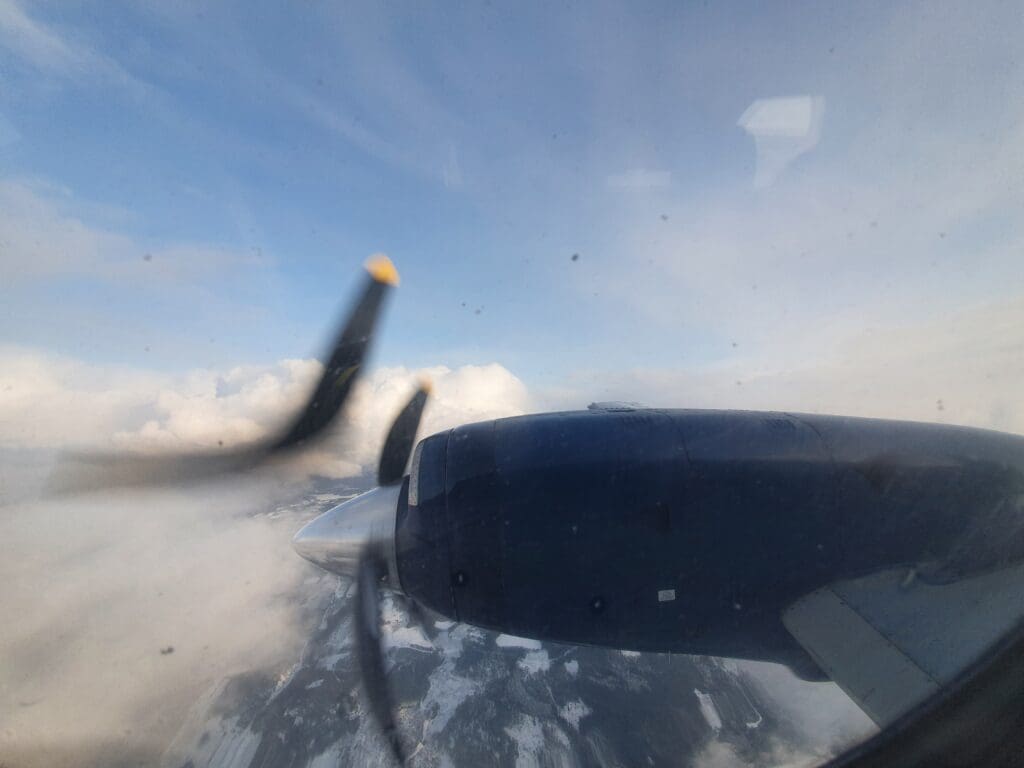
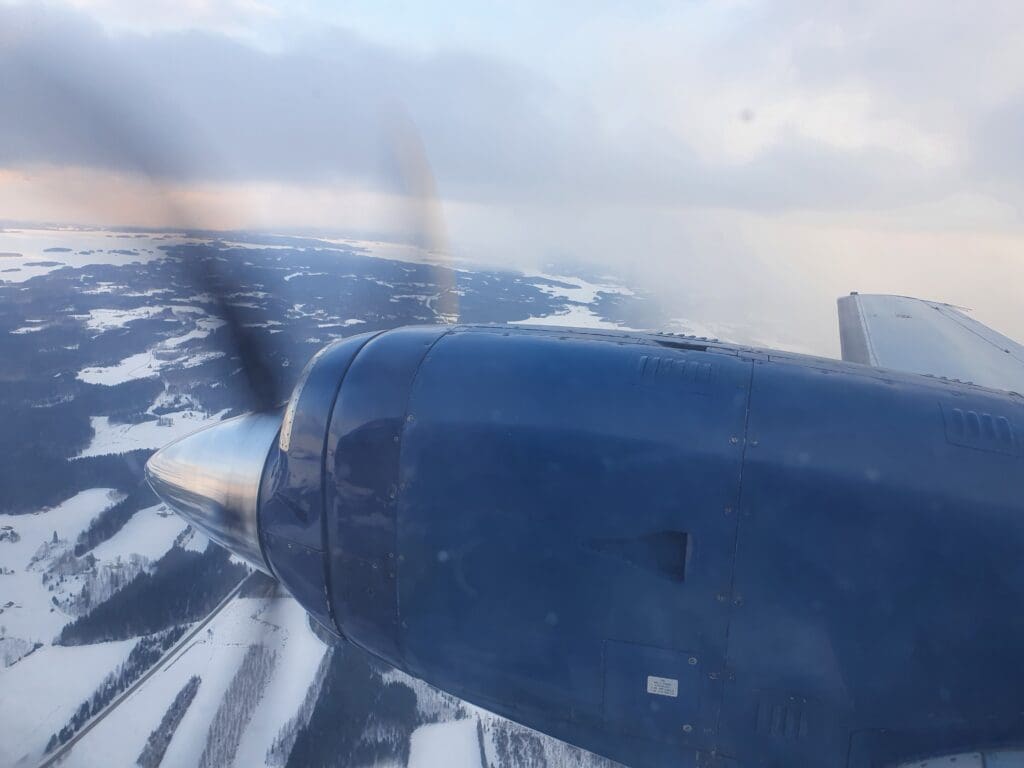
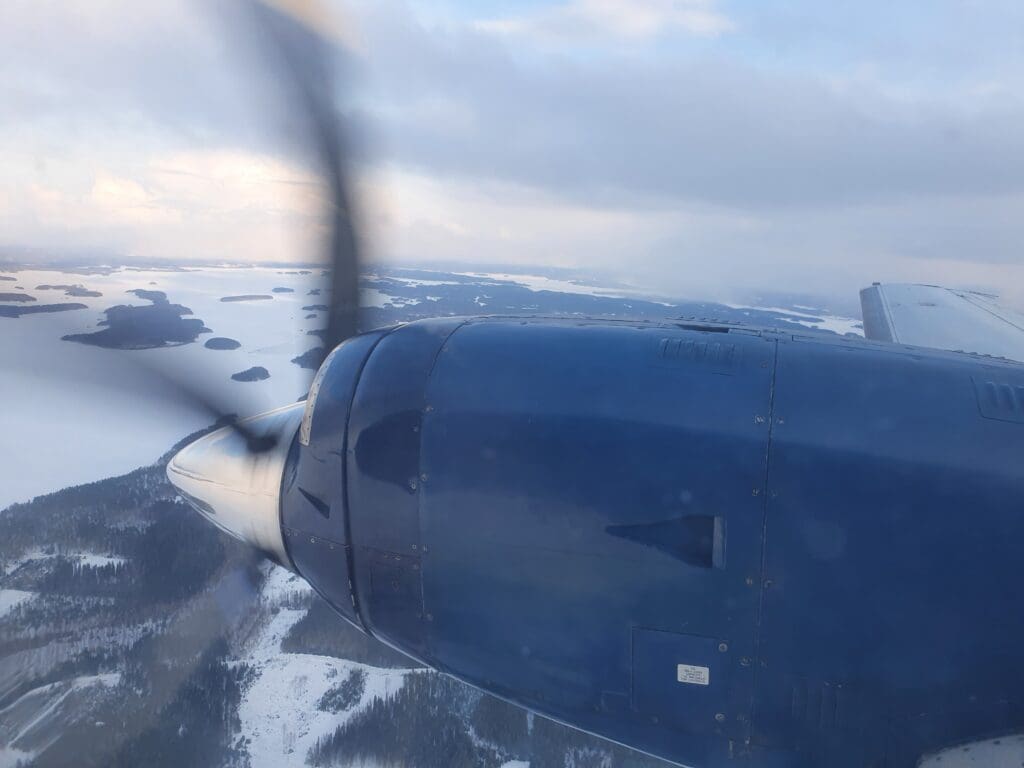
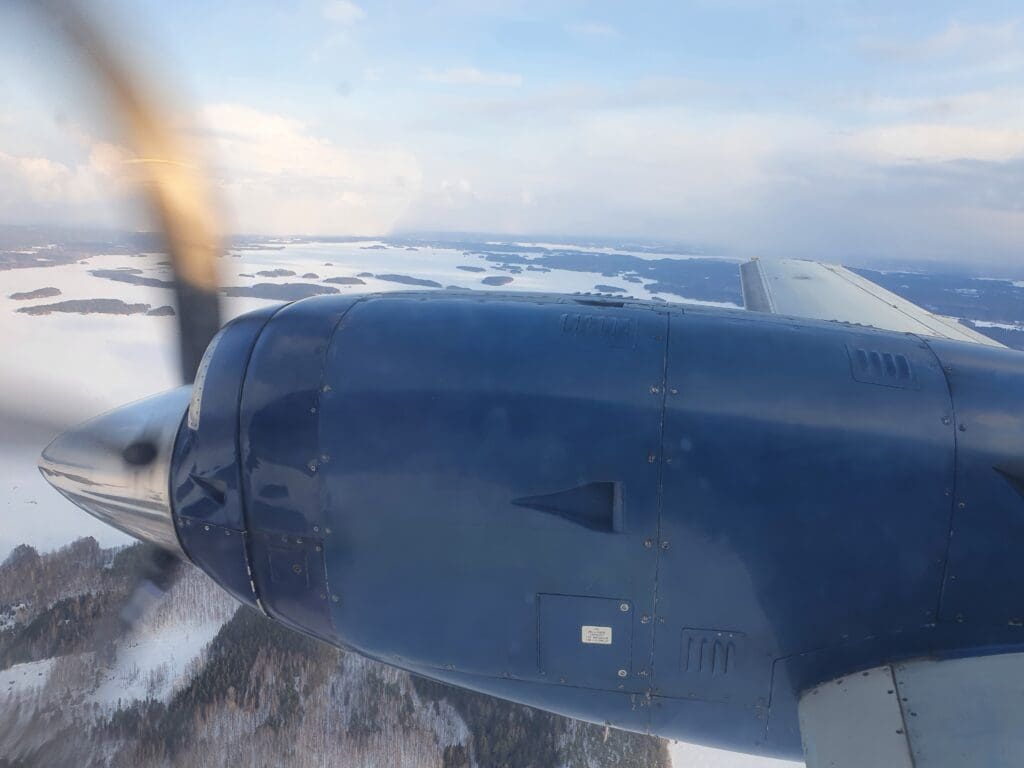
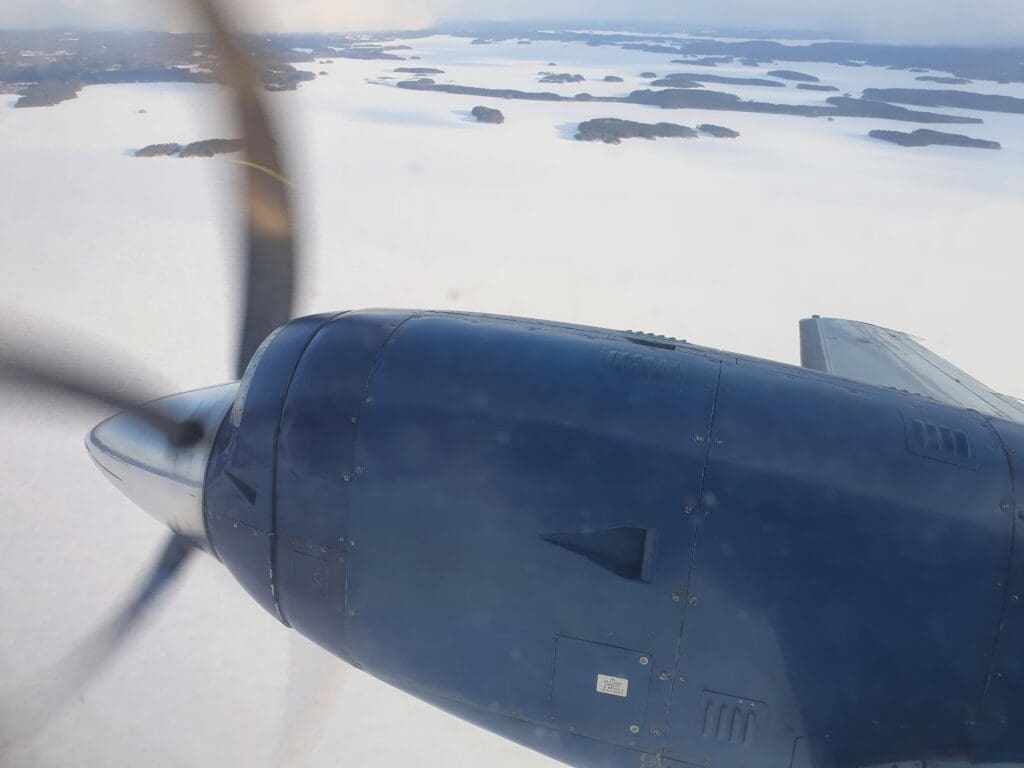
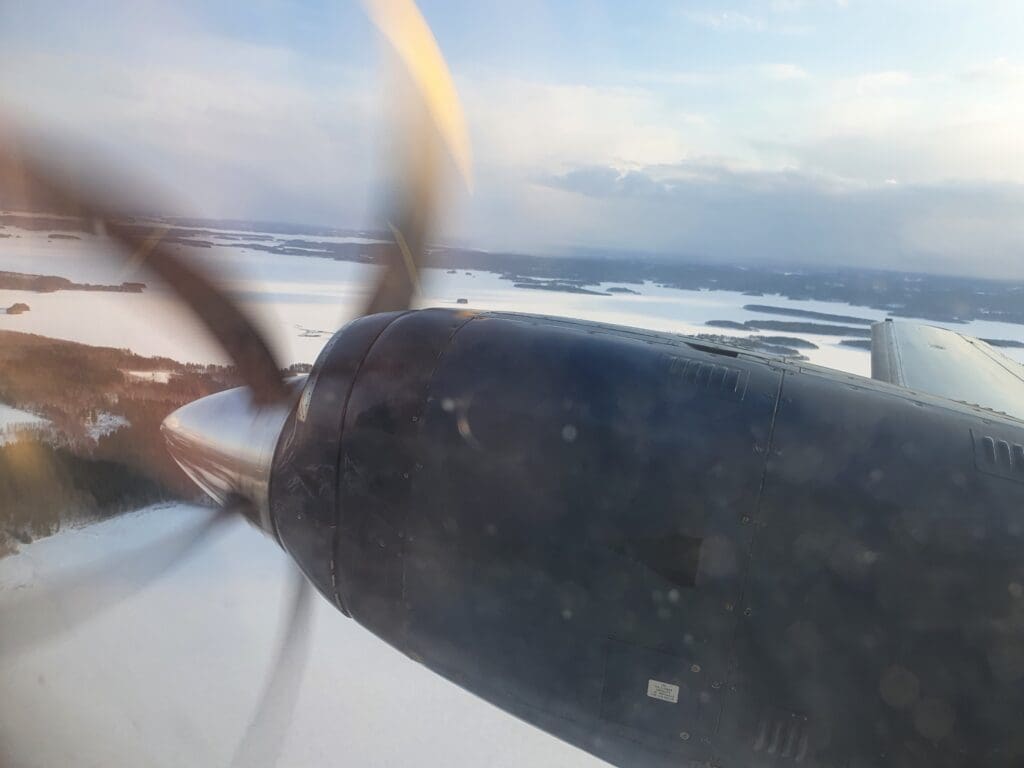
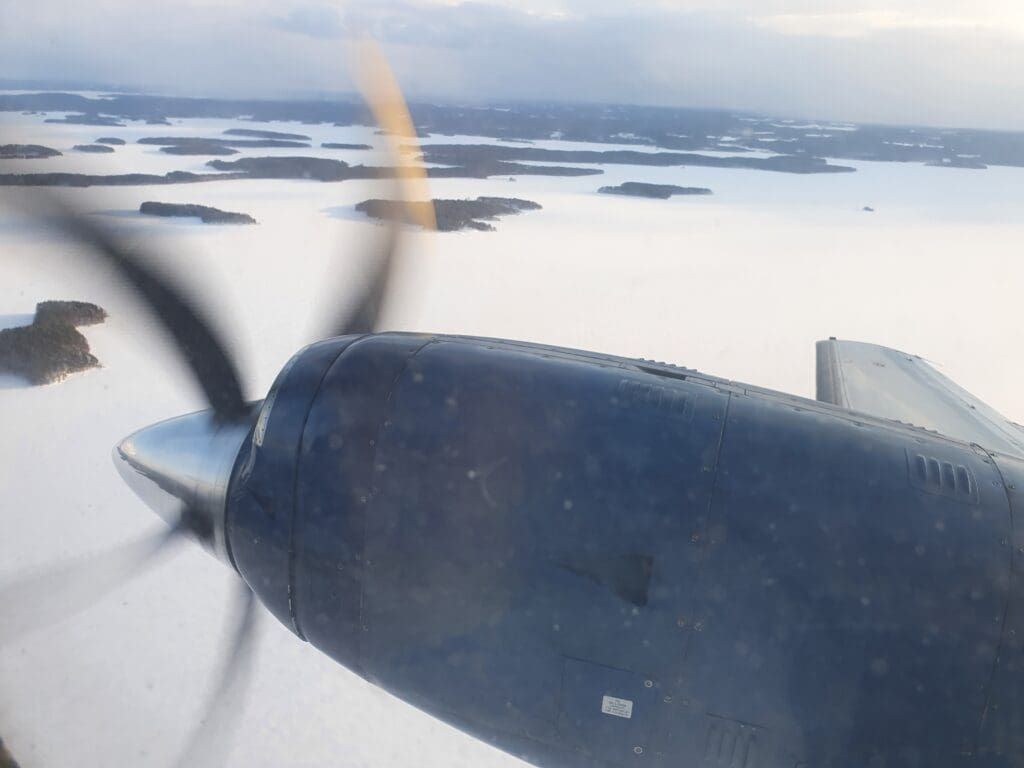
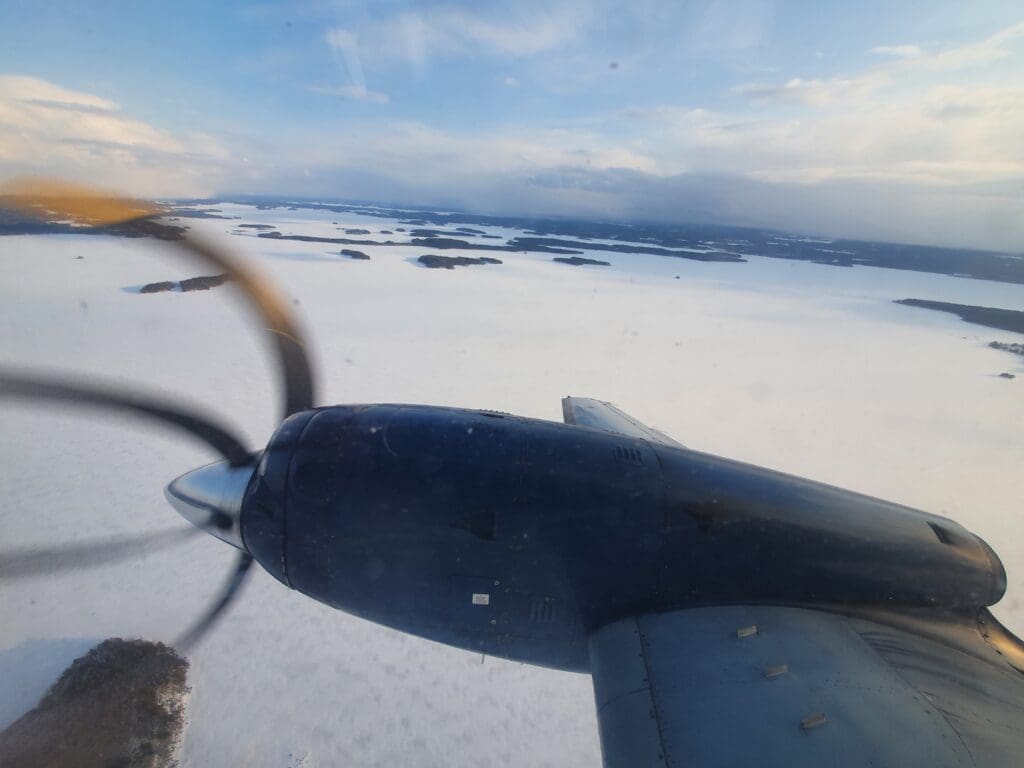
As the Jetstream neared Savonlinna Airport, the flaps were extended followed by the landing gear at which point the aircraft commenced what seemed to be a fairly steep approach to the runway. A few moments later, all of a sudden the visibility dropped considerably as we passed through a heavy snow shower that was hovering around the airport that evening. As the aircraft dived down, almost nothing could be seen, however soon enough the tops of the trees came into view after which the aircraft reassuringly crossed over the perimeter fence. At 1817, the final Jetstream ride of my trip came to an end as the aircraft returned to earth with a pleasantly gentle bump on Savonlinna Airport’s Runway 12.
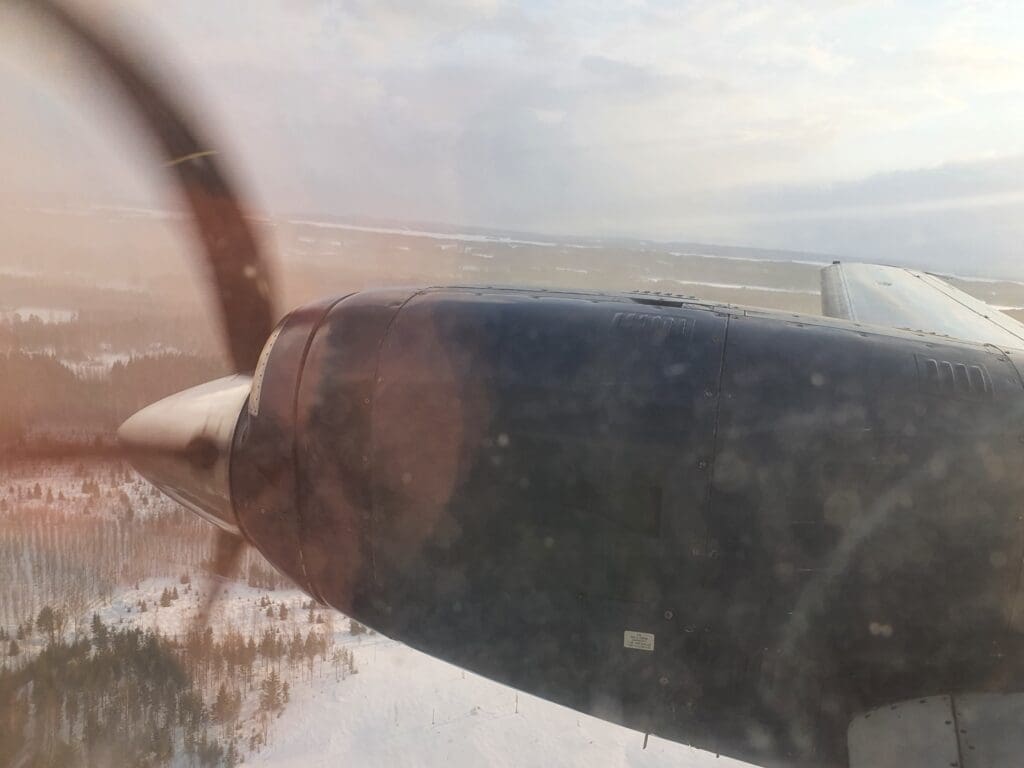
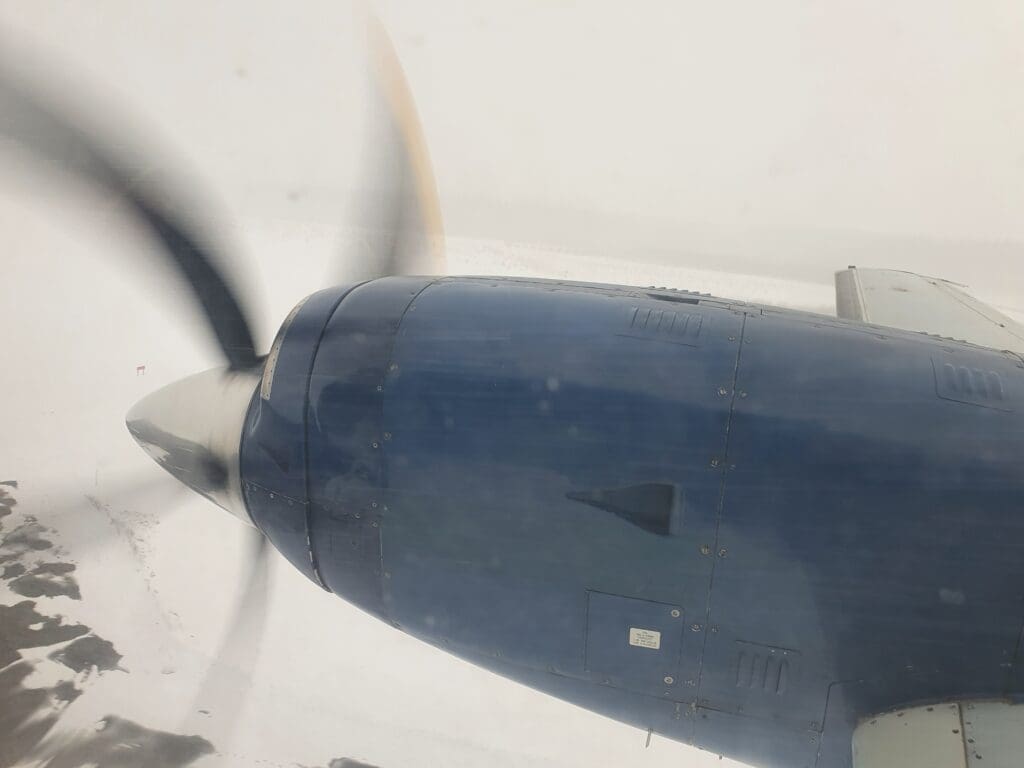
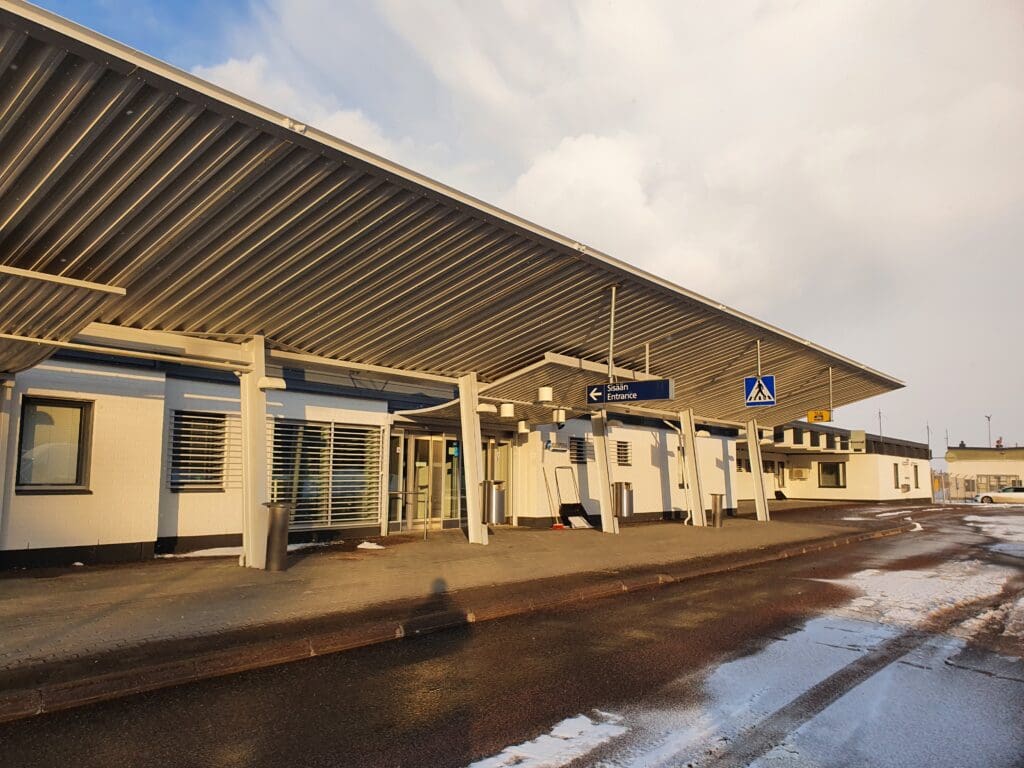
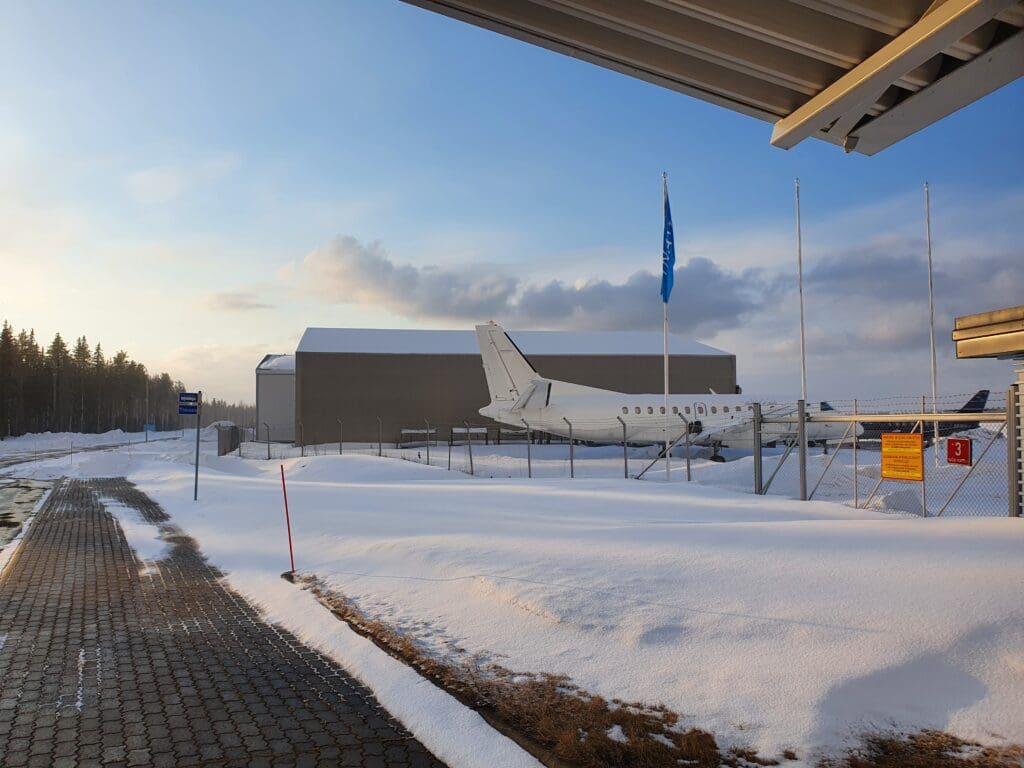
With Savonlinna Airport’s single runway standing at 2,300 metres long, this does not pose much of a challenge for the Jetstream 31 however with the airport’s apron located in the eastern corner of this, once the ground the aircraft slowed quickly in what appeared to be an attempt to minimise our taxi time that evening. After coming to a safe taxi speed, the aircraft then performed a u-turn in the middle of the runway and quickly backtracked down this before vacating to the left and making its way to the apron. Unsurprisingly, Savonlinna Airport is rather compact, consisting of a small single-storey terminal building, an air traffic control tower and several small hangars and administrative buildings. That evening, no other aircraft could be seen other than an engineless Saab 340 once operated by Latvian carrier RAF-Avia. This particular turboprop had been on the ground in Savonlinna since January 2019 when it had veered off the runway whilst landing at the airport following a positioning flight from Riga in preparation to commence operations to Helsinki.
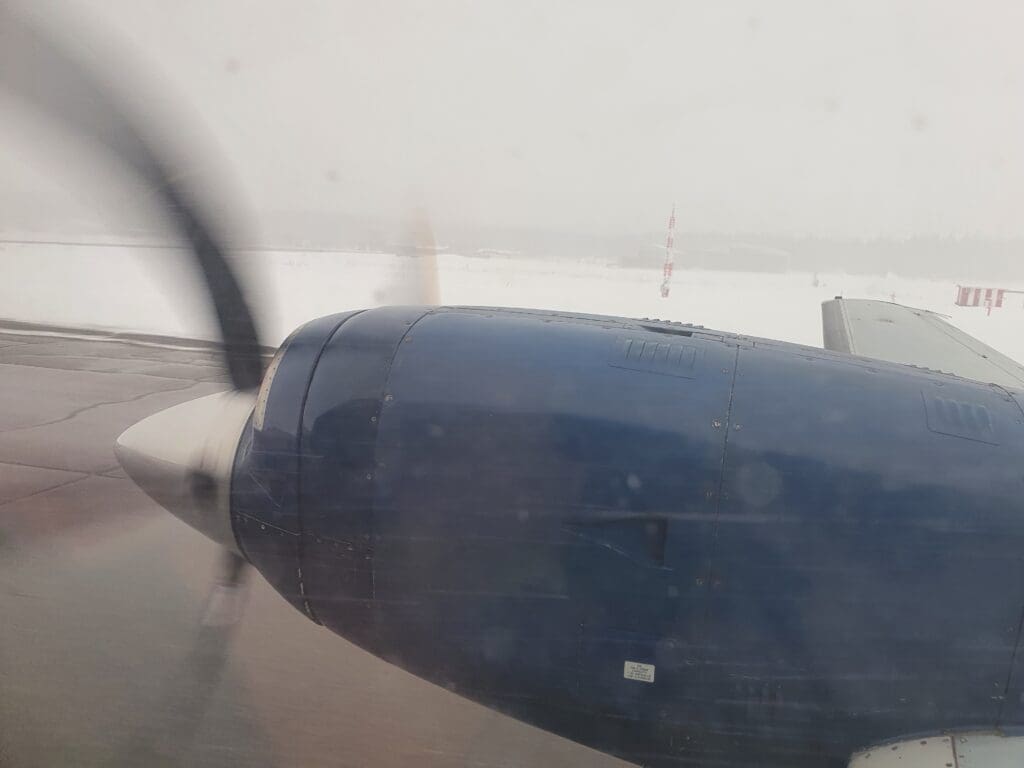
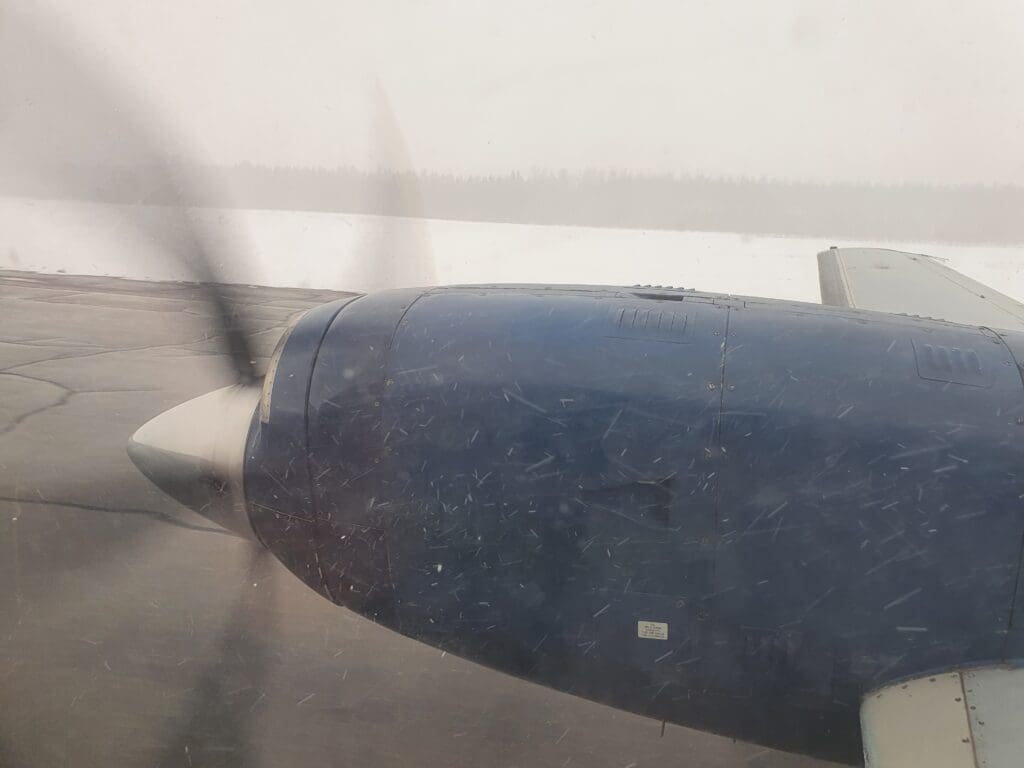
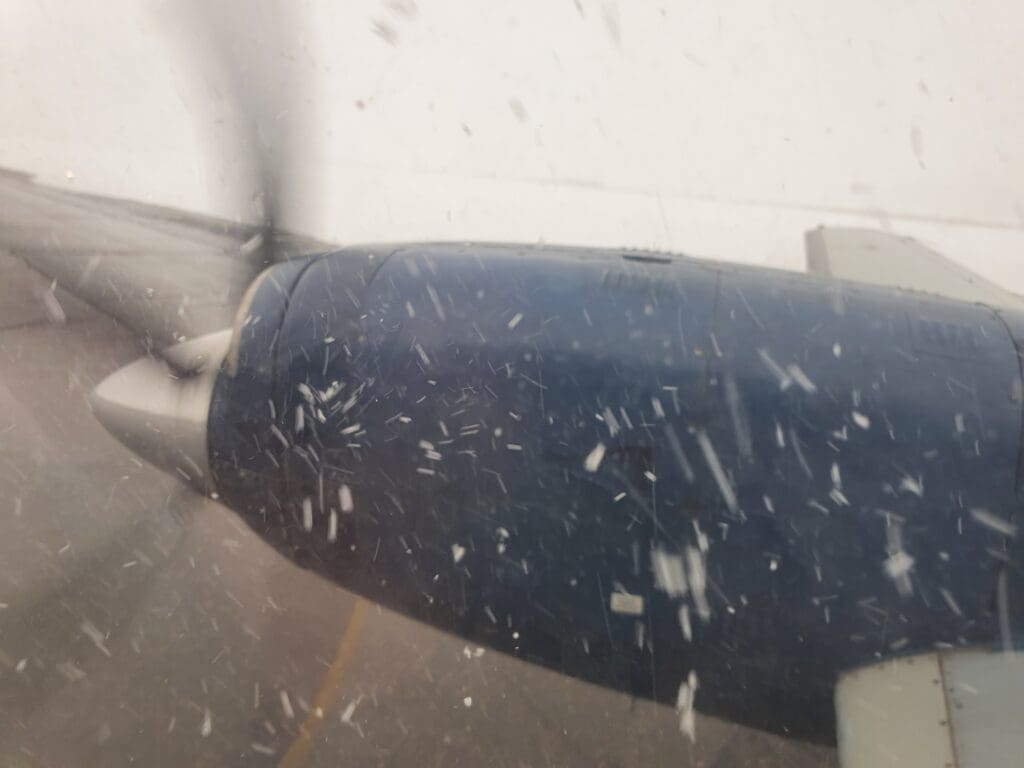
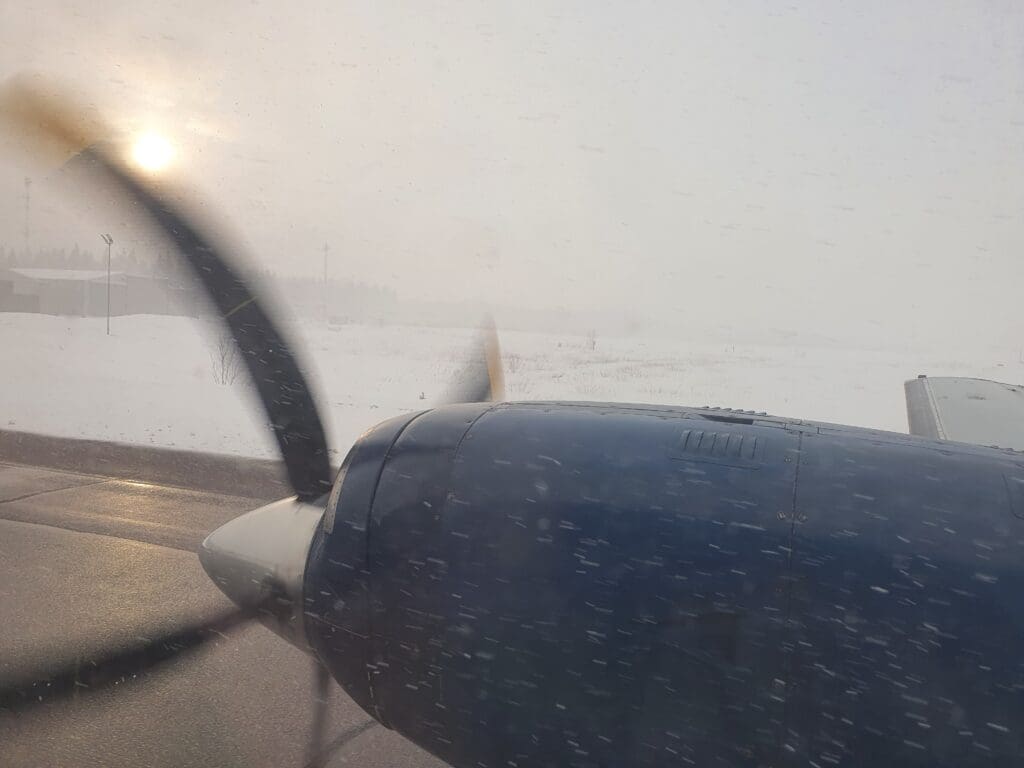
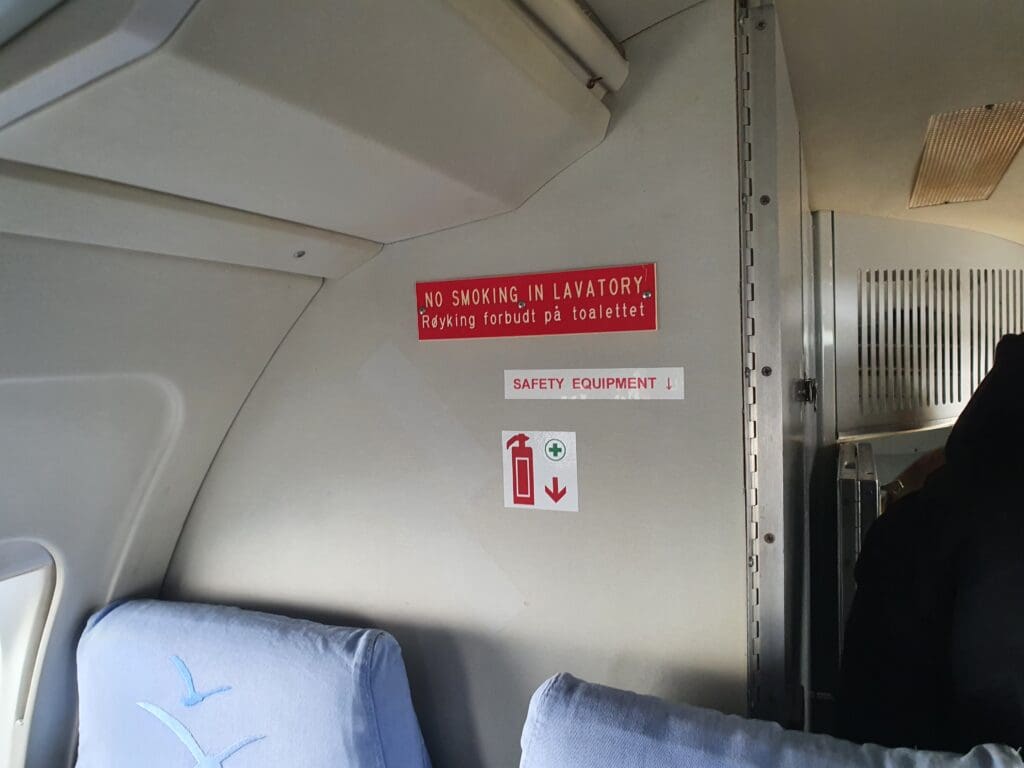
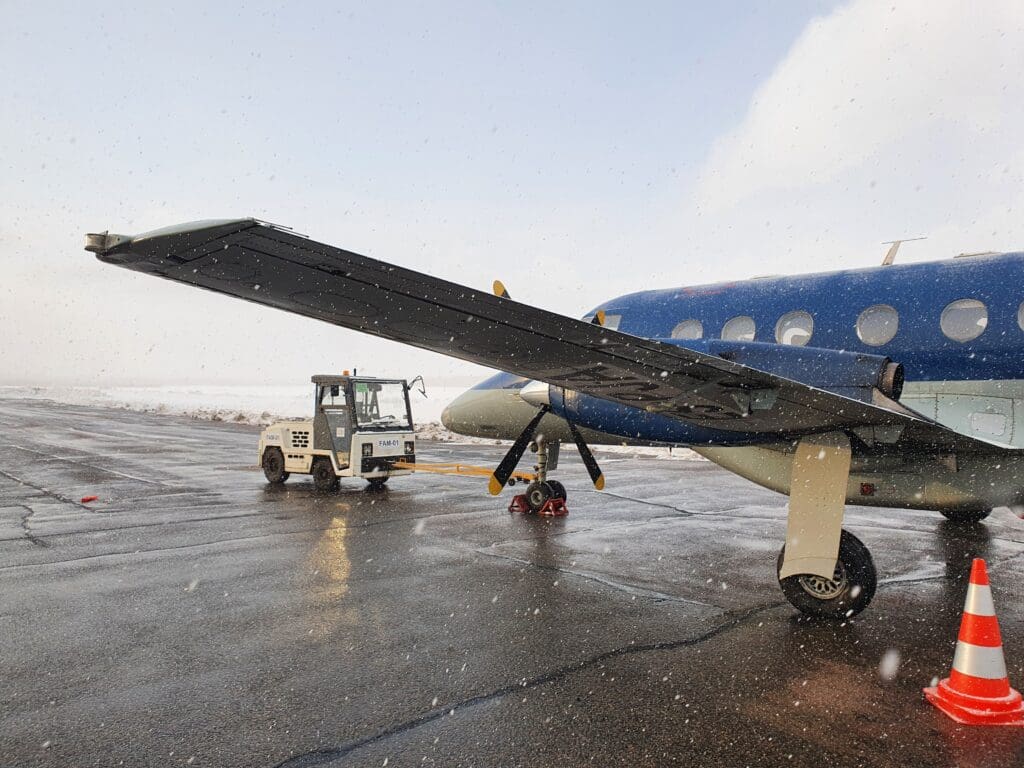
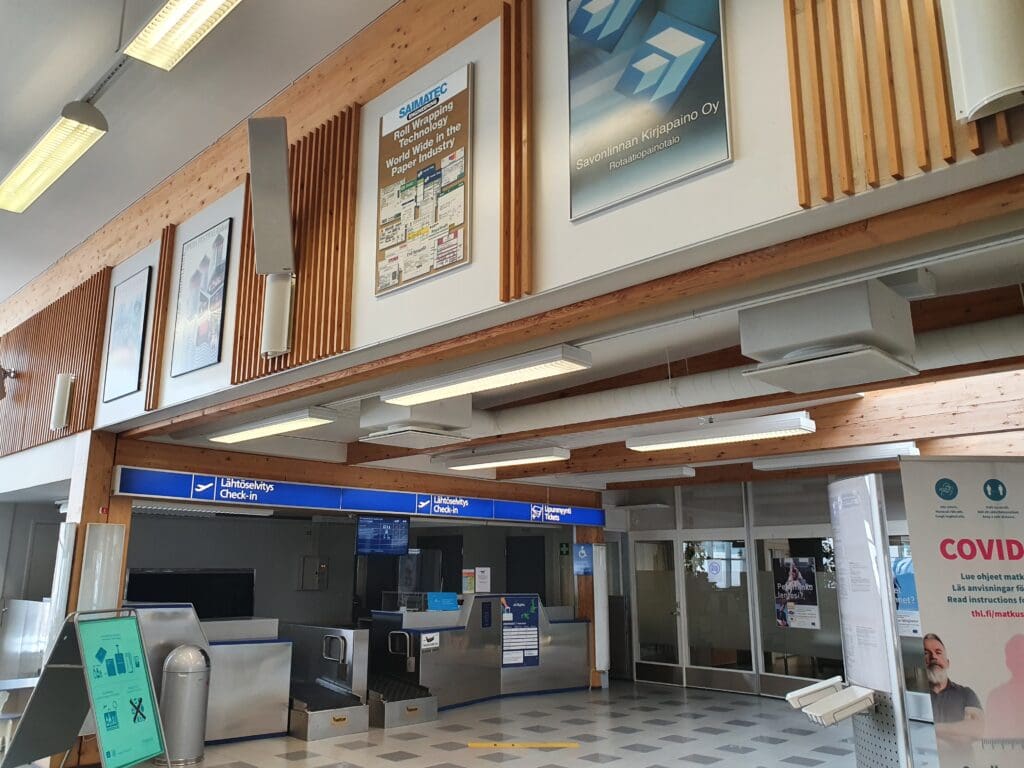
After being marshalled into position by a single member of ground staff, the two engines spooled down and the Captain soon emerged from the cockpit and made their way to the rear of the aircraft to open the cabin door. Despite being one of the final passengers to leave the aircraft, disembarkation was quick and I soon headed to the rear of the cabin – there, I spotted a Norwegian no smoking sign, one of the remnants left in the aircraft from its long career spent flying in Norway. From there, I headed down the aircraft’s steep steps and set foot on the snowy ramp where I thanked the Captain and made the short walk over to the terminal. Once inside, I found the terminal to be very clean, modern, warm and pleasant, and within a few minutes, the ramp worker brought the small collection of passengers’ hold luggage into the terminal.
Unfortunately, at the time of my flight, just three buses ploughed between Savonlinna and its airport each day, with the last of these having long departed by the time of my flight’s arrival. Therefore, I was left with no option other than to book a taxi, with this coming to an extortionate total of a little over €44, making it less than a Euro cheaper than my ride over from Helsinki! Following an almost thirty-minute wait, with half of this spent outside, a modern and luxurious Mercedes appeared and whisked me off on a twenty-minute or so journey into the city, ending my Jetstream experience and the last flight on a rare aircraft during my 2022 trip to Finland and Sweden.
Summary
Whilst I did not find Transaviabaltika’s Jetstream experience to provide the most comfortable nor modern of rides, as an aviation enthusiast, I was delighted to get the opportunity to fly onboard a rare Jetstream 31 for a relatively low price. Furthermore, both the ground agent in Helsinki and the pilot were friendly, and I arrived in Savonlinna on time and in one piece. Needless to say, I would recommend the experience to any aviation enthusiast that finds themselves with a day or two to spare in Finland!