Crossing Ireland on a Rare Fokker 50: Donegal to Dublin with Amapola
You can read my review of my Fokker 50 flight from Dublin to Donegal here
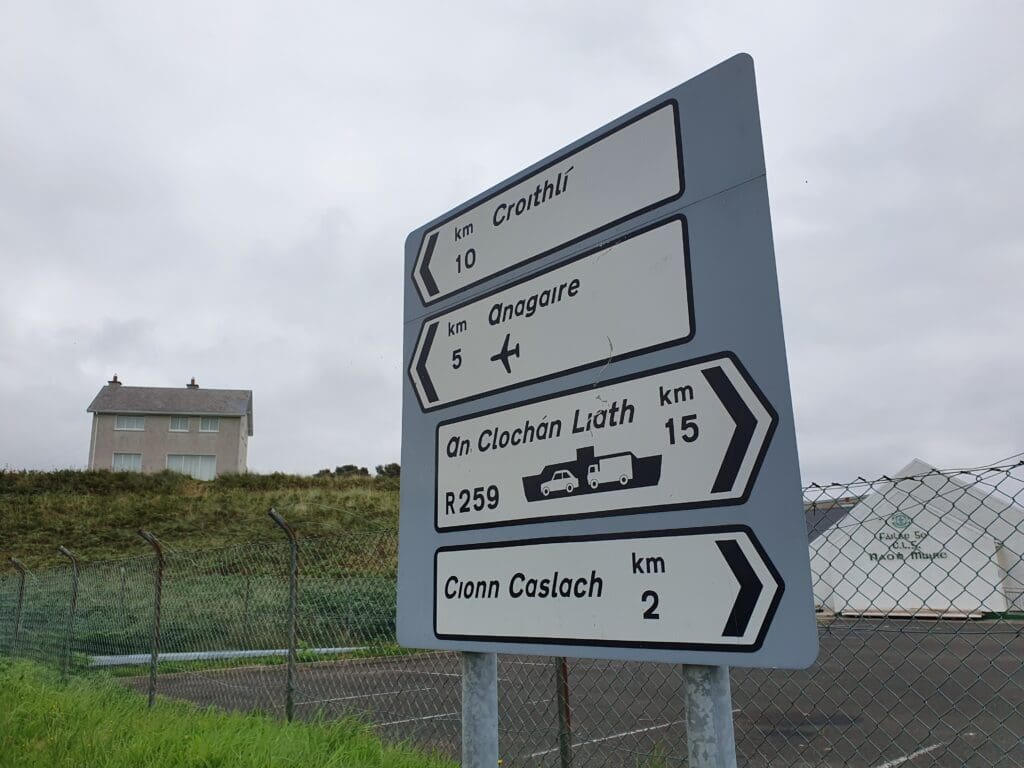
Donegal is unquestionably home to some of Ireland’s most spectacular scenery, however, what it has in picturesque views it ultimately lacks in public transport connections. I spent my stay in the county in the coastal village of Cionn Caslach (Kincasslagh) which sits approximately six kilometres down the coast from Donegal Airport. My choice to stay there came down to the fact that this was the closest available accommodation to the airport that could be booked online. This took the form of a homely three-bedroom bed and breakfast operating out of an eccentric and welcoming villager’s house. However, with the village only served by one bus in each direction each weekday, and with the host unable to source a taxi after spending some time phoning around, I was left with no option other than to return to the airport on foot. Given the reasonable weather that Sunday morning and being a keen walker, I had little to complain about other than the fact that roughly three-quarters of the walk to the airport takes place on a pavement-less winding main road with cars hurtling along in each direction at worrying speeds. This had ultimately made for a rather treacherous journey to the airport the previous day and I was not greatly looking forward to the return walk.
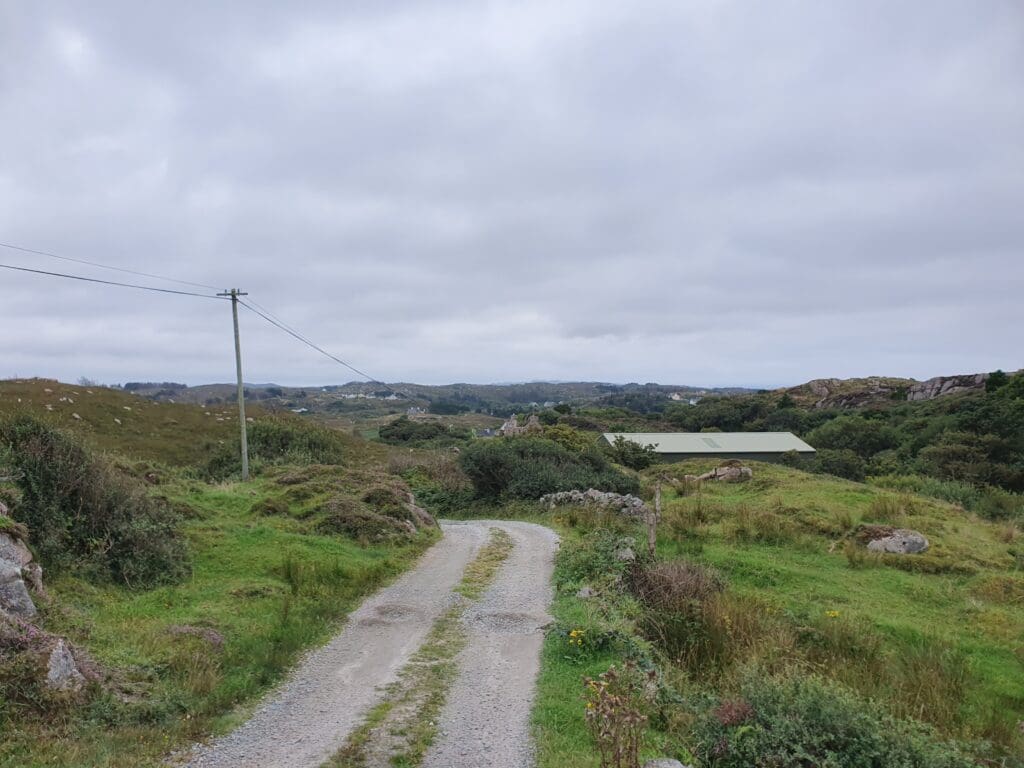
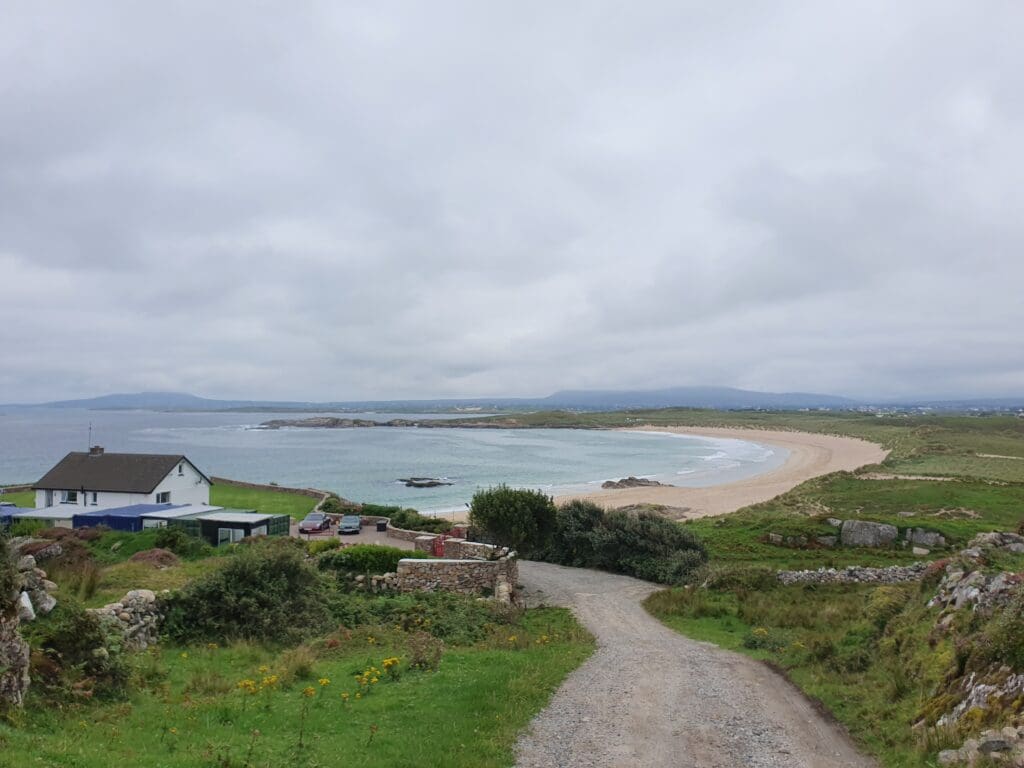
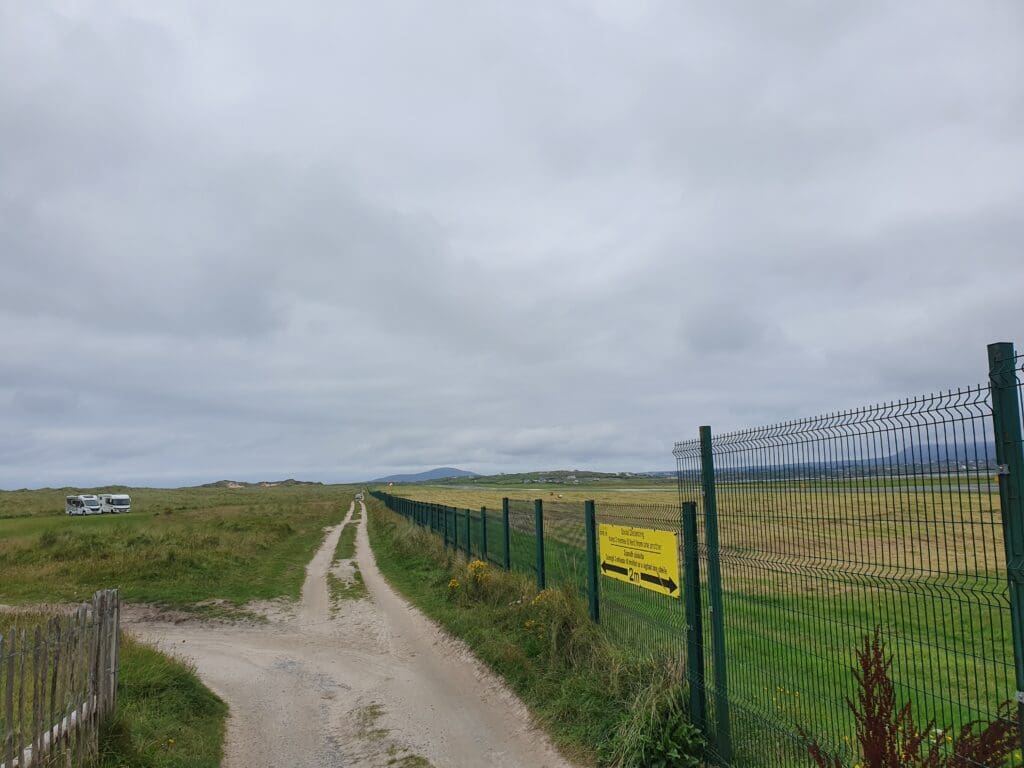
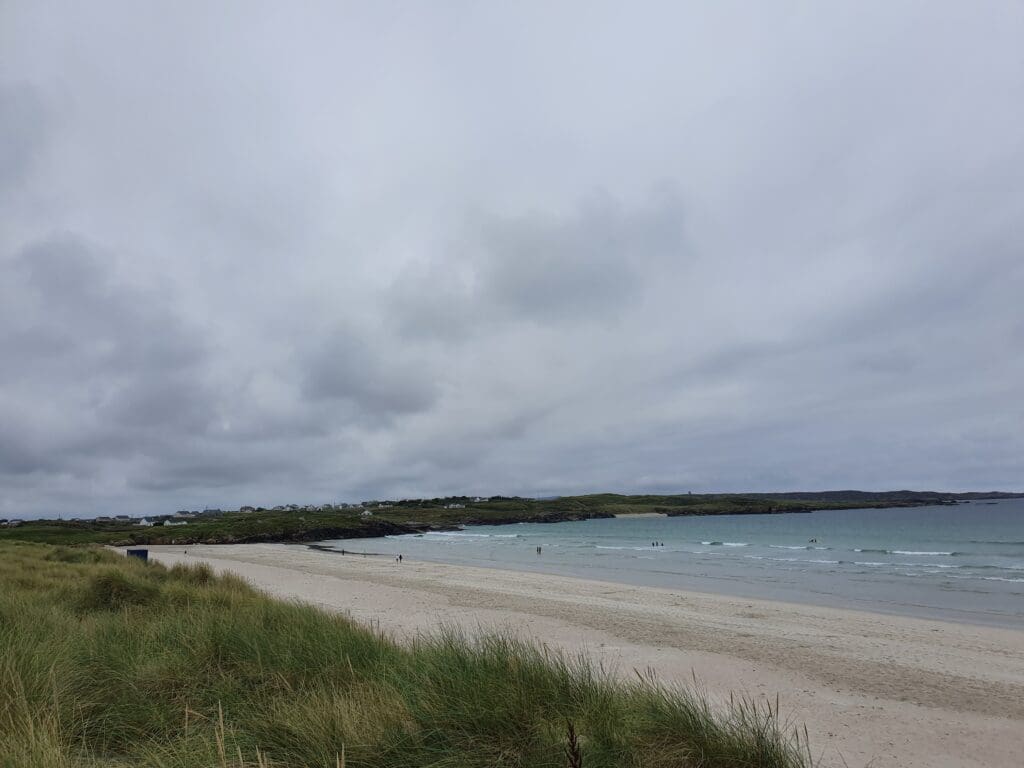
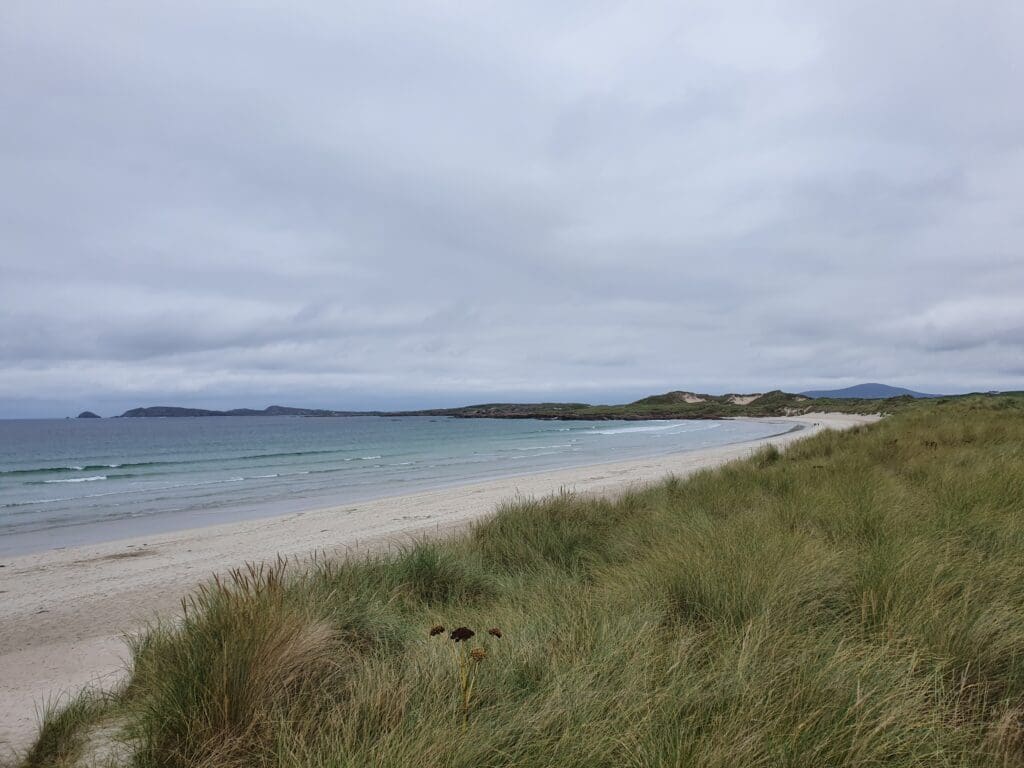
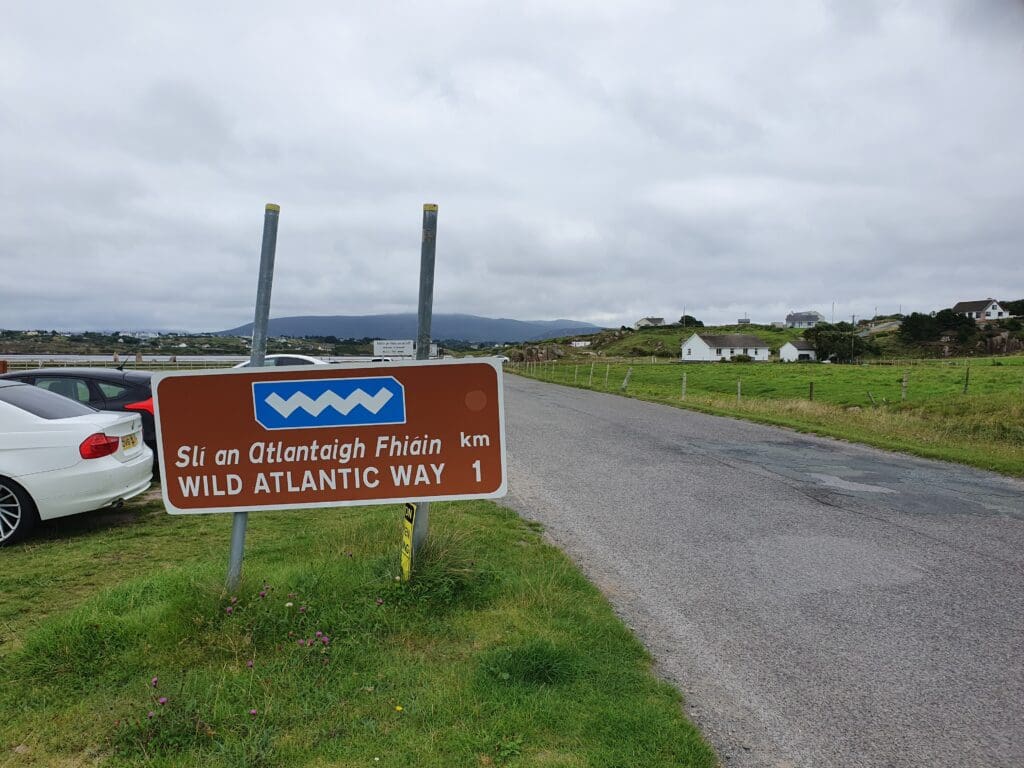
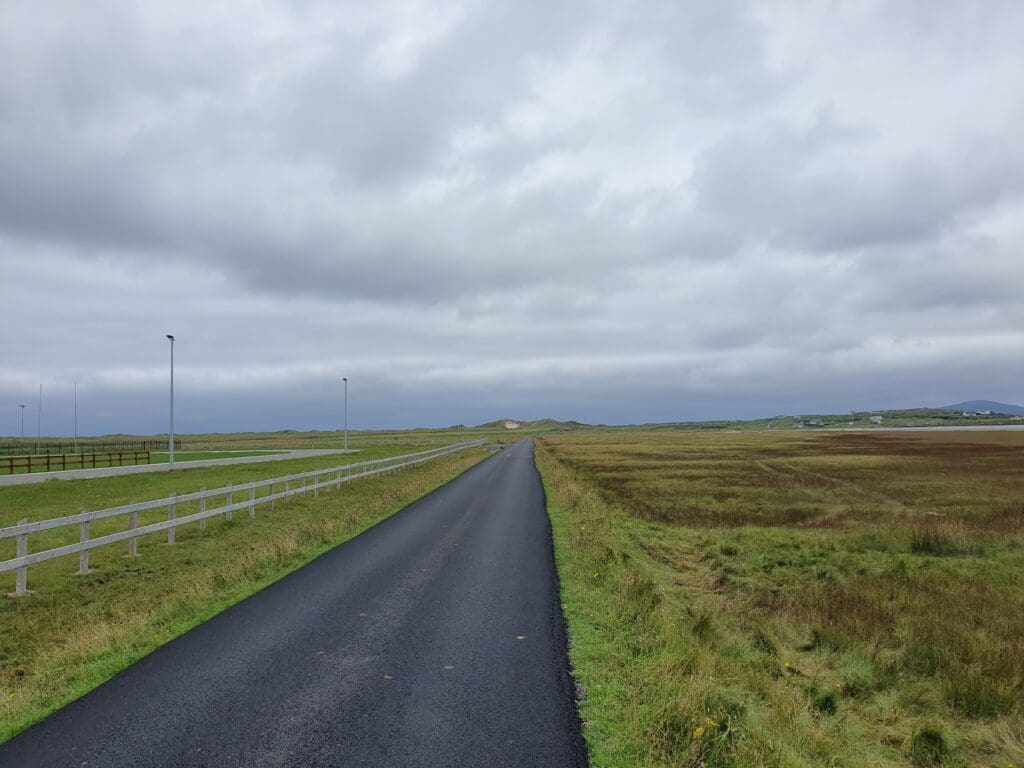
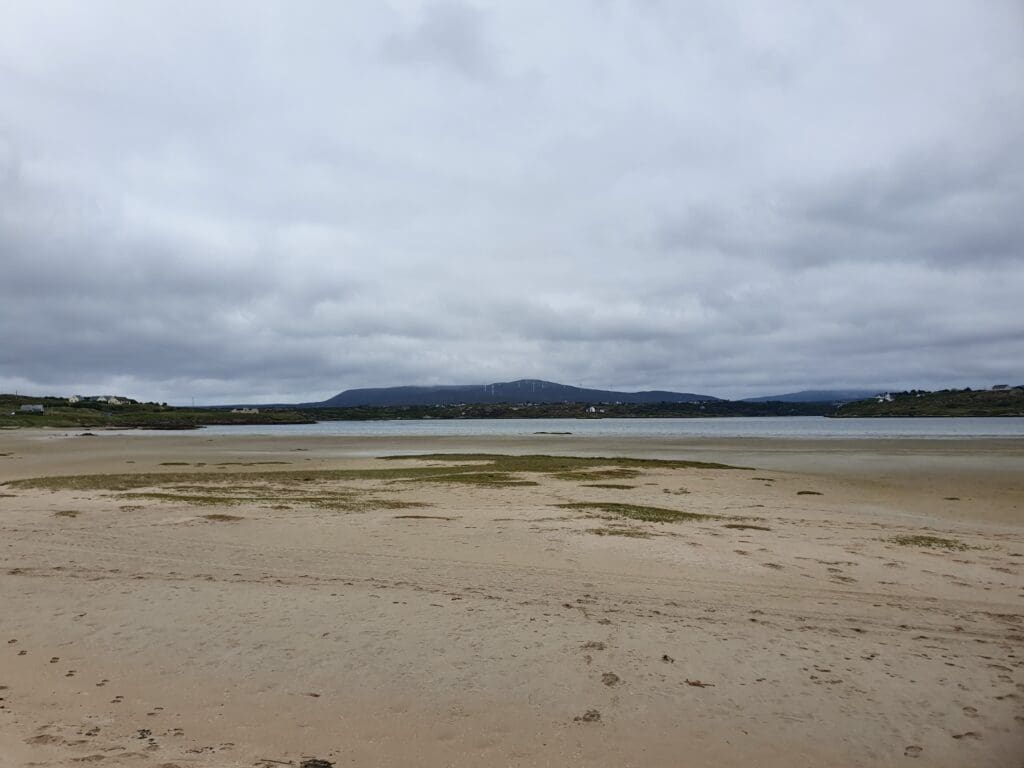
After polishing off a hearty home-cooked Irish breakfast, I said my final goodbyes to the host and headed out into the chilly morning air. Once I had made it down the hill to the centre of the village, I turned left and proceeded along the main road where I kept my eyes and ears open and darted into the roadside bushes once every few minutes as cars hurtled along at worrying speeds. Fortunately, whilst this was still far from ideal, the road did seem to be significantly quieter than the previous day although I was still relieved when I could turn off this and head down a much quieter track for the last portion of the journey to Carrickfinn Beach. Whilst not the most ideal walk in the world, it was difficult to deny that this was one of the most scenic journeys that I have ever made to an airport, and most certainly beat the train ride from London to Luton two days earlier! By the time I reached the beach that sits to the west of the airport, I was still running well ahead of schedule with around three and a half hours to go until my flight’s scheduled departure time. I therefore decided to make a quick walk along the beach before heading over to the airport terminal at a leisurely pace.


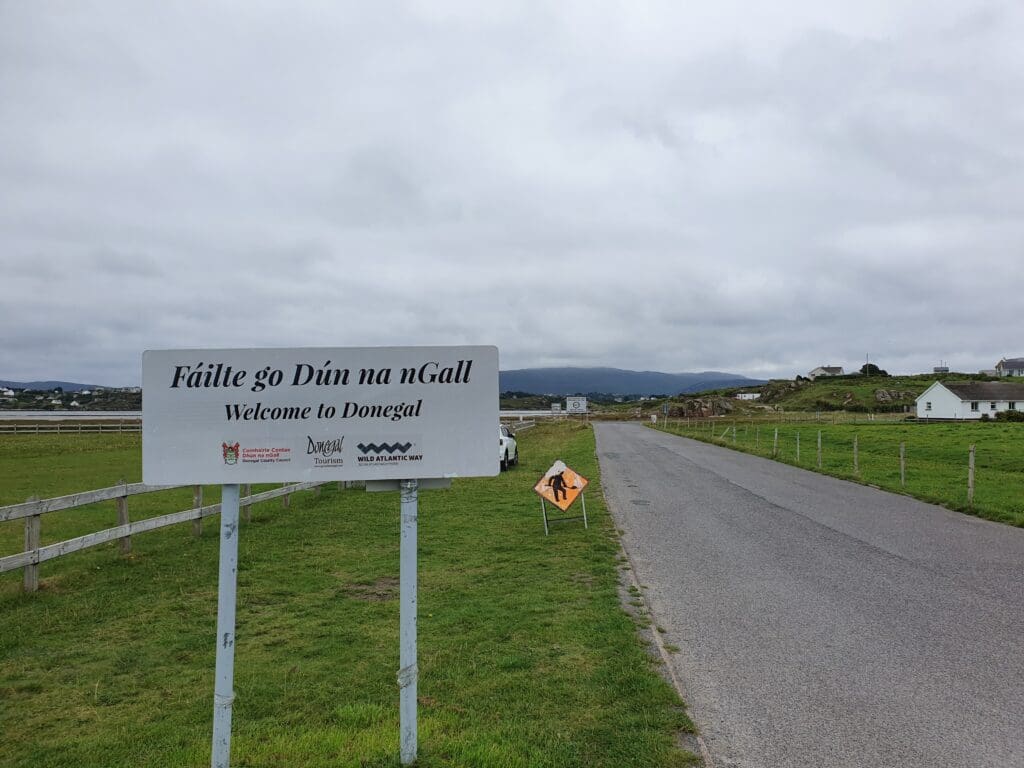
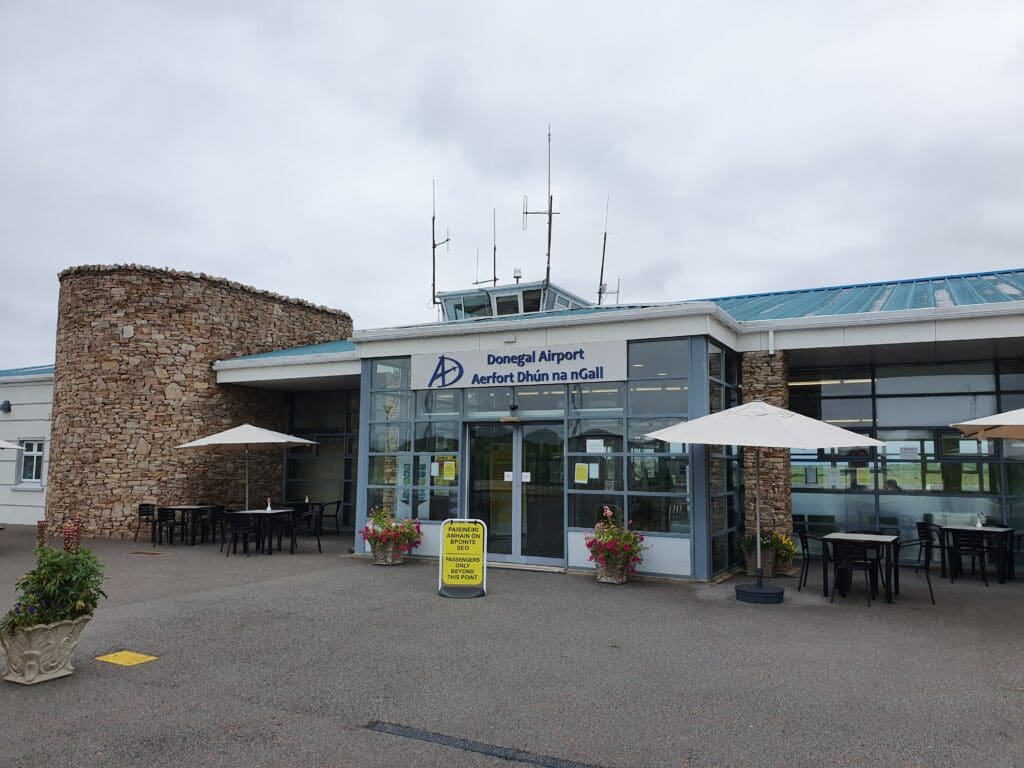
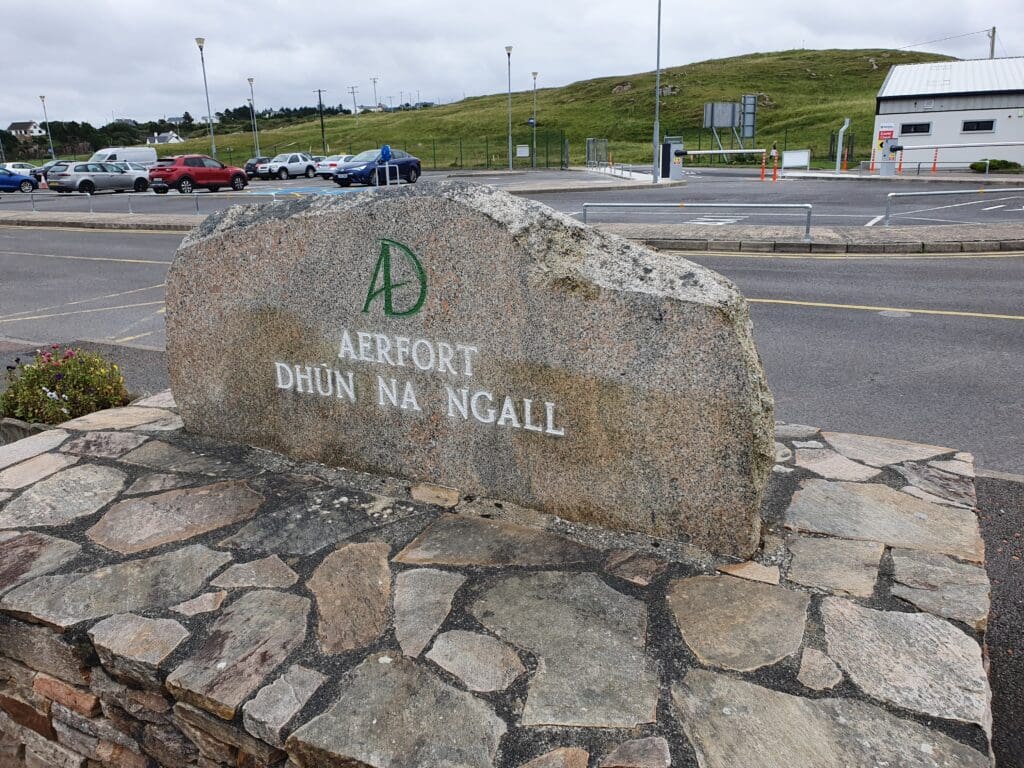
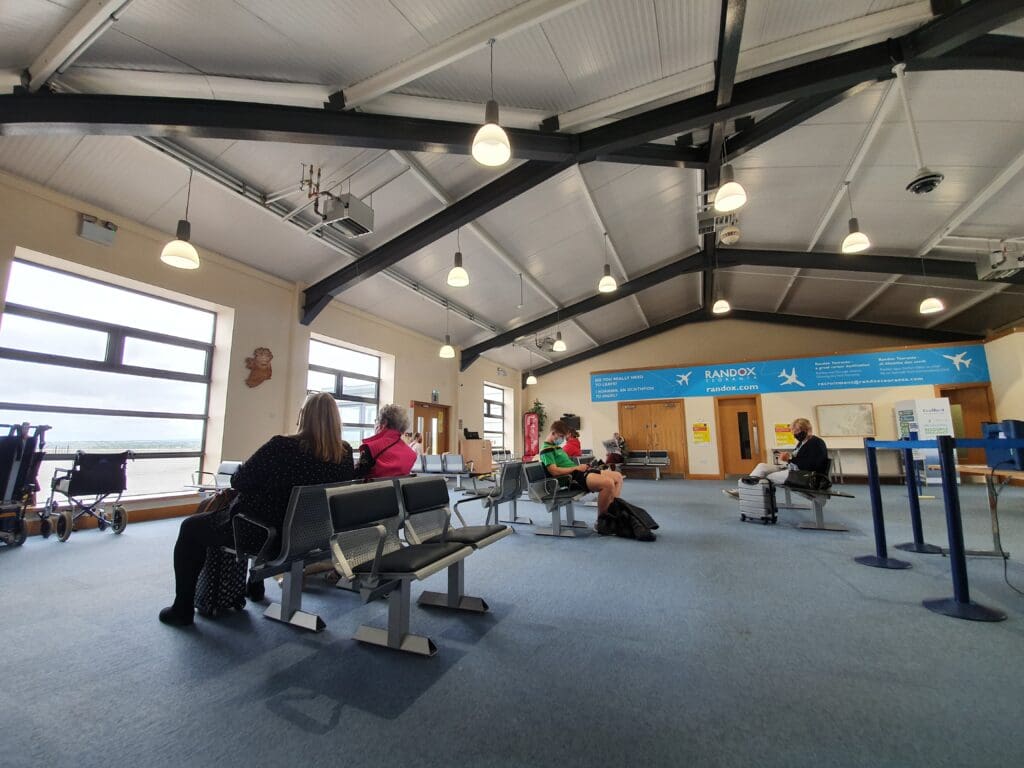
Unsurprisingly, Donegal Airport is rather compact, with the complex consisting of a small terminal on top of which sits a control tower, a fire station, a hangar and a separate building which seemed to be housing a COVID-19 testing centre. As I entered the terminal, unsurprisingly I appeared to be the first passenger to arrive for the flight that morning with the only others inside taking the form of the airport’s small army of staff enjoying their morning break following the morning flight to Dublin. Inside, the terminal’s small landside area is home to everything that you could possibly need for a short stay. This takes the form of a rectangular hall with check-in desks and the arrivals door on one side, and a café-shop, toilets and the door to departures on the other. For those wanting to pass the time, entertainment is offered in the form of complimentary albeit sporadic wifi as well as a television and copies of Donegal Airport’s own magazine, meanwhile, an uninterrupted soundtrack of popular songs rang out throughout the terminal for the duration of my stay. Worthy of some note is the fact that the terminal features the only cash machine for miles around and I would recommend that cashless visitors make a stop there before heading out to the local villages. Finally, aviation enthusiasts will be glad to hear that a row of windows along one side of the terminal offers unobstructed views of the apron. As with many small rural airports, I found the terminal to have a rather homely and welcoming vibe which was of course assisted by the friendliness of the staff.
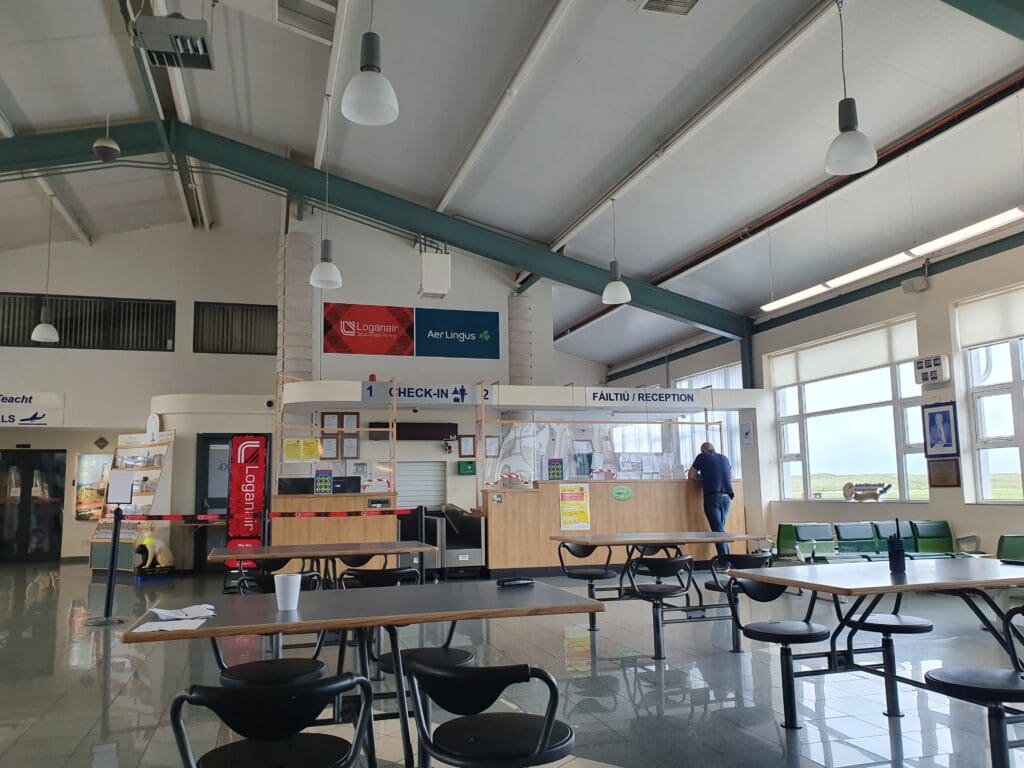
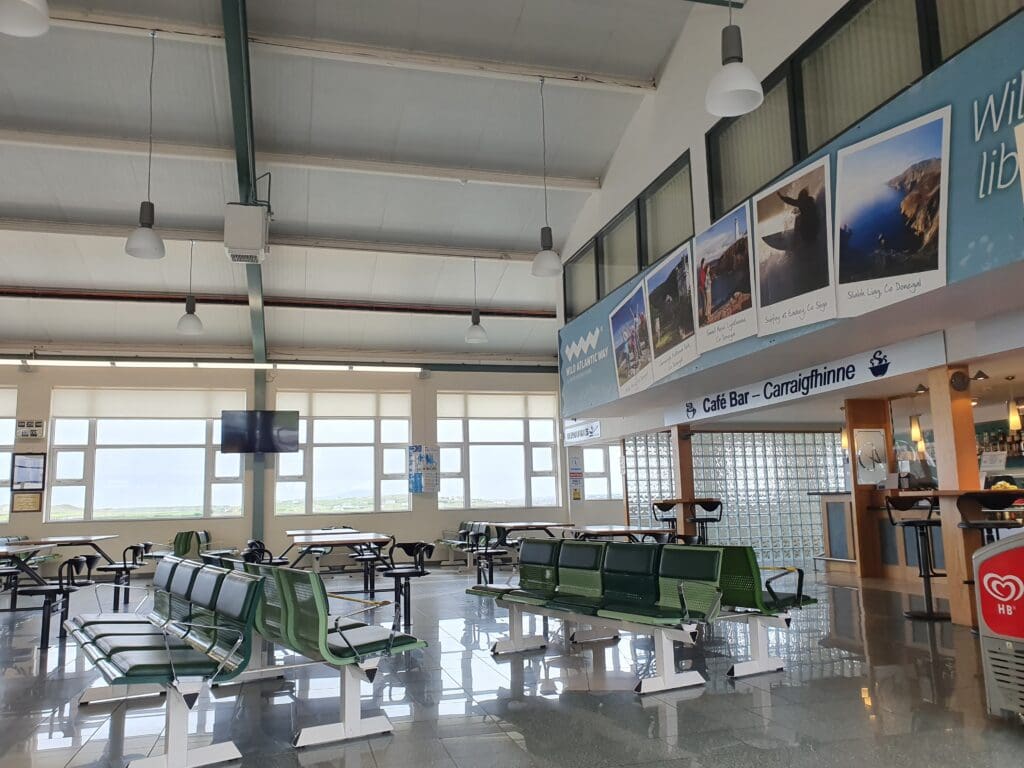
Following my arrival, I paid a quick trip to the bathroom which, judging by its décor, appeared to have undergone only minor aesthetic upgrades since the terminal’s opening in 1993. Nevertheless, this served their purpose and like the rest of the terminal appeared to be in a clean and tidy state. From there, in need of my first coffee of the day, I purchased a cappuccino from the airport’s café for an acceptable €2.95. Admittedly, this was not the finest coffee that I have had the pleasure of sipping, however, it certainly wasn’t the worst and it helped pass the time as I waited with relatively little else to do. After polishing this off, I noticed that a staff member could be seen manning the check-in desk so I decided to wander over and enquire as to whether it would be possible to check in. As it turned out, it was, and so the friendly agent soon took my passport before printing me out an Amapola-branded boarding pass. In conversation with the agent, it turned out that the flight back to Dublin would be a little busier than the inbound service, with 22 passengers set to make the trip to the capital. With plenty of time before my flight, the agent recommended I take a short walk around the airport to pass the time – taking this as my cue to leave for a while, I followed their advice and began a rectangular walk around the airport’s perimeter fence.
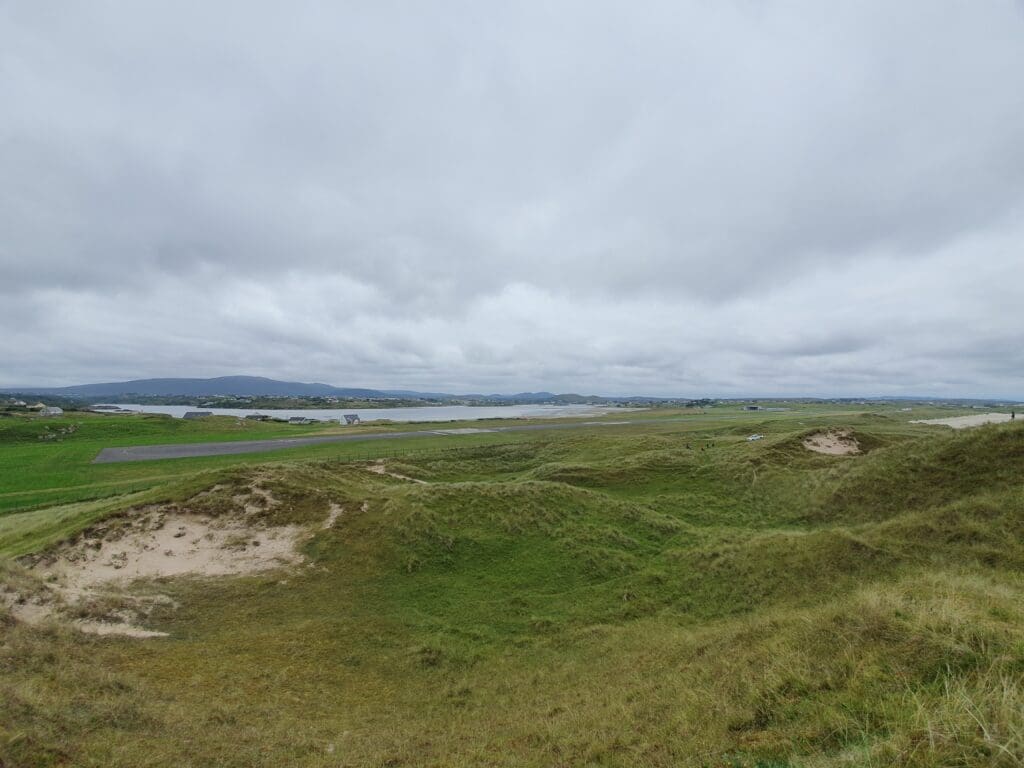
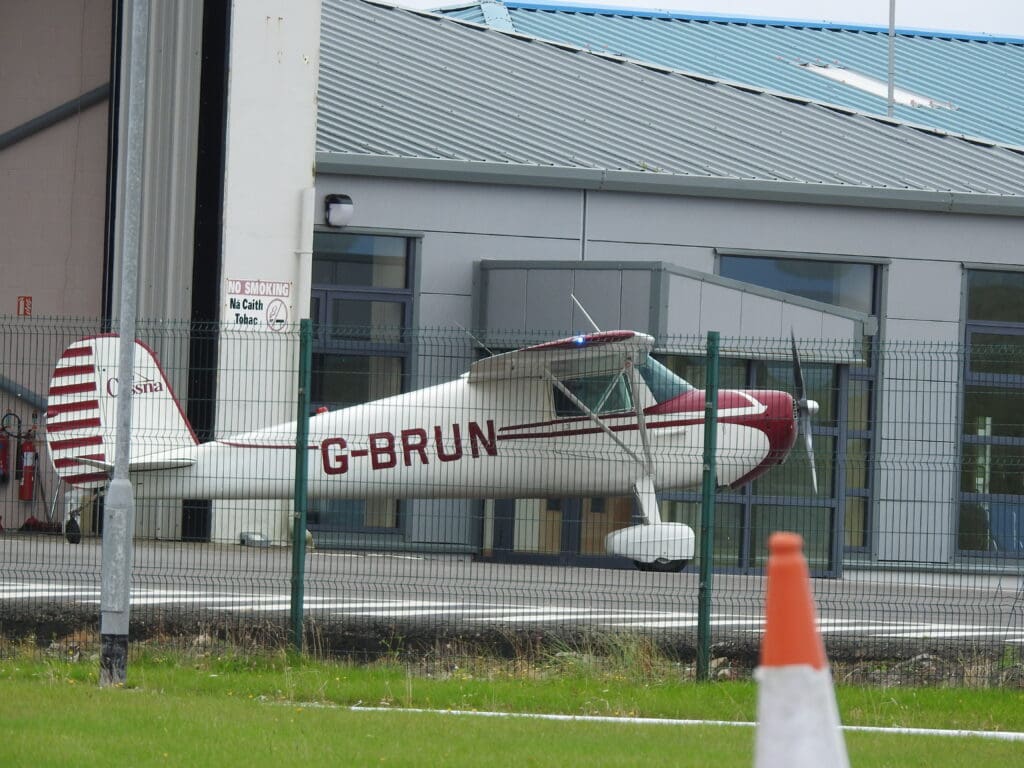
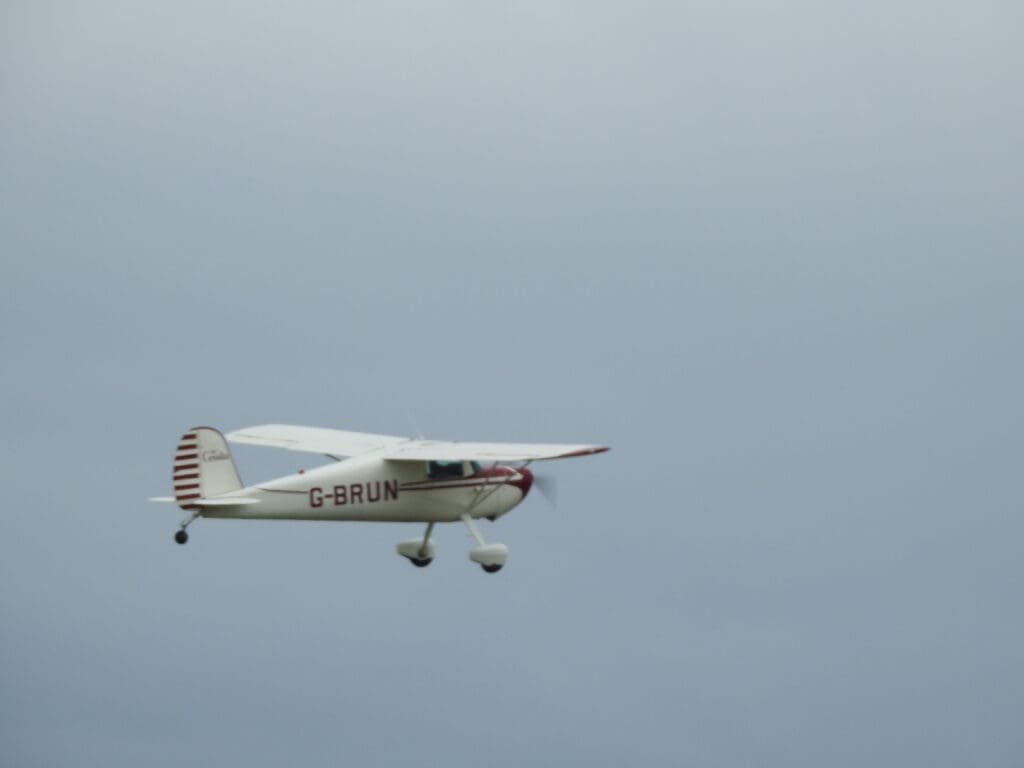
As I commenced my journey around the airport, there was some activity on the apron with a British-registered 1946 Cessna 120 starting up before soon powering away into Donegal’s cloudy skies. Meanwhile, seeing as the hangar doors were open I managed to capture a glimpse of the contents of this – a Cessna 172R Skyhawk and a larger Cessna 425 sitting behind this. Around an hour later and following a quick stop at Little Havana’s beach shack for a delicious caramel shortbread, I re-entered the terminal and once again found myself to be the only passenger there!
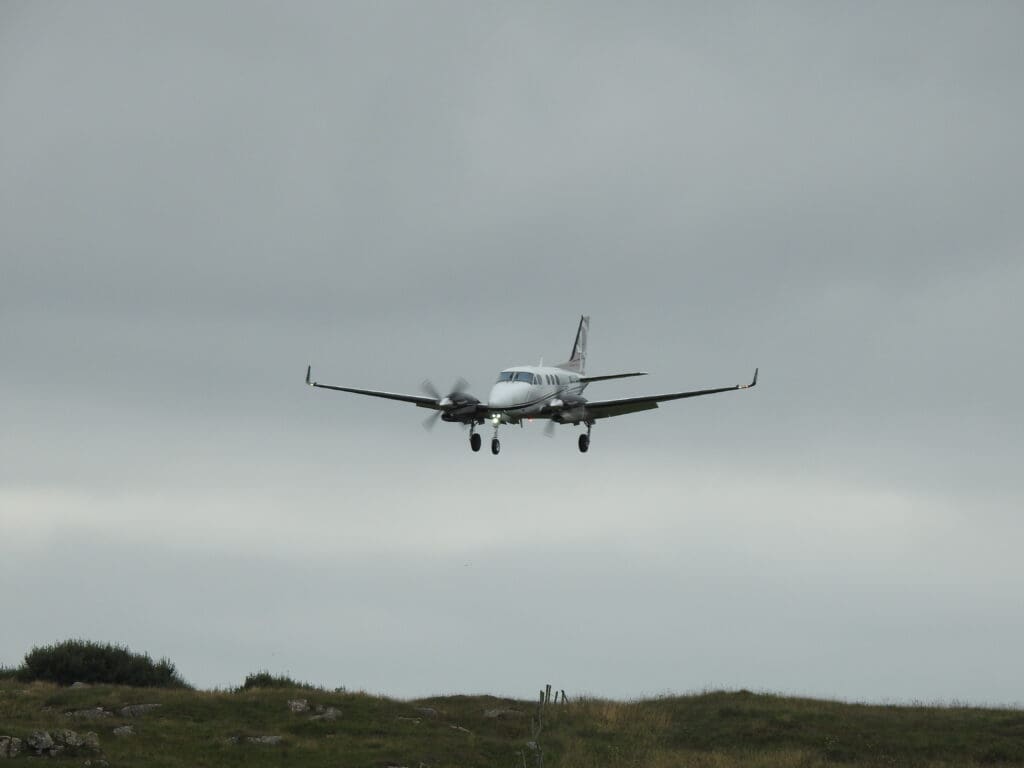
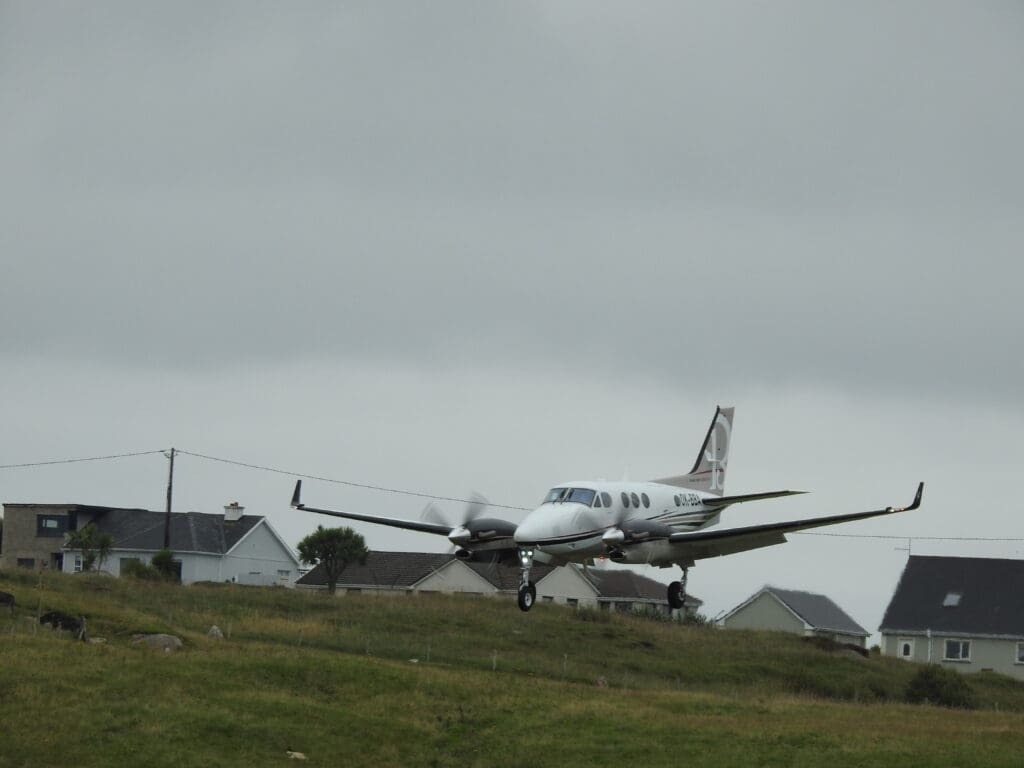
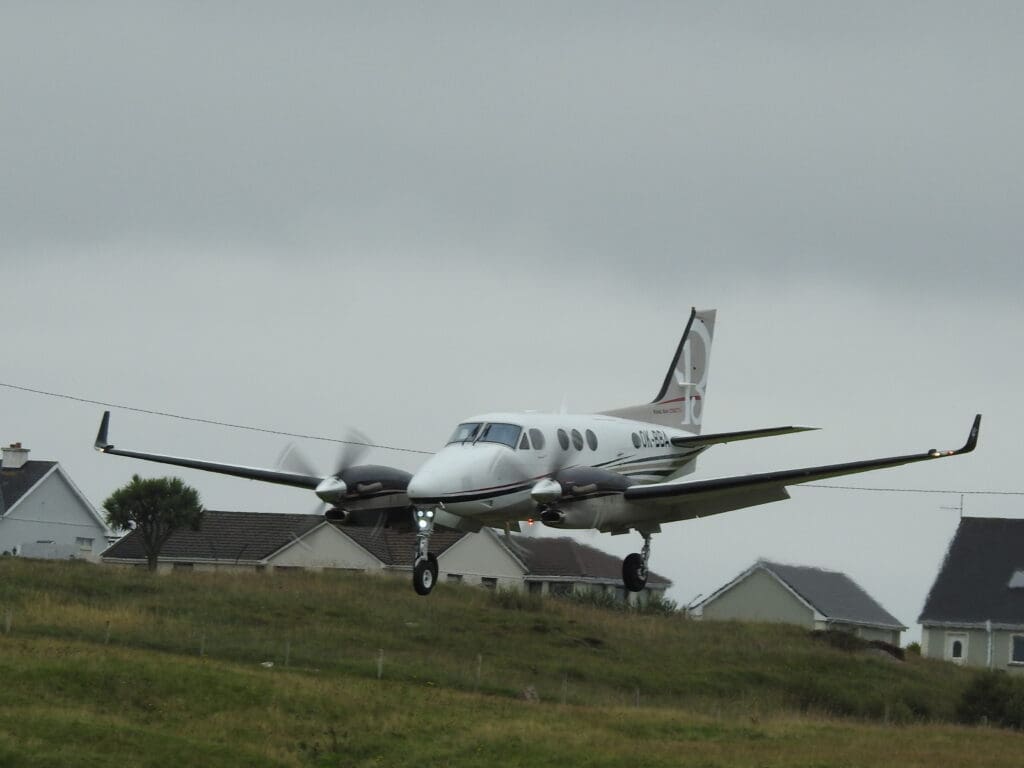
Upon my arrival, I was almost immediately greeted by the agent who had checked me in and informed me of some worrying news. Due to a technical issue, the inbound aircraft would be delayed leaving Dublin and she promised to keep me updated regarding any further delay. With a three-hour connection in the Irish capital before my evening flight to Heathrow onboard an Aer Lingus Airbus A330, there was some leeway in my schedule to allow for delays. Nevertheless, I was still a little concerned although reassuringly the agent failed to mention anything about a delay to those passengers who arrived a short time later. Eventually, the ultimate confirmation that things would go to plan arrived in the form of the aircraft appearing on Flightradar24 – whilst this had departed Dublin with a fifteen-minute delay, assuming all else went well, the chance of a significant delay was now looking slim. By coincidence, I happened to open the app at just the right time to notice a Czech Beechcraft C90GTx King Air speeding towards Donegal Airport at the end of its flight from Stavanger. Seeing as the chance of passengers being requested to head through to the departure area at that time was slim, I decided to head outside and made a quick walk to the west side of the airport to catch a photograph of the arriving aircraft. Whilst my photograph was far from the best, I accomplished this mission and then returned to the terminal. Fortunately, at this point, passengers were still waiting to be called through to the airside area.
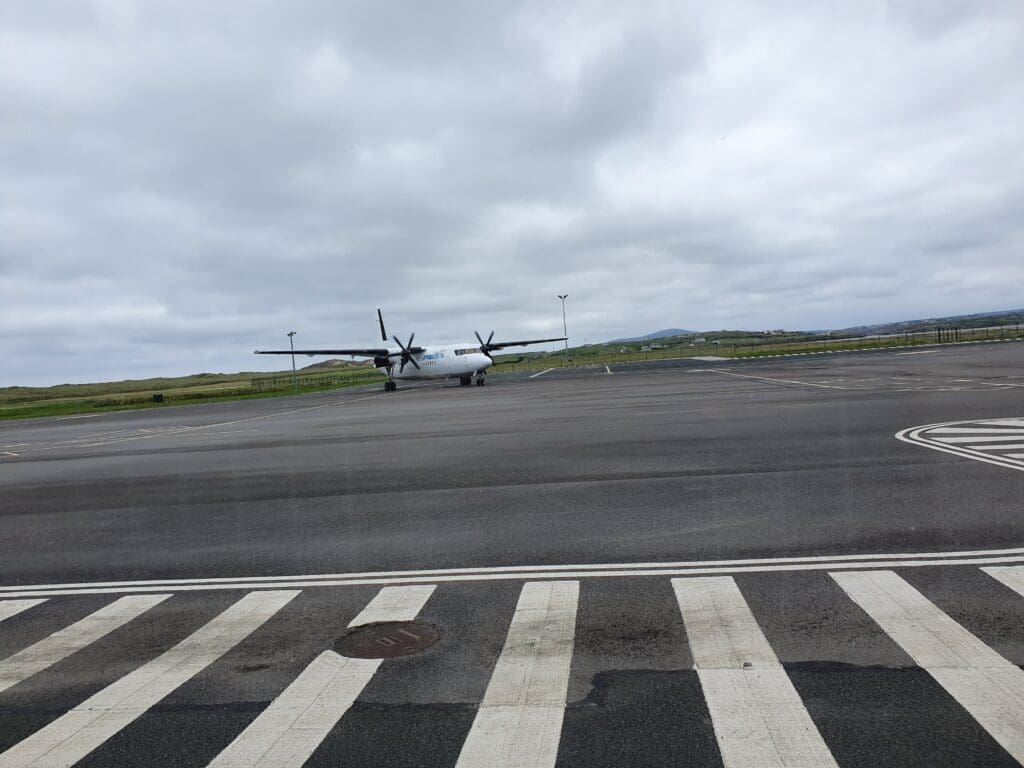
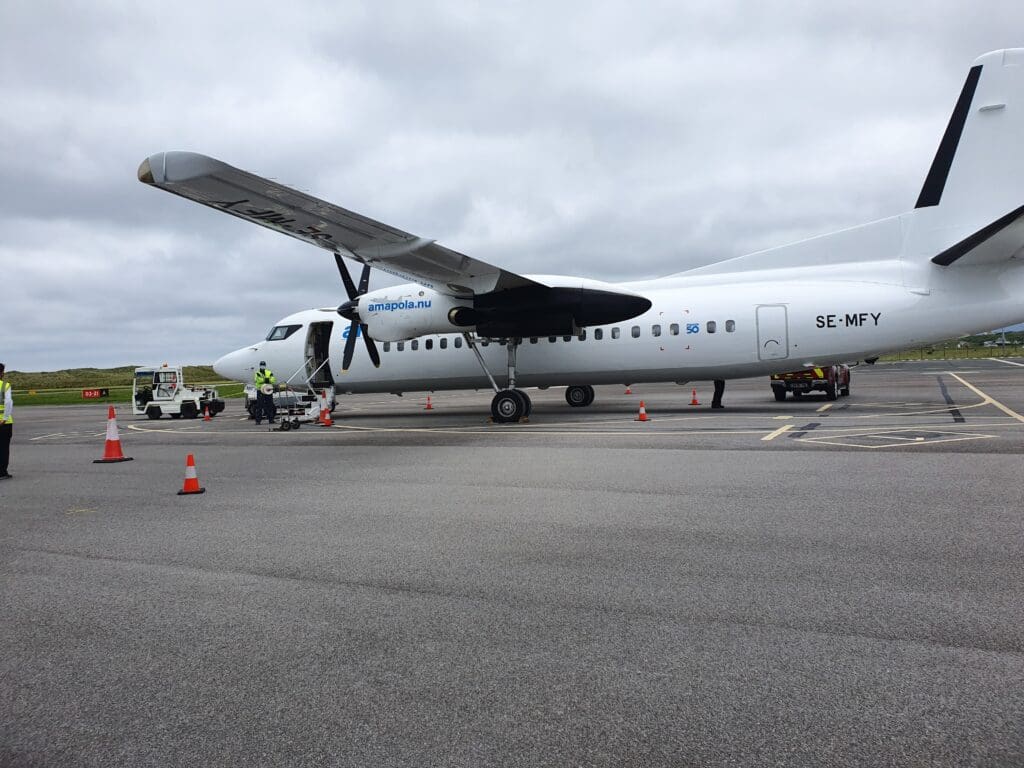
As the inbound Fokker approached the airport, I decided to head outside to watch as the turboprop came roaring in over the fence before touching down one minute behind schedule at 1406. Once the aircraft was on the ground, an announcement was made inviting those heading to Dublin to make their way to the security check area and upon arriving there a small queue of eager passengers had already formed. Outside, the Fokker 50 could be seen pulling up to the terminal, the sound of its two engines temporarily filled this with noise. Unsurprisingly given the airport’s size, security at Donegal consists of a single checkpoint staffed by two workers who seemed to wear various other hats. As with all the other airport staff I had interacted with that day, these workers were friendly and welcoming and took the time to interact with passengers whilst still working efficiently.
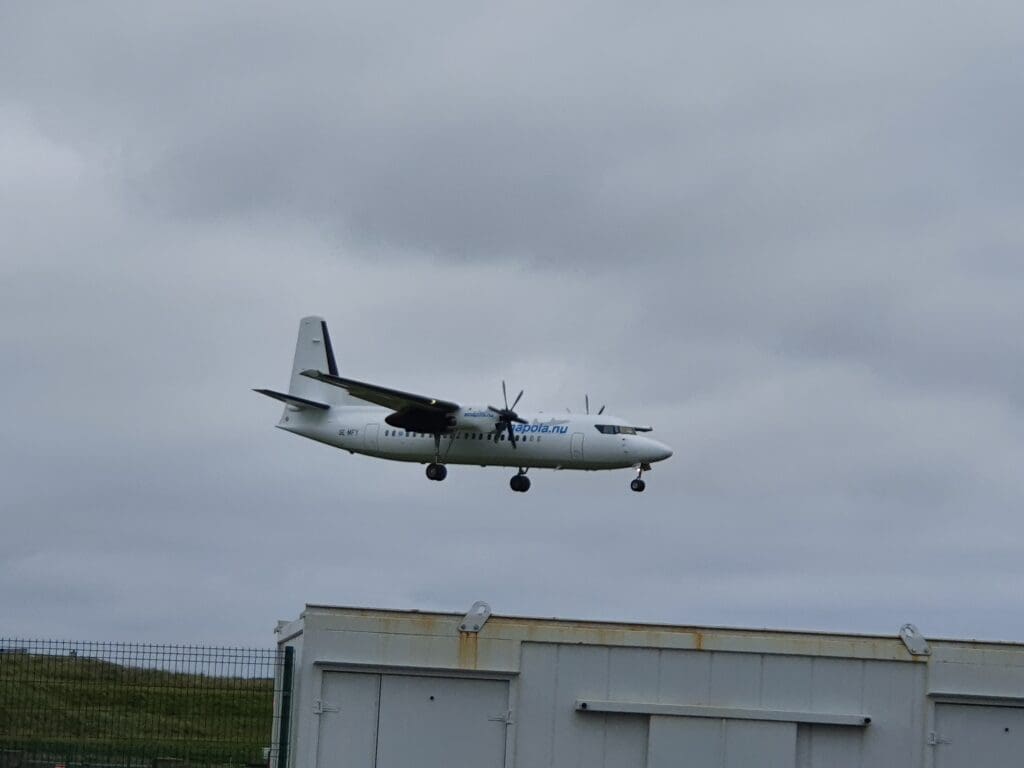
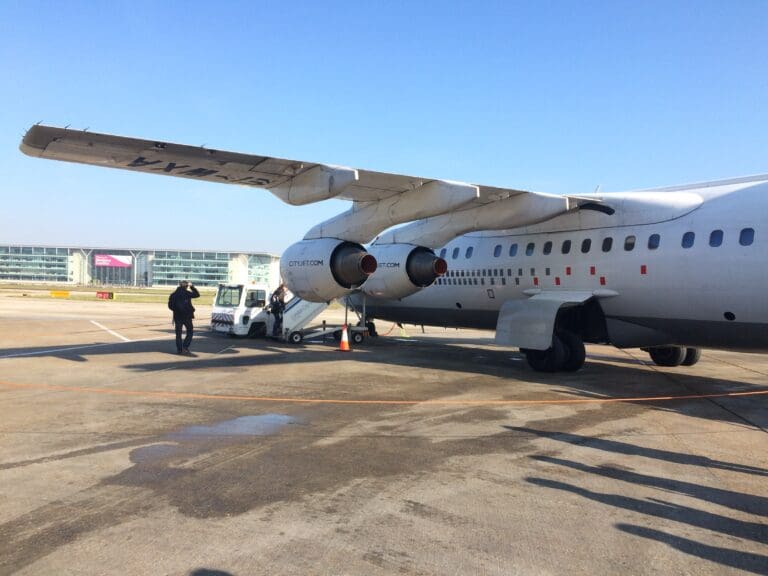
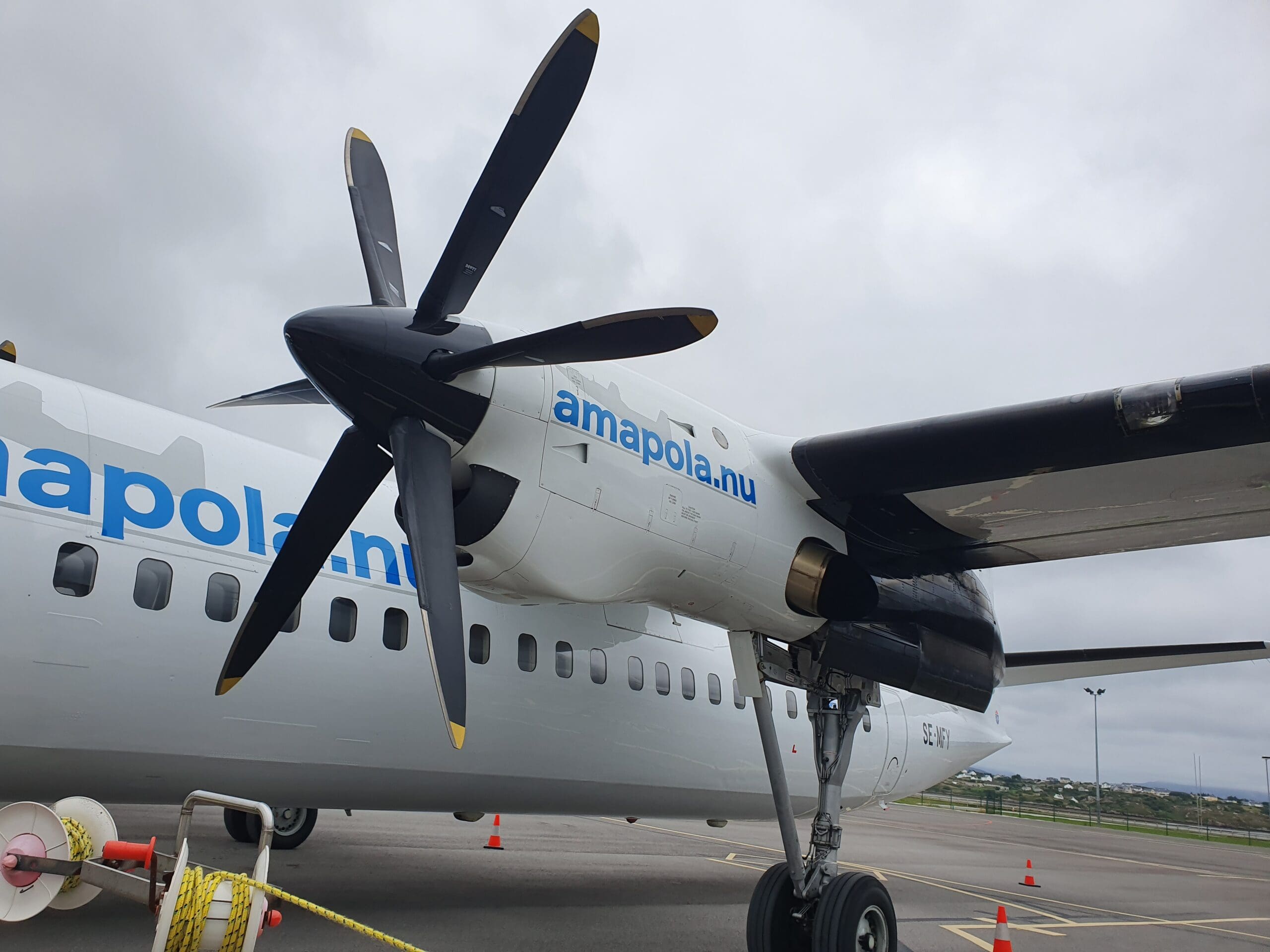
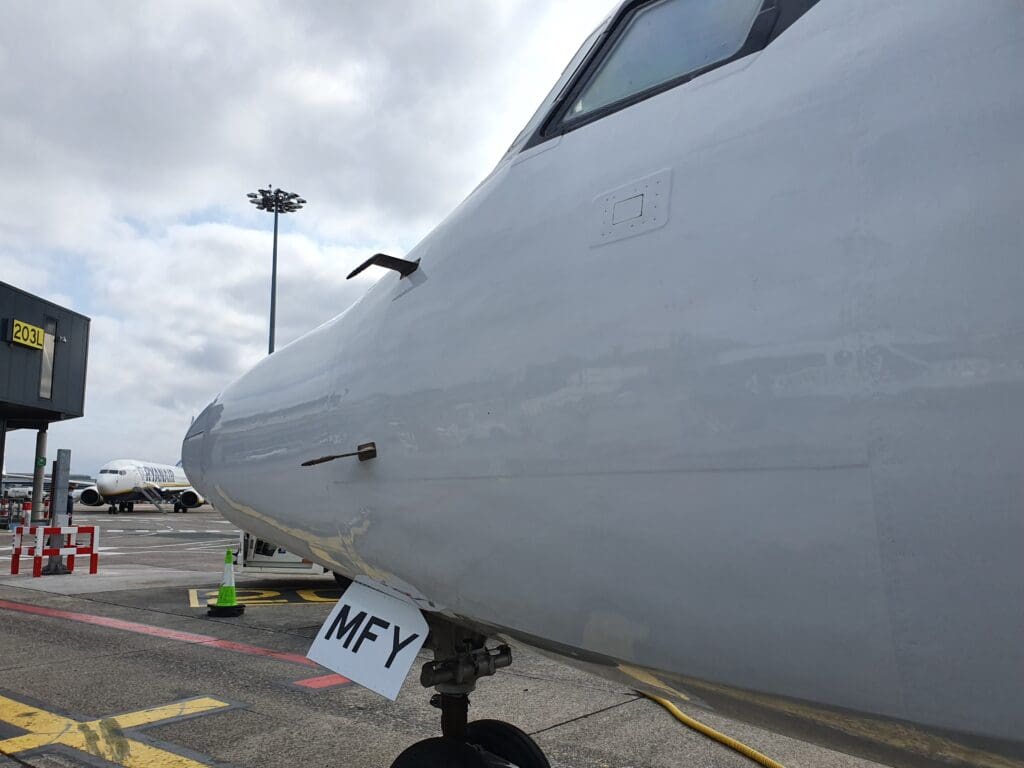
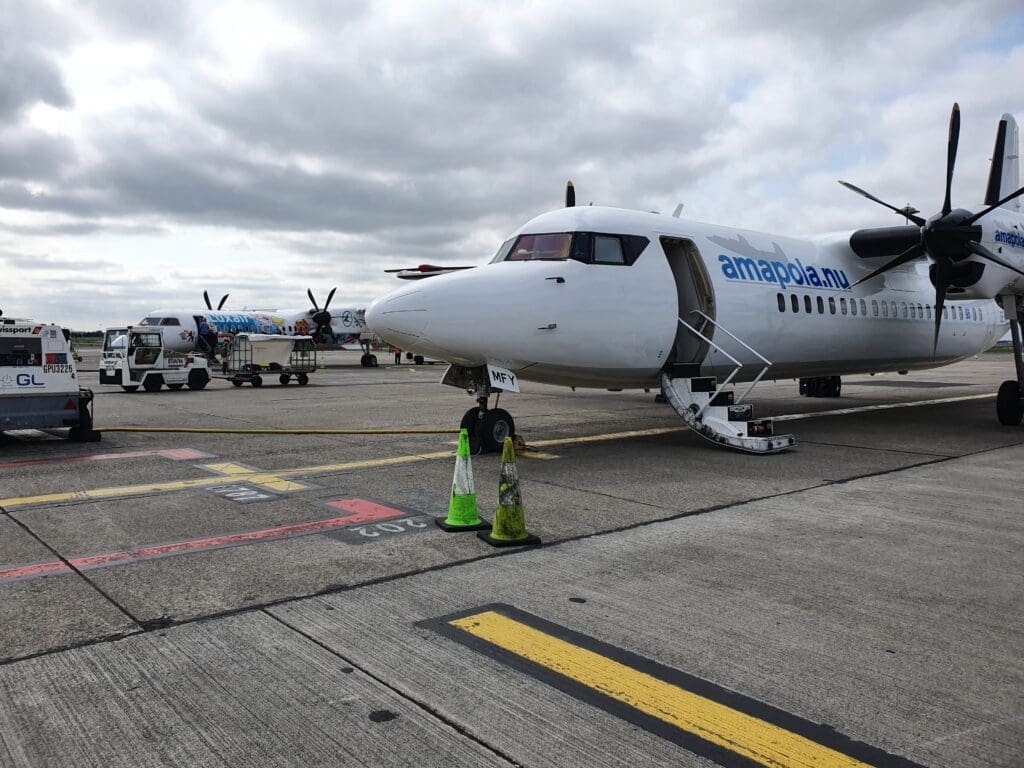
Once through security, I took a seat in the small airside area of the airport and waited for boarding to commence. The airside portion of the terminal consists of a single waiting area with benches, a drinks vending machine, two sets of toilets and two gates. Only a minute or so after I had taken a seat, the check-in agent opened up the doors to the apron and boarding began unannounced. A procession of passengers then followed the agent to the aircraft which I soon joined and soon found myself waiting at the main cabin door of the Fokker 50. Since parting with the aircraft the previous day, SE-MFY had undertaken four legs between Donegal and Dublin and would make one more flight back to Donegal before calling it a day.
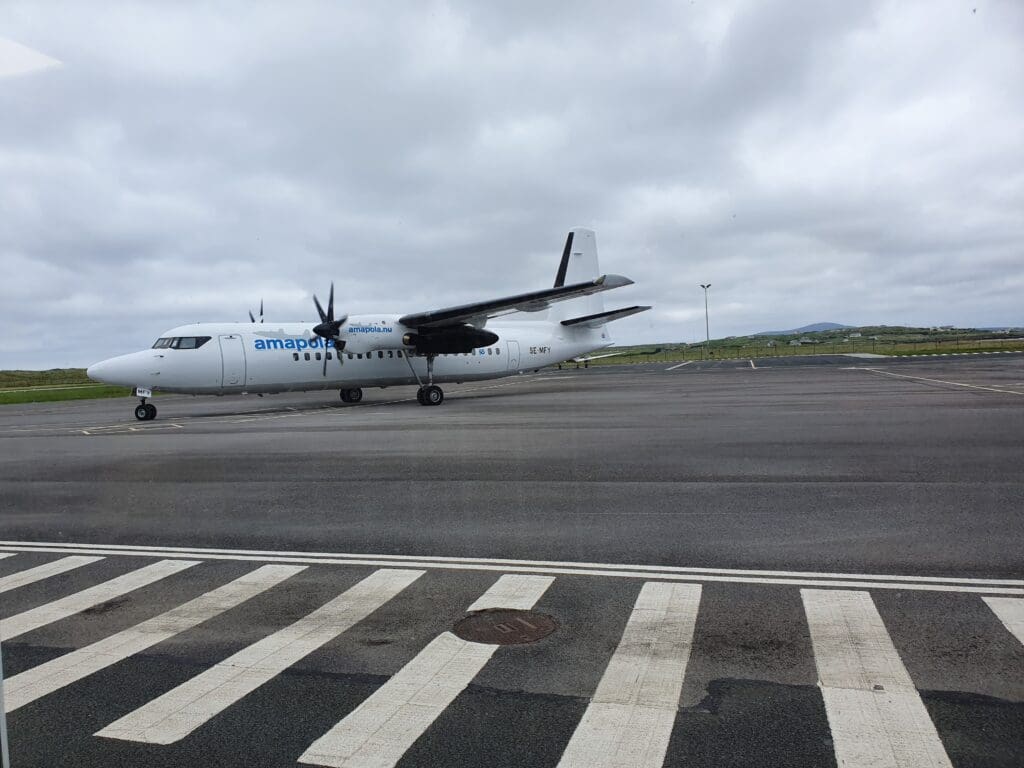
As I climbed up the steps and made my way into the turboprop, I was offered a friendly welcome by the same flight attendant who had worked the flight the previous afternoon and was advised to take any seat in Row 4 or beyond. Heading to the rear of the cabin, this time I opted to sit a little further forward and sit in Seat 10D which I hoped would allow for a good view during departure from Donegal. Once sat down, I strapped myself in and readied myself for the short flight ahead. As I had found the previous day, the retro cabin appeared to be in a spotlessly clean condition and featured nothing more than a few minor marks and scratches – although nothing that warranted any complaint. That afternoon, passengers appeared to make their way onto the aircraft at a leisurely pace and it thus took all of ten minutes for the 22 passengers to head into the aircraft.
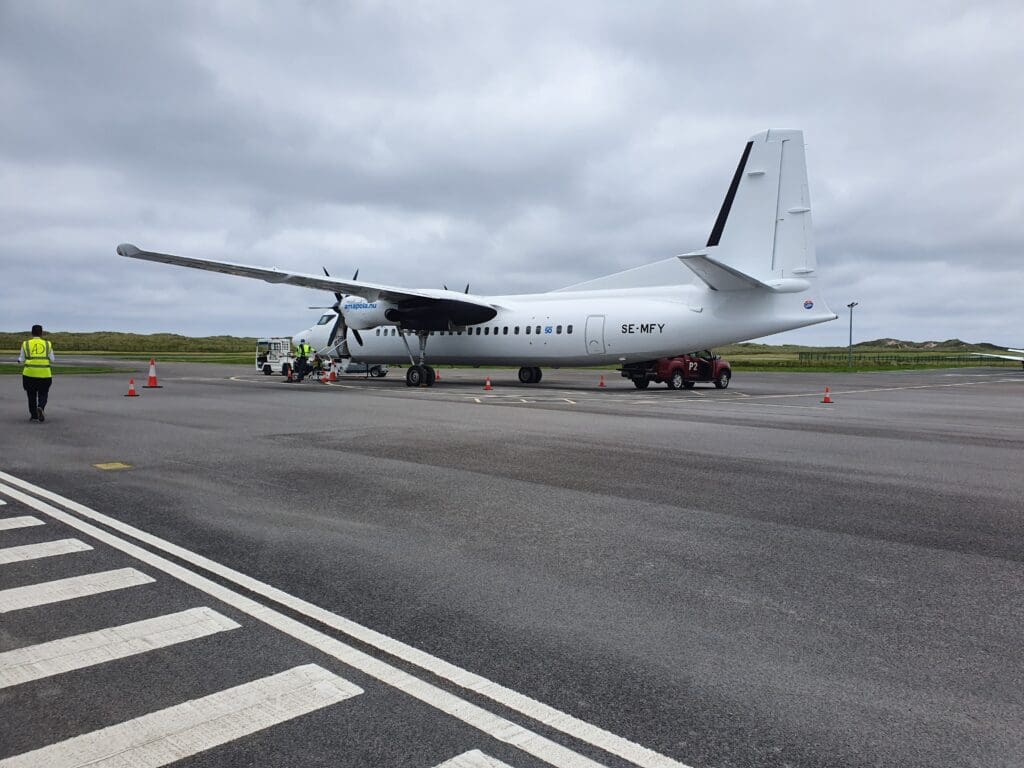
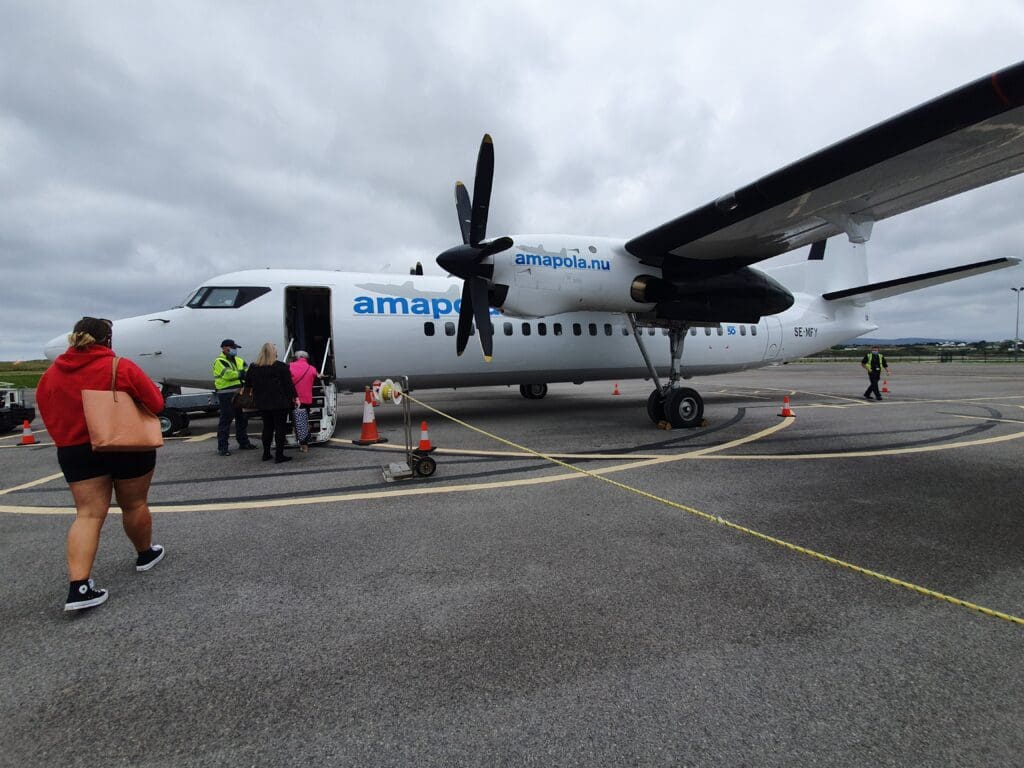
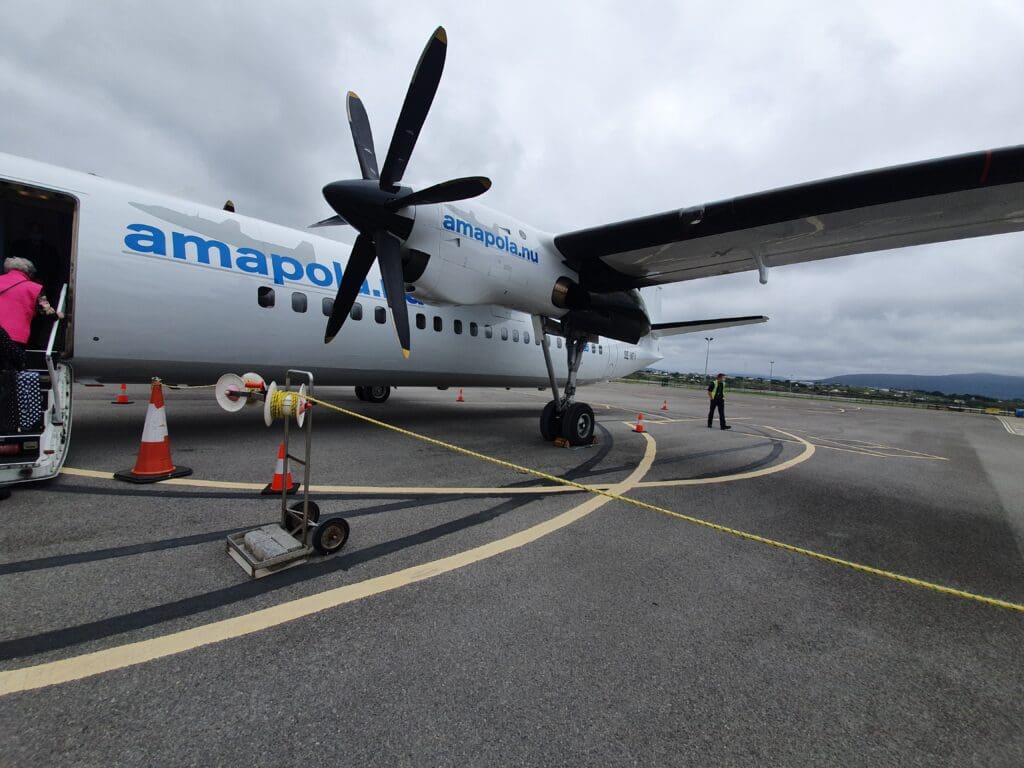

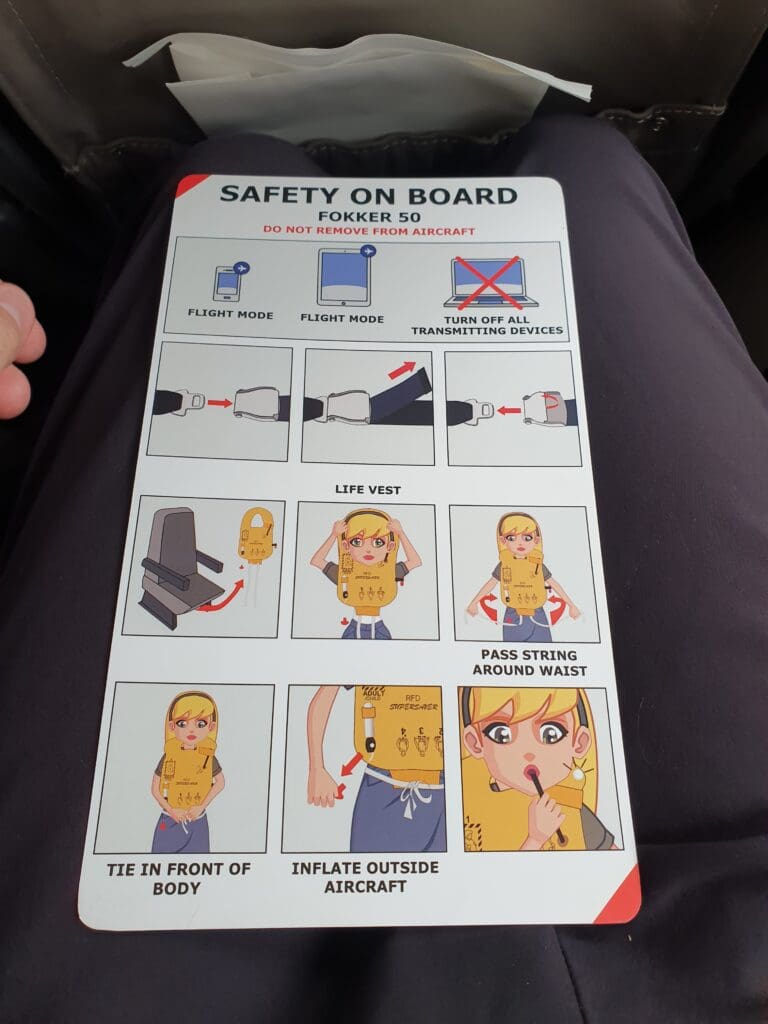
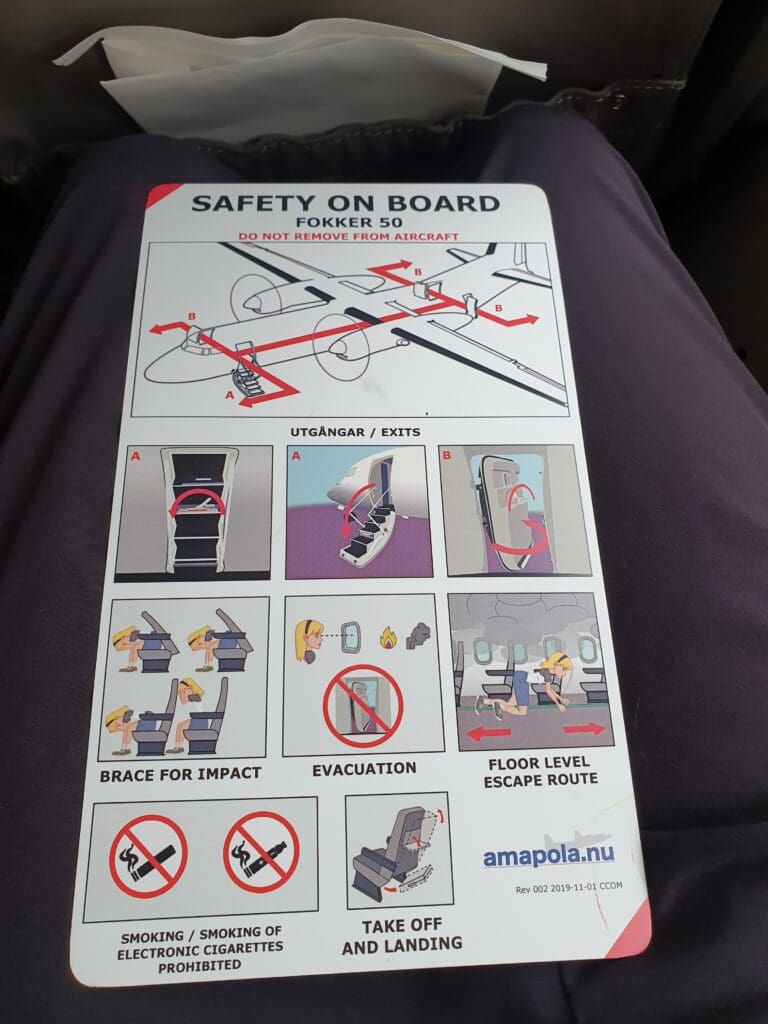
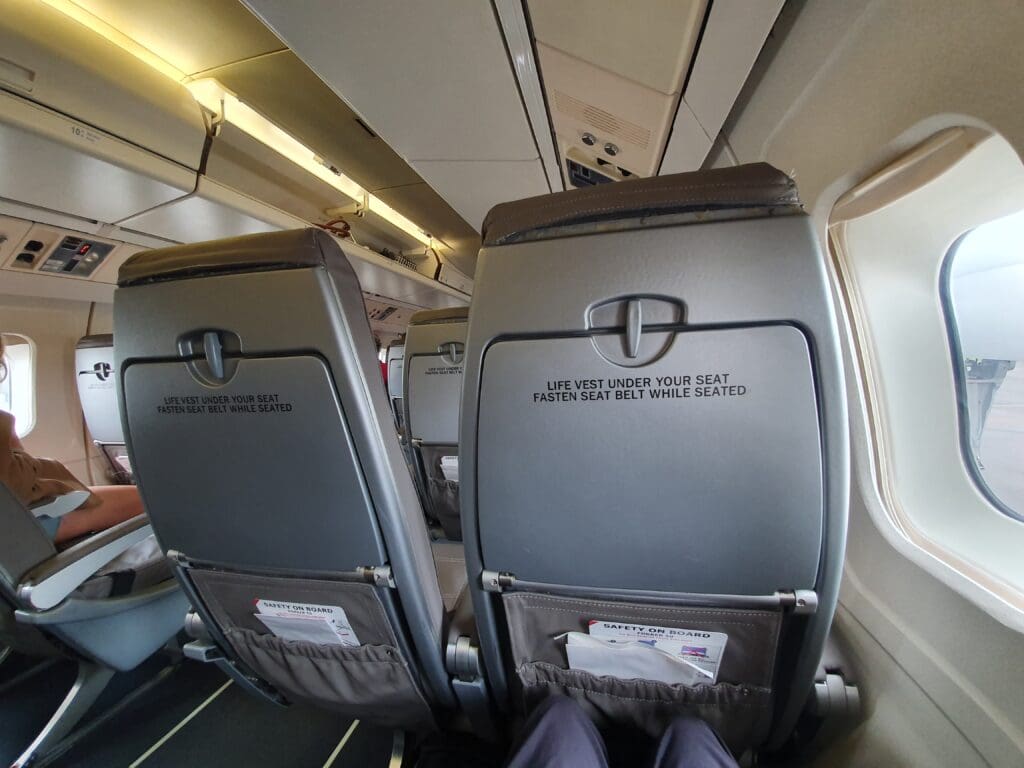
Boarding reached its conclusion at 1425 and once all were inside, the door was closed immediately. At this point, the captain performed a friendly welcome announcement which consisted of a word of thanks for flying with Amapola, and a mention of the fifty-minute flight time and the weather both en route and in Dublin. This was then followed by the flight attendant’s welcome announcement with the usual thanks before moving on to the safety instructions. This was then followed by a silent life jacket demonstration after which the flight attendant then passed through the cabin ensuring all was in place for departure. As the flight attendant neared the end of the safety demonstration, the engines quietly whirled into life and after a short pause, the aircraft propelled itself forward out of the stand and began a very quick taxi to the nearby Runway 03.
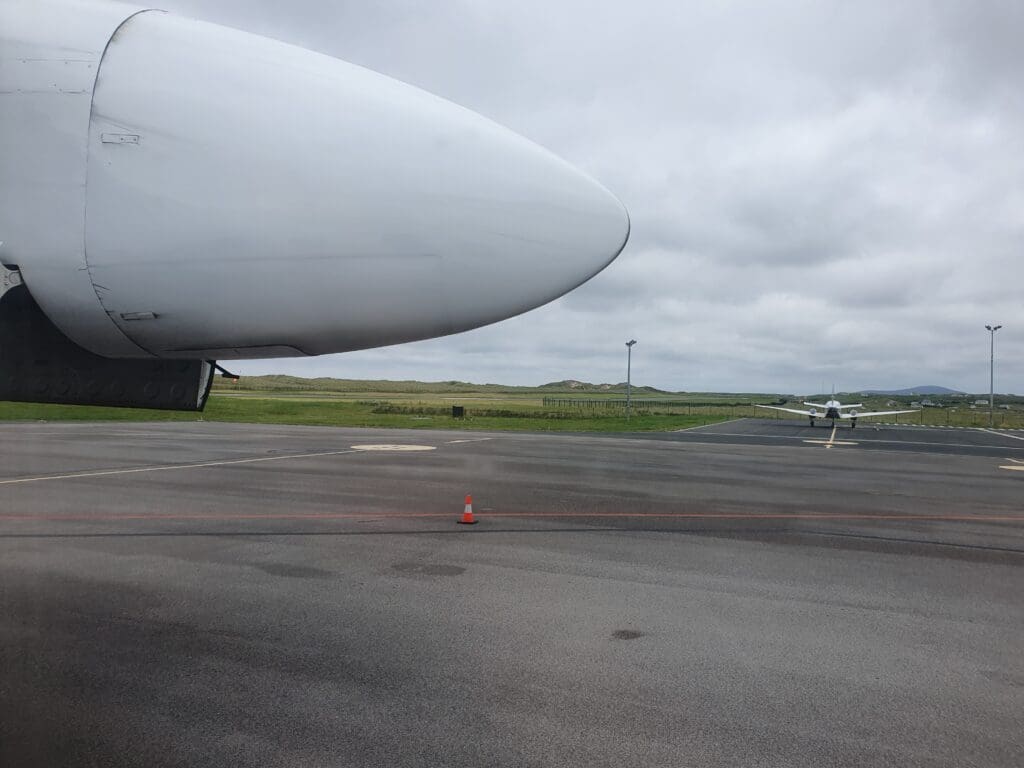
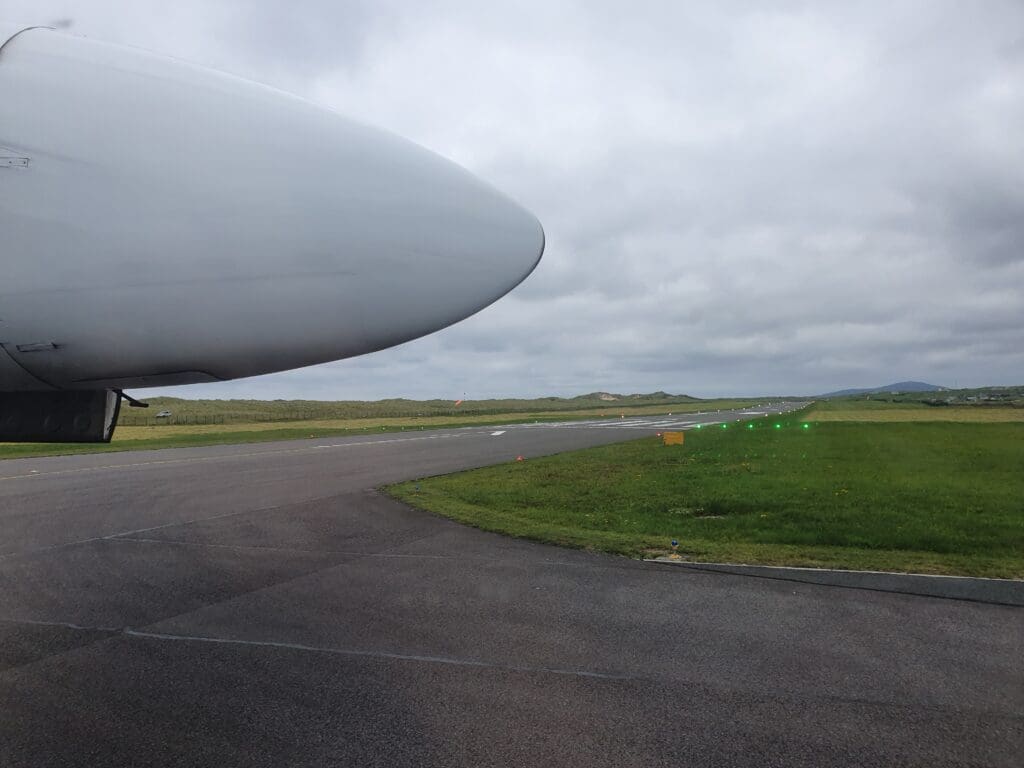
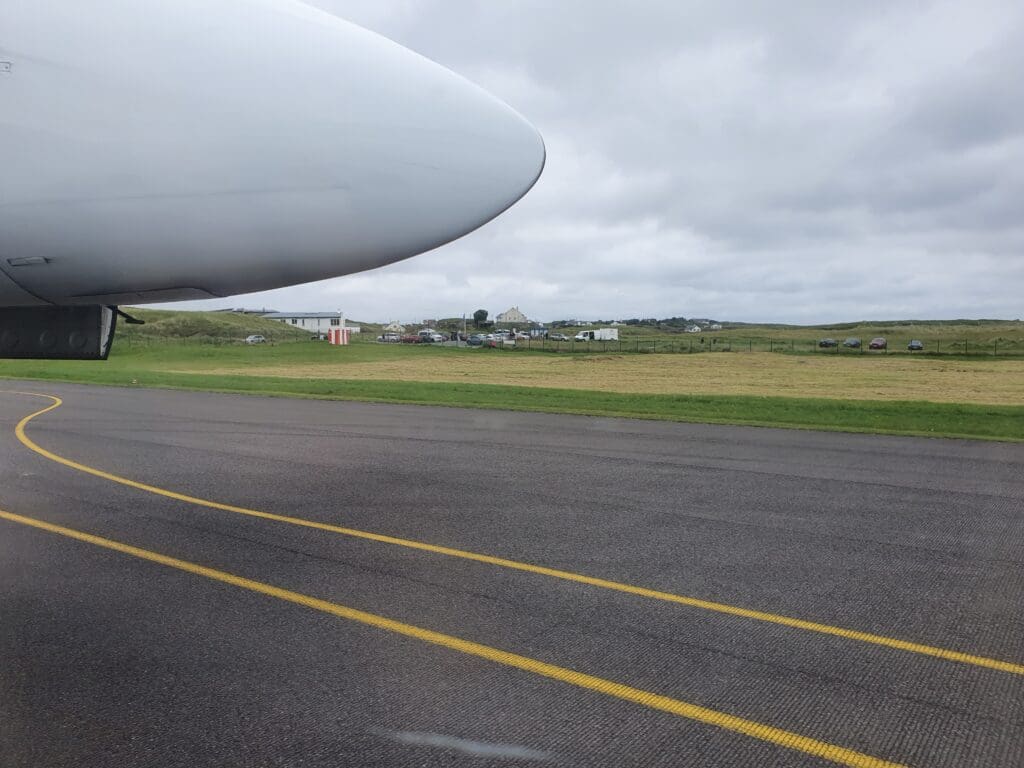

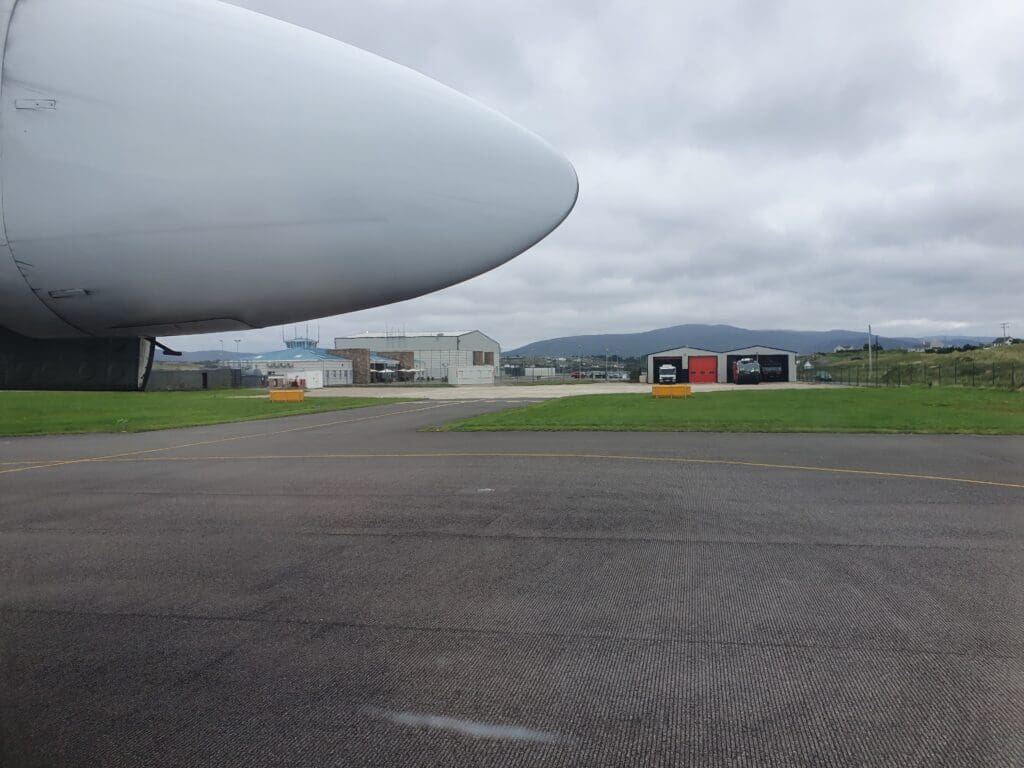
Within seconds of leaving the ramp, the Fokker arrived at the runway and taxied onto this without pausing. From there, a very short backtrack was required during which a host of onlookers could be seen watching the aircraft depart from the car park at Carrickfinn Beach. Once pointing in the correct direction, the Fokker paused for a few moments before the engines roared into life and sent us all flying down the runway. In no time at all, the aircraft rotated upwards and sitting on the right side of the aircraft (both literally and figuratively) I was given fantastic views of the villages and the Derryveagh Mountains in the distance for a minute or so before the aircraft rose into the clouds.
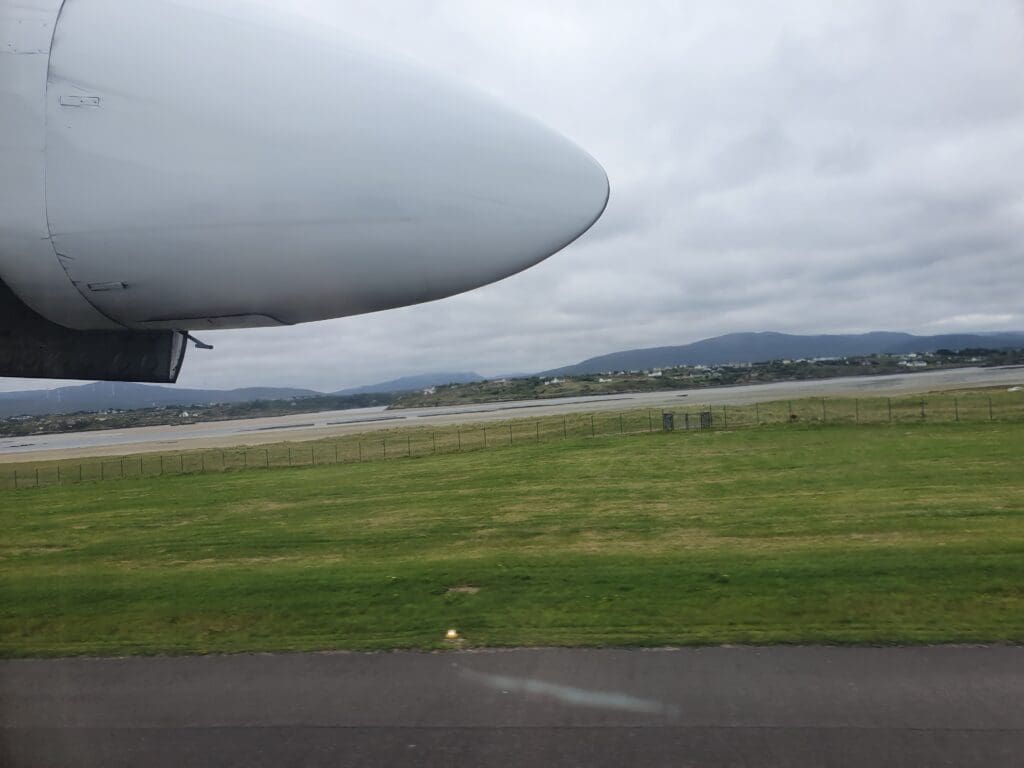
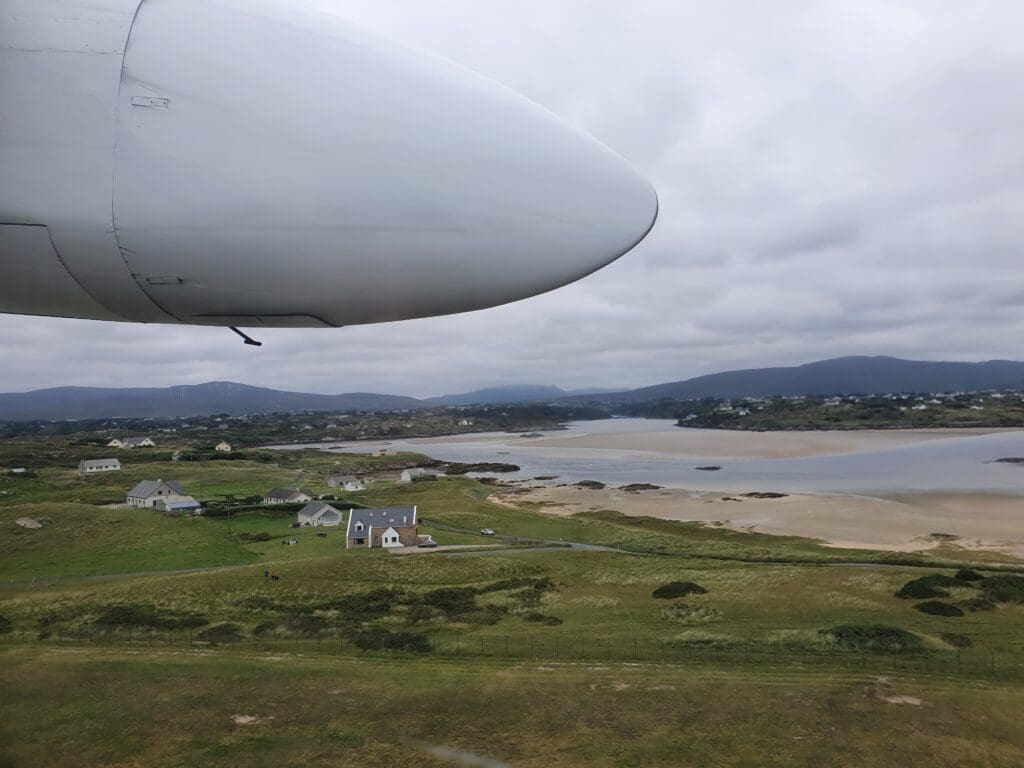
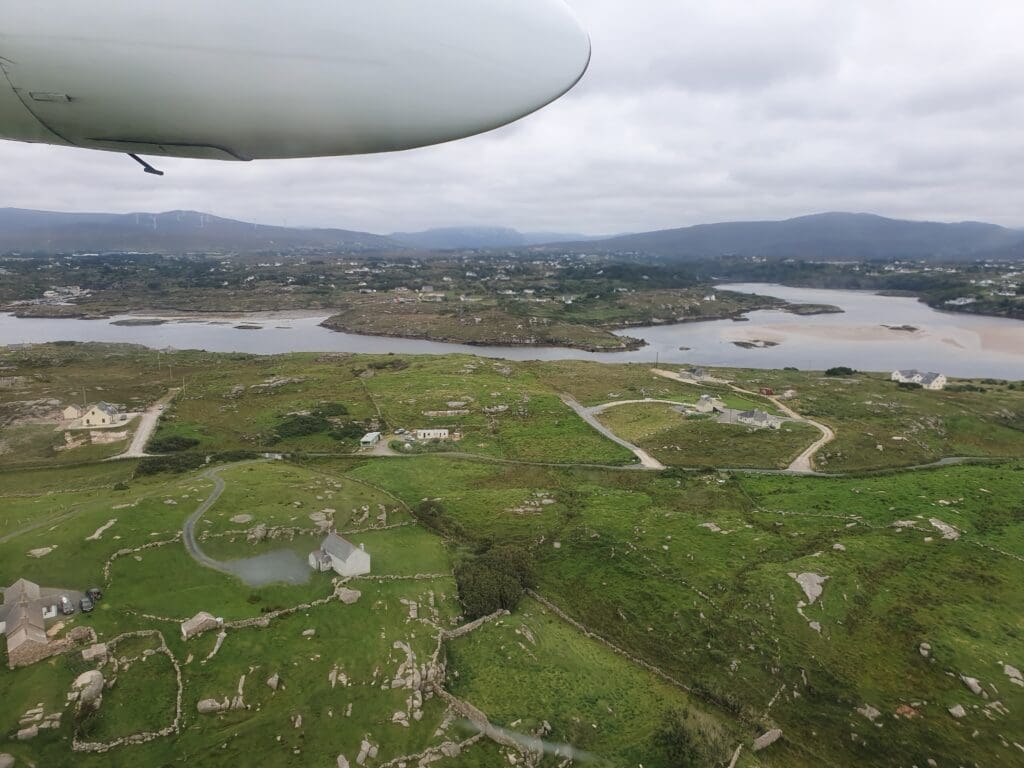
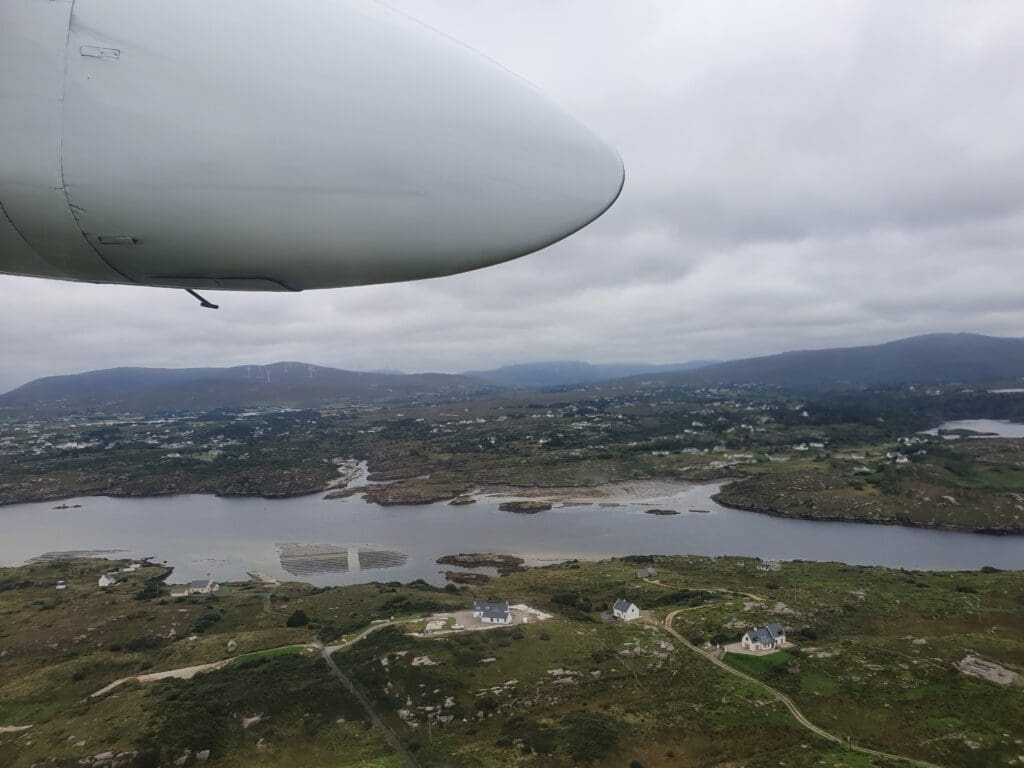
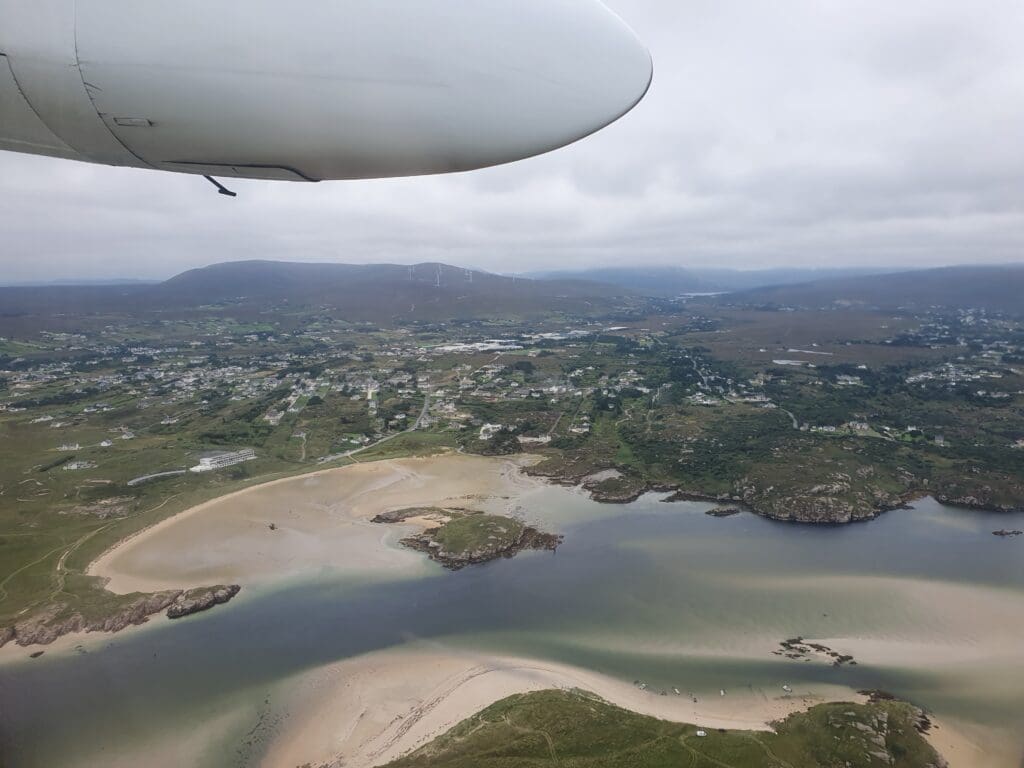

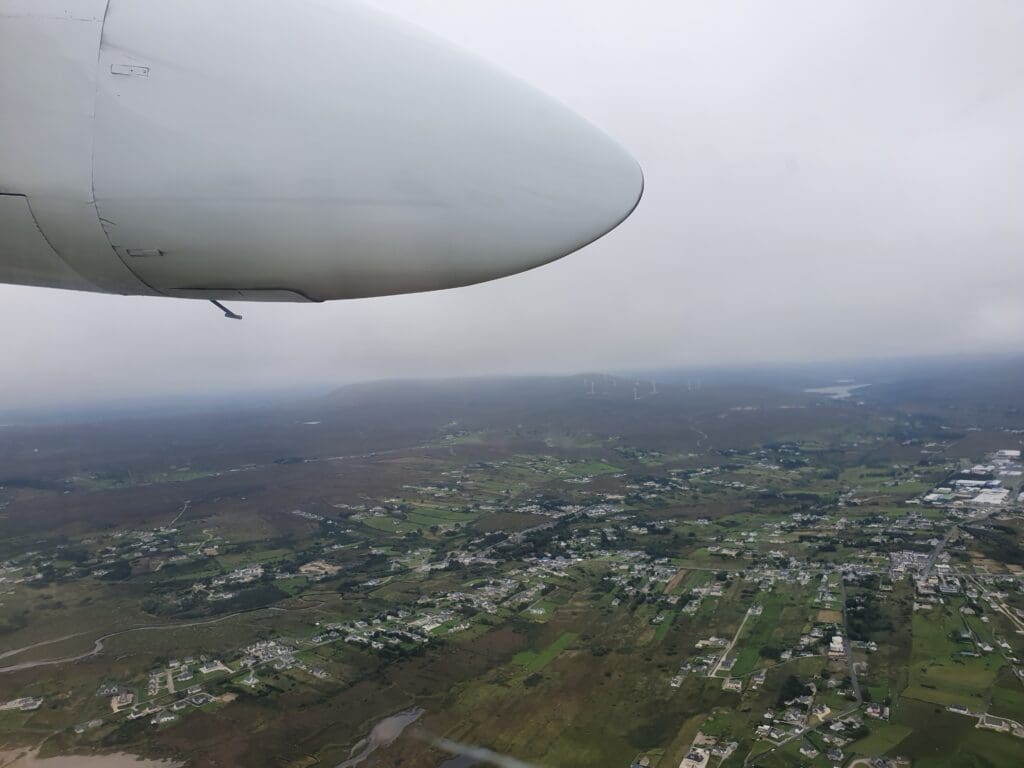
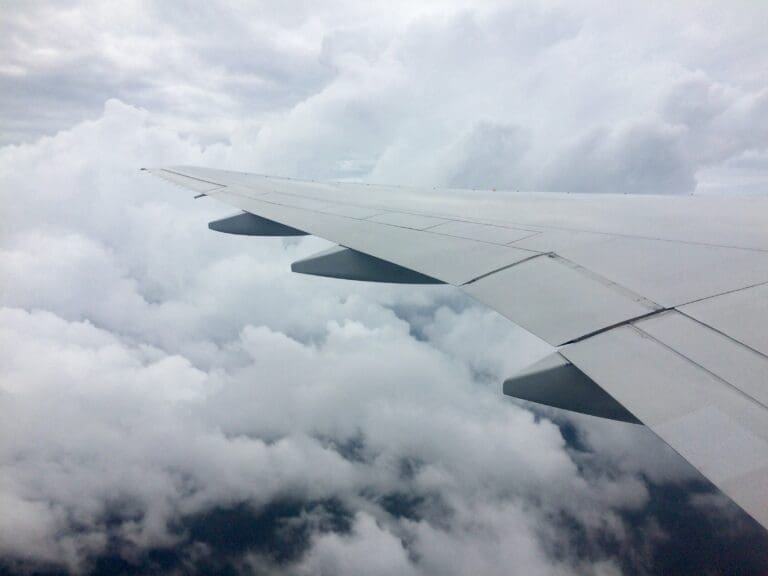
After cutting through the clouds with a few lumps and bumps, the aircraft then gently banked before rolling out on a southeasterly heading that would take us directly to Dublin. Unlike the flight up to Donegal, a firm layer of clouds sat below the aircraft for the duration of the flight and so there was little to do aside from soaking up the atmosphere of this dated turboprop. In no time at all the seatbelt signs were extinguished and the flight attendant performed their announcement requesting passengers to keep these fastened whilst seated and advised those onboard of the location of the toilet at the front of the cabin.
Around fourteen minutes after departure, at 1445 the Fokker reached its cruising altitude of 15,000 feet just as it crossed the border into Northern Ireland. From there, the aircraft continued flying southeast over County Tyrone before re-entering the airspace of the Republic of Ireland five minutes later. From there the aircraft continued to skirt along the border with Northern Ireland. After passing to the west of Dundalk, at 1458 the noise from the two turboprops decreased and the aircraft could be felt sinking back towards the ground. Inside the cabin, our descent was confirmed by an announcement from the captain who informed us that we could expect to land in Dublin in ten minutes. This was immediately followed by the reillumination of the seatbelt sign and the usual pre-arrival announcement from the flight attendant who then passed through the cabin ensuring all was in place for our arrival.
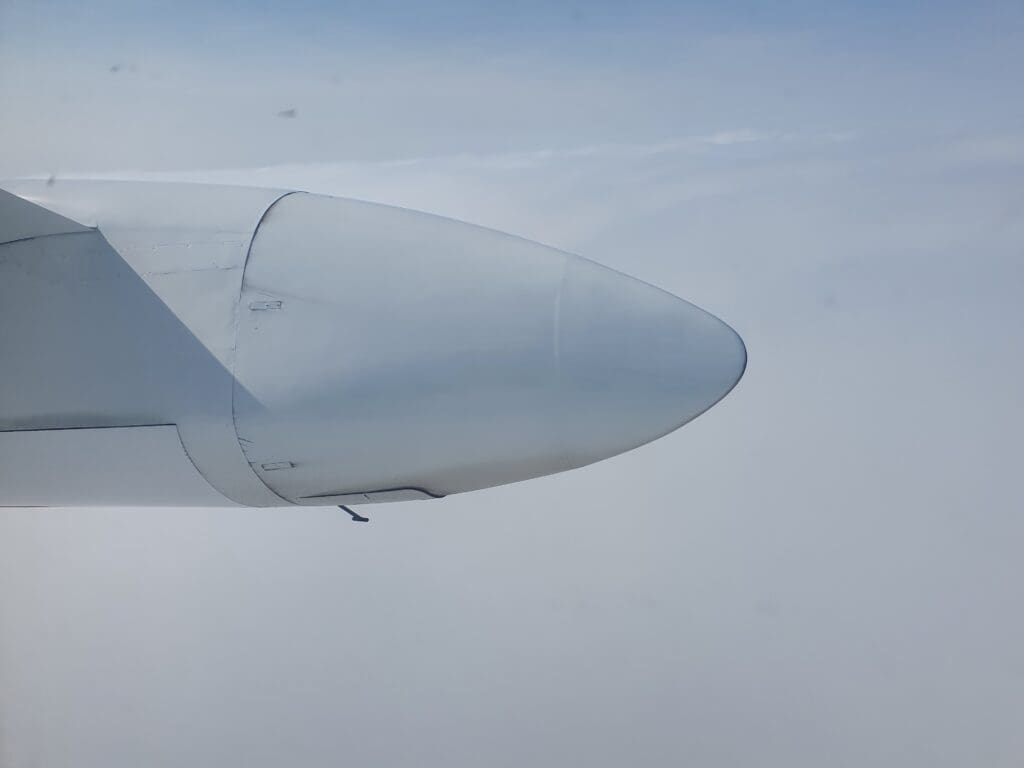
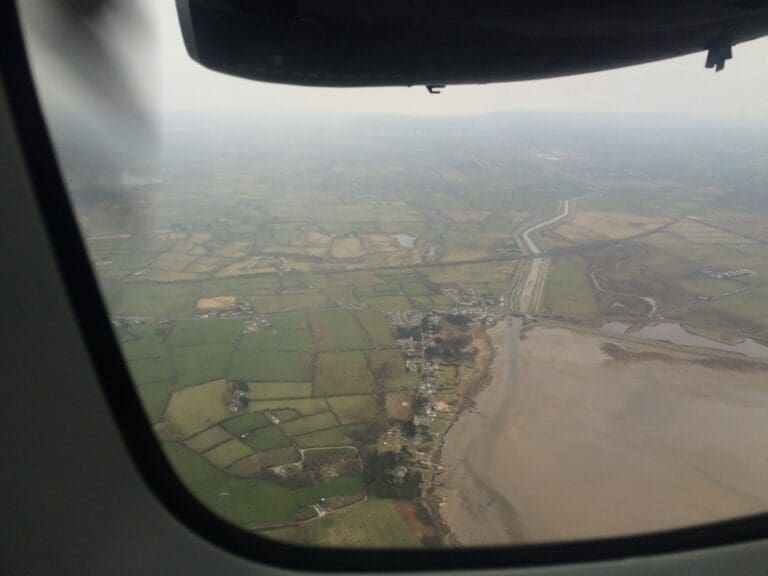
Whilst little could be seen below, the Fokker continued flying southeast passing over Drogheda before heading out over the Irish Sea and sinking into the clouds as it began to turn to line itself up for an approach on Dublin Airport’s Runway 28L. After emerging from these, the blue waters of the Irish Sea came into view below as did the coastline which we soon crossed near Portmarnock as the landing gear and full flaps were extended. From there, the aircraft gently sank over a mix of residential areas, fields, industrial estates and leisure facilities before the sight of parked Aer Lingus Airbus jets came into view indicating our arrival at Dublin.
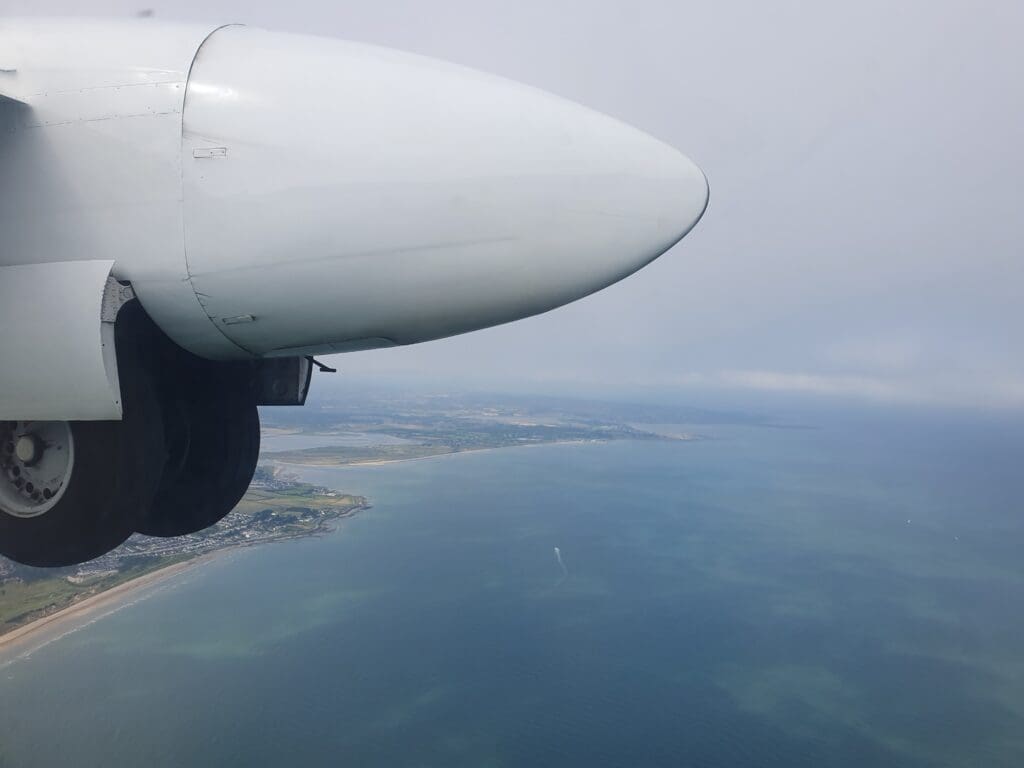
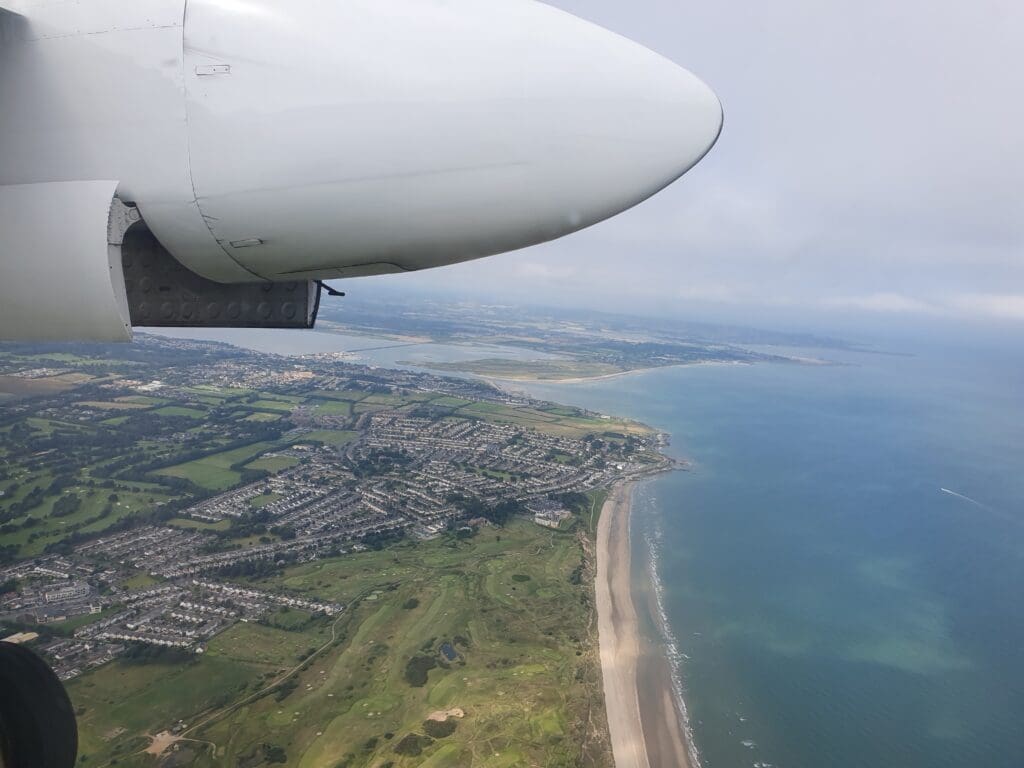
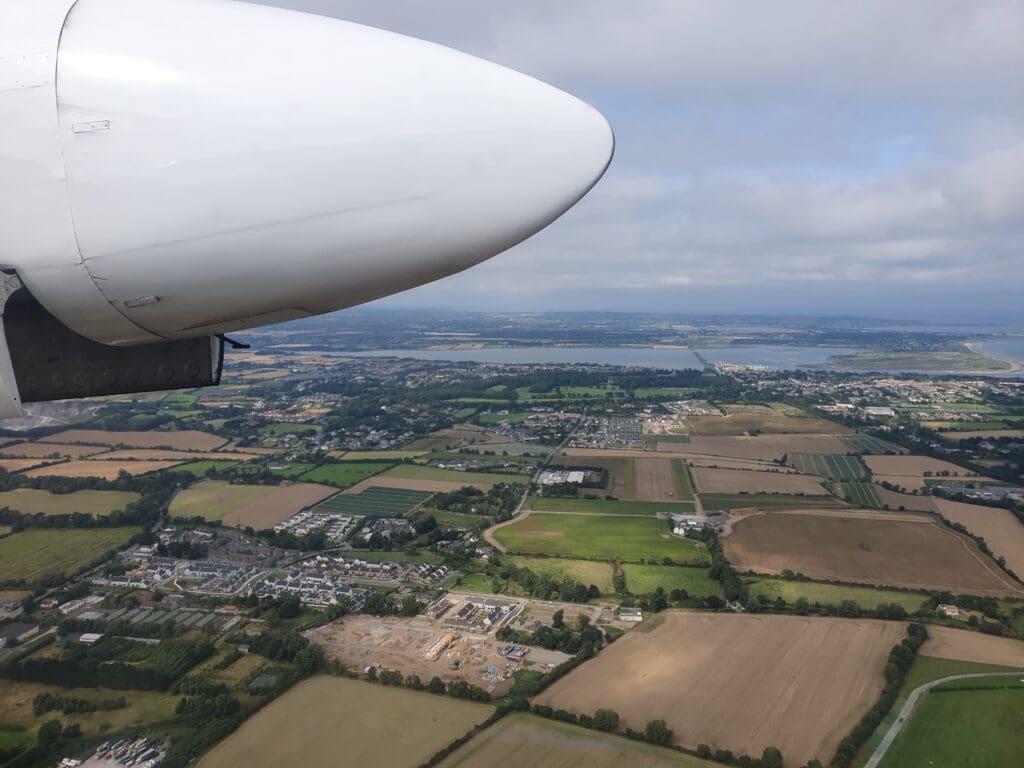
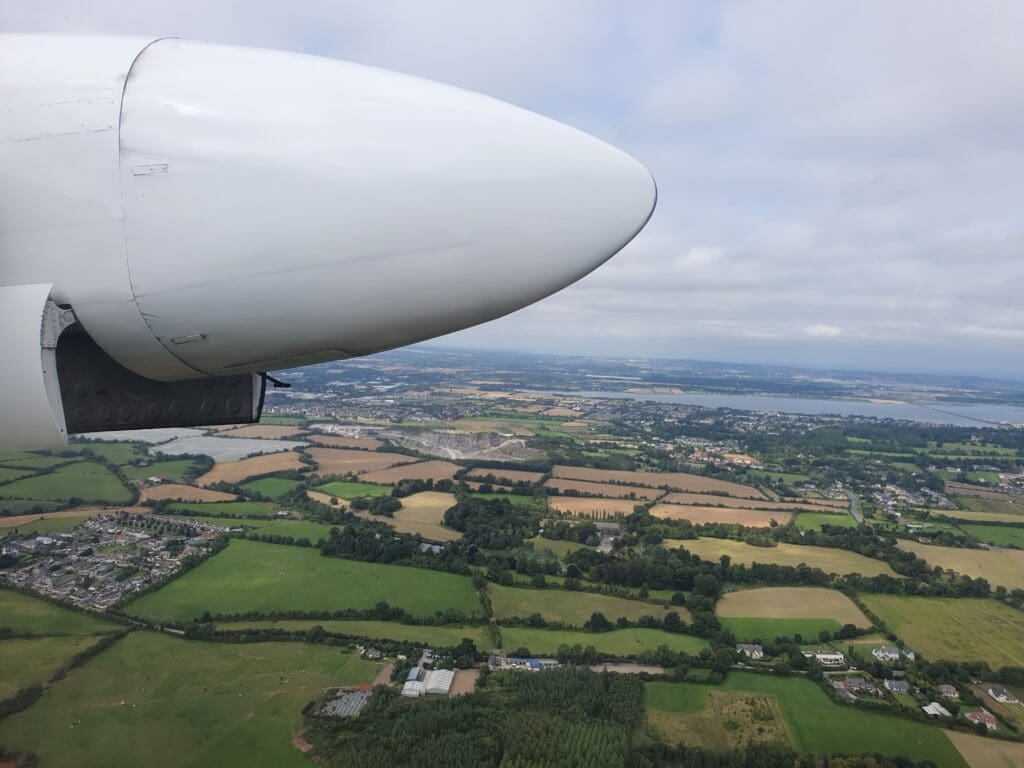
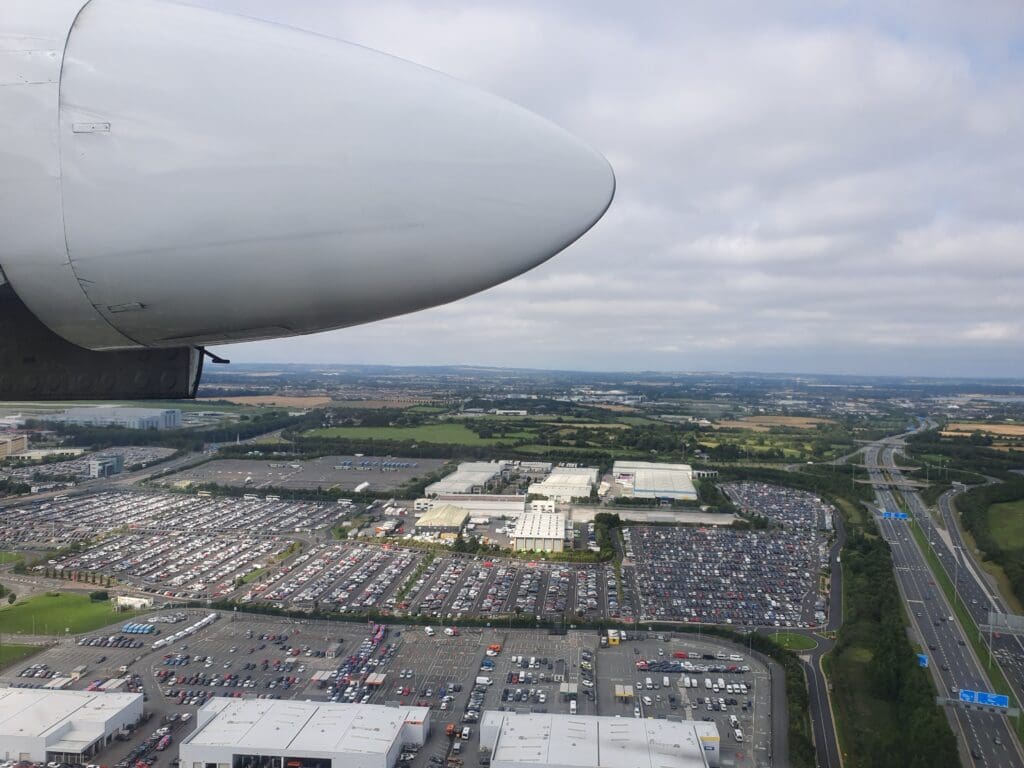
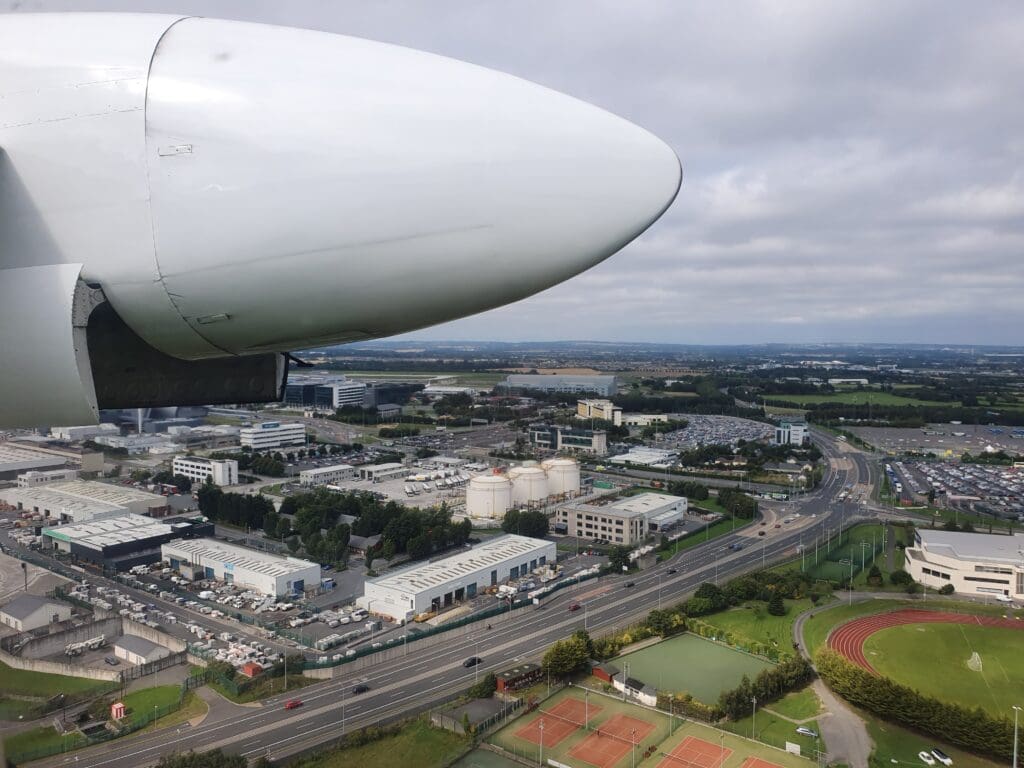
At 1511, exactly 39 minutes after powering away from Donegal Airport, the Fokker 50 touched down on Runway 28L with a gentle bump before the noise of the engines’ reverse thrust filled the cabin and the turboprop slowed with some vigour. Almost immediately after touching down, the flight attendant performed their welcome announcement, thanking all for choosing to fly with Amapola and advising passengers to remain seated until the aircraft had come to a full stop at the gate. Soon enough, the aircraft cleared the runway allowing for a Ryanair Boeing 737-800 to make its arrival into the Irish capital.
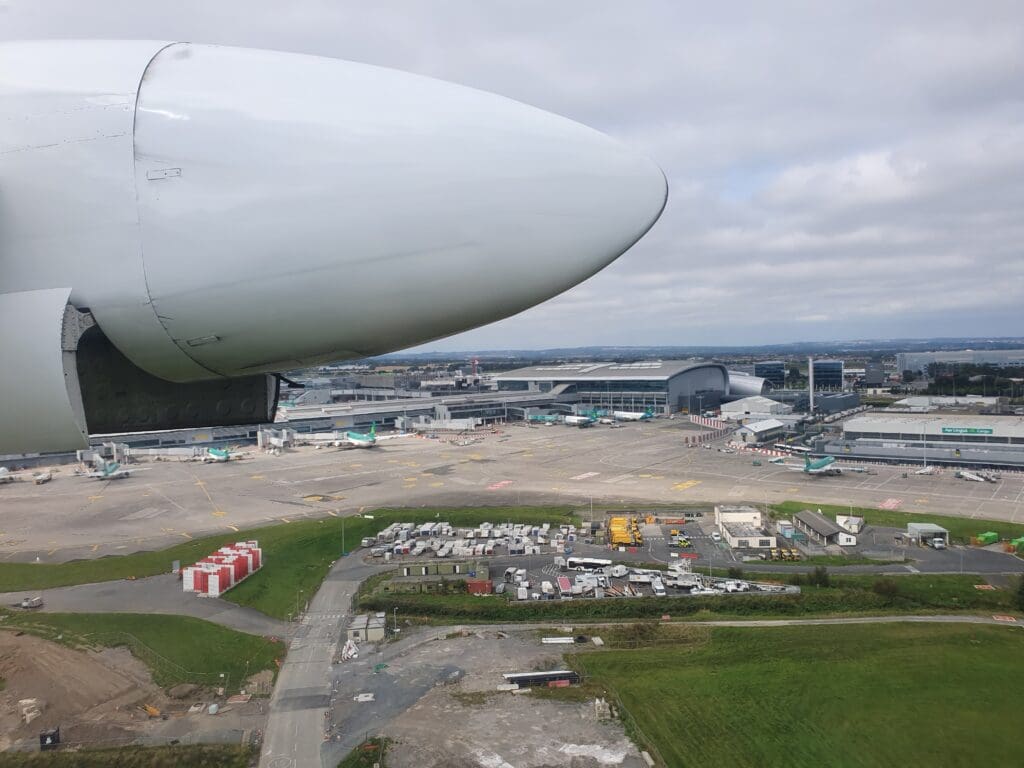
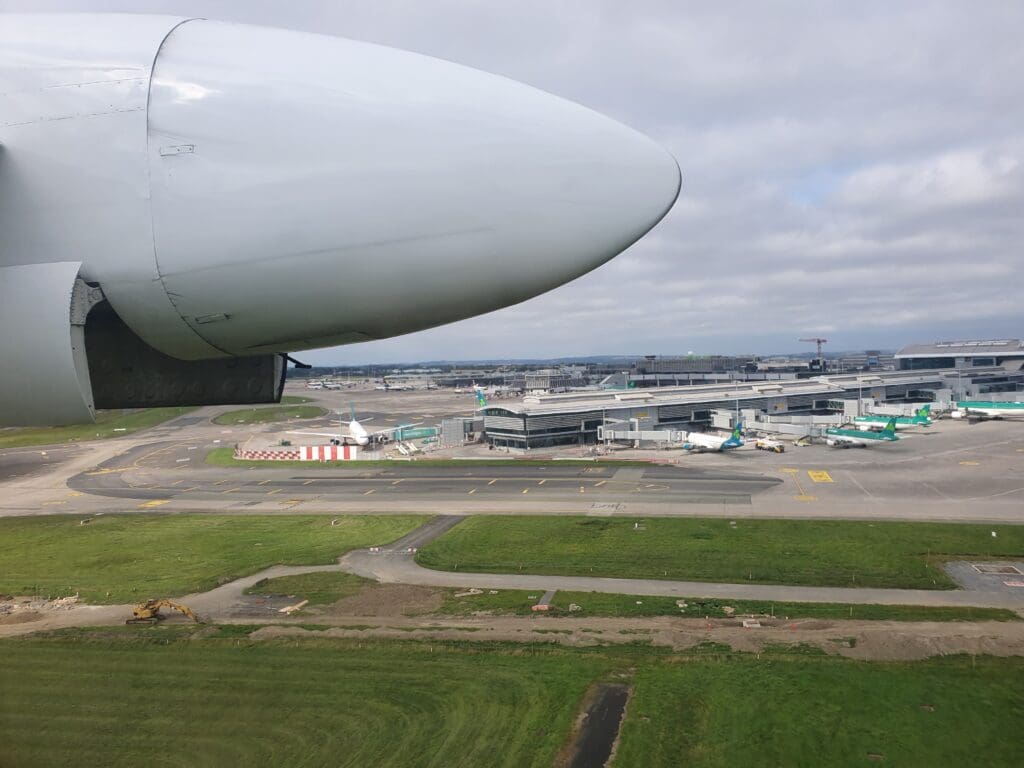
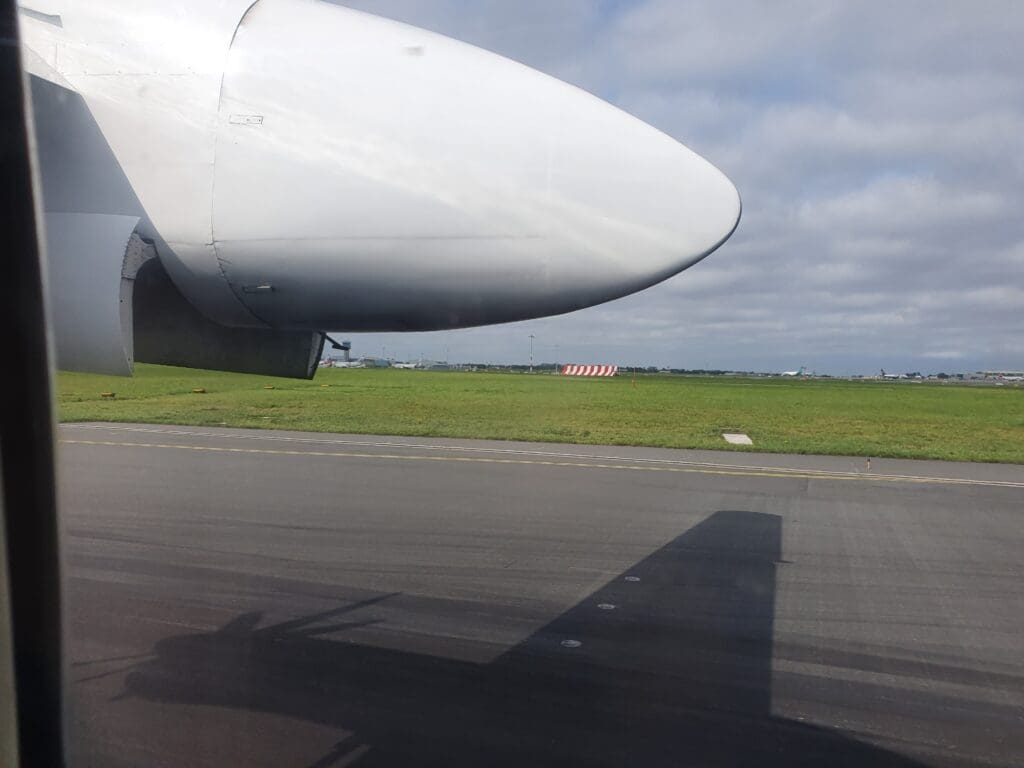
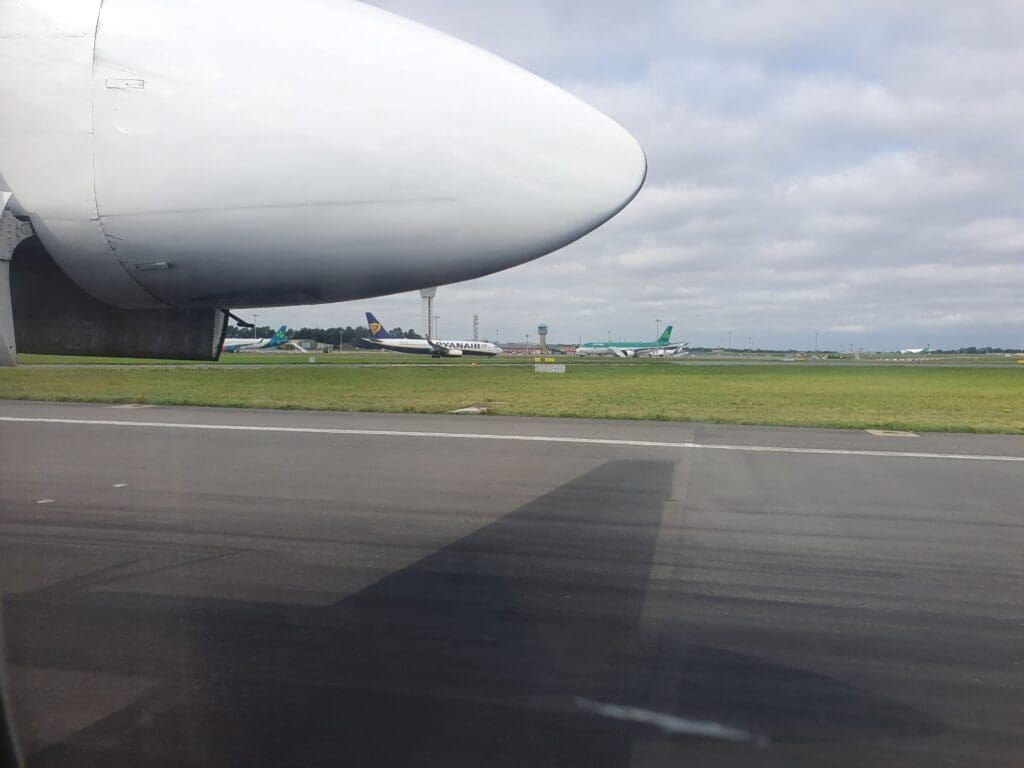
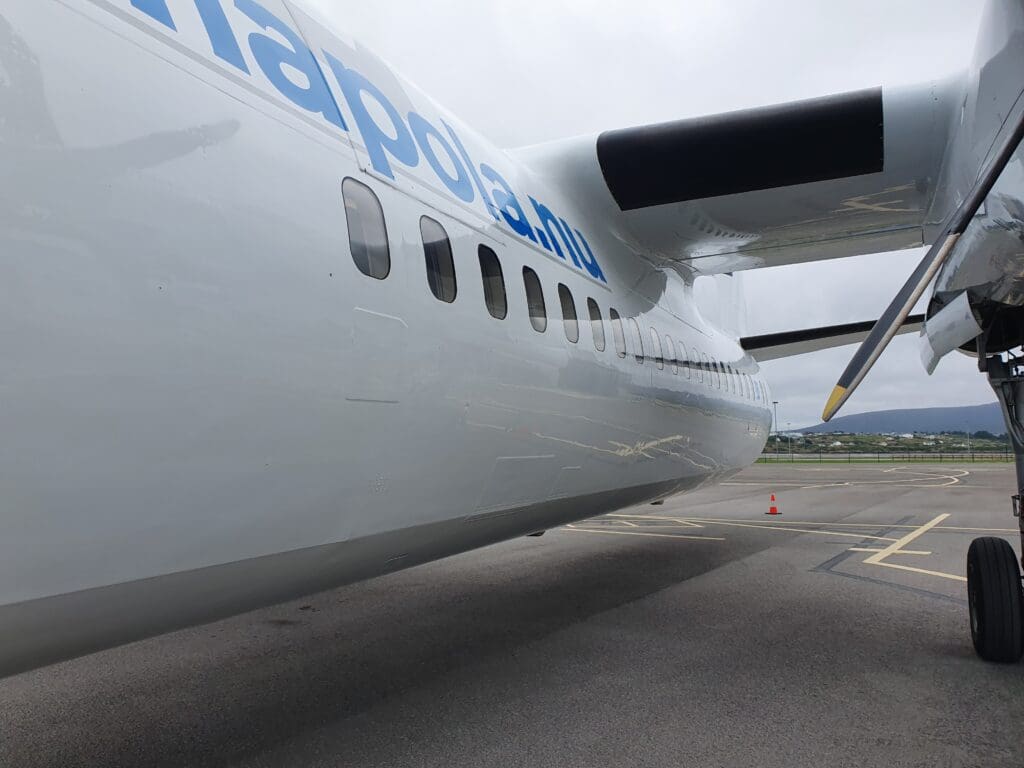
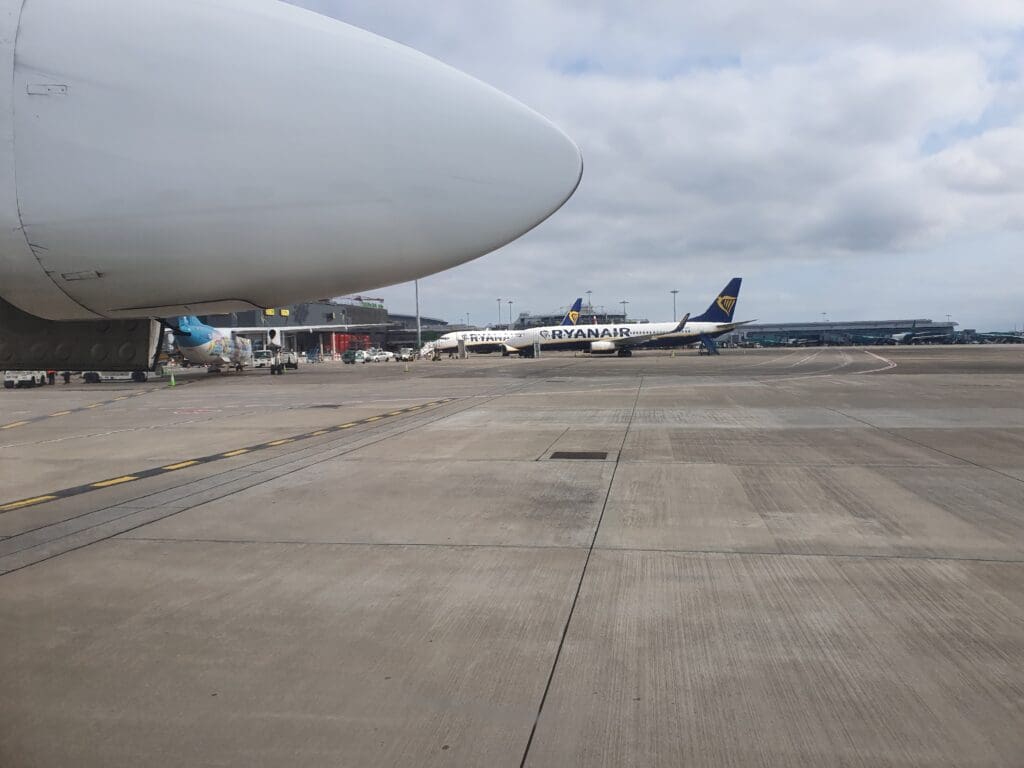
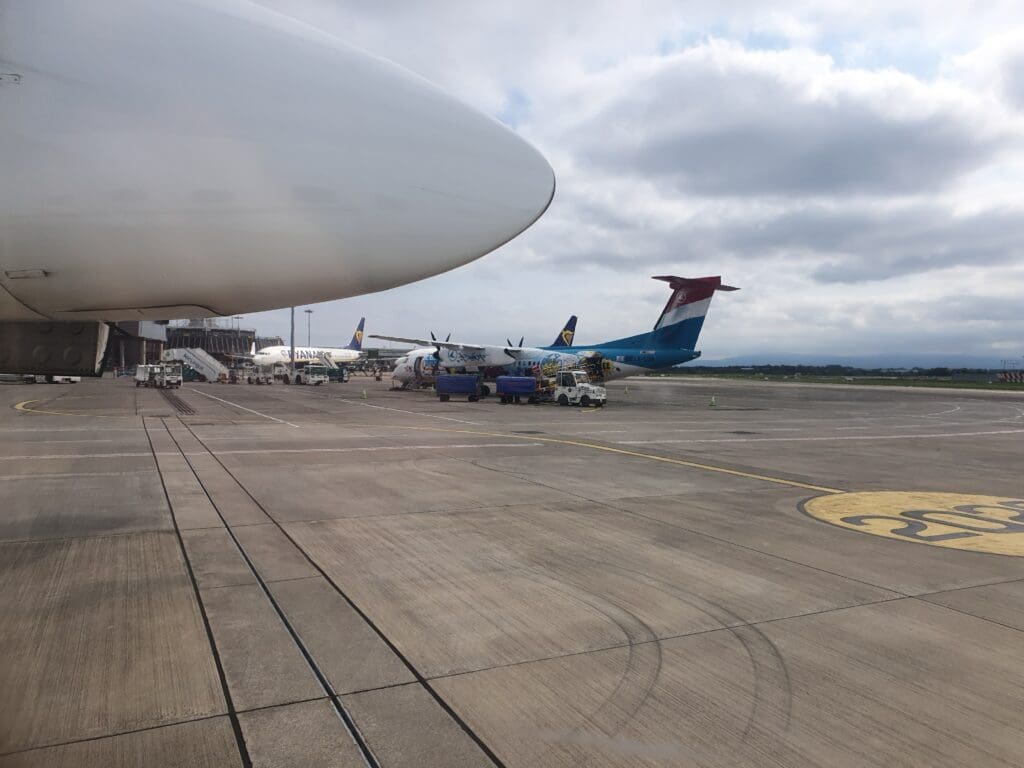
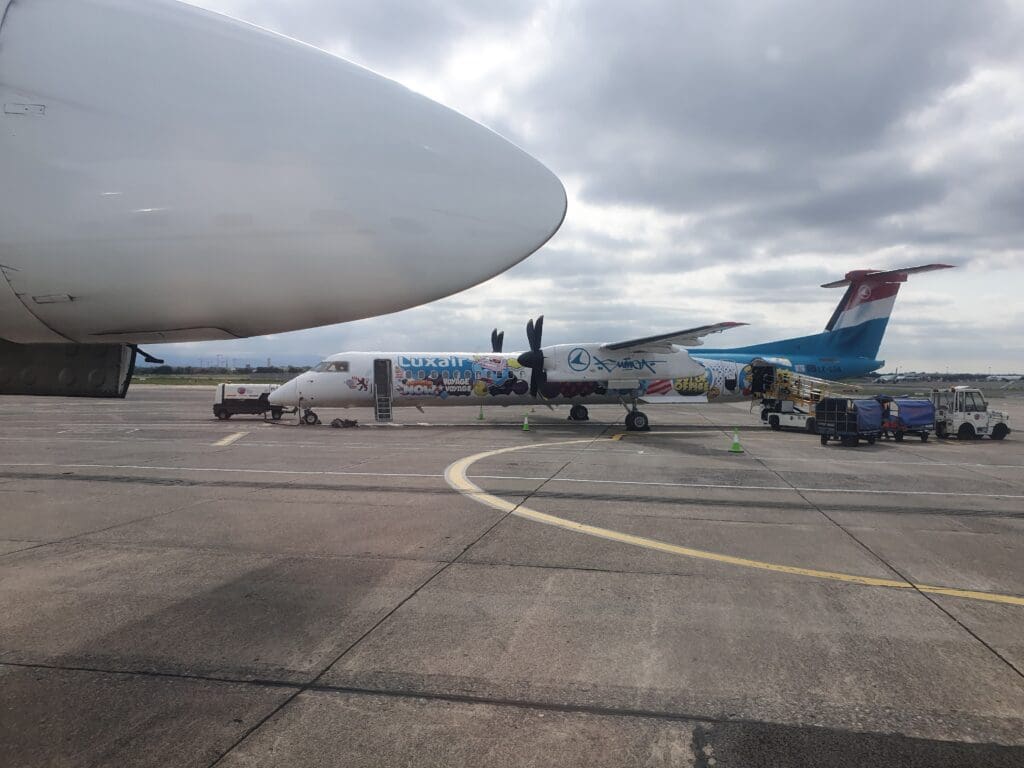
As was to be expected, the taxi time at Dublin was significantly longer than that at Donegal, however, the turboprop soon slowly pulled into the stand from which I had departed the previous day – Stand 203. This joined Luxair’s special SUMO liveried Dash 8 Q400, its pilots appearing to watch our aircraft closely as it came to a halt. Seconds later, the two engines spooled down and the cabin door was opened almost immediately. Given the light load, disembarkation was quick and despite being the last passenger to disembark, I made my way out of the aircraft within a minute or so of the door being opened. After thanking the flight attendant, I cautiously clambered down the steps and after taking several photos made my way into the terminal. Once inside, I climbed up several flights of steps and followed signs for arrivals – this led to the immigration hall and I proceeded up to one of the booths where I informed the immigration officer that I had arrived from Donegal. Following a quick identity check, I then made my way out into Terminal 1’s busy arrivals level and readied myself for the next stage of my journey to Heathrow.
Summary
Whilst my sole purpose of flying with Amapola had been to sample their Fokker 50, I had been left with nothing to complain about regarding their service. Granted, it may have been nice to have been served a mid-flight drink or snack, however, such service’s absence came as no surprise. On both legs, the flight attendant was polite and friendly, and despite the aircraft’s age, I found this to be in good condition and more than comfortable for a short hop. Needless to say, the trip left me with no reason whatsoever not to fly with Amapola again in the future.