My First Ever MAX Ride: Crossing the Rockies from Calgary to Vancouver: An Air Canada Review
Background
Admittedly, there is not much of a backstory to this flight! Quite simply, I needed to get from Calgary to Vancouver, and Air Canada offered the cheapest tickets at the time I wanted to fly, beating WestJet by a surprising margin. Furthermore, flying with Air Canada would allow me to embark on my first ever Boeing 737 MAX ride, with this type dominating Air Canada’s schedules between these two Western Canadian cities. Opting to book directly with Air Canada, I found booking through the airline’s website to be a quick and easy process, leaving me with no complaints whatsoever. Likewise, online check-in left me with few issues and I was soon set to embark on my hop across the Rockies.
The Journey
Following two nights in the Stampede City, the time came for me to continue heading westwards across the Rockies. Having stayed near Banff Trail Station, I had initially planned on checking out early and doing some last-minute sightseeing around Calgary before heading to the airport. However, I soon abandoned these plans when I woke up bright and early, opened my curtains and was greeted by a grim and grey scene of torrential downpours that were not set to let up at any point that day. Not wanting to get unnecessarily soaked, I decided to head to the airport a little early and pass the time by doing some Albertan planespotting.
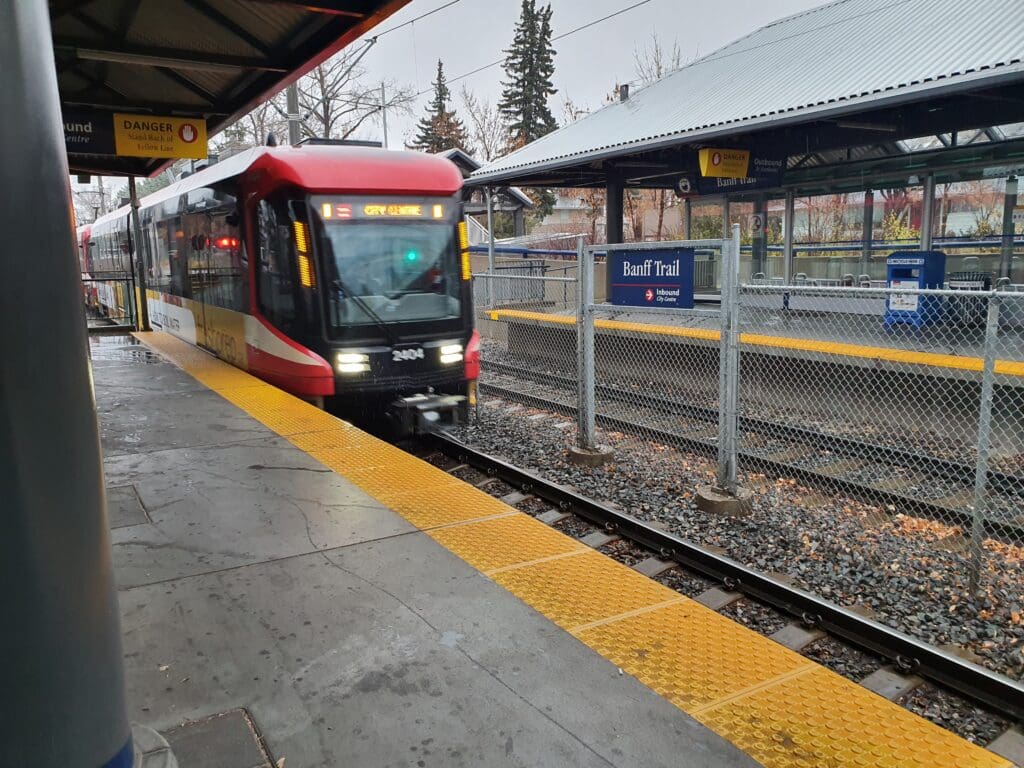
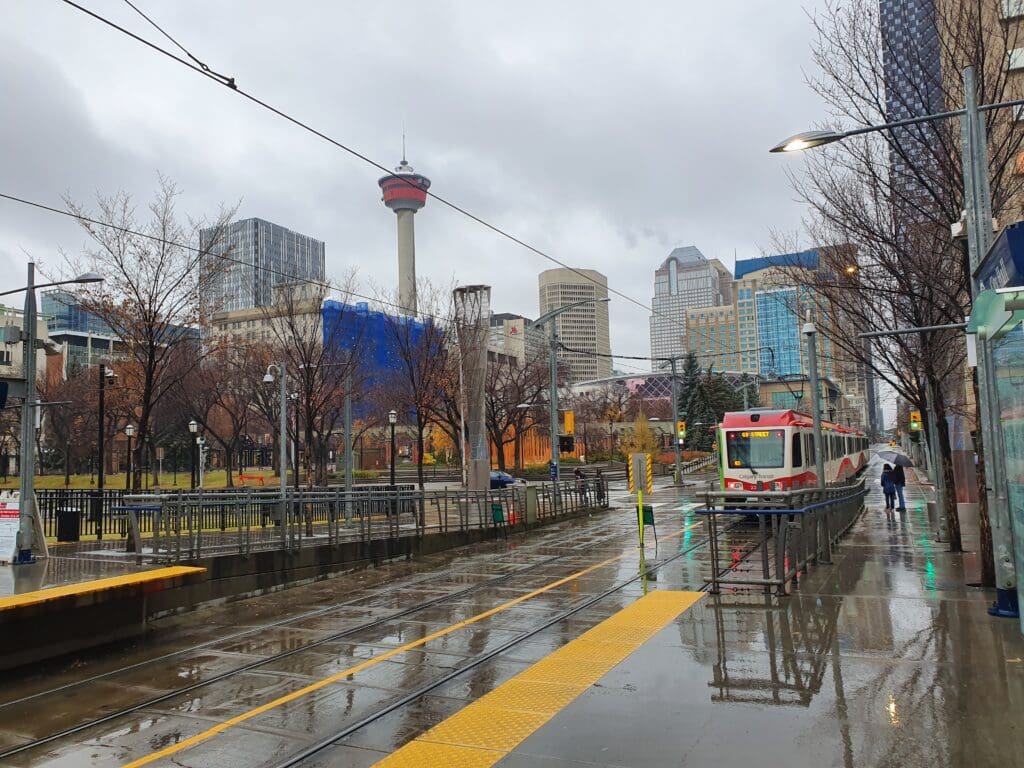
Admittedly, I hadn’t chosen the very best accommodation in Calgary. It was, from a Brit’s perspective, a typical North American roadside motel and the sort of place you might expect to see on an episode of Cops! Thus, not wanting to spend more time there than necessary, at 1000, I handed over my key and made a quick dash through the rain before arriving at Banff Trail Station. Once there I parted with $11 for a day pass and a short time later, one of CTrain’s modern Siemens S200 light rail vehicles rattled into the station. Jumping onboard, I was whisked downhill towards the Bow River and after a few stops, we crossed over the waters of this and made our way into the streets of Downtown Calgary. Heading directly to the airport, I disembarked at City Hall Station and followed the signs for the Number 300 bus. Calgary International Airport sits around 17 kilometres to the north of the city centre, and just one bus route connects the centre with the airport and runs and intervals of every thirty minutes. Considering that Calgary International Airport is the fourth busiest in Canada and enjoys a plethora of direct flights to destinations both near and far, the airport is not particularly well connected to the city by public transport. Thankfully, that morning I had timed things just right and I did not have to wait too long before the next bus appeared. Boarding this along with a few other suitcase-wielding passengers and airport staff, we soon trundled out of the centre, speeding over the Bow River before wending our way through Calgarian suburbia.
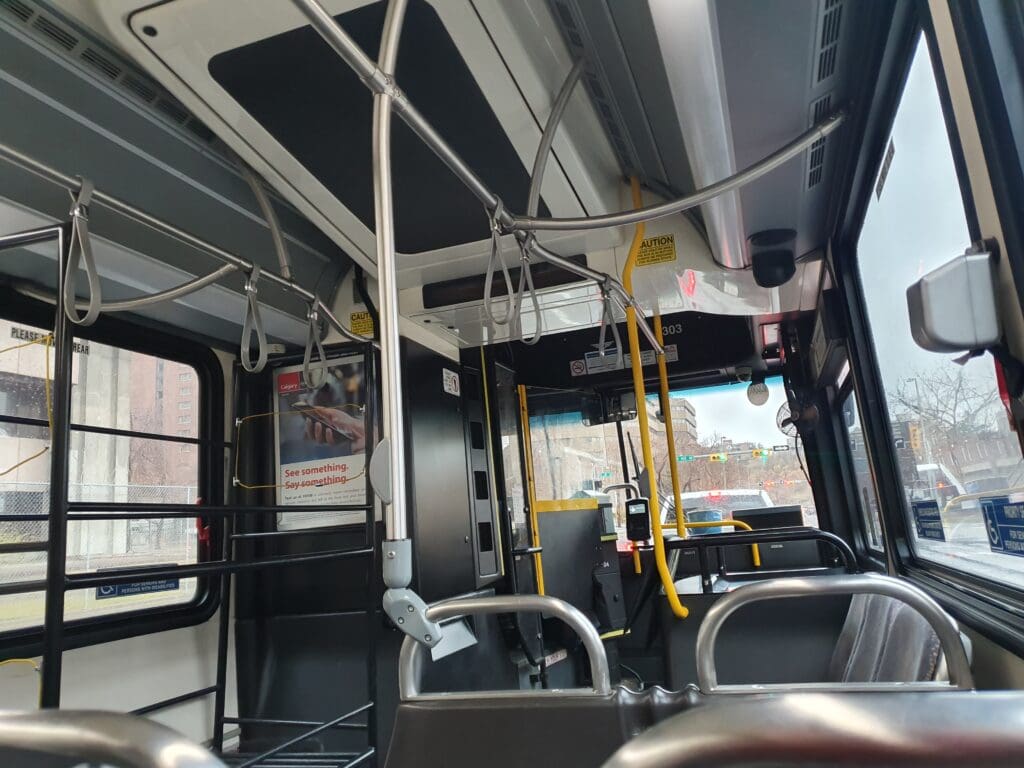
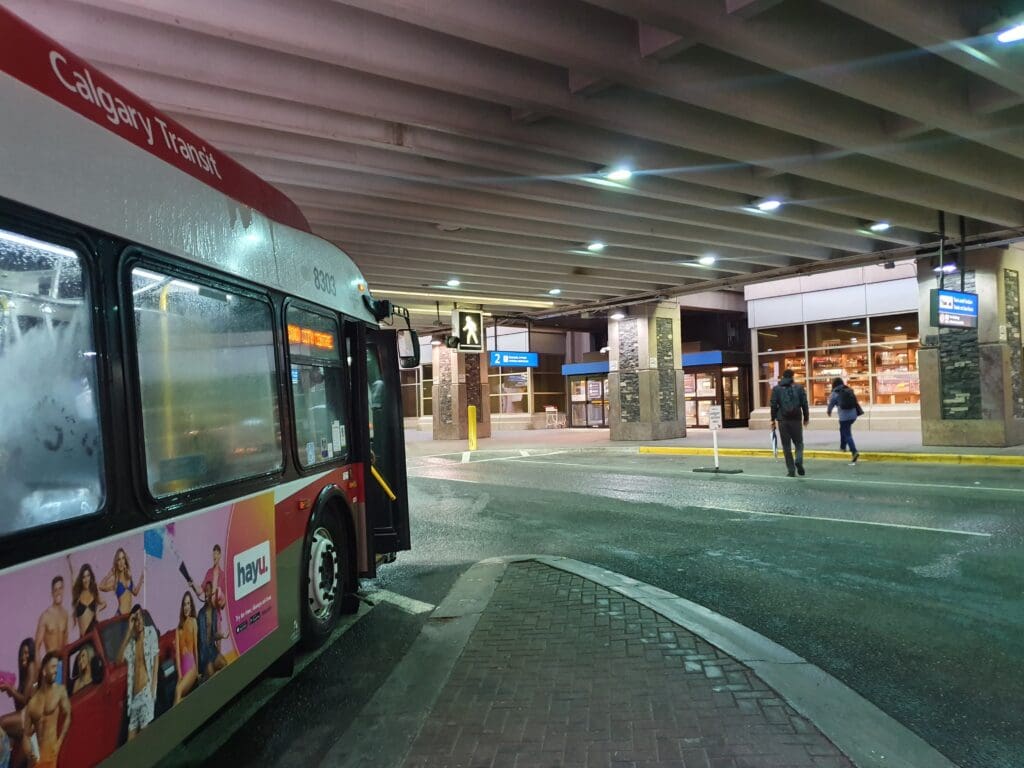
Following an uneventful journey, around thirty minutes after departing the city centre, the hangars of the airport appeared and the bus soon came to a halt at a stand outside the domestic arrivals hall. Entering this, as I had spotted in a few other Canadian airports, but is rare back home in Europe, the domestic baggage claim halls were located in the landside area and thus fully accessible to the non-travelling public. Whilst I’m sure that this area is well CCTV’ed up, I still can’t ignore the increased risk of baggage theft that this layout allows.
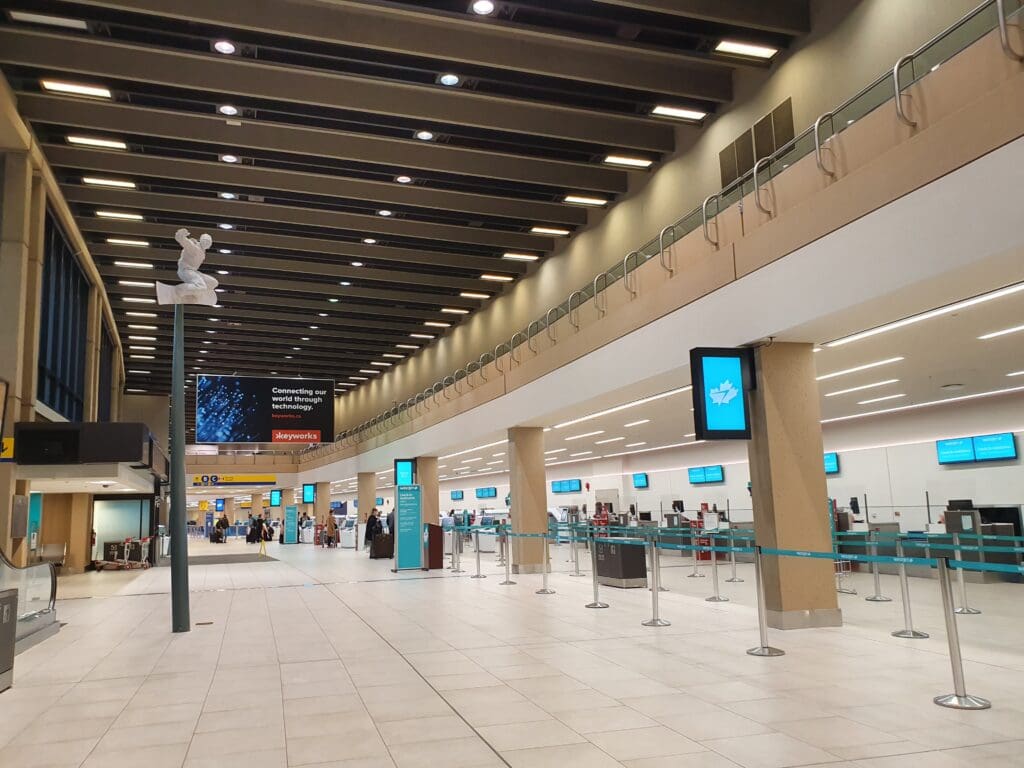
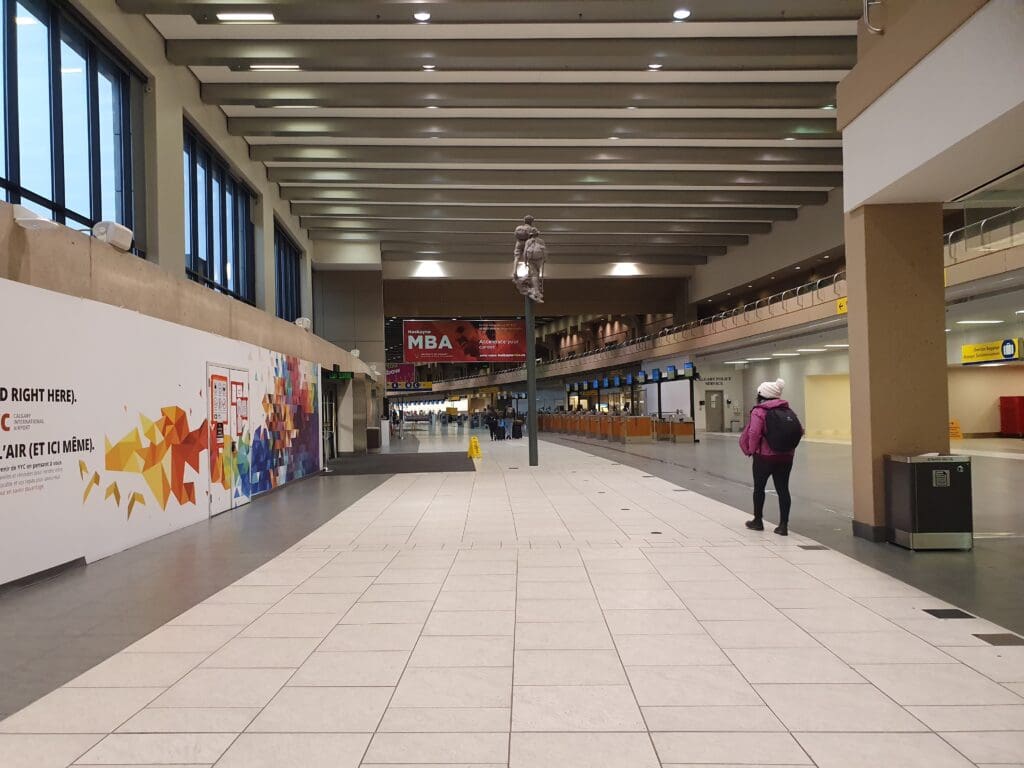
From the arrivals area, I voyaged up to the departure level and found myself standing in the well-branded WestJet area of Calgary Airport’s modern and spacious semi-circular check-in hall. Whilst I had no luggage to check in and already in possession of a boarding pass, I could have gone straight through to security, however, I instead decided to head over to Air Canada’s check-in area to print off a paper boarding pass from one of the self check-in machines. Interestingly, at that time in the morning, the terminal was almost completely deserted with a far greater number of airport staff seen milling around than passengers. Walking up to one of the self check-in machines at Air Canada’s largely staffless portion of the check-in hall, I entered my reservation code and agreed not to transport any prohibited items before being presented with the option to upgrade for $130.20. Rejecting this, my boarding pass emerged from the machine revealing that my flight would depart from Gate C54 and that boarding would commence 35 minutes before departure at 1425.
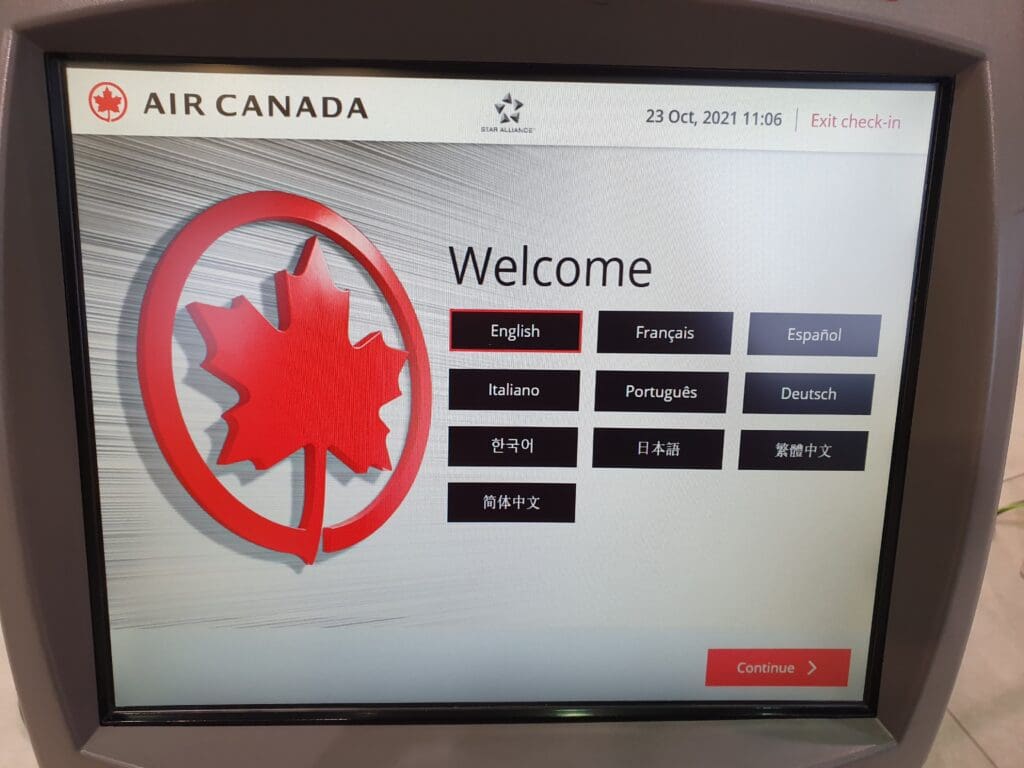
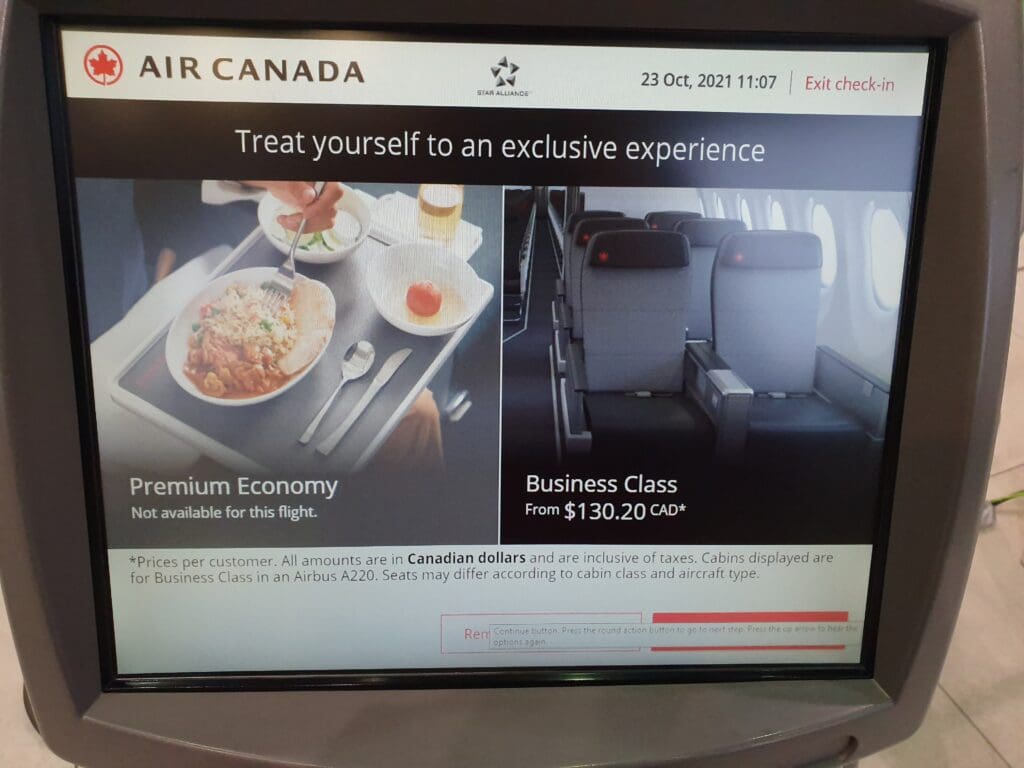
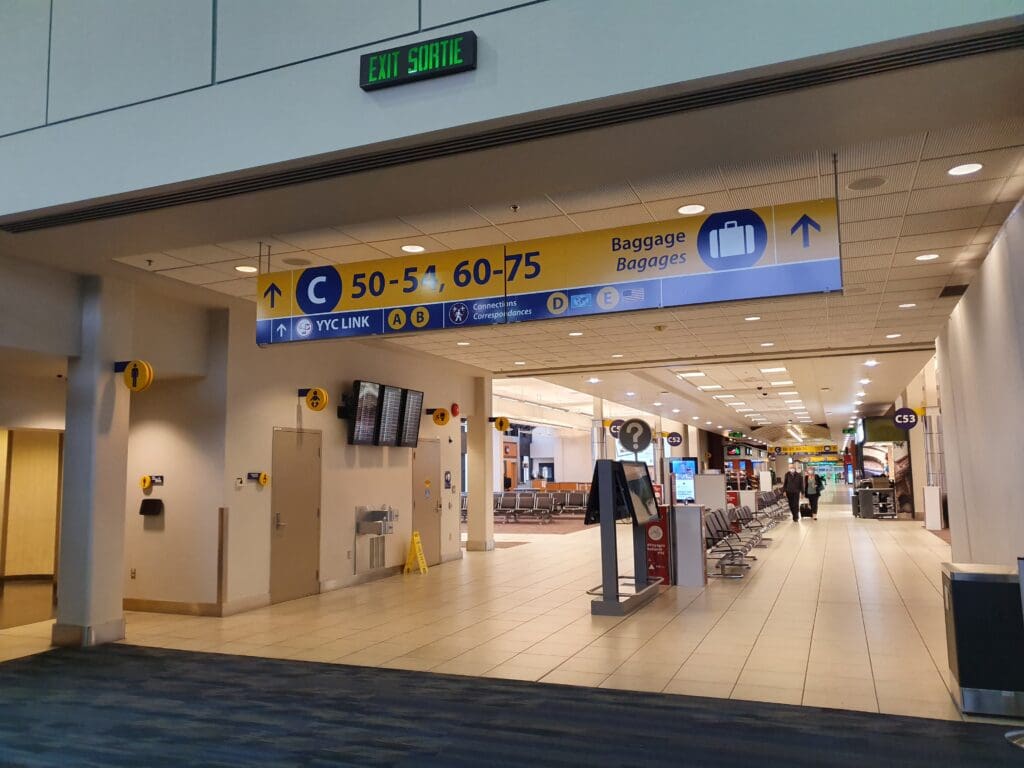
With my boarding pass in hand, I journeyed onwards to security, following signs for the C-pier which would enable me to pass through the checkpoint closest to my departure gate. Not that this was a necessity given the amount of time I had before boarding and my desire to explore the airport. Given the emptiness of the terminal, unsurprisingly I found myself being the only passenger in the security area at that time, nevertheless, all checkpoints seemed to be open. After having my boarding pass scanned by the friendliest CATSA agent I encountered during my trip to Canada, I temporarily parted with my possessions as these passed through the X-ray machine, before passing through the full body scanner. Without any issues, I was able to enter the airside area in what seemed like no time at all and I was left impressed by the short amount of time that it had taken me to pass from the landside to the airside area that morning. Of course, this was most certainly assisted by the fact that the airport was a complete ghost town that morning!
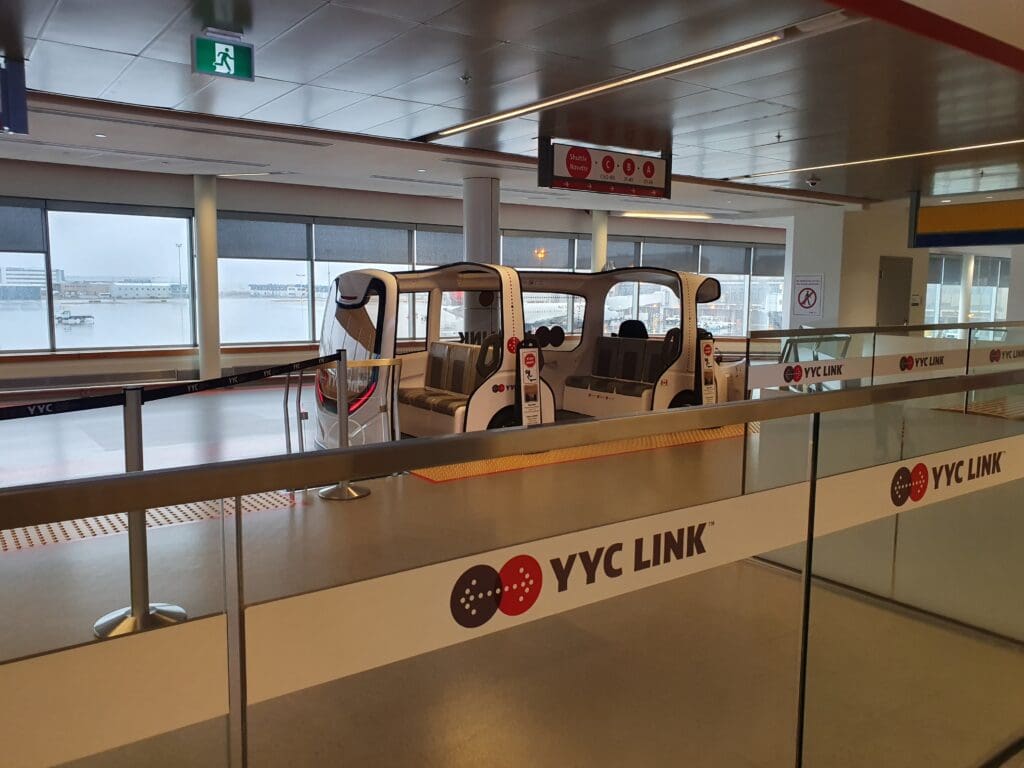
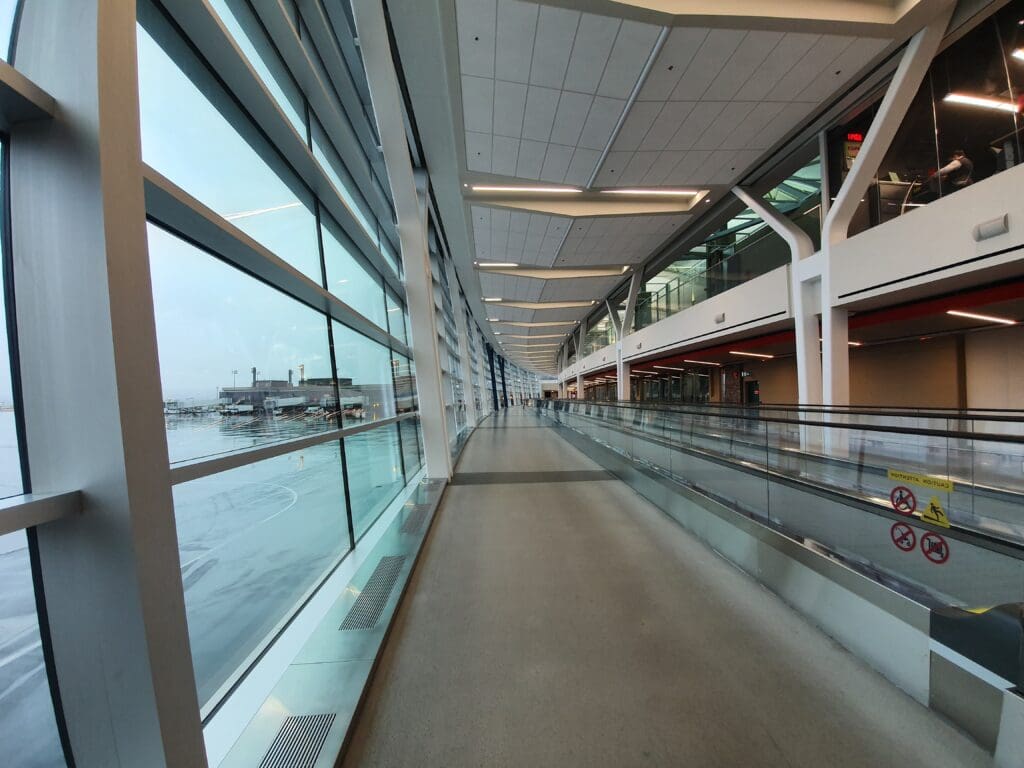
Airside, Calgary Airport features a total of five concourses, each of which is located some distance away from one another however the YYC Link, a shuttle service operated by a passenger transporter buggy does run between these. Following a quick doughnut and coffee stop at the local Tim Hortons, I explored the terminal. Inside, regardless of which pier you find yourself on, each features a decent selection of facilities to pass the time, including shops, cafes and restaurants. Whilst the D pier is the newest and most modern of Calgary Airport’s piers, other parts of the terminal appeared to be a mishmash of new and old, however even those older parts of the terminal were comfortable, clean and in good condition. Complimentary fast wifi is provided throughout the terminal and those looking to charge their devices will likely have no issue finding USB-A ports and plug sockets. Finally, for aviation enthusiasts, large windows offer unobstructed views of the apron outside and thus there are plenty of spotting and photography opportunities.
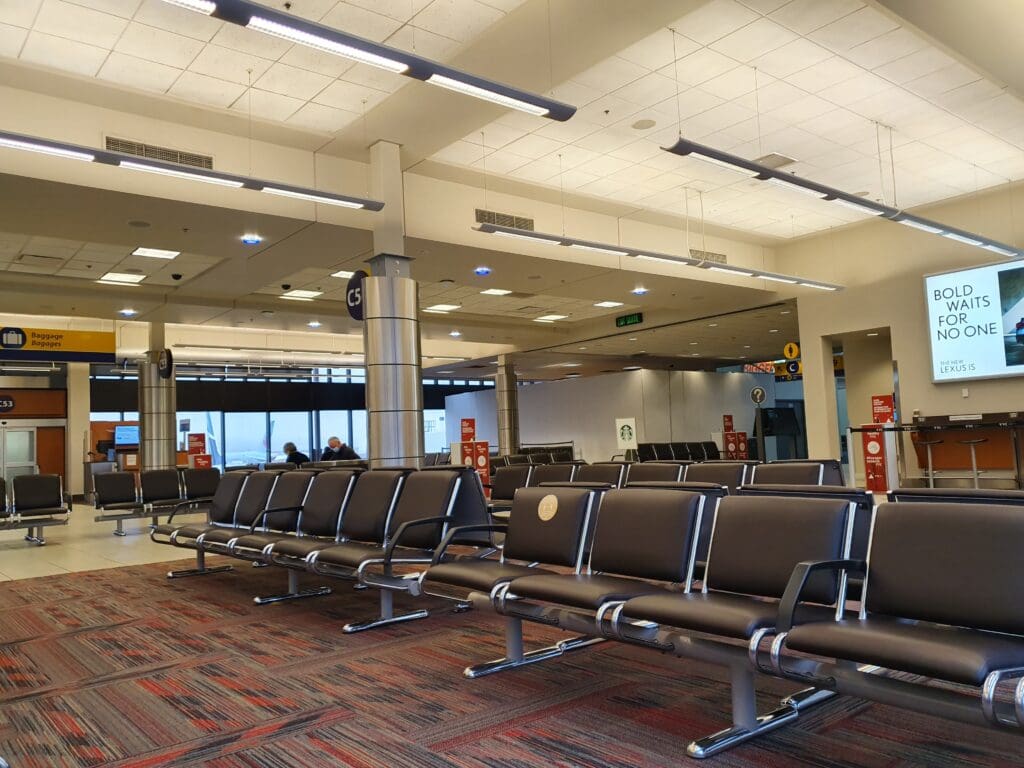
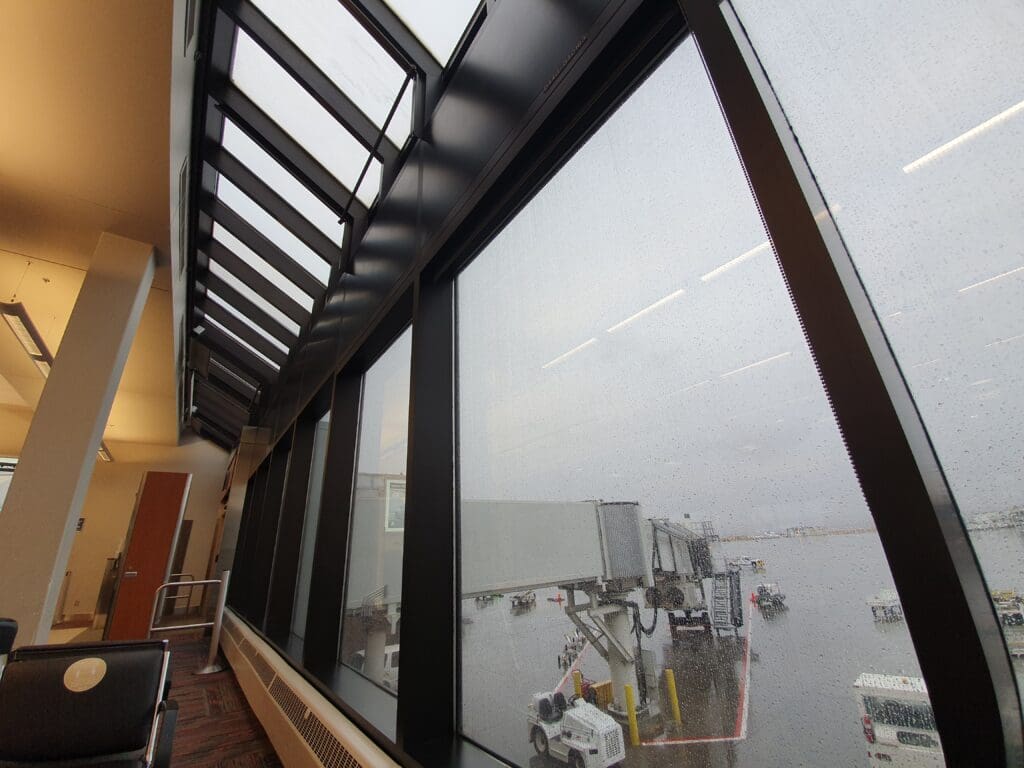
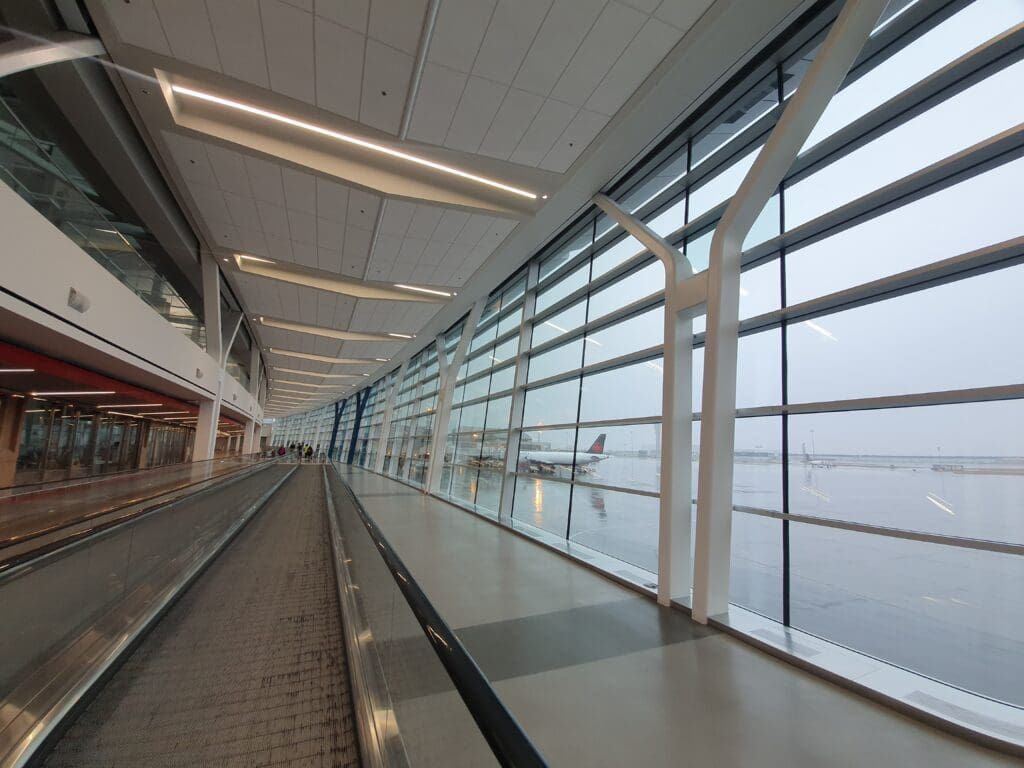
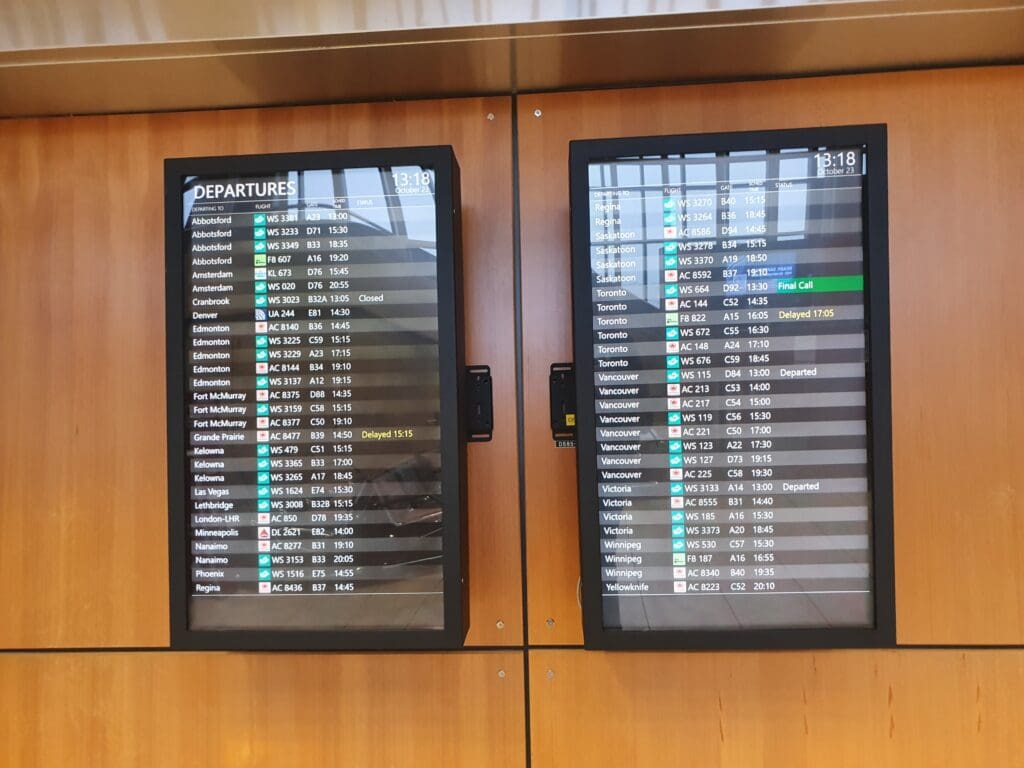
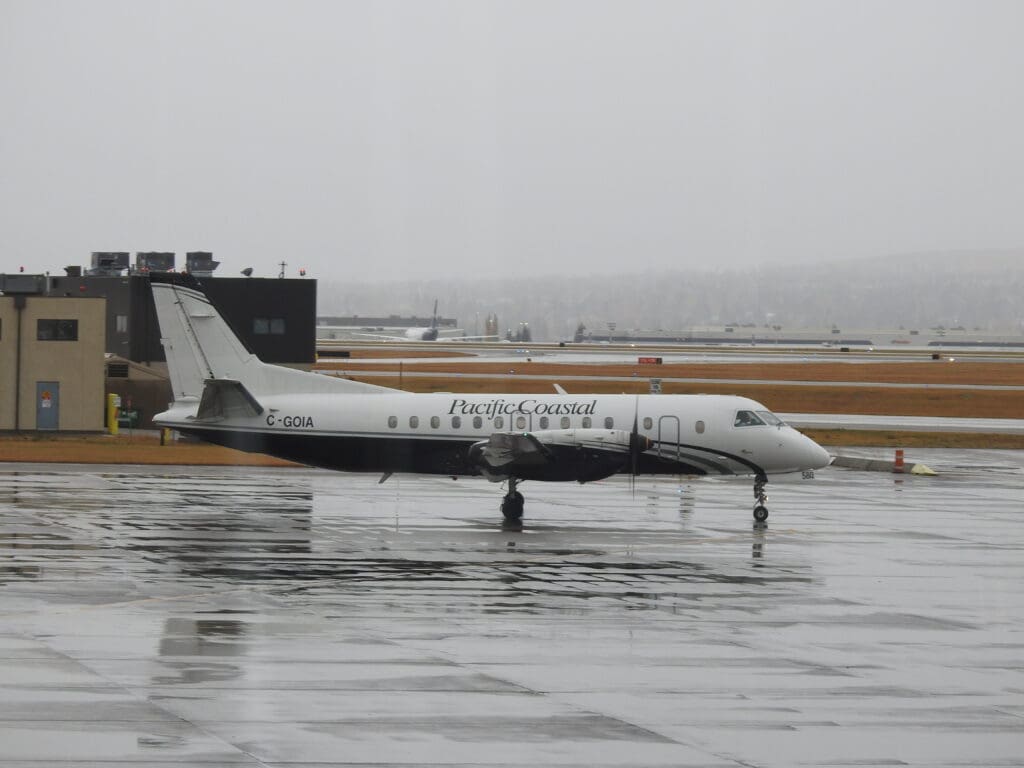
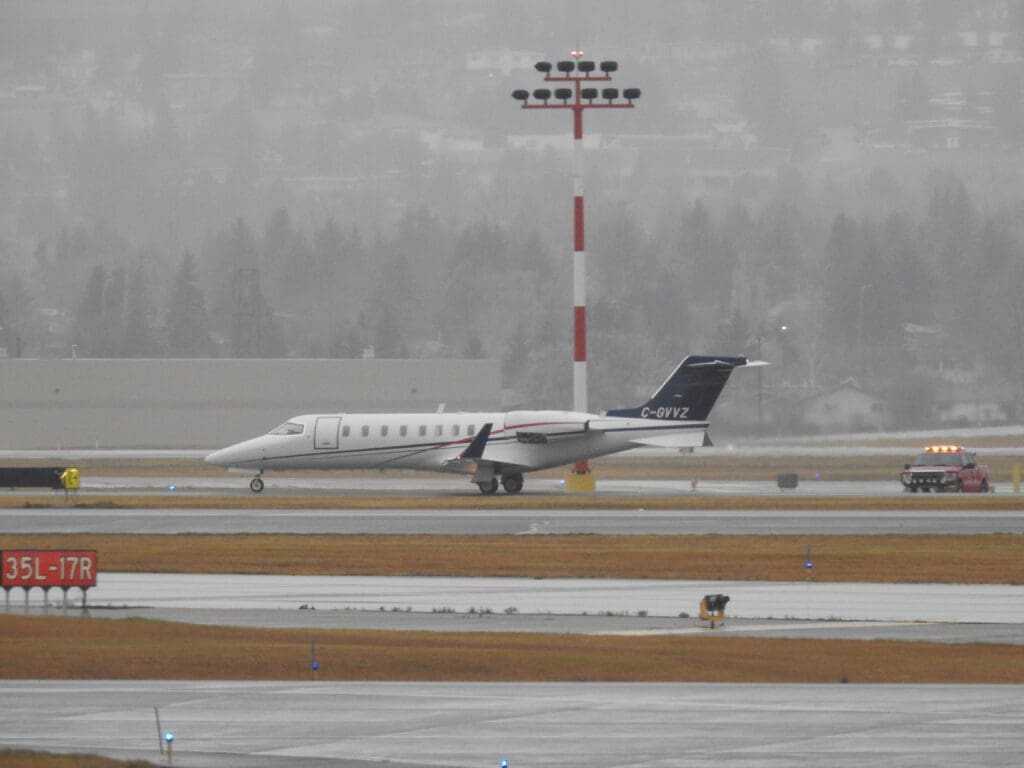
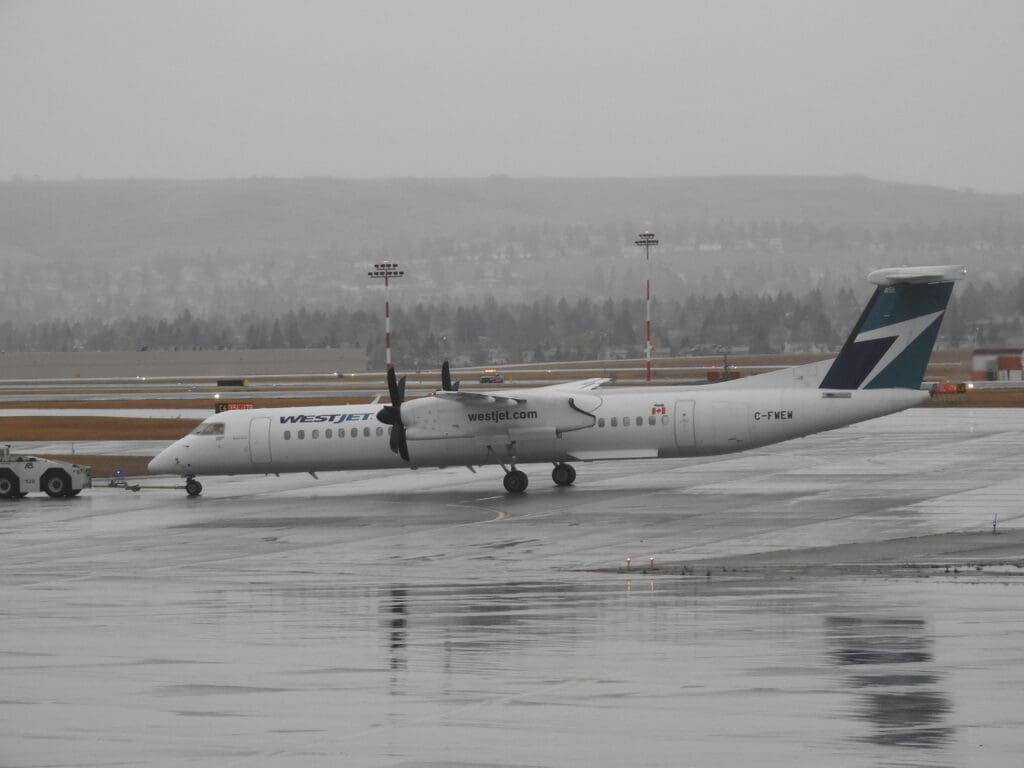
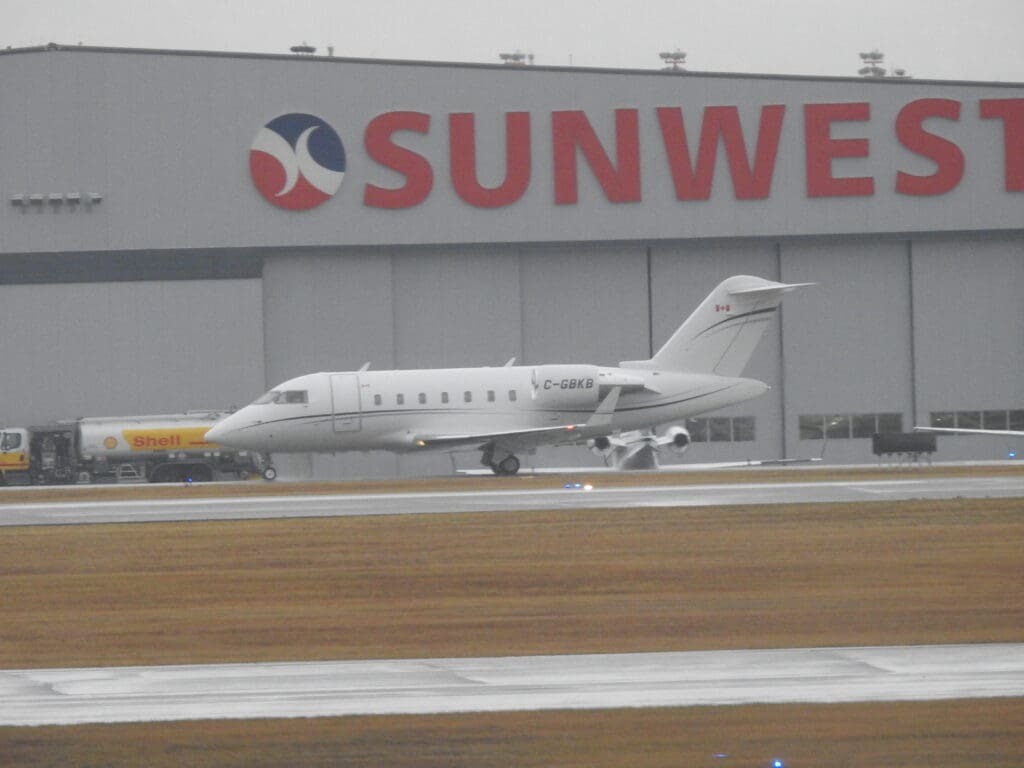
After wandering around, I decided to settle down at an empty gate near the end of the airport’s B pier which I found to offer good views of the apron, as well as of those aircraft approaching the airport’s two active runways from the south. Outside, a fair mixture of aircraft could be seen, with those operating scheduled services ranging from the small Pacific Coastal Airlines Saab 340s flying on behalf of WestJet Link, to an Air Canada Boeing 787-9 Dreamliner bound for Toronto. Whilst there would be several long-haul departures to Europe later in the day, during my stay the majority of departing aircraft were bound for destinations across Canada, whilst a smaller number of flights could be seen heading off to the United States. As one would expect, the majority of flights that afternoon were operated by Air Canada, WestJet and their subsidiaries.
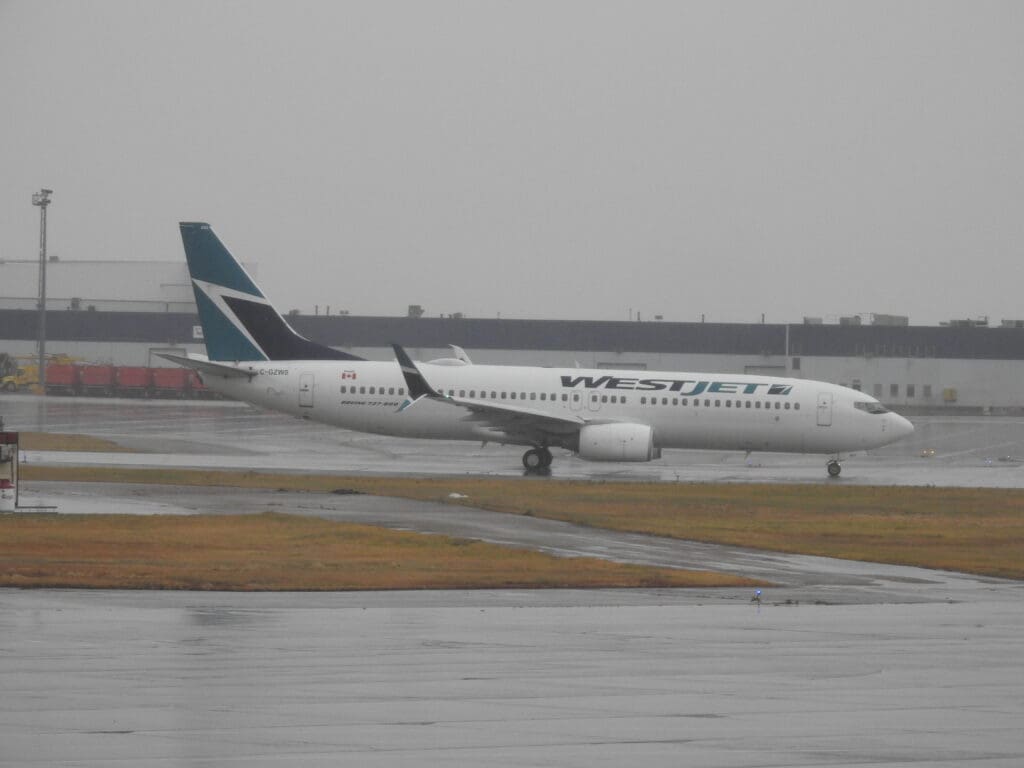
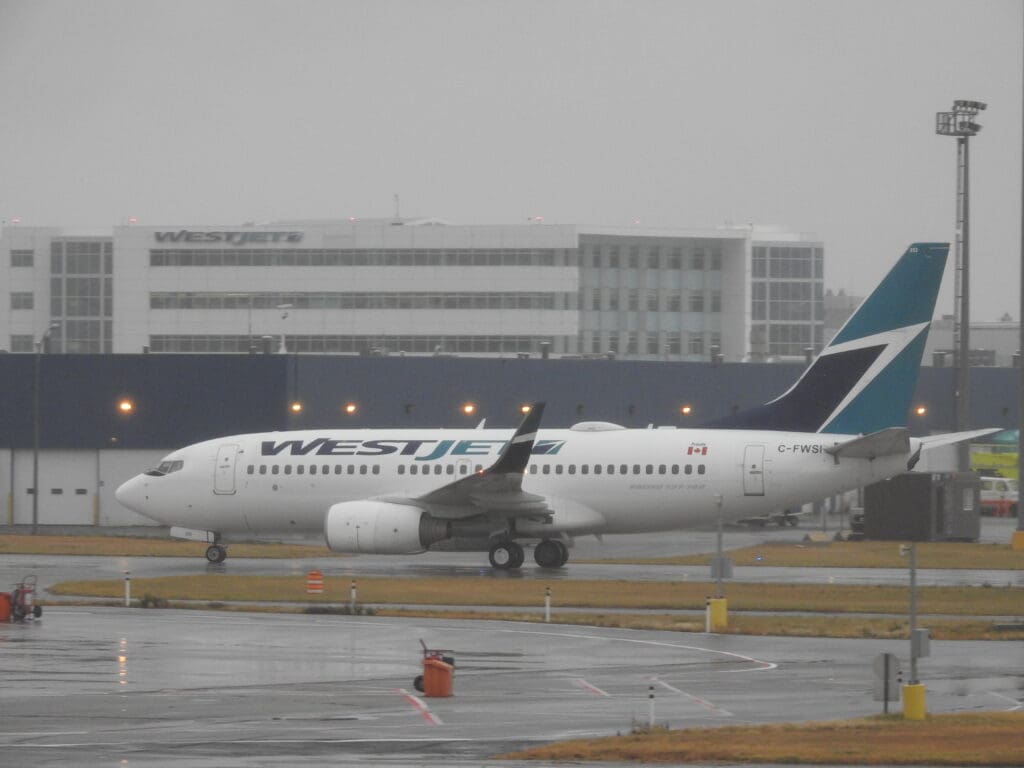
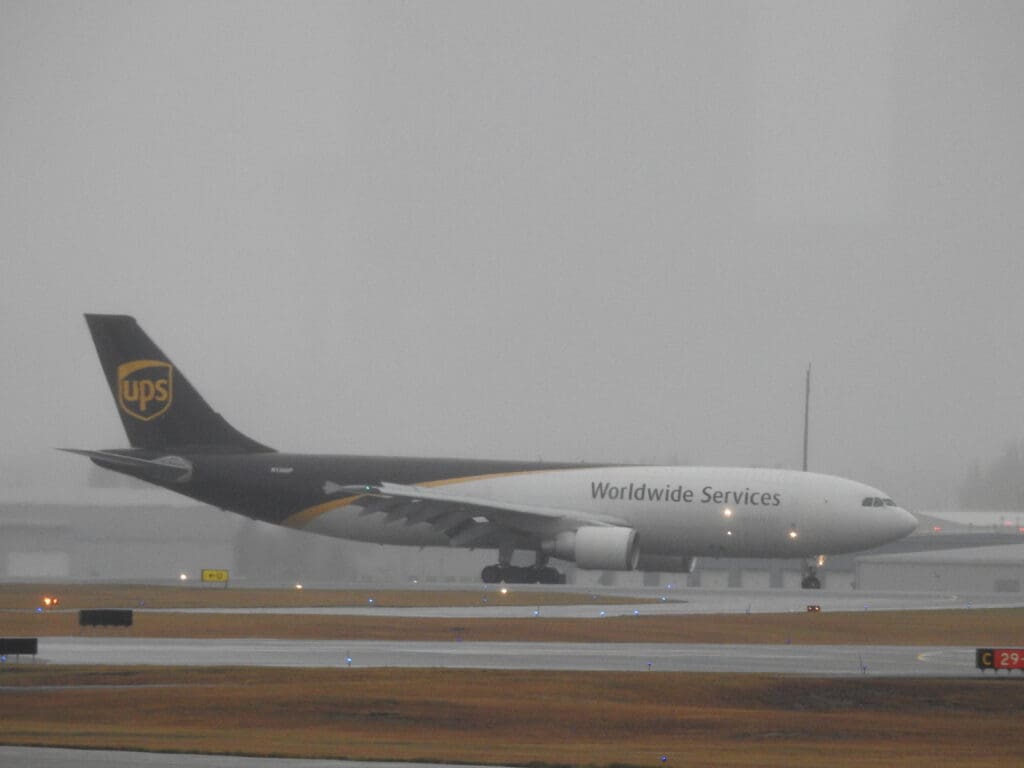

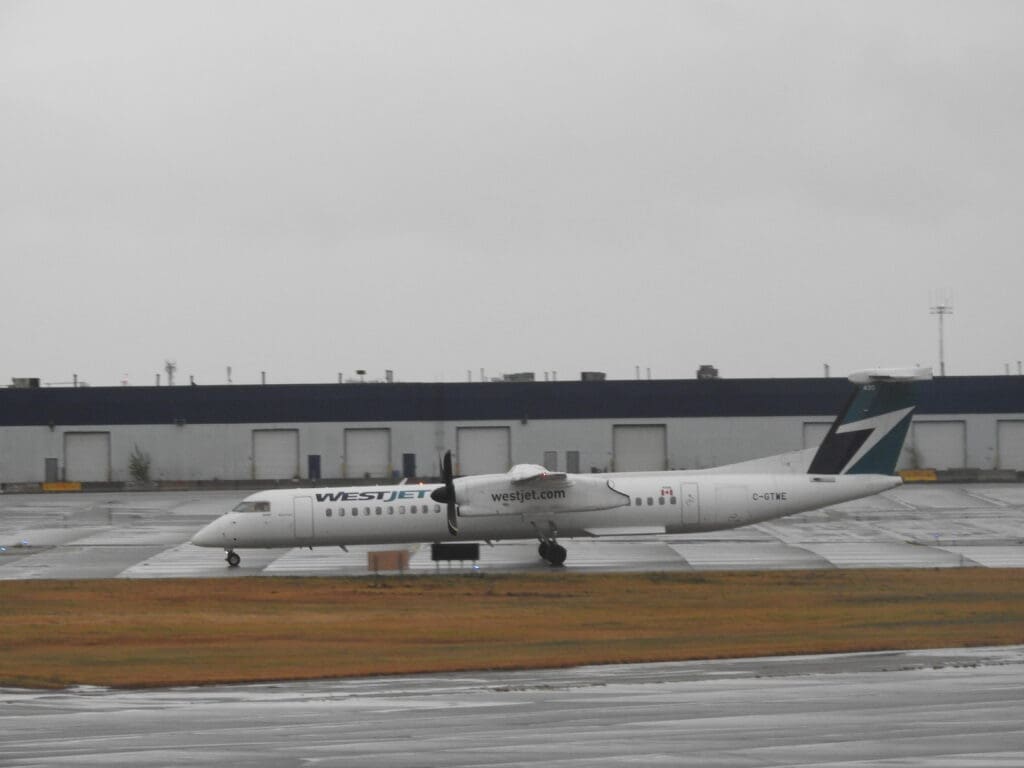
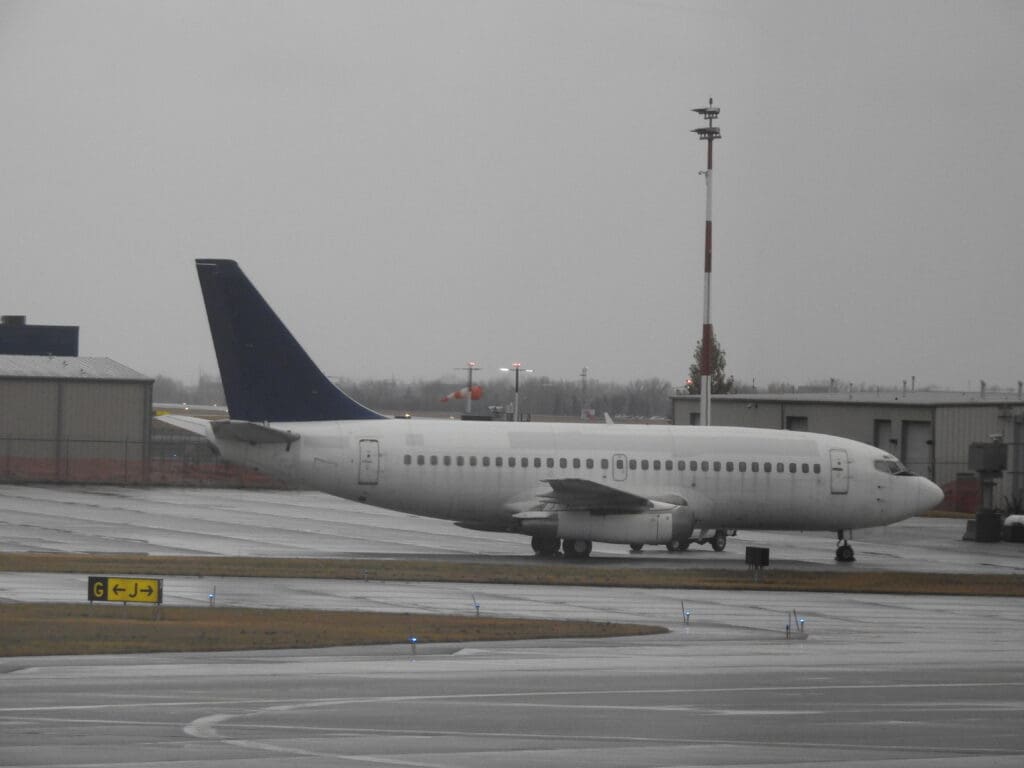
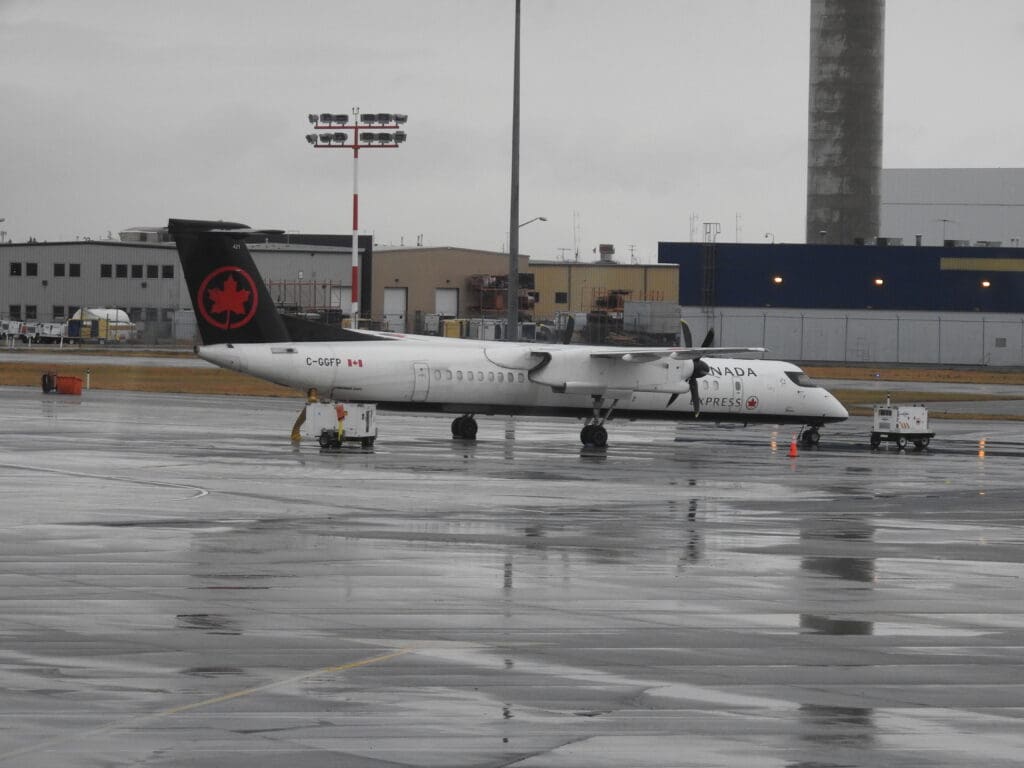
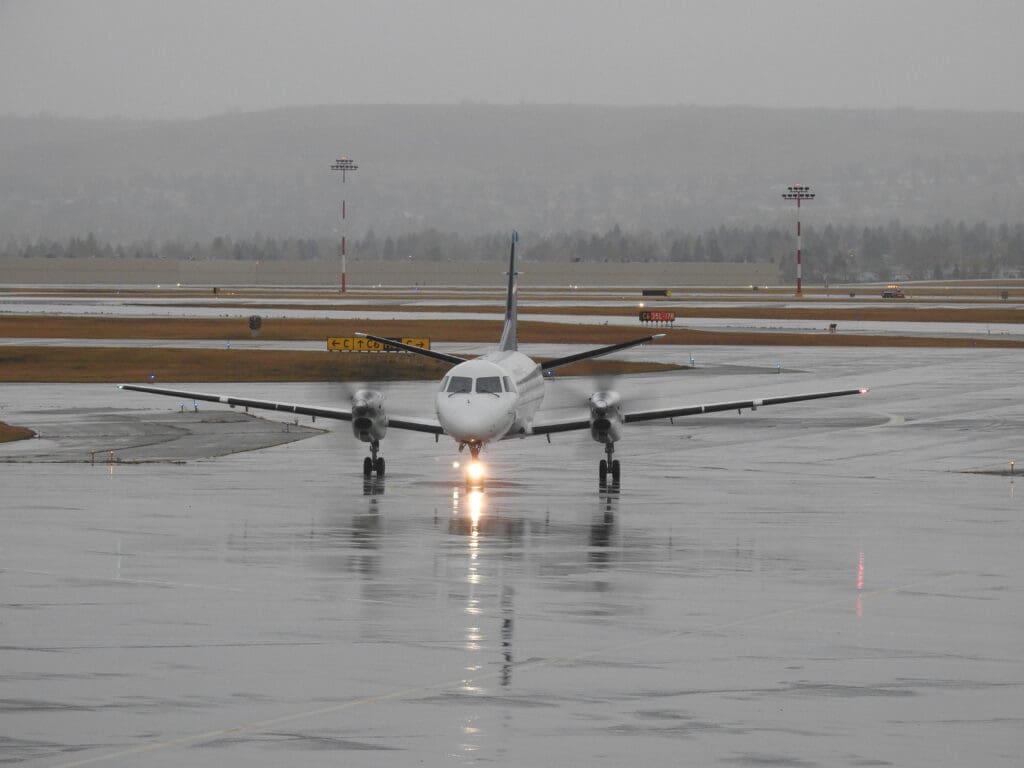
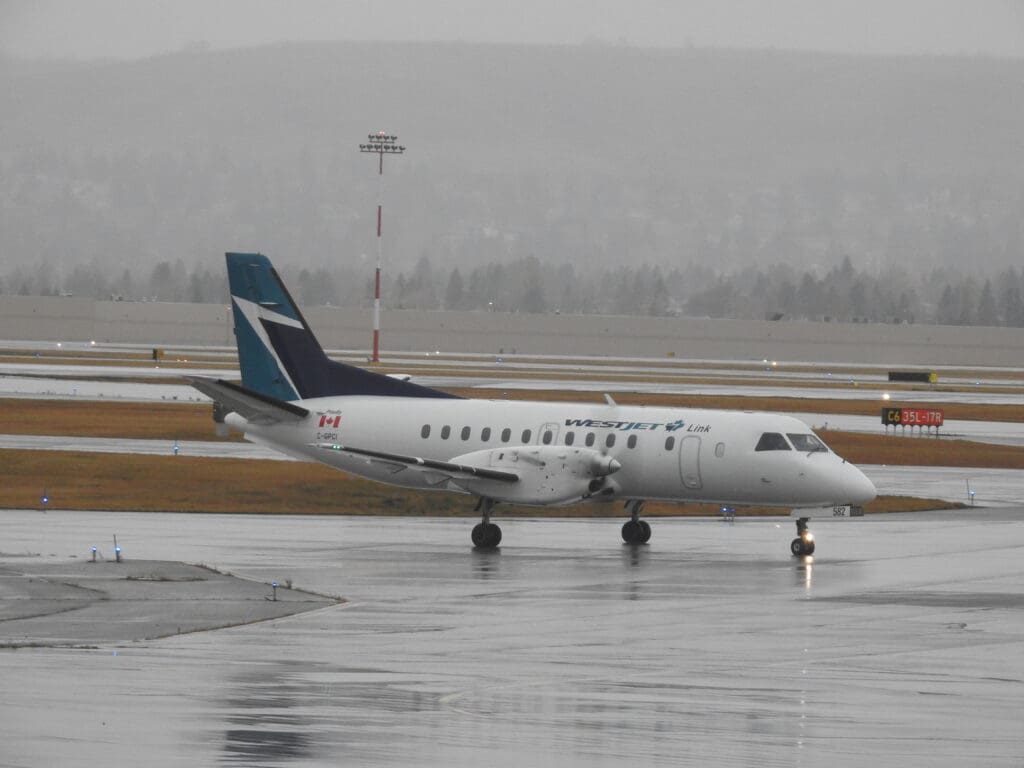
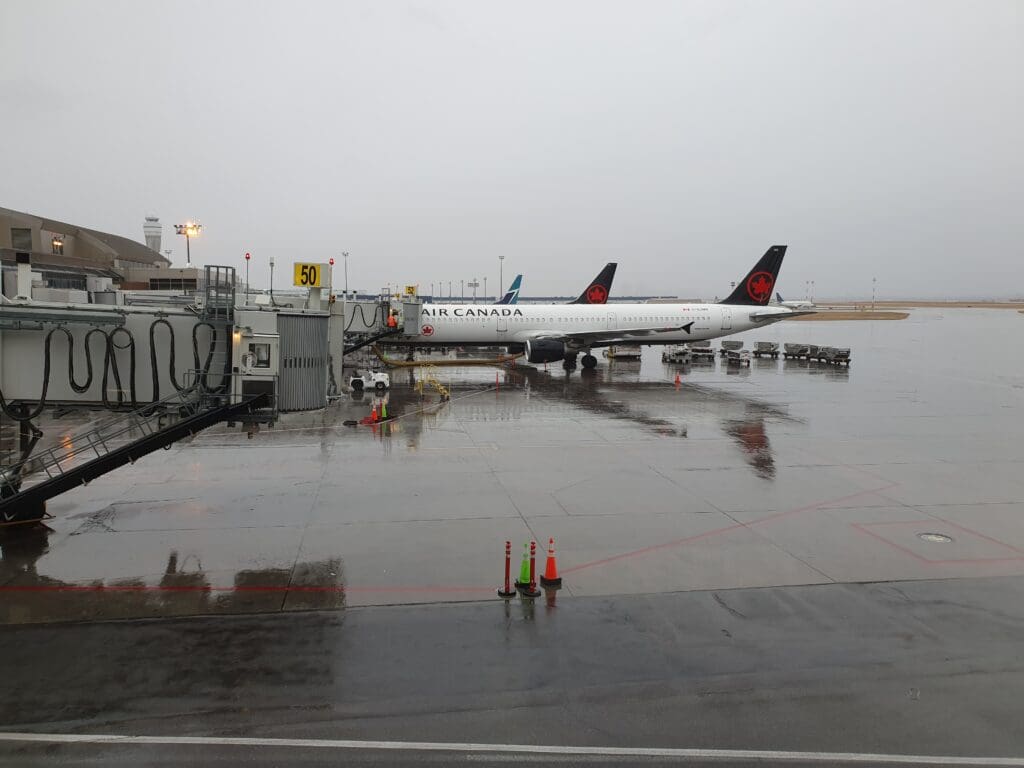
As one of Calgary Airport’s most served destinations, my flight would be one of seven Air Canada departures hopping across the Rockies to Vancouver that day. All bar two of these were operated by the airline’s Boeing 737 MAX 8s, with the remaining flights operated by Air Canada’s ageing Airbus A321s. Meanwhile, a further eight WestJet Boeing 737s made the same trip that day. Following a pleasant wait spent watching the comings and goings of aircraft from Calgary Airport’s B pier, just before 1400 I commenced the walk back to C pier in preparation for my flight that afternoon. Upon arriving back there, this pier was slightly busier than when I had arrived in the airside area earlier that day, serving flights heading off to Fort McMurray, Kelowna, Toronto and Vancouver within the space of an hour. Nevertheless, I still managed to find space to sit down and charge my phone whilst I waited for boarding to commence. Seeing as Air Canada’s 1500 departure from Calgary is well placed to allow for passengers to connect in Vancouver onto a good number of Air Canada services to Hawaii and the Western United States, I suspected that a fair few passengers would be connecting. However, I was uncertain as to how busy the service that afternoon would be.
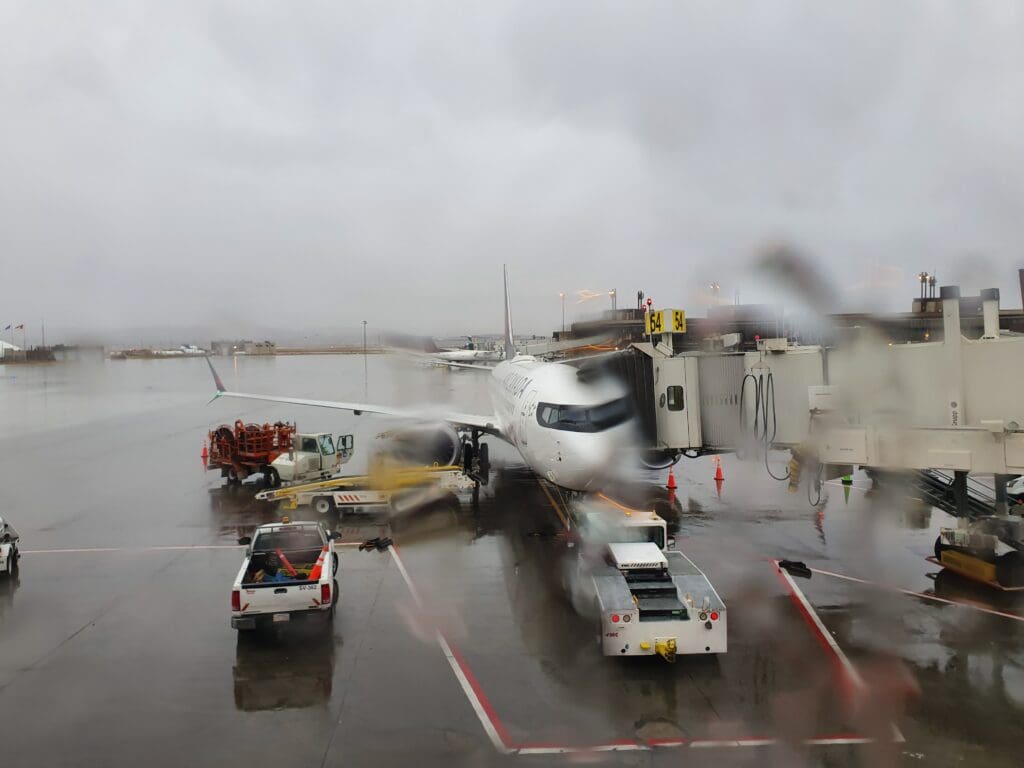
Having touched down at 1335, outside at Stand 54, Boeing 737 MAX 8 C-FSLU could be seen being prepared for the short flight west. Manufactured in 2018, this particular Boeing took to the skies for the first time in May 2018, undertaking a two-hour test flight from Renton during which it visited Moses Lake. Several weeks later at the end of the month, the aircraft was delivered to Air Canada where it was soon dispatched flying a smorgasbord of routes from short hops such as my flight that day, to Transatlantic slogs to Europe. However, the grounding of the MAX the following year would see the aircraft shuttled southwards to Arizona’s Marana Pinal Air Park where it would remain in storage until June 2021. In the week before my flight, this particular aircraft had travelled at least 28,000 miles over eighteen sectors across Central and North America, visiting Antigua, Calgary, Edmonton, Halifax, Kahului, Liberia, Los Angeles, San Francisco and Toronto Pearson.
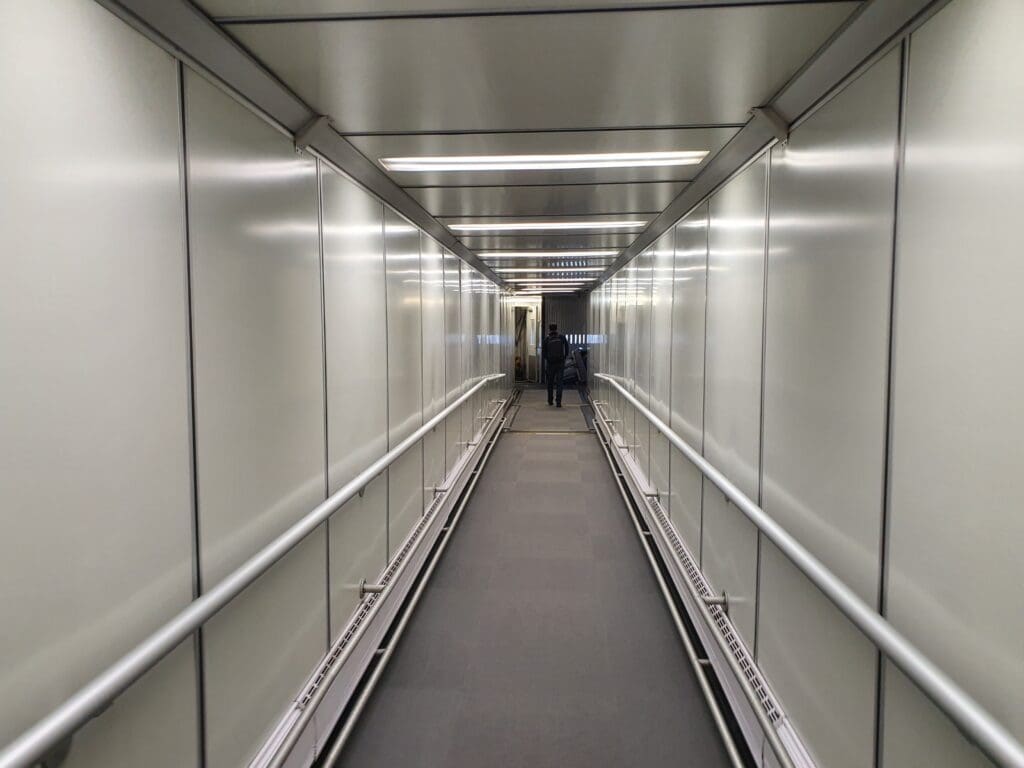
As the scheduled boarding time of 1425 approached, Air Canada’s automated pre-boarding announcement played out from the gate podium, advising passengers that boarding would be undertaken according to the zones listed on passengers’ boarding passes. With almost no passengers boarding when Zones 1 and 2 were called forward, falling into Zone 3, I headed forward to the gate podium around five minutes after the commencement of boarding. In the usual manner, I made a quick walk down the jetway towards the waiting aircraft and for the first time in my life, I stepped into the forward galley of a Boeing 737 MAX. There, one of the four flight attendants onboard the aircraft could be seen standing, however understandably, seeing as they were in the middle of an announcement, no greeting was given.
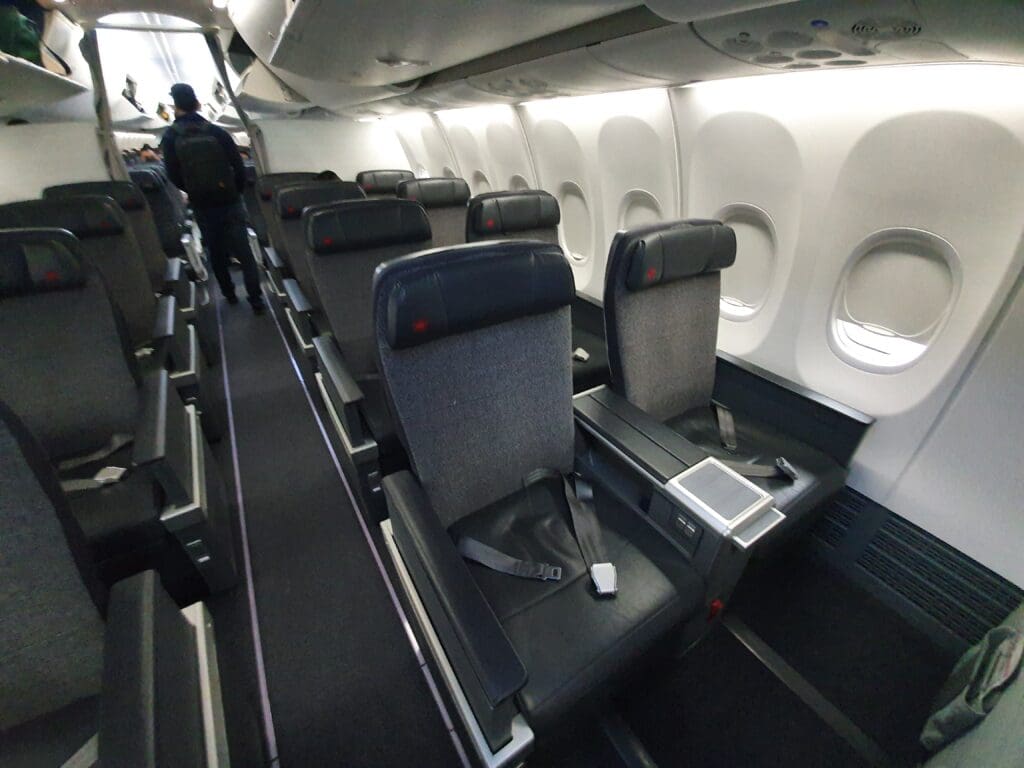
Turning right, I entered the faint blue mood lightning-tinged 169-seat cabin. Air Canada’s Boeing 737 MAX 8s feature five fewer seats than those of their rival, WestJet, whose aircraft feature one less row in Business. Entering the Business cabin, this consisted of four rows of grey fabric-covered recliner seats in a 2-2 configuration. These are identical to those onboard Air Canada’s Airbus A220 jets and take the form of Collins Aerospace’s MiQ cradle seats, which, in my opinion, appear to be a cross between a premium economy seat and a more traditional business class recliner. With that considered, whilst sufficient for the short domestic hops, I can imagine that they may attract some complaints from those in Business on the aircraft’s transatlantic and transcontinental services. Nevertheless, as a European, these seemed to be a step up from the vast majority of premium products on short narrowbody operated services back home!
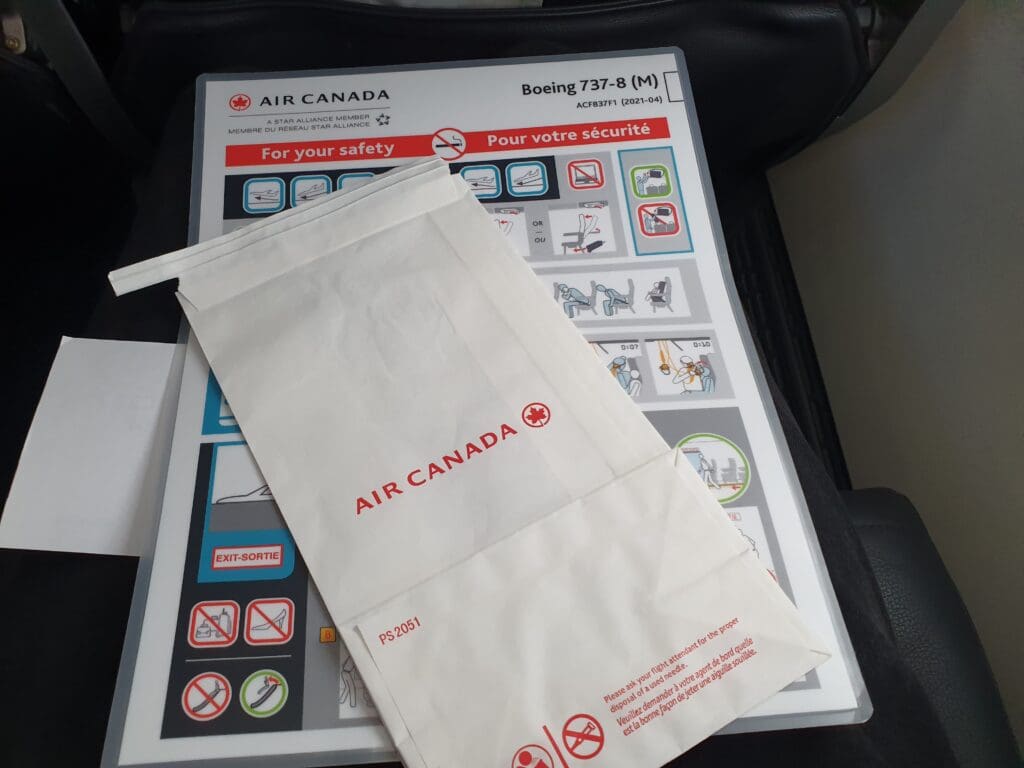
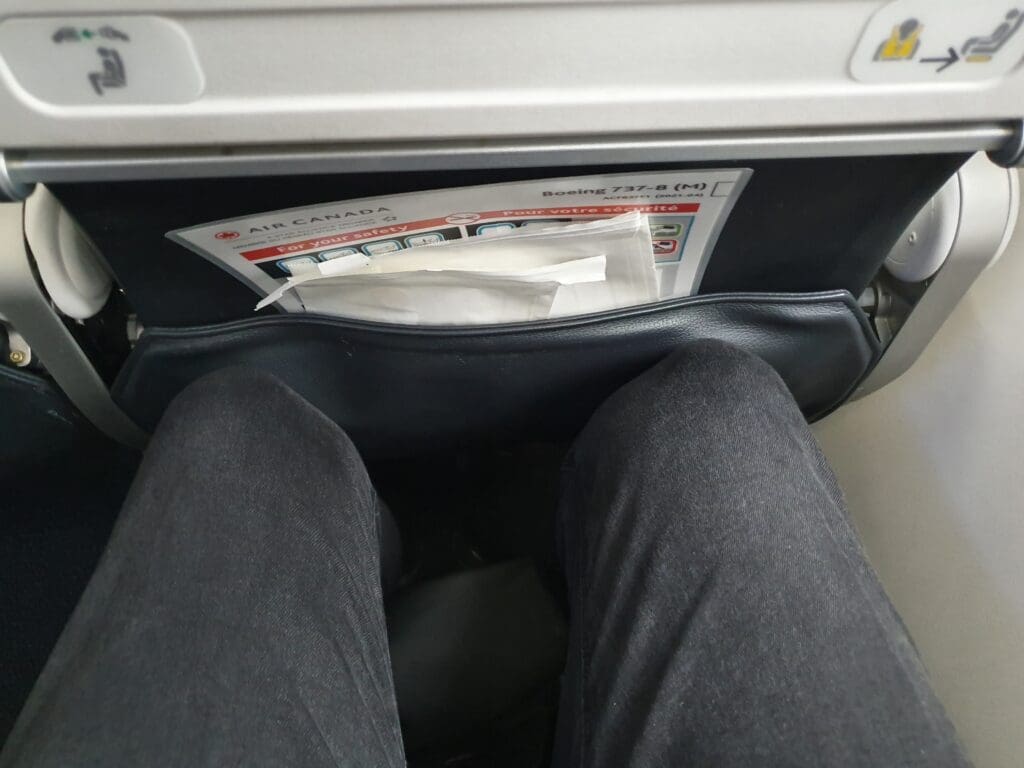
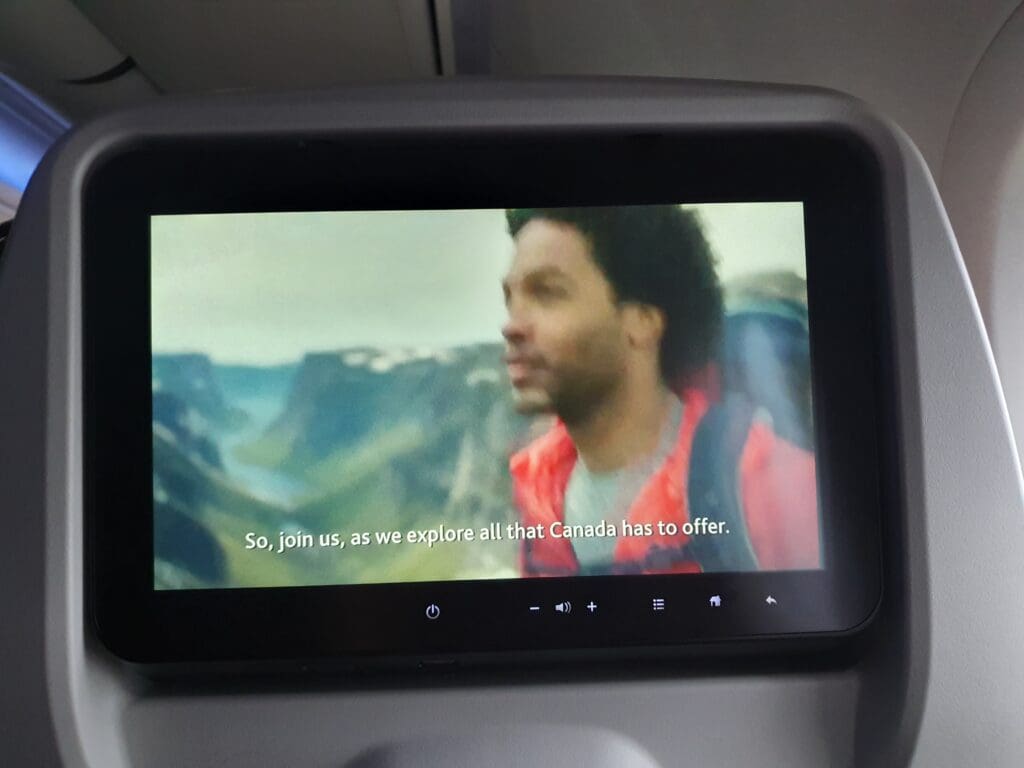
Quickly passing through the mostly empty Business cabin, I soon entered the 153-seat Economy section where I received a lukewarm greeting from a flight attendant standing in one of the forwardmost rows of this cabin. In Economy, all seats take the form of Collins Aerospace Meridian slimline seats and are covered in dark (faux?) leather adorned with horizontal lines of red stitching and topped with an adjustable headrest. On the rear of each seat, a high-quality 10-inch wide inflight entertainment screen powered by Panasonic Avionics’ eX1 inflight entertainment system could be found along with a USB-A port. Meanwhile, two plug sockets are present for every three seats. Turning to the seatback pocket, this contained an Air Canada branded sickbag, as well as a safety card that slyly listed the aircraft type as a Boeing 737-8 (M).
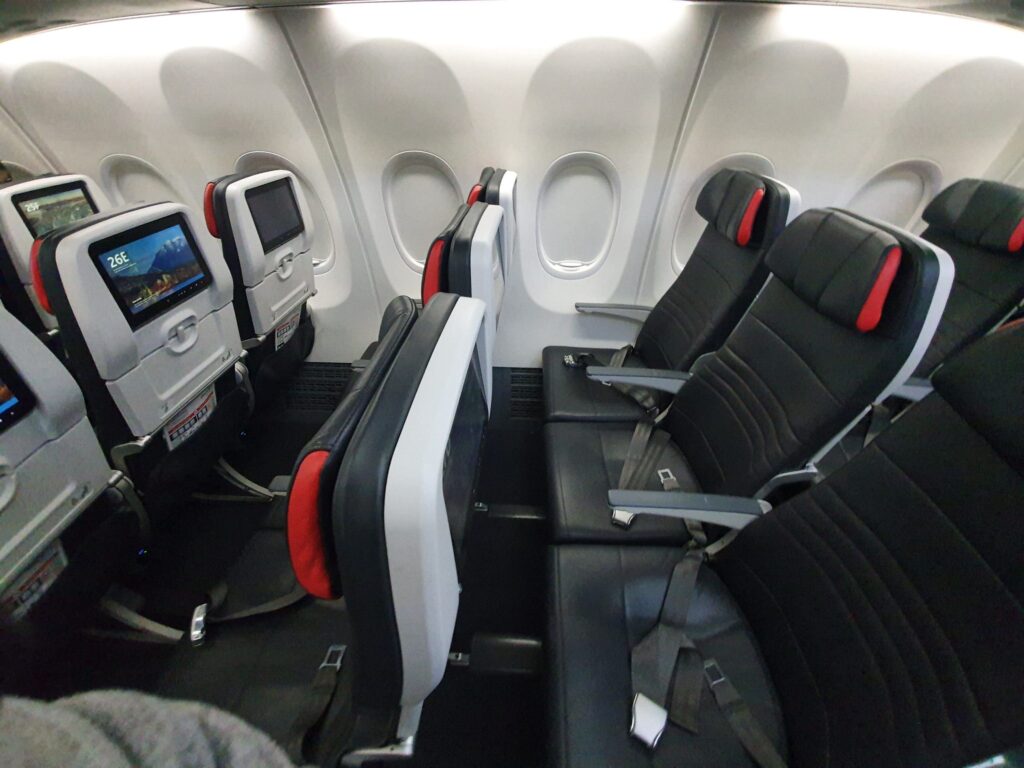
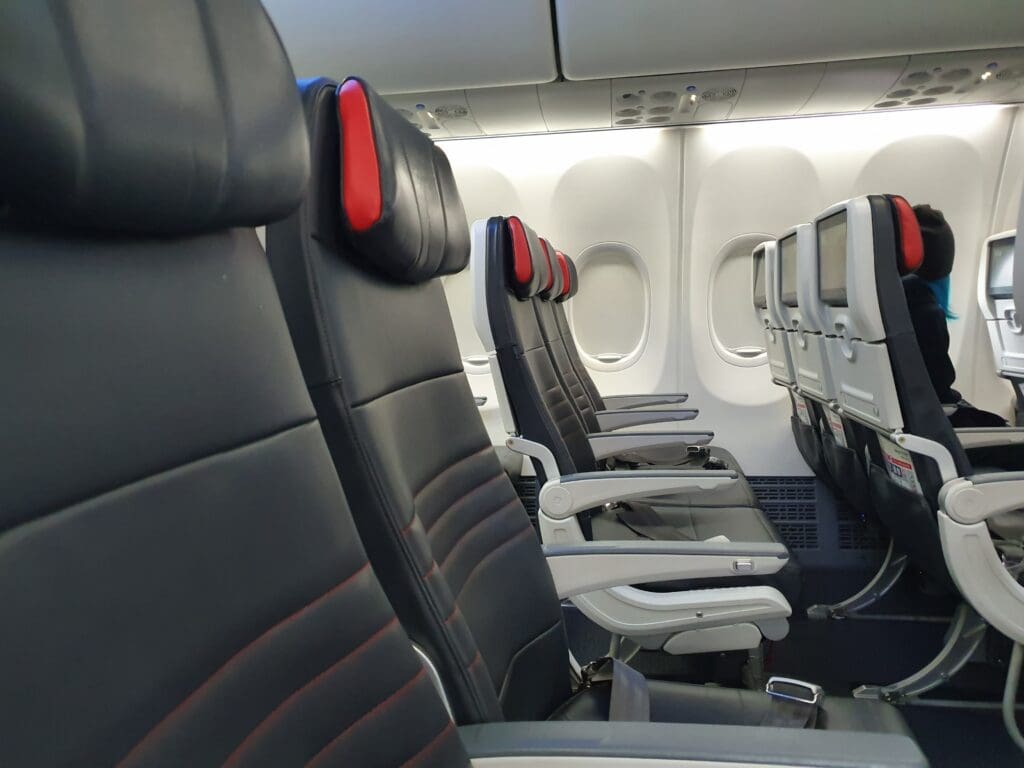
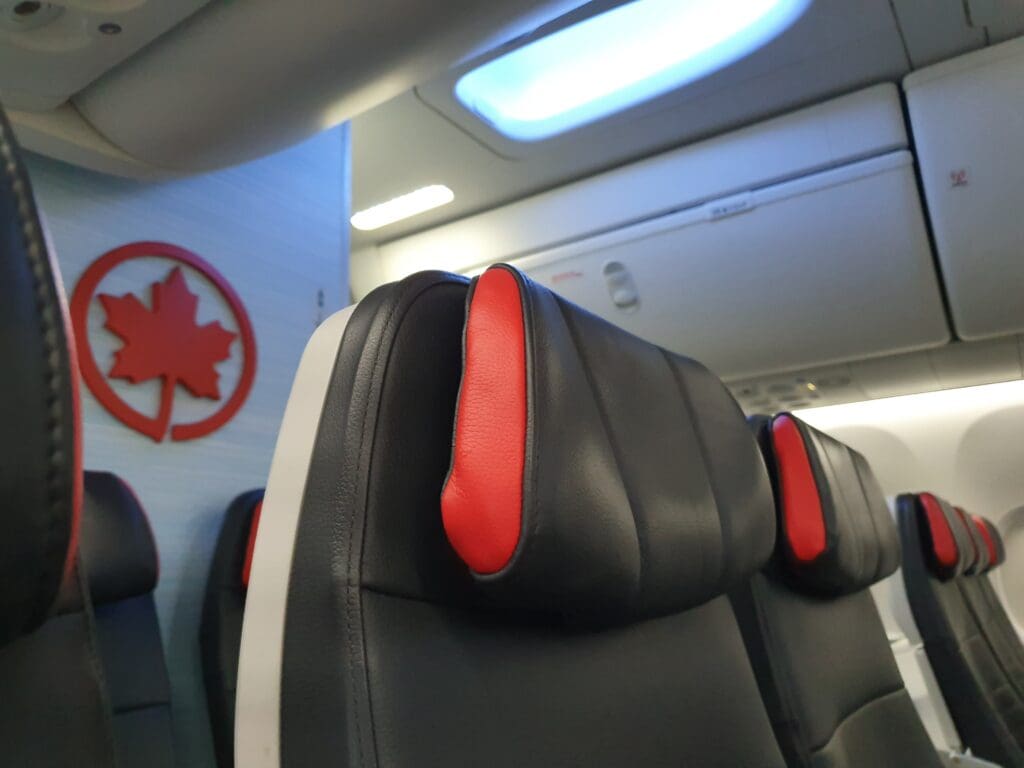
With few passengers stowing their luggage ahead of me, I soon made it to the rear of the aircraft and after placing my small suitcase in one of the cavernous overhead lockers, I slid into Seat 35F. Upon sitting down, I found the seat to be acceptably soft, however, in terms of legroom, I cannot say that the seat was particularly spacious. Whilst this would prove fine for a short hop across the Rockies, those flying across Canada or the Atlantic may well be left with a few complaints towards the end of their journeys. Ignoring the open packet of half-eaten madeleines that I would later discover shoved between the seats, the cabin appeared to be in a clean and tidy state and featured only minimal signs of wear and tear.
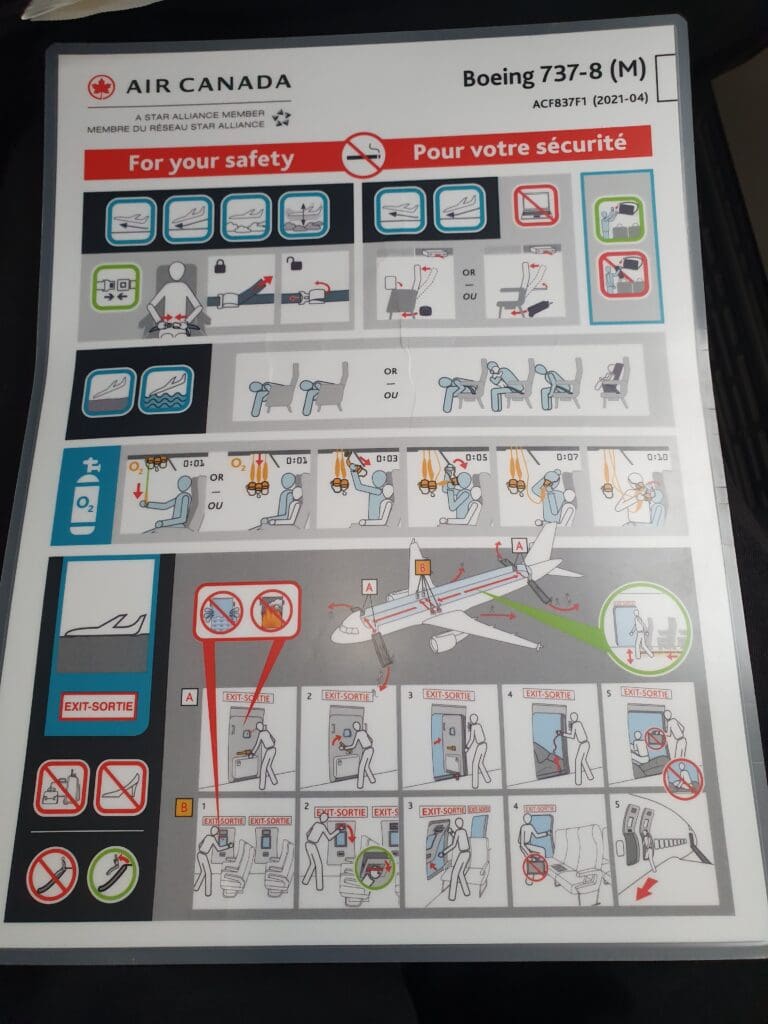
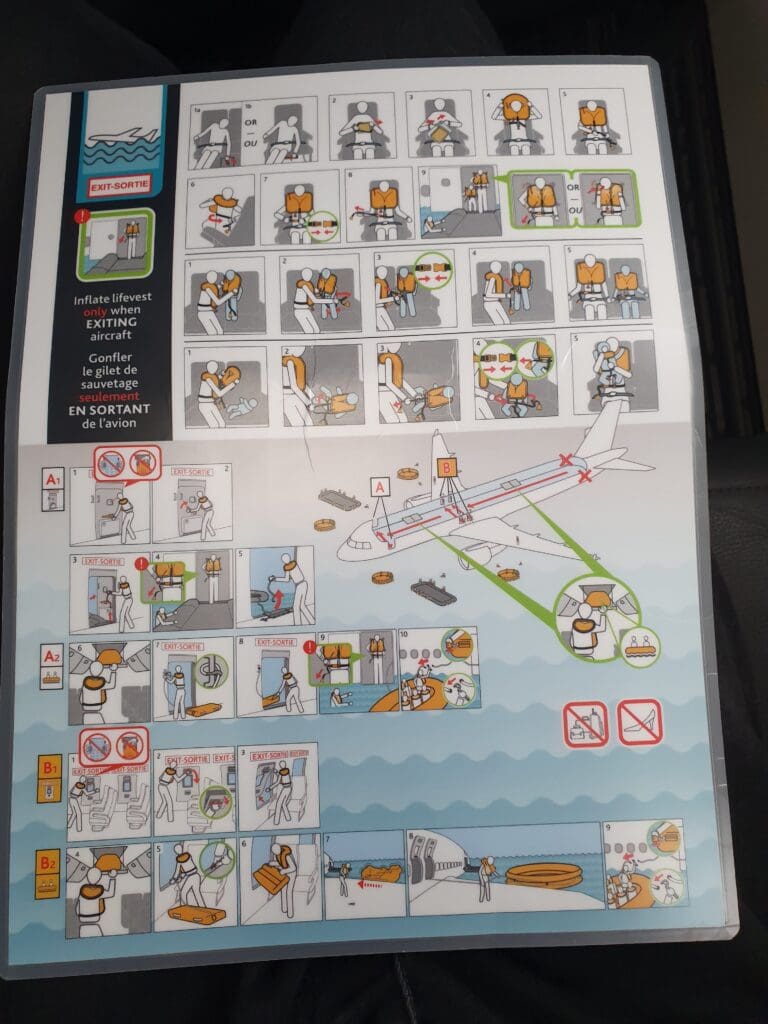
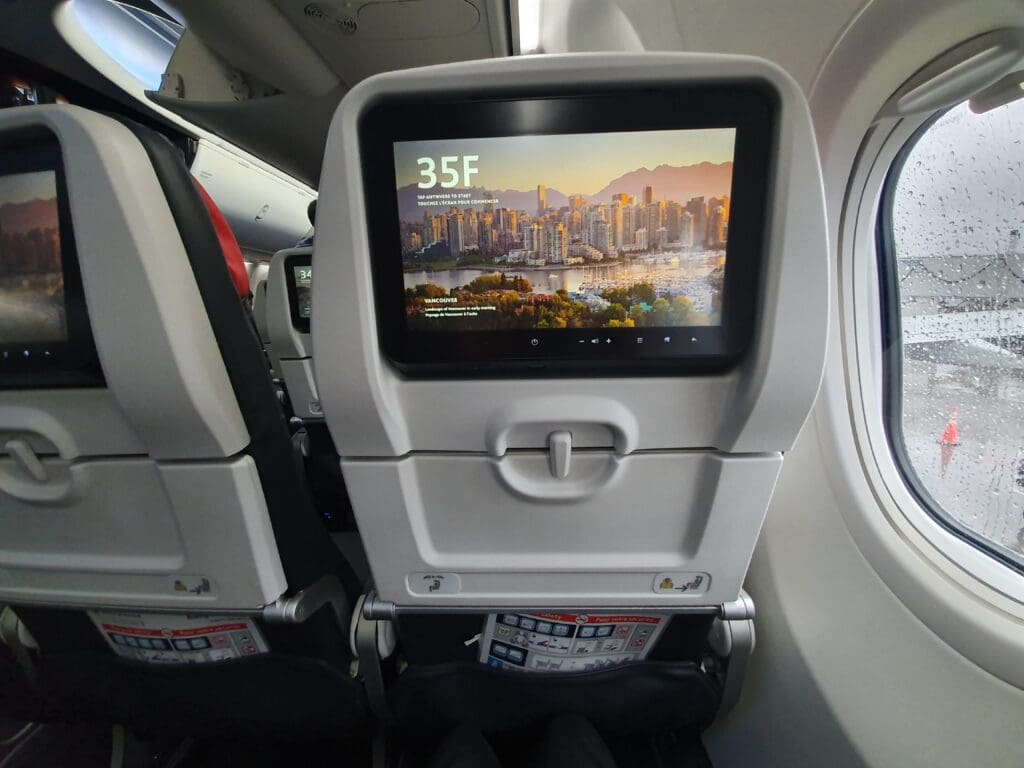
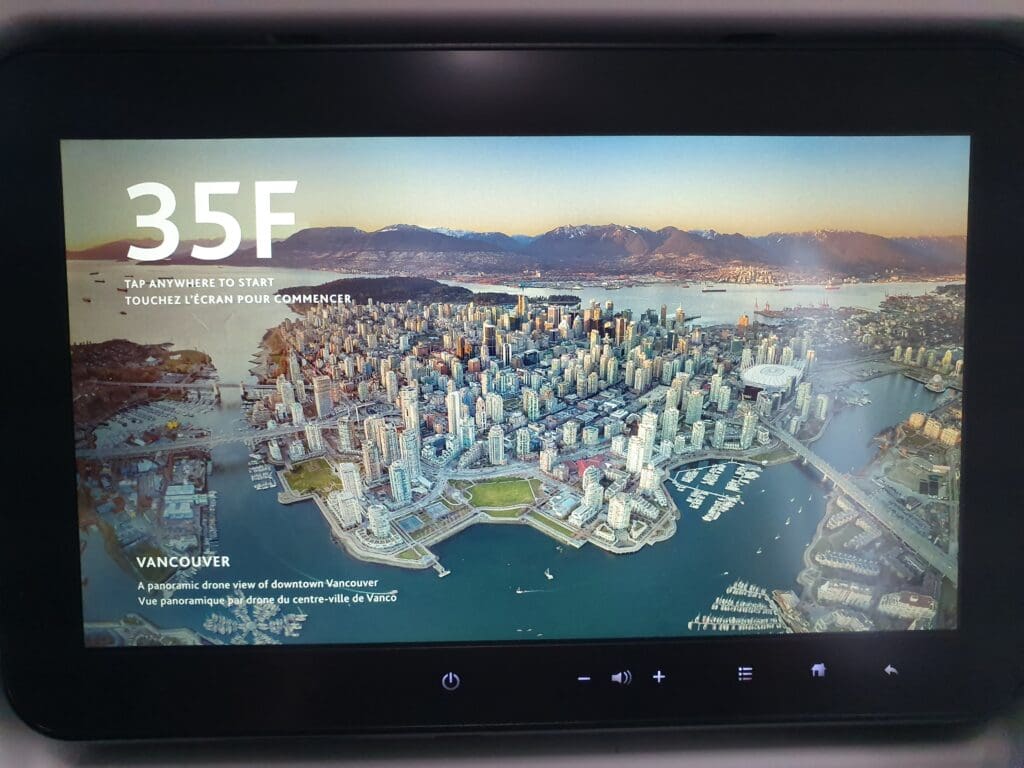
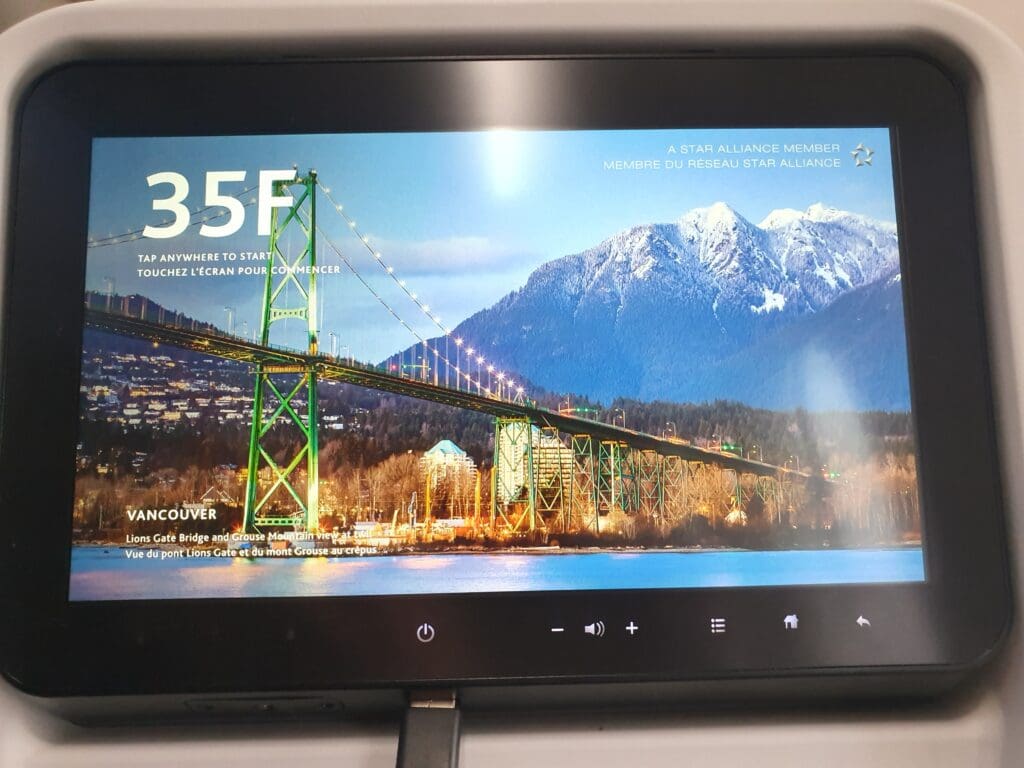
That afternoon, boarding was a fairly quick process and at 1442, the words ‘boarding complete’ rang out through the cabin. At this time I was delighted to see that the two seats next to mine remained empty and I would estimate the aircraft to have been around 70% full. Examining the demographics of the flight, this appeared to be a reasonable mixture of solo flyers, families and friends, as well as several deadheading crew members making their way to and from work. After a couple of minutes, the lights were dimmed and the Cabin Director performed a somewhat unenthusiastic-sounding welcome announcement in English and French. This featured the usual welcome and word of thanks for flying Air Canada, as well as the instructions regarding seatbelts and facemasks. As soon as the announcement came to an end, the inflight entertainment system temporarily became unusable as the airline’s Ode to Canada safety video was played. During this, an impressive eleven minutes ahead of schedule, the aircraft could be felt being pushed back away from the terminal.

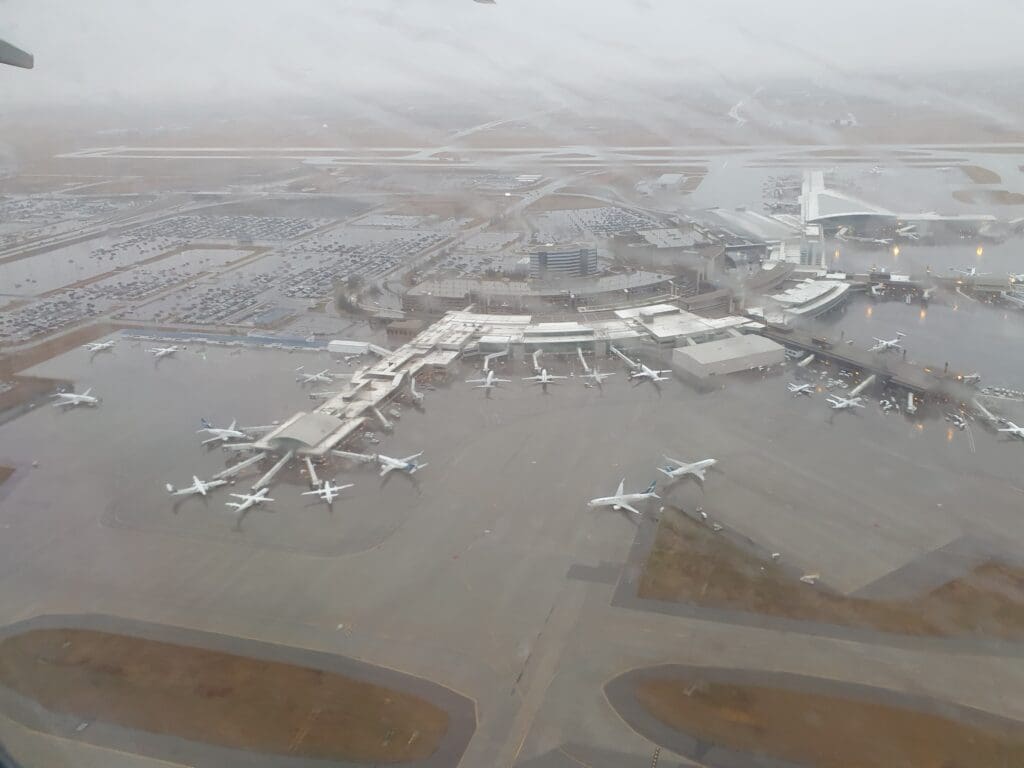
As soon as the aircraft came to a halt, the Boeing’s two modern CFM International LEAP-1B engines began to whine into life and the flaps were partially extended. At 1456, the aircraft commenced its very quiet taxi over to Runway 35L, during which thanks to the raindrop-filled windows, little could be seen of the sights that we passed on our way to the runway. As the aircraft journeyed across the airport, the crew passed through the cabin ensuring that all was in place for our departure, thankfully for them, they appeared to have little work to do thanks to the rule-adhering passengers. After coming to a quick halt to allow a Cessna Citation to land, the MAX taxied onto one of Calgary’s four runways and came to another stop to allow the Cessna to vacate this. Moments later, the Boeing commenced a long, gentle and quiet takeoff roll during which a fine selection of interesting aircraft could be seen. These included a Basler BT-67, Jetstream 31/32s, several Twin Otters and a BAe 146 (or Avro RJ). Eventually, the aircraft rotated into the sky and the entirety of the terminal could soon be seen through the gloomy mist for a few moments before the aircraft rose into the clouds.
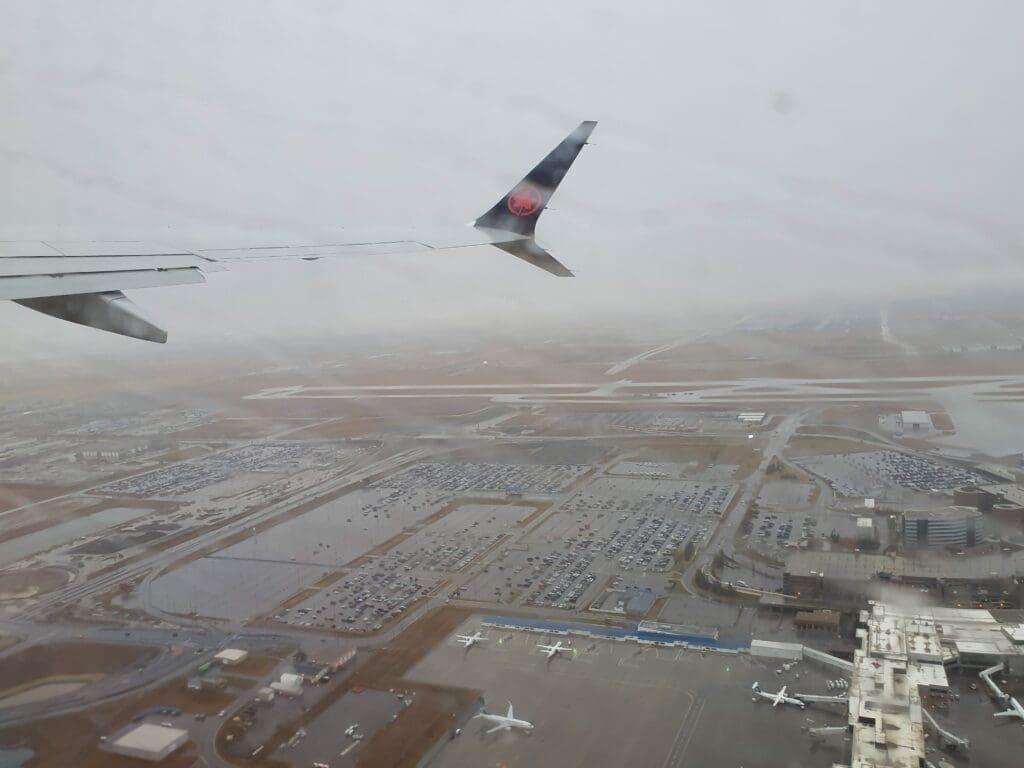
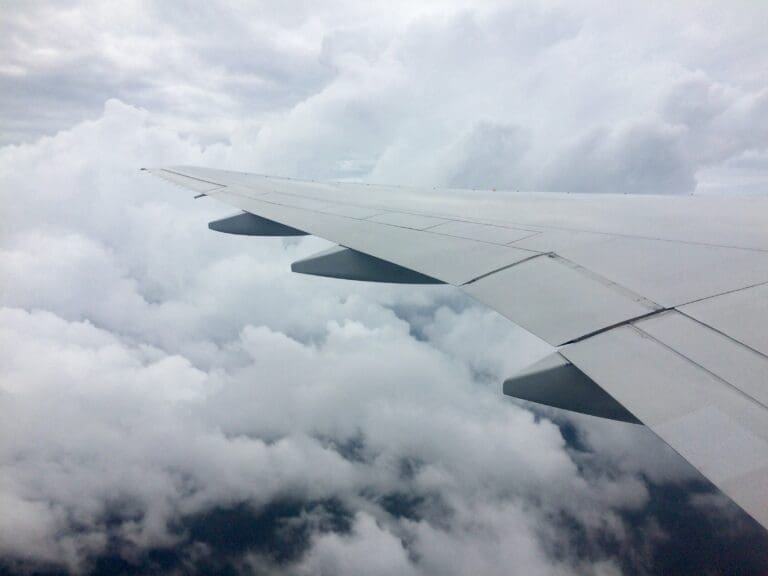
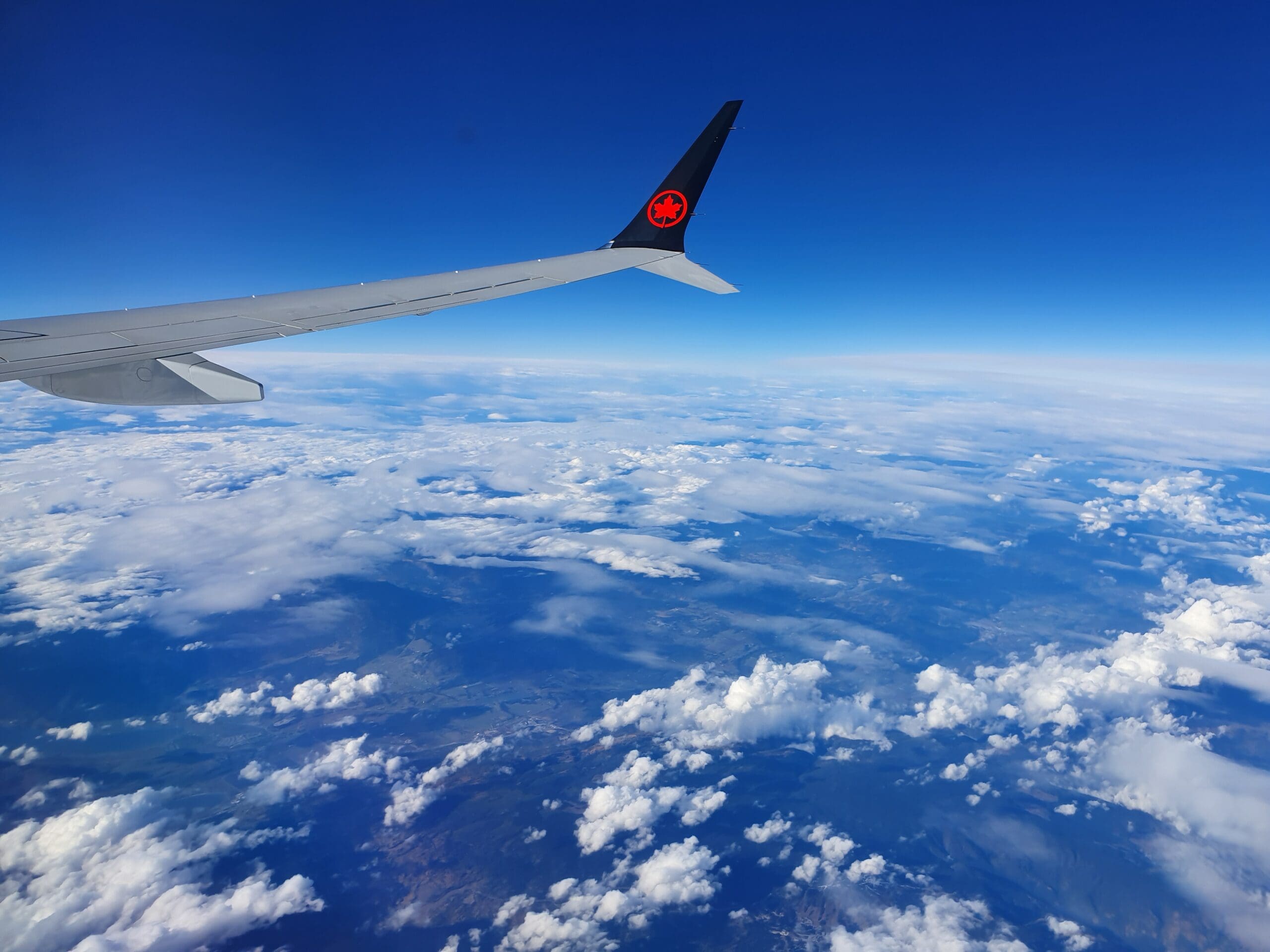
That afternoon, I had hoped that the flight would offer a superb view of the Rockies, however, it soon became evident that at least for the initial stages of the flight, this would not be the case. After several minutes of cutting through the clouds with the occasional bump, blue skies eventually appeared above the aircraft. As the Boeing climbed, another announcement was made in English only informing passengers of the buy-on-board service for alcohol and snacks, and advising passengers to keep their masks on and seatbelts fastened. Following this announcement, a flight attendant then passed through the cabin offering complimentary headphones and replacement face masks.
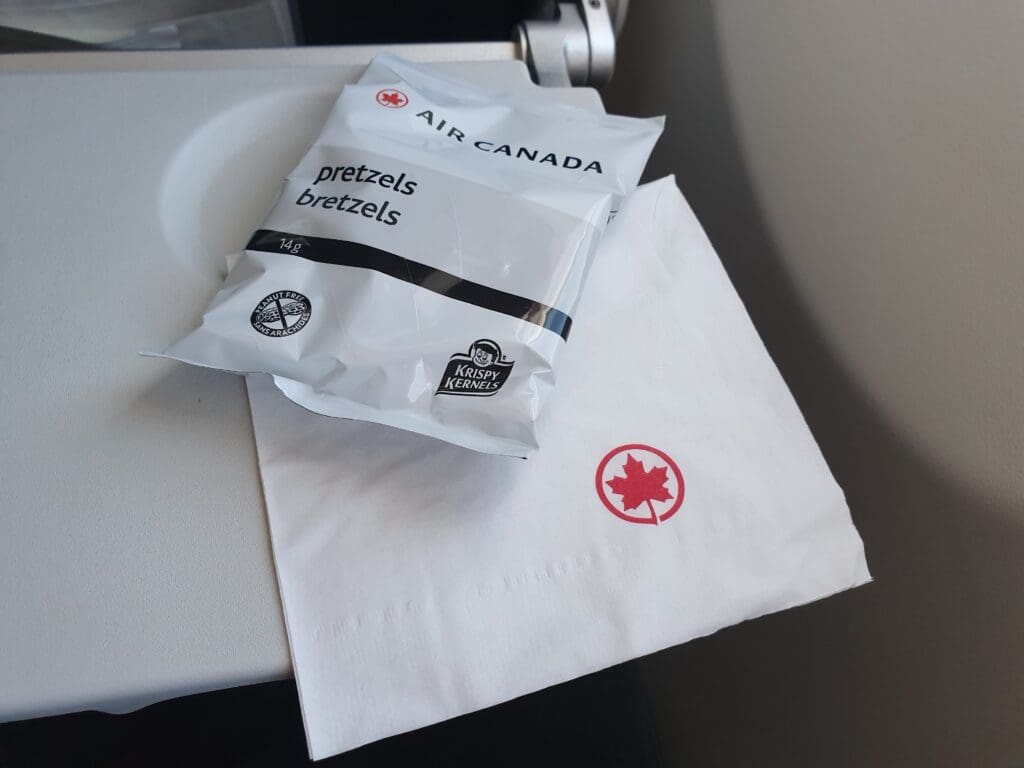
A short time after emerging from the clouds, the seatbelt signs were extinguished and a trolley was rolled out to the front of the cabin. A third flight attendant then appeared and distributed packets of Air Canada-branded Krispy Kernels salted pretzels, doing so without a word. Several minutes later, having made quick progress as they worked the cabin, the two flight attendants manning the drinks trolley arrived at my row and in a polite and friendly manner requested my choice of drink. Opting for a ginger ale and a black coffee, both were handed to me in what was perhaps the friendliest interaction I have experienced on all of the Air Canada services that I have taken thus far in my life. However, unlike on my previous Air Canada flights, the option of having a whole can was not offered – not that this was any major issue.
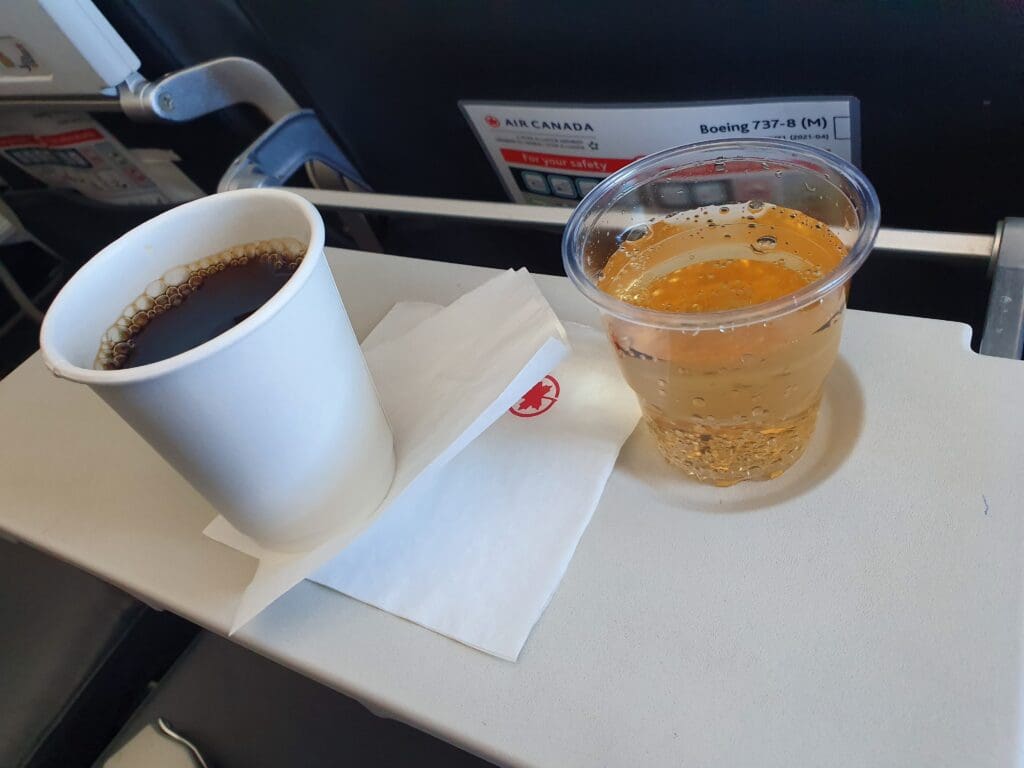
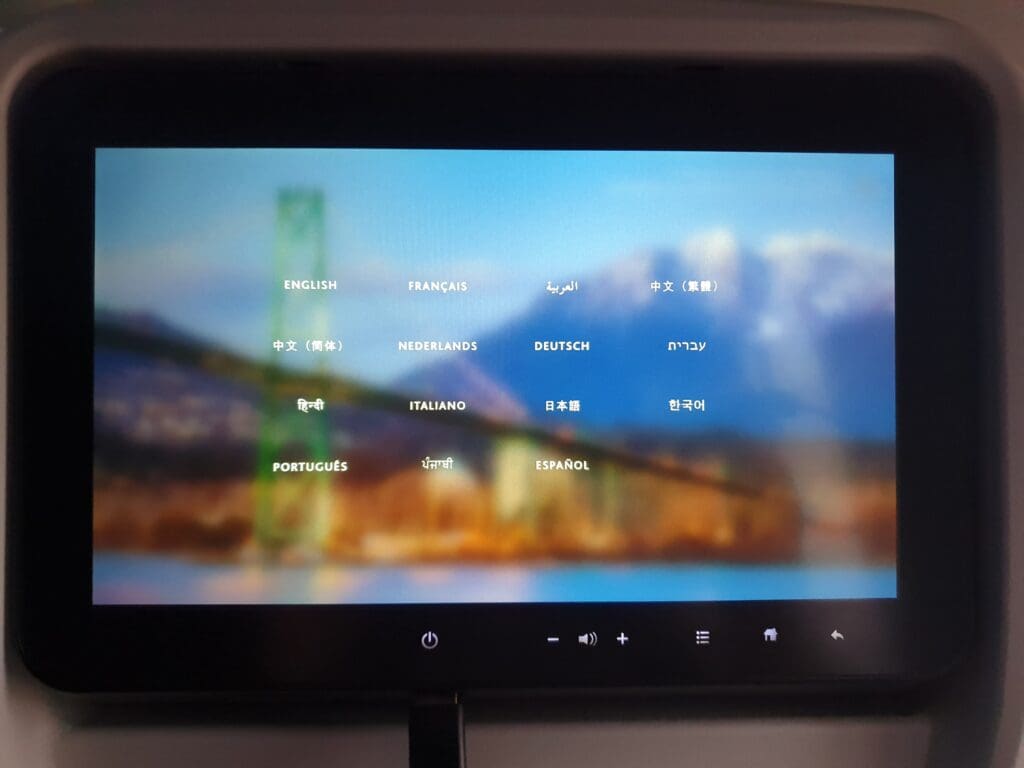
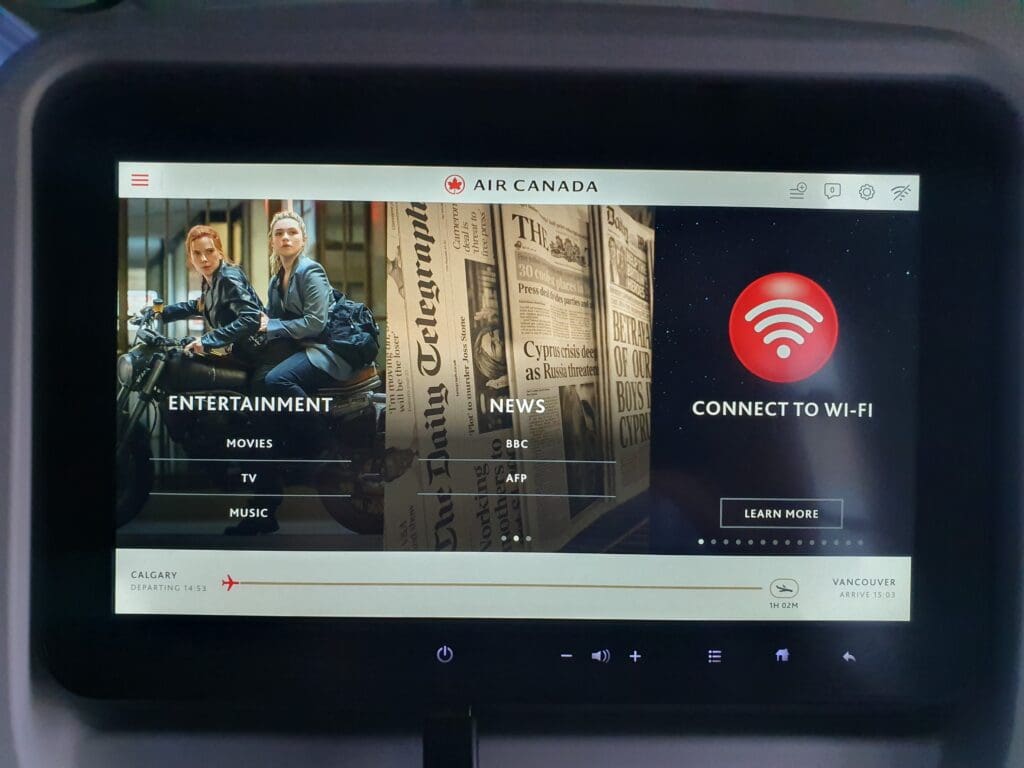
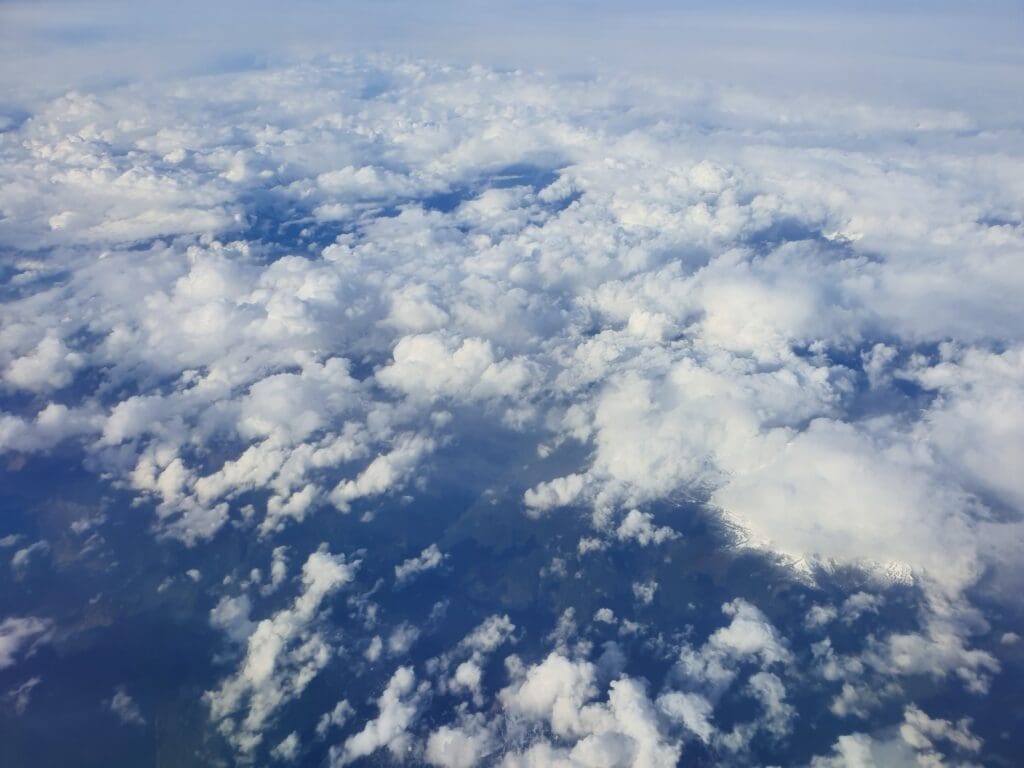
Examining the route west, having departed into the north, after reaching the hamlet of Balzac a very short time after departure, the Boeing had banked onto a slight southwesterly heading and soon reached the Rockies. This course took the aircraft over Kananaskis, just to the south of Banff and Canmore, and over the Kootenay National Park. As I was being served, several gaps in the clouds appeared that revealed parts of a snow-capped mountain to the east of Trout Lake. The landscape then flattened slightly and turned greener as the Boeing neared the small British Columbian city of Vernon, views of which could be had alongside the northern portion of Lake Okanagan. Unfortunately, after this clouds rolled in again below the aircraft and seeing as I had already polished off my drinks, I decided to pay a visit to one of the lavatories.
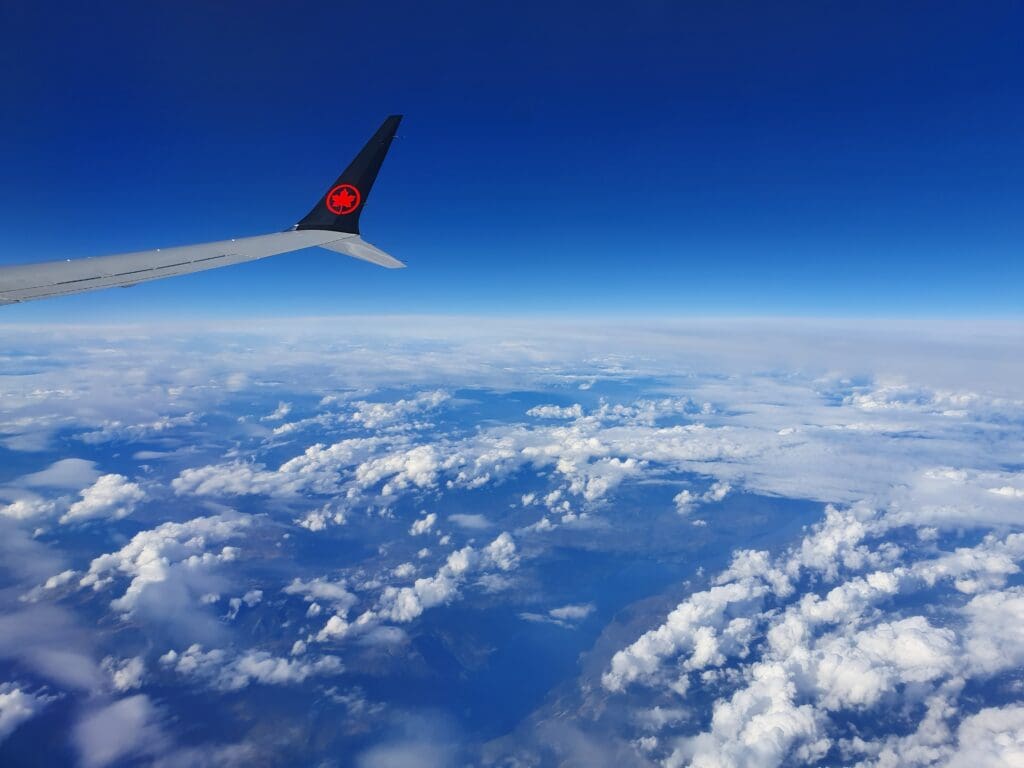
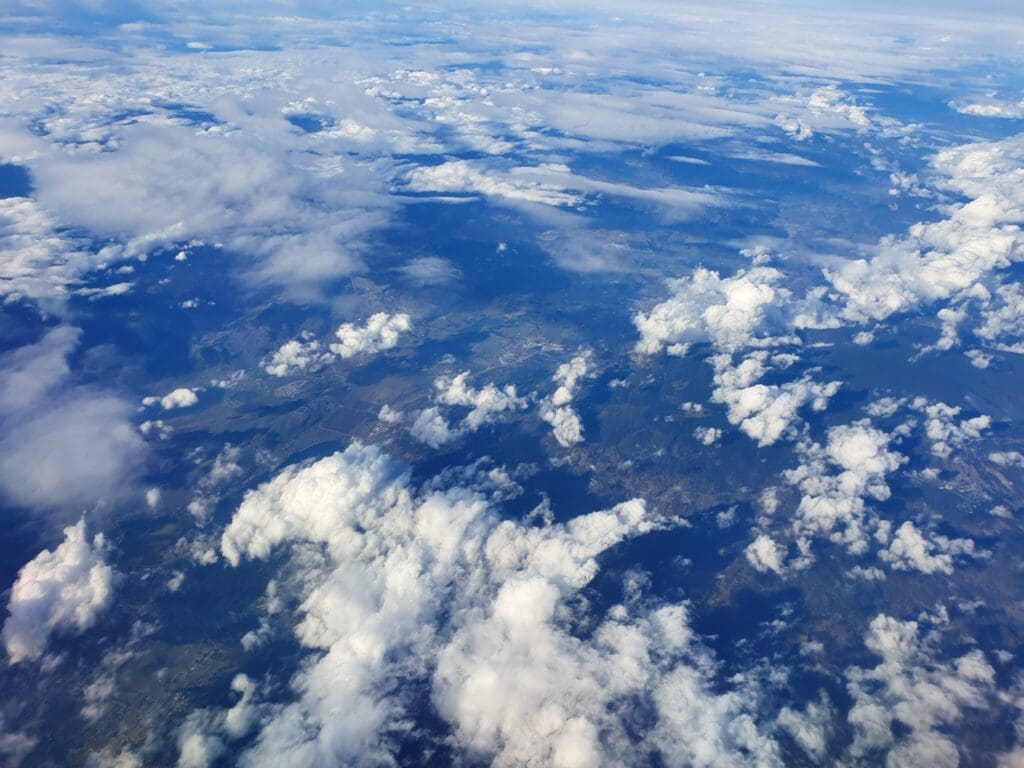
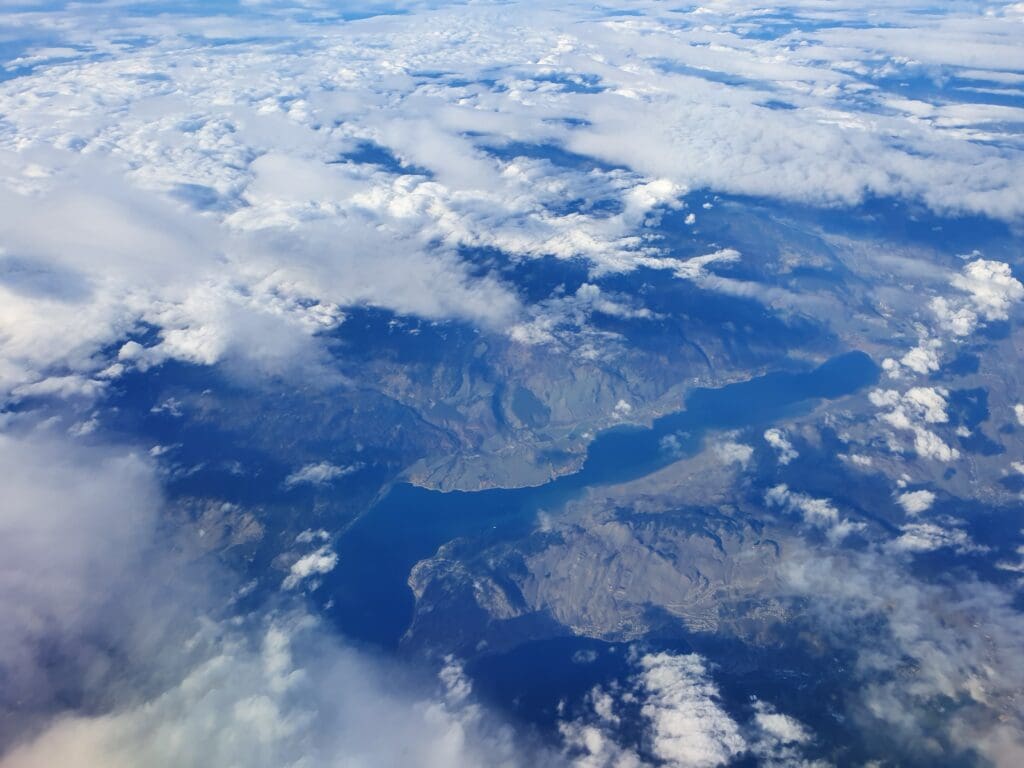
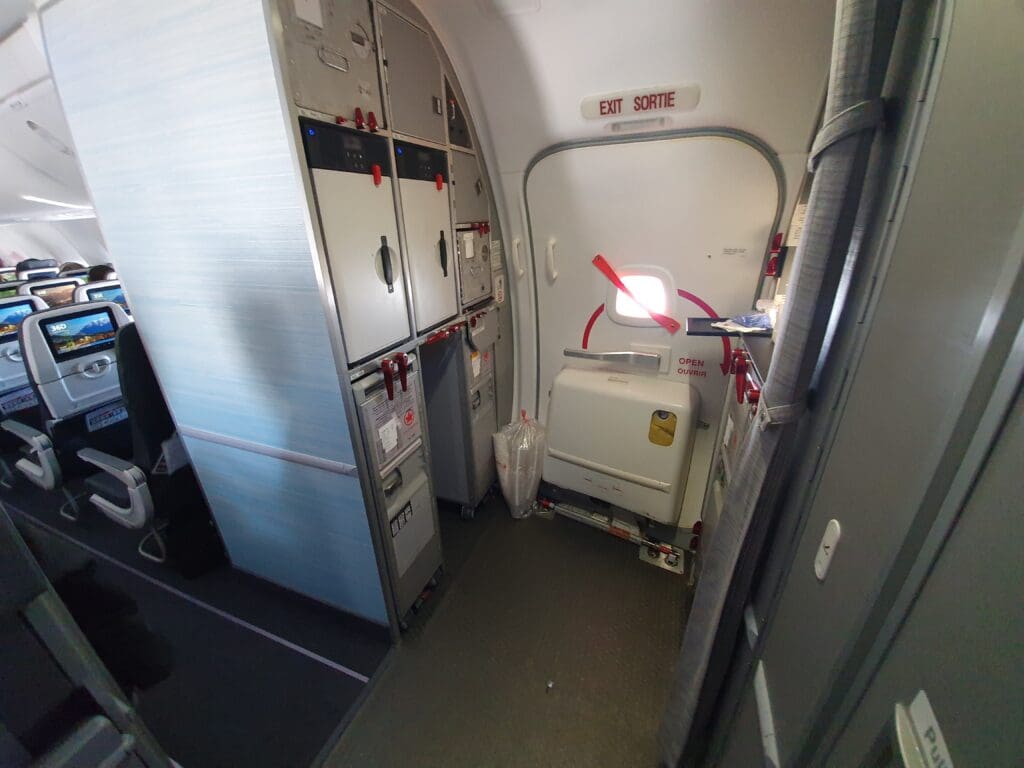
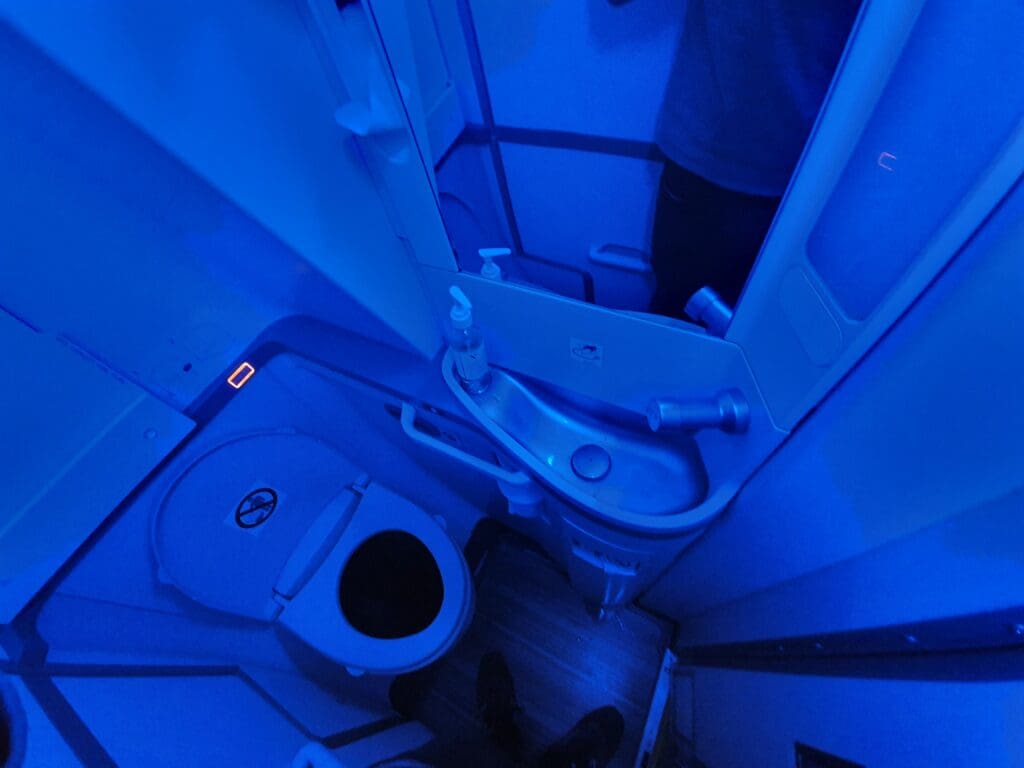
As with many other Boeing 737s, Air Canada’s Boeing 737 MAX 8 aircraft feature a total of three lavatories. One of these is located at the front of the aircraft and reserved for those in Business, whilst those in Economy can utilise the two that are squeezed into a corner of the rear galley. In terms of size, Boeing appears to have taken inspiration from the Airbus A320neo’s lavatories and upon opening the door I found this to be miniscule. Nevertheless, this appeared to be relatively clean, served its purpose and was stocked with all the basics that one would expect to find inside an aircraft lavatory.
A minute or so after returning to my seat, the words ‘cabin crew, thirty minutes to landing’ rang out through the cabin which was followed by a longer announcement from the Cabin Director advising of the imminent commencement of our descent. A couple of minutes later, at 1449 Pacific Standard Time, around halfway between Kelowna and Vancouver, the Boeing could be felt leaving its cruising altitude of 36,000 feet. A short time later the seatbelt signs were reilluminated, just in time for around ten minutes of some fairly noticeable bumping and rattling during which the crew cautiously made their way through the cabin collecting rubbish and ensuring all was in place for our arrival. Whilst nothing could be seen for much of the descent, the aircraft headed over Harrison Lake and the mountain peaks that sit to the north of Vancouver before arriving at Coquitlam. From there, the aircraft crossed almost directly over Vancouver before heading over the Strait of Georgia and turning back towards Vancouver Airport.
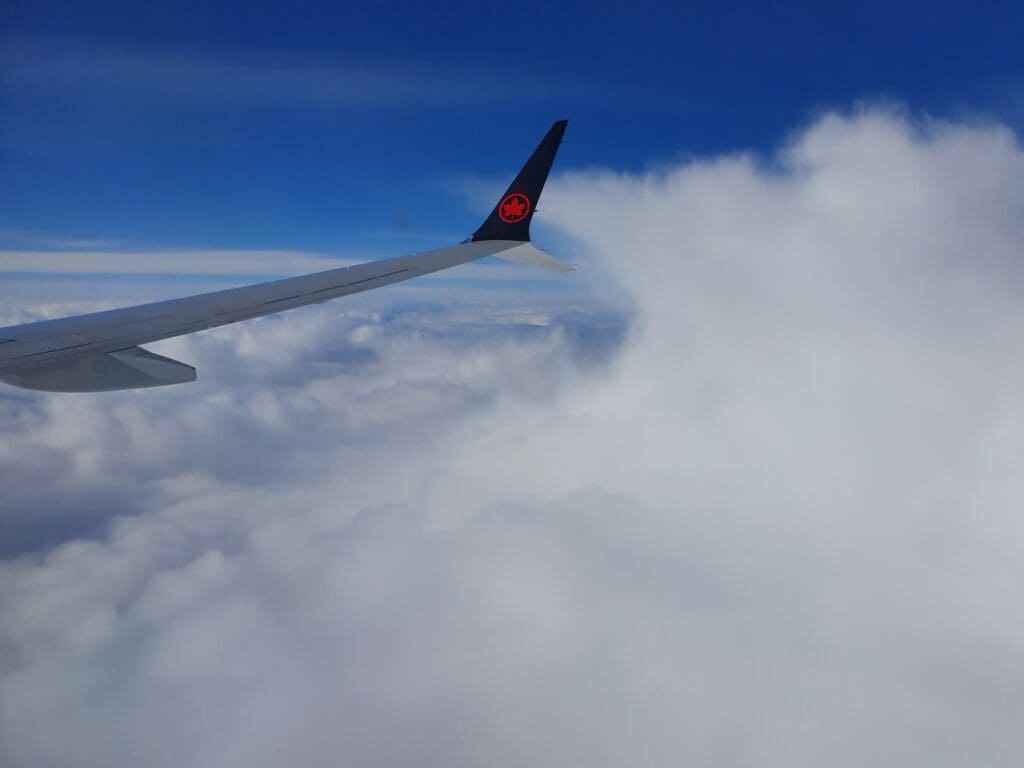
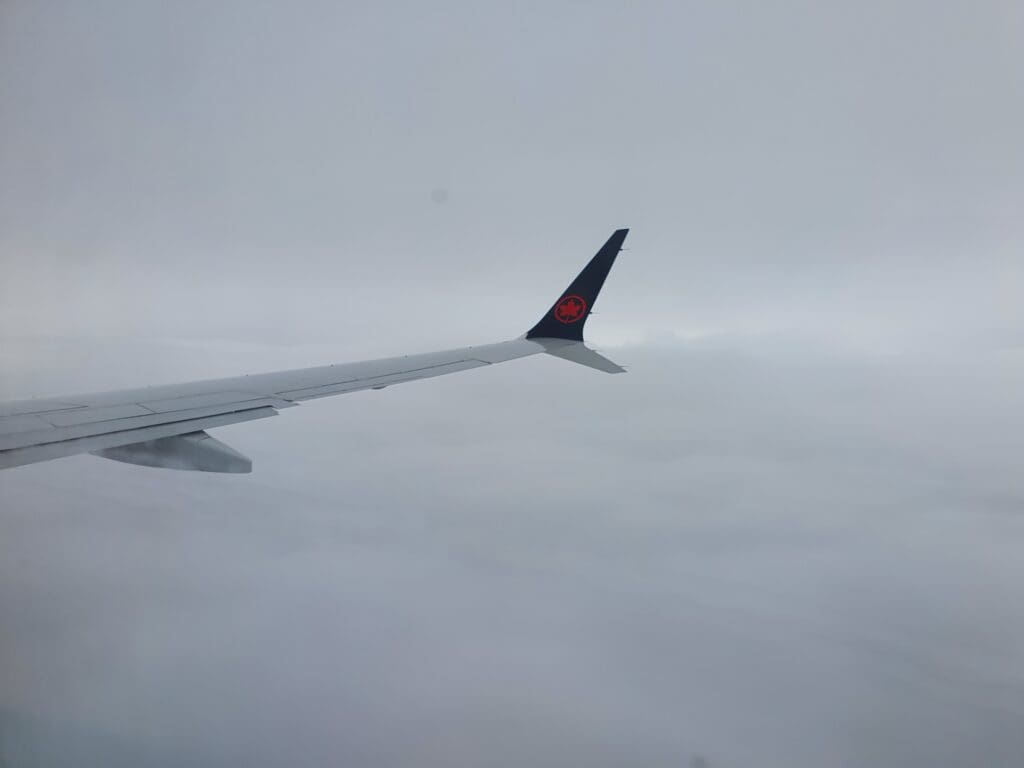
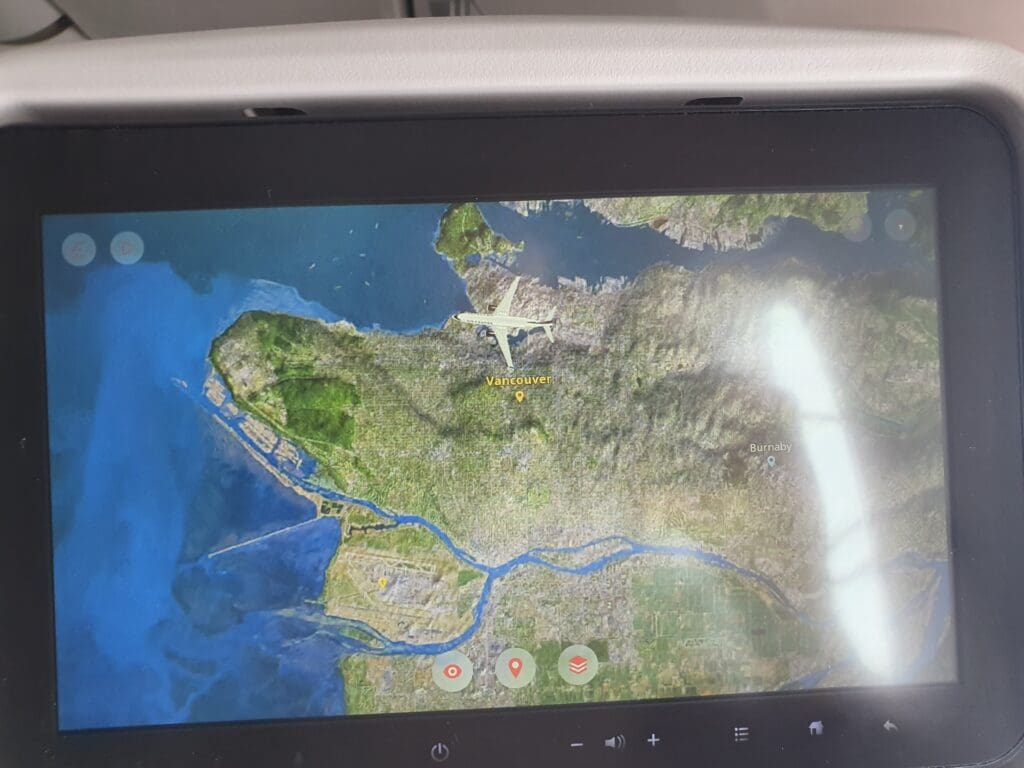
Once established on the final approach, the dark blue waters appeared below, and the mountains of Vancouver Island could be seen in the distance. A few moments later, the aircraft passed over the misleadingly named Iona Island, now a peninsula. At that point, the full flaps were extended, and the gear fell into position in preparation for our arrival.
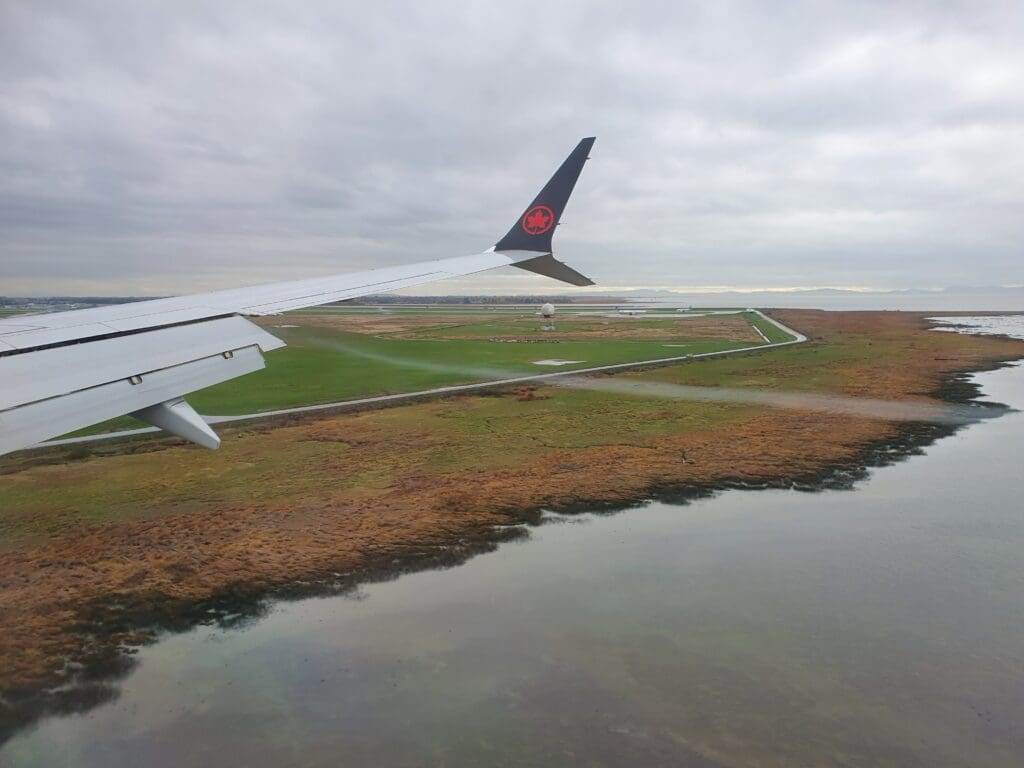
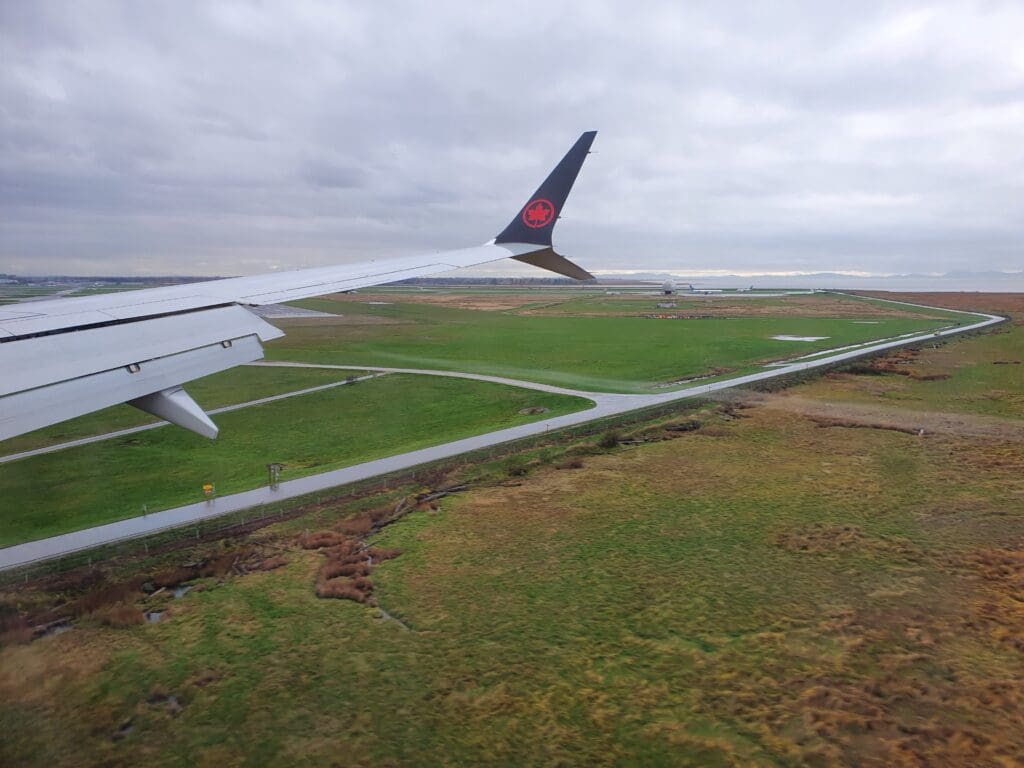
Moments before touching down, the Boeing crossed the shoreline of Sea Island and a queue of aircraft could be seen waiting to depart from Runway 08R. At 1512, exactly an hour and seven minutes after taking to the misty Albertan skies, the aircraft made a very firm touchdown on Vancouver Airport’s Runway 08L before decelerating quickly and soon vacating the runway to the right. As the aircraft commenced its short taxi to the terminal, the Cabin Director welcomed all to Vancouver in English and French before advising passengers to keep their seatbelts fastened until the seatbelt signs were extinguished.
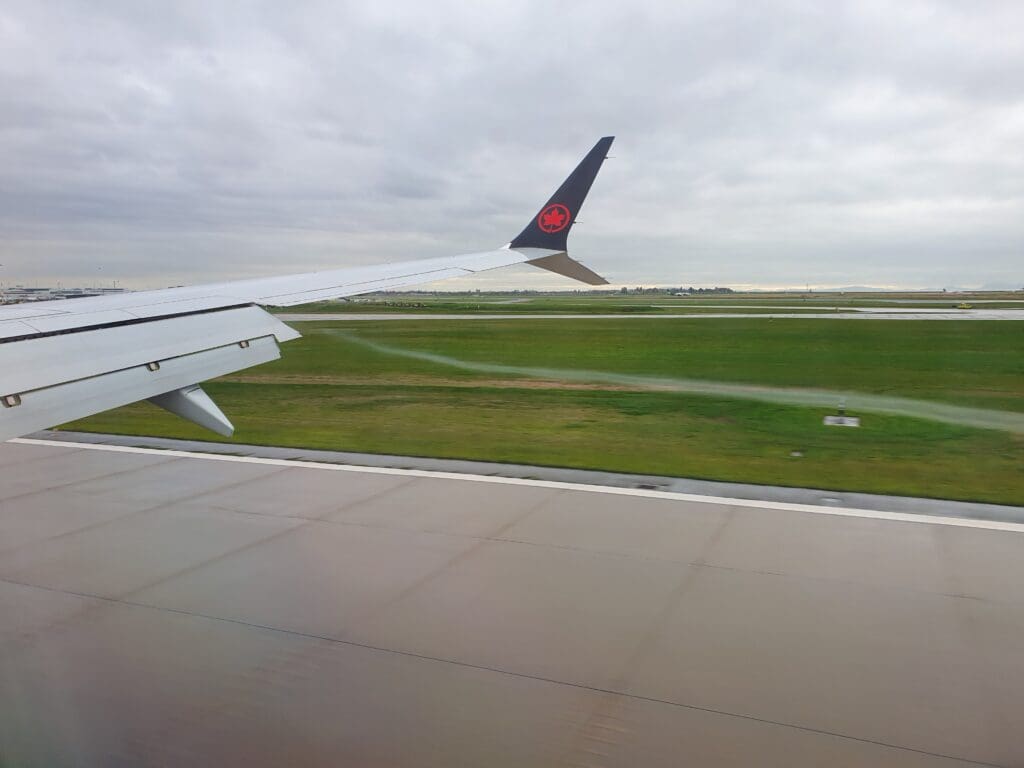
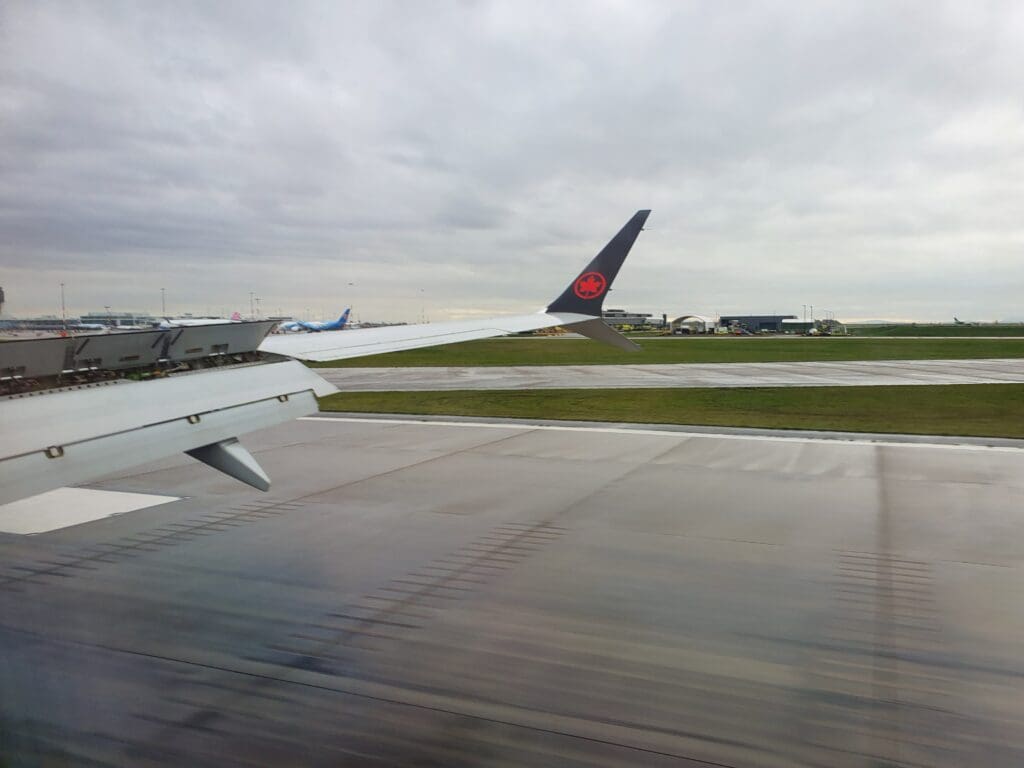
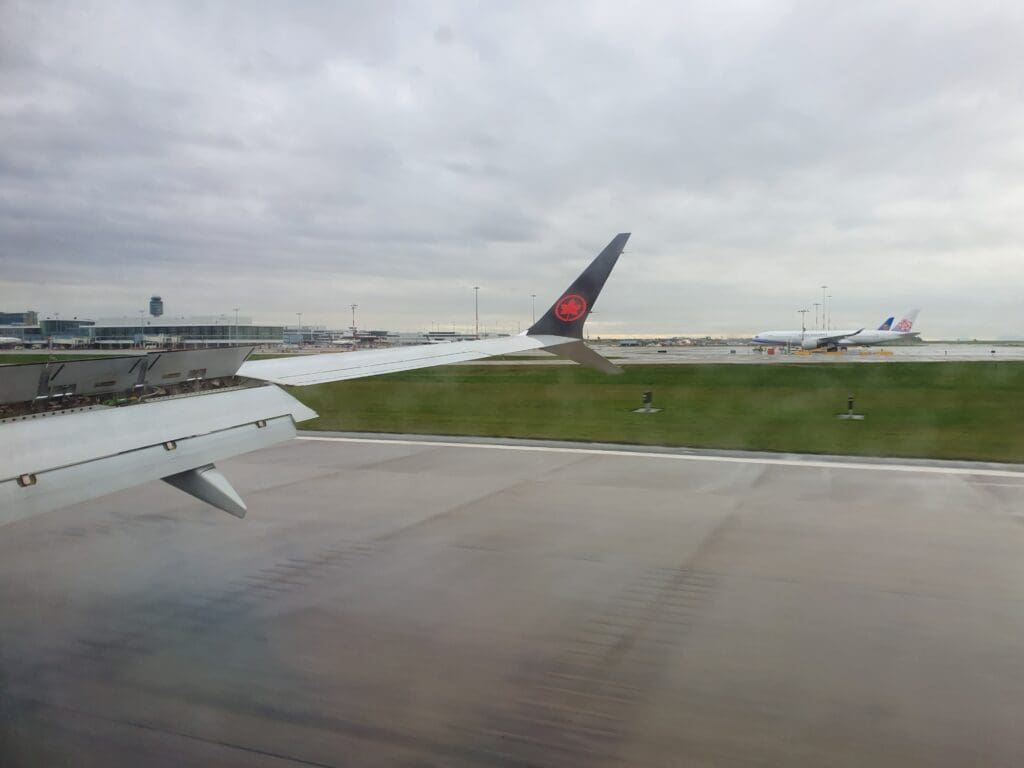
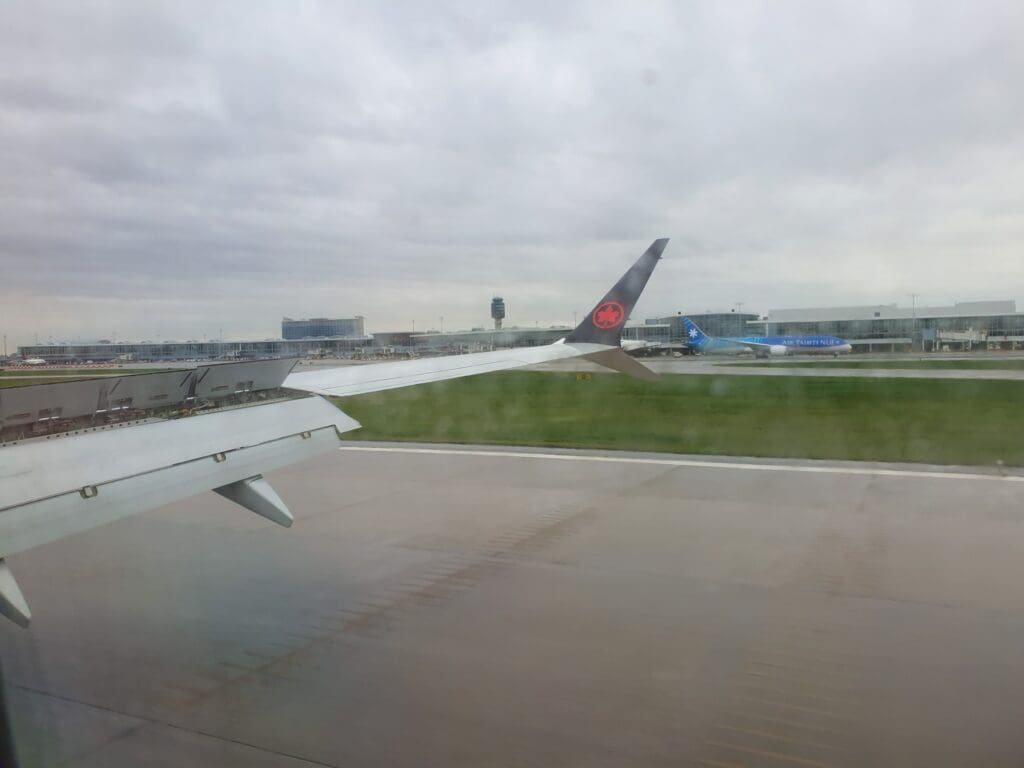
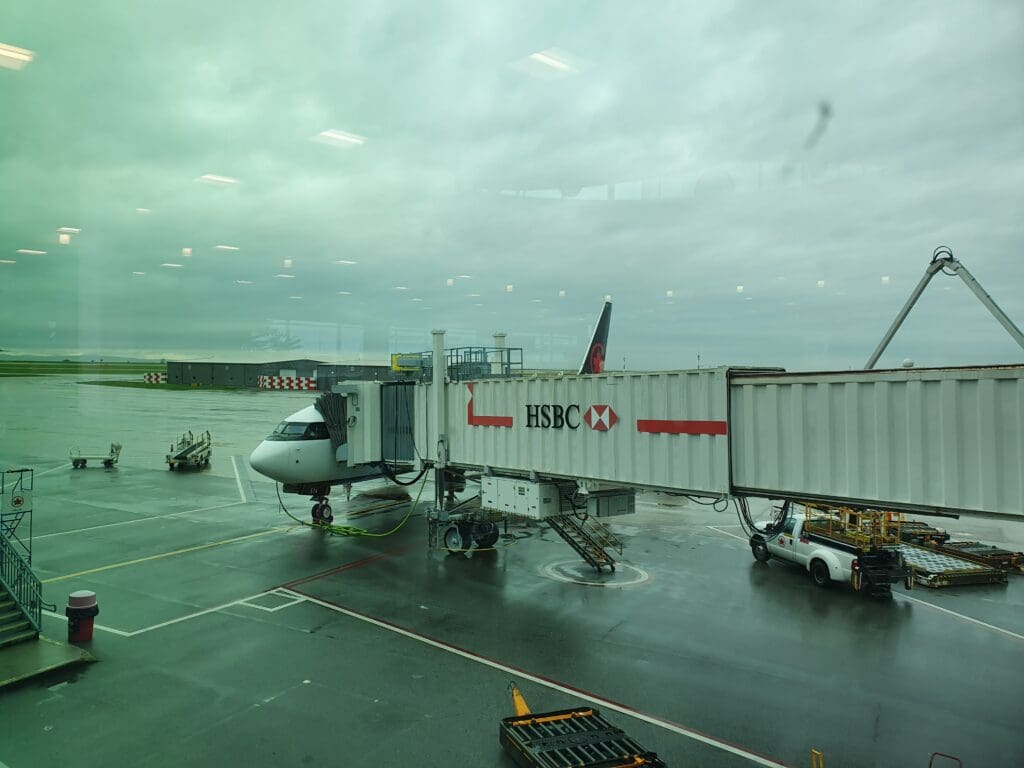
Five minutes after touching down in Vancouver, the Boeing cautiously made its way in to Gate 42 at the end of one of the domestic terminal’s three piers, pulling up next to an Air Canada Express Dash Q400 that had arrived earlier that afternoon from Nanaimo and was being readied to operate a flight to Kelowna. In the usual manner, once the aircraft came to a halt, the engines spooled down and the seatbelt signs were quickly extinguished. Following tradition, at this time many passengers stood up in preparation to disembark however it took some time for jetbridge to be connected to the aircraft. In fact, a couple of minutes after coming to a halt, the Cabin Director announced that as the aircraft had arrived ahead of schedule, a gate agent was yet to appear at the gate.
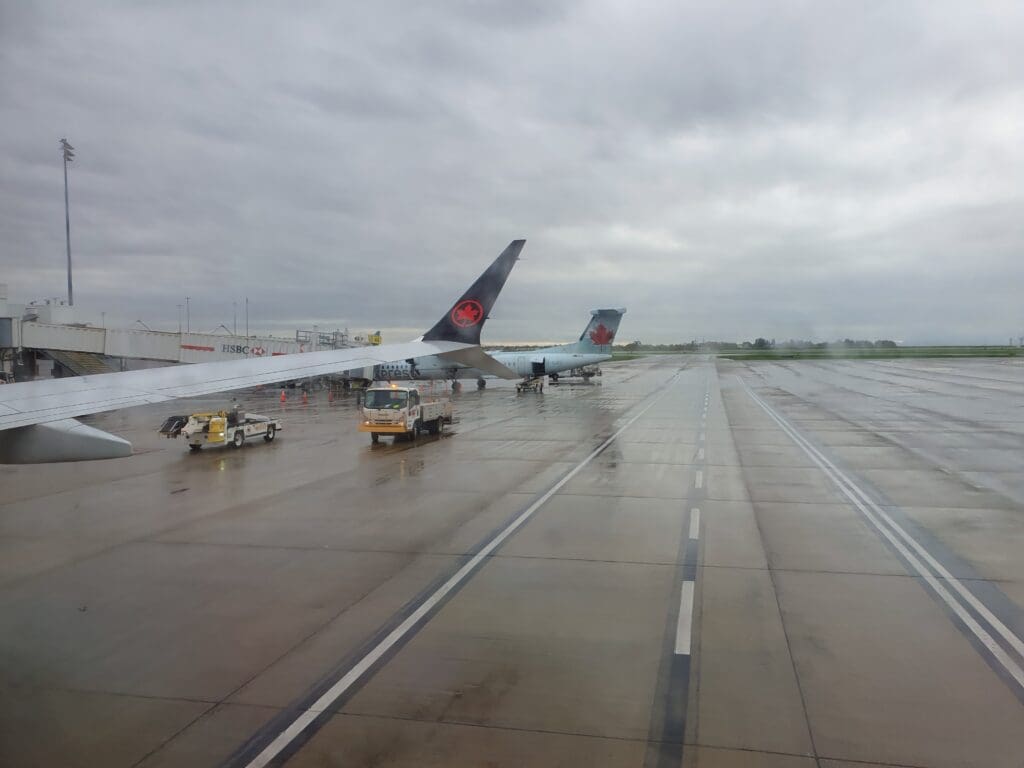
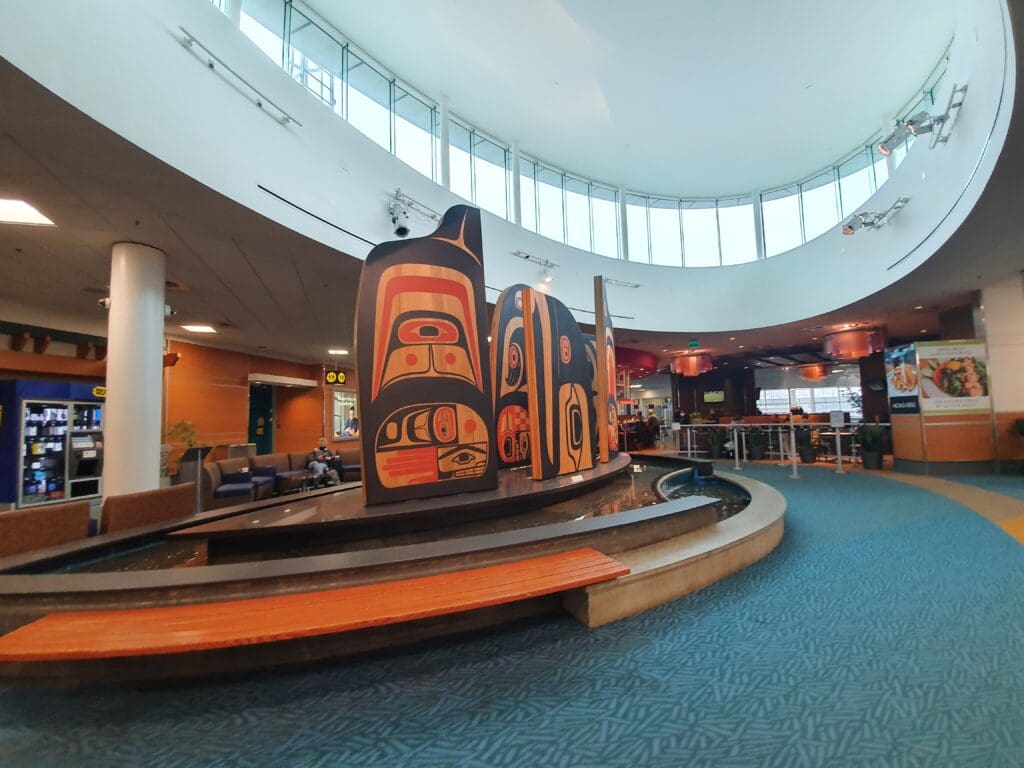
Fortunately, the gate agent must have arrived at the gate a short time after that announcement was made, as disembarkation commenced a short time later. Seeing as the flight was not full, whilst I had been seated near the rear of the aircraft, disembarkation did not take too long and at 1525 I thanked the two flight attendants in the forward galley before stepping off the jetway and heading into Vancouver Airport’s pleasant domestic terminal. Having arrived at one of the furthest gates from the landside area, a long walk was in order before I arrived at the baggage collection hall. With no bags to pick up, I made my way straight out and commenced my journey to the neighbouring area of Richmond where I would spend two nights.

Summary
If you include the two flights I had taken with Air Canada Express, this ride was my sixth and final flight with Air Canada during my holiday around the country. With that considered, by this time, I had a fair idea of what to expect onboard and nothing was too out of line with my expectations. Commencing with the positives, I had paid relatively little for the ticket, the aircraft was modern and featured a fantastic inflight entertainment system, we arrived well ahead of schedule and the complimentary drinks and snacks were very much appreciated. However, there appeared to be little consistency in my interactions with the crew. Whilst some flight attendants had been positive, others had displayed nothing more than a mediocre level of interaction. Finally, whilst the space offered in Economy was fine for a short flight, I would not be too keen on a long transcontinental slog onboard one of Air Canada’s Boeing 737 MAX aircraft.