
My First Ever Seaplane Ride! Richmond to Victoria on a Harbour Air Turbine Otter
Background
As an aviation enthusiast visiting Vancouver, it would have been sacrilege not to work a seaplane ride into my itinerary. For decades, seaplanes have played an integral role in linking coastal British Columbia, and today, two operators, giant Harbour Air (and their subsidiary Salt Spring Air) and the smaller Seair Seaplanes, offer services primarily between both Vancouver Harbour and Vancouver International, and destinations across the Gulf Islands, Sunshine Coast, Vancouver Island and Seattle. Following some planning, I decided that I would take a day trip to British Columbia’s capital, Victoria, located at the southern end of Vancouver Island, initially planning to catch the ferry in one direction and fly back to Vancouver Harbour with Harbour Air.
Booking
Once I had made up my mind on the itinerary, I navigated my way over to Harbour Air’s homepage where I was presented with a scenic video montage of the airline’s legendary DHC-3T Turbo Otter floatplanes soaring over the picturesque mountains, forests and waters of British Columbia. Following a short tour of Harbour Air’s modern website, I undertook a search for flights between Victoria Harbour and Vancouver Harbour. After a wait of no more than a few seconds, the four options for that Saturday appeared – these departing Victoria at 0900, 1330, 1530 and 1730, each arriving a short 35 minutes later. Of these, only the first and final flights of the day featured all four fare options, these being GoFast ($148), GoLite ($169), GoFlex ($212) and GoGold ($251.99). Whilst in normal circumstances I would have opted for the cheapest possible fare, given the ongoing Covid-19 situation, I decided to pay a $21 premium and settled for the GoLite fare which would enable changes for $35 if made at least four hours before flying. In addition, this allowed me to take the slightly earlier 1530 flight which suited my schedule better. In the usual Canadian manner, I was forced to click a box confirming my agreement to the fare conditions before being prompted to enter my name, details and any additional information or requests. Interestingly, Harbour Air’s website notes that in the case of single pilot operations, passengers can ride in the First Officer’s seat! Thus, I decided to utilise the request box to make this request. I then entered my card details and my booking was soon confirmed. However, no money would be taken until the day of the flight and this process automatically created a Harbour Air account.
A Spanner in the Works
Unfortunately, all was not completely plain sailing, and my trip to Vancouver was accompanied by lashing rain and a fierce wind blowing off the Pacific Ocean. With the peak of the storm coinciding with the date of my trip to Victoria and all flights and sailings between the two being cancelled, I ended up amending my itinerary and pushing back my day trip by a couple of days. In the end, I would fly from Vancouver International’s seaplane hub to Victoria, before enlisting the help of a HeliJet Sikorsky S-76 to take me back to Vancouver.
The Journey
Vancouver International Airport’s seaplane terminal is located on the southern shore of Sea Island near the airport’s South Terminal. Whilst slightly less accessible than the main terminal complex, I was confident that reaching Harbour Air’s facility in good time for my 0815 departure would not prove to be an issue. Waking up well before sunrise, once up and about, I had a quick shower before darting out onto the streets of Downtown Vancouver for a stereotypically Canadian breakfast that consisted of black coffee and a doughnut. After fuelling up for the morning, I walked downhill along the city’s quiet backstreets before arriving at Yaletown-Roundhouse Station which is located on the SkyTrain’s Canada Line. After tapping in, I headed underground and after a few minutes of waiting, a driverless Hyundai Rotem train whizzed into the platform bound for the line’s southern terminus in Richmond. Several stops later, the train emerged from Vancouver’s subterranean network of tunnels and travelled above Cambie Street before heading out over the Fraser River. Several minutes later, the train pulled into Bridgeport Station where the Canada Line splits into two – one branch heading to the airport and the other to Richmond.
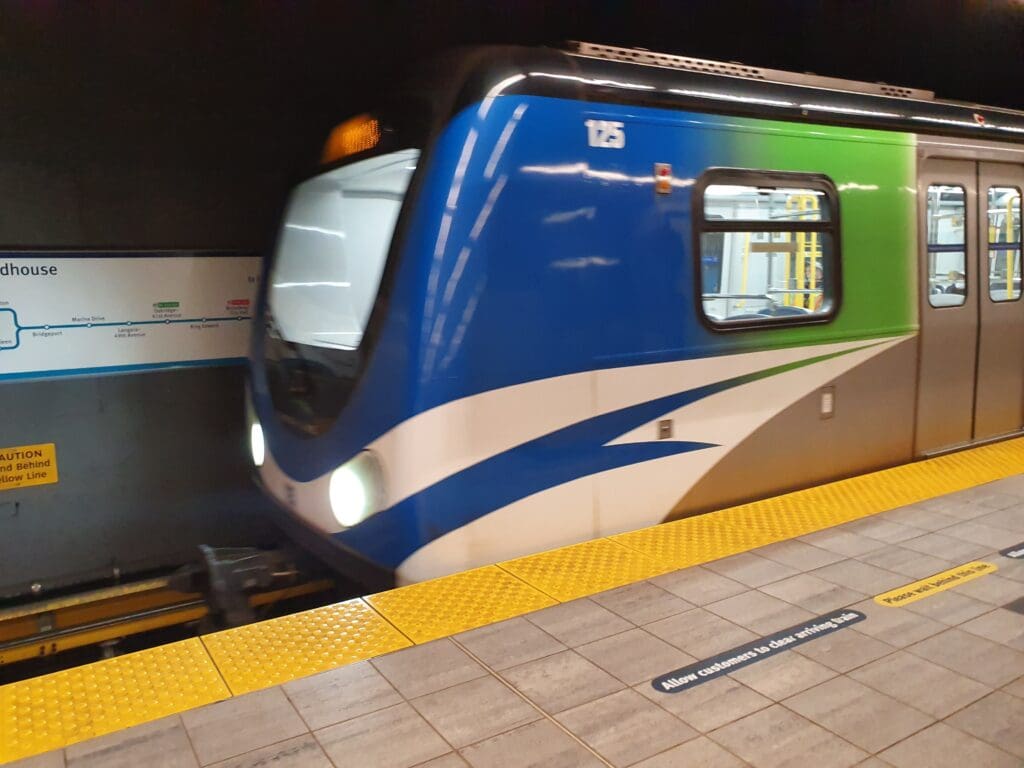

After heading down to street level, I tapped out and made my way to one of the station’s bus stops. Within several minutes of my arrival, reassuringly, a small TransLink bus appeared bound for Sea Island South. Once onboard, the bus pulled out of the bay with no more than five passengers onboard and crossed over to Sea Island before arriving outside Vancouver Airport’s South Terminal around ten minutes later. Whilst this may be a cumbersome journey if travelling as a family, and/or with significant amounts of luggage; armed only with a backpack, the journey that morning left me with no complaints. It is worth noting that Harbour Air does offer a complimentary shuttle service upon request from Vancouver Airport, however, this is likely only to be of use for those connecting to or from flights departing from the main terminals.
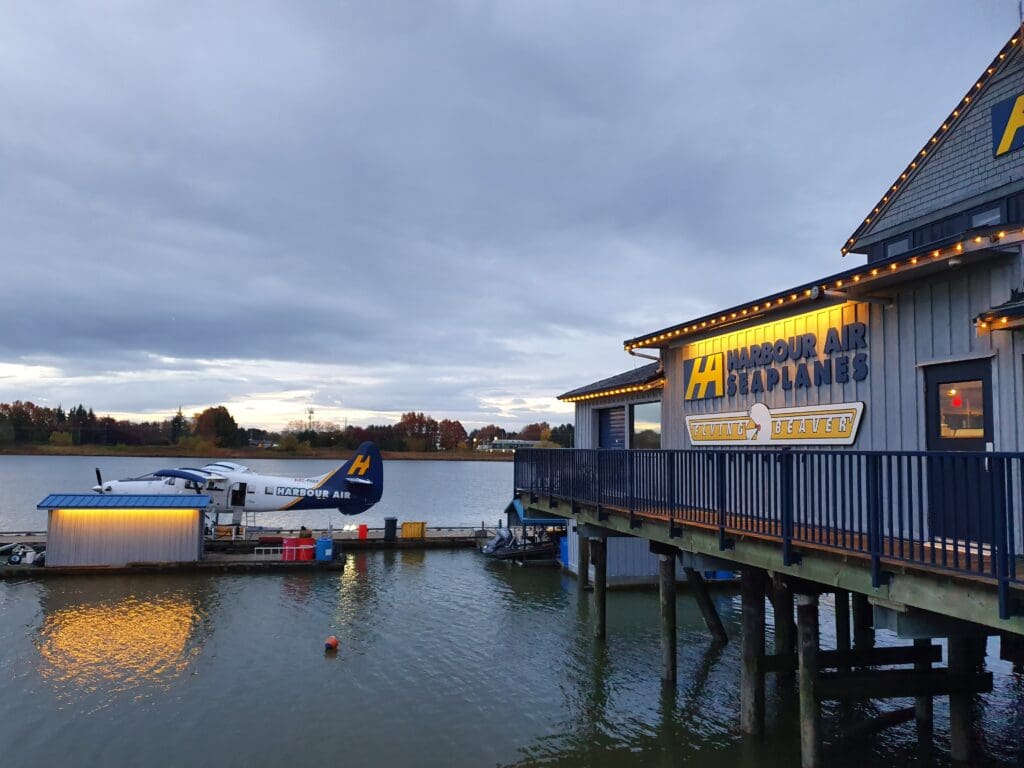
Seeing as Harbour Air’s Richmond terminal does not open up until 0700, after disembarking the bus I decided to make a quick trip to the South Terminal’s viewing platform. From there a host of Pacific Coastal Airlines’ Beechcraft 1900 and Saab 340 aircraft could be seen being prepared for their morning missions to destinations across British Columbia. After a few minutes, I began the short four-minute walk down to Harbour Air’s terminal which is located on the shore of the Fraser River. During this short walk, I passed a selection of floatplanes outside the hangars of Harbour Air and Seair Seaplanes. Meanwhile, at this time the first of two Turbine Otters could be seen being towed across the road and into the Fraser River, ready to commence that day’s flying. For those travelling along Inglis Drive, Harbour Air’s terminal is impossible to miss – brightly lit up in the dark and sporting large Harbour Air Seaplanes titles, whilst the flags of British Columbia and Canada are proudly flown from the roof.
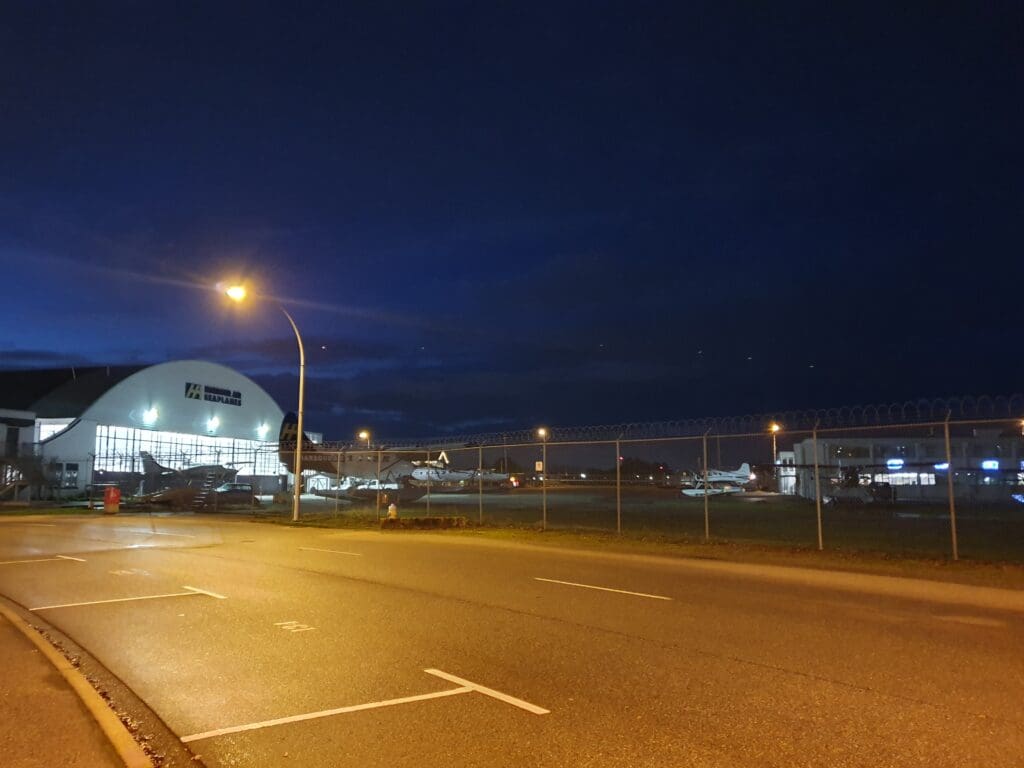
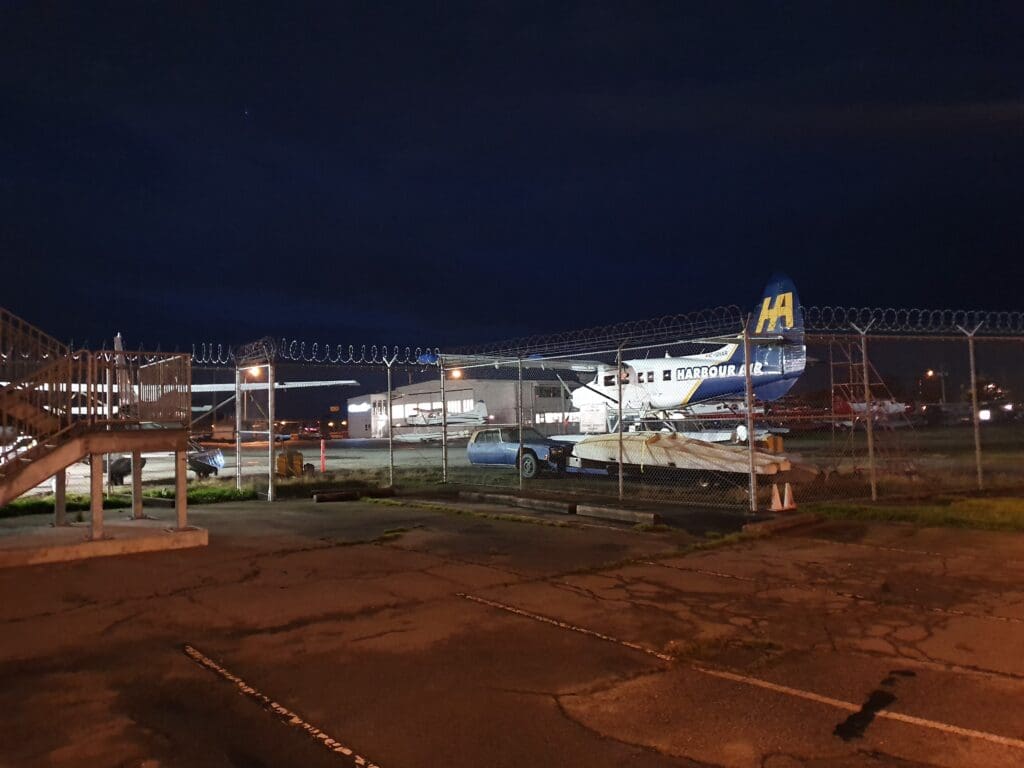
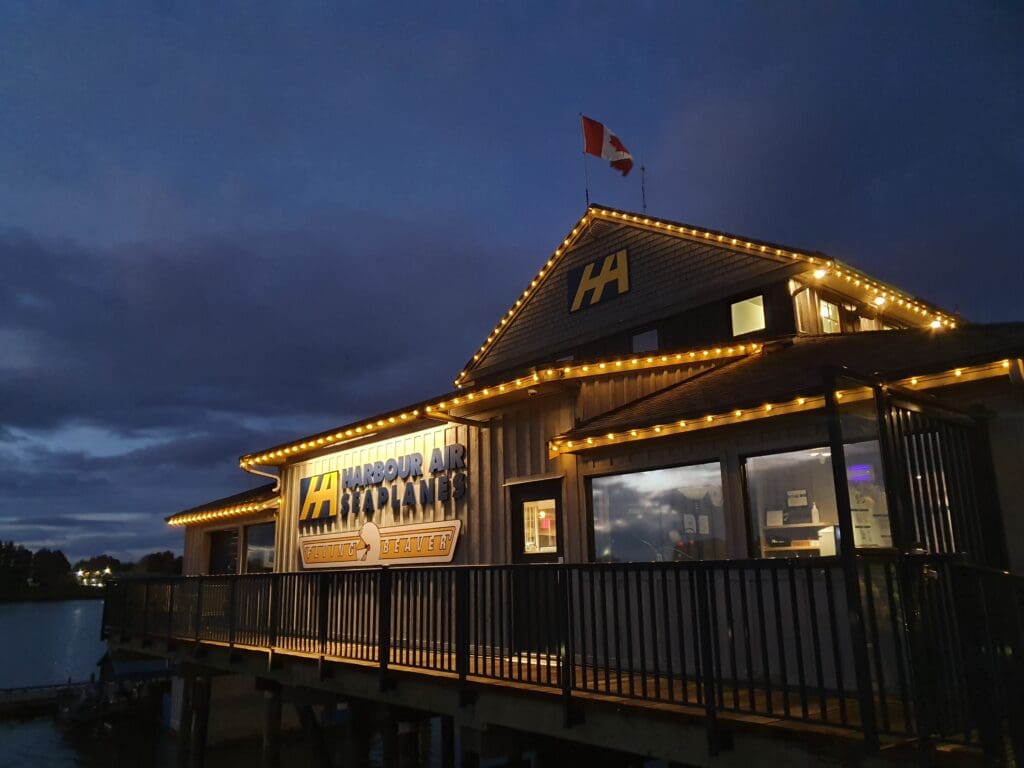
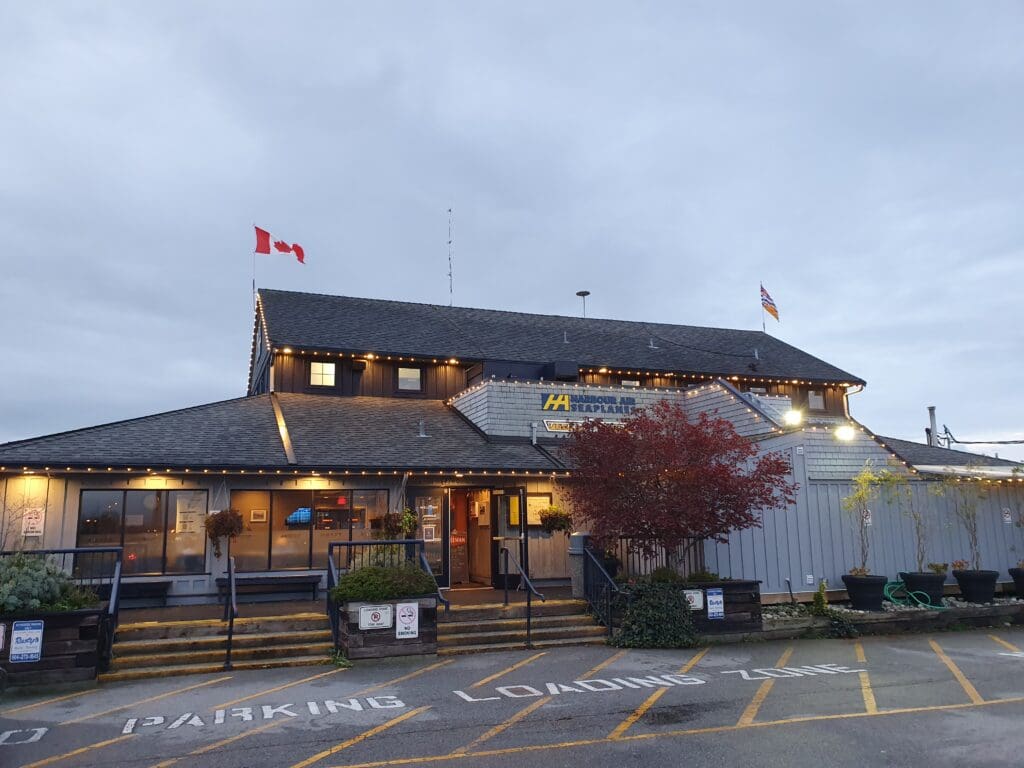

Upon entering the terminal, I was presented with a small yet homely and comfortable-looking waiting area. There, passengers could wait for their flights in well-padded leather chairs and sofas, or admire the cornucopia of information boards, photographs and other pieces of memorabilia related to Harbour Air and its history. The terminal is also home to the suitably named Flying Beaver Bar and Grill, a popular spot amongst passengers and non-passengers alike, however, with this not opening until 0900, I wouldn’t get the opportunity to sample some of their highly rated cuisine that morning. On the far side of the waiting area, a short line of check-in desks could be seen, which were still in the process of being opened up. On a side note, a good selection of Harbour Air souvenirs was also on display in the terminal and could be purchased from the check-in agents.
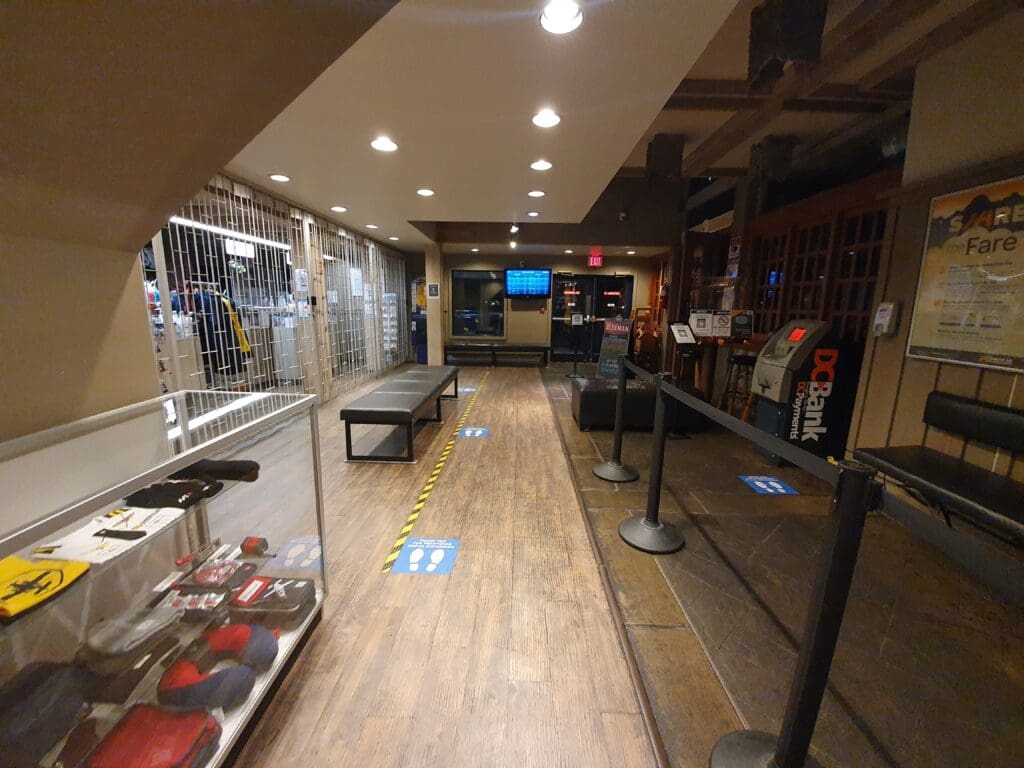
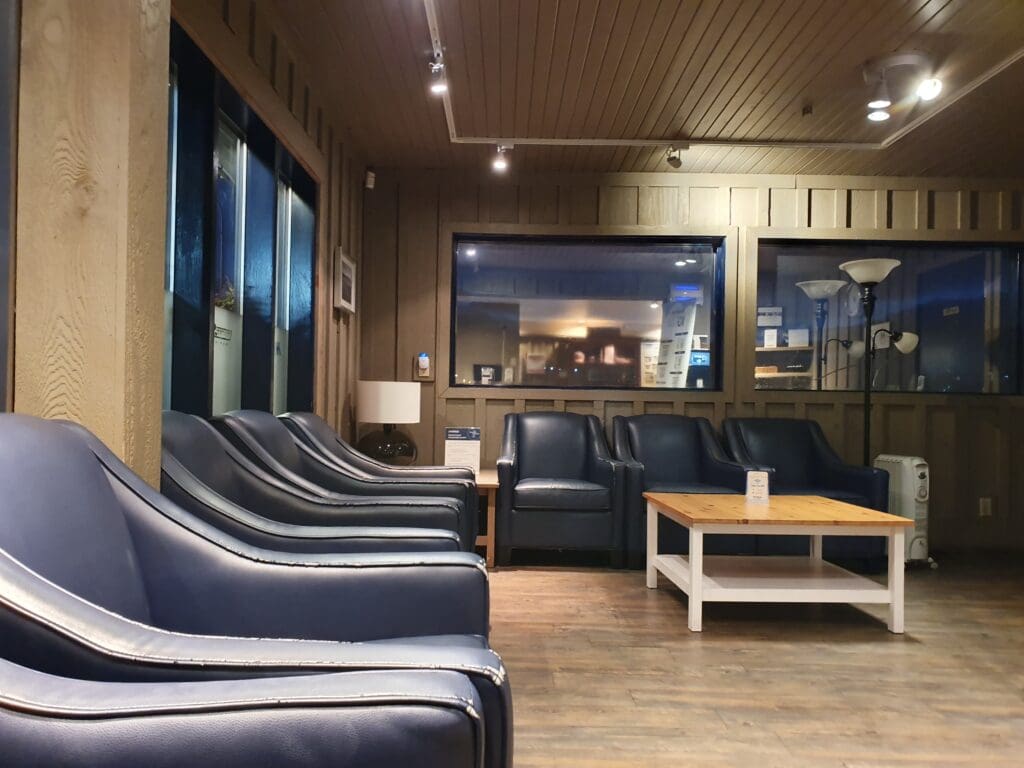
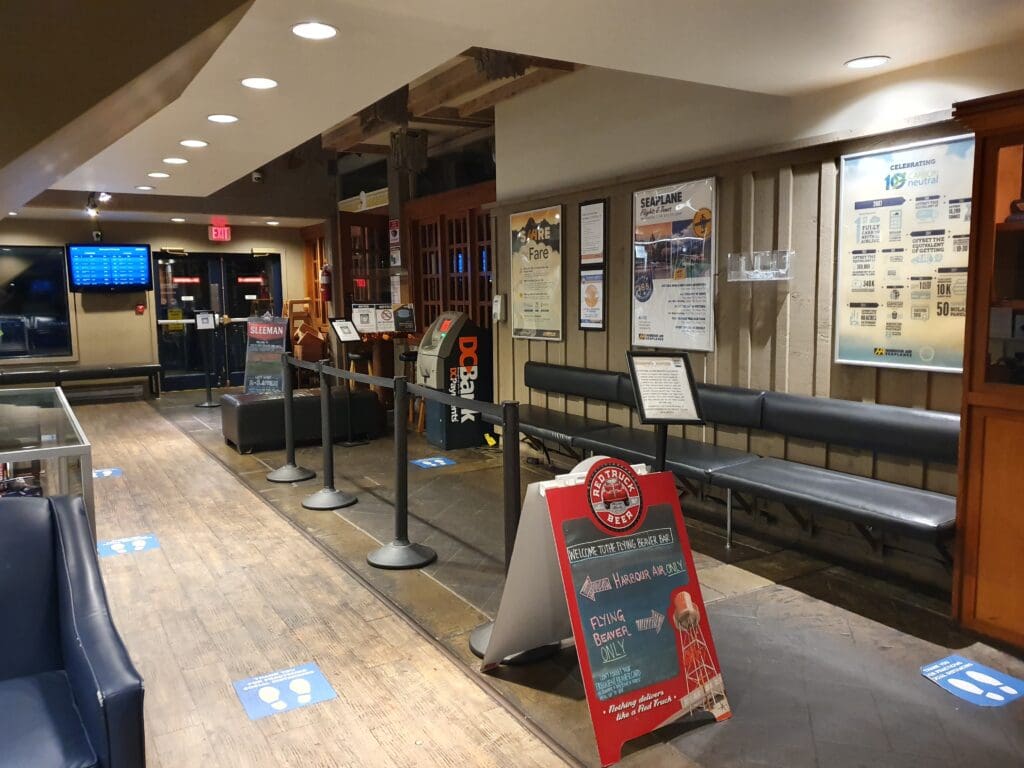

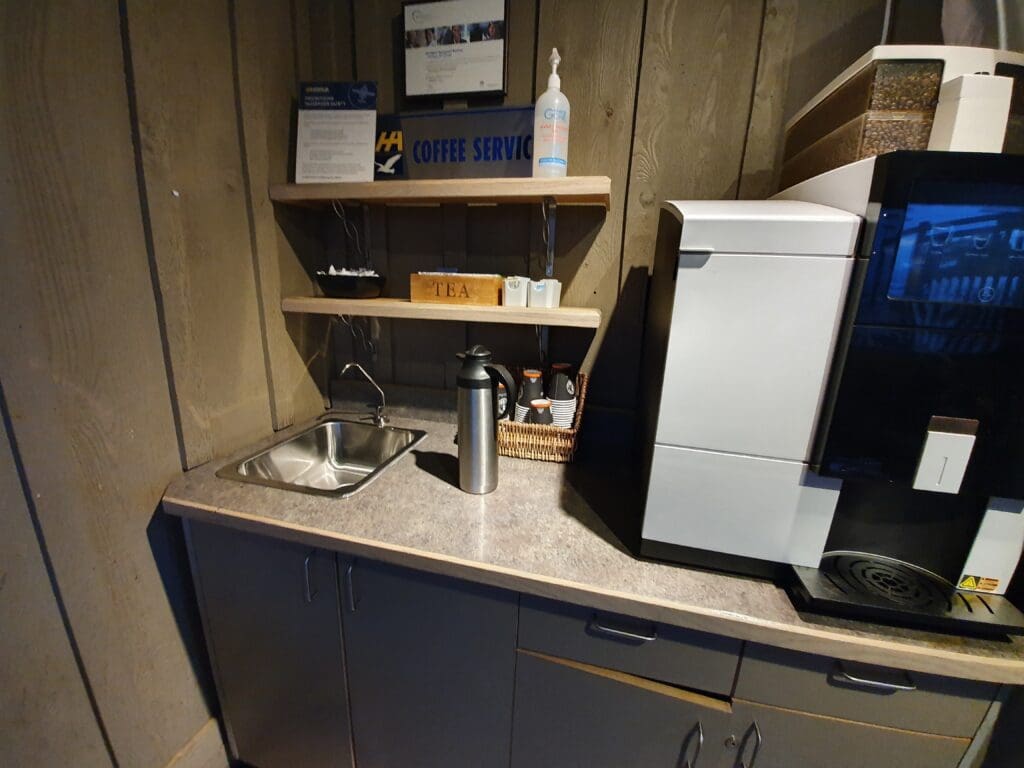
With around 45 minutes to go until departure, a single check-in counter opened for those heading off on Harbour Air’s morning flights. As I approached the counter I was given a warm greeting and asked for my name and some form of official identification. After handing over my passport, the check-in agent did some typing away before advising me that payment for the flight would then be taken from my card. Once done, my bag was weighed and tagged and I was asked whether I would like to check this in, rejecting their offer, I was then handed a yellow reusable laminated boarding pass and advised that boarding would commence just after 0800. Aside from comfortable seats, a nice aviation-oriented atmosphere, fast wifi and plug sockets, Harbour Air’s passengers are provided with complimentary coffee, tea, a plate of delicious biscuits and mints. Toilets are also offered although these are located in and shared with the neighbouring bar. Thankfully, with these having just been cleaned these were in a spotless condition.
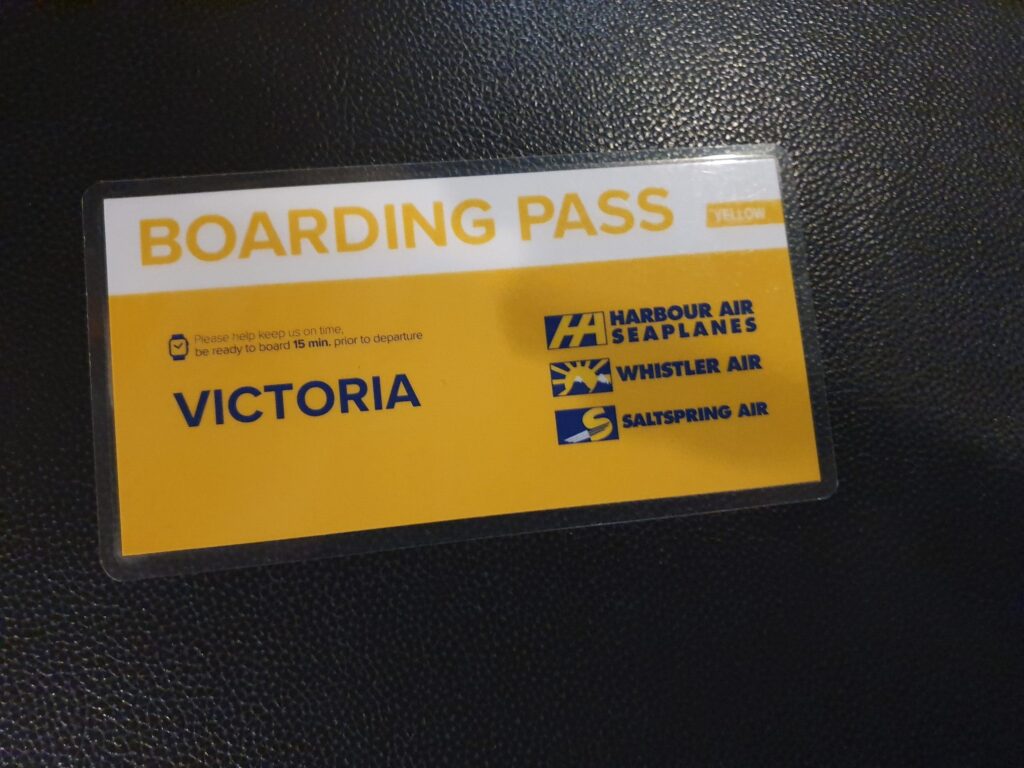
That morning, the period between 0800 and 0900 appeared to be Harbour Air’s morning rush hour, with four services departing to Nanaimo, Salt Spring Island, Sechelt and Victoria. Inside, whilst busy, a few seats remained vacant for the duration of my stay and unsurprisingly a good few passengers arrived towards the end of the flights’ check-in windows. According to Harbour Air’s website, check-in opens 30 minutes before departure and the seats of those passengers who have not checked in with 15 minutes to go may be sold to other passengers. At 0802, an announcement was made requesting those heading off on Harbour Air’s 0810 flight to Nanaimo to make their way forward for boarding. At this time, a grand total of three passengers left the lounge and made their way out to one of the two Turbine Otters bobbing up and down alongside the pier. No more than two minutes later, those bound for Victoria were requested to come forward. Wasting no time, I headed to the door that leads to the pier and handed my boarding pass to another friendly Harbour Air agent.
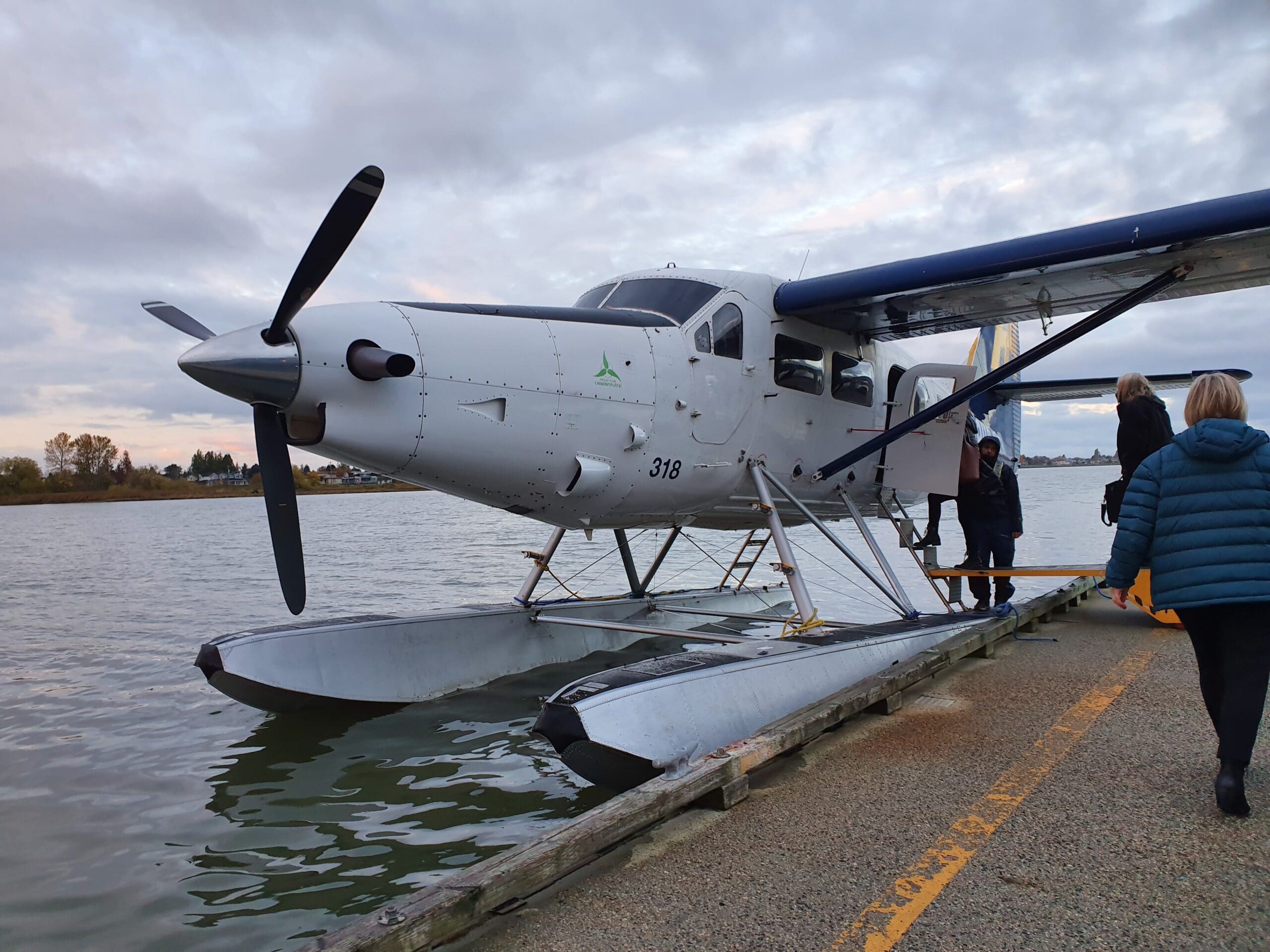
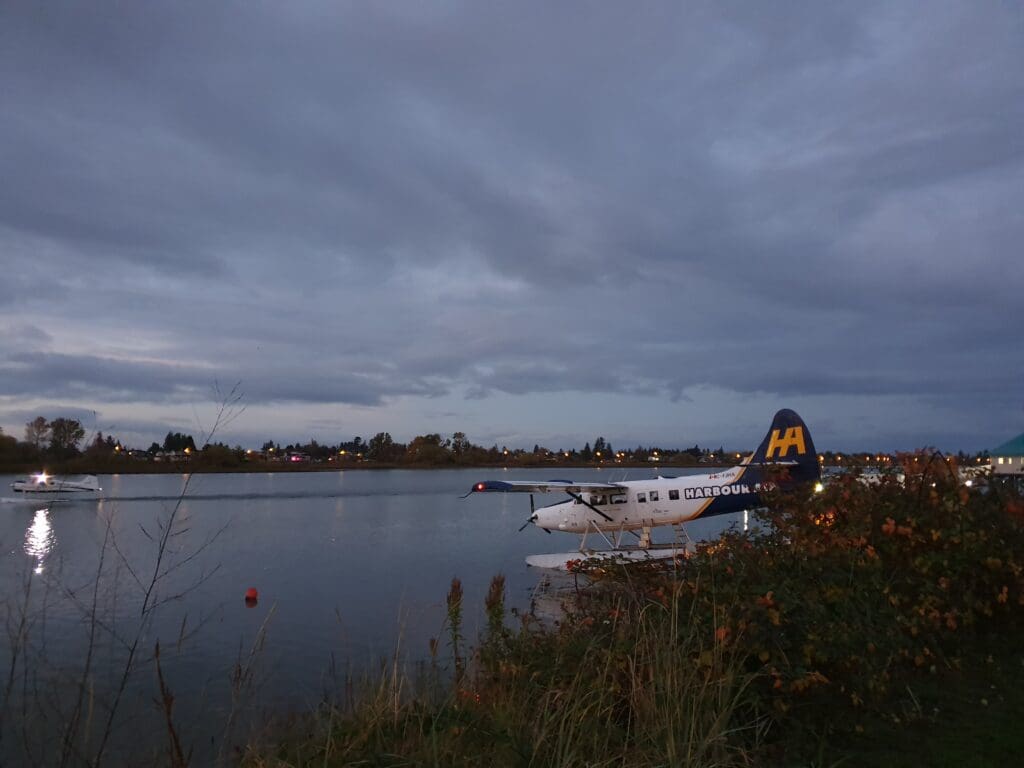
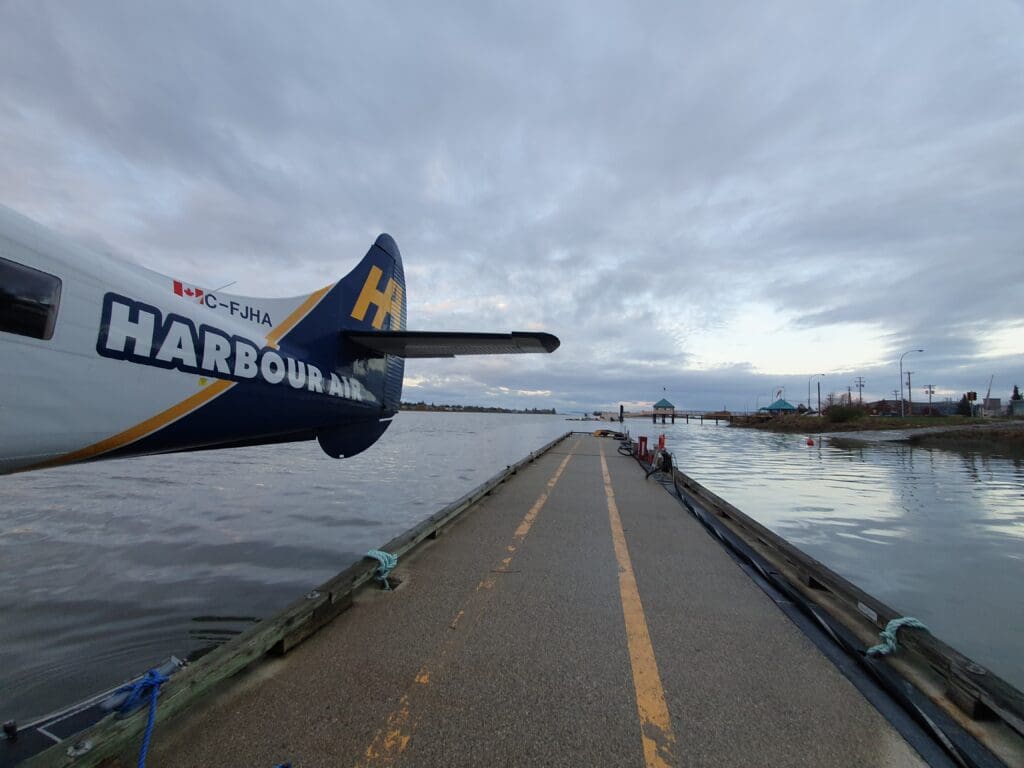
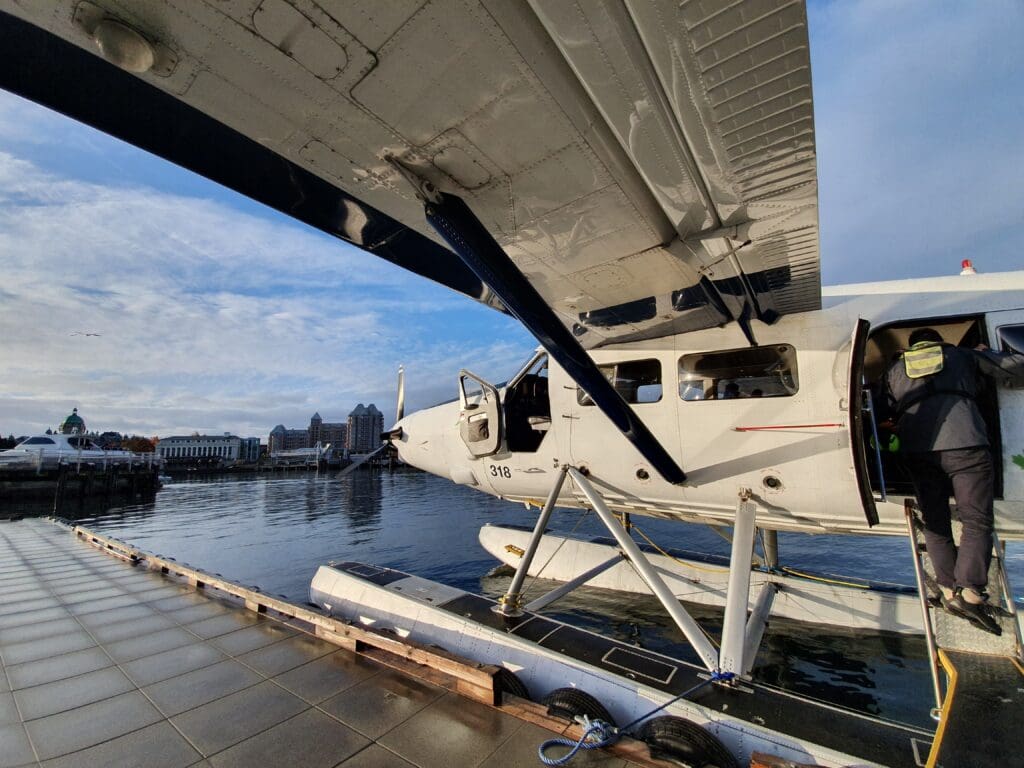
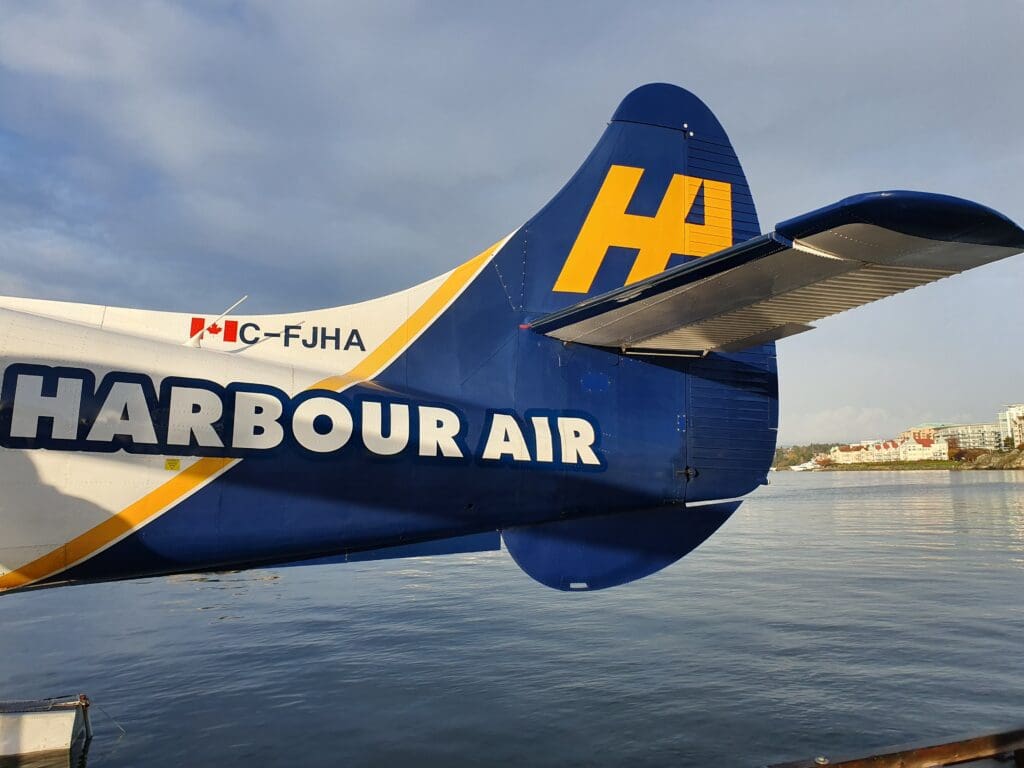
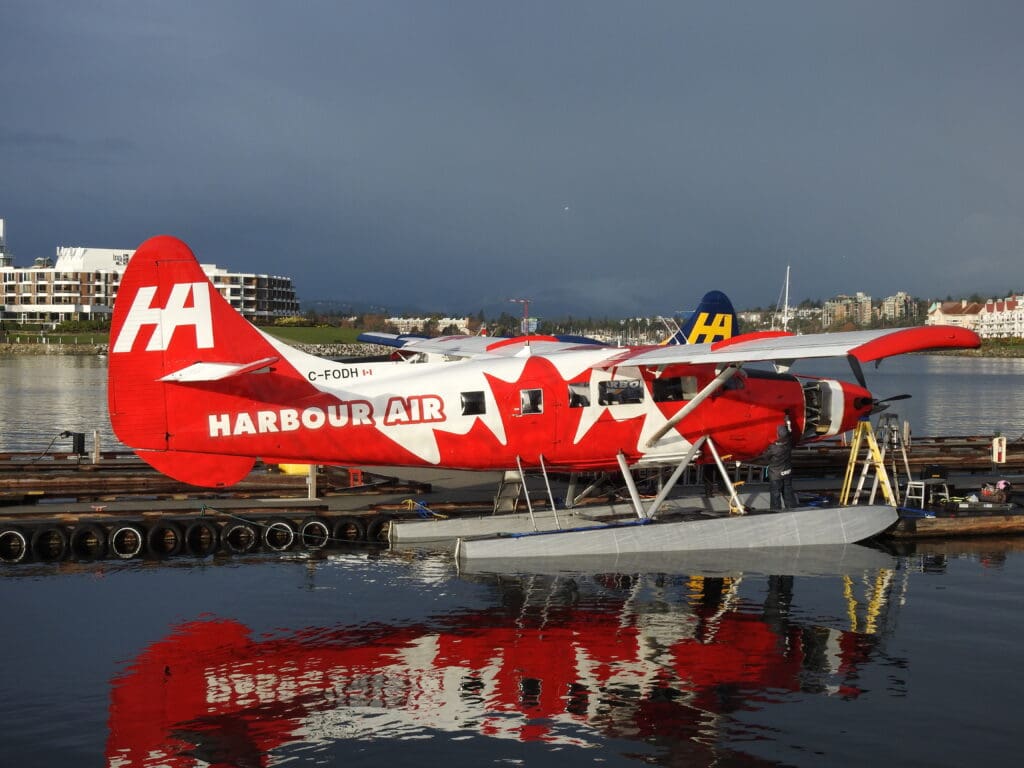
After exiting the terminal building, I headed down the pier and pointed right where C-FJHA could be seen floating, guarded by the flight’s sole pilot and a member of Harbour Air’s ground crew, both of whom assisted passengers with the treacherous act of crossing the narrow gangplank and climbing into the small aircraft. As with all of Harbour Air’s Otters and Turbine Otters, this particular aircraft has a long and interesting history.
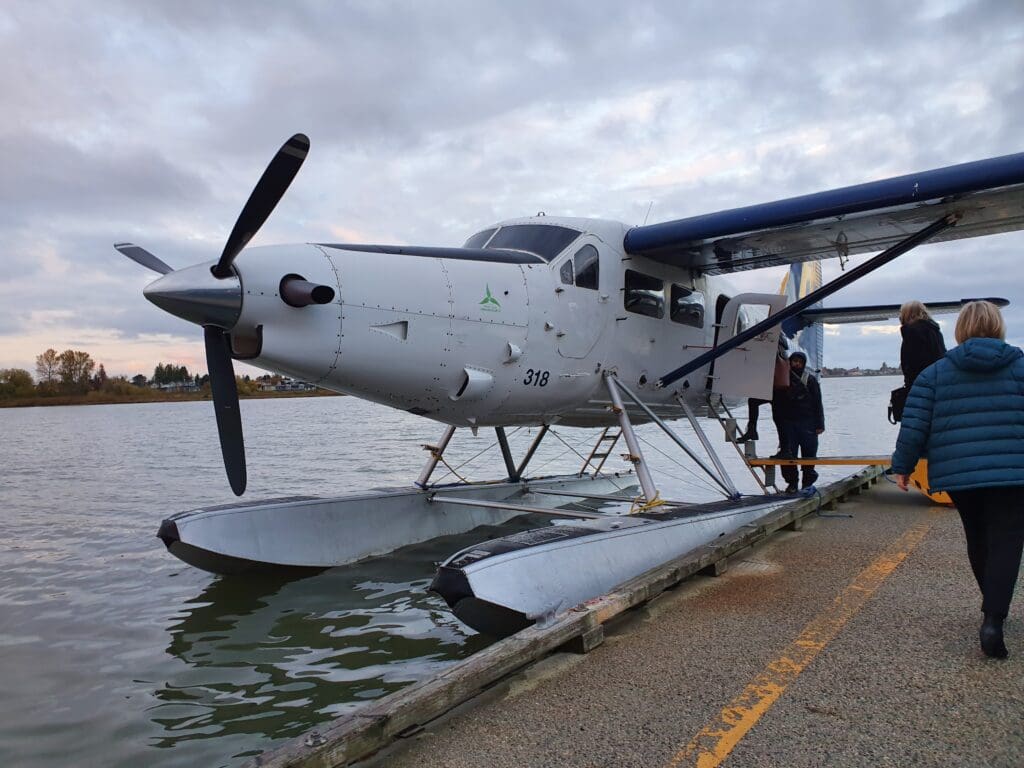
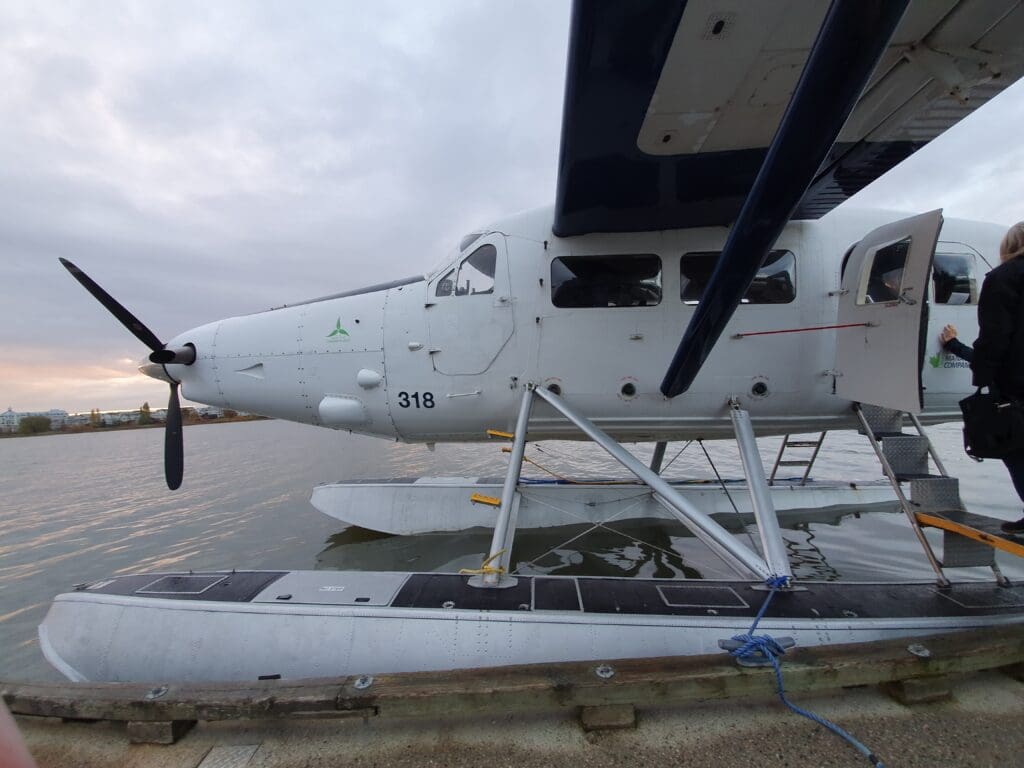
Manufactured as a de Havilland Canada DHC-3 Otter in 1960, 61 years before my flight in the aircraft, C-FJHA would be one of the oldest commercial aircraft that I have ever flown. Initially entering service with the Royal Canadian Air Force as 9415, this hopped between squadrons, undertaking stints in Downsview, Saskatoon and Winnipeg. With the retirement of the Otter from military service in 1981, 9415 undertook a farewell tour across Western Canada before being withdrawn from duty and placed into storage at CFB Mountain View in Ontario in December 1981. The following autumn, the aircraft was sold to the civilian world, given the registration C-GVMH and ferried across to Edmonton. With minimal flying undertaken since its retirement from the military, in October 1984 the Otter was exported to Alaska where it flew with McGrath-based Hub Air Service under the registration N61LC. Remaining in Alaska, in 1987 the aircraft moved over to Wrangell-based Diamond Aviation before returning to Canada in 2001. In 2004, the aircraft’s engine was replaced and the type was upgraded to a Turbine Otter, after which the aircraft was sold to Trans Maldivian Airways. Despite being shipped to Malé, following Trans Maldivian Airways’ decision to operate the Twin Otter only, the aircraft ended up in Sri Lanka as 4R-ARB, where it flew for Sri Lankan Airlines’ long defunct floatplane operation SriLankan Air Taxi. In 2007, the aircraft was shipped back to its homeland before eventually entering service with Harbour Air as C-FJHA in January 2009. Perhaps unsurprisingly given the aircraft’s age, and the often risky backcountry missions undertaken during the first few decades of its life, this particular Turbine Otter has suffered from several notable incidents, although none so severe to warrant writing the aircraft off.
Cautiously crossing the narrow plank to avoid ending up in the frigid waters of the Fraser River, I clambered up into the Turbine Otter’s small cabin. Immediately upon entering this, the pilot took my backpack and placed it in the small hold at the rear of the cabin before advising me to take any empty seat. Following their instructions, I headed to the front of the cabin and took Seat 1C behind the First Officer’s station.
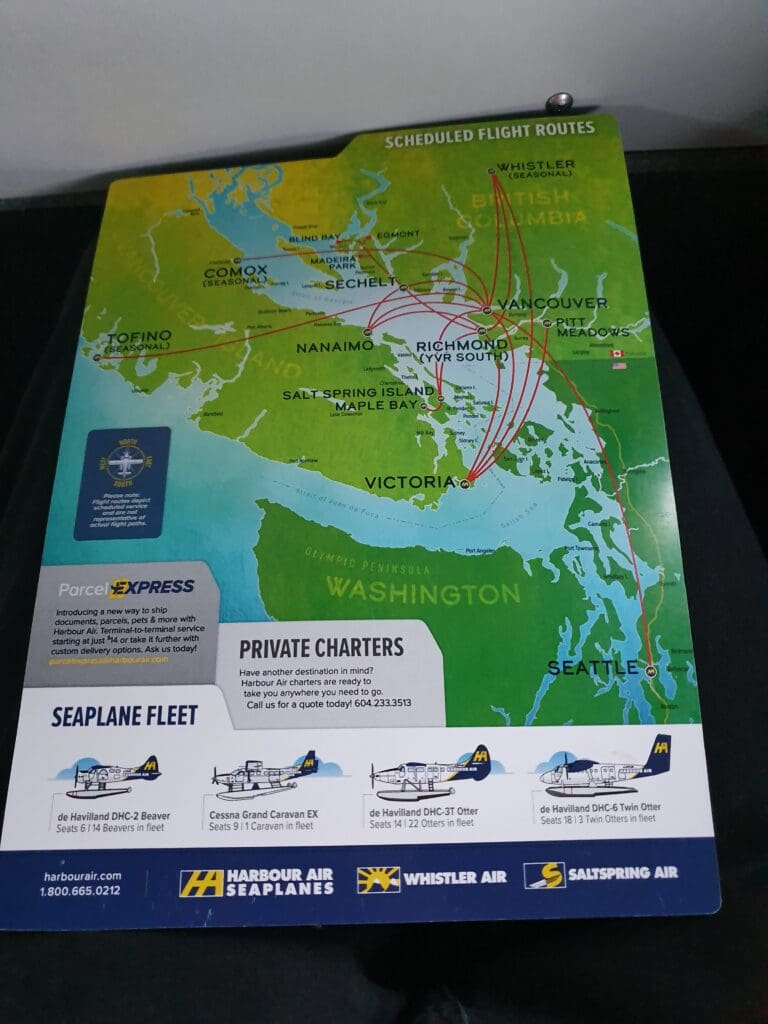
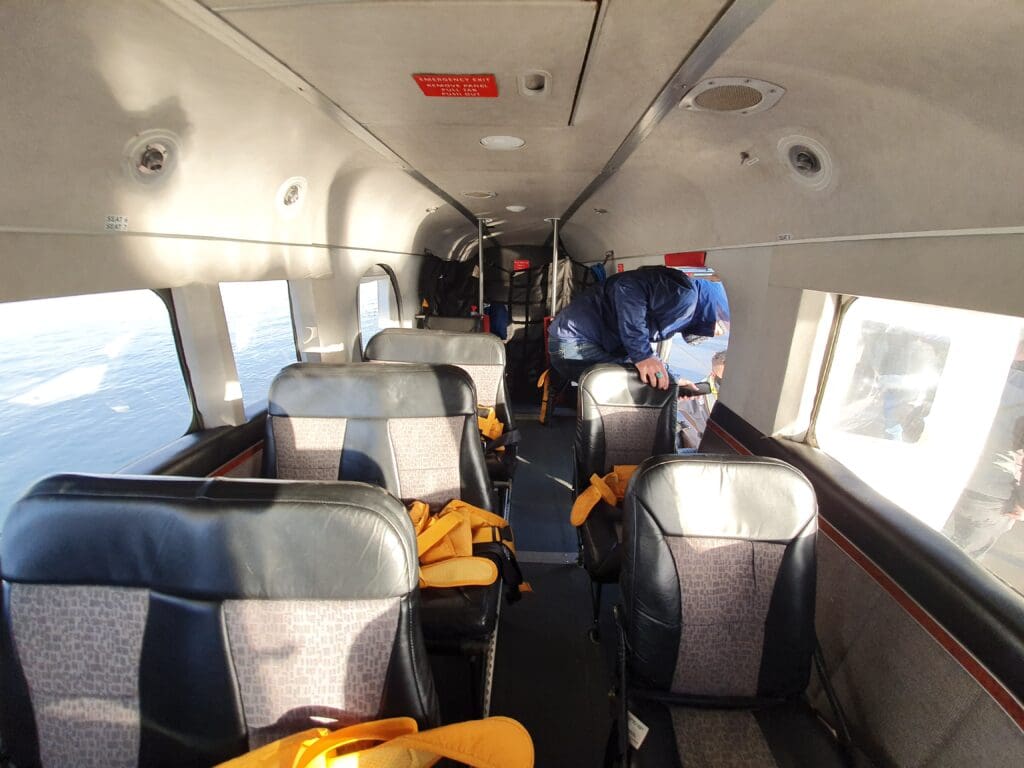
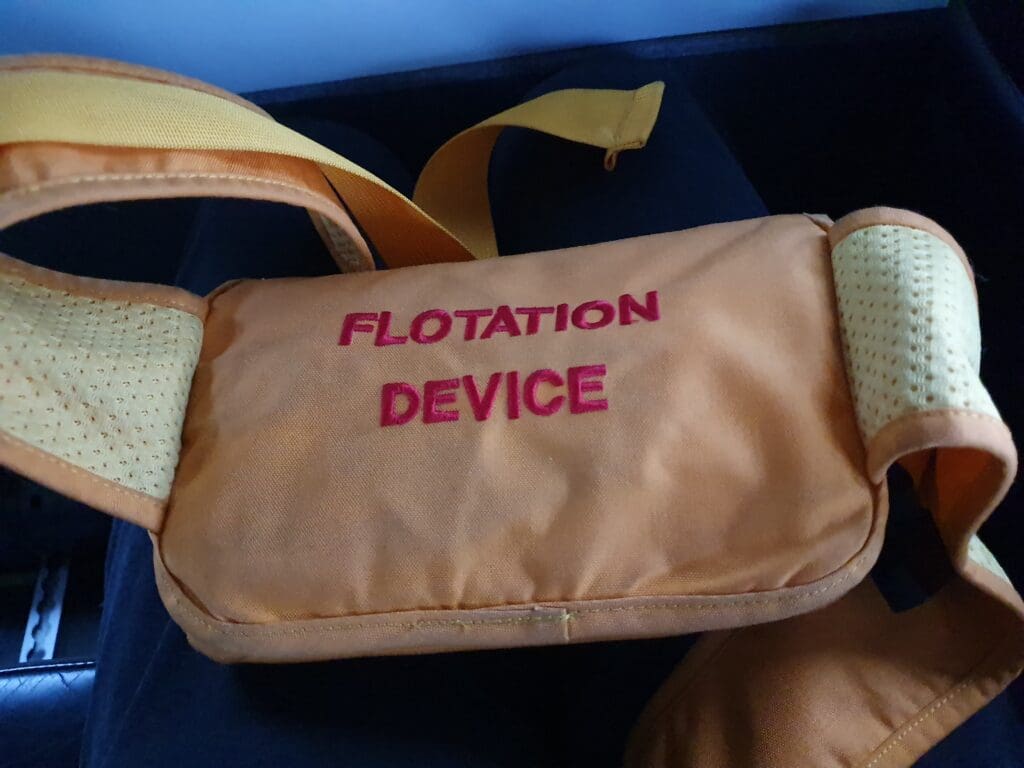
Inside, the cabin is complete with fourteen small yet well-padded seats, each of which is covered in a part fabric, part leather covering. Upon boarding, wearable floatation devices could be found on each seat and we were later advised to strap these around our waists. Meanwhile, a safety card, sick bag and route map showing Harbour Air’s network of scheduled routes could be found in the seatback pockets, or the side pockets in the case of those seats in the forwardmost row. Despite the aircraft’s age, I was pleased to find this to be a clean and presentable state, with only minimal marks and scratches, whilst the large bulbous window to my right was clean and clear, allowing for great photographs in flight. Finally, it is worth noting that those favouring comfort over cockpit views may wish to avoid the front row seats, as these proved to be a tight squeeze.
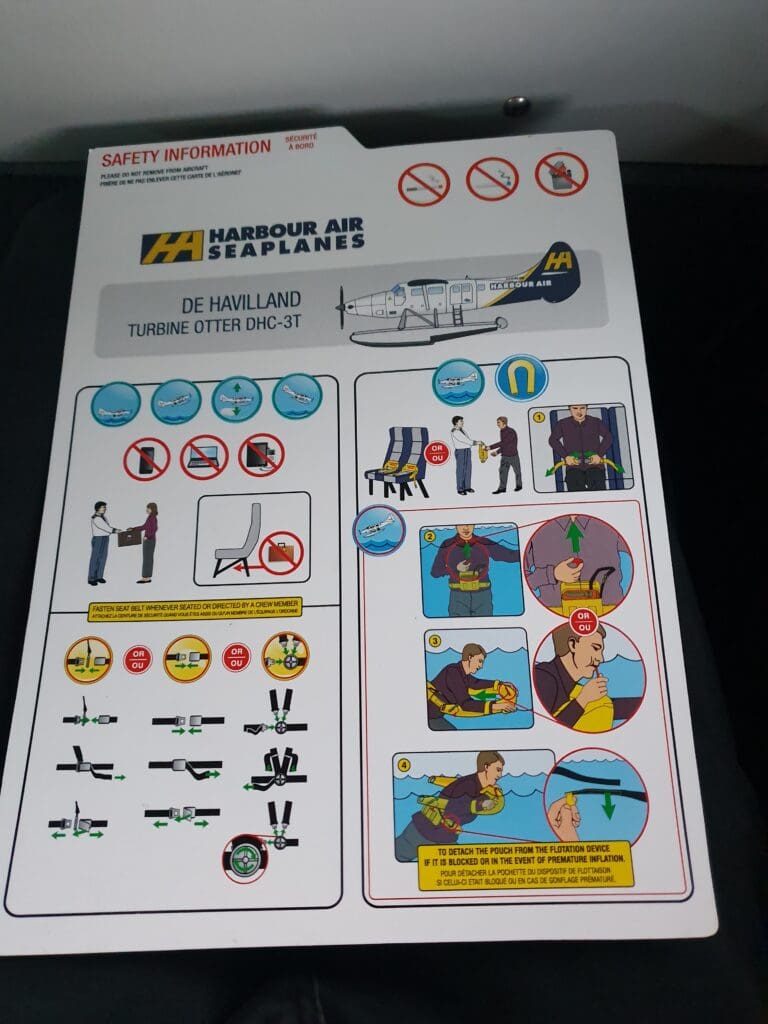
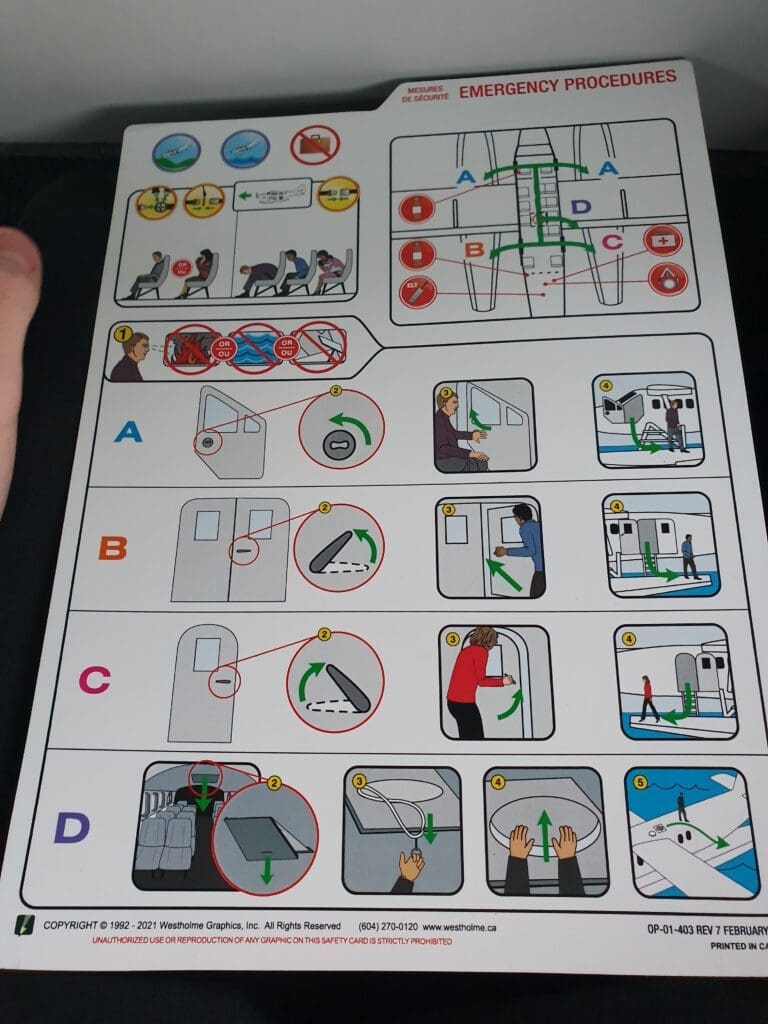
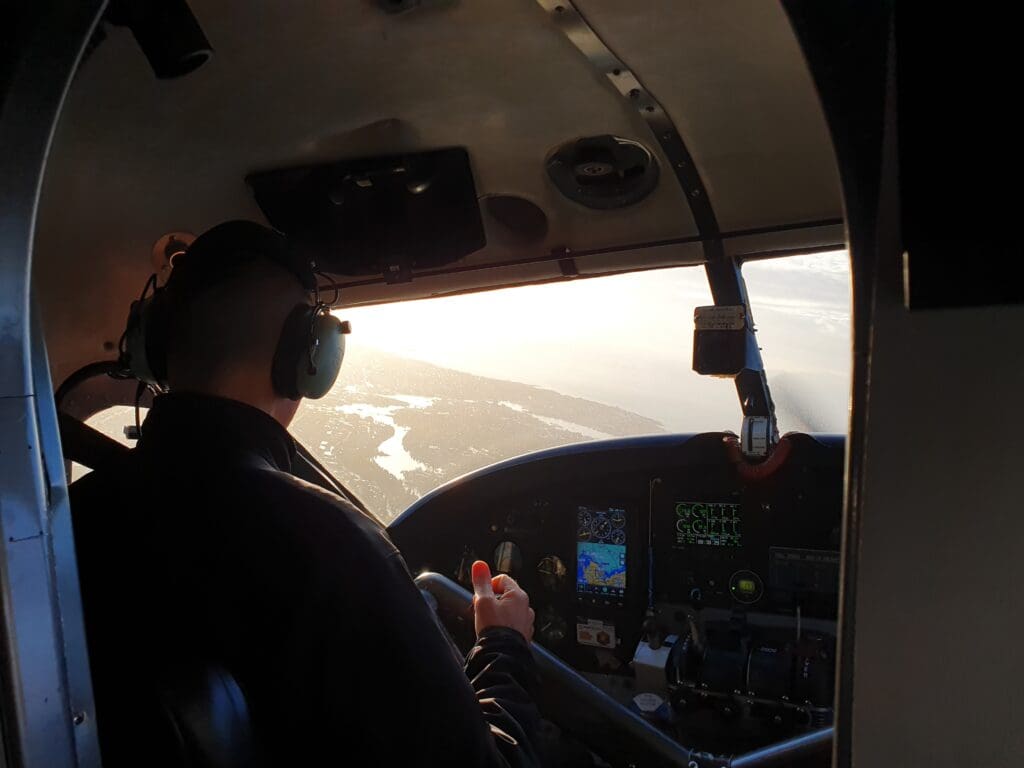
With a grand total of eight passengers heading off to Victoria that morning, boarding was completed within a few short minutes and the door at the rear of the cabin was closed well ahead of schedule. Rather than squeezing through the cabin, the pilot made use of the Turbine Otter’s cockpit doors and climbed up into the cockpit before turning around and giving a short welcome speech. During this, the pilot gave an update on the weather both en route and in Victoria and informed us of the expected 30-minute flight time. After this, the pilot then placed an iPad into a holder above my seat which then played the safety video as the Pratt and Whitney Canada PT6A-34 engine powered up into life several metres ahead. To my surprise, this seemed to be initially rather quiet, however its noise would become evident once in the skies.
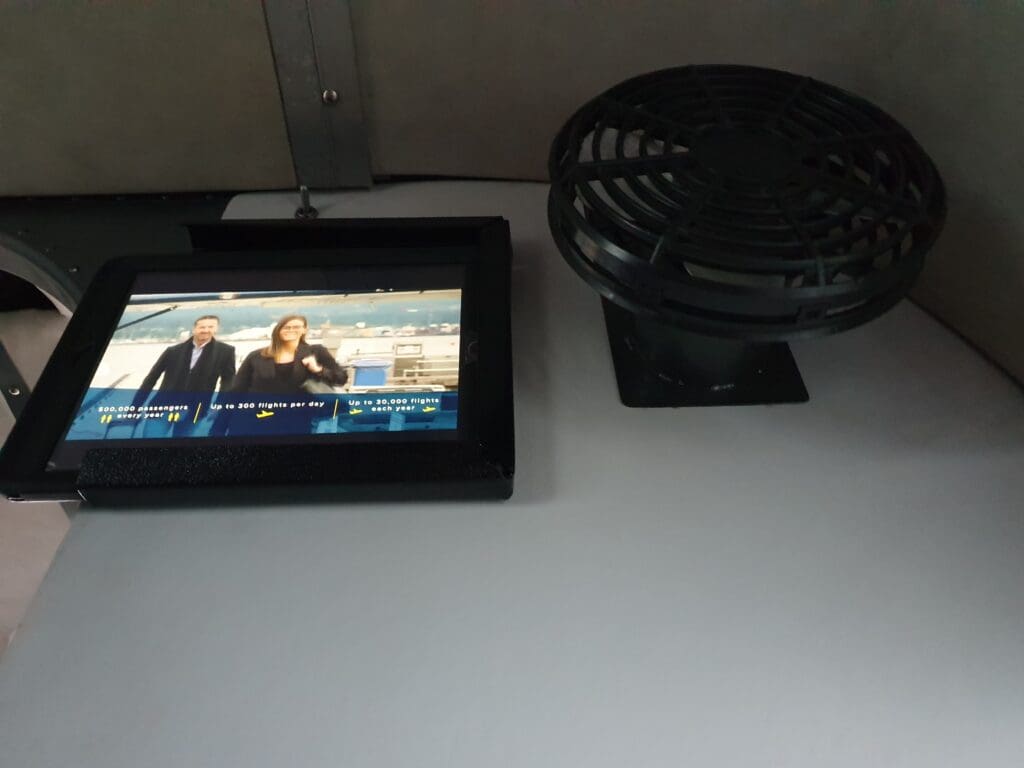
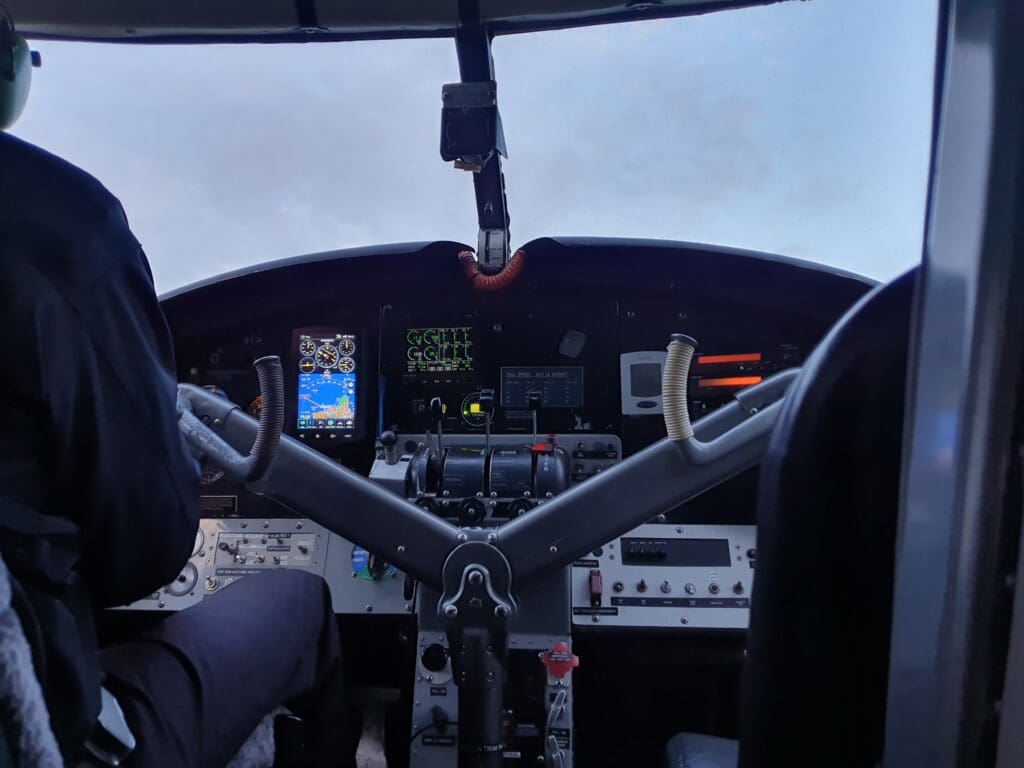
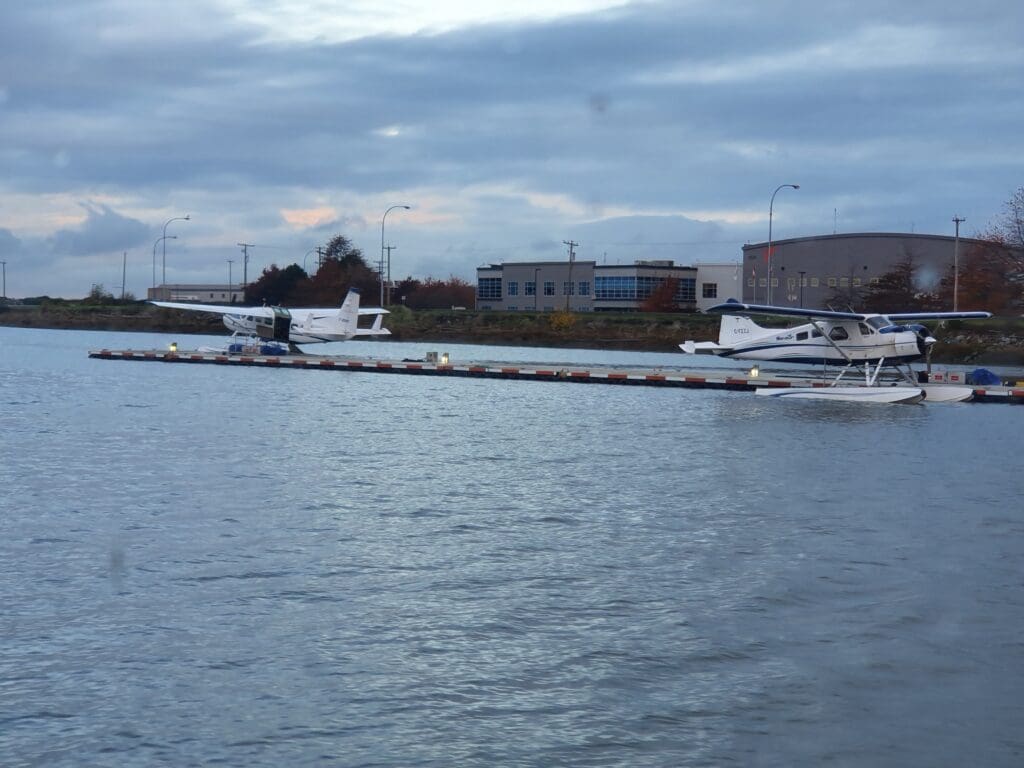
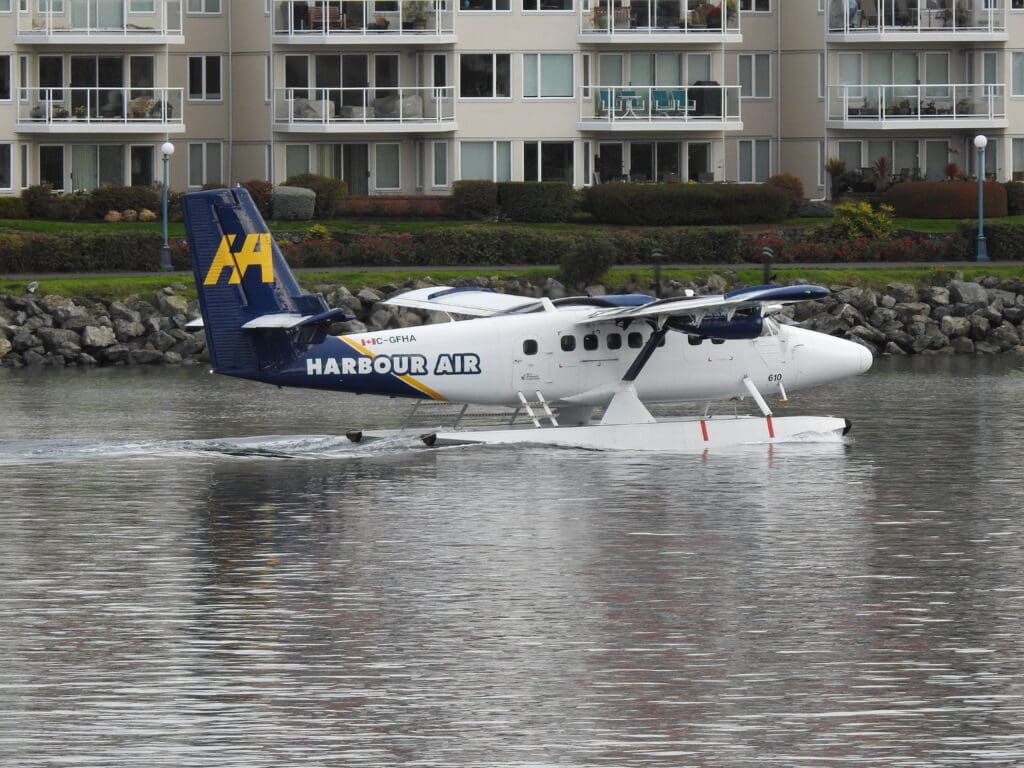
Once the safety video had reached its end, the pilot removed the iPad and placed it back into the cockpit, before wiping down the cockpit windows. A few moments later, the ropes holding the aircraft into position were removed and the Turbine Otter gently floated away from the pier. With a light wind blowing in from the east, that morning a fairly lengthy taxi would be in order along the shoreline before the aircraft could take to the skies. Once away from the pier, the Turbine Otter made its way past a Cessna 208 Caravan and de Havilland DHC-2 Otter, both operated by Seair Seaplanes. Ahead of us, the departure of the Nanaimo-bound Turbine Otter could be heard before a Harbour Air DHC-2 Otter touched down after a flight over from Salt Spring Island.
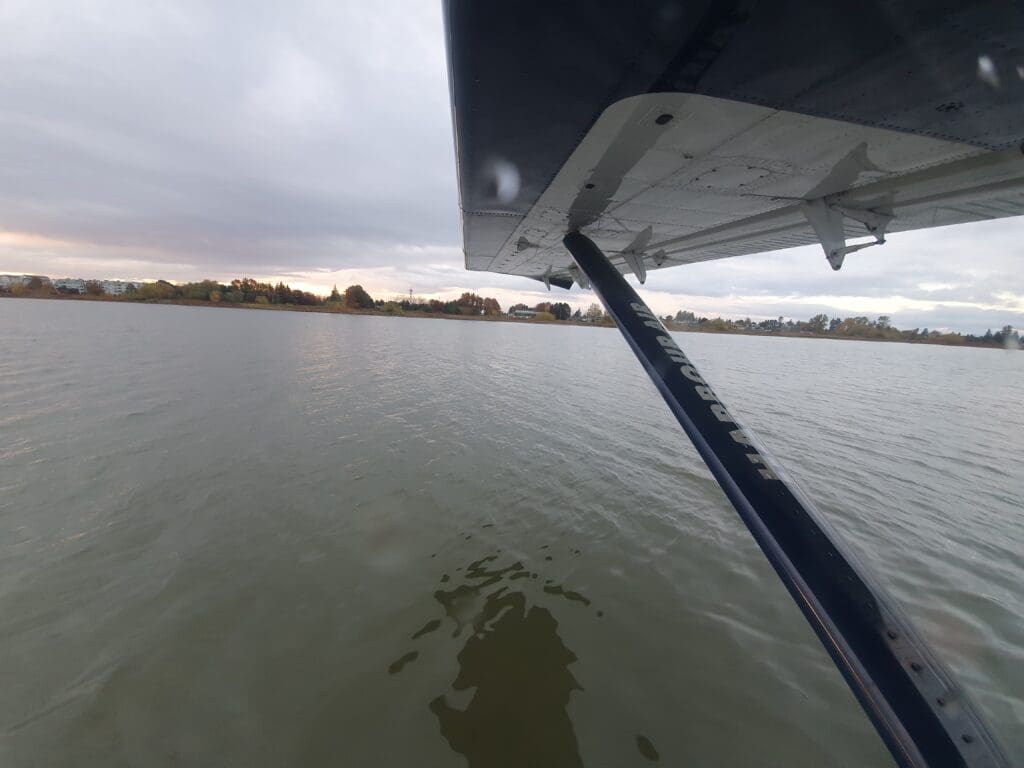
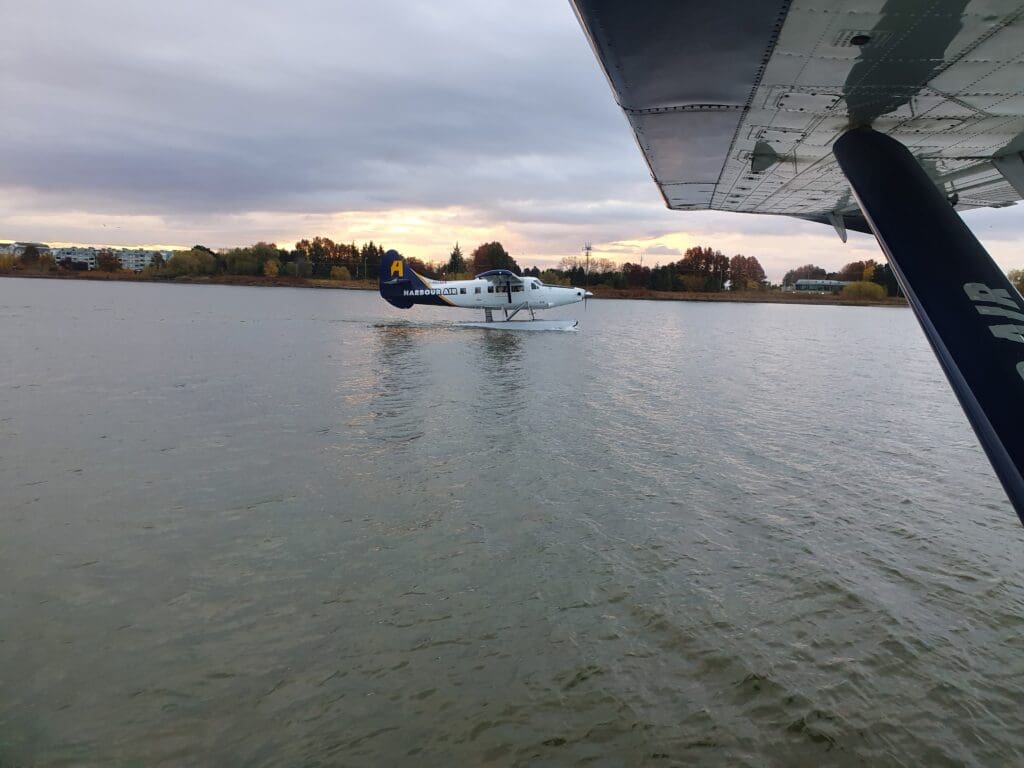
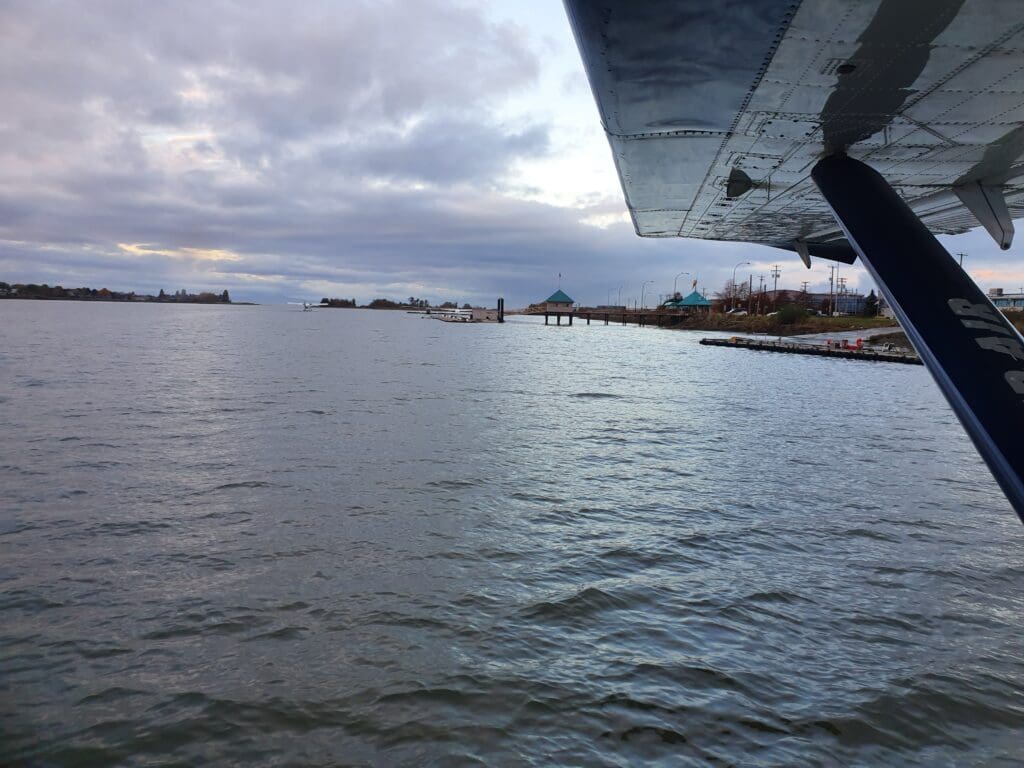
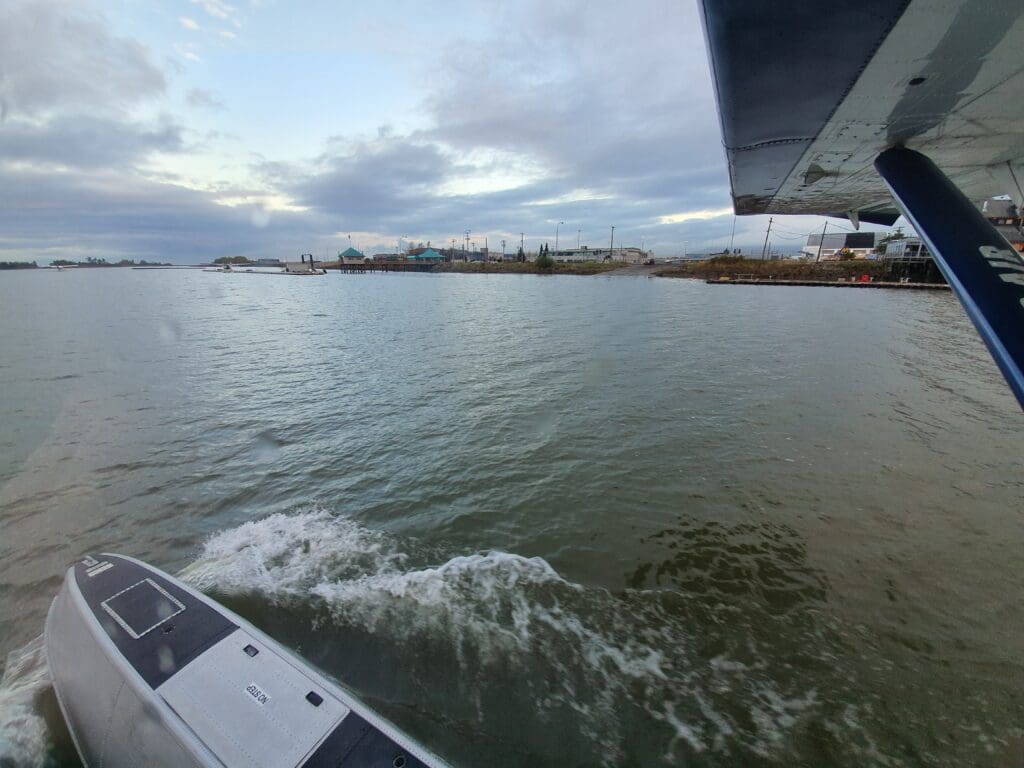
At 0816, the aircraft made its way onto the invisible water runway before the engine roared into life and the aircraft performed a surprisingly smooth and gentle takeoff roll along the water. Once in the skies, the aircraft skimmed just over the surface of the water for several seconds before pulling up and climbing over Richmond’s shoreline and passing over the Richmond Olympic Oval. Sitting on the right-hand side of the aircraft, during the first few minutes of the flight, I was offered views of the flat suburbs of Richmond as the aircraft cruised towards the coast. Heading south at 1,900 feet, three minutes after departure the aircraft passed over Steveston Harbour in southern Richmond and left the mainland behind, soon crossing Shady Island and Westham Island. Meanwhile, on the left-hand side of the aircraft, the Roberts Bank container port and Tsawwassen ferry terminal could be seen, along with the famous American territory of Point Roberts.
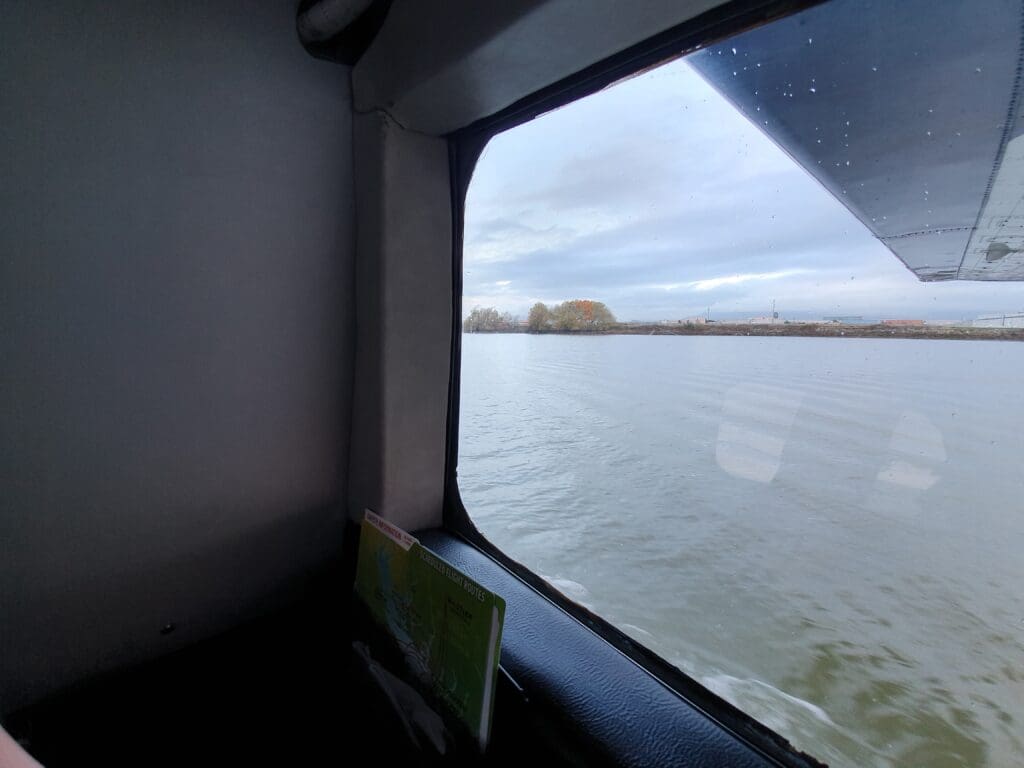
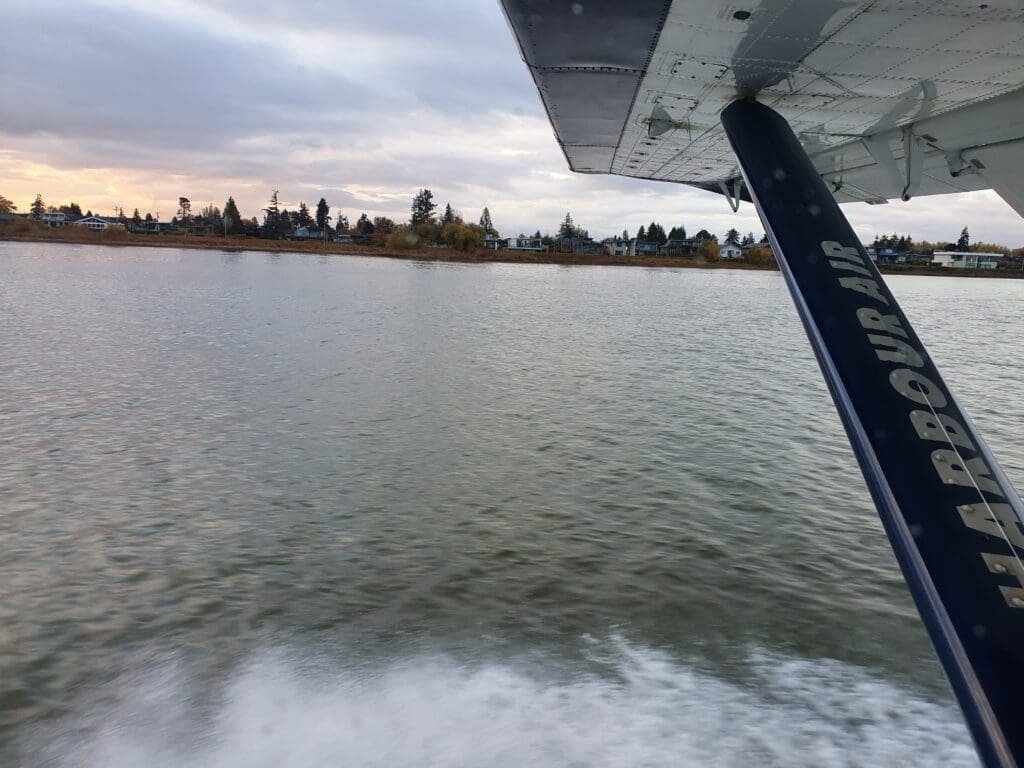
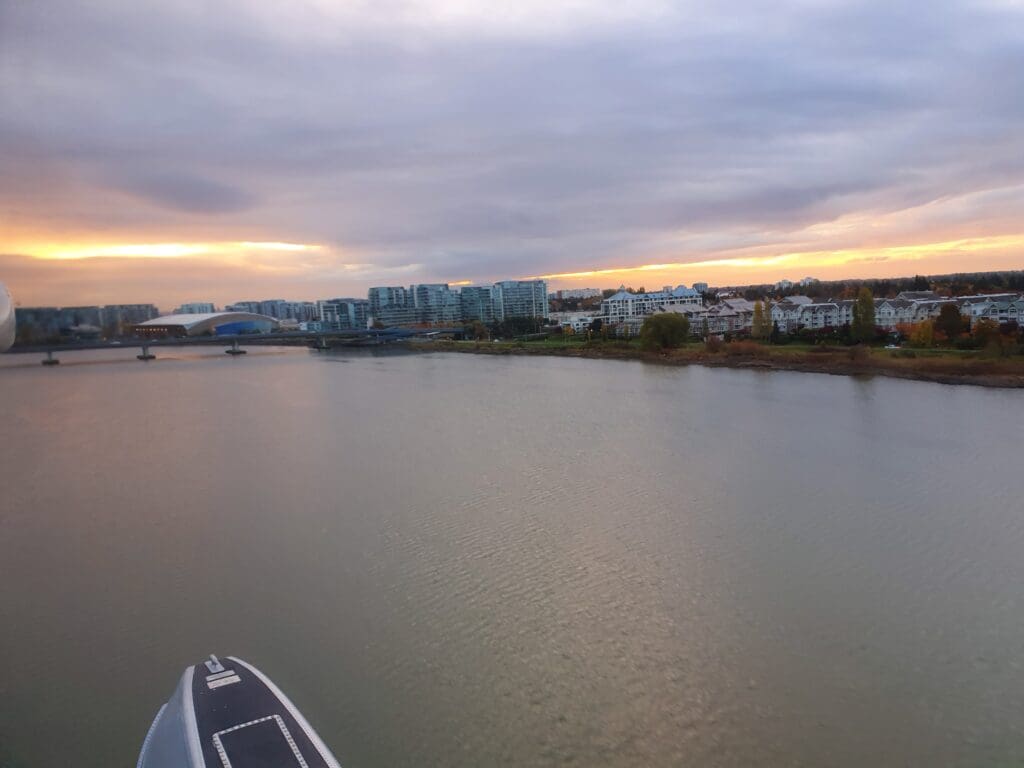
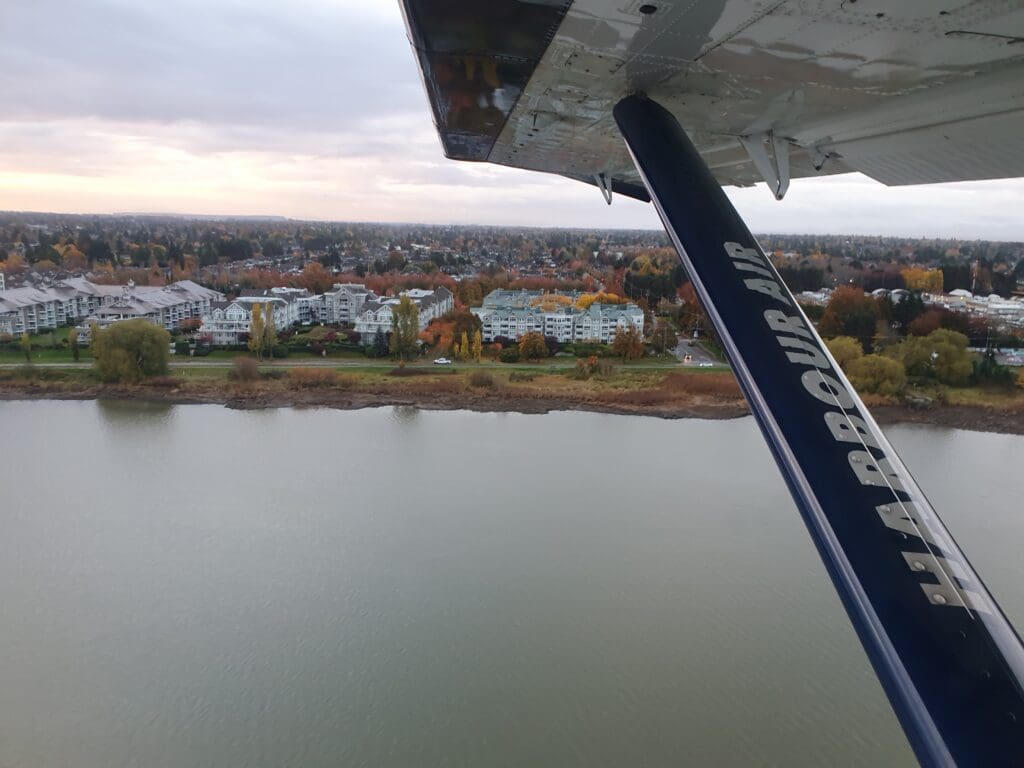
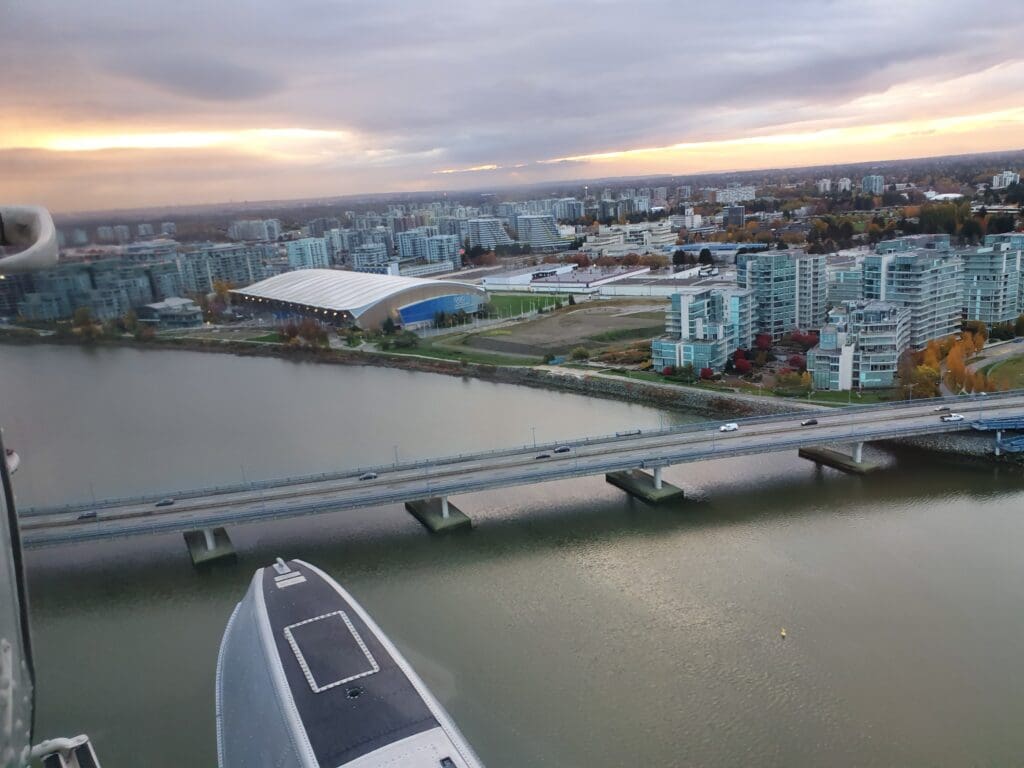
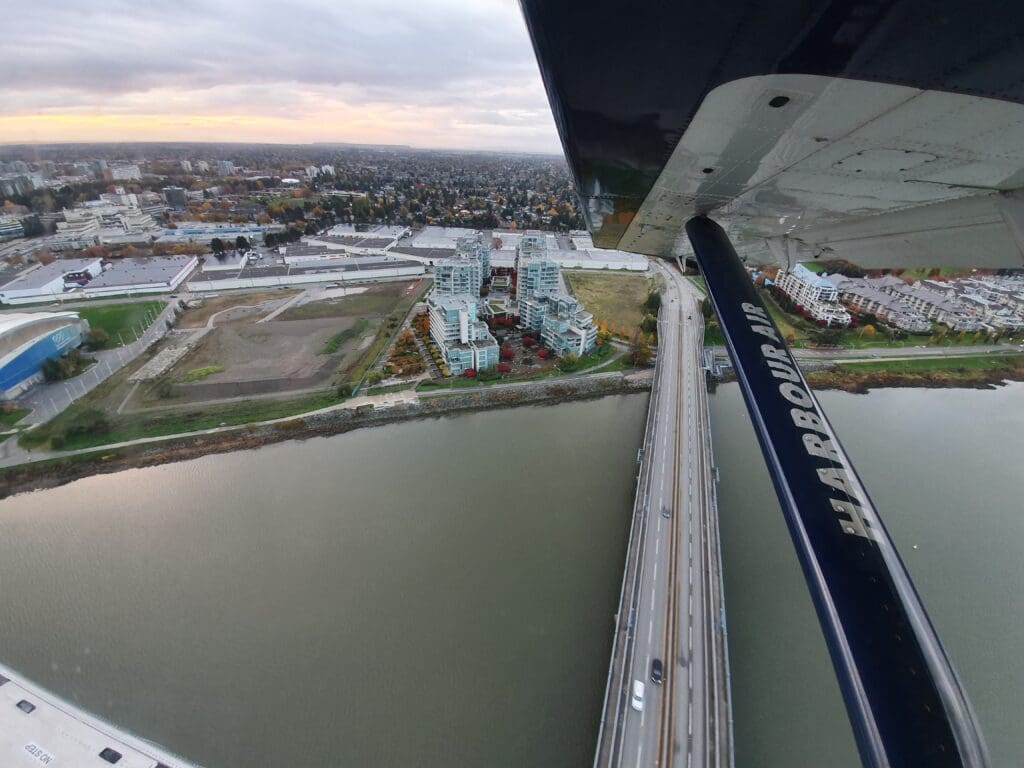
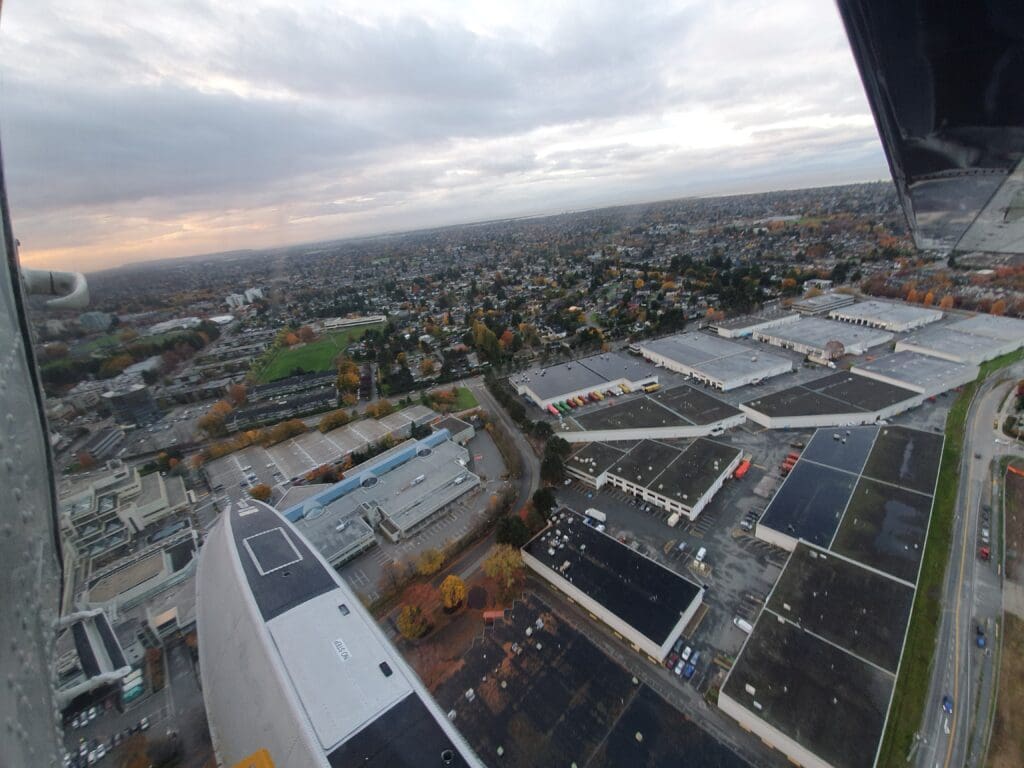

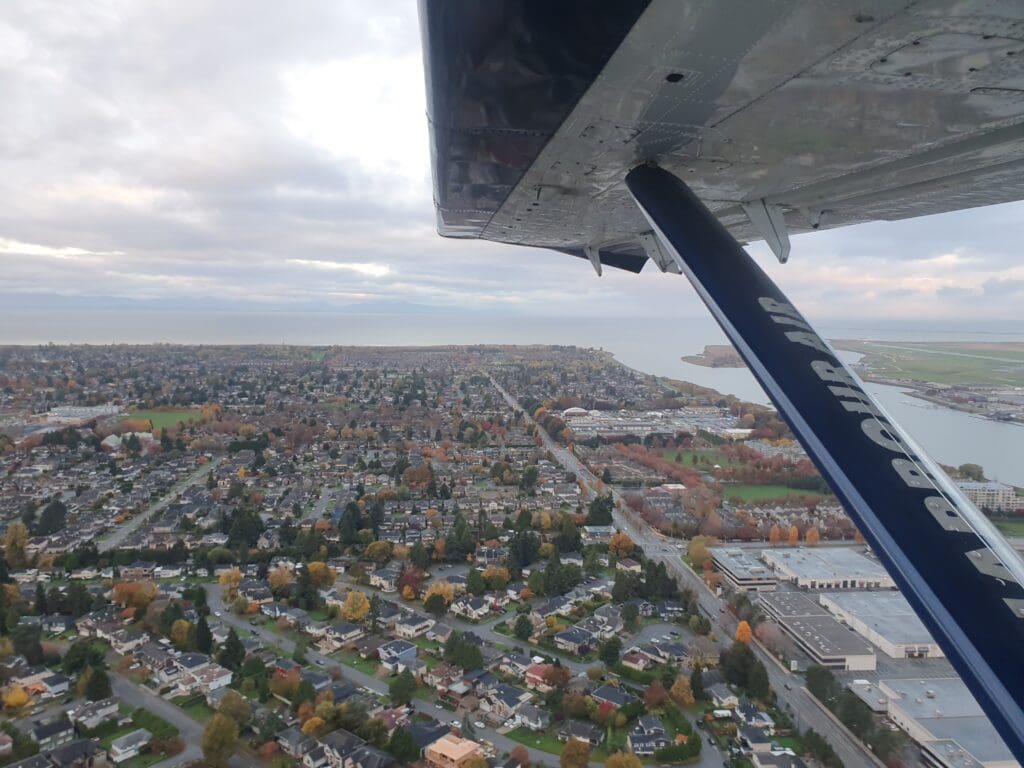
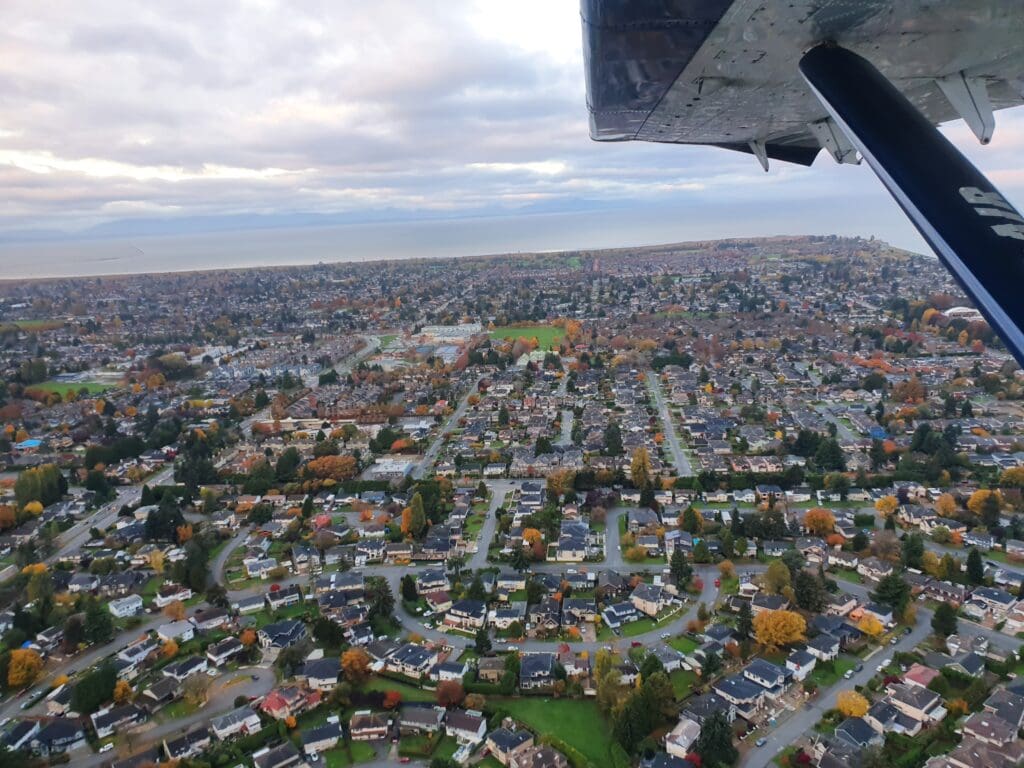
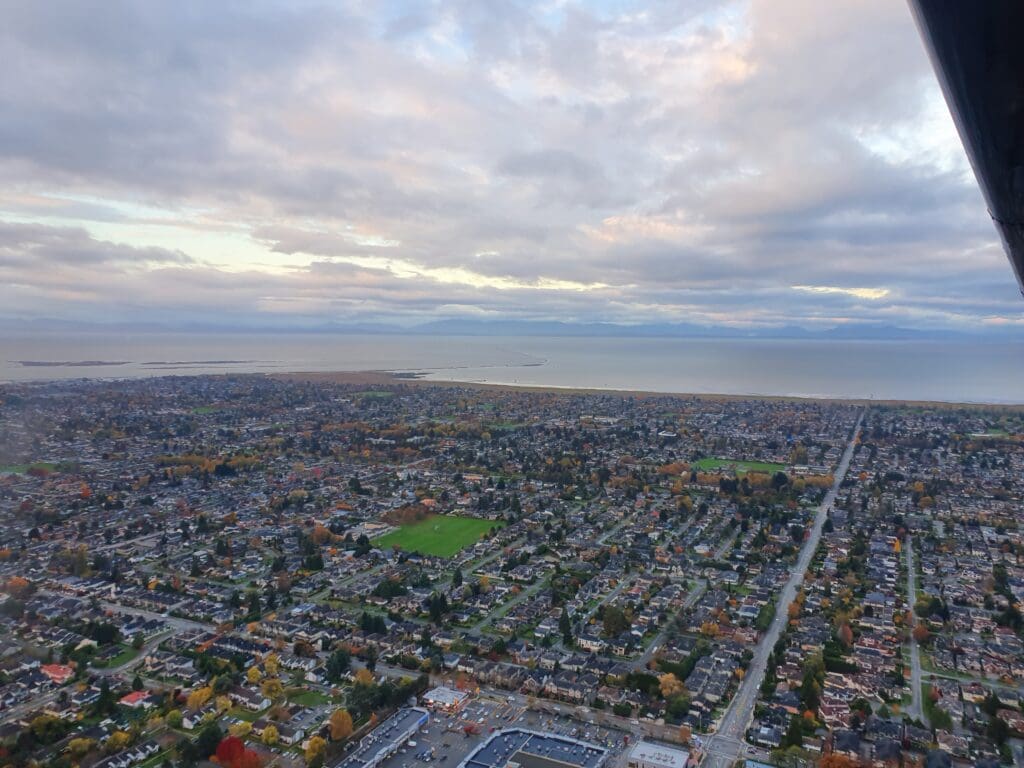
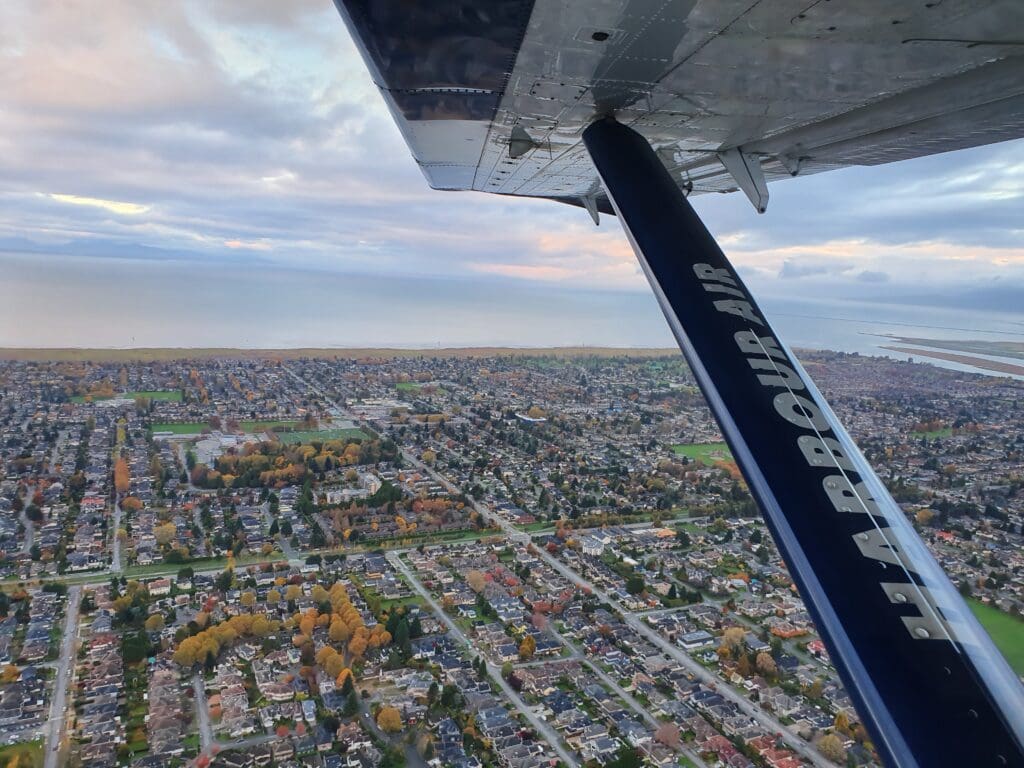
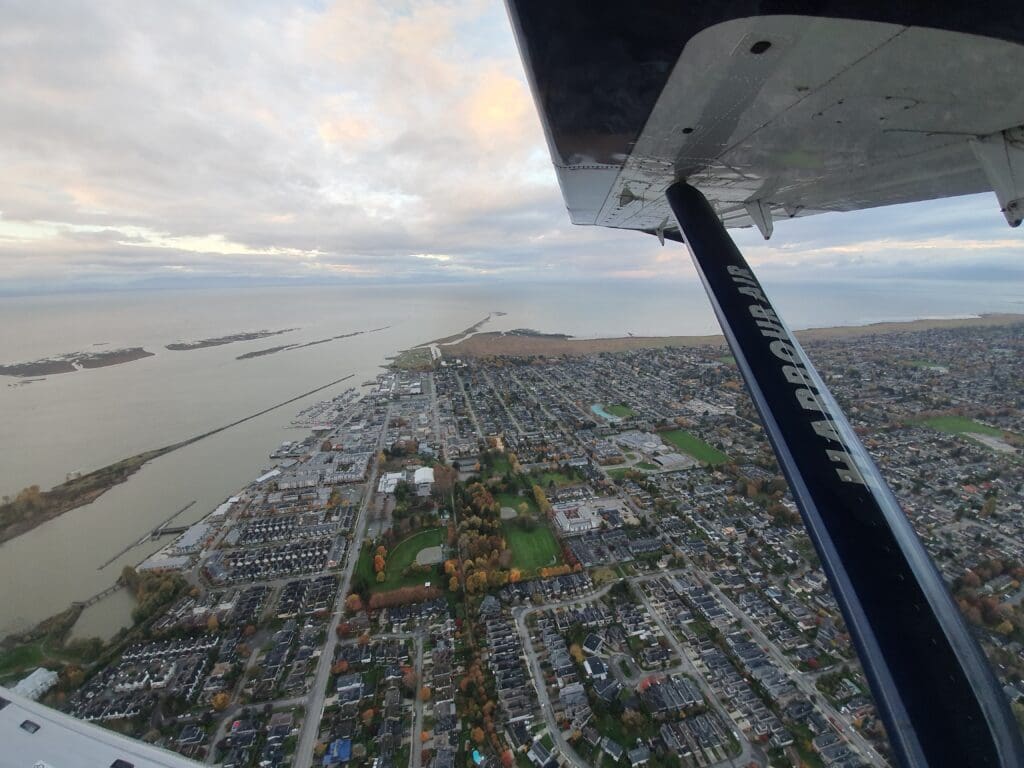
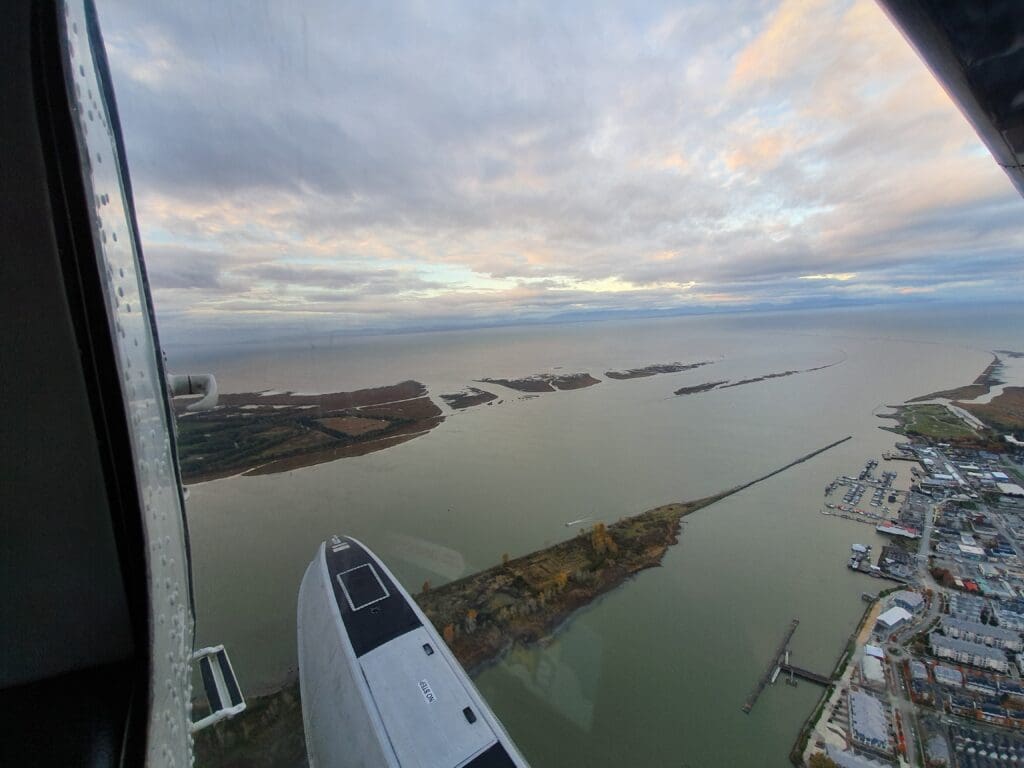
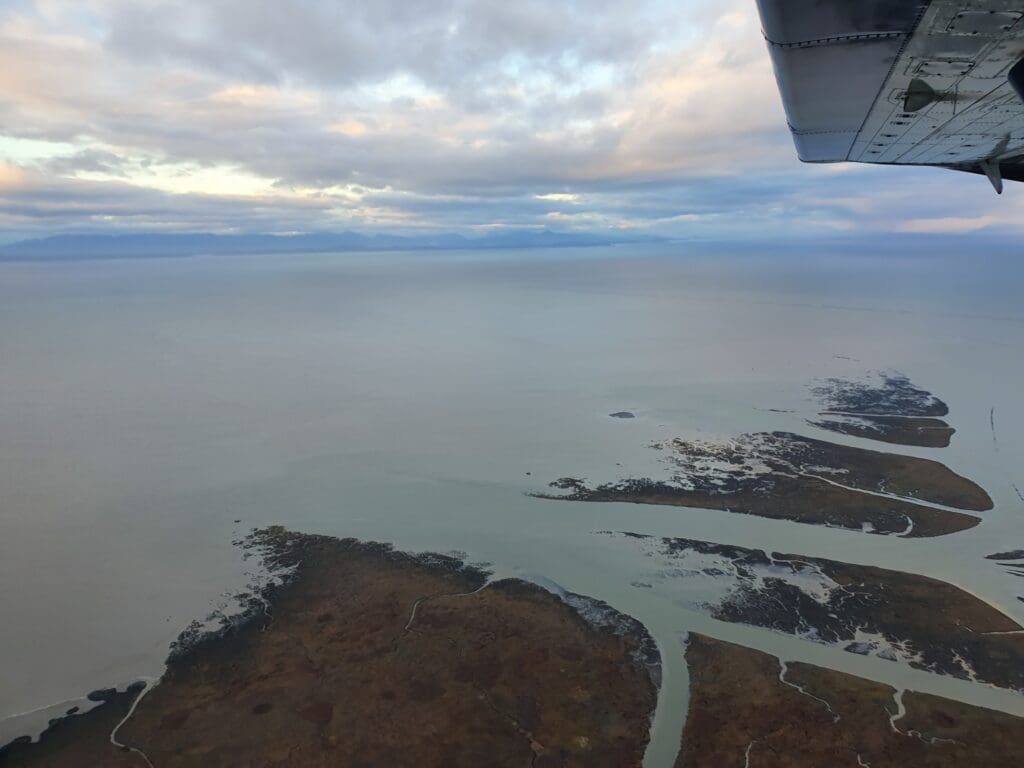
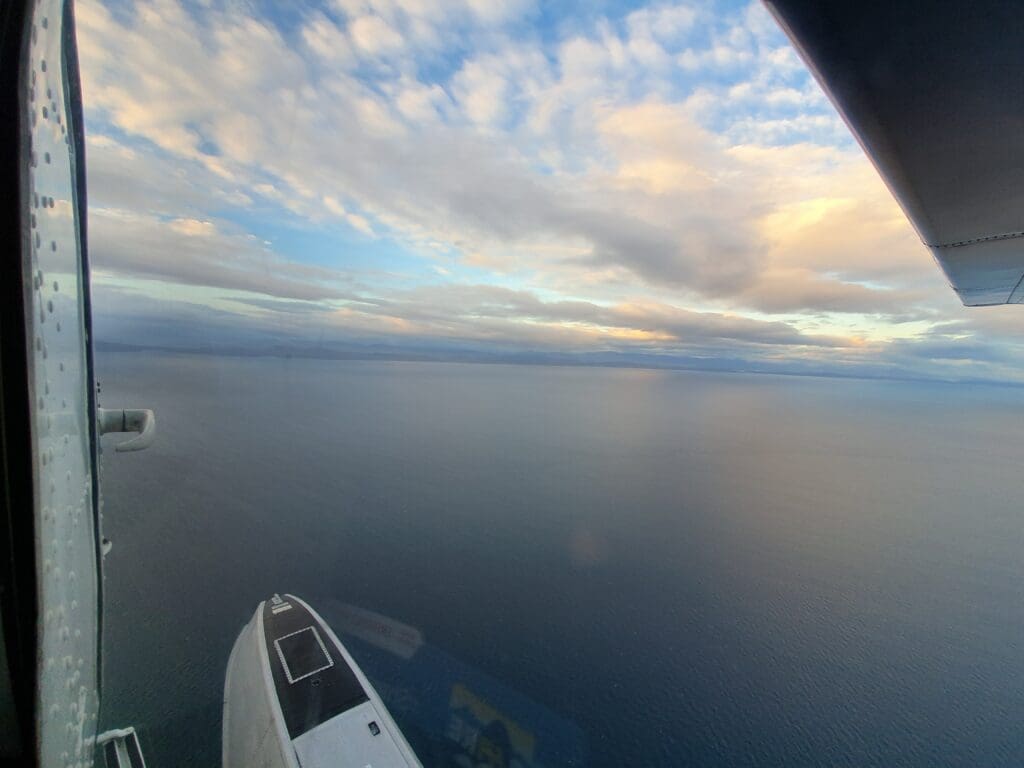
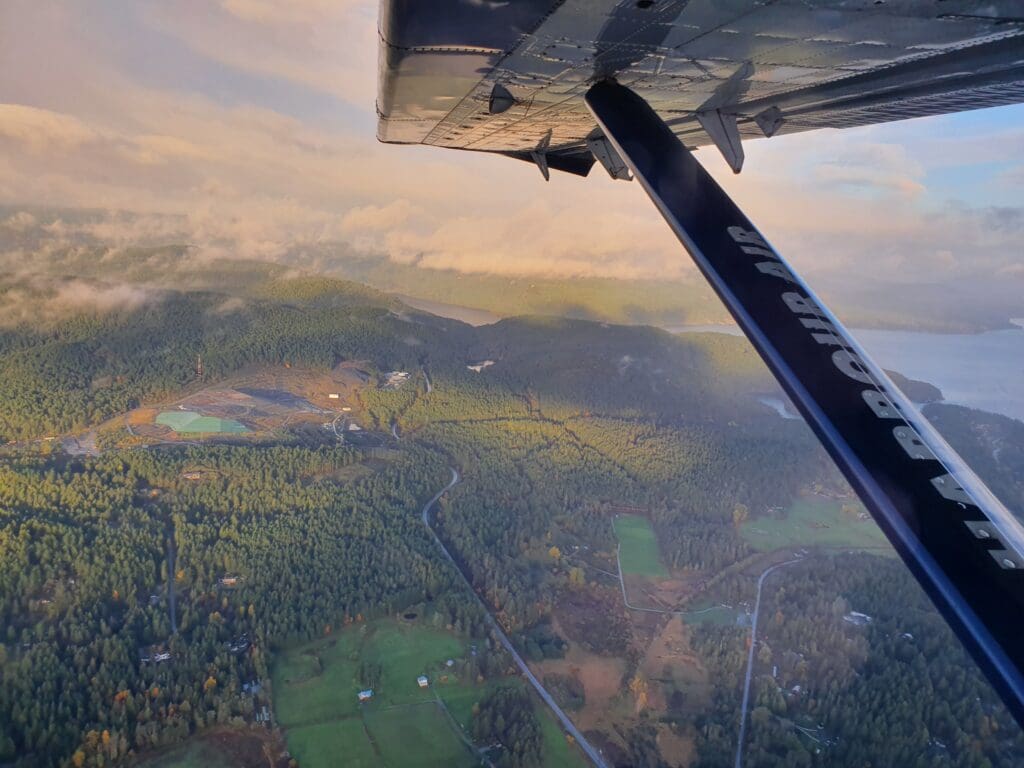
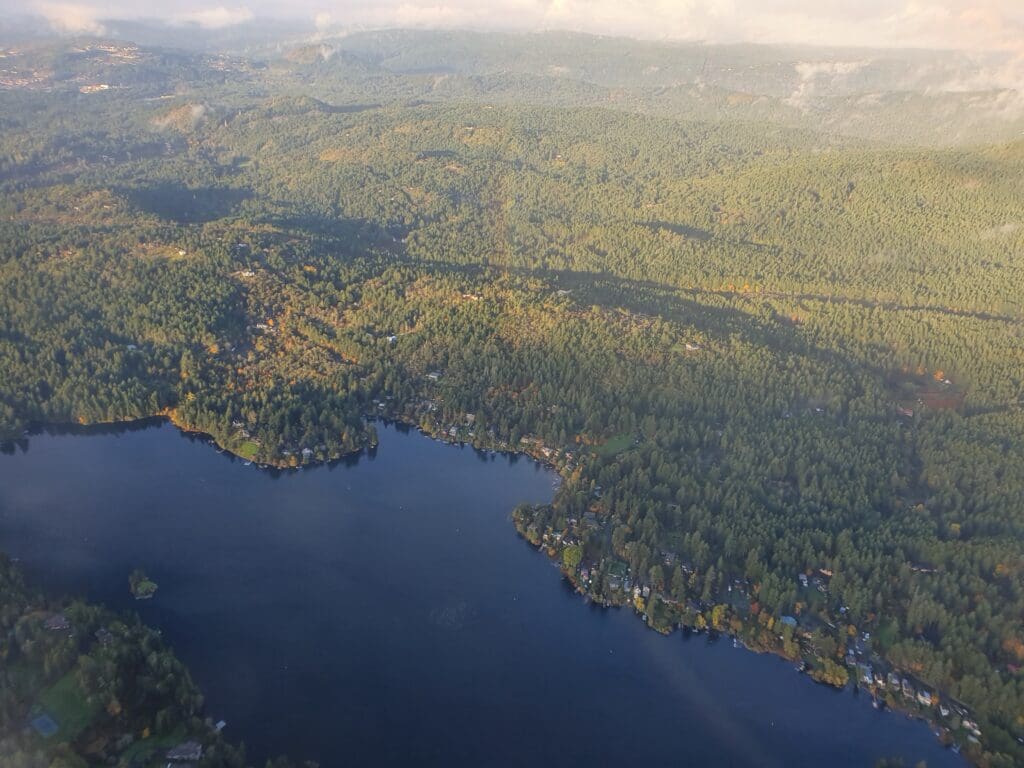
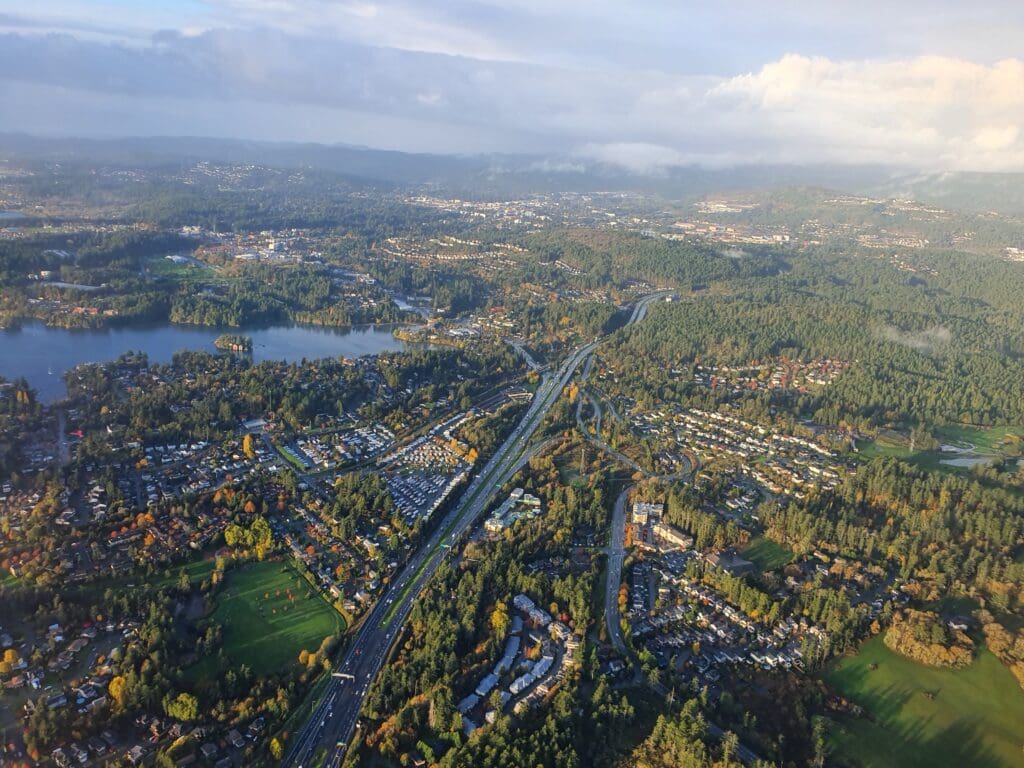
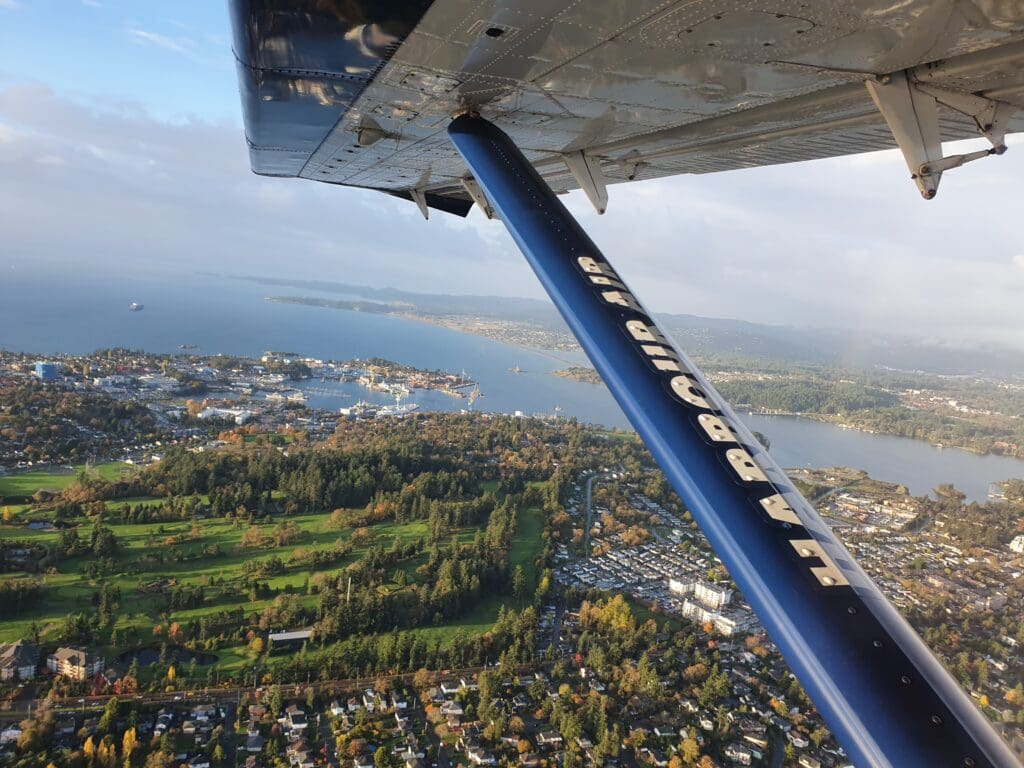
Heading over the Strait of Georgia, around ten minutes after leaving the coast behind the aircraft made landfall over the picturesque Galiano Island and for the remainder of the flight I was treated to superb views of the local landscapes as the Turbine Otter smoothly cruised towards Victoria at an altitude of 2,000 feet, with an airspeed of 115 knots, later rising up to 2,500 feet. From Galiano, the aircraft passed Prevost Island and then reached the much larger Salt Spring Island where the aircraft cruised over the southern portion of this, passing over the mouth of Fulford Harbour. Indicating that the short was nearing its end, the aircraft then reached Vancouver Island, making landfall just to the west of Swartz Bay before passing over Victoria Airport. Heading south the aircraft passed Brentwood Bay and continued over forests as the aircraft commenced its descent before Victoria appeared ahead.
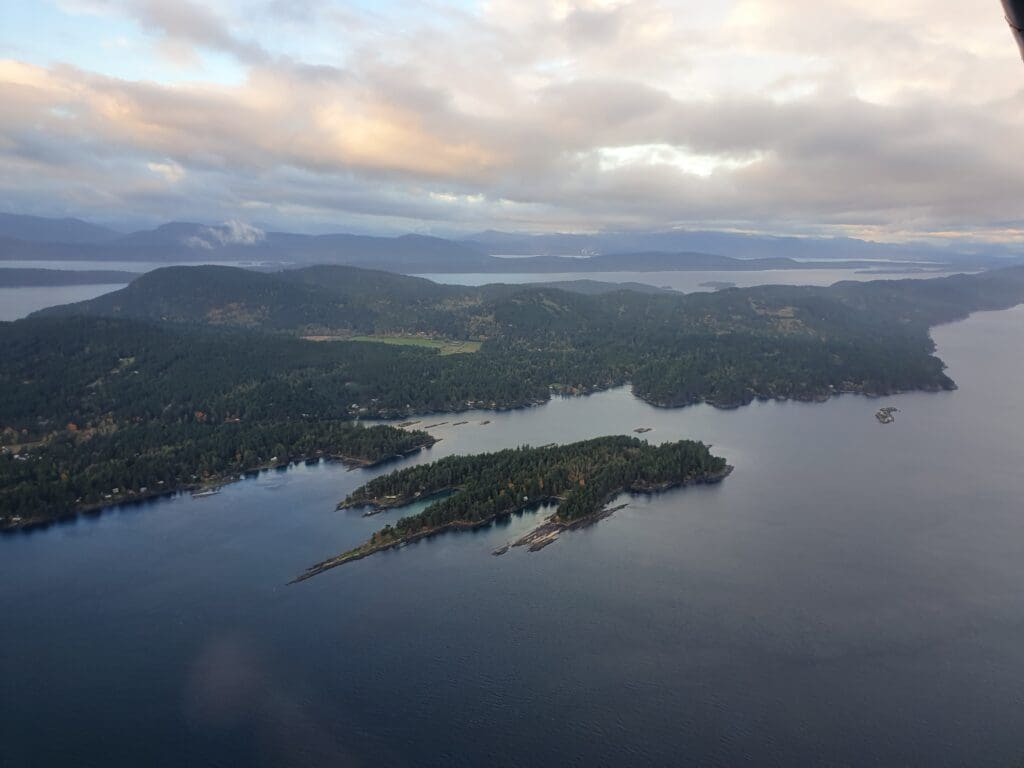
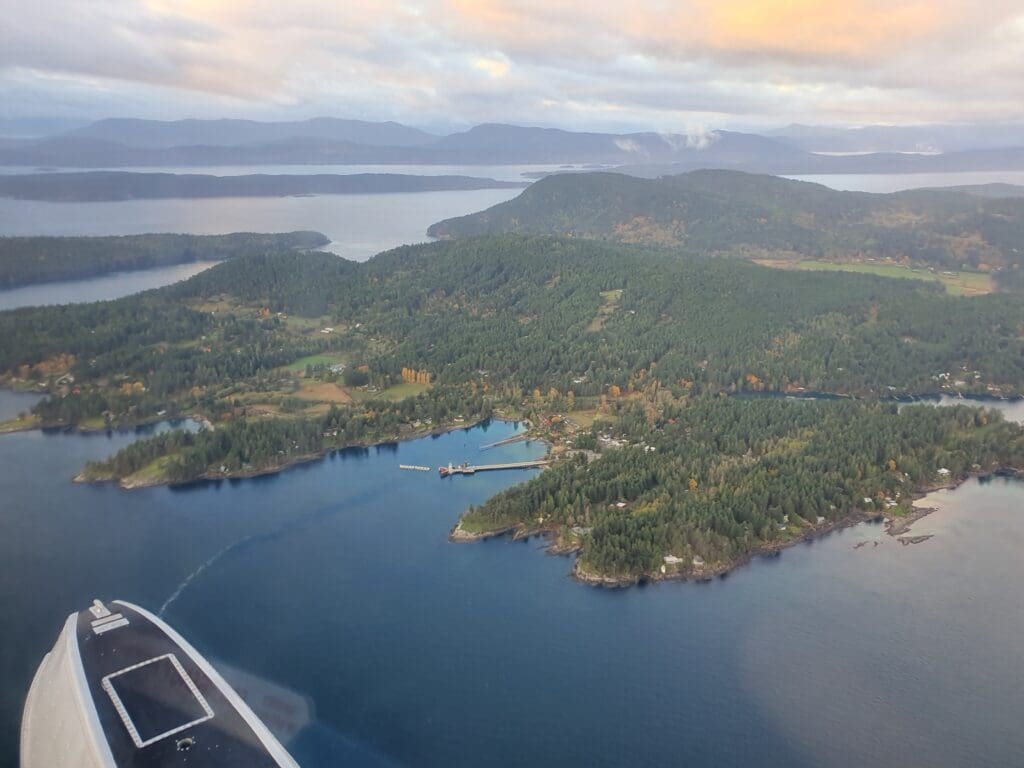
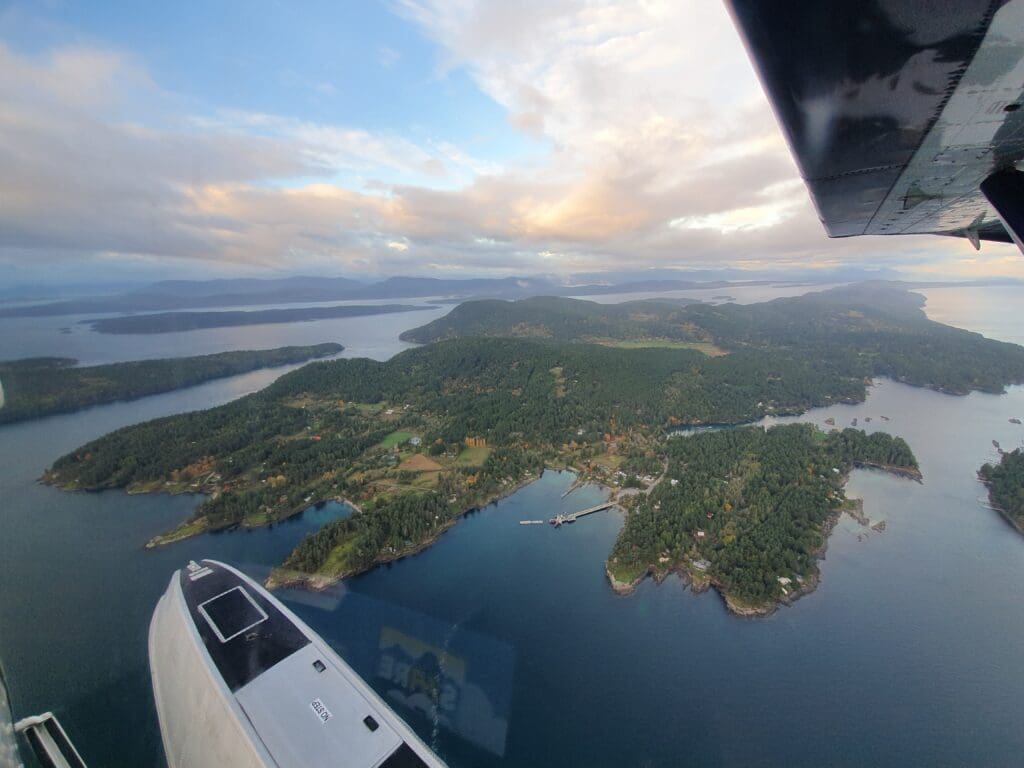
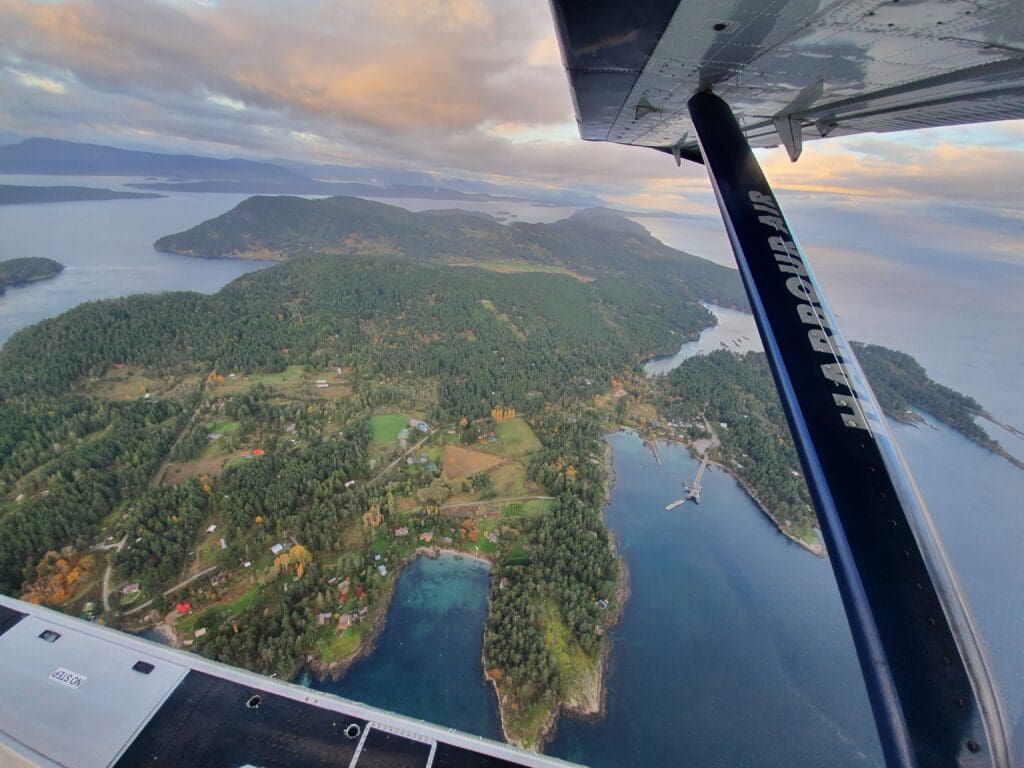
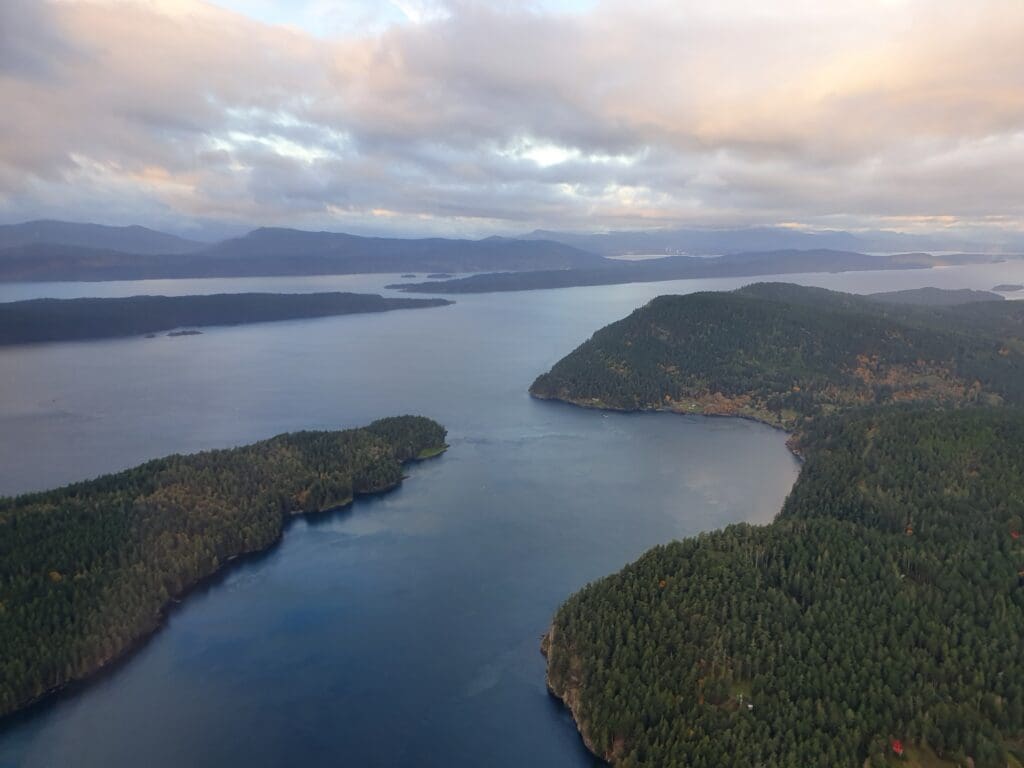
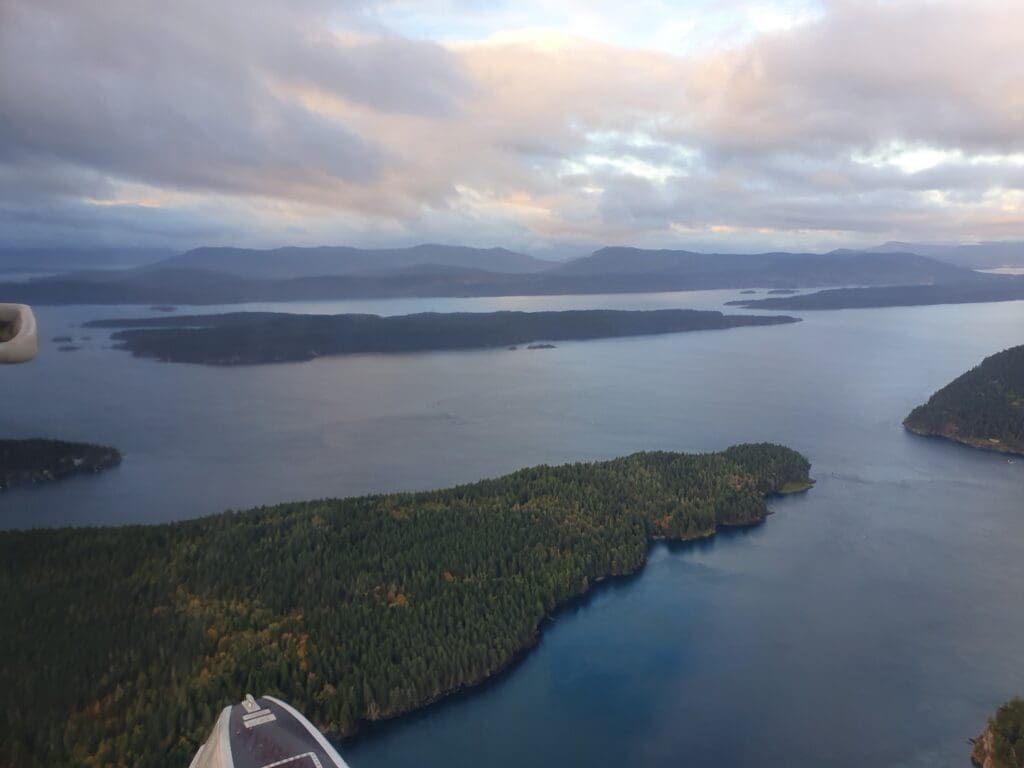
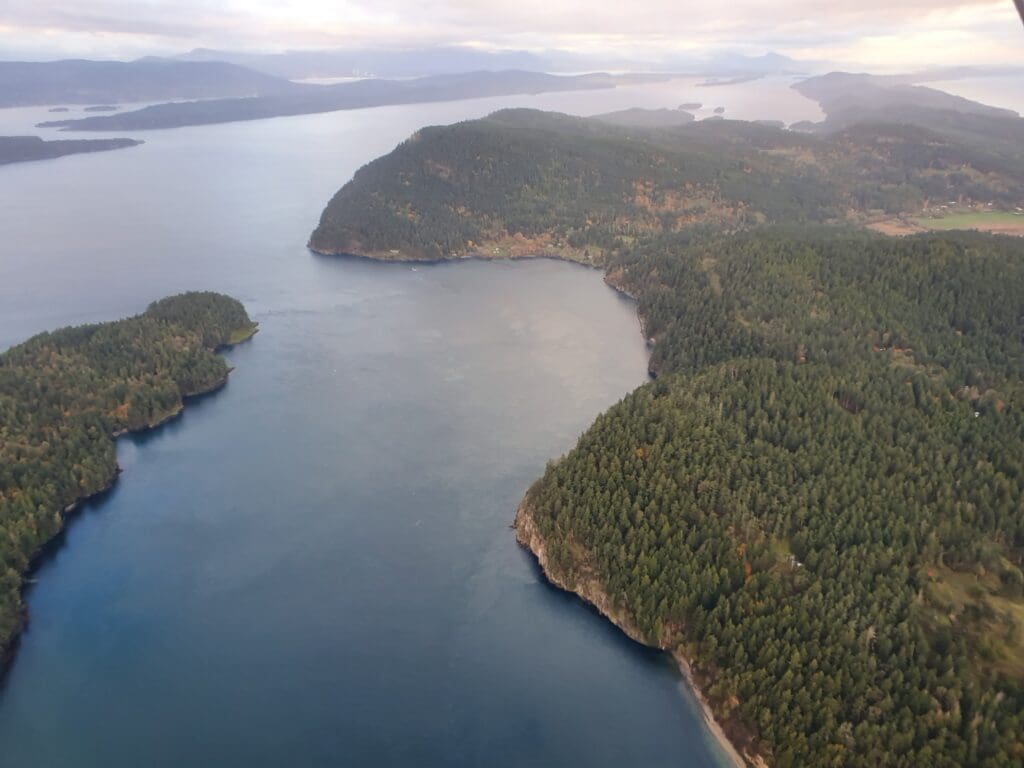
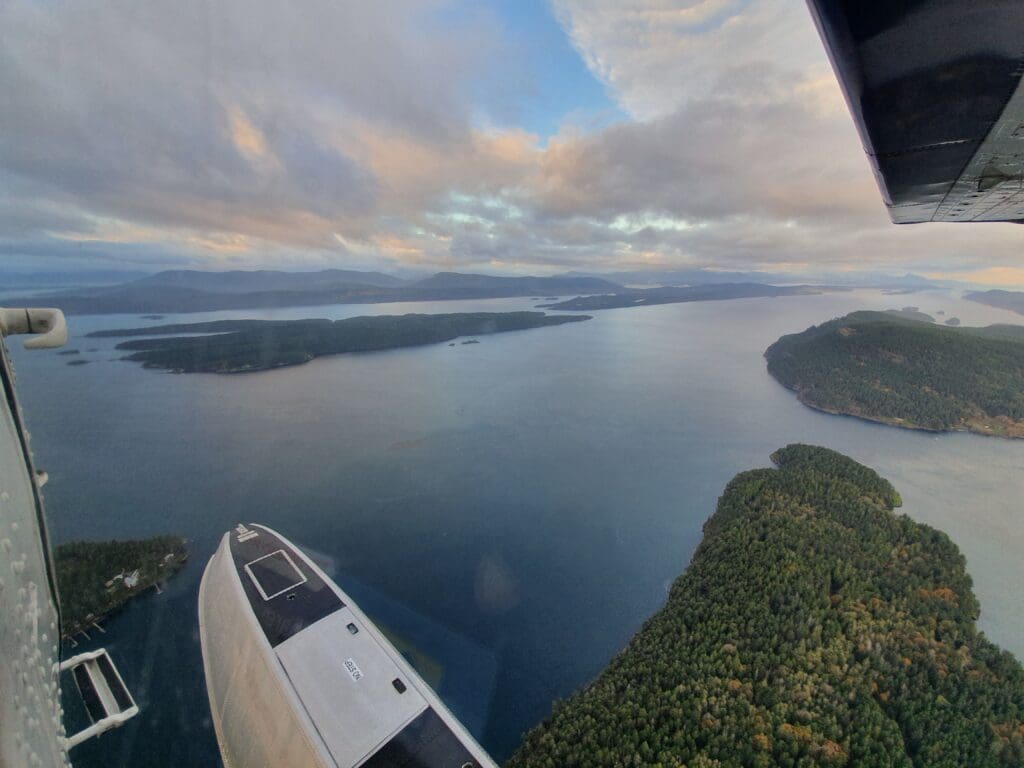
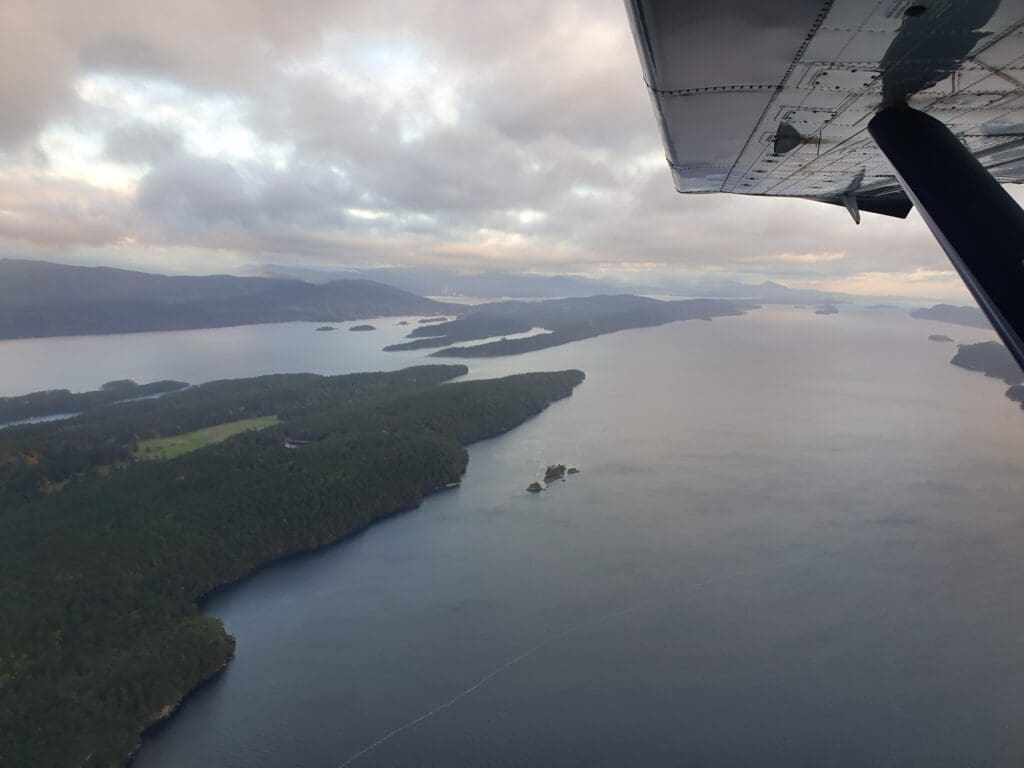
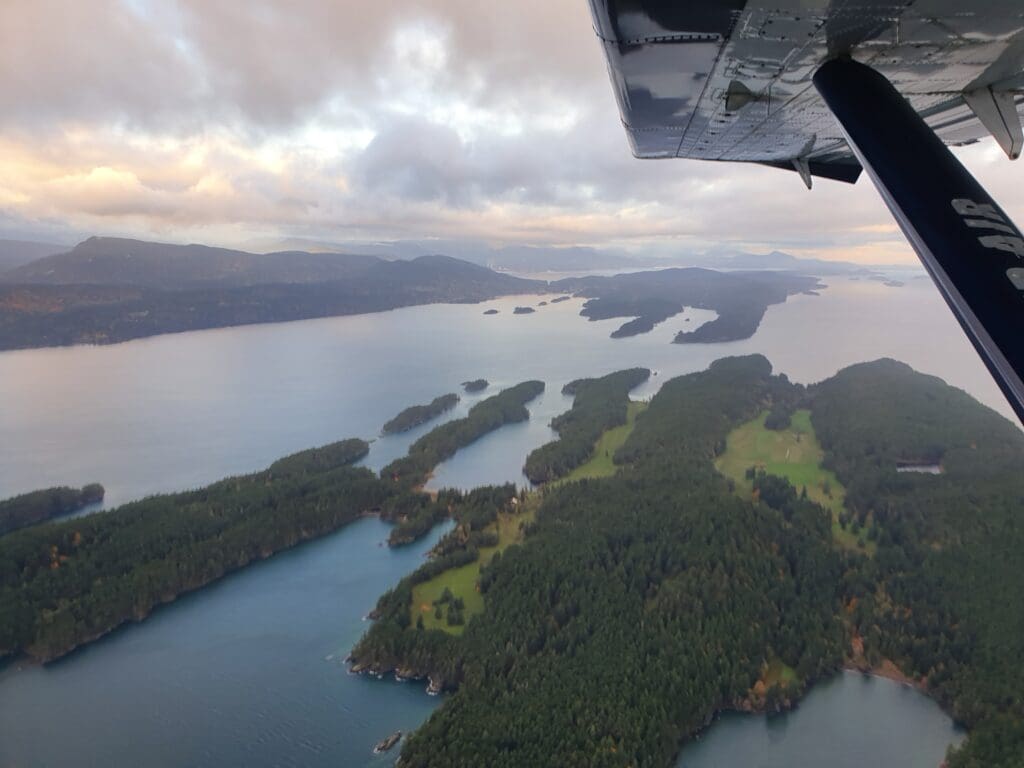
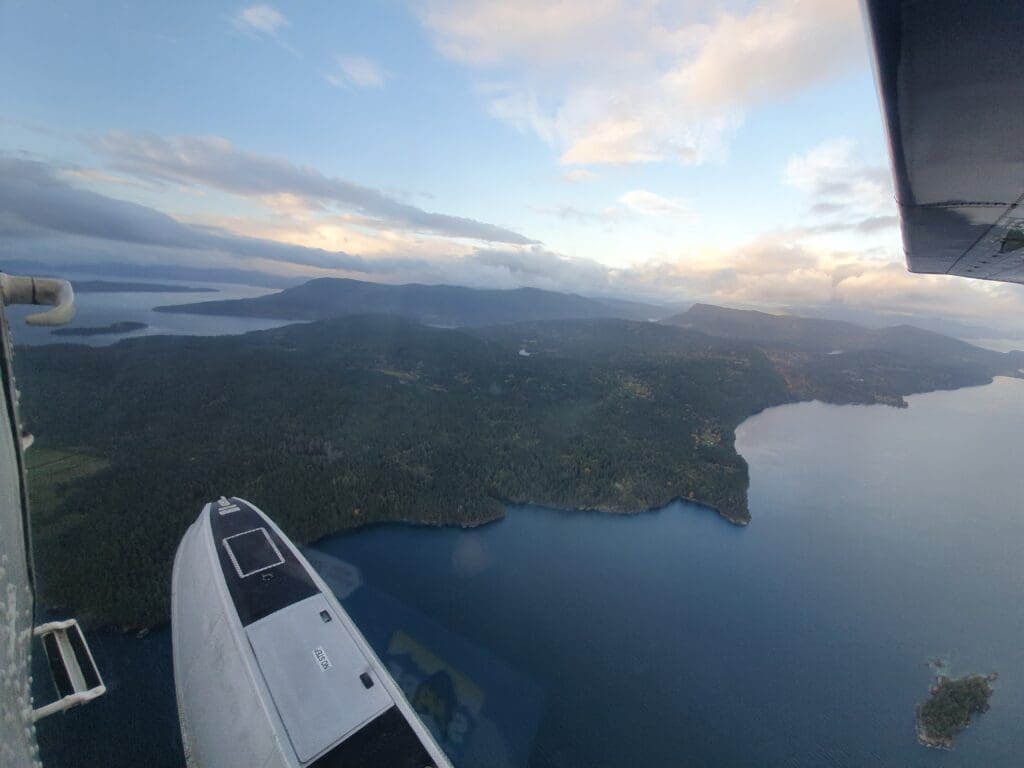
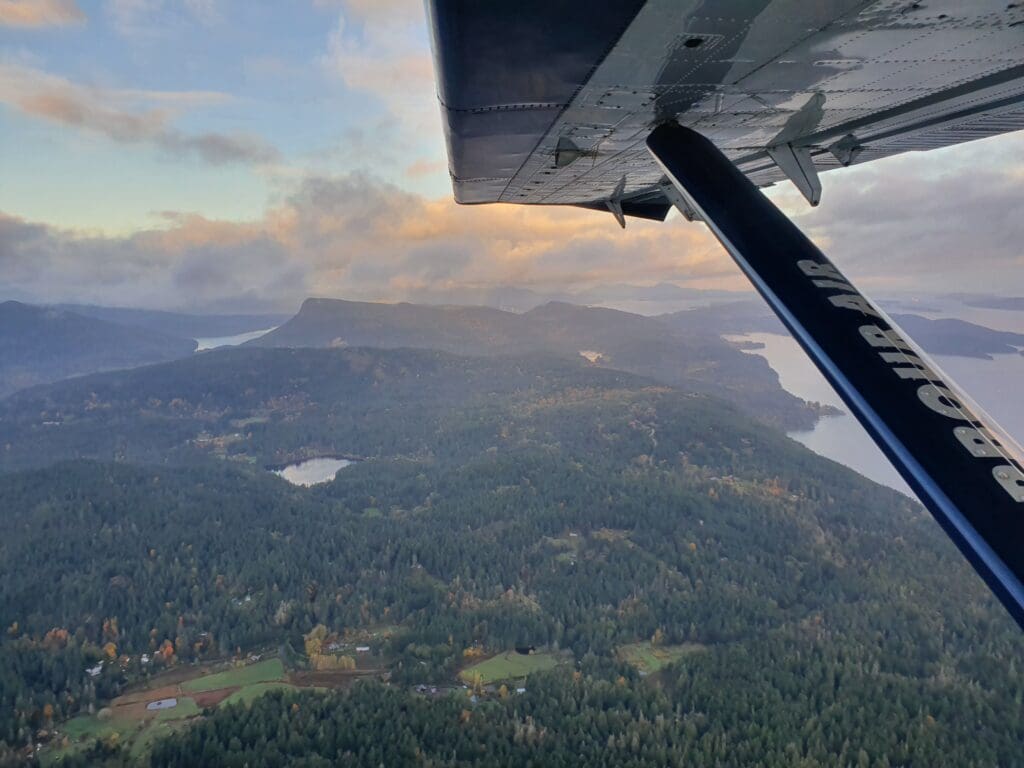
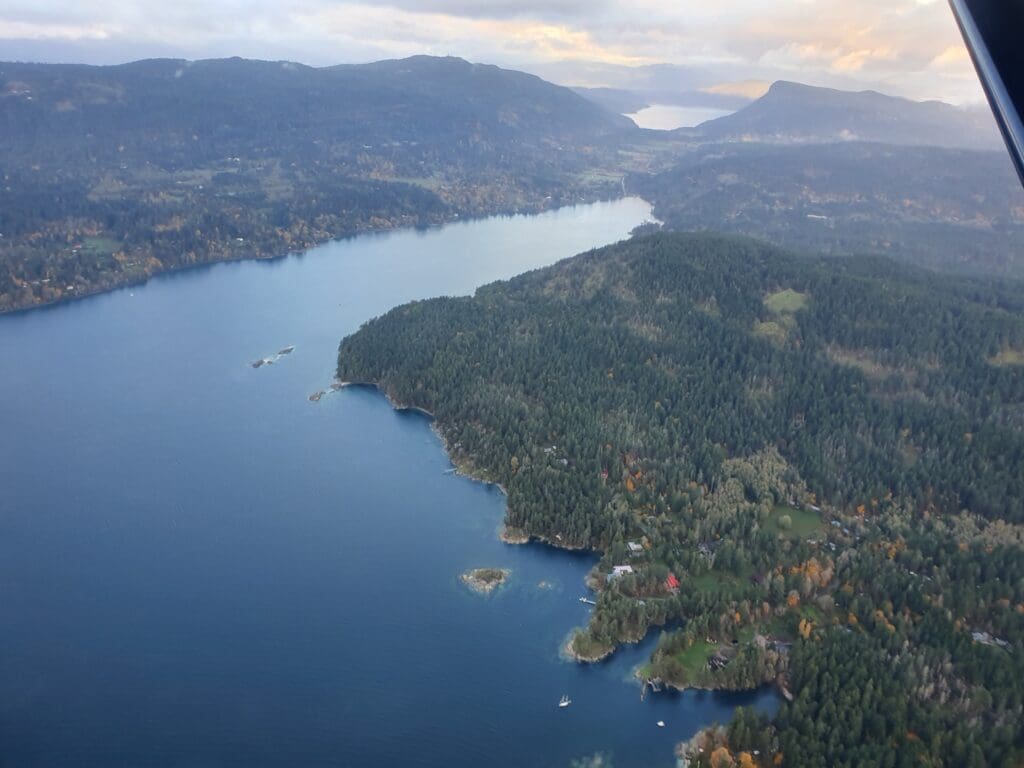
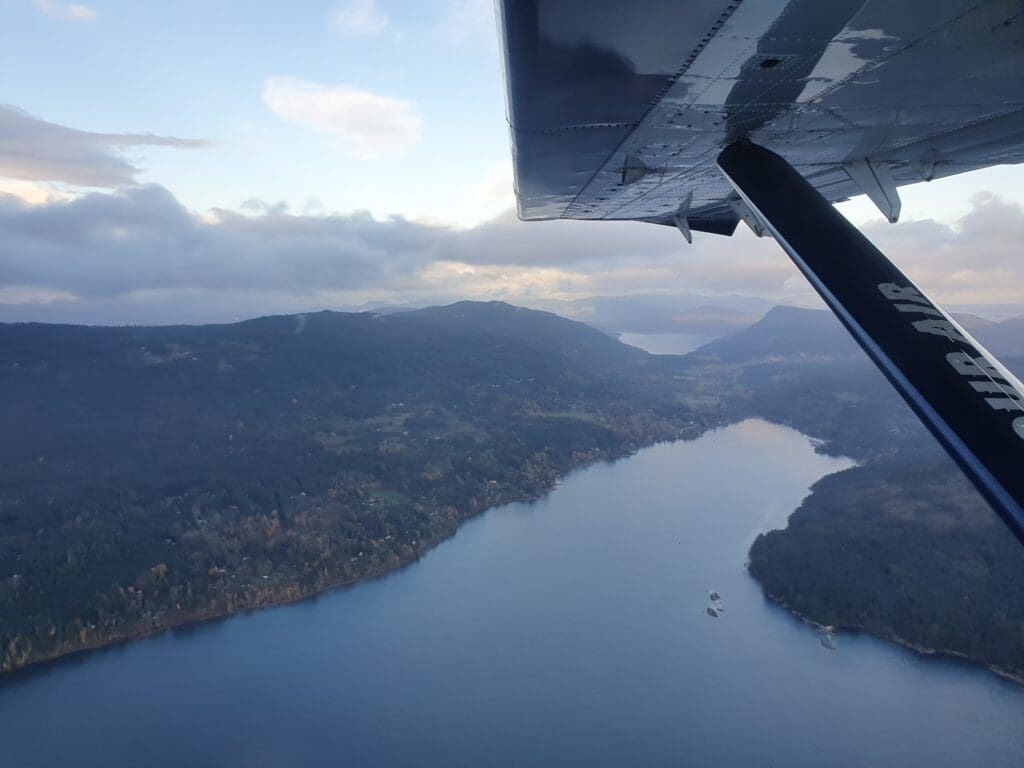
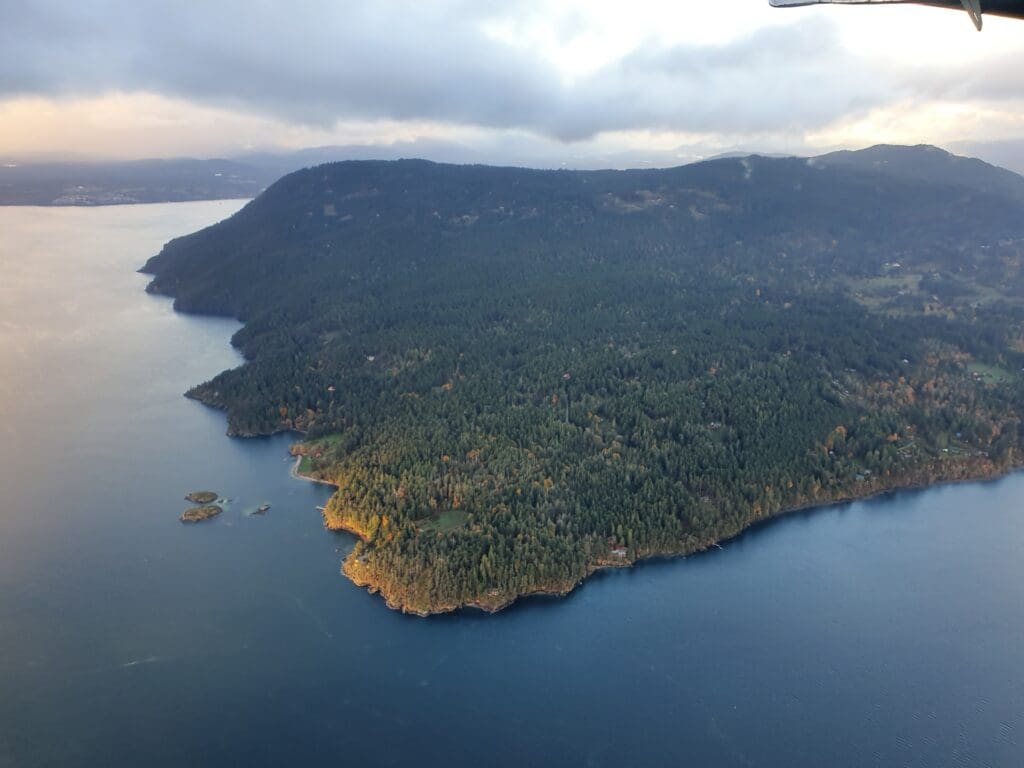
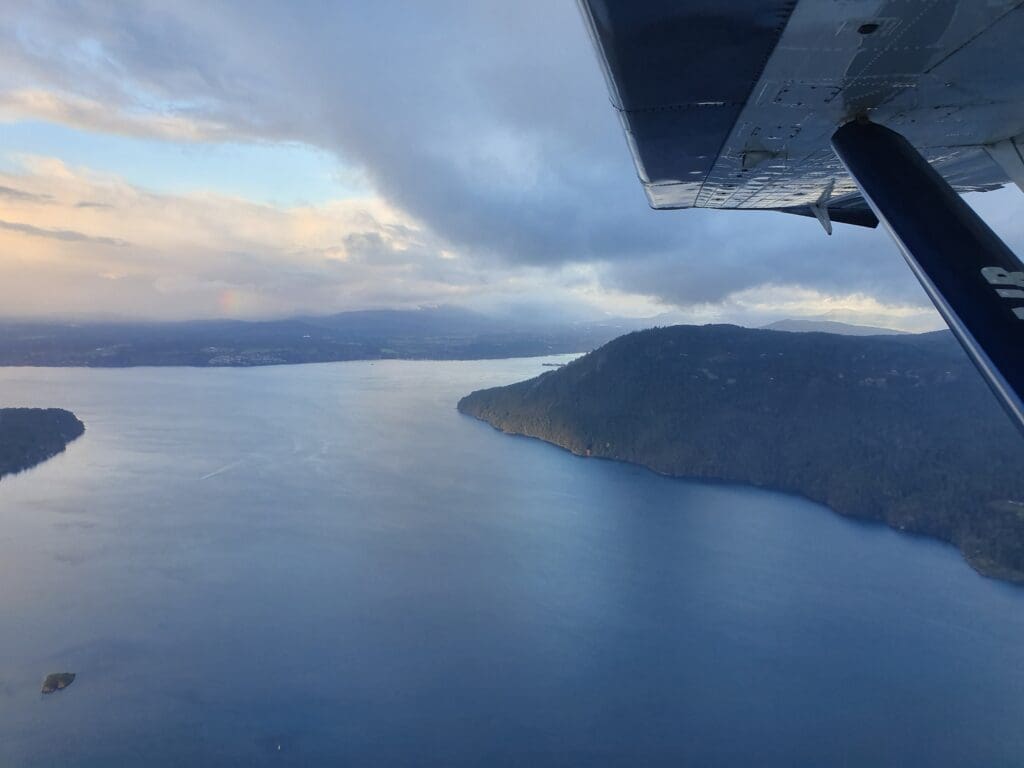
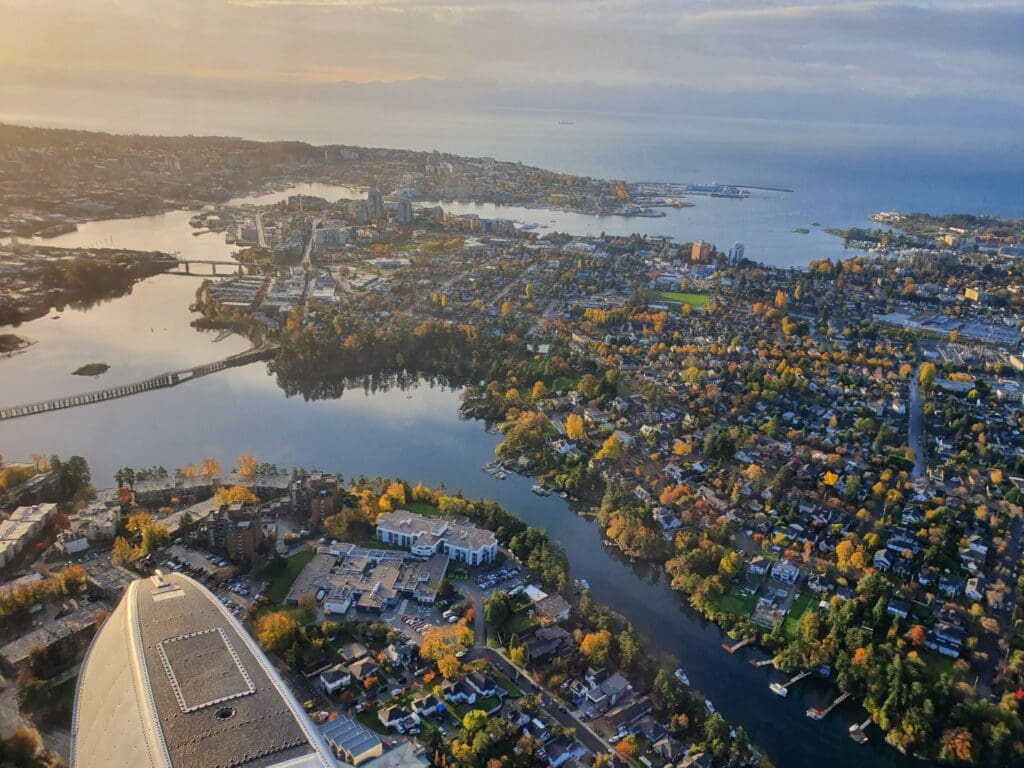
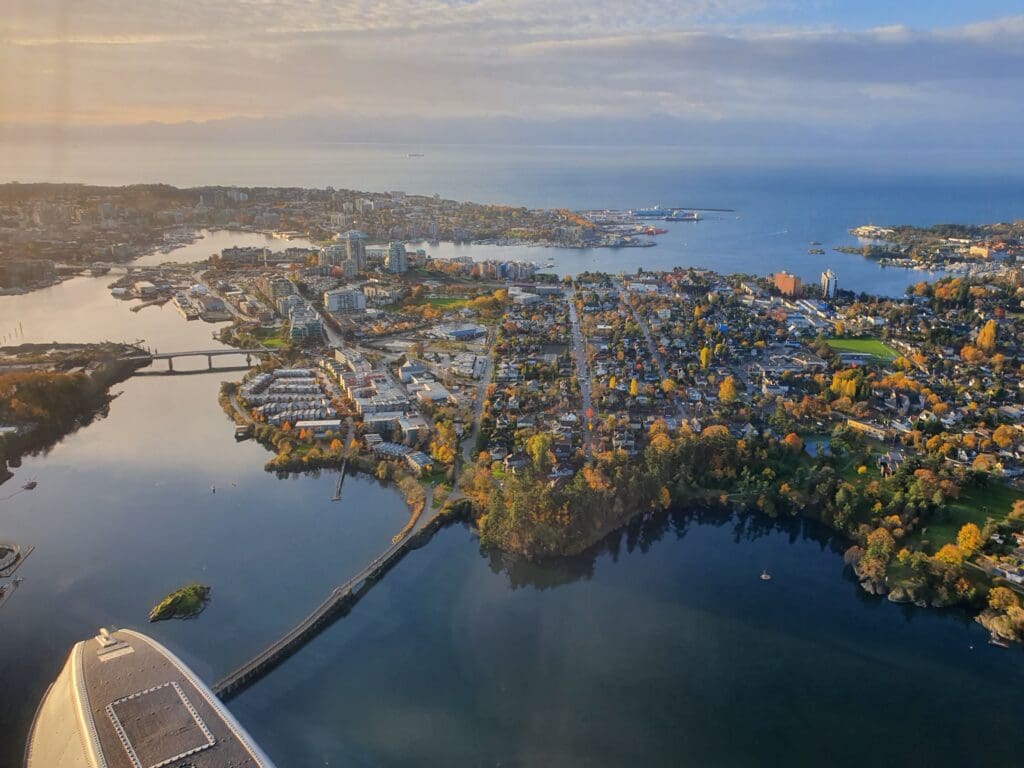
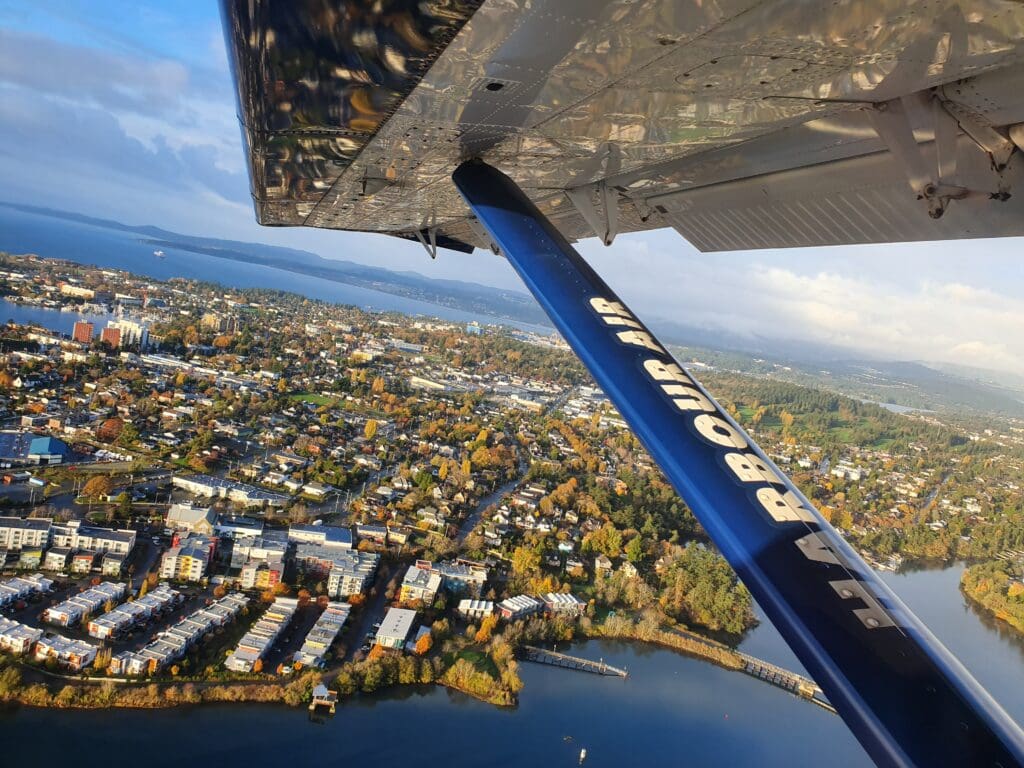
Following the course of the inlet, in the final stages of the flight, the Turbine Otter made an exciting steep approach banking a short distance away from the surface resulting in good views of the Victoria before easing up and gently touching down on the smooth waters of Victoria Harbour exactly 32 minutes after leaving Richmond. Once on the water, the aircraft quickly decelerated before making a slow float towards Harbour Air’s terminal.
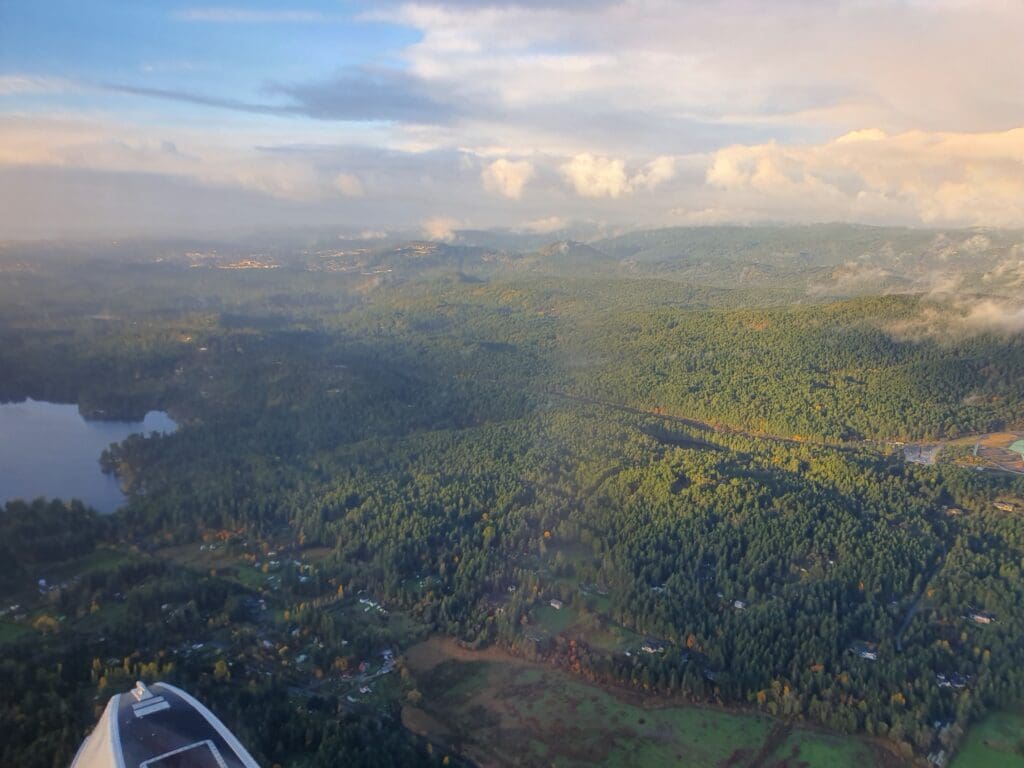
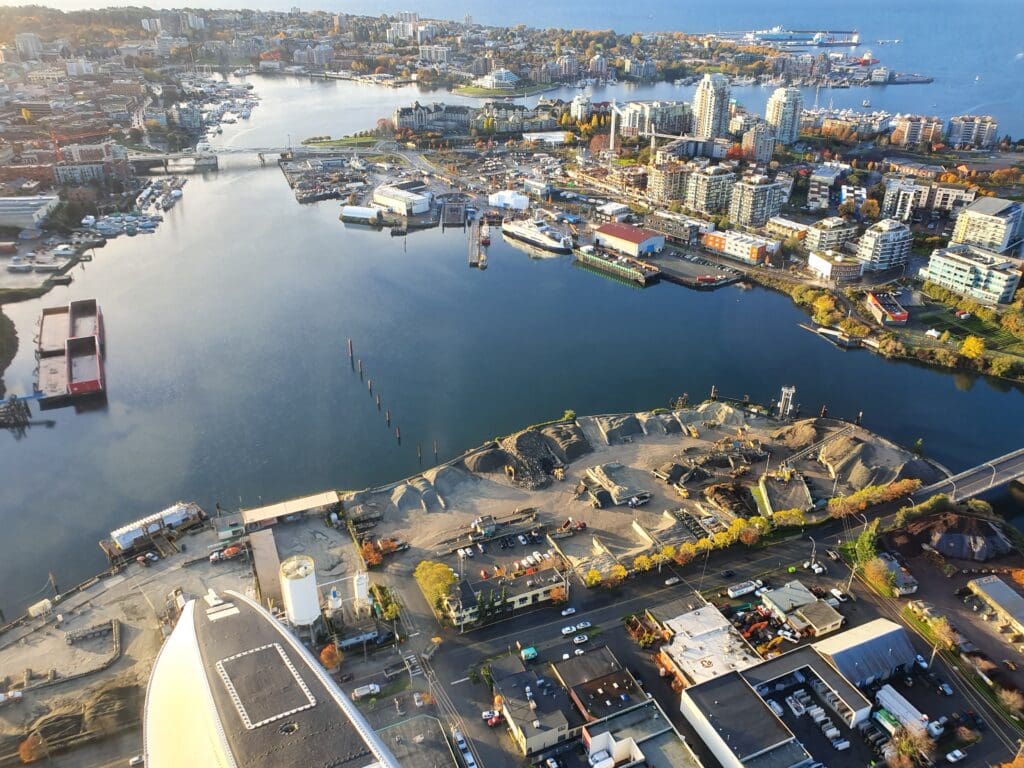
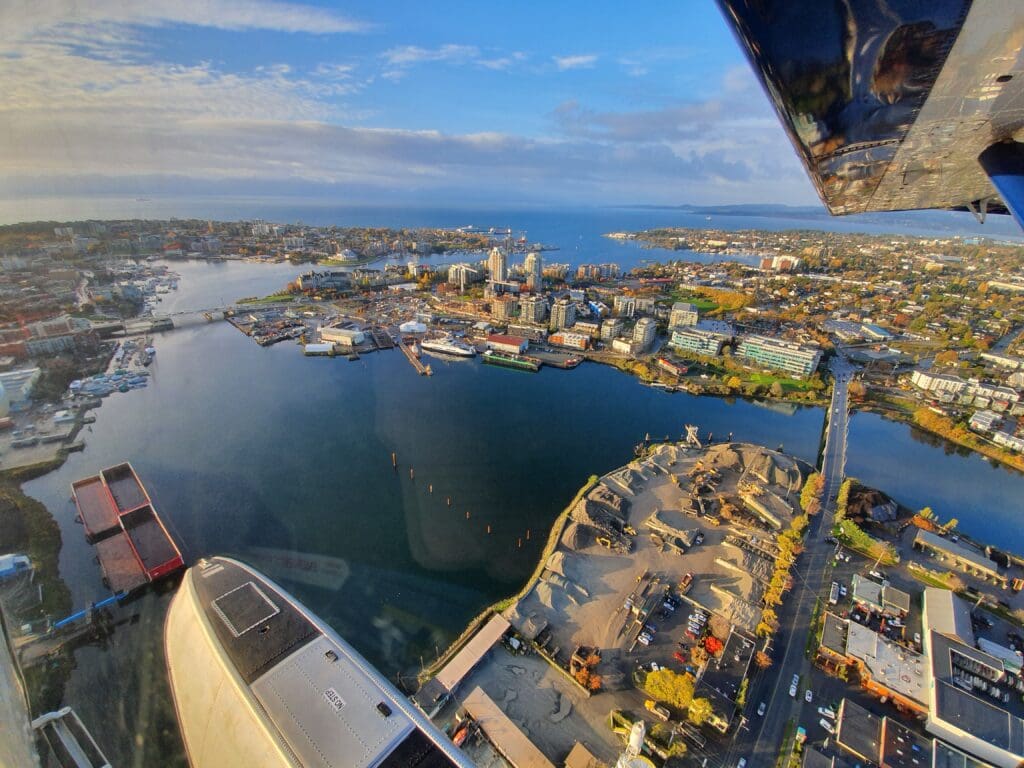
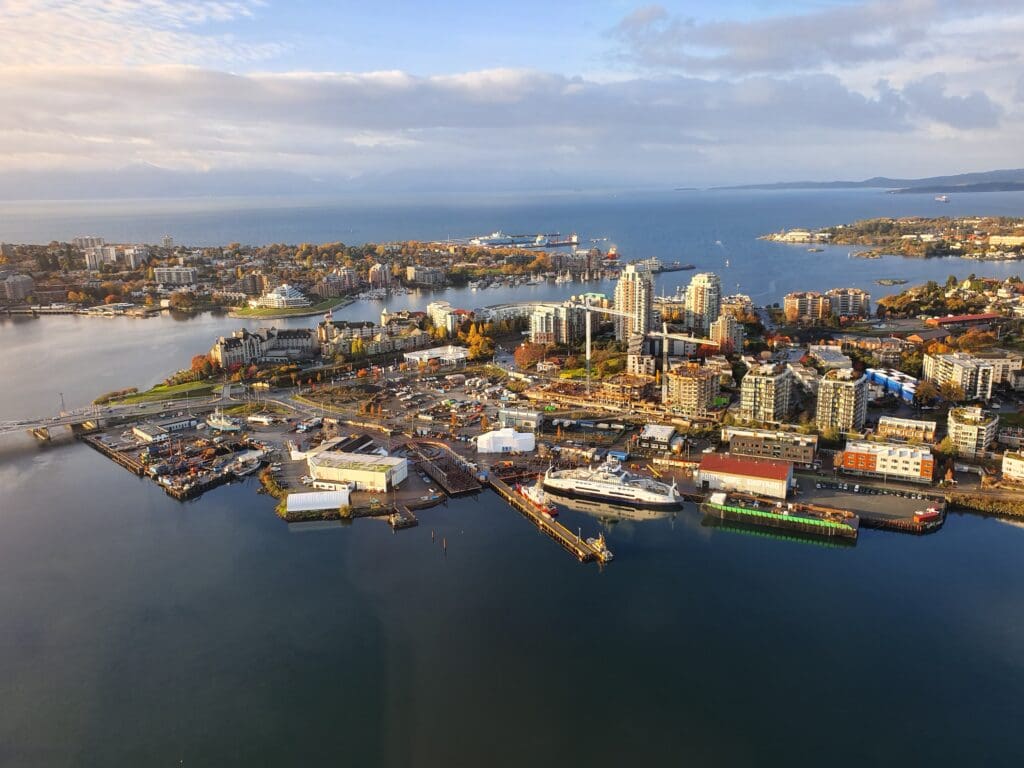
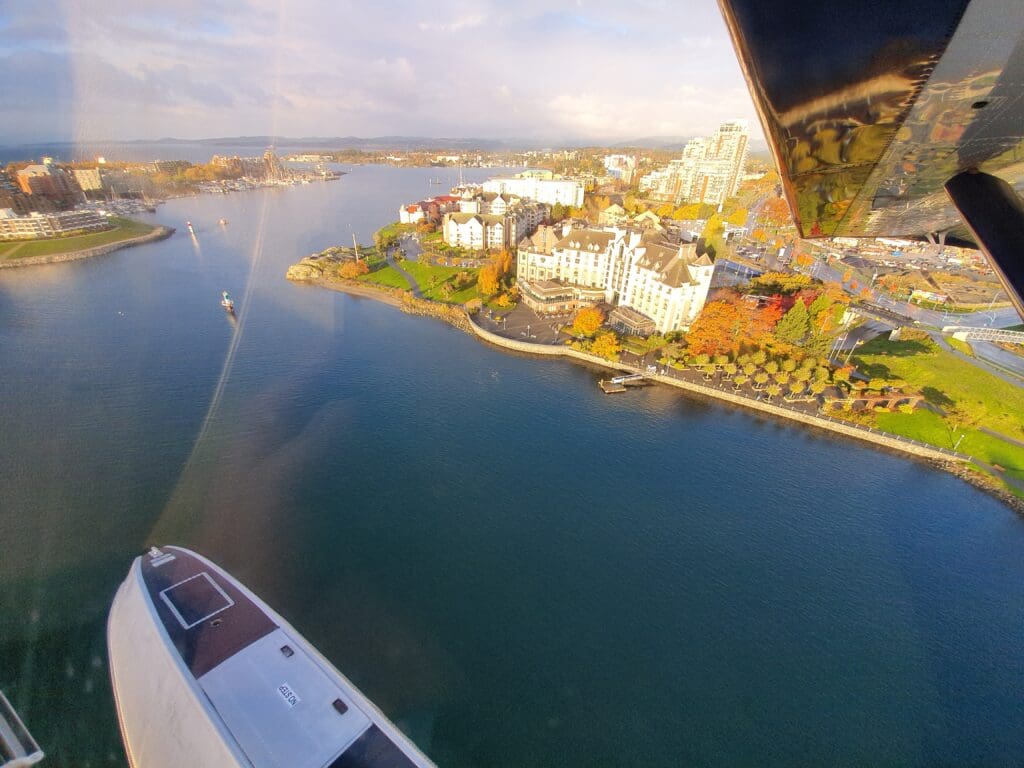
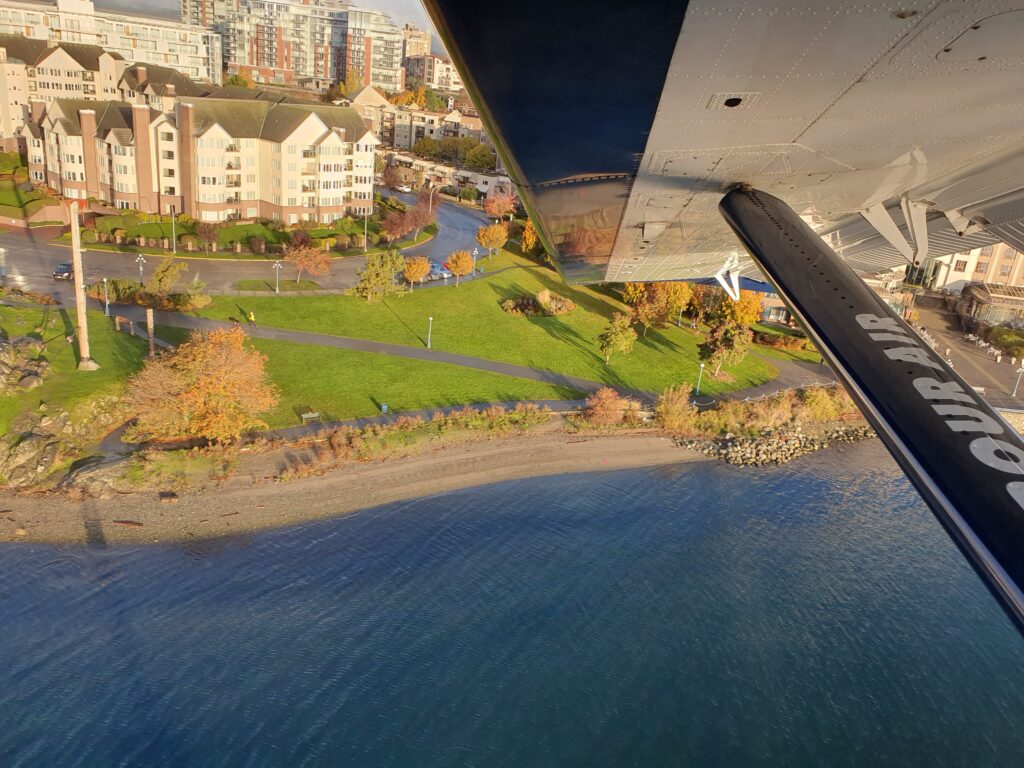
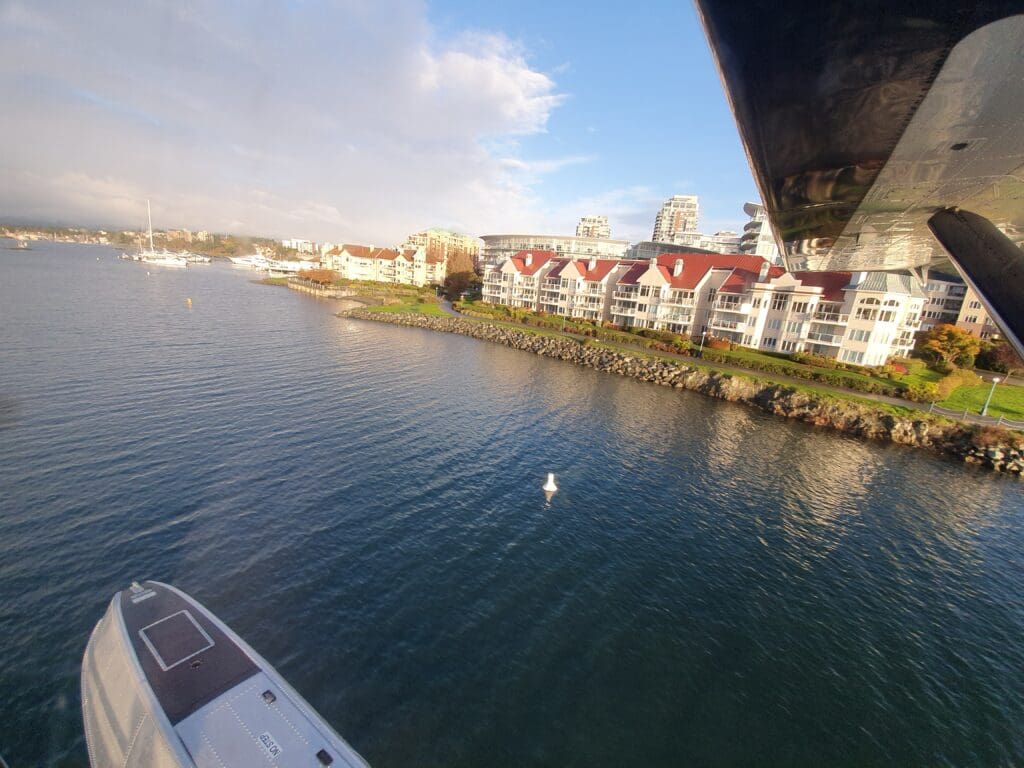
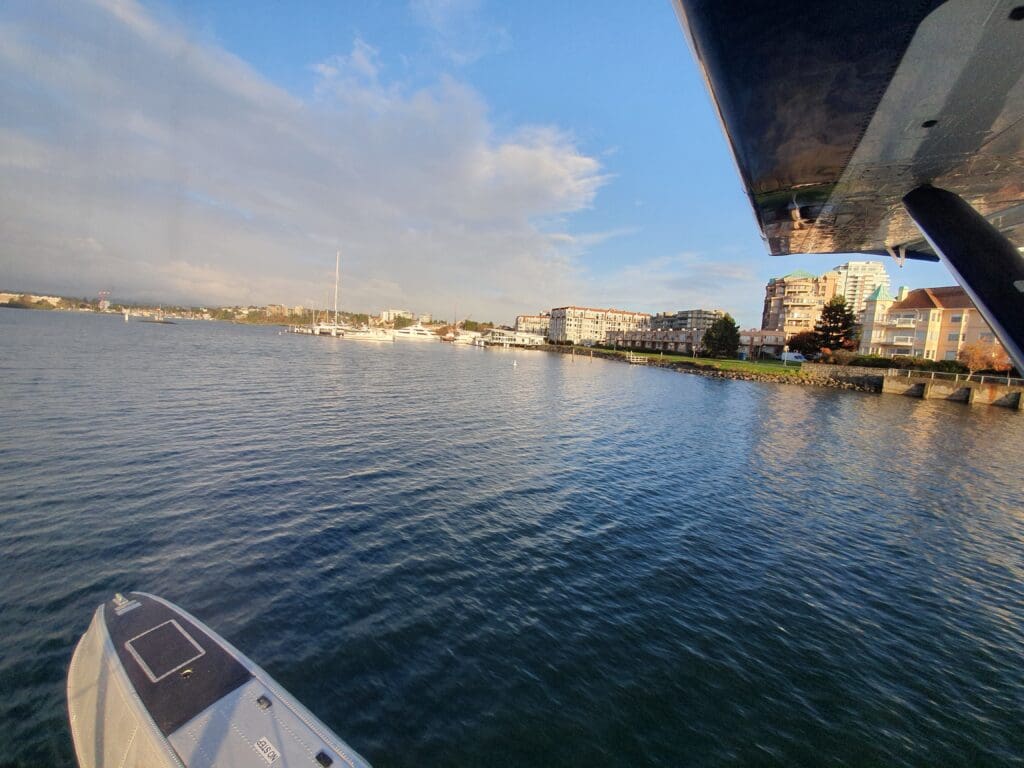
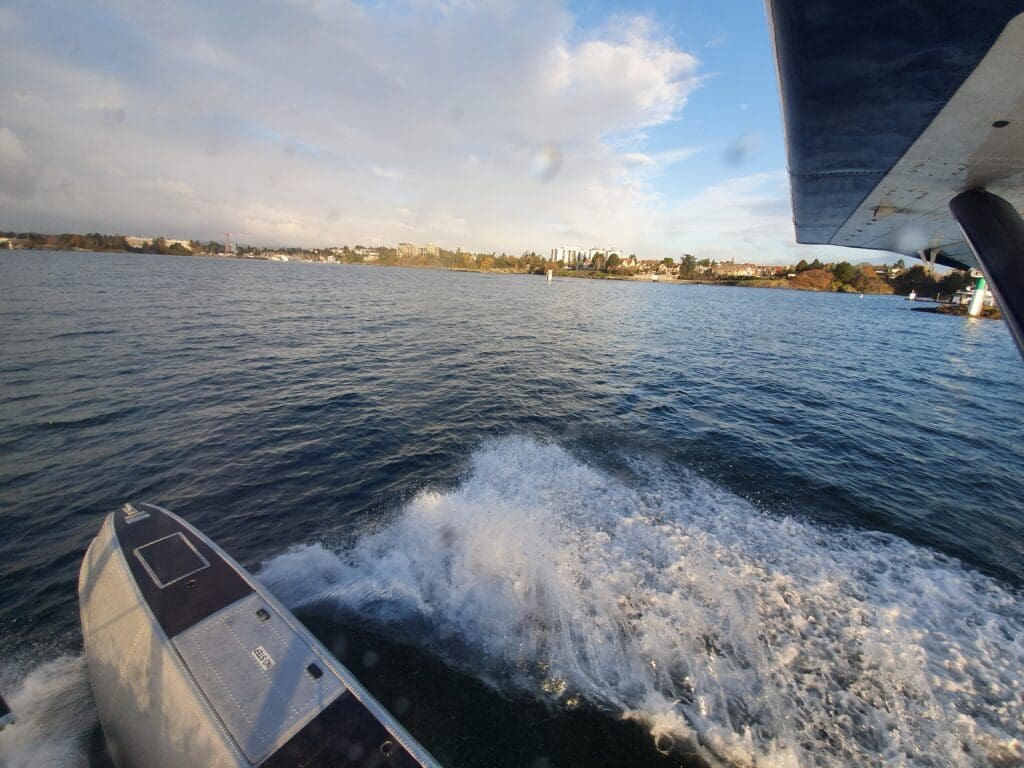
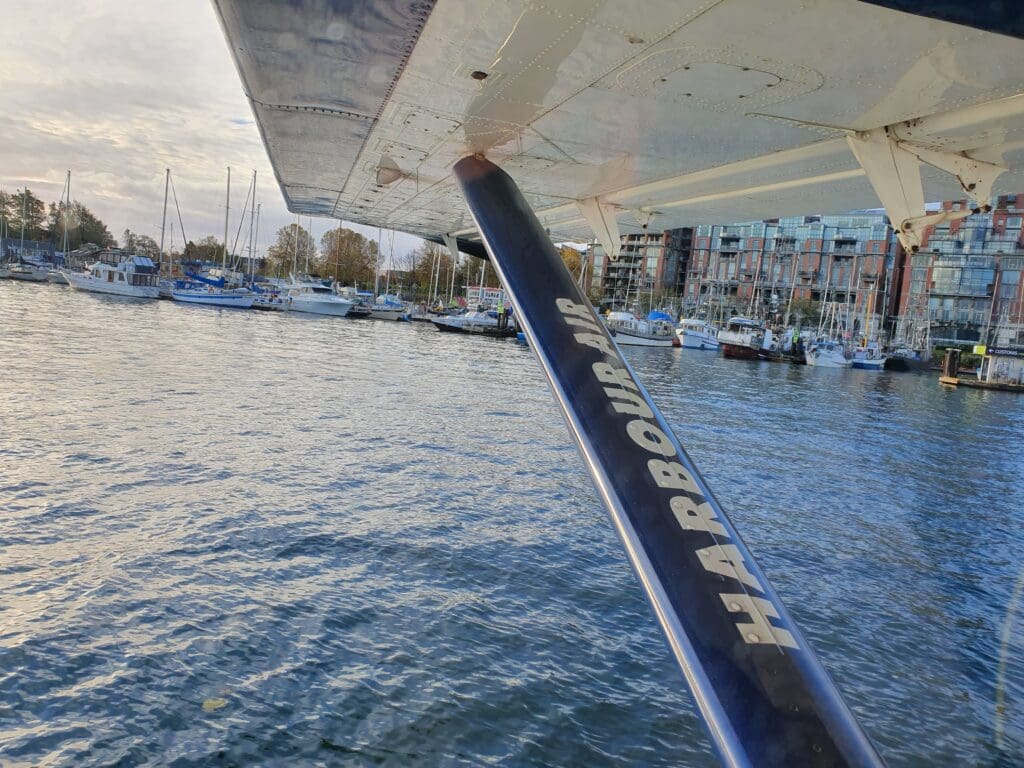
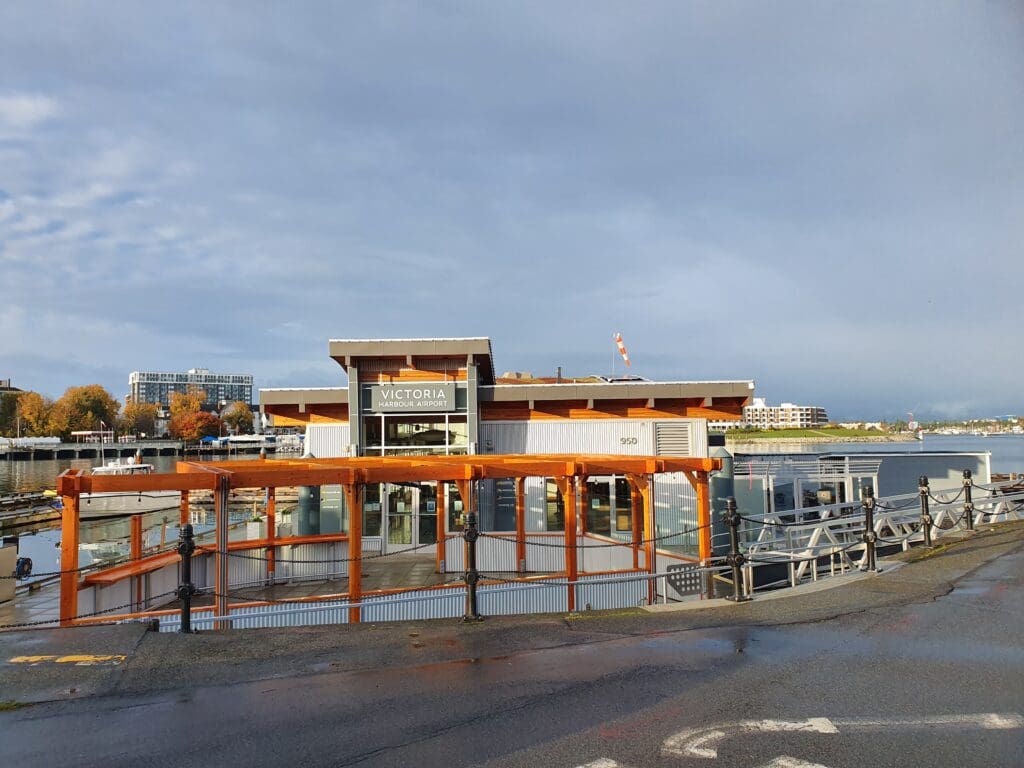
Around seven minutes after touching down, the Turbine Otter bobbed up to the pier where a ground crew member could be seen waiting to tend to the aircraft. Once the engine spooled down, disembarkation commenced promptly and despite being the last passenger to disembark, I was out on the pier within two minutes of the aircraft coming to a halt. From there, I walked almost straight out into the car park and found myself standing in Downtown Victoria, the central location of Harbour Air’s terminal most certainly beating those of the airport and ferry. Needless to say, I had a fantastic short trip with Harbour Air and I would recommend this for any aviation enthusiast who passes through Vancouver.
Wow, that’s impressively fast! It sounds like the whole process—from landing to disembarking—was incredibly smooth and efficient. I love how you capture even the small details like the ground crew waiting and the aircraft bobbing up to the pier—it really brings the moment to life.