Wonders of Tashkent: A Quick Guide to Uzbekistan’s Capital
It is difficult to suggest that Tashkent sits at the top of most travellers’ bucket lists. For many, Uzbekistan’s capital is seen as a stop-off point on the way to the famed Silk Road sights of Bukhara, Khiva, and Samarkand. While the capital may well lack the ornate splendour and old sights of these more touristy spots, those who overlook Tashkent risk missing a city full of understated charm, modern contrasts, and welcoming liveliness.
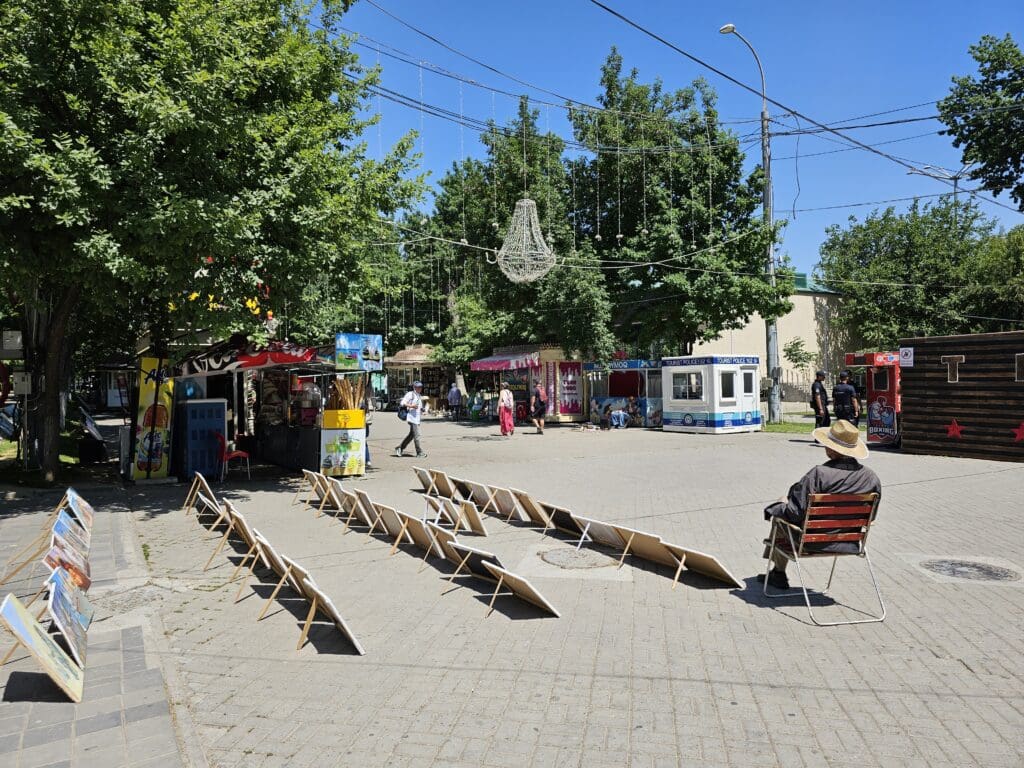
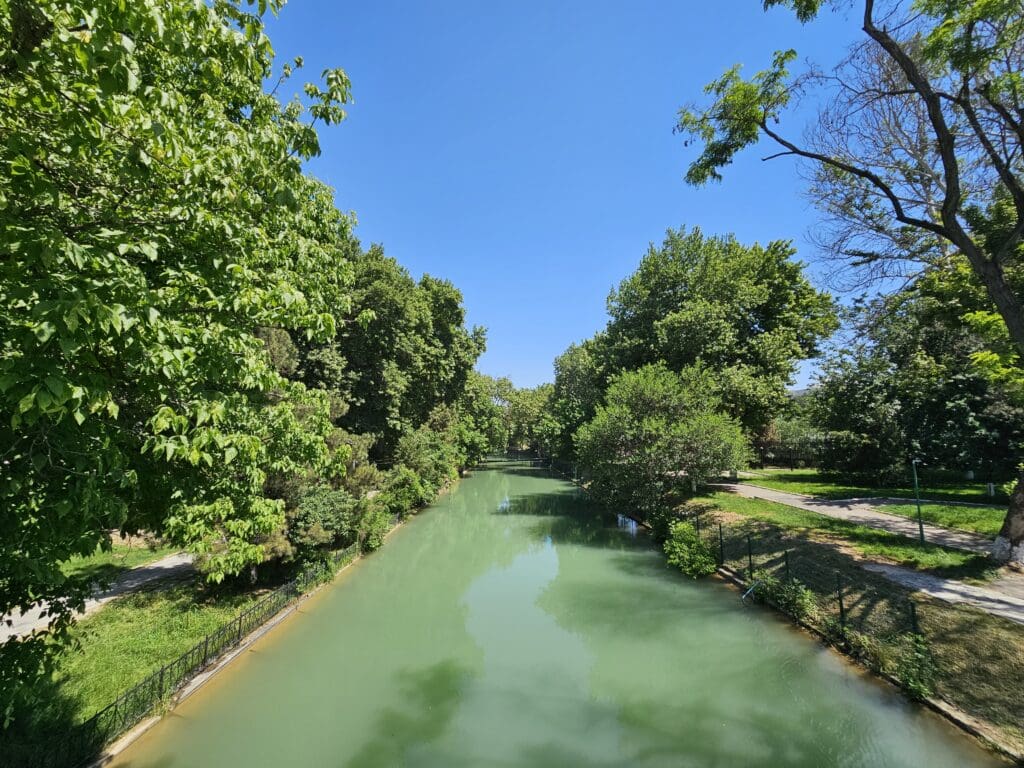
If you’re expecting the typical capital city chaos, such as blaring horns, endless traffic, and rows of grey concrete high-rises, Tashkent may well surprise you. Wide, tree-lined avenues and leafy parks break up the urban sprawl, and its skyline is a quirky mix of stern Soviet-era blocks, tall glass towers, and colourful local flair. Furthermore, the city hosts a cornucopia of galleries and museums offering insights into Uzbek history and culture. Meanwhile, independent coffee shops have carved out their space on many corners, offering a break from sightseeing. Although, for those wanting to keep local, you’ll also find street vendors selling hot non and flaky samsas and stalls selling fresh plov – Uzbekistan’s beloved rice dish cooked with meat, vegetables, and fragrant spices.
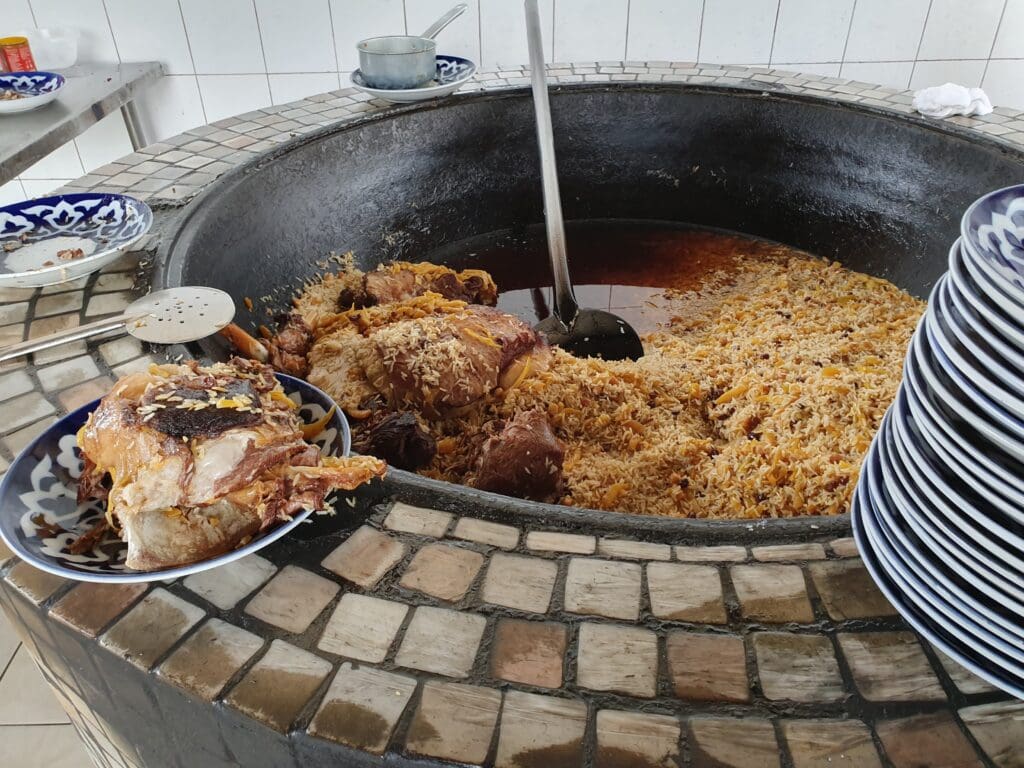
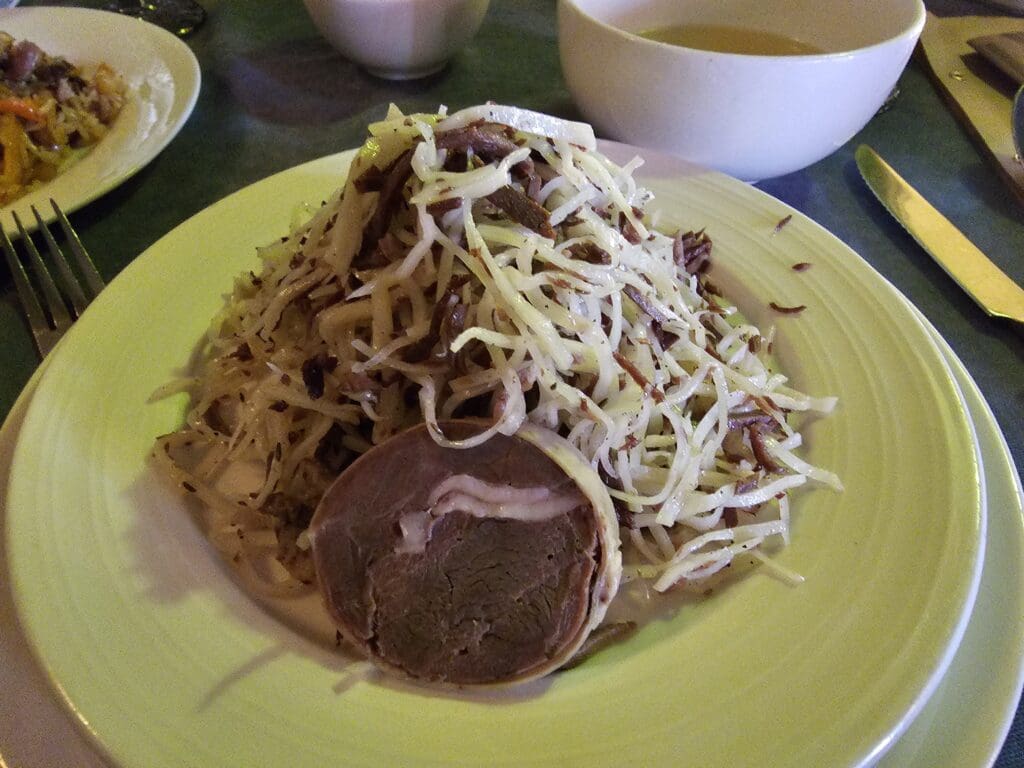
Despite being a capital city and by far the largest metropolis in Uzbekistan, Tashkent is surprisingly compact, and many of its main sights are easily accessible via the easily navigable Tashkent Metro. The stations themselves are works of art, echoing the grandeur of the likes of Minsk or Moscow. On top of all that, the city enjoys low crime rates, making it not only interesting to explore but also welcoming and reasonably safe if the usual precautions are taken.
In this post, I will detail some of the popular sites that I visited during my stay in Tashkent.
Amir Temur Square
If you are visiting Tashkent, it is almost impossible to miss Amir Temur Square. Located in the very centre of the city, several of the capital’s boulevards converge, and in the middle sits Uzbekistan’s most famous square. Established during the era of Russian Turkestan, this one hosted a large statue of the region’s first governor general, Konstantin Petrovich von Kaufmann. However, following the Russian Revolution, this became known as Revolution Square and later came to host statues of Stalin and Marx. Following Uzbekistan’s independence, the square was renamed in honour of Amir Temur, with a statue of the national hero soon replacing that of Marx. Today, this statue takes pride of place, with Temur sitting proudly atop a horse, gazing out into the horizon. Surrounding him is a well-kept park, dotted with benches and neatly trimmed trees – a favourite gathering spot for locals, from young couples to elders exchanging stories. This is also a popular spot for students and buskers to gather during warm summer evenings.
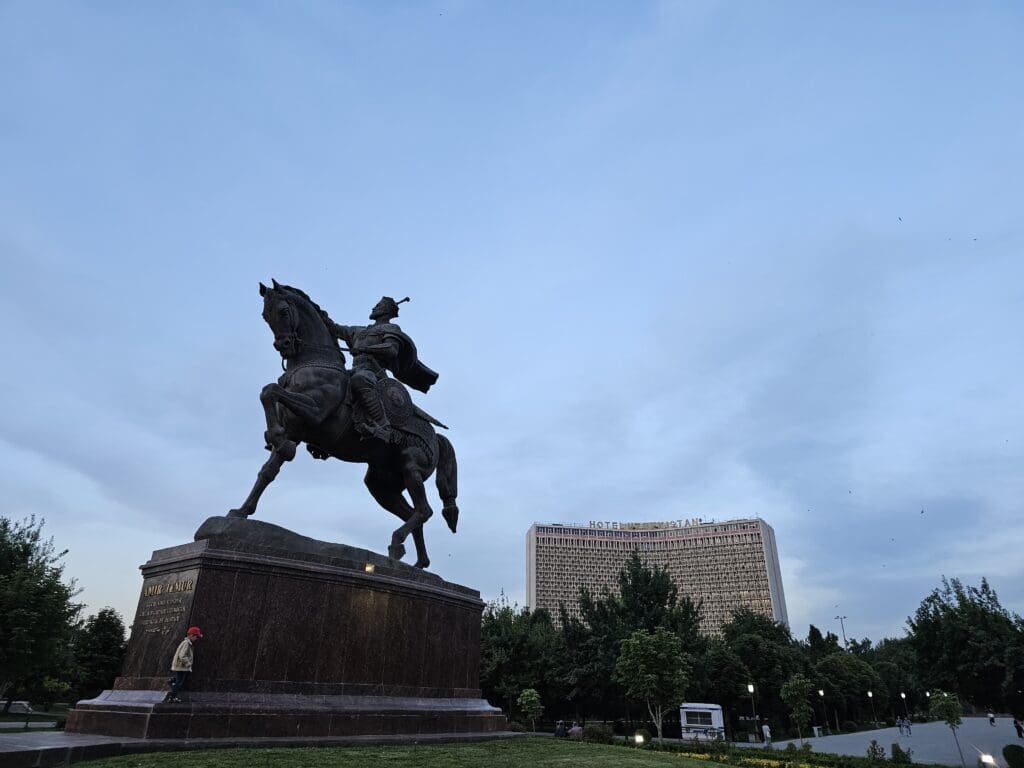
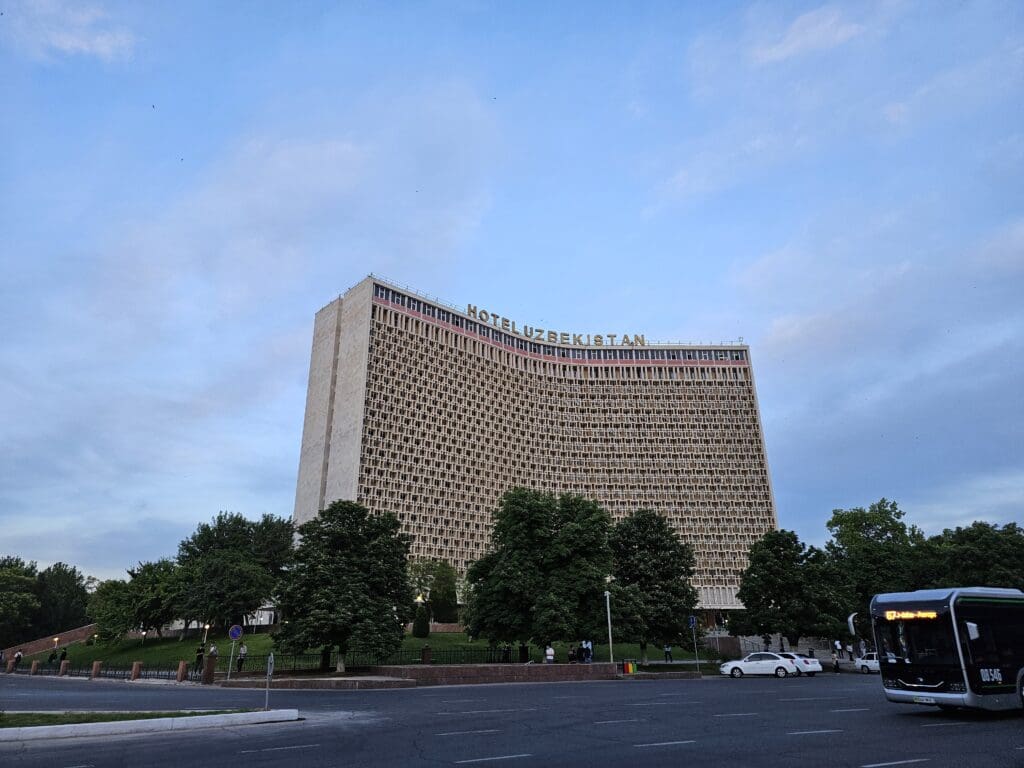
Framing the square are some of Tashkent’s most important institutions and landmarks, including the imposing Uzbekistan Hotel, the Palace of International Forums, the State Museum of the Temurids and the graceful clock tower, the Tashkent chimes. The architectural blend of Uzbek traditional styles, Soviet-era grandeur and more modern developments tell the story of a city that has evolved through many layers of history.
State Museum of the Termurids
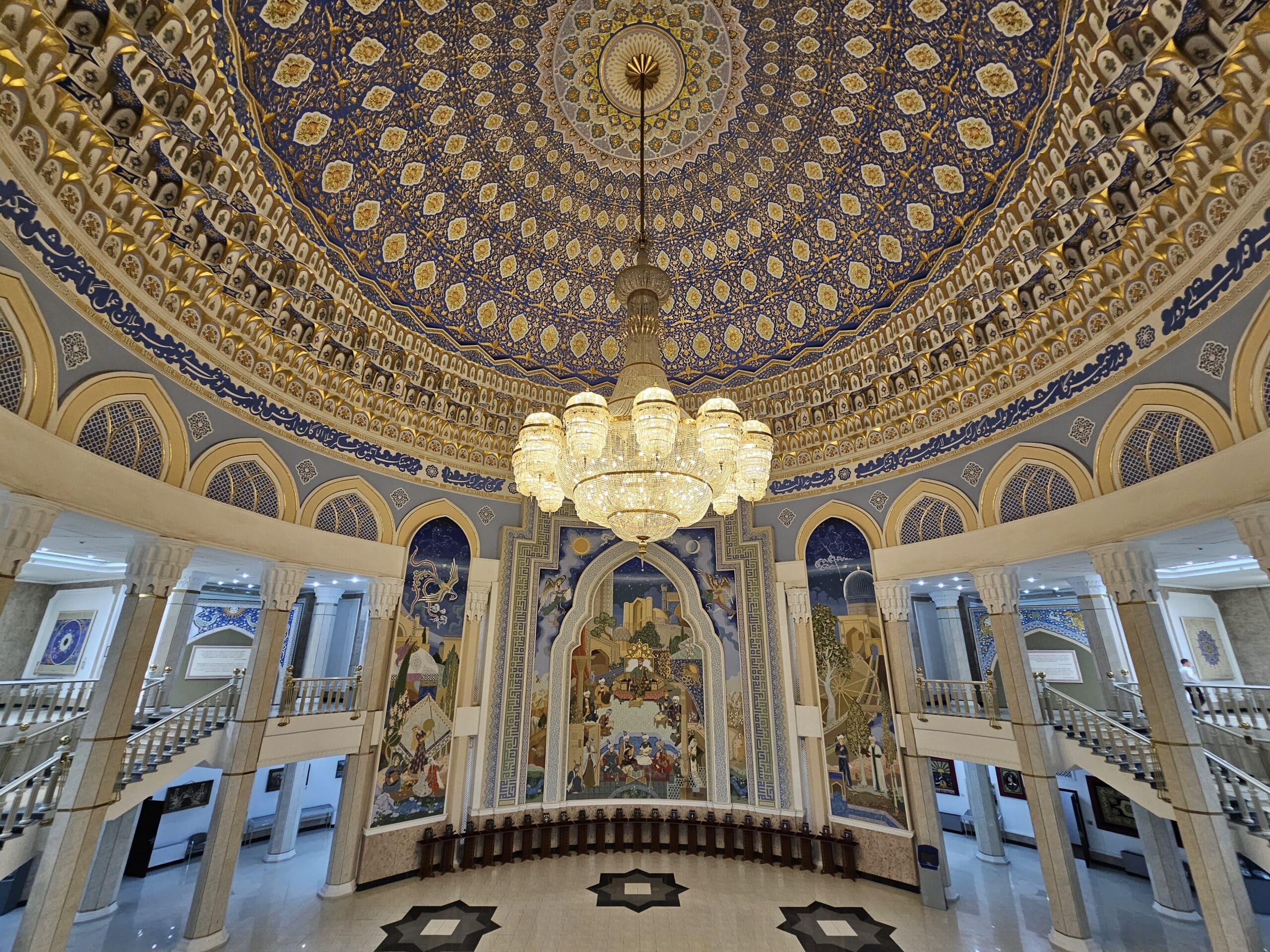
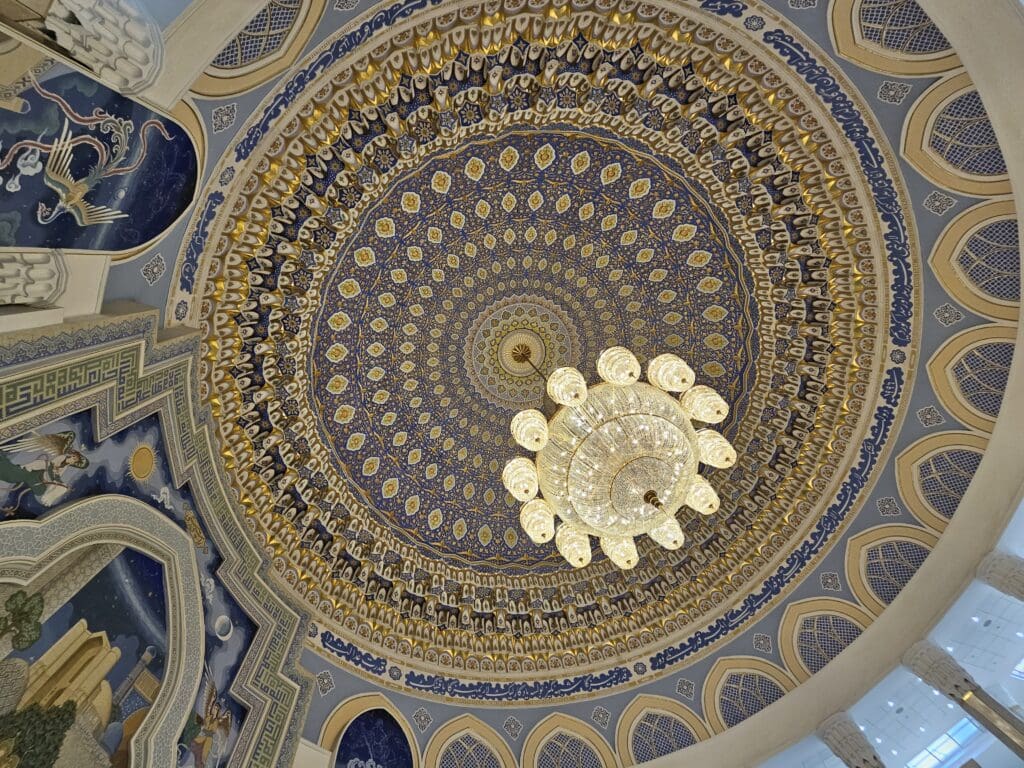
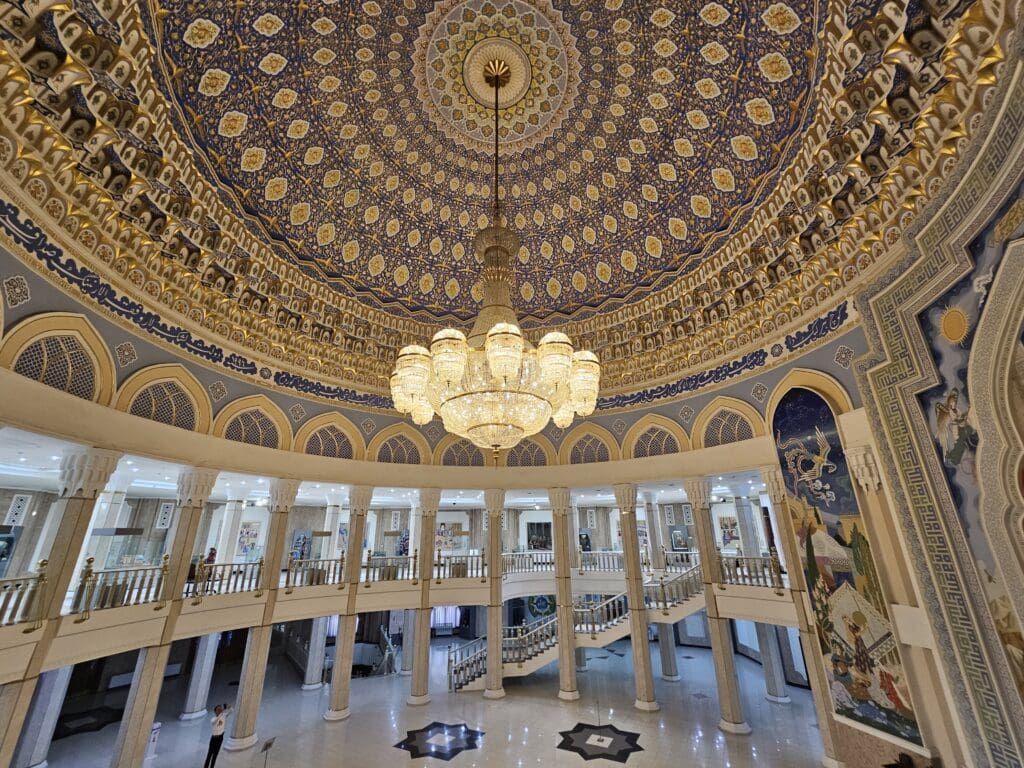
Tucked just a short walk from Amir Temur Square, the State Museum of the Temurids is an unmissable attraction – its turquoise dome gleaming under the sun, evoking the splendor of traditional architectural styles. Having opened in 1996, this museum celebrates the Temurid Empire and its founder, Amir Temur, who was born in what is now Shahrisabz, an Uzbek city between Samarkand and Tashkent.
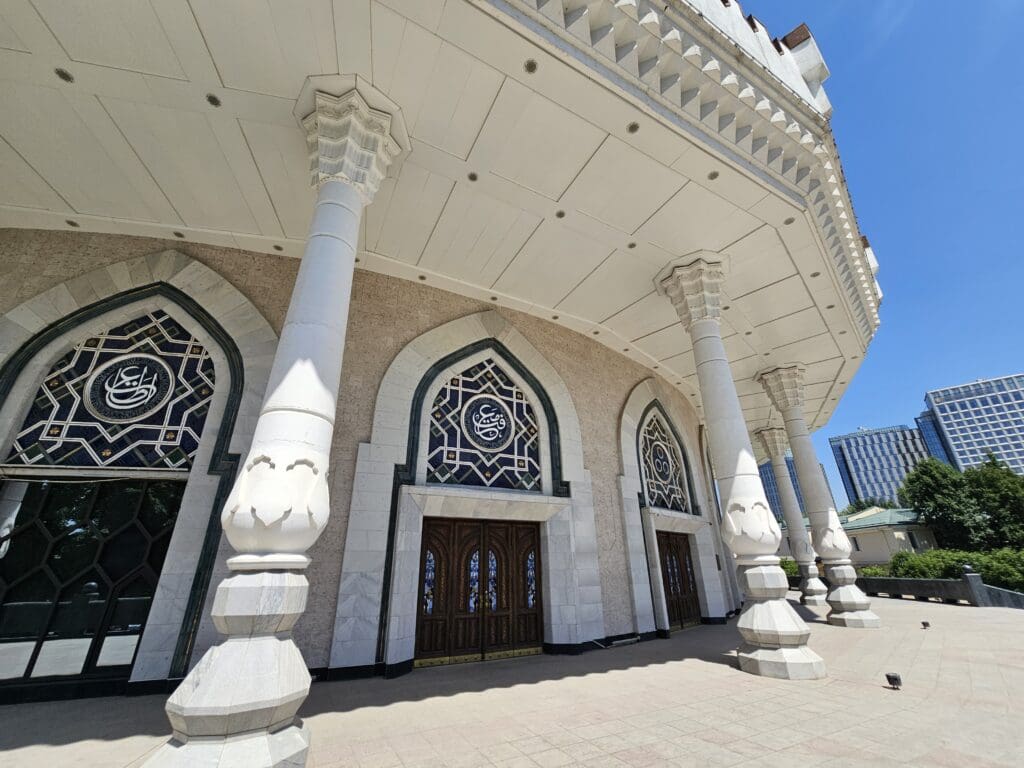
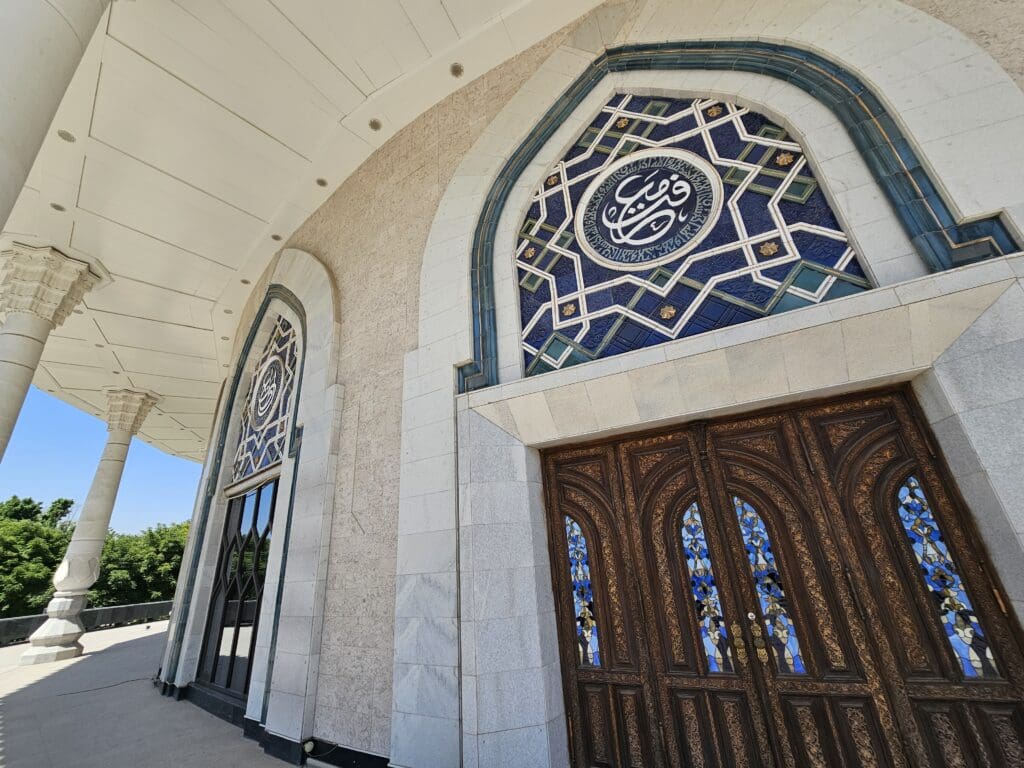
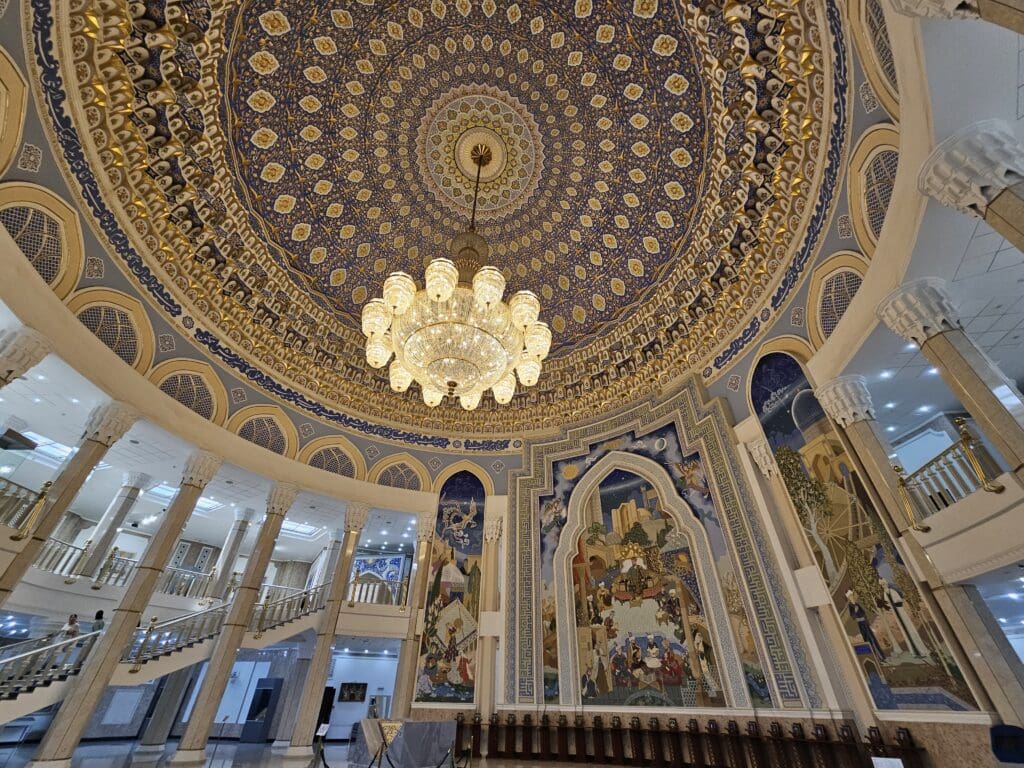
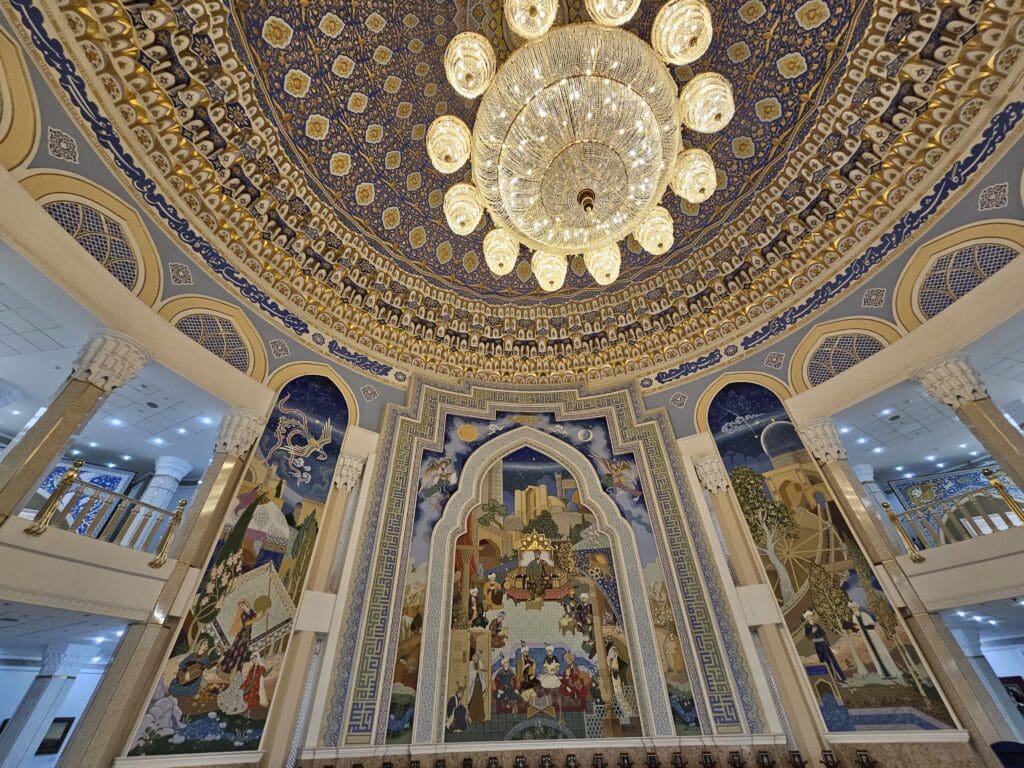
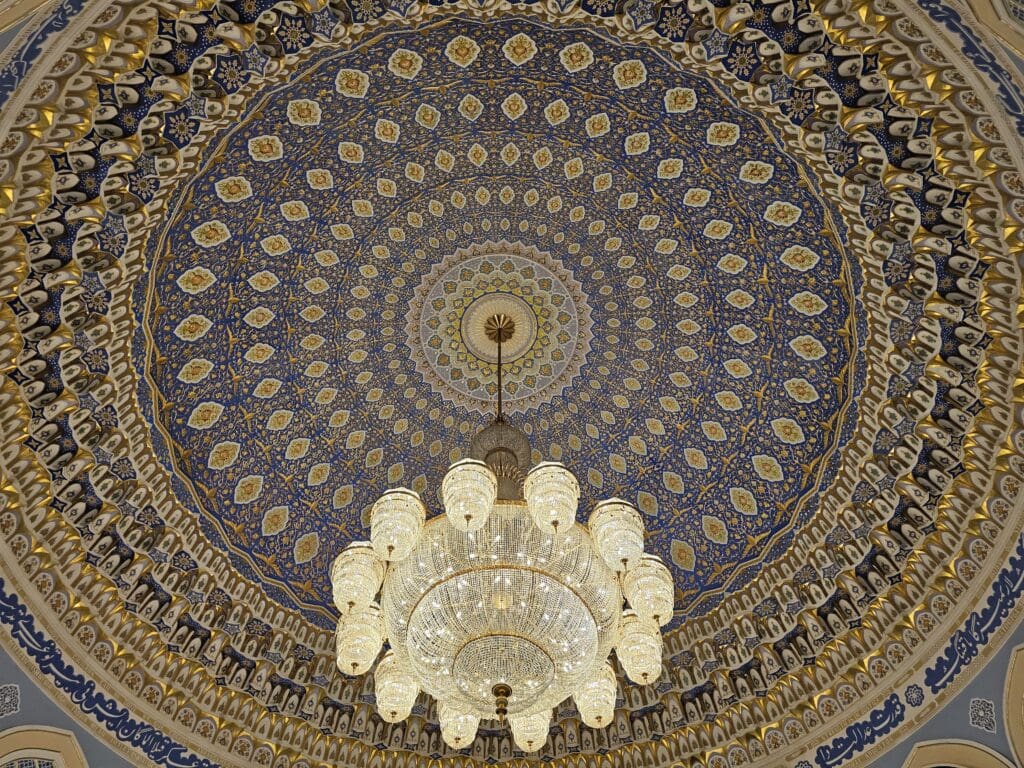
Even if you are not particularly interested in history, the museum is worth a visit for its ornate design alone, with the walls lined with marble and gold accents, making this one of the most memorable sights in the capital. Away from the main hall, visitors can browse the ancient manuscripts, ornate weapons, royal garments, intricate maps, and paintings that celebrate this important period of Uzbek history.
Chorsu Bazaar
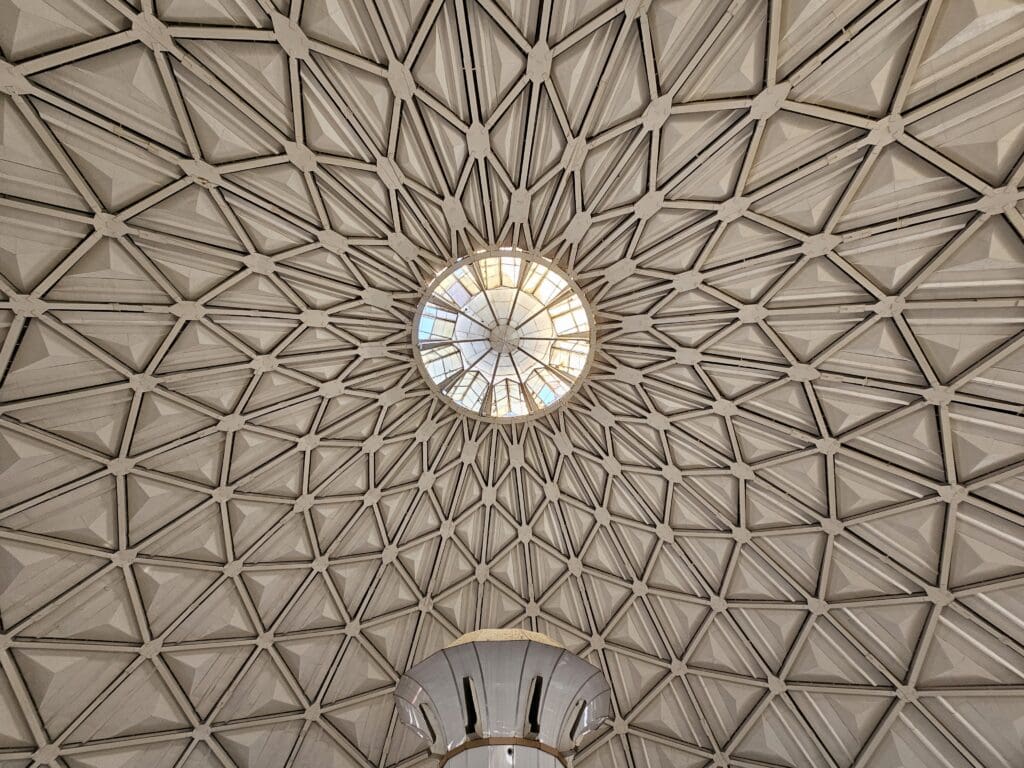
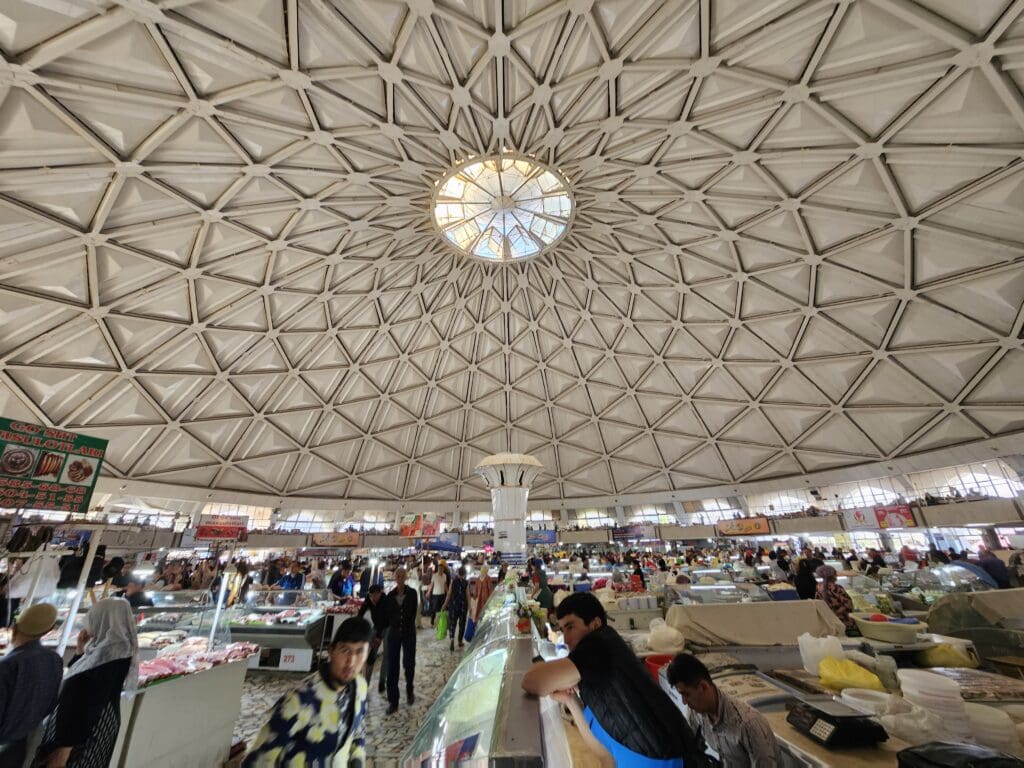
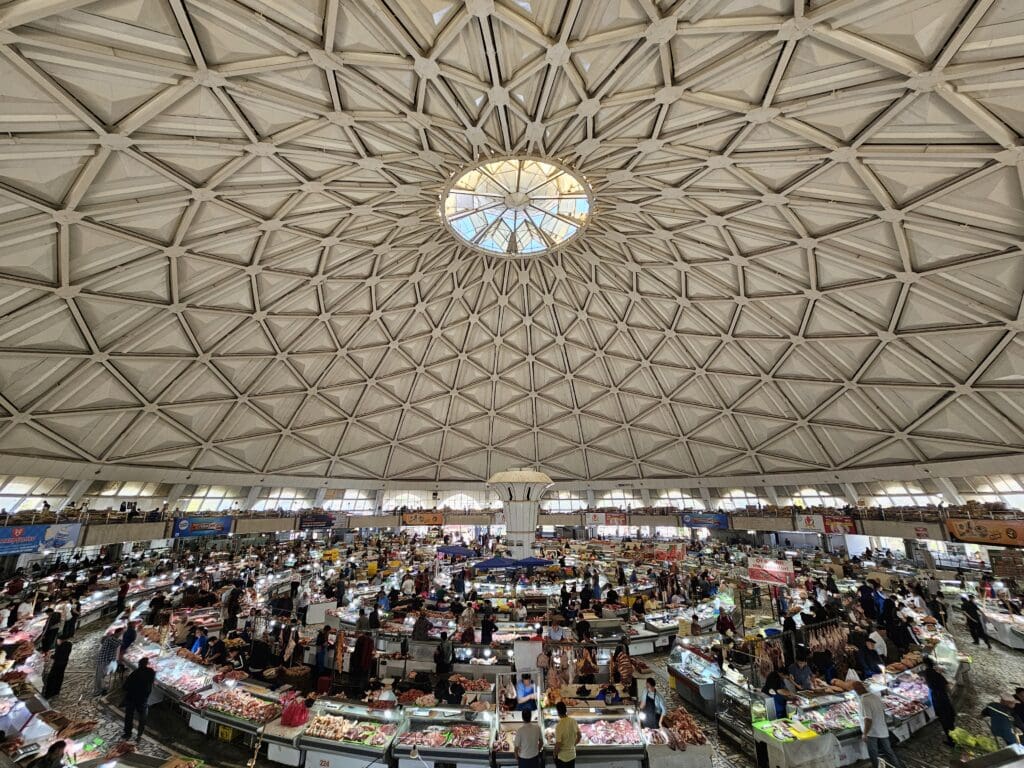
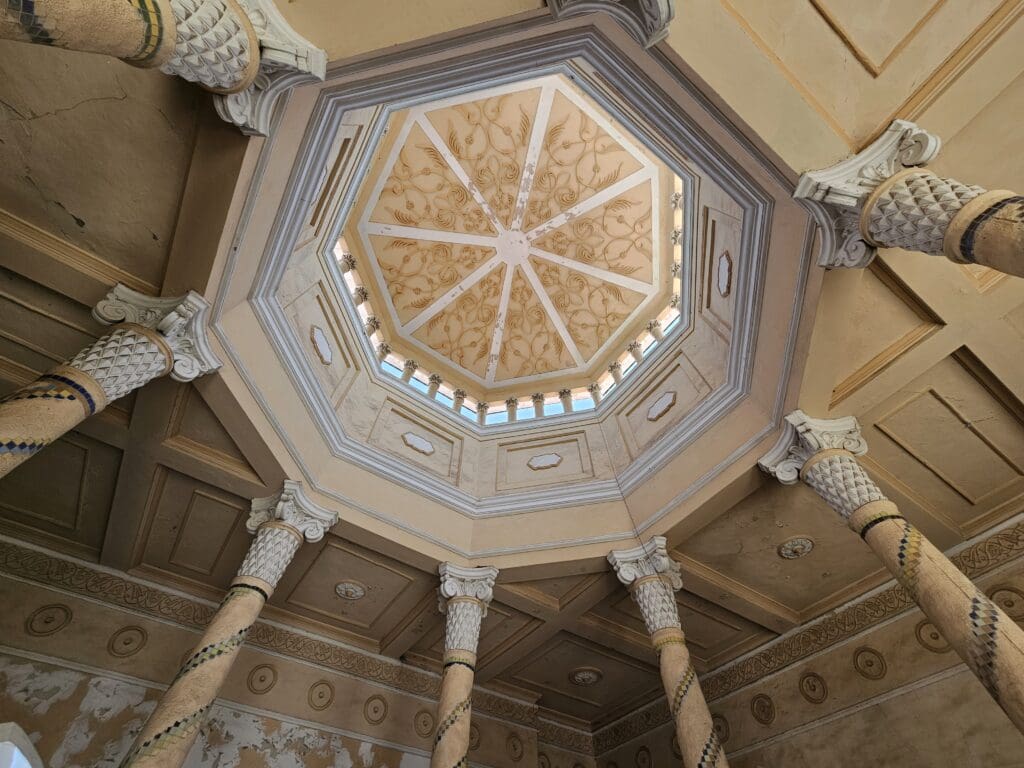
Topped with its iconic turquoise dome, Chorsu Bazaar is most certainly one of Tashkent’s most famous sites, and even if you aren’t planning on buying anything, it is worth a visit to soak up the hustle and bustle of the market and marvel at the architecturally impressive main hall.
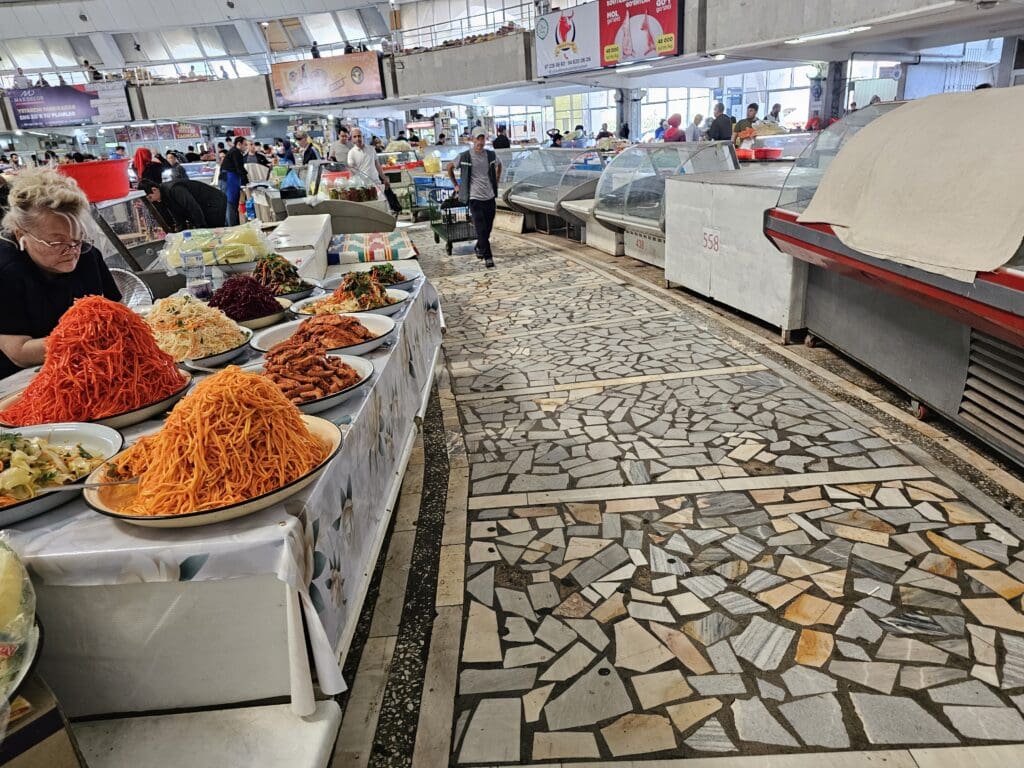
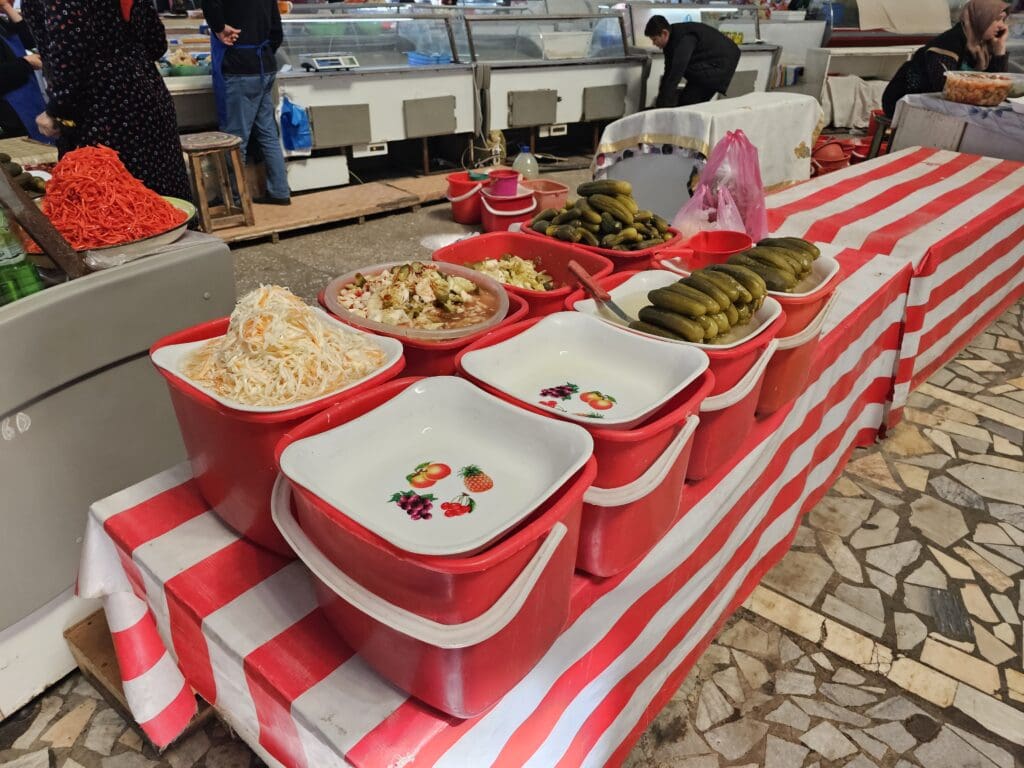
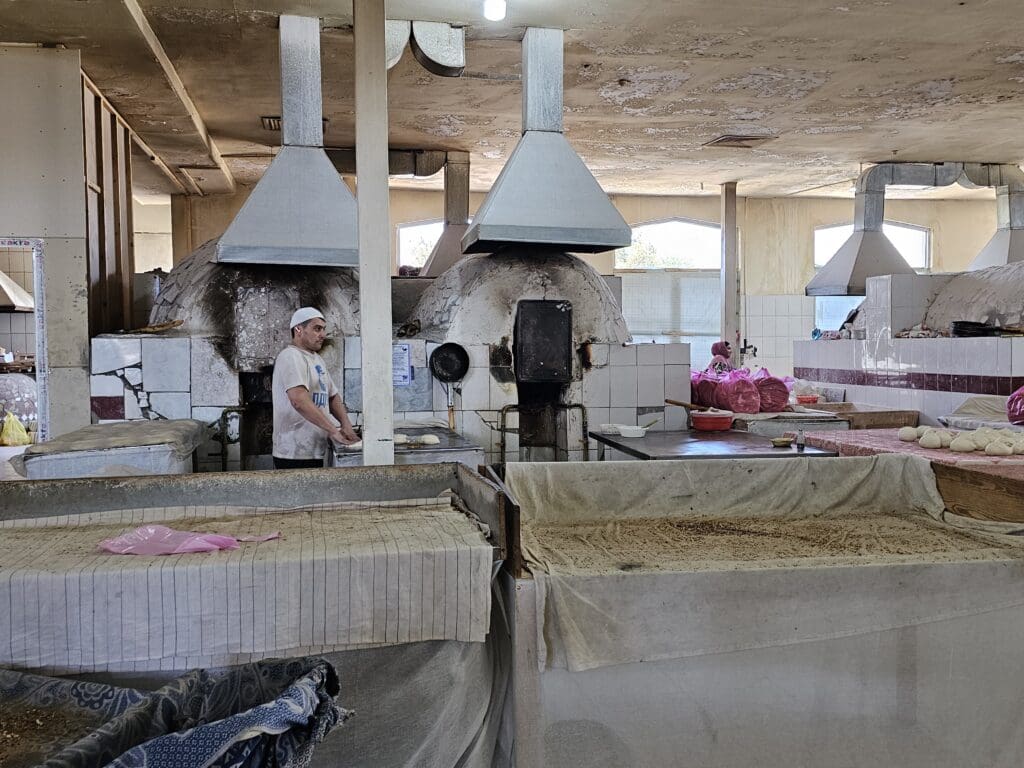
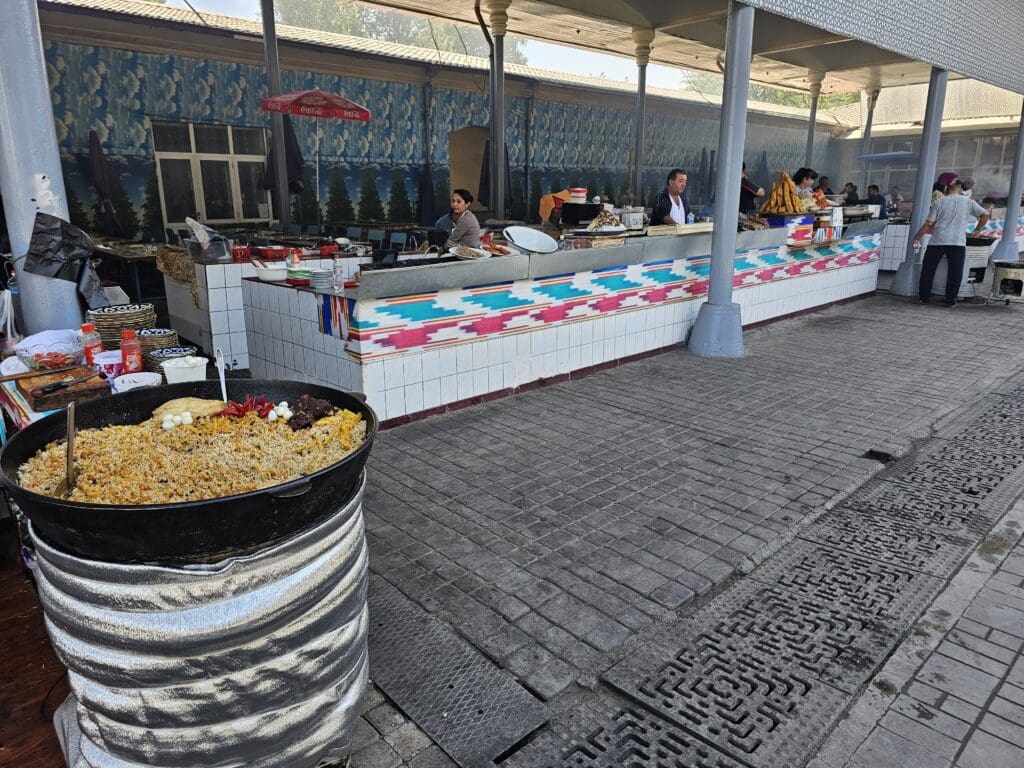
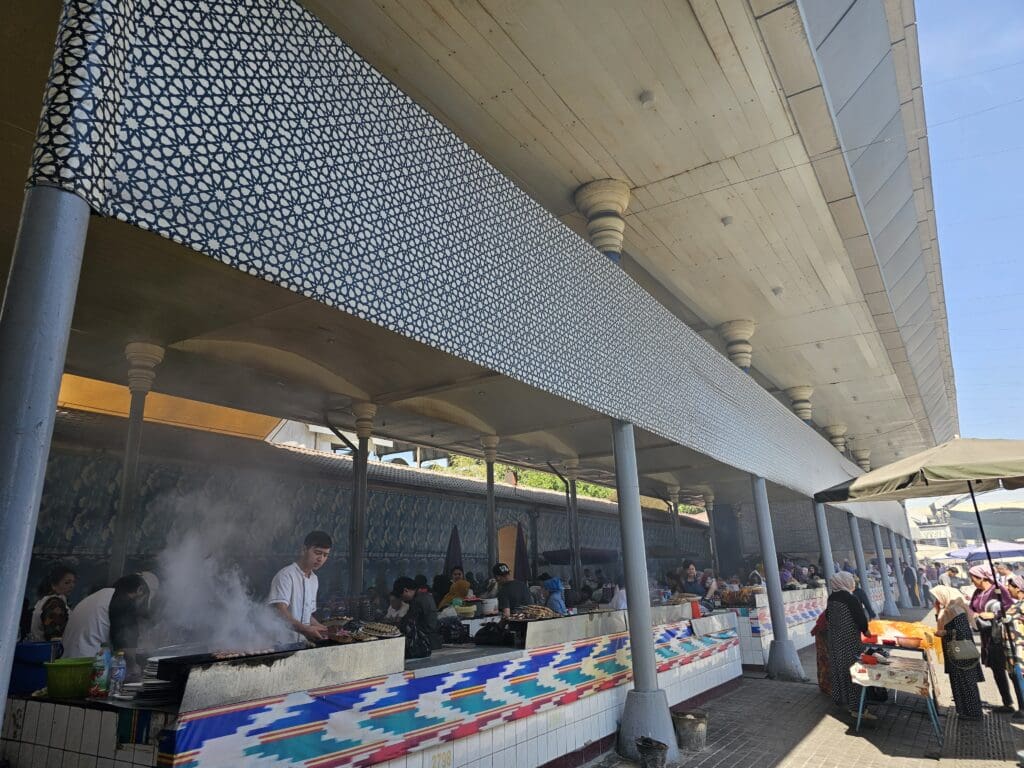
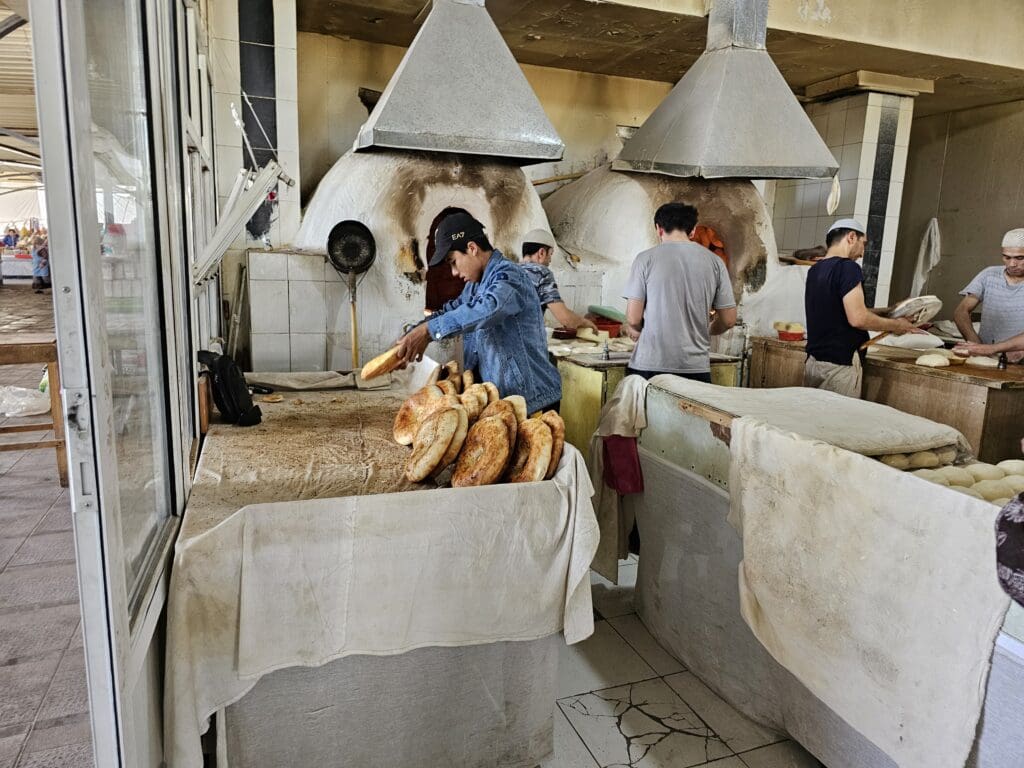
As you step inside, you are immediately swept up in a vibrant swirl of colour, scent, and sound, with the constant calls of vendors heard throughout as they attempt to market their latest produce. Indeed, if you’re looking to find fresh and local fruit and vegetables, this is most certainly the place to be! Covering a large area, the market is divided into various sections, and you can purchase just about everything and anything within its grounds. Even if you’re not in the market for rich spices, plump apricots or thick slabs of meat, it is a good place to stop off to do some souvenir shopping, as prices there are usually much cheaper than in many of Tashkent’s more touristy outlets. In addition to the main market, Chorsu also hosts a section that is filled with plenty of eateries that serve as a fantastic place to get a cheap and hearty local meal.
However, a word of caution is in order: if you look like a tourist, it is almost certain that you will be targeted by illegal money exchangers. Whilst they will usually give you any bother if you simply ignore them and walk on, it would be unwise to use their services and instead you can exchange currency quickly, easily and at a better rate at most banks, and even some bank vending machines.
Museum of Arts of Uzbekistan
Tucked away from the lively bustle of the city centre’s streets, the Museum of Arts of Uzbekistan is a calm space that is perfect for those seeking to dive into the country’s art scene, both old and new.
Founded in 1918 as the Museum of the People’s University, following the Russian Revolution, this museum hosted a private collection of artwork that once belonged to Grand Duke Nicholas Konstantinovich of Russia and was hosted in his grand Tashkent palace. However, this collection was soon expanded to incorporate a mixture of European and local Central Asian art, eventually migrating to a new purpose-built premises in 1974 where the museum remains to this day.
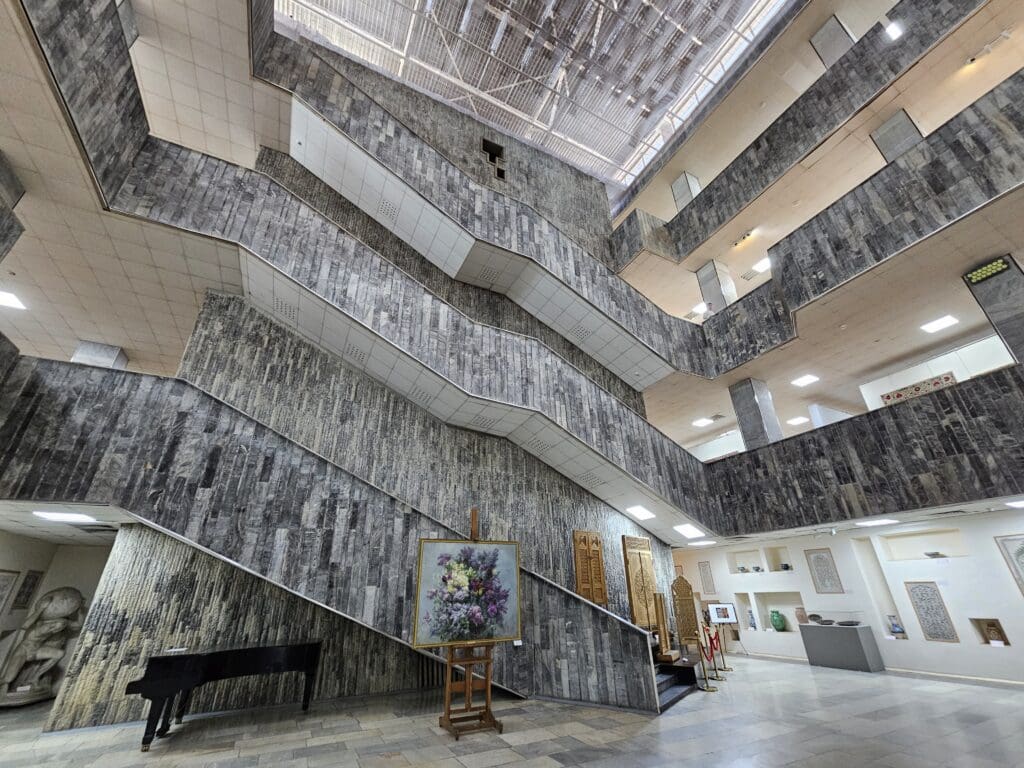
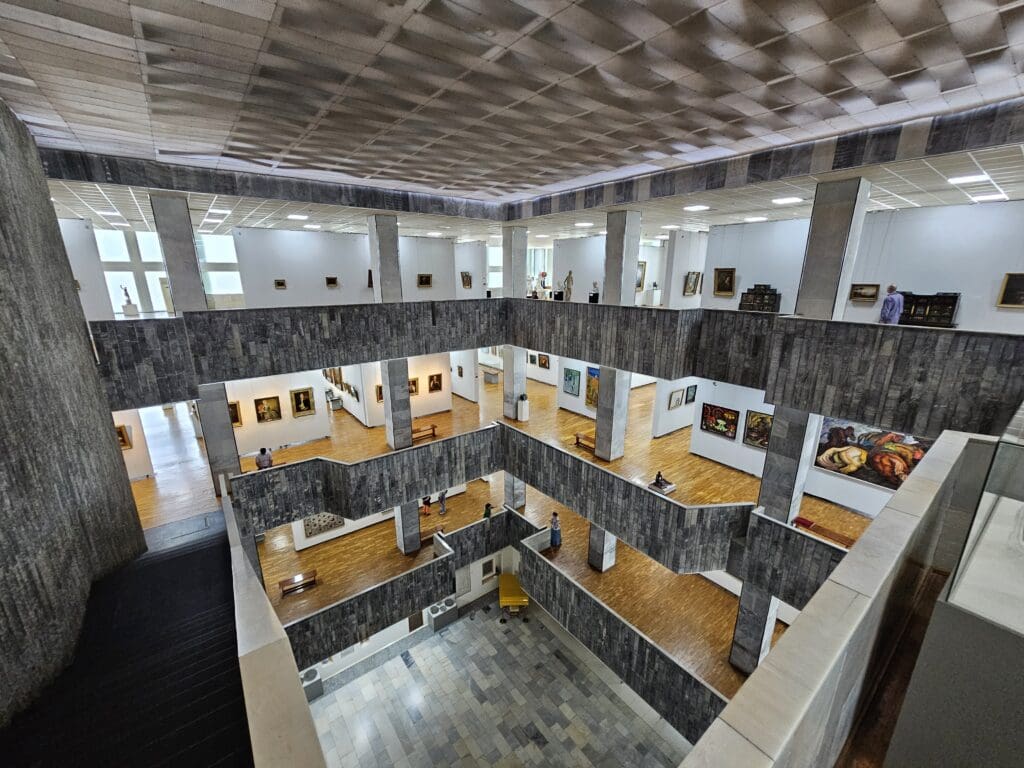
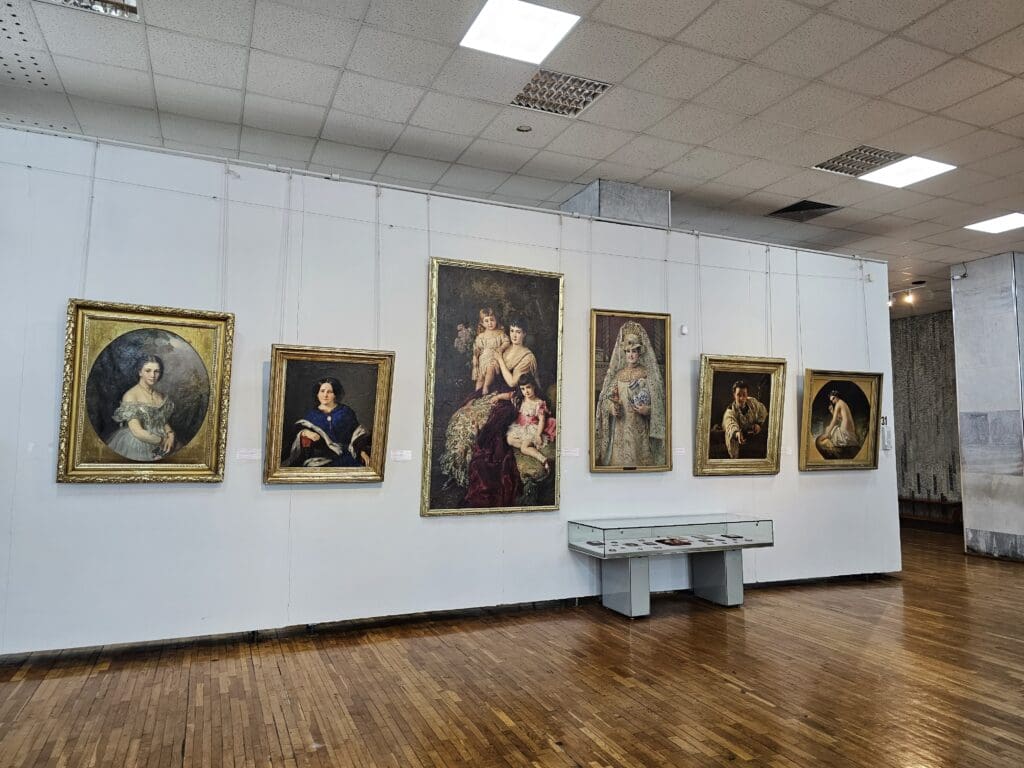
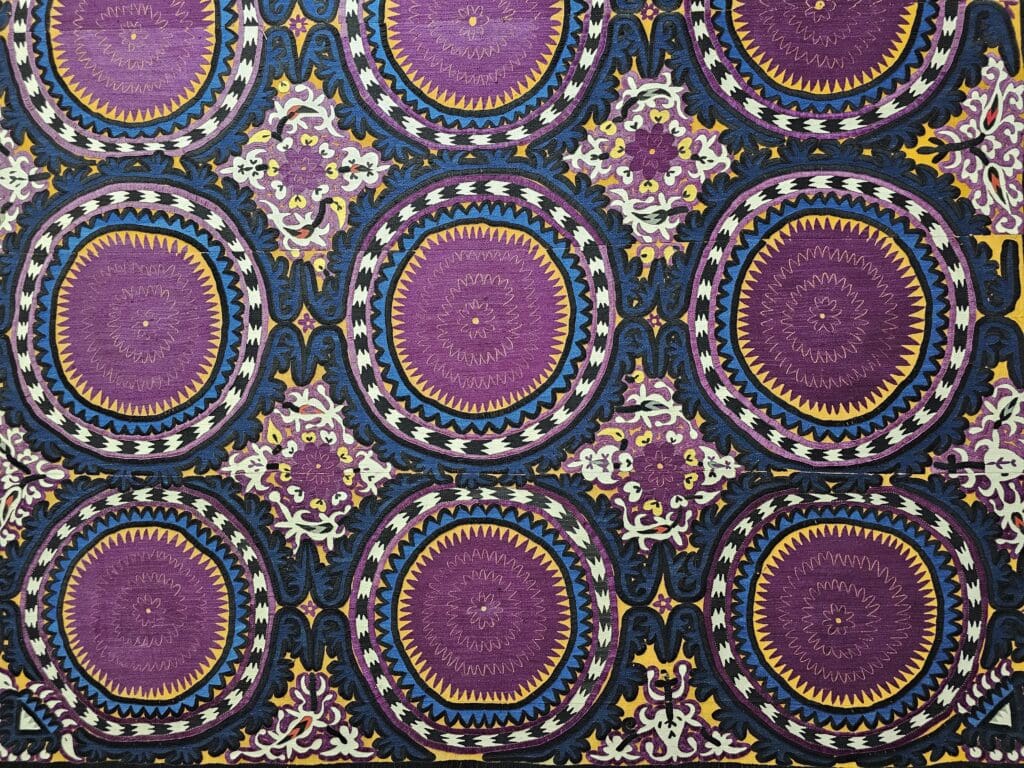
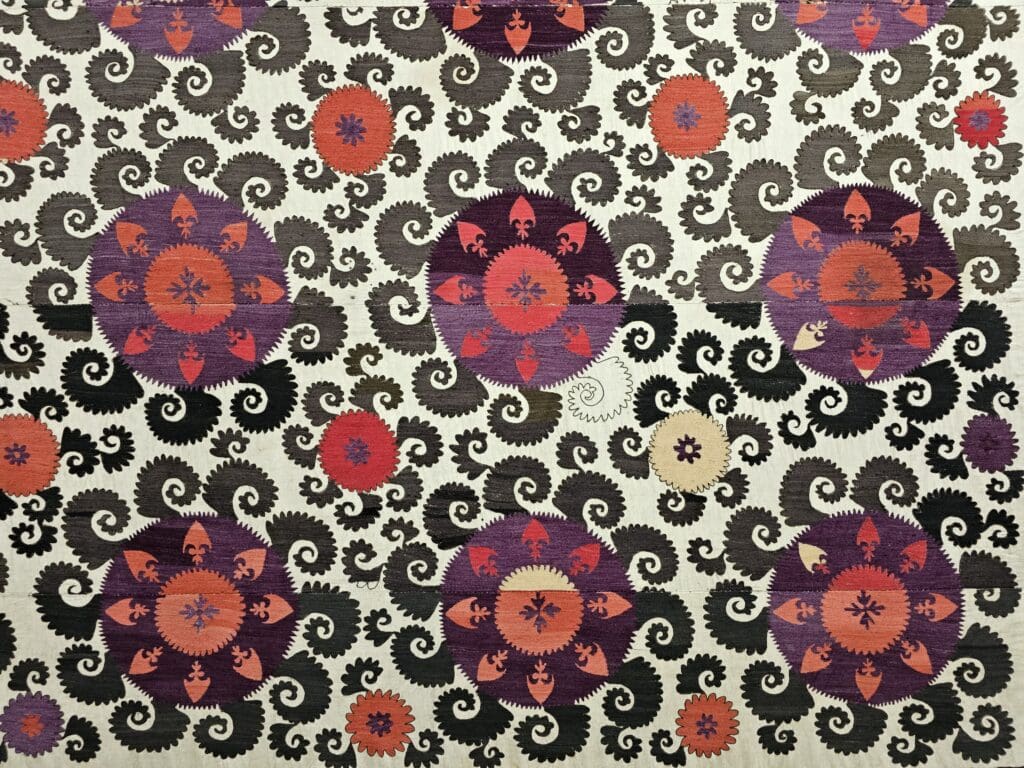
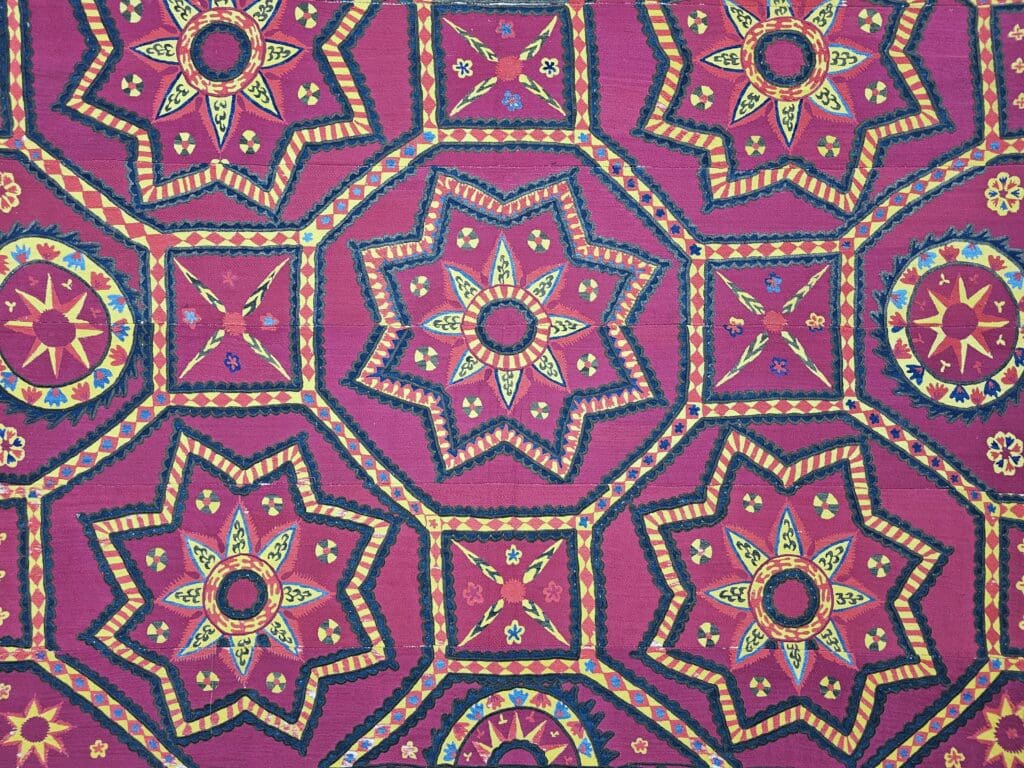
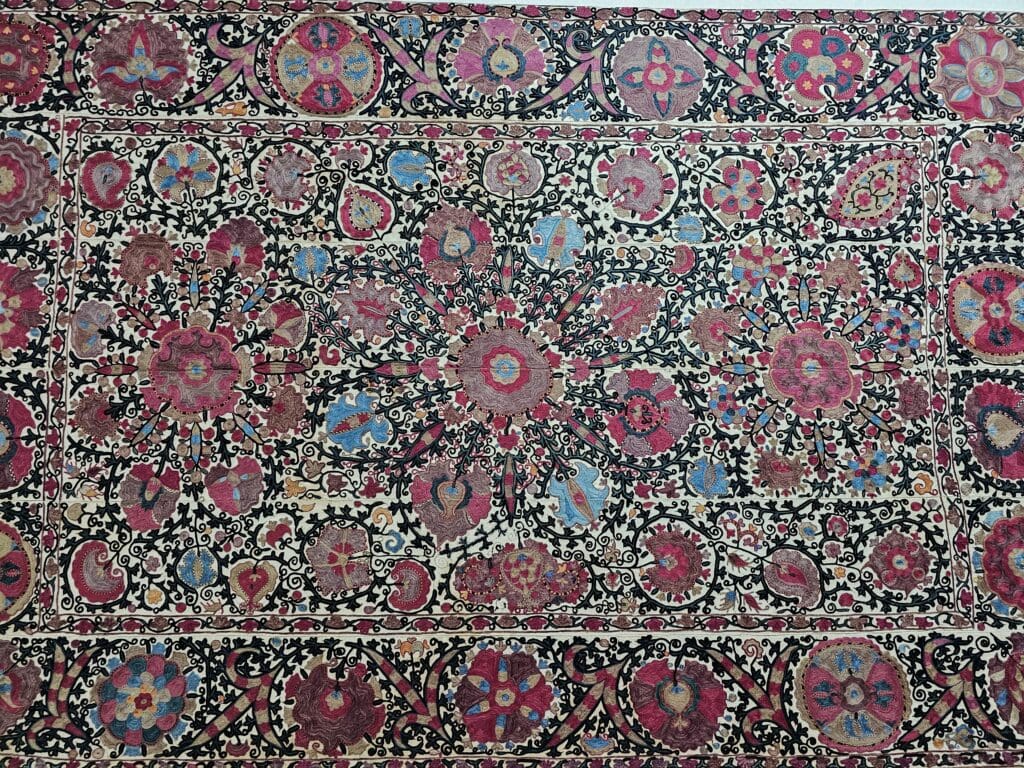
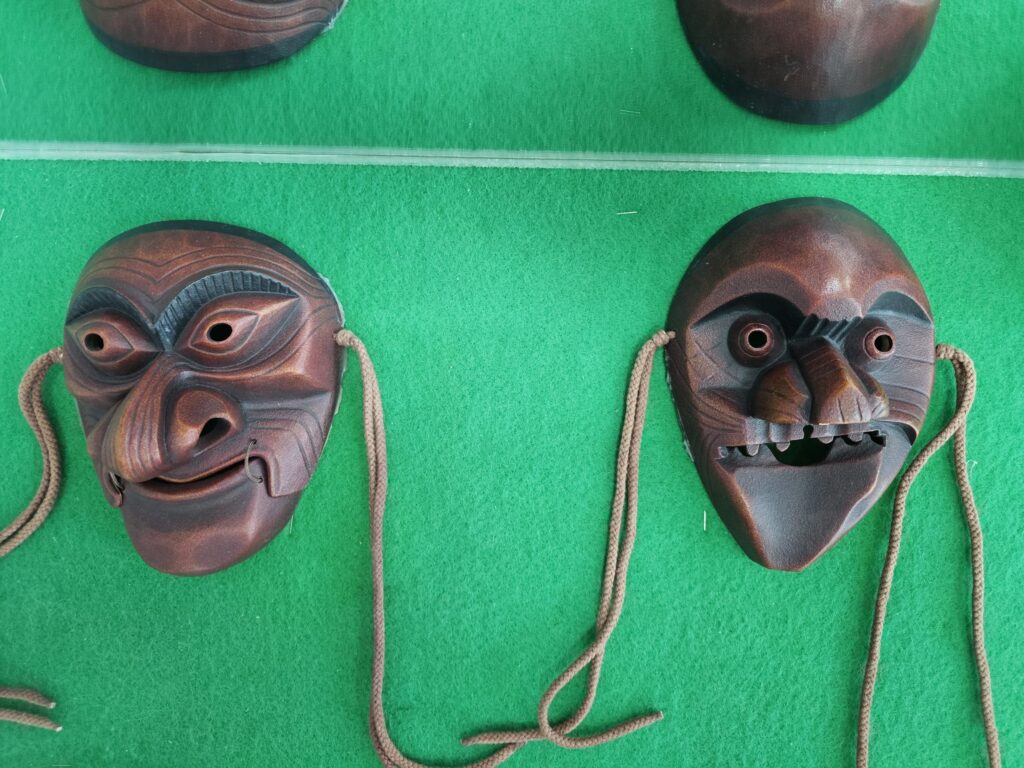
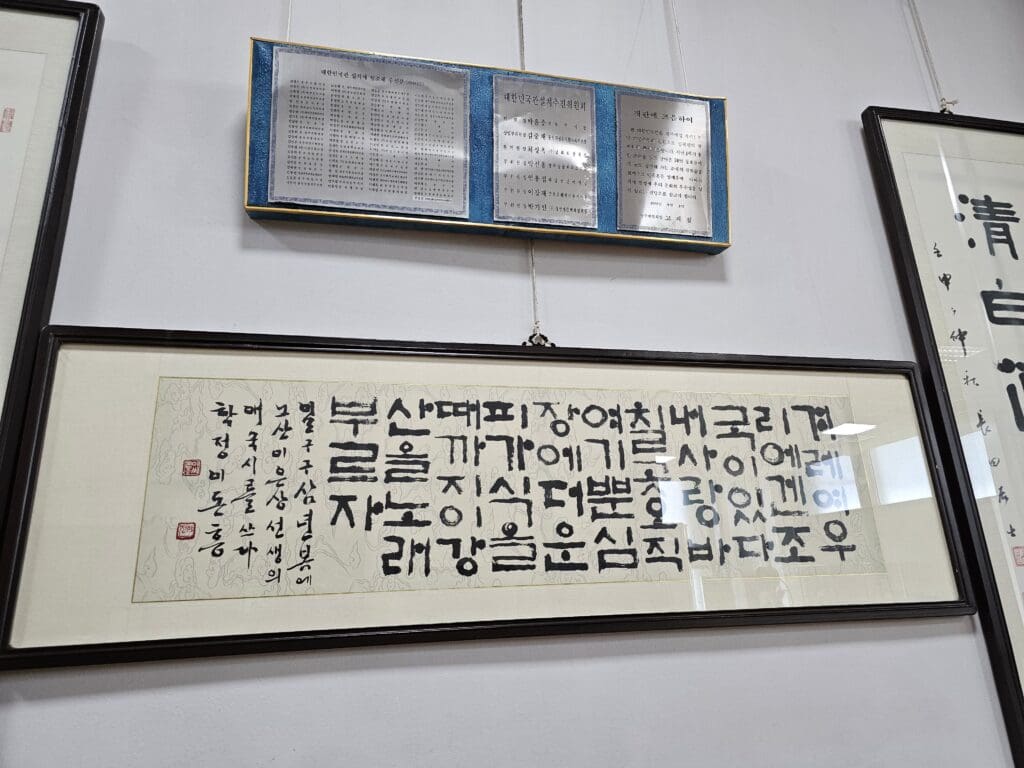
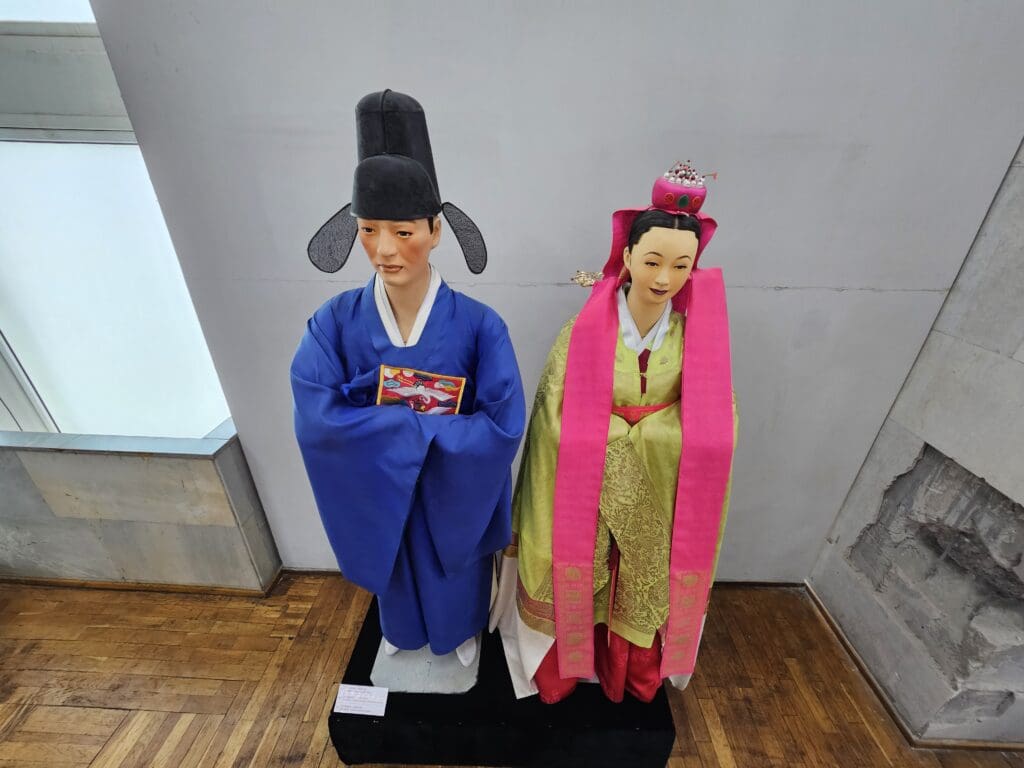
Spread across several floors, the museum’s collection is impressively diverse and includes everything from centuries-old Buddhist relics and intricately carved woodwork from the Silk Road era to Russian realist masterpieces and oil paintings depicting life on Soviet kholkoz. There is also a fair number of Korean exhibits owing to the well-established Korean diaspora within Uzbekistan (more on that shortly!).
State Museum of the History of Uzbekistan
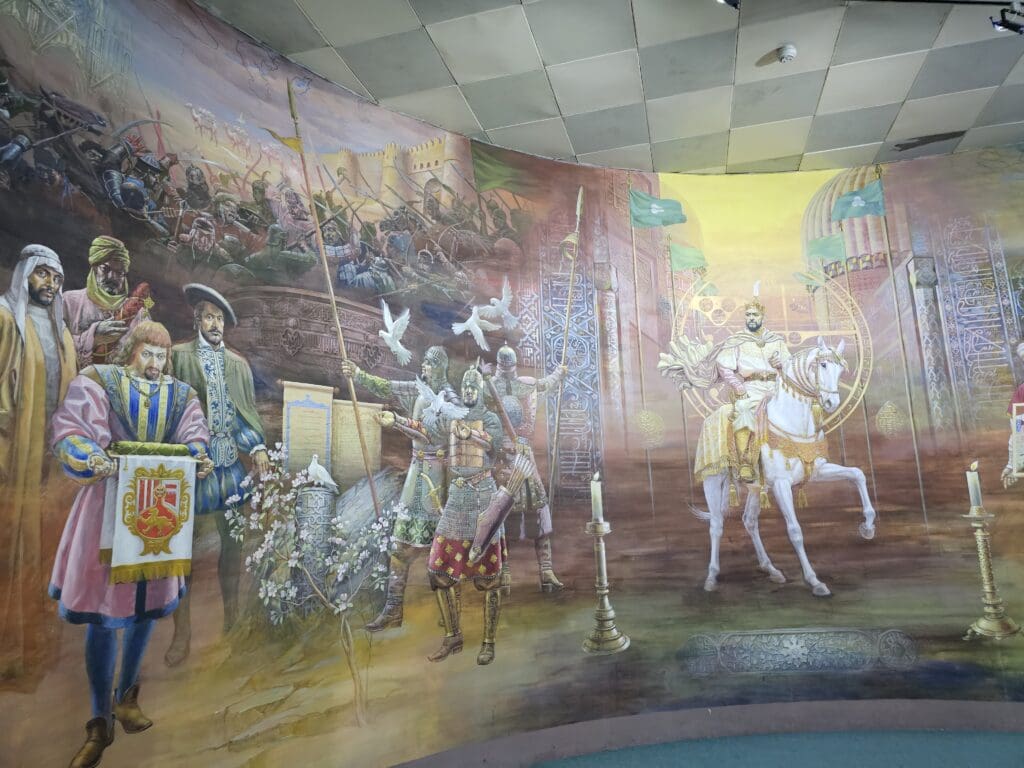
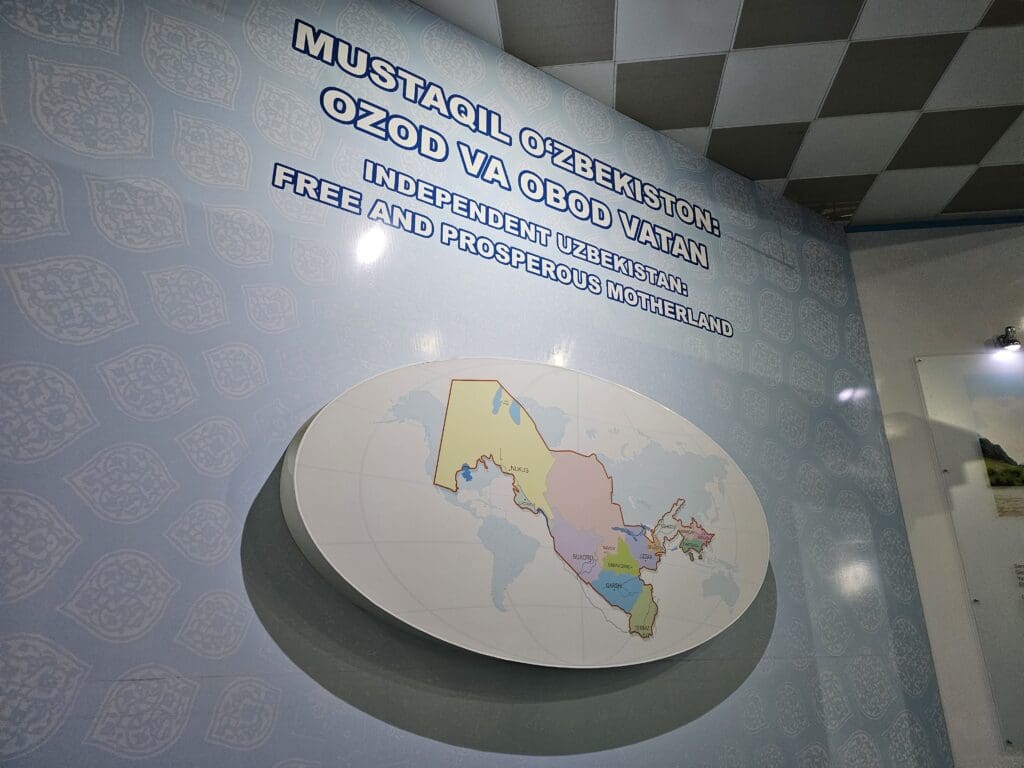
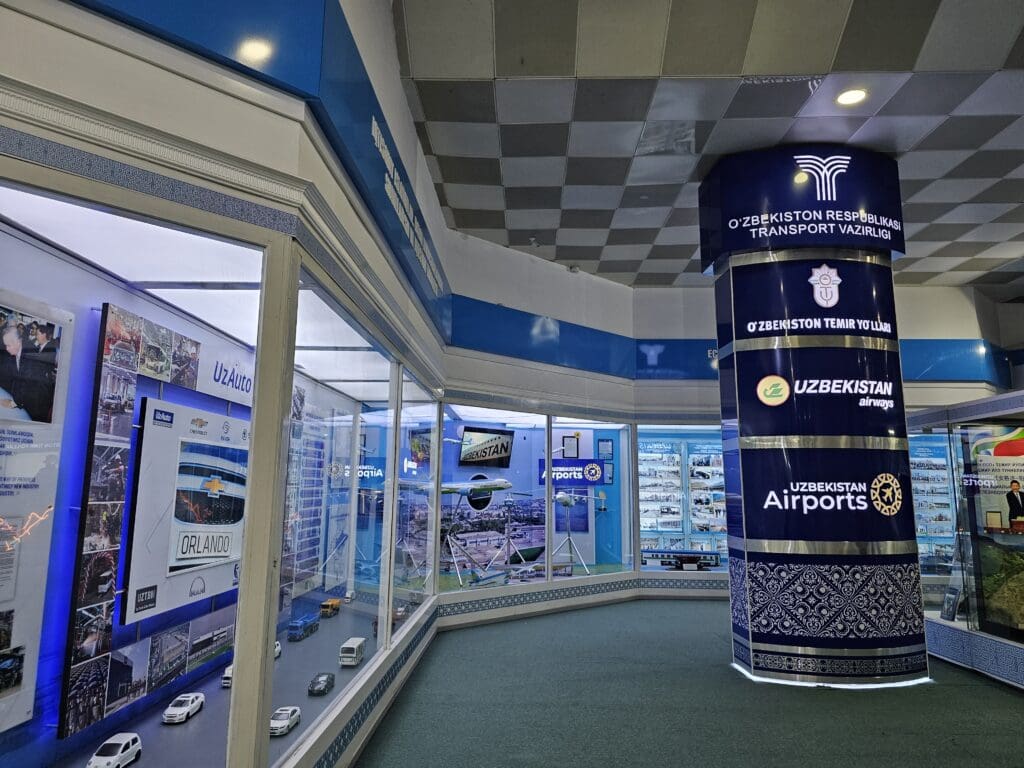
Established in 1876 as the People’s Museum of Turkestan, this museum is one of the oldest in Central Asia and has long celebrated the rich and diverse history of Uzbekistan and its people. During the Soviet era, this came to be known as the State Museum of Turkestan, the Main Central Asian Museum and the Lenin Museum, before receiving its current name following Uzbekistan’s independence.
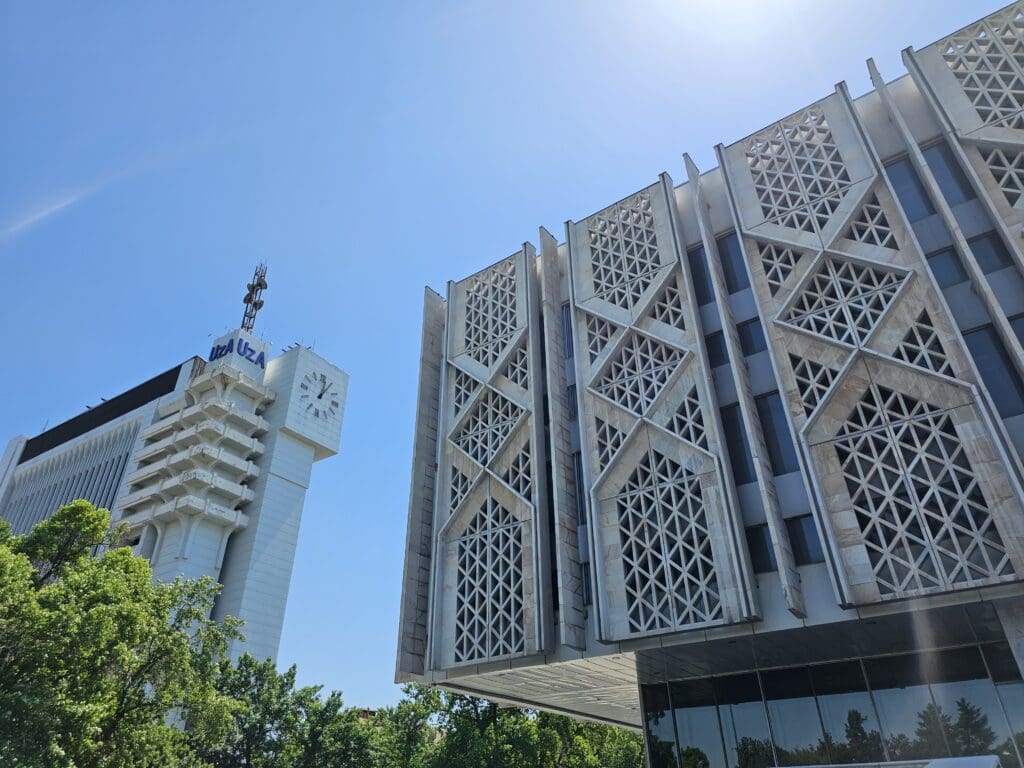
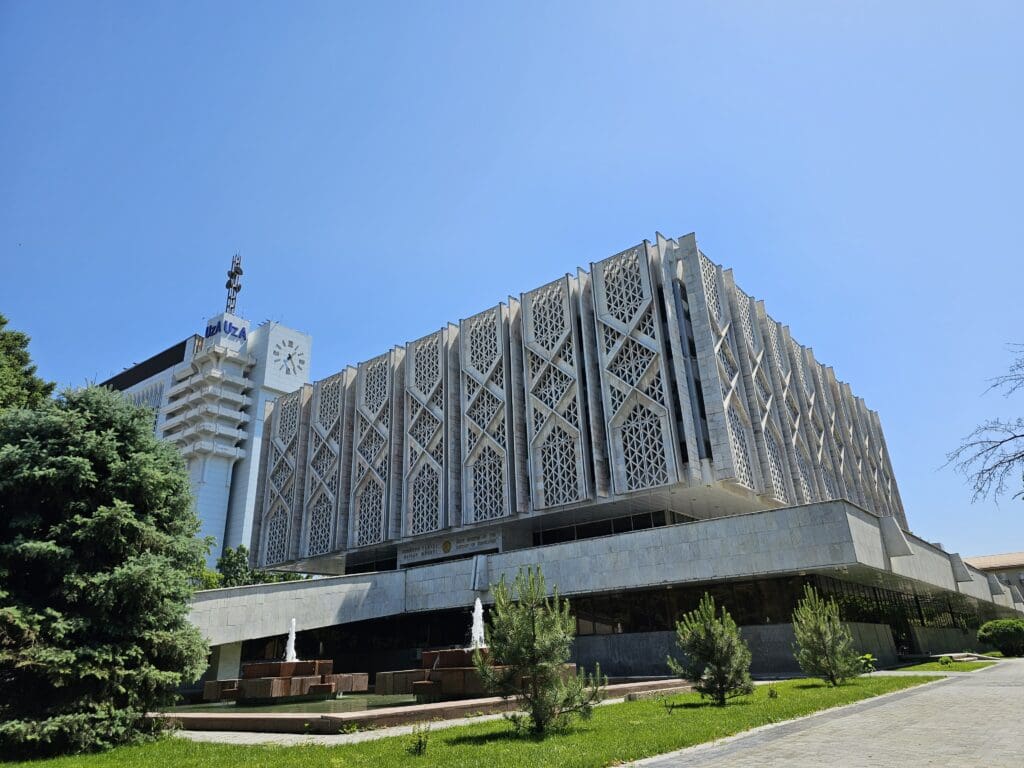
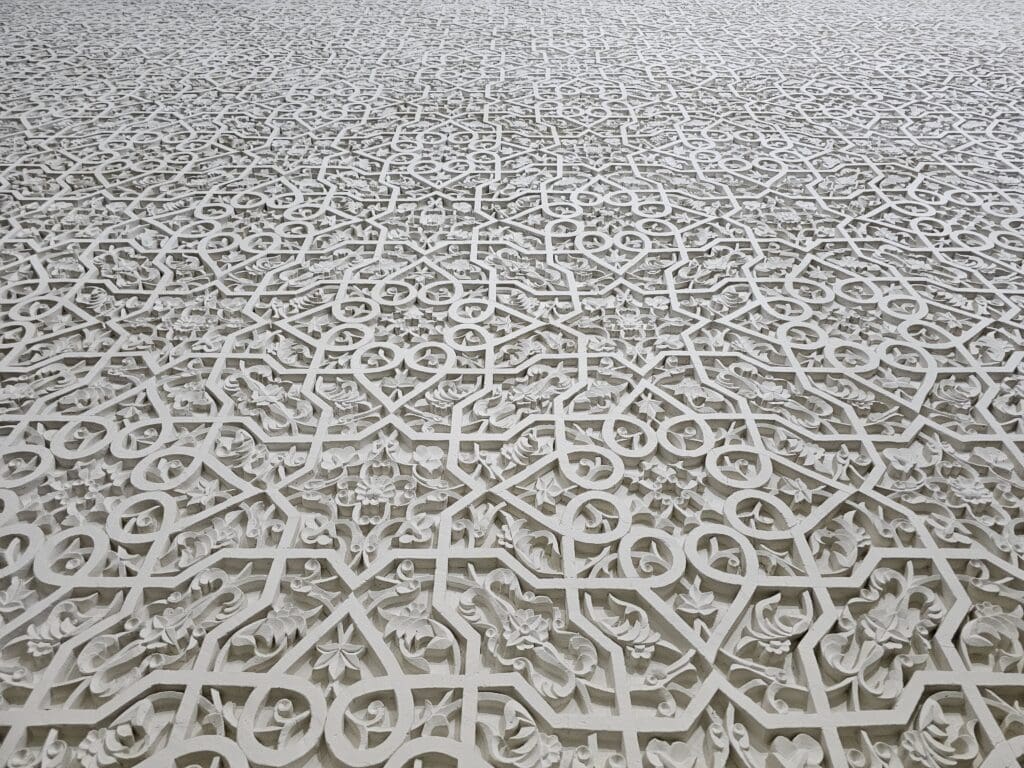
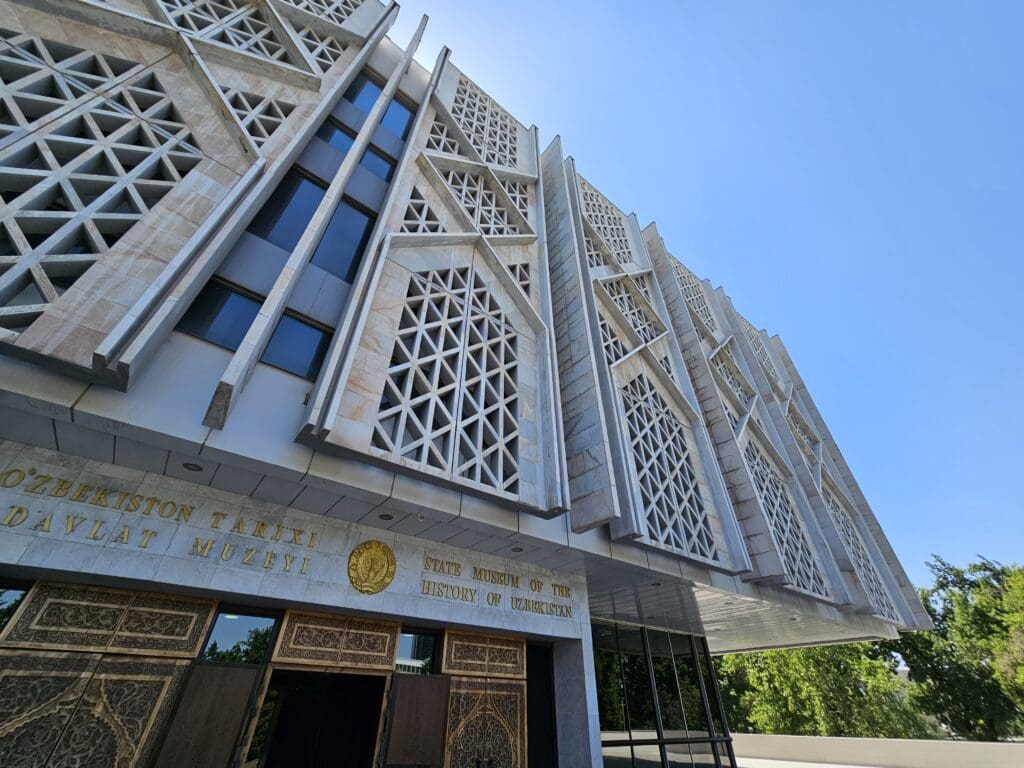
Today, this is hosted in a distinctive building dating back to the 1970s, constructed in a style known as ‘Tashkent modernism’ which combines Soviet era brutalism with local Uzbek designs. Spanning four stories, this takes visitors on a journey through Uzbekistan’s history, from prehistoric eras to modern times, and boasts over 250,000 artifacts, encompassing archaeology, numismatics, and ethnography.
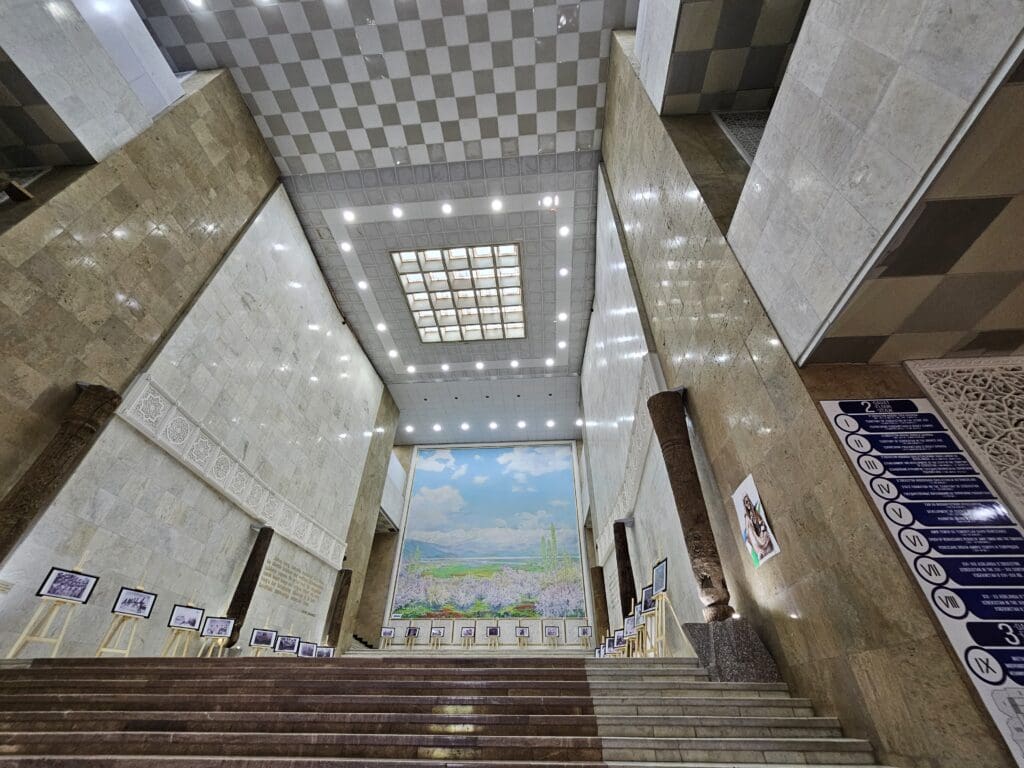
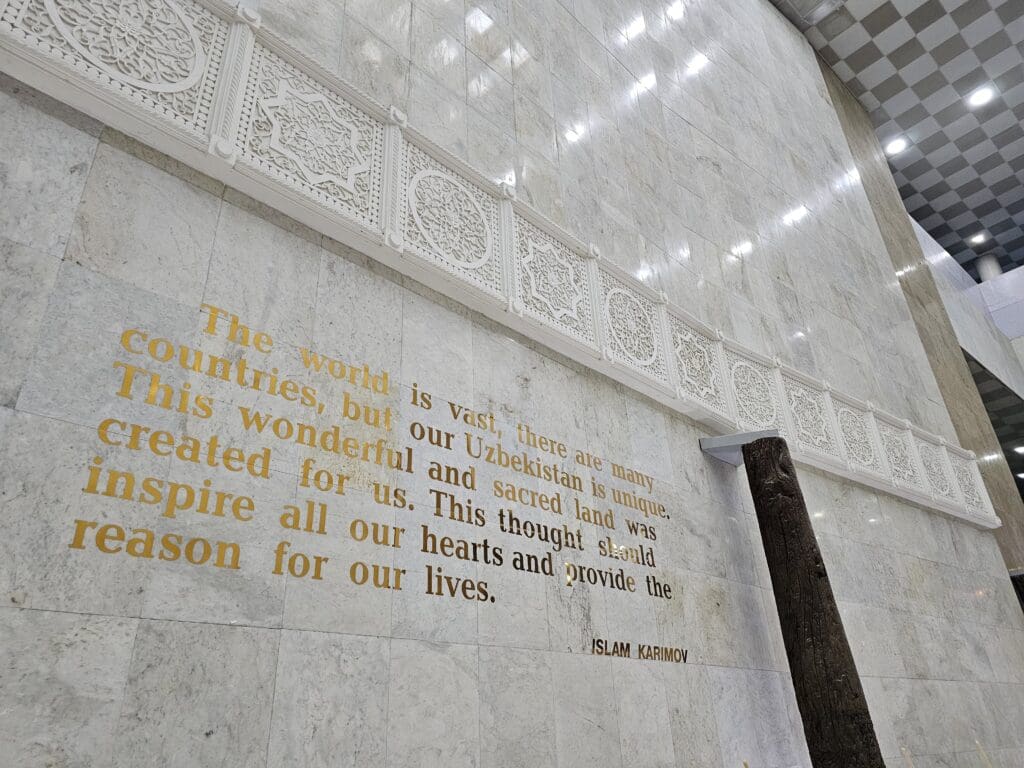
Among its treasures is a remarkably preserved 2,000-year-old alabaster Buddha from Fayaz Tepe in Termez, a city on the border with Afghanistan, reflecting the region’s ancient Buddhist influences. As you would perhaps expect, this also features a cornucopia of exhibits from the Temurid, Soviet times and post-independence eras.
Seoul National Park in Tashkent
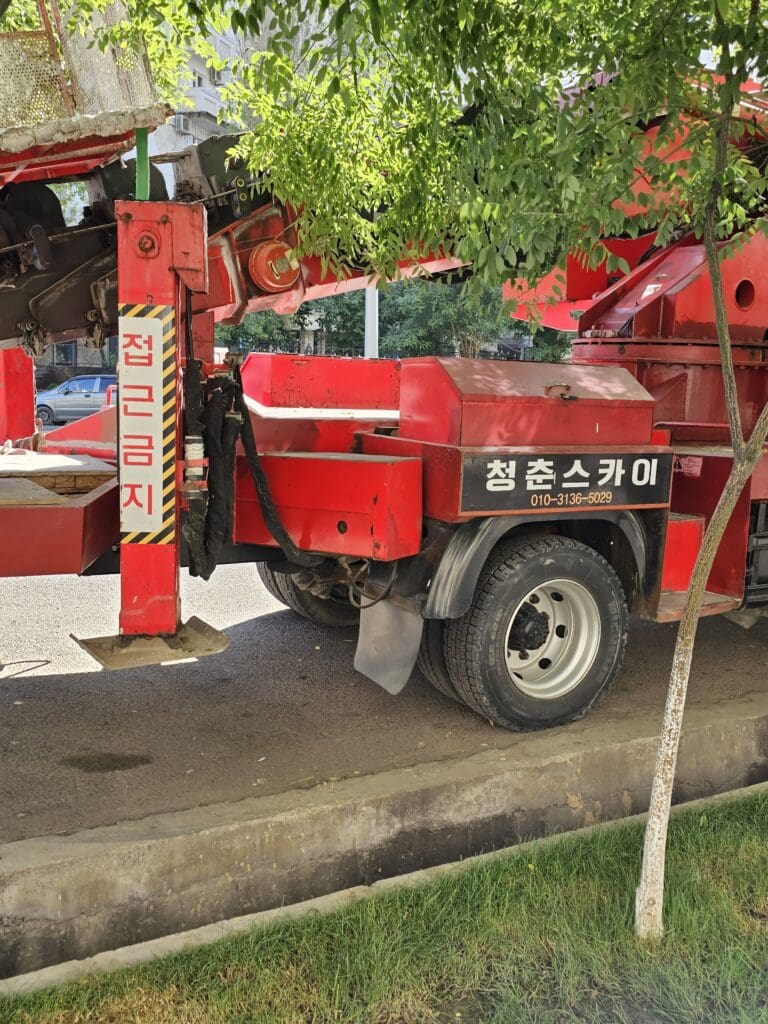
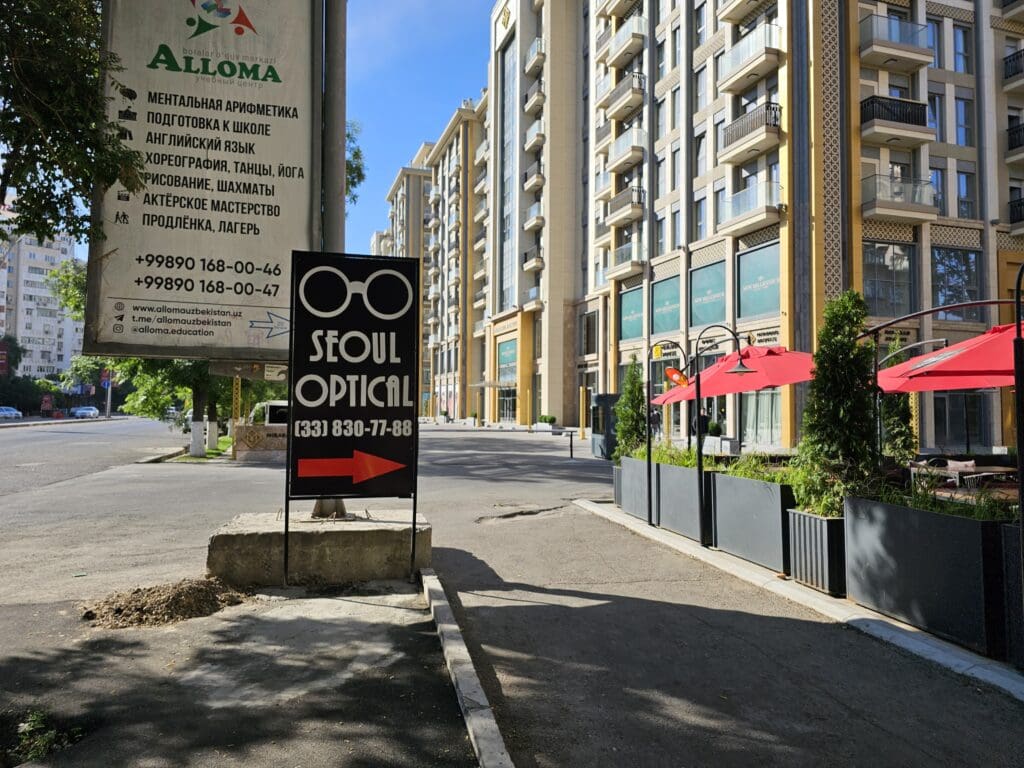
Whether it be through Tashkent’s plentiful Korean restaurants or dishes such as carrot-based kimchi, which is a hybrid mixture of Uzbek and Korean cuisines, or the near-omnipresence of major Korean conglomerates across the country, it is impossible to miss the clear Korean influence within Uzbekistan. Indeed, separated by thousands of miles, unless you are clued up on the history of the two countries, then this may well be rather surprising.
Within Korea, much of the nineteenth century was marked by strife and turmoil as the Joseon dynasty fell into disarray and the country became infiltrated by external powers, most notably China and Japan. During this time, thousands of peasants headed northwards in search of freedom and improved agricultural opportunities, with many settling in Imperial Russia’s far eastern Primorsky Krai. This migration continued in significant numbers following Imperial Japan’s colonisation of the Korean Peninsula, with Soviet Far East becoming a hotbed of Korean independence activist activity. Given the hostility between Imperial Japan and the Soviet Union and the Bolshevik agendas of many local pro-independence groups, for several decades, the Soviet authorities largely tolerated these groups.
However, Soviet acceptance of Koreans in the Far East was not to last forever. Following intelligence that suggested ethnic Korean spies would infiltrate the Soviet Union through such communities, a rather paranoid Stalin launched a programme of forced deportation. This saw the majority of Soviet Koreans thousands of miles away, with most sent to the Uzbek Soviet Socialist Republic to work on collective farms. The inhumane conditions of this arduous journey and on farms saw tens of thousands of Soviet Koreans die over several years. Eventually, conditions improved, and during the second half of the twentieth century, ethnic Koreans assimilated into Uzbek life, and today, there are thought to be around 174,000 Uzbeks of Korean descent. Today, there are major economic ties between Uzbekistan and South Korea, with the country hosting a significant number of production facilities for Korean conglomerates. Meanwhile, a significant number of Uzbek nationals head to South Korea for both work and study.
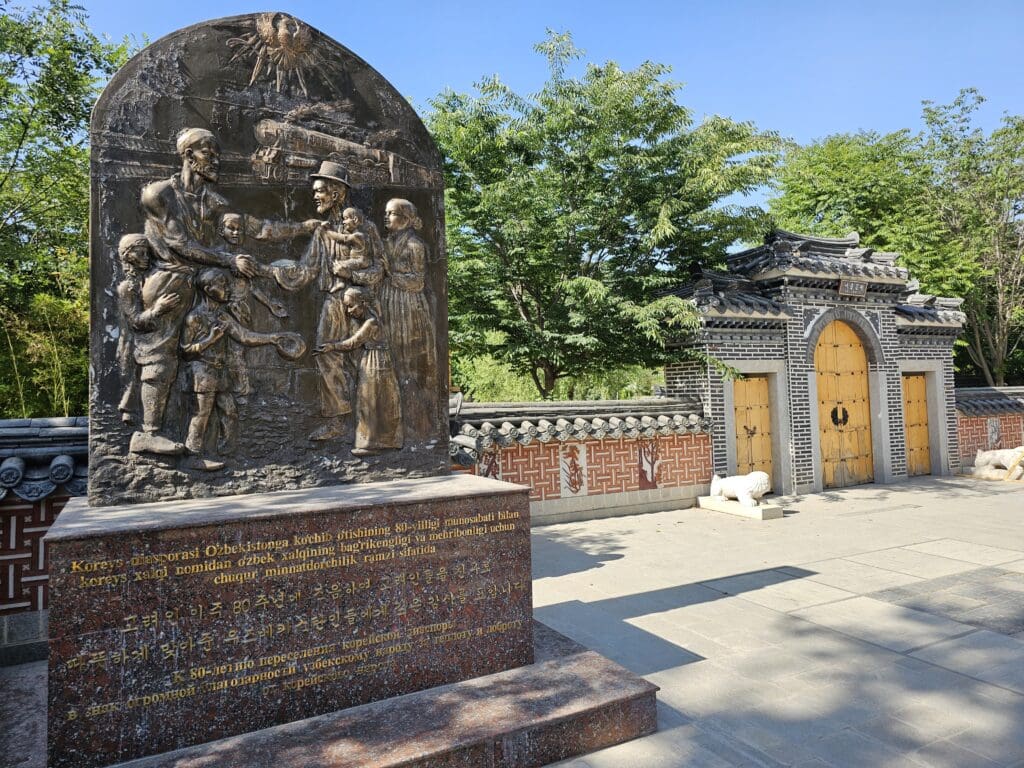
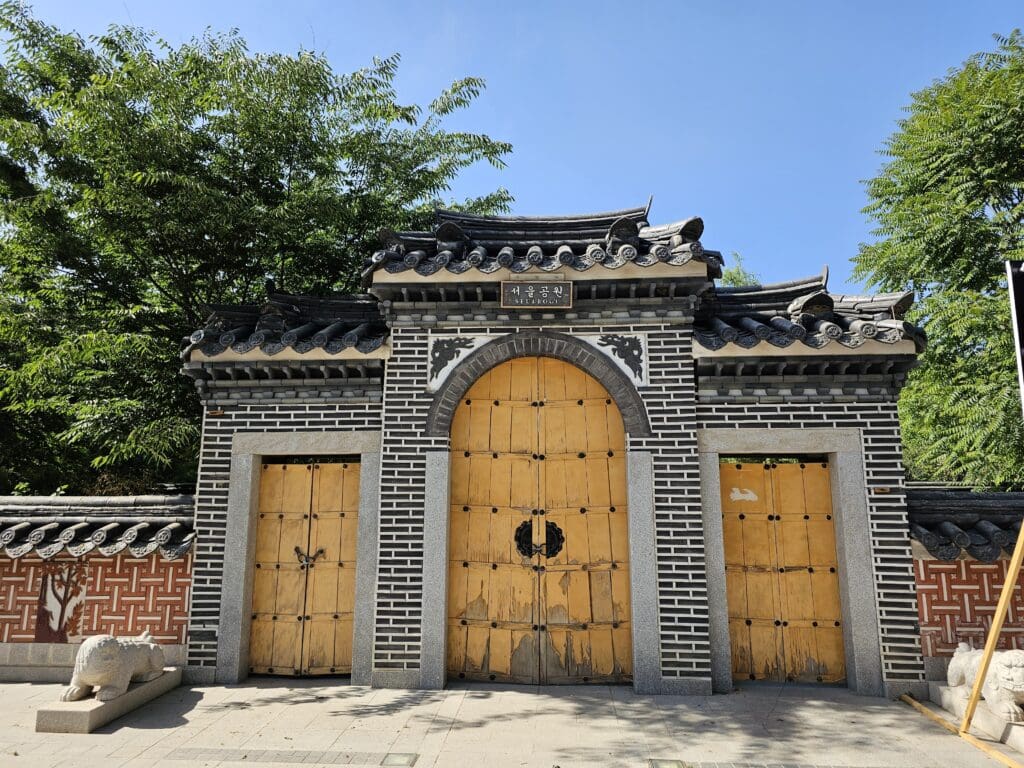
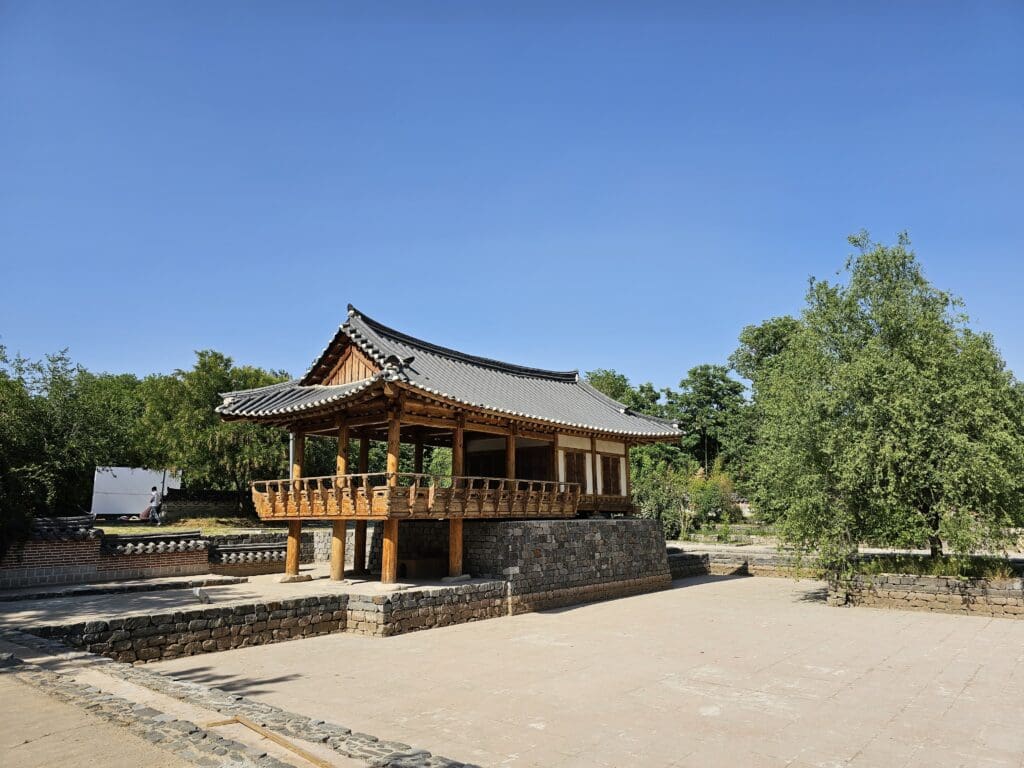
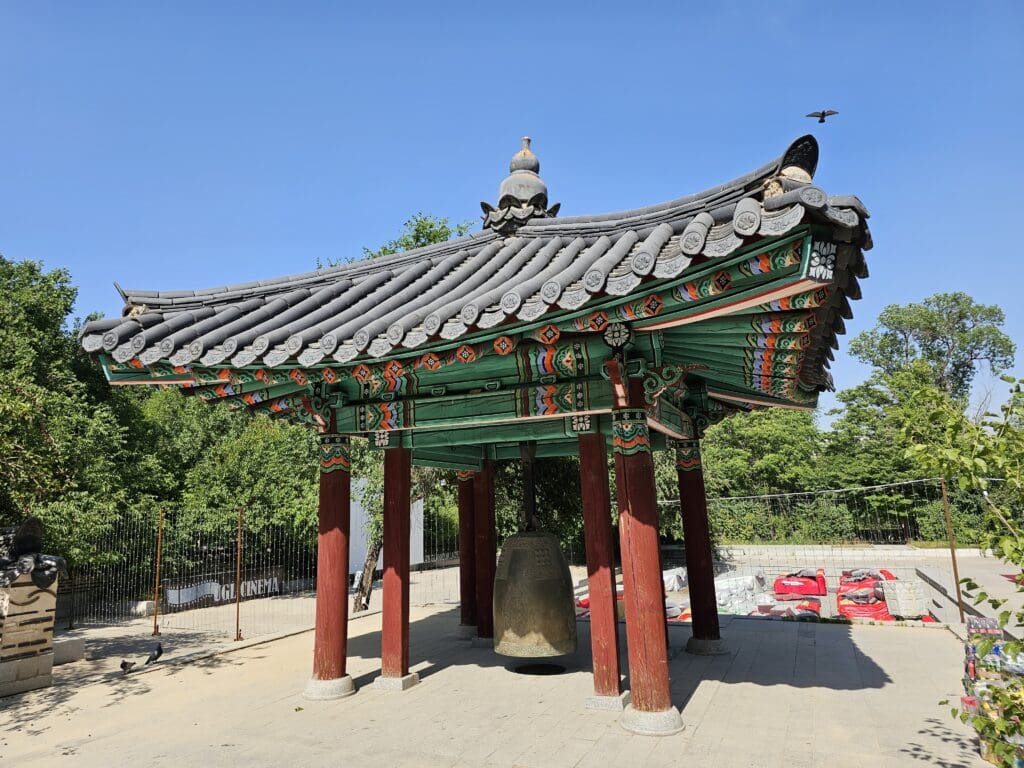
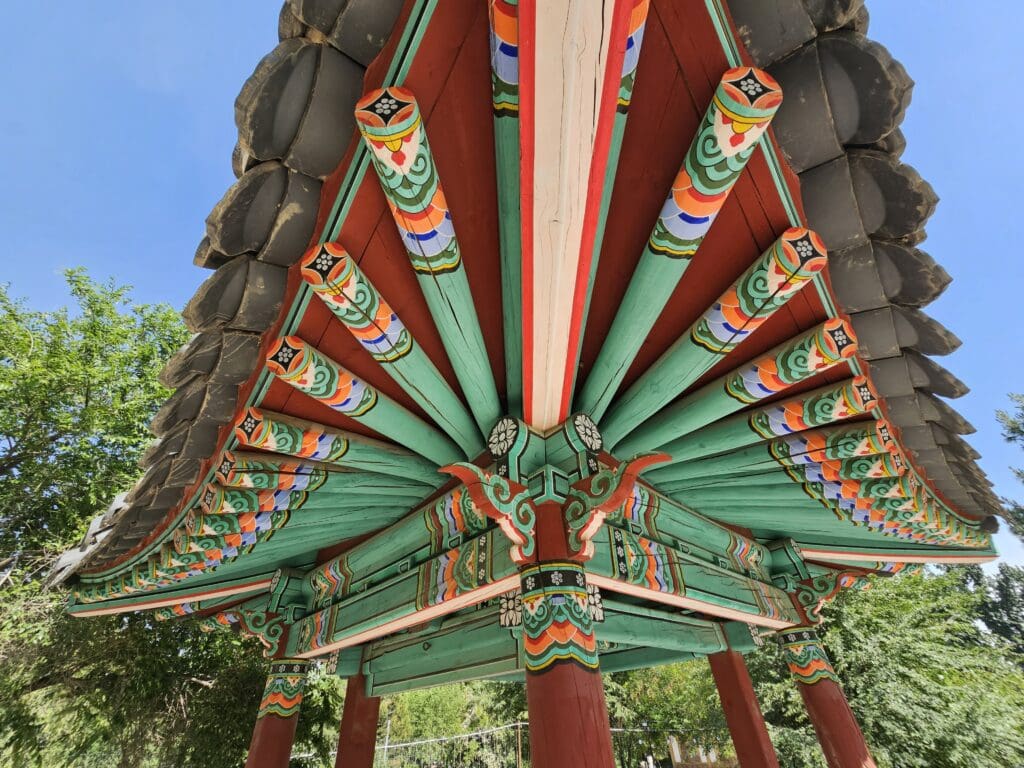
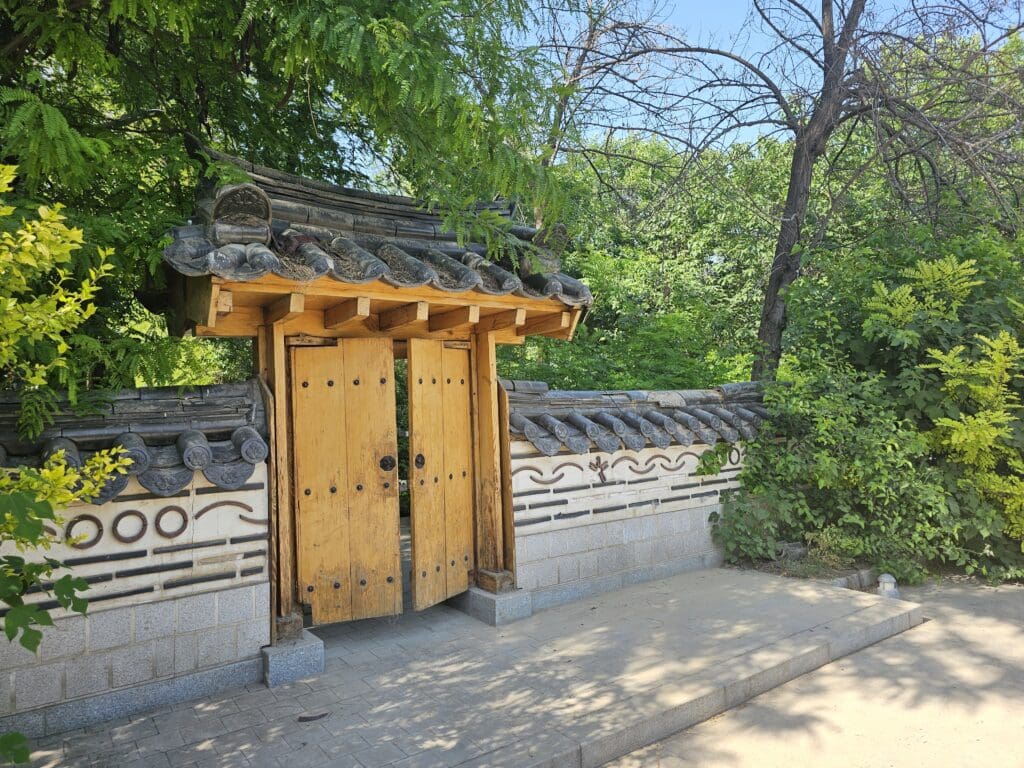
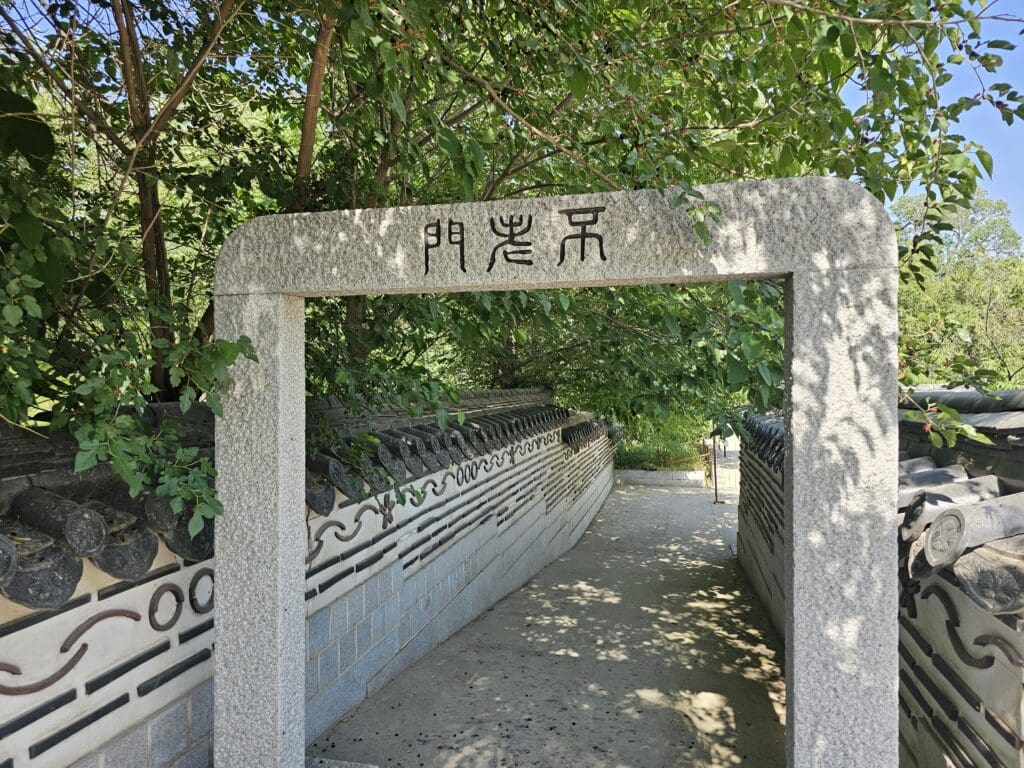
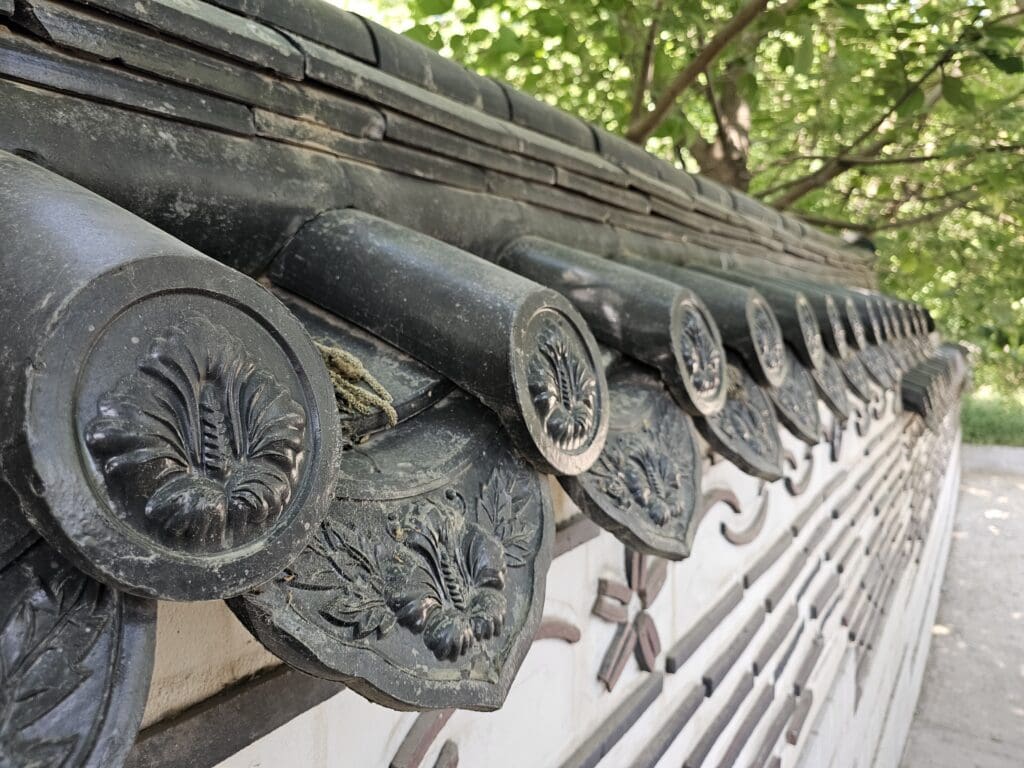
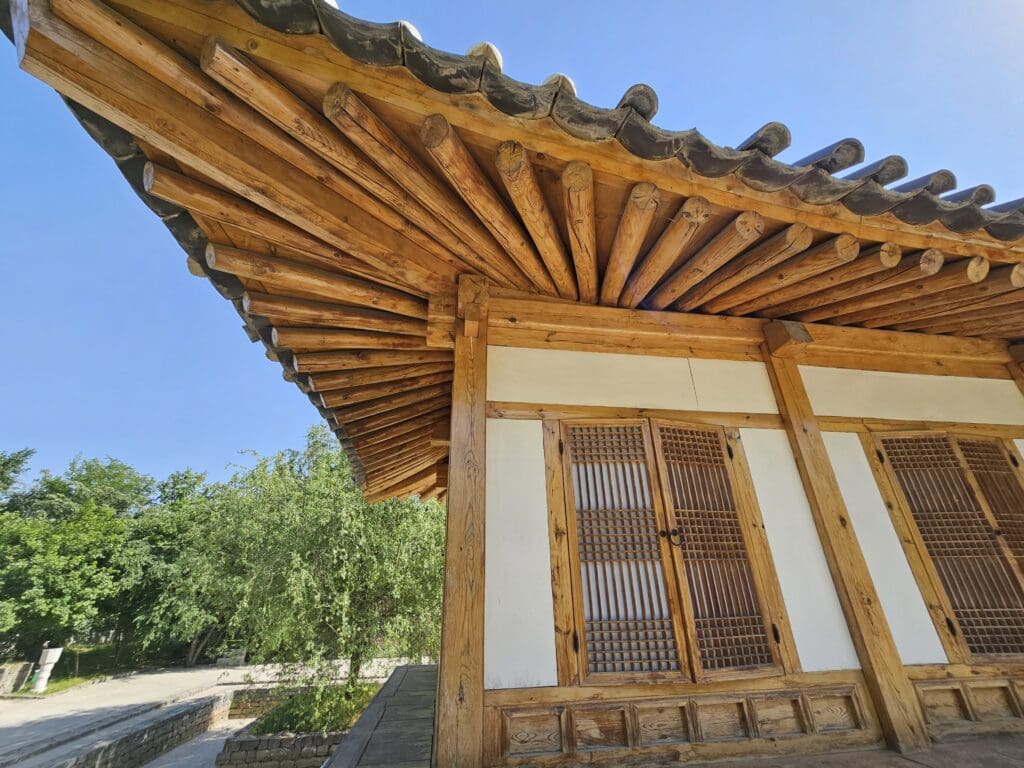
Having opened in 2014, Seoul National Park in Tashkent serves as a memorial to those Soviet Koreans who were forcibly relocated to Central Asia and commemorates the continued friendship between modern-day Uzbekistan and South Korea. This enclave within the hustle and bustle of Tashkent offers visitors a glimpse into traditional Korean landscapes and architecture, hosting traditional pavilions, tranquil ponds, and gardens that feature native Korean flora.
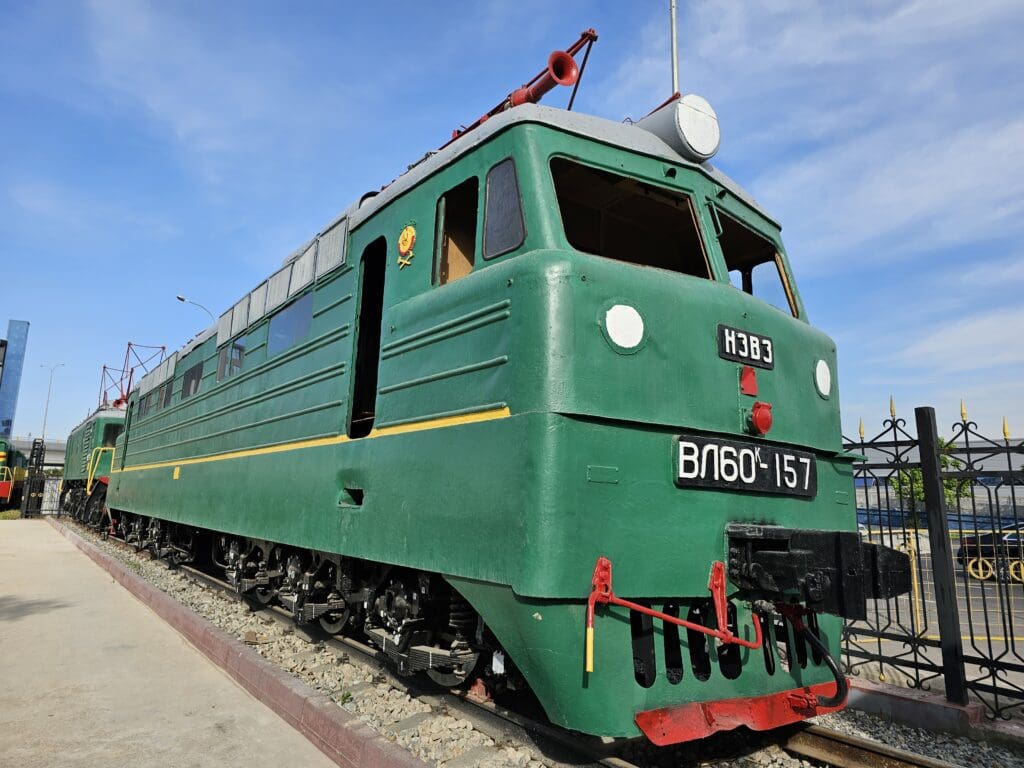
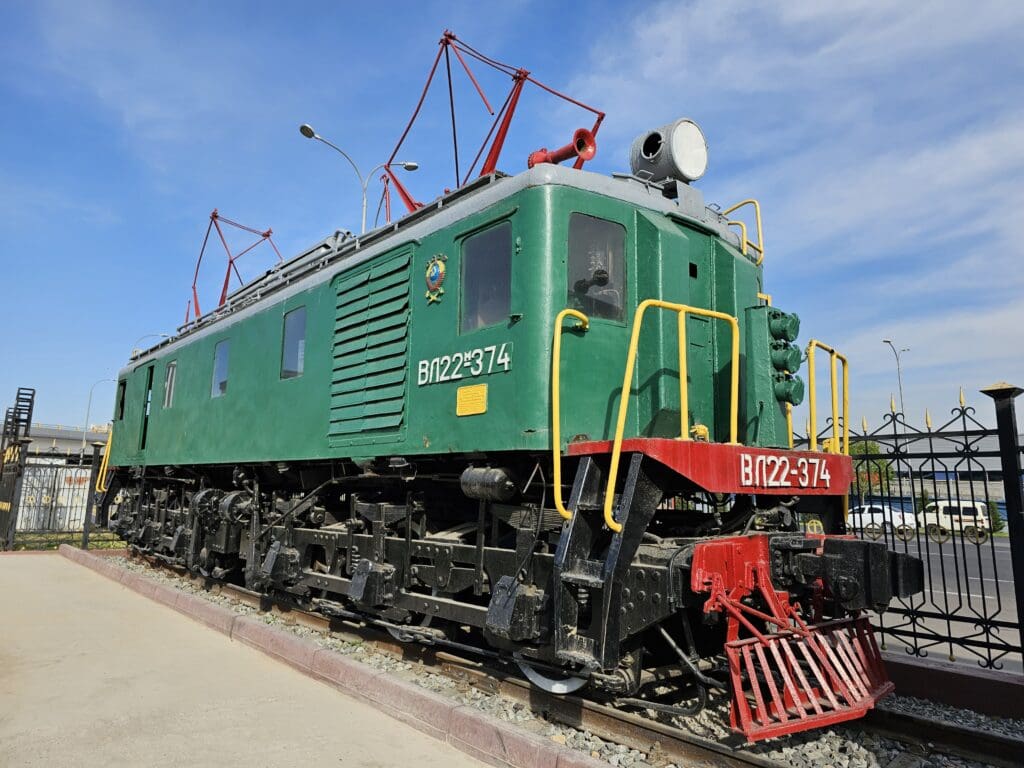
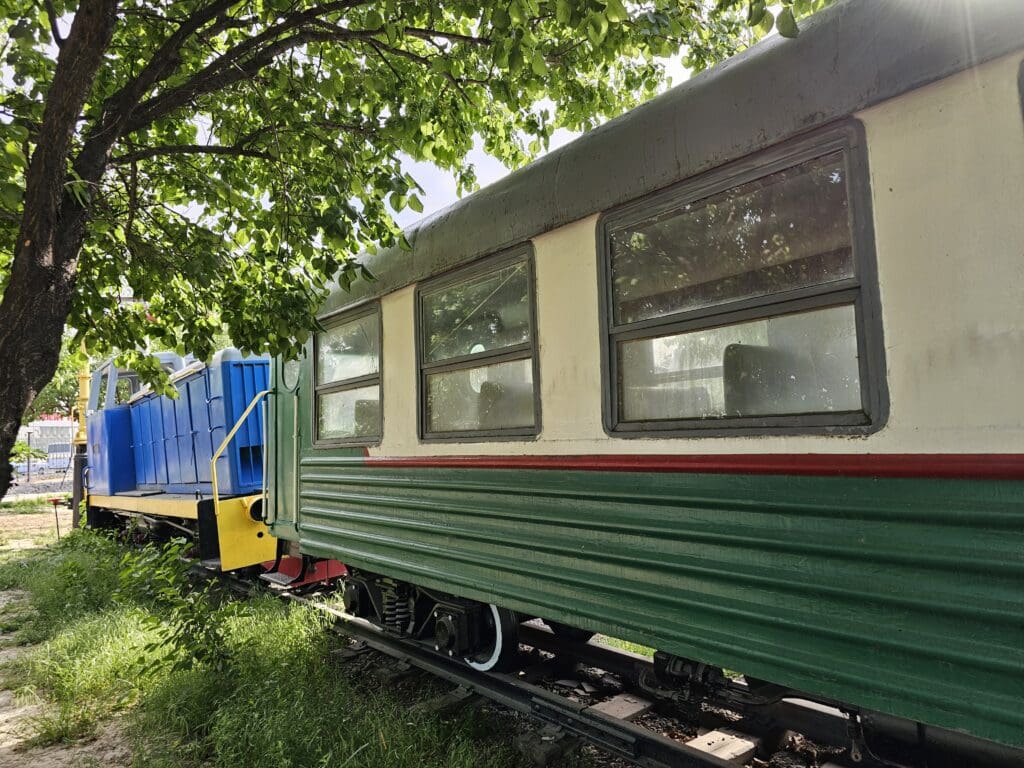
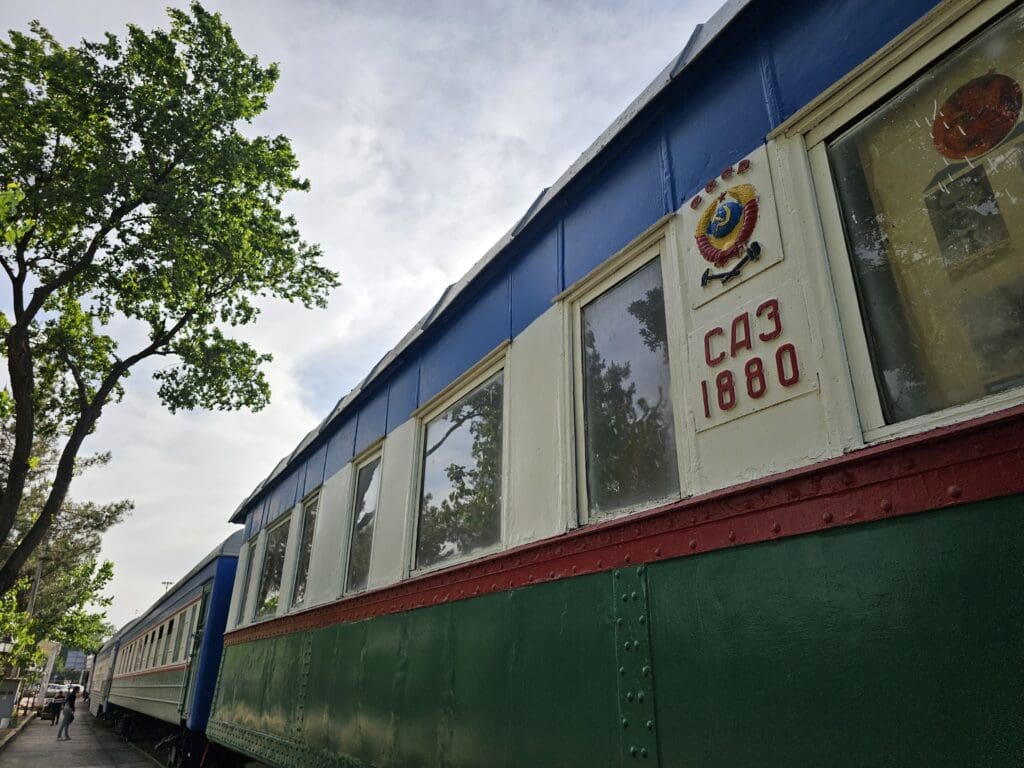
Tashkent Railway Museum
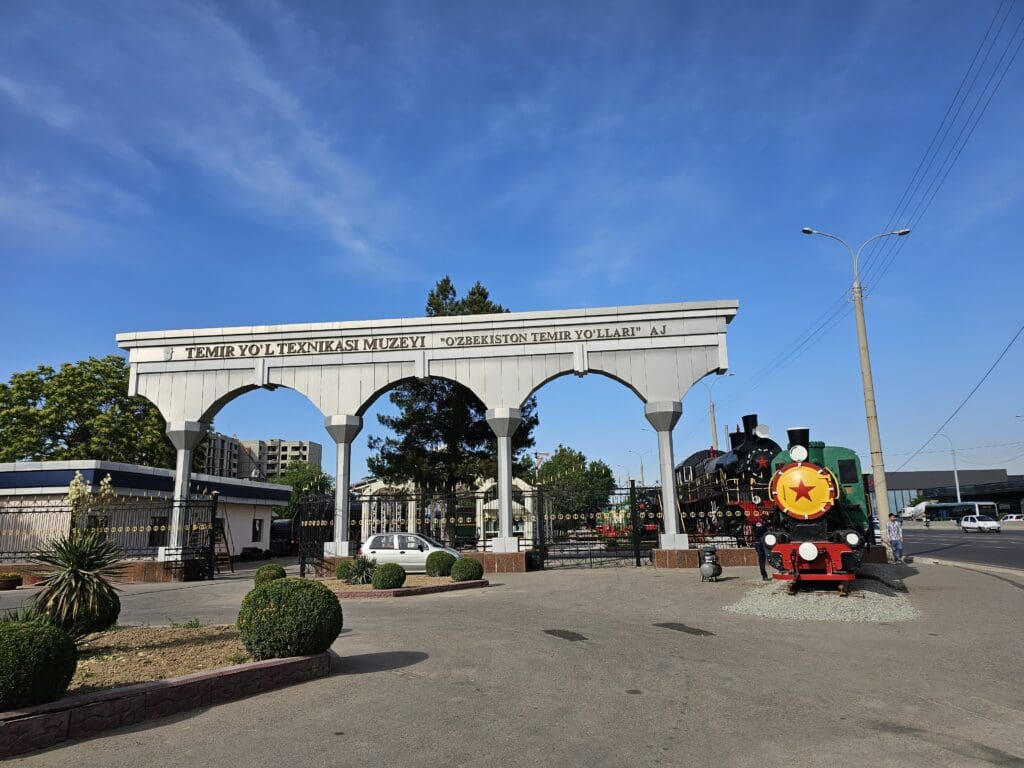
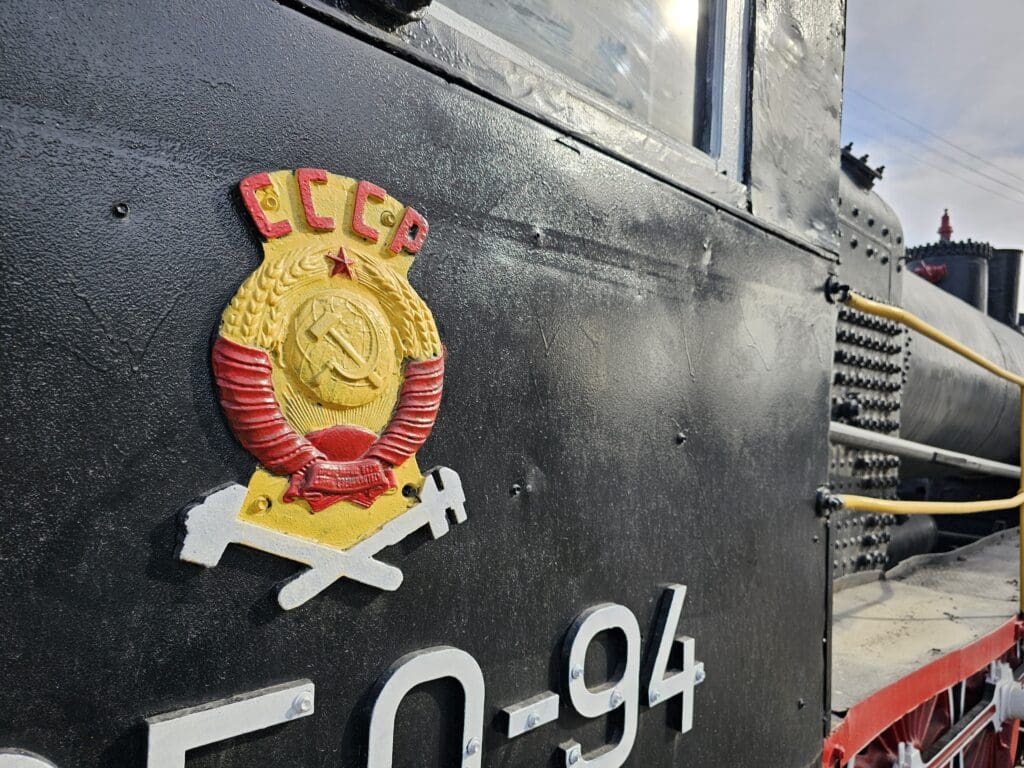
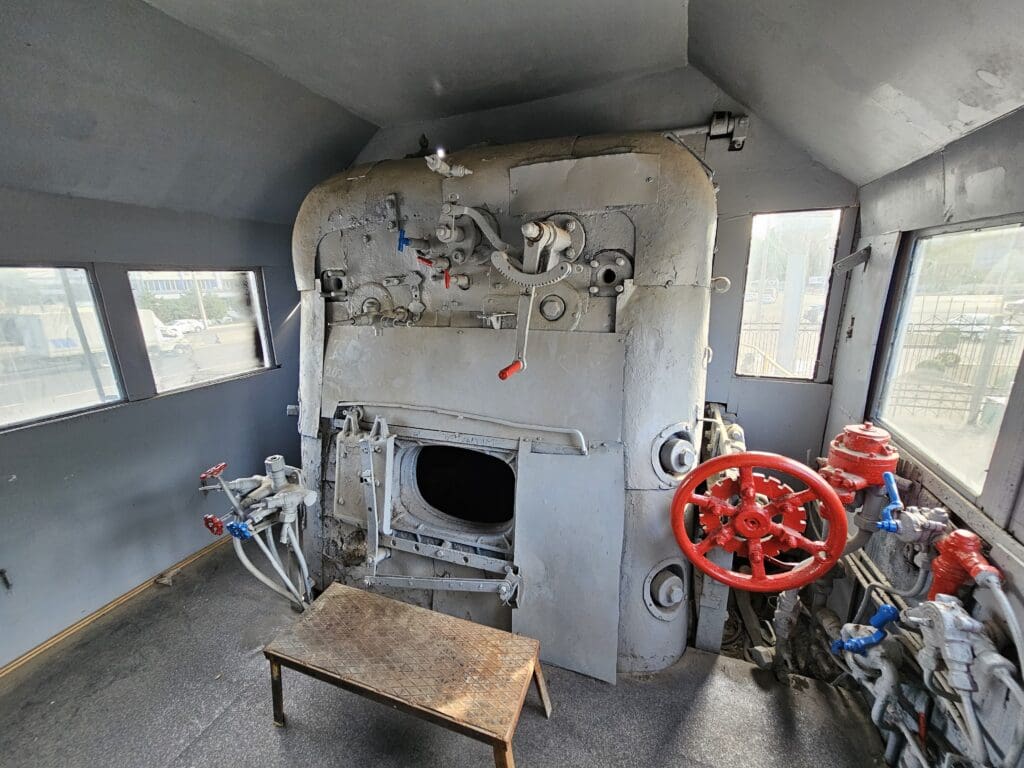
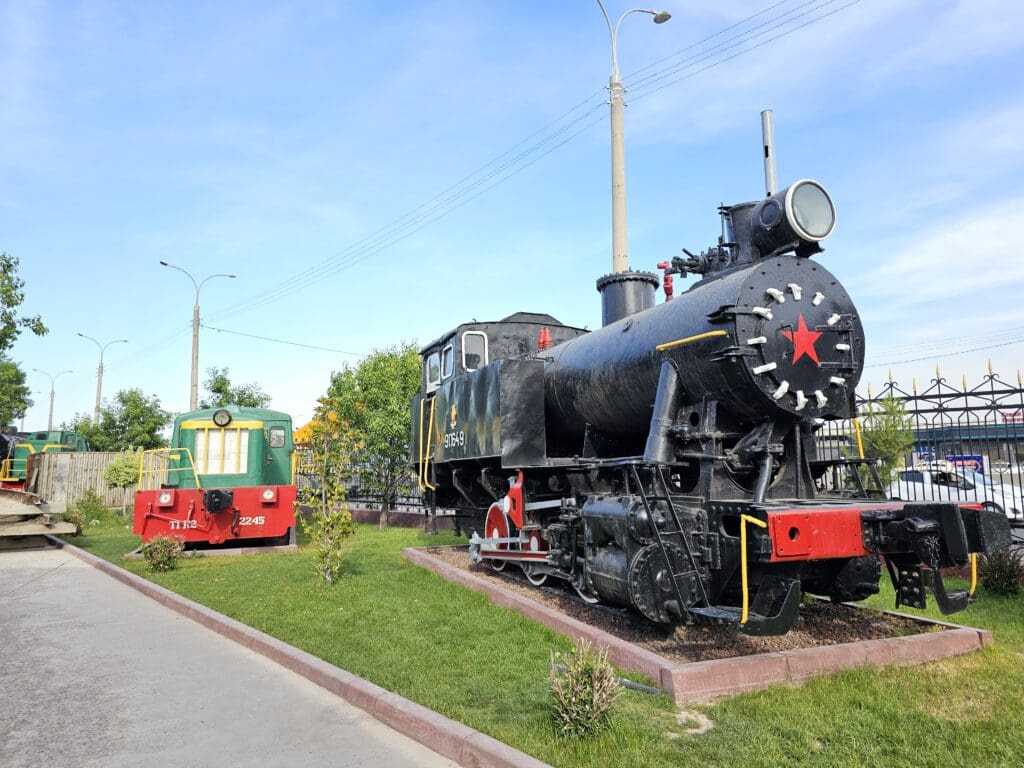
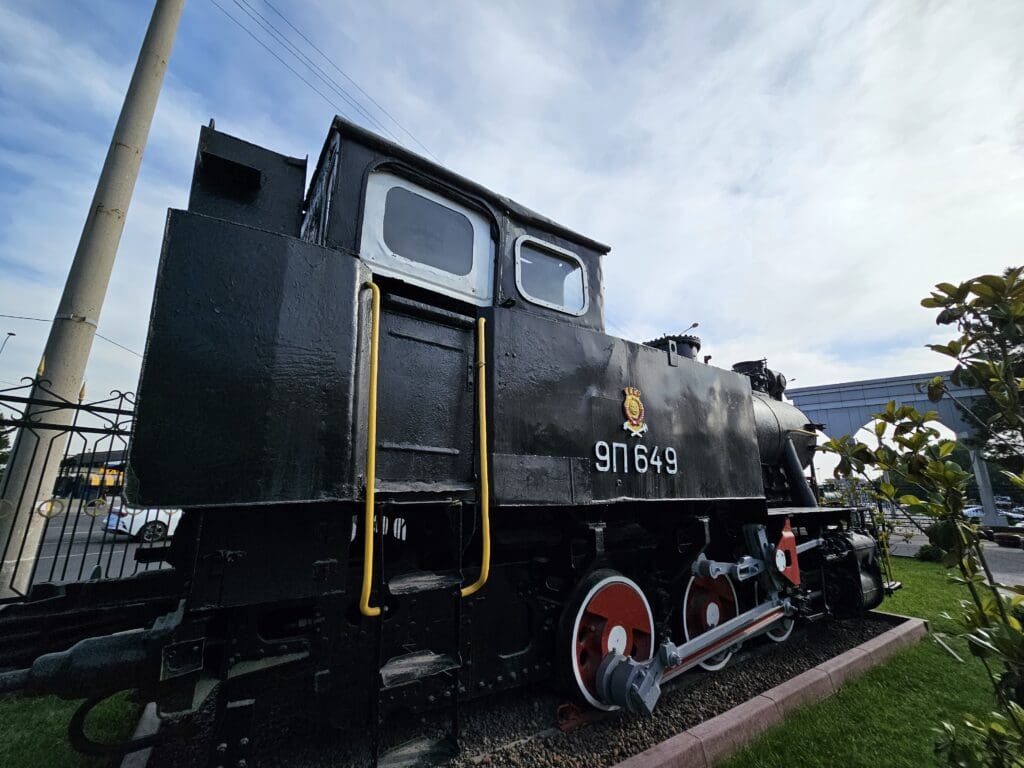
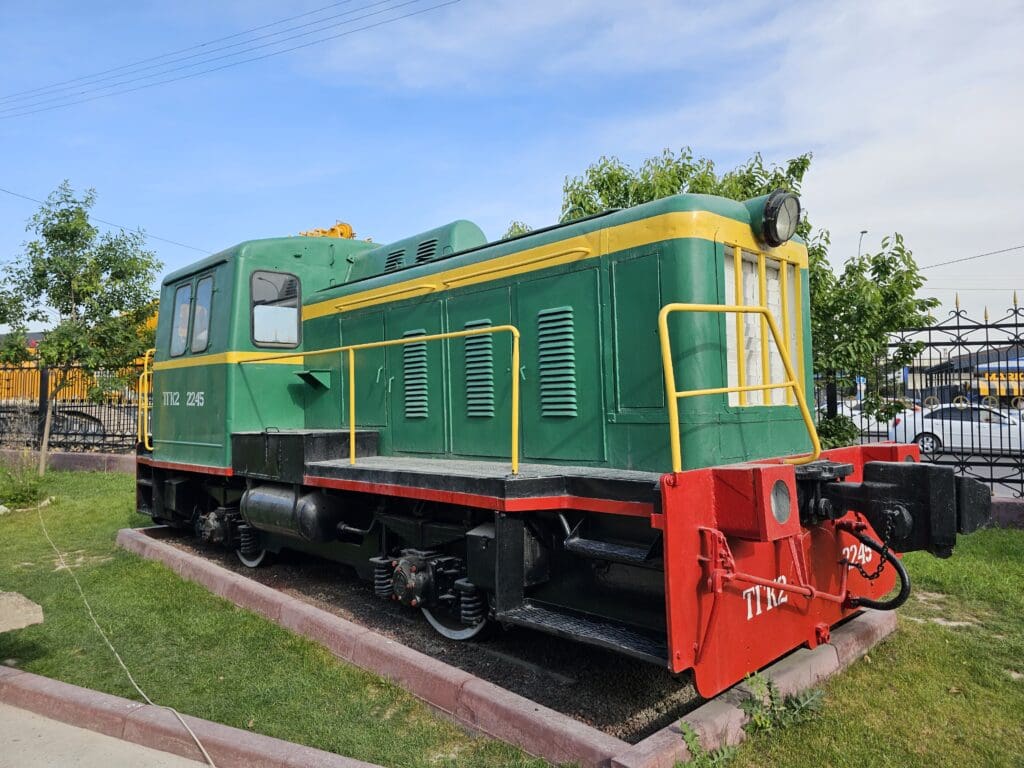
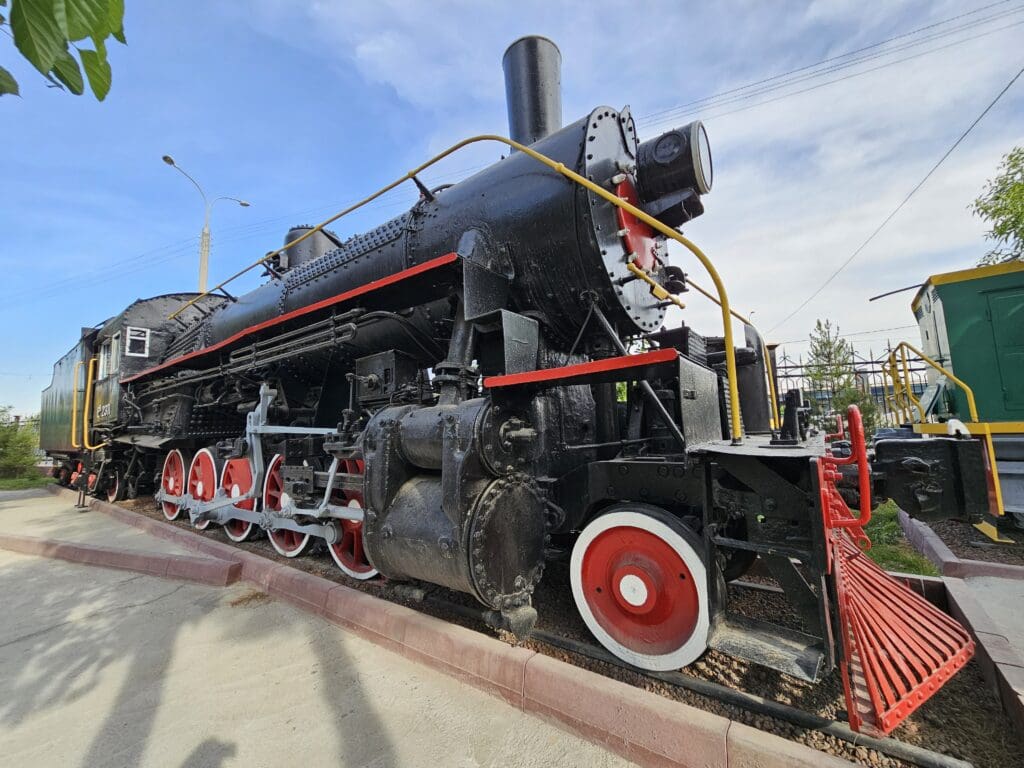
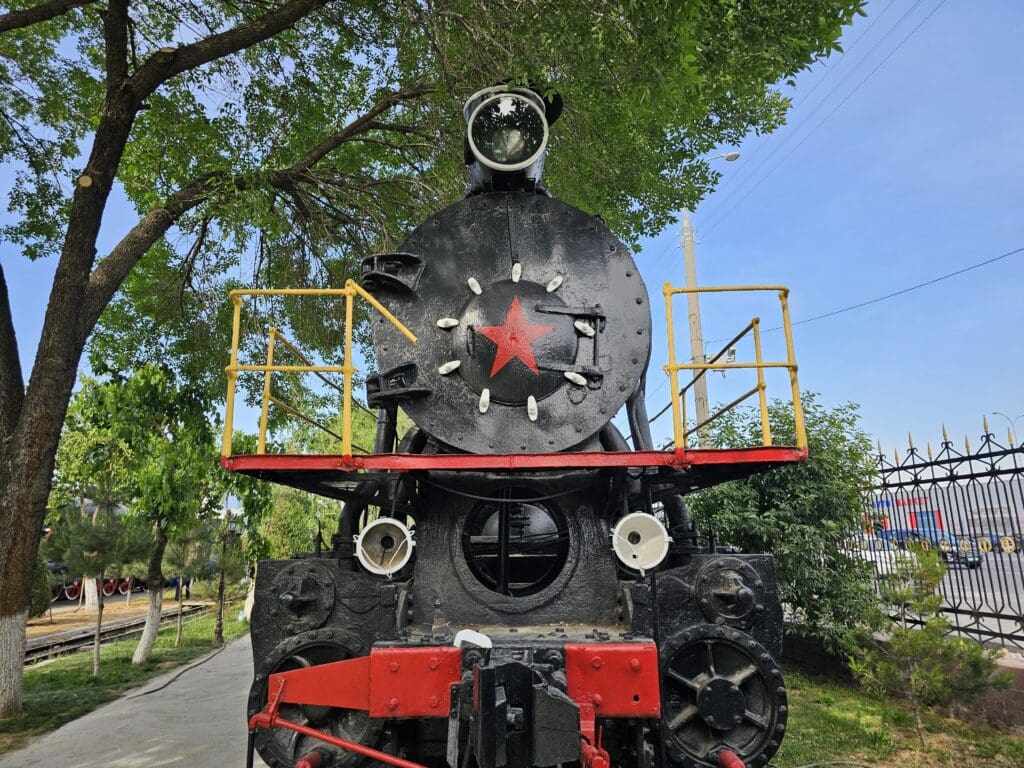
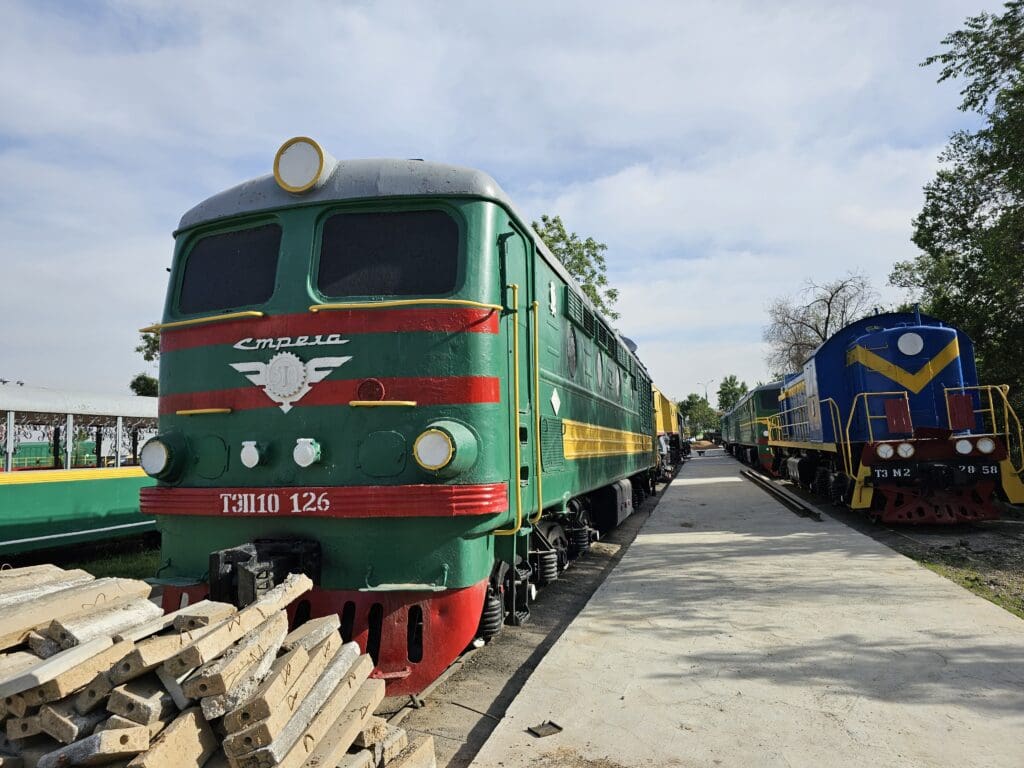
Sitting a short distance away from Tashkent North Railway Station is a small open-air museum packed to the brim with a vast array of locomotives and carriages. Established in 1989 to commemorate the centenary of the first railway in Central Asia, this museum celebrates Uzbekistan’s rich railway heritage and allows visitors to explore these old and historic trains up close.