My First Flight with Emirates: Kuala Lumpur to Dubai on the Boeing 777-300ER
Background
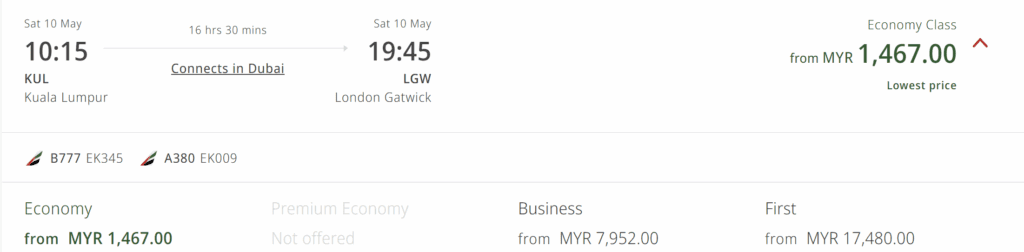
In 2016, my sister moved from London to Dubai, giving me a reason to visit this famous metropolis, situated between Arabia’s sandy deserts and the blue waters of the Persian Gulf. However, in all the times that I had trekked over from Europe and Korea to visit, I had never travelled on the Emirate of Dubai’s world-famous airline, Emirates. Most certainly not intentionally avoiding them, usually travelling on a budget, I had found the airline’s point-to-point prices to and from their hub to be rather pricey and always undercut by other full service carriers. However, in May 2025, I finally had the opportunity to embark on my first Emirates adventure when needing to get from Kuala Lumpur to London, the airline offered the cheapest fares as well as a fairly quick itinerary and the opportunity for me to sample one of their Boeing 777-300ERs and Airbus A380s. This would see me depart the Malaysian capital at 1015, arriving in Dubai at 1310, before heading onwards to London Gatwick at 1455 where I would arrive at 1945.
A Bit About Emirates
Across the globe, Emirates has become a household name, synonymous with luxuries such as onboard showers, bars, First Class suites, chauffeur driver transfers and its massive fleet of Airbus A380s. However, the airline comes from much more humble beginnings.
Once upon a time, Gulf Air ruled the roost across much of the Middle East. Whilst the airline is today commonly associated with Bahrain, being the country’s flag carrier, this was once jointly owned by the governments of Bahrain, Oman, Qatar, and the Emirate of Abu Dhabi. During the 1980s, Gulf Air scaled back its services to Dubai, shifting its focus to the United Arab Emirates’ capital, Abu Dhabi, instead. Encouraged by this loss of air connectivity, in 1985, Emirates was established to serve as the ‘national’ airline of the Emirate of Dubai. From the offset, this enjoyed the financial and political backing of Dubai’s royal family, the business expertise of several top airline executives and the technical and operational backing of Pakistan International Airlines who provided Emirates’ first two aircraft – a wet-leased Airbus A300 and Boeing 737-300. These were soon joined by two Boeing 727-200s provided by the Dubai Royal Air Wing.
Initially, the airline focused on serving destinations with both a high cargo and passenger demand, largely focusing on workers travelling to and from Dubai, including Amman, Cairo, Colombo, Dhaka and Karachi. Enjoying strong initial success, in 1986 Emirates purchased its first brand new aircraft, the then high-tech Airbus A310, taking on ten such aircraft. These enabled Emirates to expand into long haul operations, with its first such flight operating to London Gatwick, followed by services to Bangkok, Frankfurt, Hong Kong, London Heathrow, Manila and Singapore. As time progressed and Emirates continued to expand its route network, the airline was able to make use of Dubai’s strategic location, allowing it to develop a hub-and-spoke operational model, especially for passengers travelling between Europe, South and Southeast Asia, whilst also enjoying a solid point-to-point passenger base thanks to the increasing status of Dubai as an economic, trade and tourism hub.
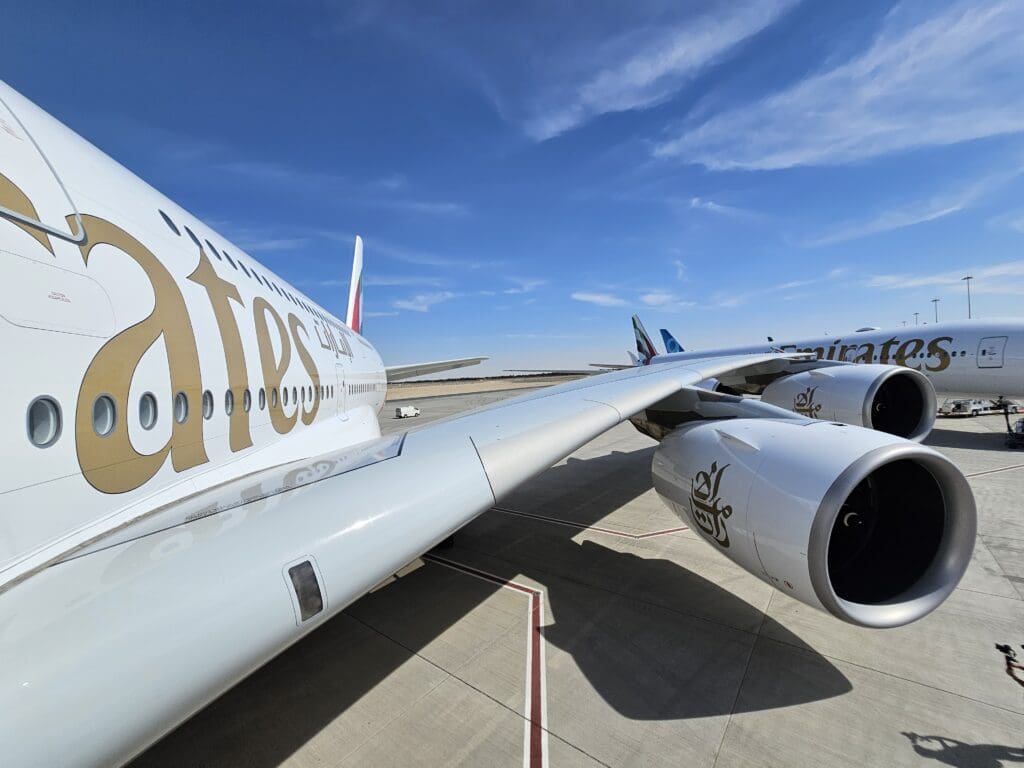
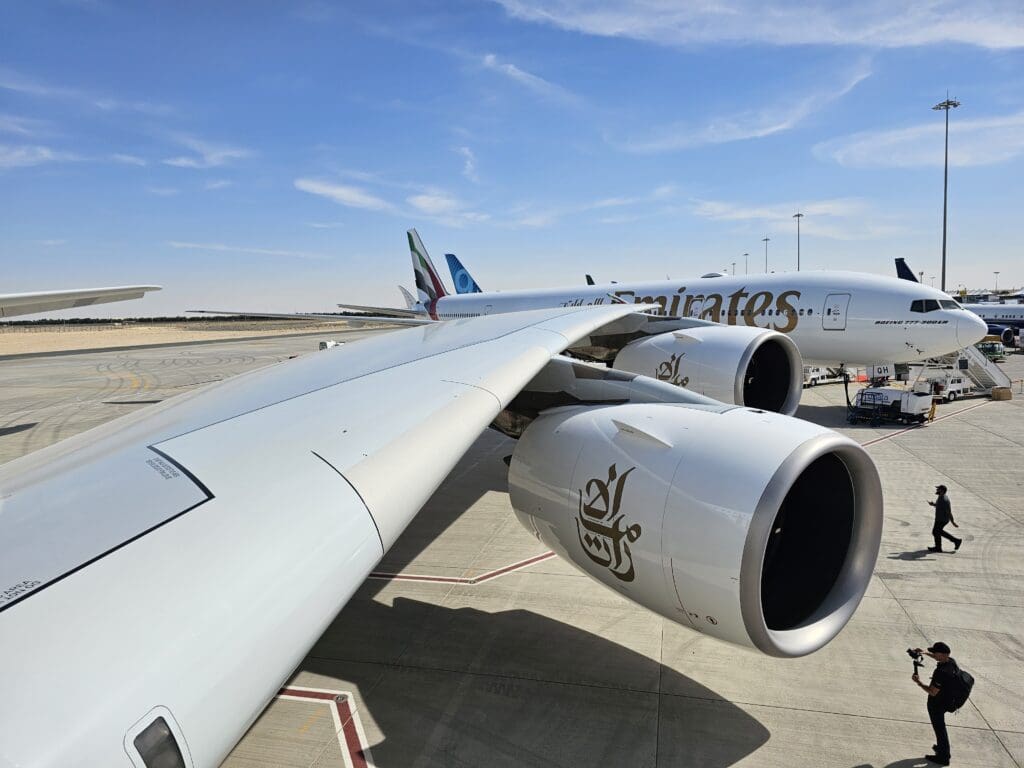
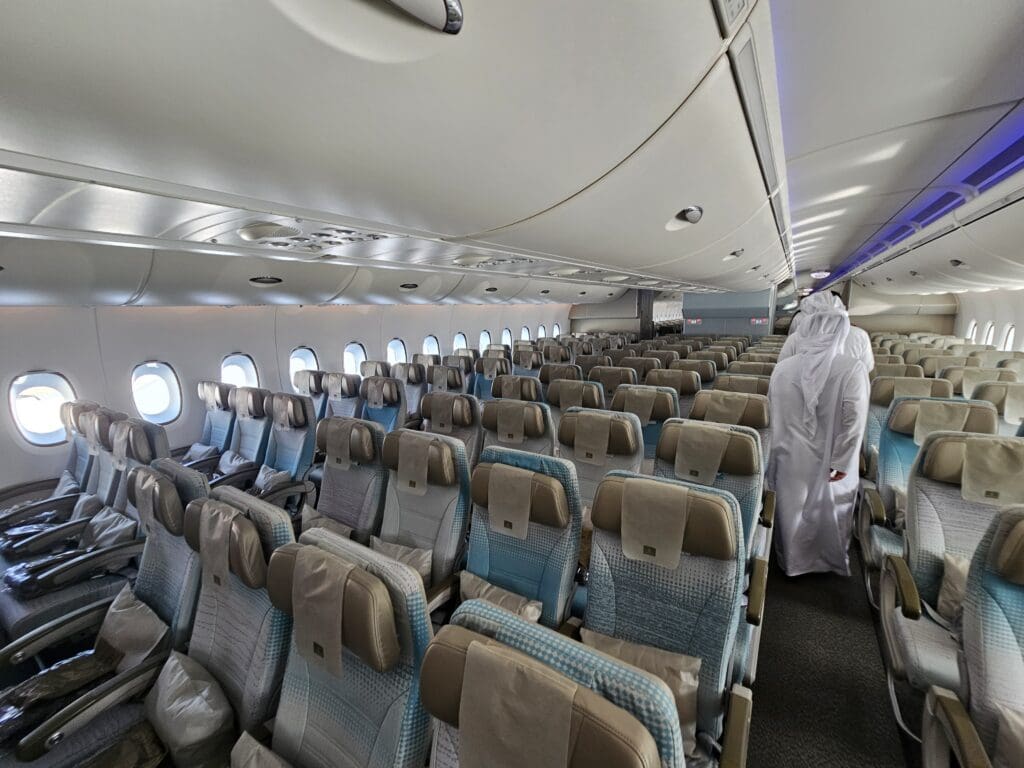
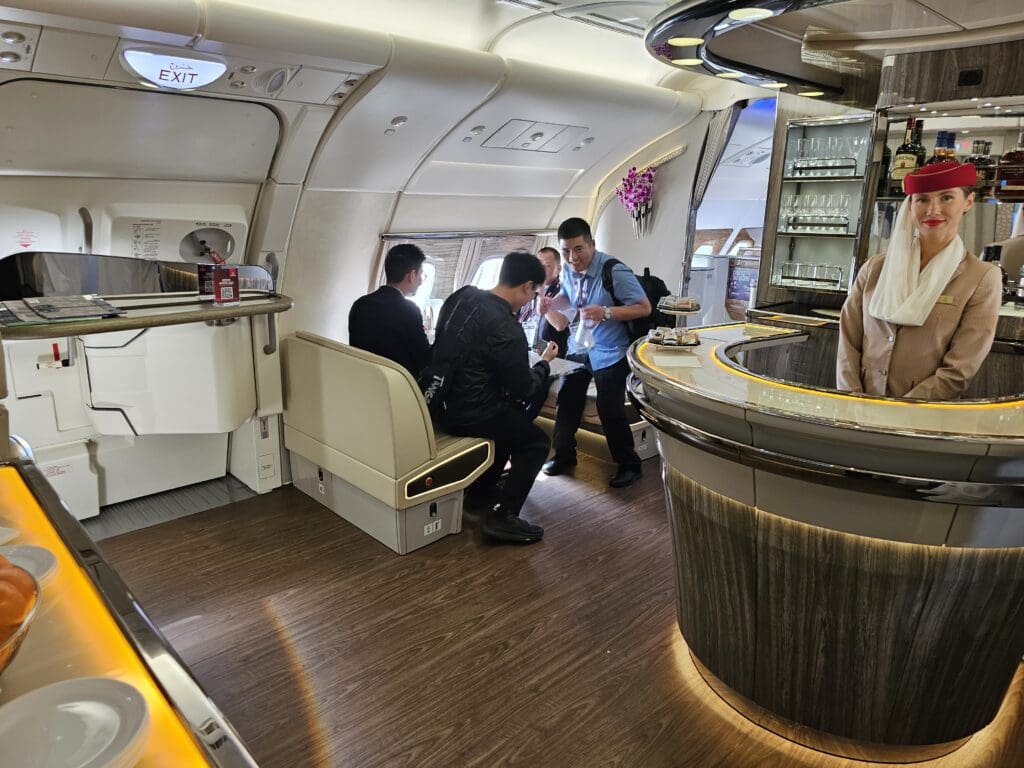
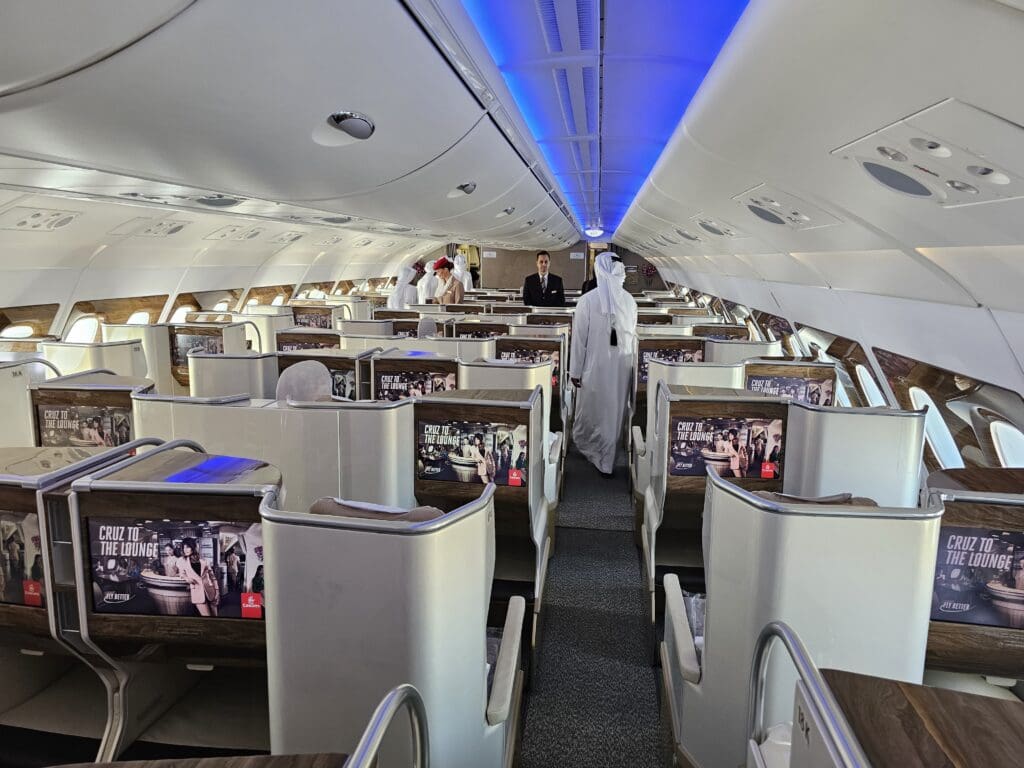
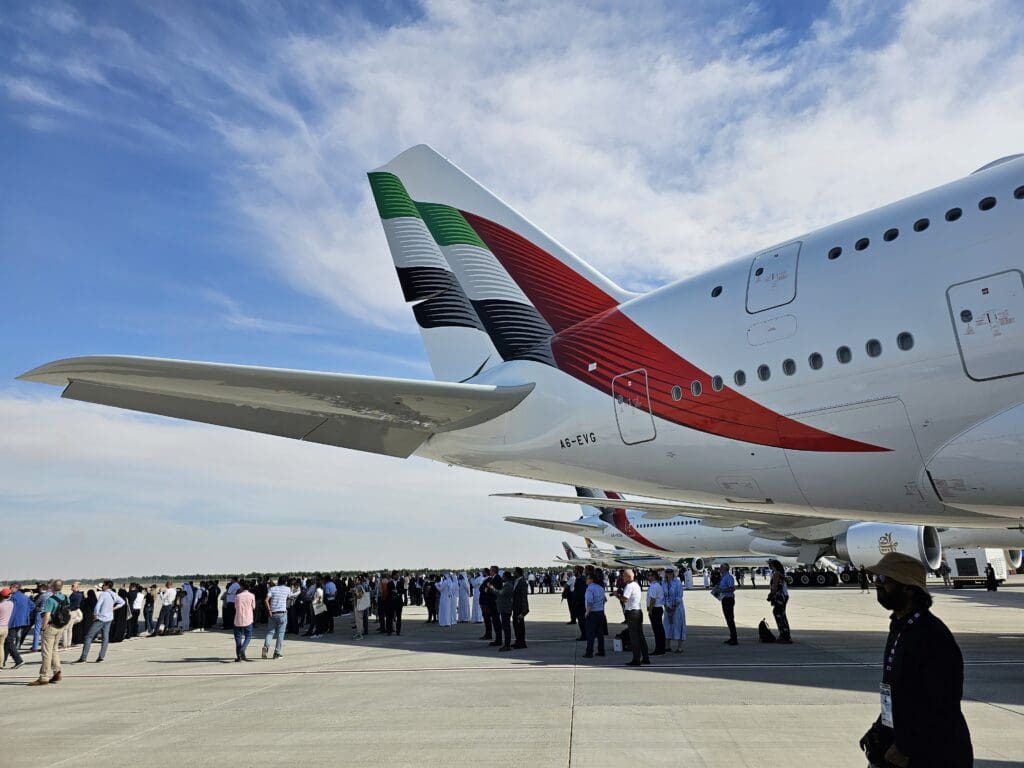
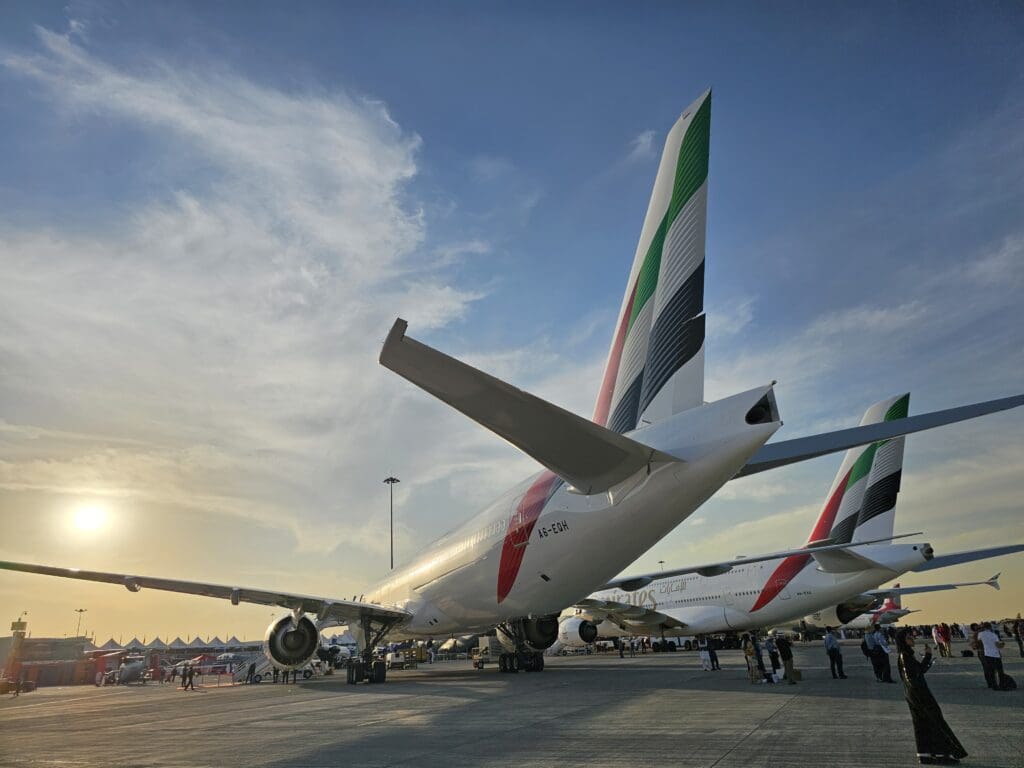
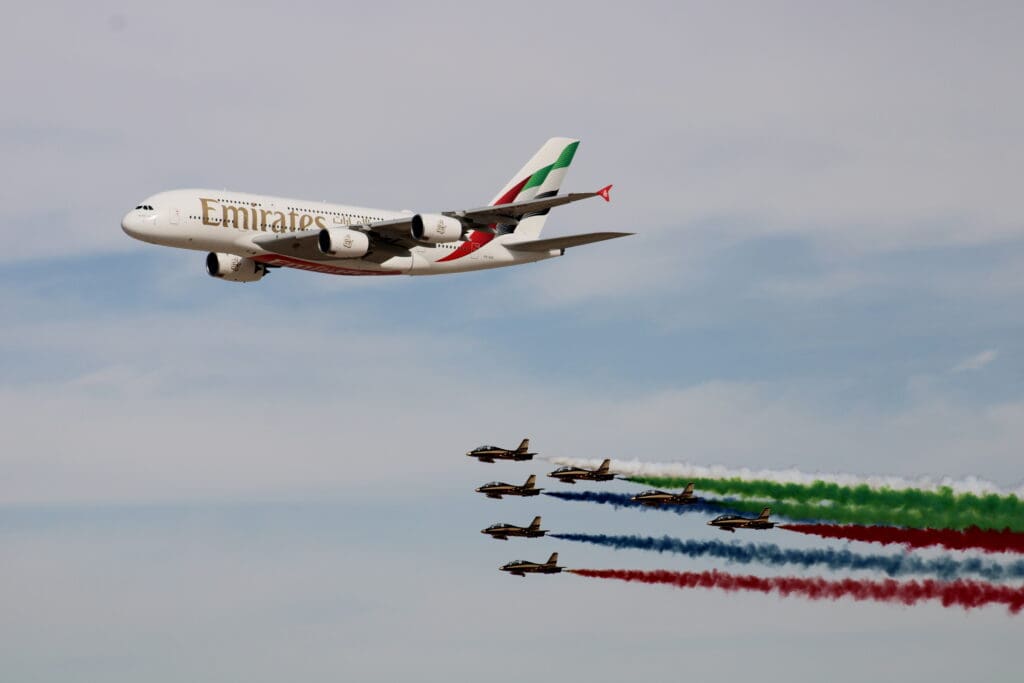
In the early 2000s, Emirates launched a renewed effort to solidify its status as offering one of the world’s best and most luxurious onboard products – something that was done with much success with Emirates winning a slew of commendations and awards for this. Over time, Emirates has continued to expand its fleet and route network, and is today the world’s largest operator of both the Airbus A380 and Boeing 777. In fact, the airline could be argued to be the only carrier that has been able to make the Airbus A380 work for them! Today, the airline continues to enjoy a superb reputation amongst the travelling public and has become a global brand, well known far and wide. Thus, I was rather looking forward to seeing what my experience with the airline would be like.
Booking
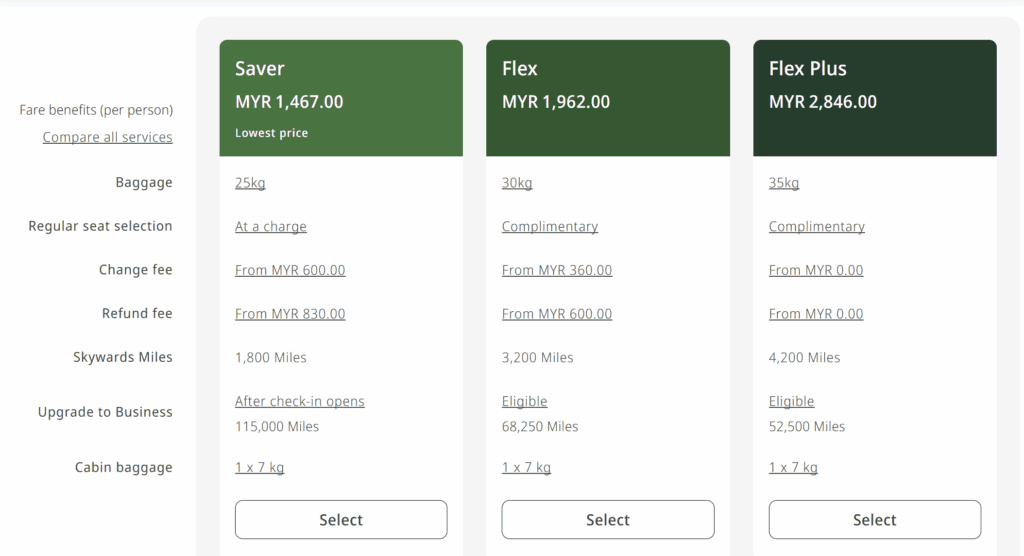
Whilst I usually prefer to book directly with the operating carrier, sadly, with flights on the Emirates website being notably costlier than those on several external booking platforms, I decided against paying a premium just to book with the airline. Using Trip’s app, I was able to select and pay for my flights within a few taps and soon received confirmation of my booking. Fortunately, I was still able to utilise Emirates’ website and app to manage my booking, and I found both to be sleek and modern, featuring an array of information about my flight including seat maps, cabin virtual tours and PDF menus enabling me to see what culinary delights I would be treated to on both sectors. As you would expect, this also enabled me to pay to add additional hold luggage to my booking and pre-select a seat in advance. However, unfortunately, despite being a full-service carrier with a stellar reputation, the latter could only be done by paying an additional fee. Specifically, these were priced between £17 and £68 for the first flight, and £23 and £85 for the second.
Online check-in for most Emirates services opens up 48 hours before departure, and a few minutes after reaching this window, I received both an email and a notification from the Emirates app which encouraged me to check-in online. Having already entered all of my personal details into this, this ended up being a quick and easy process that required no more than a few taps. As you would expect from a full-service carrier, during this process I was able to move my pre-assigned seat to any vacant seat within the cabin without paying an additional fee. Having been automatically assigned a window seat for both flights, this could have been worse. However, positioned right over the wing on the first flight, I decided to shift myself forward to seat 20L in the hope that this would offer a decent view of the world below. For the second flight, I decided to move myself to an aisle seat, Seat 50C, located right in front of the main deck’s forwardmost galley in the hope that this would enable me to quickly exit the aircraft in Gatwick. This was rather important seeing as I had around an hour between arriving at the airport and the last train to London that would enable me to catch the final service of the day back to my home in Leeds.
The Journey
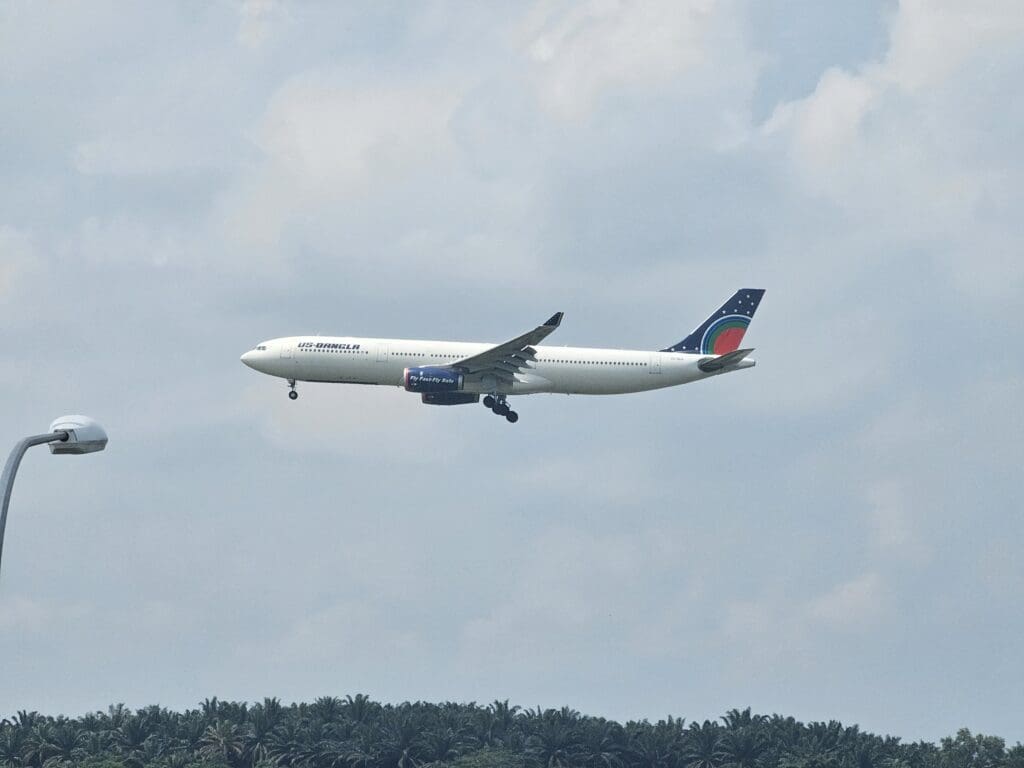
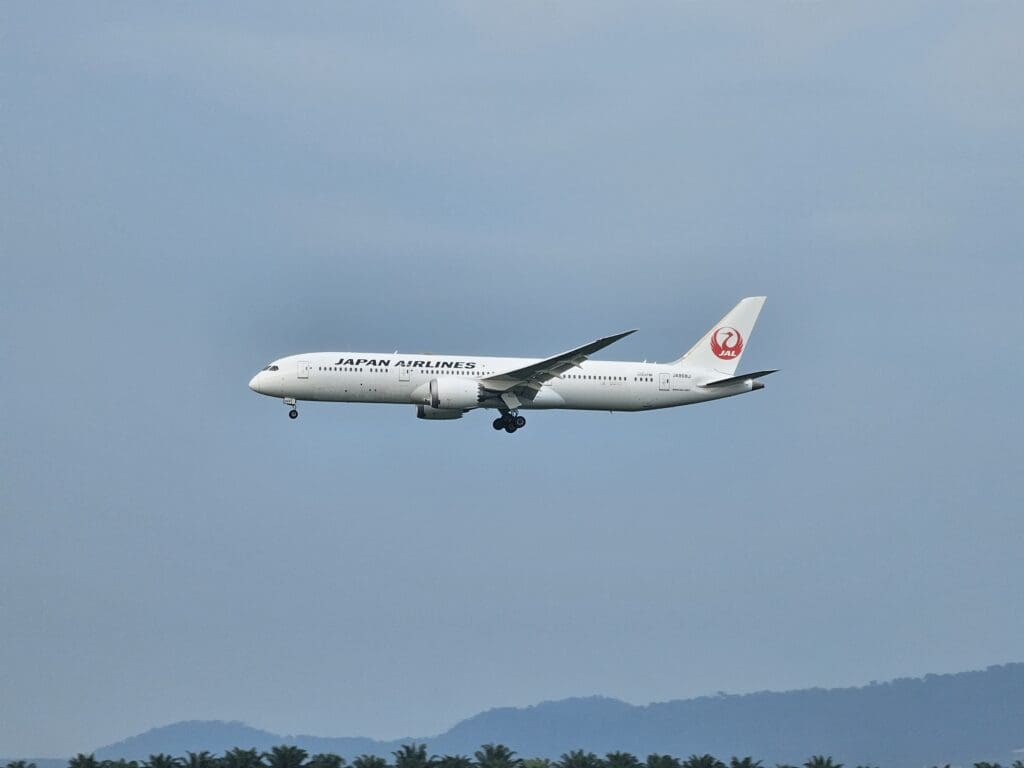
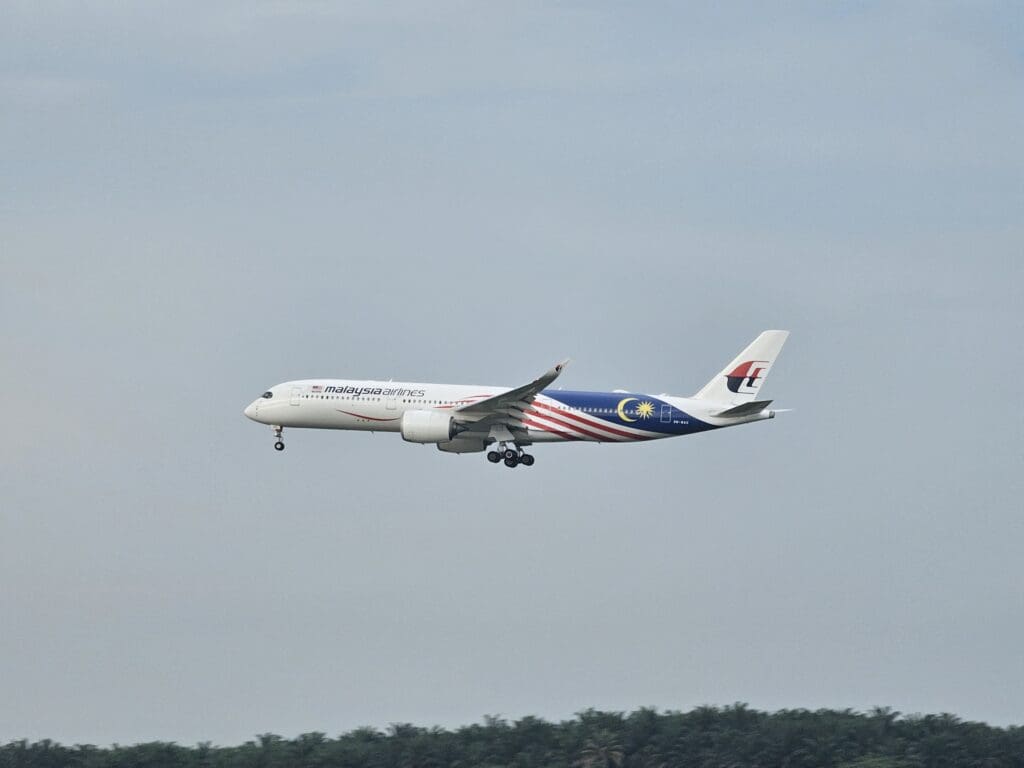
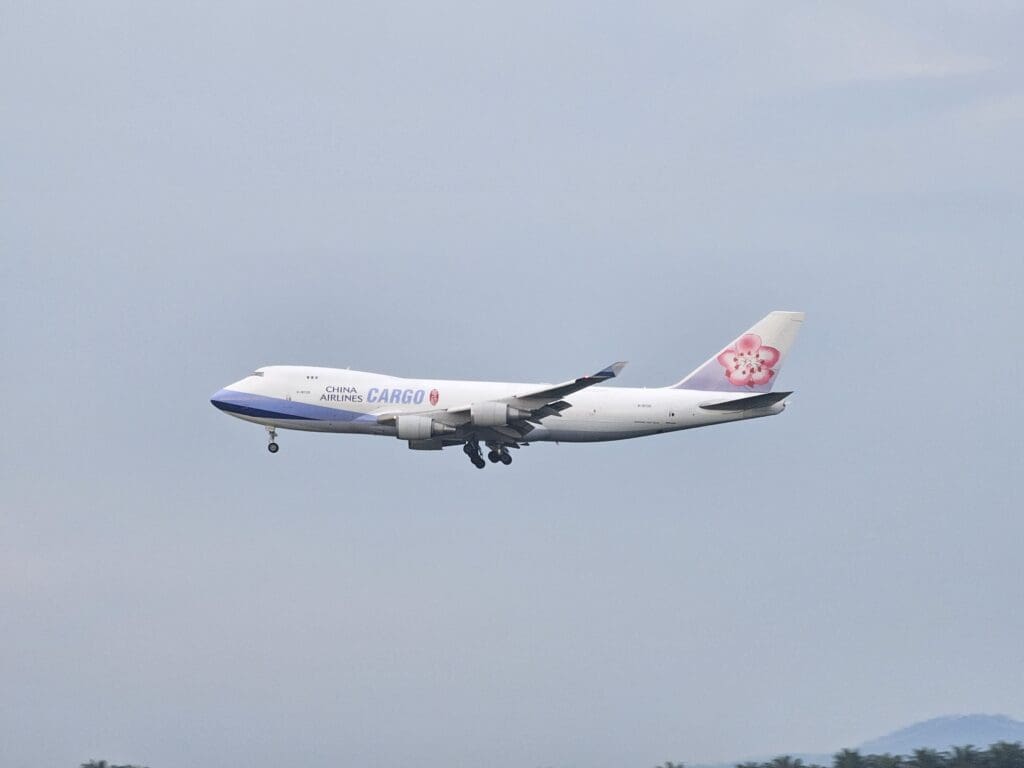
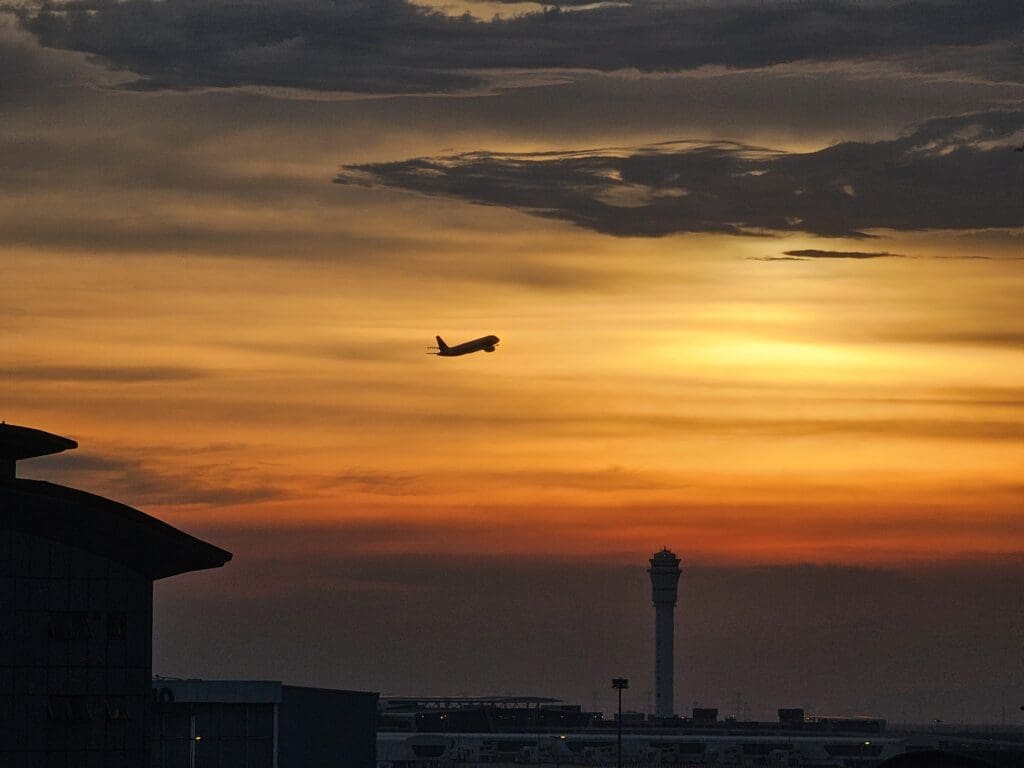
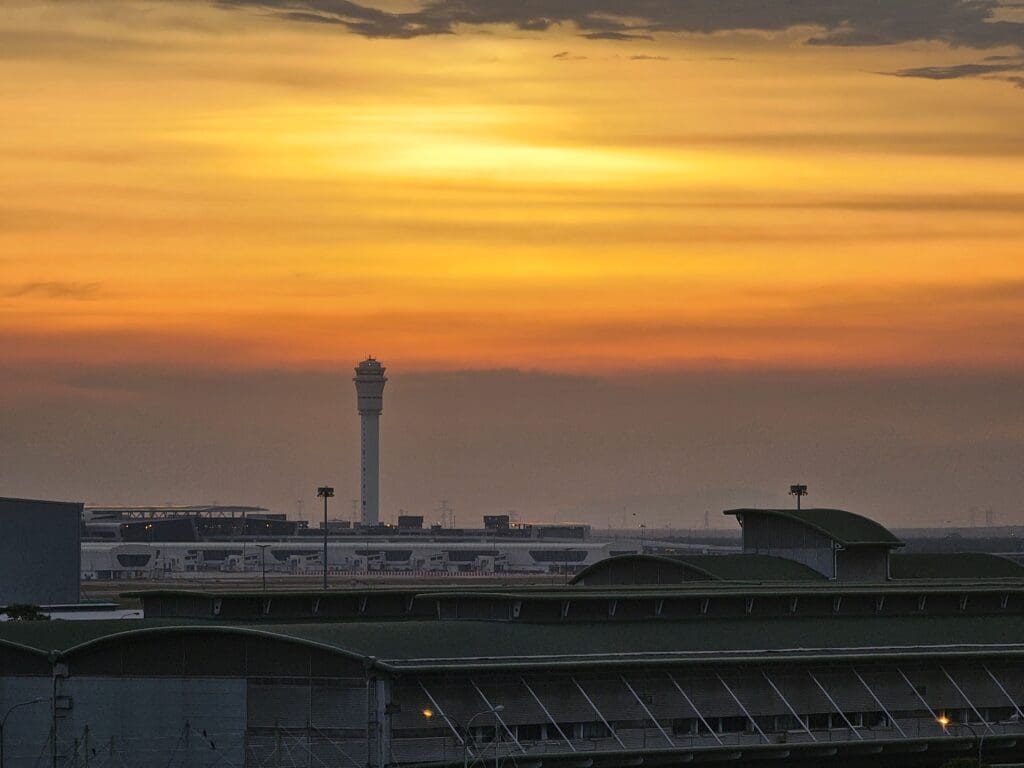
With my flight scheduled to depart Kuala Lumpur at 1015, I could have probably stayed in the bright lights of downtown Kuala Lumpur and still comfortably made my flight without too much rushing. However, having spent three nights in the Malaysian capital and with a plethora of reasonably priced hotels available around the airport, I decided to spend my final night in Malaysia at the Aeropolis Tune Hotel. As its name would suggest, this is owned by the Tune Group, most famous for its massive low-cost carrier, AirAsia. Splurging out £15 for a room which included breakfast (although sadly I would end up leaving too early to sample the delights of this), this seemed to be a good deal. However, the room was small and spartan, and sitting amidst the hangars and warehouses on the opposite side of the airfields to the terminals, there is nothing for guests to see or do in the local area. However, given the price I paid I could hardly complain, and, as an aviation enthusiast, the near-constant stream of aircraft arriving on the nearby Runway 32R proved to be enough entertainment to occupy me for my stay.
Following a short night, I woke up bright and early at 0420, ready to embark on the final day of my long holiday which had seen me trek in the Nepali Himalayas, sample the culinary delights of Penang and experience the roar of a Twin Otter in the skies of Borneo. Unless I fancied spending around 40 ringgit on a taxi, the only way for me to reach the airport that morning was to take the hotel’s complimentary shuttle. There were however a couple of catches to this. Firstly, and perhaps unsurprisingly given the hotel chain’s links to AirAsia, this shuttle only operates to Kuala Lumpur International Airport’s Terminal 2, the low-cost giant’s hub of operations. In fact, this does not even run to the terminal and instead deposits passengers at the terminal’s Tune Hotel, with a final walk to the terminal required for all passengers. This would mean that I would then have to catch a train over from Terminal 2 to Terminal 1. Secondly, the shuttle is not particularly frequent, with just two departures that morning that would enable me to reach the airport without having to rush – the first being a 0500 departure, and the second being a 0700 departure. Seeing as I had lounge access in Kuala Lumpur, and, not wanting to worry too much about timings, I decided it sensible to take the earlier shuttle.
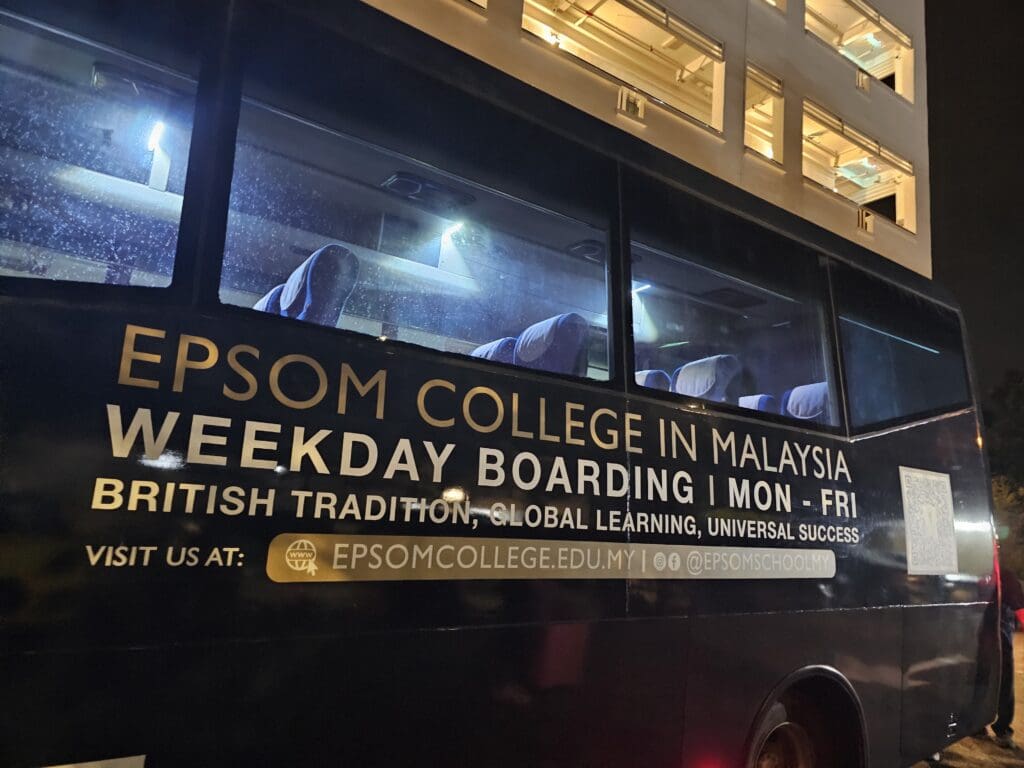
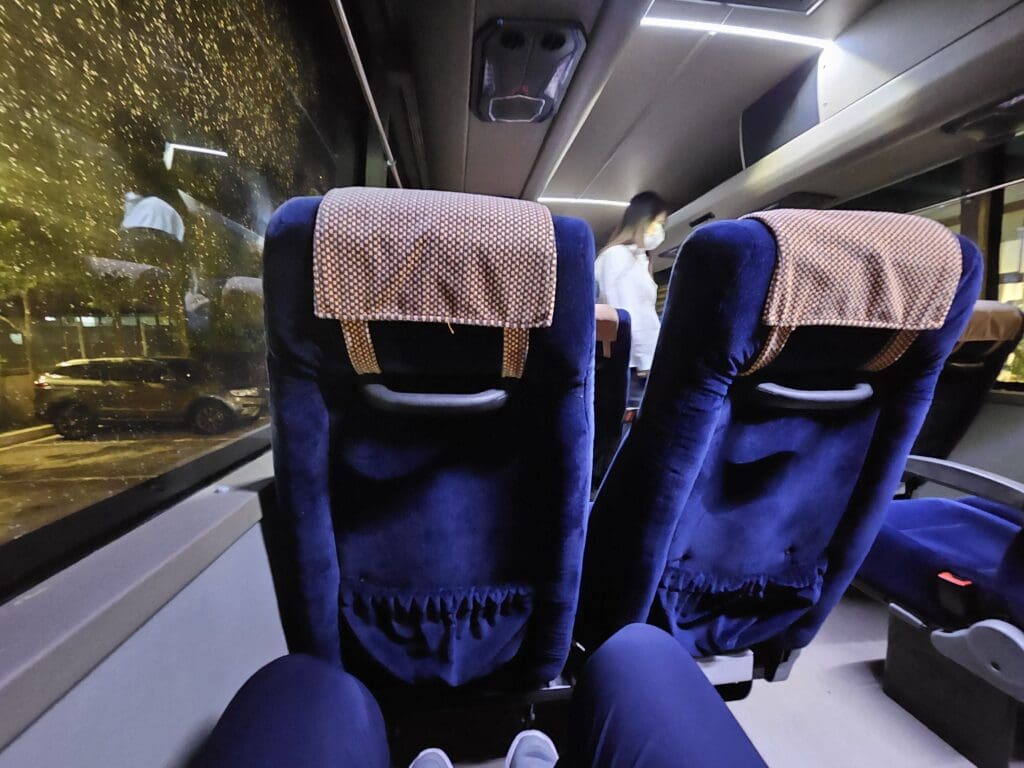
Once up and awake, having packed all my bags the night before, I did not have too much to do other than jump in the shower and put on a fresh set of clothes before heading down to reception. Whilst the Tune Hotel does offer something of a basic breakfast, with this not starting until 0600, that morning I had little option but to pass on this and instead, I joined the large congregation of passengers wearily waiting for the shuttle to the airport. At 0457, an Epsom College Malaysia branded bus rocked up outside and without delay, I slid my suitcase into the underfloor luggage compartment before boarding the bus for the short ride to the airport. Unsurprisingly given the slew of early morning departures, the bus ended up being totally full and just after 0500, we hit the dark streets of Selangor, making our way along the main roads that skirt around the eastern side of the airfield, sandwiched between the airport and the country’s famous Formula 1 circuit. Around fifteen minutes later, the bus left the main road and the sprawl of Terminal 2 appeared where a line of AirAsia Airbus A320 jets could be seen being readied for a new day of flying.
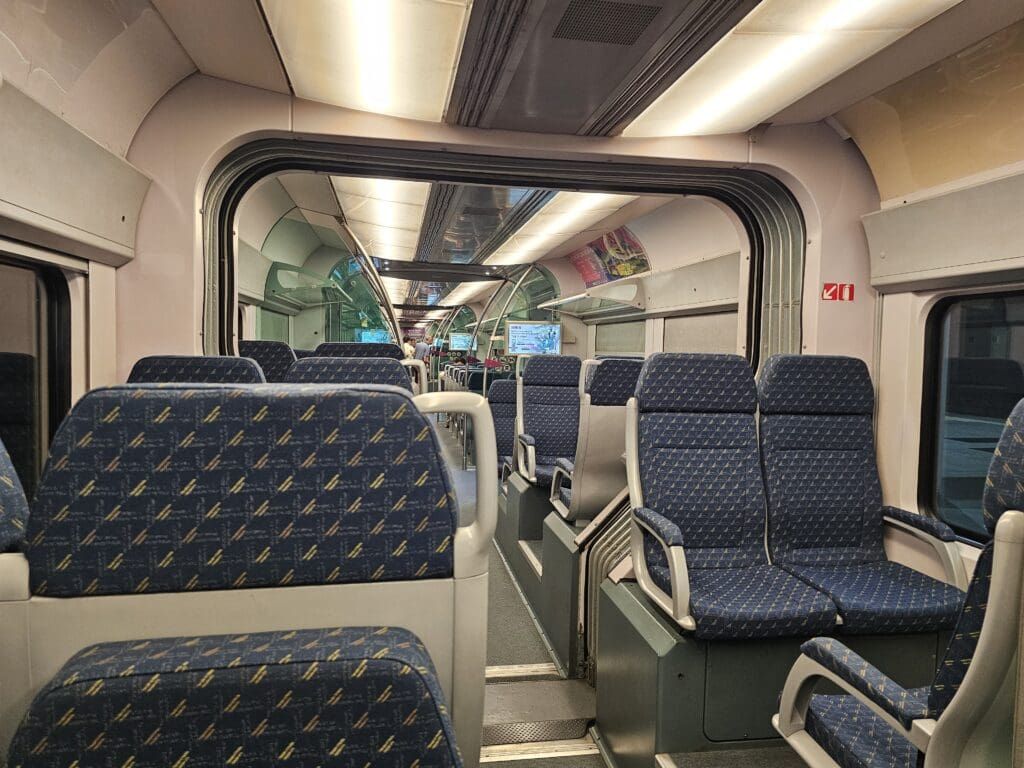
Upon being deposited at the local Tune Hotel, a reasonable walk under a hot and humid yet covered walkway was in order, followed by a lift ride before finally arriving at the main landside shopping centre. Opting to catch the train over to Terminal 1 rather than the bus, following the rather confusing signage I eventually made it to the station where I paid the nominal 2 ringgit fare for the short ride over to the other terminal. Following a five-minute wait, the Desiro electrical multiple unit came hurtling into the station and right on time at 0535, this pulled away on its journey to Kuala Lumpur Sentral Station. Not wanting to end up in the Malaysian capital, about two minutes later I disembarked and made my way up through the arrivals level to the check-in hall, ending my early morning journey to the airport.
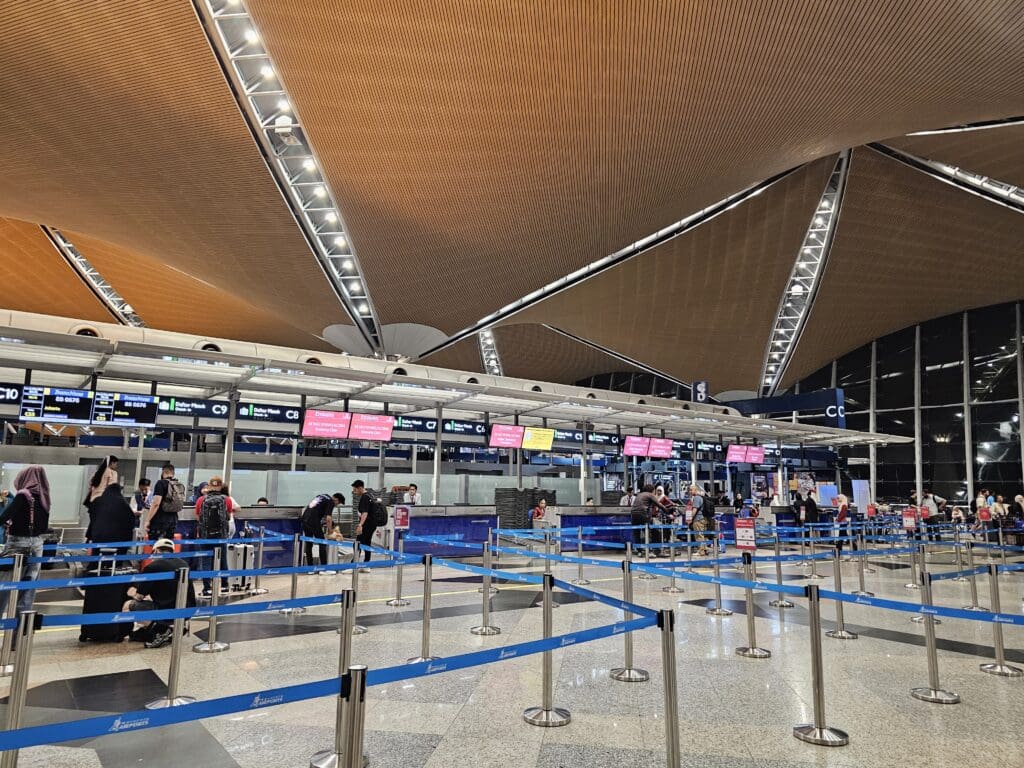
Looking around, Kuala Lumpur International Airport Terminal 1 most certainly has one of the more impressive check-in halls that I have come across. Designed by the late famed Japanese architect Kisho Kurokawa, this features high ceilings that serve to give the terminal a rather cavernous feeling, whilst also incorporating elements of traditional Malaysian design into its modern architecture. Despite being 27 years old at the time I passed through this, opening in 1998, I have to say that the terminal continues to feel bright and modern, and appears to have undergone a series of renovations and improvement works during its life. For those who are either not travelling or have time on their hands before checking in, the landside departures area features plenty of facilities, including a plethora of shops, cafés and restaurants, including international chains such as Costa Coffee, KFC, McDonald’s and Starbucks, amongst others.
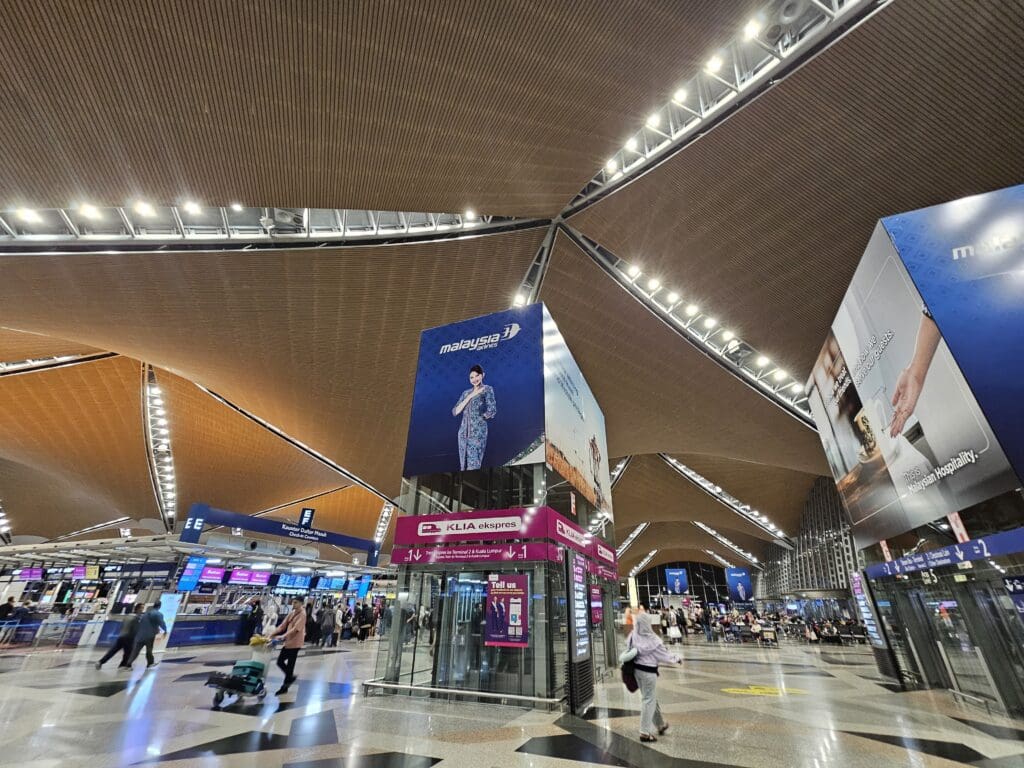
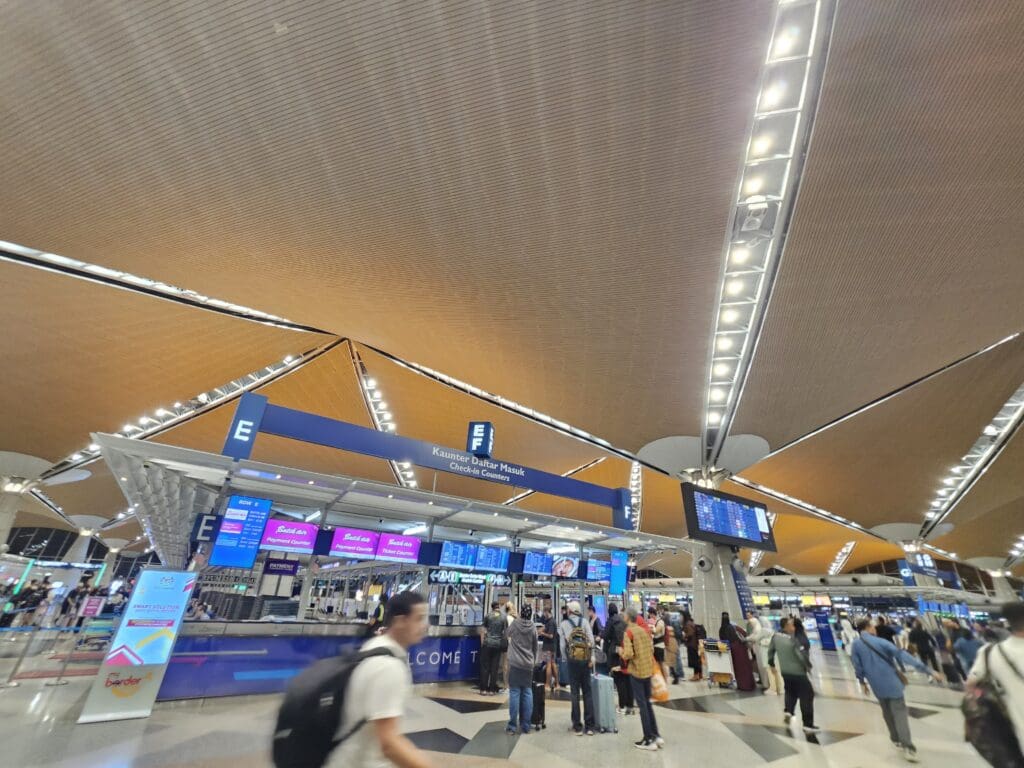
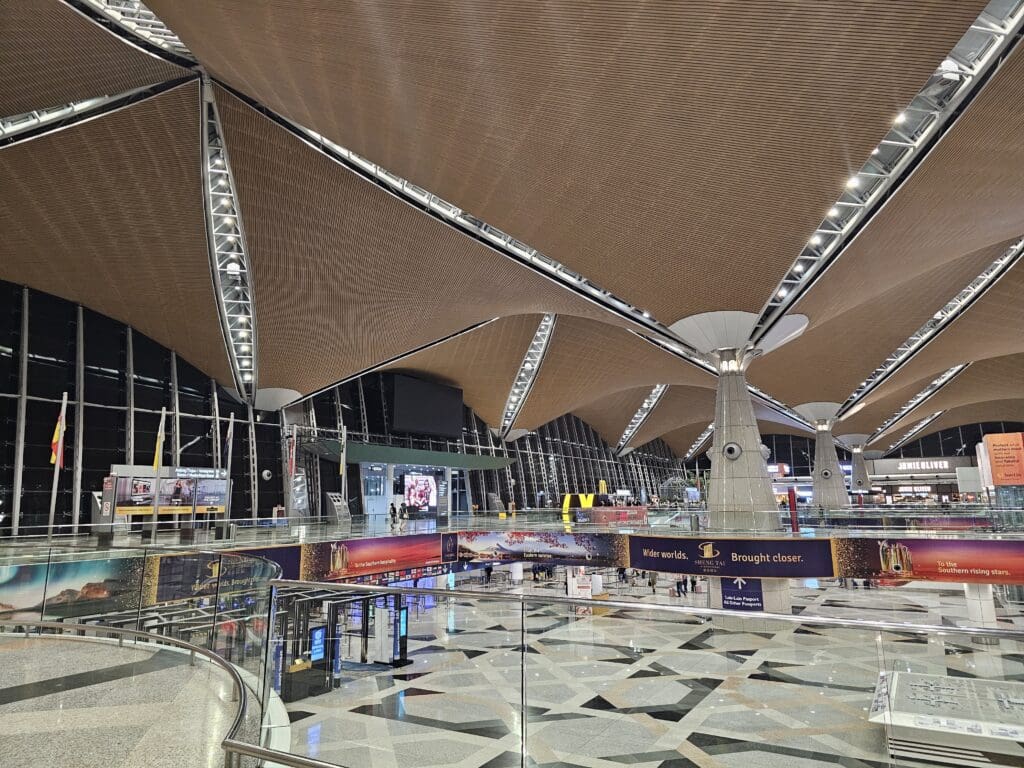
That morning, thanks to a slew of morning departures to destinations across Asia and beyond, the check-in hall was awash with passengers. Seeing as I had a large suitcase in tow and wanted to part with this as soon as possible, as soon as I made it into the check-in hall I checked the departure boards which revealed that check-in for Emirates’ service to Dubai would take place at the C-bank of check-in desks. Once there, disappointingly yet unsurprisingly seeing as I still had just over four hours to go until my flight to Dubai, there was no sign that check-in for the Dubai service was taking place. Instead, nothing other than a long snaking queue of passengers bound for Jakarta onboard TransNusa’s morning service could be seen waiting. Needing to kill some time, I decided to head up to the observation deck, making a stop on the way at McDonald’s for my first coffee of the day. Whilst the observation deck is usually one of the highlights of the terminal, unfortunately, thanks to the darkness outside, nothing could be seen, however, in the daylight, this offers a good view of many of the main terminal’s stands as well as of the aircraft trundling along the taxiway in between the main and satellite terminal. Inside, this seemed to be a popular spot for slumbering passengers with early flights, with many in the process of waking up at the start of their trips.
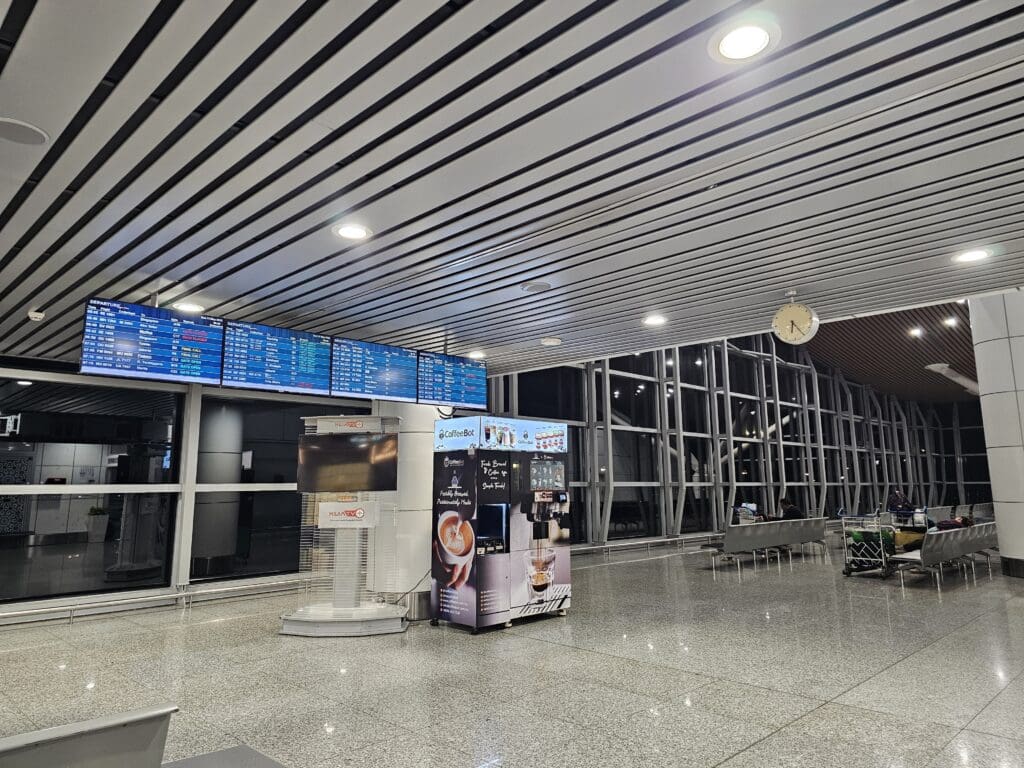
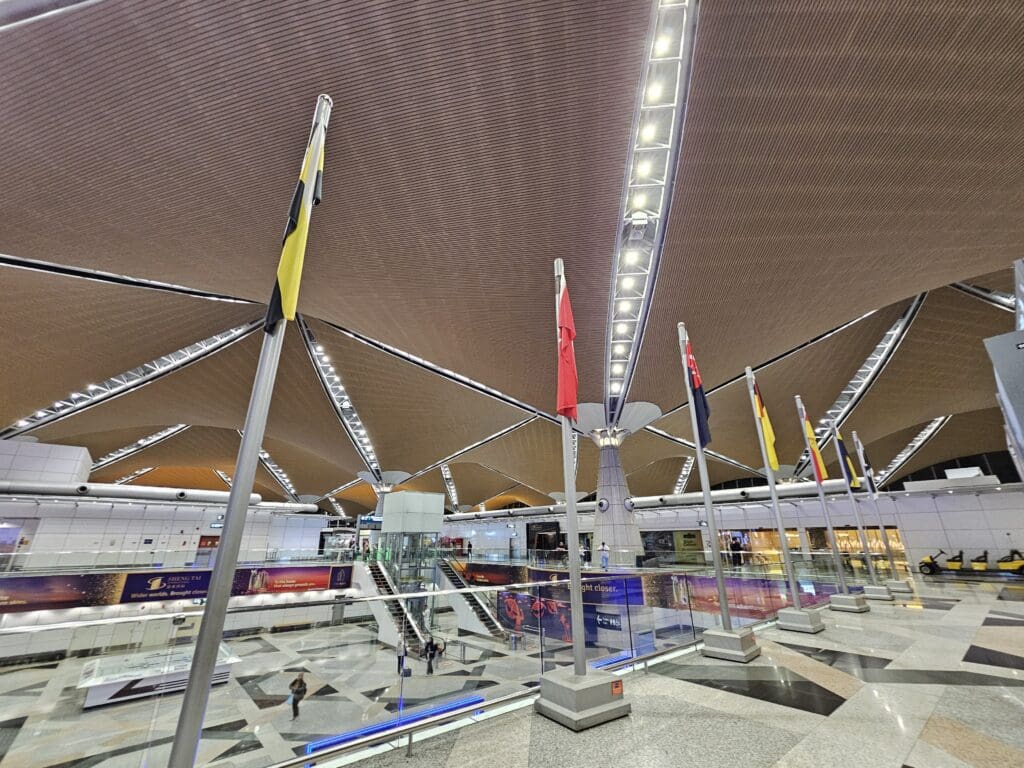
Eventually, I decided to return to the massive check-in hall in the hope that the Emirates desks would now be open, and thankfully, they were. With Kuala Lumpur served by an Emirates Airbus A380 and two Boeing 777-300ERs each and every day, unsurprisingly I found Emirates’ check-in area to be large and well-branded, featuring plenty of signage to ensure that passengers queued up to the correct desks. These were manned by several outsourced ground agents as well as a small number of locally based Emirates staff dressed in the airline’s distinctive uniform. Still being rather early, few passengers could be seen at that time and I was thus able to wander straight up to one of the desks reserved for those who had checked-in online. Once there, I found the agent to be polite and friendly, and after the usual quick typing, my suitcase was tagged and sent off into the depths of the terminal before my hand luggage was weighed and tagged – something that I had not encountered in quite some time. Afterwards, my two Emirates branded boarding passes were printed off along with a baggage receipt after which I was wished a friendly farewell and free to continue on my journey.
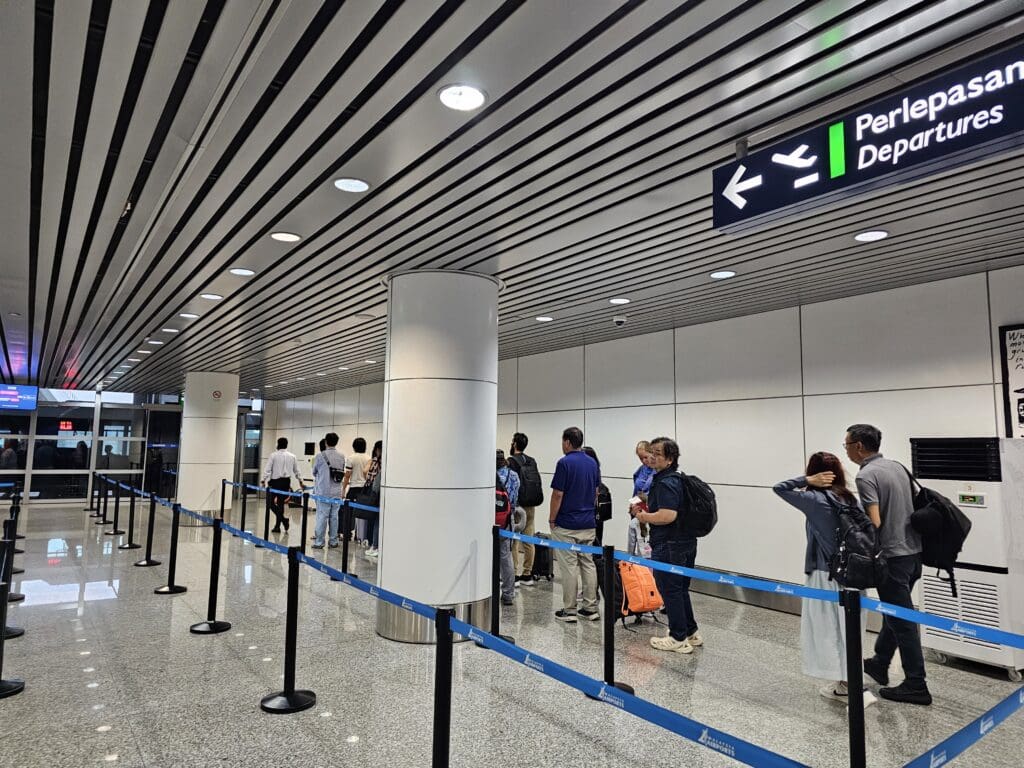
Seeing as I had access to the Plaza Premium lounge, I saw no point in lingering around the busy check-in hall and made a beeline for the entrance to immigration. In the usual manner, I scanned my boarding pass on one of the automated gates which almost instantly swung open and allowed me to enter the immigration area. Despite being fairly busy, seeing as I was able to use one of the immigration e-gates, just as with entering Malaysia, exiting was also a quick and painless experience, and within about thirty seconds, the immigration e-gate swung open and I was free to continue to the customs checkpoint where my bag was scanned before I entered the international airside portion of the terminal. Interestingly, no security check was undertaken to enter this area as Terminal 1 has a seemingly unique arrangement in that security is undertaken at the entrance to each gate rather than at a central checkpoint either before or after immigration.
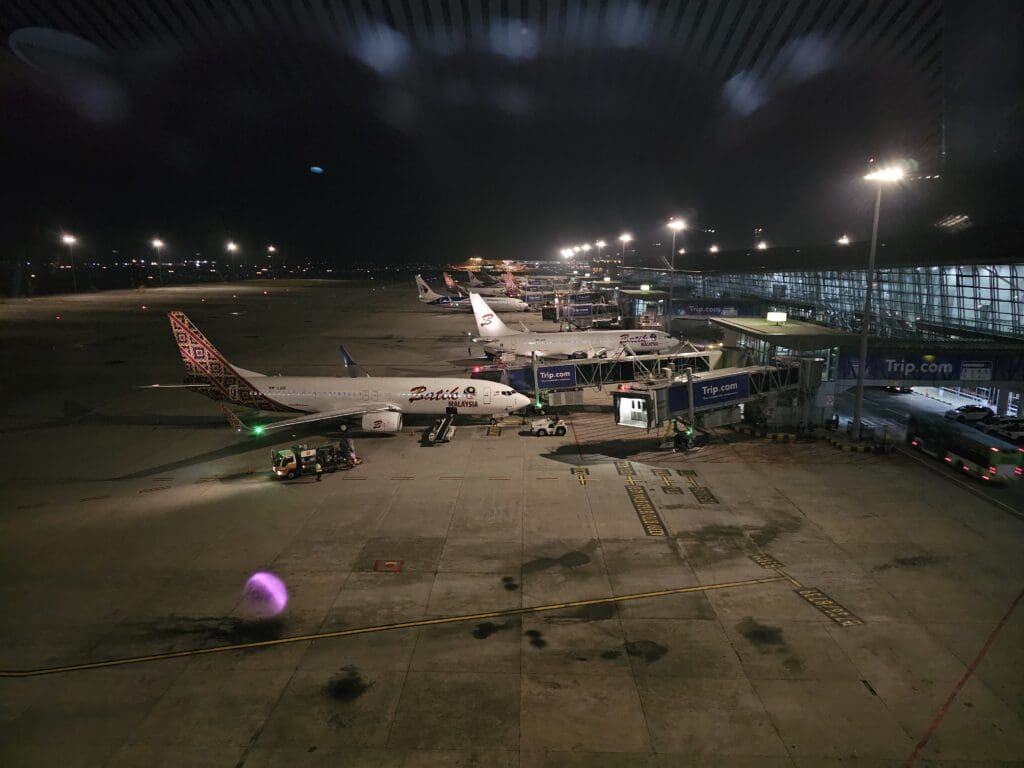
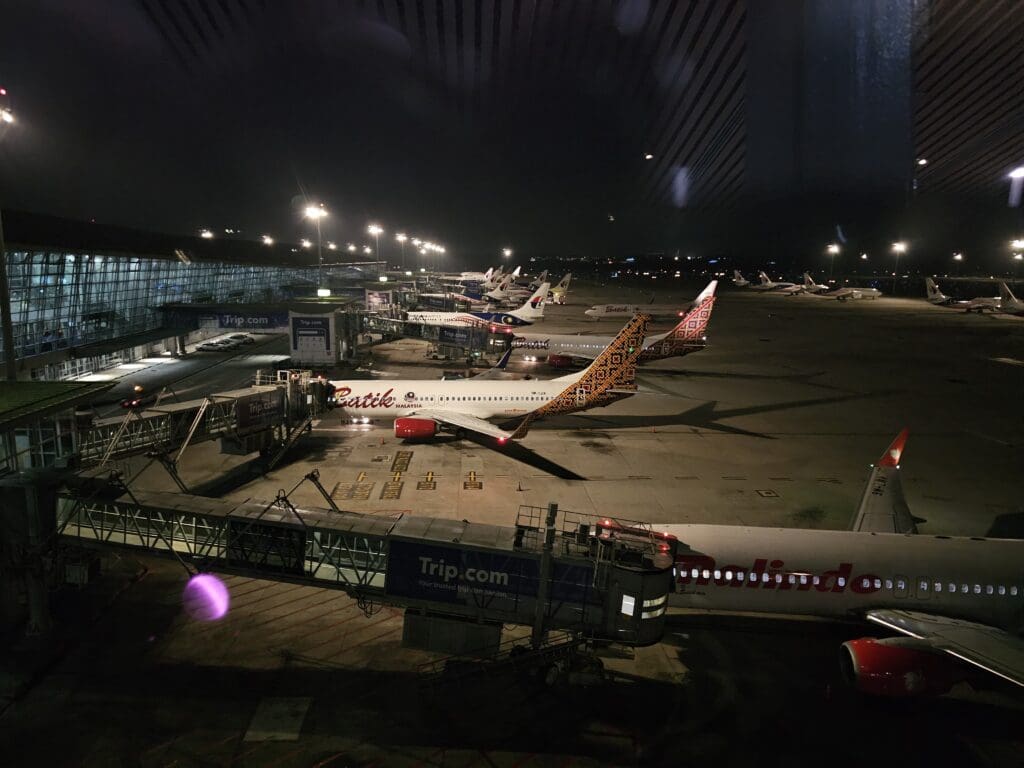
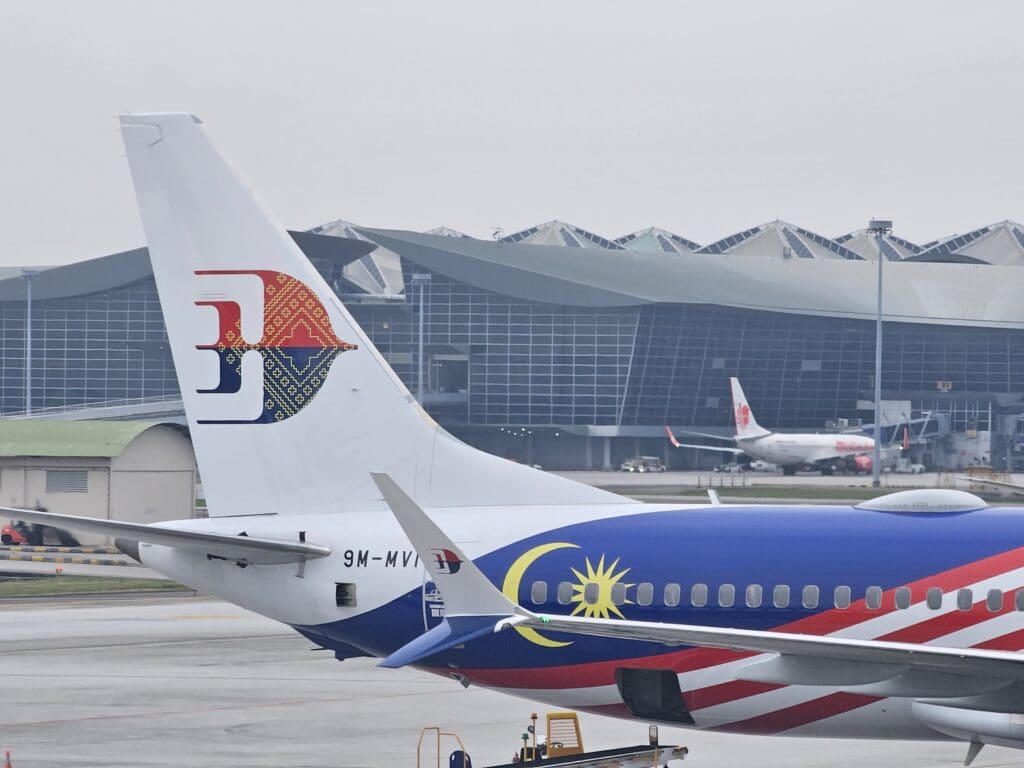
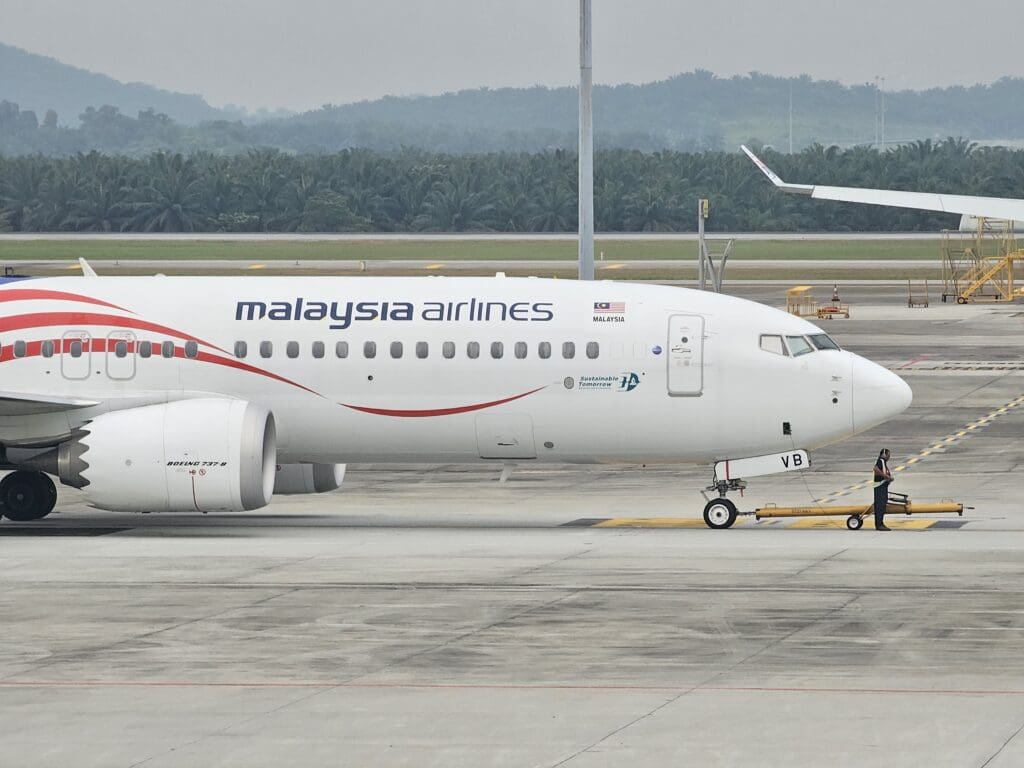
In terms of its layout, Terminal 1 consists of a rectangular-shaped main terminal and a large satellite terminal in the shape of a cross, or plus symbol. At the time of my trip, I found the main terminal to be exclusively used by Batik Air Malaysia and Malaysia Airlines’ Boeing 737 fleets, although these aircraft could also be seen at the satellite terminal. The main reason for this being that thanks to the terminal’s design, most of these gates can be utilised for both domestic and international services, something which cannot be done without utilising buses for those stands at the satellite terminal. Meanwhile, the satellite terminal hosts all widebody movements and those operated by carriers from abroad.
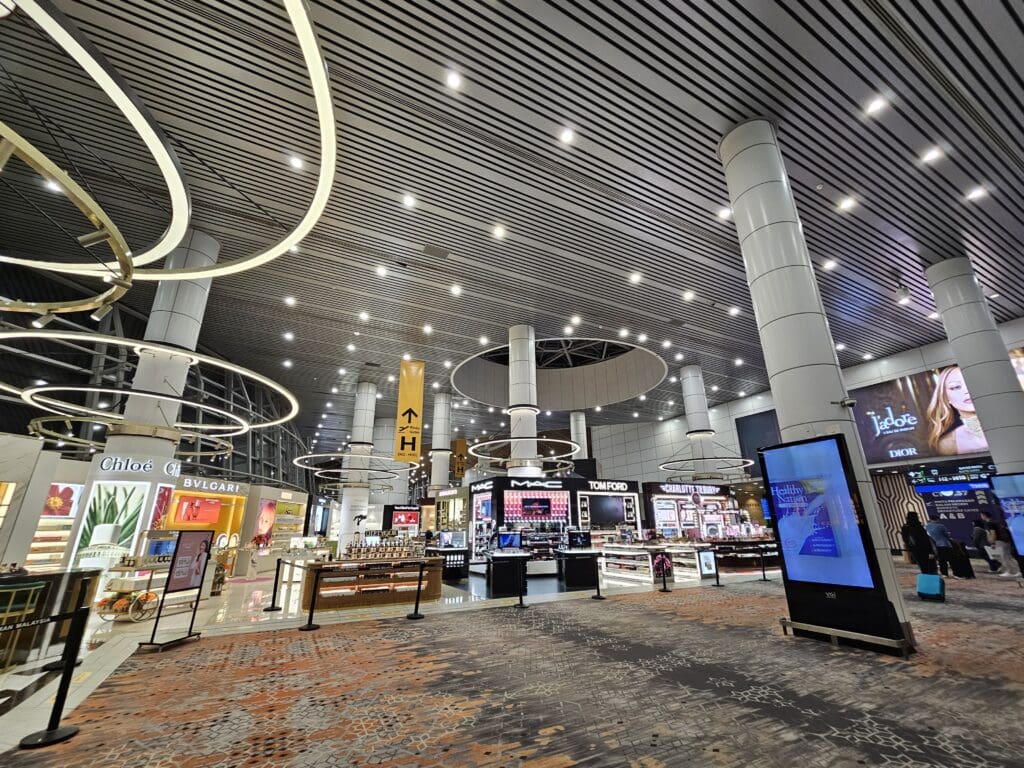
Whilst aware that I would be departing from the satellite terminal, I decided to hang about in the main terminal. Exploring this, I found this to be bright, modern, open and spacious and seemed to be in a clean and tidy state. Although that said during my previous trip through this, I encountered a zoo of large cockroaches in multiple toilets! Perhaps unsurprisingly given Kuala Lumpur International Airport’s status as one of Southeast Asia’s busiest hubs, this features a plethora of shops, cafés and eateries, with the latter catering to both those wanting to savour the delights of a final Malaysian meal or indulge in some international cuisine. However, as was to be expected, passengers can expect to pay a premium, with most goods sold with a fairly reasonable mark-up.
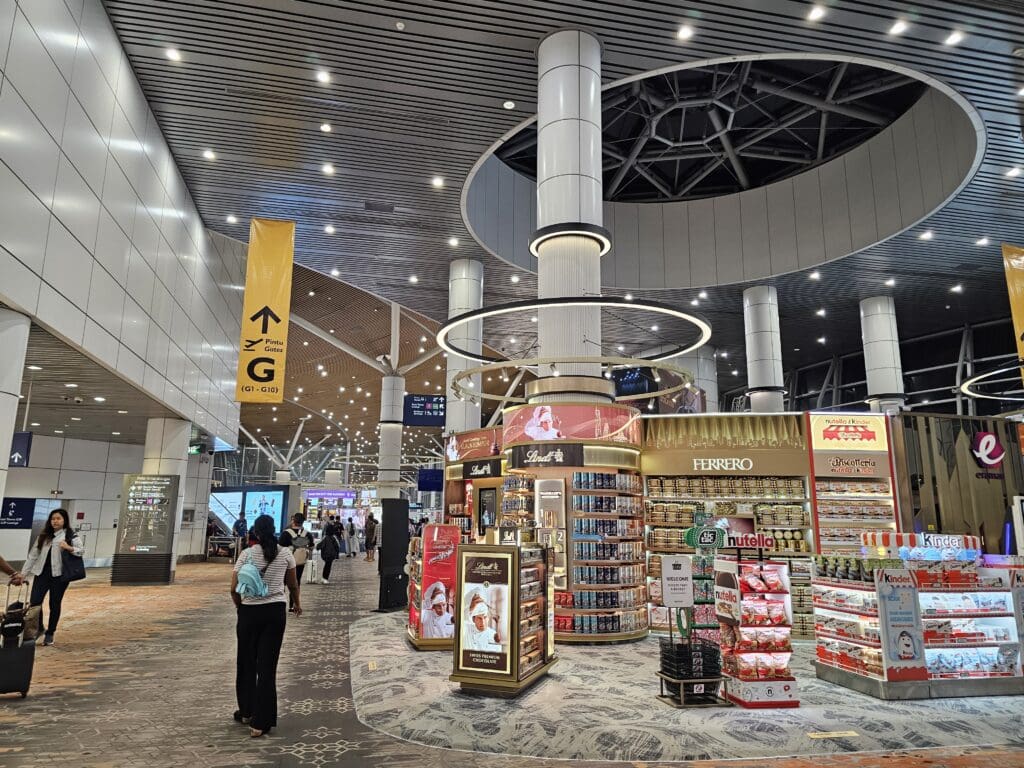
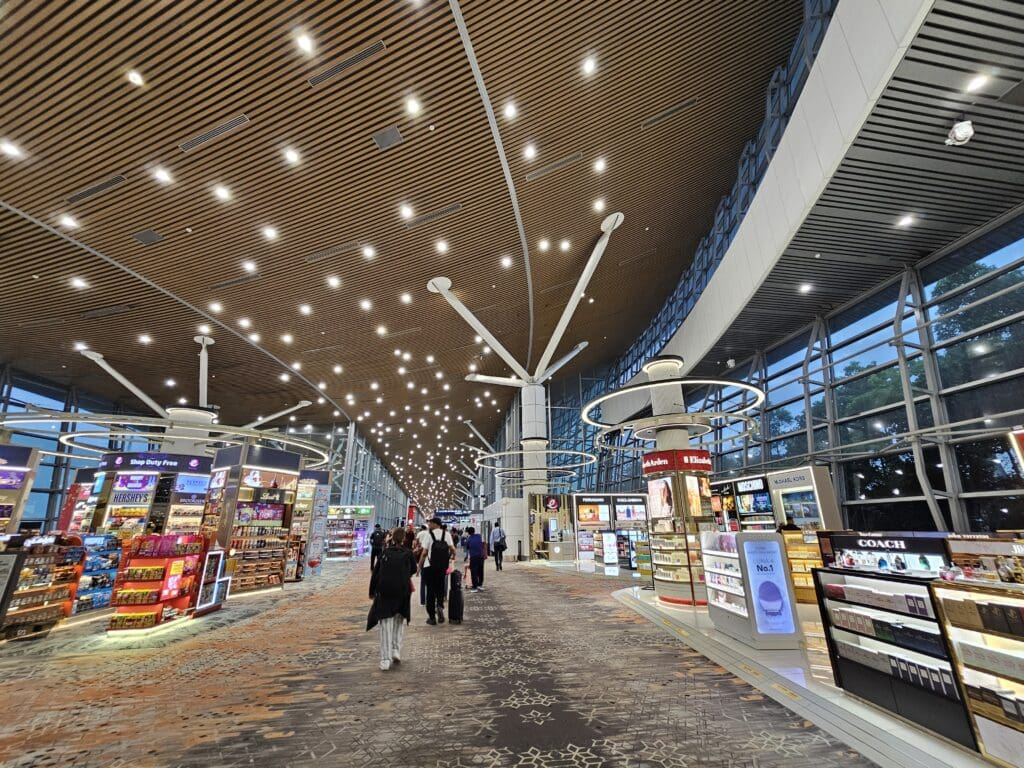
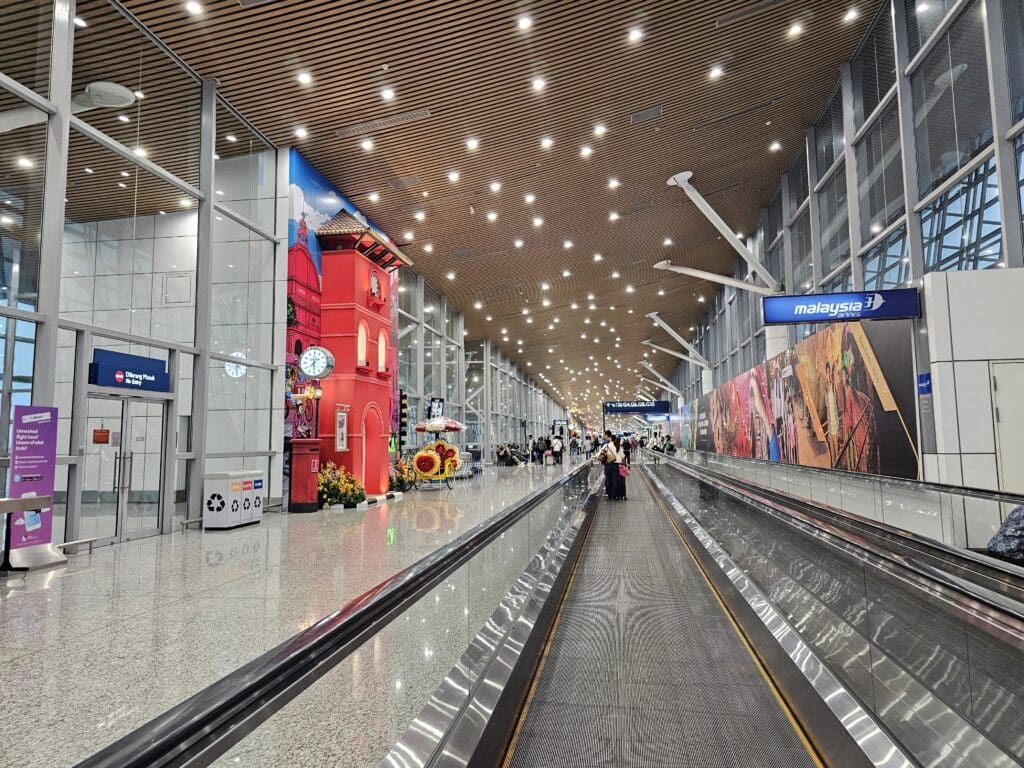
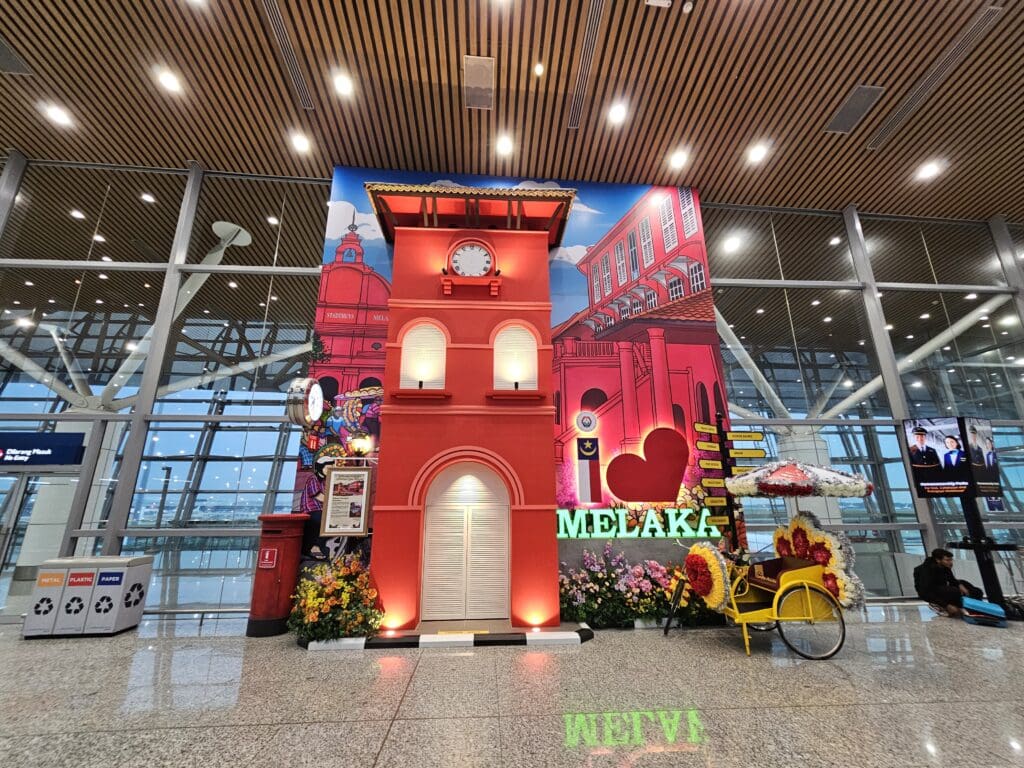
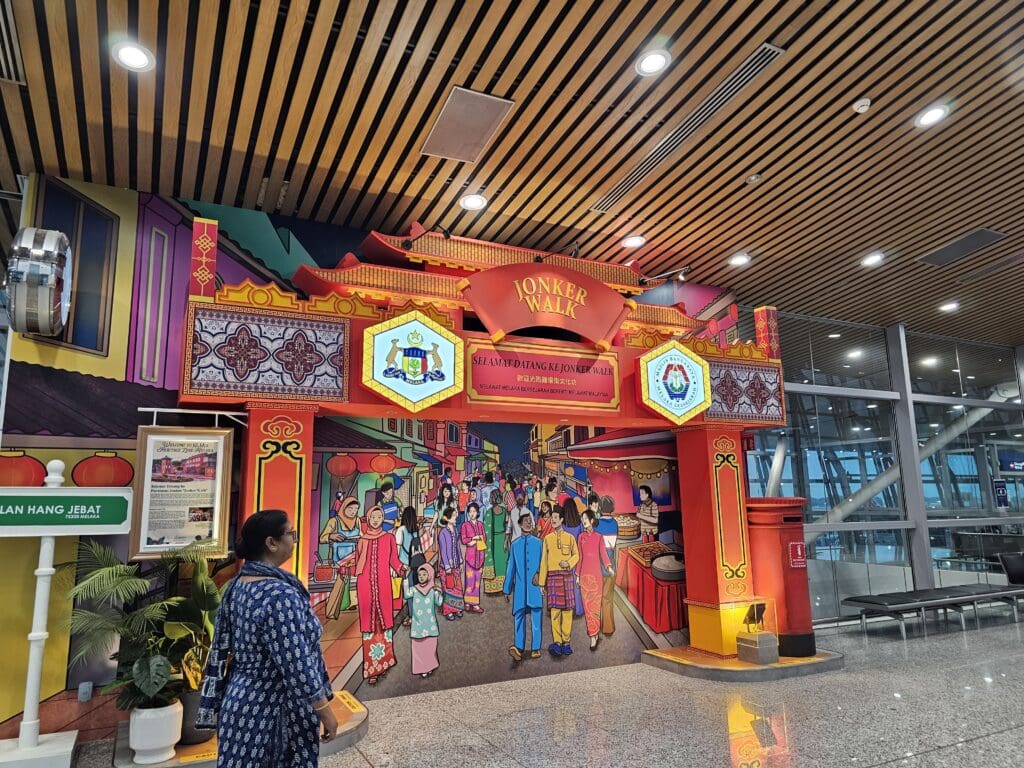
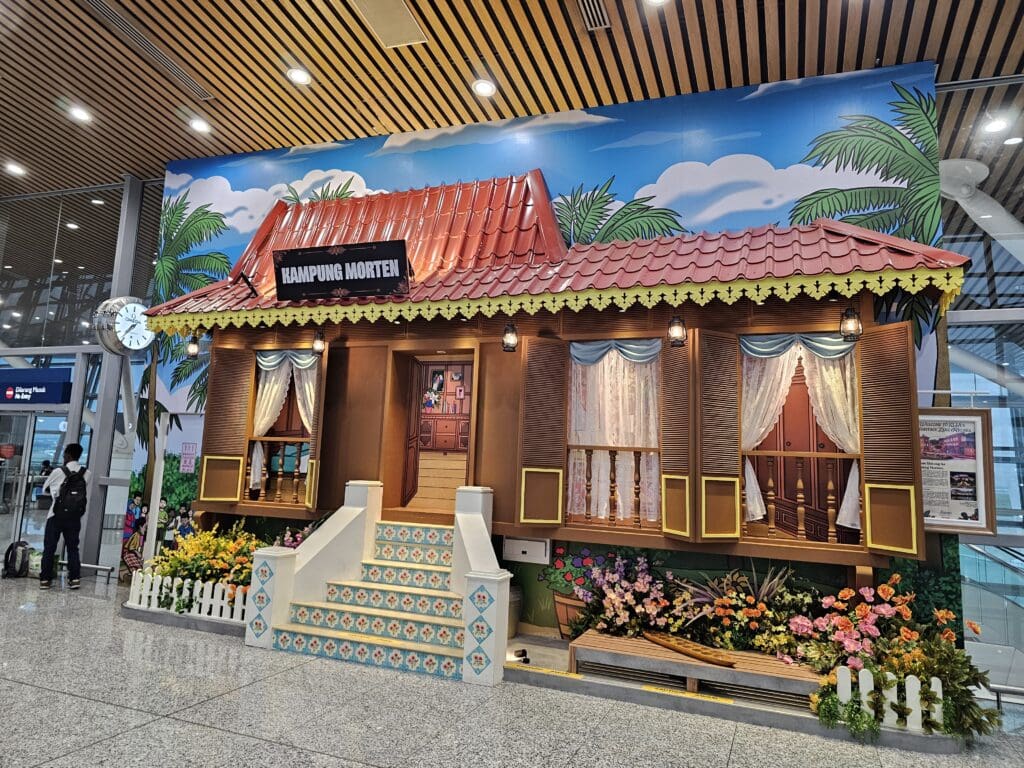
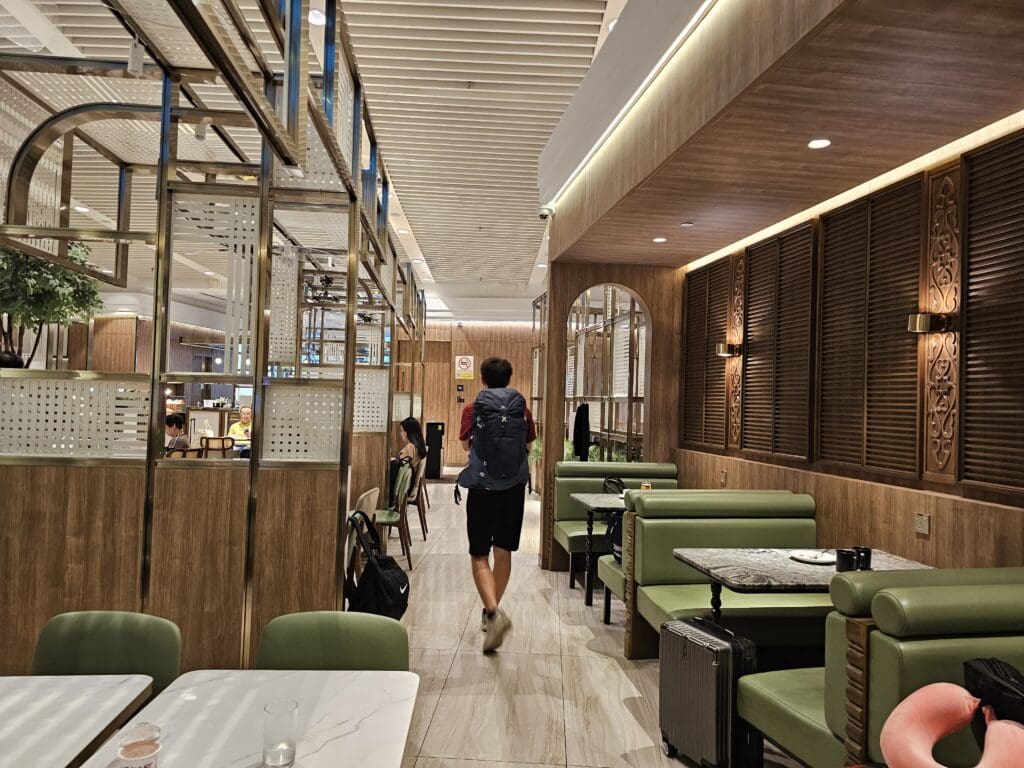
Unfortunately for aviation enthusiasts, the main terminal is not the very best place to undertake planespotting, with its layout ultimately hindering any totally unobstructed views of the action outside throughout much of the terminal. With this being thanks to each gate’s holding area, with good airside views only possible from the far ends of the rectangular pier. With the Plaza Premium lounge located in the main portion of the terminal, following signs for this, I headed up a short escalator and joined a queue to enter the lounge, as this indicated, it would be a busy morning in the lounge and indeed once at the counter, the agent warned me that the lounge was full. Ignoring their warning, I steamed in and made several laps in an attempt to find a seat. That morning, this left me less than impressed, with queues for just about everything including food, drinks and the toilets required, with a ten-minute wait in order before I could even queue for the food seeing as they had run out of plates! Furthermore, this lacks any sort of airside views. Failing to be a calm or even pleasant place to wait, once I had finished my nasi lemak and pastries, and topped up the charge on my phone, I decided to continue exploring the sights and delights of the terminal.
Whilst an automated people mover runs between the main and satellite terminals, unfortunately, at the time of my trip, this had been out of action for over two years, having last operated in March 2023! This meant that passengers must make this journey by bus. Once I had sufficiently explored the main terminal, I headed down the escalators and joined a short queue, waiting for a couple of minutes before joining the next bus and being whisked over to the satellite terminal.
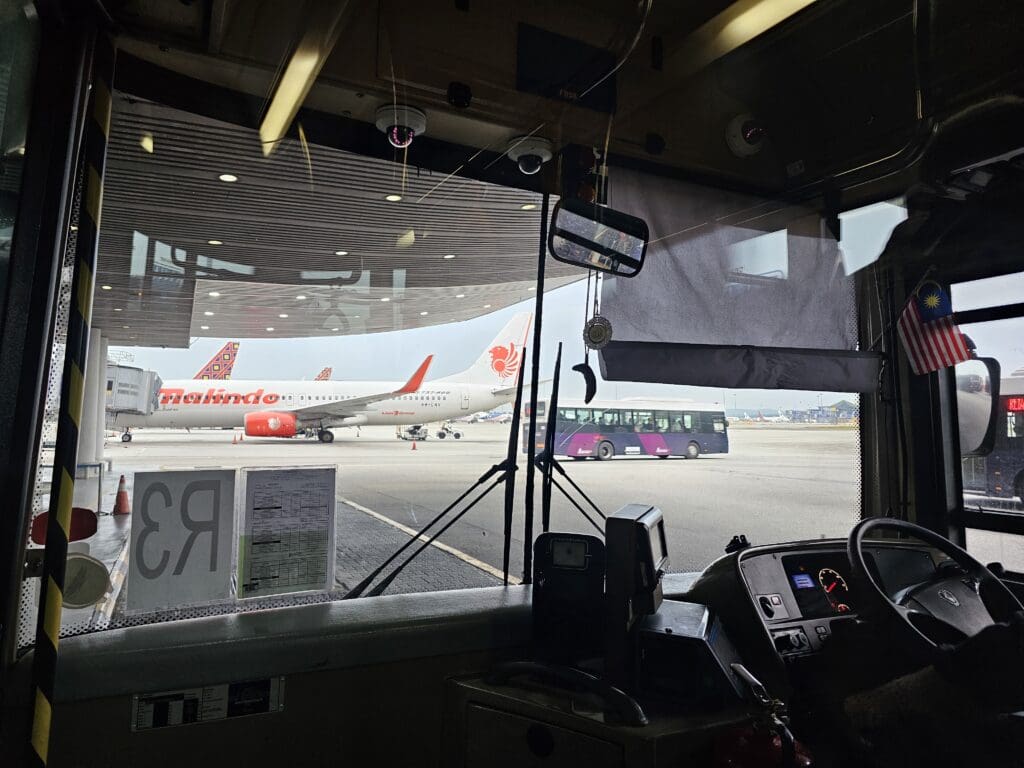
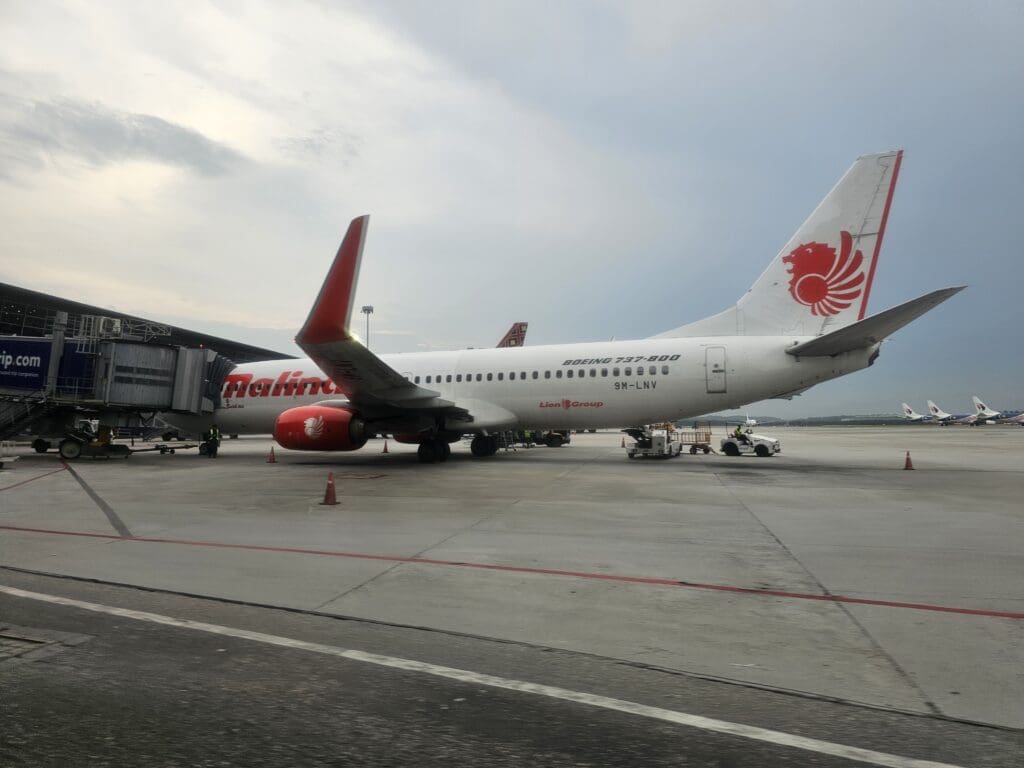
After a short journey, we pulled up to the satellite terminal and I headed up the escalators and commenced exploring this part of the airport. Looking around, this was bright, spacious and modern, and seemed to have undergone some improvement works since I had last passed through this in 2017. In terms of facilities, this featured an array of cafés, eateries and shops, including many luxury brand outlets such as Boss, Giorgio Armani and Swarovski. Meanwhile, at the centre of this sits the KLIA Jungle Boardwalk, although sadly this was closed at that time in the morning.
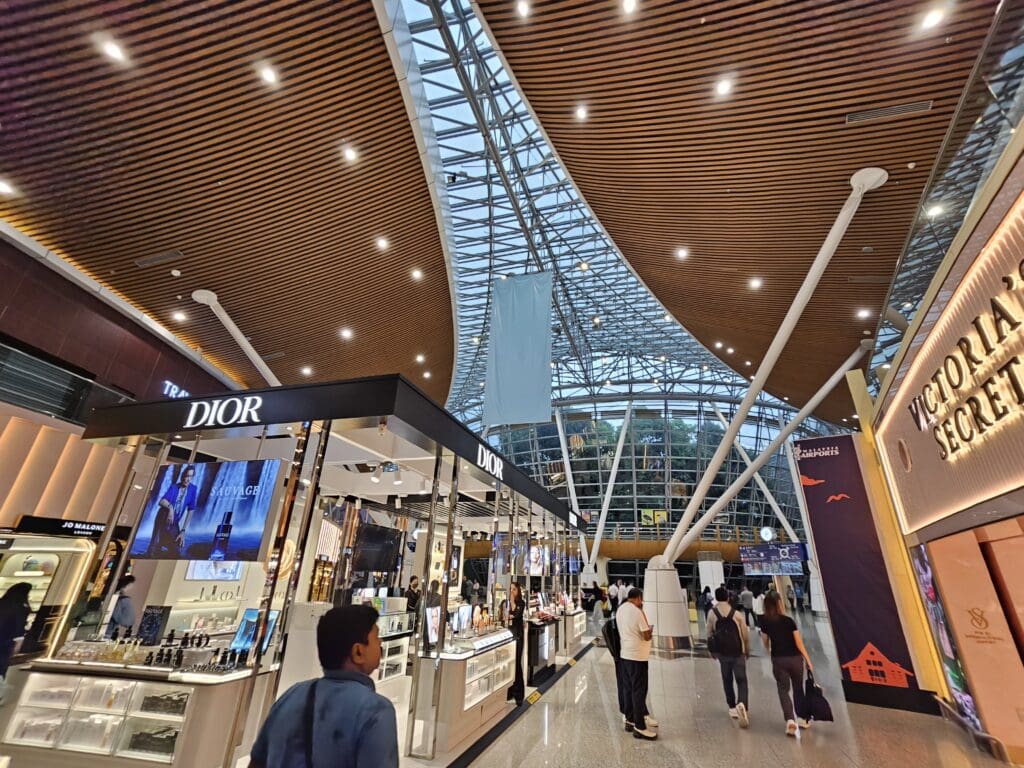
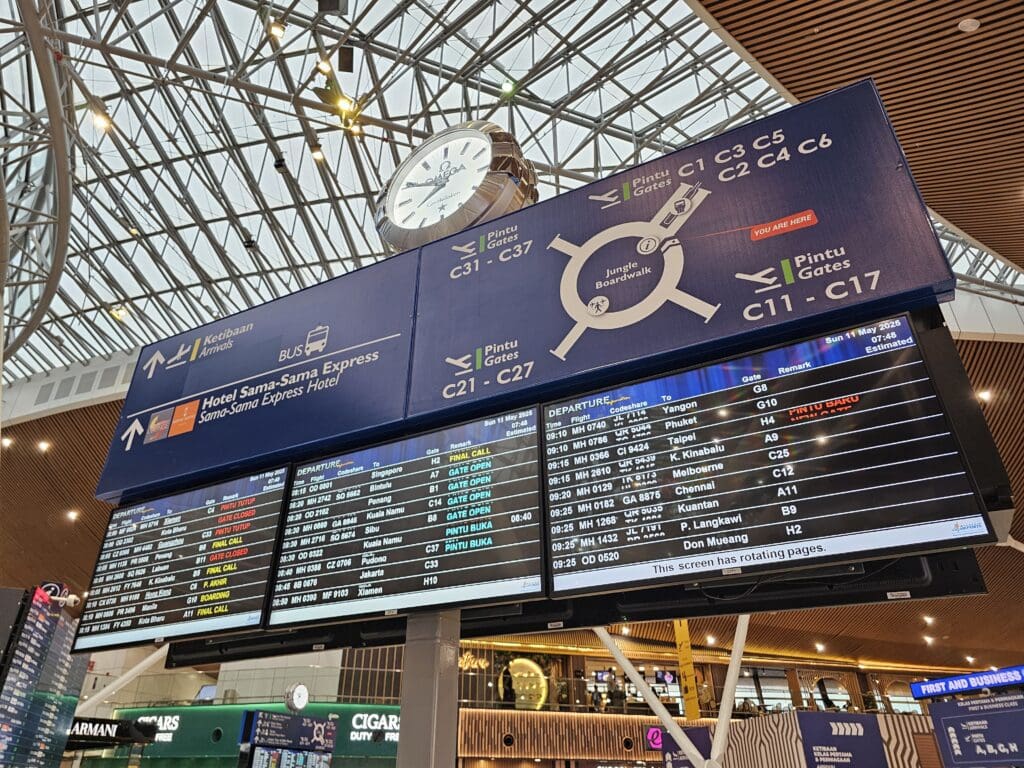
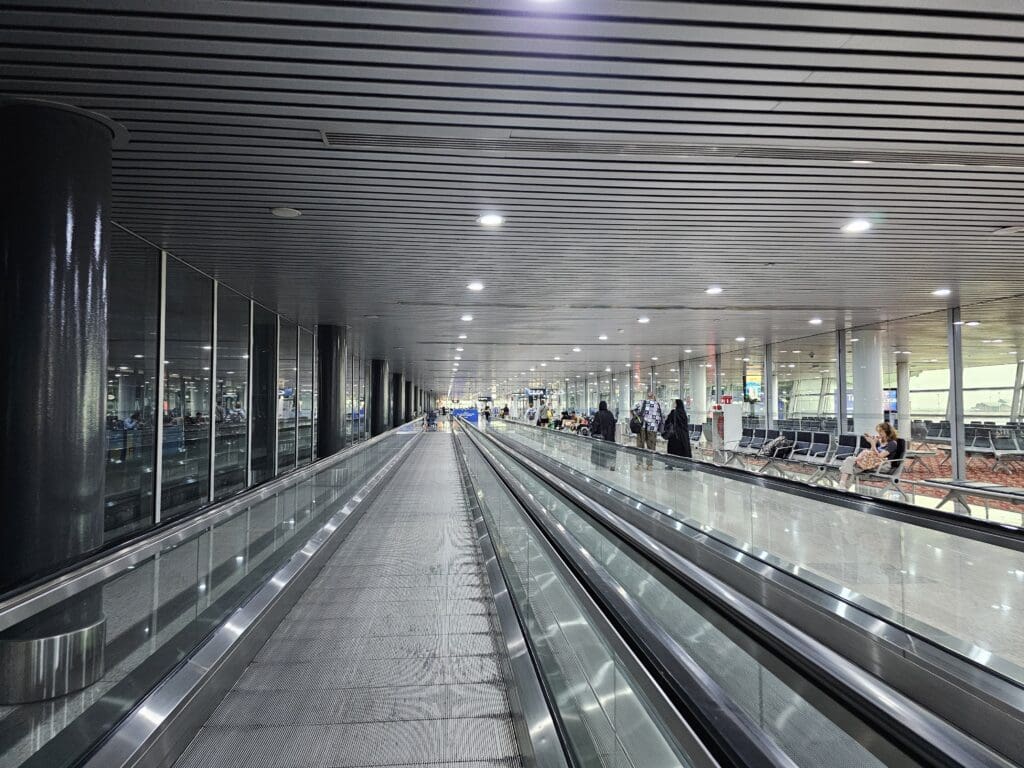
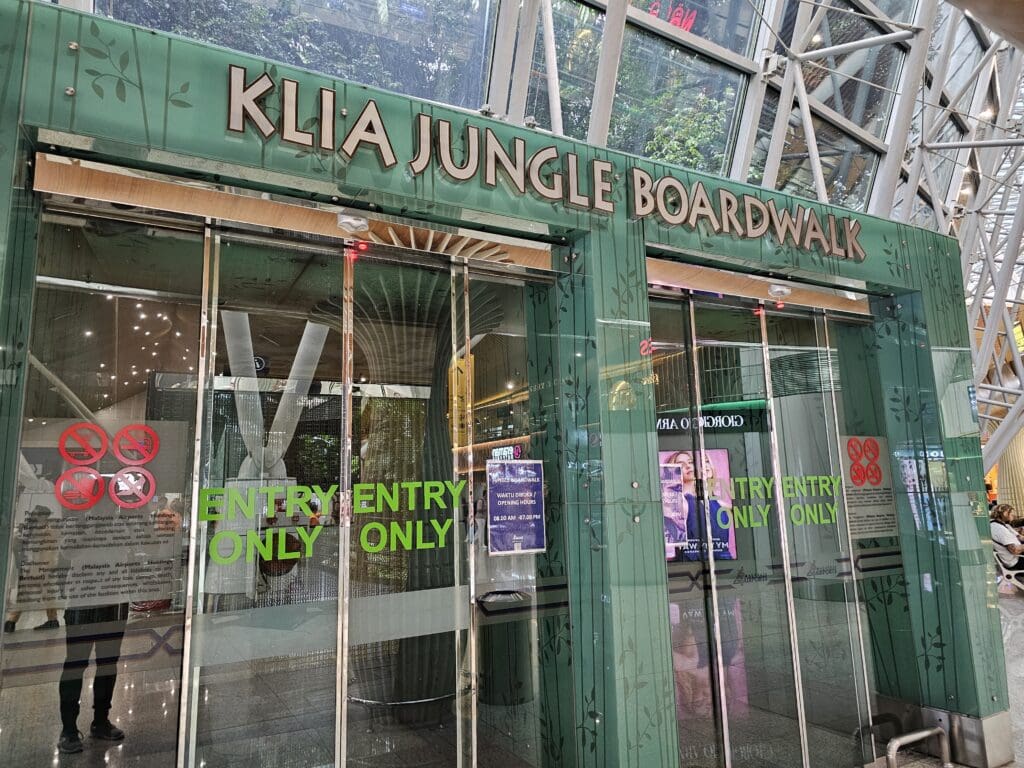
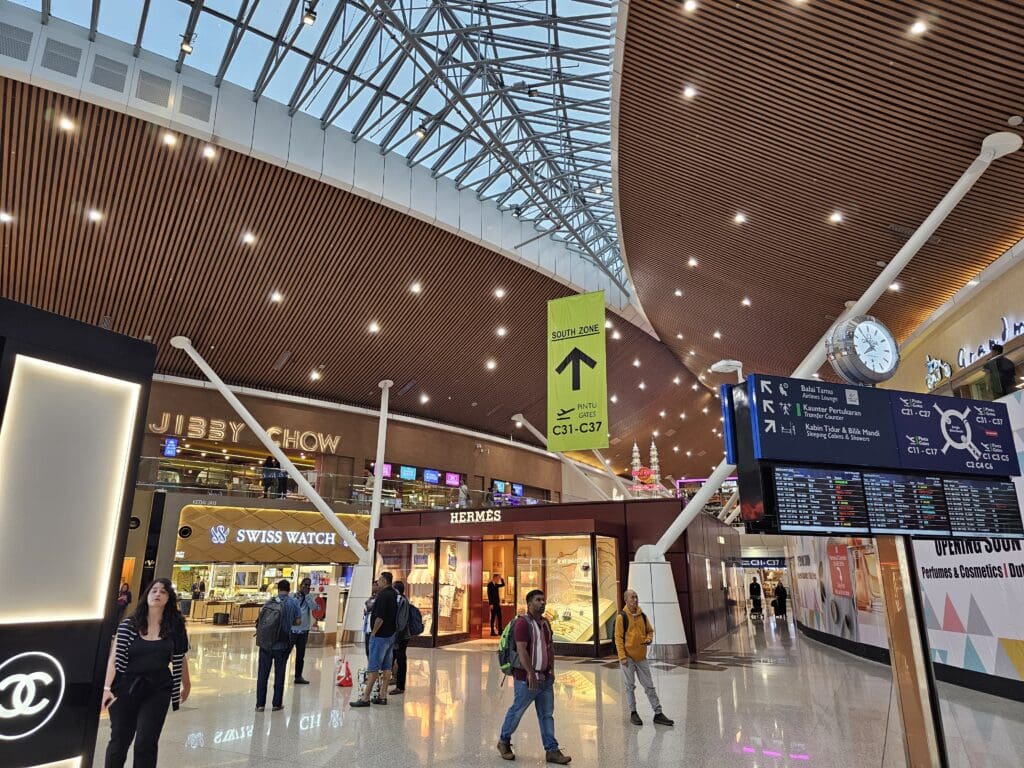
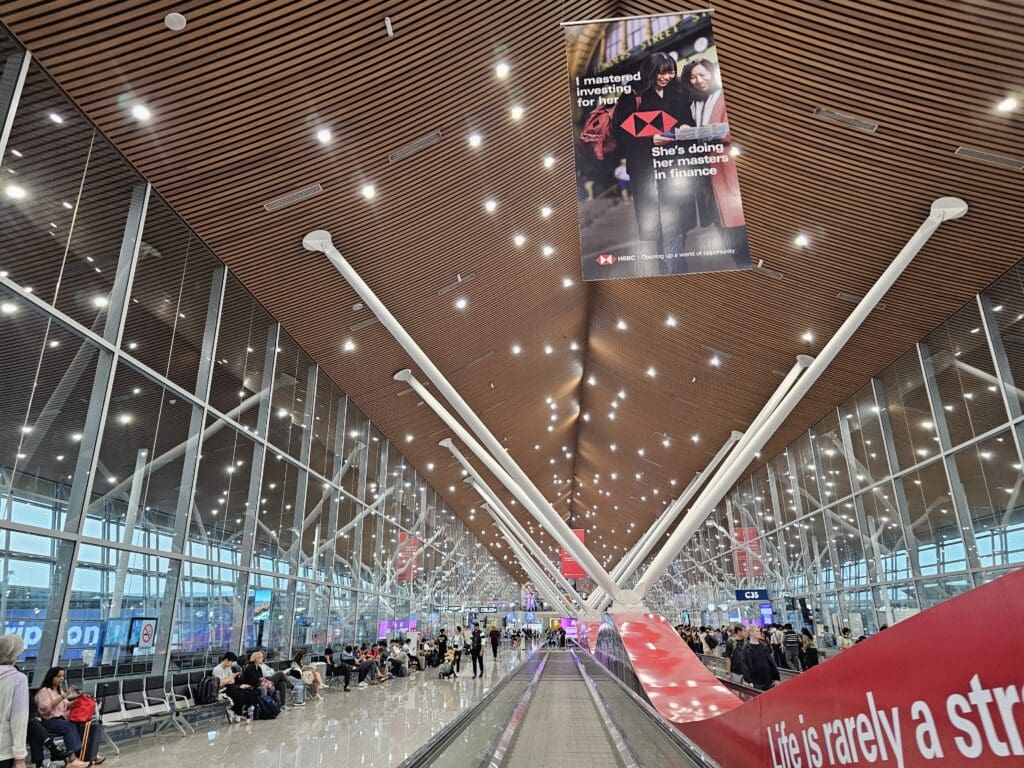
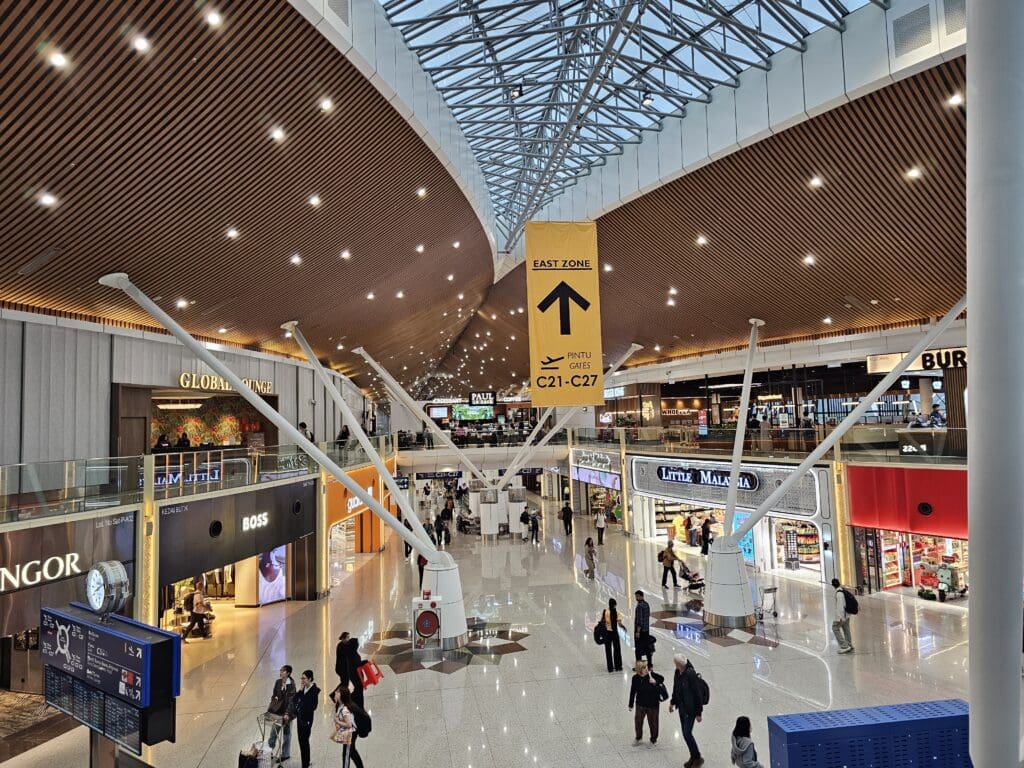
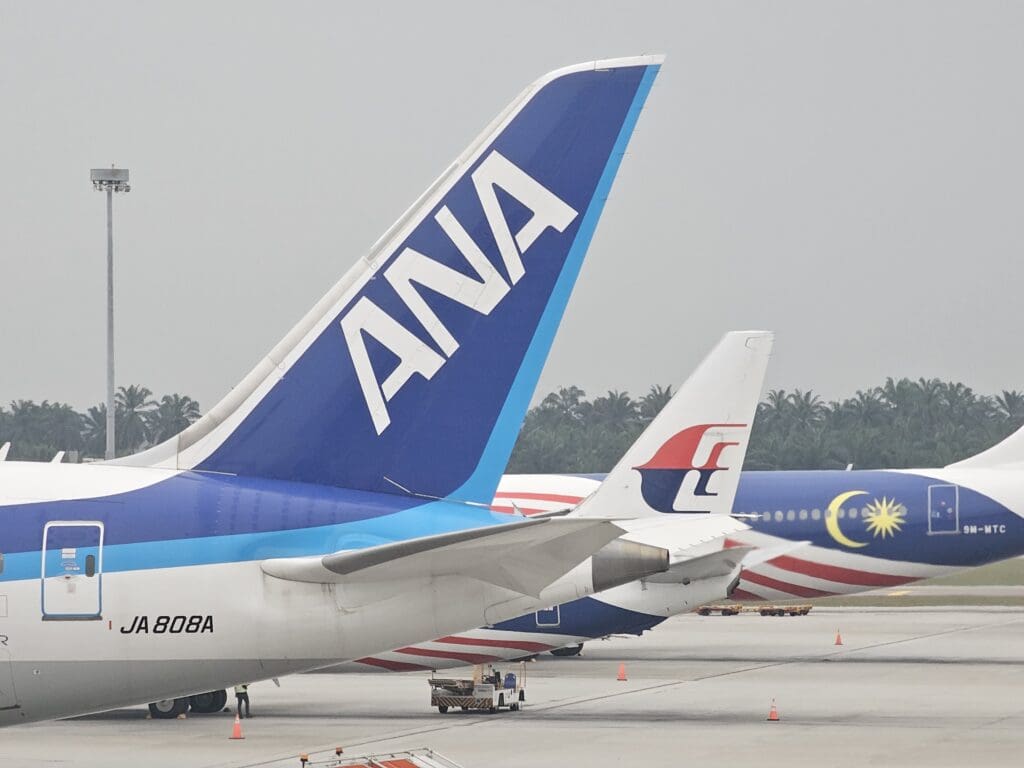
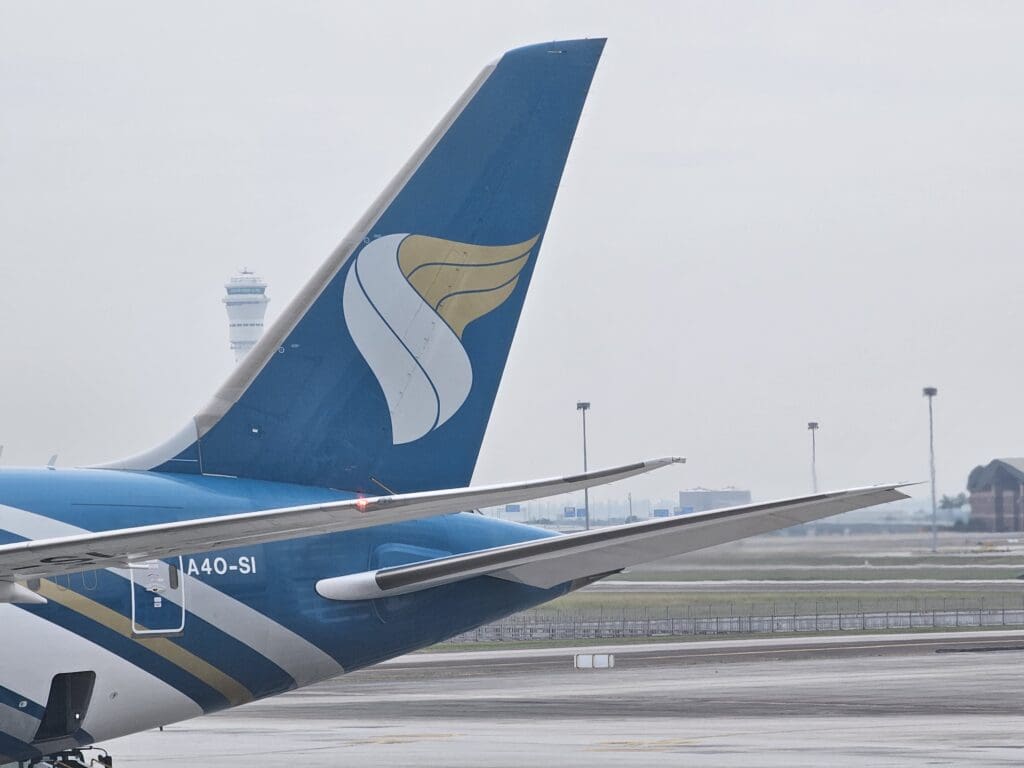
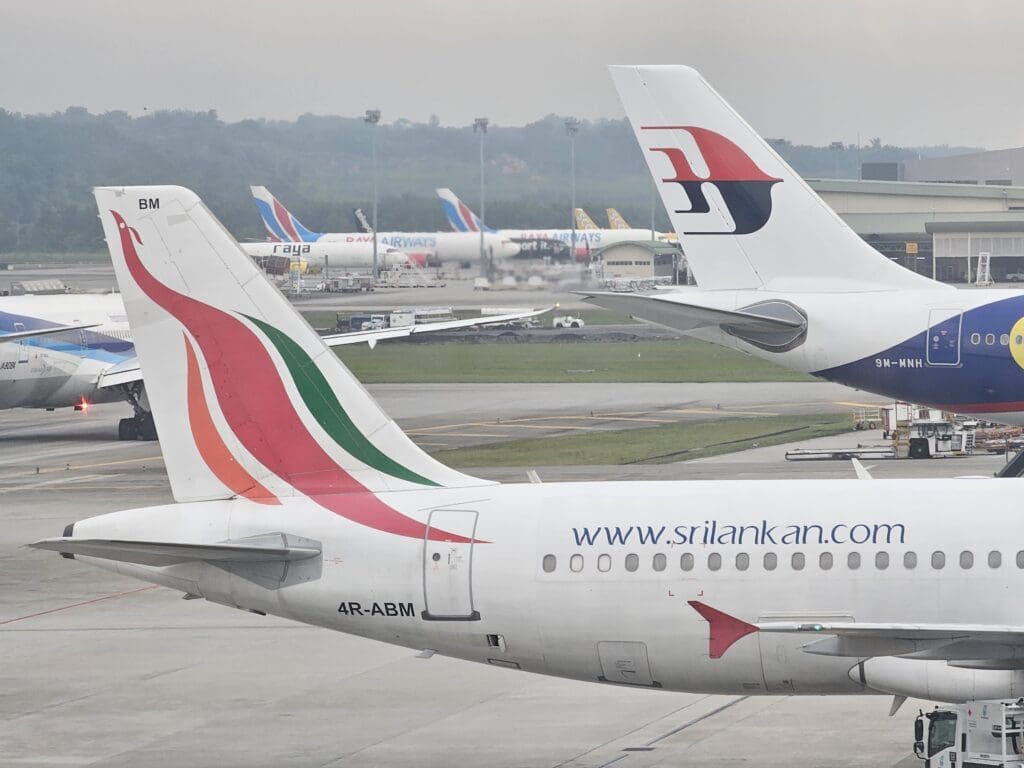
Wandering around, I found the satellite terminal to be absolutely packed, and I was not particularly pleased to find that this did not appear to be in top condition in places, with some of the toilets being rather filthy. For a British aviation enthusiast, Kuala Lumpur International Airport always proves to be an interesting place, hosting a vast array of airlines and aircraft types from across Asia and beyond amongst the masses of local AirAsia, Batik Air Malaysia and Malaysia Airlines jets. Wandering around, flights bound for Abu Dhabi, Colombo, Delhi, Doha, Guangzhou, Hong Kong, Jakarta, London Heathrow, Muscat, Shanghai, Singapore and Tokyo could be seen at the satellite terminal’s stands, with these operated by AirArabia, ANA, Cathay Pacific, Etihad Airways, Malaysia Airlines, Oman Air, Qatar Airways, Shanghai Airlines, Singapore Airlines, SriLankan Airlines, TransNusa, Xiamen Air However, I should mention that just like the main terminal, the terminal’s layout and gate holding areas ensure that unobstructed airside views are rather tricky to find.
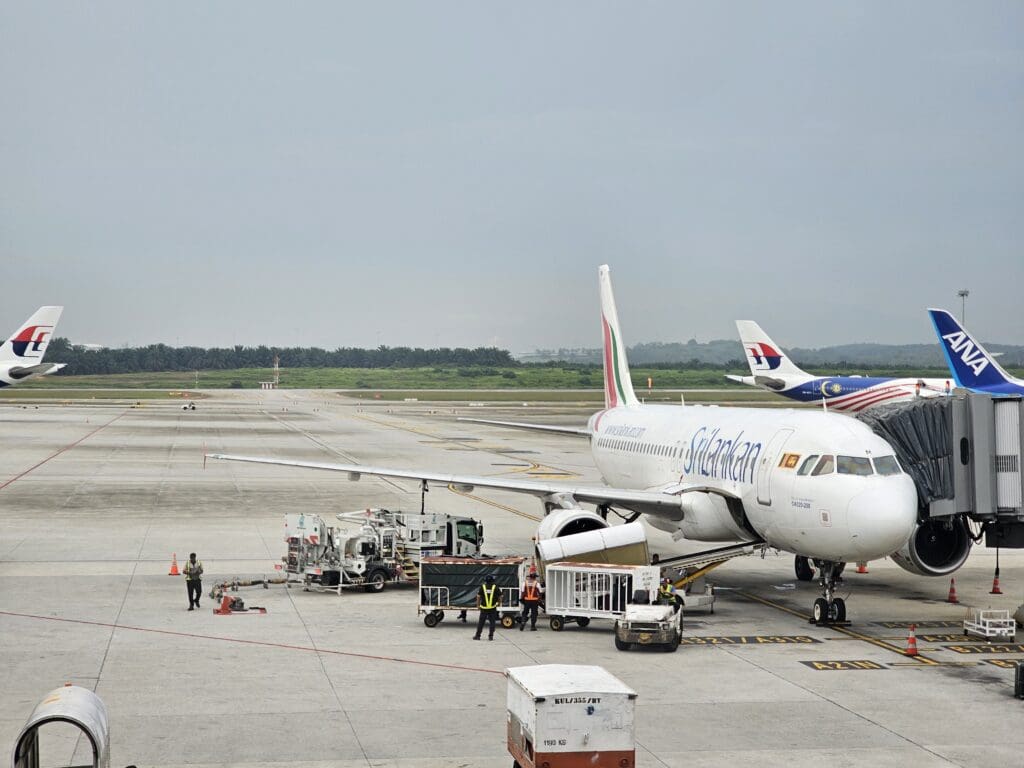
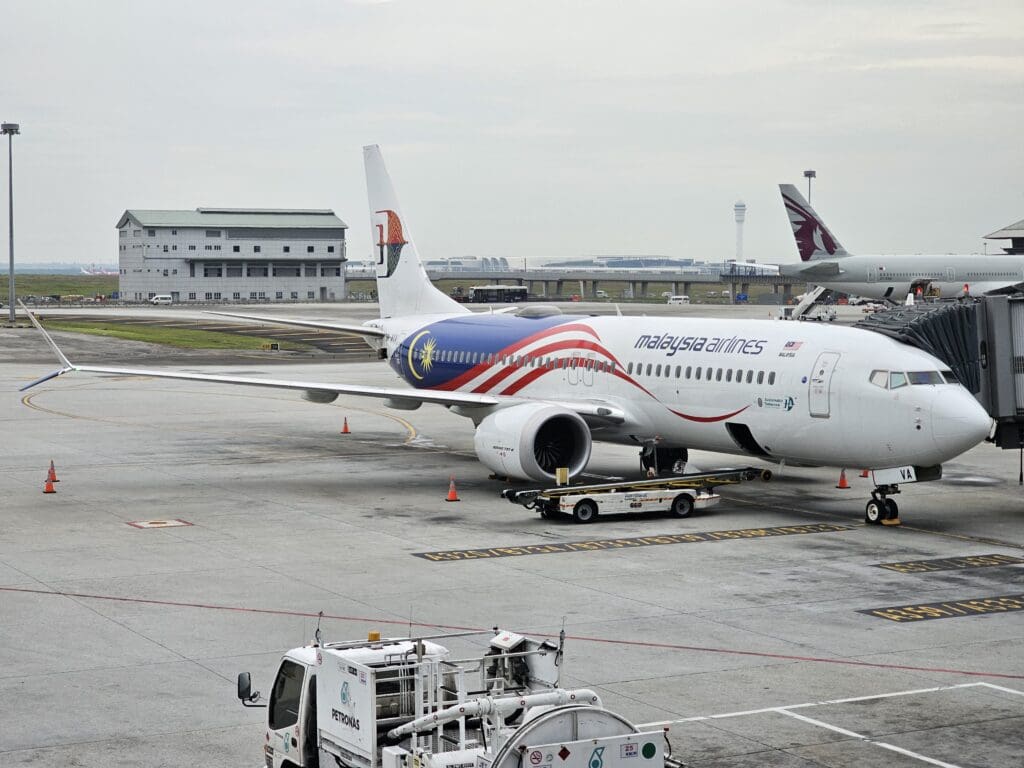
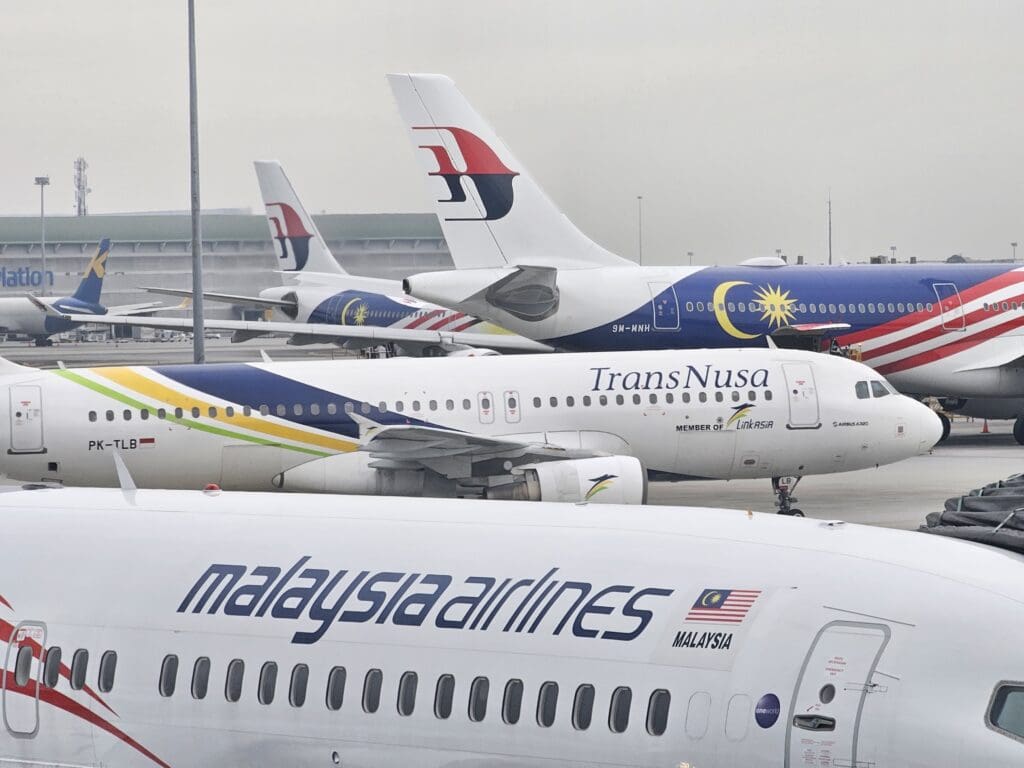
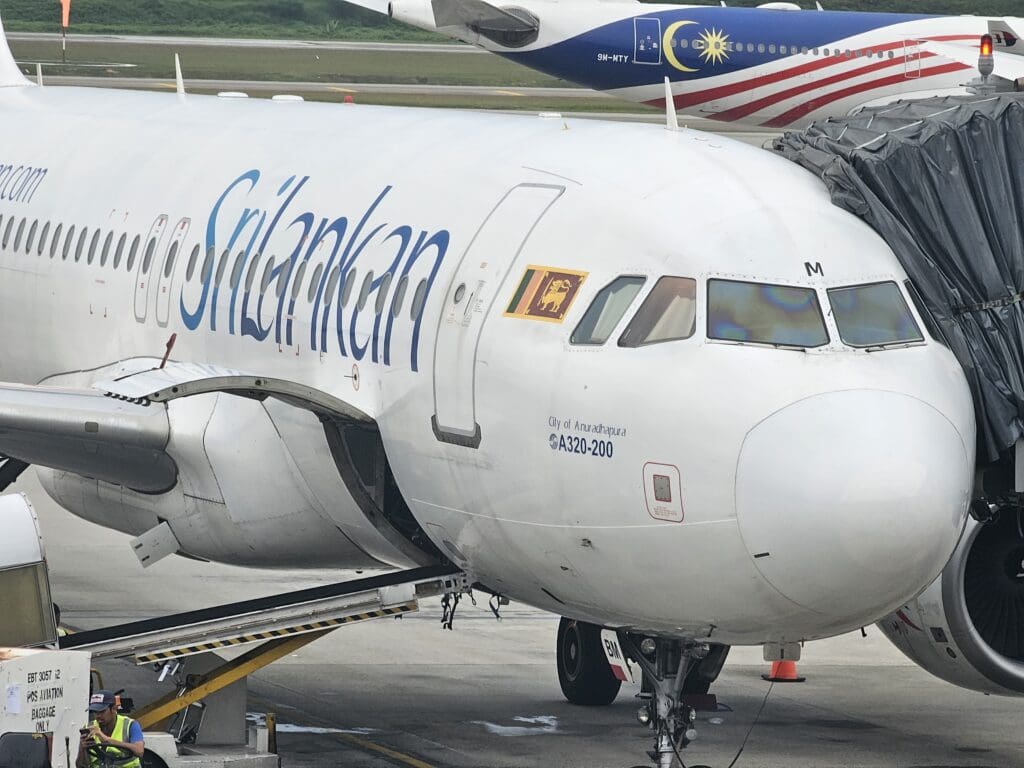
That day, my flight would depart from Gate C26, located at the end of one of the four piers. Once I had worn myself out, I sauntered down to this pier and soon arrived at the holding area where three long queues of passengers could be seen waiting to pass through the security checkpoint and enter this area. For a Boeing 777-300ER operated by a full-service carrier, my flight was scheduled to have a surprisingly short ground time of just 95 minutes in Kuala Lumpur. With this scheduled to arrive from Dubai at 0840 before heading off again at 1015. However, having departed Dubai almost fifty minutes behind schedule, I watched as the aircraft pulled into Stand C26 twenty minutes late, further narrowing the aircraft’s turnaround time.
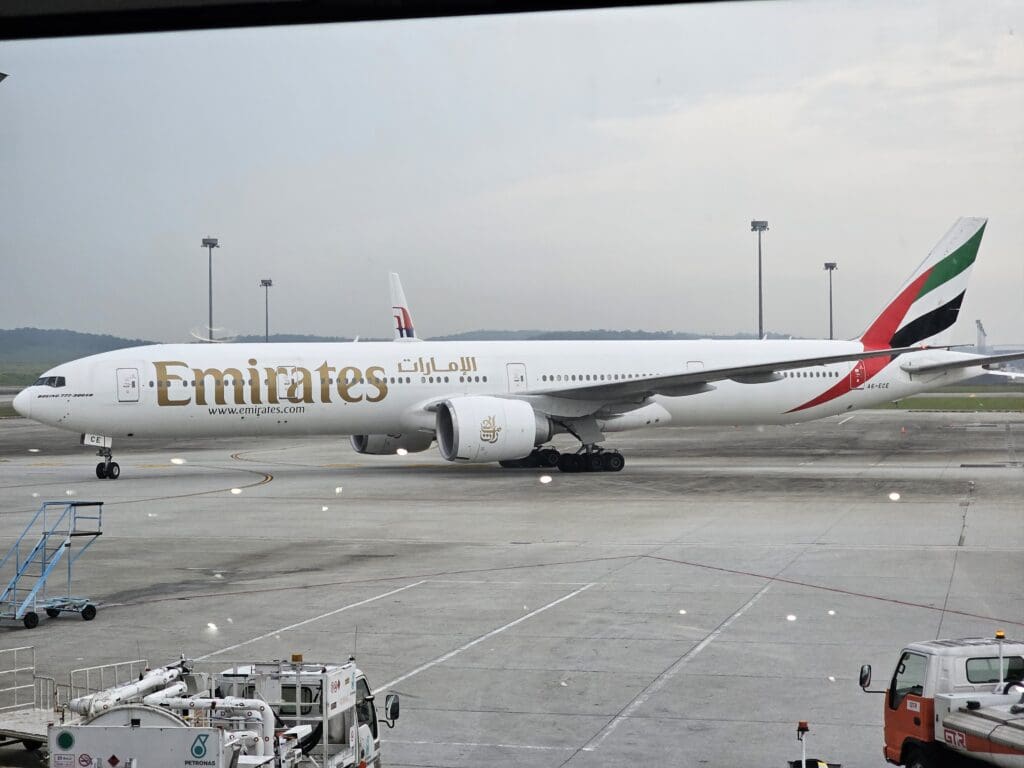
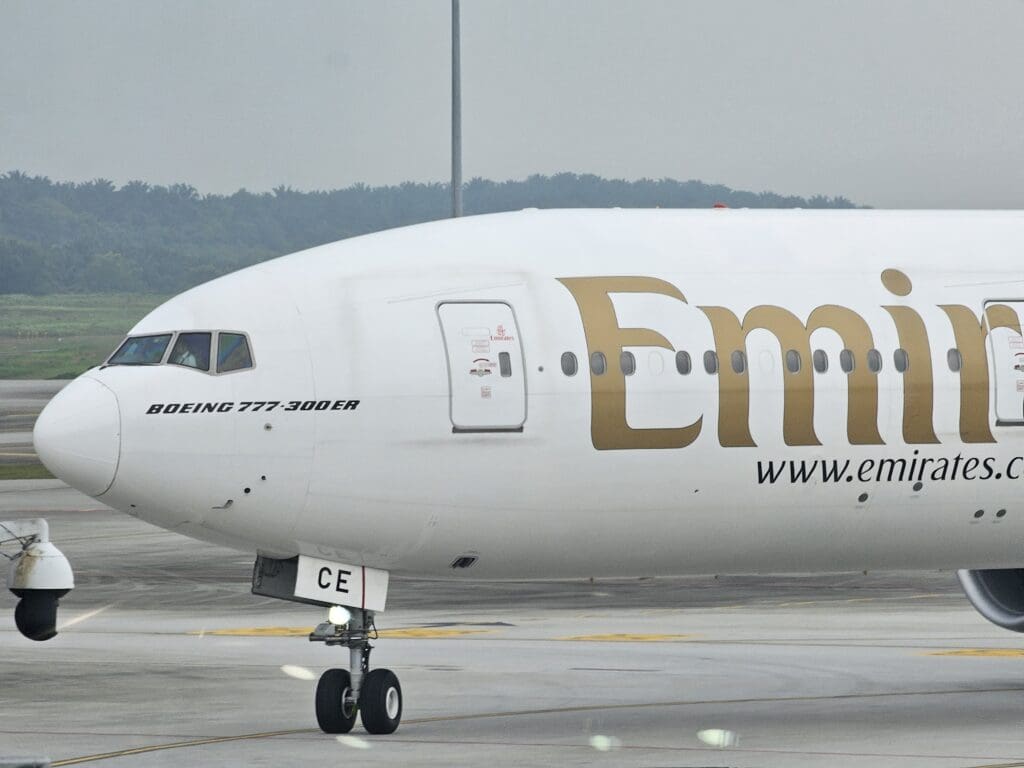
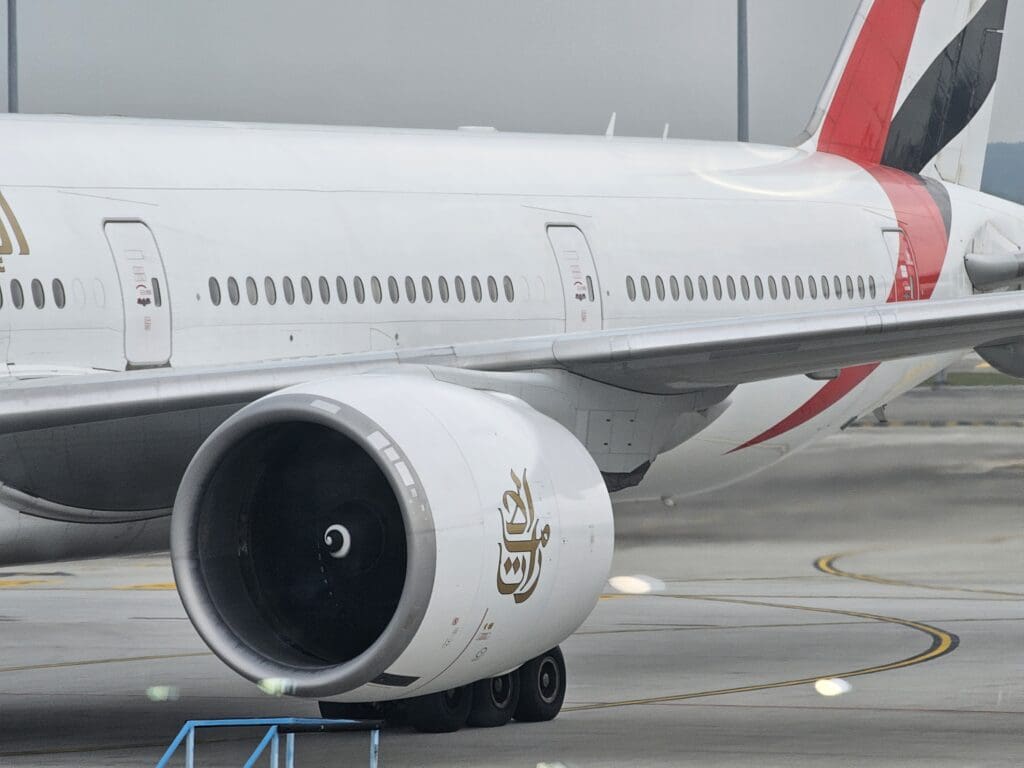
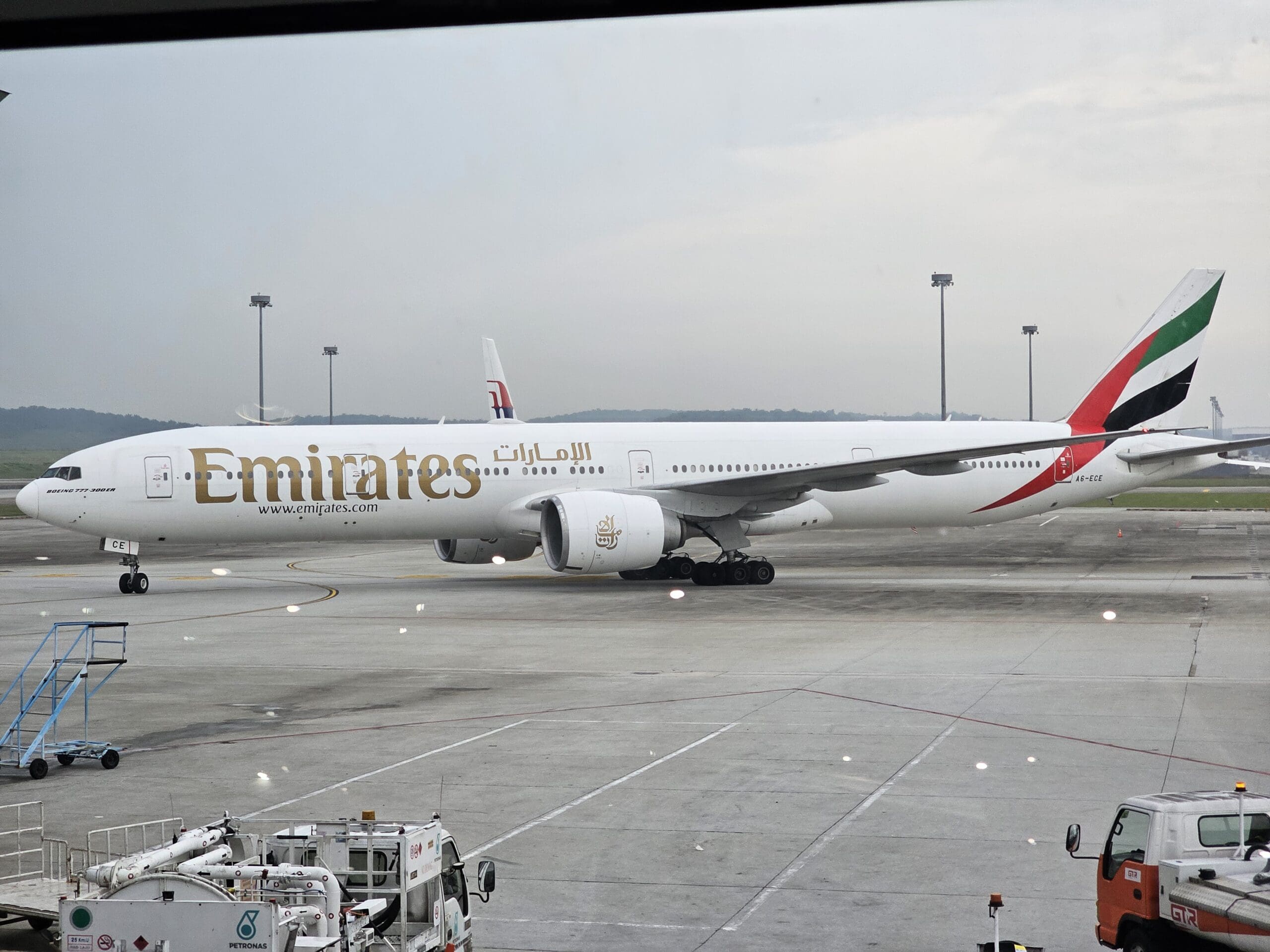
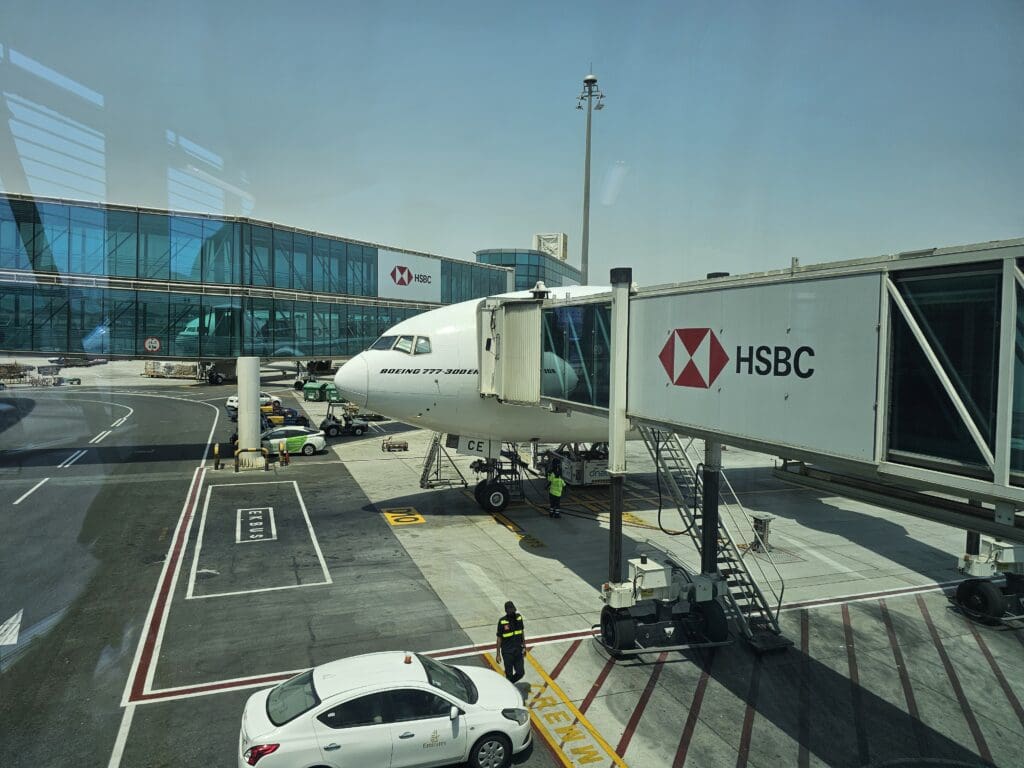
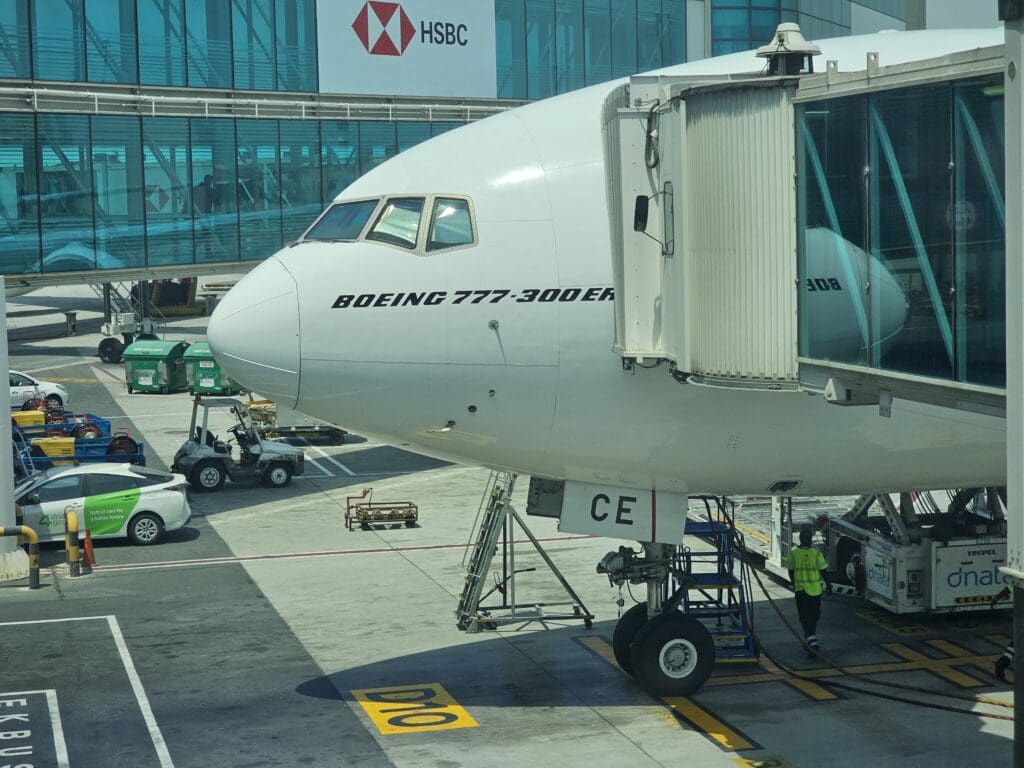
That day I would be flying onboard what was Emirates’ eleventh oldest aircraft, Boeing 777-31H(ER), A6-ECE. Assembled at Boeing’s Everett plant, this aircraft carries the line number 681 and first took to the skies in late November 2007, making it 17.6 years old at the time of my flight and well over Emirates’ average fleet age. In December 2007, the aircraft was ferried across the world to its new home in Dubai where it has remained ever since. According to the Aviation Herald, this aircraft has experienced one notable incident which occurred when smoke was reported in the cabin on a flight from Dubai to New York in 2011, this resulted in the aircraft making a prompt diversion to Stockholm Arlanda. Fortunately, the aircraft’s services in the week before my flight seem to have gone without a glitch, with this flying sixteen sectors and travelling at least 62,300 miles, connecting Dubai with Baghdad, Buenos Aires, Jeddah, Kuala Lumpur, Male, Orlando, Rio de Janeiro and Thiruvananthapuram. Emirates’ Boeing 777-300ERs come with a whopping total of six different configurations, with some being two-class and others being three-class and four-class. This particular jet is in a three-class configuration, complete with 8 First Class suites, 42 Business Class seats and 304 Economy seats, thus equating to a total of 354 seats.
That morning, according to both my boarding pass and Emirates’ app, boarding was to commence at 0910, a total of 65 minutes before departure. However, sceptical that it would take over an hour to board a Boeing 777-300ER, and, given the late arrival of the aircraft, I saw this as being rather unlikely. At around 0920, I decided to join one of the queues leading up to the security checkpoints. With these having significantly decreased in length since my earlier wander past the gate, it took no more than about two minutes to clear the checkpoint and I was pleased to find the staff there to be polite and friendly, thus leaving me with no complaints. Unfortunately, once through the checkpoint, I found this to be spartan and most certainly not somewhere where you would want to spend any great amount of time before boarding. Specifically, this hosted little other than a few charging points, with no toilets or other facilities available. By the time I arrived, vacant seats were a hot commodity, whilst a crowd of eager passengers could already be seen congregating around the gate podium, however, seeing as the cabin crew remained seated at the gate, I was certain that boarding would not commence on time!
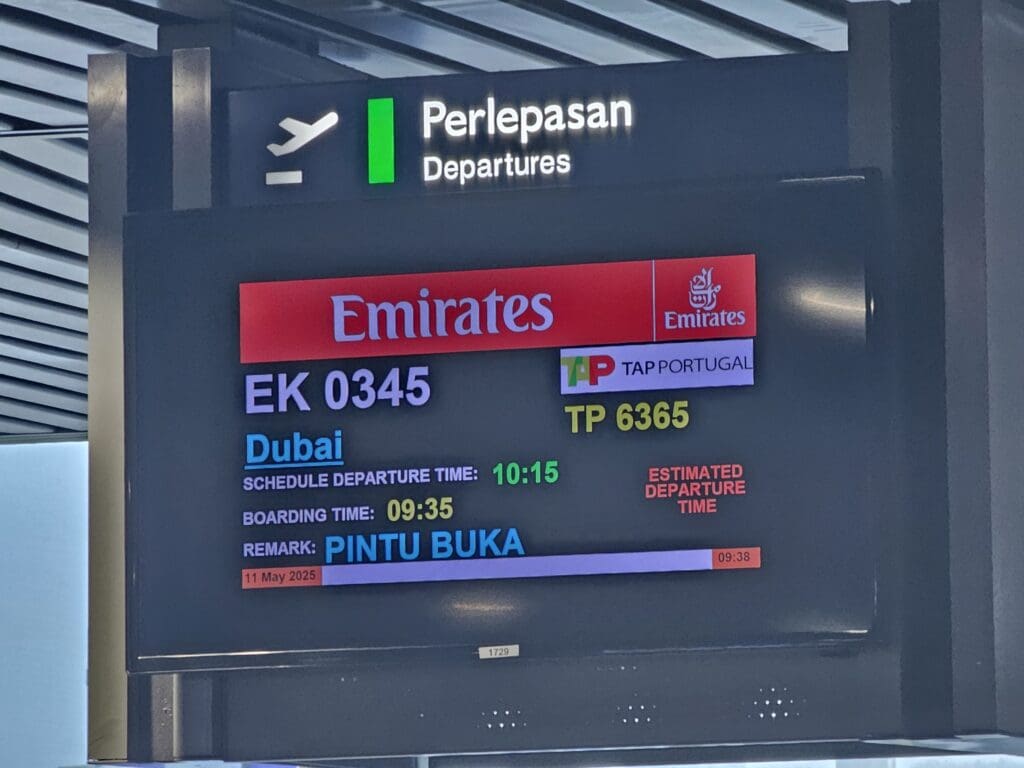
At 0930, the army of cabin crew all smartly dressed in Emirates’ distinctive uniforms made their way down to the aircraft, whilst inside, the gate area seemed to be almost full, indicating that it would be a busy flight to Dubai that morning. At 0950, one of the gate agents made an announcement advising that boarding would commence shortly and would be undertaken in accordance with the zones printed on passengers’ boarding passes. A short time later, those lucky passengers travelling in First and Business, elite members of Emirates’ Skywards frequent flyer programme and passengers travelling with children under three were invited to make their way onto the aircraft. Seeing as Emirates follows the usual back-to-front boarding order, and, travelling in the first few rows of Economy, I found myself in Zone F, and thus in the final cohort of passengers to board the aircraft.
Despite the gate agents’ best efforts, boarding ended up being a rather chaotic affair thanks to the high number of passengers who attempted to board out of sequence. However, credit ought to be given to the gate agents who policed this and rejected those who did so, although, many such passengers then congregated around the gate area making it more difficult for other passengers to board! Around fifteen minutes after boarding commenced, those in Zone F were invited to board the aircraft, and, wasting no time, I had my boarding pass briefly checked before I made my way down the second glass jetbridge towards the waiting Boeing 777, soon encountering a queue as I neared the Boeing’s L2 door.
After a few minutes of waiting on the jetbridge, I stepped into the galley that separates the smaller from the larger of the Boeing’s two Business cabins. There, I received a friendly welcome from one of the two smartly dressed flight attendants who had been tasked with welcoming passengers and checking boarding passes, and once mine had been checked, I was directed down the second aisle. Once I had safely squeezed through the galley, taking care not to bump into one of the flight attendants who was busy pouring welcome drinks for those lucky enough to sit in the forward sections of the aircraft, I turned right and entered the larger of the Boeing 777’s two Business cabins.
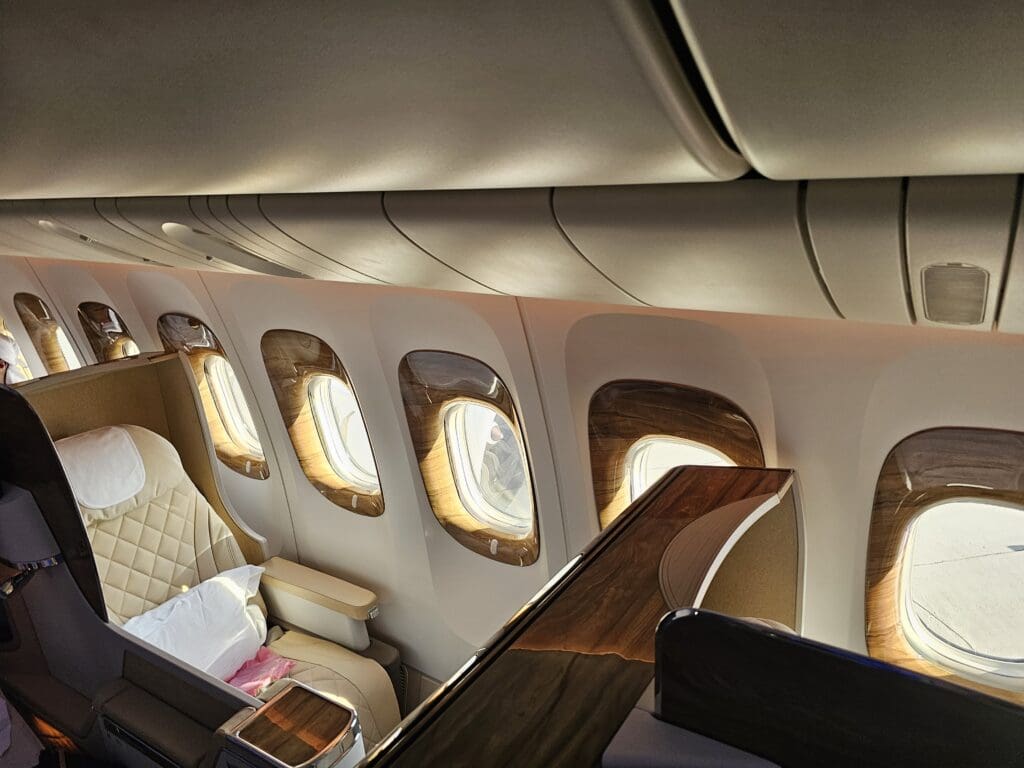
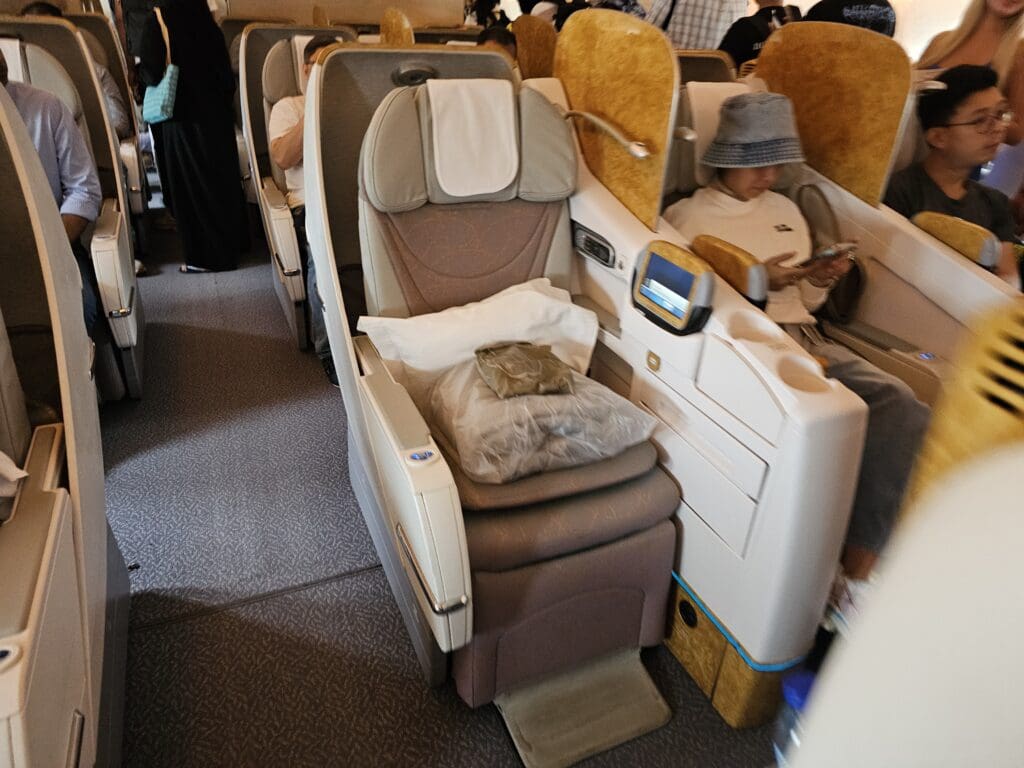
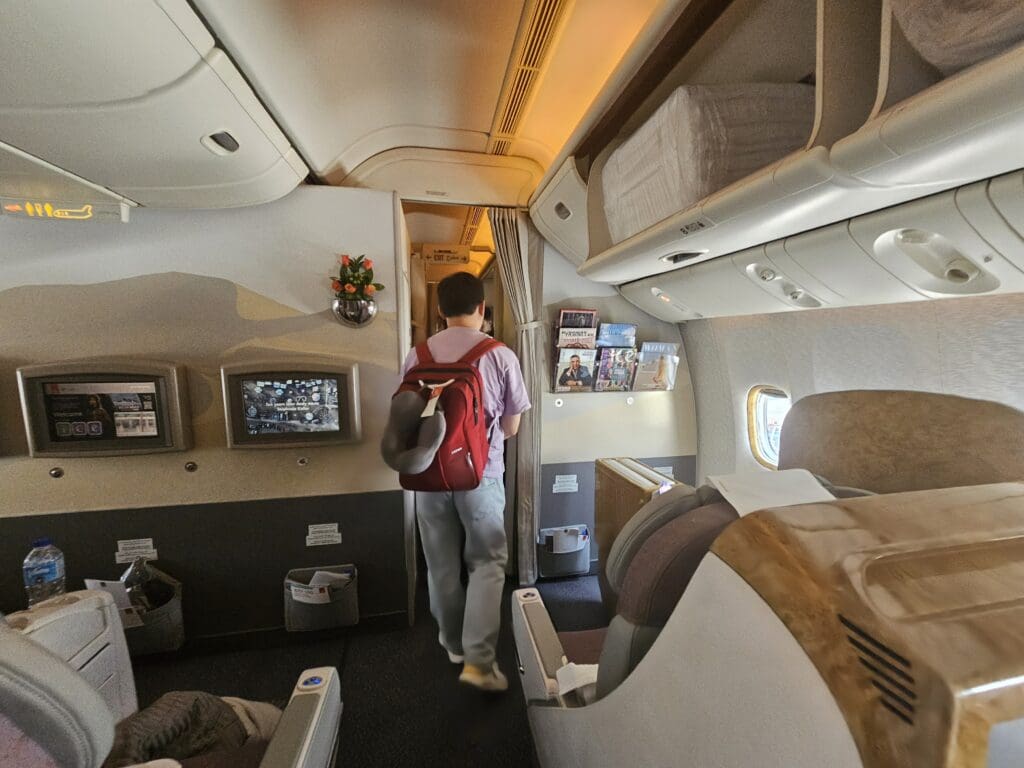
Despite Emirates’ fairly good reputation, as I wandered through the Business cabin I could not help but notice that the seats were a little old and dated and lacked the same levels of privacy as those on many other major carriers. These were arranged in a 2-3-2 configuration, a layout that some may argue is more akin to a premium economy cabin and a far cry from the private suites of many of Emirates’ competitors. That said, I would not have complained about sitting in this cabin for the ride over to Dubai.
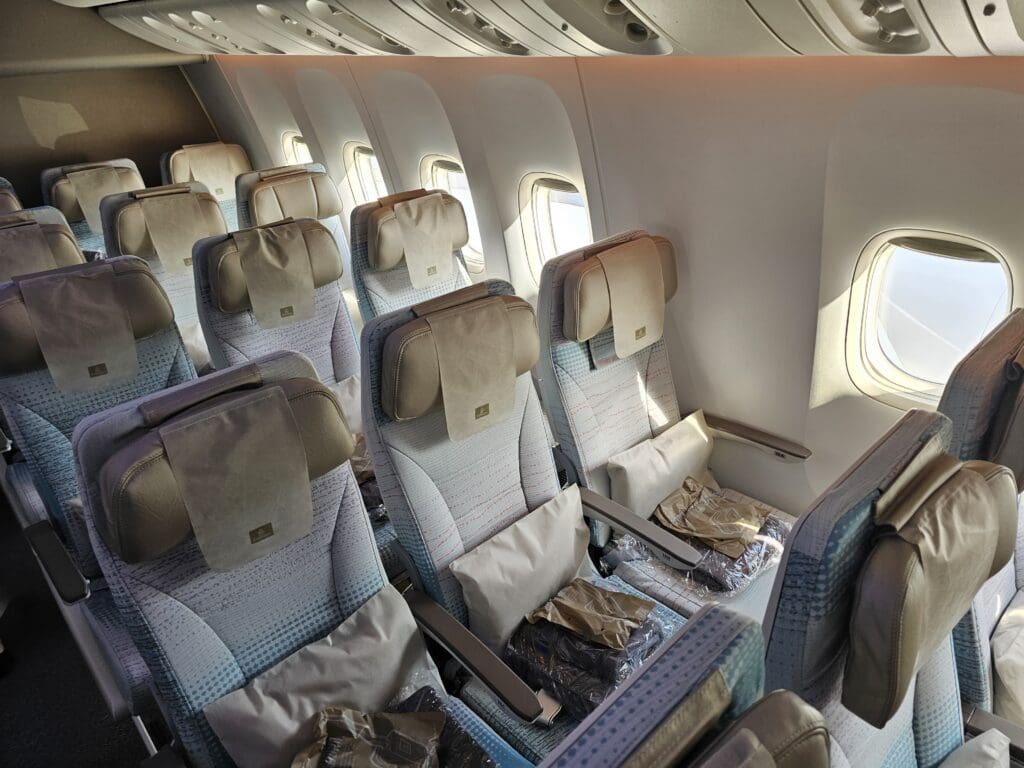
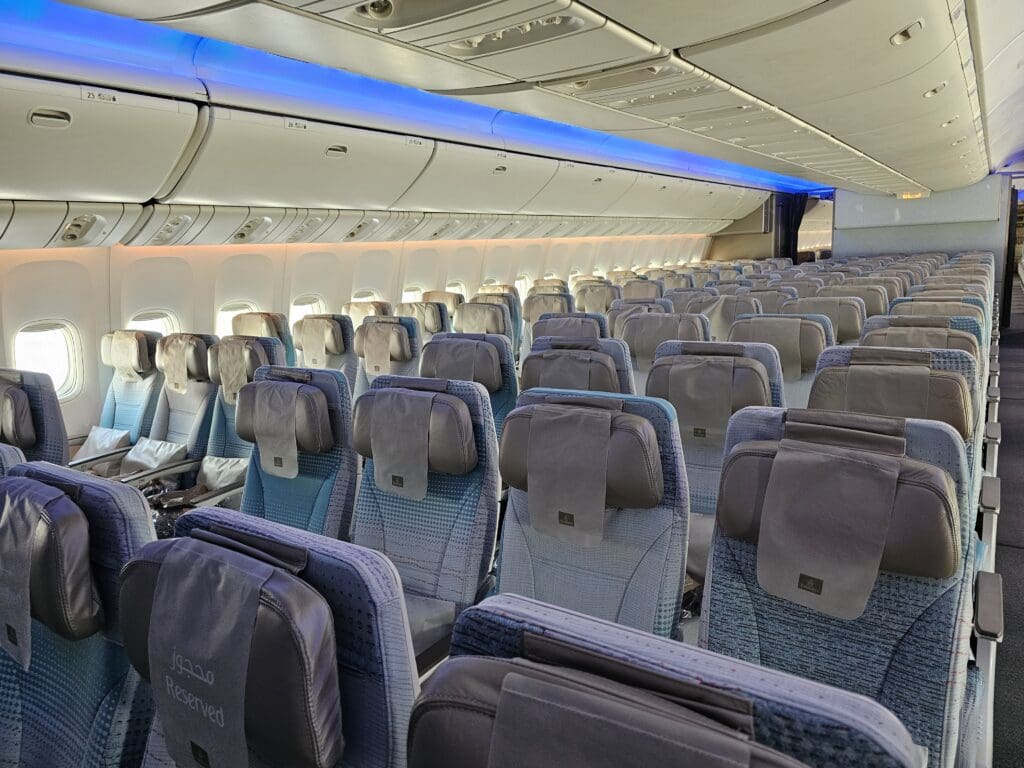
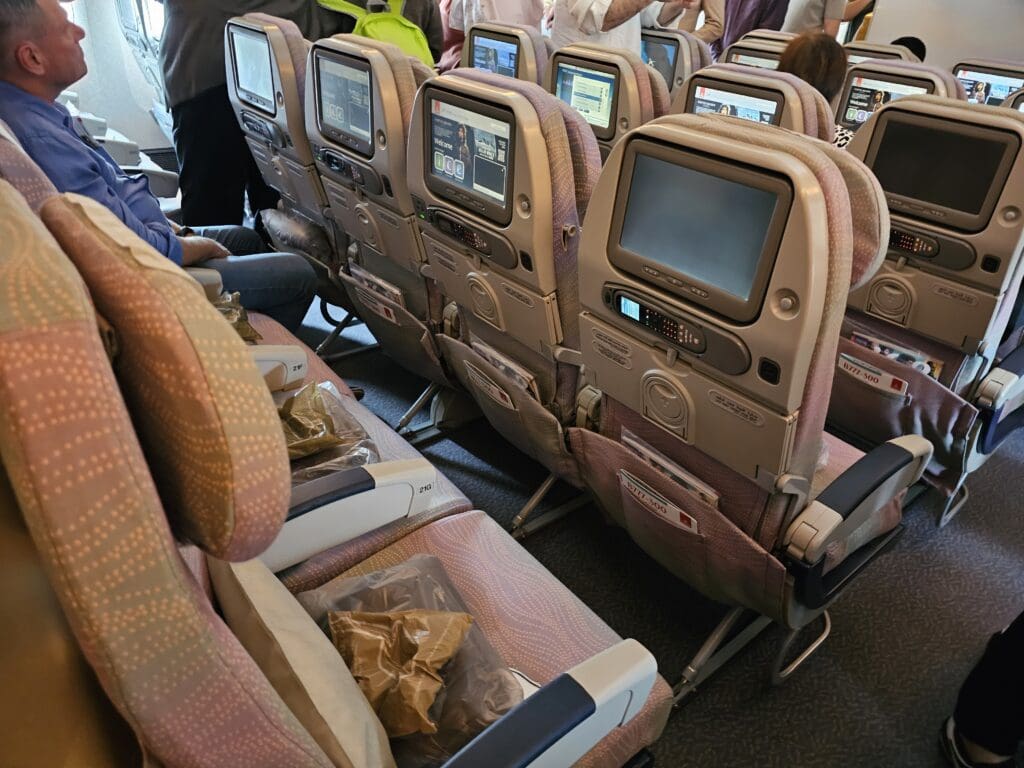
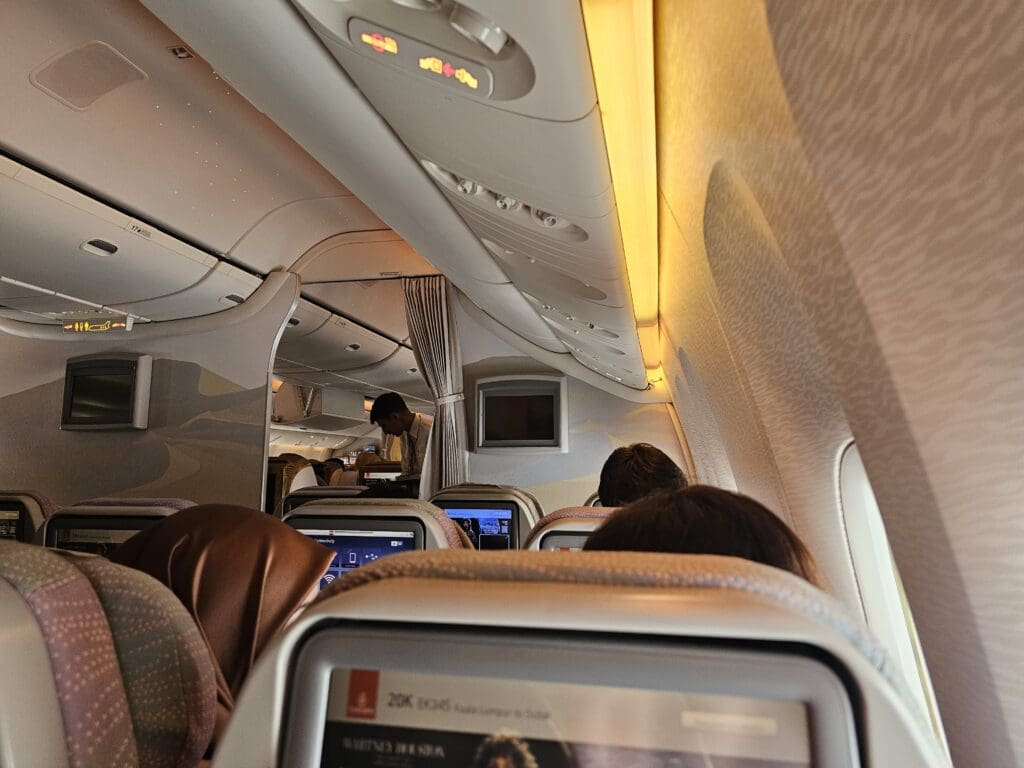
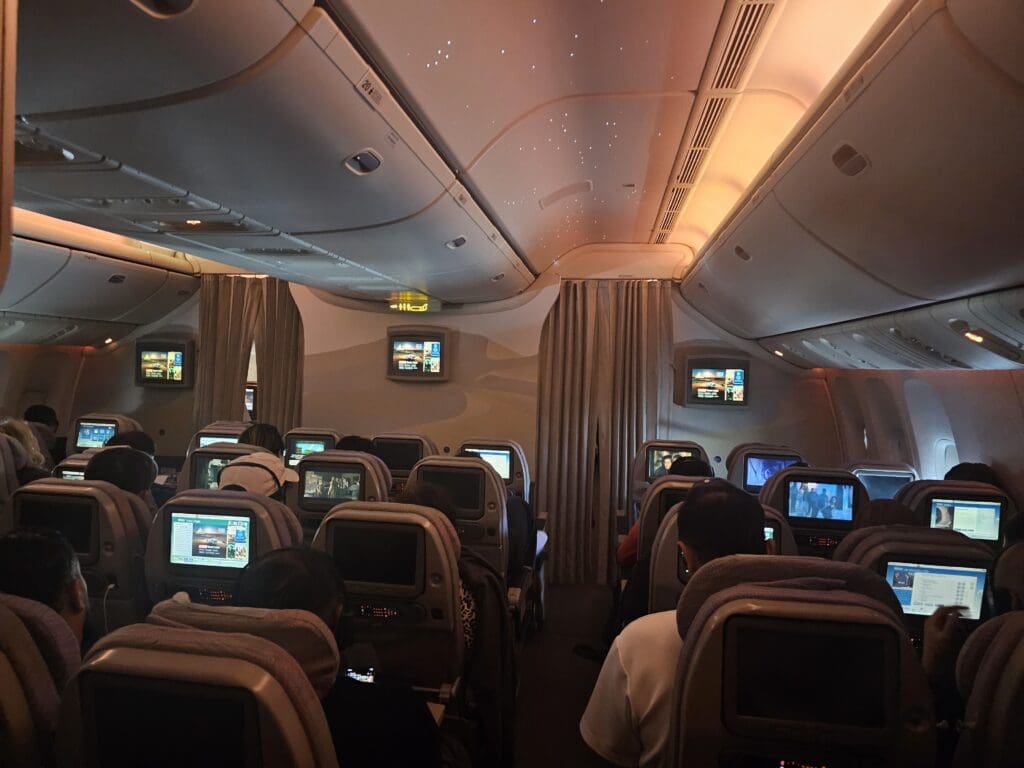
Soon making it through the Boeing’s rear Business Class cabin, with no Premium Economy section, I immediately reached the smallest of the aircraft’s three Economy cabins and the place that I would call home for the next seven hours or so. This section consists of just five rows of seats, which, despite Emirates’ luxurious persona, are arranged in the more squeezed ten-abreast 3-4-3 configuration as opposed to a nine-abreast layout. Despite this, upon first glance, each seat appeared to be reasonably large and chunky and was topped with an adjustable headrest that was partially covered by a disposable fabric antimacassar featuring Emirates’ logo. These were covered in Emirates’ standard fabric cover, which is subtly pink or purple and is adorned with a pattern of waves that is made up of repeating dots. Meanwhile, reminding passengers of Emirates’ home, subtle depictions of sand dunes can be seen on the bulkheads and cabin dividers.
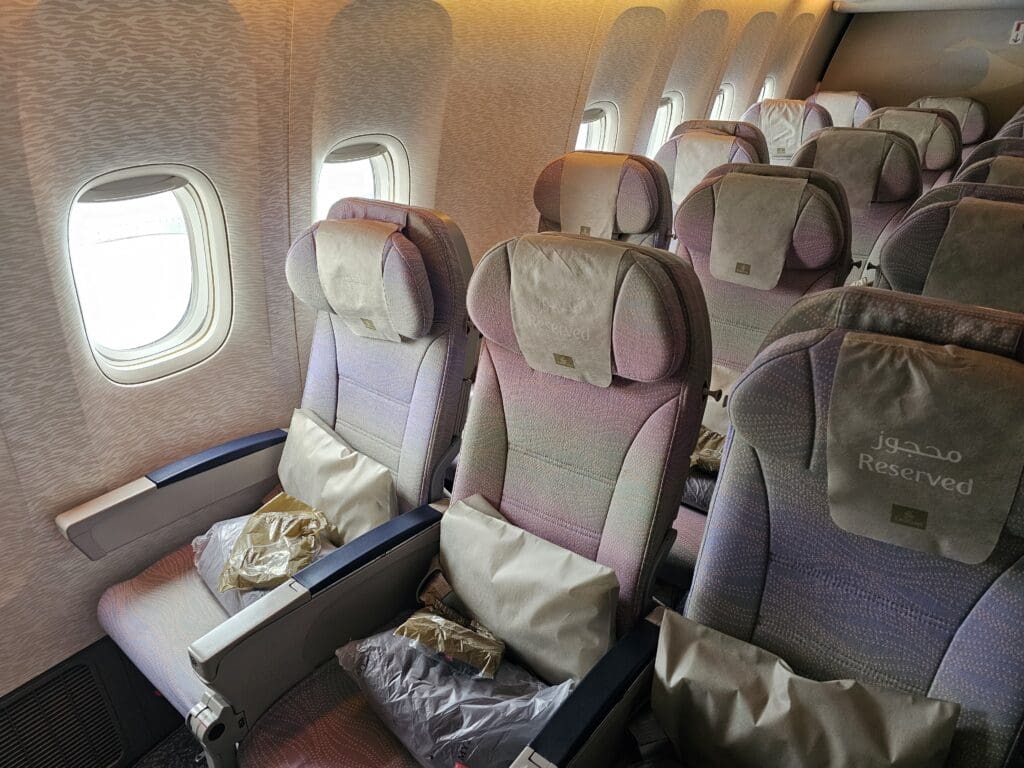

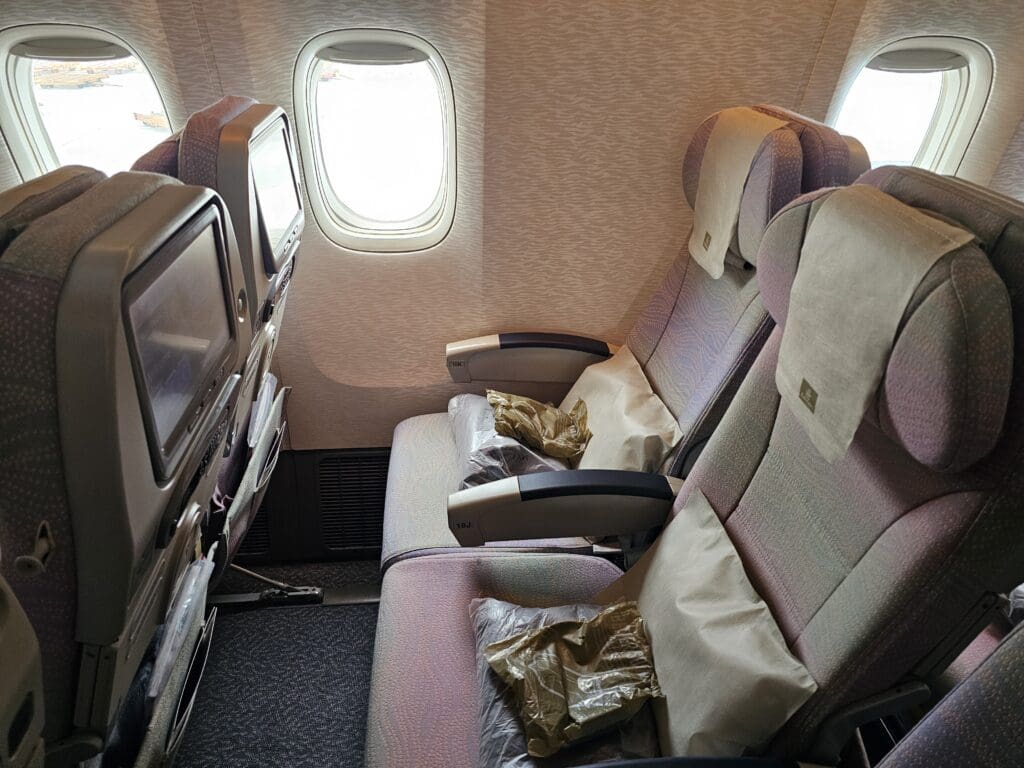
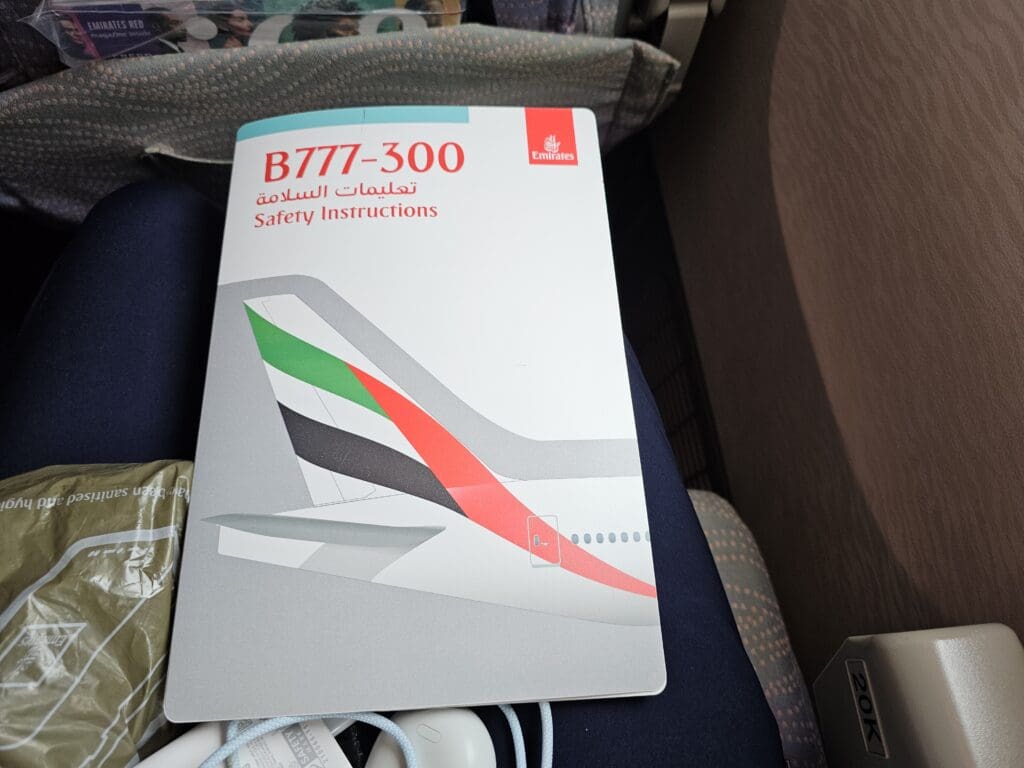
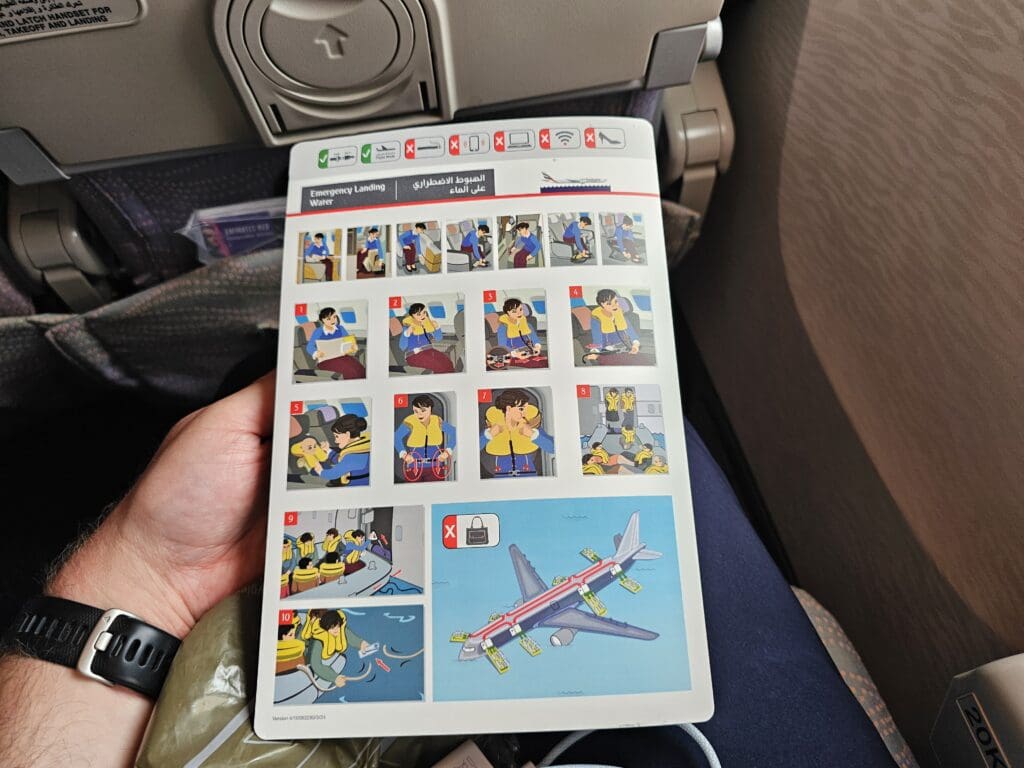
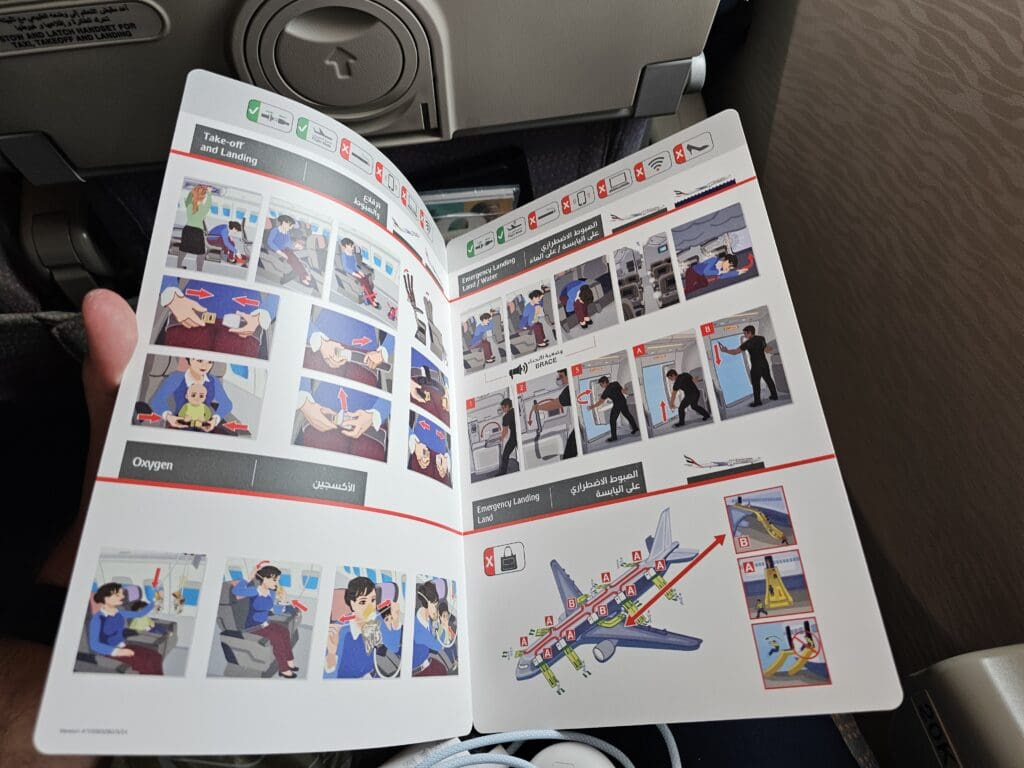
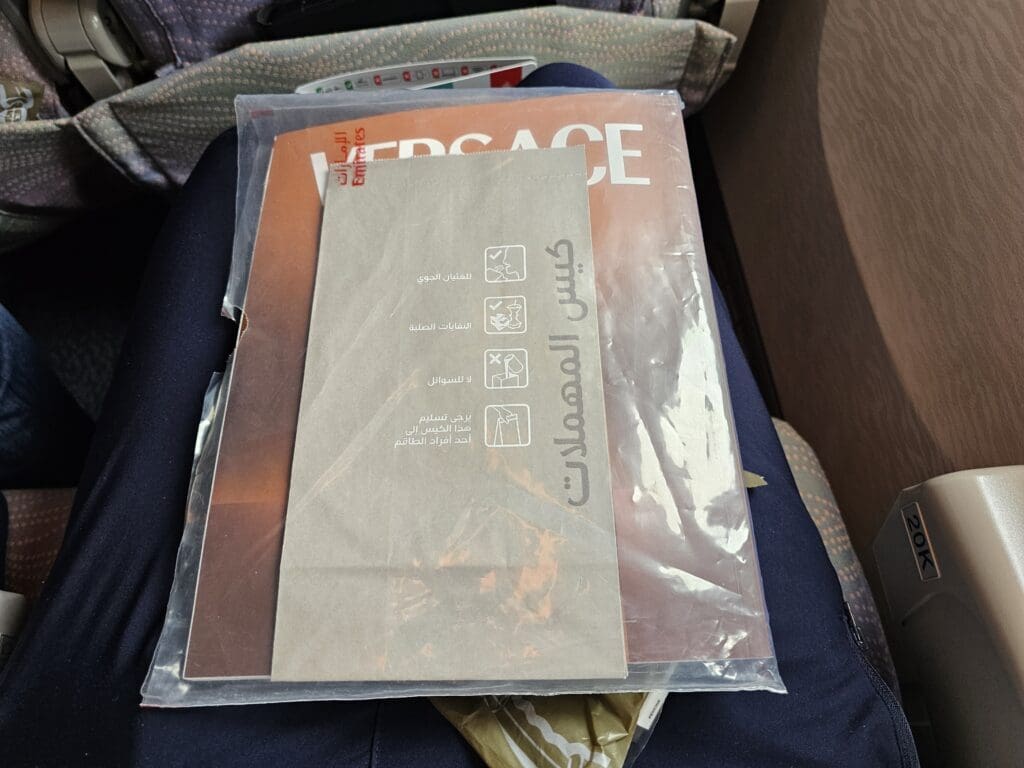
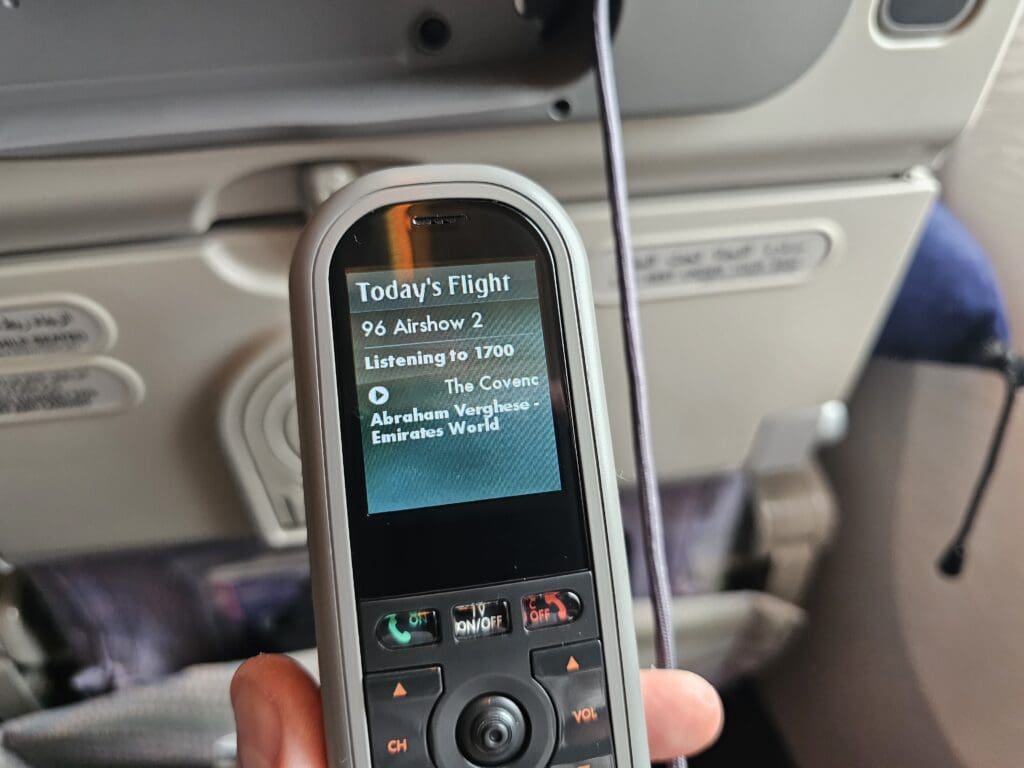
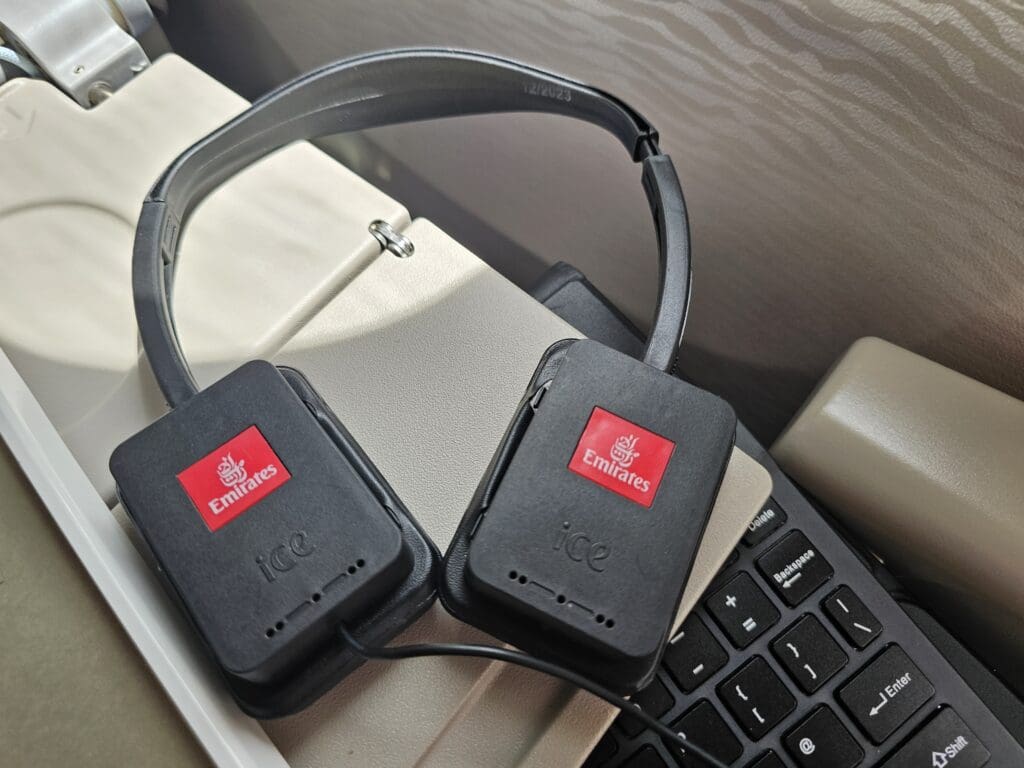
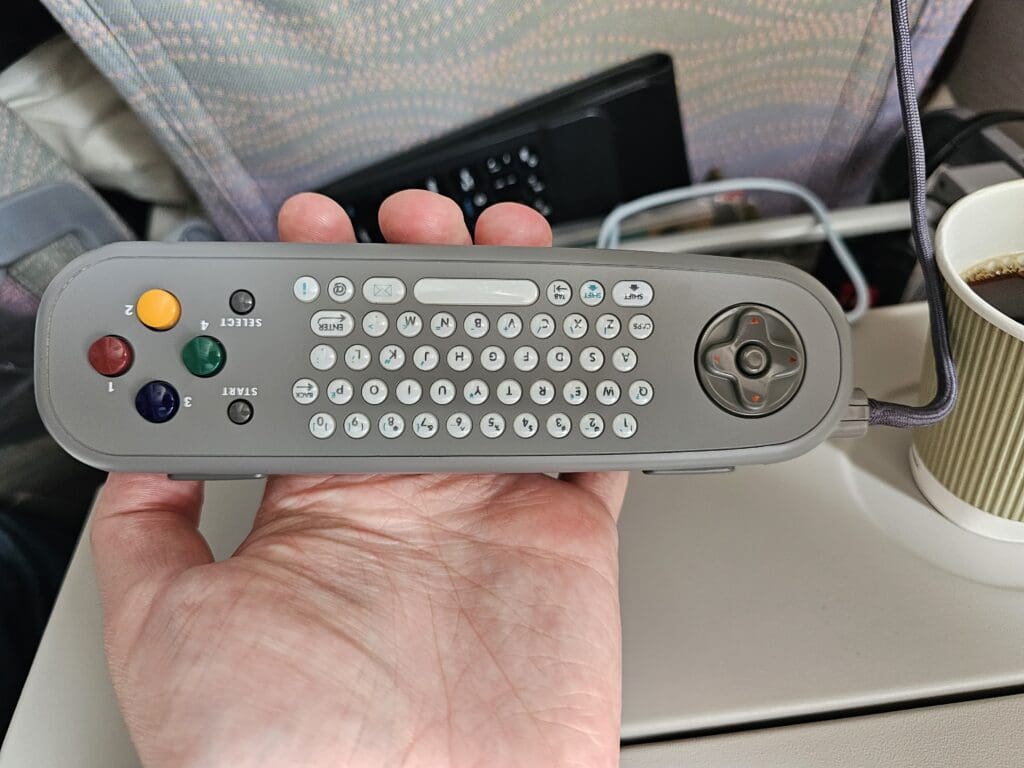
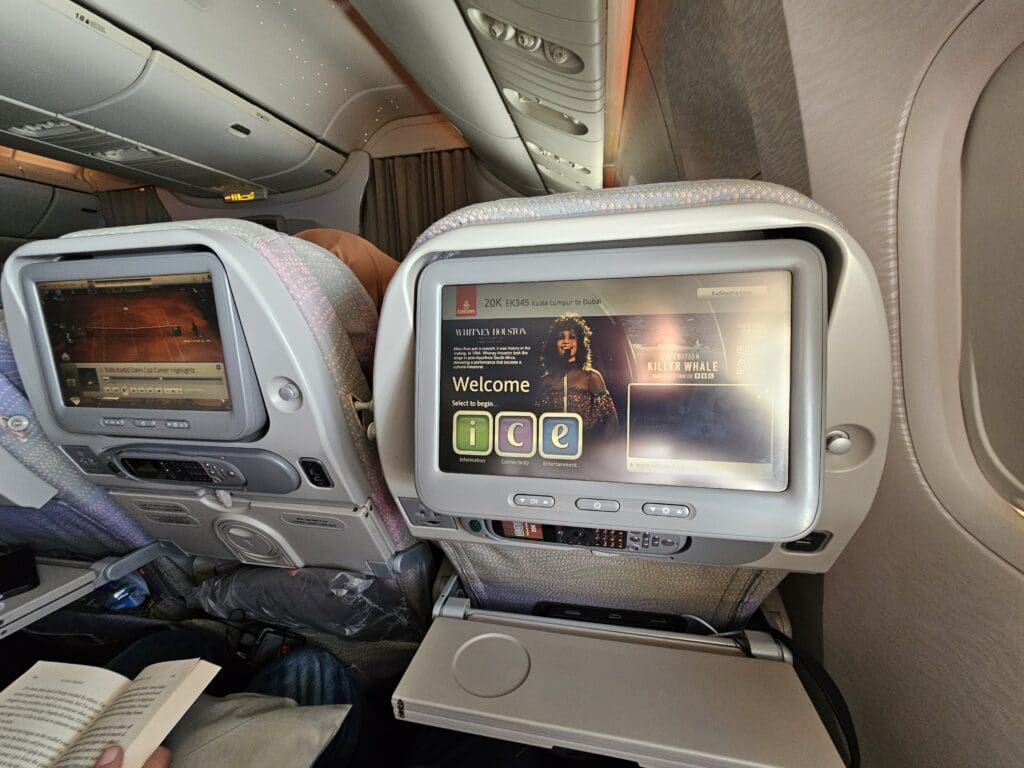
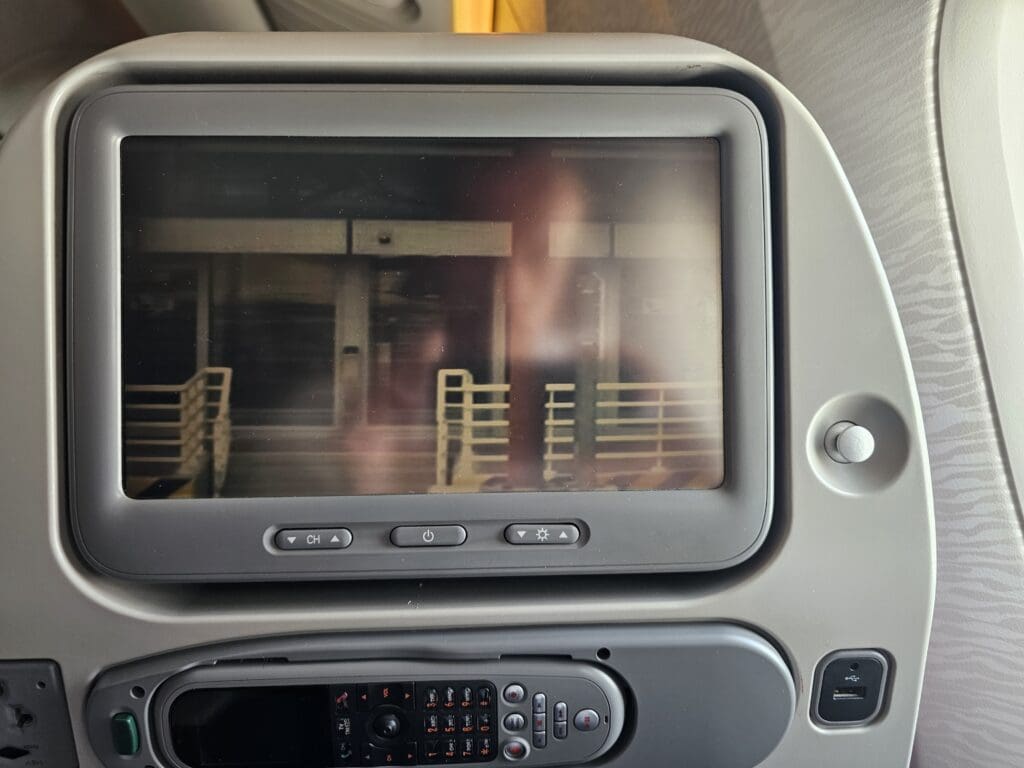
As one would expect from a widebody aircraft, each seat came complete with a slightly dated personal inflight entertainment screen, beneath which sat a chunky old-school remote control, a USB-A port and a (somewhat) universal power outlet (with this sadly lacking the ability to take UK-type plug). Meanwhile, each seat featured a seatback pocket containing a plastic wallet containing the ICE inflight entertainment guide and a sick bag, whilst the safety card enjoyed its own pocket. Finally, upon boarding, a pillow, blanket and a set of reasonable quality headphones could be found on each seat.
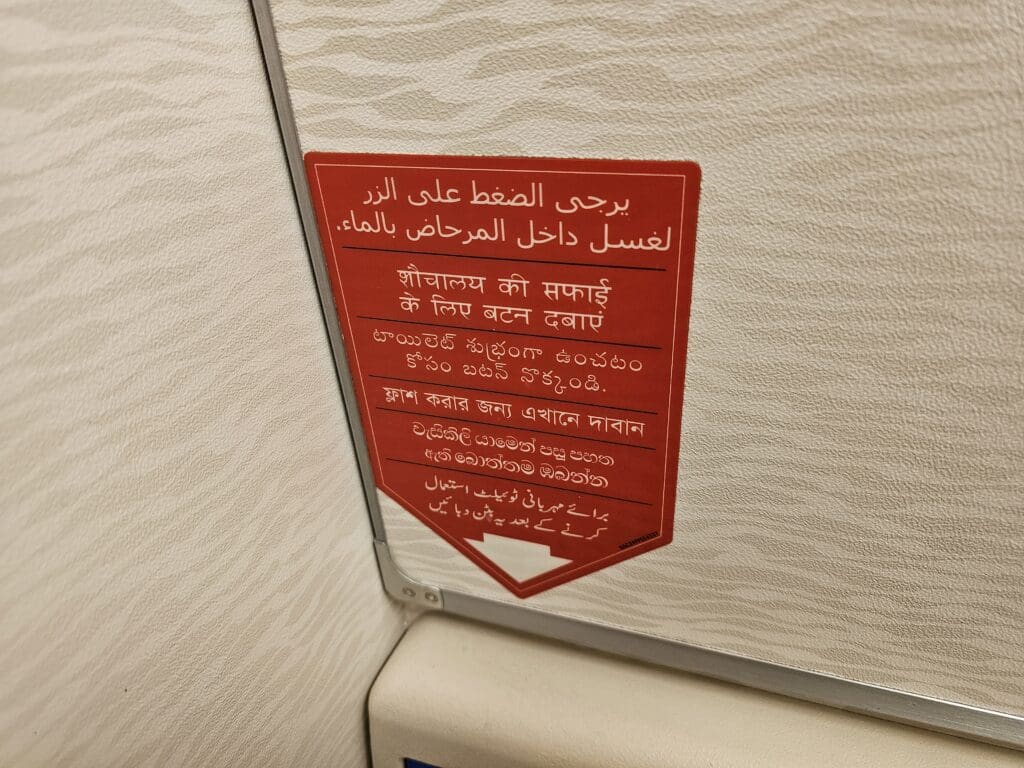
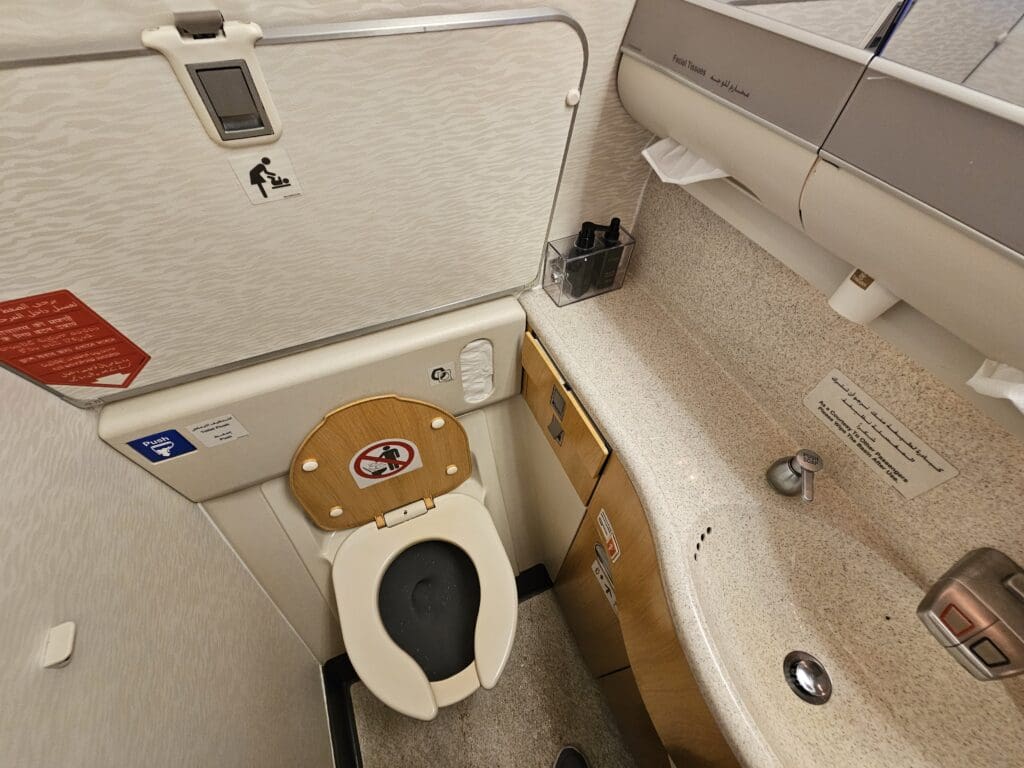
Soon making it to my seat, once I had decanted the items that I would need for the ride to Dubai, I stowed my backpack in the overhead locker. Seeing as I would likely be trapped in, I decided to make a pre-flight visit to one of the lavatories between the two forwardmost Economy cabins. Opening this up, I found this to be clean and tidy, and somewhat unique in its aesthetic thanks to its faux wooden panelling. Meanwhile, this was stocked with more than just the basics, featuring hand and body lotion and eau de toilette, provided by cosmetics brand The White Company.

By the time I had returned to my seat, I had already been joined by two seatmates, one of whom hailed from Malaysia and the other from Bahrain. Once they had allowed me back in, I sat down, strapped myself in and settled in for the ride to Dubai. Starting with the positives, I found that the seat’s chunky appearance was not deceiving, with this being soft and well-padded, whilst also offering a reasonable amount of space for a long haul seat – although this was most certainly not the most spacious Economy seat that I have ever come across. Importantly, this was clean and in good condition, with nothing more than very minor marks and scratches visible in the area around this. Moving to the slight negatives, the inflight entertainment screen and its controller were unquestionably dated, having undergone no upgrades since the aircraft was delivered to Emirates over seventeen years ago. Whilst this would have been a fantastic product in 2007, it was most certainly time for an upgrade. However, to Emirates’ credit, they do include a caveat on their website noting the onboard products vary between aircraft, and indeed I recognise that many Emirates Boeing 777s feature a more modern seat.
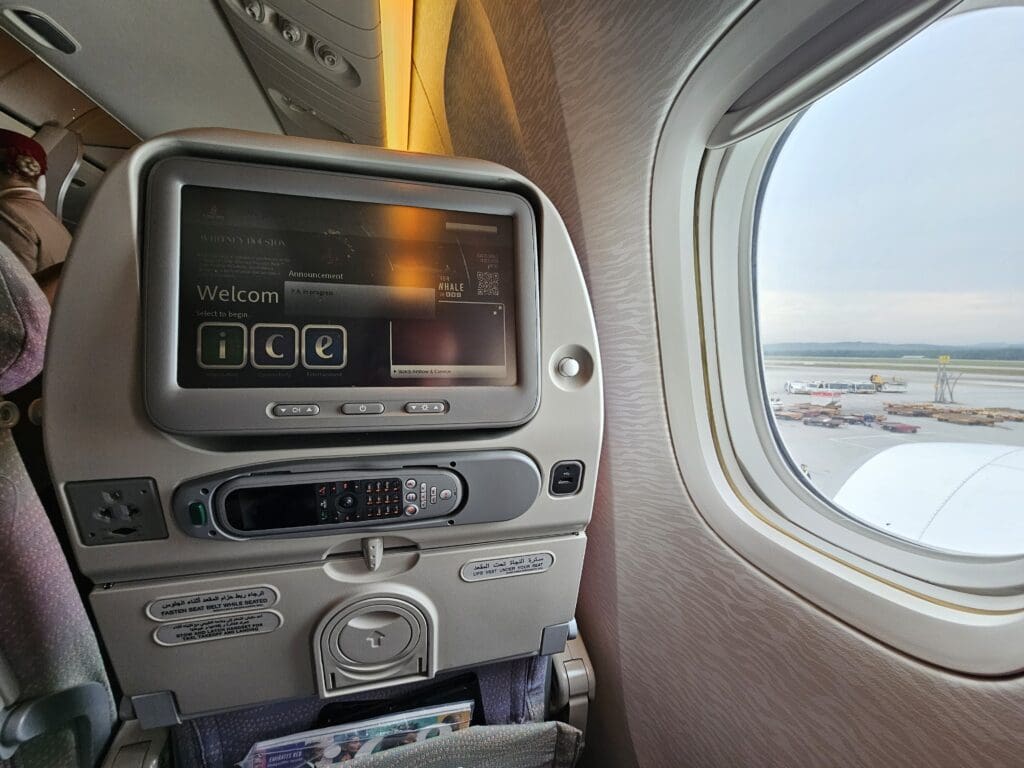
Seeing as I had been in the final cohort of passengers to board, it wasn’t long before the final passengers filtered onto the aircraft and as they did so, the Captain performed a welcome announcement. Whilst based in Dubai, presumably being local to Malaysia, this was undertaken in English and Malay, and consisted of a polite and friendly welcome, a word of thanks for flying with Emirates, before encouraging passengers to keep their seatbelts fastened inflight, even though this would likely be smooth for the duration. As is often the case when flying in the Middle East with non-Arabic speaking pilots, this announcement was then repeated in Arabic by one of the flight attendants. Soon, all passengers had boarded the aircraft, and as far as I could tell, the flight seemed to be entirely full. Looking around, many of my fellow passengers seemed to hail from Malaysia, in addition to large cohorts of passengers from Indonesia and across the Middle East, with fewer passengers from elsewhere. Once boarding had been confirmed as complete, the pop music that had accompanied boarding came to an end and the Purser performed their welcome announcement which consisted of the usual welcomes, thanks and warnings, and included a mention that the crew hailed from thirteen different countries and could speak sixteen different languages, with this then being repeated in Arabic by another flight attendant. Whilst the crew seemed to be an international bunch, many appeared to hail from Eastern Europe and South Asia.
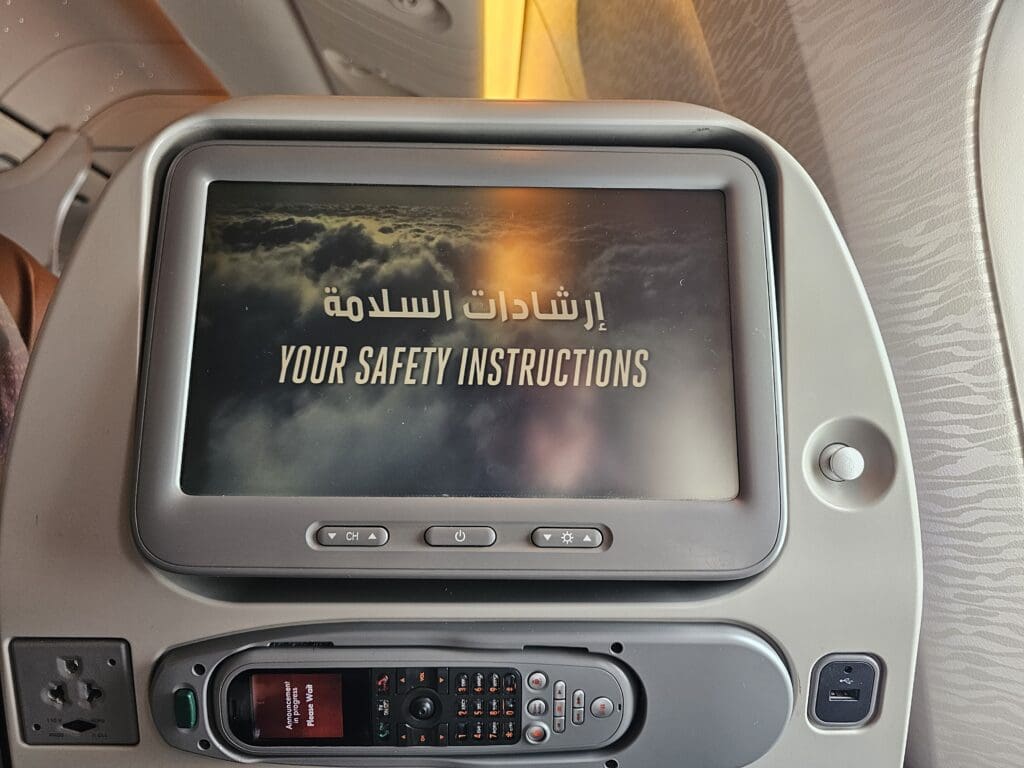
A few minutes after the Purser’s welcome had come to an end, the inflight entertainment screens temporarily became unusual as Emirates’ long ‘No-Nonsense’ safety video, which, unlike those of many other airlines lacks any gimmicks and simply goes through the all-important safety information. Lasting around four minutes, this was broadcast first in Arabic and then again in English. Interestingly, unlike several other carriers in the region, this was not preceded or followed by any sort of prayer. Once this had finished, I made use of the aircraft’s external cameras which could be accessed via the inflight entertainment system and watched as the ground crew lingered around the tug, waiting for permission to commence pushback.
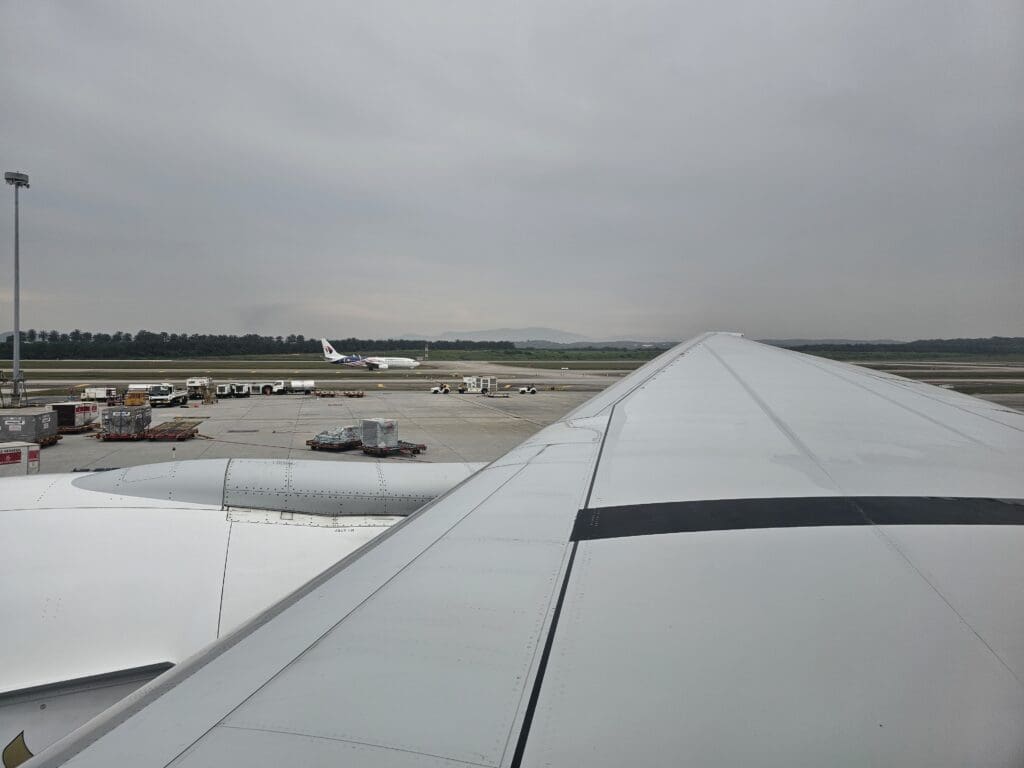
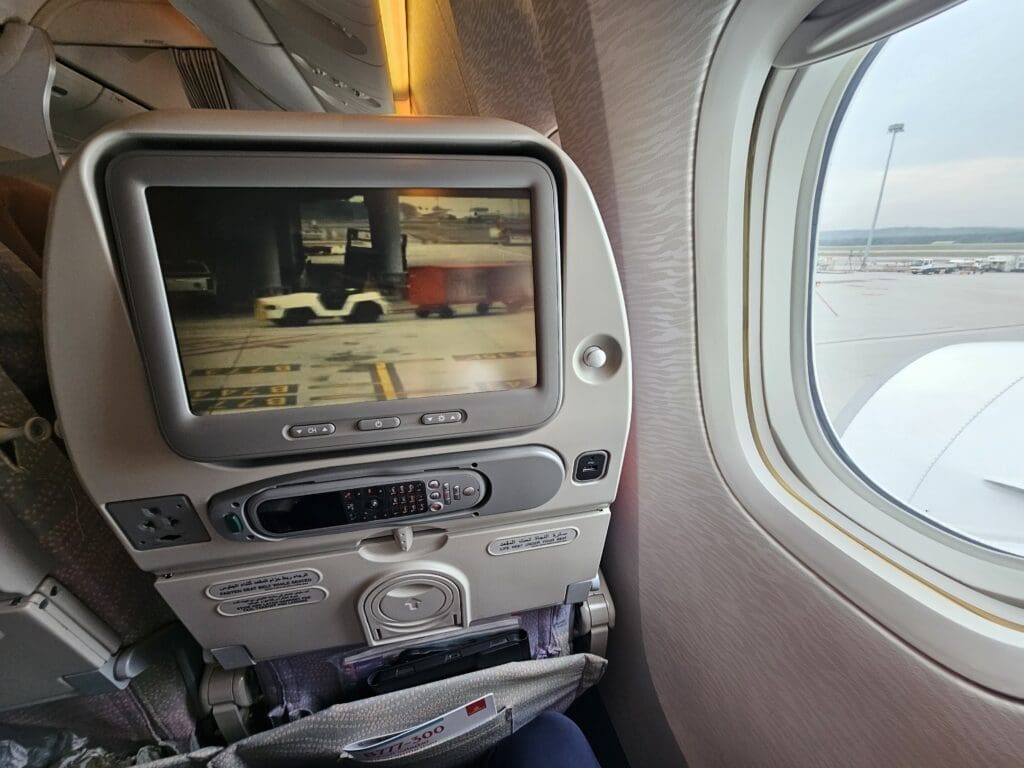
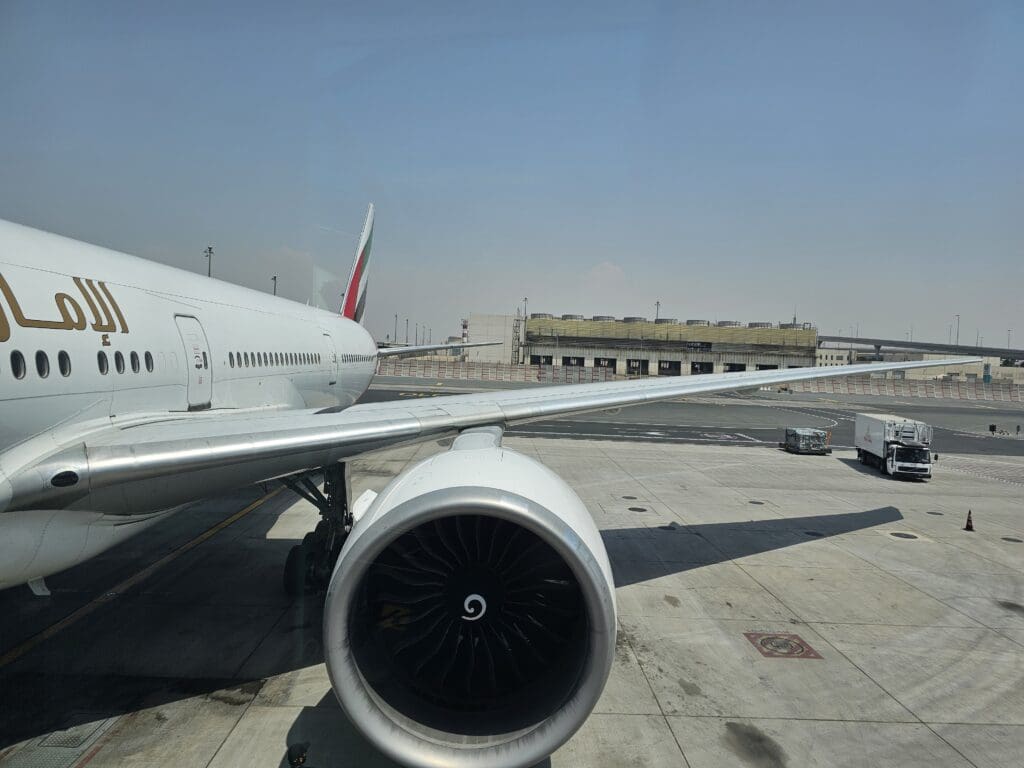
Despite the late arrival, delayed start to boarding and the seemingly mammoth task of turning a widebody jet around in a short space of time, our pushback commenced at 1038, a reasonable 23 minutes behind schedule. Travelling backwards slowly and cautiously, during this time a series of loud whirs and hums could be heard as the Boeing 777’s infamously massive General Electric GE90-115B engines, each capable of delivering 512 kN of thrust, spooled into life. Eventually, a loud whine could be heard as the flaps were partially extended in preparation for departure before the aircraft powered away from the satellite terminal. During this time, the crew passed through the cabin, taking their time to ensure that all was secure and in position for departure.
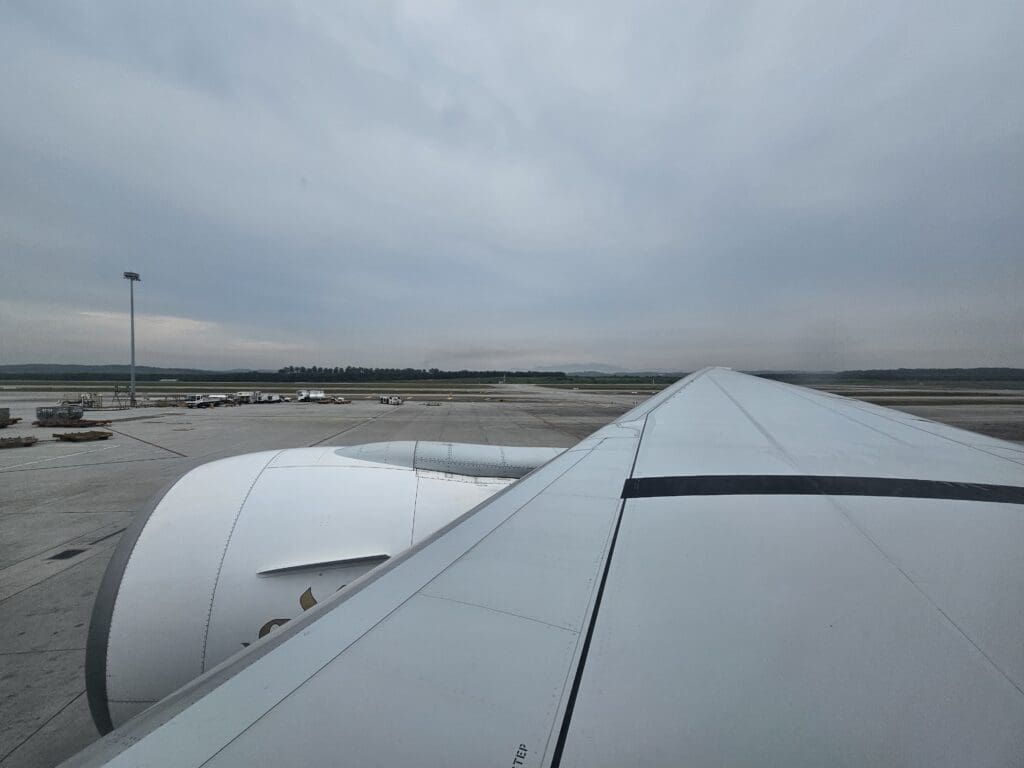
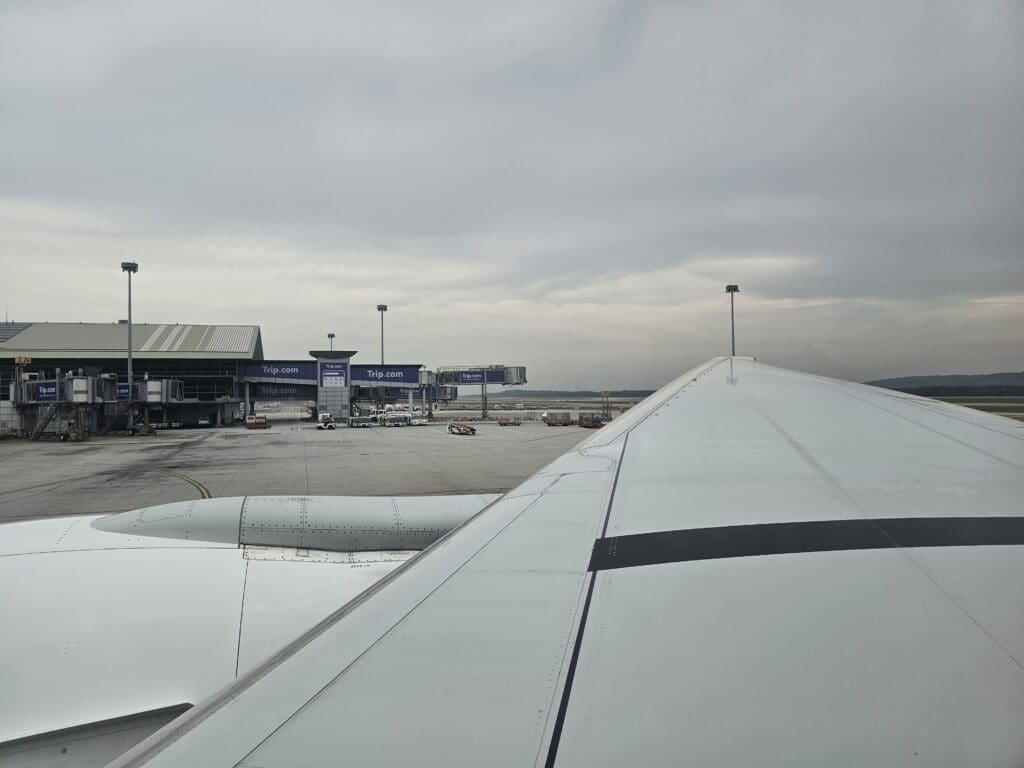
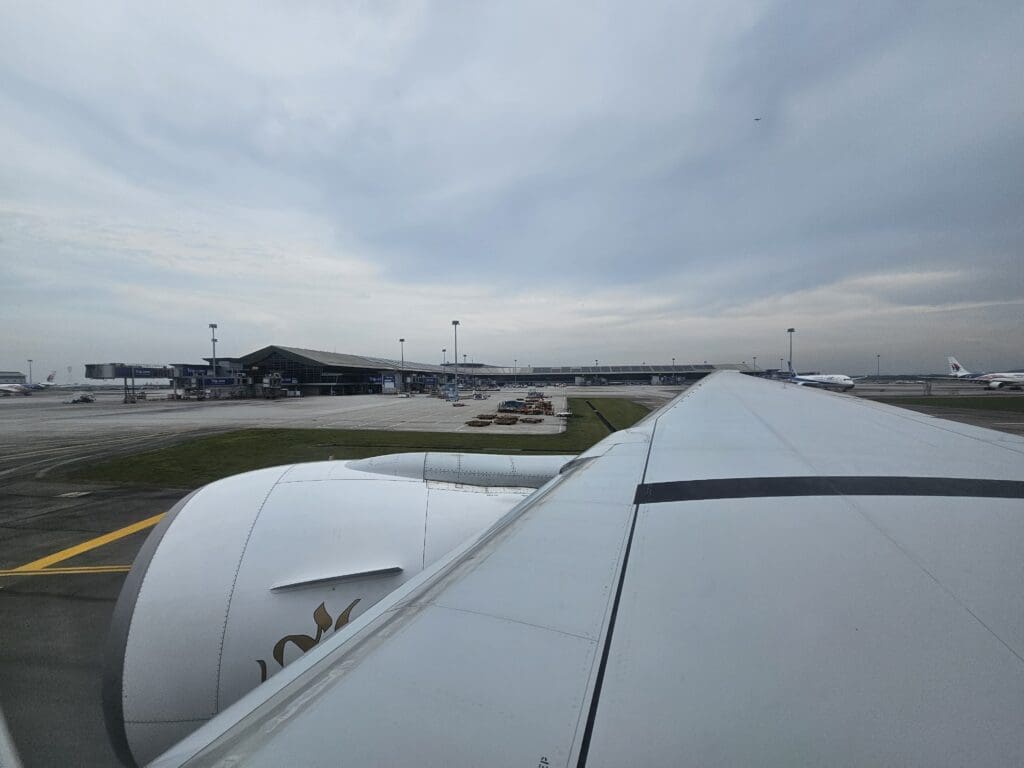
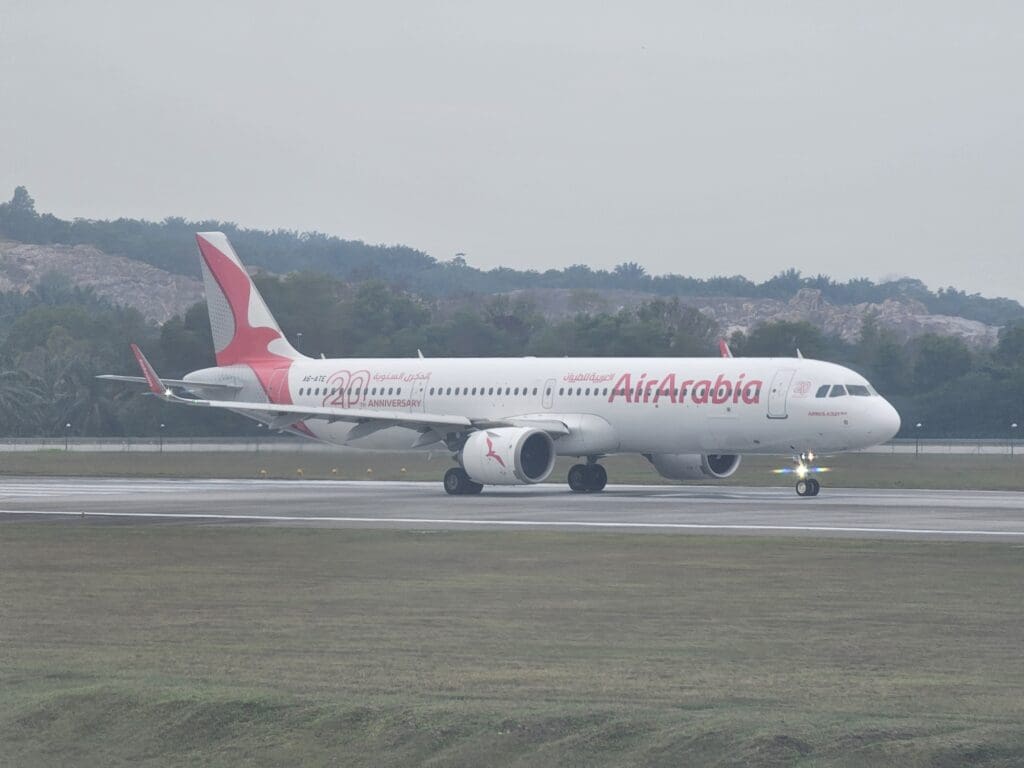
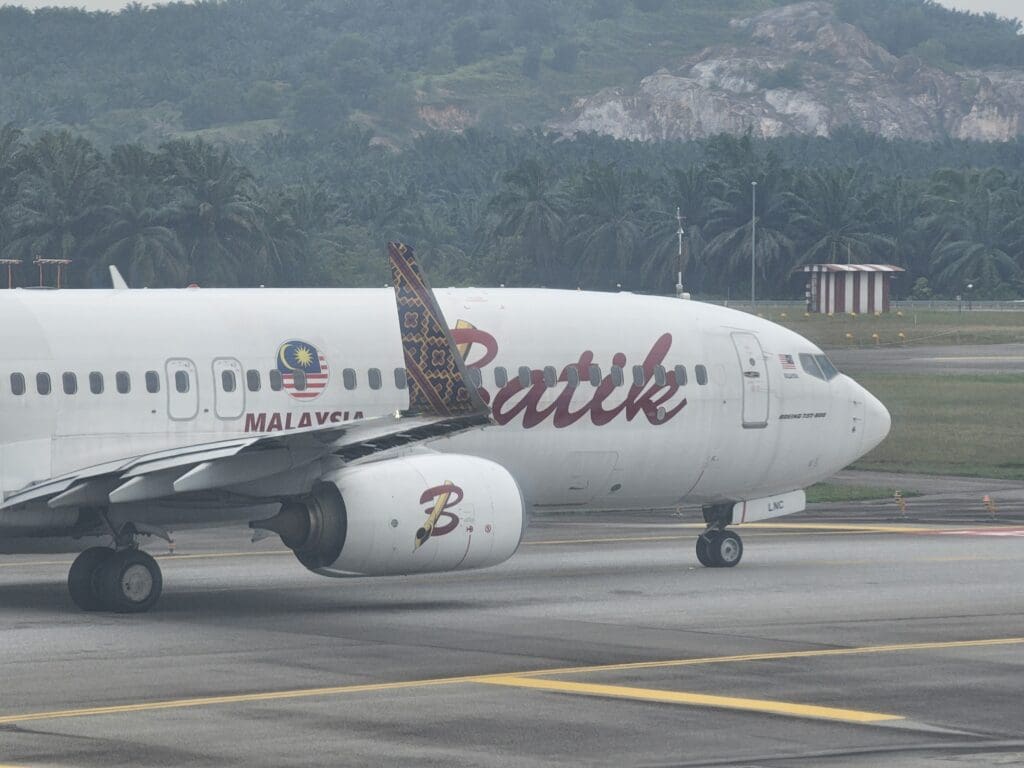
That morning, both Runway 32R and Runway 32L were being used by departing aircraft, and despite being located much closer to the end of the former, we ended up making the long trek to the latter. Slowly trundling along, the Boeing made its way past the cargo terminal, although sitting on the opposite side of the aircraft, I was instead offered a final glimpse of the satellite terminal which now seemed to be much quieter than it had been during my stay, with far fewer aircraft at its stands. Turning left and making its way to the end of the runway, I was afforded a front row seat to the stream of narrowbody departures, as you would perhaps expect in Kuala Lumpur, these almost exclusively took the form of AirAsia, Batik Air Malaysia and Malaysia Airlines narrowbody jets. The exception to this was an Airbus A321neo operated by Emirati low cost carrier AirArabia, which was heading in the same direction as us and commencing its long slog to Sharjah. Upon reaching the end of the runway, the aircraft came to a halt in order to allow for the aforementioned AirArabia jet to depart along with a Singapore bound Batik Air Malaysia Boeing 737 MAX 8.
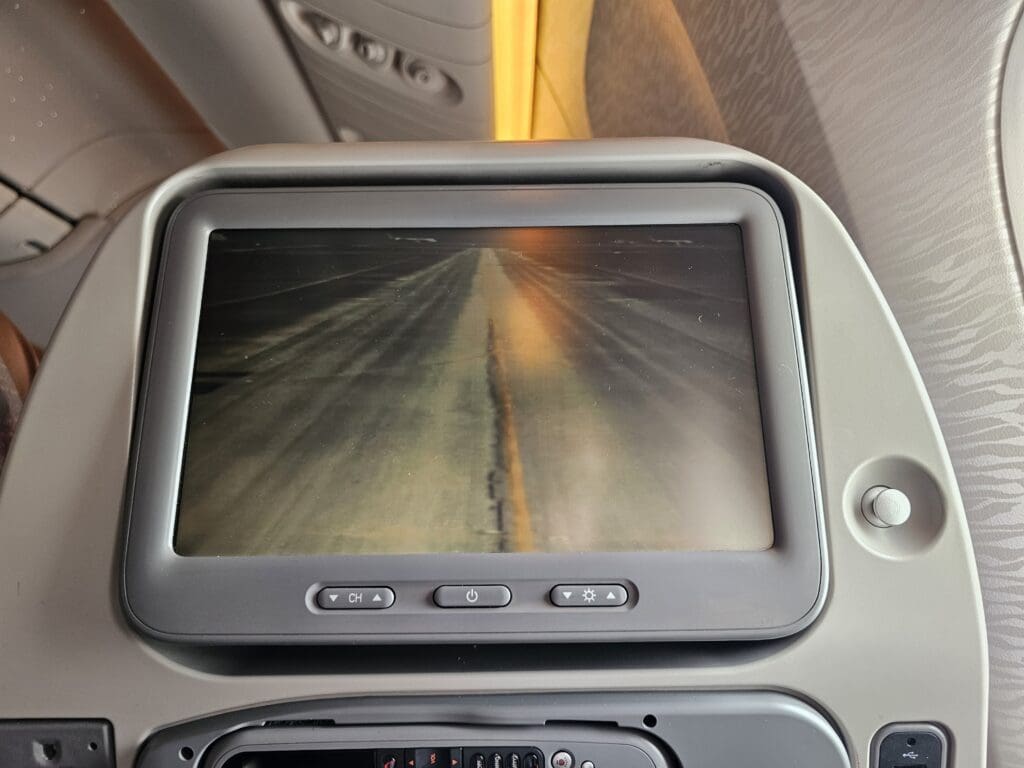
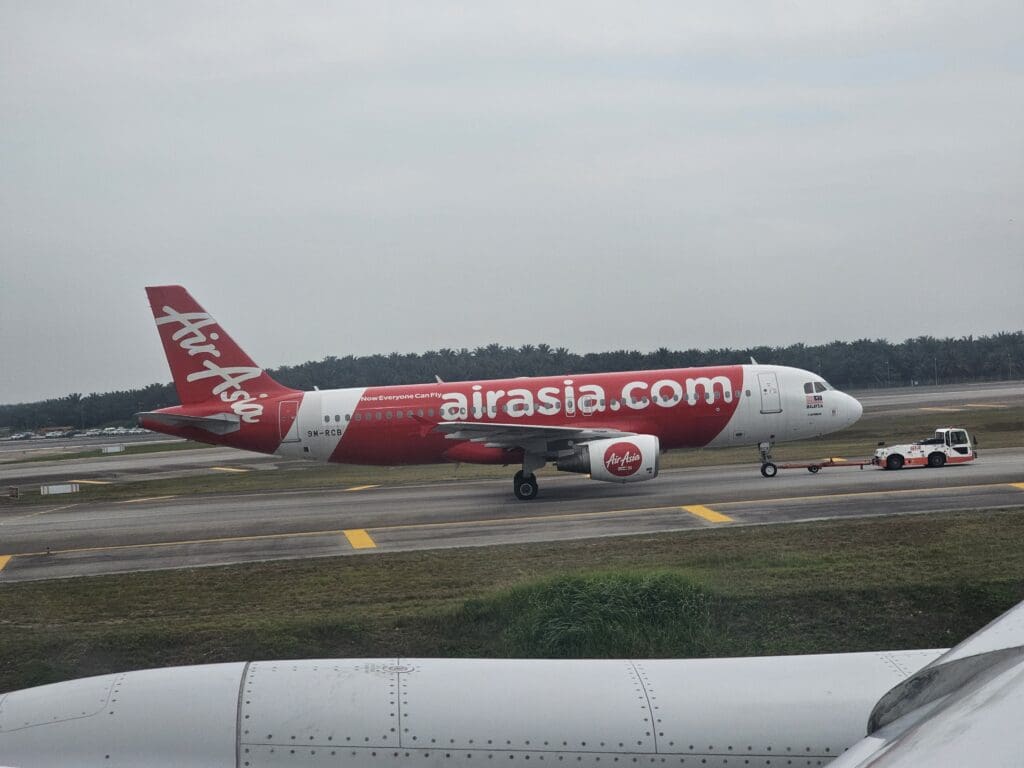
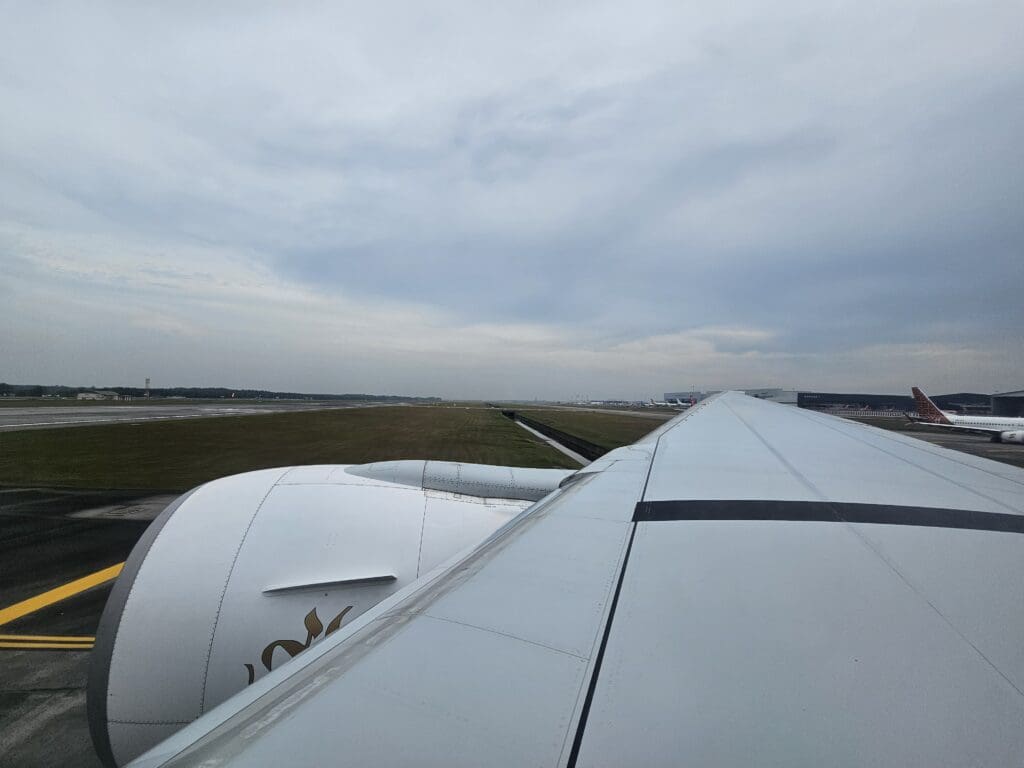
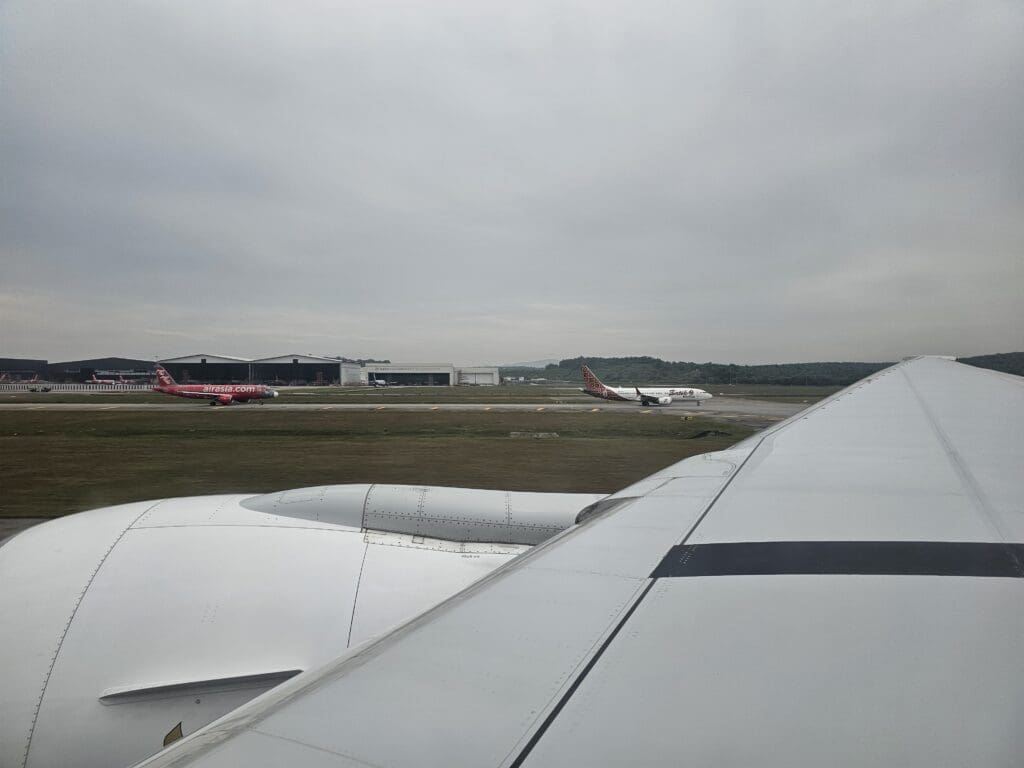
Now almost an hour behind our scheduled departure time, the aircraft taxied onto the runway and without pausing, at 1102, the two massive General Electric engines roared into life as we commenced our fairly gentle take-off roll. This saw us accelerate past the local hangars where masses of stored AirAsia and Scoot Airbus A320neos and Airbus A321neos could be seen in storage, as well as a rare AirCalin Airbus A320neo and a luxurious corporate Airbus A330. Watching the nosewheel camera, with the amount of remaining runway becoming less and less, reassuringly, the Boeing’s nose was pointed skywards and we took to the skies with a few shudders, whilst outside I was offered a parting bird’s eye view of the main terminal which was soon replaced by the green forests that surround the airport. Meanwhile, in the distance, mist covered hills could be seen creating a rather nice view as we rocketed away from Kuala Lumpur International Airport.
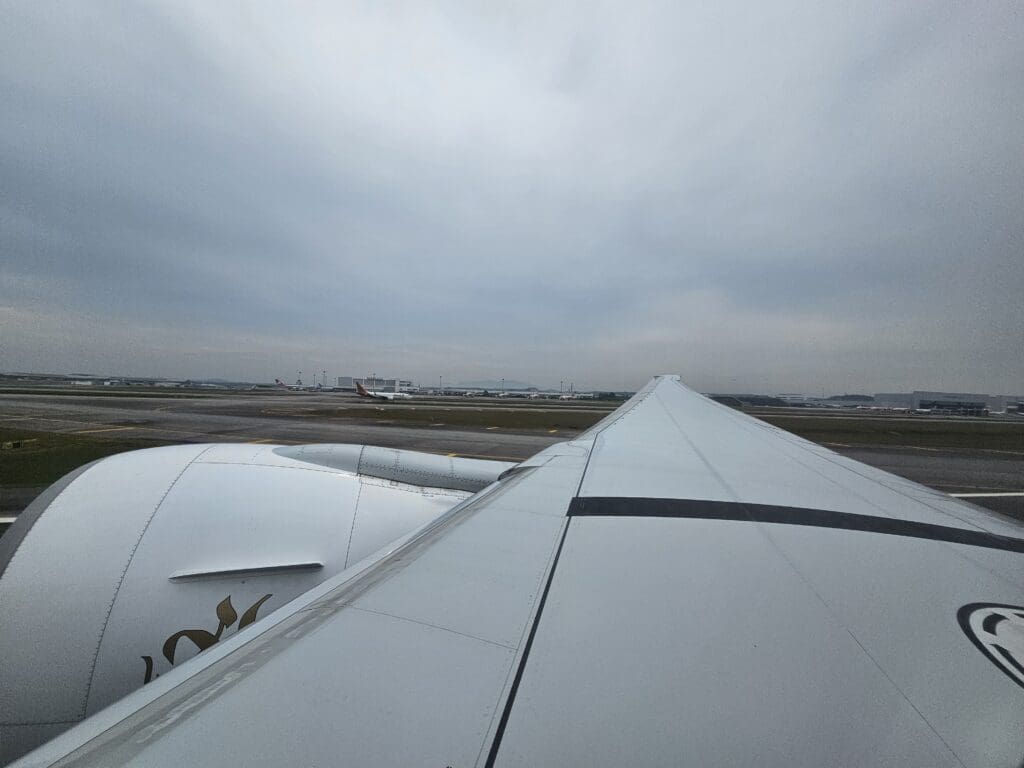
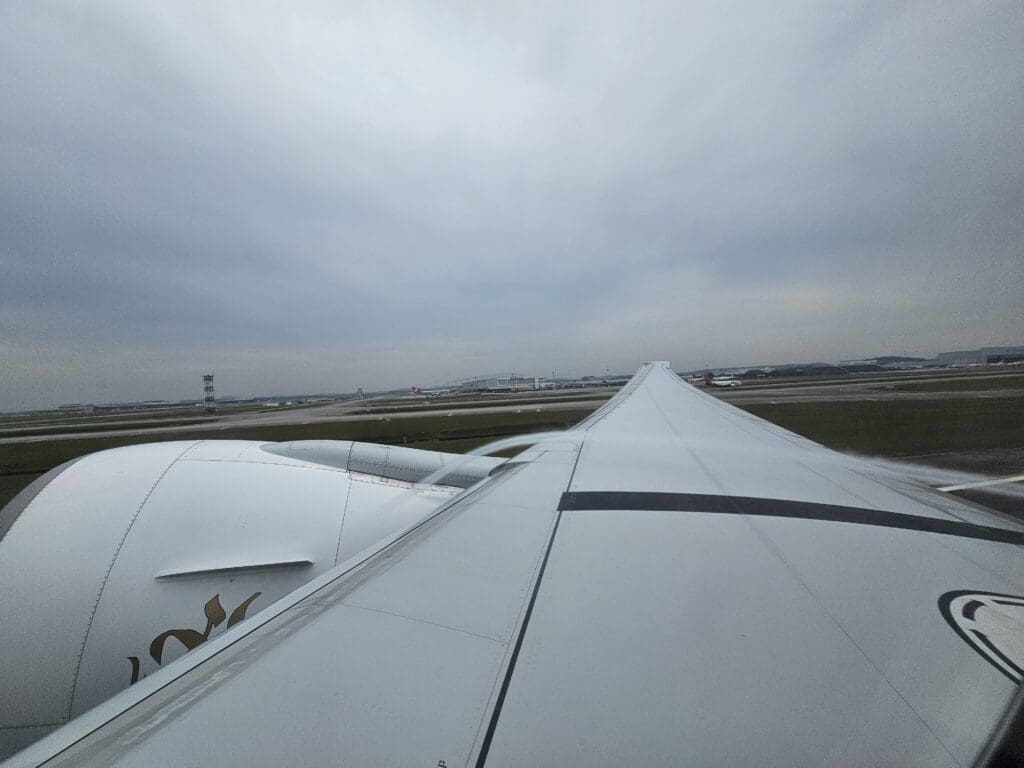
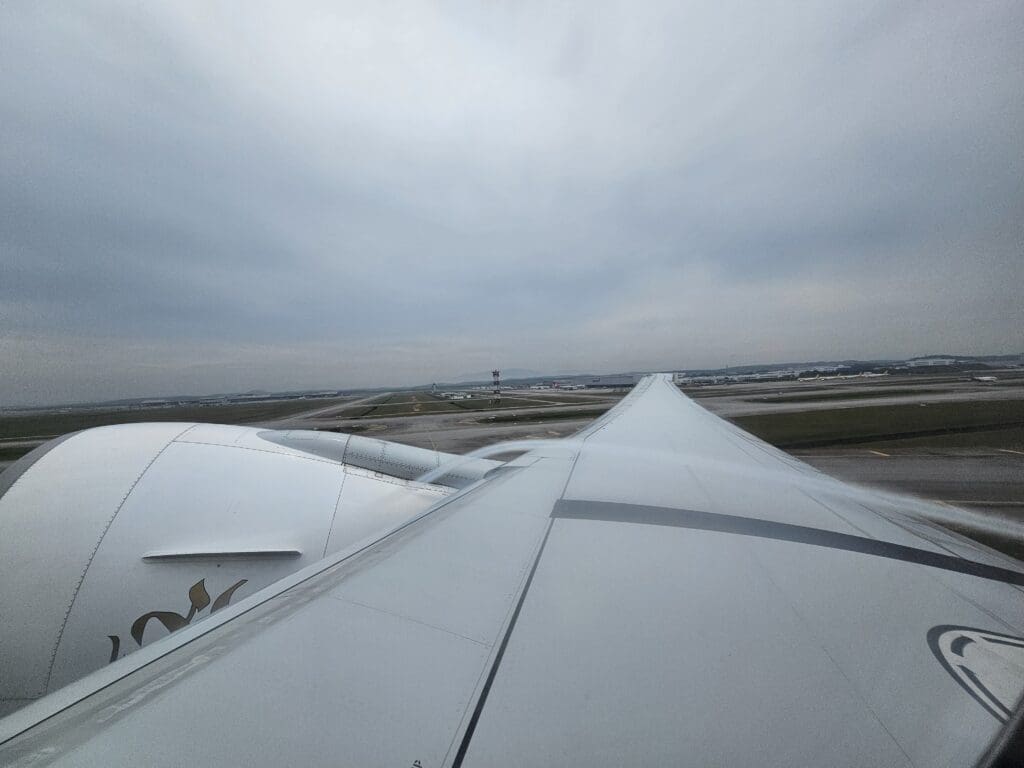
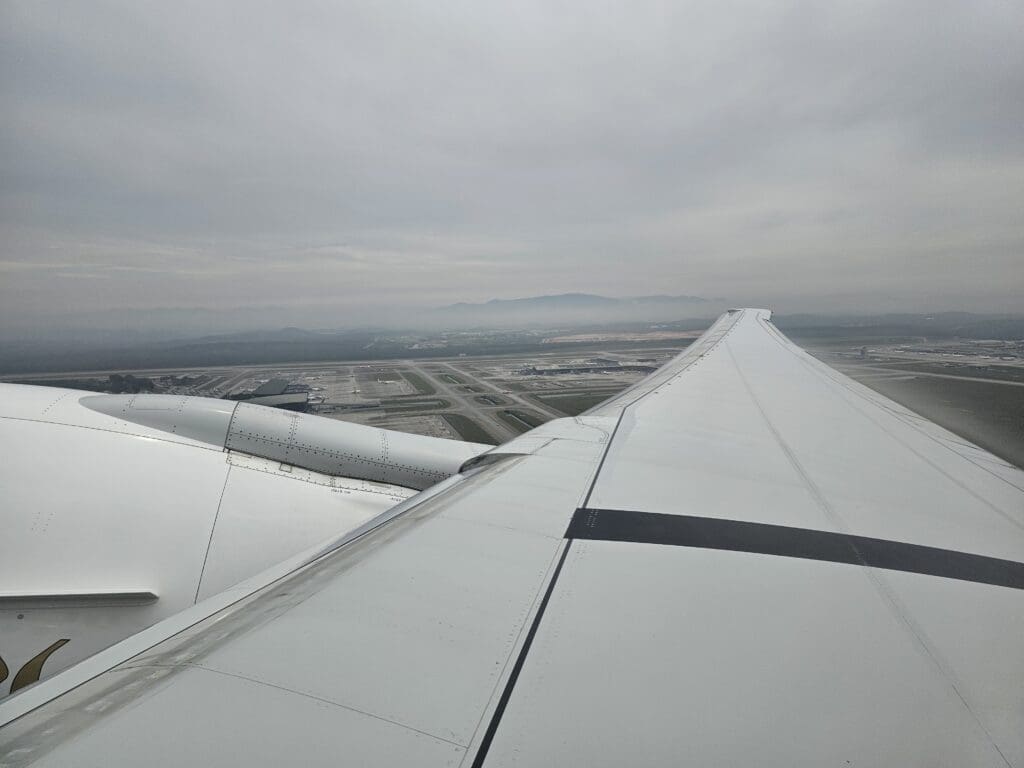
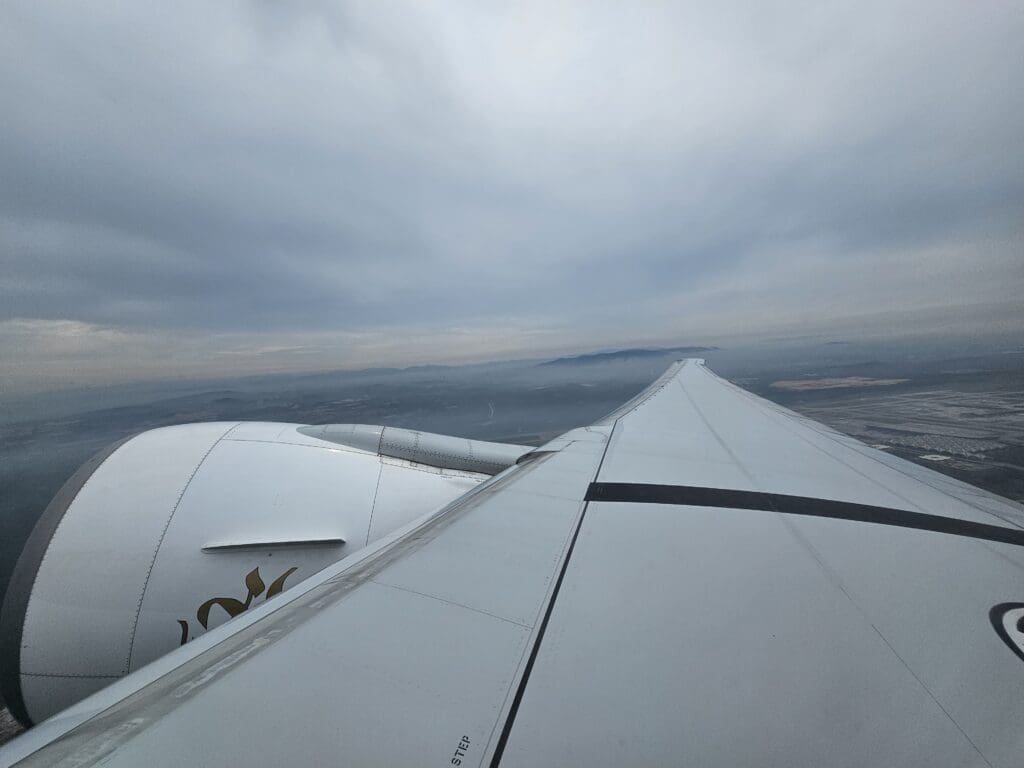
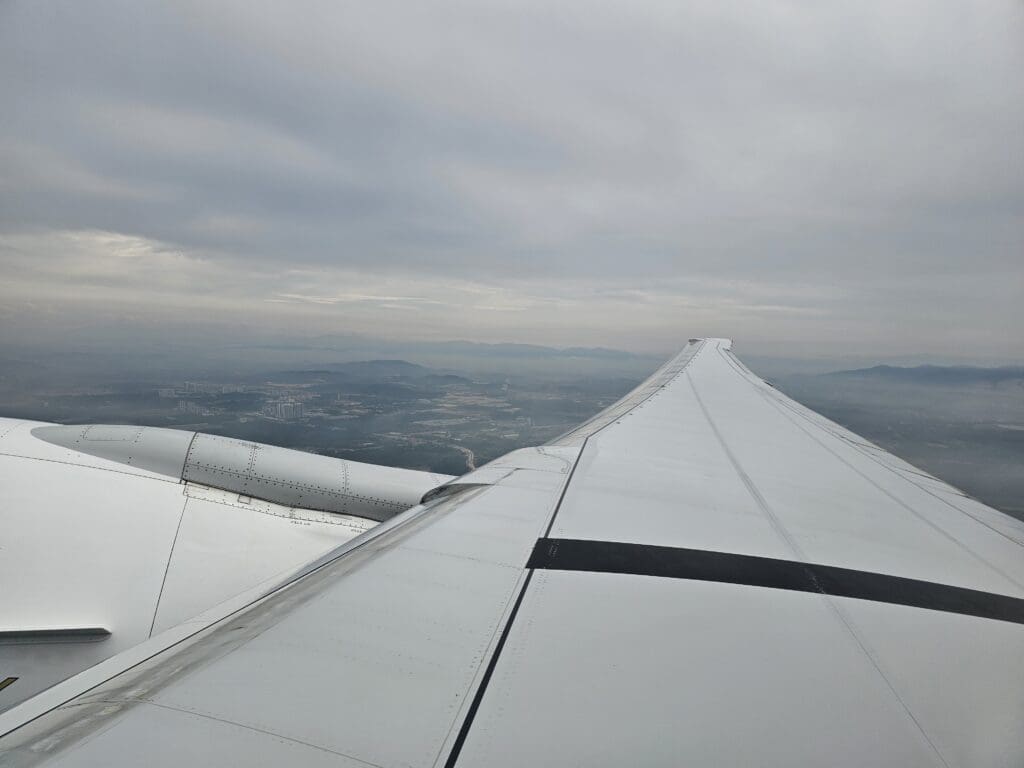
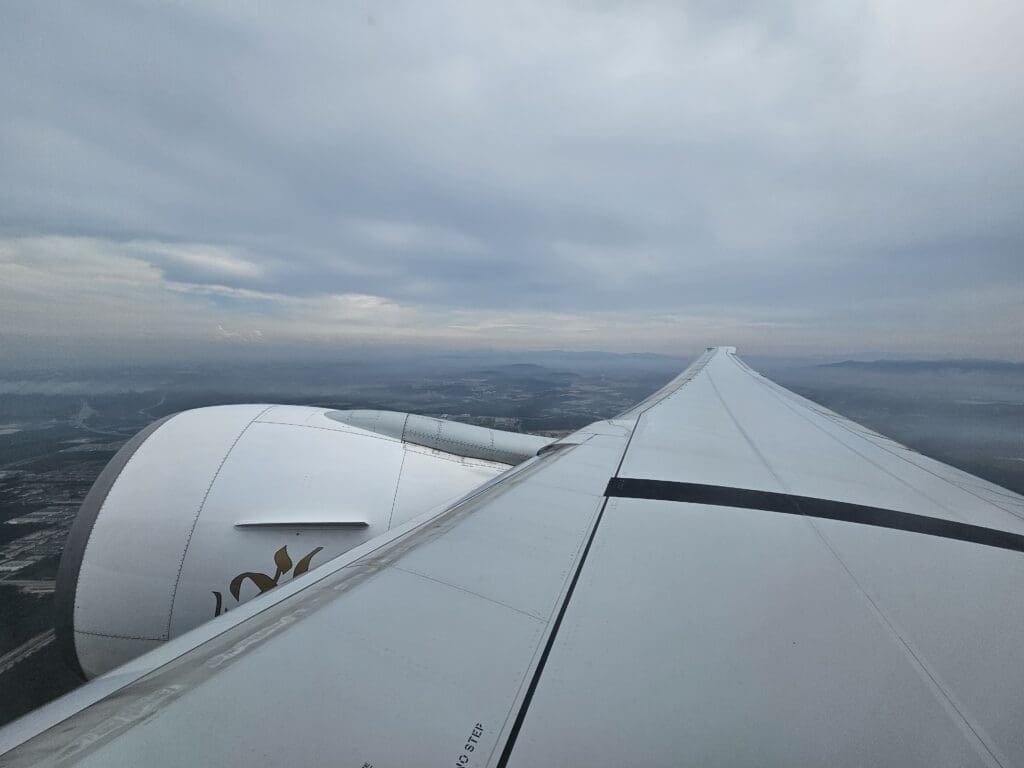
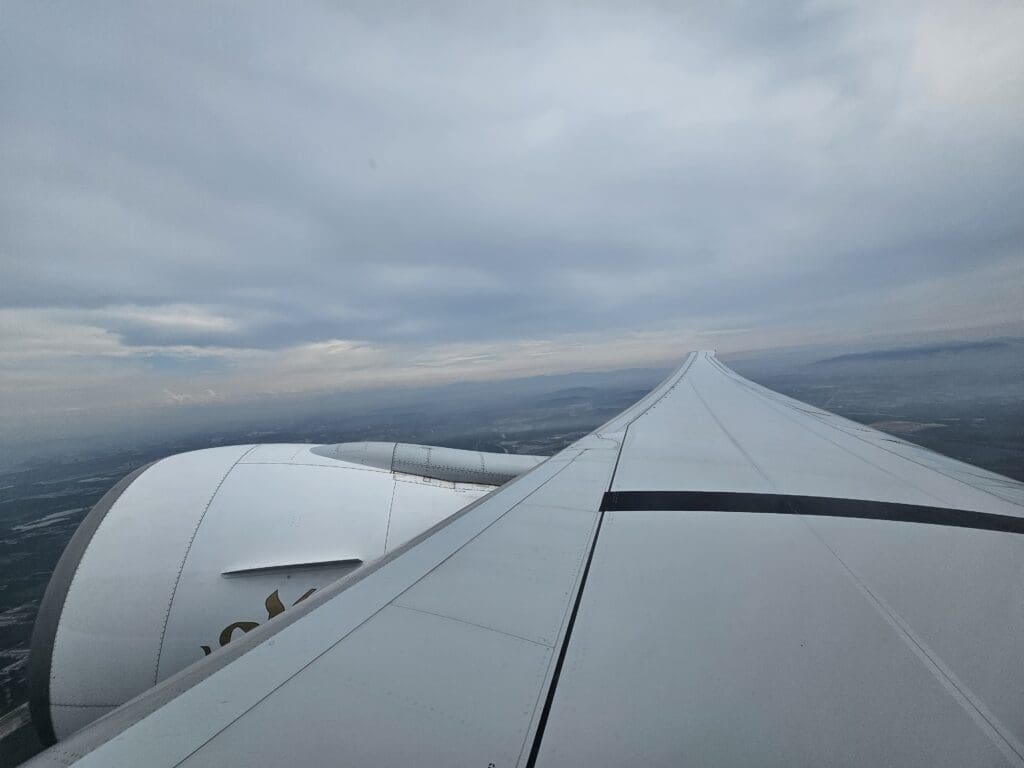
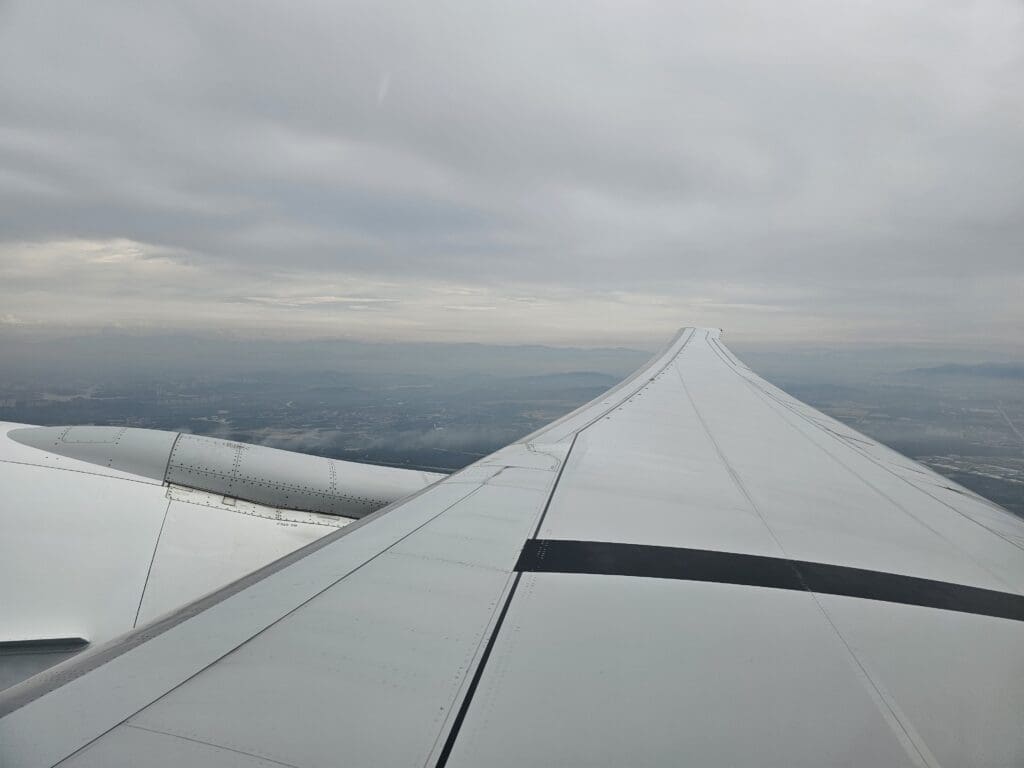
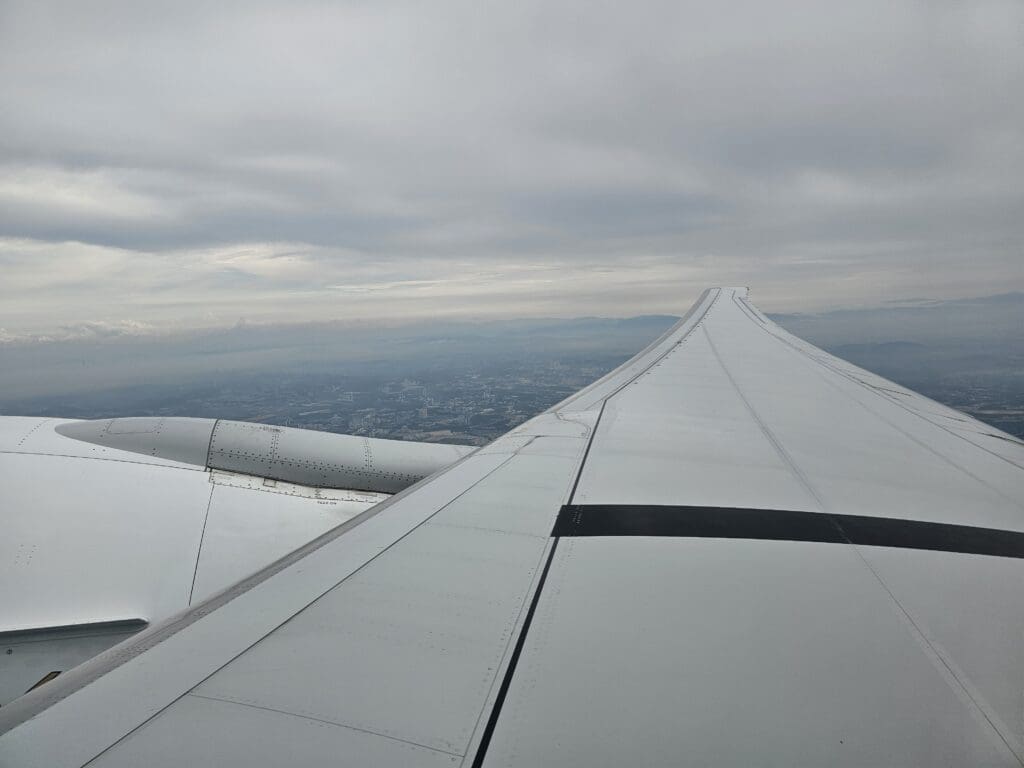
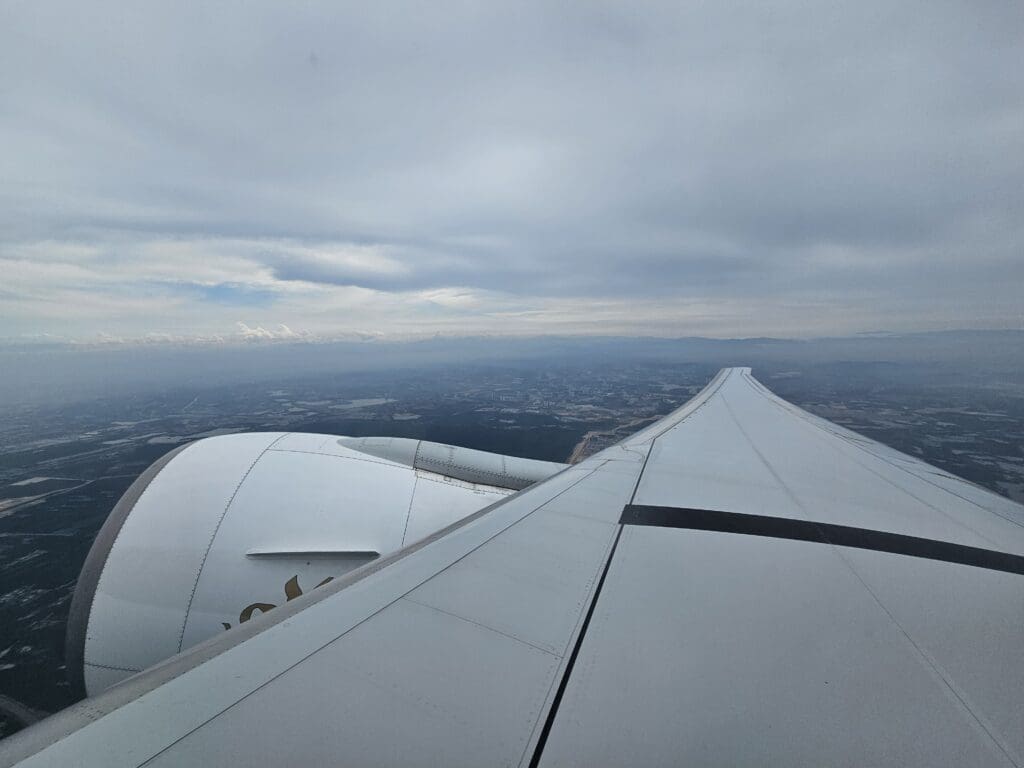
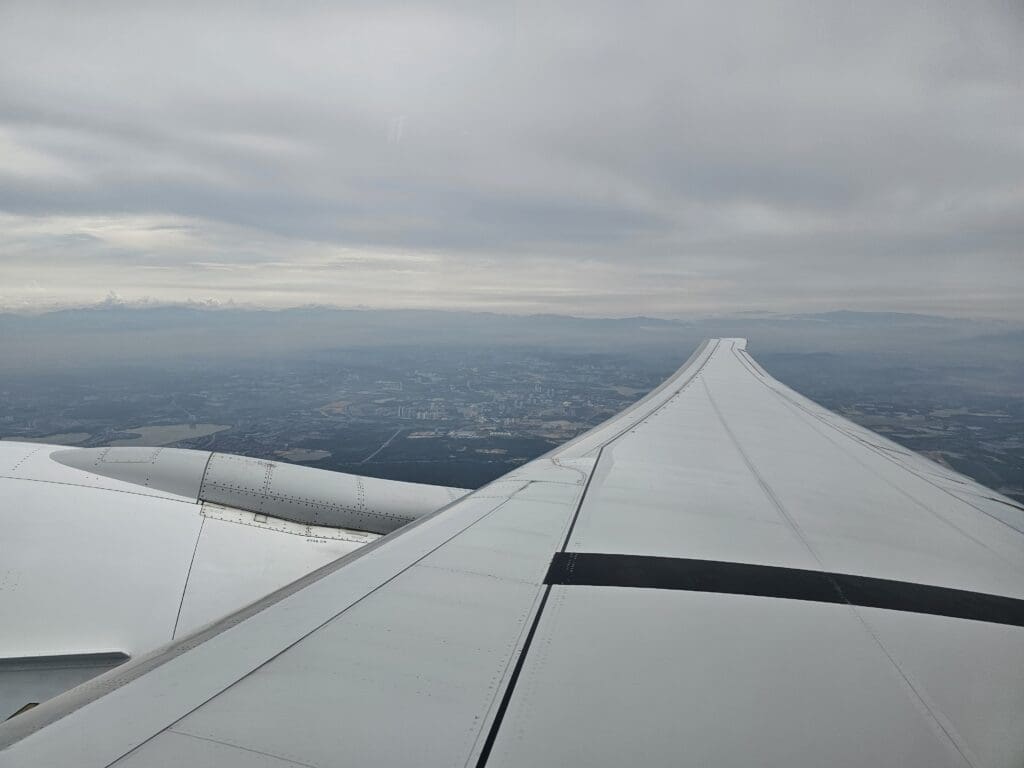
From the airport, the Boeing made its way past the towns that are sandwiched between this and the capital, including Dengil, Jenjarom, Putrajaya and Sepang, before reaching the sprawl of Kuala Lumpur itself. Whilst I am sure that I would have received a decent view of the tall buildings of downtown Kuala Lumpur, sadly, my position right above the wing ensured that views of this were non-existent. A few minutes after our departure, an announcement was made in Arabic and English, encouraging passengers to donate to The Emirates Airline Foundation – a charity organisation that is dedicated to improving children’s lives across the world, with this followed by a short information video about the charity. As the video played, the seatbelt signs were extinguished, by which time the aircraft had just left the Malaysian coastline behind near Klang and was now trundling up Peninsula Malaysia’s western coastline.
Unlike many airlines, Emirates continues to publish paper menus, and once the seatbelt signs had been extinguished, the crew wandered through the cabin handing these out. However, Emirates publishes meal choices online well ahead of their flights, and being a bit too eager, I was already aware of the choices that day – chicken korma or grilled perch. Very slightly disappointingly, unlike competitors Etihad Airways and Qatar Airways, only two options were offered instead of three, and with no vegetarian choice, those avoiding meat and fish would have been disappointed had they not booked a special meal in advance. Meanwhile, no appetiser in the form of crackers or other similar snacks was to be served, with the crew going straight into the meal service.
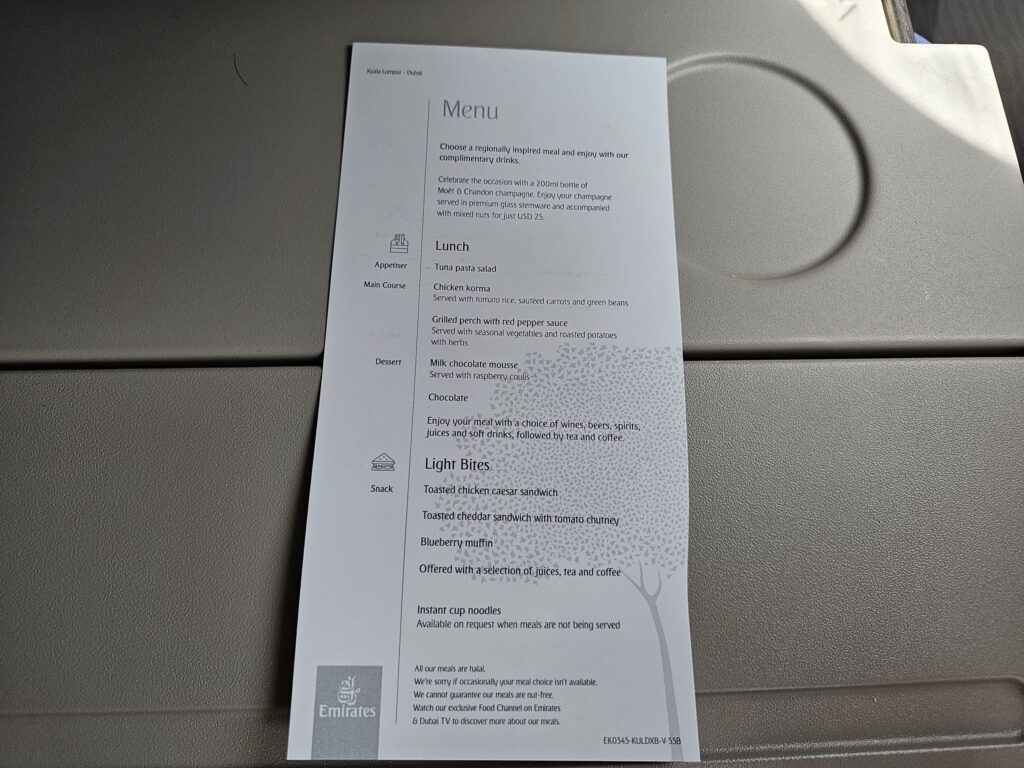
Returning to the route, the aircraft soon left Malaysia behind and crossed the waters of the Malacca Strait, heading towards the far northern tip of the Indonesian province of Aceh. As we passed just to the east of the Indonesian coastline, after around forty minutes in the air, the crew took to the aisles and handed out special meals, before the service carts were rolled out ten minutes later at 1150, an appropriate time for lunch. With serving appearing to commence from the front of each Economy cabin, given the size of the forwardmost cabin, it did not take too long to be served. After a few minutes, a polite yet at the same time, cool and distant, flight attendant reached my row and asked ‘chicken or fish?’ . As seemed to be the case with most passengers, I decided to go for the chicken korma, and soon a tray was cautiously passed over to me before I was offered a drink. Opting for an orange juice, this was poured into a plastic cup before being handed over to me. Those who were feeling fancy could add a 200ml bottle of Moet & Chandon champagne for $25, however I decided to pass on this!
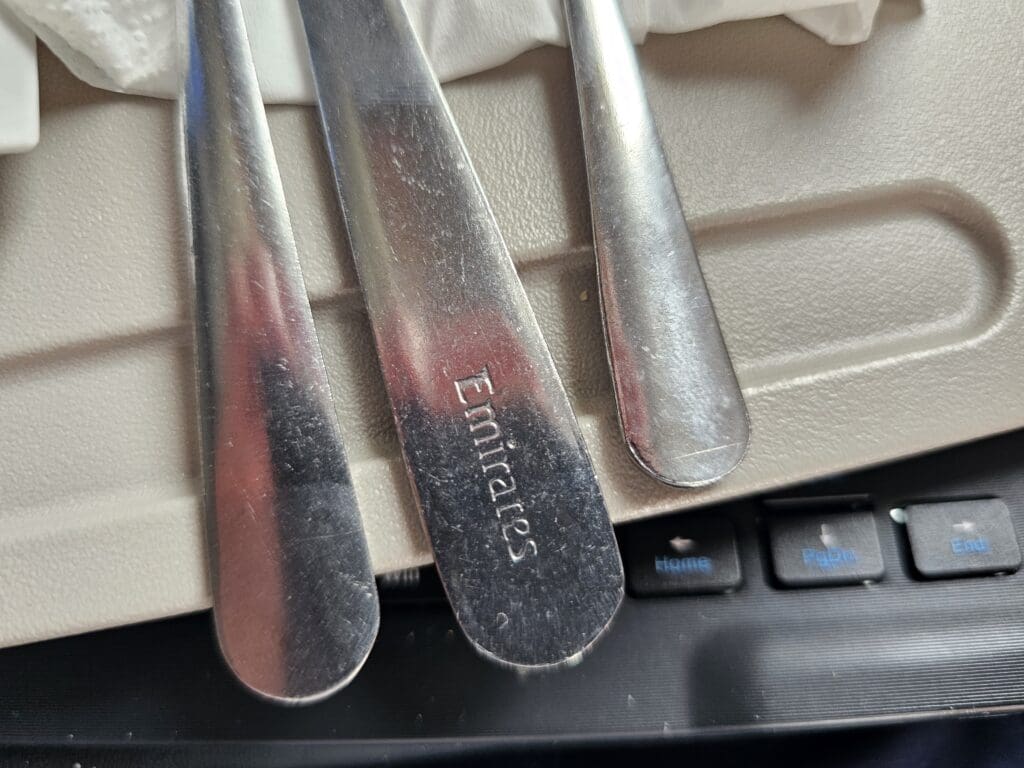
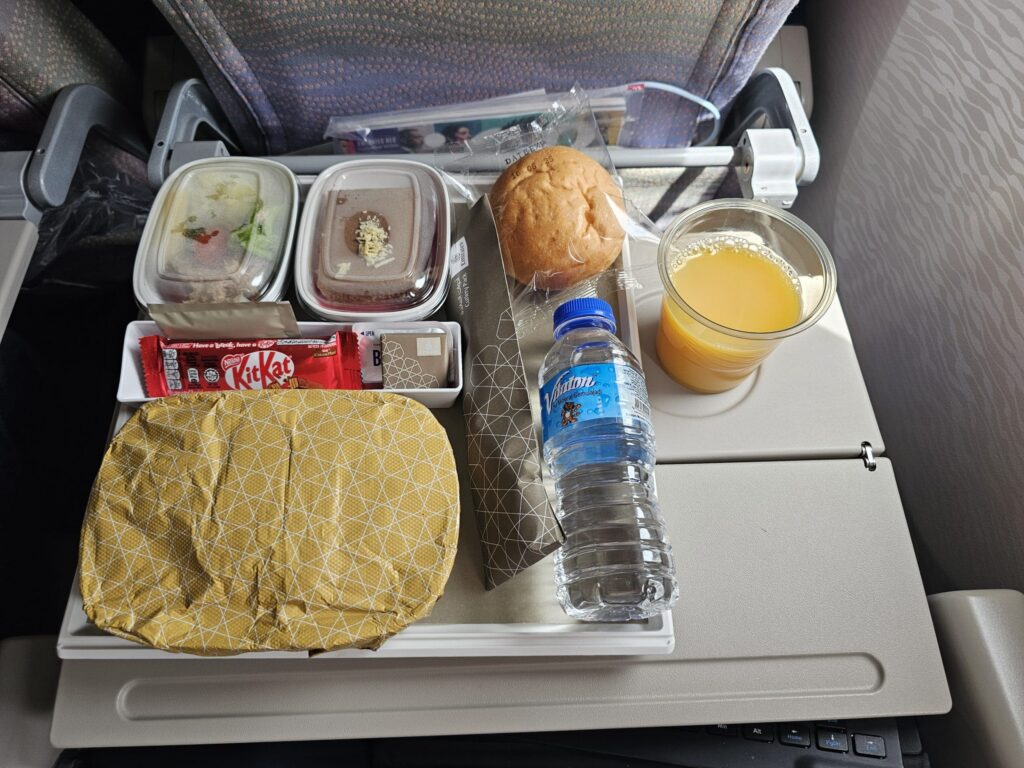
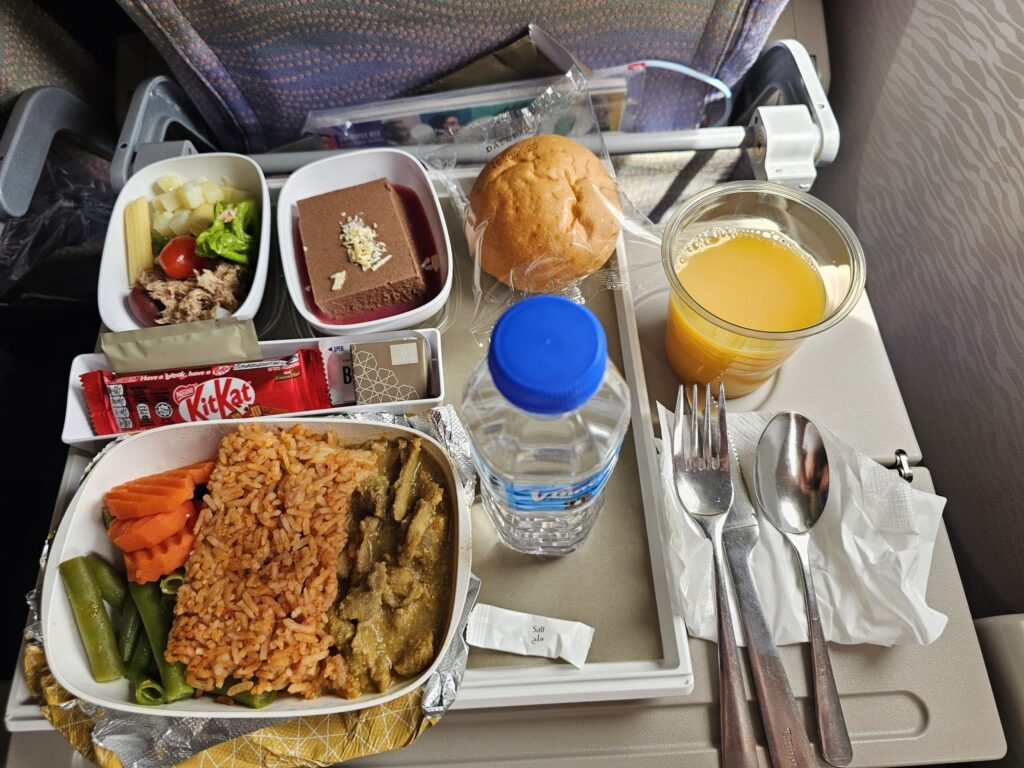
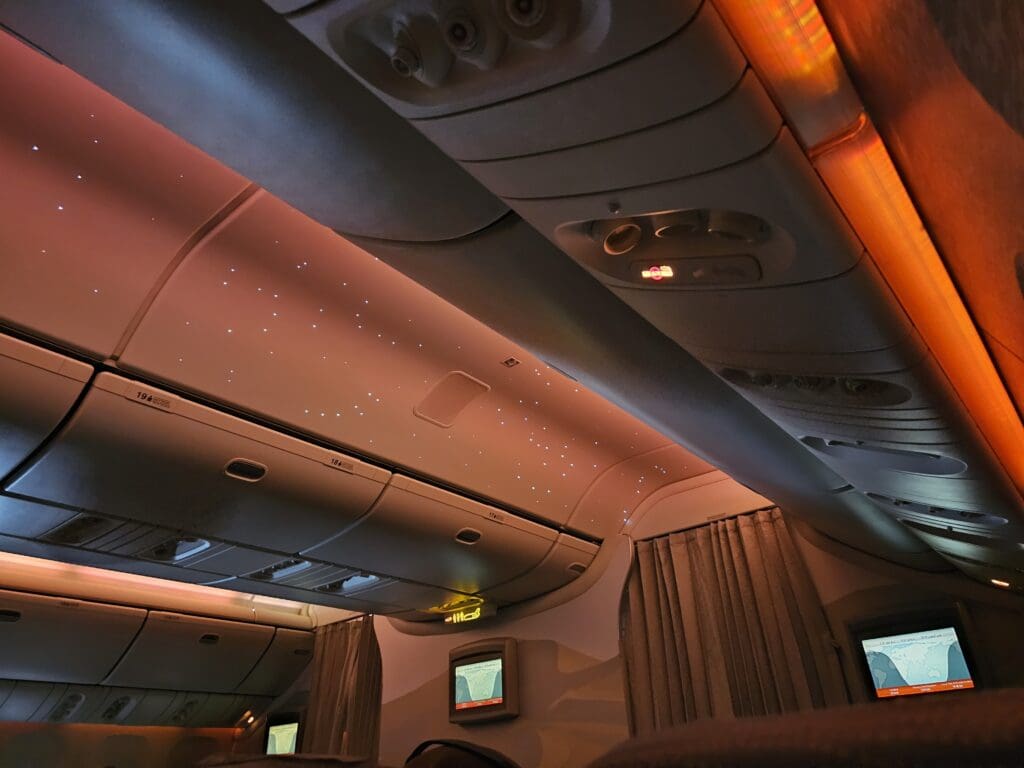
Examining the tray, whilst this was not the most plentiful inflight meal that I have been served, this was most certainly acceptable and I was pleased to find the main dish to be of decent quality and quantity. This was accompanied by a tuna salad, a bread roll with butter and cheese, a chocolate mousse, a Kit-Kat, a small chocolate in an Emirates-branded wrapper and a bottle of still water. Meanwhile eating utensils came in the form of real metal cutlery that featured Emirates’ logo. Leaving me with no real complaints, I soon polished this meal off, and after about 25 minutes, my tray was collected before a round of hot drinks was undertaken. Once the crew had retreated to the galleys, the cabin lights were dimmed, whilst strips of orange mood lighting illuminated the cabin.
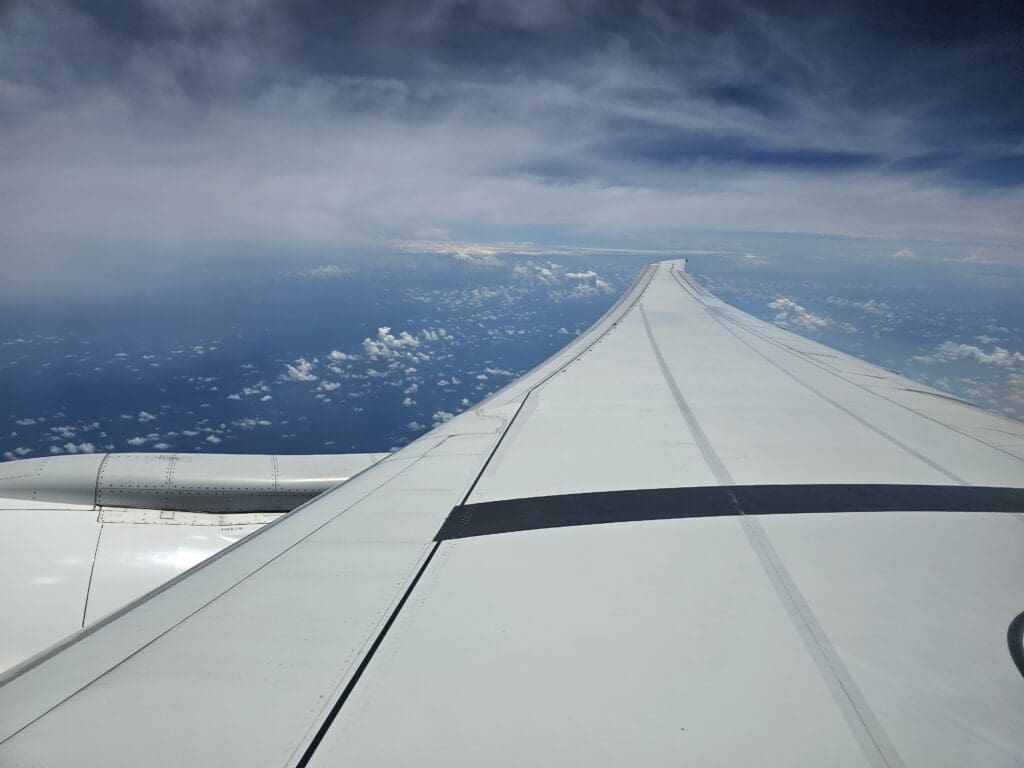
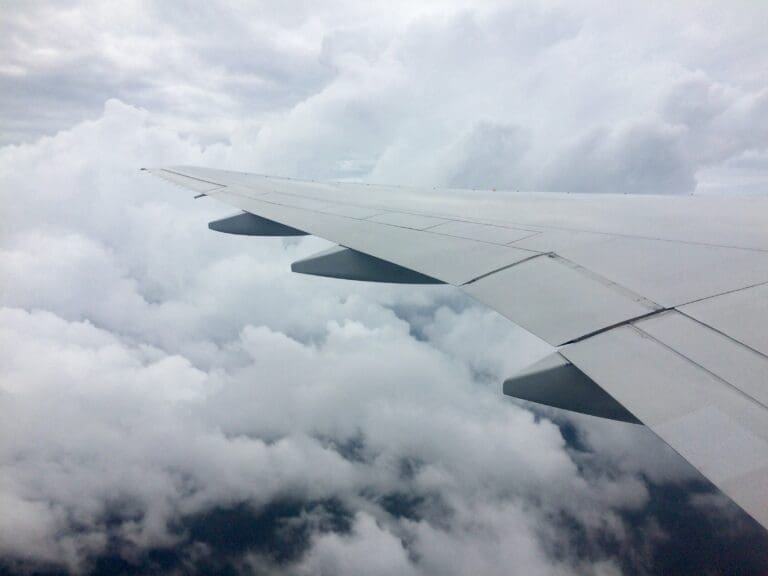
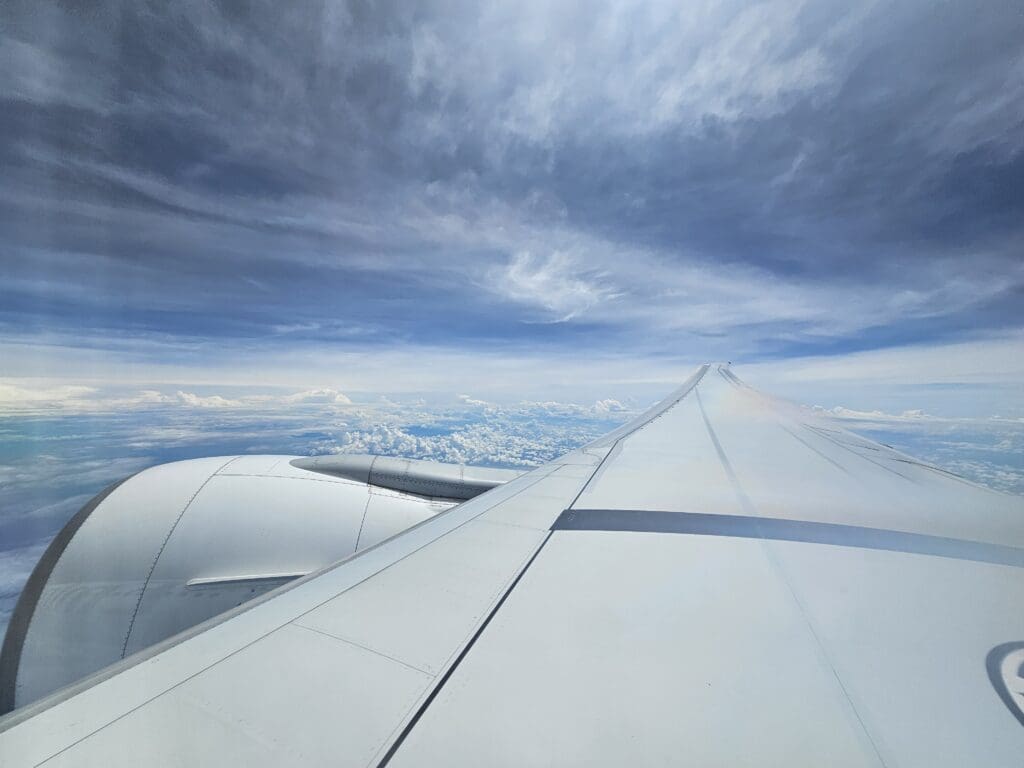
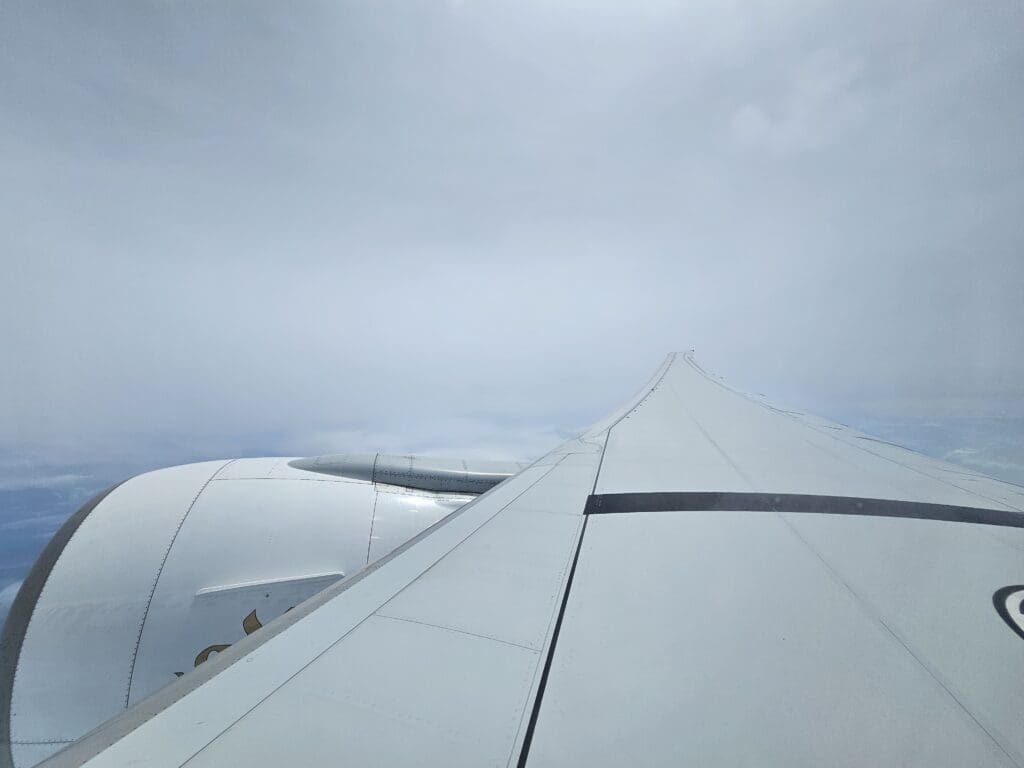
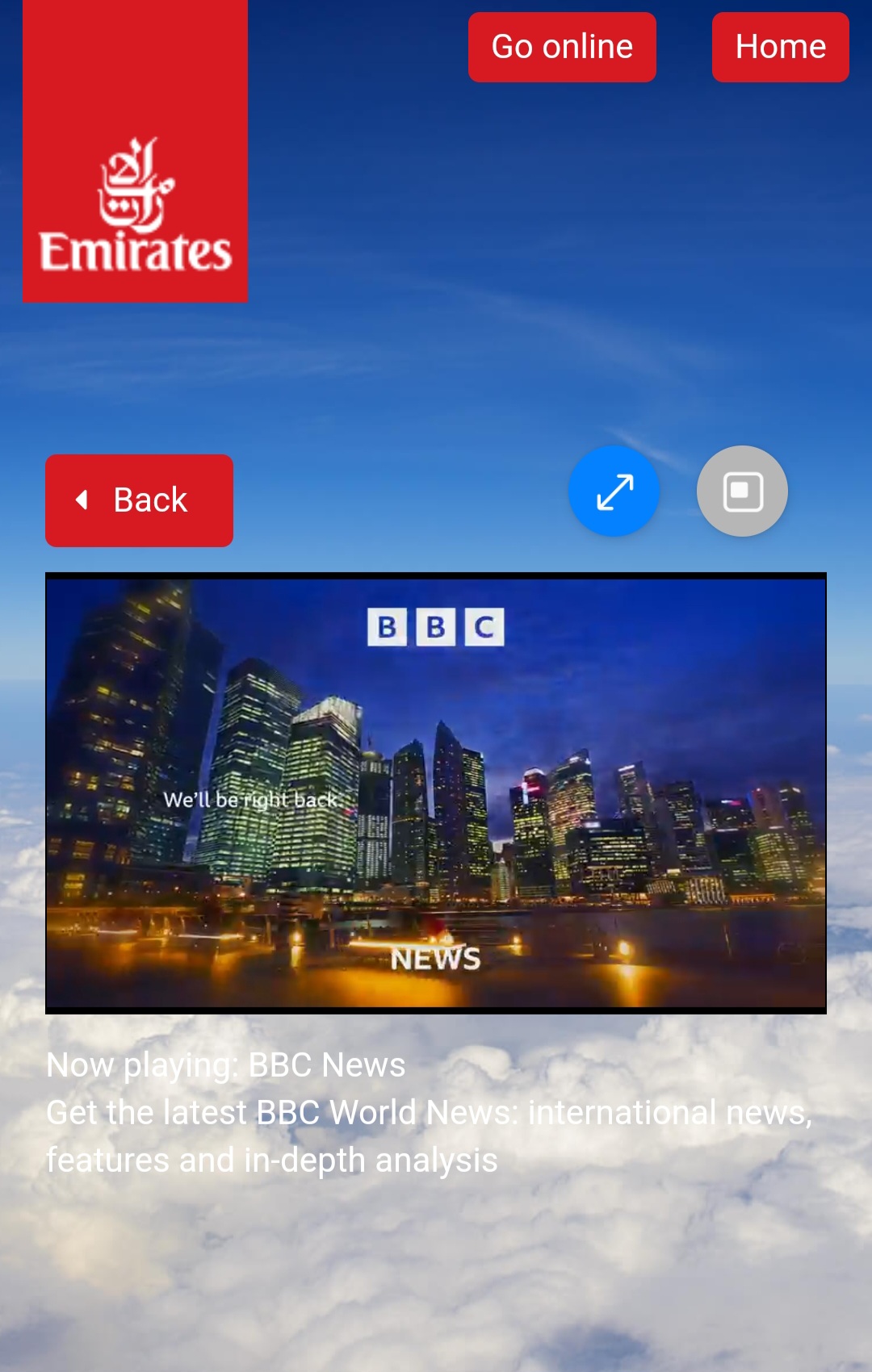
By the time the meal service had concluded, the Boeing was cruising at an altitude of 34,000 feet and had passed over India’s Nicobar Islands and was now trundling over the Bay of Bengal. With nothing to see outside other than the wing and a sea of clouds below, I decided to turn to Emirates’ Information, Communication and Entertainment system, more commonly known as ICE. Starting with the basics, this was available in an array of languages, specifically Arabic, Chinese (simplified and traditional), French, German, Italian, Japanese, Korean, Portuguese, Russian and Spanish. Whilst this beat the likes of Etihad Airways whose system I found to be available in just Arabic and English, I was rather surprised at the lack of any South Asian languages given Emirates’ major presence in the region. Starting with the positives, I found the system to be laid out in an ergonomic and easy-to-navigate manner, something which is vital given the array of activities and options available on the system. Focusing on these, other than your usual films, programmes and music, the system featured the option to connect your device to this via USB cable to examine content from this on the inflight entertainment screen, undertake voice calls and send messages to those in other seats, pair your screen with that of a neighbouring seat so seatmates can watch the same thing at the same time, and set a timer alarm to ring through the headphones. Meanwhile, a live BBC News and BBC Sport feed was provided, alongside plenty of information about Emirates and its home, Dubai.
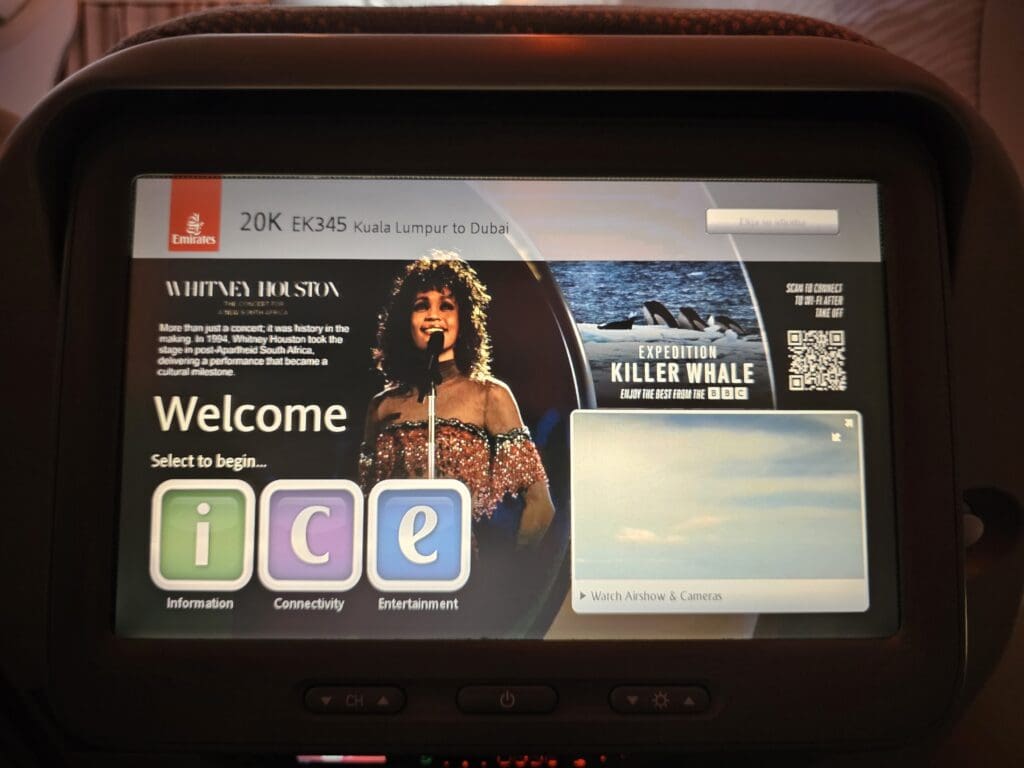
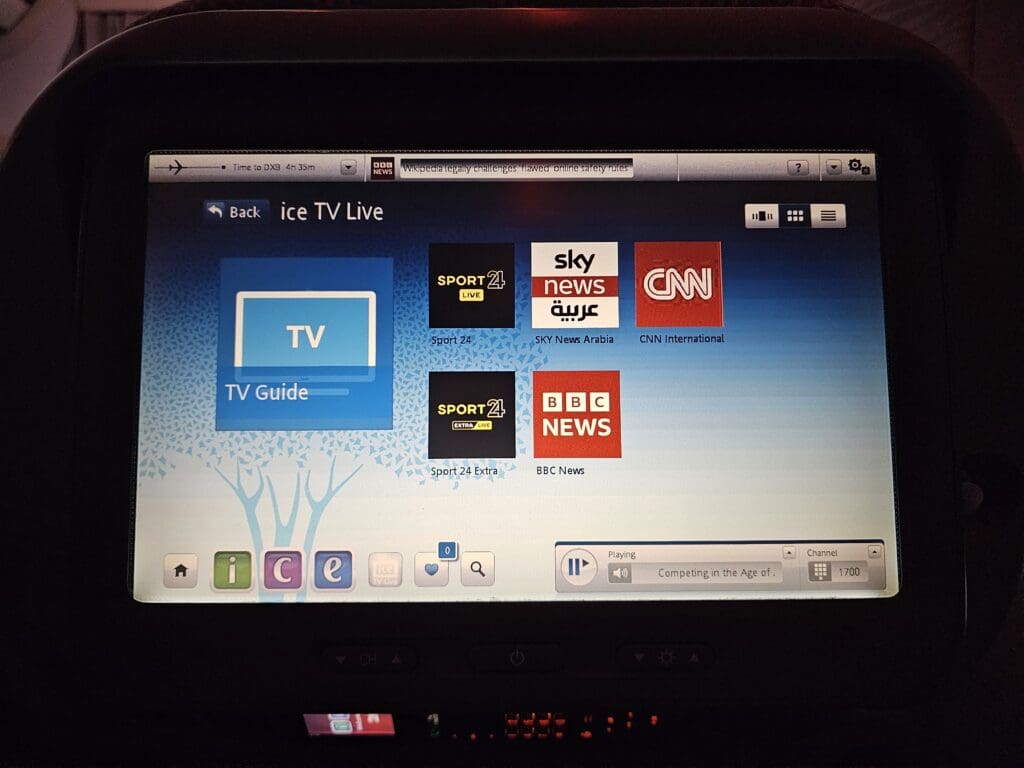
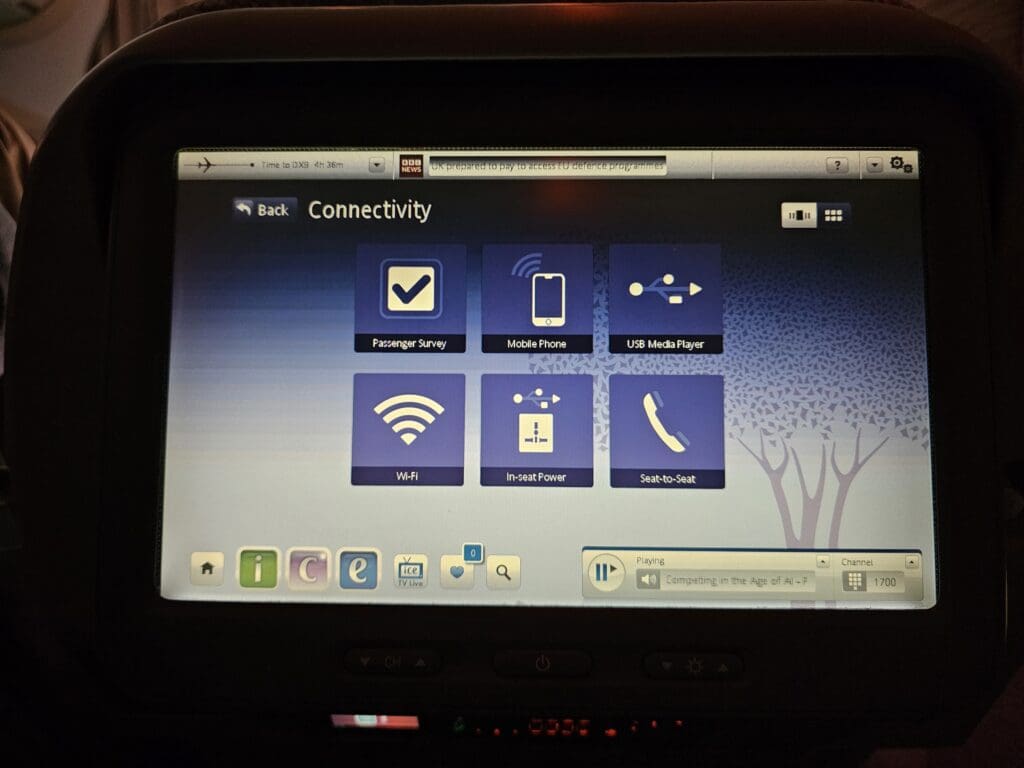
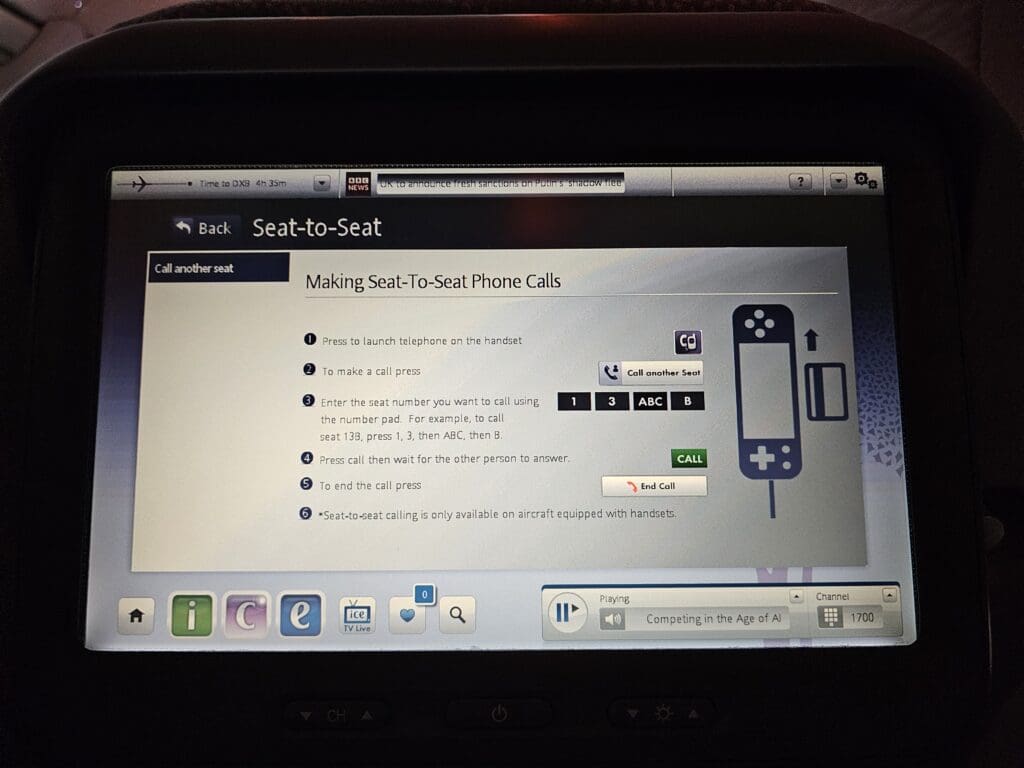
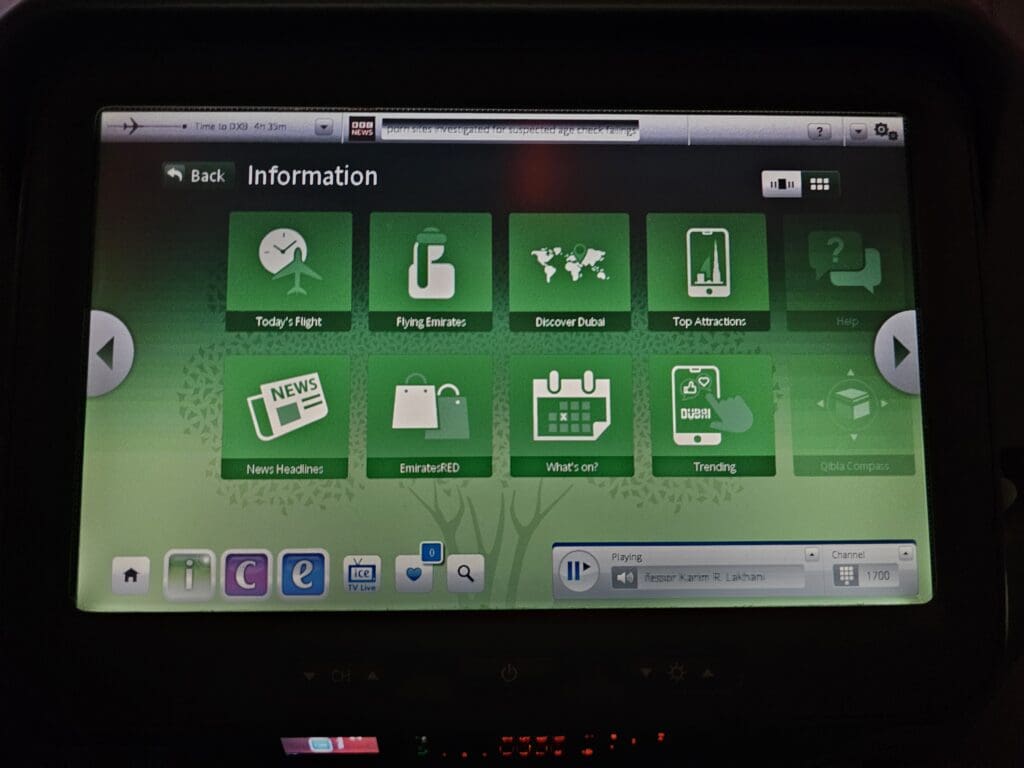
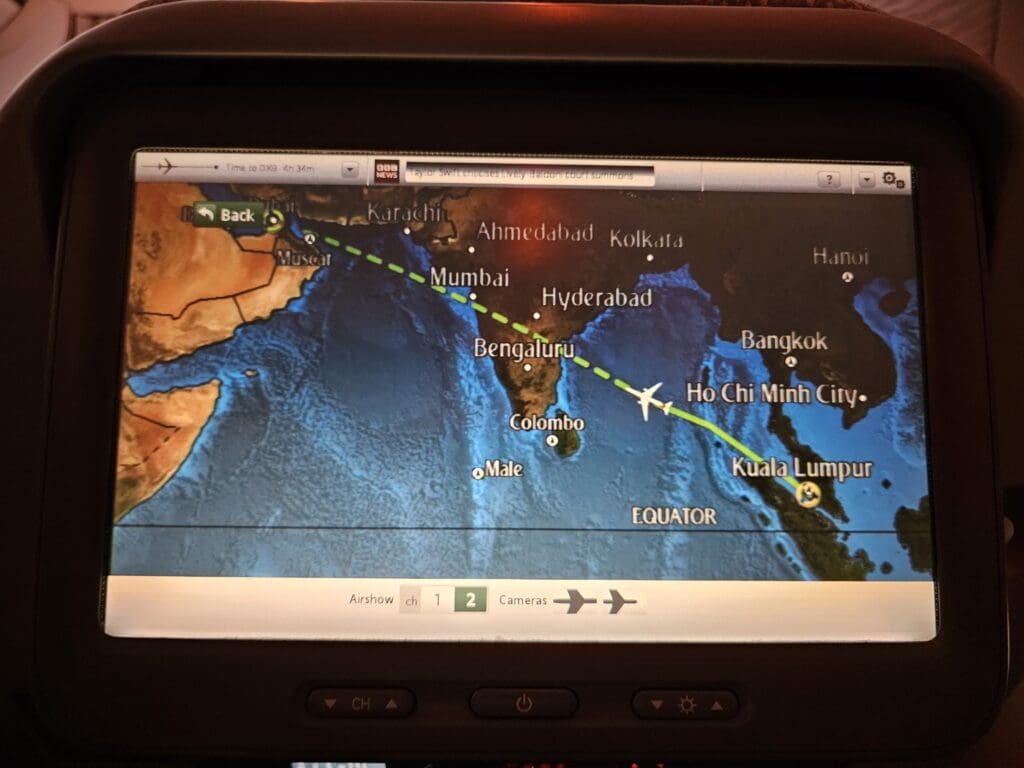
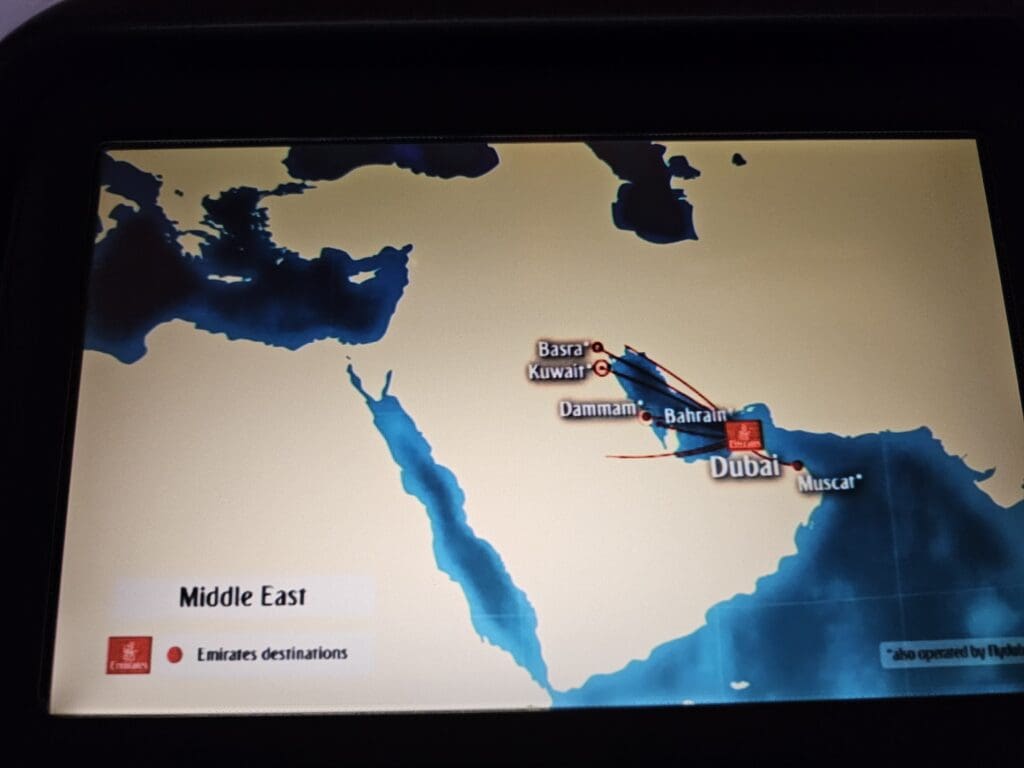
However, my experience with the system was not universally positive. In particular, indicative of the age of the system, I found the touchscreen function of this to lag and take a notably long time to load up. This made using the system a somewhat frustrating task at times and led me to revert to using the clunky remote control. Beyond this, the screen itself was not particularly high definition compared to many inflight entertainment screens today. Meanwhile, I also noticed that this lacked a kids section, and finally, the moving map lacked any options for tracking our progress rather than simply scrolling through a list of pre-set screens.
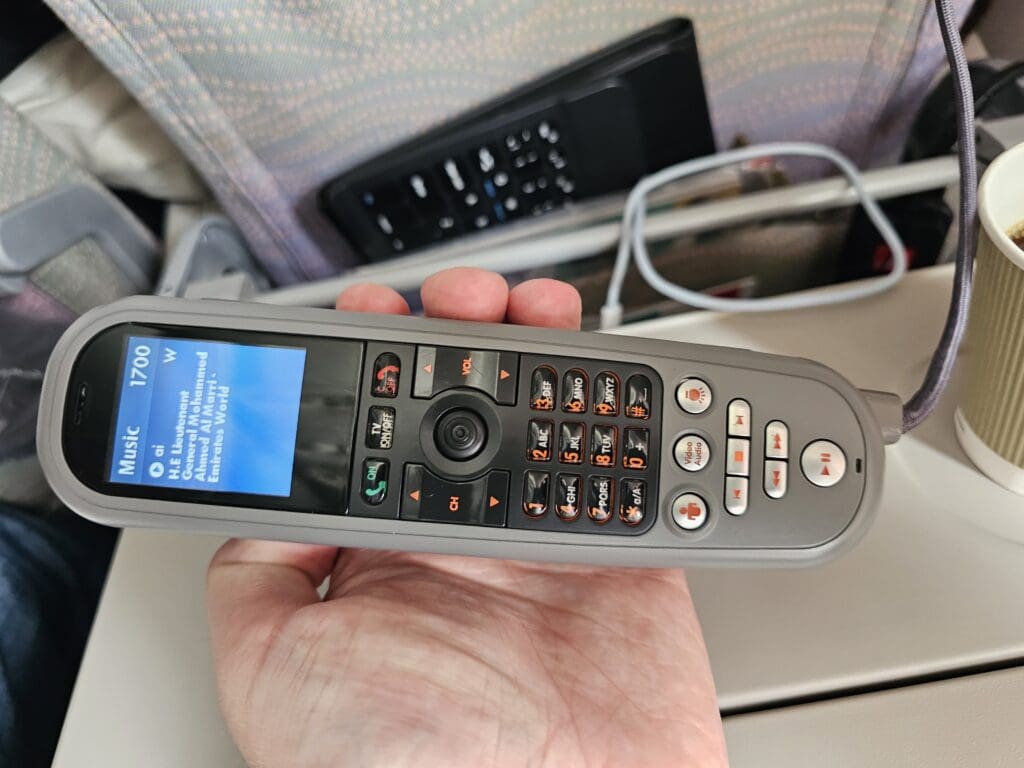
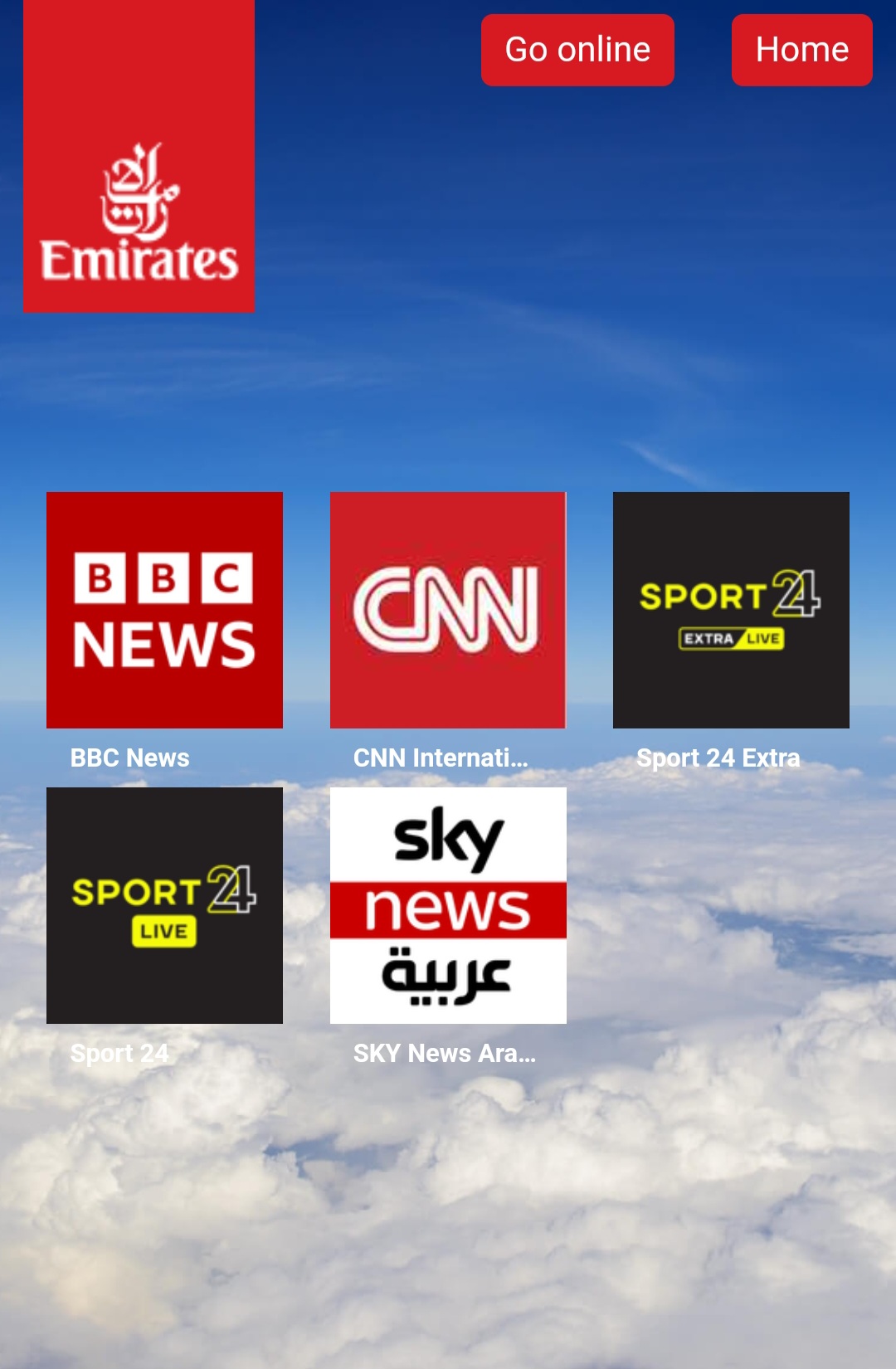
The real highlight however of the ICE system is its vast array of content. Well known for being one of the most expansive systems out there, this hosts a near-endless list of films, music, podcasts, and television programmes from across Emirates’ destination countries and beyond. Each visual item seemed to commence with a series of advertisements for Adventure World, Burj Azizi, Capital.com and ICE. These come in addition to five live television channels – BBC News, CNN, Sky News Arabia, Sport 24 and Sport 24 Extra which I found to connect quickly and play without lagging or issues. Finally, a long list of games is provided, although I am not too sure what the experience would have been like given the laggy-ness of the screen.
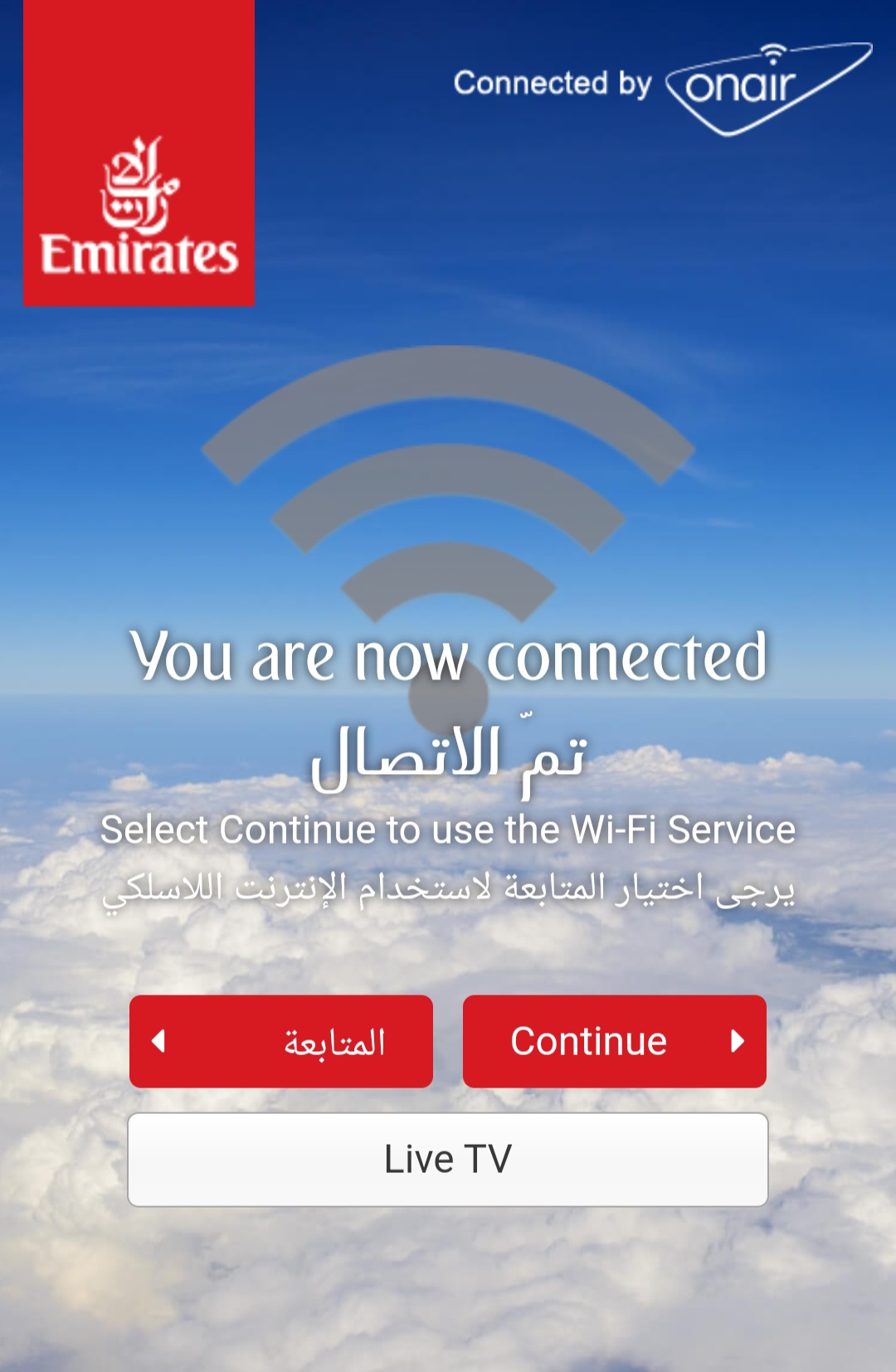
As you would likely expect, wifi was available onboard the aircraft although this did not seem to work until the second half of the flight. Upon connecting this, passengers could stream one of the aforementioned five live television channels and view an array of information about the flight, including browsing the inflight menu. Other than this, three packages were available for $19.99 for internet (bar steaming) for the duration of the flight, quick connect for thirty minutes of wifi for a seemingly extortionate $9.99 and a message-only package for $3.99.
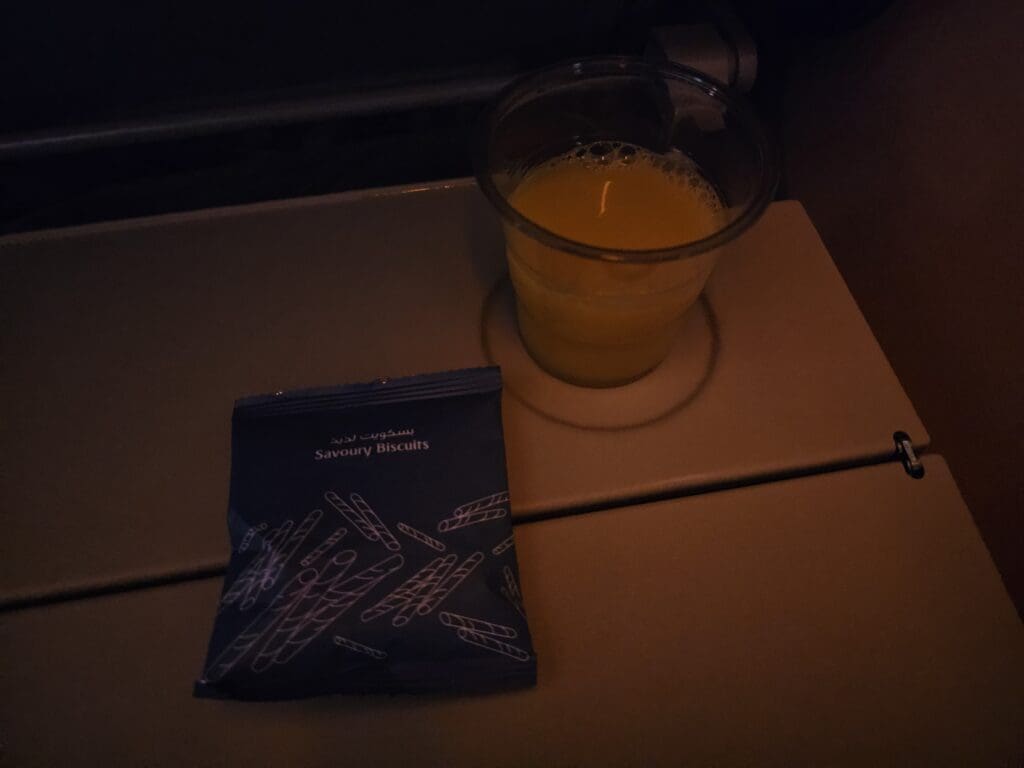
Around three hours into the flight, the Boeing made landfall over the Indian state of Andhra Pradesh and headed inland, passing over the city of Nellore. From there, the aircraft headed towards the centre of India, whilst in the aisles, service carts were rolled out and a mid-flight drinks service commenced. Soon reaching my row, I opted for an orange juice which was poured out and handed to me along with some savoury cheese-flavoured crackers. Once I had polished these off, seeing as my seatmates had got up to use the lavatory, I decided to do the same. Following a short wait, I entered one of the toilets sandwiched in between the two forwardmost Economy cabins and once again I was pleased to find this to be in a clean and tidy state, appearing to have been tended to during the flight.
By the time I had returned to my seat, the aircraft was nearing the heart of India, and crossed from Andhra Pradesh into Karnataka, flying northeastwards past the likes of Ballari and Bagalkote and Vijayapura, before reaching the region’s border with Maharashtra. Following 55 minutes spent over the diverse Indian landscapes, the Boeing crossed the coastline to the south of Mumbai and headed northeastwards over the Arabian Sea towards the Middle East.
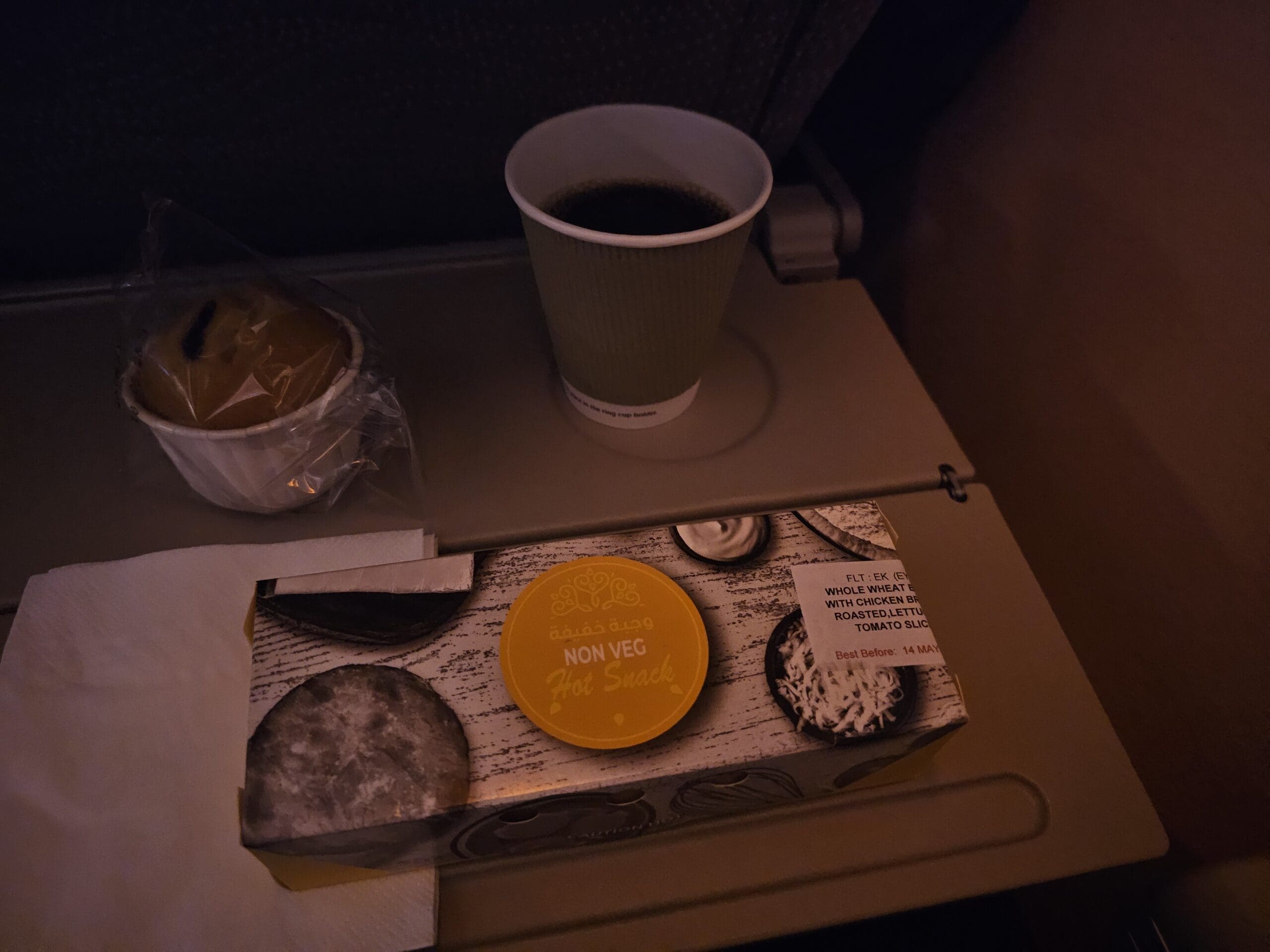
That day, alongside the lunch service, a lighter meal would be served as we sped towards the end of the flight. At 1530 Malaysian time, or 1130 Emirati time as I shall use from now on within the report, the crew rolled the service carts out into the aisle and commenced this service. Starting from the front of the small cabin, the crew seemed to make slow progress thanks to many passengers’ multiple drink requests, and, after a few minutes I was given the option of a warm chicken or vegetable sandwich. Opting for the former, this was handed over to me along with a blueberry muffin, which I paired with a black coffee. Once again, whilst I would most certainly not say that the flight attendant was rude, they did seem to be a little cold and distant, and lacked much interaction when serving passengers. Getting to work on the chicken sandwich, whilst appreciated, especially given the relatively short flight duration, this was a little soggy and far from the pinnacle of inflight cuisine.
As we sped towards the Gulf of Oman, a notification popped up on the entertainment screens advising that a list of connecting flights and their gates was now available – this being an appreciated feature considering that many onboard Emirates services are simply connecting in Dubai. Loading this up, the system revealed that the aircraft would arrive at Gate A17, whilst my connecting flight would depart from Gate A2. Whilst located at the other end of the pier, this was a slight relief as it meant that I would not have to catch the train from one pier to the other. Recognising that there was not a great deal of flight time remaining, I opted to go for my third lavatory visit of the flight – once again, the toilet seemed to be in a reasonable state and I was left with little to complain about.
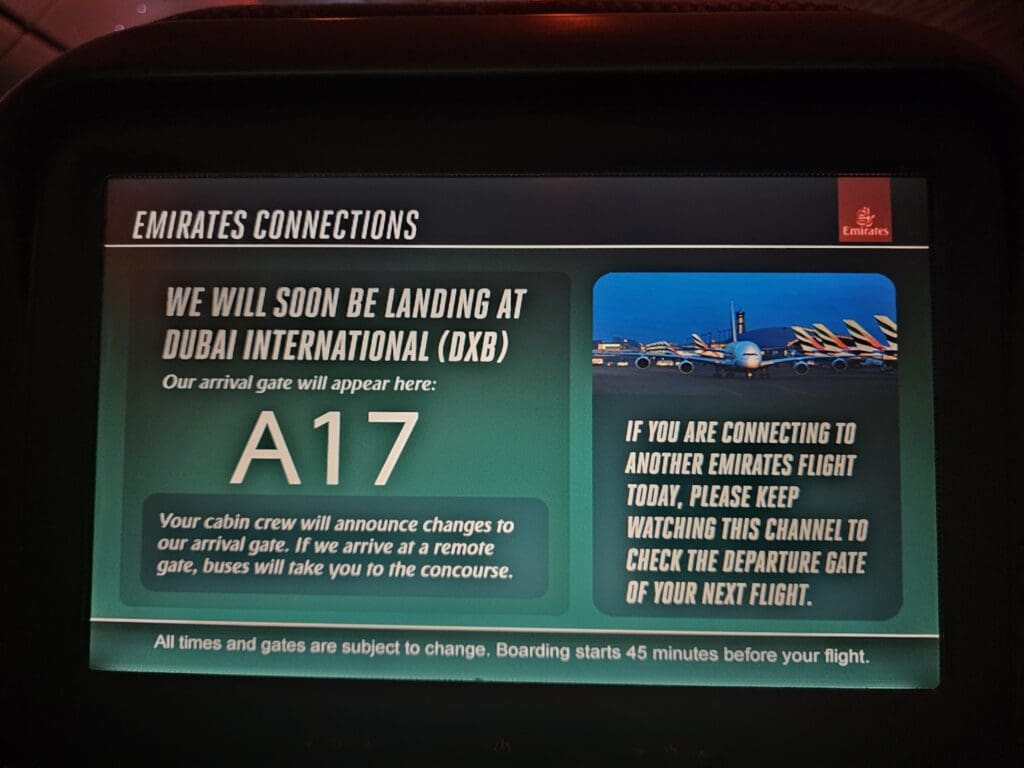
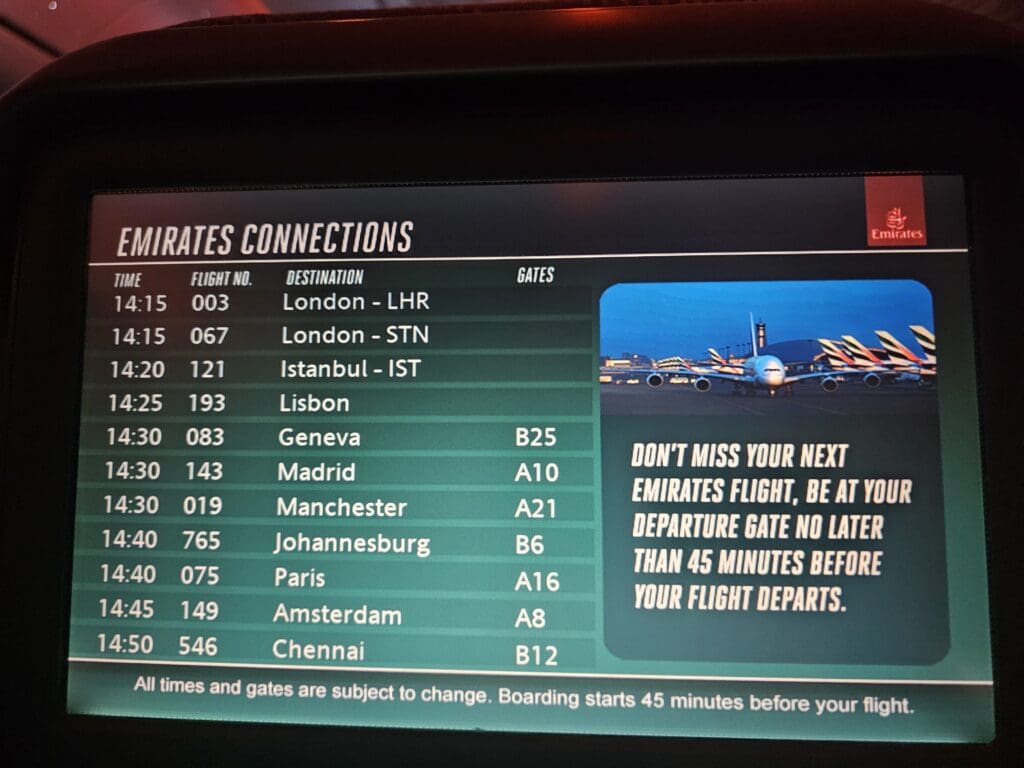
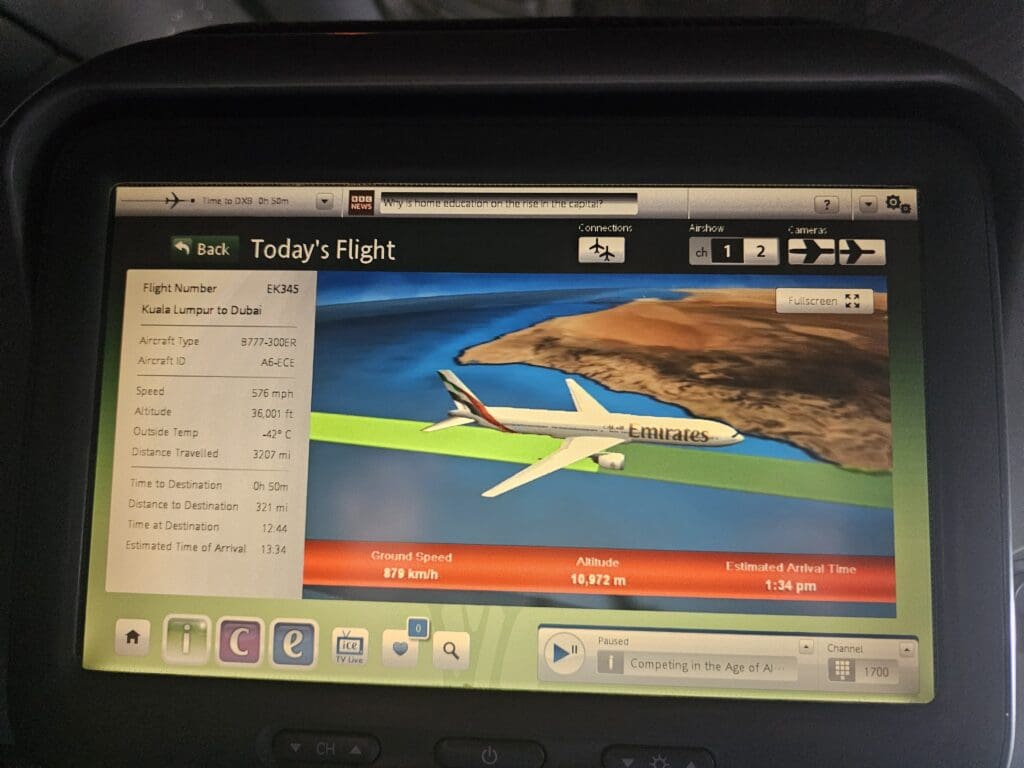
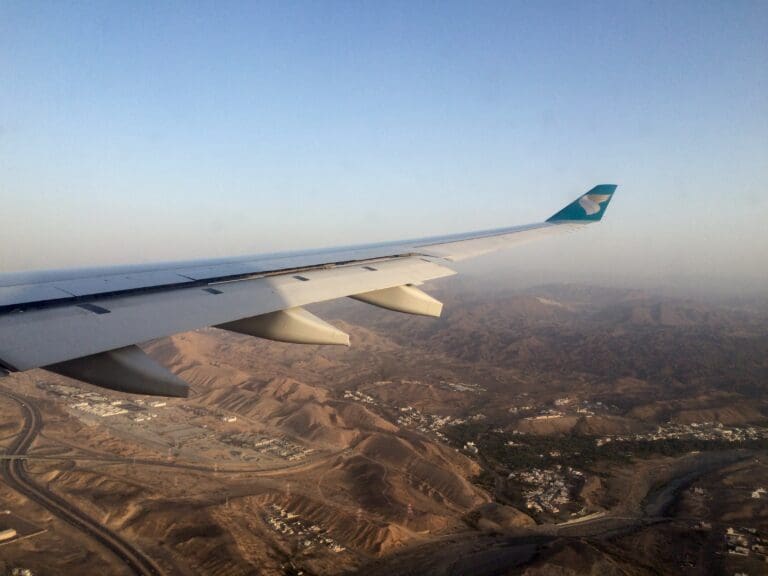
Soon, the Boeing arrived in the skies of the Middle East and trundled parallel with the rocky and mountainous coastline of Oman. At this stage of the flight, at 1239, the reassuringly calm and collected-sounding Captain performed their second and final announcement of the flight. During this, they announced that we would commence our descent in around twenty minutes’ time and noted that we could expect to be on the ground in just under an hour, ending this with an update on the weather conditions in Dubai and a word of thanks for flying with Emirates.
After passing Oman’s capital, Muscat, the Boeing commenced its descent at which point an announcement was made by the Purser with the usual warnings regarding seatbelts, seatbacks, tray tables and window shades, with this once again repeated in Arabic by another crew member. A short time later, the seatbelt signs were reilluminated and the crew passed through the cabin collecting blankets and pillows, appearing to make a concerted effort to ensure that passengers did not take these with them. This was followed by a quick rubbish collection round before passing through the cabin to ensure that all was secure and in place for our arrival.
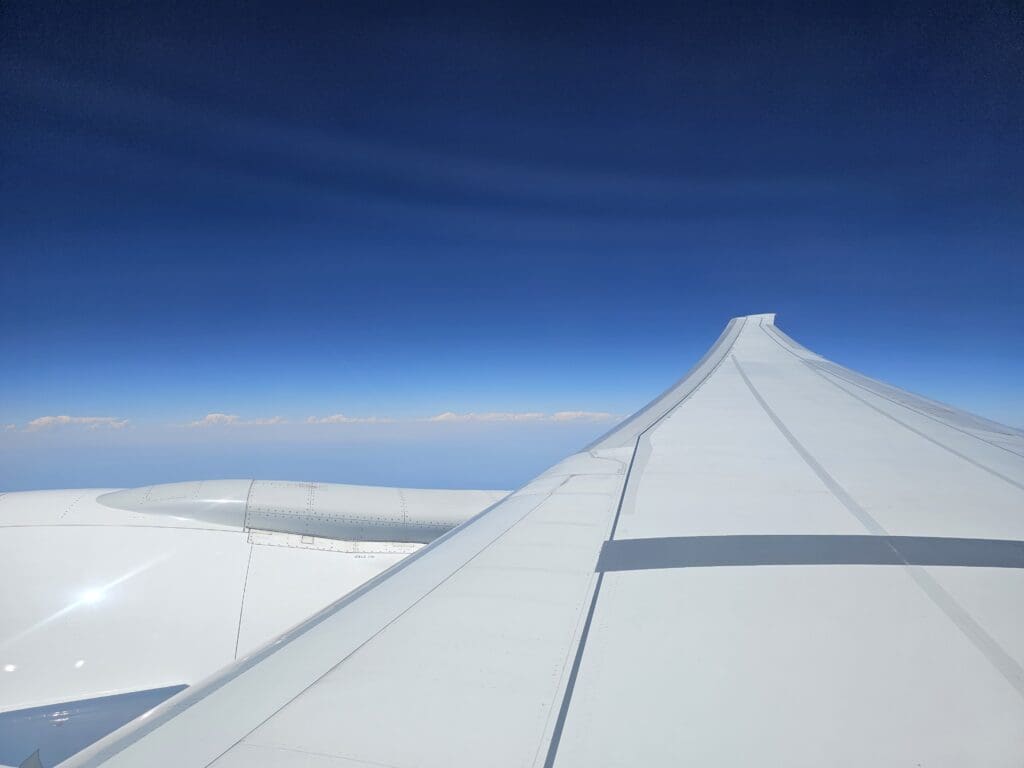
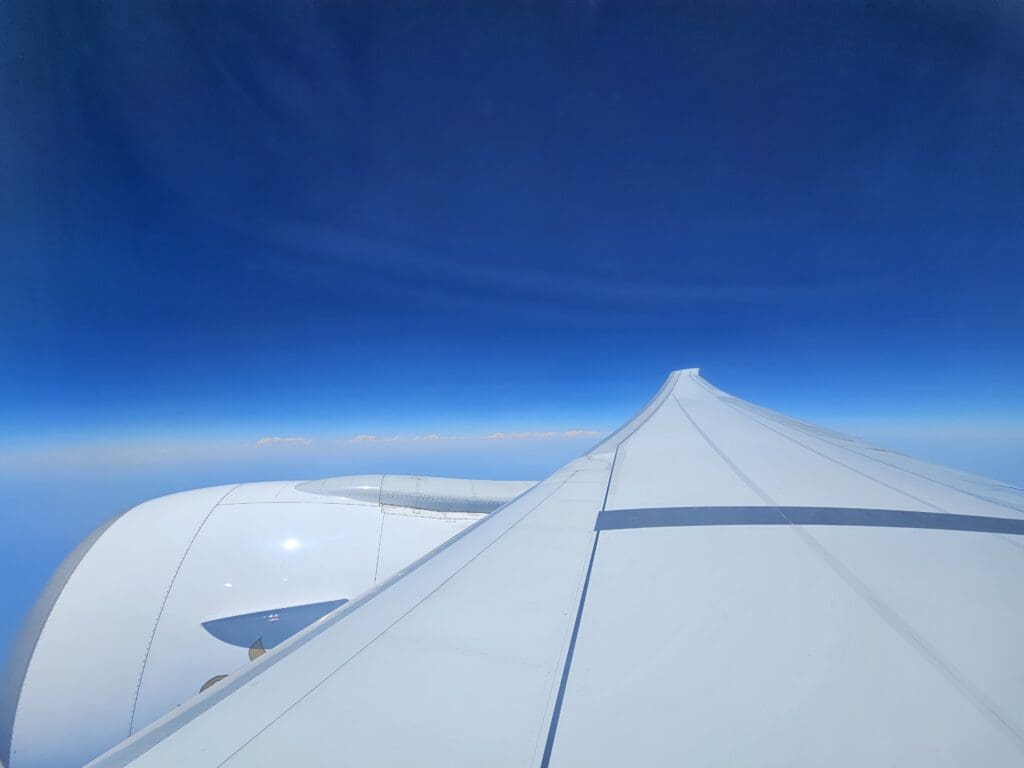
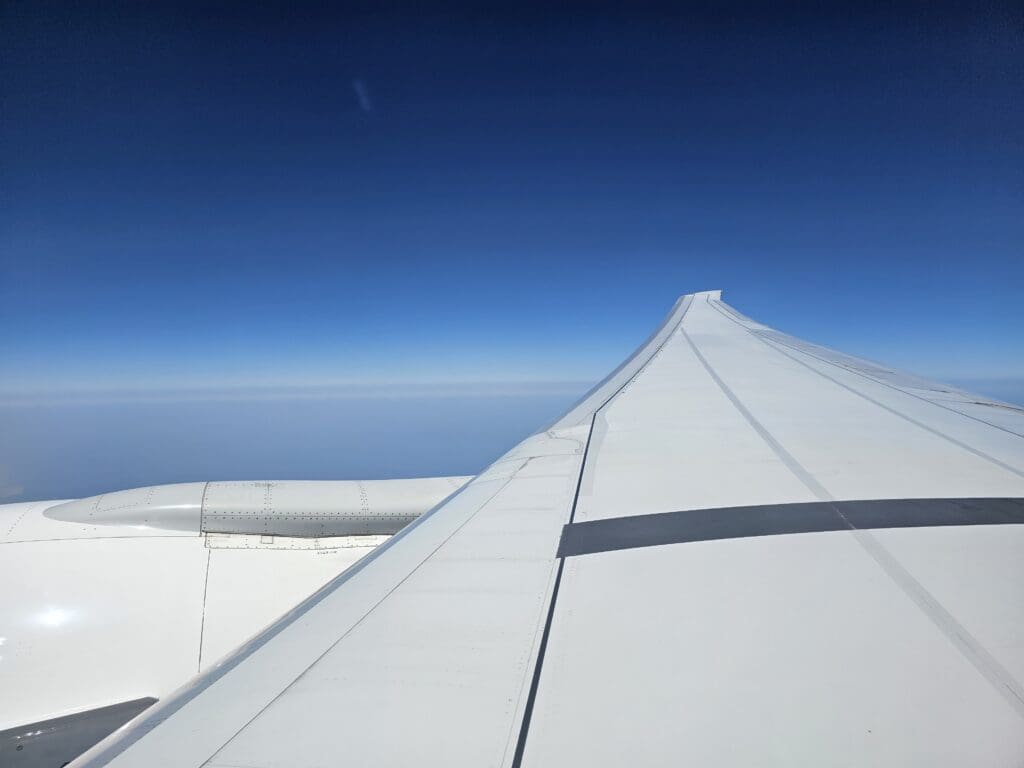
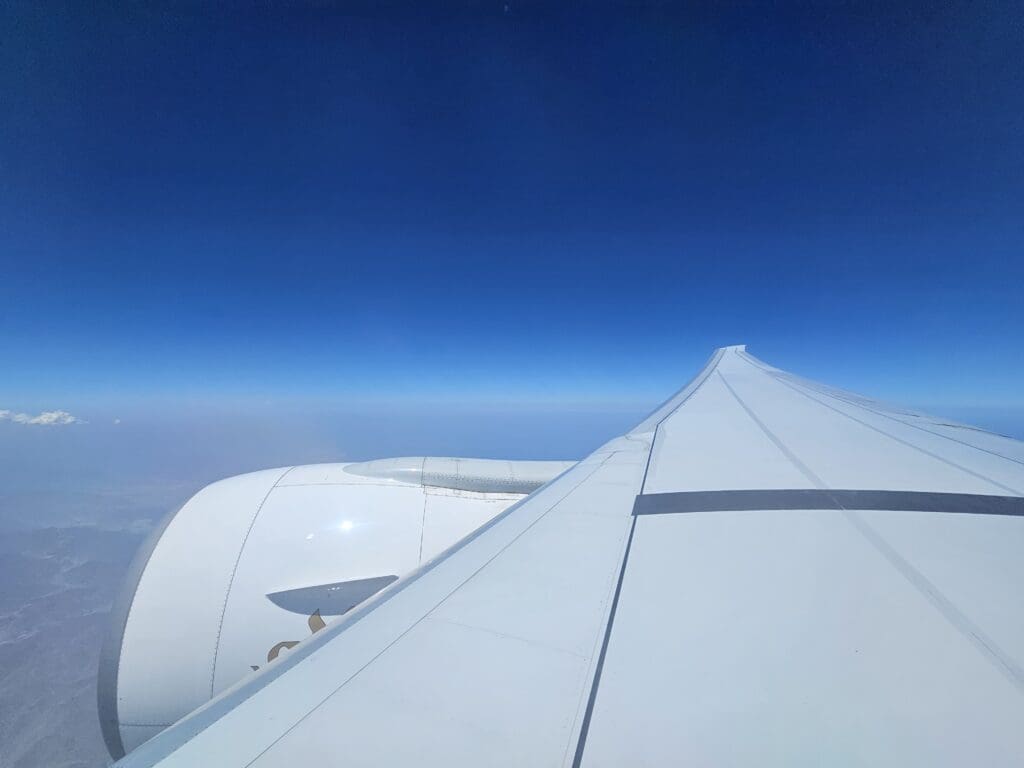
A little over two hours after leaving the Indian coastline behind, the aircraft made landfall just to the south of the coastal Emirati city of Fujairah and over the far north of Oman, by which time the aircraft was descending through 18,000 feet. From there, the jet whizzed over Hatta, a mountainous enclave of the Emirate of Dubai and a popular day trip destination from the city. Unfortunately, the intense haze below combined with my obstructed view thanks to the wing meant that little could be seen of the mountains and deserts of the United Arab Emirates as we edged towards Dubai.
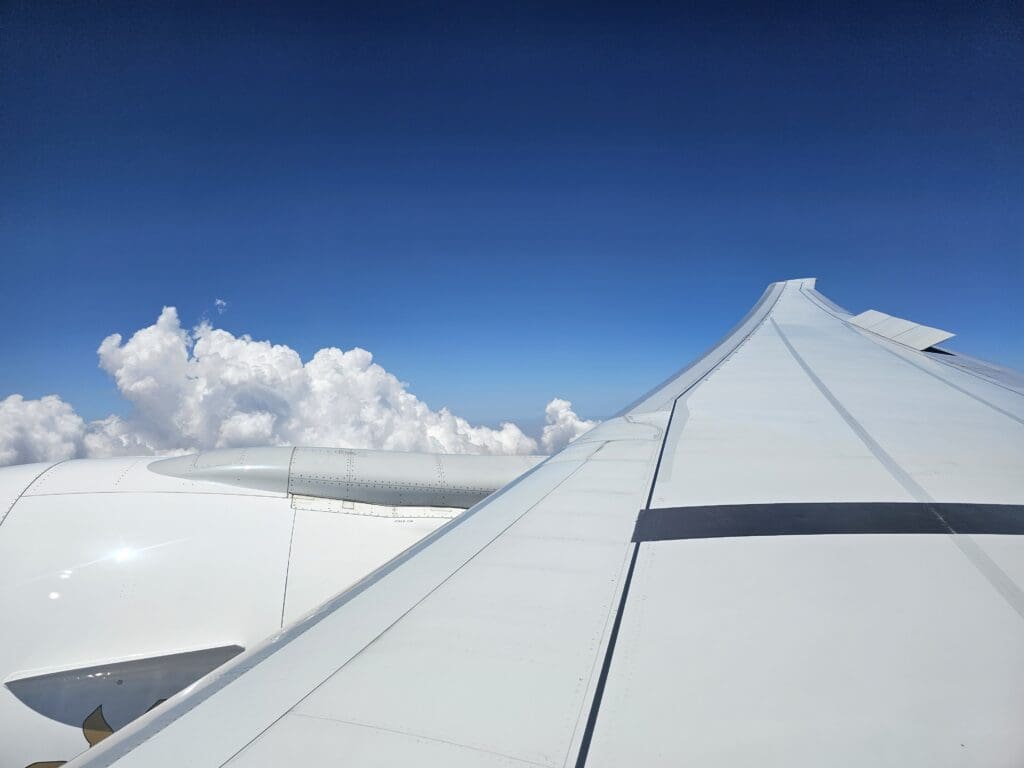
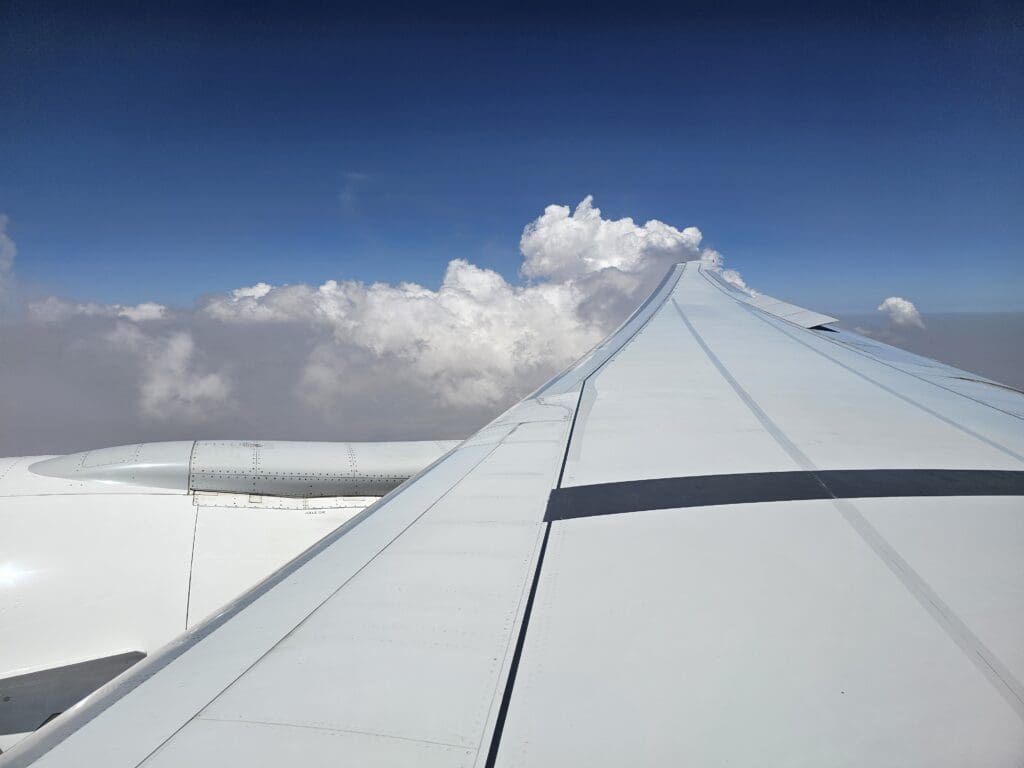
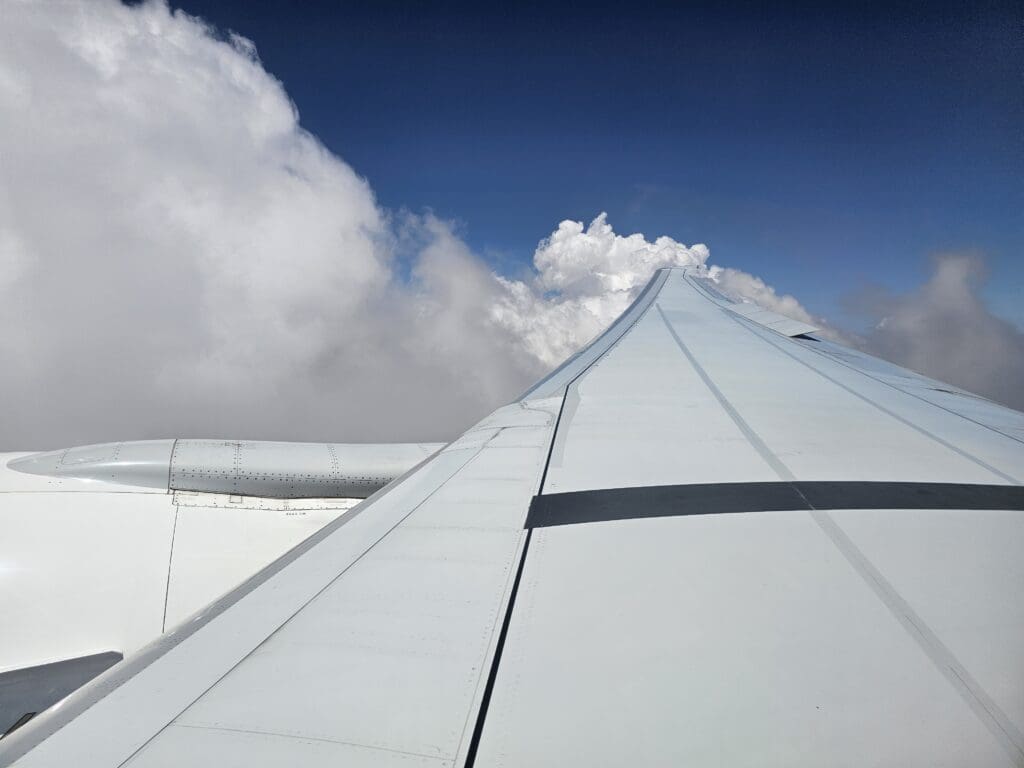
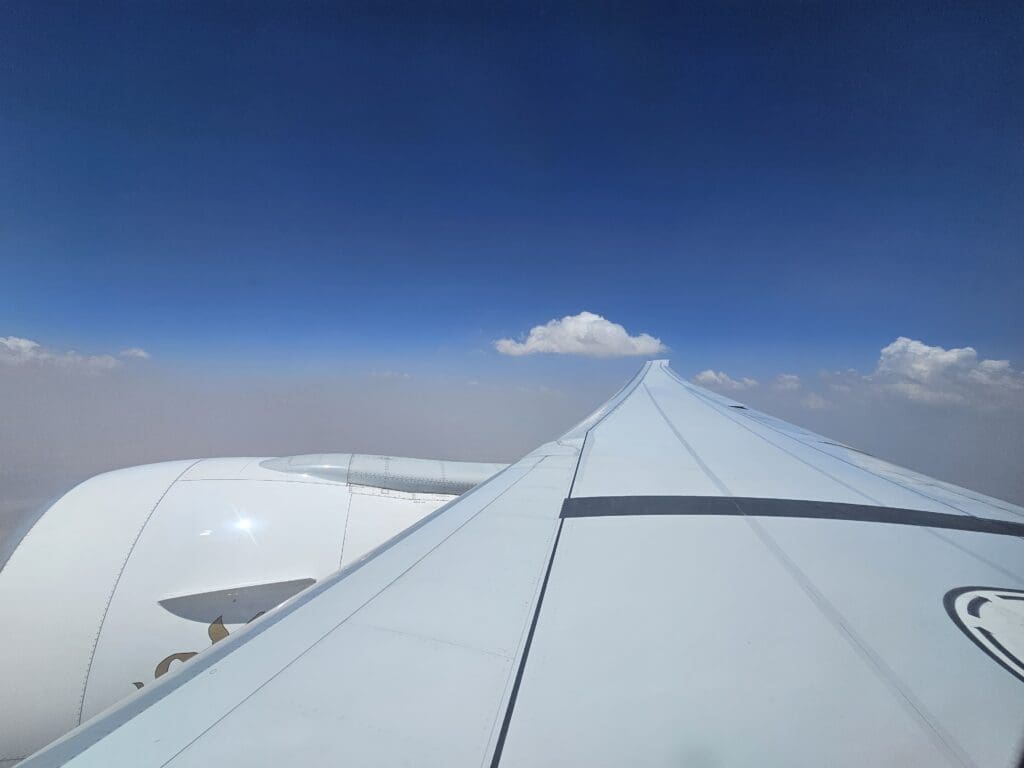
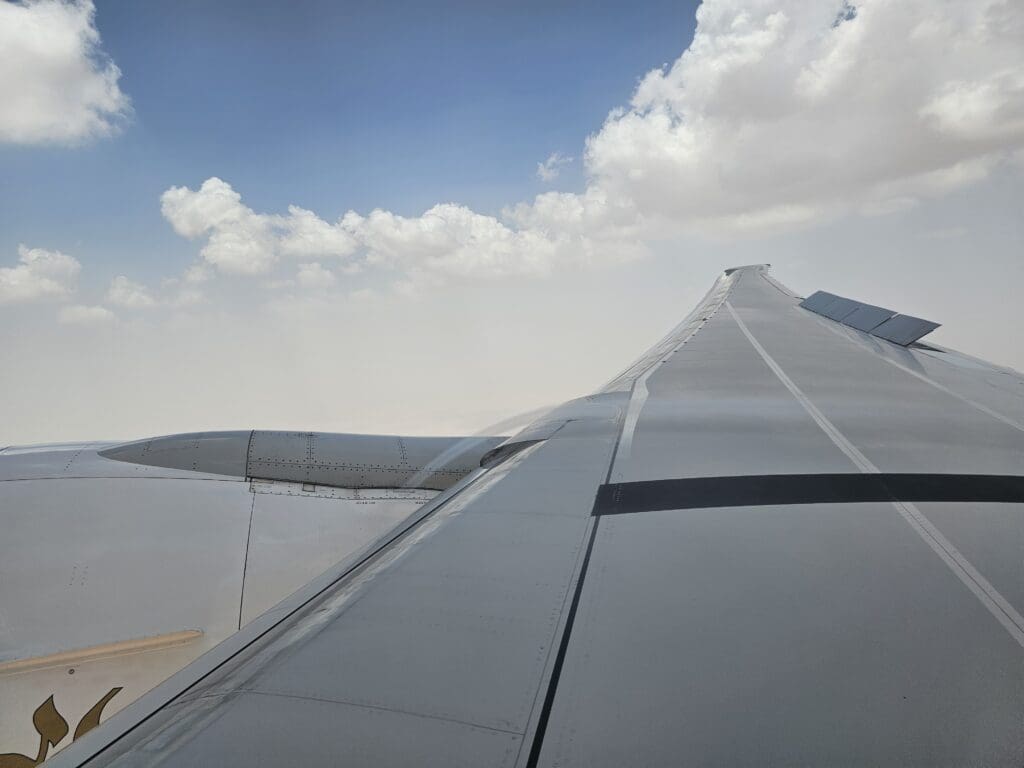
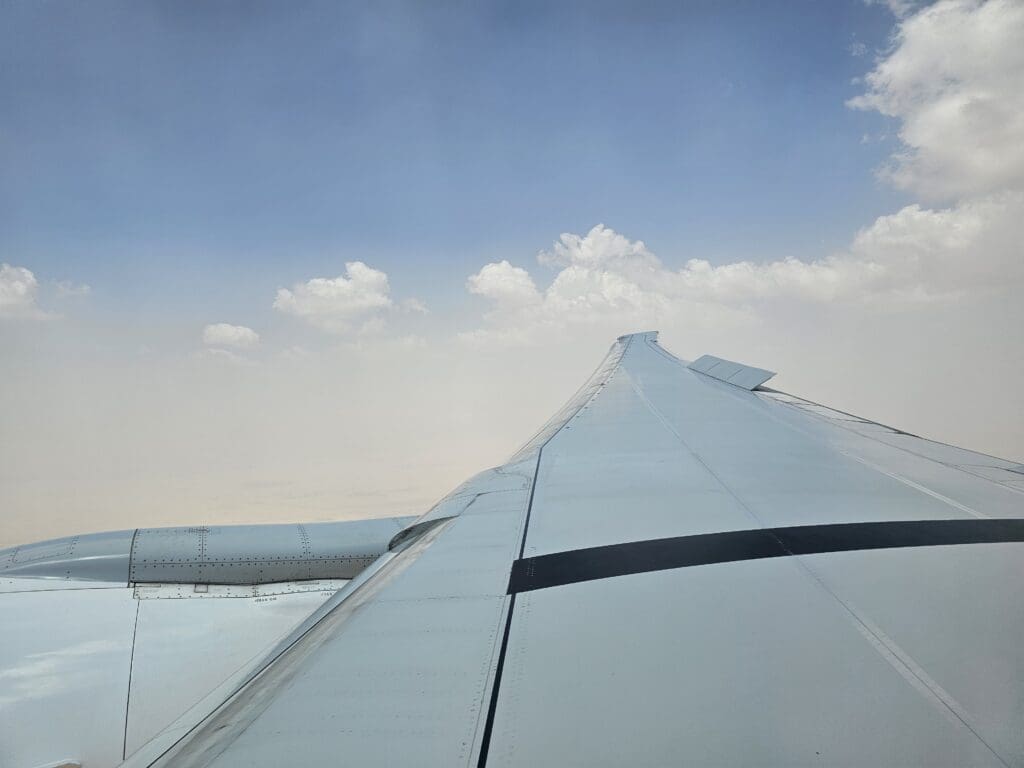
Approaching Dubai from the east, and with Runway 30L in use for arriving aircraft, no twists or turns were required to set us up for an approach to this and soon the slats and flaps could be seen and heard being extended with a loud whine as we sank lower and lower over Dubai’s deserts. Looking outside, eventually, the sight of Dubai’s sprawl appeared as we reached the neighbourhood of Al Khawaneej where the landing gear fell into position with a loud clunk.
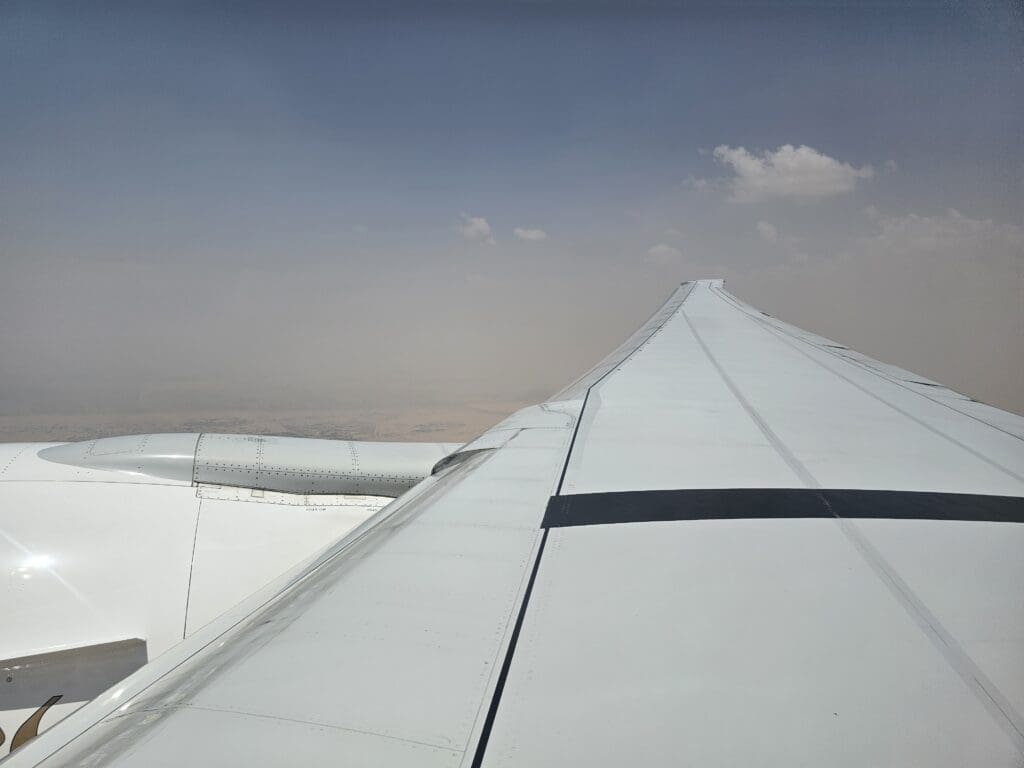
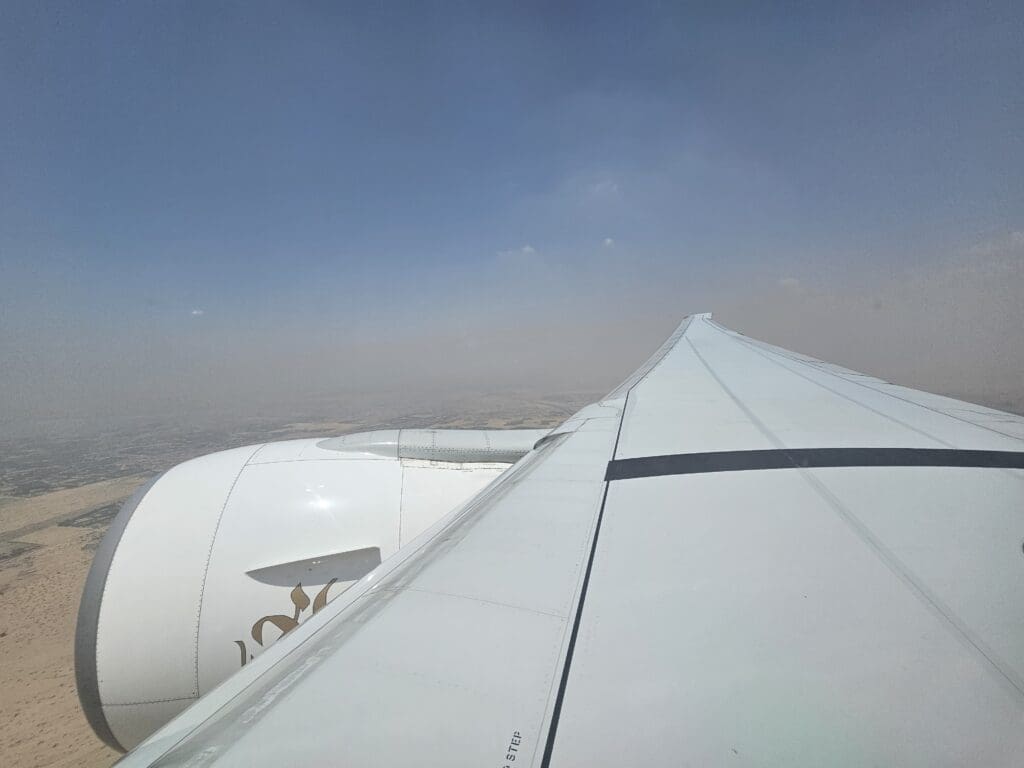
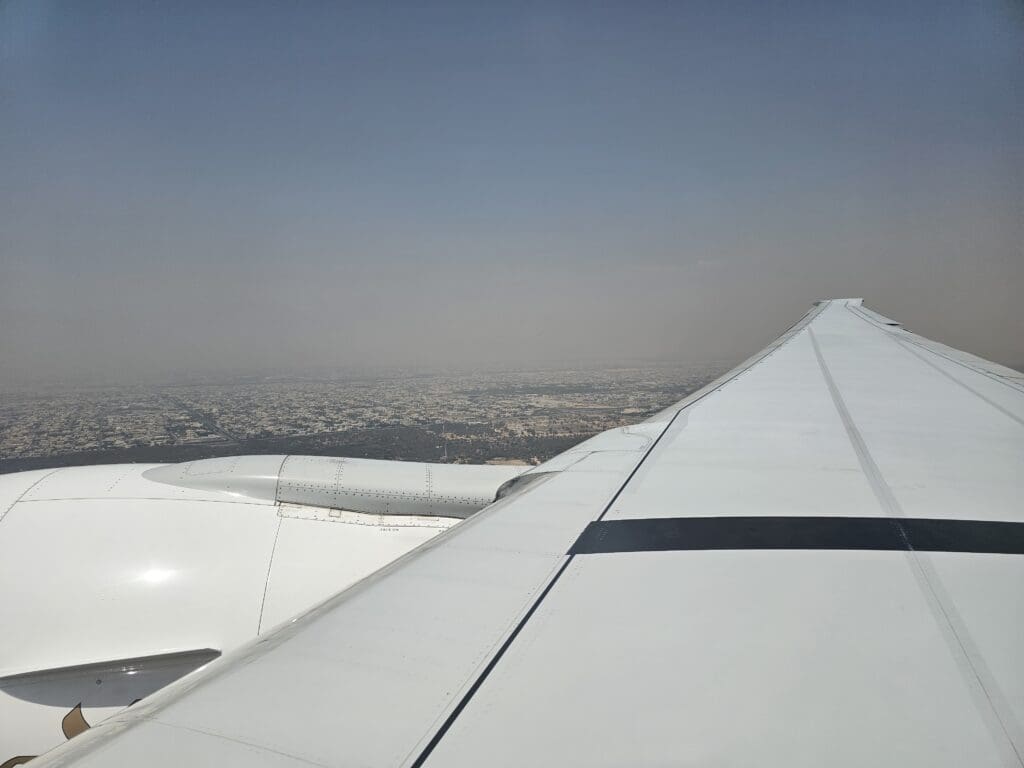
Descending over Mushrif Park and the mostly residential areas that sit to the east of the airport, soon, the sight of the E311 motorway appeared before we whizzed over the perimeter fence and passed the cluster of Emirates Airbus A380 and Boeing 777 jets waiting at the remote stands in the far northeast corner of the airfield. At 1326, the Boeing was plonked down on the runway, returning to earth with a fair bump before decelerating rather rapidly in an attempt to limit the aircraft’s taxi time, or clear the runway promptly in order for the next aircraft to land. As we decelerated, I caught sight of an interesting liveried Airbus A380, with this sporting the Emirates Courier Express promotional livery which at that time had yet to be officially revealed to the public!
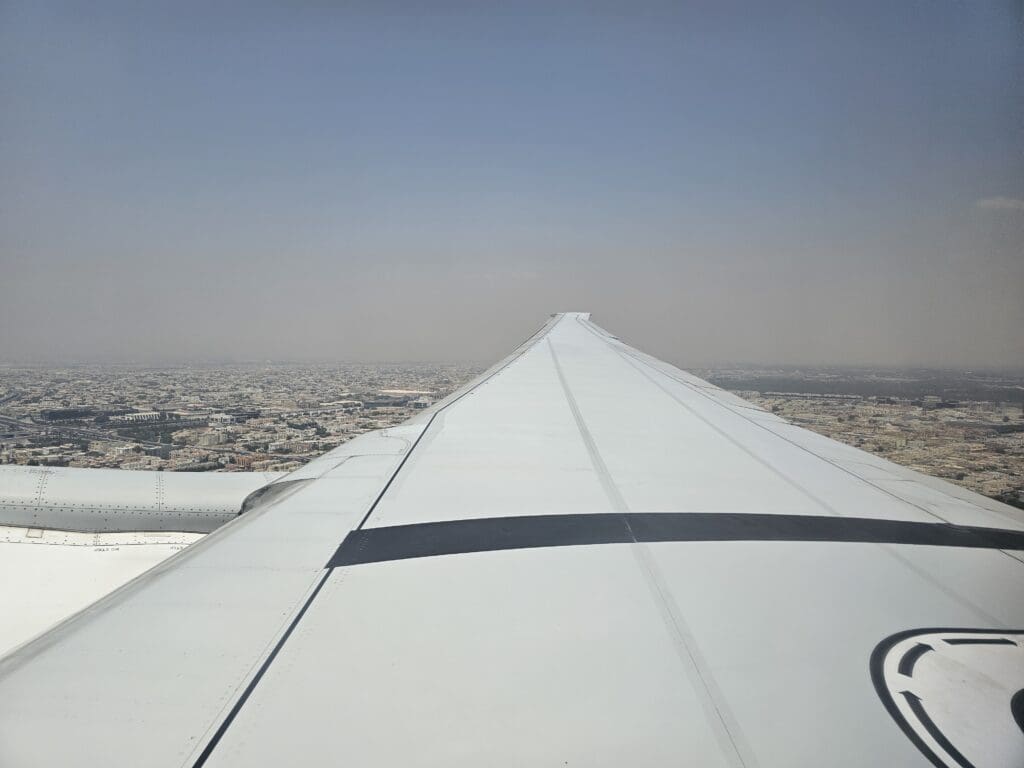
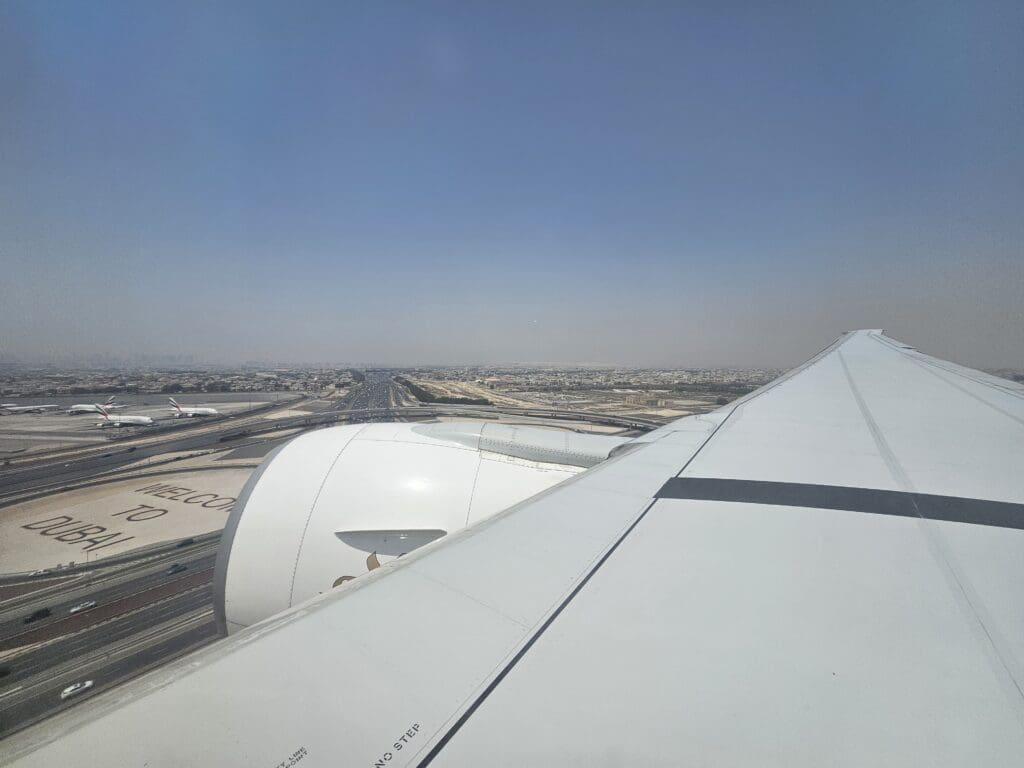
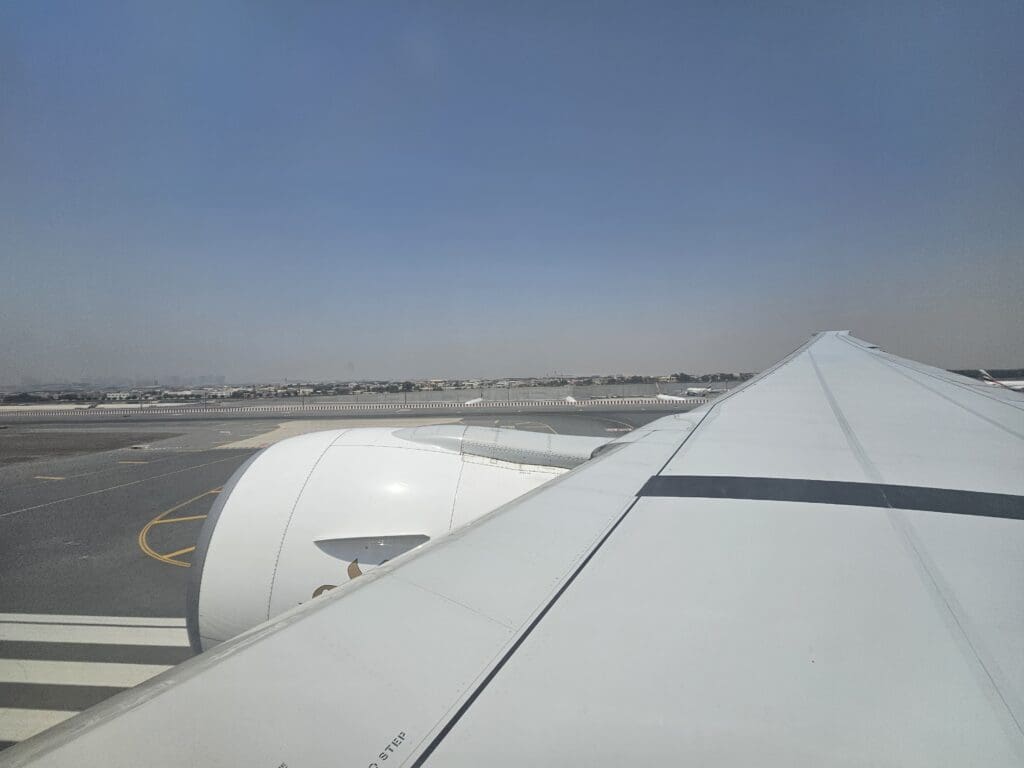
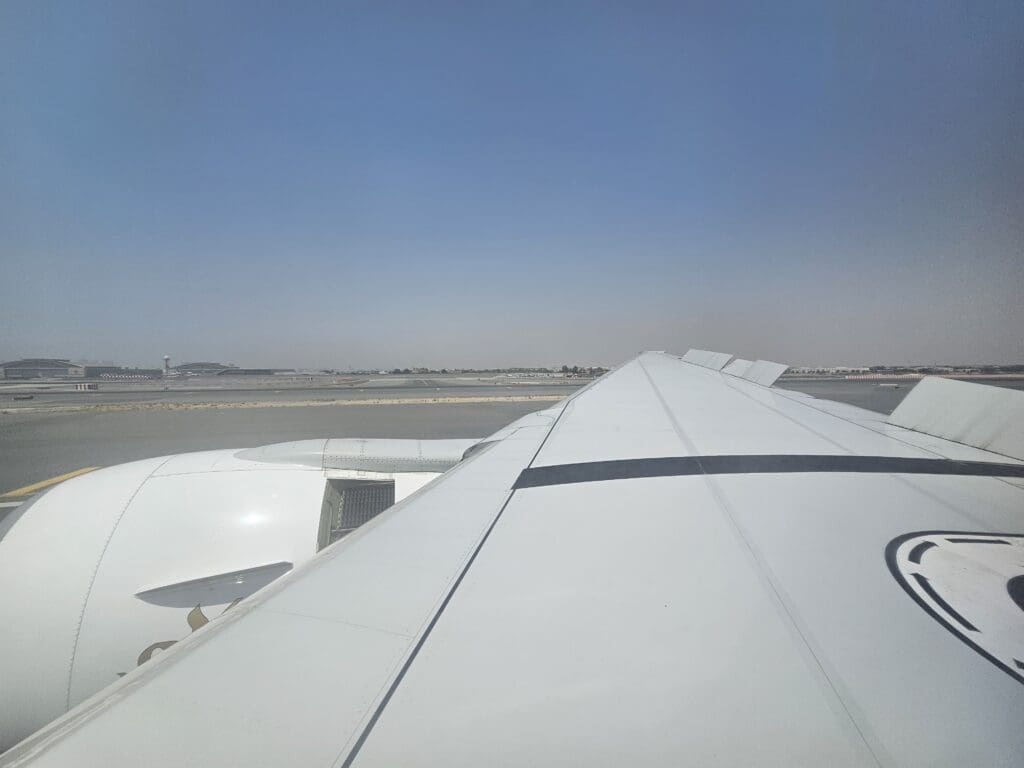
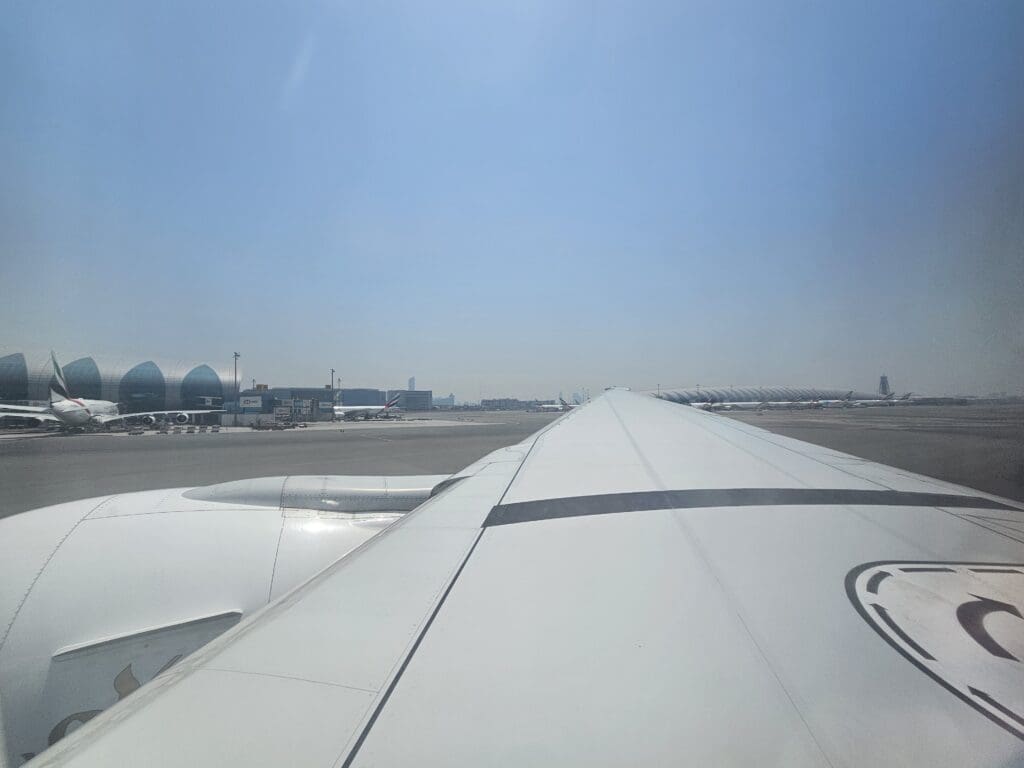
As we vacated the runway, the sight of rows and rows of Emirates jets at Terminal 3 appeared whilst inside the cabin the Purser welcomed all to Dubai, thanked passengers for flying with Emirates and advised passengers to remain seated until the aircraft had come to a halt. Following this, Emirates’ ‘theme’ music rang out through the cabin as we made our way to the gate. This taxi took us around Terminal 3’s ‘A’ pier, a good view of a cluster of Emirates widebodies could be seen, including the Airbus A380 that would take me to London Gatwick, with most of the terminal’s stands occupied at that time.
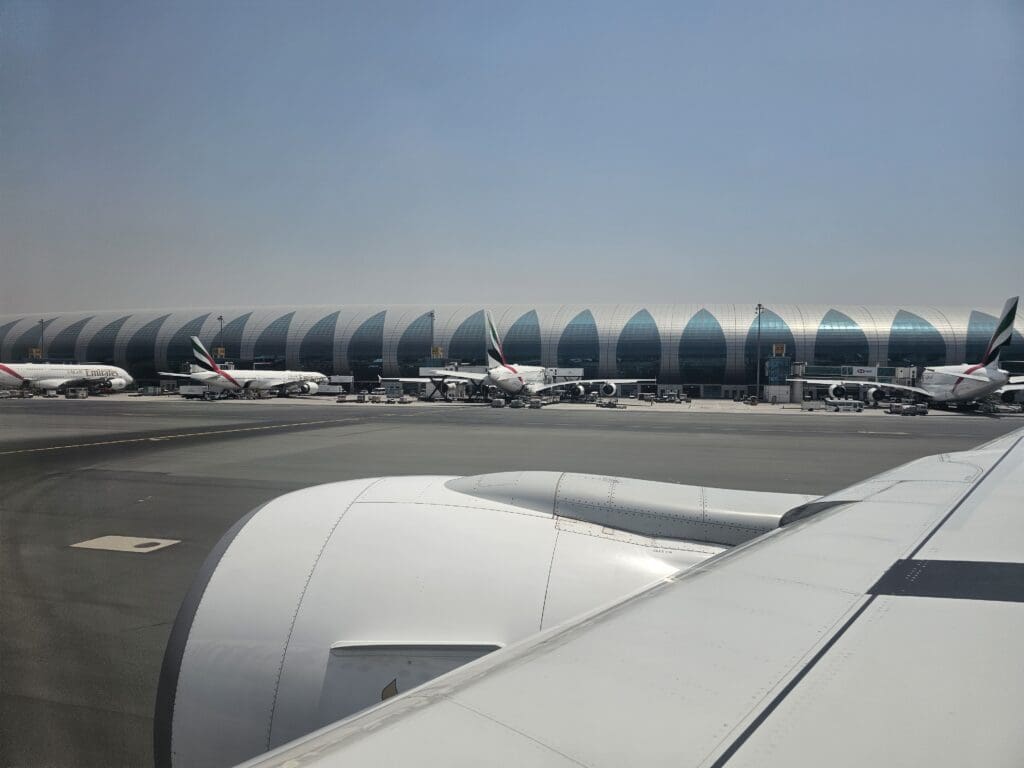
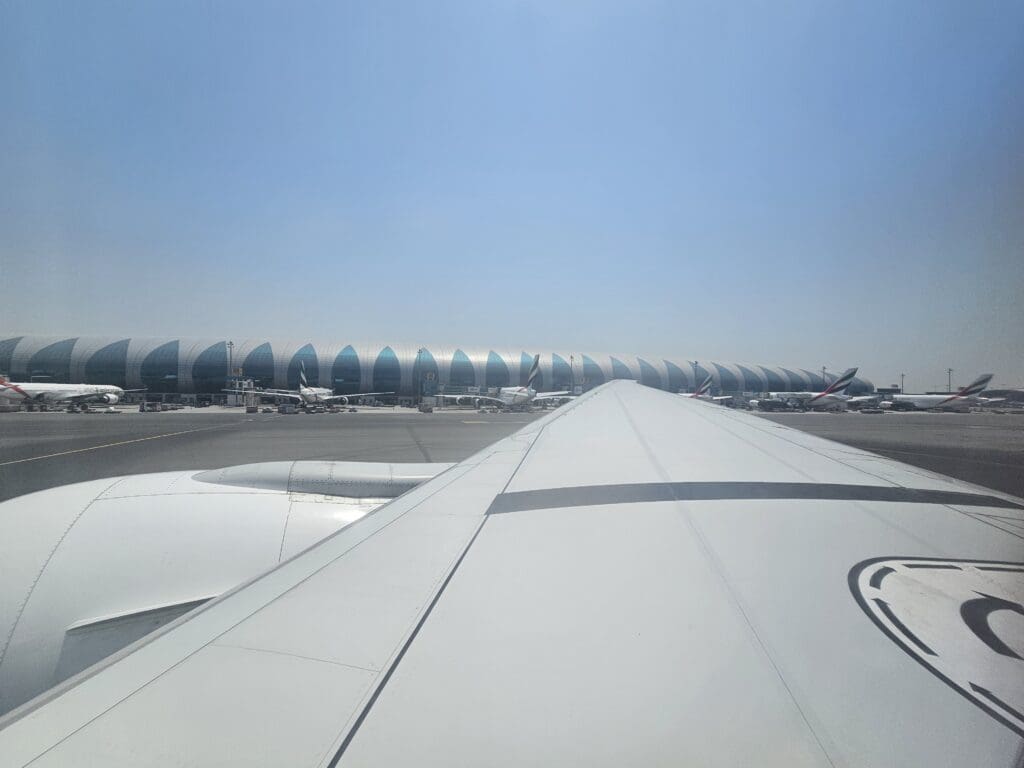
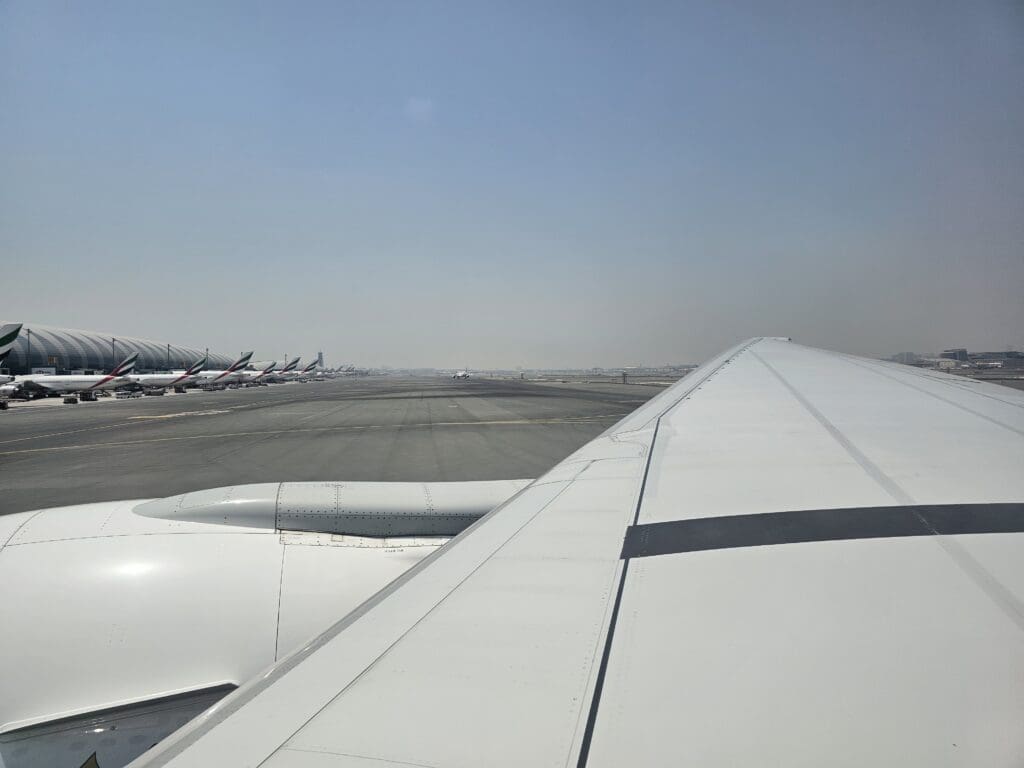
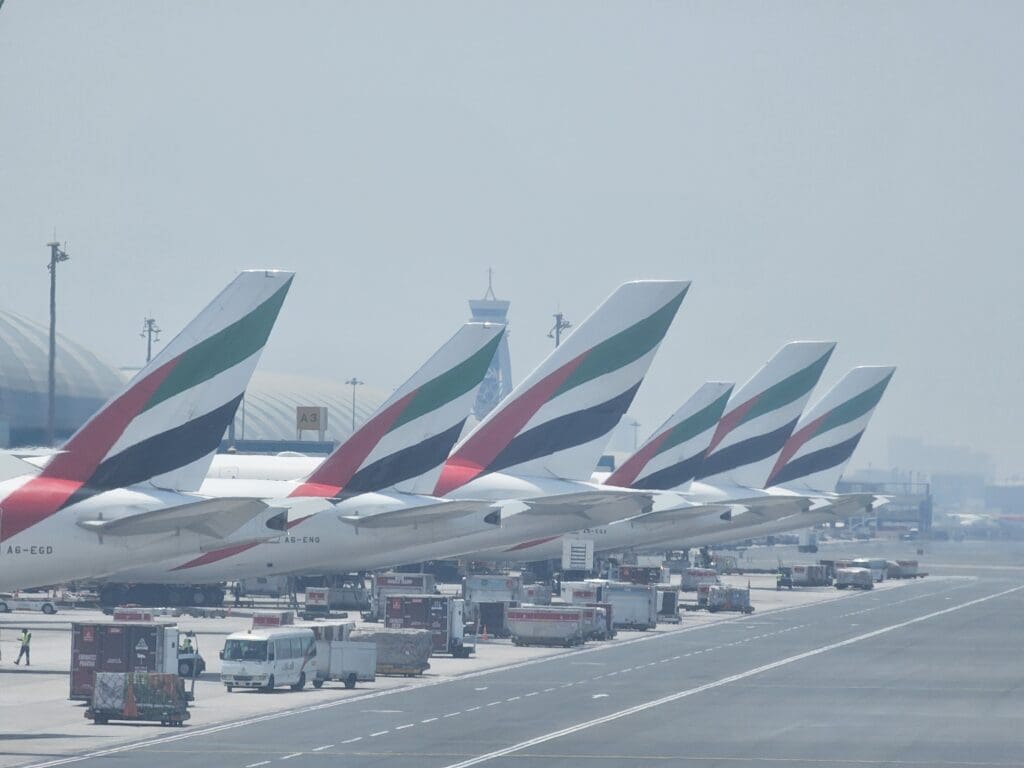
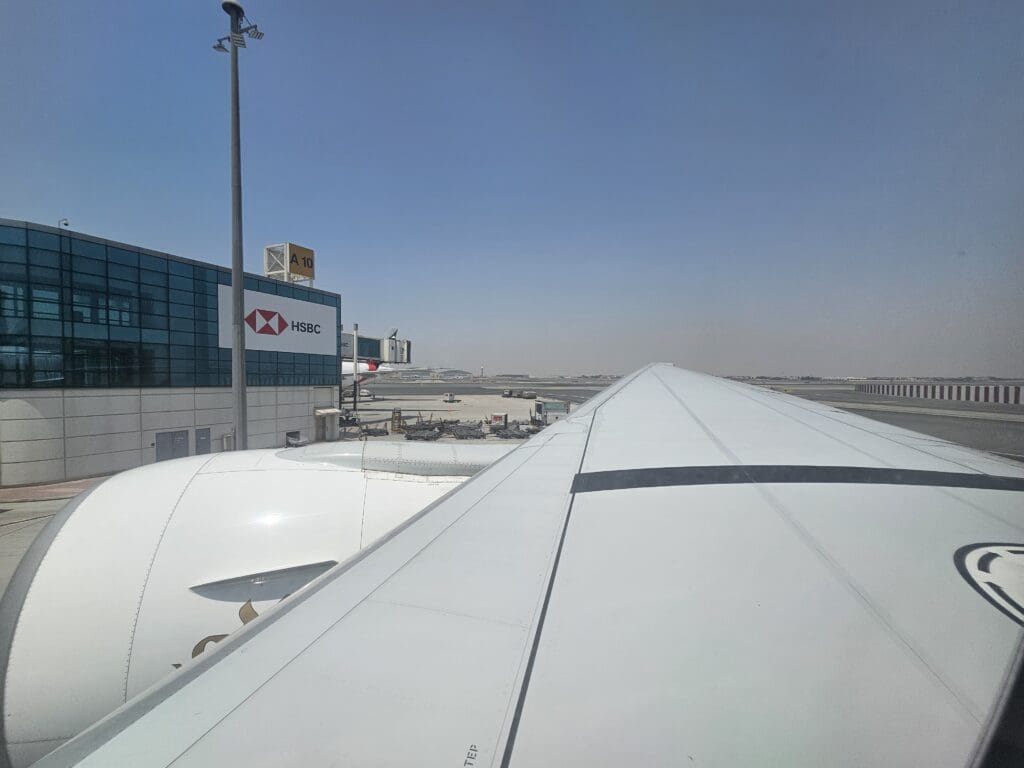
At 1326, a grand total of sixteen minutes behind schedule, the Boeing came to a halt at Stand D10 and the two engines spooled down at which point many of those around me jumped up in a frantic rush to leave the aircraft. Despite my reasonably short connection, seeing no need to evacuate the aircraft as soon as possible, I remained seated until the queue in the aisle began to move. Fortunately, with an army of ground staff waiting to meet the aircraft, the jetbridge was soon connected and disembarkation soon commenced. Standing up, I retrieved my backpack and made my way through the now messy forward Economy and rear Business cabin before reaching the galley where I thanked several of the flight attendants and headed up the jetbridge into the modern terminal – thus ending my very first experience with Emirates.
Summary
To be totally honest, my first flight with Emirates was by no means bad. The cabin was comfortable, clean and in good condition, the catering was decent, the array of inflight entertainment was fantastic, and I ended up making it to Dubai in one piece and not too long behind schedule. However, I have to say that there was nothing about my experience that made Emirates stand out from any other decent major airline. In fact, I was a little disappointed to find that aside from a couple of crew members, my interaction with the staff onboard was largely forgettable, with the staff being polite, yet rather cold and distant. That said, I did not encounter anything that would stop me from flying with Emirates again and I was left looking forward to my next flight on one of their Airbus A380s.